
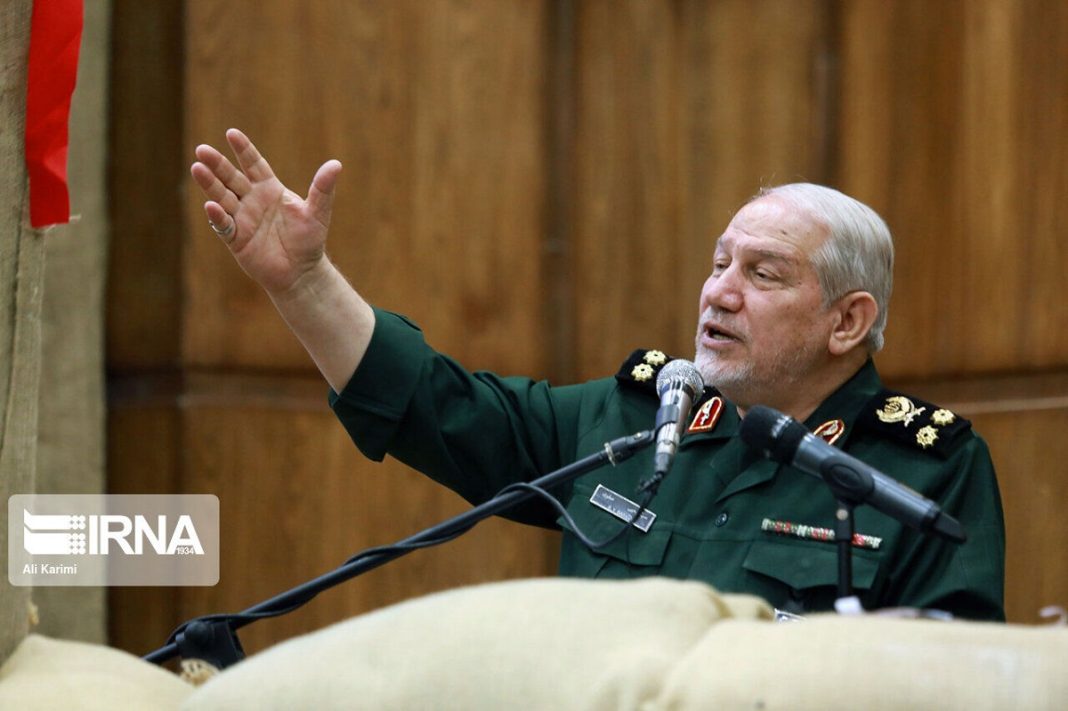
Major General Yahya Rahim Safavi, senior advisor to Iran’s Leader, said in a televised interview that Tehran should actively pursue participation in the pact, which Islamabad has indicated is open to additional members.
He suggested Iran, Saudi Arabia, Pakistan, and Iraq could work toward a collective security arrangement, while noting that external influence, particularly from the US, remains a downside in such agreements.
Reflecting on Iran’s 12-day conflict with the US-Israeli alliance in June, General Safavi clarified Iran had launched more than 500 long-range missiles during the fight and shifted the balance of power after initial setbacks.
He acknowledged weaknesses in air defense and intelligence but asserted that international assessments viewed Iran as having achieved victory, since Israel failed to meet its objectives.
General Safavi emphasized that Iran is working to rebuild its defensive and offensive capabilities after the conflict, pledging to strengthen deterrence across military, technological, and intelligence domains.
He underlined that national unity, public resilience, and government management during the conflict contributed to Iran’s performance.
