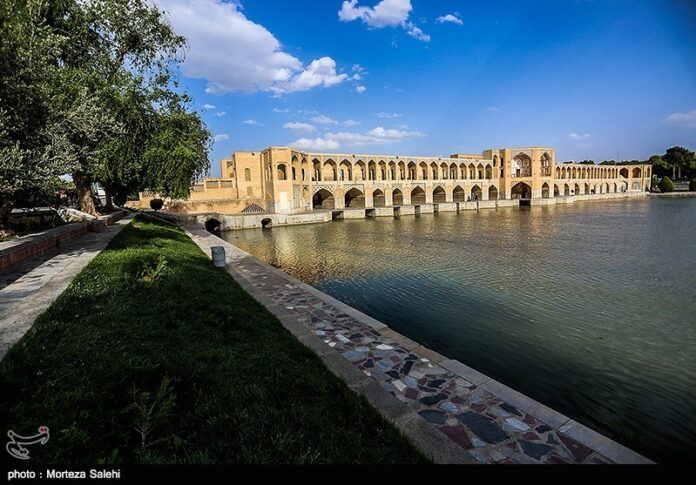
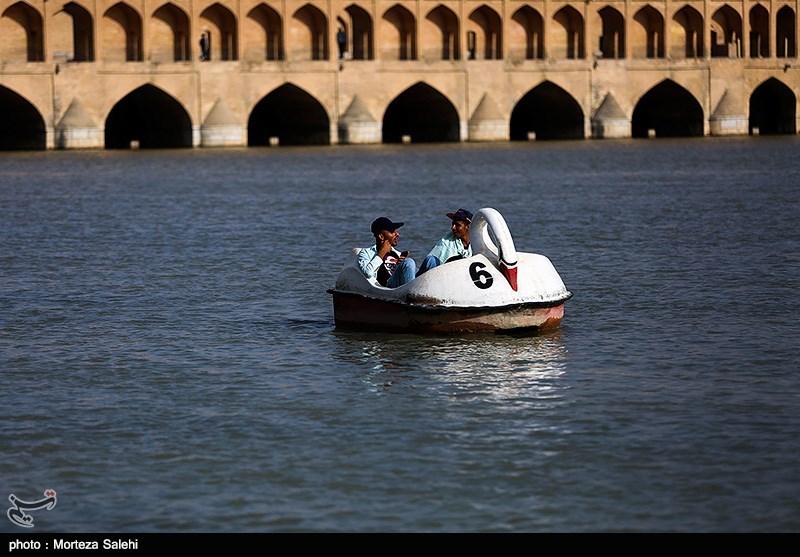
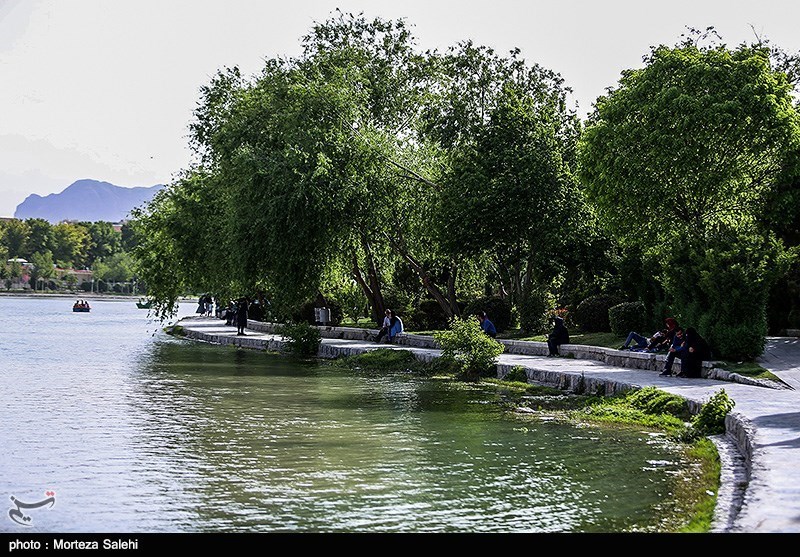
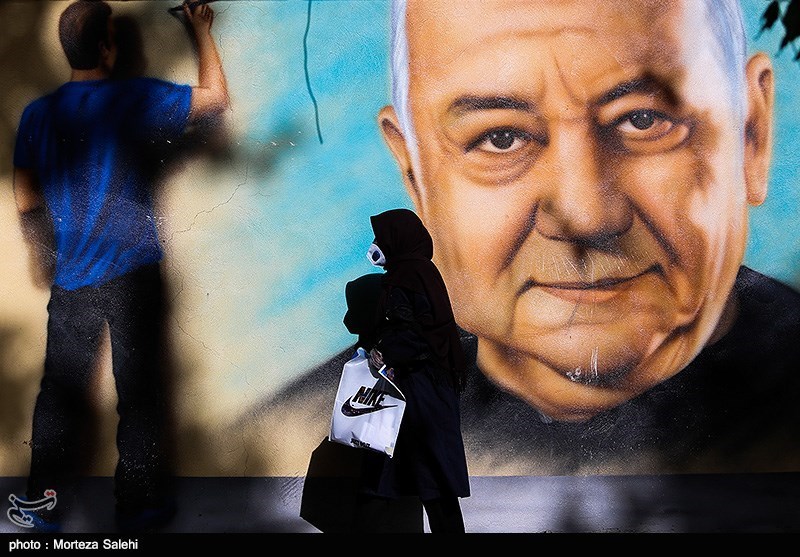
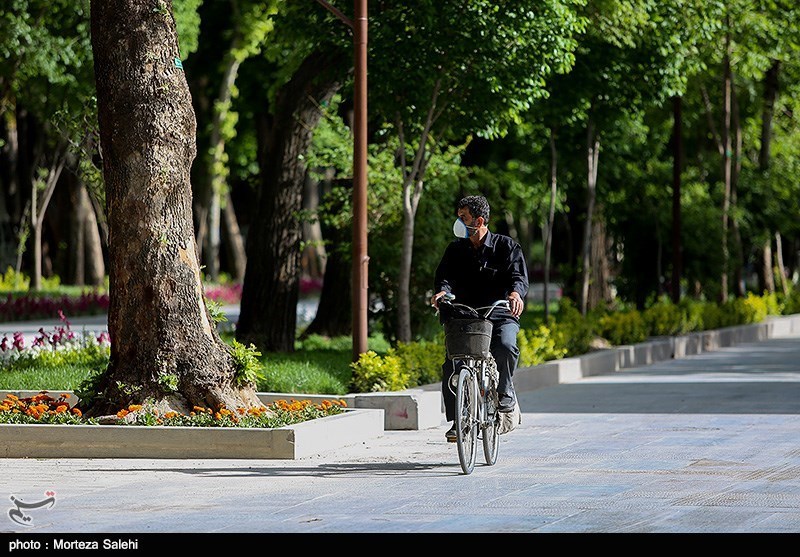
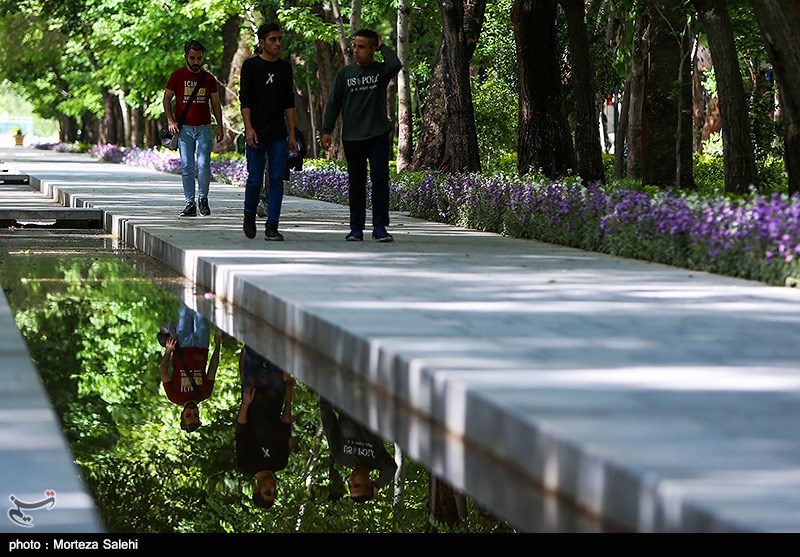
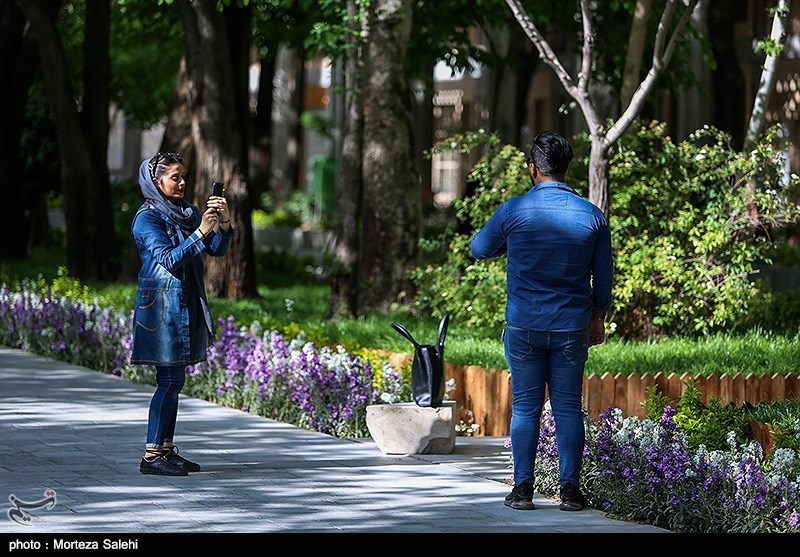
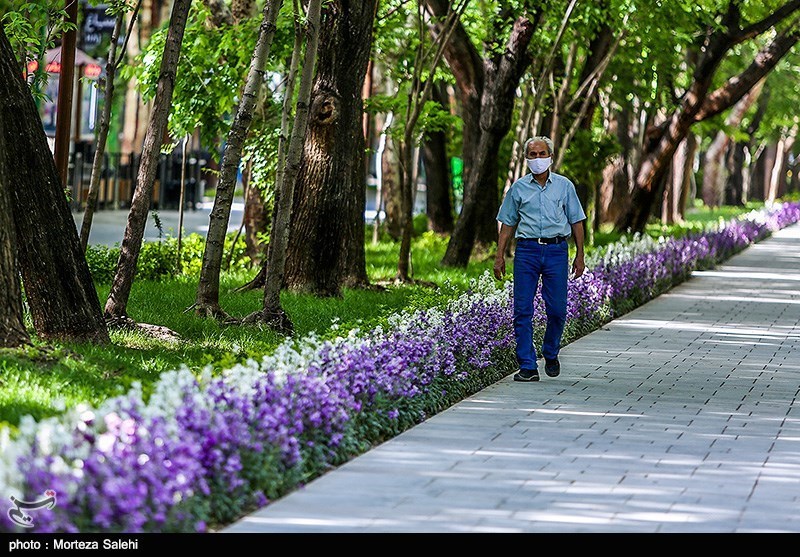
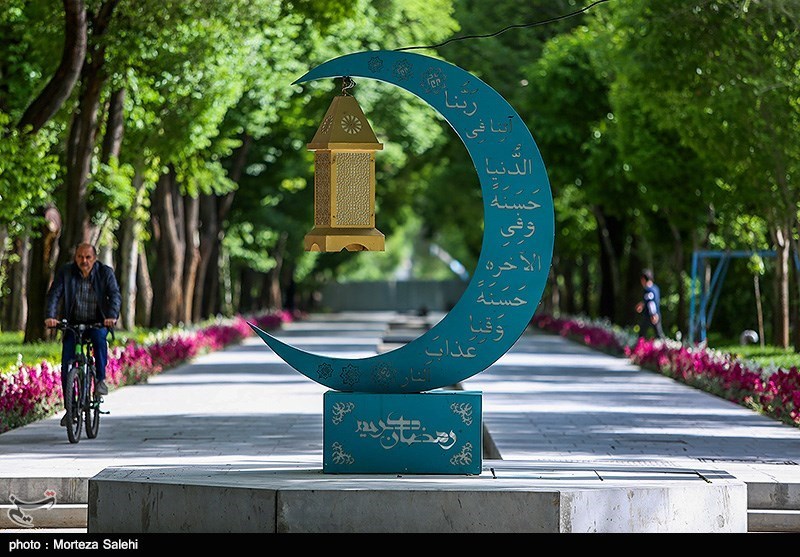
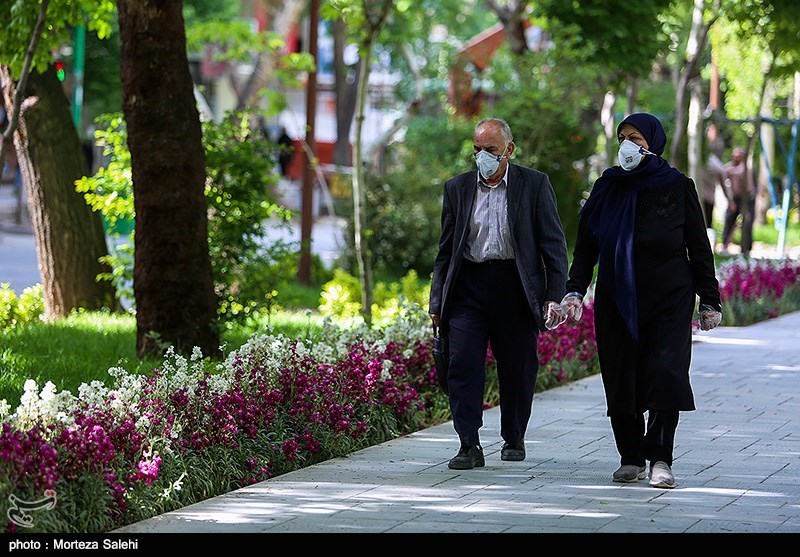
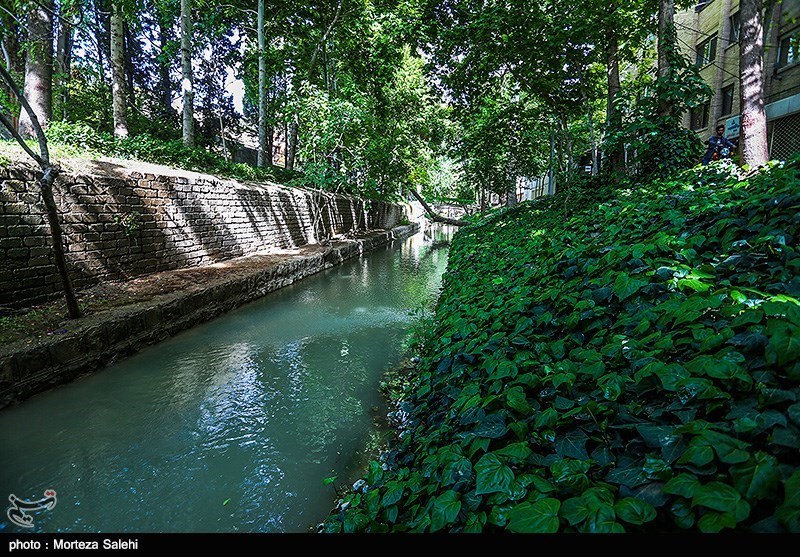
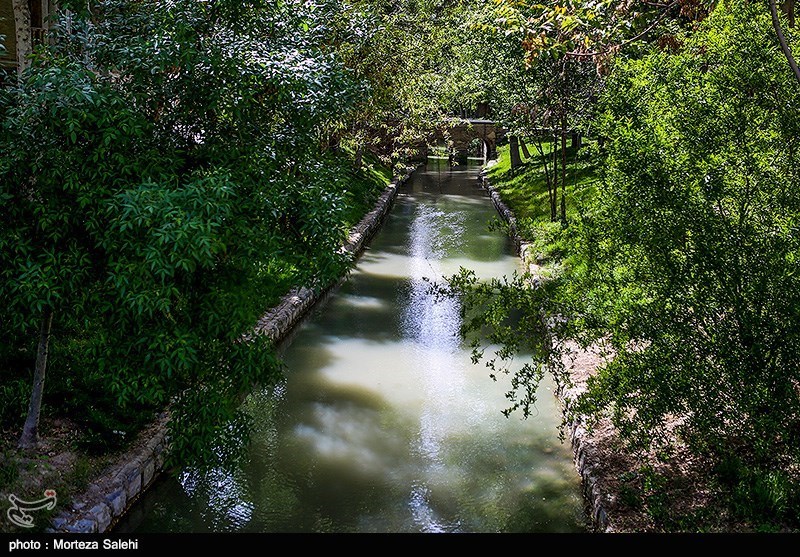
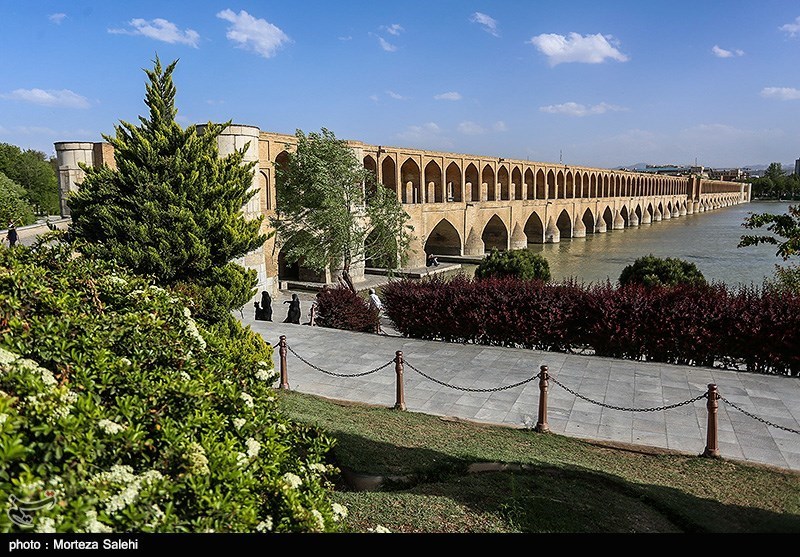
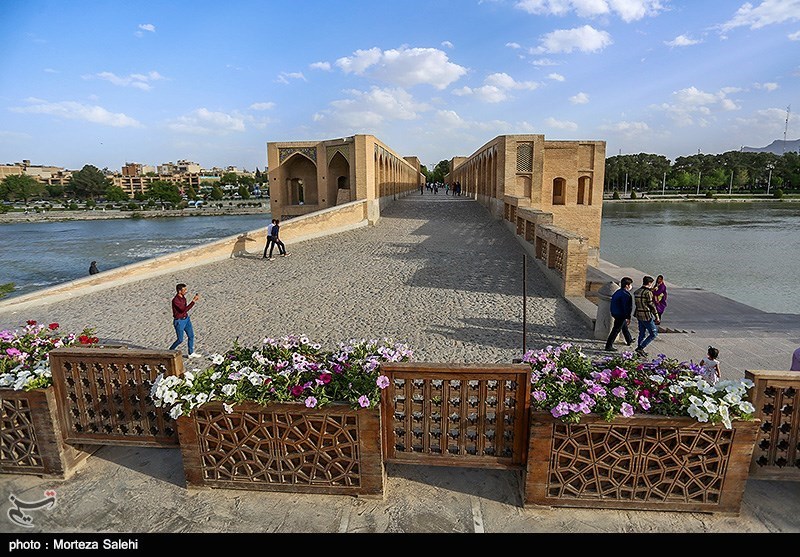
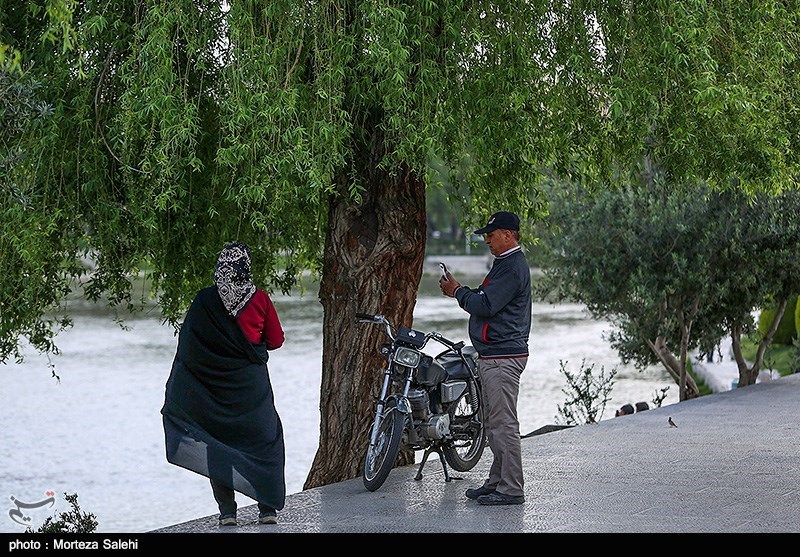
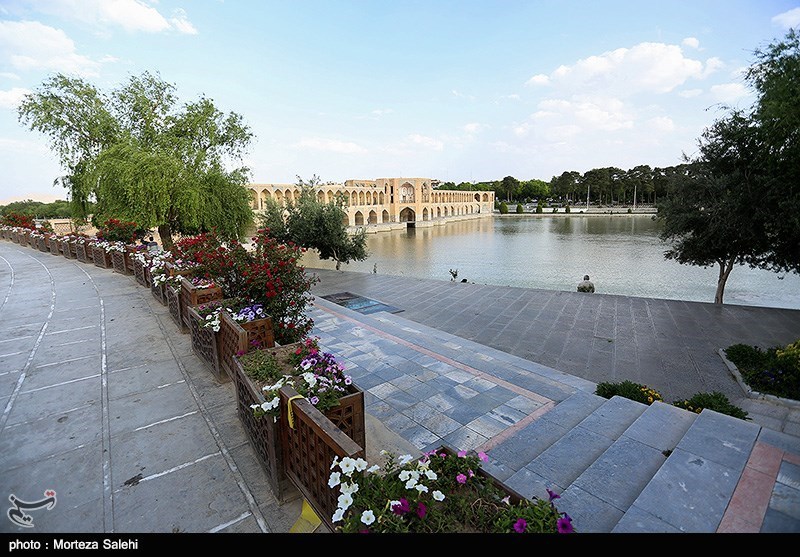
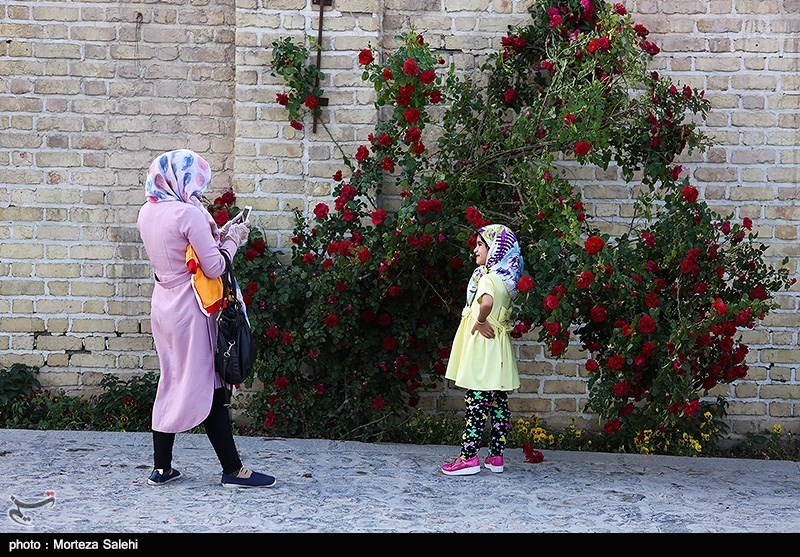
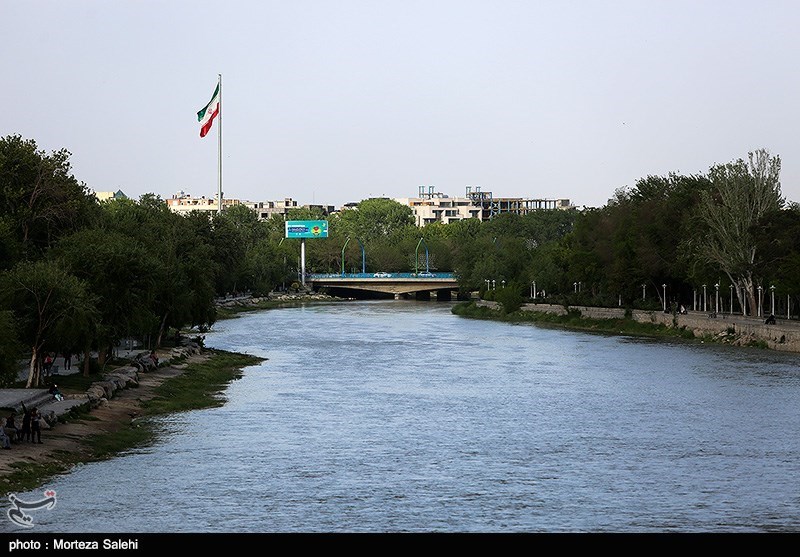
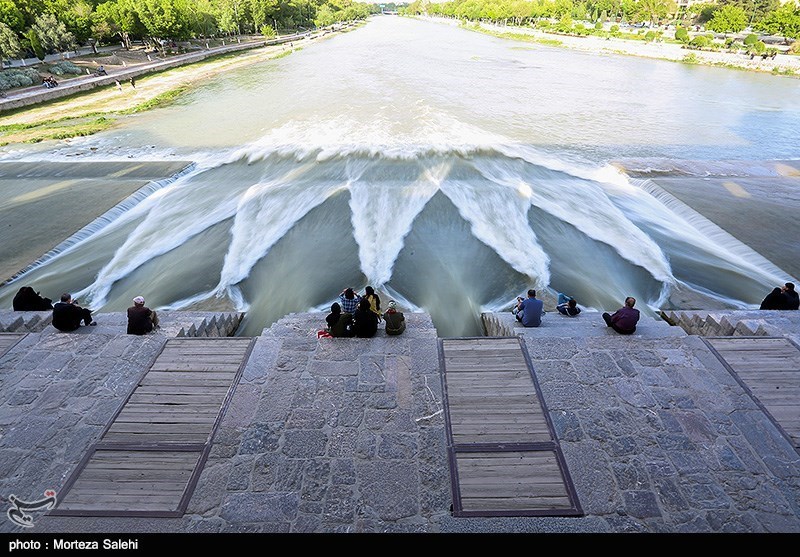
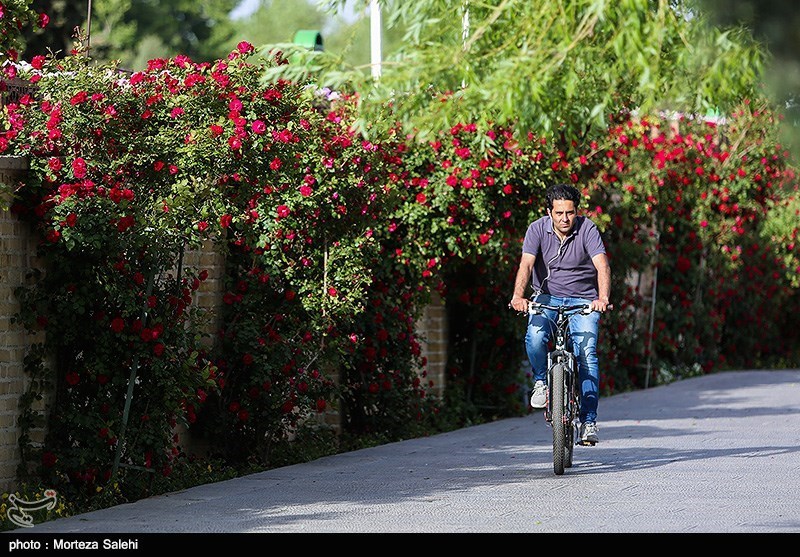
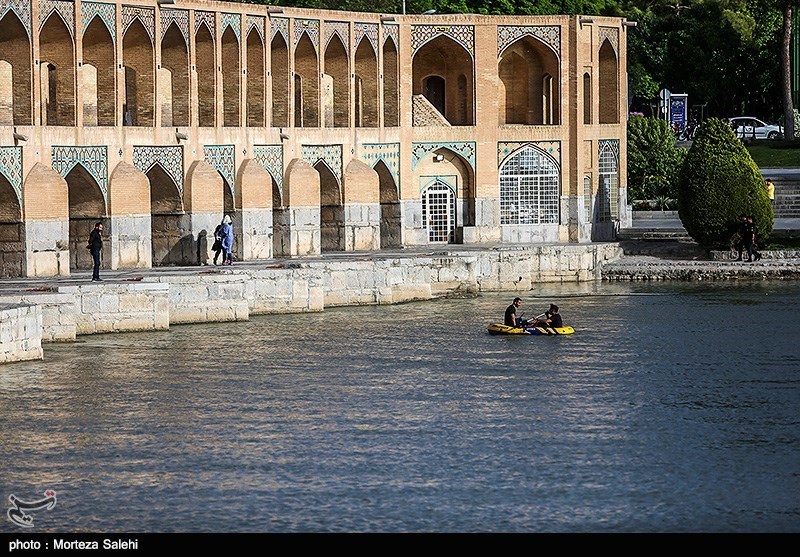
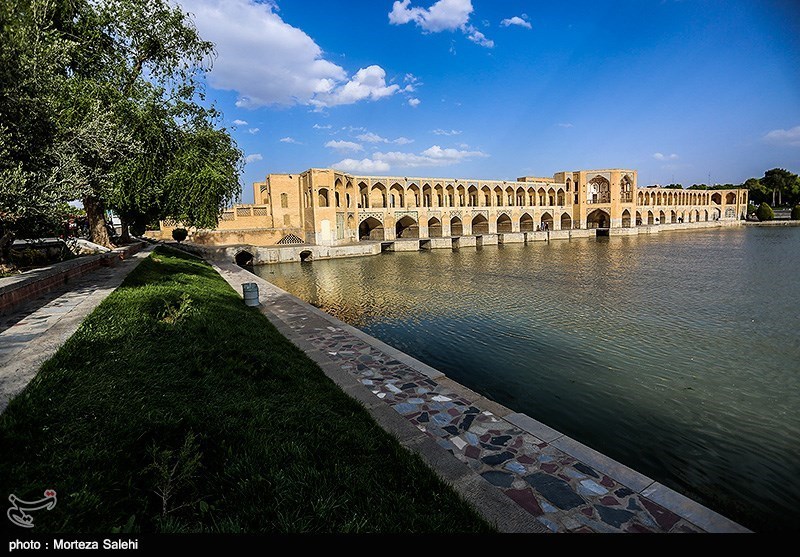
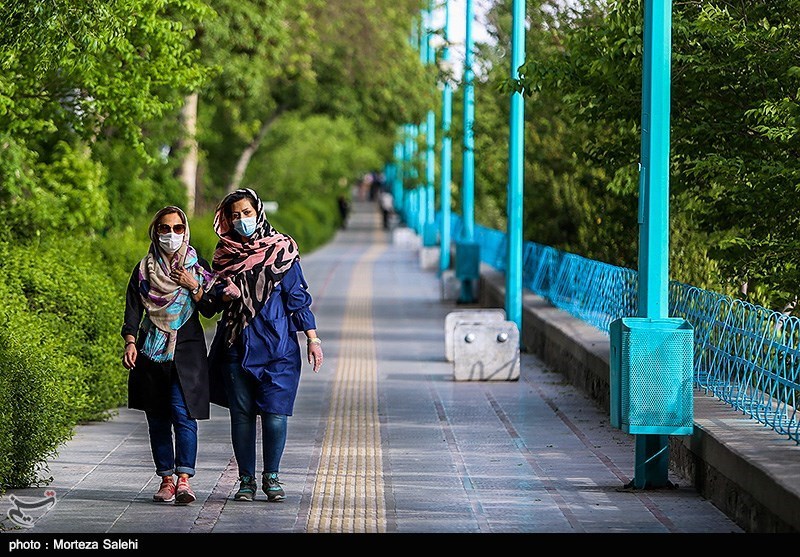
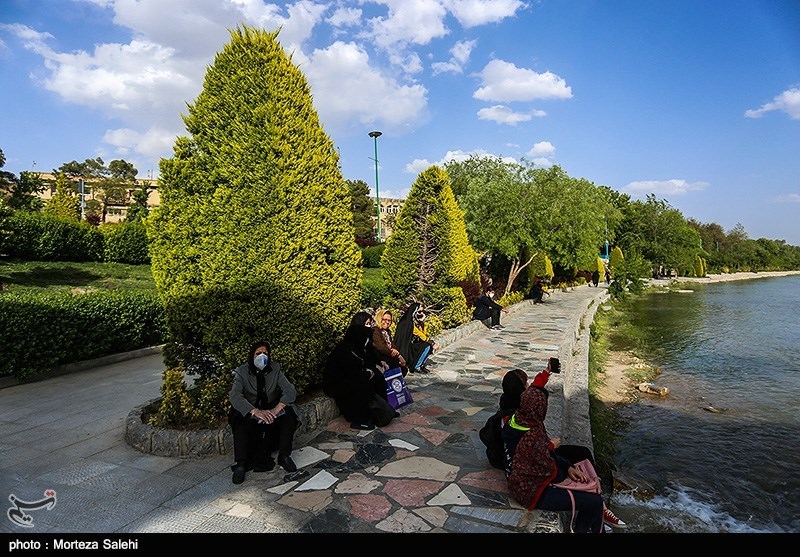
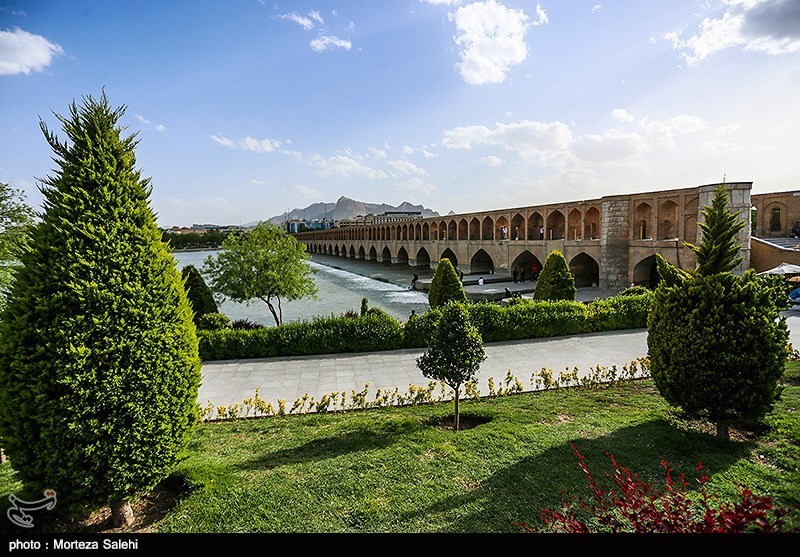
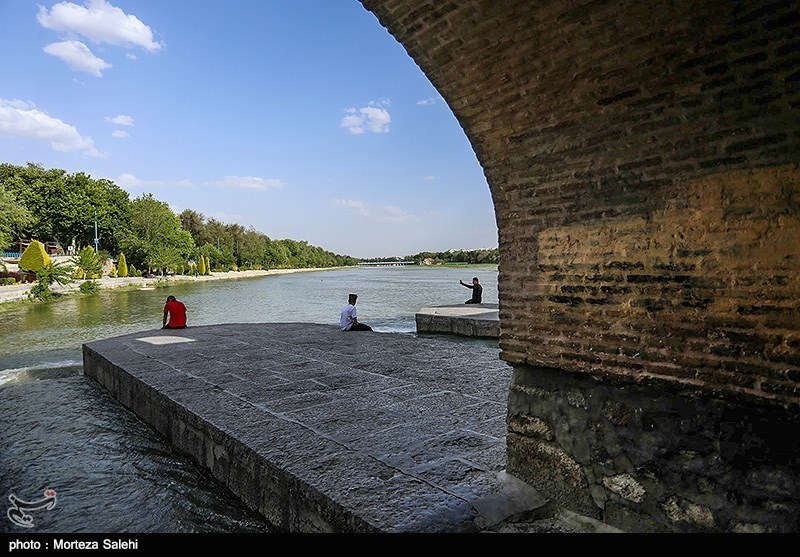
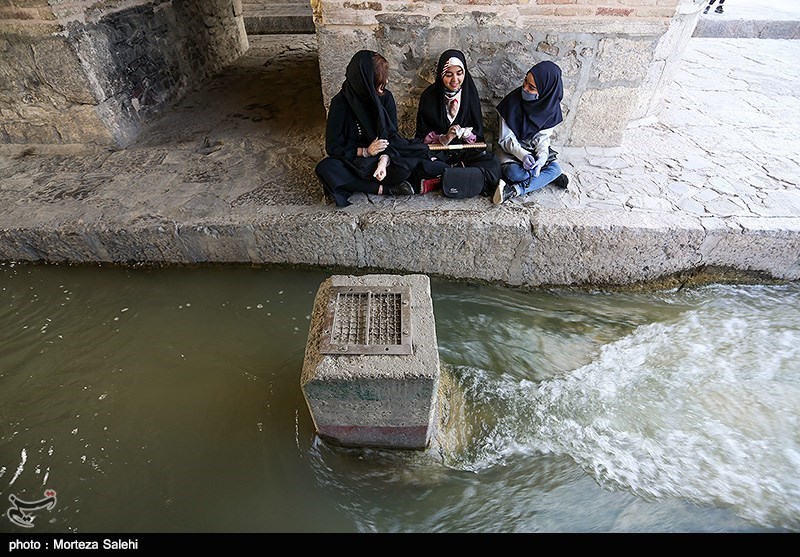
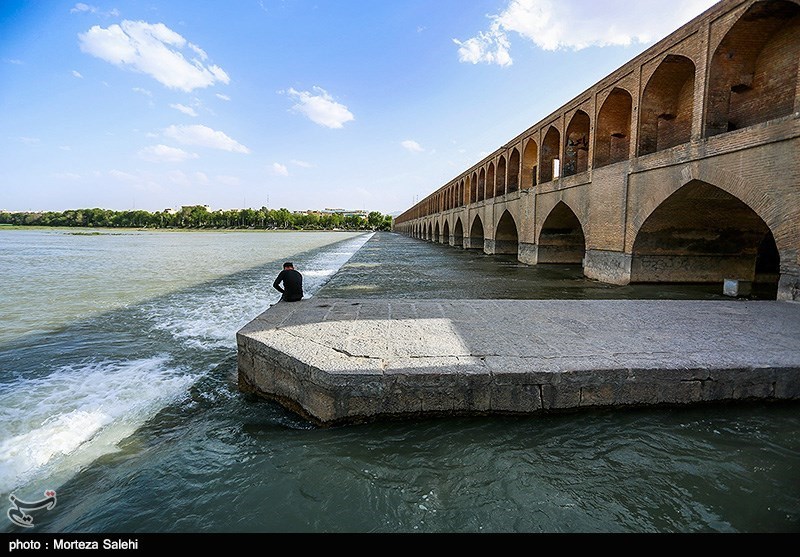
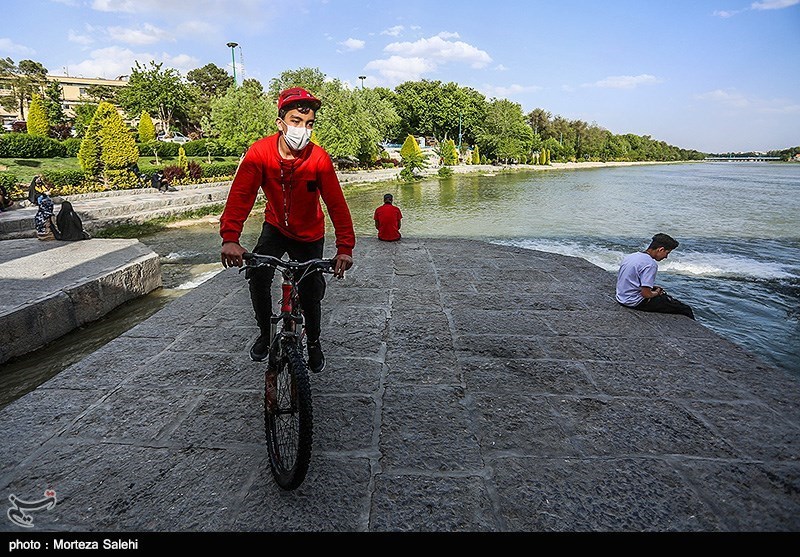
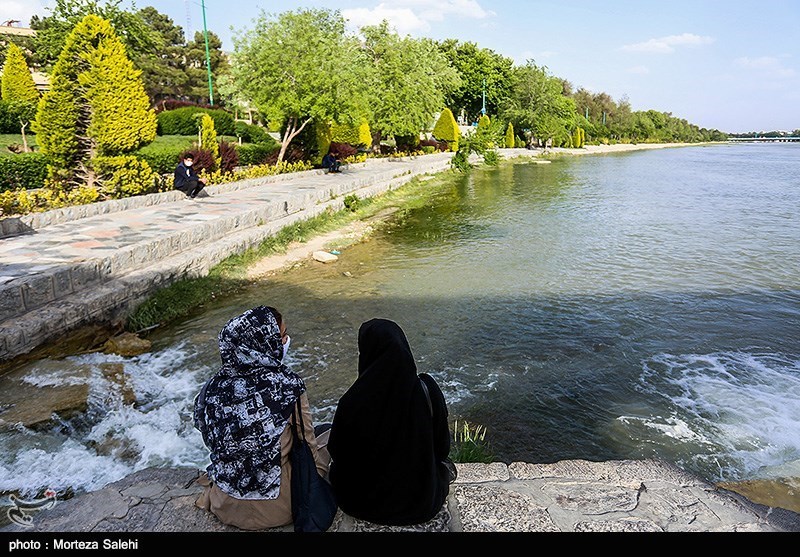
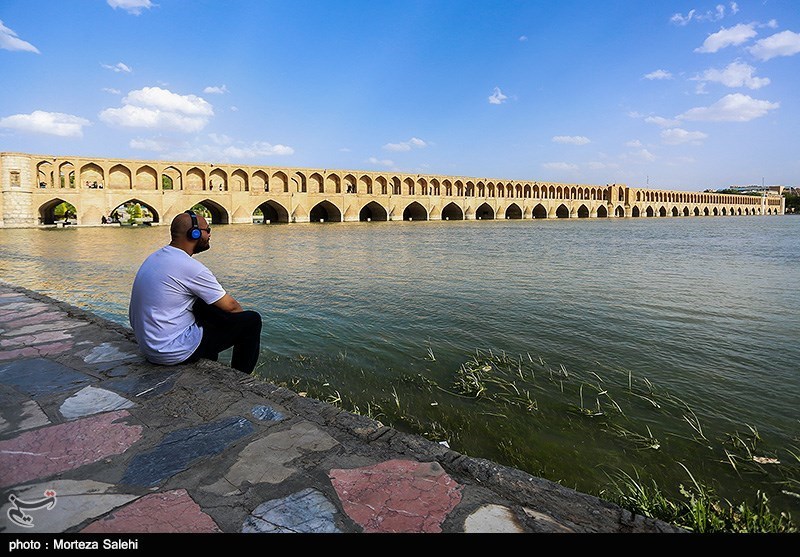
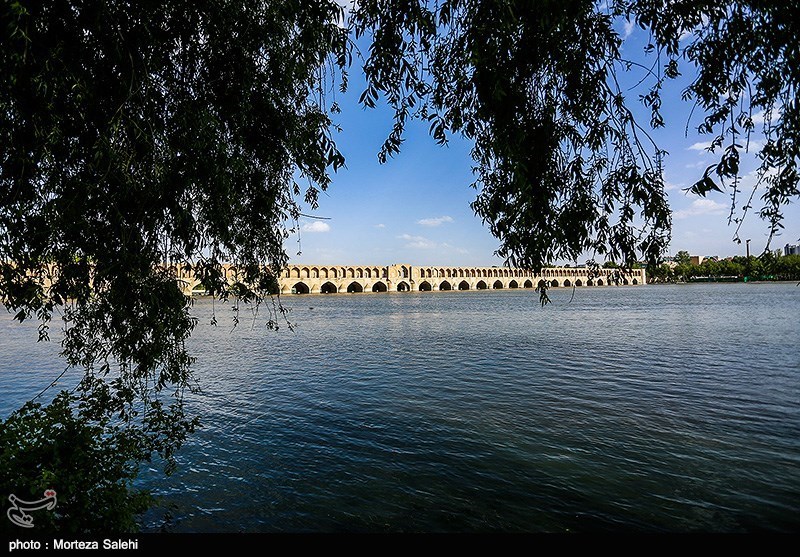
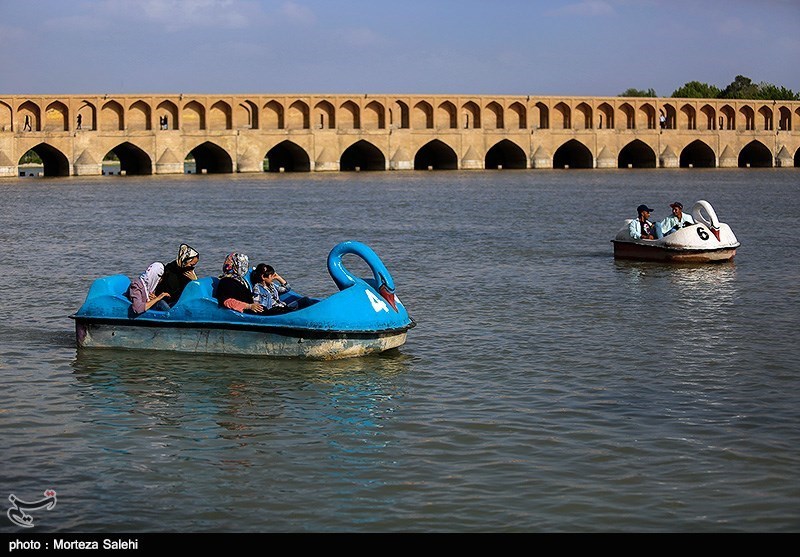
Due to the coronavirus outbreak, the historical city’s tourist spots aren’t as crowded as ever this year. However, that does not diminish the beauty of Isfahan.
What follows are Tasnim News Agency’s photos of Isfahan in spring:
Instagram was designed keeping a smartphone in mind, hence, the Instagramadtemplate must look good when viewed on a smartphone. The ads need to have minimum but catchy text as well as attractive and fast-moving videos, which will make the user pause to look for more information. An advertiser can look at publishing Storie ads, Photo ads, Video ads or Carousel ads.
It has gained popularity over other social platforms too, and according to market research, it is likely to have 26.9 billion users by the end of 2020. As per the demographic profile, most of the Instagram users are youngsters between the age group of 18 to 24 years. The study also shows that 52% of the users are women, and 48% of the users are men. The USA has the most significant number of users followed by India and Brazil. Therefore, advertisers have a high potential on this platform to make their presence felt.
With the back-end ad integration between Instagram and Facebook, an advertiser is allowed to run video ads, on both the social media platforms simultaneously. This simple integration will help in optimizing their spend and reach out to the masses effectively.
How much does Instagram ads cost?
The cost of Instagram ads depends on many factors like, ad format, ad placement, time and duration and who is the target audience. It would be a good idea to arrive at a spending budget and look at the options offered by Instagram for advertising.
Creating ad templates can be a daunting task for a company without a background design or an in-house design team. Before working on the Instagram video ad, the company needs to fix a goal that has to be achieved from advertising. It could be to attract new business or engage more visitors, increase the viewership, or sell products. Once the roadmap is arrived at, it is easier to fit in the requirements into an ad template.
Instagram Video ads will have specific formats to fit into a smartphone. A few admaker companies have pioneered in this area, and offer services at a specific fee. Some well-known names are as follows:
InVideo
SocialCaptain
ViralRace
BigBangram
io
Kicksta
Combin
Krootez
Upleap
Instazood
Best practices – Instagram Video ads
Setting up a business profile
Setting up a Business Profile is an essential task. A professional account will have to be opened on Instagram for this purpose. If a personal account is already available, it can be switched over to a professional account.
Ensure that the call-to-action buttons are activated. Visitors and followers will use this to contact you or for business purposes.
A verification badge for authenticity from Instagram will also be beneficial.
Access real-time data to understand the effects of advertising.
Instagram biodata
Keep profile information short and crisp; but, at the same time, it should catch the attention of the user.
An easy way of doing business
Visitors find it interesting if pictures or videos of products are tagged to the Explore section. Add an action button to health and beauty, food and beverage, or travel business.
Follow Facebook
Content well-received on Facebook will surely be useful for Instagram. So, add the same video on Instagram and see the reaction.
Keep it short and sweet
Keep the ads short and sweet. The attention span of the user is short, so ideally, a 15-second hook for in-stream and 6 seconds for snippets for a story should be good.
Catchy captions
Short and catchy captions to draw viewers’ attention are the way to gain more viewership and business.
GIF-like effect
If videos need to be watched multiple times, include loops to repeat the videos. Interested viewers will watch it again and again.
Vertical – full-screen formats
To create story ads on Instagram, use Vertical full-screen format for a delightful experience.
Make WiFi setting mandatory
It is crucial to change the WiFi settings to mandatory so that the viewers need not wait to see the advertisements.
Goals to be spread
Multiple goals in one video will look crowded. One video for each purpose will hold the viewers’ attention. Focus on critical points that will offer solutions to the users.
Instagram Video Ads recommended specs –
Caption / Heading : up to 125 characters
Advertisement mode : video
Recommended Video resolution: 600 x 600 pixels (square) or 600 x 315 pixels (landscape)
Ratio requirement: 1:1 (square) or 1.9:1 (landscape)
Resolution (Min): 600 x 600 pixels
Resolution (Max): 1080 x 1080 pixels
Length: 3 seconds minimum
Length (Max): 60 seconds maximum
Size: 4GB maximum
Rate for the Frame: 30fps max
Type of file: .mp4 container
Video specs:264 video compression; high profile preferred; square pixels; fixed frame rate; scan should be progressive
Audio: Audio compression with Stereo AAC, 128kbps + preferred
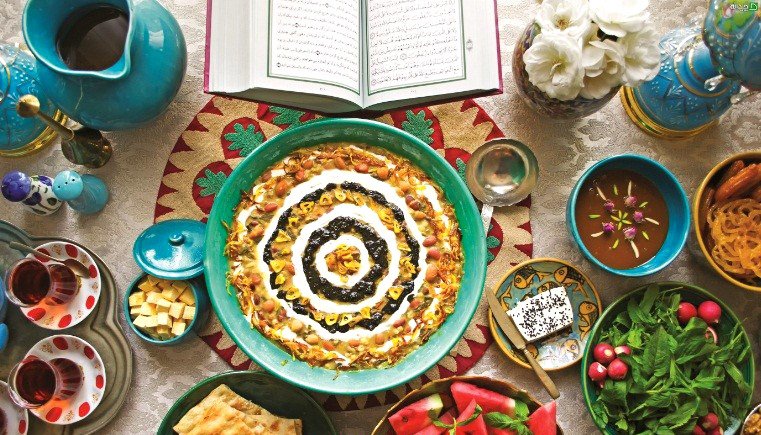
As in all other Iranian cities, people in Hamadan not only observe the general traditions of Ramadan, but have their own unique rituals as well. One of the Ramadan customs specific to Hamadan is “Kolookhandazan” where people cook a special meal on the eve of Ramadan and set a table for the needy and indigent.
Bag Sewing
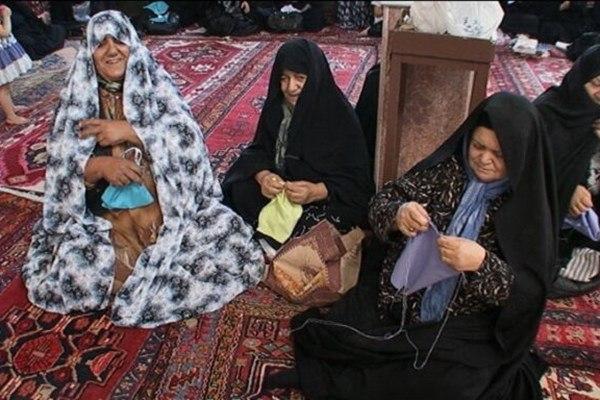
Another ancient Ramadan tradition observed in Hamedan and, of course, in some other areas like Azarbaijan, is one called the “bag of blessings” or “bag sewing” custom. This tradition in practiced on the 27th day of Ramadan. On this day, fasting women sew a bag of money after going to the mosque and saying their noon prayers. People of Hamadan believe any person who throws money into this bag, God will give him or her great wealth. Then they distribute the bags among family members and others.
Common Ramadan Meal in Hamadan
In addition to practicing their special traditions, people in Hamadan also cook special meals in the holy month of Ramadan.
“As Hamadan has a cold and mountainous climate, farmers mostly grow wheat and pulses there; so, common meals in this region is broth,” says an anthropology expert.
Depending on which season the holy month of Ramadan falls on, she says, people cook the food which is commonly served in that particular season.
In addition, people tend to cook more local bread and home-made cookies in Ramadan.
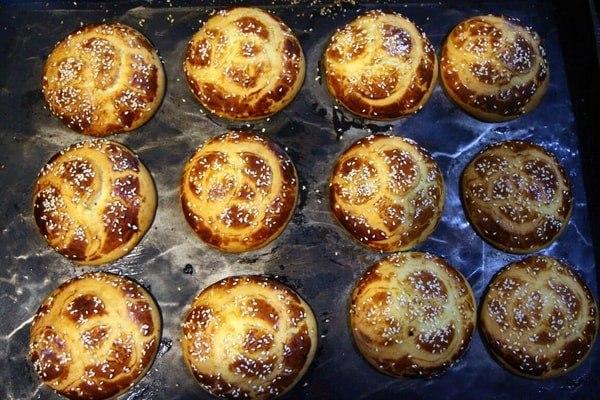
The Komaj bread is one of the most famous and popular types of cookies made in Hamadan province. Its ingredients include flour, water, eggs, liquid cooking oil, dough, sugar, salt, walnut, butter, cinnamon powder, milk and sesame.
Komaj Bread
Another cookie made in Hamadan is Angoshtpich, which is one of the ancient types of cookie make in this province. This cookie dates back more than a century. This delicious local food is usually made in Ramadan and served among family members. Its ingredients include sugar, rose water, egg white, citric acid and water, among other things.
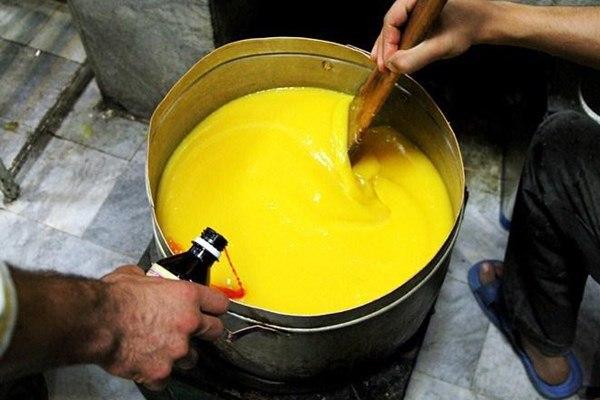
The Halvazardeh pudding is another unique traditional food of Hamadan. It is a tasty dessert specifically cooked in Ramadan. It is very nutritious and very good for those who fast. Ingredients used to cook this pudding include egg yolk, flour, rose water, saffron and oil.
Halvazardeh
All these cookies and puddings of Hamadan have been registered nationally.
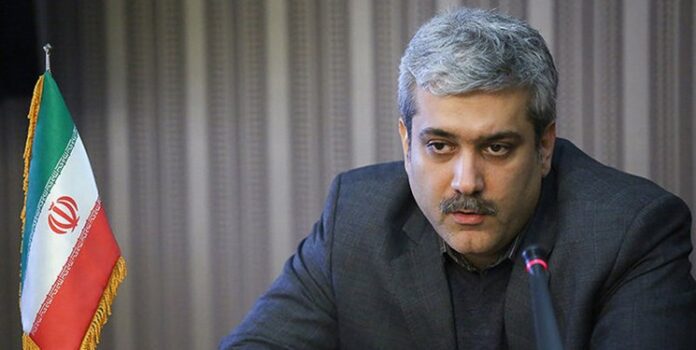
Vice President for Science and Technology Sorena Sattari said on Tuesday that except for the first few days of the outbreak, Iran has not imported any equipment to deal with the virus.
All hospital equipment, ICU room stuff, and other facilities are now being manufactured by Iranian knowledge-based companies, he noted.
He further noted Iran is now exporting testing kits, saying eight knowledge-based companies have been able to receive the necessary permits for the export of the kits.
According to Sattari, significant projects are currently being implemented by these companies in the fields of medicine, vaccines and medical equipment.
“These companies have played an important role in the production of masks, and protective equipment for nursing staff to deal with COVID-19,” Fars News Agency quoted him as saying during a ceremony in the southern city of Bushehr.
He said the Islamic Republic can produce one million cellulose diagnostic kits per day, and 1.5 million PCR diagnostic kits a month.
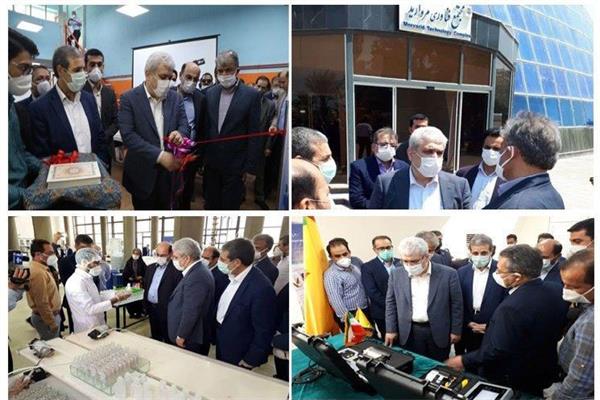
The Persian Gulf Pearl Innovation Tower was one of the main centres inaugurated by Sorena Sattari during his visit to Bushehr province.
The tower was put into operation with the support of the Vice Presidency for Science and Technology. The centre is to host knowledge-based and high-tech companies in the province.
Bushehr Innovation Tower has been built in an area of 3,000 square metres and can play a significant role in the improvement of the province’s innovative ecosystem.
The new building of Bushehr Science and Technology Park will also be unveiled during Sattari’s visit. The Vice President for Science and Technology will also visit the exhibition of knowledge-based and technology companies located in the park and will talk to the managers and representatives of these companies.
Sattari also launched the first phase of the LoRaWAN protocol-based Internet of Things network. Given the growing importance of IoT-based smart devices, this vital infrastructure could play a key role in the development of innovative businesses.
LoRaWAN is one of the most widely used protocols in the field of Internet of Things, which was implemented with the help of the Vice Presidency for Science and Technology.
Sattari also paid a visit to various centres affiliated with the province’s innovation network, including the exhibition of knowledge-based companies to get acquainted with the latest achievements of technological companies.
An acoustic locator of polyethylene gas pipes, IoT-based water quality monitoring system of shrimp pools, and T-service automatic welding machine were among the other technological achievements introduced to the Vice President for Science and Technology.
Alcohol production workshops, and centres to produce hand disinfectant gels, masks, and surface disinfectants were among the other places Sattari visited in line with empowering the southern region to better cope with the outbreak of the coronavirus.
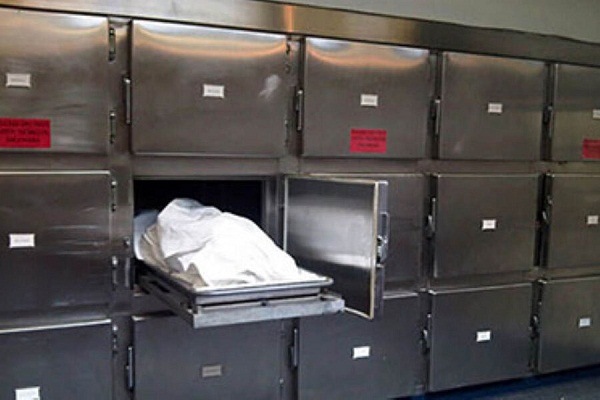
The woman was pronounced dead and taken to the mortuary of a cemetery in Khorramabad, the capital of Iran’s western province of Lorestan.
Head of the public relations department of Lorestan University of Medical Sciences said the coroner went to the mortuary in the morning to examine the corpse and issue a burial permit, but saw the dead woman miraculously breathing.
The woman who had spent 18 hours officially dead was taken to a hospital in Khorramabad, where the doctors managed to resuscitate her, Abdolreza Shahbazi said.
The woman has been brought back to life and is now admitted to the emergency department of the hospital, he added.
This phenomenon is known as Lazarus syndrome, defined as a delayed return of spontaneous circulation (ROSC) after cardiopulmonary resuscitation (CPR) has ceased. In other words, patients who are pronounced dead after cardiac arrest experience an impromptu return of cardiac activity.
The syndrome is named after Lazarus of Bethany, who –according to the New Testament of the Bible– was brought back to life by Jesus Christ 4 days after his death, according to Medical News Today.
Since 1982, when the Lazarus phenomenon was first described in medical literature, there have been dozens of reported cases.
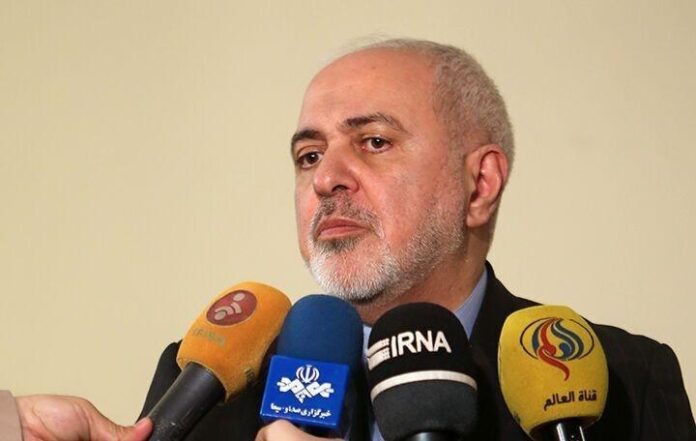
Mohammad Javad Zarif told reporters on Tuesday lawful trade and business will go on across the globe and the US cannot stop it.
“Legal trade continues in the world, and the United States is not allowed to disrupt it. This policy of the US government is not just a threat to one or two special countries; rather, it poses a threat to the whole world,” underlined Zarif.
He made the remarks on the sidelines of a funeral ceremony held for Iran’s former envoy to the OPEC who died a couple of days ago.
“If a country wants to make a decision based on its own wrong policies and take action to disrupt legal trade, it will certainly face an international backlash,” said Zarif.
In recent days, following the reports of threats by US government officials to make trouble for Iranian fuel tankers, FM Zarif sent a letter to UN Secretary-General Antonio Guterres regarding the US deployment of warships to the Caribbean, warning about Washington’s disruption of Iran’s fuel shipment to Venezuela.
In his letter, Zarif described the US’s illegal, dangerous and provocative threats as kind of piracy and a major threat to international peace and security, stressing that the United States must stop bullying and respect the rule of international law, especially the freedom of the seas.
He also said the US government will be responsible for the consequences of any illegal action, stressing that it is Iran’s right to take appropriate and necessary measures to counter such threats.
After sending this letter, the Islamic Republic’s Foreign Ministry summoned the Swiss ambassador, warning Washington of serious consequences in case of any possible threats against its vessels.
The foreign ministry also described trade relations between Iran and Venezuela as fully legitimate and legal, saying the United States’ use of coercion or bullying is a threat to freedom of shipping, international trade and free flow of energy.
Iranian media reported on Saturday that four US Navy warships are in the Caribbean for a possible confrontation with Iran’s tankers.
Five Iranian tankers carrying petrol and similar products are now sailing to Venezuela. Washington says Tehran and Caracas are under sanctions and such moves are sanction-dodging.
On Thursday, the US Treasury, State Department and Coast Guard issued an advisory warning the maritime industry of illegal shipping by countries including Iran.
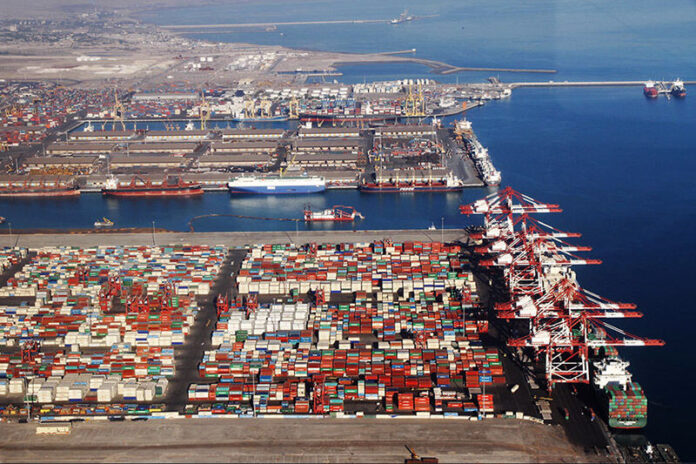
An unnamed official at Shahid Rajaee Port denied the claims of a successful attack on the port’s facilities, saying that last week, some disruptions were created in the computer systems of the port, which could be the result of a cyber-attack.
“Due to the full preparedness of the passive defence units in the facilities of the Port and the timely and effective confrontation with the problems, no disturbances have been created in the process of routine activities,” added the source.
Meanwhile, Managing Director of the Ports and Maritime Organisation of Iran, Mohammad Rastad, told ILNA the attack “failed to affect the systems and was only able to infiltrate and damage a number of private operating systems.”
Shahid Rajaee Port is a newly constructed shipping terminal in the Iranian coastal city of Bandar Abbas, on the Strait of Hormuz.
The Washington Post reported on Monday that Israel appears to be behind a cyber-attack earlier this month on computers at the Iranian port, causing massive backups on waterways and roads leading to the facility.
Citing unnamed officials, the Post said the May 9 disruption of Iranian computers was seemingly in retaliation for an earlier attempted cyber-attack on rural water distribution systems in Israel.
The Israeli embassy in Washington or Israel Defence Forces have not commented on the Washington Post report so far.
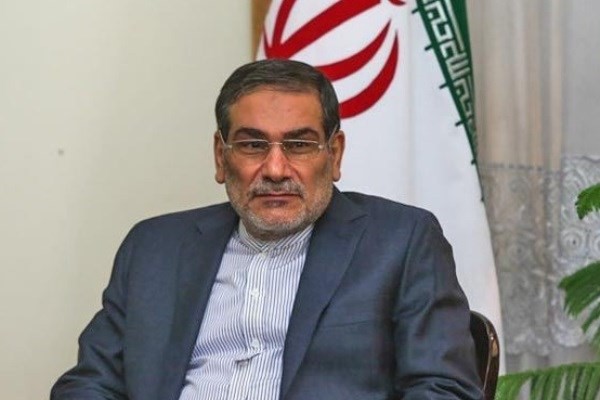
In a phone conversation with Afghanistan’s National Security Advisor Hamdullah Mohib, Secretary of Iran’s Supreme National Security Council Vice Admiral Ali Shamkhani said the agreement reached between Afghan President Ashraf Ghani and his political rival Abdullah Abdullah is a key step toward the creation of stability and establishment of a powerful government in the Islamic Republic of Afghanistan.
During the phone talk, Shamkhani said the United States is pursuing an unacceptable path in its political measures by ignoring Afghanistan’s interests.
Shamkhani reiterated that Iran, like in the past, stands ready to offer hygienic and medical treatment aid to Afghanistan free of charge.
Meanwhile, Shamkhani underlined that Iranian border guards had nothing to do with the tragic event in which a group of Afghan nationals lost their lives in the common border area between the two countries. However, he expressed surprise and regret over a “heavy and undocumented news atmosphere” created by some Afghan media outlets and officials.
He said there is documented evidence which refutes claims made against Iran. He noted that if the Afghan side is willing, the issue can be investigated in a joint fact-finding committee without being affected by “unconstructive” media hype.
The Afghan national security advisor, in turn, expressed gratitude to Iran for its determining role in the agreement reached between Ghani and Abdullah.
Mohib said Afghanistan will not allow the cordial relations between the two countries to be affected by unwarranted alarmism.
He further said illegal movements across the common borders between the two countries is an old challenge, expressing hope the tragic incident will turn into an opportunity to work out a permanent solution in that regard.
He added the evacuation of some border checkpoints by Afghan forces has created some problems along the common borders. He said Afghanistan is prepared to work with Iran to find a fundamental solution with regards to border control.
Iran has vehemently rejected claims that Iranian border guards had tortured and thrown several Afghan migrants into a river in a western province to prevent their illegal entry into Iran.
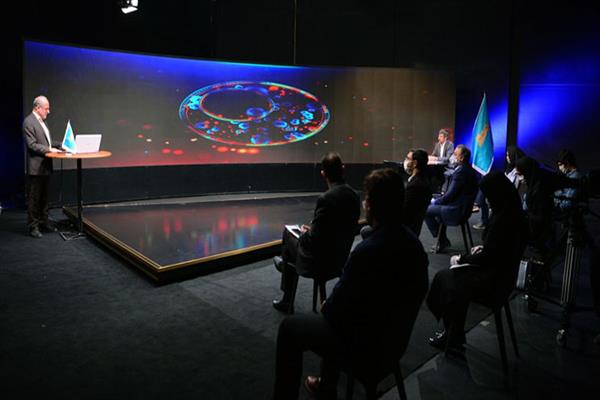
The STEP Symposium, which is held annually in one of the Muslim countries, offers a wide range of joint cooperative research opportunities and creates a platform for in-depth discussions and exchanges of strategic experience to the countries of the Organization of Islamic Cooperation (OIC) in the field of science and technology.
On the first day of the STEP symposium, called Exchange of Experiences and Observations of the Therapeutic Staff in Muslim Countries, a series of lectures were held by a number of researchers and physicians, focusing on the COVID-19 epidemic.
At the beginning of the scientific conference, the speakers shared their views on the outbreak of the coronavirus.
Rasoul Dinavernd, the Chairman of the Seventh STEP Meeting and a member of the Board of Directors of the Mustafa Foundation talked about the initiative, saying that 12 speeches by researchers from different countries such as China, Pakistan, Iraq, Azerbaijan Republic and Bangladesh are presented on the first day.
Then, Abdolmajid Cheraghali, the head of the Faculty of Pharmacy at Baqiyatallah University of Medical Sciences, gave a presentation on the treatment of the corona patients using the plasma of the recovered people.
He said the virus has created a global challenge for people and confused the medical staff due to the lack of a specific drug to treat it. All the scientists did their best to find the finest treatment, and one of them was using the plasma of the recovered patients.
“This method is not a new one and has been used in the treatment of other diseases, especially the Spanish influenza outbreak in the twentieth century and the H1N1, MERS and SARS epidemic.”
“Antibodies in plasma are injected into sick people and can treat the patient, especially in the early stages of the infection,” he added.
He further noted the plasma of the recovered individuals is very helpful because it takes a long time to produce a drug or a vaccine for emerging diseases.
“We have the plasma of the recovered people at hand, and we can use it quickly to treat patients; therefore, it is very cost-effective,” he said.
At this edition of STEP symposium, Iranian experts and university professors along with scientists from India, Turkey, Japan, China, Indonesia, Malaysia and Azerbaijan Republic share their experiences in treating COVID-19.
So far, various centres in the Muslim world, including Iranian universities, Universiti Putra Malaysia, Sultan Qaboos University of Oman, and Karachi University have hosted this symposium.
With the aim of increasing the efficiency and effectiveness of academic centres and encouraging researchers to focus on patenting, through the enhancement of cooperation between the scientists and scholars of the Muslim world, the Mustafa Science and Technology Foundation launched STEP Program in 2015 as part of its scientific activities.