Monday, December 29, 2025
Home Blog Page 2948

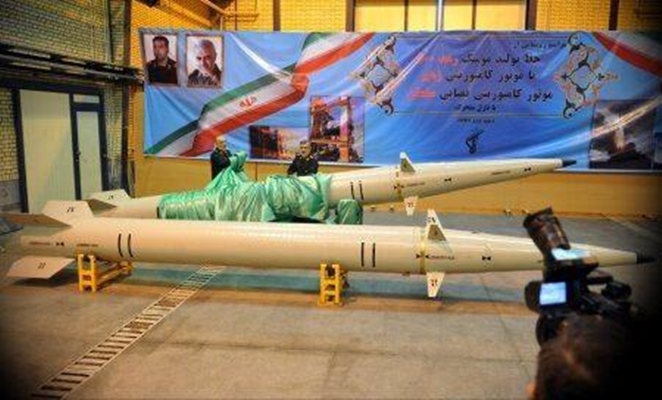
Iran Unveils New Homegrown Missile

Iran Unveils New Homegrown Missile

The new achievements were unveiled in a Sunday ceremony attended by Chief-Commander of Islamic Revolution Guards Corps.

Major General Hossein Salami and Brigadier Genneral Amir Ali Hajizadeh.

Using the technology of carbon fibre engine bodies has opened the way for enduring 100 bars of pressure and 3,000 degrees C, and for building very light missiles.

Ra’ad 500 missile weighs half as much as Fateh 110 (which had a steel body), while its range has increased as much as 200 km compared to the latter.

The two missile achievements, composite engine body and moving nozzle have laid the groundwork for using solid-fuel engines outside the atmosphere.

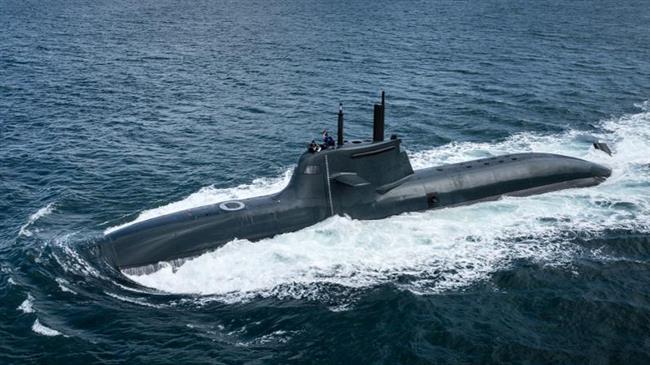
Qatar to Become First PG Arab State to Operate Submarines

Qatar to Become First PG Arab State to Operate Submarines

The American business magazine Forbes reported that a new memorandum of understanding (MoU) with Italian company Fincantieri, Europe’s largest shipbuilder, covers the “supply of cutting-edge naval vessels and submarines” to the Qatari Emiri Navy.

“Qatar may become the first Arab Persian Gulf state to operate submarines,” the report said, adding that currently Iran is the only submarine operator in the Persian Gulf.

According to the report, the Qatari submarines, which are likely to be relatively small light ones, may be part of a much larger 5-billion-euro deal with Italy which was agreed in 2017.

The accord, it noted, included a large helicopter carrier, called a Landing Platform Dock (LPD), four warships and two patrol boats as well as shore support and help with a new offshore naval base.

It further said that Saudi Arabia and the UAE, two of Qatar’s neighbors embroiled in a diplomatic crisis with Doha, have both stated needs to acquire submarines.

Qatar has difficult relations these countries so the submarine acquisition could be seen, at least in part, as a response to these moves,” the report added.

In June 2017, Saudi Arabia, Egypt, Bahrain, and the UAE imposed a land, naval and air blockade on import-dependent Qatar, accusing Doha of supporting terrorism; an allegation strongly denied by Doha.

The Saudi-led bloc presented Qatar with a list of demands and gave it an ultimatum to comply with them or face consequences. Doha, however, refused to meet the demands and stressed that it would not abandon its independent foreign policy.

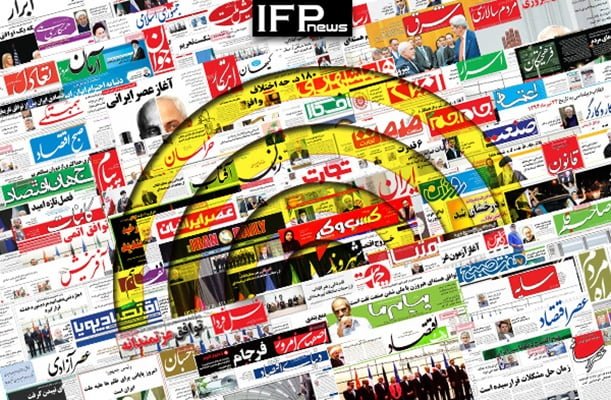
A Look at Iranian Newspaper Front Pages on February 9

Iran Newspaper Headlines

Iran Newspapers

19 Day Newspaper:

1- We Must Be Strong to Avert War, Leader Says in A Gathering of Iran Air Force Commanders, Staff

2- Red Crescent Society Secretary-General: Coronavirus Weaker Than Flu
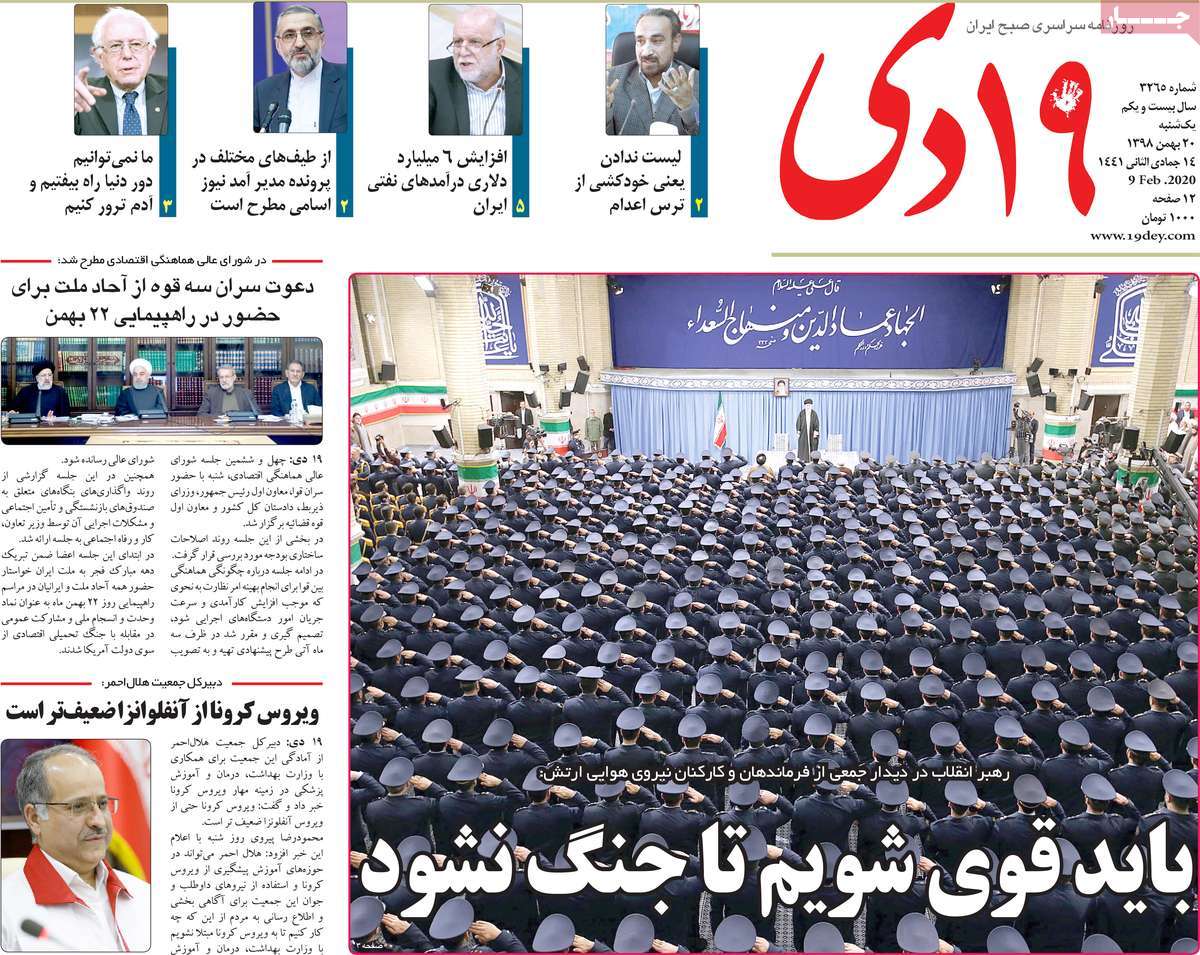
A Look at Iranian Newspaper Front Pages on February 9


Abrar Newspaper:

1- Pompeo, Borrell Hold Consultations on Iran
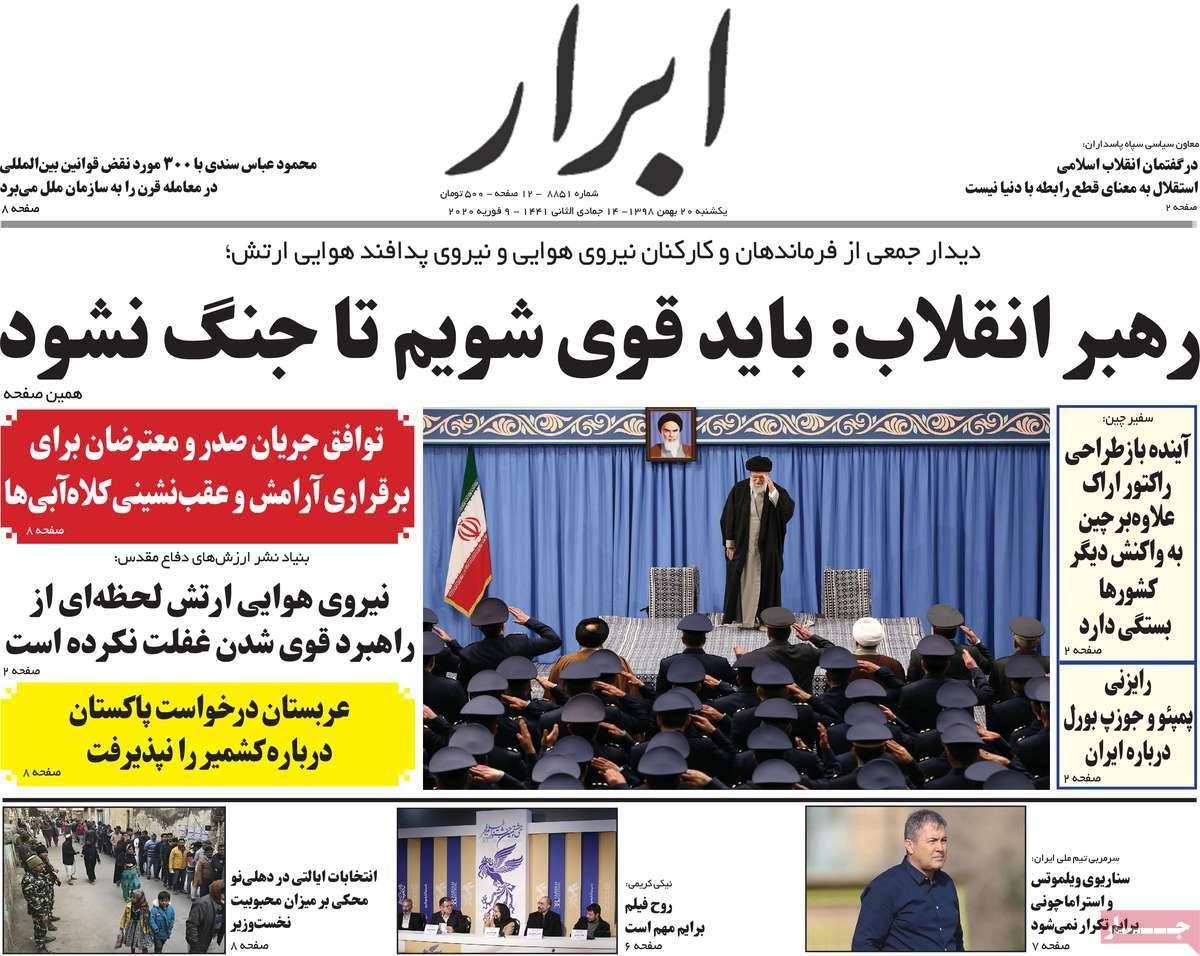
A Look at Iranian Newspaper Front Pages on February 9


Ebtekar Newspaper:

1- Efforts Underway to Save JCPOA from Tehran to Washington / A Review of Borrell’s Visit to US

2- Quarrel over the Spoils; Principlists May Run for February Election with Multiple Lists
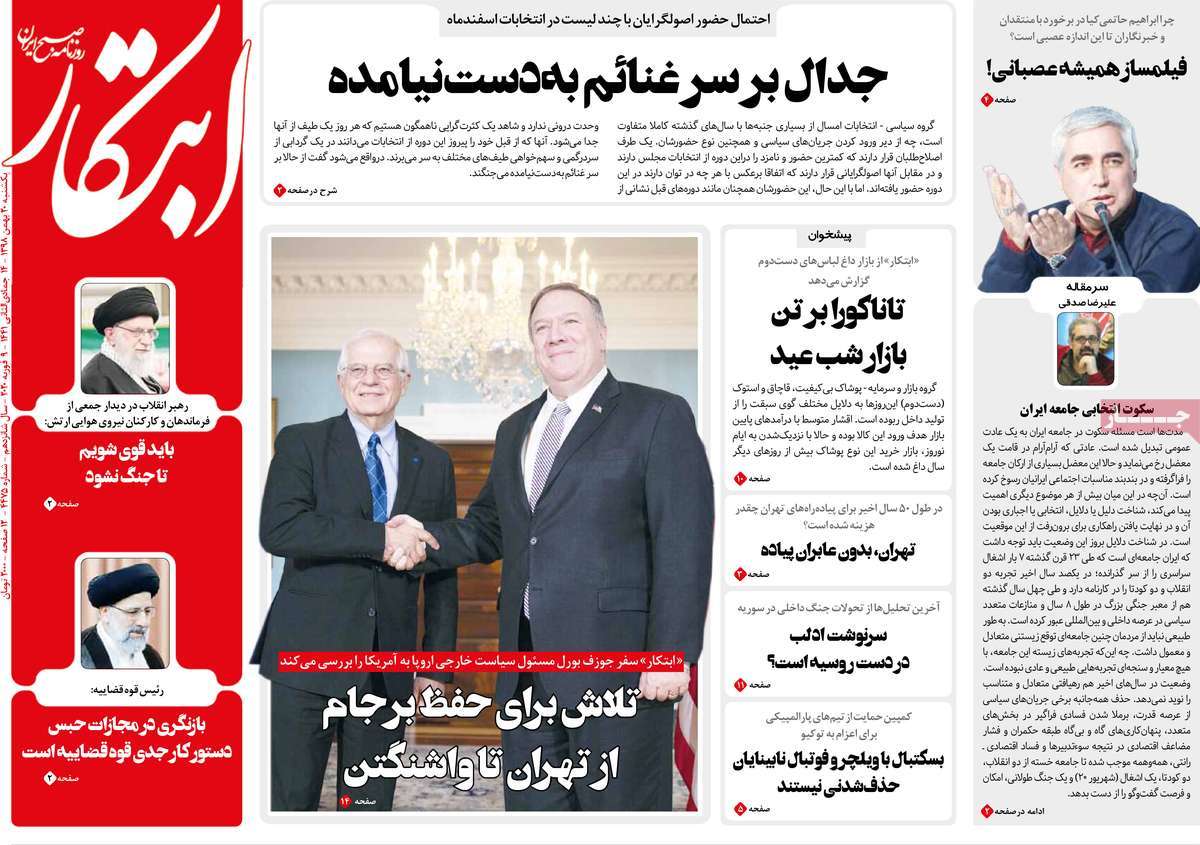
A Look at Iranian Newspaper Front Pages on February 9


Etemad Newspaper:

1- Pahlavi Regime Received Blow from Where It Didn’t Expect It, Leader of Revolution Says in Meeting with Iran Air Force Commanders, Staff

2- Action Against Trump’s Decision: Democratic Candidates Voice Opposition to Assassination of General Soleimani

3- Allawi’s Premiership on the Edge; Will US Remain in Iraq?
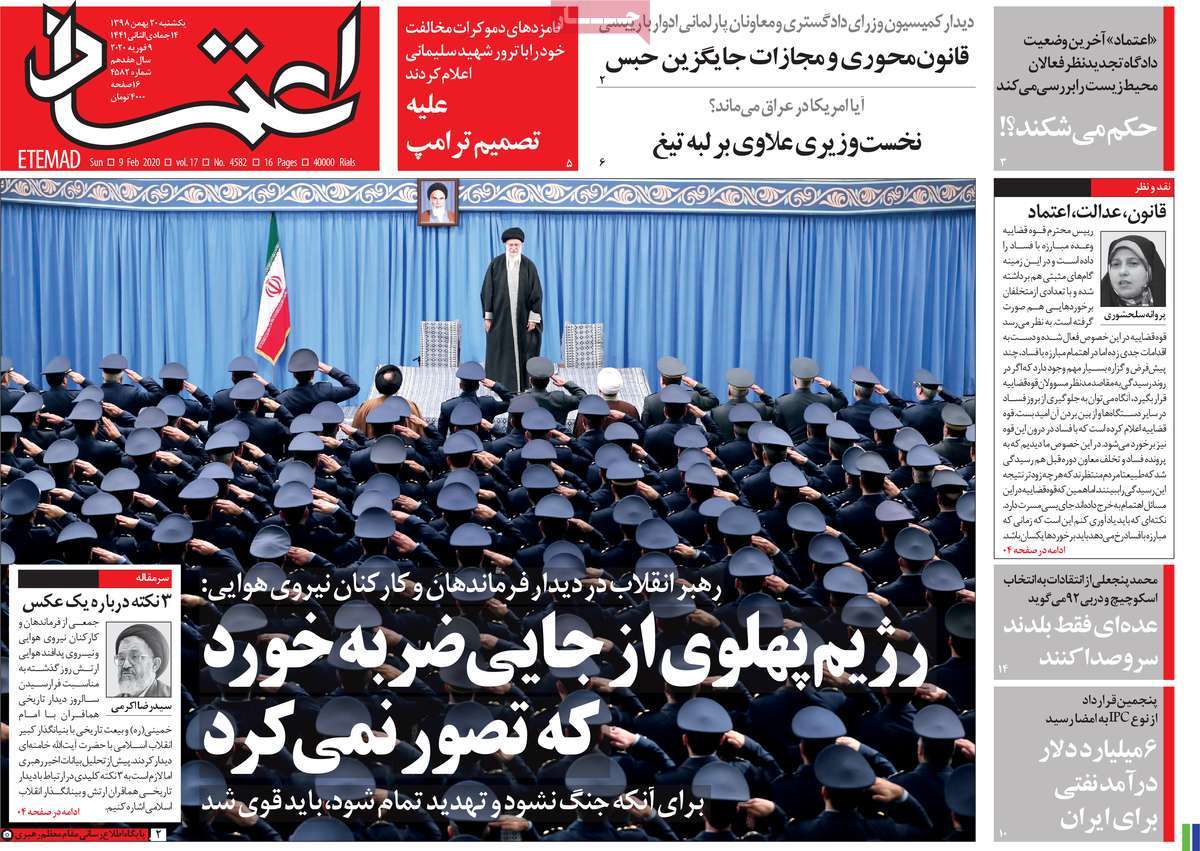
A Look at Iranian Newspaper Front Pages on February 9


Ettela’at Newspaper:

1- Iraqis Rally to Support Ayatollah Sistani

2- Rituals to Be Held in Tehran, Kerman to Mark 40th Day after Martyrdom of General Soleimani
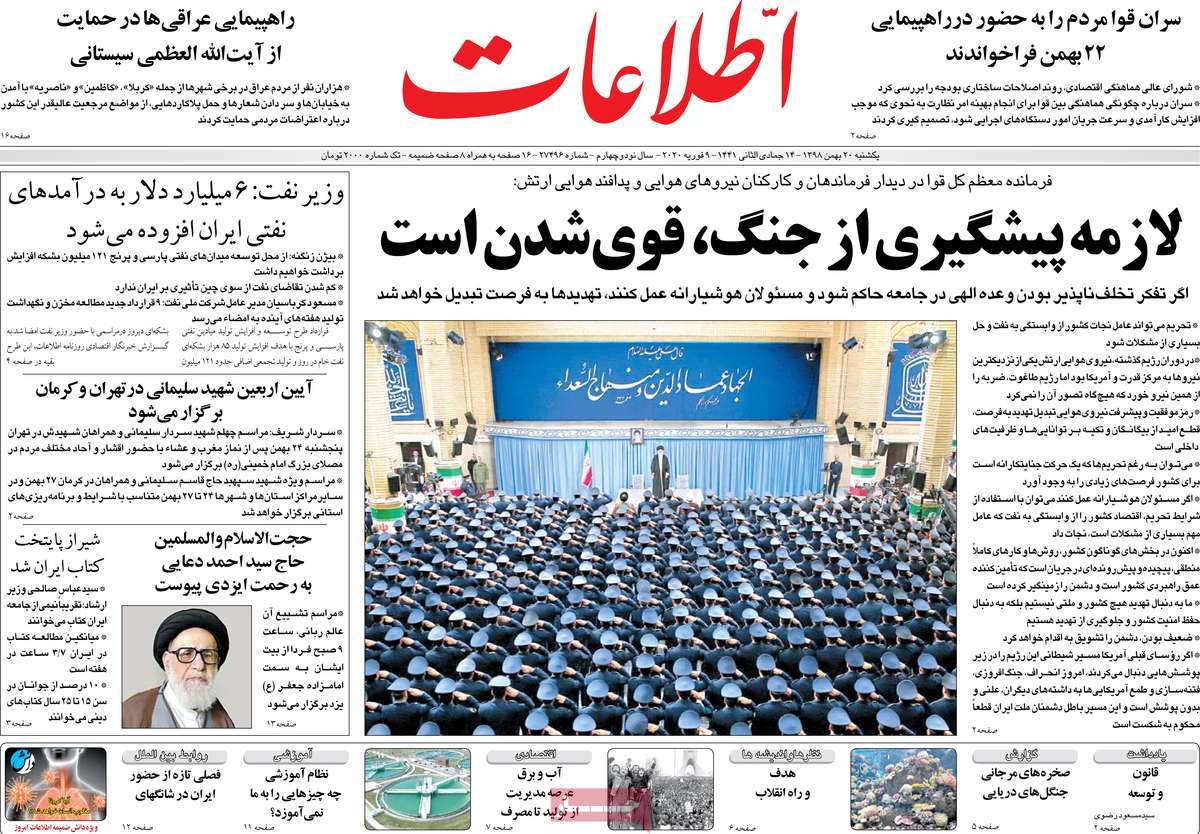
A Look at Iranian Newspaper Front Pages on February 9


Javan Newspaper:

1- Borrell: Europe Must Assure Iran of JCPOA’s Benefits

2- Pivot to Domestic Capabilities in Oil Industry; Oil Ministry Changes Stance on Employment of Iranian Companies after Western Cold-Heartedness

3- Revision of Sentence on Judiciary’s Agenda
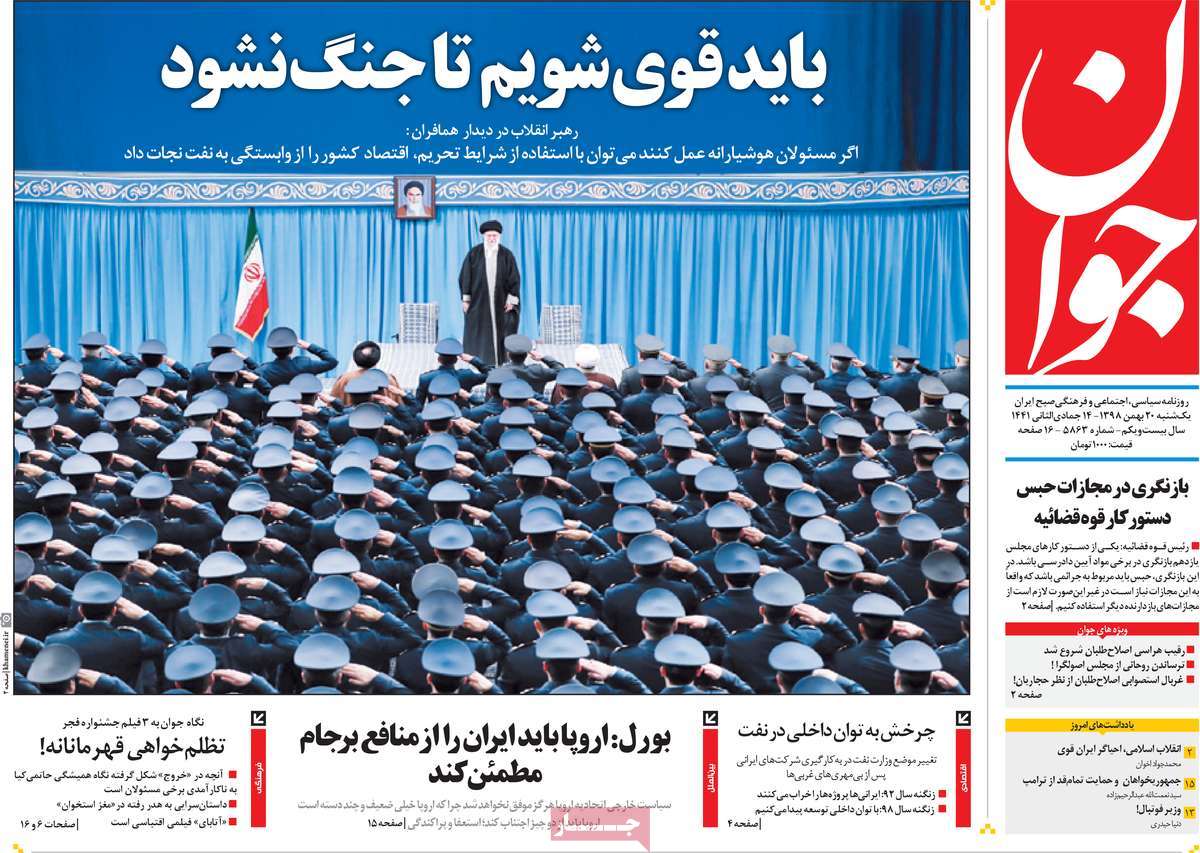
A Look at Iranian Newspaper Front Pages on February 9


Kayhan Newspaper:

1- Leader: Enemy Says Iran Should Not Experience Oil-Free Economy

2- Kuwait’s Parliament Speaker Dumps Deal of Century Plan in Dustbin

3- Kayhan’s Analysis: Reformists Suffer from Unpopularity, Not Shortage of Candidates

4- Iran Still Safe from Coronavirus Outbreak; Nine Suspicious Cases Tested Negative
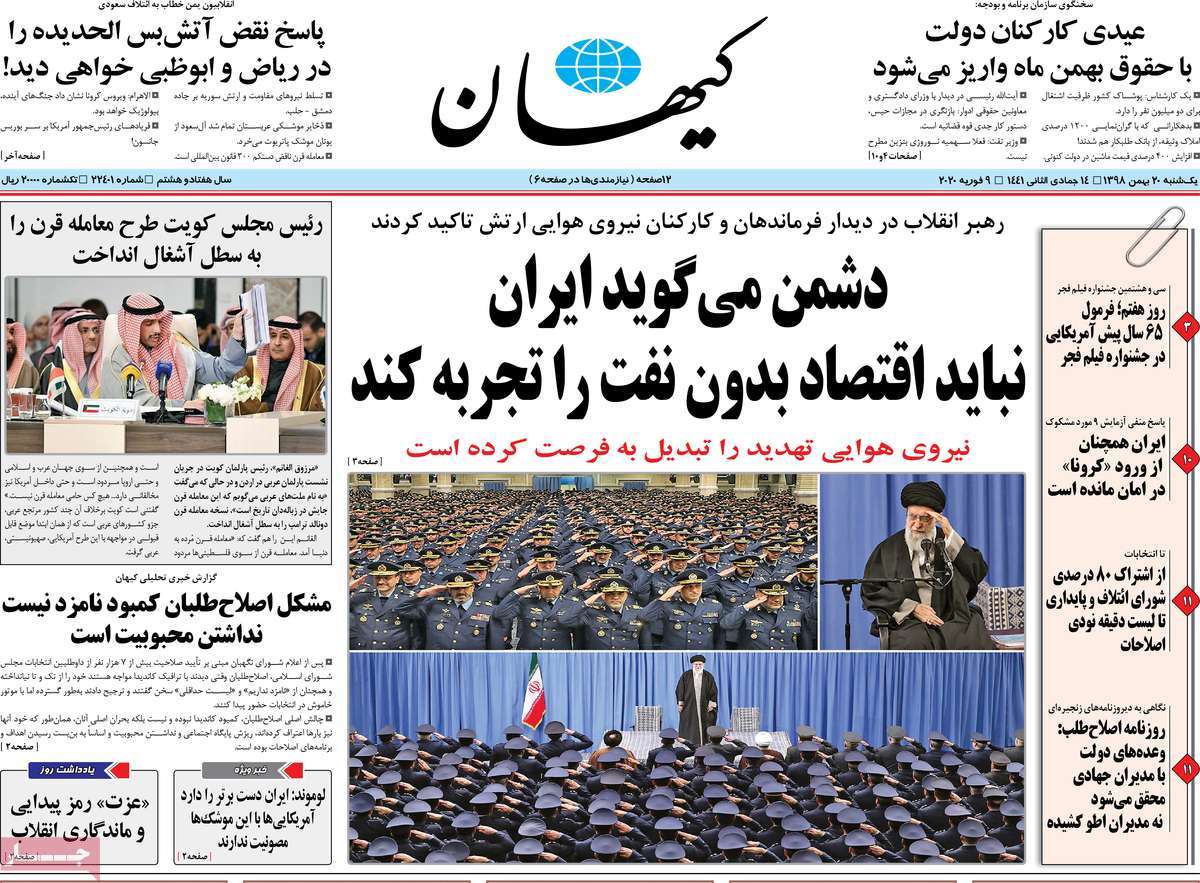
A Look at Iranian Newspaper Front Pages on February 9


Setare Sobh Newspaper:

1- Leader Brands US Sanctions on Iran as Crime in Meeting with Air Force Commanders, Staff

2- Administration’s New Achievement under Sanctions: Oil Revenues to Rise by $6 Billion
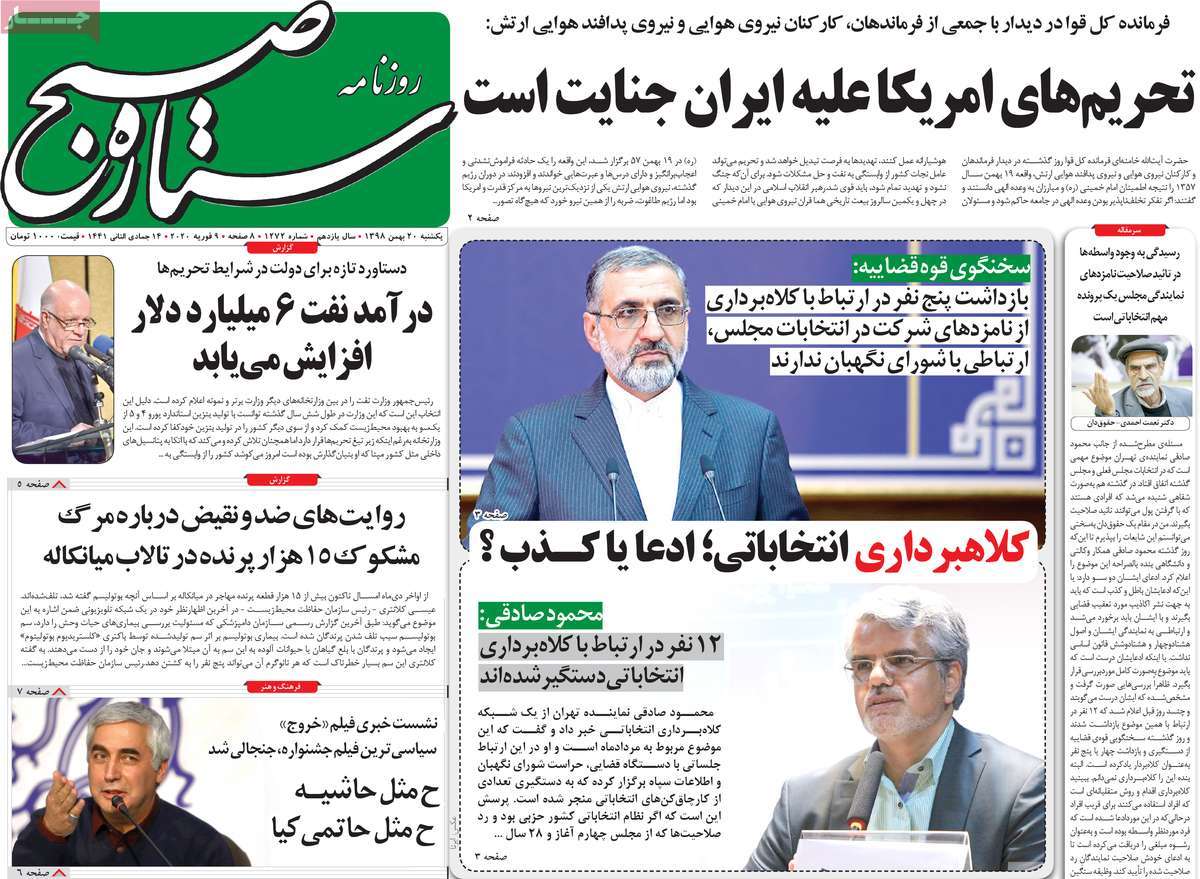
A Look at Iranian Newspaper Front Pages on February 9


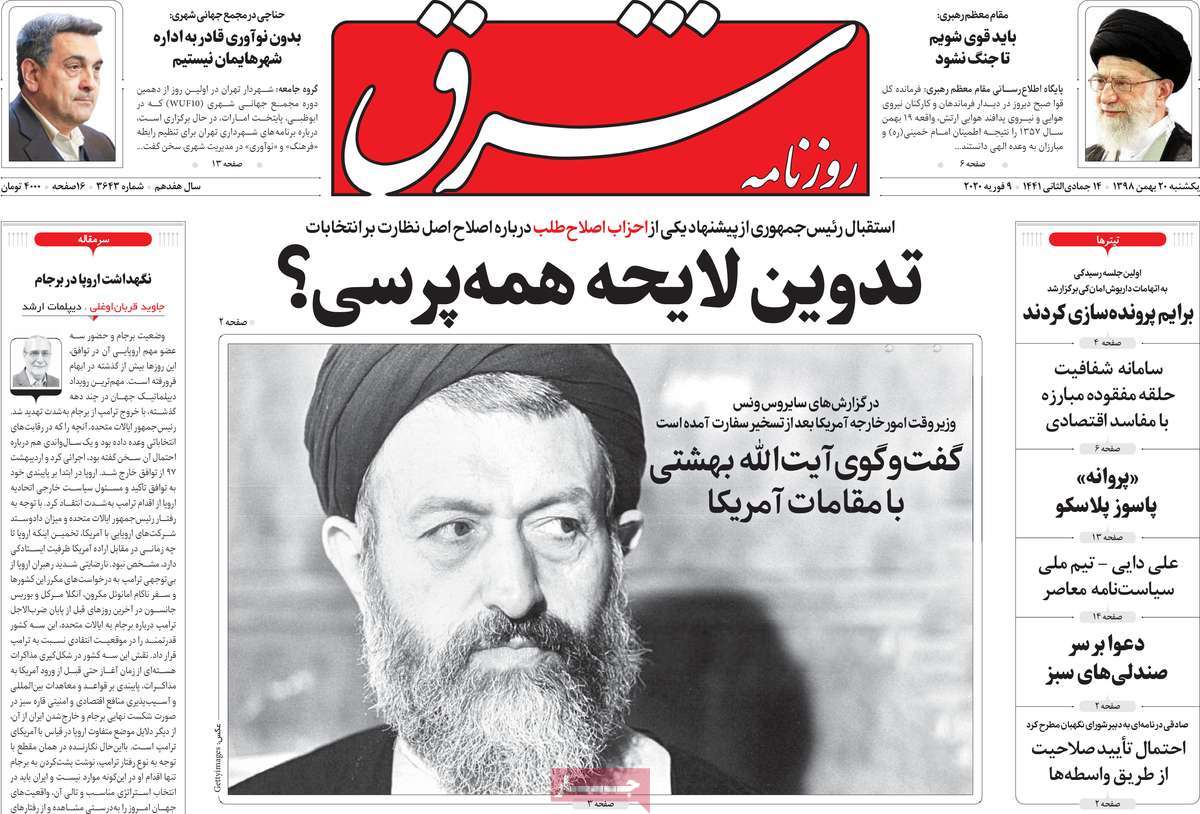
Shargh Newspaper:

1- Will Bill on Referendum Be Introduced? President Welcomes Proposal from A Reformist Party on Reform of Principle about Supervision of Elections

A Look at Iranian Newspaper Front Pages on February 9

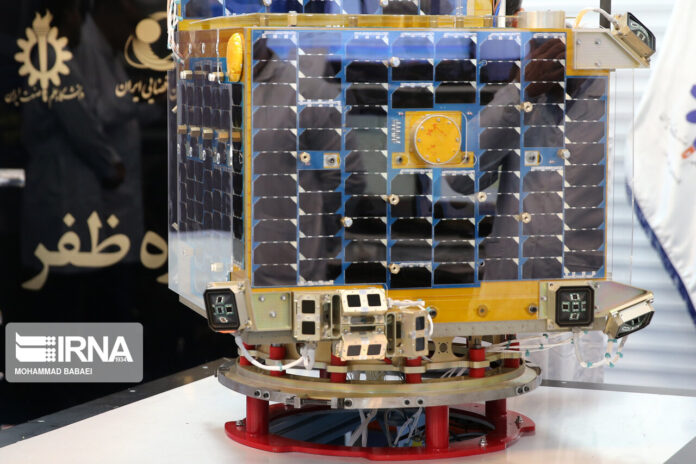
Countdown Begins for Launch of Iranian Satellite

Countdown Begins for Launch of Iranian Satellite

In a post on his Instagram account on Sunday morning, Mohammad Javad Azari Jahromi said Zafar will be launched in coming hours.
The young minister had announced in late January that the Iranian satellite would be launched before February 11 – the anniversary of victory of the Islamic Revolution.
Zafar is going to be sent into the orbit with a homegrown satellite carrier, dubbed Simorgh, from the Imam Khomeini National Space Centre.
Zafar weighs 113 kilograms, is planned to be sent into an orbit at the altitudes of above 500 km, and will be utilized for telecommunication, taking images, and picking up space signals.

8 Million Tourists Visit Iran in 10 Months: Minister

8 Million Tourists Visit Iran in 10 Months: Minister

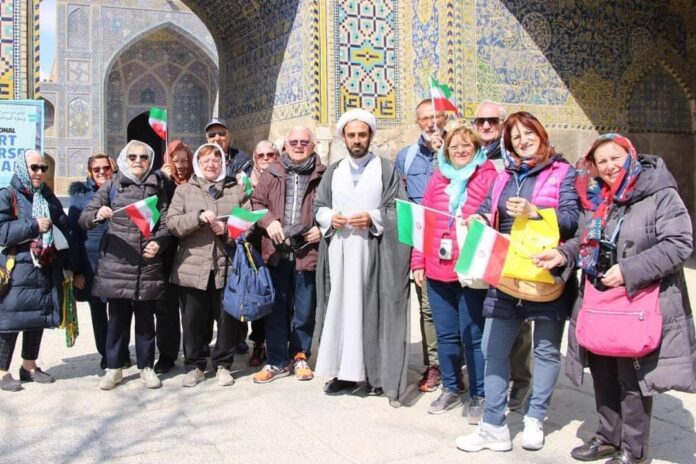
In a meeting with a senior Iranian cleric in the city of Qom on Sunday, Ali-Asghar Mounesan said eight million tourists have arrived in Iran during the past ten months.

The minister also noted that the number of visiting tourists would have exceeded 10 million if the recent incidents had not happened.

He was probably referring to a decline in the number of foreign visitors after the January downing of a Ukrainian passenger plane near Tehran.

Mounesan further said that Iran generates $11.7 billion in revenue from the tourism industry, noting that the figure could rise in future with proper planning.

Pointing to a decrease in the number of foreign tourists after the outbreak of the novel coronavirus in China, the minister said Iran’s domestic tourism capacities are so diverse and strong that a drop in the number of foreign travelers would not deal a significant blow to the tourism industry.

The Ministry of Cultural Heritage, Tourism and Handicrafts has formulated policies to promote religious tourism and organize the old and new markets, Mounesan explained, referring to the suitable agreements that Iran has signed with Iraq to promote religious tourism.


Related Articles:

Iranian Scientists to Produce Bone Substitutes Using Nanotechnology

Iranian Scientists to Produce Bone Substitutes Using Nanotechnology

Today, synthetic alternatives to the treatment of bone defects are of great interest. They are structures that help differentiate bone marrow progenitor cells and improve physiological deficits by rebuilding the bone’s physical, chemical and biological conditions.

Research has shown that nanotopography (spatial nano dimensionality) and stiffness are the most important physical properties that influence cell fate. Therefore, scientists at the Royan Research Institute, Amirkabir University, and Utrecht University of Medical Sciences in the Netherlands investigated the physical properties of poly-caprolactone nanofibers (PCLs) loaded on multifunctional carbon-based microwaves (F-MWCNTs). They also evaluated how these structures cause phenotypic differences in bone marrow progenitor.

Changes in material properties, protein absorption, and tensile tests were evaluated by high resolution electron microscopes.

For a brief review of Iran’s achievements in various fields of science and technology, check the book “Science and Technology in Iran: A Brief Review – 2019

Also, the effect of the produced structures on the differentiation of mesenchymal stem cells from bone cells was evaluated by gene analysis.

The results, published by the International Journal of Materials Science & Engineering C, show that the use of F-MWCNT independently controls the hardness of PCL nanofibers based on the thickness of the used F-MWCNTs. They also showed that differences in hardness and topography activate different pathways in osteogenesis of progenitor cells.

The results of this study may help to better understand the biomechanical effects on bone marrow progenitor cells that will lead to improved bone biomaterial production.

Iran Commercializes Homegrown Flu Vaccine

Iran Commercializes Flu Vaccine

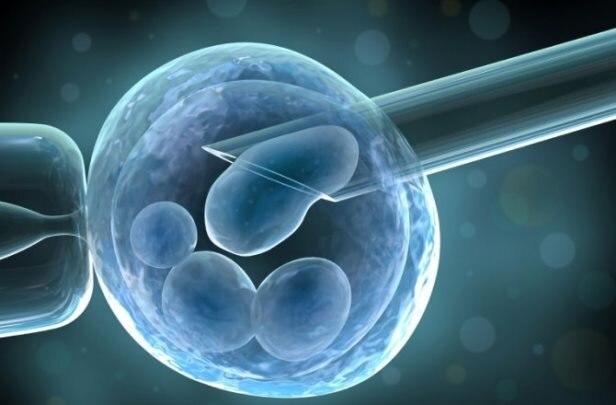
CEO of the Iranian knowledge-based company told Mehr News Agency that his firm has gained the technical know-how to synthesize and mass-produce the Iranian vaccine after 10 years.

Esmaeil Saberfar said the new flu vaccine has obtained all necessary permissions.

The flu vaccines currently available in the Iranian market are all made in the foreign countries, he noted, saying the main producers of flu vaccine are France, Germany, Belgium, the US, Italy, Japan and South Korea.

He also noted that domestic production of the flu vaccine will help the country save around $8 million in the imports every year.

“We are capable of meeting the country’s demands,” Saberfar added, saying the Iranian flu vaccine is scheduled to enter the market by August or September 2020.

“We are going to increase our production capacity in order to fulfill the country’s needs,” he explained.

While the Iranian flu vaccine has not been still mass-produced, a number of countries such as India, Pakistan and the United Arab Emirates have made requests for the purchase of the product.

According to the director of the Iranian grand plan on the production of flu vaccine, the homegrown pharmaceutical product is comparable in quality to the French vaccines, will be available at much lower costs, and has been fully produced with Iranian raw materials.

Once the Iranian flu vaccine is mass-produced and commercialized by the domestic knowledge-based company, the vaccines for the new strains of flu could be immediately synthesized in Iran as well, he added.


Related Articles:

Fajr Theatre Festival: People Warmly Welcome Street Performances

Fajr Theatre Festival: People Warmly Welcome Street Performances

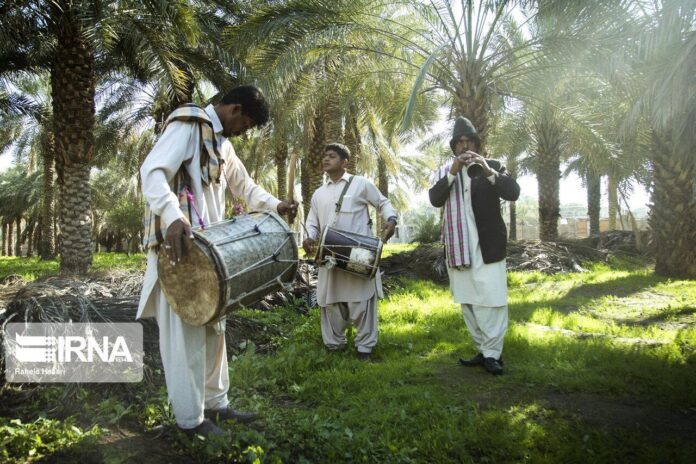
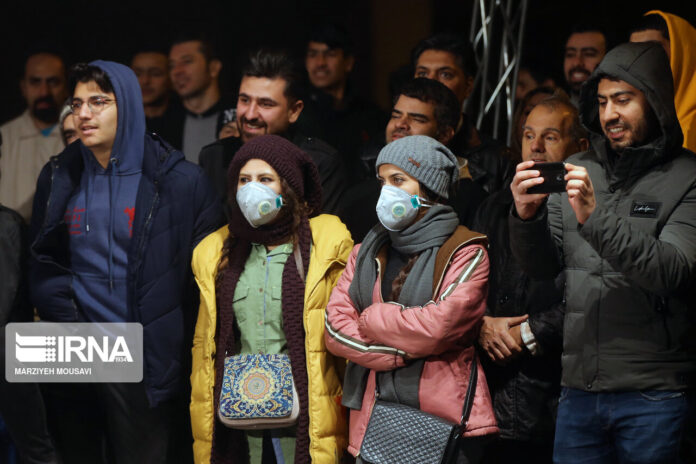
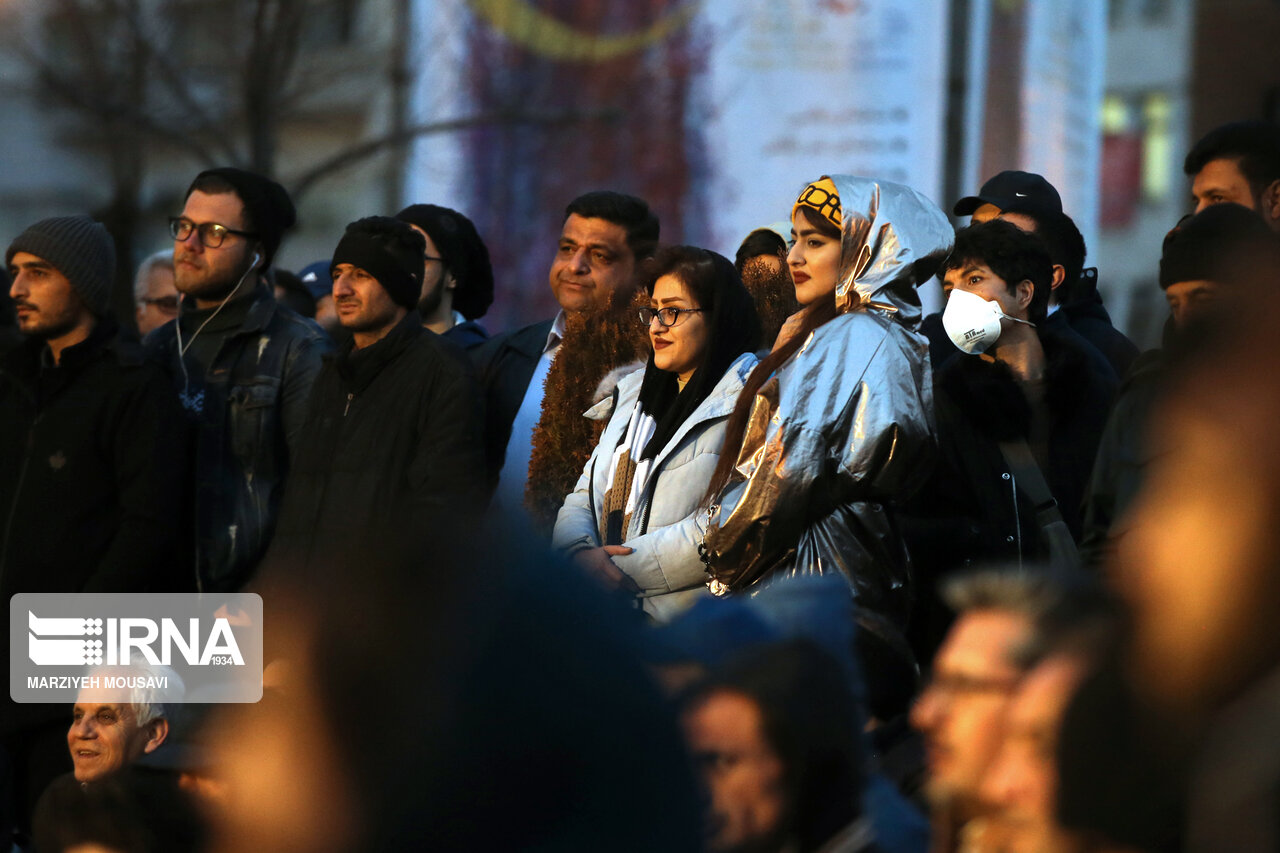
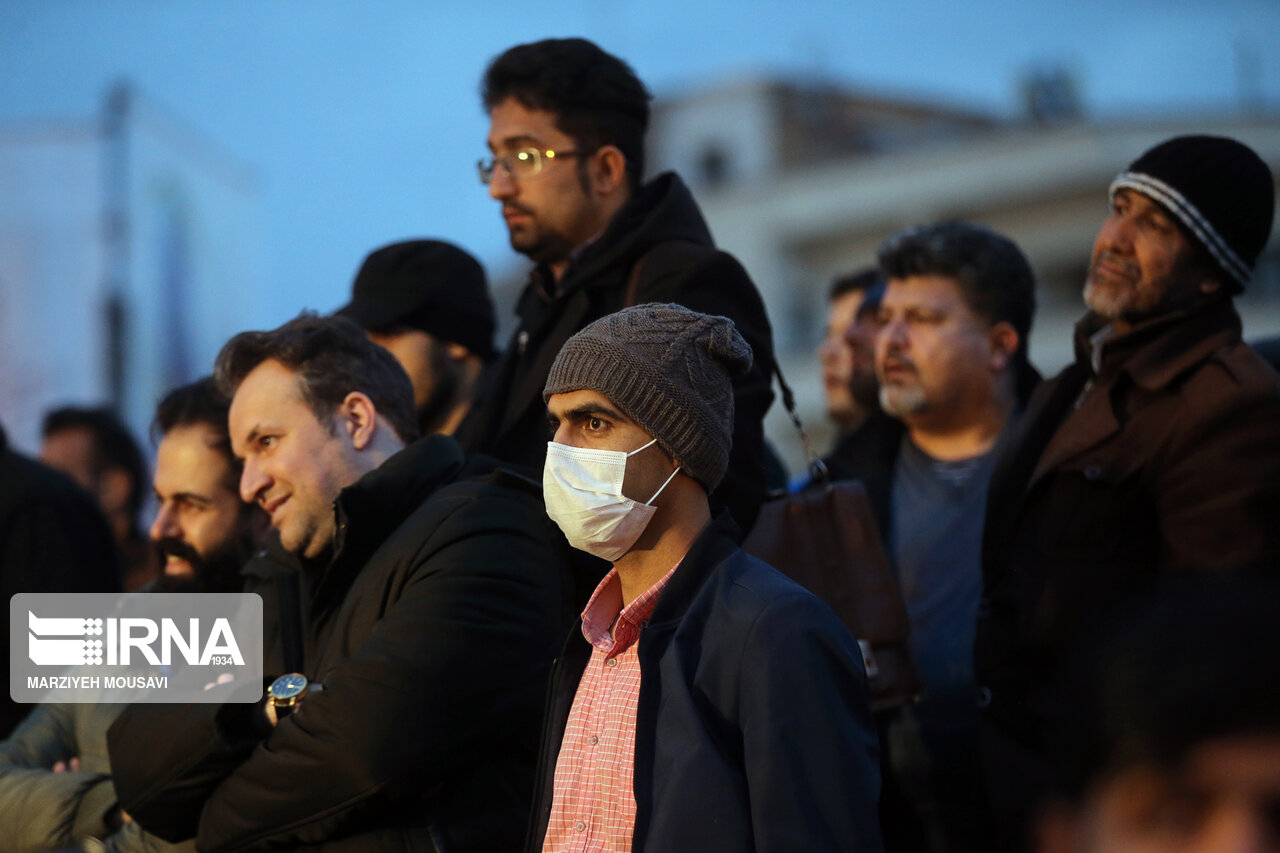
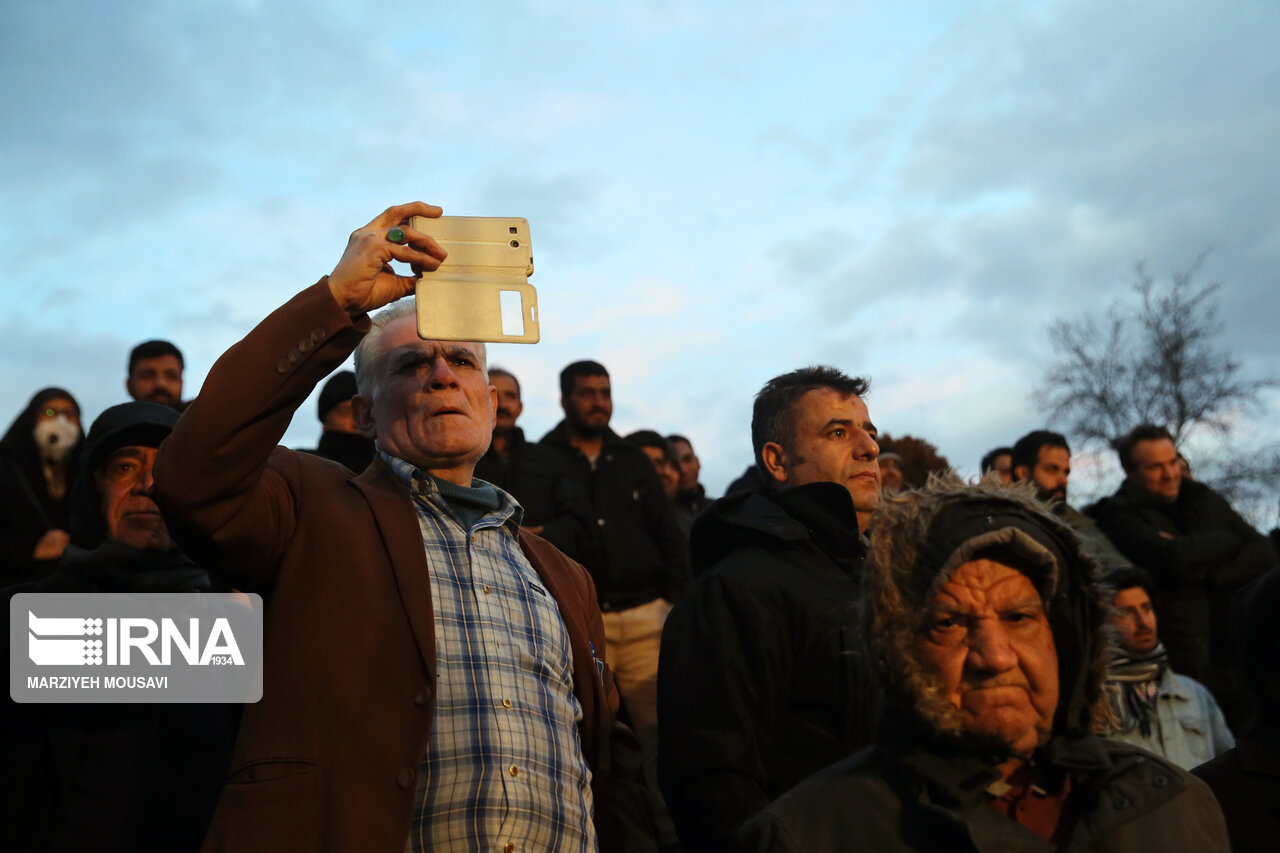
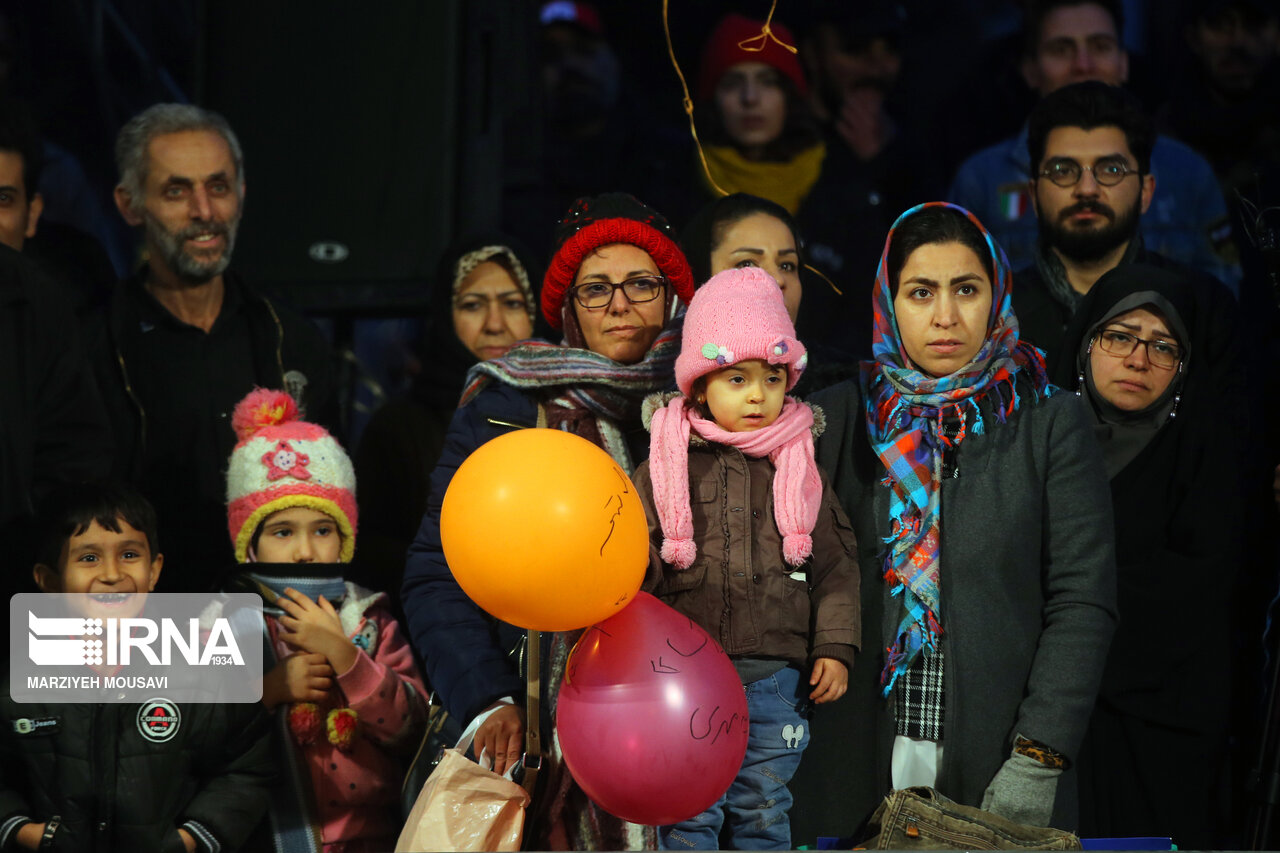
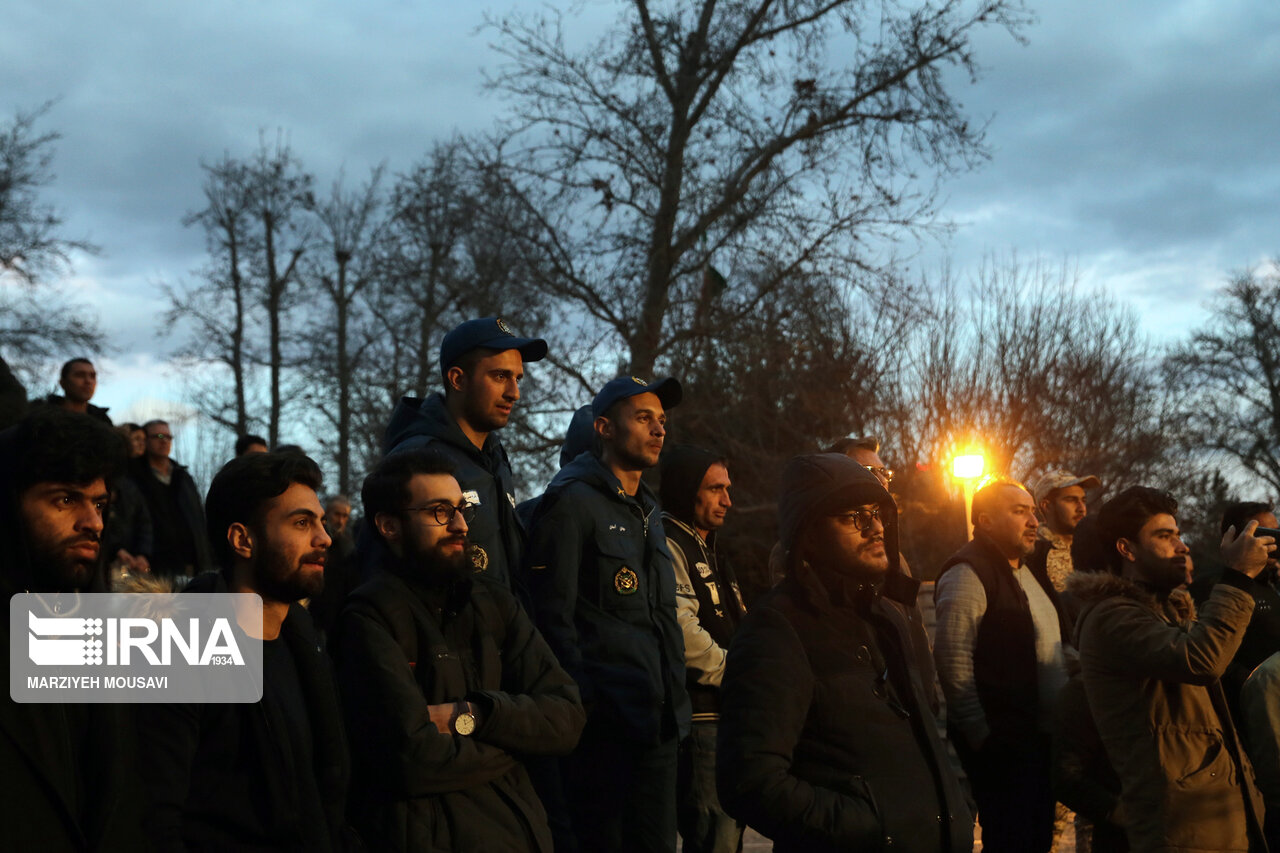
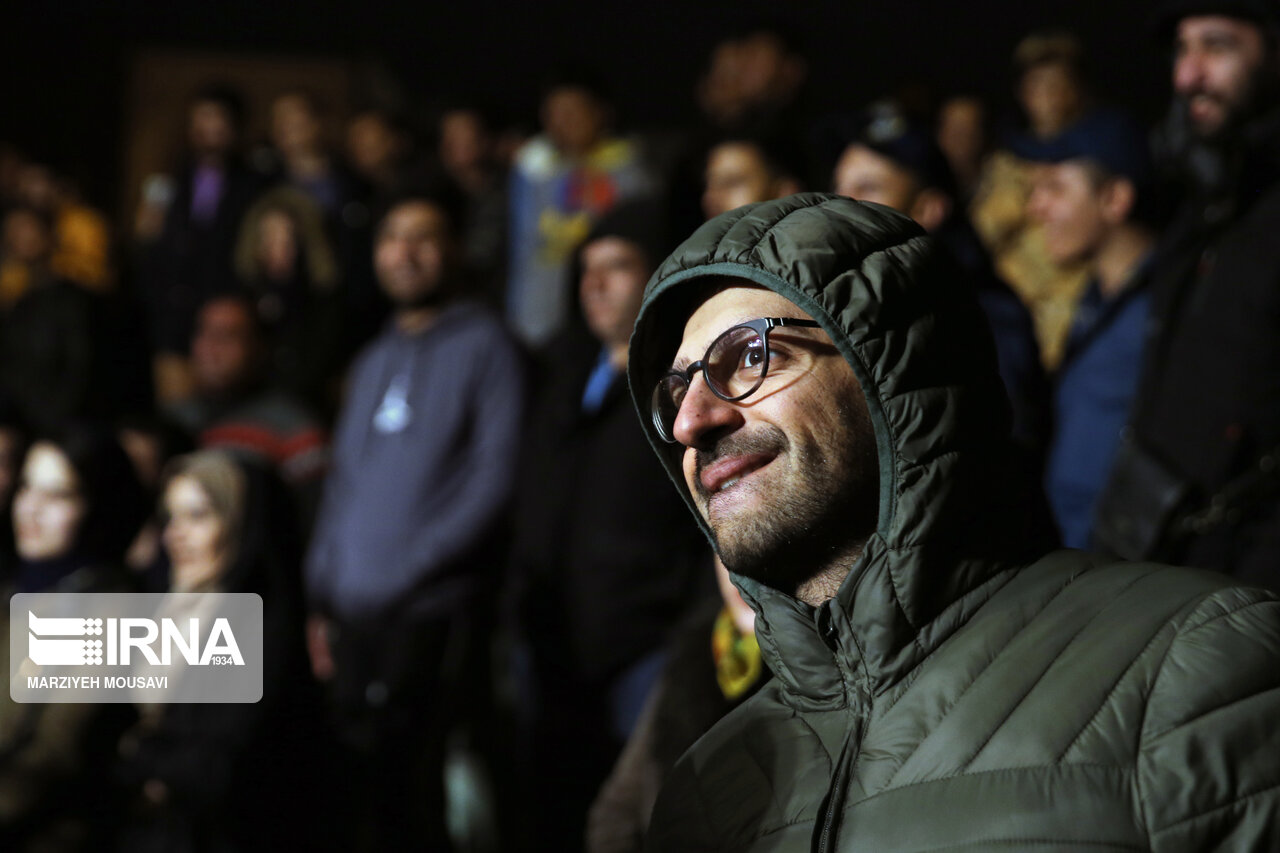
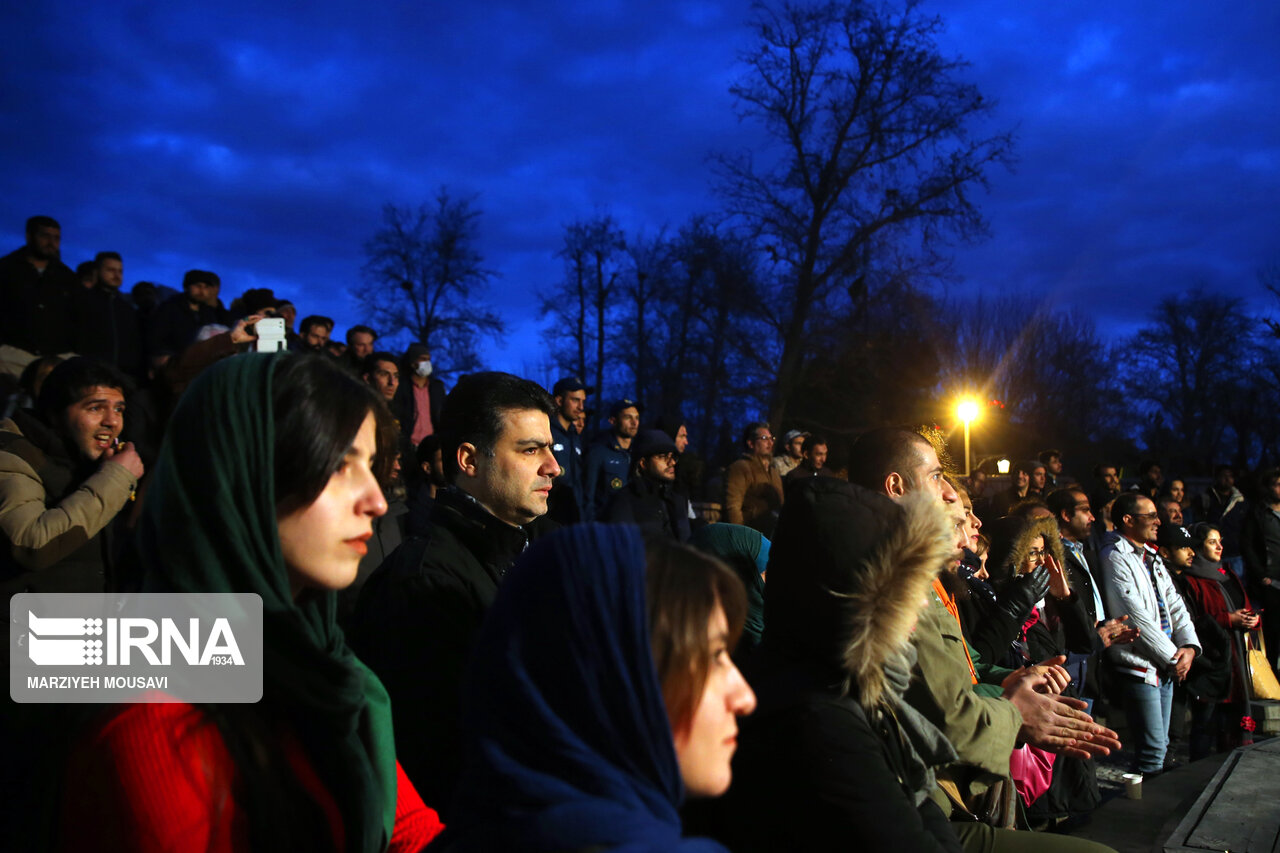
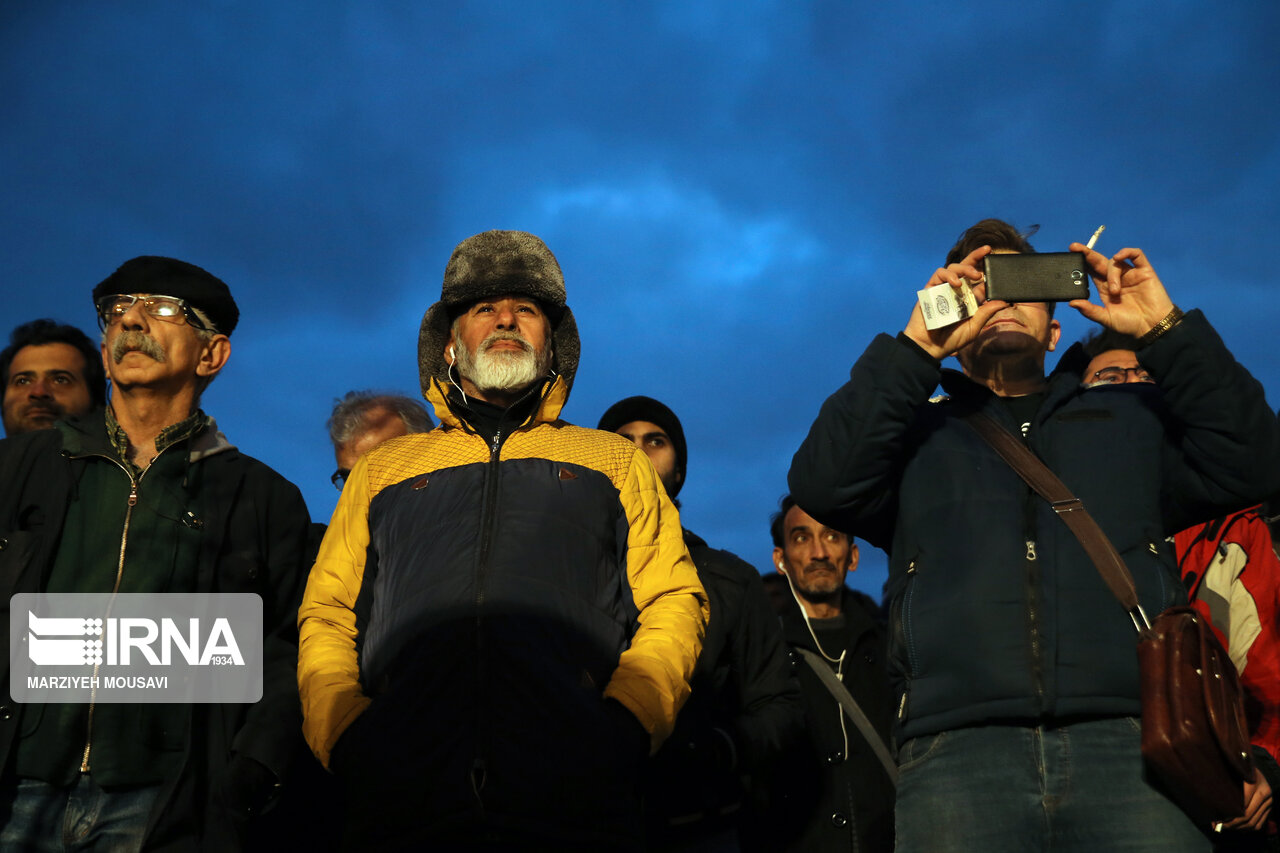
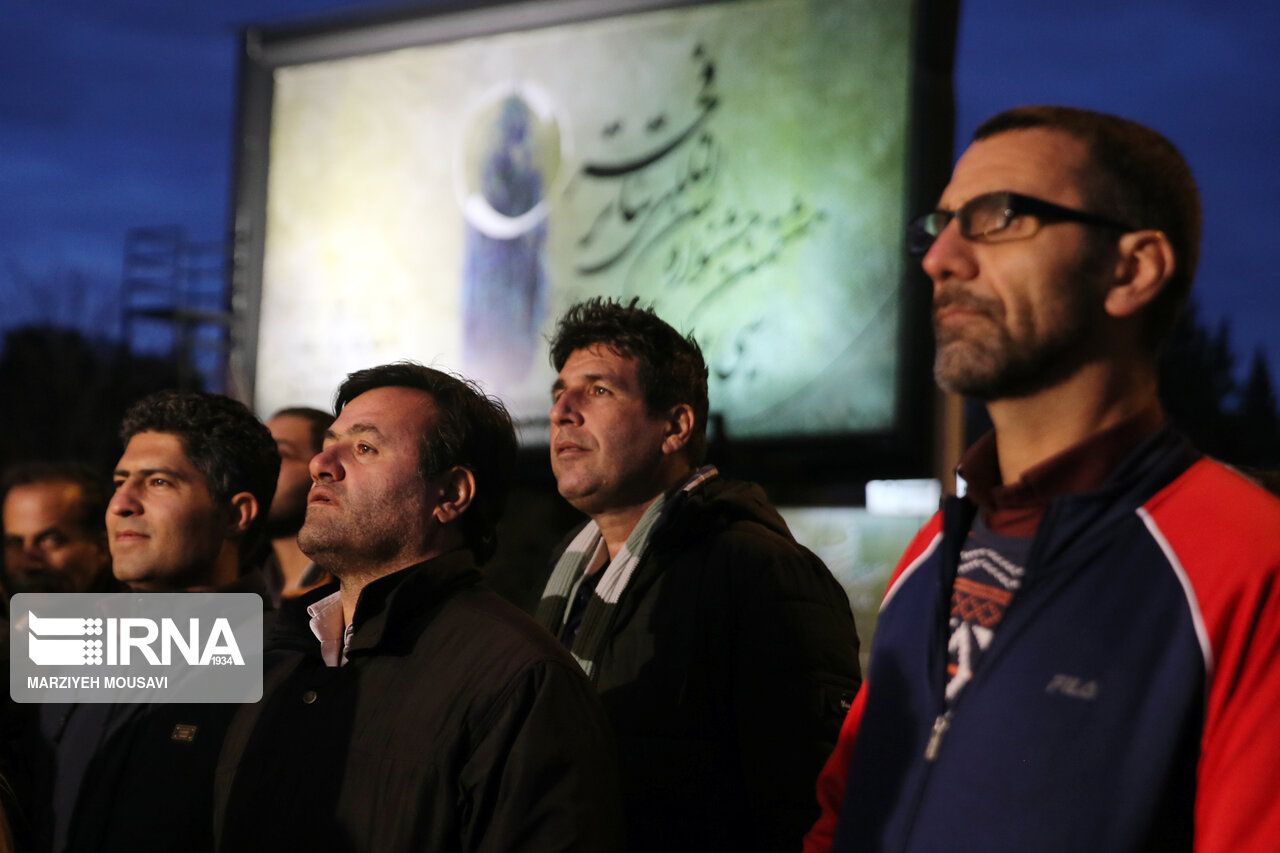
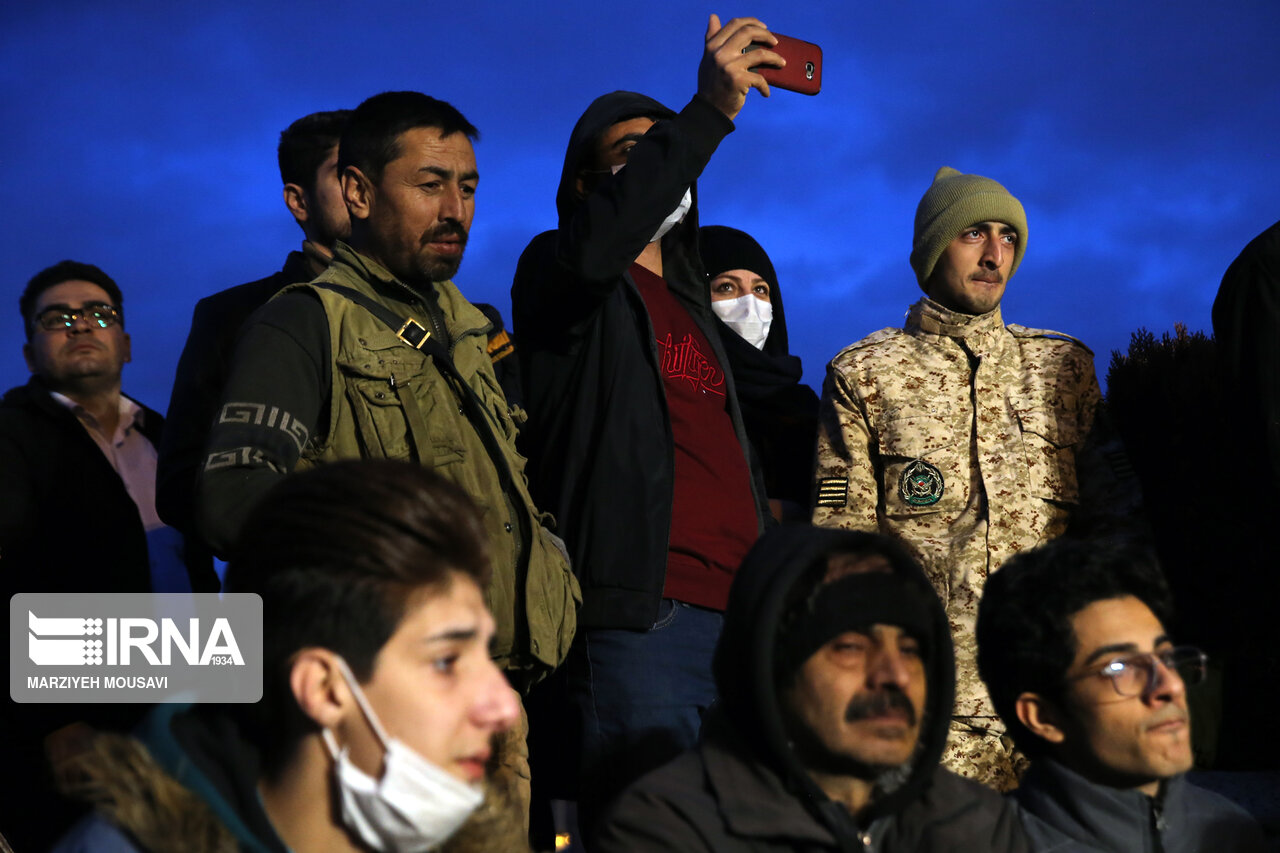
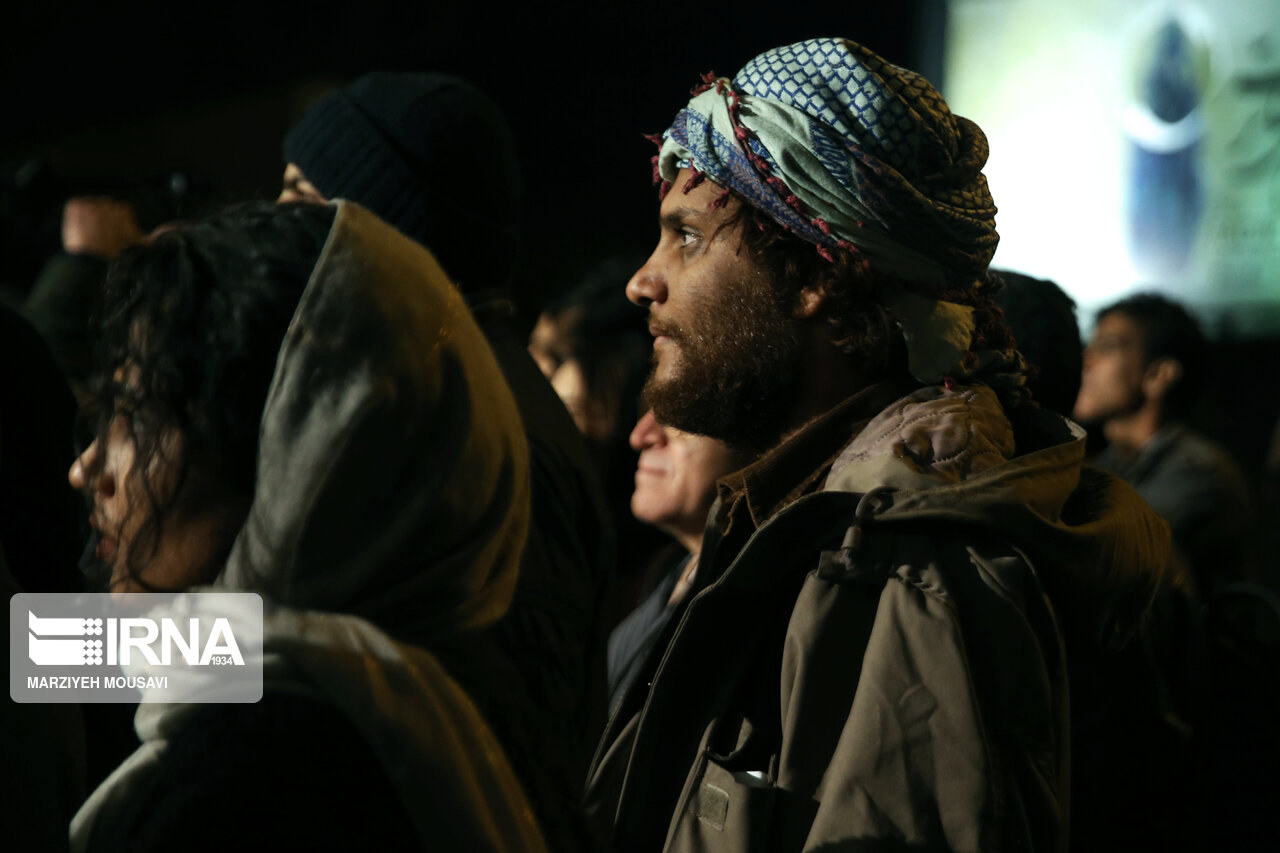
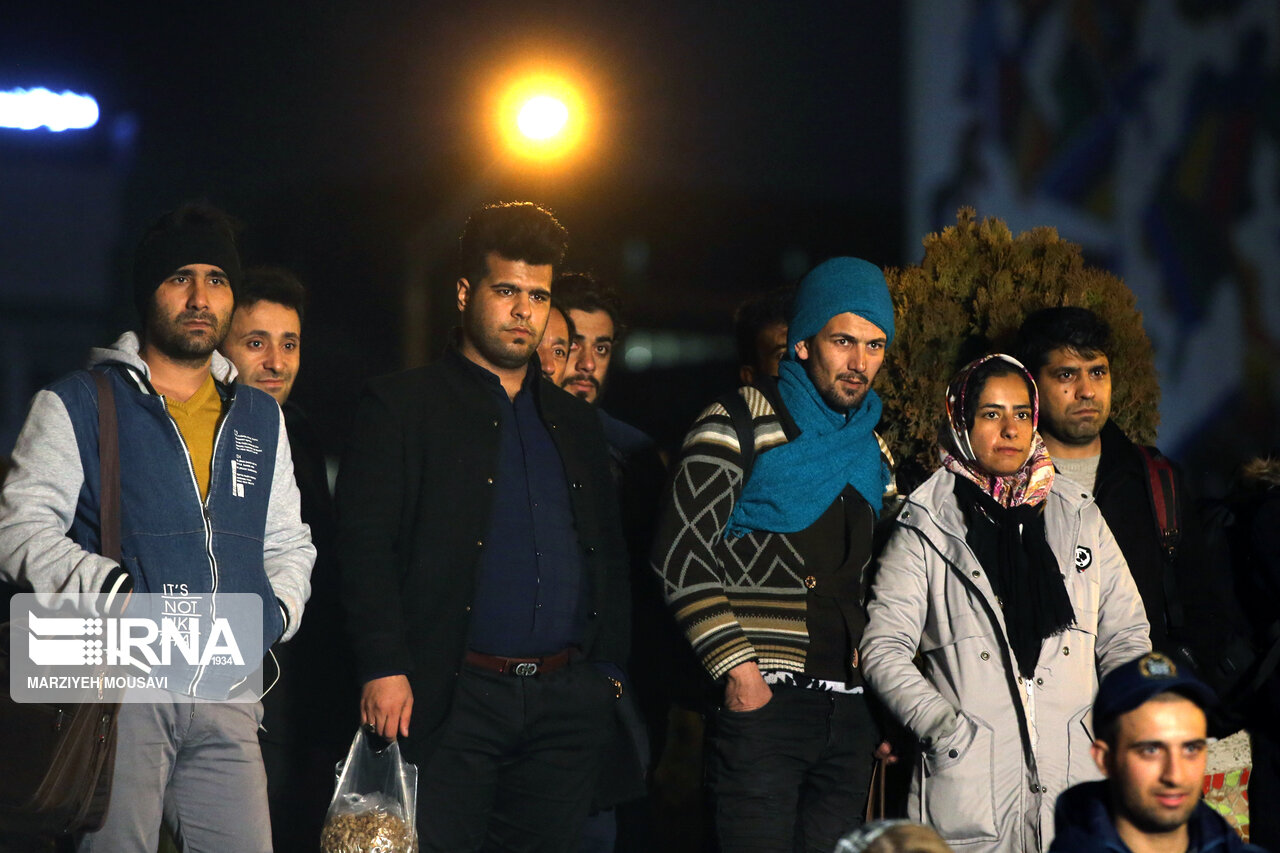
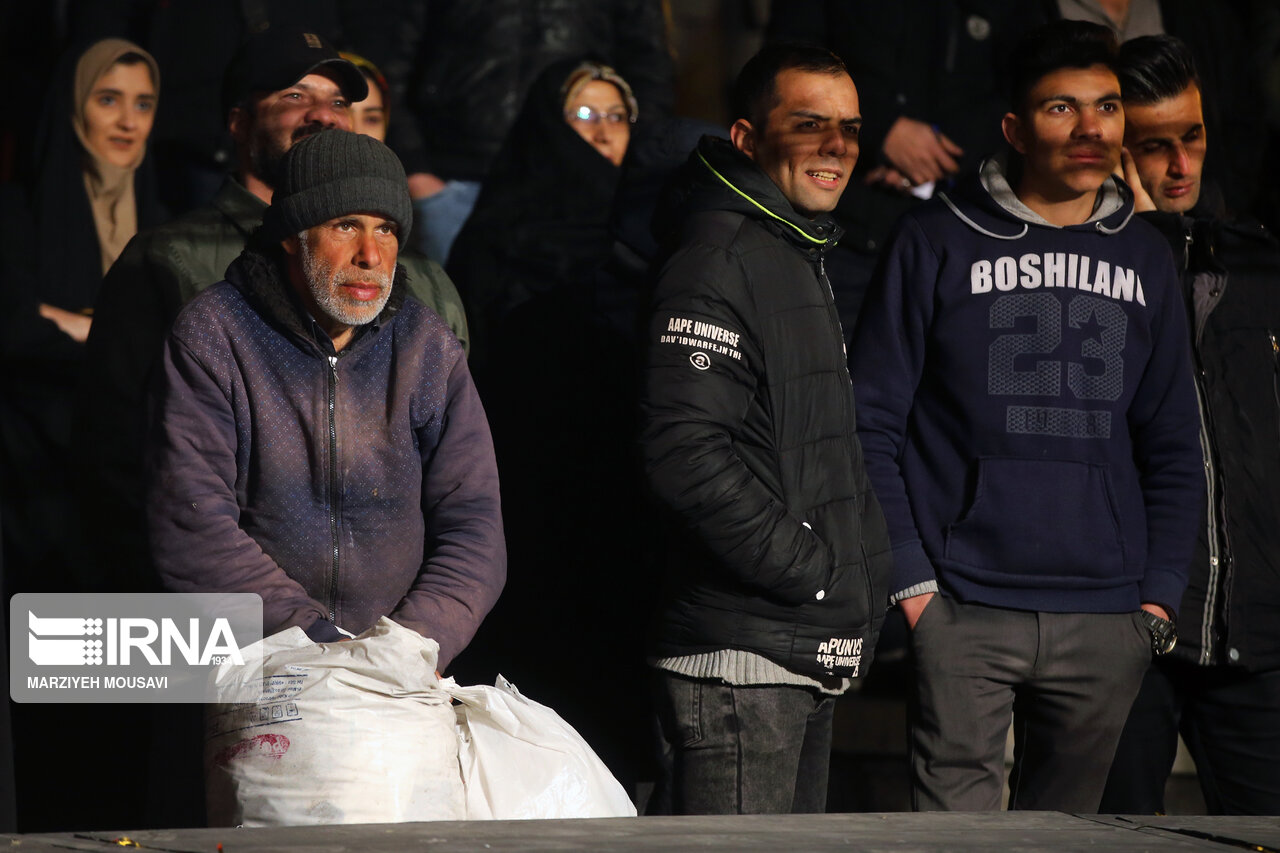
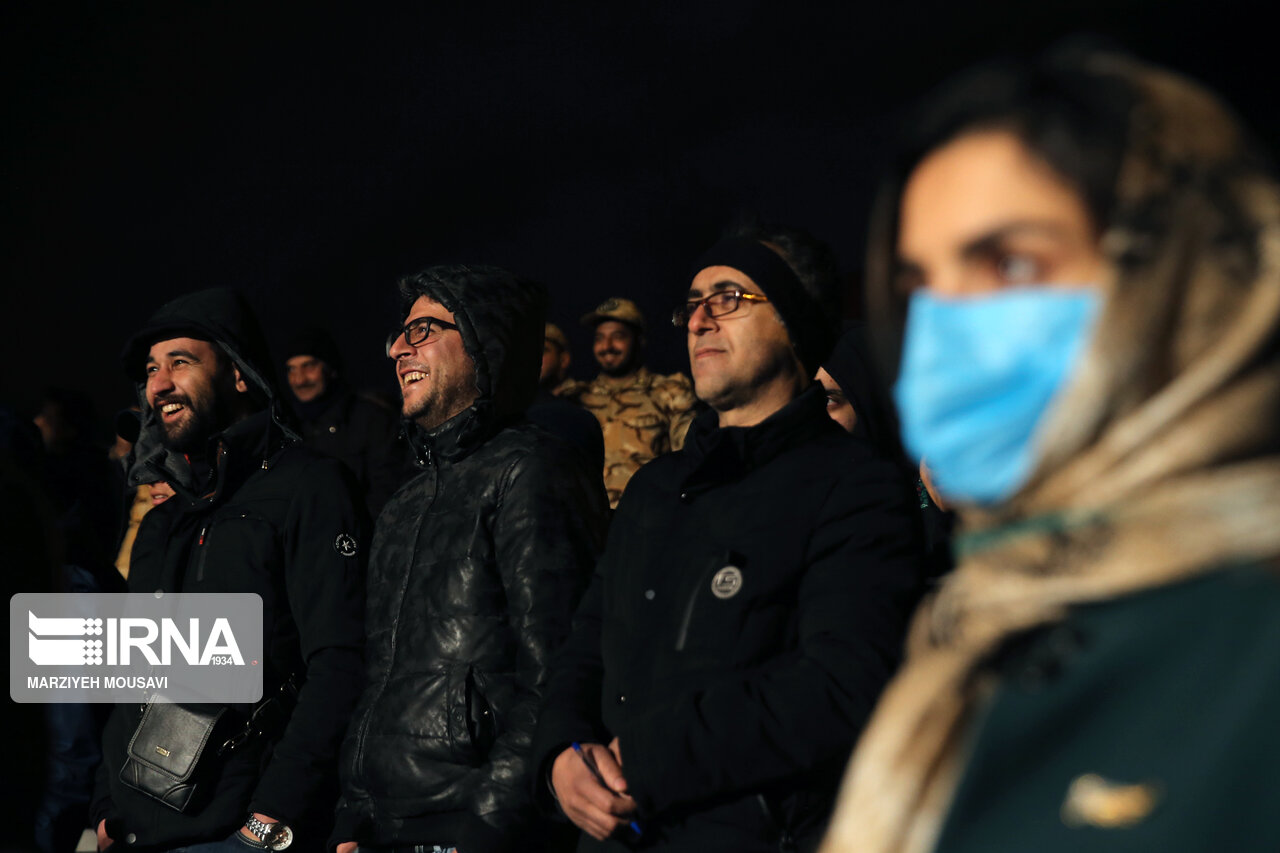
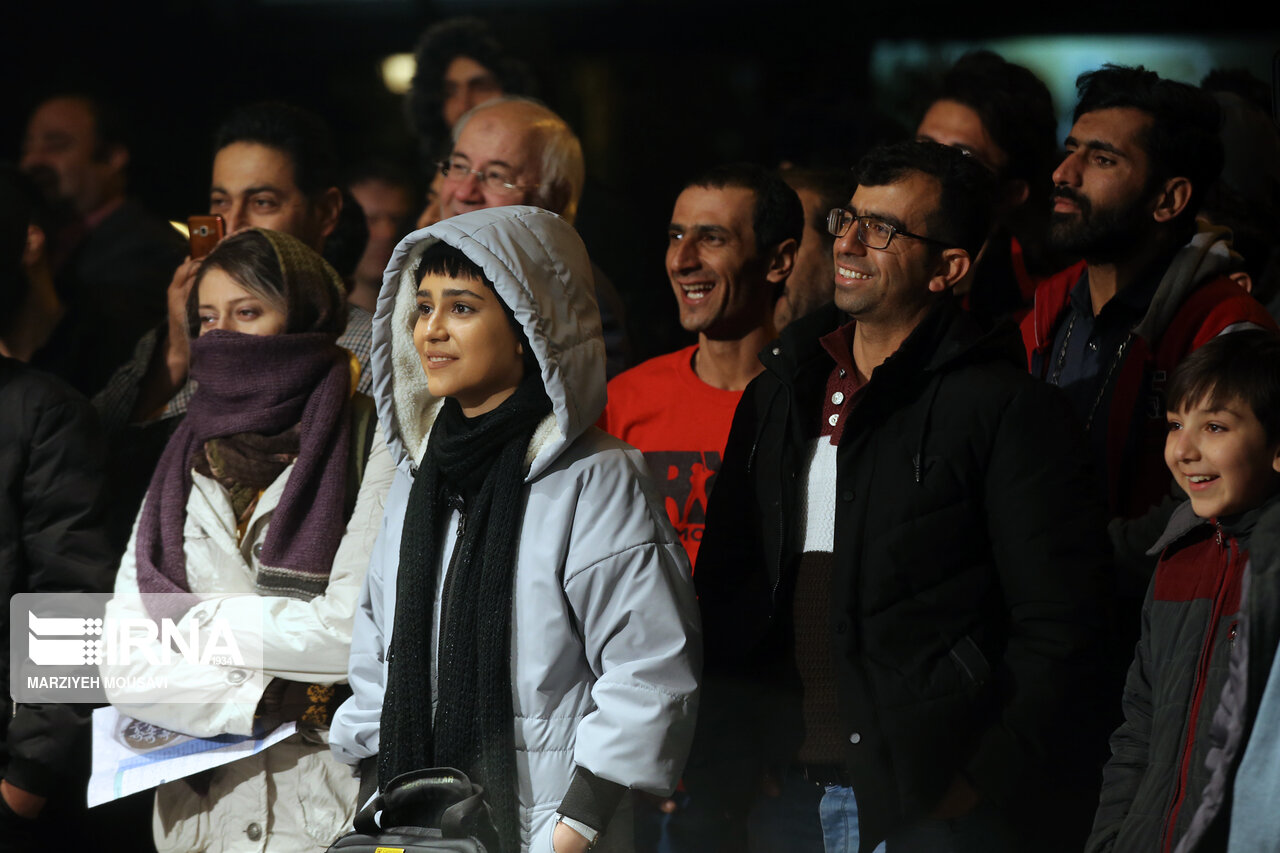
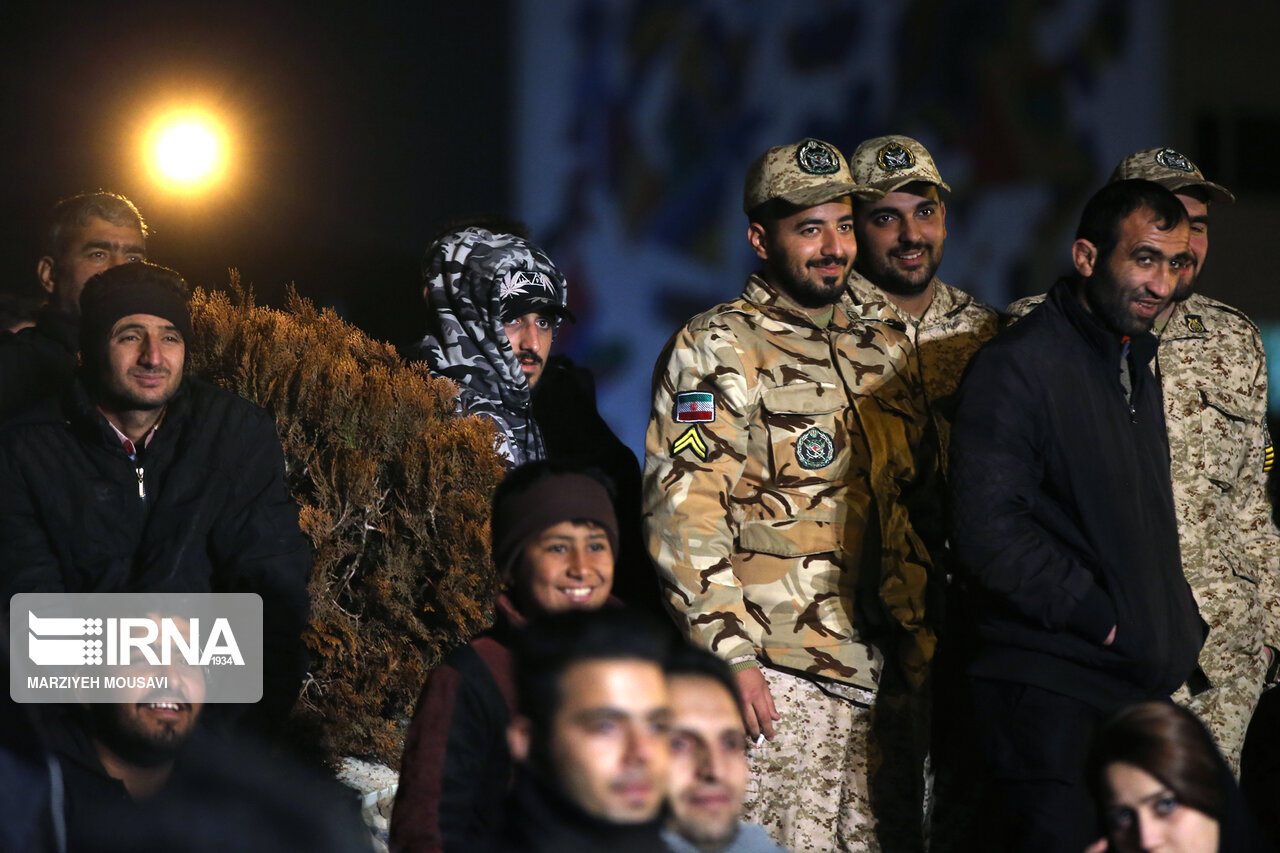
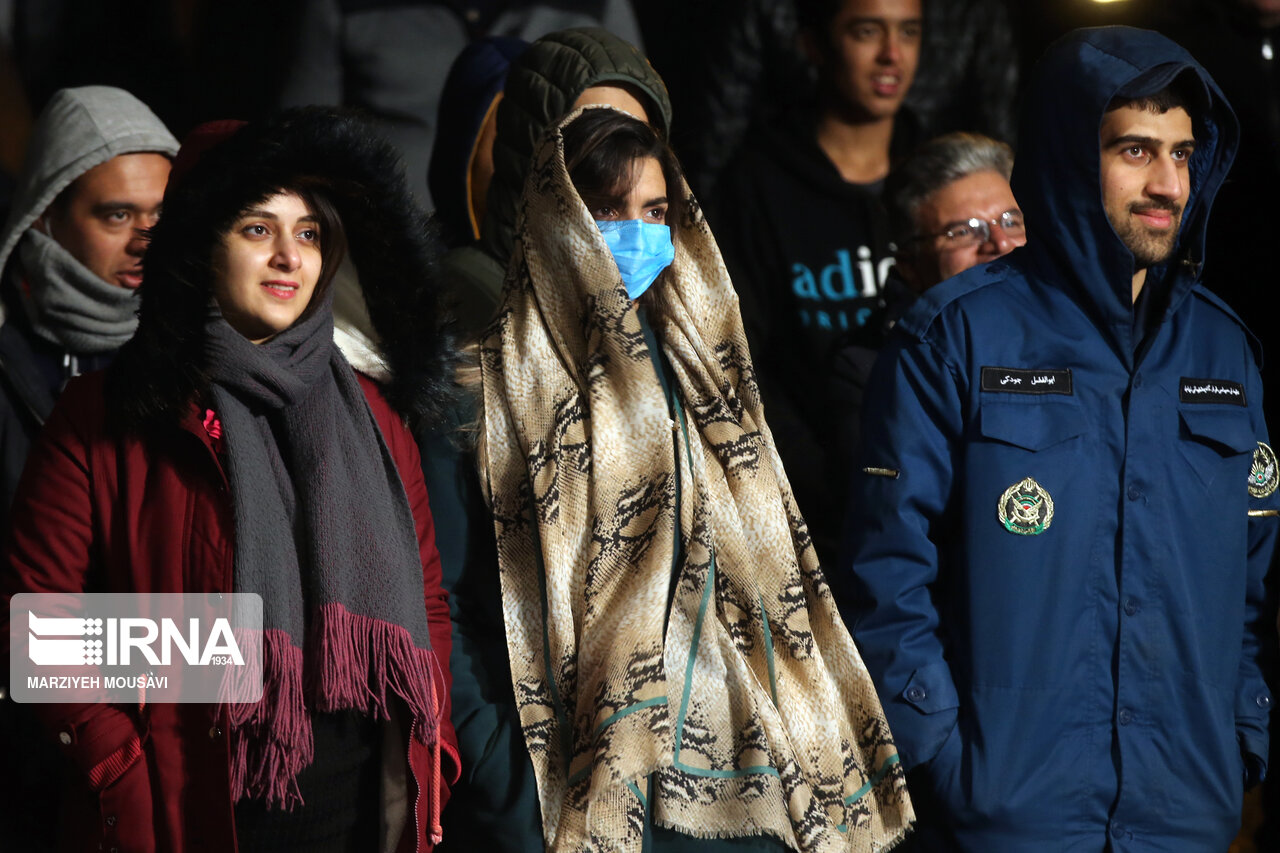
These days, people from all walks of life are watching the street performances in the City Theatre of Tehran, which are held on the margins of the 38th Fajr International Theatre Festival.

What follows are IRNA’s photos of these street performances, whose audience is made up of people from different social backgrounds:

Iran Says Fight against Terrorism in Syria’s Idlib ‘Necessary’

Iran Says Fight against Terrorism in Syria’s Idlib
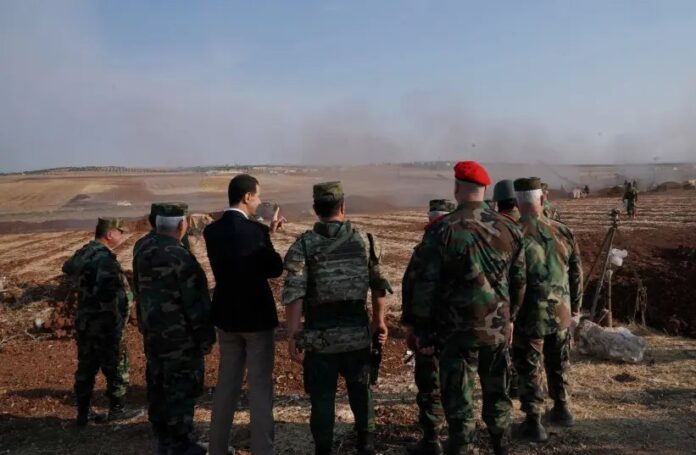
Syrian President Bashar al Assad visits Syrian army troops in war-torn northwestern Idlib province, Syria, October 22, 2019 / Photo by Reuters

Senior Assistant to Iran’s Minister of Foreign Affairs in Special Political Affairs Ali-Asghar Khaji made the remarks in a Saturday meeting with the United Nations Secretary-General’s Special Envoy for Syria Geir O. Pedersen in Tehran.

The Islamic Republic of Iran stresses the need to protect the lives of civilians and prevent them from being used as human shields, and is prepared to help resolve the conflicts between Turkey and Syria, Khaji noted.

He also stressed the need for implementing the Sochi Agreement.

US Trying to Seize Syria’s Oil Wells, Rouhani Warns

For his part, the secretary-general’s special envoy for Syria, who has travelled to Iran within the framework of the regional consultations, gave a report of a series of activities and measures, particularly his meetings with the Syrian officials, and praised the Islamic Republic of Iran’s support for the continuation of the activities of the Constitutional Committee.

During the meeting, the two sides discussed the latest developments in Syria, particularly the situation in Idlib, the Constitutional Committee, the reconstruction process, the task force on the exchange of the detainees and abductees, the status of the displaced, as well as other humanitarian issues.

They also talked about the grounds for mutual cooperation between the Islamic Republic of Iran and the United Nations for contribution to the settlement of the crisis in Syria.
The two sides further emphasized the necessity for the settlement of the crisis in Syria through political processes and the Syrian-Syrian dialogue.