Sunday, December 21, 2025
Home Blog Page 2786

Palestinian Resistance Lost A Candid, Precious Element: Iran Leader

Palestinian Resistance Lost A Candid, Precious Element: Iran Leader

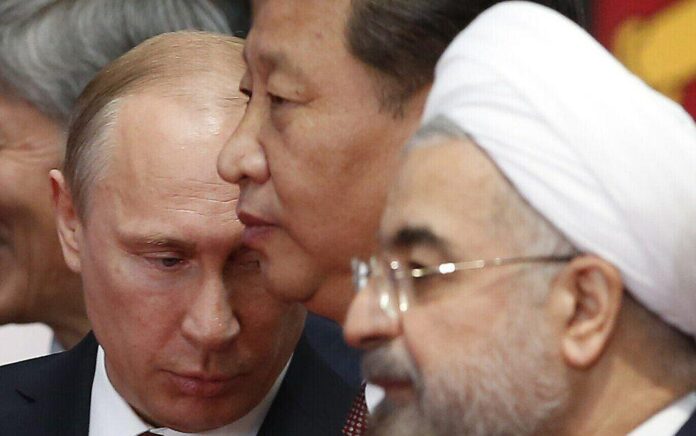
In a message on Monday, Ayatollah Khamenei sent his condolences to the Palestinian nation, to all sympathizers of the issue of Palestine, to the “devoted organization of Palestinian Islamic Jihad Movement”, and to the family of Ramadan Abdullah on the loss of the “hard-working and resisting brother”.

“The Palestinian resistance current has lost a very candid and precious element,” the Leader noted.

Ayatollah Khamenei also expressed hope that the strenuous efforts made by the competent successors following the path of figures like Fathi Shaqaqi and Ramadan Abdullah with the assistance of God would compensate for the loss.

The former head of the Palestinian Islamic Jihad movement died at age 62 in a hospital where he was receiving medical treatment.

Shalah was born in Gaza in 1958 and became the head of the movement in 1995 after the assassination of Fathi Shaqaqi.

Ziad al-Nakhala was chosen to lead the Palestinian Islamic Jihad Movement in 2018 because of Shalah’s illness.

‘Russia, China Unlikely to Veto US Bid to Extend Iran Arms Embargo’

Some ‘Russia, China Unlikely to Veto US Bid to Extend Iran Arms Embargo’

An article published by Iranian news website Khabar Online has referred to the latest developments surrounding a draft UN Security Council resolution that the US has proposed to extend the arms embargo on Iran before it expires in October, and has cited a brief analysis of the situation provided by Ahmad Bigdeli, an expert in international studies, to conclude that Russia and China will refrain from exercising their veto in favor of Iran.

However, what the article does not take into account is that if China supports the US move against Iran, it would contribute to the victory of Donald Trump in the November elections, and that is not what Beijing would desire considering Trump’s belligerent approach towards China.
The article also does not mention the current chaotic situation in the US, which is far from what Trump had promised in his presidential campaign, and may influence any global consensus in favour of Washington.
What follows is the full text of the article, originally written in Persian:

On Friday, June 5, US Ambassador to the UN Kelly Craft said she has shared a draft UN Security Council resolution with Russia that would extend the arms embargo on Iran indefinitely. Craft told a press briefing that she also shared the draft with the UK, France, Germany and Estonia and hopes to give the draft to the rest of the 15-member Security Council “pretty soon.”

The UN arms embargo on Iran expires on October 18 as per the UN Security Council Resolution 2231, which endorsed the 2015 nuclear deal with Tehran.

Brian Hook, the US State Department’s special representative on Iran, has publicly threatened that the US would trigger a so-called snapback mechanism for a return of all UN sanctions on Iran if the UN Security Council does not extend the arms embargo on Tehran.

Hook has also threatened that “one way or another” Washington would ensure the arms embargo remains.

According to the nuclear deal that Iran and six world powers signed in 2015, the arms embargo on Tehran will expire in October 2020 and the Islamic Republic will be able to purchase conventional weapons from the other countries afterwards.

The UN Security Council resolution drafted by the US would need nine votes in favour and no vetoes by Russia, China, the US, Britain or France to pass. Meanwhile, Russia has already announced that Moscow will oppose any US attempts to extend the arms embargo, which expires in October on the basis of the 2015 nuclear deal.

Hook has written in the Wall Street Journal, “If American diplomacy is frustrated by a veto, however, the US retains the right to renew the arms embargo by other means.”

Although resolution 2231, passed by the UN Security Council in 2015 to endorse the JCPOA, has terminated the provisions of the previous resolutions, it has left the door open for a reinstatement of the seven previous resolutions imposing sanctions on Iran.

The US withdrew from the nuclear deal with Iran in 2018, but it argues that it can initiate the snapback mechanism under the deal because the United States was a participant in the Iran nuclear deal and in the approval of the resolution 2231.

Russia has opposed such US argument. Russian UN Ambassador Vassily Nebenzia has recently denounced the US for arguing it can use the snapback mechanism, saying, “This is ridiculous. They are not members, they have no right to trigger.”

Over the past recent weeks, representatives of Russia at the UN and other international organizations in Vienna have repeatedly taken stances against an extension of the arms embargo on Iran. But what makes the Iranians have a mistrust of Russians?

A group of international observers believe that Russians are pursuing their own interests with the purpose of gaining more bargaining power vis-à-vis the US. Russians want to extract concessions from the United States on the issues relating to Ukraine and Syria, hoping that the European and the US sanctions against Russian would be lifted as soon as the negotiations between the two countries yield results. As Russia is negotiating with Israel and the US, it hopes that Iran’s role in Syria would diminish steadily, in the same way that it is after the closure of the bases of resistance forces and Hashd al-Shaabi in Iraq. The speculation about the regional developments suggests such Russian plans, but only time will prove how long the Russians will play a game with Iran’s card.

Others believe that China may also agree on the US draft resolution, because Trump is threatening China’s economy. These political and economic issues have overshadowed the upcoming meeting of the UN Security Council. The question that has arisen is what the final decision of the two Eastern powers will be.

In an interview with Khabar Online, Ahmad Bigdeli, a researcher of strategic issues, has commented on the prospect of Russian and Chinese support for the US-initiated resolution against Iran.

“China will very like not veto the resolution against Iran, because the Chinese won’t spend their cards on Iran. That’s because China is grappling and negotiating with the US over several issues, which would ultimately make China win concessions from the US with Iran’s card and back off. The other point is that China benefits from an Iran under sanctions and does not need the cheap Iranian energy for the moment. China might support Iran verbally and generally. It appears that this time the direct competition is between Iran and the US. If the US wins in the Security Council meeting, there will be a possibility of tensions and conflict between the two countries. That’s because the US is on the verge of holding elections and Iran hopes that Democrats would take the Oval Office. Therefore, Iran seeks to undermine Trump in the JCPOA issue to make him lose the election, so Trump has accelerated efforts to persuade Iran into holding talks in order to prevent Iran from achieving its objective,” Bigdeli said.

The analyst further pointed to Russian interference in the 2016 US presidential elections and Moscow’s plans to beat off China by bringing Trump to the White House, adding, “Trump has weakened China, and a weak China is much better than a superpower China for Russia, and it was only Trump who could restrict China vis-à-vis Russia. It is unlikely that these two countries (Russia and China) will vote in favor of Iran, as both of them benefit from Iran being sanctioned. Beijing and Moscow plan to align with each other to reduce Iran’s regional power and to enter construction and trade markets in Syria. On the other hand, China is also pursuing another objective in the tensions between Iran and the US, which is an escalation of tensions in the Persian Gulf. By refusing to support Iran, Beijing would be seeking to shift the focus of US attention from the South China Sea and Hong Kong to the Persian Gulf tensions. All in all, China is after the transition of center of tensions to the Middle East.”

On the reasons for such Chinese strategy, Bigdeli said, “At present, countries like China and Saudi Arabia have focused efforts on converting their capital into assets, because the coronavirus has sapped their economies and the markets and stock markets have crashed to some extent. As a result, China is worried about its assets in the US, and seeks to strengthen its financial position by sacrificing Iran. Accordingly, the continuation of tensions and crisis in the relations between Iran and the US will be perfectly suitable for and in the interests of China.”

In spite of a pessimistic view of the Russian and Chinese votes on a resolution extending the arms embargo on Iran, one should not forget that Iran’s conditions in the international arena have totally changed in the post-JCPOA era.

The US at present is far from the great America that Donald Trump had pledged to make in his election campaign. The US’ withdrawal from the nuclear deal has given Iran the upper hand. Moreover, China is extremely unlikely to leave Iran alone and refrain from vetoing the US-initiated resolution on the arms embargo extension, as such move will greatly help Donald Trump’s reelection, who will undoubtedly keep the tensions with China in place.

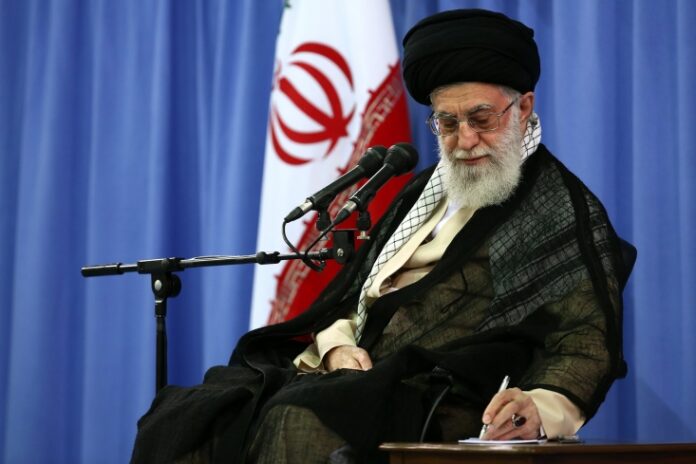
Iranian President Offers Condolences on Death of Former PIJ Chief

President Rouhani Invites Malaysian King to Visit Iran

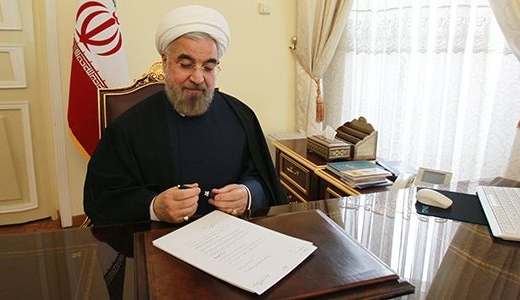
In the message released on Sunday, President Rouhani paid tribute to the deceased for his lifetime devotion to the struggle with the Israeli regime.

What follows is the text of the president’s message:

“In the name of God, the Most Gracious, the Most Merciful;

The ones who have believed, emigrated and striven in the cause of Allah with their wealth and their lives are greater in rank in the sight of Allah . And it is those who are the attainers [of success]. [At-Tawbah: 20]

The grief at the passing away of the combatant of the path of freedom and the former secretary-general of the Palestinian Islamic Jihad Movement, Dr. Ramadan Abdullah, was greatly saddening.

The virtuous and hard-working devotee and intellectual in the arena of the fight against the usurper Zionist regime devoted his entire fruitful life to supporting and defending the cause of the oppressed people of Palestine and laid the foundation for lasting services in the history of that country’s struggles, which will glow like a beacon for the future generations in the arena of jihad and resistance.
I offer condolences to the noble Palestinian nation, the comrades, all jihadi Palestinian groups in that country and the honorable family of the deceased on the grief, and pray to Almighty God for the highest position for him (Abdullah) and his companionship with the martyrs of Palestine, and pray for patience and health for all relatives.”

The former head of the Palestinian Islamic Jihad movement died at age 62 in a hospital where he was receiving medical treatment.

Shalah was born in Gaza in 1958 and became the head of the movement in 1995 after the assassination of Fathi Shaqaqi.

Ziad al-Nakhala was chosen to lead the Palestinian Islamic Jihad Movement in 2018 because of Shalah’s illness.

Iranian Doctor Back Home after Being Released from US Prison

Iranian Doctor Back Home after Being Released from US Prison

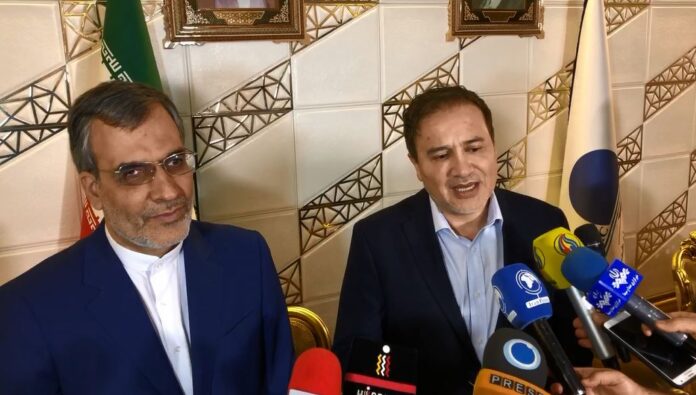
Majid Taheri landed at Imam Khomeini Airport in the early hours of Monday and was warmly welcomed by Deputy Foreign Minister Hossein Jaberi Ansari.

Upon arrival in Tehran, Taheri said he had been helping a team at the University of Tehran to develop a vaccine for a virus to treat cancer. He further added that he was trying to improve Iranians’ health and advance medical science, but Washington levelled unjust and delusional accusations against him.

He also expressed gratitude to the Islamic Republic’s Foreign Minister Mohammad Javad Zarif and other officials for their efforts to set him free.

Meanwhile, Hossein Jaberi Ansari, who was at airport, told reporters he and the foreign ministry officials are happy that after months of intensive follow-ups, the Iranian doctor is free.

“Today, another case of the American oppression against the government, the nation and the citizens of Iran came to an end fortunately, due to the unilateral and cruel US sanctions,the some Iranian citizens, including Dr Taheri, were subjected to false accusations,” added Jaberi Ansari.

Majid Taheri had spent nearly 16 months in US prisons for allegedly violating US sanctions on Iran.

The release comes a few days after US military veteran Michael White was freed by the Islamic Republic. He was sentenced to prison for security crimes and a lawsuit by private plaintiffs. Iran has reiterated that no direct negotiations had taken place between Tehran and Washington for the release of the two prisoners.

Iranian, Iraqi Foreign Ministers Hold Phone Talks

Iran Welcomes Appointment of New Iraqi Prime Minister

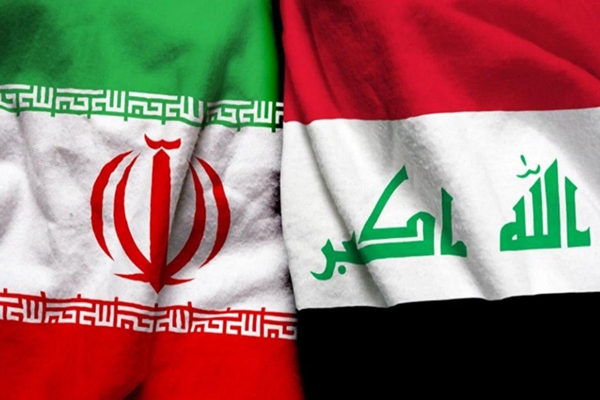
During the phone call, Zarif congratulated Hussein on his election as the new Foreign Minister of Iraq, and expressed pleasure with the formation of the Arab country’s cabinet.

He further highlighted the significance of the issues being pursued in the field of bilateral relations, and the necessity of implementing the agreements reached between the two sides during the Iranian president’s visit to Baghdad.

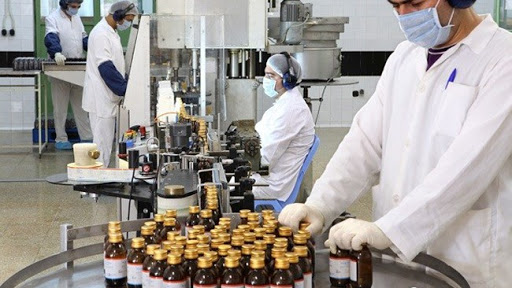
Iran Saves €700 Million by Producing Homegrown Medicine: Minister

Iran Saves €700 Million by Producing Homegrown Medicine: Minister

Saeid Namaki said on Sunday the huge amount of money was saved as the ministry could reduce by 25% the number of imported pharma-products using similar domestic samples, and improve the domestic production by 30% by relying on local scientists.

“Last year, however, we had severe spring floods, a blood pressure screening plan and the identification of 2.7 million new blood pressure patients in need of medication. We also faced H1N1 flu, and the coronavirus hit the country in winter. Accordingly, our estimate was that the need for foreign exchange to import drugs would increase by 50 percent, but we spent 20 percent less than the previous year,” Namaki said.

Speaking at an inauguration ceremony to launch the first phase of the first drug production town in the Middle East, he stated the share of the health system from GDP is limited, and if that share is to increase, the country has to use the budget of other departments. Therefore, the measures taken were a great achievement for the country’s pharmaceutical industry.

He further added that the inauguration of the drug production town and the full production line of Acetaminophen in Iran is a great honour.

“It is a pleasure while combatting against COVID-19, we are running the country’s first and largest pharmaceutical raw material factory which is perhaps one of the largest in the region.”

Iran’s health minister also underlined that in the near future, the Islamic Republic will turn into one of the largest exporters of pharmaceutical raw materials in the region.

“There is no doubt that the year of production leap will be recorded as a memorable year in the history of the country’s pharmaceutical industry.” There are many scientists, experts, chemists and pharmacists in Iran that one cannot find in many parts of the world, added Namaki.

The minister of health concluded that this year, Iran will open 44 new hospitals with about 8,000 beds that are all made using domestic devices.

“We will show it to the world that we have both contained the coronavirus and improved our production to be considered a main exporter in the region,” reiterated Namaki.

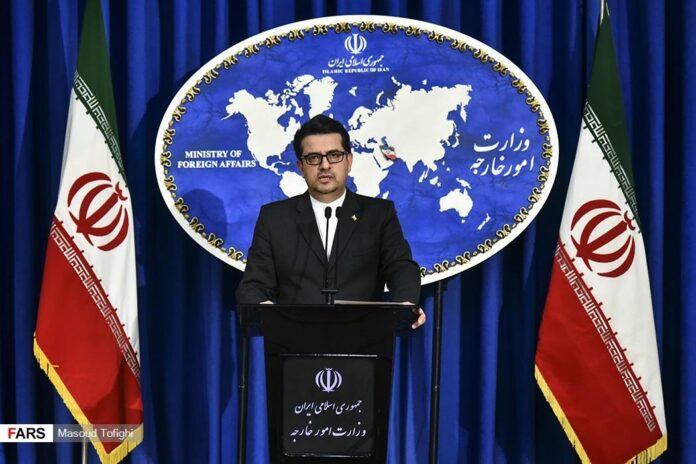
Wall of Distrust Stands between Iran, US: Spokesman

Iran Says 'Infamous' US Regime in No Position to Judge Other Countries

Speaking to reporters in Tehran, Foreign Ministry Spokesman Seyyed Abbas Mousavi advised the US administration to take practical measures to win the Iranian nation’s trust and be allowed to take part in the JCPOA meetings.

“The domestic issues of the US are not so important to us. What matters to the Islamic Republic of Iran is the actions of various US administrations, while, sadly, we have not witnessed any (US) action in recent years and even in the past that could win the trust of the Islamic Republic of Iran and the Iranian nation,” the spokesperson said.

“The wall of distrust still exists between the Islamic Republic of Iran and the United States of America. So, Mr. Trump is dealing with his own domestic issues. The (presidential) election is a domestic matter of the Americans themselves. We have never waited and will never wait for the internal developments in the US or to see what the results of the election will be,” he underlined.

“We did not leave the negotiating table. We were engaged in the negotiations within the framework of (P)5+1. They (Americans) were a party to the JCPOA. It was them who left the negotiation table and reneged on their commitments and violated the United Nations Security Council Resolution 2231,” said Mousavi.

Pointing to the pessimism about a shift in the US government’s policy towards Iran, the spokesperson added, “Therefore, we do not believe that any special development would take place either he (Trump) remains in office or leaves. What is important to us is the US’ action. We do not care about words at all.”

“What matters to us is the US’ move to honour its commitments, while it has failed to do so, so far. The high-ranking authorities of our country have set a condition that if the US repents (of its breach of the JCPOA), returns to the JCPOA, compensates for the damages it has done to the Iranian nation, and lifts the cruel sanctions, then they will be able to once again participate in the format of the JCPOA and the P5+1 and be present in there (multilateral talks) as well,” Mousavi stated.

In May 2018, US President Donald Trump pulled his country out of the JCPOA.

Thereafter, the US administration has pushed for a new deal with Iran, but Tehran has ruled out any negotiations unless the US removes the whole sanctions, returns to the 2015 nuclear deal, and fulfills its commitments under the JCPOA.

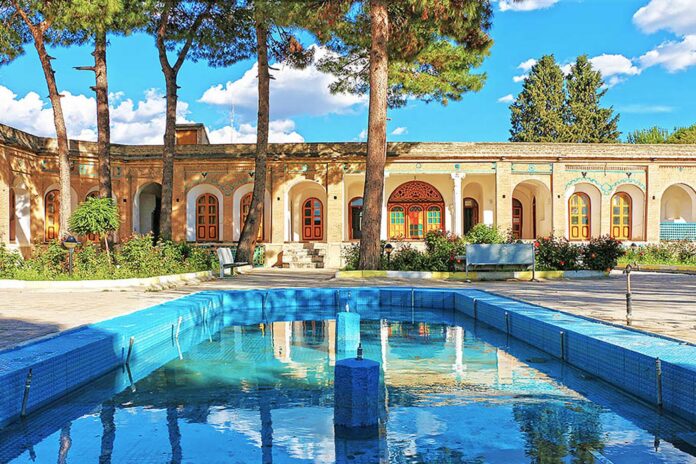
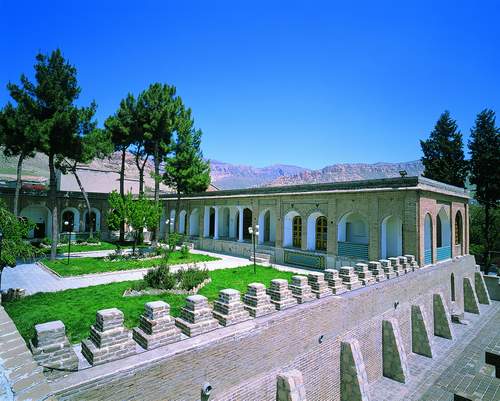
Vali Castle in Western Iran, Iconic Symbol of Indigenous Culture

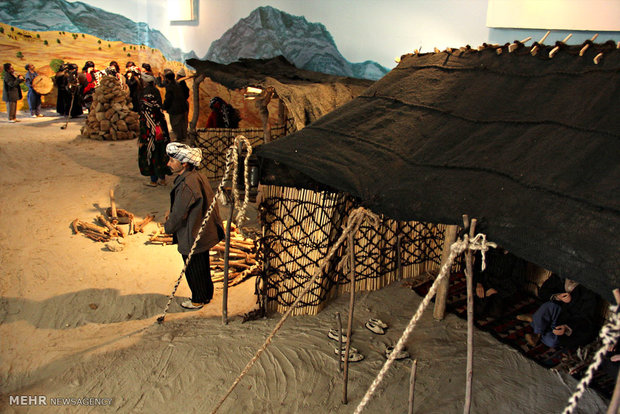
Vali Castle in Western Iran

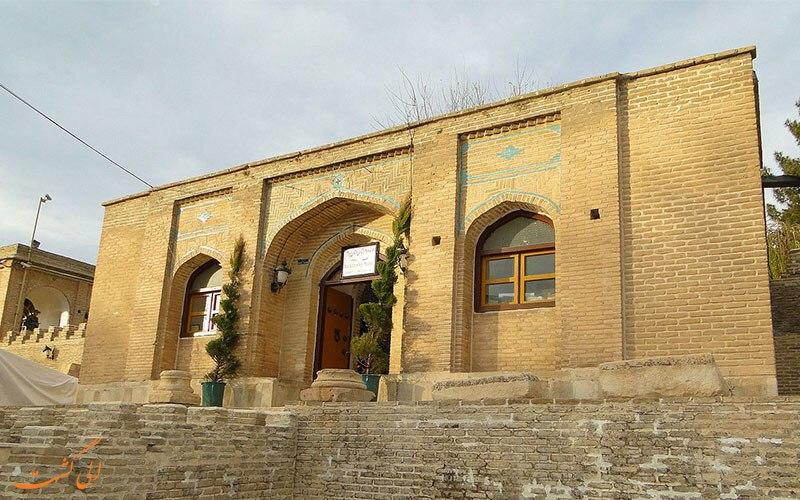
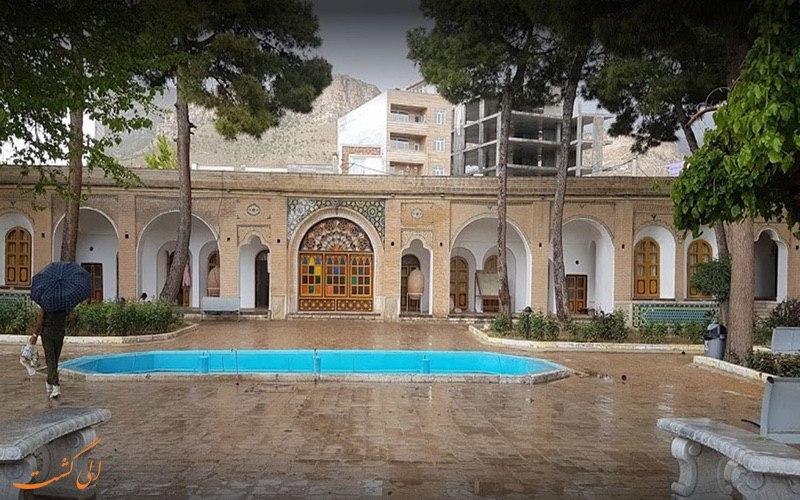
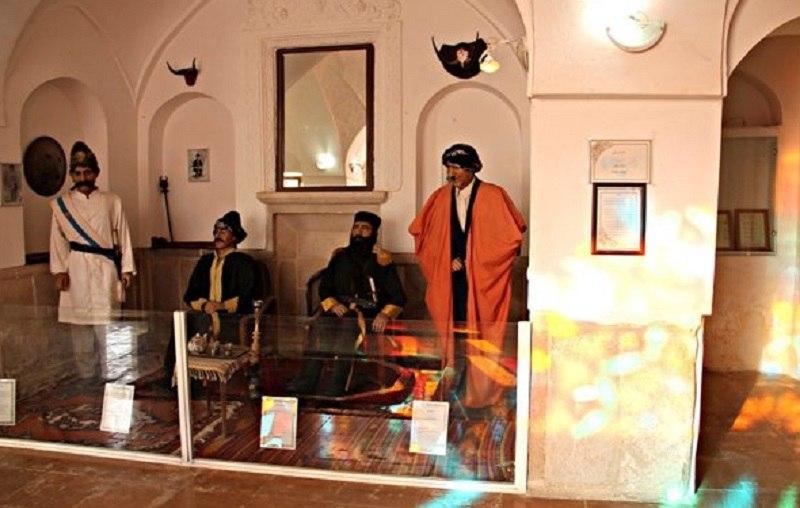
Dating back to the Qajar dynasty era, Vali Castle has gained fame as a symbol of indigenous culture and art after becoming a museum of anthropology.

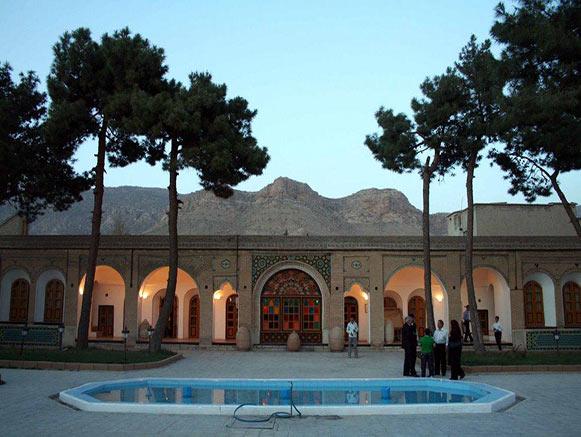
Located in downtown Ilam, the castle used to be a residential and military building in the past. The castle is built on an area of 4,687 square meters.

Vali Castle in Western IranThe castle has three gates in the southern, eastern and western sides. The main entry in the southern wing is built in the style of Greek architecture.

The two other gates of the castle were used for private purposes, such as the special guests, and are connected to the interior yard with roofed corridors. There are two vestibules on the very end of each gate, one of which includes a small pool. The vestibules are divided into eight equal wings, integrated into the wall bricks. The vestibules are decorated with arches, brick decorations on the ceiling, and arched roof above the walls.

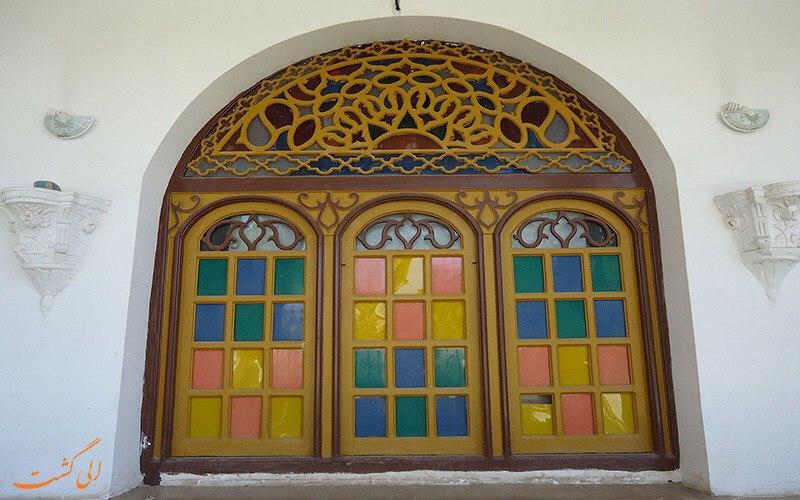
The facade of the castle viewing the yard on various sides has been decorated with sash windows and decorative wooden windows including color glasses of various shapes.

Vali Castle in Western IranThe interior of the castle is decorated with mirrors, mostly on the ceiling of the rooms.

The castle, which has been inscribed on the Iranian cultural heritage list, houses the Ilam Province Museum of Anthropology.

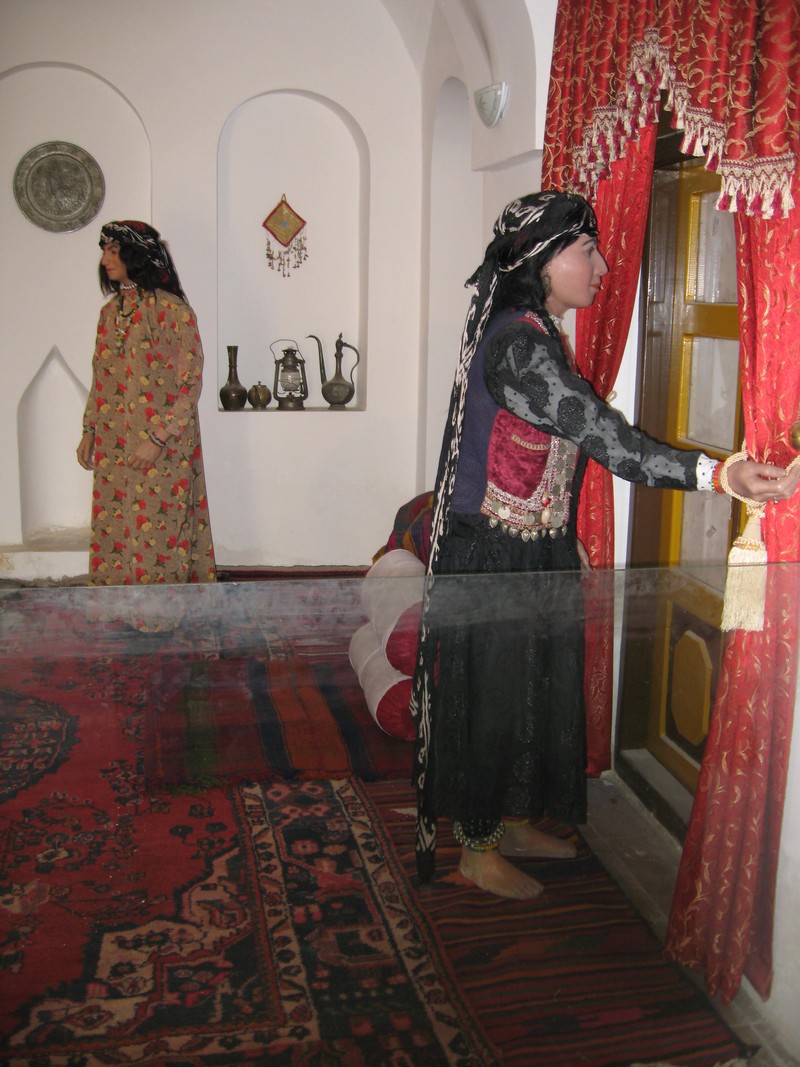
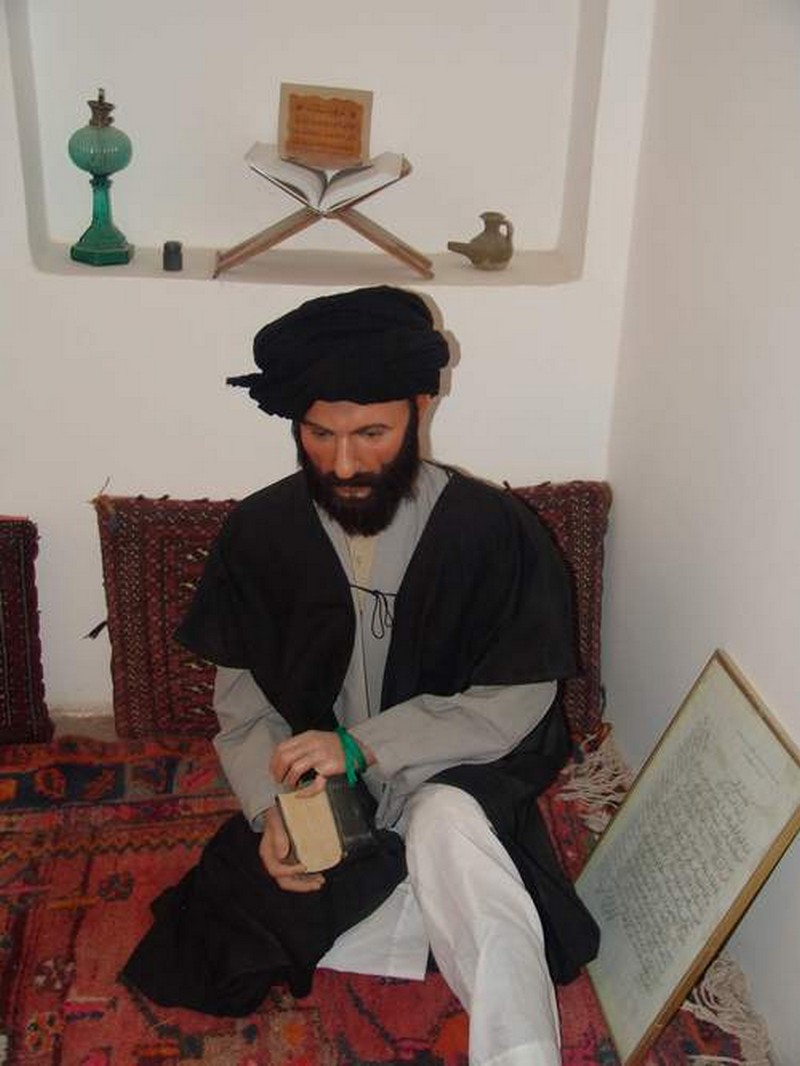
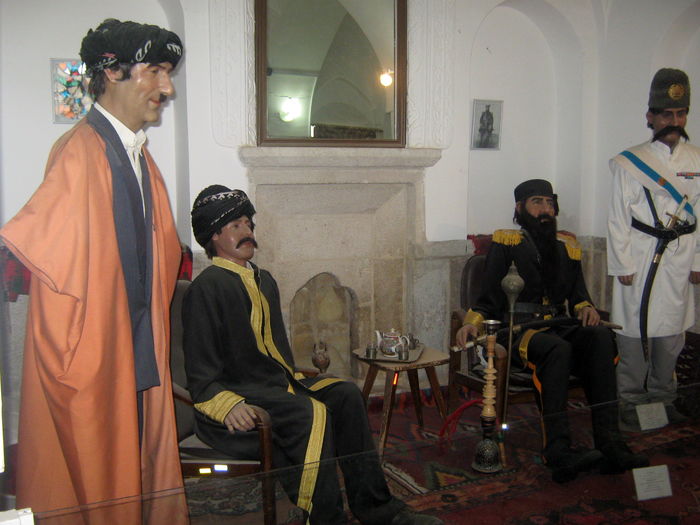
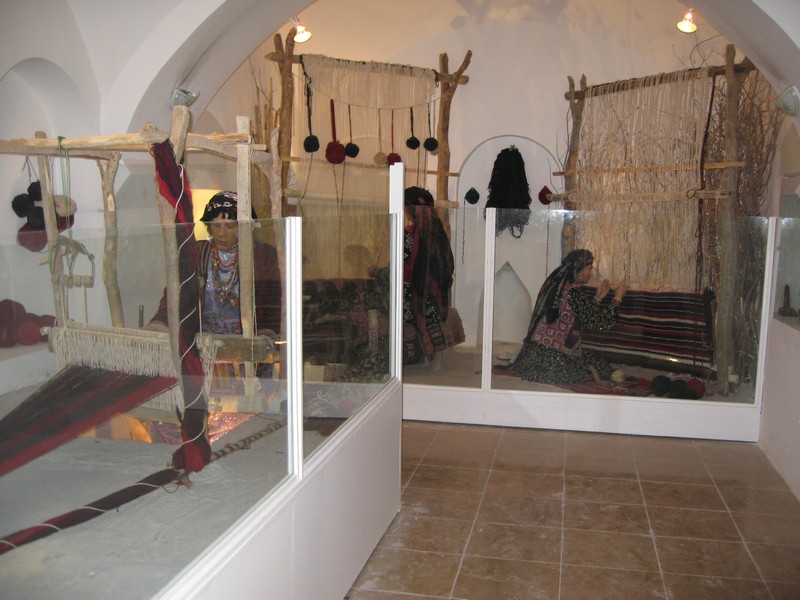
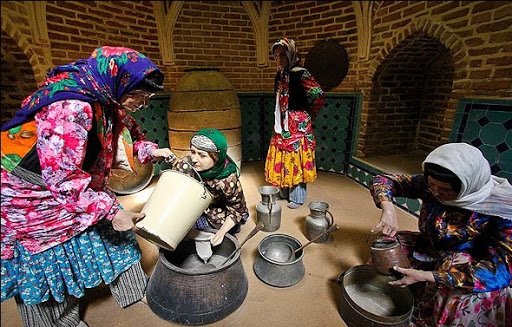
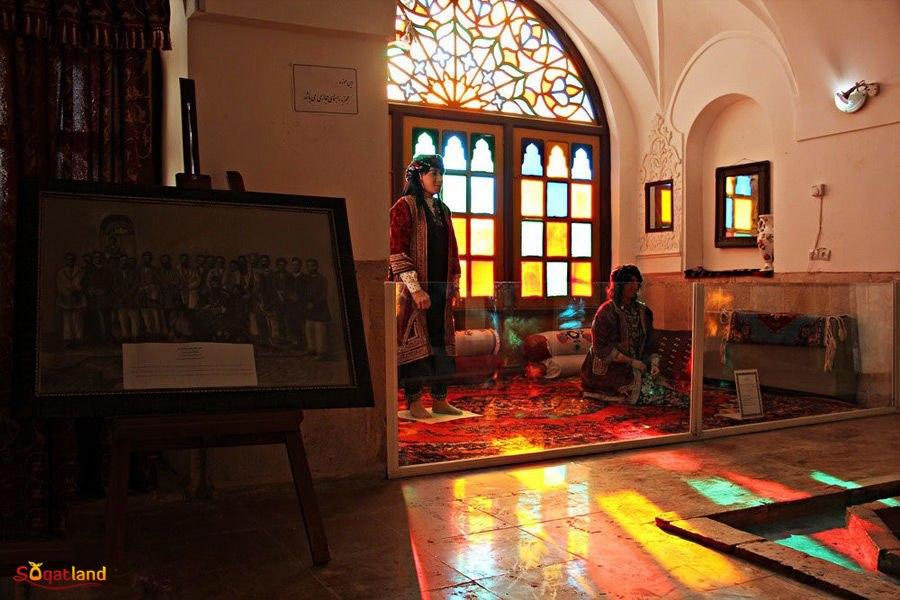
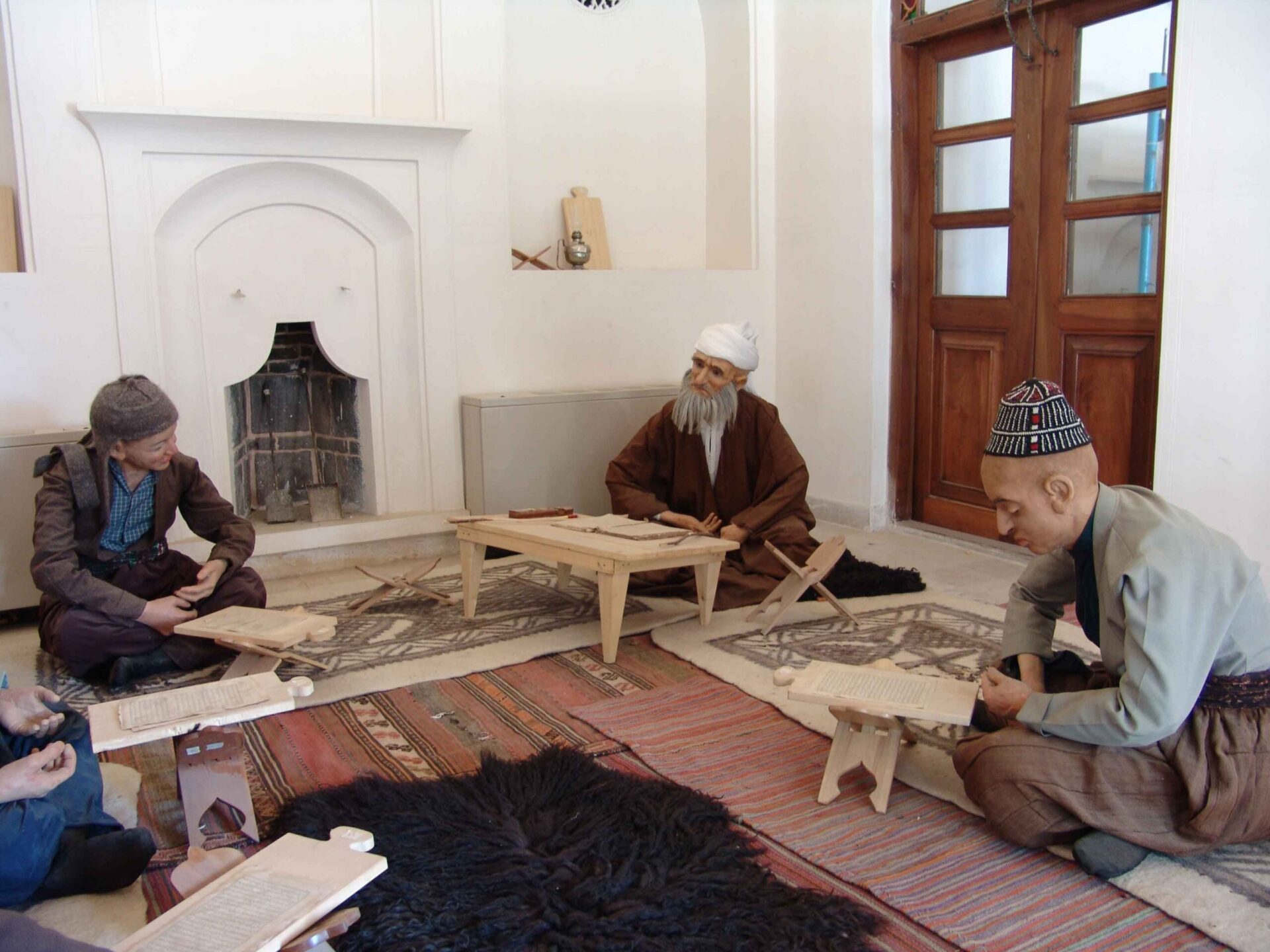
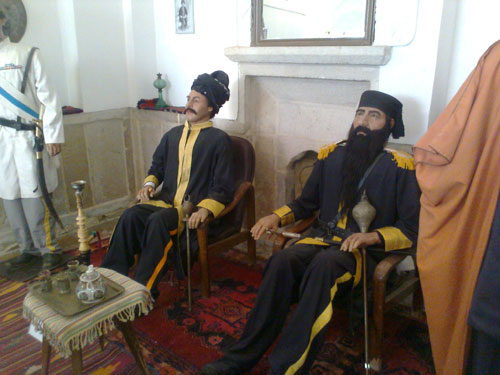
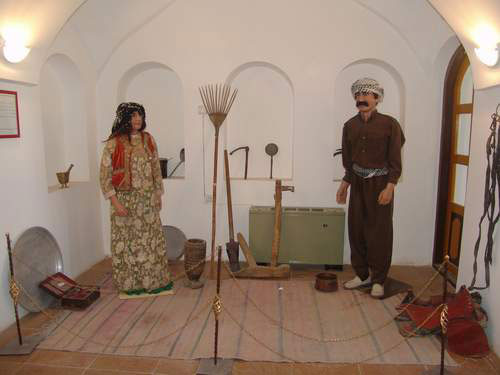
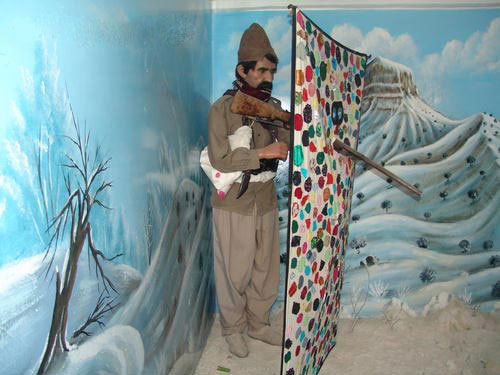
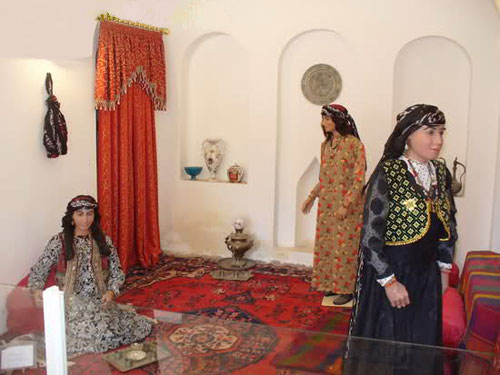
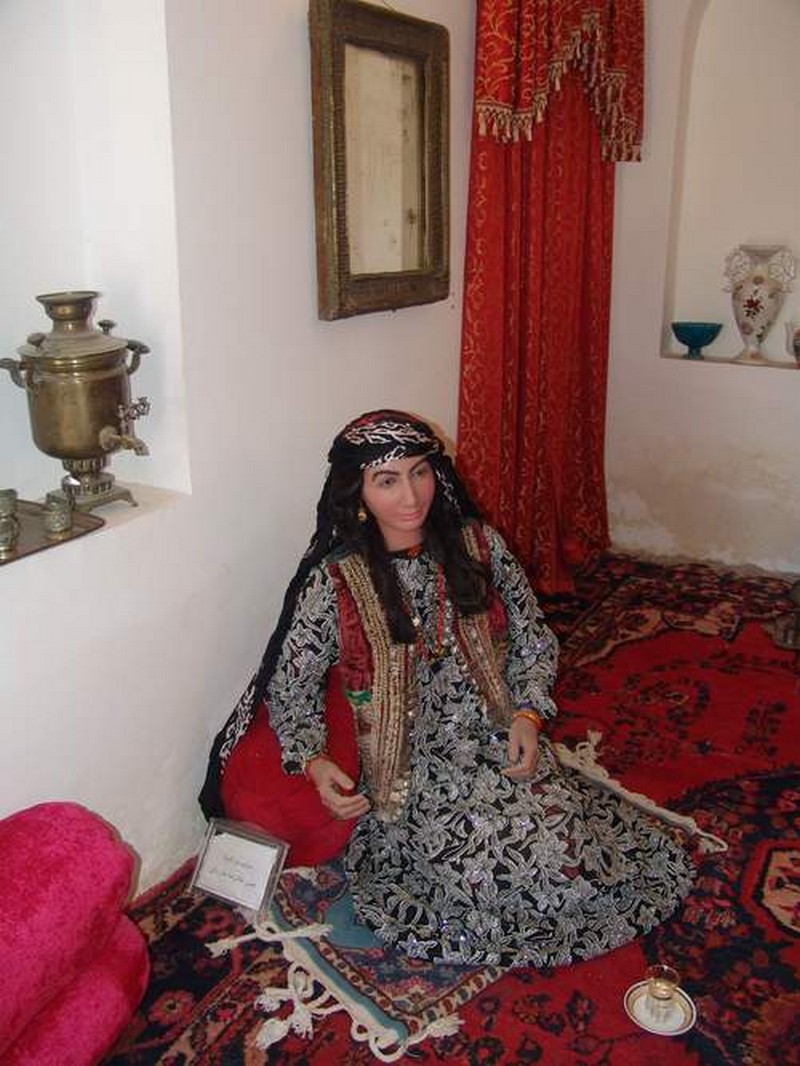
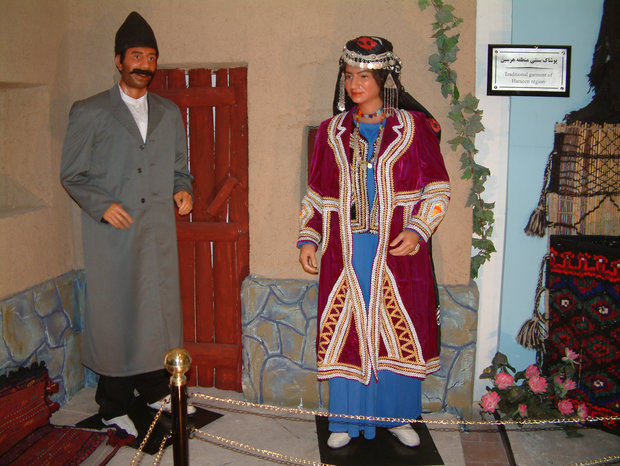
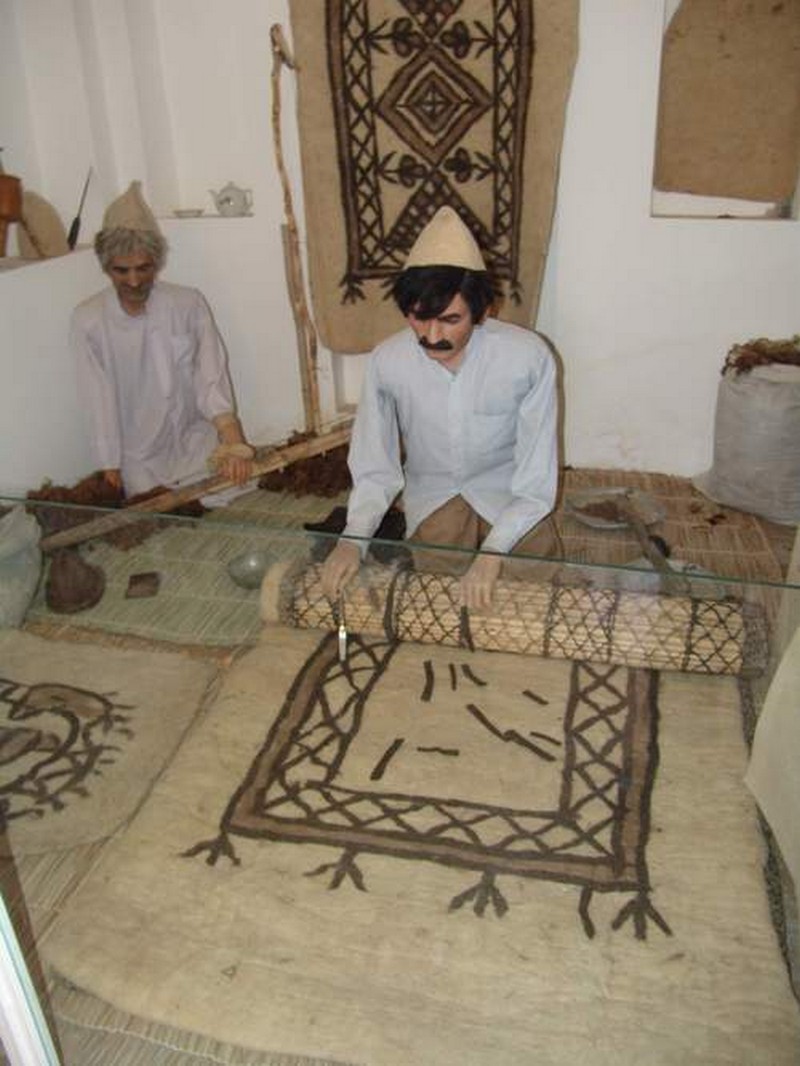
The project to turn the Vali Castle into a museum began in 2006 and was carried out in several stages. The treasure of cultural heritage includes various sections displaying the customs of local people, traditional dresses of ethnic people of the province, traditional occupations such as farming, felt making, woodturning, cloth weaving, weaving kilim, felt, rug and carpet, life in black tents (woven with goat wool and used by nomads), wedding ceremonies, and statues of famous people from the past.

The Museum of Anthropology of Ilam displays a rich collection of anthropological items in different sections introducing various ethnic groups such as Kurds, Lurs, Laks, and Arabs.

Iran Reports over 2,350 New Cases of COVID-19 Infection

Iran Reports over 2,350 New Cases of COVID-19 Infection

In his Sunday press briefing, Kianoush Jahanpour said 72 people have died of the virus in the past 24 hours, bringing the total number of fatalities to 8,291.

The spokesman said 134,349 patients have so far recovered from the disease, and been discharged from hospital.

2,596 patients are also in severe conditions of the disease, he added.

Jahanpour noted that 1,084,857 COVID-19 tests have been taken across the country, including the record-breaking number of 25,000 tests in a single day.

The spokesman said the situation in Khuzestan province is still red, but the high-risk cities of the province has decreased from 16 to 9.

Hormozgan and Kurdistan provinces are also at alarming conditions.

Coronavirus online test
If you are worried that you may have contracted the Coronavirus, take this test right now.