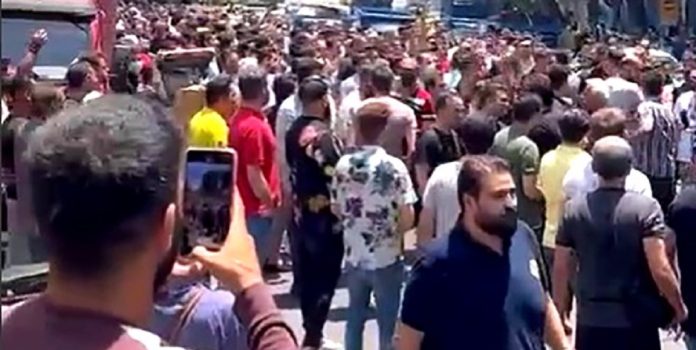
They are also angry at tax on their shops which they say show a multi-fold rise compared with last year.
Footage posted online shows some businessmen shouting chants after closing their shops in protest and demanding others follow suit.
جمعی از مغازهداران خیابانهای امینحضور و جمهوری تهران در اعتراض به طرح وزارت اقتصاد برای مالیات بر تراکنشهای بانکی مغازههای خود را تعطیل کردند. در ویدیوهای منتشرشده تجمعکنندگان از سایر مغازهداران میخواهند که مغازهها را تعطیل کنند. pic.twitter.com/7A8ulfjf8k
The new tax plan was put in place to prevent tax evasion and reduce the printing of money without backing. If approved, the plan will require the levy of tax on transactions that are worth more than 5 billion tomans.
Some say the businesspeople of Tehran and other cities are angry because of a rise in the dollar exchange rates.
Experts say the rise in the rates are due to psychological effects.
The Iranian Central Bank says it has increased supply of the US dollar to the market to control the exchange rates.
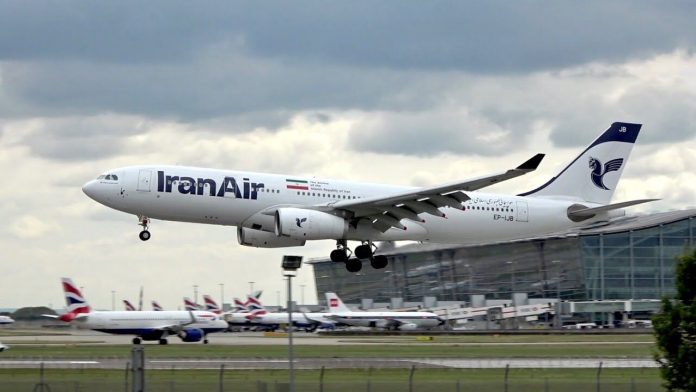
Hojjatollah Soltani told Iranian state media on Saturday that the direct flights to and back from Venezuela will begin as of June 18.
“It is enough for our business people to only buy a ticket and fly anytime they wish,” he said, adding that visa requirements for them have been cancelled.
The diplomat said the establishment of shipping lines between the two sides in the future will “transform” commercial ties between the two countries, which have both been targeted by tough US economic sanctions.
In countries where there is mutual political understanding, stage can be set for the enhancement of trade cooperation, Soltani said, adding, “That ground [for closer economic ties] is already paved in our ties with Venezuela.”
He said Iran did not view Latin American states, particularly Venezuela, as rivals in the trade sector, but their economies are considered to be supplementary.
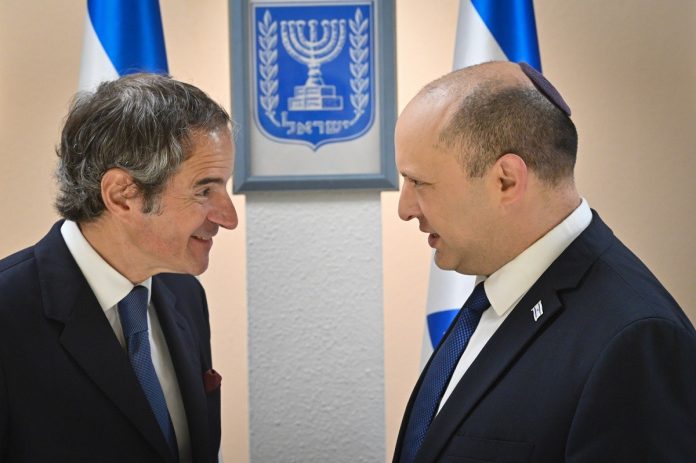
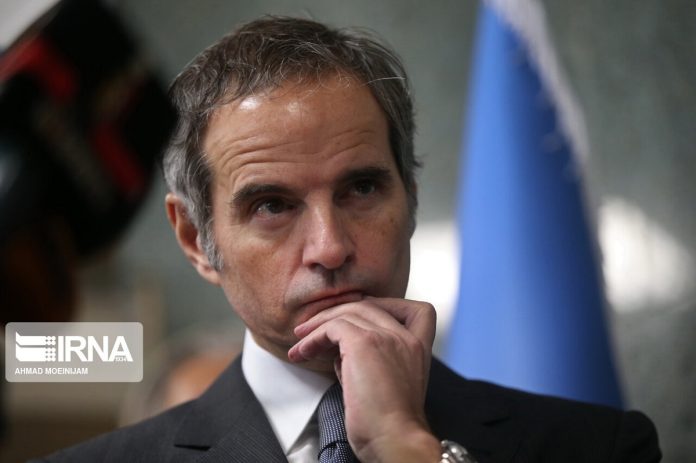
Amir-Ali Abolfath, an expert in American affairs, told IRNA that a trip by IAEA Secretary-General Rafael Grossi to the Israeli-occupied terrorists prior to the adoption of the resolution and a recent wave of anti-Iran activities by Tel Aviv were all indicative of the regime’s attempts to throw a wrench in the Agency’s work.
“It appears that the Zionist regime and America are fanning the flames” of tensions over the Iranian nuclear program, he added.
“The resolution was passed by the IAEA’s Board of Governors with the aim of influencing the Vienna talks and putting maximum pressure on Iran.”
The commentator criticized what he called the IAEA’s lack of independence in decision-making, saying the positions that the Agency adopts are tied to what happens in the Vienna negotiations on reviving the 2015 nuclear deal.
“The IAEA is involved in interactions and friendly cooperation with Iran, but whenever Iran’s ties with Western states deteriorate and the negotiations do not proceed smoothly, the tone of the Agency changes,” he said.
The analyst slammed the West for repeating the groundless claims that Iran was seeking nuclear weapons, despite the fact that Tehran has on numerous occasions assured that its nuclear activities were peaceful.
“Anyone who tracks Iran’s behavior will realize that the Islamic Republic has never been after developing nuclear weapons,” Abolfath said.
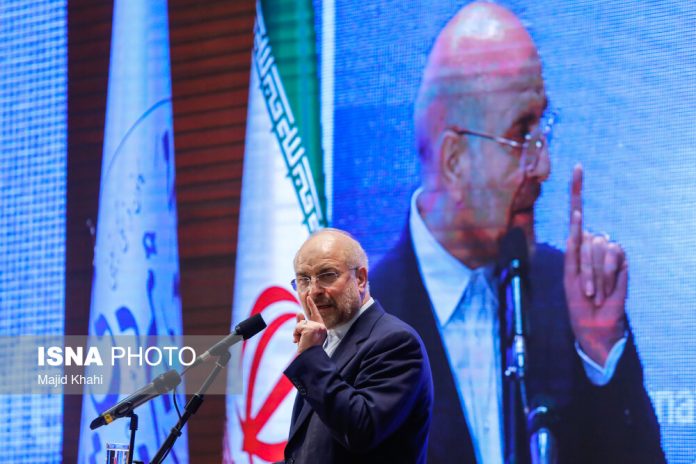
Ghalibaf also condemned the resolution as hostile and unconstructive, saying it showed that the IAEA is directly influenced by the Zionist quarters.
He added that the resolution was tantamount to ignoring Iran’s constructive and generous cooperation with the agency and opened a new page in ties between the two sides that will be detrimental to the current diplomatic talks.
The parliament speaker also threw the legislature’s support behind the recent move by the Atomic Energy Organization of Iran to impose restrictions on the IAEA’s activities in the country.
While thanking China and Russia for their opposition to the IAEA resolution, Ghalibaf said the only strong response Iran can give to the enemies and ill-wishers is by way of relying on domestic capabilities and economic development following the IAEA resolution.
He was speaking to journalists after a meeting with the members of parliament’s national security and foreign policy commission on Sunday.
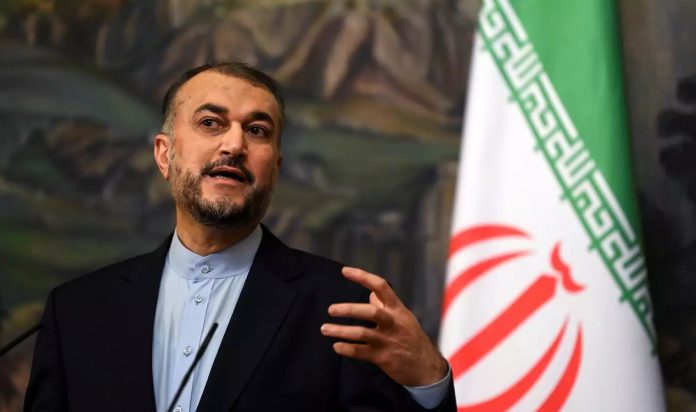
Referring to the nuclear talks between Iran and the P 4+1 group in Vienna, Amirabdollahian said in response to logical behavior, Iran put forth its initiatives and acted accordingly.
He added that wherever the adversaries made excessive demands, Iran acted forcefully to send them a strong message.
Amirabdollahian noted that the interests and welfare of Iranians are important for the government, in a reference to the impact of the US sanctions on Iran.
He expressed hope that Iran continue down this path to preserve the country’s clout and meet the expectations of people while making efforts to get the other sides to return to compliance with the 2015 nuclear deal, JCPOA.
They describe the resolution as politically-motivated and stemming from the West’s excessive demands.
The lawmakers noted that Iran gave the highest number of opportunities to the IAEA to monitor the country’s nuclear activities but each time, the agency raised new questions that stemmed from obstinacy.
The statement said the IAEA and its director general have lost their technical legitimacy.
It says Rafael Grossi’s recent meeting with the leaders of the Zionist regime which refuses to join NPT proves that he and the IAEA are biased toward Tel Aviv.
The statement also said Gross’s visit to occupied Palestine casts doubt on his commitment to the mission of the IAEA to achieve the goals of nuclear disarmament.
The MPs said in contradiction to the agency’s rules and regulations, Grossi’s claims that Iran has had three allegedly undeclared nuclear sites show the political nature of the IAEA’s demands.
The lawmakers in their statement demanded the administration of President Ebrahim Raisi focus on protecting the rights of the Iranian people and pushing for the effective removal of sanctions so that the Iranian people will enjoy its economic benefits.
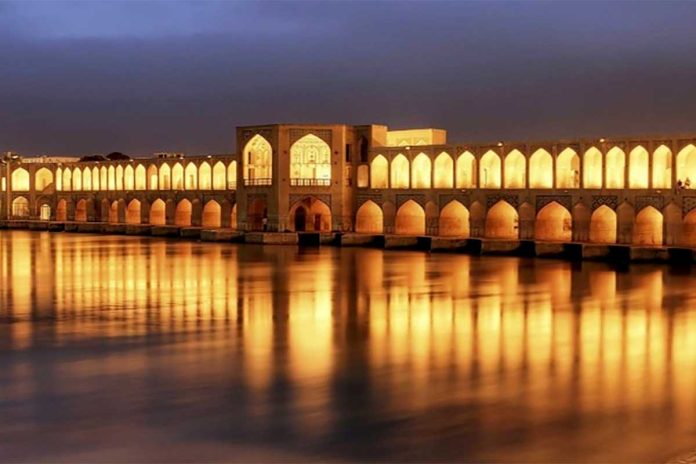
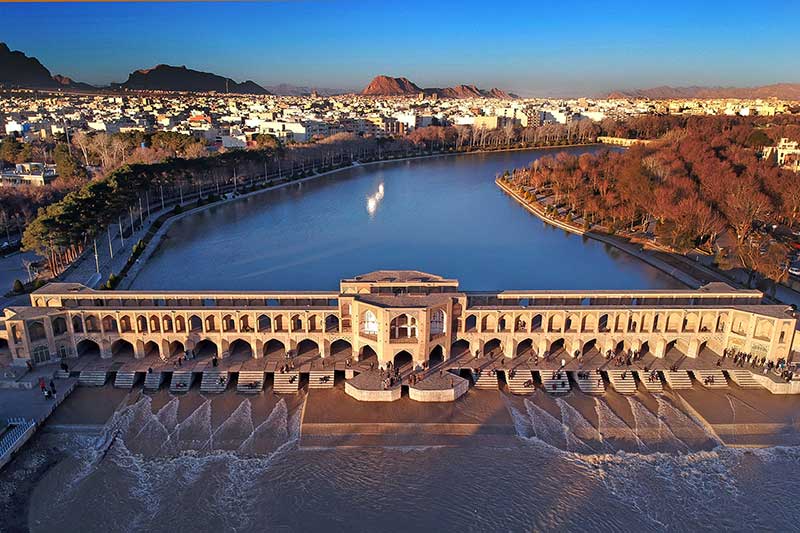
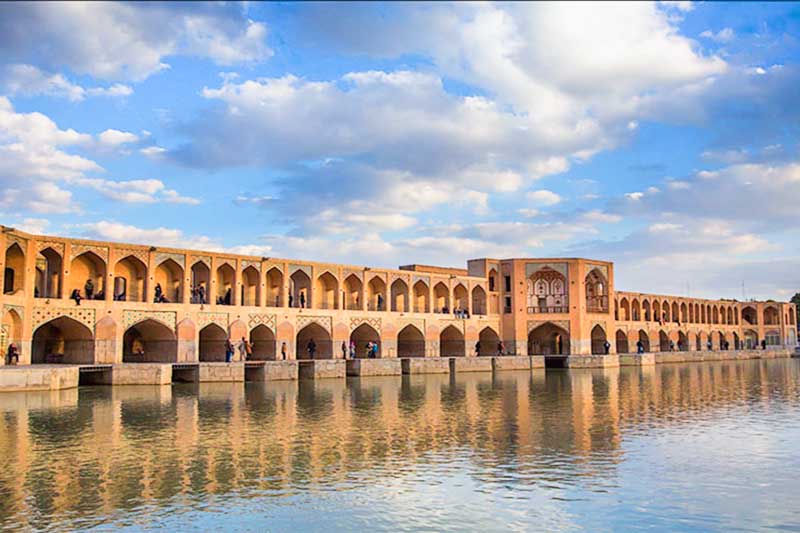
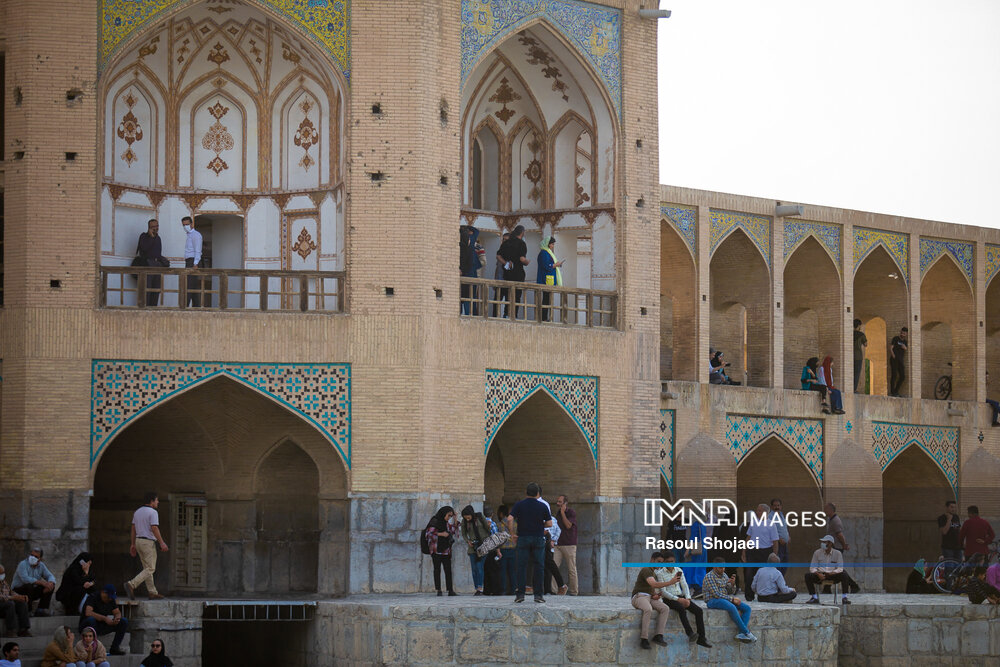
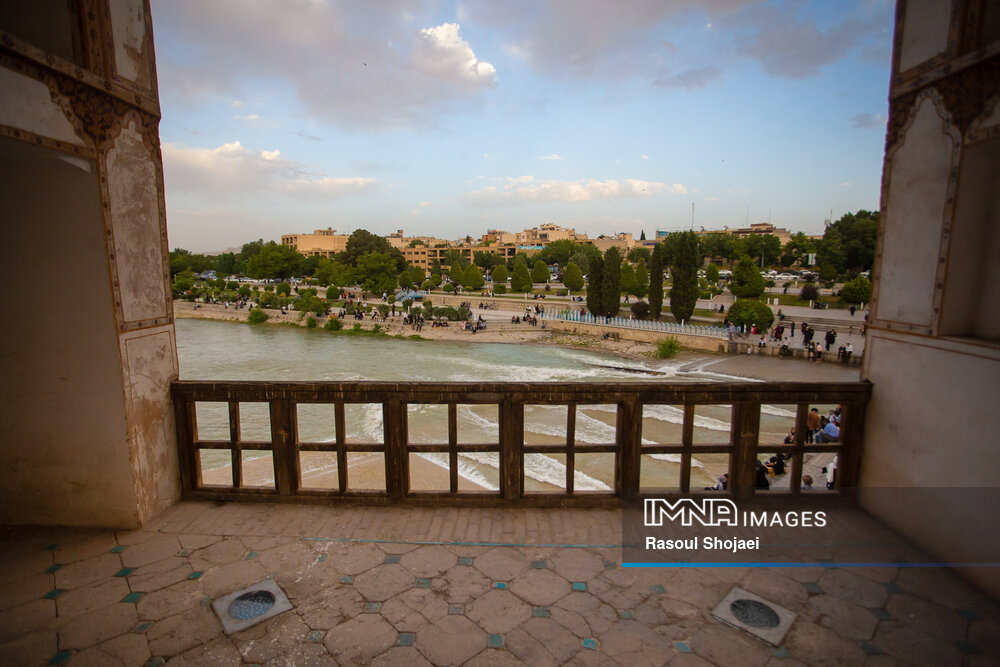
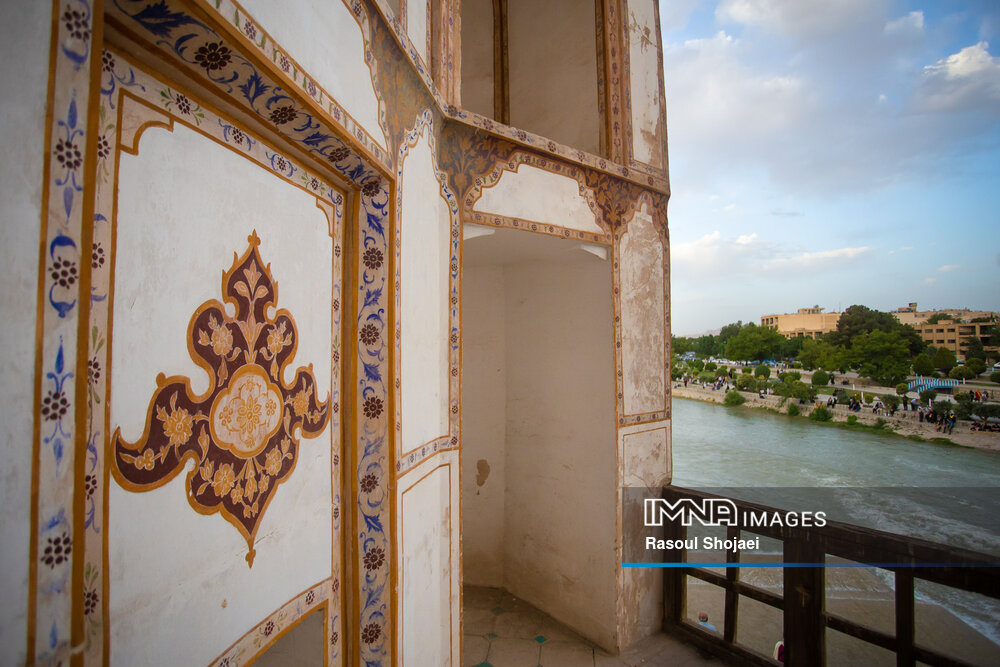
From the sky, Khaju Bridge (Pole Khajoo) looks like an eagle flying over the Zayandehroud. The alcove of Pole Khajoo, which is also called Biglarbeigi, is right on the head of the eagle and has been built using extraordinary tiling and embellishments.
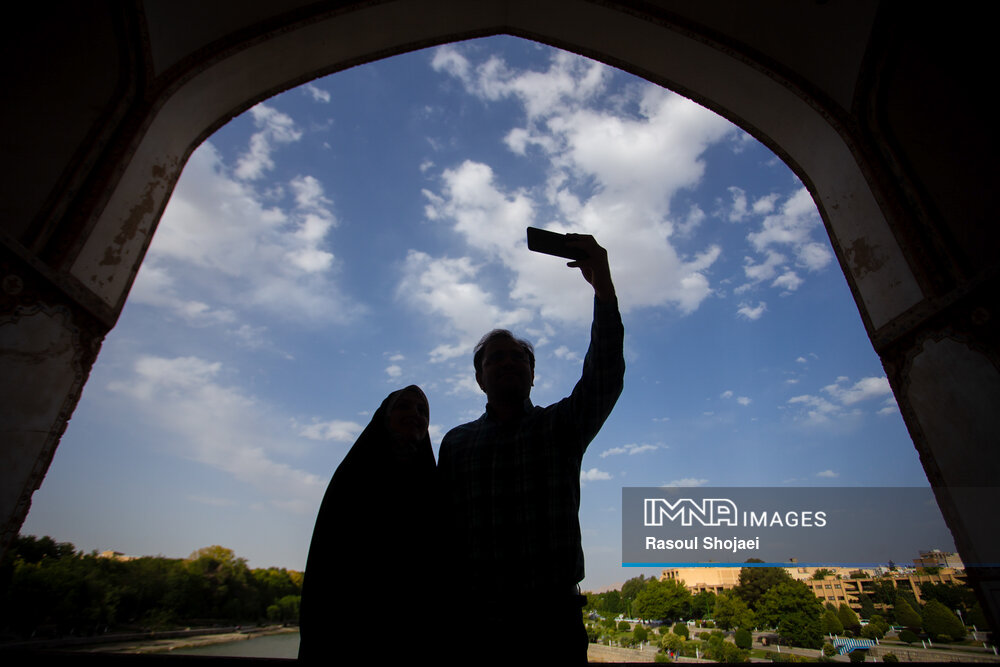
Interestingly, a sense of pride and dignity fills one when they sit inside the head of the eagle and watch Zayandehroud’s water passing by beneath the height.
Khaju bridge in Isfahan
History of Khaju Bridge
Pole Khajoo was built in the solar year of 1030 during the reign of The Safavid king Shah Abbas in the place where Hassan Beig Bridge had been built during the Timurid Empire.
Khajou Bridge is otherwise known as Pole Baba Rokneddin because it’s located on the road to the mausoleum of Baba Rokneddin or Takhte Foulad.
Pole Khajoo was also the resting place of Shah Abbas II’s family. Therefore, it, first and foremost, had to be purely beautiful and be filled with secrets and wonders. Secondly, it was originally called Pole Shah (Shah Bridge).
Today, however, Khajou Bridge is located in the Khaju neighborhood, hence is known by the name Pole Khajoo.
Khajou Bridge: A bridge of men
Pole Khajoo was once for men only, and no woman was allowed to cross the bridge. This can be clearly told from two symbols put on the north of Khajou Bridge.
Secrets of the entrances of Pole Khajoo
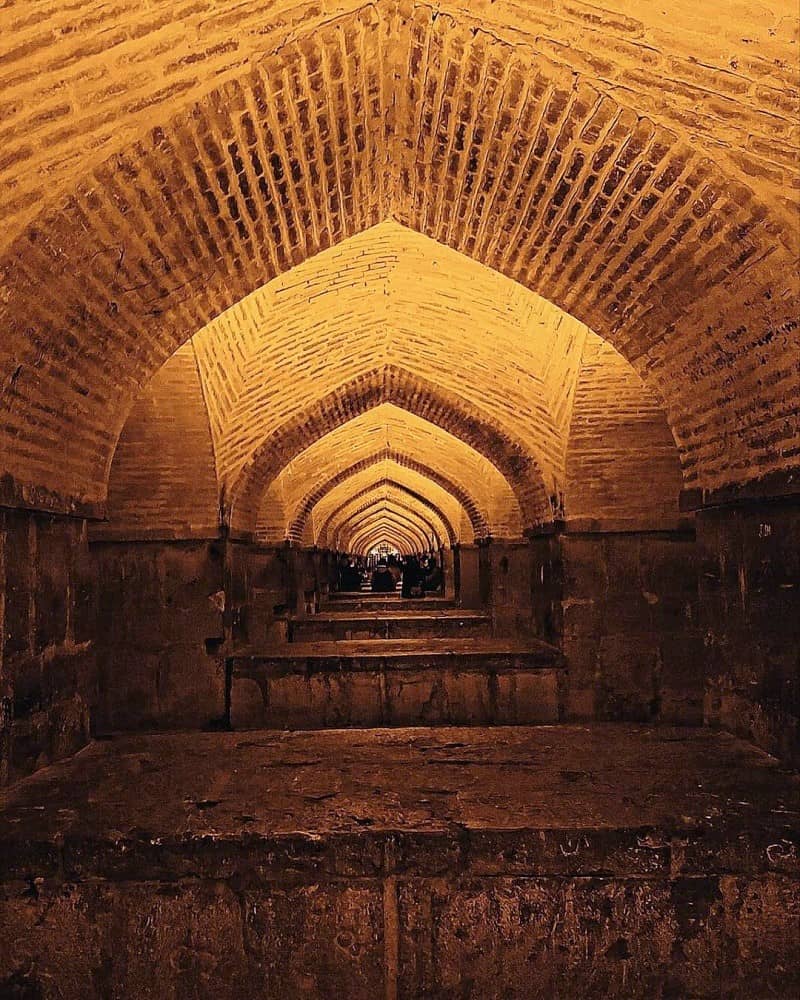
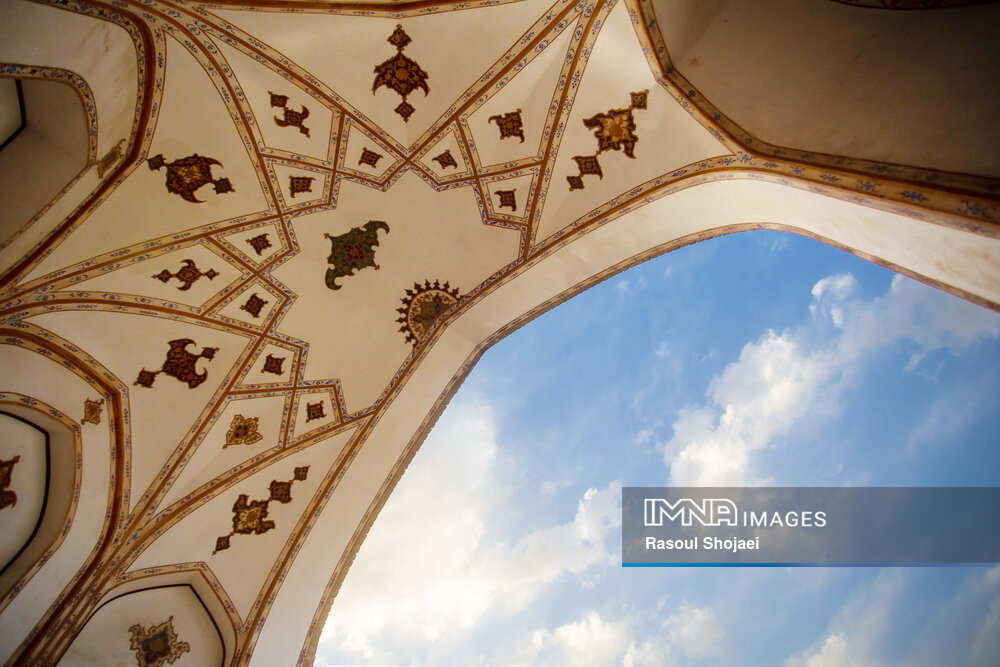
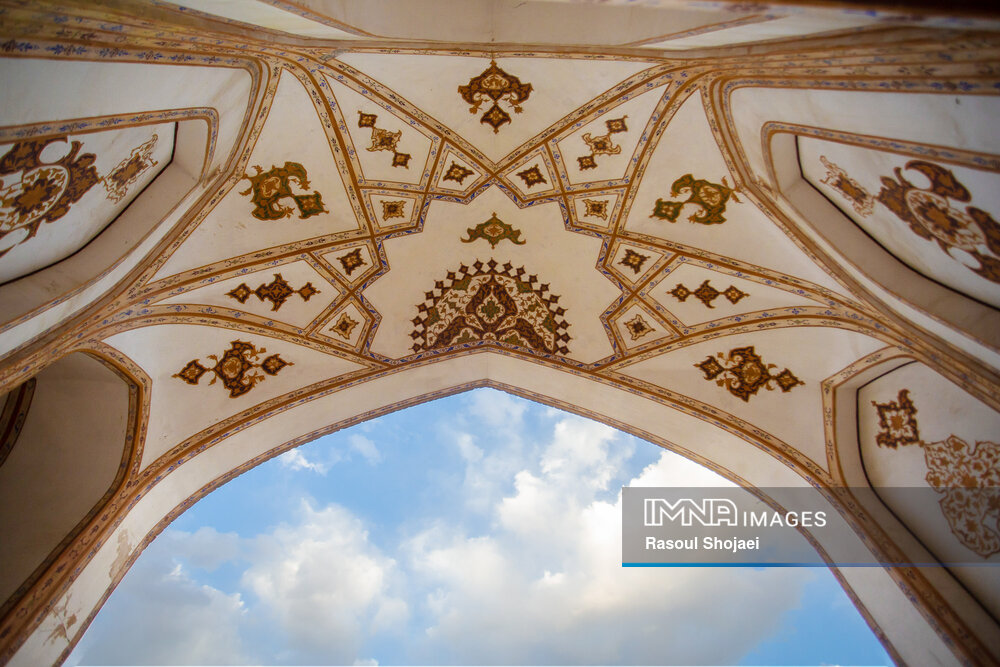
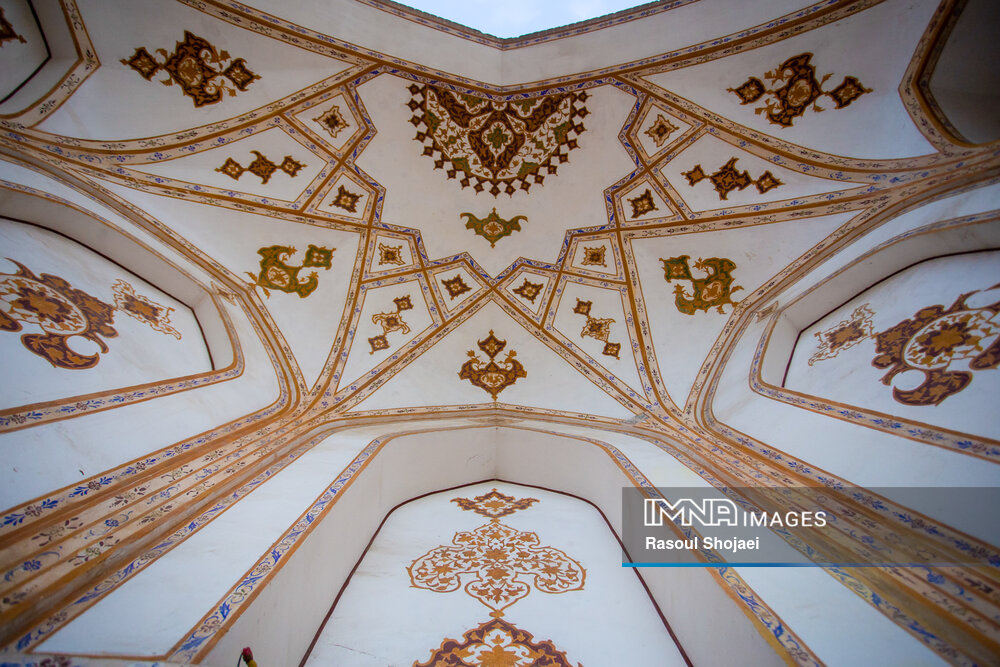
Let’s set foot in the entrances under the bridge. As you can see in the picture, the ceilings of the entrances are built in the form of semi-rhombic arches.
They are such that if two people stand facing one wing and speak softly inside these protruding edges, they will easily hear and understand each other. That’s why when people sing under the bridge, their songs sound very beautiful.
In the past, people who had nice voices would sing traditional songs beautifully on Khajou Bridge.
In fact, owners of old houses had their roofs and ceilings built in such a way that they were called spring arch.
Khajou Bridge’s stone lions
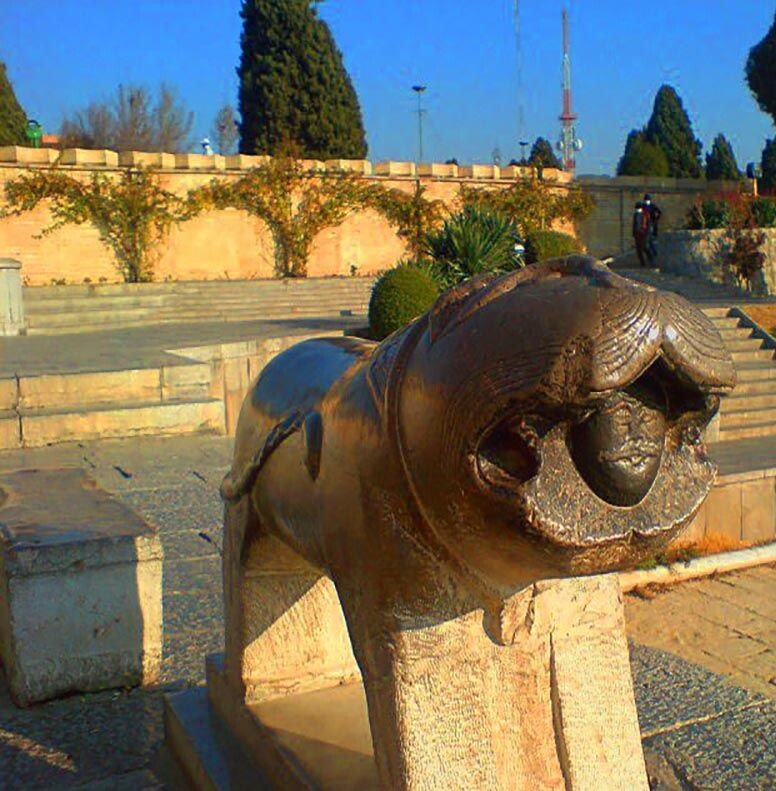
When you move toward Pole Khajoo, you can see beautiful stone lions on both sides of the bridge, which, like guardians of history, dazzle every viewer’s eyes with their beauty.
It’s interesting to know that if you look at the eyes of the opposite lion from the eyes of the other lion, those of the opposite lion shine like stars in the dark. This is said to be because of the magnetic properties of the eyes of the stone lions.
Watching Zayandehroud from alcove (Biglarbeigi) of Pole Khajoo
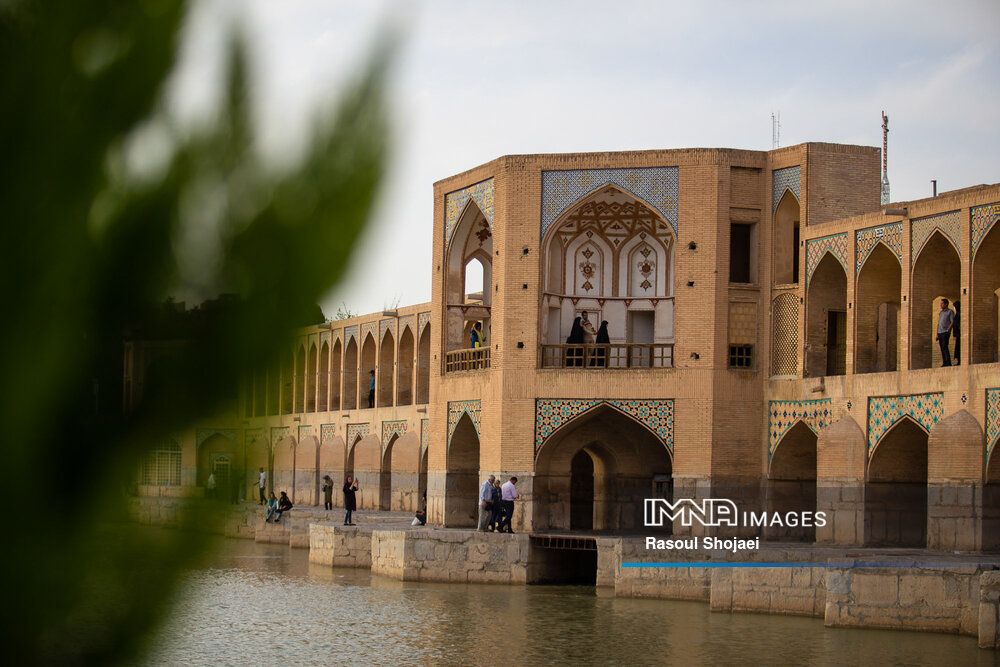
There is a special building in the middle of Pole Khajoo which is known as Biglarbeigi.
This is the alcove of the bridge and was built as a temporary residence for the Safavid king and his family. Biglarbeigi is still there today.
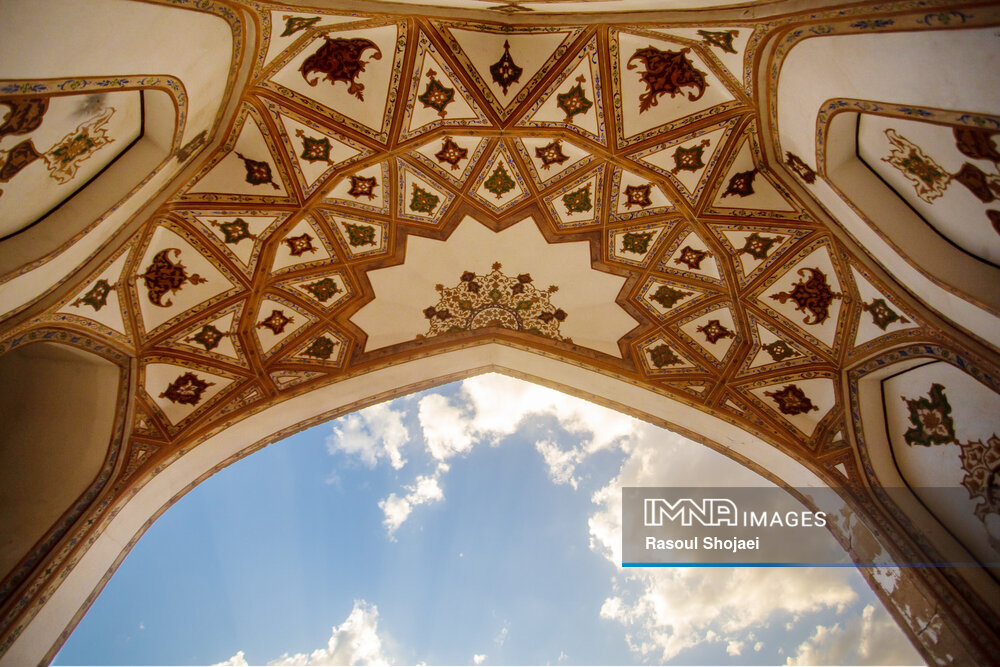
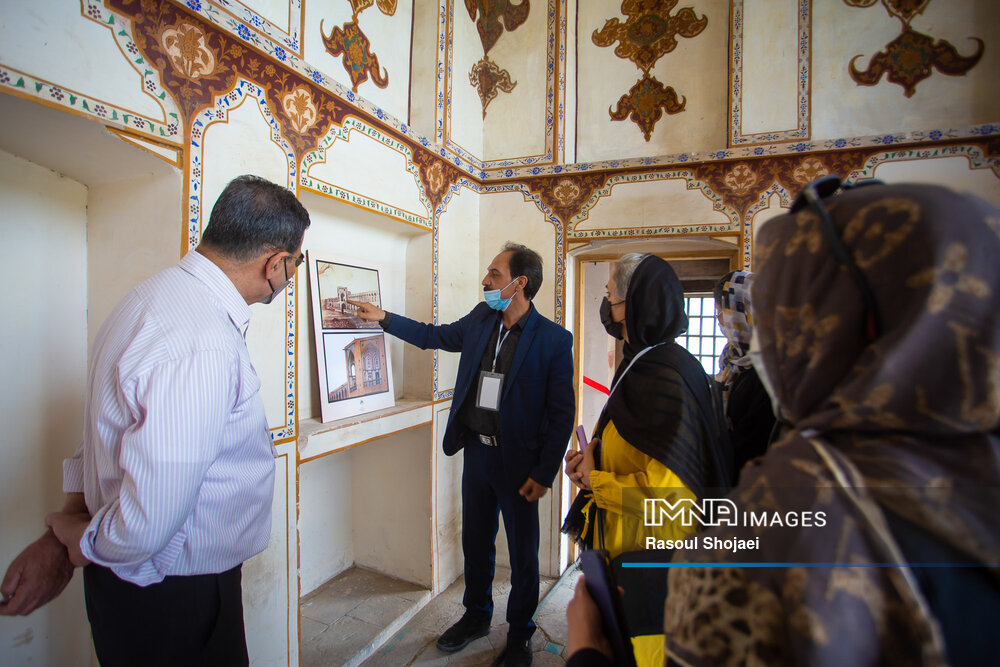
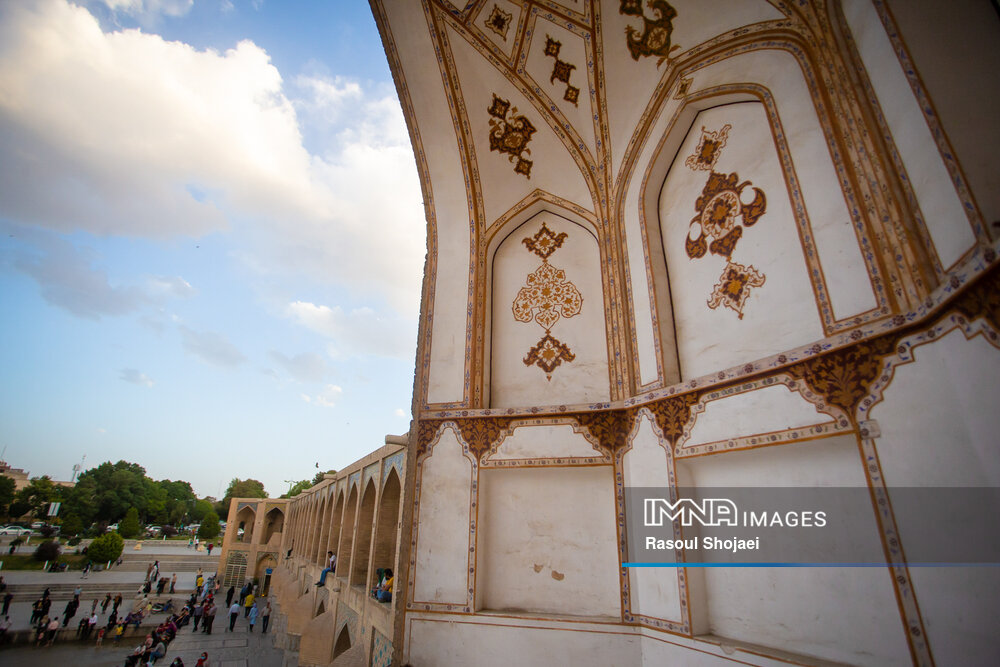
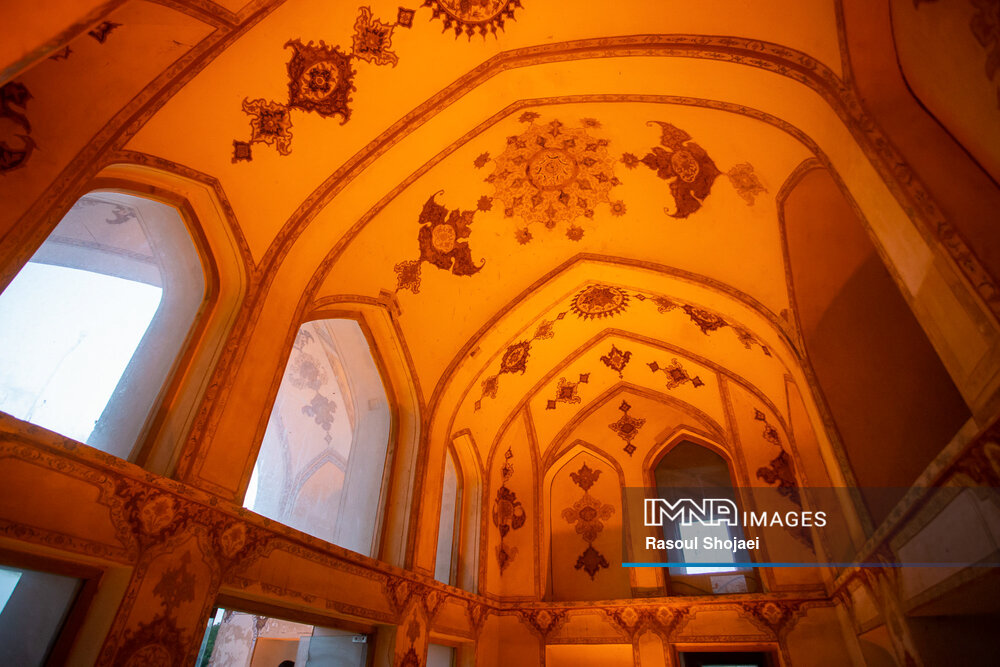
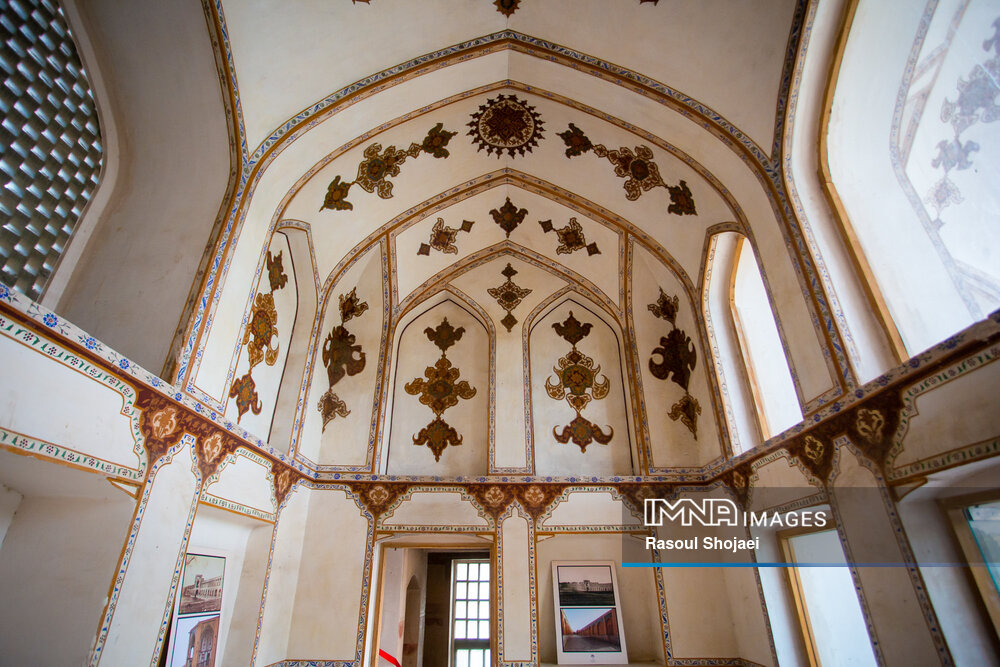
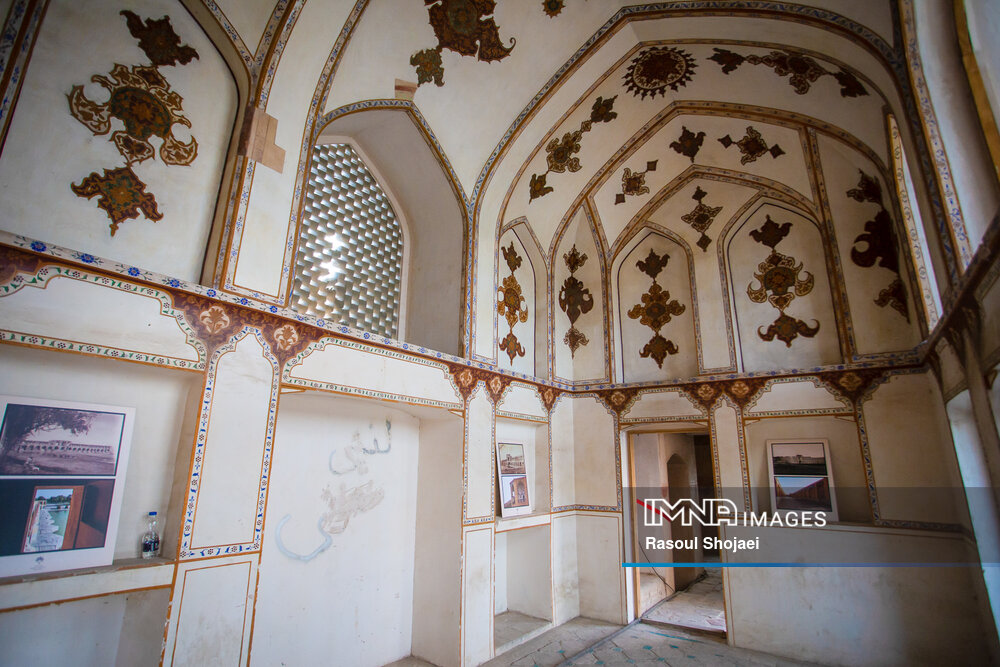
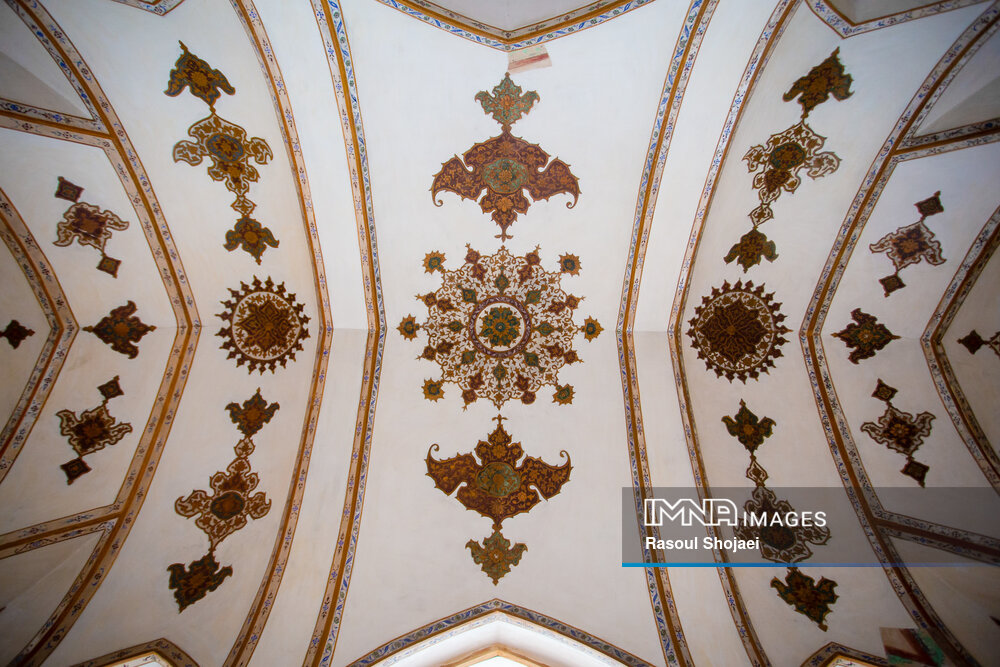
The ceilings of Biglarbeigi are adorned with very beautiful paintings and, in fact, Khajou Bridge is more famous than other bridges of Zayandehrood due to its unique architecture and tiling adornments. The alcove was closed to the public.
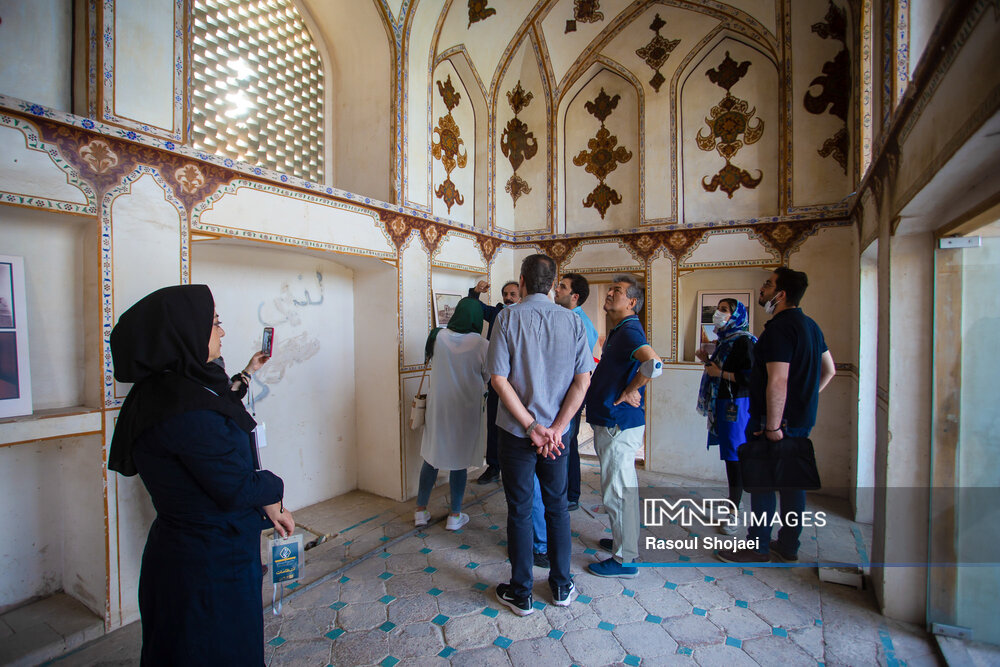
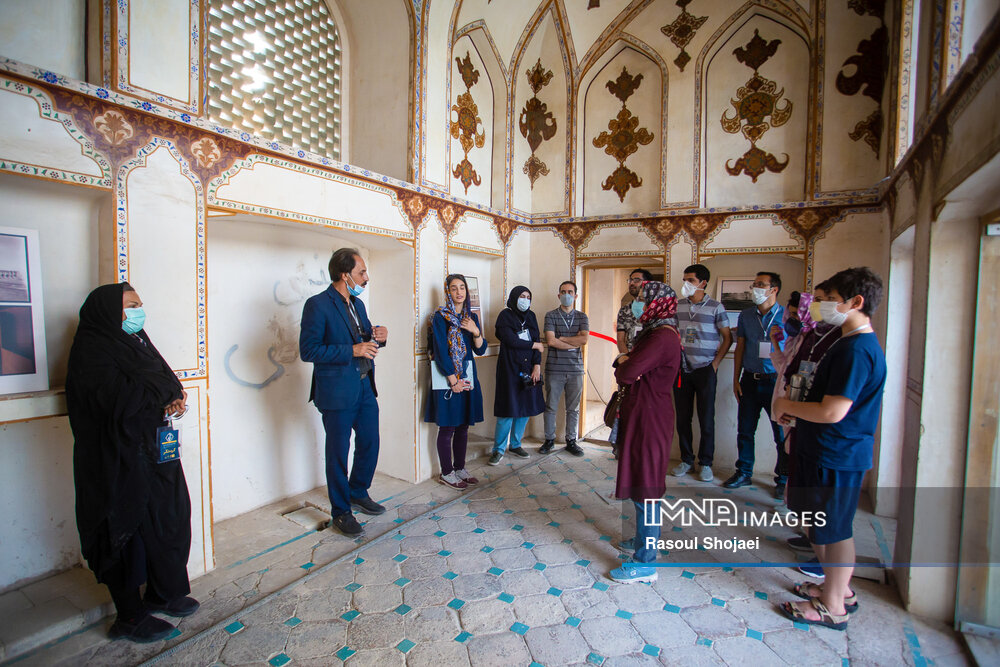
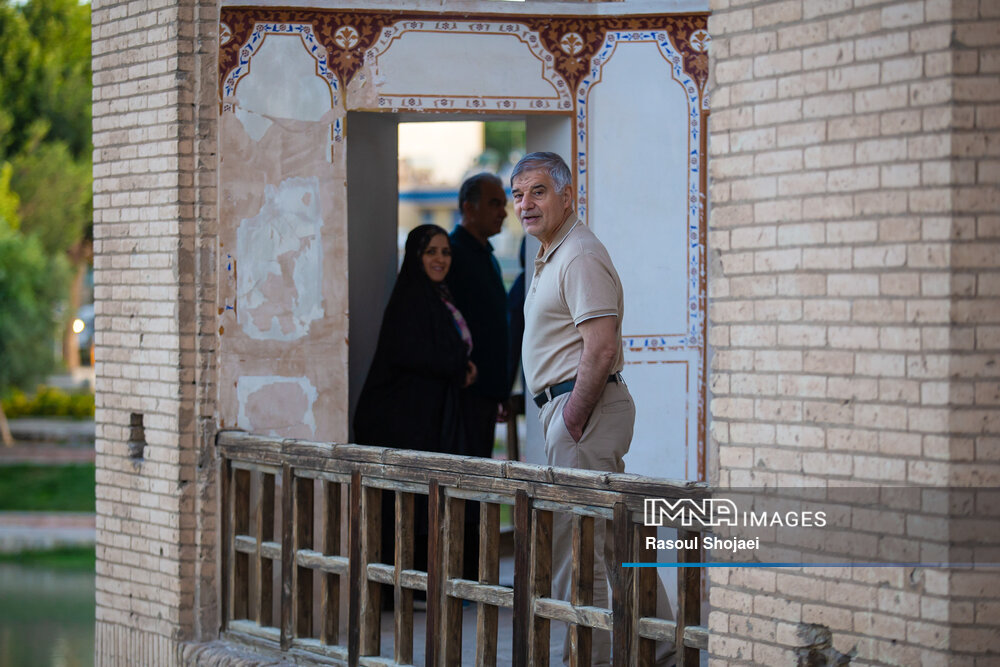
After authorities reopened lesser-seen historical monuments of Isfahan with the beginning of Nowruz 1401, Biglarbeigi was opened to the public in June of this year. People could visit the alcove until June 3.
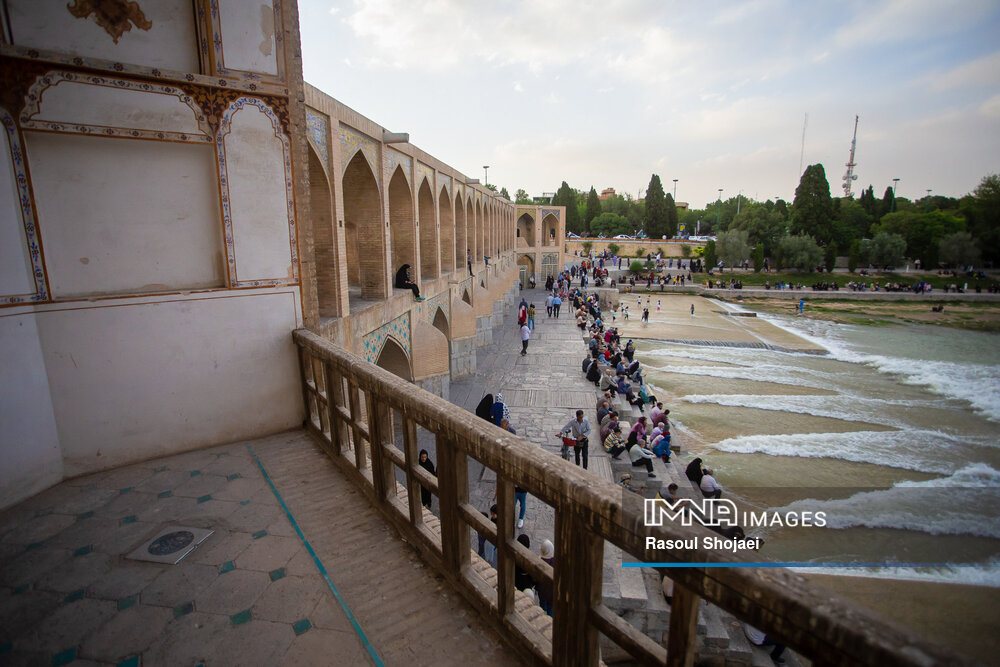
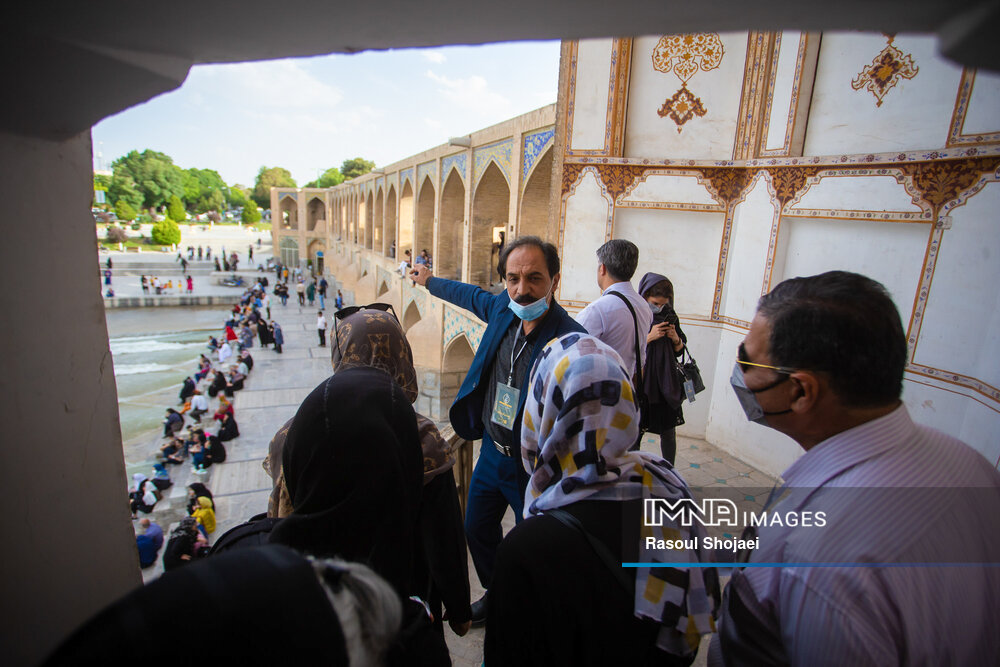
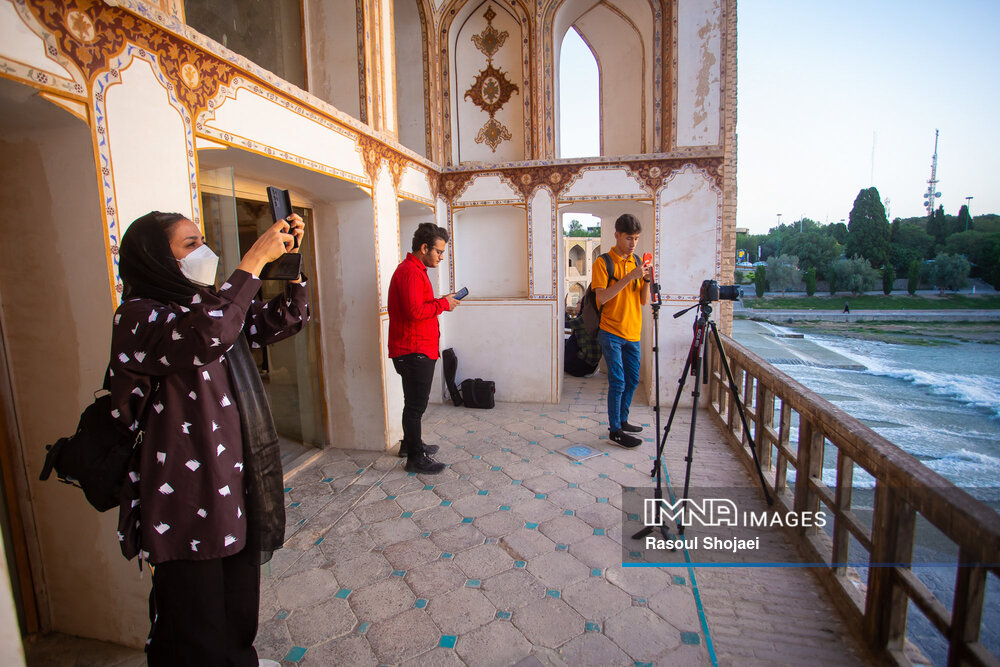
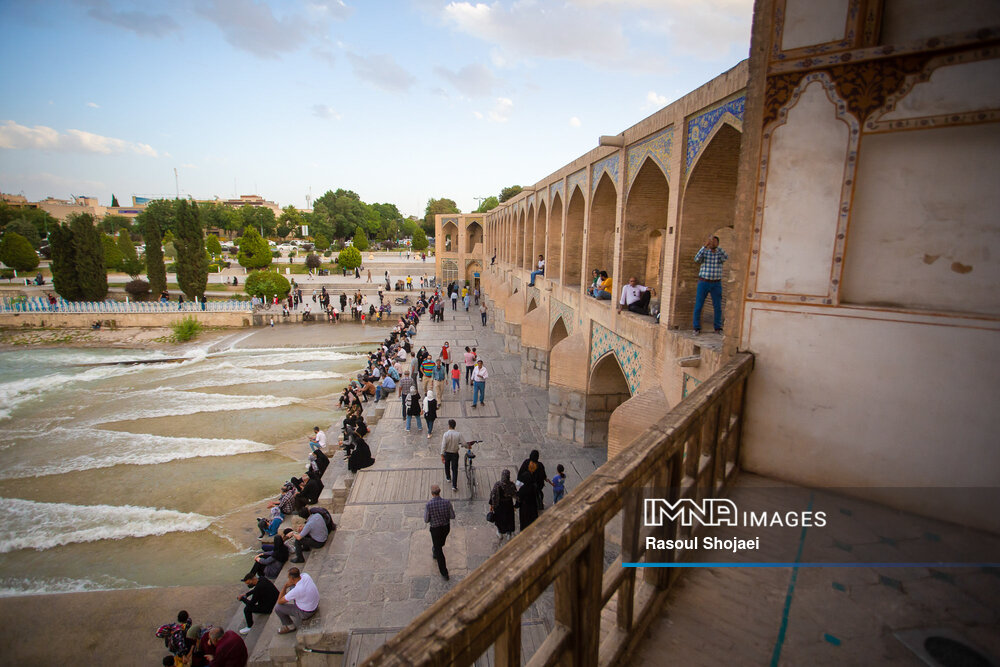
Two chambers of Biglarbeigi have been reserved for public visiting from which people can watch a tumultuous Zayandehroud from the east and a calm one from the west. This is one of the wonders of Pole khajoo.
The following visual report from the alcove of khaju bridge was published by Imna news agency.
In their letter, the economists said economic reforms require better governing practice, warning “a spiral of rise in foreign currency rates and inflation has put the country at the risk of an uncontrollable 3-digit inflation”.
The economists pointed to President Ebrahim Raeisi’s election campaign promises of economic stability and fighting corruption and talks of a 7,000-page plan, drawn out with the help of economists, to settle such issues of rising inflation and unemployment as well as closure of businesses.
They said the president also made other far-reaching promises amid warnings by experts that fulfillment of his pledges will not be possible except by a quick agreement in the Vienna talks.
They said, however, that discouraging news from the talks and policy shocks by the government have thrown things into chaos, economically, with both the inflation and foreign currency exchange rates at record highs.
The economists said the government is not talking about the consequences of its “economic reforms” and “difficult decisions” for the economy while ignoring warnings by economists about the “horrible” outcomes of a “passive foreign policy” and “not well-thought-out” and “faulty” policy-making.
The economists said that the government and its affiliated media should openly admit the responsibility for their “risky and incorrect” policies and avoid attributing the arising problems to past acts of economic sabotage, or fear-mongering by economists, who are outside the government.
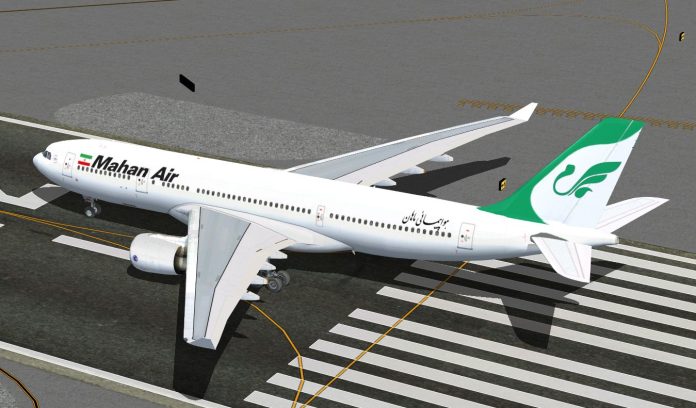
Amir-Hossein Zolanvari, a spokesman for Mahan Air, told Iranian media on Sunday that the seized plane, identified as Boeing 747, had been leased to Venezuela a year earlier and had thus nothing to do with the Iranian airline.
If reports about the arrests of the crew are true, it cannot have anything to do with Mahan Air, he added.
According to media reports, the Boeing 747-300M is operated by Emtrasur Cargo, the freight division of the Venezuelan flag carrier Conviasa.
The aircraft landed at Ezeiza International Airport (EZE) in Buenos Aires, Argentina, on June 5 and has since been unable to leave the country.
The situation surrounding the seizure is not yet clear.
Nine Venezuelan and seven Iranian crew members were said to have been aboard the plane, with some media outlets fueling speculation of the aircraft’s ties to Iran.