Friday, December 26, 2025
Home Blog Page 1896

Oyster Ornament Exhibition held in Iran’s Cultural Heritage Ministry

Oyster Ornament Exhibition

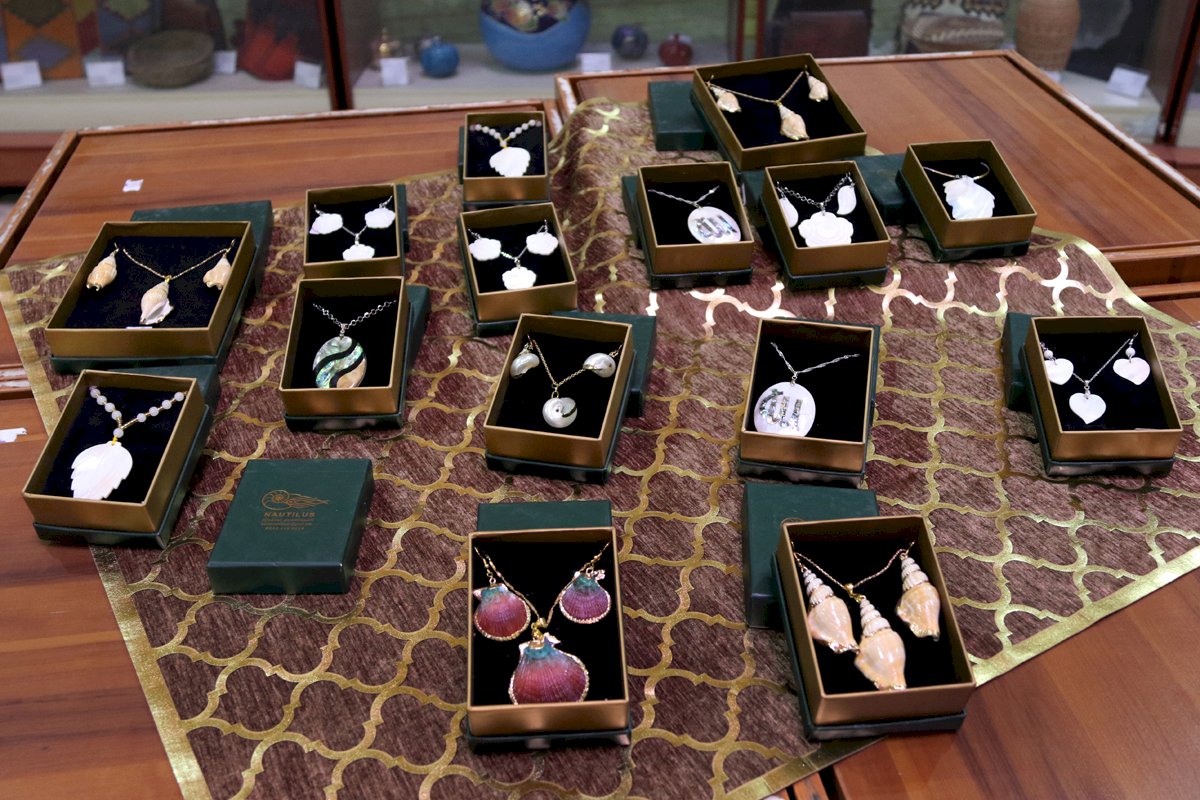
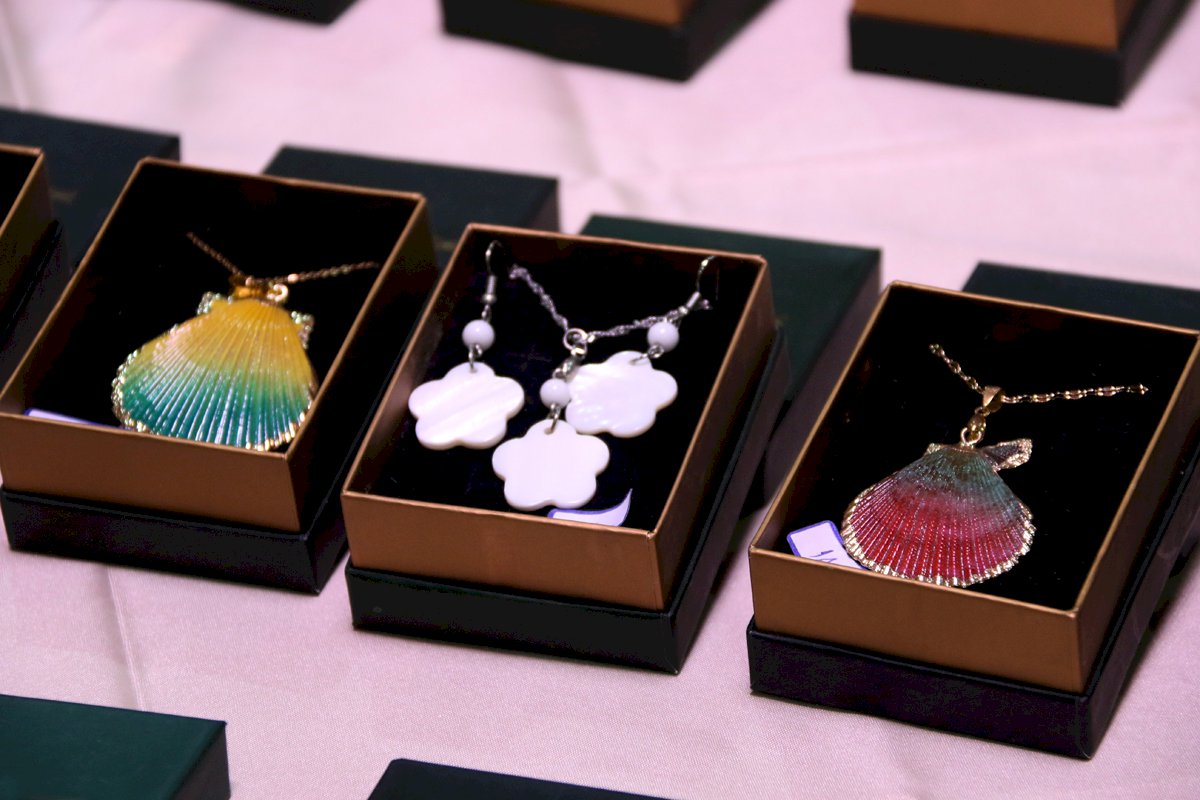
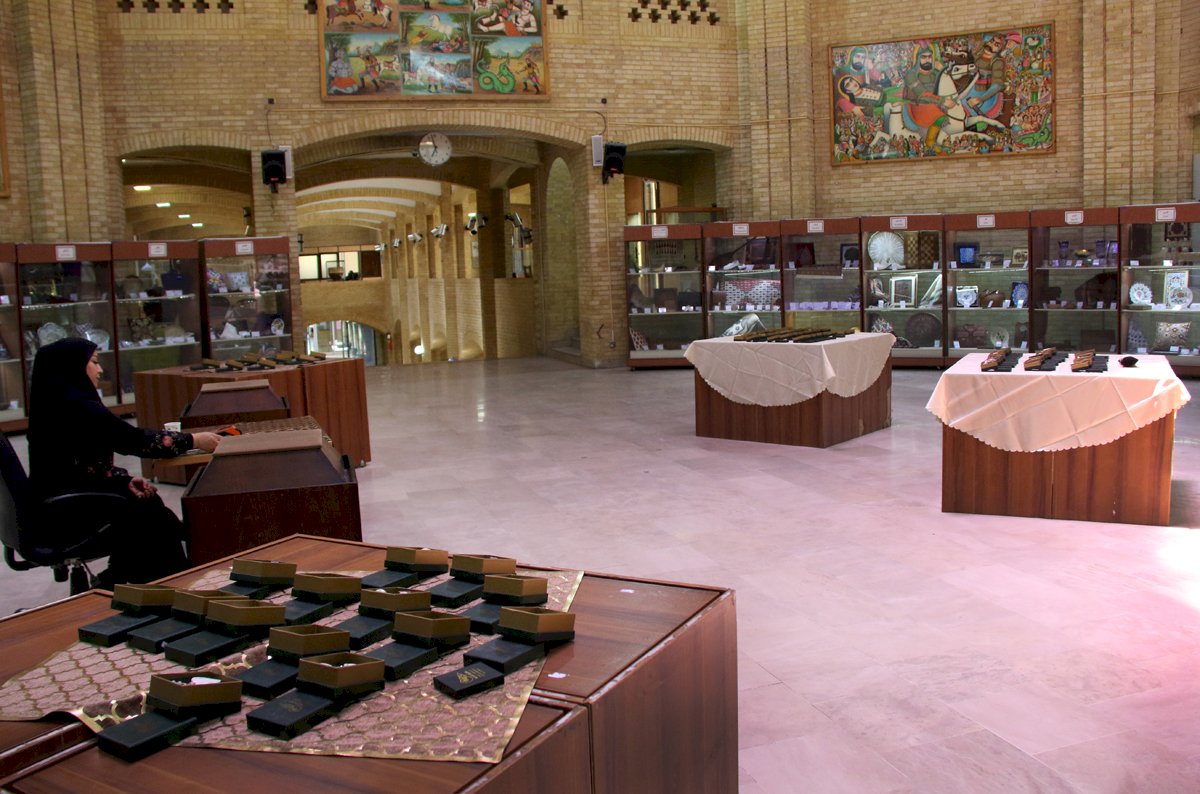
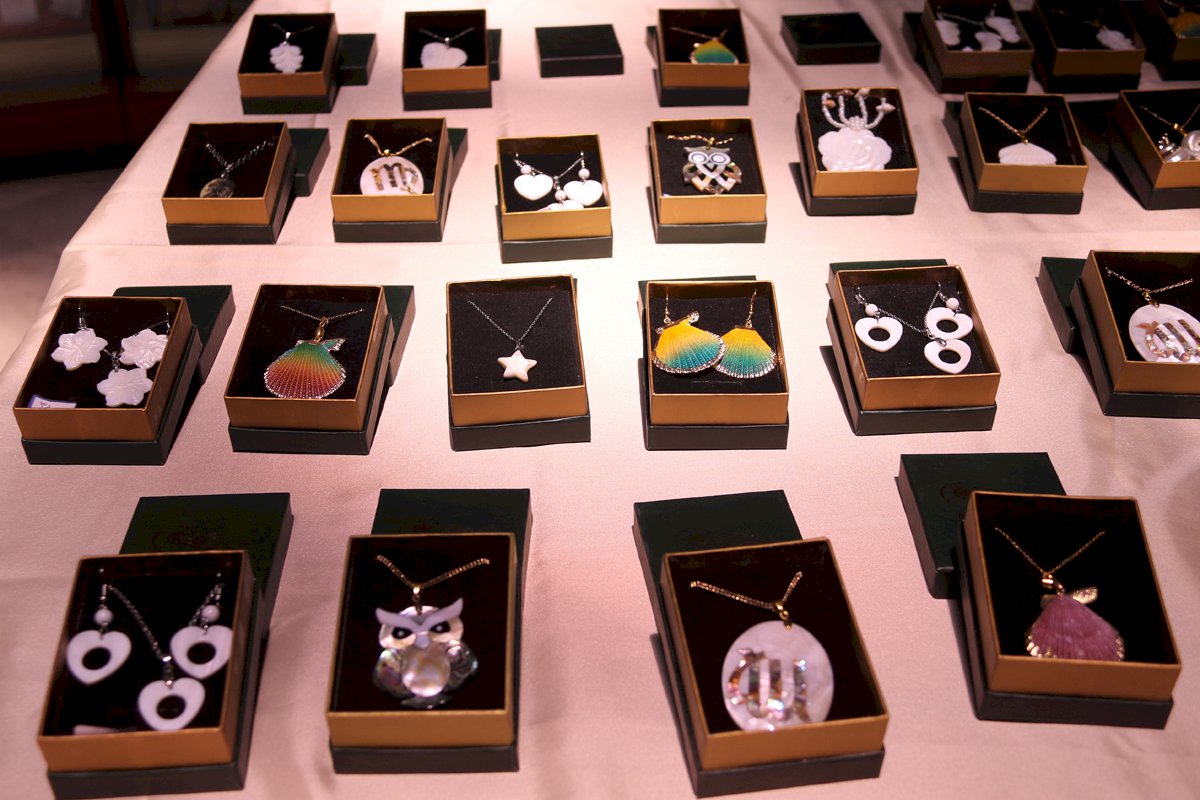
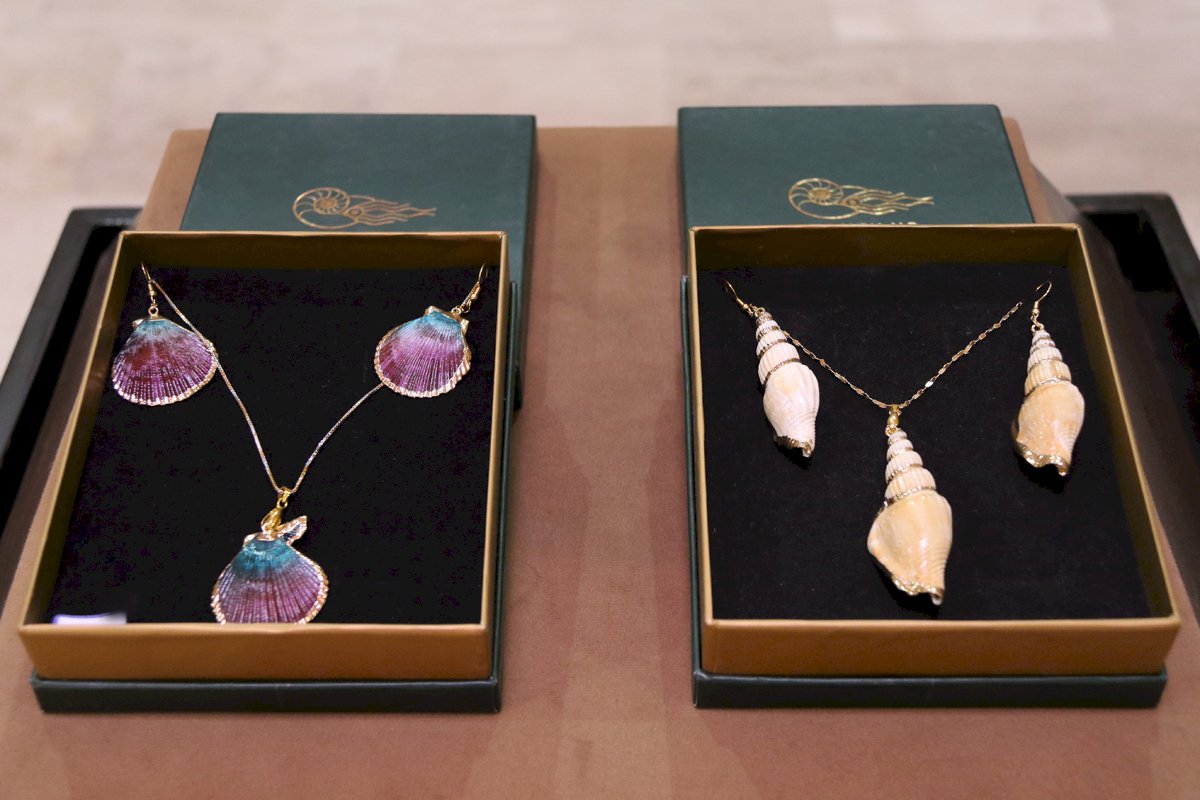
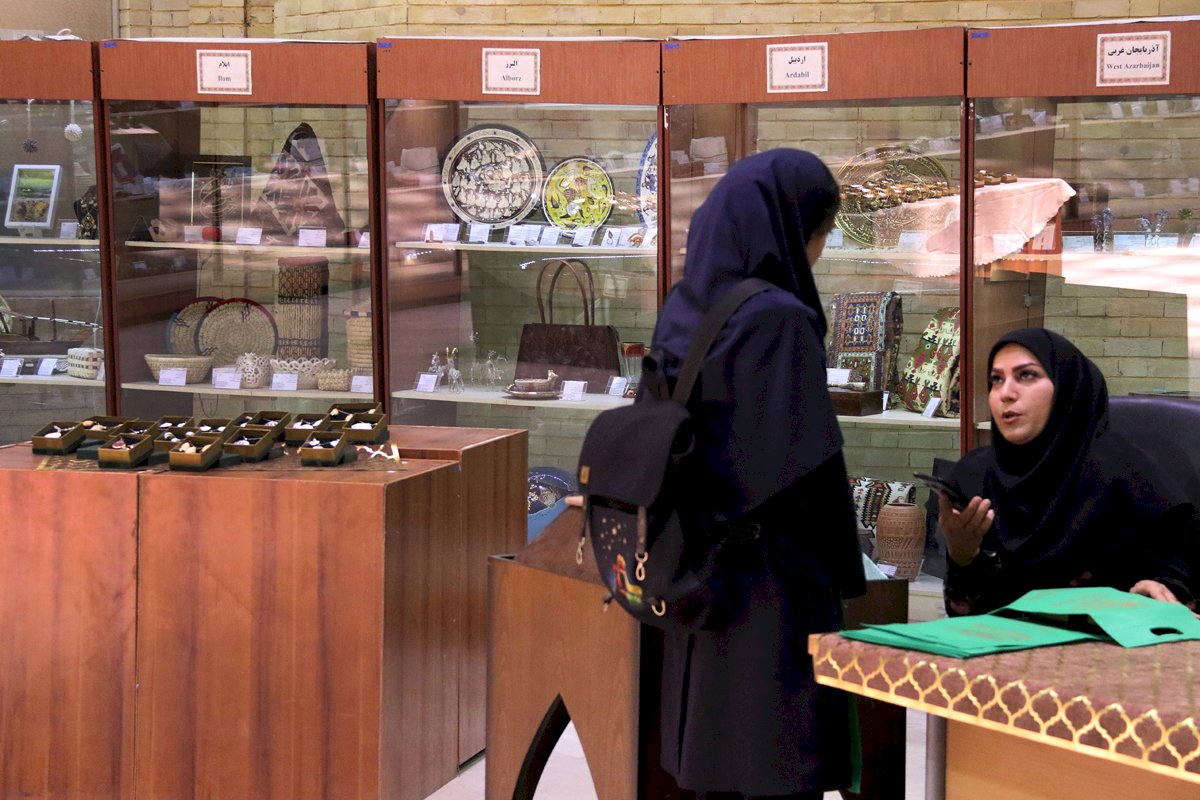
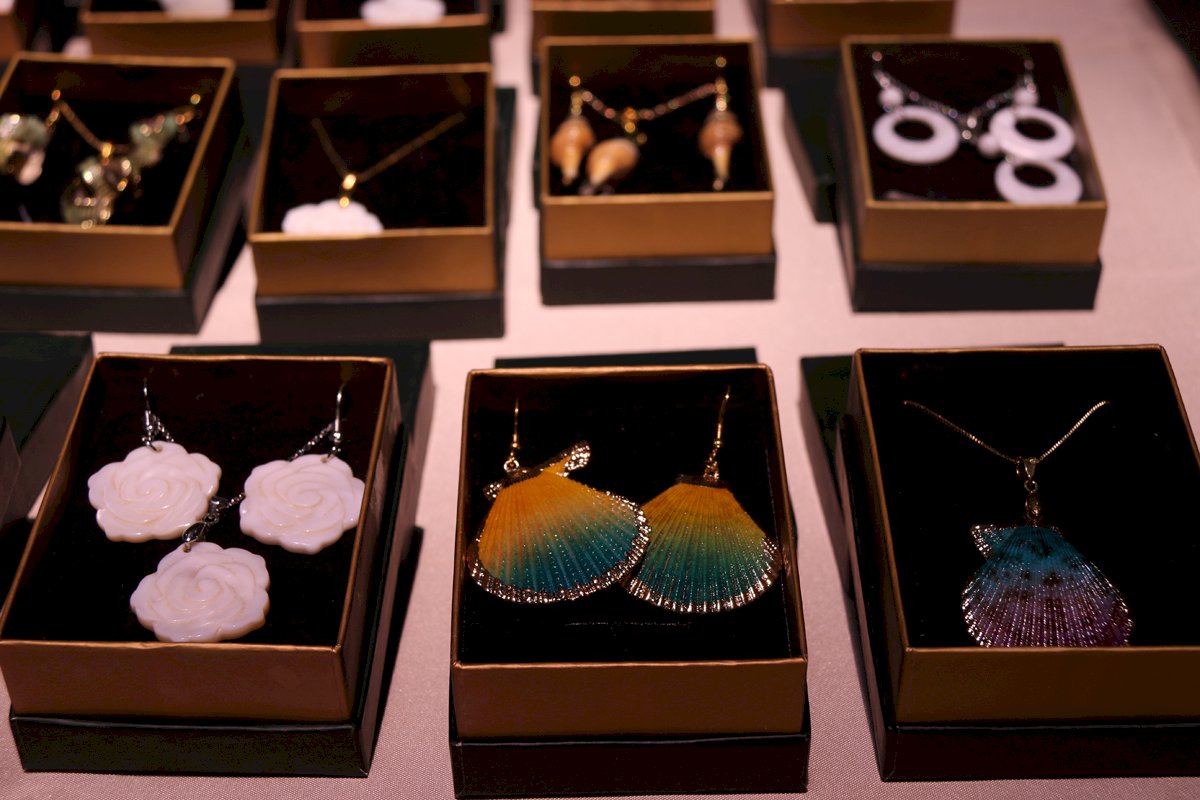
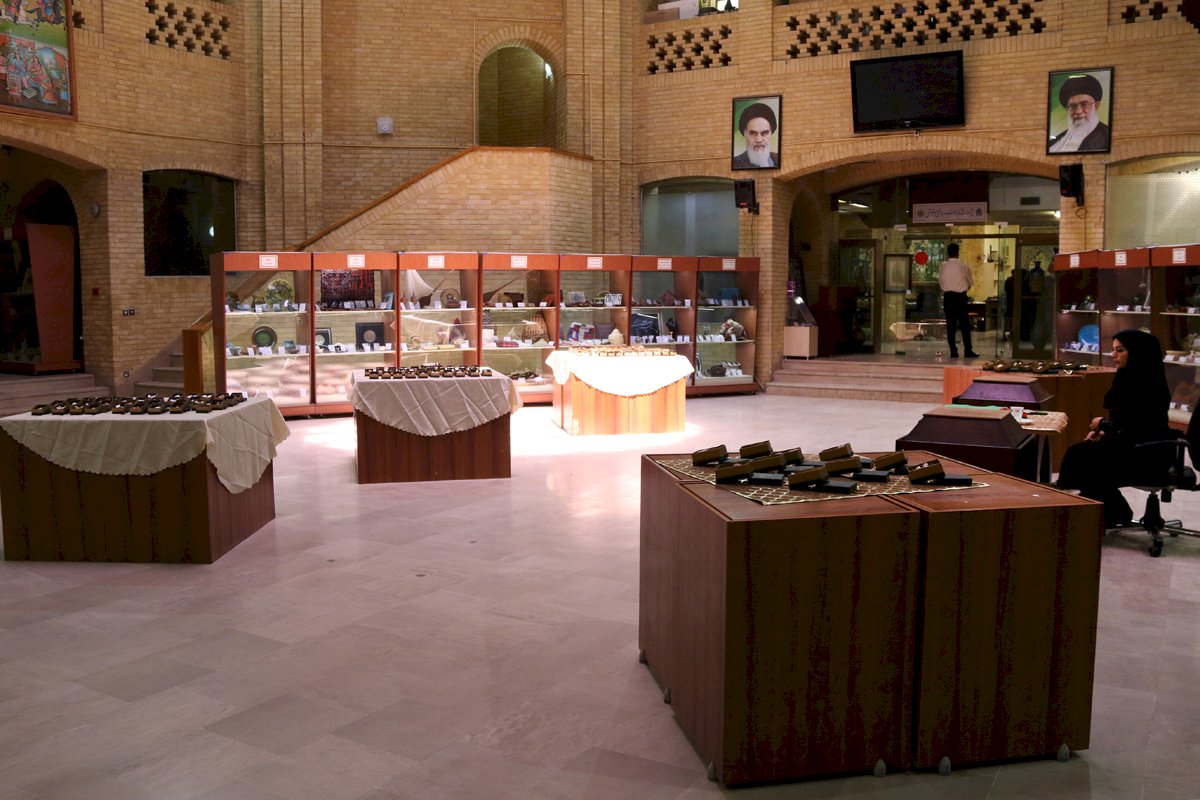
The main purpose of the exhibition is to introduce handicrafts in the form of oyster ornaments to enthusiasts of works of art that blend tradition with modernity through displaying items at a prestigious and artistic venue.

Oyster Ornament Exhibition

History of ornaments in Iran

Human beings have always felt like they need ornaments and jewelry and they have always welcomed and enjoyed such luxury items in all eras.

History tells us that in the year 2000 B.C., the inhabitants of the Iranian Plateau started to make jewelry and ornaments using colored beads. In this way, they showed their love for decorative objects and ornaments.

Archaeological studies show that the early ornaments humans used were teeth and claws of the animals they had hunted.

Oyster Ornament Exhibition

These objects were connected to each other using a string of natural fibers and formed a novel group of beads that seemed very beautiful.

The most ancient ornaments humans have used are oysters which were pierced artificially. After the making of metal ornaments and the use of gold, silver and precious gems, these ornaments mostly went to making royal necklaces, crowns, bracelets, weapons and war hardware for kings, costumes and feminine half crowns for dignitaries.

The Median culture and civilization is known as the pioneer of artistic style. Following the rise of the Achaemenid Empire, ancient Eastern cultures and civilizations got closer than ever and this marked a turning point in history.

Oyster Ornament Exhibition

Oyster ornaments

These molluscs have one or two (valvia) oysters that are made of lime. The shell of the oysters is often made of silicate. Some species of oysters are edible. But in Iran, people mainly use them for their pearls.

Oysters that produce pearls are pigeonholed in the category of bivalves and they are also used to make jewelry.

Ceylon Island, Red Sea, Philippine Islands and Japan are home to important oyster mines of the world. But the most important mines of oyster are in the Persian Gulf.

Oyster treatment techniques call for sufficient know-how and skill because while their shell is so hard, they could also easily crack and break.

The most expensive oysters are black, pink and blue. However, white and cream ones are more popular.

Oyster Ornament Exhibition

Benefits of using oyster in ornaments

Being a natural color palette, oysters give out most of the world’s colorful lights. Blue, green, and gold are the colors that could be found in an oyster.

In stone therapy, oysters are used to allay muscular pain and even heart and gastrointenstinal disorders.

Oyster Ornament Exhibition held in Iran’s Cultural Heritage Ministry

An exposition showcasing traditional and handmade Iranian oyster ornaments is underway at Iran’s Ministry of Cultural Heritage, Tourism and Handicrafts.


Read more:

Iran museum invention wins international innovation standard award

IFIA

This is the first time ever anywhere in the world that an invention in the field of museum technology wins an IFIA standard certificate.

According to Iranian Students News Agency (ISNA), IIS certificates are given to innovations and inventions that an 11-member jury of the IFIA assesses as meeting the defined standards of the body.

The certificate is among the new services offered by the Geneva-based federation since the beginning of 2022 and is categorized in A, B and C grade licenses.

The museum invention of Iran, which is the work of Mahmoudreza Gorji, Marjan Haji Rahimi and Salar Basiri, achieved the maximum available points that make it a B-grade innovation.

Iran museum invention wins international innovation standard award

Iran Museum innovation wins Turkey contests gold medal

The museum invention by the Iranian group, which, among other things, enables smart museums and their monitoring, won gold medals in the first edition of the inventions competitions, specific to members of the IFIA in Switzerland’s Geneva and also in the sixth edition of Turkey’s inventions exhibition held in Istanbul.

Execution of a project based on the museum invention in Tehran’s Armenians’ Museum

After the accomplishments, Tehran’s Ardak Manoukian meusum — the museum of Armenians in the Iranian capital – approved the implementation of the invention as a project and it was launched in an unveiling ceremony in the presence of experts of Cultural Heritage and Museum Curators Research Center.

Tehran’s Armenian Archbishop Sebouh Sarkissian as well as the International Council of Museum’s office in Iran also commended the inventor group for their invention and its pilot execution in Ardak Manoukain Museum.

Recently, during an Armenians’ garments exhibit, which was held at Royal Clothing Musuem of Saadabad complex in north of Tehran, to mark the week of cultural heritage, the invention was temporarily installed there to monitor the museum building (Shams Palace) and the objects on display there.

Iran police arrest principals driving illegal futures forex, gold trades

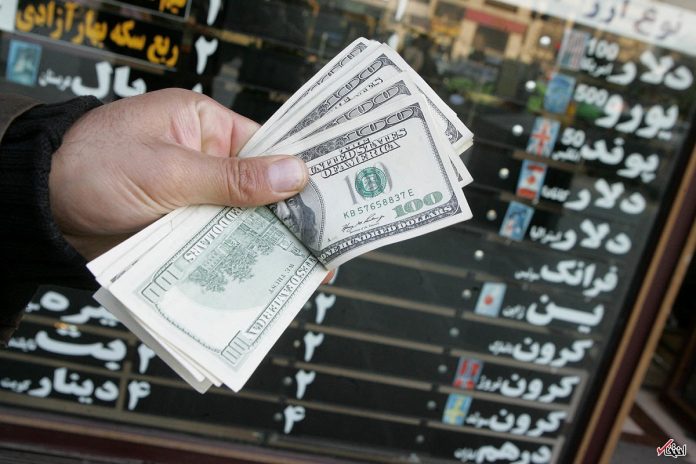
Rial Dollar

Deputy Chief of the Economic Security Police Brigadier General Sohrab Bahrami added that there were “fluctuations” in the foreign currency and gold prices over the past days, which he said were driven by profiteers leading illegal futures dealers to raise prices.

He said all futures deals for foreign currency are illegal and considered gambling and perpetrators will be held accountable for disruption of the national economic system.

There have been reports over the past days that the illegal trade is conducted through channels and pages on social media networks with the aim of disrupting the markets.

Iran MP: IAEA anti-Iran resolution puts question mark next to Vienna talks

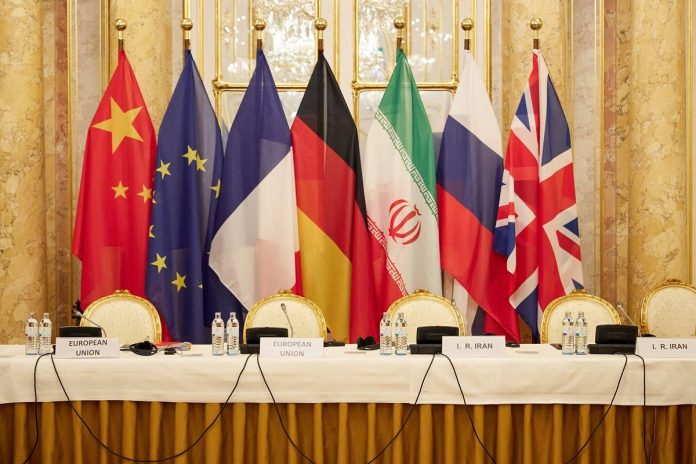
Nuclear Negotiations in Vienna

Zohre Elahian, who sits on the parliament’s national security and foreign policy commission, says the Zionist lobby is trying to undermine the Vienna talks between Iran and the P4+1 to revive the 2015 nuclear deal.

She says the regime attempts to open up new cases against Iran with no end in sight therefore “there is no need to respond to all these allegations.”

“Accordingly, the national security commission held a meeting last week and most of the members of the commission agreed that the cooperation [with the IAEA] should be minimized and some surveillance cameras should be turned off. Also, Iran’s uranium enrichment should be sped up and new generation of centrifuges should be installed,” she told Iran’s official news agency IRNA.

“It is necessary for this message to be sent to the IAEA that the Islamic Republic of Iran will not give in to sanctions and bullying.”

After the ratification of the anti-Iran resolution by the IAEA’s Board of Governors, Tehran announced the removal over two dozen surveillance cameras, installed at its nuclear sites as part of the inspection requirements of the 2015 nuclear deal.

Officials said the cameras operated by the IAEA under the Nuclear Nonproliferation Treaty remain in place.

MP: Iran Parliament to consider suspension of NPT membership

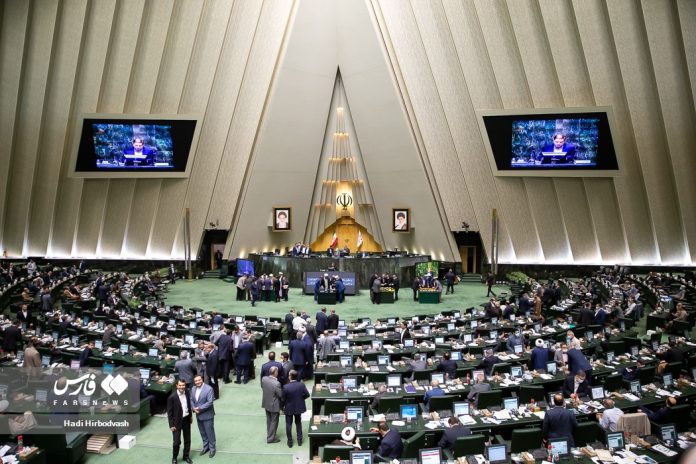
Iran Parliament

Mahmoud Abbaszadeh Meshkini said Iran must also impose restrictions on visits by the IAEA’s Director General Rafael Grossi.

He was referring to the IAEA recent anti-Iran resolution that was approved following the Agency’s visit to Israel.

The MP noted that Grossi’s trips not only did not bring good but they also were counterproductive.

Abbaszadeh added that Iran is continuing the Vienna talks only for the purpose of achieving its goals and national interests. If the talks do not produce any results, Iran will not insist on the continuation of the negotiations.

Iranian officials are angry at the International Atomic Energy Agency over its recent anti-Iran resolution that had been drafted by the US and the European troika. They are also highly critical of Grossi over his recent report on Iran and his visit to occupied Palestine and meetings with Zionist regime officials.

Iran says Grossi’s visit and his anti-Iran actions have reduced the IAEA to a political and biased organization.

Iran says Afghans failing to take part in census to be deported

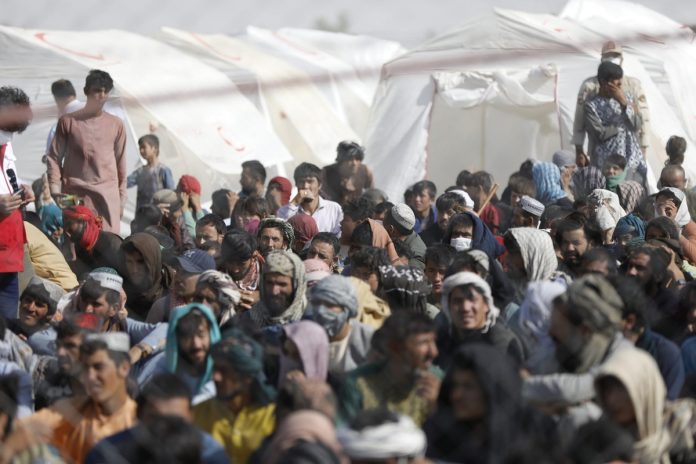
Afghan refugees in Iran

The ministry’s Department of Foreign Nationals and Refugees added that June 22 will be the last date on which Afghan nationals can participate in the census.
It also said that the census will not be extended.

Iran says nearly 5 million Afghan refugees are living in the country.

The latest refugee influx from Afghanistan happened last August following the Taliban takeover of the country.

Iran has repeatedly demanded the UN and also European countries assist it in hosting the Afghan refugees.

Tehran says it has yet to receive substantial help for this purpose.

UN chief calls for continuation of Vienna talks

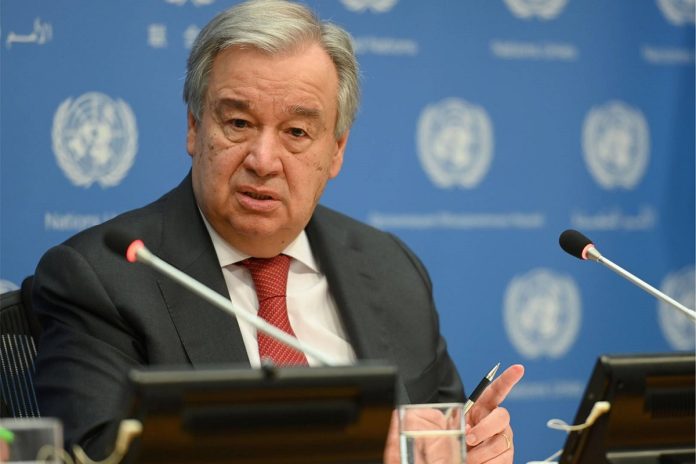
United Nations Secretary General Antonio Guterres

Guterres, in a phone conversation with Iranian Foreign Minister Hossein Amirabdollahian, described diplomacy as the best path to resolving the differences between the Islamic Republic of Iran and other parties to the negotiations on the Joint Comprehensive Plan of Action (JCPOA).

He said the latest Iran-related resolution adopted by the International Atomic Energy Agency (IAEA) included merely advisory content.

In turn, Amirabdollahian described the submission of the resolution to the IAEA’s Board of Governors by the US and the European trio as a hasty and politically motivated move.

The top Iranian diplomat further voiced Tehran’s support for the continuation of the ceasefire in Yemen and emphasized the need to fully remove the humanitarian siege of the country, which he said would pave the way for more negotiations between Yemeni groups.

Referring to his phone conversation with the Syrian foreign minister on Friday, Amirabdollahian said the Zionist regime’s relentless acts of aggression against Syrian soil, including the latest military attack on a civilian airport in Damascus, were in blatant violation of the principles of the UN Charter.

Live Update: Russia’s “Special Operation” in Ukraine; Day 109

Russia Ukraine War

EU blames Russia for no solution to reopening Ukrainian ports

Russia is holding up talks on funding agreement on a plan to release Ukrainian grain currently blocked from export mid Russia’s invasion, said EU Trade Commissioner Valdis Dombrovskis.

“I think it’s clear what’s blocking it: Russia,” Dombrovskis stated, adding, “It is time for Russia to stop its aggression and to stop blocking Ukrainian food exports.”

Ukraine is a key global supplier of grain and edible oils, but much of its harvest is bottled up because Russia has occupied its ports or because free ports have been mined to fend off Russian offensives.


Pope warns don’t become accustomed to war in Ukraine

Pope Francis has cautioned people not to become accustomed to the war in Ukraine.

Speaking during his Sunday address before thousands of people in St. Peter’s Square, he said, “The thought of the people of Ukraine, afflicted by war, remains vivid in my heart.”

“Let the passage of time not temper our grief and concern for that suffering population,” he continued, adding, “Please, let us not grow accustomed to this tragic situation! Let us always keep it in our hearts. Let us pray and strive for peace.”


Czech FM criticises Macron over Putin comment

The Czech foreign minister has criticised French President Emmanuel Macron for saying that Vladimir Putin mustn’t be “humiliate” if peace is to be achieved in Ukraine.

“Macron probably doesn’t understand the issue very well,” Jan Lipavsky said.

“Putin doesn’t care how Russia is perceived in the west,” he added.

The Macron administration sought to quell criticism earlier this week by insisting that it did not want to given any concessions to Russia.


NATO chief says Turkey’s security concerns are legitimate

Security concerns raised by Turkey in its opposition to Finland’s and Sweden’s NATO membership applications are legitimate, NATO Secretary General Jens Stoltenberg said.

“These are legitimate concerns. This is about terrorism, it’s about weapons exports,” Stoltenberg told a joint news conference with Finnish President Sauli Niinisto while visiting him at his summer residence in Naantali, Finland.

Sweden and Finland applied to join the Western defence alliance last month, in response to Russia’s war in Ukraine. But they have faced opposition from Turkey, which has accused them of supporting and harbouring Kurdish armed fighters and other groups it deems terrorists.


Second Briton killed in Ukraine fighting

A British former soldier has been shot and killed in Ukraine, his family confirmed.

Jordan Gatley is the second Briton reported to have died fighting alongside Ukrainian forces against Russian troops.

Gatley’s father Dean stated his son was killed in the eastern city of Severodonetsk, and described him as a “hero”.


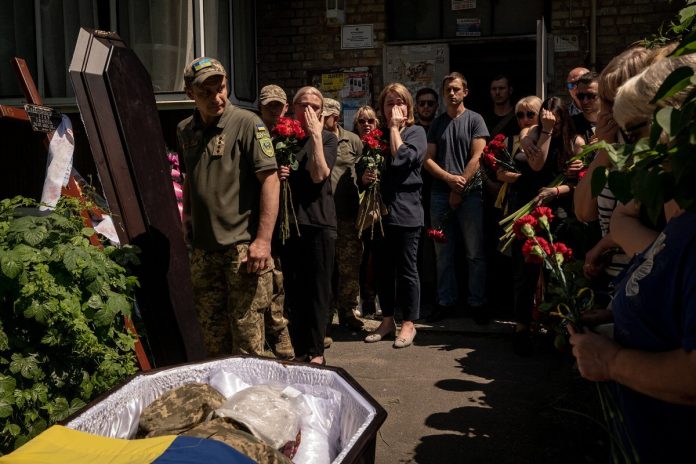
Tens of Ukraine Azovstal fighters’ bodies still in Mariupol: Ex-commander

The former commander of Ukraine’s Azov National Guard regiment says the bodies of tens of Ukrainian fighters killed during the siege of Mariupol’s Azovstal steelworks are still awaiting retrieval.

Maksym Zhorin said that under the terms of a recent exchange, some 220 bodies of those killed in Azovstal had been sent to Kyiv, but “just as many bodies still remain in Mariupol”.

One-third of the dead were from the Azov battalion, while the others were border patrol, navy, and police.

“Talks are continuing about further exchanges, to return home all the bodies,” Zhorin added in a video posted on his Telegram channel.


Russia to ‘rely’ on new recruits: UK

Vladimir Putin’s generals will “likely have to rely” on new recruits or mobilised reservists as the war grinds on in eastern Ukraine, the UK has said.

As heavy fighting continues around the city of Sievierodonetsk, Russia is attempting to use its artillery superiority to its advantage, according to the British Ministry of Defence’s (MoD) latest military assessment

Usually, the Kremlin’s senior officers only commit two of their three battalions to operations at the same time. However, it is thought that Russia will soon use all three.

“The third battalions within brigades are often not fully staffed – Russia will likely have to rely on new recruits or mobilised reservists to deploy these units to Ukraine,” the UK added.


Russia extending plans for long war in Donbas: Ukraine

The Russian army is extending its plan to wage a long war of attrition in the Donbas, according to Ukrainian military intelligence.

In its latest briefing on the war in Ukraine, the Institute for the Study of War (ISW), a US think tank, reported Russian mobilisation remains “poor”.

In late March, the Kremlin announced that 134,500 recruits would be conscripted into its army as part of the spring draft.


Russia ‘destroyed’ large depot with western weapons in Ukraine

Russian forces fired Kalibr cruise missiles to destroy a large depot with US and European weapons in Ukraine’s Ternopil region, Interfax news agency reported, citing the Russian defence ministry.

Russian forces have also shot down three Ukrainian SU-25 fighter jets near Donetsk and Kharkiv in eastern Ukraine, Interfax quoted the Russian defence ministry as saying.


Ukraine claims it still controls Sievierodonetsk plant sheltering hundreds

Ukraine authorities have claimed that it is still in control of an industrial area in Sievierodonetsk — where heavy fighting continues — and the chemical plant where hundreds are sheltering from Russian shelling.

Ukrainian forces are running out of ammunition as Russia steps up its intense bombardment, officials have announced, amid reports of street-to-street fighting in the town of Sievierodonetsk.

Serhiy Gaidai, the region’s governor, had earlier stated that Russian forces controlled much of Sievierodonetsk in Luhansk province.

A Russia-backed separatist group had also claimed on Saturday that some 300-400 Ukrainian fighters were trapped in the Azot plant. Some 800 people, including employees of the chemical plant and residents of Sievierodonetsk, are hiding in Azot plant.

Gaidai confirmed on Telegram that “the information about the blockade of the Azot plant is a lie. Our forces are holding an industrial zone of Sievierodonetsk and are destroying the Russian army in the town.”


Russian gas exports to Europe via Ukraine unchanged

Russian gas producer Gazprom says its supply of gas to Europe through Ukraine via the Sudzha entry point was seen at 41.9 million cubic metres (mcm) on Sunday, unchanged from Saturday.

An application to supply gas via another major entry point, Sokhranovka, was rejected by Ukraine, Gazprom added.


Russia in control of much of Sievierodonetsk: Governor

Russian forces are now in control of much of Sievierodonetsk.

“The situation remains difficult. Fighting continues, but unfortunately, most of the city is under Russian control. Some positional battles are taking place in the streets,” Serhiy Haidai, the governor of Luhansk region said.

Haidai stated that Russian forces were using “highly destructive thermobaric rocket artillery.”

“Unfortunately, enemy artillery is simply dismantling floor-to-floor buildings that are used as shelters. In this sense, it is difficult because the enemy will be knocked out of one street, and then they will start dismantling neighbourhoods house by house with tanks, artillery and grads,” the governor added.

President Volodymyr Zelensky has praised Ukrainian forces in the region and said that he was “proud of our defenders who could stop the advance of these hostile people, these occupiers, for many weeks and keep our defence strong.”

He had said earlier that “Sievierodonetsk remains the epicentre of the confrontation in Donbas.”

“This is a very fierce battle, very difficult … Probably one of the most difficult throughout this war,” he continued, adding, “In many ways, the fate of our Donbas is being decided there.”


Ukraine: Over 795 children have been killed or injured

As of 12 June, more than 795 children have been killed or injured in Ukraine, the country’s government has said in its regular update.

It announced at least 287 children had died, and 508 injured in the conflict, adding the caveat that confirmation of incidents was difficult in areas of active hostilities and the occupied territories.

The report added most of those affected were in Donetsk (2017 children), Kharkiv (149), and Kyiv (116).


Ukrainian officials push back on Biden claim that Zelensky ‘didn’t want to hear’ invasion warnings

Ukrainian officials have pushed back against President Joe Biden’s claim that Ukrainian President Volodymyr Zelensky brushed off US warnings of an impending Russian invasion before the start of the Russia-Ukraine war.

Responding to Biden’s comment during a Democratic fundraiser Friday evening that Zelensky “didn’t want to hear” warnings from the US, a spokesman for the Ukrainian president said that “the phrase ‘did not want to hear’ probably needs clarification.”

Spokesman Sergei Nikiforov told Ukrainian news outlet LIGA.net that the two leaders spoke over the phone “three or four” times leading up to Russia’s invasion of Ukraine in late February, stating that Biden and Zelensky exchanged “detailed” assessments of the relationship between Ukraine and Russia.

“In addition, if you remember, the President of Ukraine called on partners to impose a package of preventive sanctions to encourage Russia to withdraw troops and de-escalate the situation. And here we can say that our partners ‘did not want to hear us,’” added Nikiforov.

Ukrainian presidential adviser Mykhailo Podoliak corroborated Nikiforov’s claims that Zelensky was consistently presented with complicated evidence regarding Russia’s intentions and criticized Biden for putting “blame” on Ukraine over the situation.

“And finally, the key, I think it is pointless to blame the country, which is more than 100 days a full-fledged war against a much more resourceful opponent, if key countries have failed to prevent the militaristic appetites of the Russian Federation, knowing them well,” Podoliak said, according to independent Russian outlet Interfax.

“Undoubtedly, the volume of the invasion, which we saw on February 24, shocked many countries, including our partners,” added Podoliak, arguing that Ukraine was equally as aware of Russia’s threat as its Western allies.

He noted: “Volodymyr Zelensky constantly had an analyst on the table based on high-quality intelligence. The President also responded carefully to all the words and warnings of our partners. The question was always: what will be the scope of the invasion?”


Zelensky claims Russia suffers 32,000 casualties of war

President Volodymyr Zelensky said fierce street battles were continuing in Severodonetsk and he was proud of the Ukrainian defenders, who, for weeks, have held back a Russian advance.

He added the Russians have suffered heavy losses since the war began on February 24.

“Do you remember how Russia hoped to capture the entire Donbas by early May? It is now the 108th day of the war… Donbas is holding on. The losses suffered by the occupiers, including in this area, are extremely significant. In total, the Russian army today has about 32,000 dead souls. For what? What did it get you Russia?” he continued.


Pentagon chief chides Russia over ‘imperial appetite’

Moscow’s invasion of Ukraine “is what happens when oppressors trample the rules that protect us all”, US Defense Secretary Lloyd Austin said.

“It’s what happens when big powers decide that their imperial appetites matter more than the rights of their peaceful neighbours,” Austin stated during a visit to Asia.

“And it’s a preview of a possible world of chaos and turmoil that none of us would want to live in,” he added.


DM: China does not want war in Ukraine, but sanctions are not helpful too

The Chinese government is not interested in a conflict in Ukraine, but, at the same time, it does not believe that sanctions can help in resolving the crisis, Chinese State Councilor and Defense Minister Wei Fenghe told the Shangri-La Dialogue security forum in Singapore on Sunday.

“A conflict or a war are the last thing that China would want to see in Ukraine. At the same time, we do not believe that maximum pressure or sanctions can solve the problem. It may cause even more tensions and make the problem even worse,” the official said in a speech, broadcast live on YouTube.

The government of China supports the dialogue between Russia and Ukraine and hopes that the United States and NATO would hold talks with Russia for a soonest ceasefire, Fenghe added.

“China supports negotiations between Russia and Ukraine. We also hope that the US and NATO would hold talks with Russia to create conditions for a soonest ceasefire,” he said, adding China has never provided any material support to Russia amid the crisis in Ukraine.

“With regard to the Ukrainian crisis: China has never provided any material support to Russia,” he continued.


Smoke cloud seen after blast in Ukraine city with chemical plant

A cloud of smoke could be seen after an explosion in the southeastern Ukrainian city of Avdiivka, which houses a chemical plant, the Russian news agency RIA quoted one of its reporters as saying.

RIA posted a video it said had been taken from Donetsk which showed a large smoke cloud rising from Avdiivka.


Scholz to travel to Kyiv with Macron and Draghi before G7

German Chancellor Olaf Scholz will travel to Kyiv with his counterparts from France and Italy before the Group of Seven summit at the end of June, Bild am Sonntag has reported.

The newspaper cited French and Ukrainian government sources.

A German government spokesperson told the Reuters news agency that “we are not able to confirm this”.


Shelling of Severodonetsk plant causes oil leak and fire: Governor

Russian shelling of the Azot chemical plant in Ukraine’s front-line city of Severodonetsk caused a powerful fire to break out after a leak of tonnes of oil, regional governor Serhiy Haidai has stated.

Speaking on national television, Haidai did not say if the fire at the plant, where hundreds of civilians are sheltering, had been extinguished.


Separatists claim Ukraine defenders ‘holding civilians hostage’

Some non-combatants managed to flee an industrial zone in the war-torn city of Severodonetsk as Russian forces battle Ukraine defenders there.

Rodion Miroshnik, a Russian-backed representative of the self-proclaimed Luhansk People’s Republic, said civilians started to leave the plant, but he did not say how many.

“There are occasional exchanges of fire… They [Ukrainian defenders] may still be holding several hundred civilians hostage,” he added in an online post.

Ukraine announced about 800 people were hiding underneath the Azot factory, including about 200 employees and 600 residents of Severodonetsk.

Miroshnik estimated 300 to 400 Ukrainian fighters were blockaded on the grounds.

Russia says US policies led to ‘new G8’

G7

Following the launch of Russia’s military offensive in Ukraine in late February, the US, EU, UK and many other countries imposed hard-hitting restrictions on Moscow, making Russia the most sanctioned country in the world.

In a Telegram post, Volodin included a table with IMF data on GDP based on purchasing power parity of countries he calls the “new G8” and of countries forming the current G7 (after Russia’s participation in the bloc was suspended over Crimea’s vote to join the country in 2014, the G8 effectively turned into the G7).

“The group of eight countries not participating in the sanctions wars – China, India, Russia, Indonesia, Brazil, Mexico, Iran, Turkey – in terms of GDP at PPP is 24.4% ahead of the old group,” Volodin wrote.

In his opinion, the economies of the G7 members – the United States, Japan, Germany, Britain, France, Italy and Canada – continue “to crack under the weight of sanctions imposed against Russia.”

“The rupture of existing economic relations by Washington and its allies has led to the formation of new points of growth in the world,” Volodin claimed.

While having serious economic difficulties, the US, according to the Duma speaker, continues “doing everything to solve their problems at the expense of others.”

Creating tensions will “inevitably” lead the US to lose its world domination, Volodin stressed.

“The United States created the conditions with its own hands for countries wishing to build an equal dialogue and mutually beneficial relations to actually form a ‘new Big Eight’ together with Russia,” he added.

On Friday, US Deputy Assistant Secretary of State Eric Woodhouse stated that Washington and its allies had realized that they would get “spillovers” of anti-Russia sanctions into their own economies. Their determination in imposing sanctions on Moscow, he claimed, has demonstrated a willingness to “accept those costs.”
US Treasury Secretary Janet Yellen admitted on the same day that the anti-Russia sanctions have made a “huge difference to food and energy prices,” amid record-setting inflation.
The remarks followed the statement by the Russian President Vladimir Putin who said that “many years of mistakes made by Western nations” in their economic and sanctions policies have caused “a global wave of inflation, disruption of established logistical and manufacturing chains, a surge in poverty and a deficit of food.”

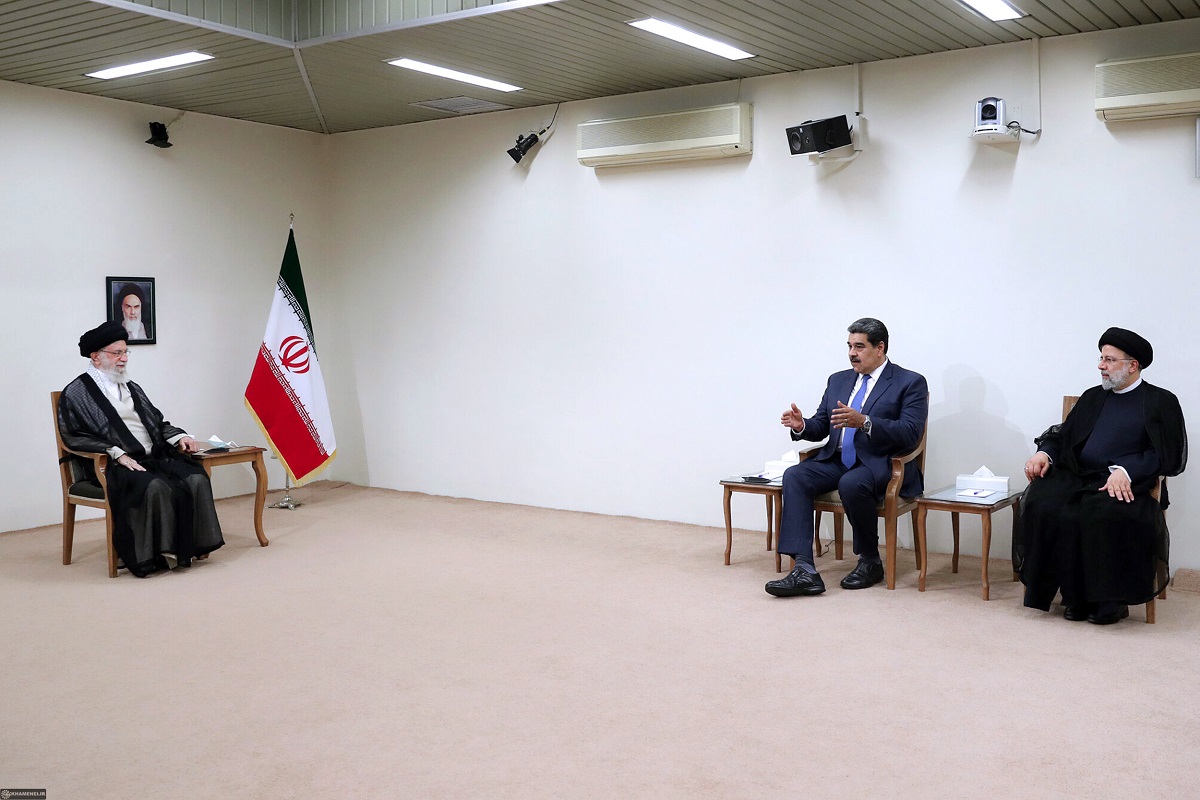
Iran’s leader hails Venezuela’s resistance and victory against US

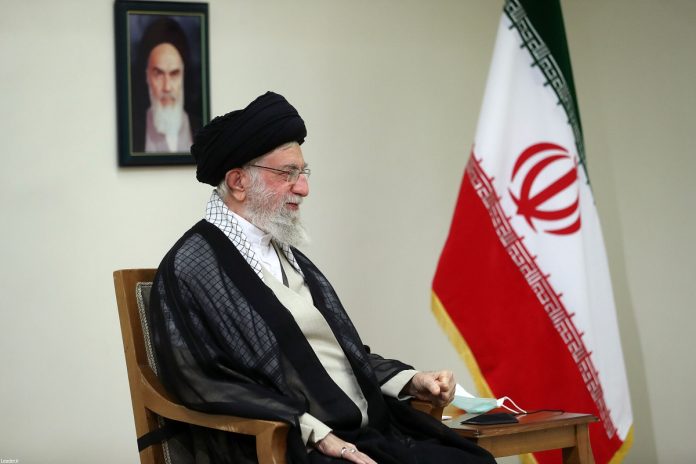
Leader of the Islamic Revolution Ayatollah Seyyed Ali Khamenei

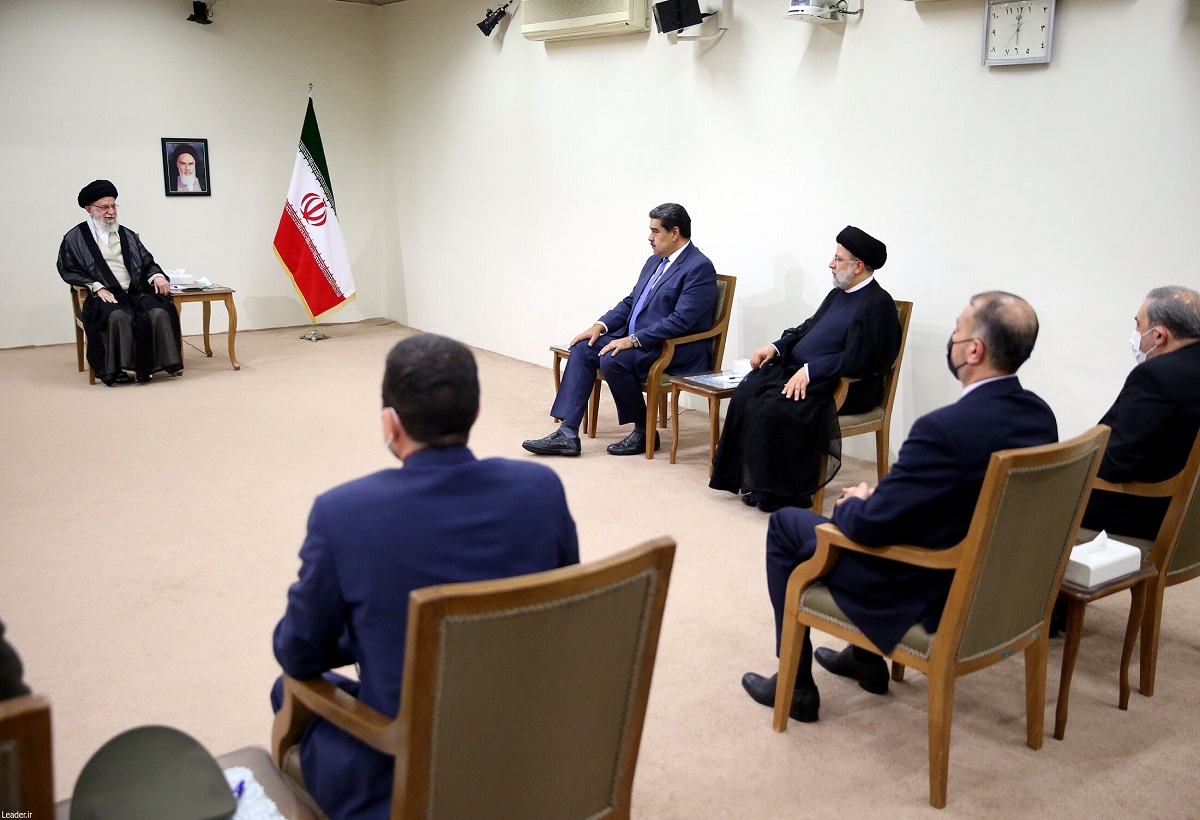
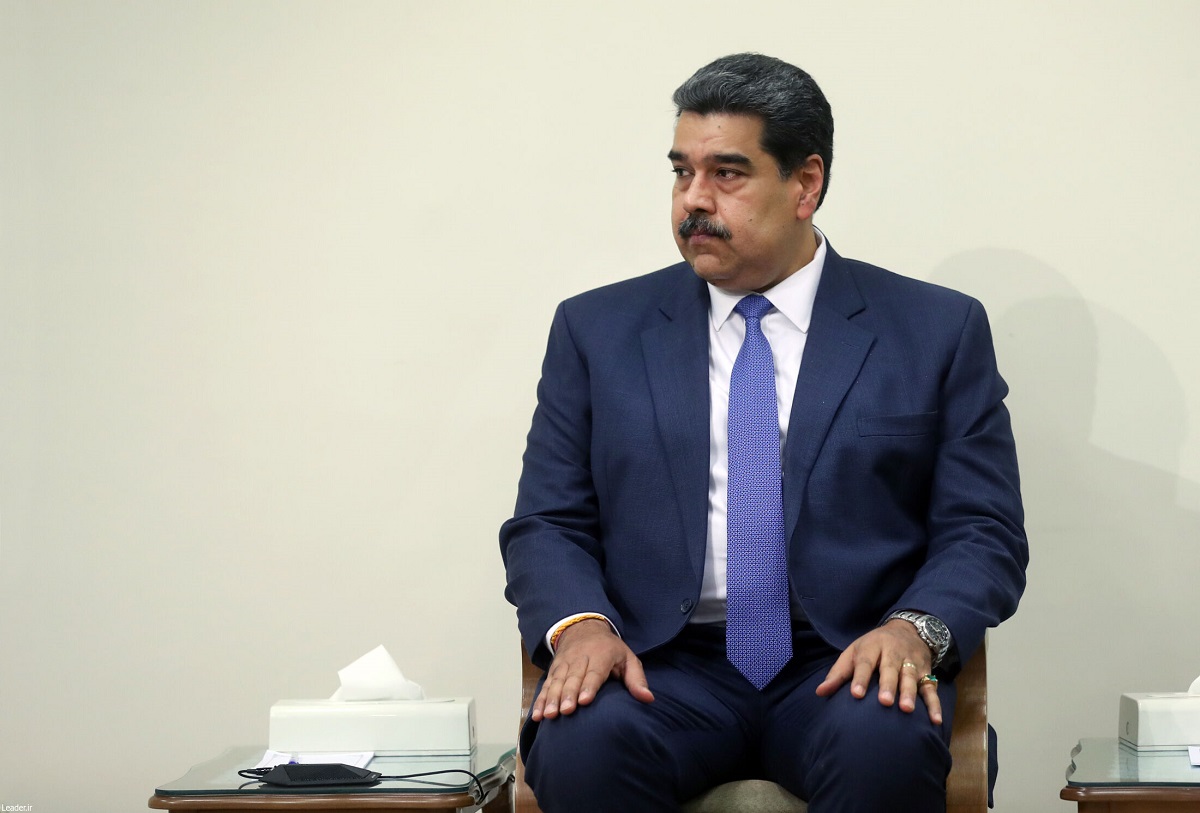
Ayatollah Khamenei was speaking during a meeting with visiting Venezuelan President Nicolas Maduro and his entourage on Saturday.

The leader referred to the victory of the Venezuelan people and government in a difficult battle against the US and Washington’s hybrid war on the Latin American nation.

Addressing Maduro, Ayatollah Khamenei said, “Your Excellency and the Venezuelan people’s resistance is highly precious because this is what increases the value and dignity of a nation and their leaders.”

He noted that today, the US definitely views Venezuela in a different way.

Ayatollah Khamenei also pointed to Iran’s long strides in various fields including science and technology and said all these achievements were made under the heaviest and most unprecedented sanctions and pressures, which the US itself described as “maximum pressure”.

He noted that Washington’s defeat vis-à-vis Iran was so heavy that a high-ranking US official recently called it a “fiasco”. The leader described Iran and Venezuela as two close friends and welcomed the signing of a 20-year partnership deal between the two countries.

Ayatollah Khamenei however noted that long-term cooperation calls for the pursuit and implementation of agreements.

In other remarks, Ayatollah Khamenei hailed the Venezuelan president’s anti-Zionist stance as “absolutely correct and very courageous”.

In the meeting, Maduro also thanked Iran for supporting his country’s people in their struggle against the US.

He said, “When Venezuelan was in a very difficult situation and nobody helped it, you helped us get out of that situation.”

The Venezuelan president concurred with Ayatollah Khamenei’s comment that the US waged a multi-prong war against Venezuela, noting that the country emerged victorious.

Maduro added that Caracas is drawing up a precise roadmap for cooperation with Tehran in different spheres, especially science and technology.

He also spoke about his country’s stance on Palestine.

Maduro said Venezuela views the matter as a “sacred human issue”, saying the same belief is the reason why the Israeli regime’s spy agency, Mossad, is constantly hatching plots against the Latin American nation.