
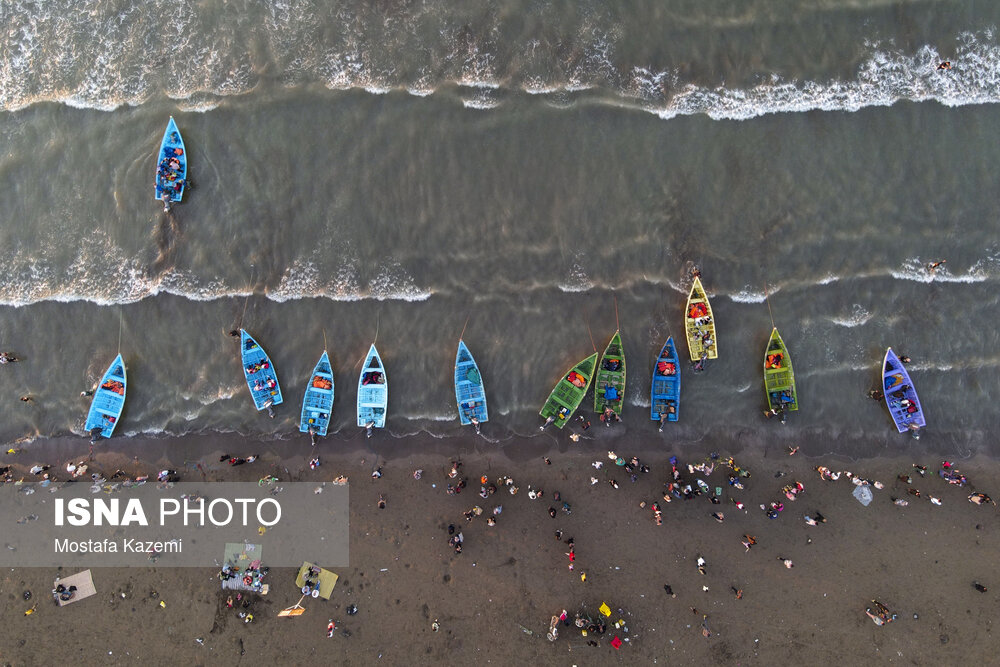
Ahmadreza Lahijanzadeh, Deputy for Marine and Wetland Affairs, issued the warning during an environmental panel at a meeting of governors from Caspian littoral provinces.
Calling the Caspian the world’s largest lake and a shared heritage of the five coastal states, he said the sea supports millions of people and contains more than 2,800 plant and animal species.
Lahijanzadeh noted that the continued decline in water levels over the past decade has already resulted in drying wetlands, habitat loss, declining fish stocks, coastal dust storms, reduced port operations, and damage to tourism.
He attributed the crisis to climate-related factors and reduced river inflows, cautioning that the trajectory could lead to irreversible consequences if unaddressed.
Lahijanzadeh also highlighted overfishing, degradation of river habitats, diminishing sturgeon populations, and the spread of invasive species.
He presented Iran’s proposal for joint action, including a regional rescue plan, a 25-year scientific monitoring program, coordinated water-resource management, strengthened protection of aquatic species, implementation of the Moscow Protocol on pollution control, and creation of a shared environmental fund.
He urged the five Caspian states to adopt genuine cooperation, saying today’s decisions will shape the future of coastal communities.
