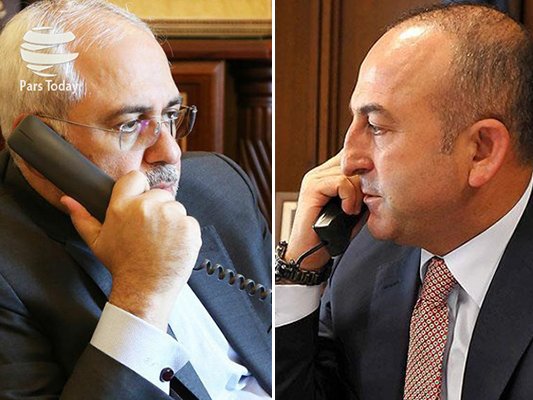
During the phone call, the two sides discussed the latest developments of the Muslim world, particularly the issue of occupied Palestine and the so-called “Deal of the Century”, and underlined the need for the Muslim world to take a decisive stance against the sale of Palestine.
The US had announced the so-called deal of the century — a brainchild of President Donald Trump’s son-in-law and advisor Jared Kushner and other key pro-Israeli figures — years ago, but had withheld the details.
Trump revealed the general provisions of the scheme on Tuesday, with Israeli Prime Minister Benjamin Netanyahu at his side. Palestinian sides were conspicuous by their absence at the ceremony given their vociferous disagreement with the plot.
Under the scheme, the US would continue to recognize Jerusalem al-Quds as Israel’s “undivided capital,” Trump said, endorsing his 2017 move concerning the city.
He said the deal featured an economic portion that earmarks $50 billion in monetary allocations to Palestinians, Jordan, and Egypt. Palestinians have denounced this as a means of bribing them into selling their rights.
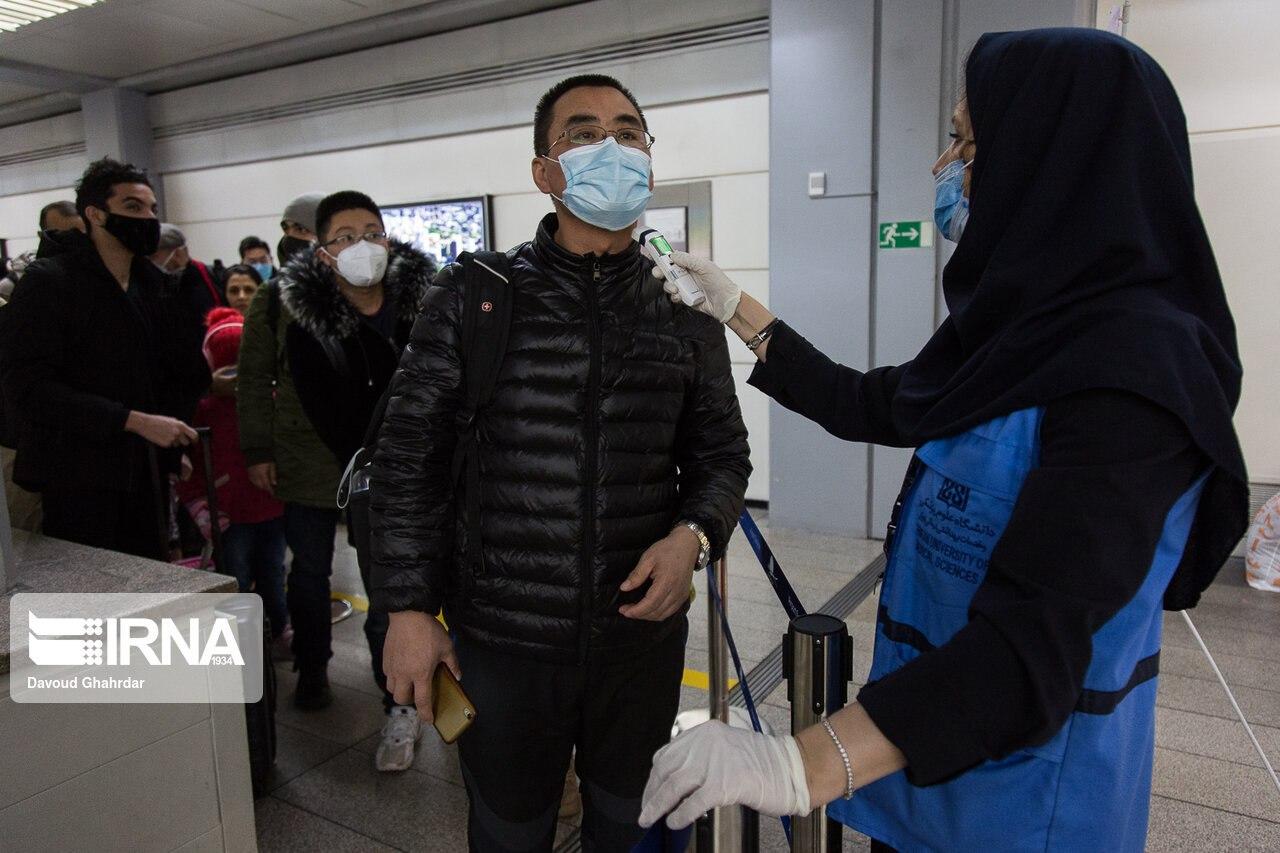
“The ‘Glorious Iran’ festival planned to attract Chinese tourists at the time of the Chinese New Year has been called off due to the circumstances created by the outbreak of the coronavirus as the protection of our citizens against this emerging virus is more important than those celebrations” said Ali Malmir, the Director General of the Cultural Heritage, Handicrafts and Tourism Department of Hamadan province.
“This comes as the spread of the emerging coronavirus in China has raised alarms in the health and medical treatment sector in most world countries, and the Chinese New Year celebrations in Iran were cancelled in order to prevent the spread of the disease.”
He said no Chinese visitors had entered Hamedan province in order to attend the festival.
“Only before the outbreak of the coronavirus [in China,] a tourist group had come to Iran and spent a day in Hamedan,” he noted.
The festival was scheduled to be held in several Iranian cities, but was cancelled as a preventive measure to contain the possible spread of the coronavirus.
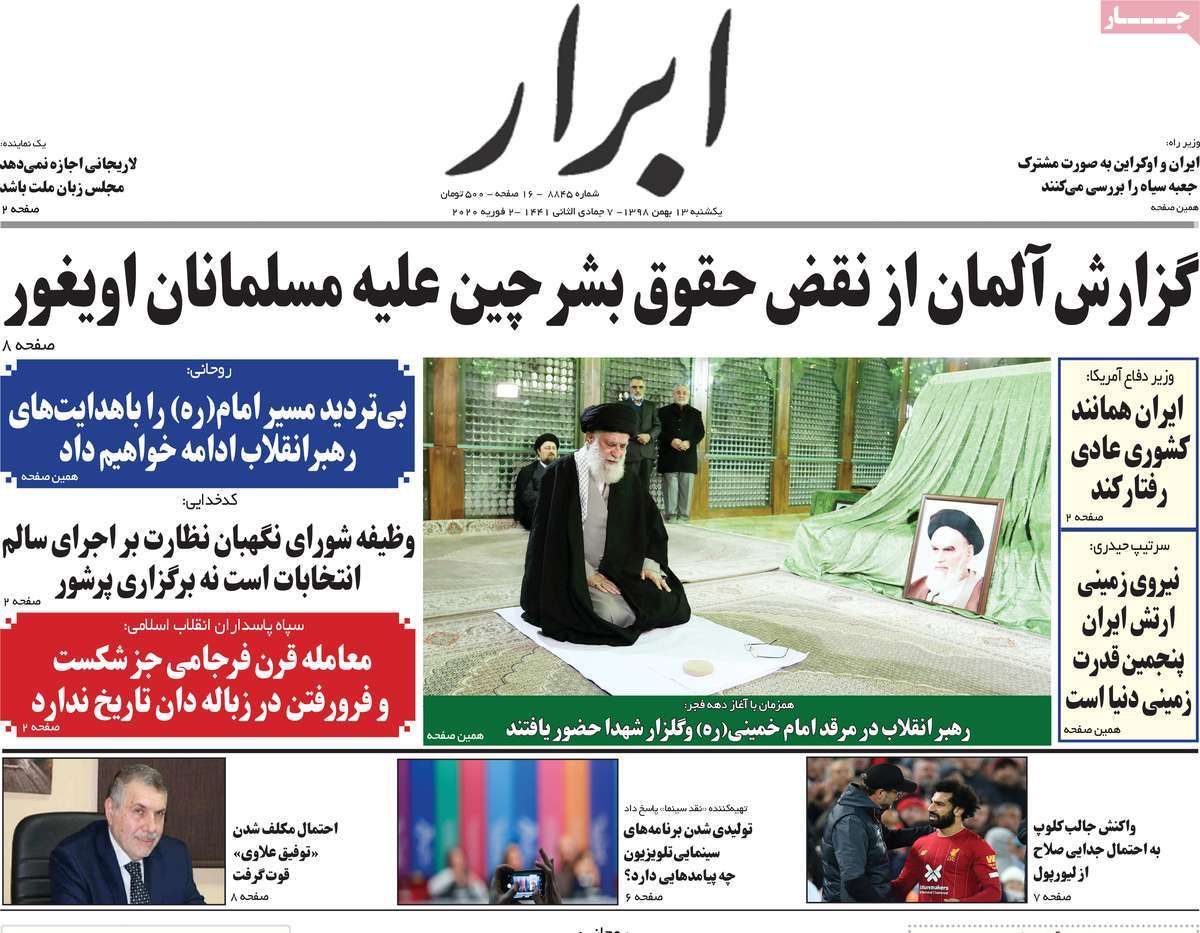
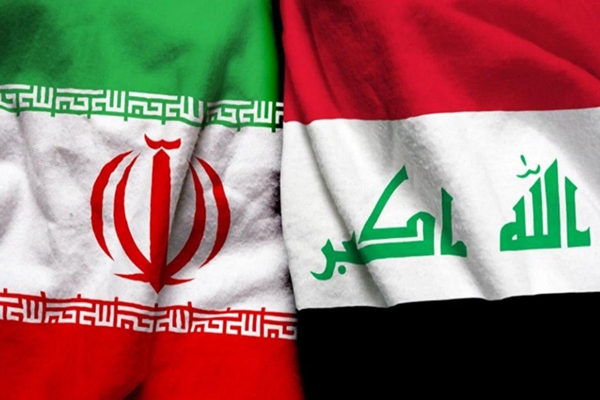
In a statement of Sunday, Foreign Ministry Spokesman Seyyed Abbas Mousavi pointed to the appointment of Iraq’s new prime minister, saying, “In line with its continued support for the independence, national sovereignty, territorial integrity and strengthening of principles of democracy in Iraq as well as for the Iraqi government and nation’s legitimate demand for the withdrawal of American forces from that country, the Islamic Republic of Iran welcomes the appointment of Mr. Mohammed Tawfiq Allawi as the new prime minister of that country (Iraq).”
Mousavi also wished the new Iraqi prime minister success, and expressed hope that Allawi could fulfill the rightful demands of the Iraqi people and top religious authorities for the establishment of a stable Iraq with a major regional position by forming a new government.
“Iran is prepared – in such sensitive situation faced by the friendly and brotherly government and nation of Iraq – to provide all of its facilities for that country’s government and nation to help overcome the problems and achieve Iraq’s high goals,” the spokesman added.
Allawi, 65, served as a communications minister under the government of former Iraqi prime minister Nouri al-Maliki in 2006 and 2010.
The Iraqi president’s move to end more than two months of political deadlock came after he issued an ultimatum to Iraq’s fractious parliament, warning that if they did not appoint a new prime minister by Saturday he would do so himself.
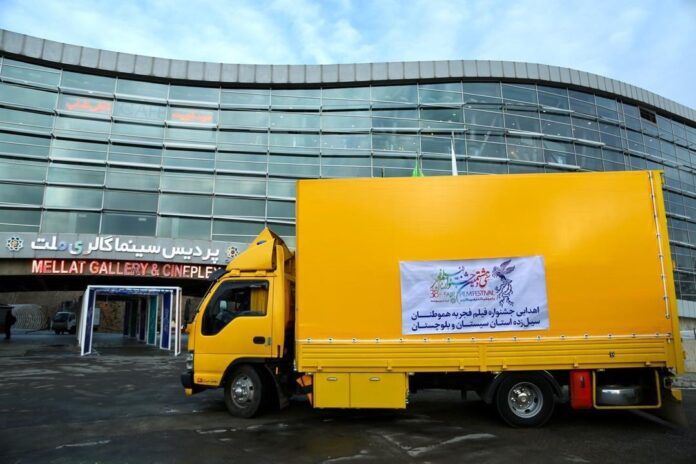
The Fajr Film Festival, known as Iran’s most important cinematic event, started work on Saturday evening.
But this year’s opening ceremony was nothing like the previous editions, as the organizers decided to donate the ceremony funds to the victims of the floods that caused extensive damages to the underprivileged province of Sistan and Baluchestan last month.
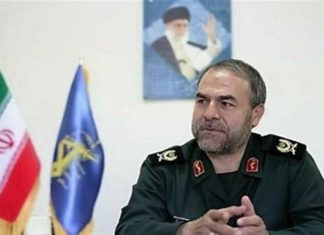
In a telephone conversation with Secretary-General of the Palestinian Islamic Jihad movement Ziyad al-Nakhalah, IRGC Quds Force Commander Brigadier General Esmaeil Qa’ani reaffirmed the Islamic Republic’s commitment to supporting the Palestinian nation and cause.
There has been no change in the Islamic Republic of Iran’s policies towards the Palestinian resistance forces following the US assassination of late commander of IRGC Quds Force Lt. General Qassem Soleimani, Qa’ani told Nakhalah.
The commander further emphasized that Iran will keep supporting the Palestinian people in their battle against the hostile plots that have targeted their historic rights and in confrontation with the US-initiated deal of the century, al-Elam al-Harbi reported.
Brigadier General Qa’ani also noted that the American move to assassinate Lt. General Soleimani was a measure in preparing the ground for the announcement of deal of the century.
Nakhalah, for his part, expressed gratitude to Iran for supporting Palestine, noting that the Palestinian people and resistance groups will shatter the American deal of the century and thwart any plot seeking to deprive the Palestinians of their historic rights.
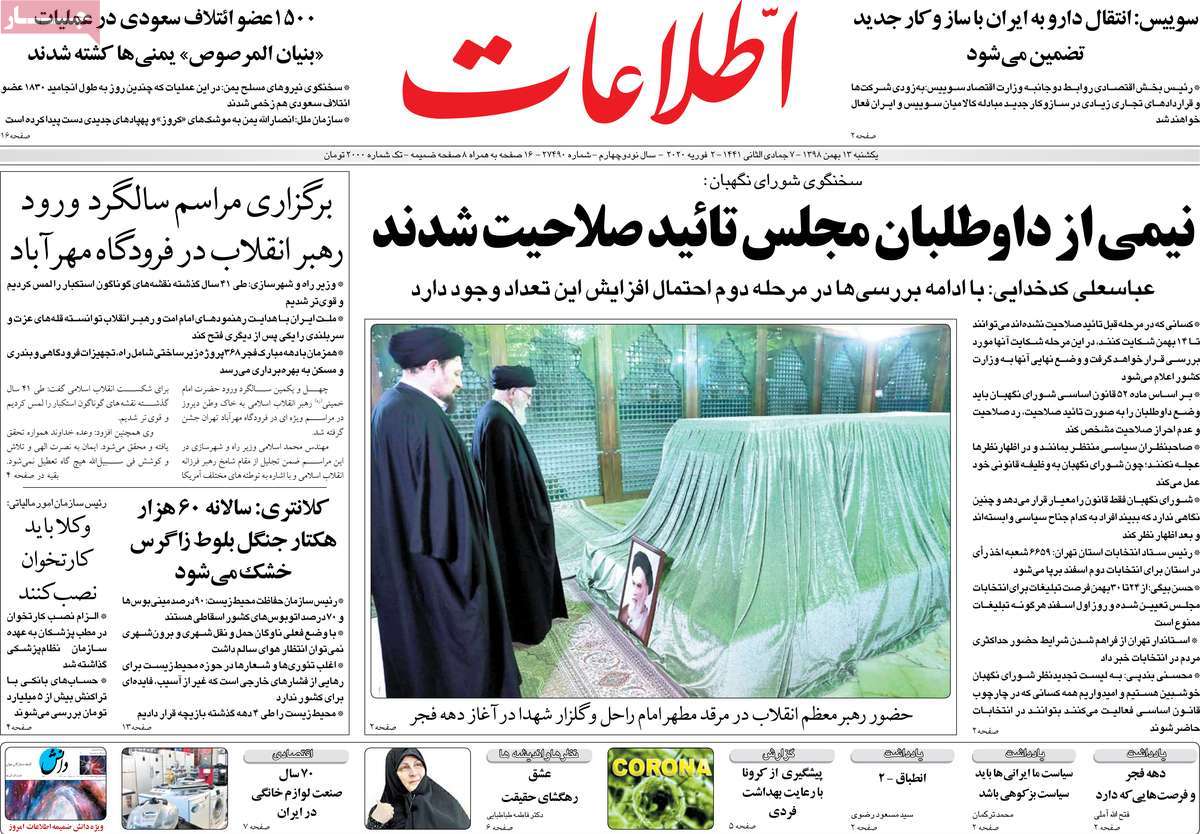
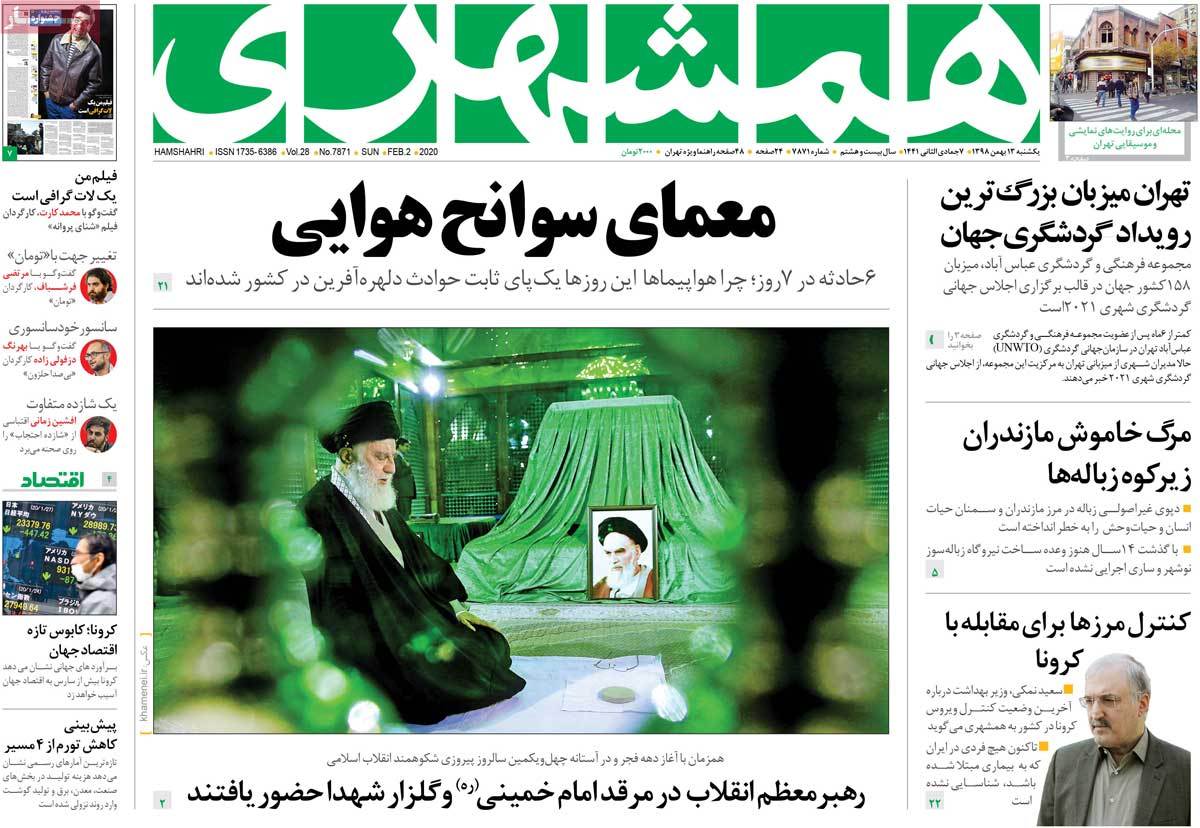
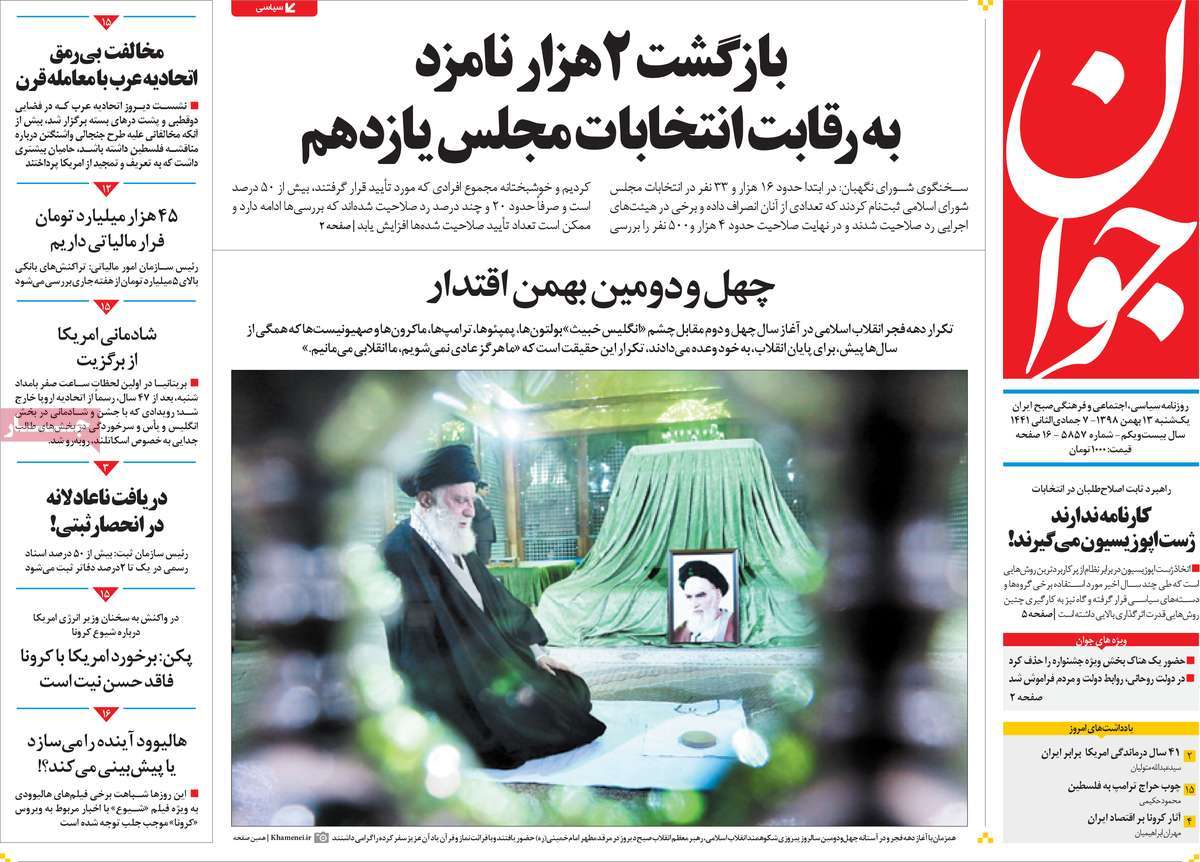
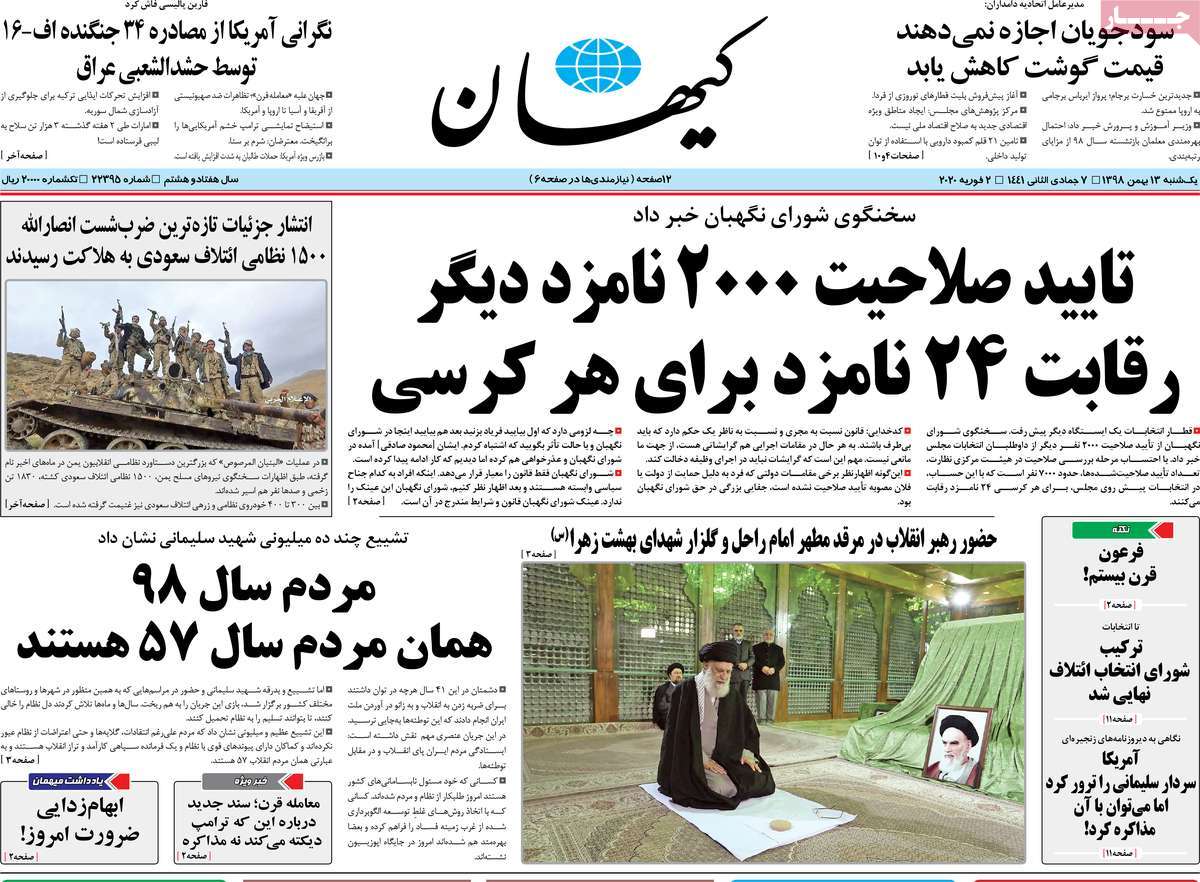
“Now that we are in a difficult situation we need to resort to the procedures of the early days of the revolution, to resist, and to survive the situation,” he said.
He added “thanks to the people’s resistance and planning of the government the ten-day Dawn (the period when Iranians celebrate anniversary of 1979 Islamic Rev will be an auspicious one.”
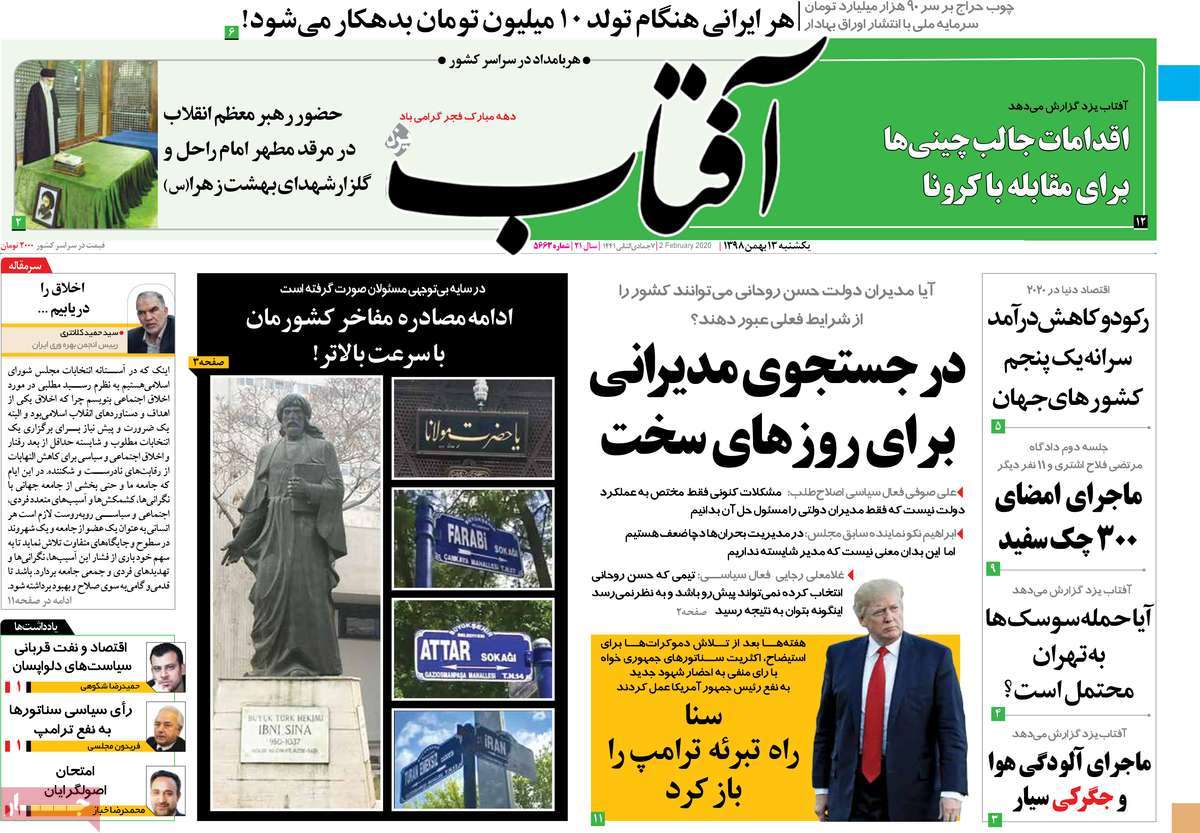
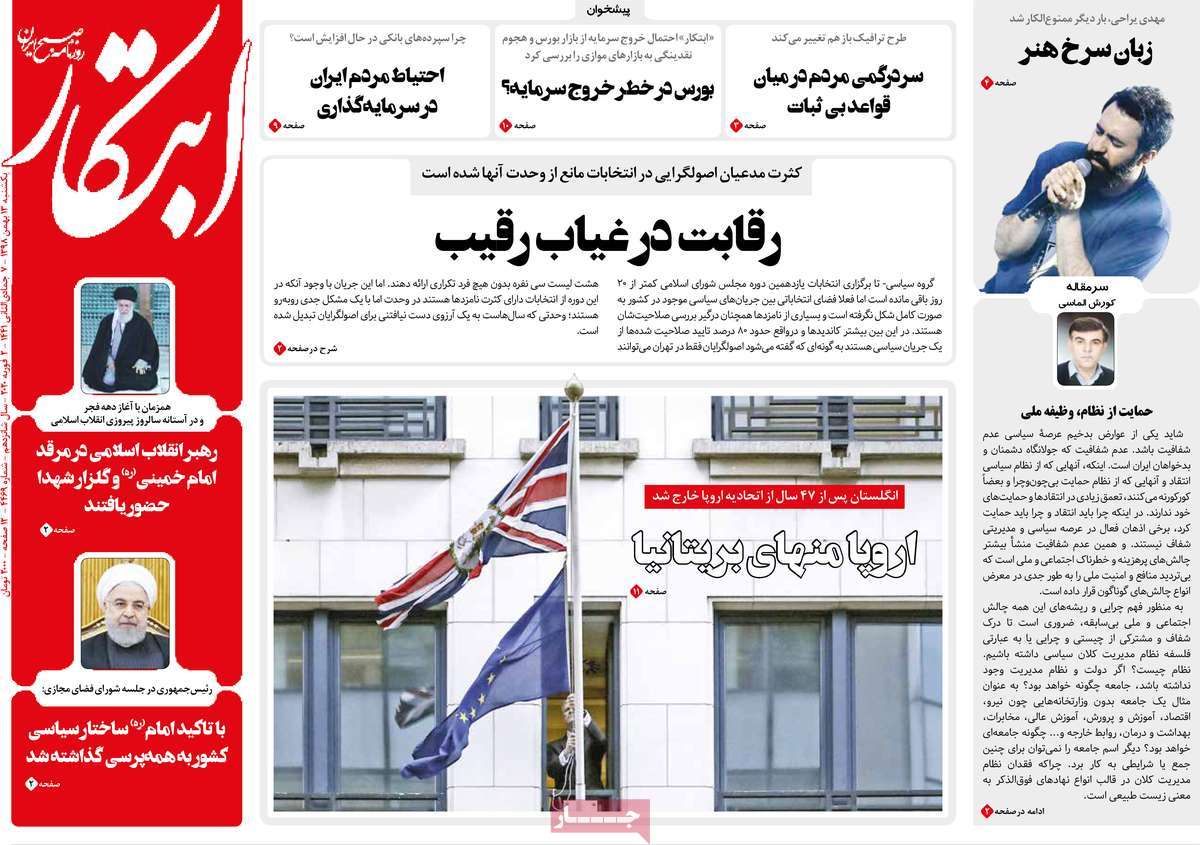
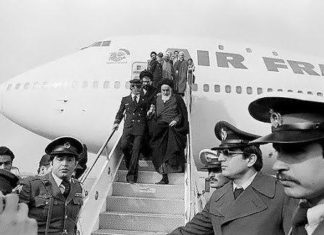
The ten days between 12 Bahman and 22 Bahman (1-11 February) marking the ten-day period between Imam Khomeini’s arrival in Iran after his fifteen-year exile, and the victory of the Islamic Revolution in 1979 has been called by the Iranian government the ten-day dawn.
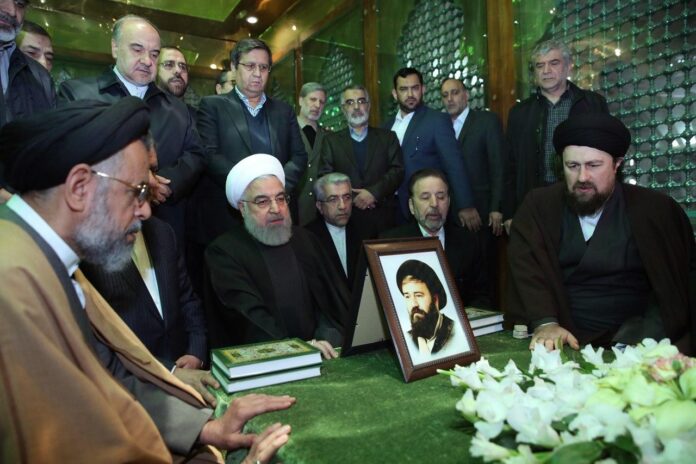
During the visit, Rouhani was also accompanied by Imam Khomeini’s grandchild Seyyed Hassan Khomeini.
Rouhani and his cabinet commemorated the great founder of the revolution, and the late Chairman of the country’s Expediency Discernment Council Ayatollah Hashemi Rafsanjani, reciting fatihaand laying a wreath on their tombs.
They also paid tribute to the martyrs of the Islamic revolution and Sacred Defence, and to the martyrs of the Hafte Tir bombing and the Iranian Prime Minister’s office bombing, both of which were carried out by the MKO terrorist group in 1981.
The office of Mohammad Javad Bahonar, Prime Minister of Iran, was bombed on 30 August 1981 by the MKO, killing Bahonar, President Mohammad Ali Rajai, and six other Iranian government officials.
The briefcase bombing came two months after the Hafte Tir bombing, which killed over seventy senior Iranian officials, including Chief Justice Mohammad Beheshti, then Iran’s second-highest official.
In his speech after the ceremony Rouhani said “Imam’s goal was that governance, within the framework of Islam, should be in the hands of people, and he was aware that justice and reform in the society, and growth and development are impossible without the presence of people.”
Referring to US President’s peace plan he said “although we do not approve the policy of tension and opposition, our people know that today there is no way but resistance to the aggressors, aggressors who wrong not only our nations but also all the Muslims in the world, especially the Palestinian nation. These days we see how shameful and abhorrent to all the Muslims and to Freedom-lovers in the world is the great shame they have registered as “deal of the century.”
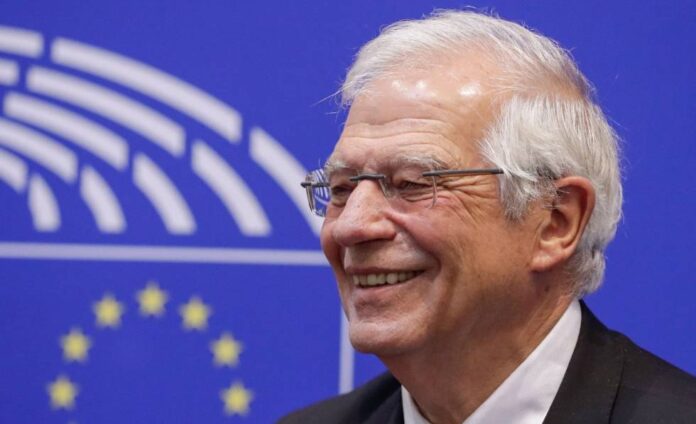
In comments on Sunday, Foreign Ministry Spokesman Seyyed Abbas Mousavi said Josep Borrell, who has succeeded Federica Mogherini as the chief coordinator and representative of the Common Foreign and Security Policy within the European Union, will travel to Iran on Monday for the first time after taking office.
According to the spokesman, Borrell will hold meetings and consultations with Iranian Foreign Minister Mohammad Javad Zarif and other top Iranian officials.
Josep Borrell, Spain’s former foreign minister and ex-Speaker of the European Parliament, replaced Federica Mogherini as the new EU High Representative for Foreign Affairs and Security Policy in late 2019.
On January 16, Borrell met with Foreign Minister Zarif for the first time on the sidelines of the Raisina Dialogue conference in New Delhi.
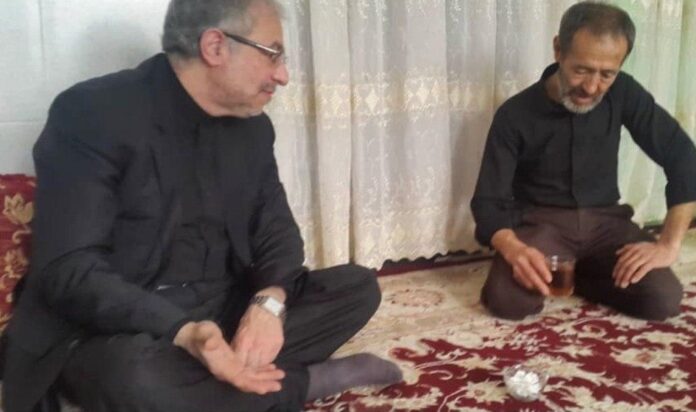
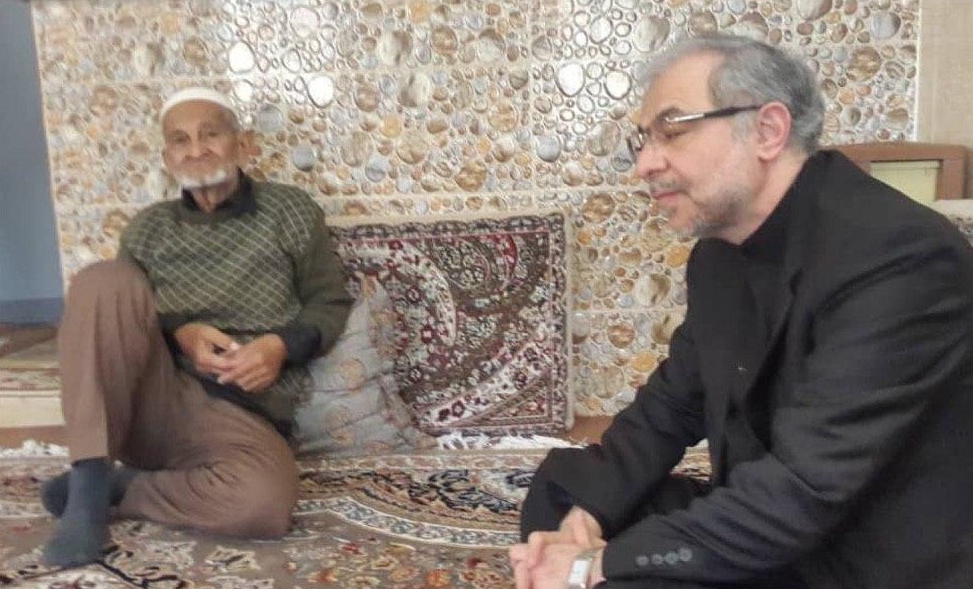
During the Friday meetings, the Iranian official expressed the Foreign Ministry’s sympathy and condolences to the survivors of the victims.
He also visited the tombs of three victims who have been buried right next to the martyrs of the war imposed by Saddam Hussein on Iran as well as the Defenders of the Shrine in a holy shrine in Pishva of Varamin, south of Tehran.
Mousavi later attended a commemoration ceremony held for another victim of the plane crash in Varamin’s Firouzabad village.
Ukraine International Airlines Flight 752 (PS752) was a scheduled international passenger flight from Tehran to Kiev operated by Ukraine International Airlines (UIA). On 8 January 2020, the Boeing 737-800 operating the route was shot down shortly after take-off from Tehran Imam Khomeini International Airport. All the 176 passengers and crew were killed.
According to Iranian officials, 146 passengers used an Iranian passport to leave the country, ten used an Afghan passport, five used a Canadian one, four a Swedish one, and two used Ukrainian passports.
The Ukrainian government, however, says there were 82 Iranians, 63 Canadians (mostly Iranian-Canadian dual nationals), 11 Ukrainians, 10 Swedes, 7 Afghans, and 3 Britons on the plane, which was accidentally shot down by Iran’s Air Defence.