Monday, December 29, 2025
Home Blog Page 2944

Nuclear Chief Says Iran Won’t Bow to Pressures

Nuclear Chief Says Iran Won't Bow to Pressures

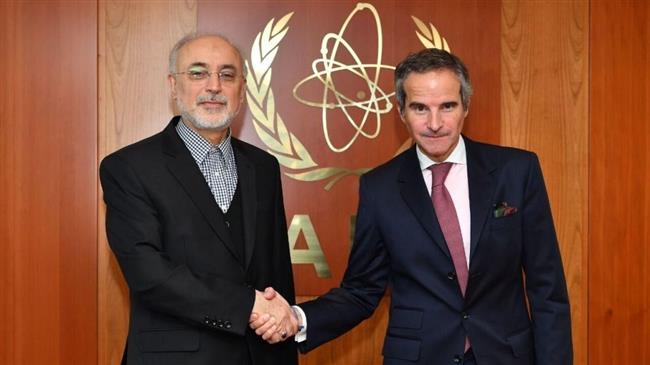
Salehi made the remarks during a meeting with the new director general of the International Atomic Energy Agency (IAEA), Rafael Grossi, in Vienna, on Tuesday.

“[Iran’s] Relations with the IAEA are very good and based on mutual understanding, and as an international authority, this organization and its decisions should not be influenced by political inclinations,” Salehi said.

In his meeting with Grossi, the AEOI chief also underlined that, “Iran welcomes negotiation and logic but will not make any decisions under pressure.”

Head of the International Atomic Energy Agency, for his part, praised Iran’s cooperation with the international organization in various areas and demanded that the Islamic Republic continue constructive cooperation with the IAEA as in the past.

Tehran and six major world powers — the United States, Britain, France, China, Russia and Germany — signed a nuclear deal, officially known as the Joint Comprehensive Plan of Action (JCPOA), in 2015, which was ratified in the form of a United Nations Security Council resolution.

But US President Donald Trump, a stern critic of the landmark agreement, unilaterally pulled Washington out of the JCPOA in May 2018, and unleashed the “toughest ever” sanctions against the Islamic Republic in defiance of global criticism in an attempt to strangle the Iranian oil trade.

Under Washington’s pressure, the three European signatories to the JCPOA have so far failed to protect Tehran’s business interests.

Last May, Iran began to gradually reduce its commitments under the JCPOA to both retaliate for Washington’s departure, and trigger the European trio to respect their obligations towards Tehran.

On January 5, Iran took a fifth step in reducing its commitments, and said it would no longer observe any operational limitations on its nuclear industry, whether concerning the capacity and level of uranium enrichment, the volume of stockpiled uranium or research and development.

Iran says its retaliatory measures are reversible as soon as the European signatories find practical ways to shield mutual trade from the US sanctions.

US Trying to Downgrade Iran Attack Casualties to Brain Injury: IRGC

US Trying to Downgrade Iran Attack Casualties to Brain Injury IRGC

General Sharif said in American literature the word “slain” has now changed its meaning to “trauma” in order to disguise their defeat.

He made the remarks in an address to Tuesday rallies marking the victory of Iran’s Islamic Revolution in the city of Birjand in South Khorasan Province.

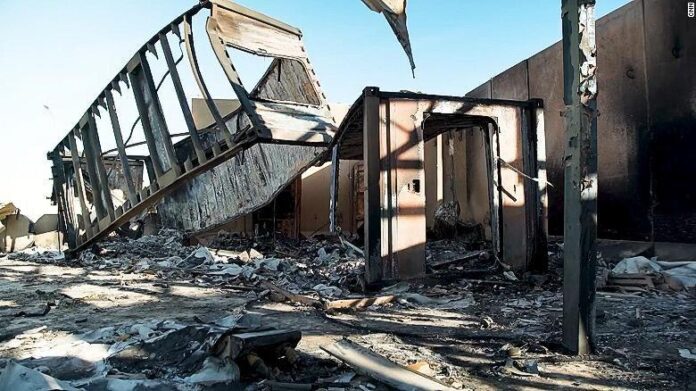
The US announced on Monday that over 100 American service members have been diagnosed with mild traumatic brain injuries in the wake of the January 8 Iranian missile attack on the Ain al-Assad military base in Iraq.

On Monday the Pentagon released a statement confirming that 109 service members had been diagnosed, an increase of 45 from the end of January when they said 64 service members had been suffered injuries.

The statement added that nearly 70% of the injured service members have returned to duty.

In his Tuesday remarks, General Sharif further said today the Americans and Zionists are fully conspiring against the Iranian people.

“The enemies of the Islamic Republic did not refrain from any conspiracy against the establishment,” he added.

Talking about General Soleimani’s assassination, Ramezan Sharif underlined that the enemy made a big mistake by assassinating him because his martyrdom will put an end to the presence of the US and Israel in the region.

Elsewhere in his remarks, this Iranian IRGC commander said “We are loudly announcing we do not have the slightest problem in defence, military and security, and the greatest powers in the world cannot threaten the national and geographical interests of Iran.”

Racism Seems More Alarming Than Coronavirus

Racism Seems More Alarming Than Coronavirus

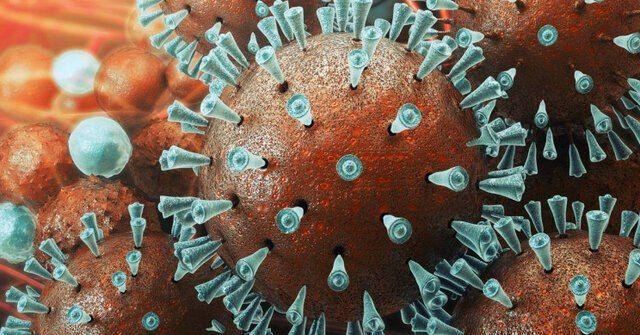
A report by ISNA has taken a look at a virulent strain of virus that appears to be more contagious than the coronavirus: racism.

While the new coronavirus has been declared a global emergency by the World Health Organization and the outbreak continues to spread outside China, racism is seemingly spreading faster.

As many governments have decided to suspend flights to and from China and have temporarily barred the Chinese travelers, the racist comments and behavior against citizens of Asian origin are spiraling in several countries.

On Monday, 108 people died in mainland China from the coronavirus, a daily record, and the death toll has passed 1,000. The number of new cases has now exceeded 42,700. As of Tuesday, 43,101 people were infected worldwide. But what makes this even more appalling is the treatment of Asians and Asian-looking people in the other countries.

There have been also reports of Asian citizens being subject to racist behavior in the US, Europe and Australia, in shops, at schools and universities, or on public transport.

However, the news of such paranoiac acts towards Asian people has been met with international outcry.

While Asians, and particularly the Chinese, are facing xenophobia in the other countries, a lot of work needs to be done to raise awareness in the general public and make it clear that being a Chinese does not mean being infected with Coronavirus.

In recent days, more people in the European countries have begun to stand against the racist anti-Asian hysteria, and the social movements are trying to stop a barrage of racist incidents against the Asian-looking people.

Meanwhile, a video has gone viral on social networks that shows the anchor of an anti-Iranian political program discouraging people from taking part in the nationwide demonstrations marking the anniversary of victory of the Islamic Revolution or from attending the upcoming parliamentary election.

The video, more akin to a funny clip than part of a political campaign, claims that participation in the pro-Revolution rallies or going to the polling stations could make people catch the coronavirus.

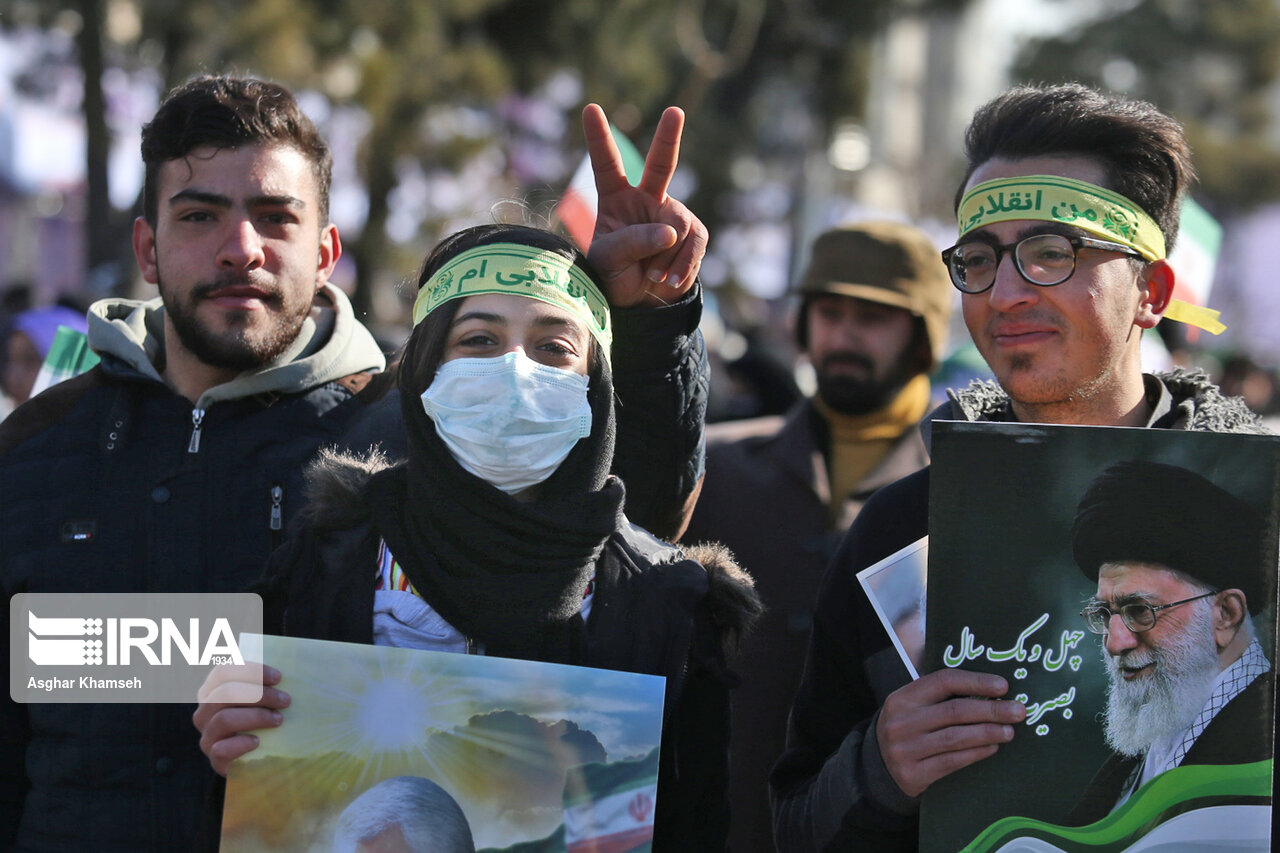
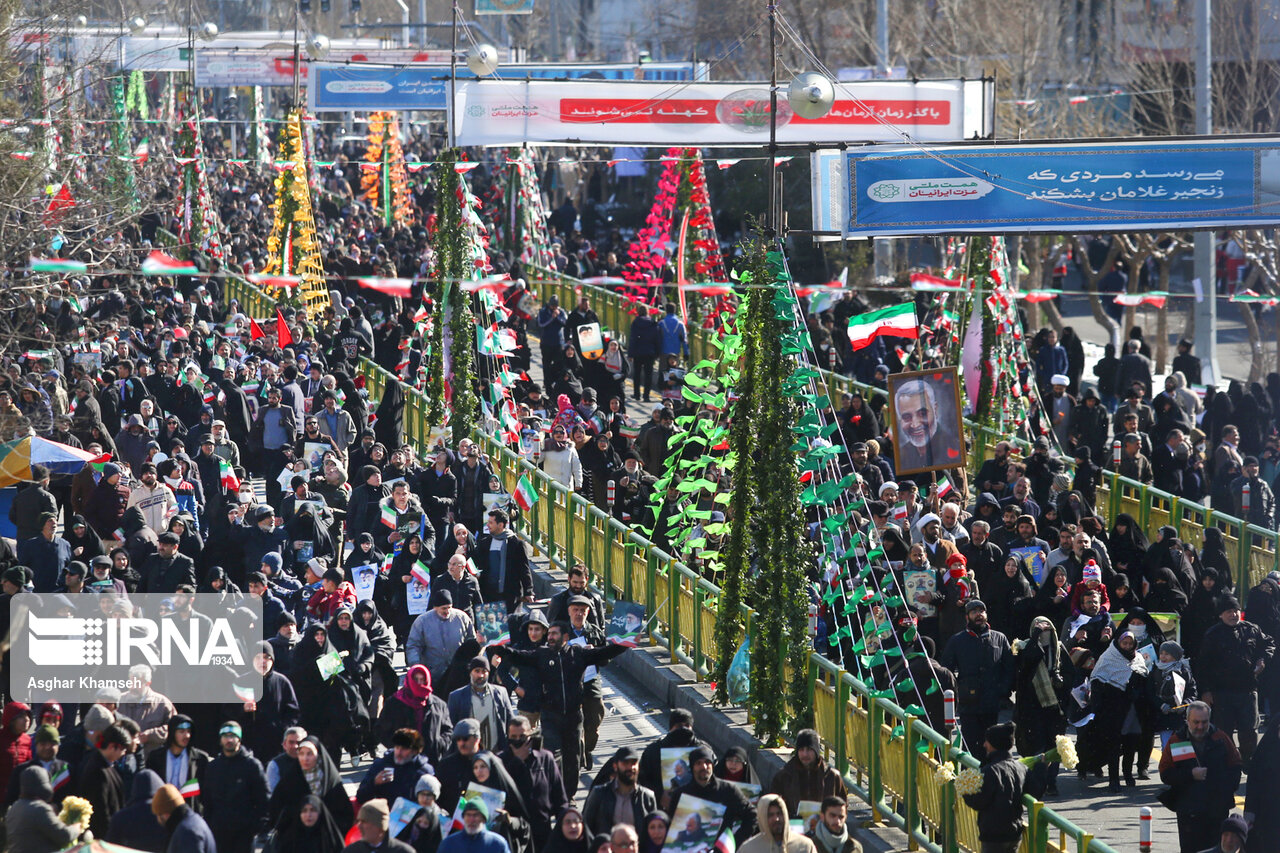
While the enemies of Iran have resorted to all options to create a rift between the people and the administration, millions of people from all walks of life took to the streets on Tuesday to attend nationwide rallies marking the 41st anniversary of the victory of the 1979 Islamic Revolution.


Iran Rejects France’s Interventionist Remarks on Satellite Launch

Iran Says What IAEA Wants to Access “Not A Site”

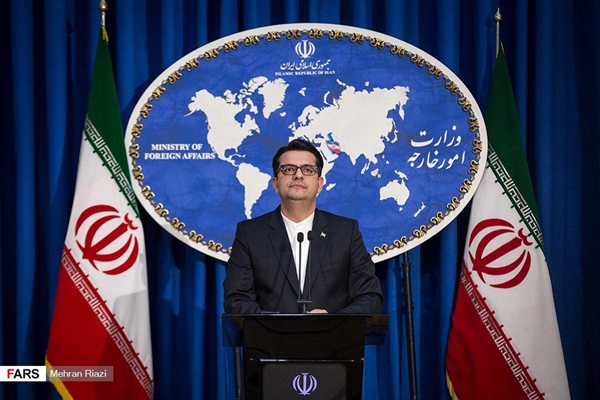
In a statement on Tuesday, Mousavi also reiterated that Iran’s missile defence program has nothing to do with UN Security Council Resolution 2231 because Iranian missiles are not designed to carry nuclear weapons.

Mousavi‘s comments came after the French Foreign Ministry condemned Iran’s Sunday launch of a communications satellite as a breach of its obligations under the UN resolution on Iran’s nuclear and ballistic program.

France condemns this launch, which employs ballistic missile technologies, in particular those used for intercontinental missiles,” the ministry said in a statement.

Iranian state TV reported that the Simorgh rocket failed to reach the orbit because of its low speed.

Iranian communications Minister Mohammad Javad Azari Jahromi said his country would keep on trying.

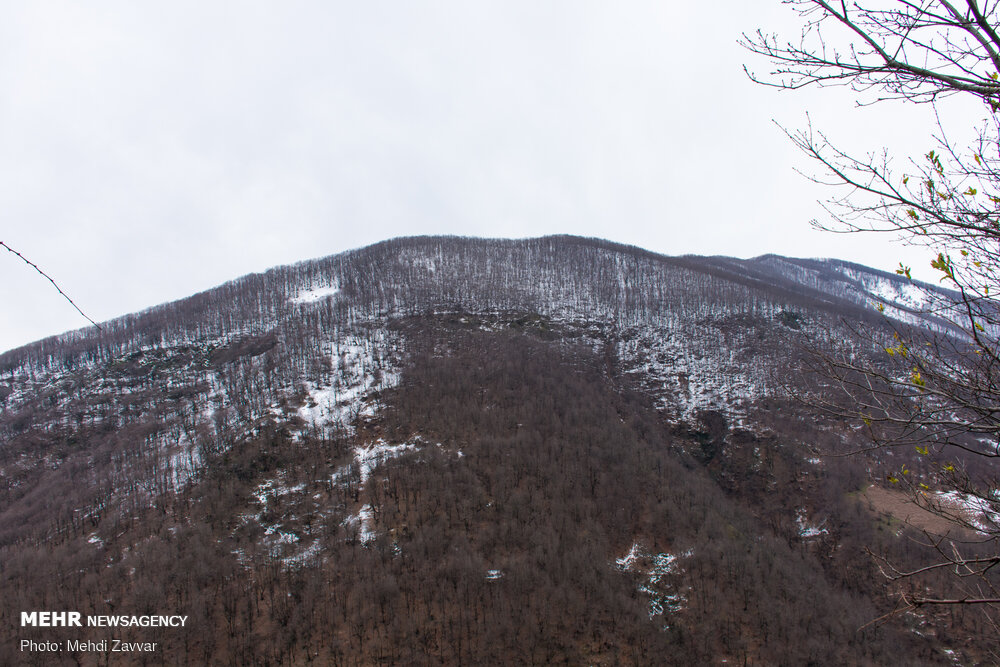
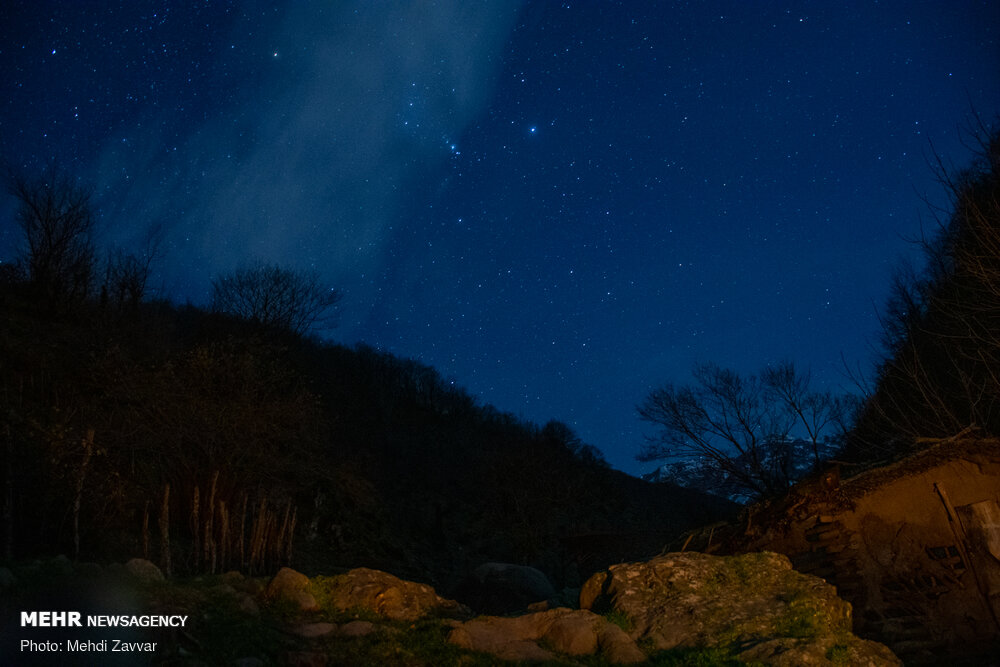
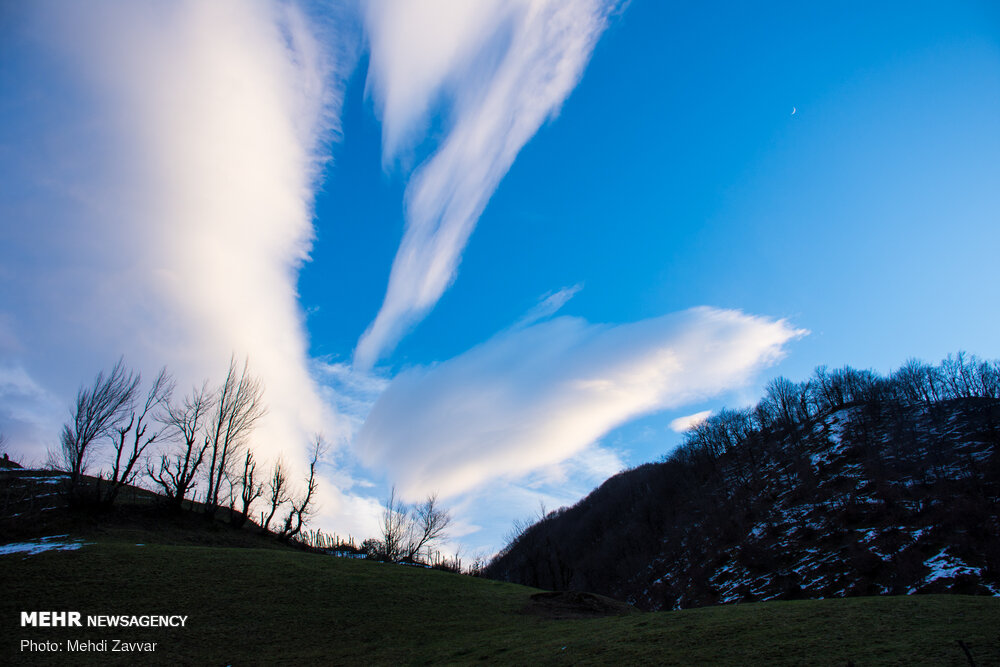
Iran’s Nature in Photos: Meshe-Sui Hot Spring in Ardabil

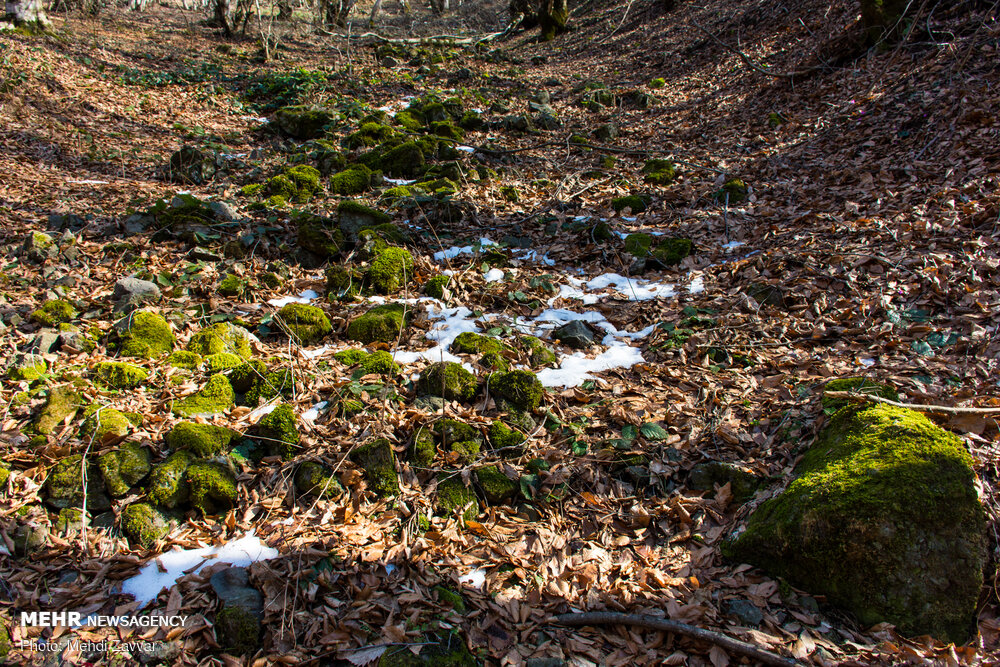
Meshe-Sui Hot Spring in Iran Ardabil

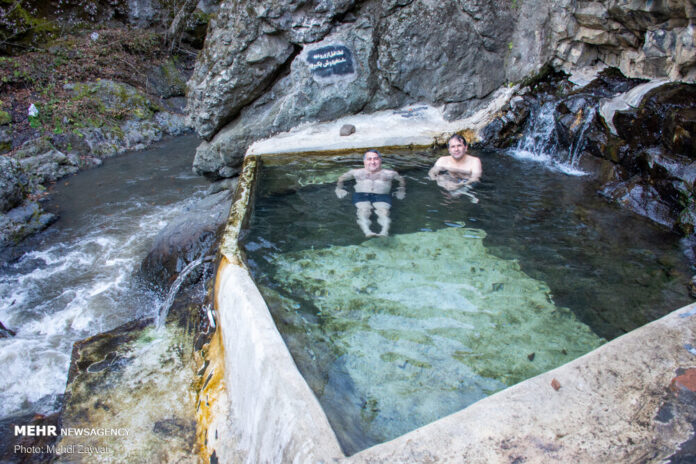
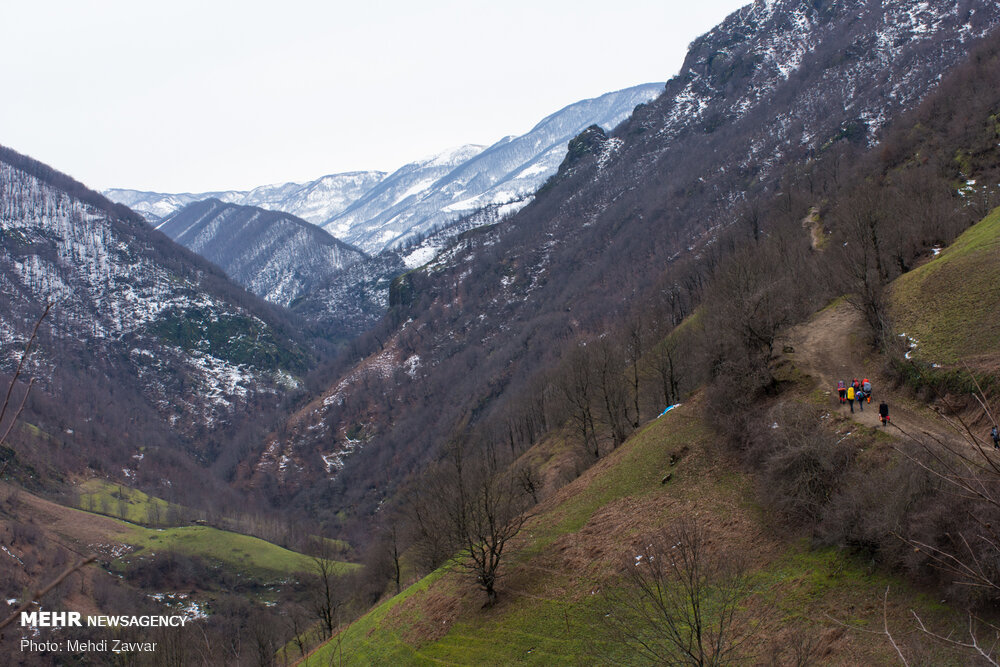
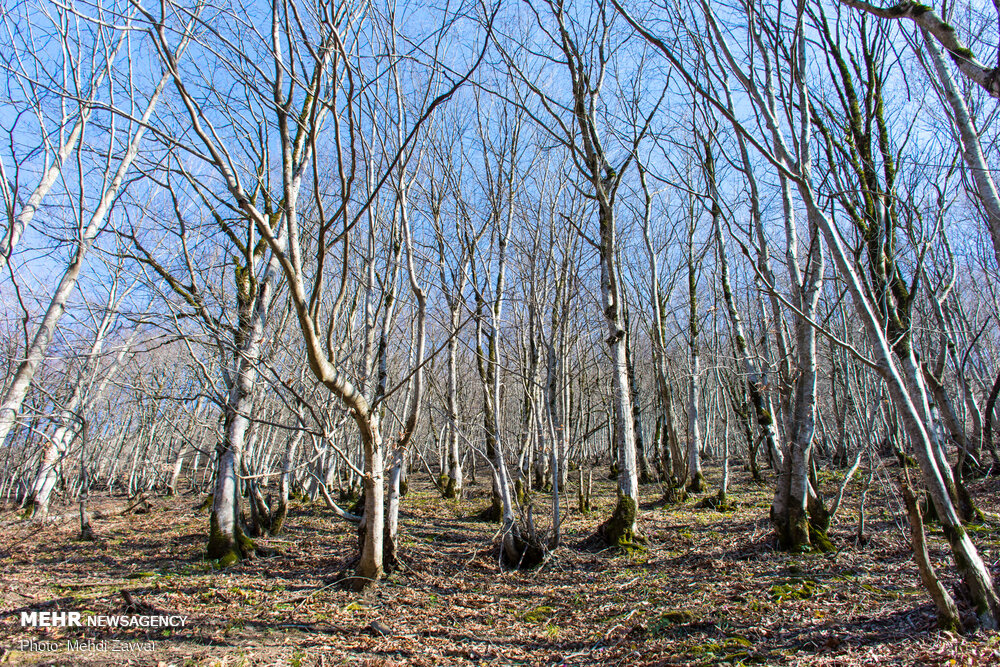
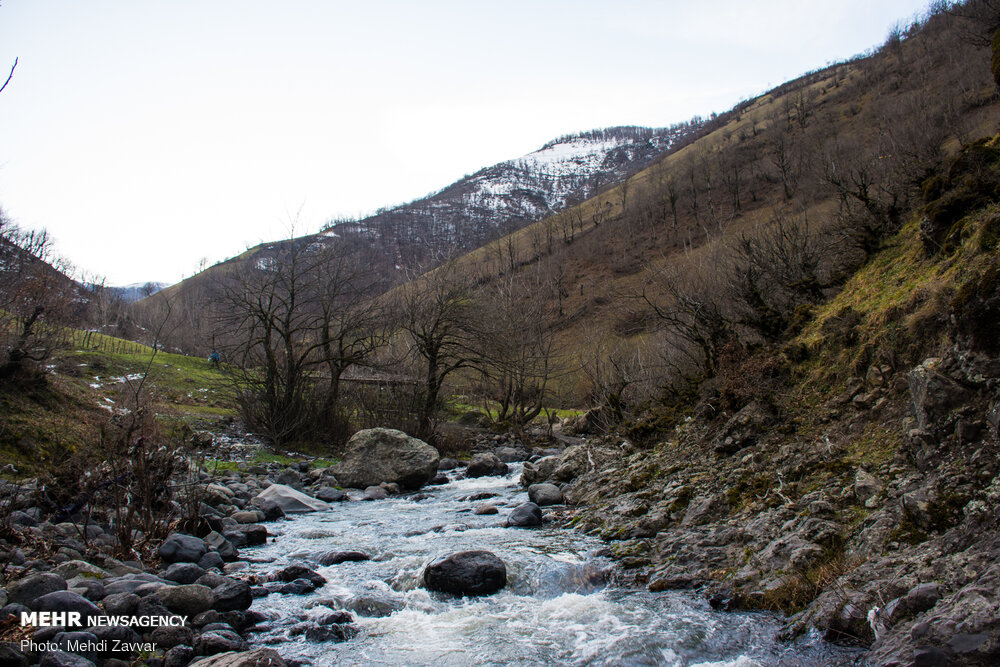
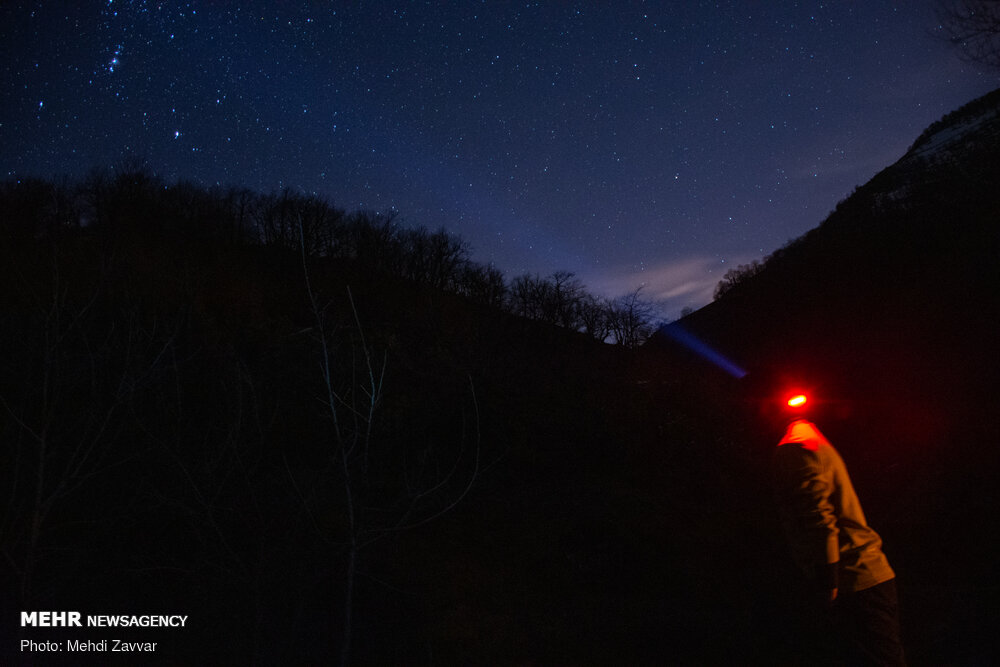
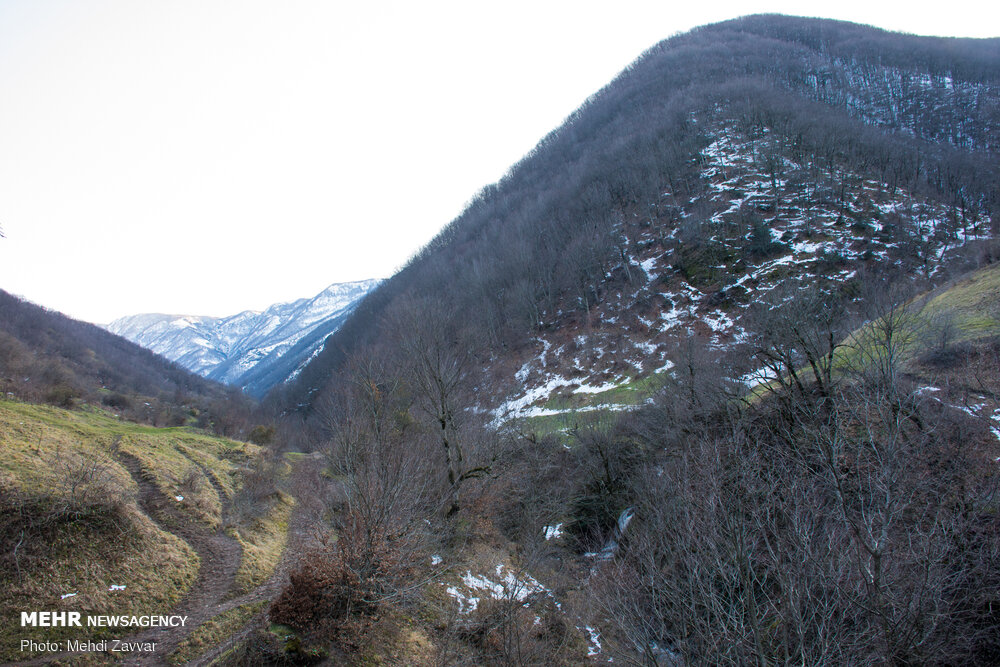
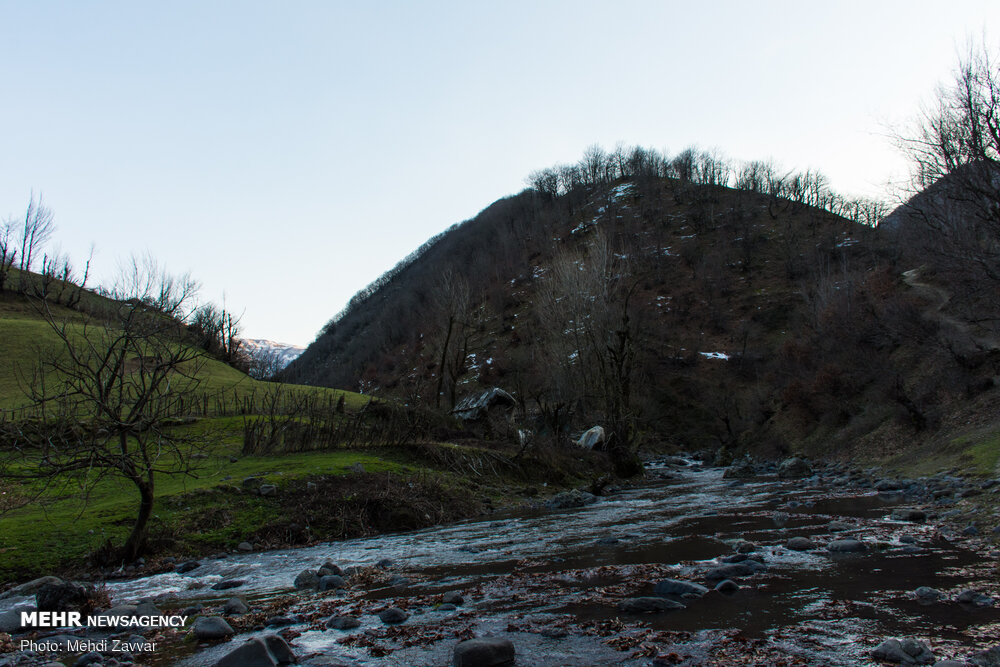
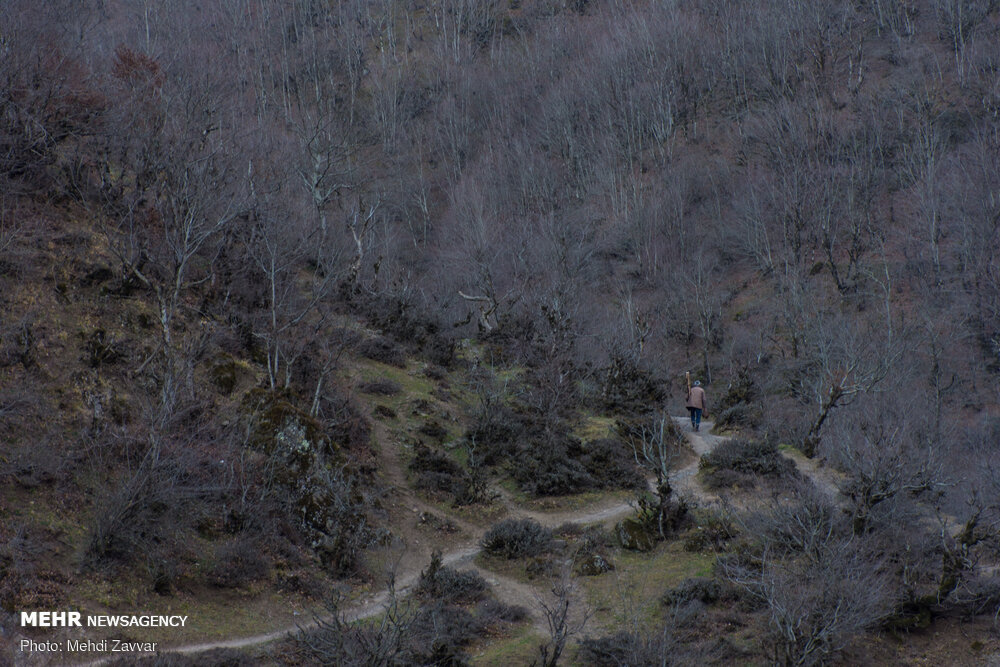
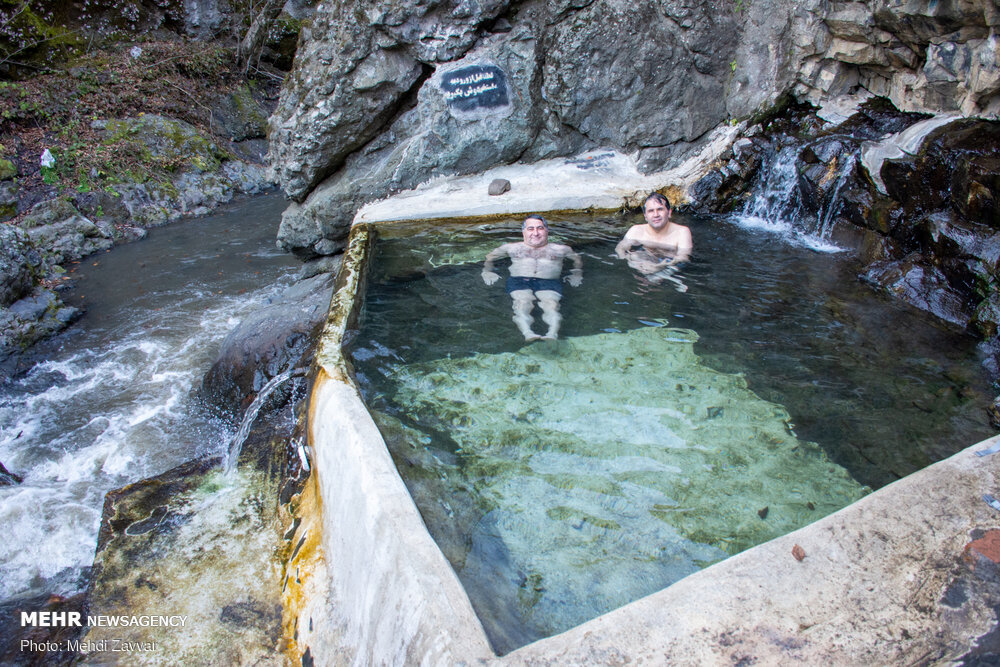
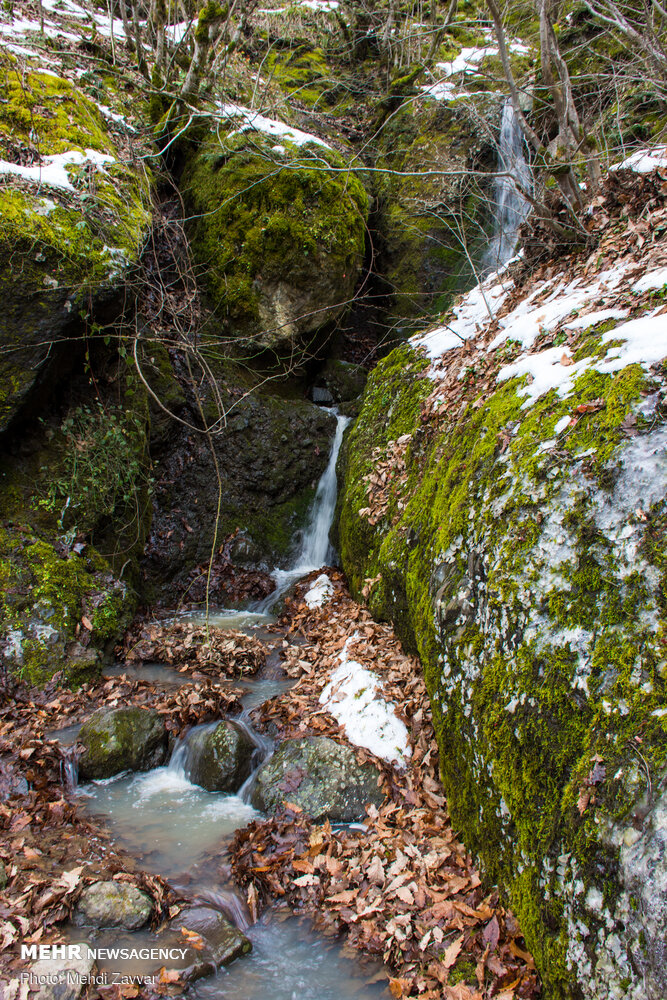
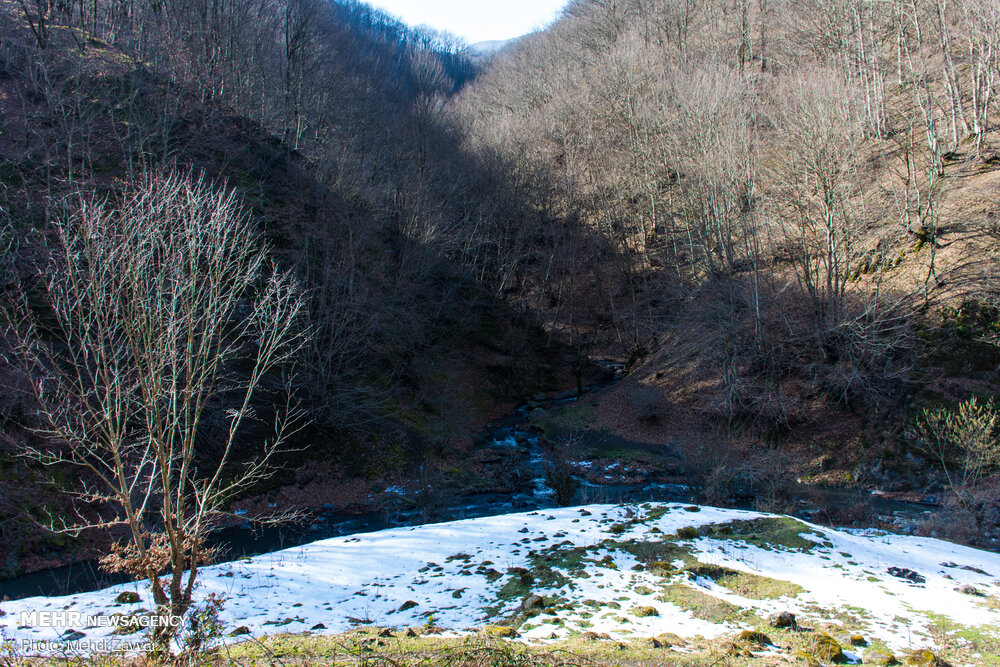
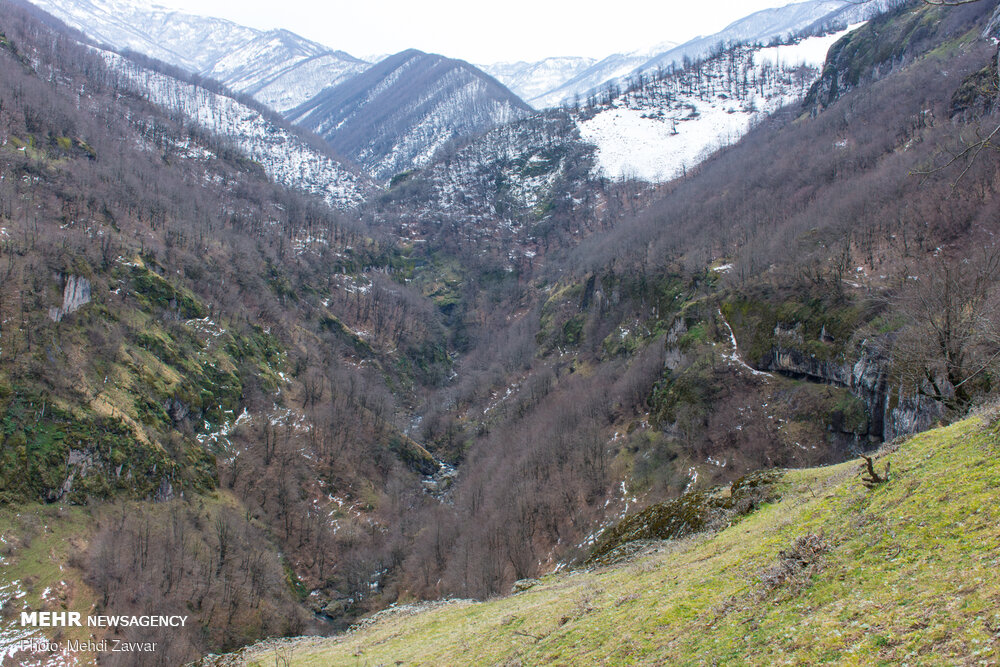
Meshe-Sui Hot Spring is located in Fandoqloo forest– called Findiqli by local people- in Ardabil province, north-western Iran.

Meshe-Sui means “forest hot water” in Azeri language. The spring contains water with a temperature of about 25 °C which has therapeutic effects. It is in fact a pond of about 4×6 m with an approximate depth of 70-80 cm; made by carving the mountain rocks next to a river of the same name.

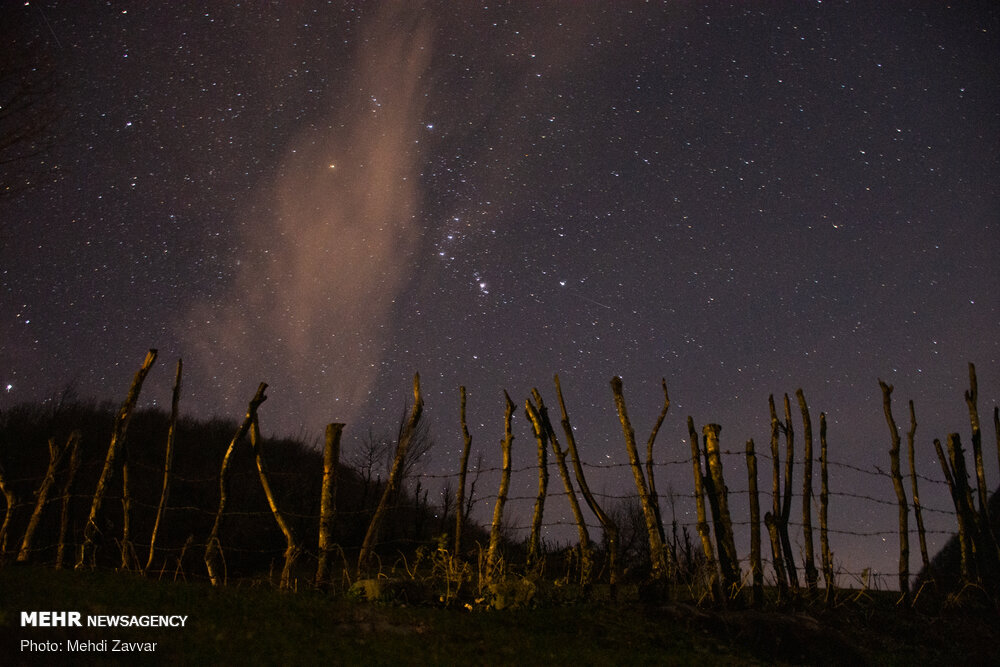
What follows are Mehr News Agency’s photos of Meshe-Sui Hot Spring in Iran Ardabil:

President Rouhani Debunks US Claim That Gen. Soleimani Sought War

President Rouhani Debunks US Claim That Gen. Soleimani Sought War

President Rouhani made the remarks on Tuesday in an address to a large gathering of people in Tehran marking the 41st anniversary of victory of the Islamic Revolution.

In his speech, the president paid tribute to Lt. General Soleimani as a “commander of battlefield” and a “senior diplomat in the negotiations”, saying the popular commander was assassinated by the US on his way to a meeting with the prime minister of Iraq.

General Soleimani was heading towards the field of diplomacy, not the battlefield, when he was martyred in the US airstrike, the president said.

“Martyr Soleimani was not after a war in the region. The Americans are lying. Martyr Soleimani was not seeking instability in the region. The US and Israel are lying. Martyr Soleimani was after stability,” President Rouhani underscored.

Highlighting the late Iranian commander’s support for the people and armies of Iraq, Syria and Lebanon, the president said Lt. General Soleimani endowed the region with security.

The president further highlighted the far-reaching impacts of victory of the Islamic Revolution in 1979, saying it is natural for the US to be enraged by the victory of a great nation and being evicted from Iran.

“It is natural that the US has been dreaming about a return to this land every night during the past 41 years,” Rouhani added.

Describing the Islamic Republic as the most powerful country in the Middle East, the president said, “They (Americans) are well aware how important Iran is. They know very well what the role of Iran in the region is, and they know that Iran’s power in the region is one of the greatest powers, or in fact, the top power in the delicate Middle East region.”

The president also expressed gratitude to the Iranian Armed Forces for fulfilling the national request for revenge against the assassins of Lt. General Soleimani, saying the IRGC missile attack on the American base of Ain al-Assad in Iraq was a public demand.

He also thanked the Iranian defense industries for strengthening the Armed Force over the past couple of years, adding, “The military commanders said in the latest meeting of the Supreme National Security Council that the country’s military power today is far greater than what it used to be a year ago, and the country’s military power is developing day by day.”

President Rouhani finally called for stronger national unity against the enemies, saying, “Whenever we stood together, the US has been defeated… Our strategy is being all together. All of us must defend this country together. We must all stand against the US and must protect the Iranian nation’s rights together. The Revolution belongs to all (Iranians), not a specific individual or group.”

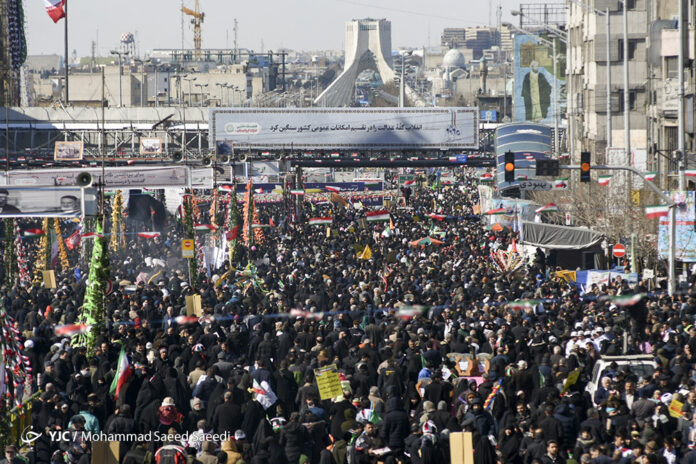
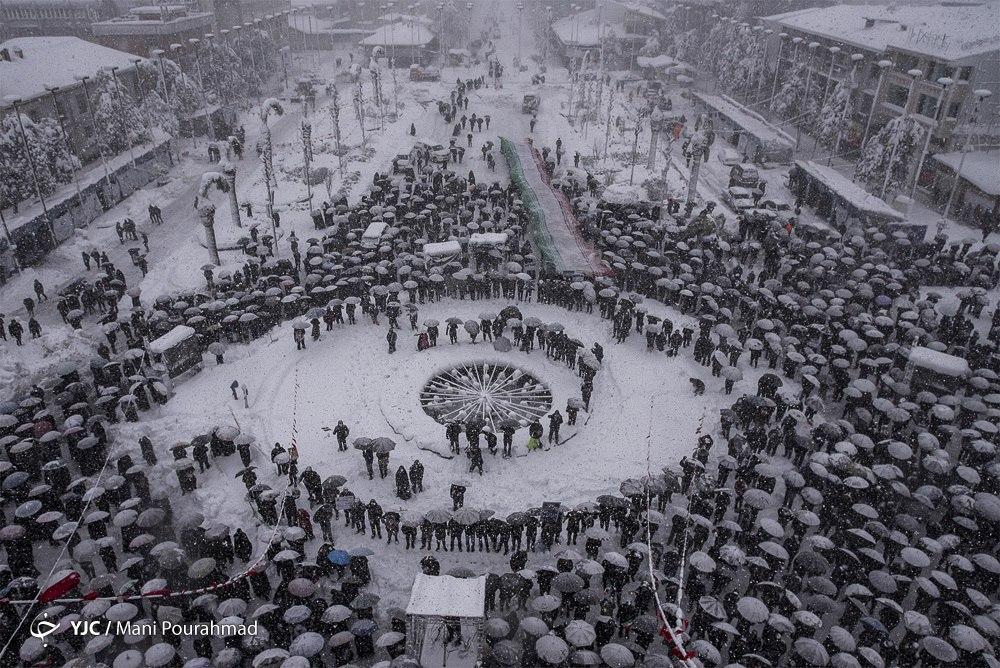
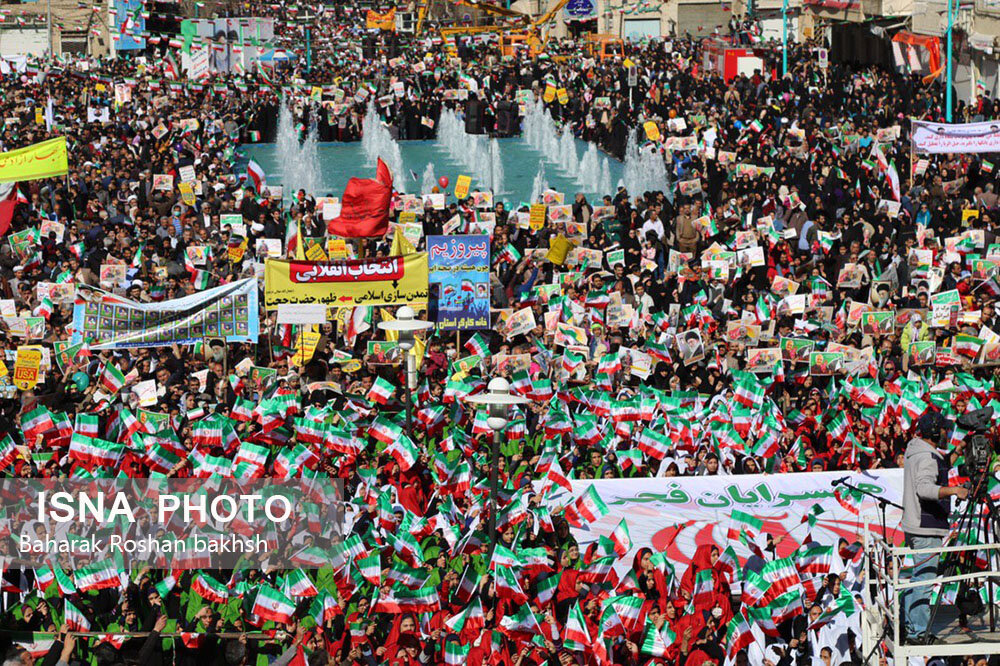
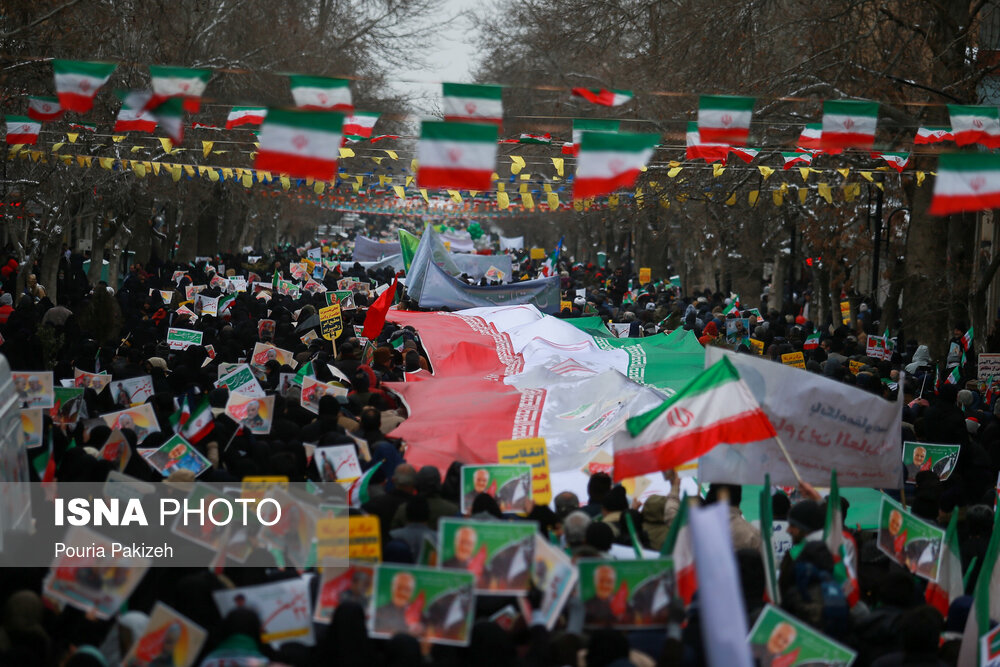
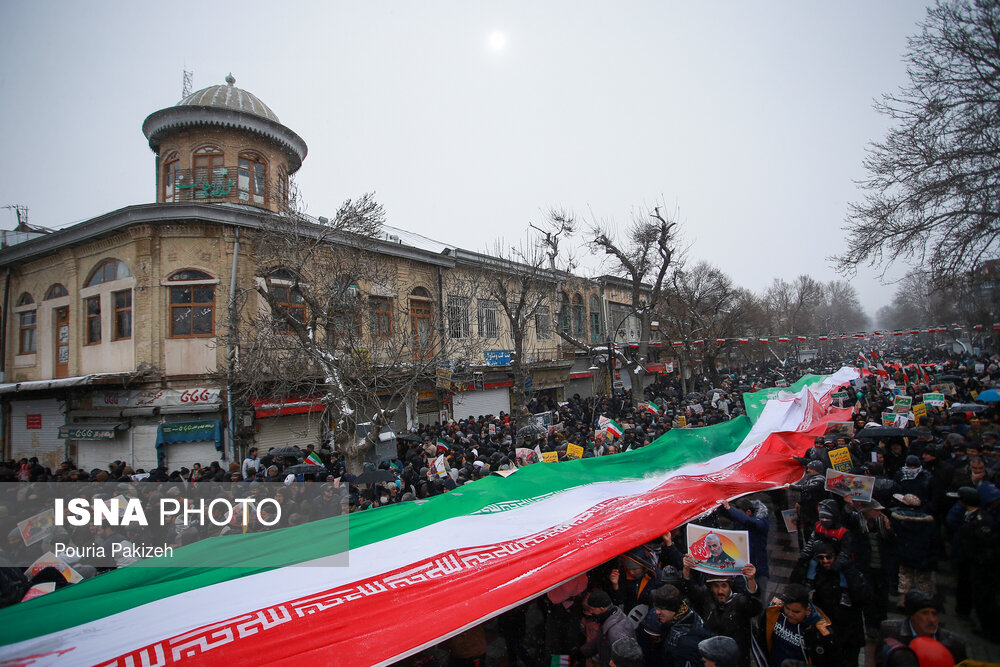
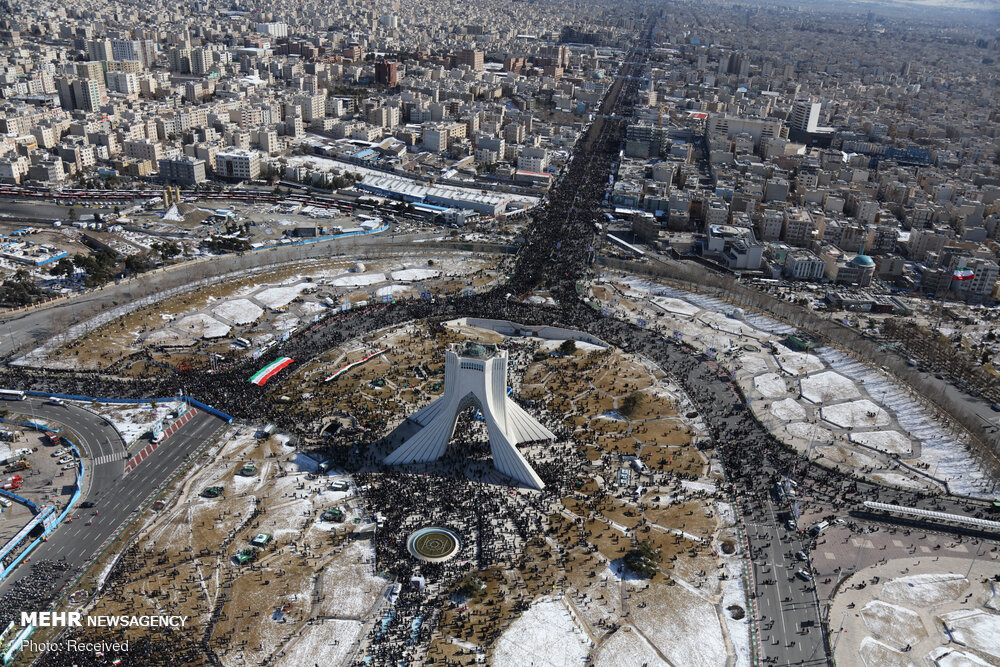
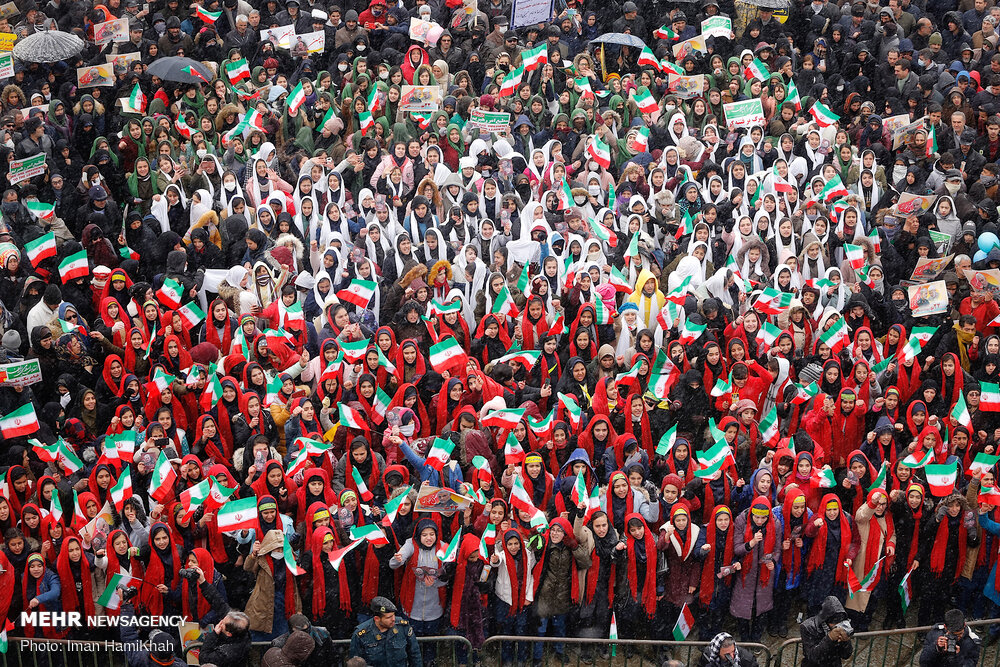
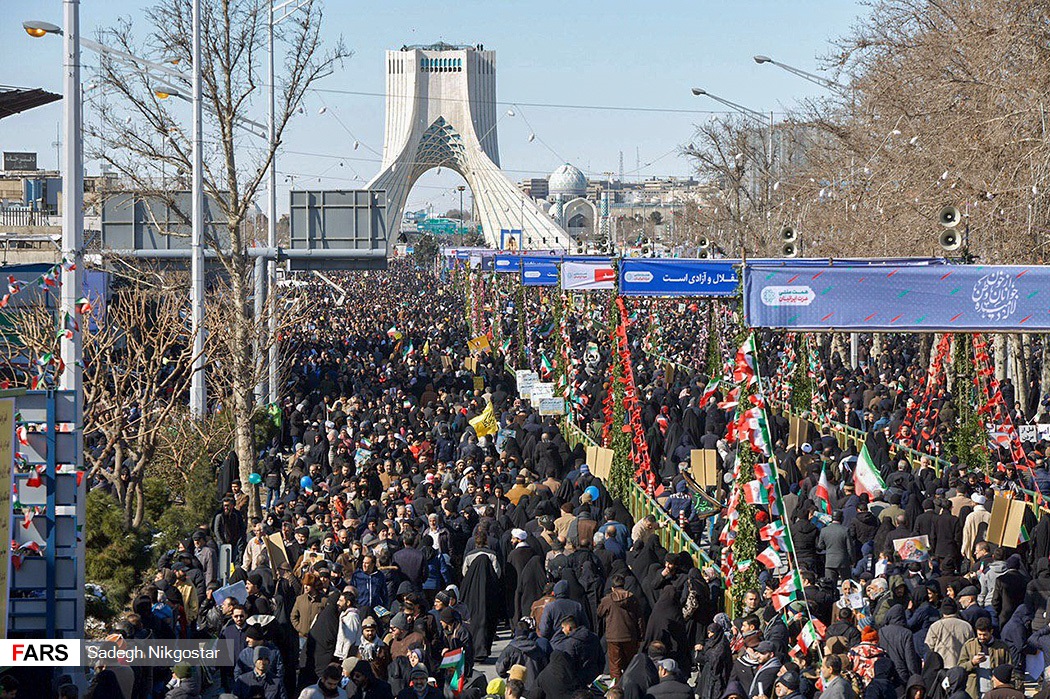
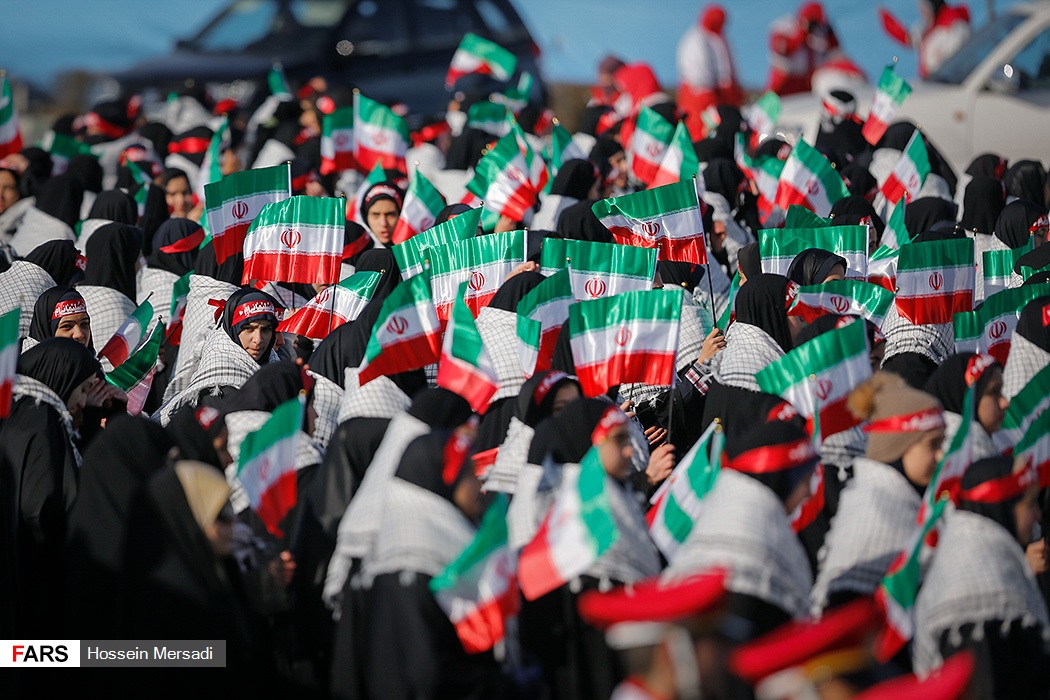
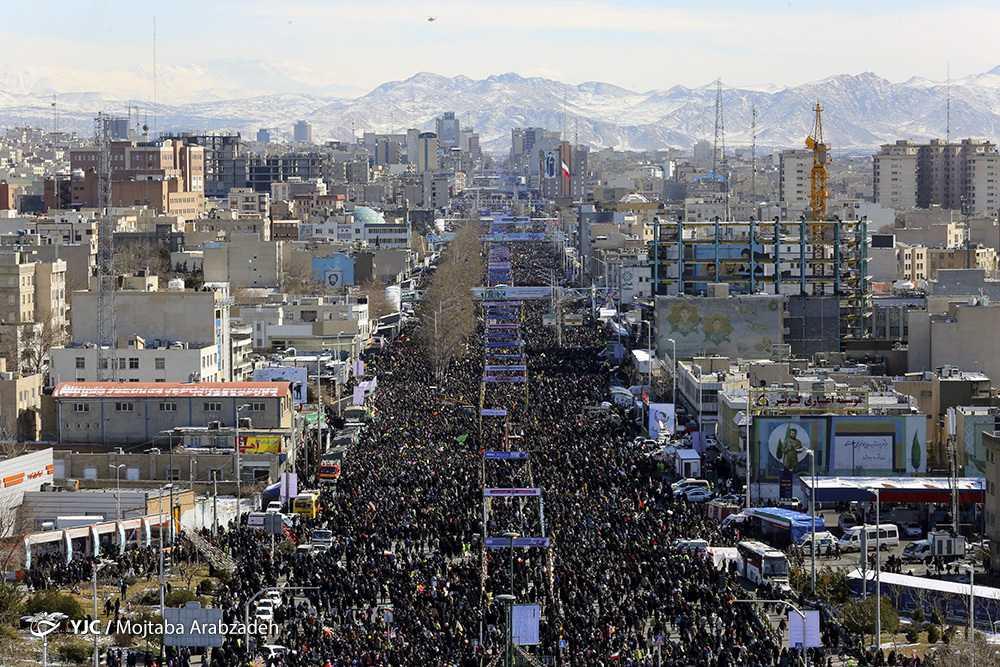
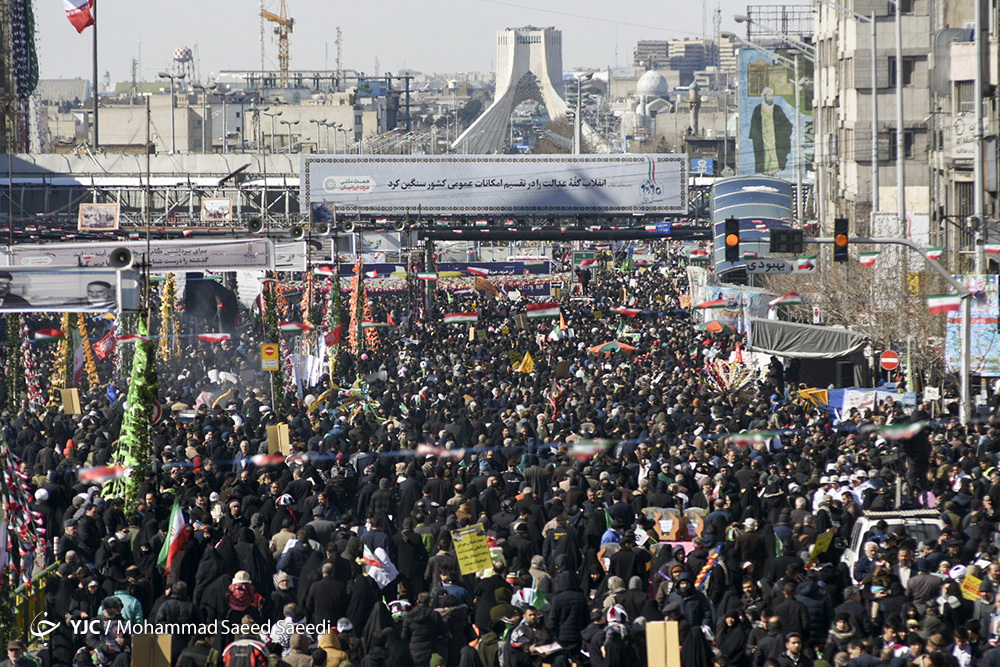
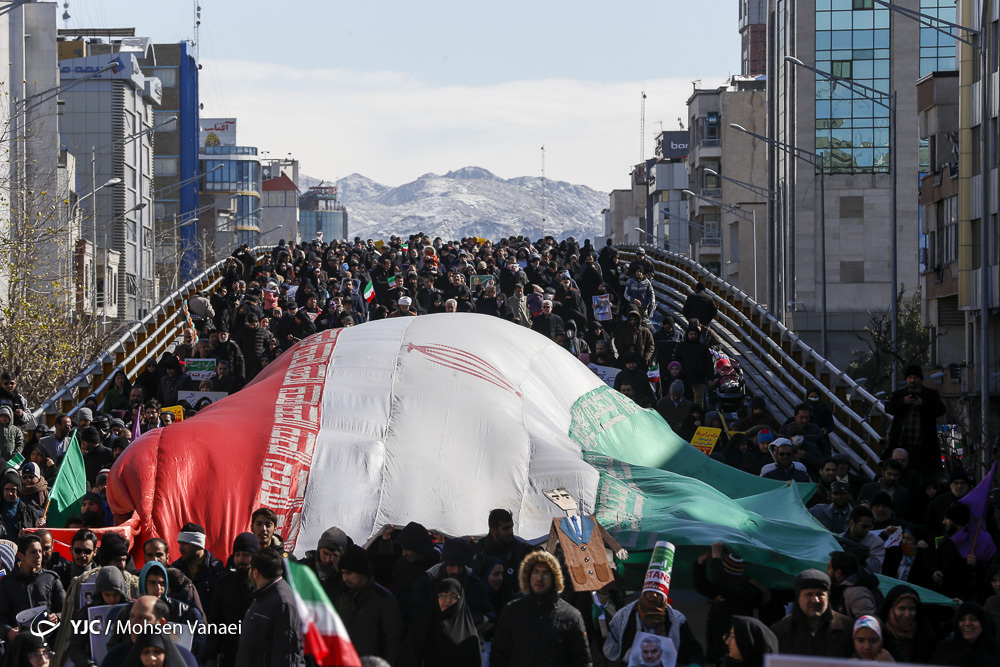
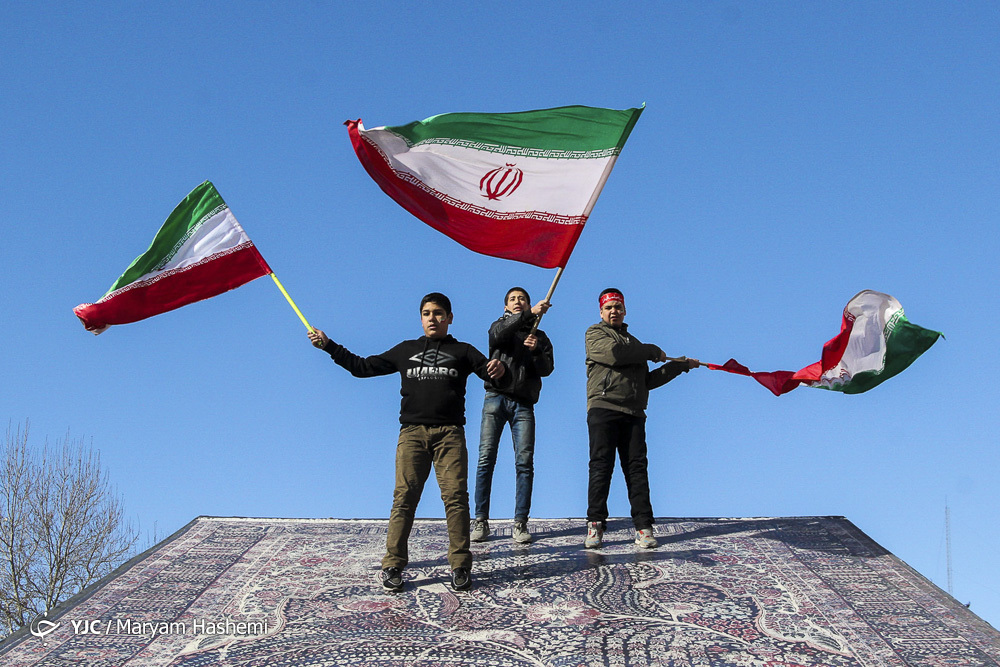
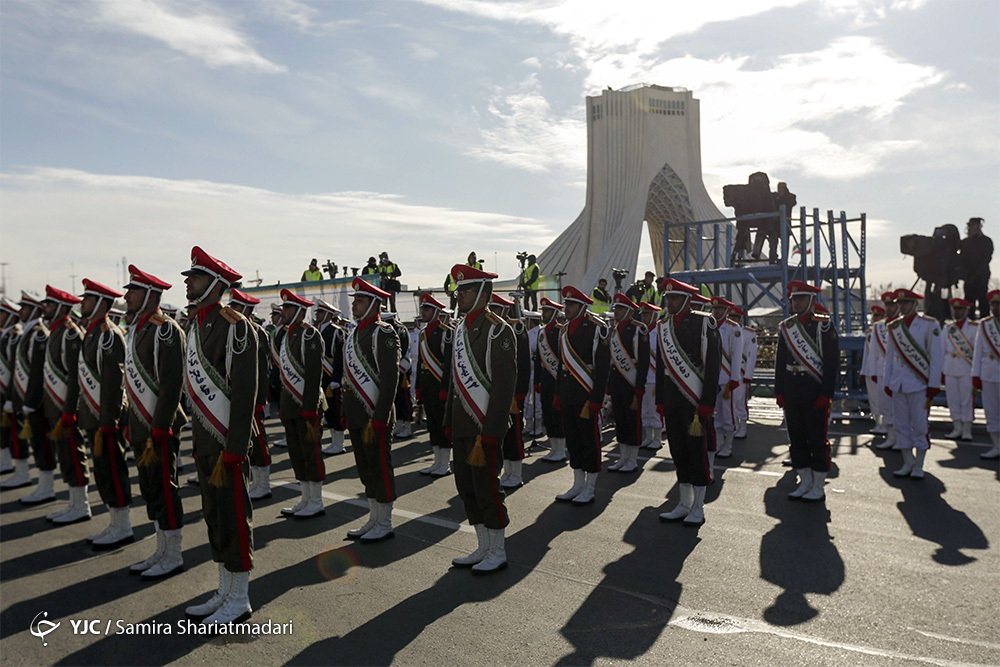
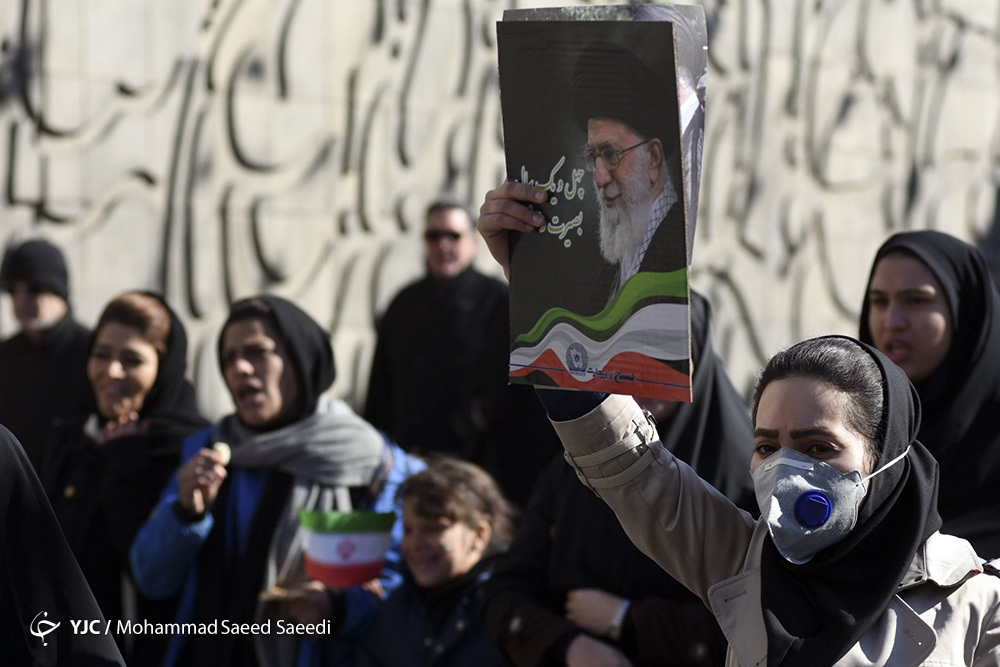
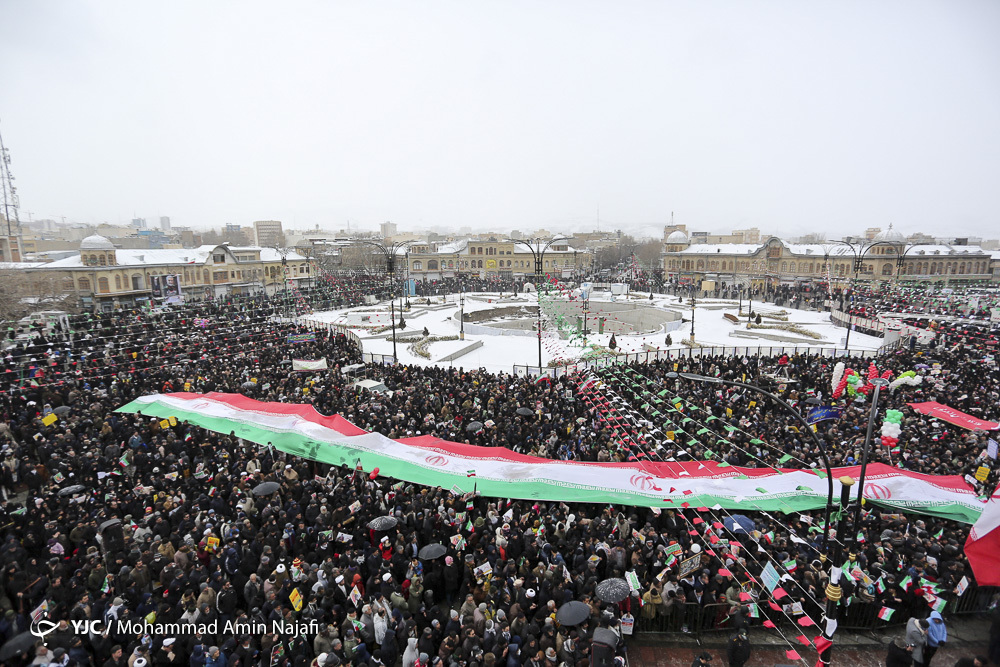
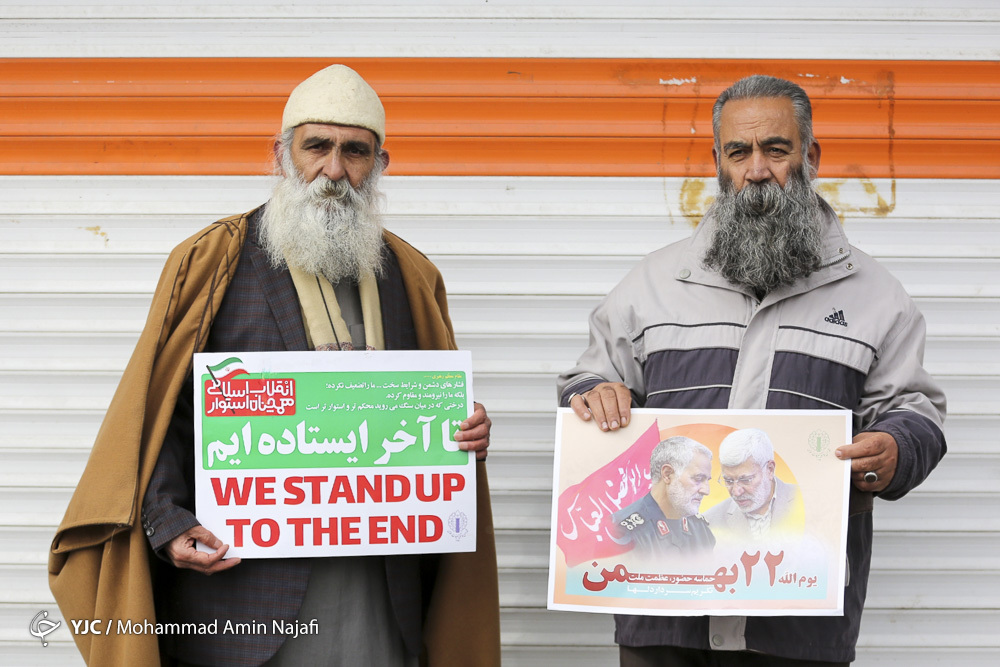
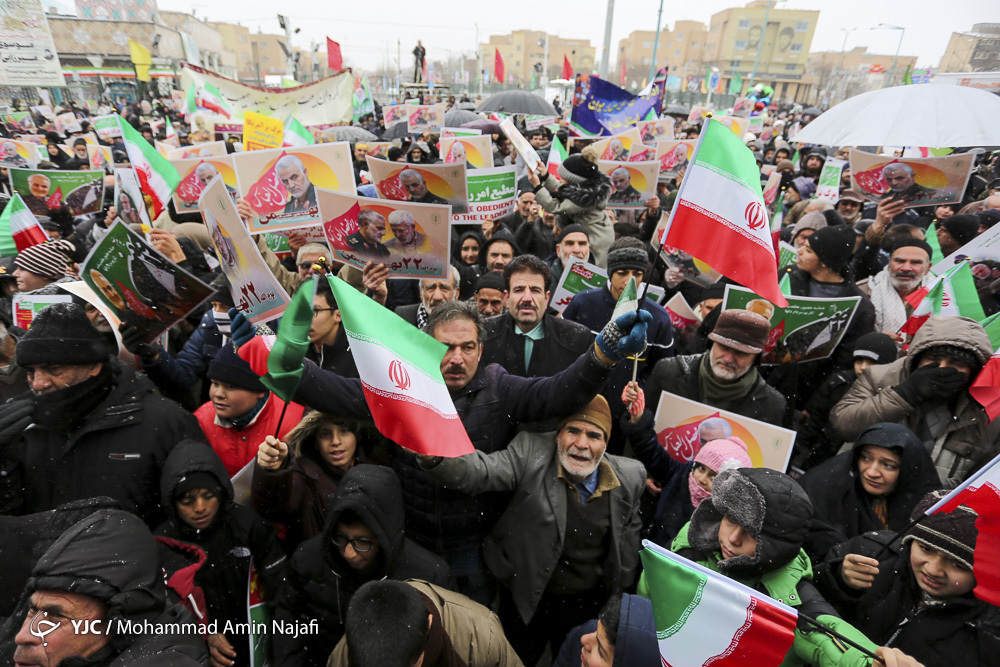
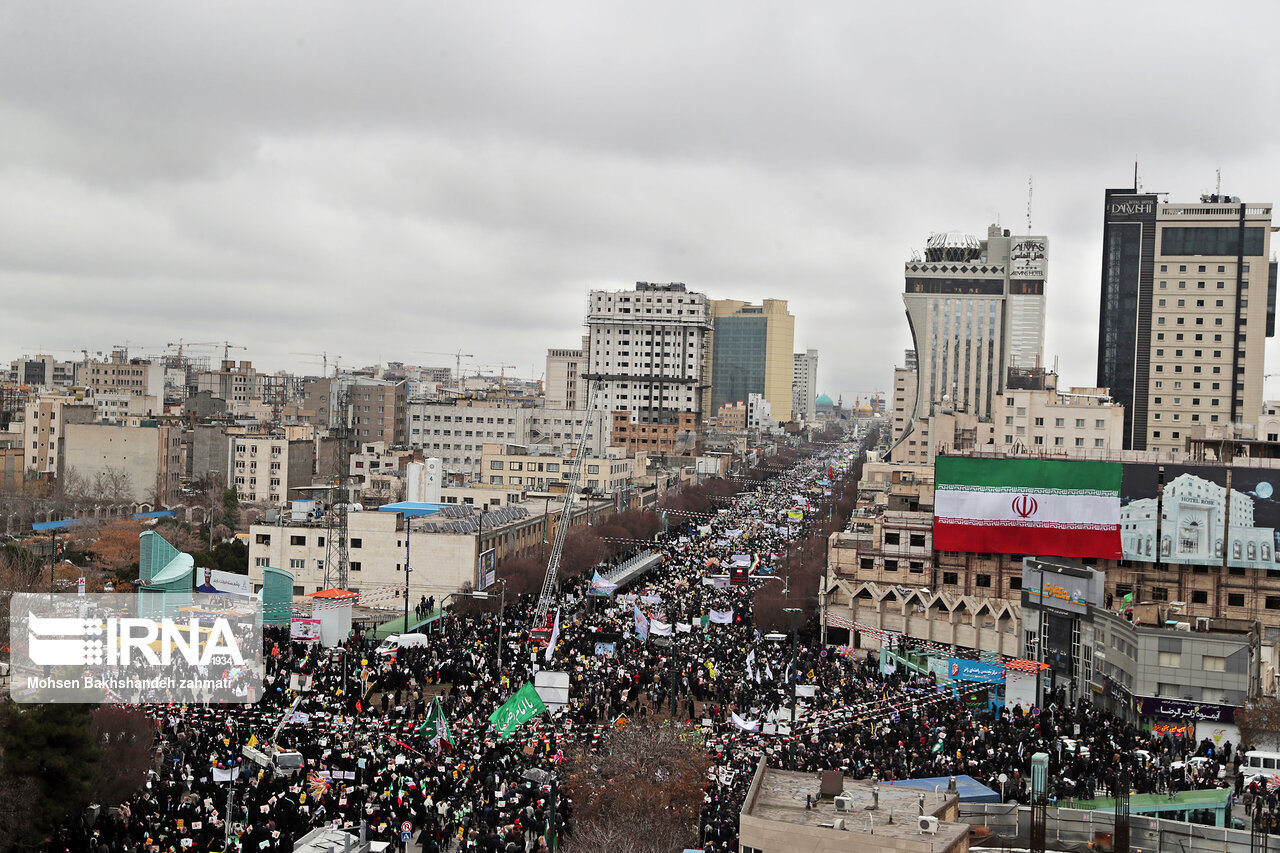
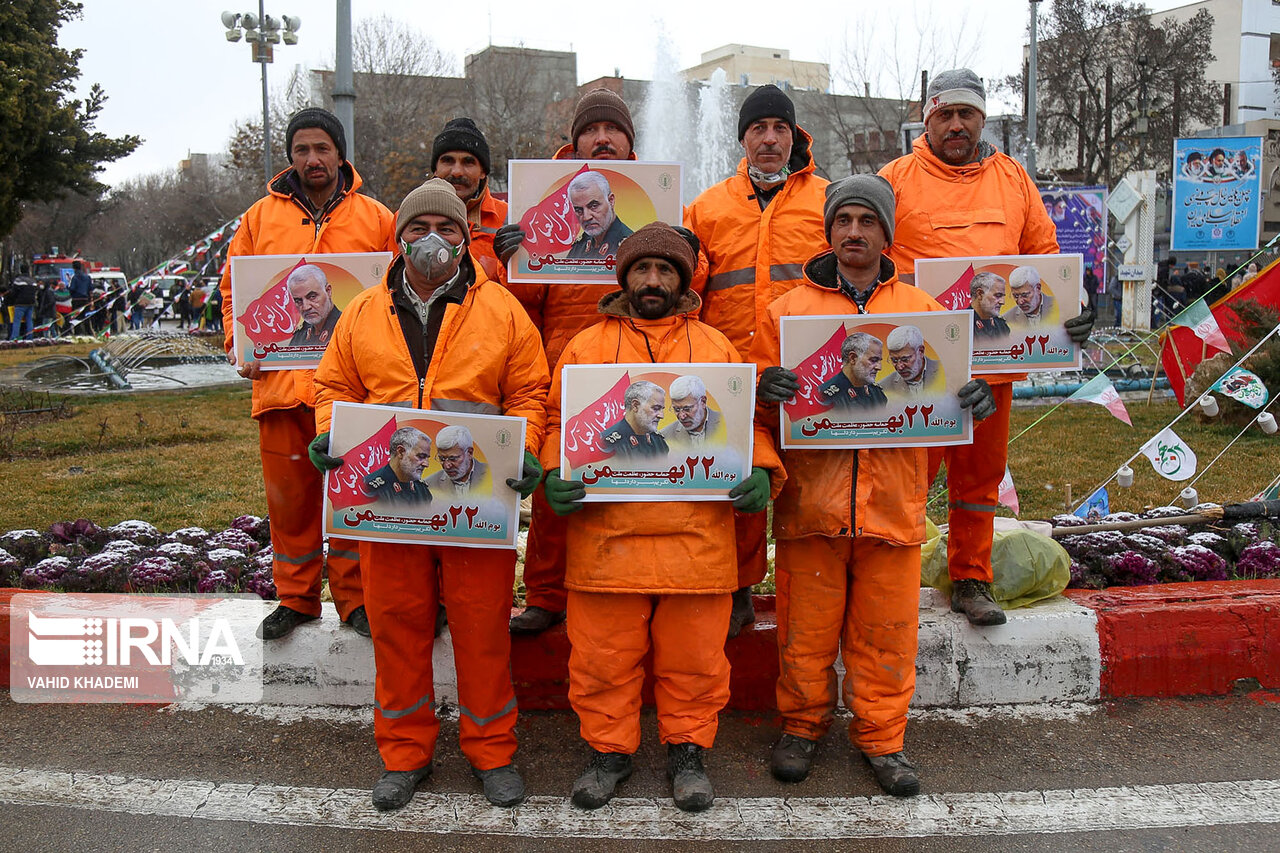
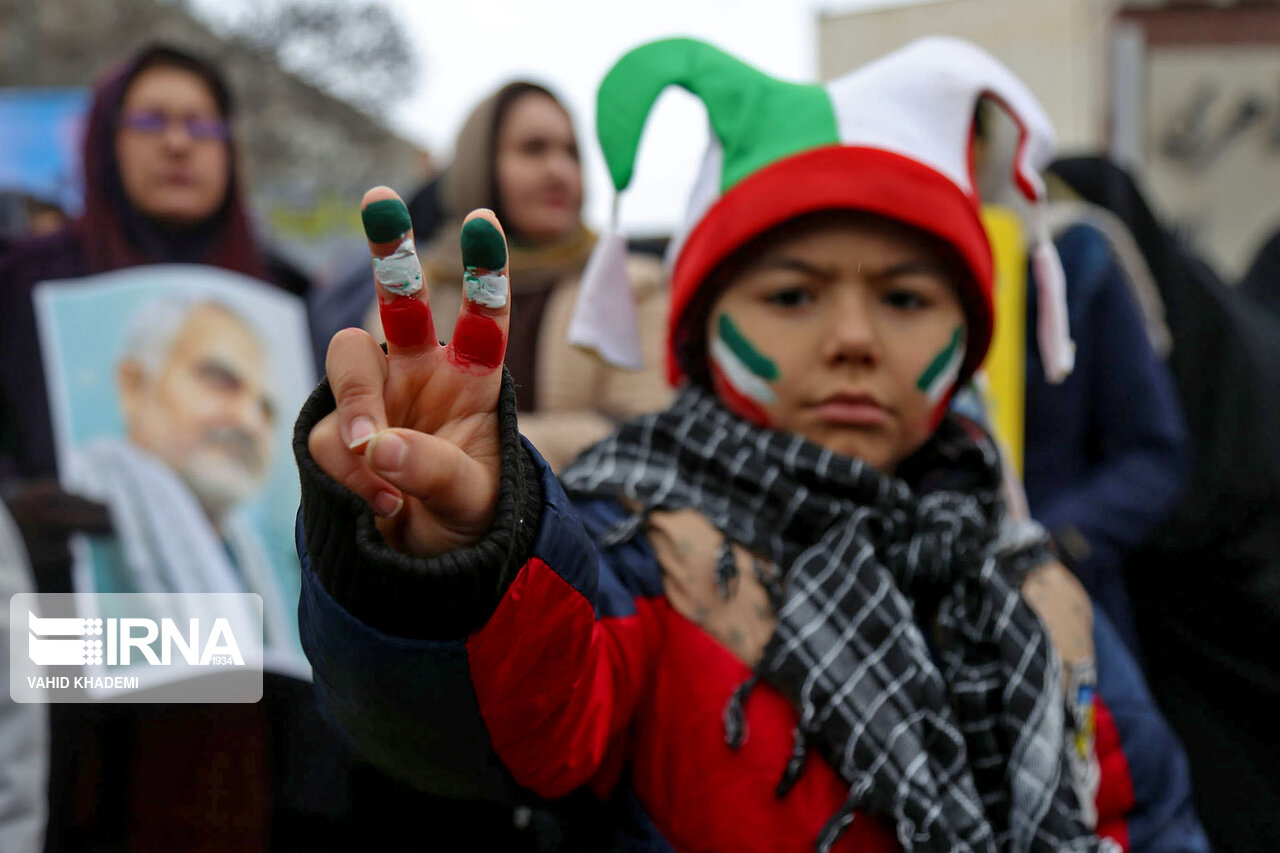
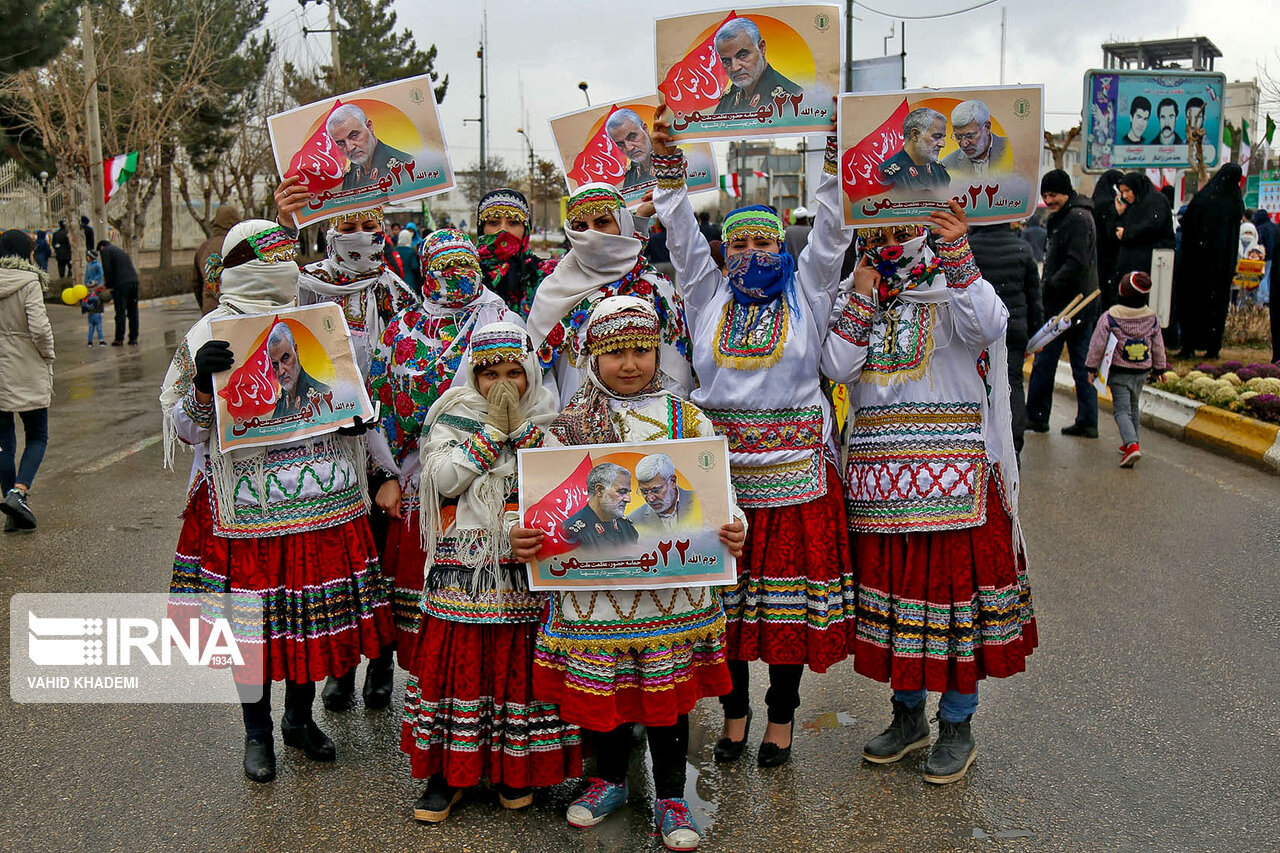
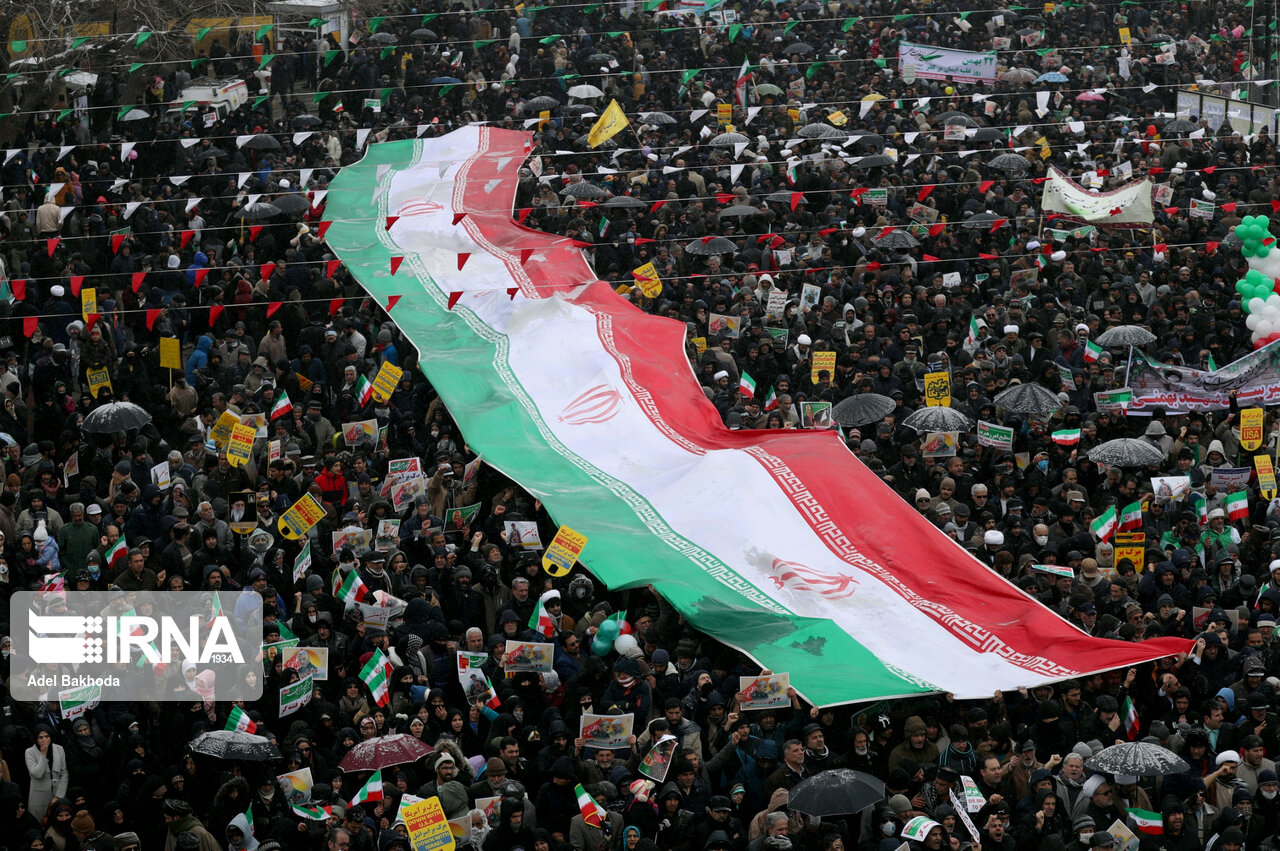
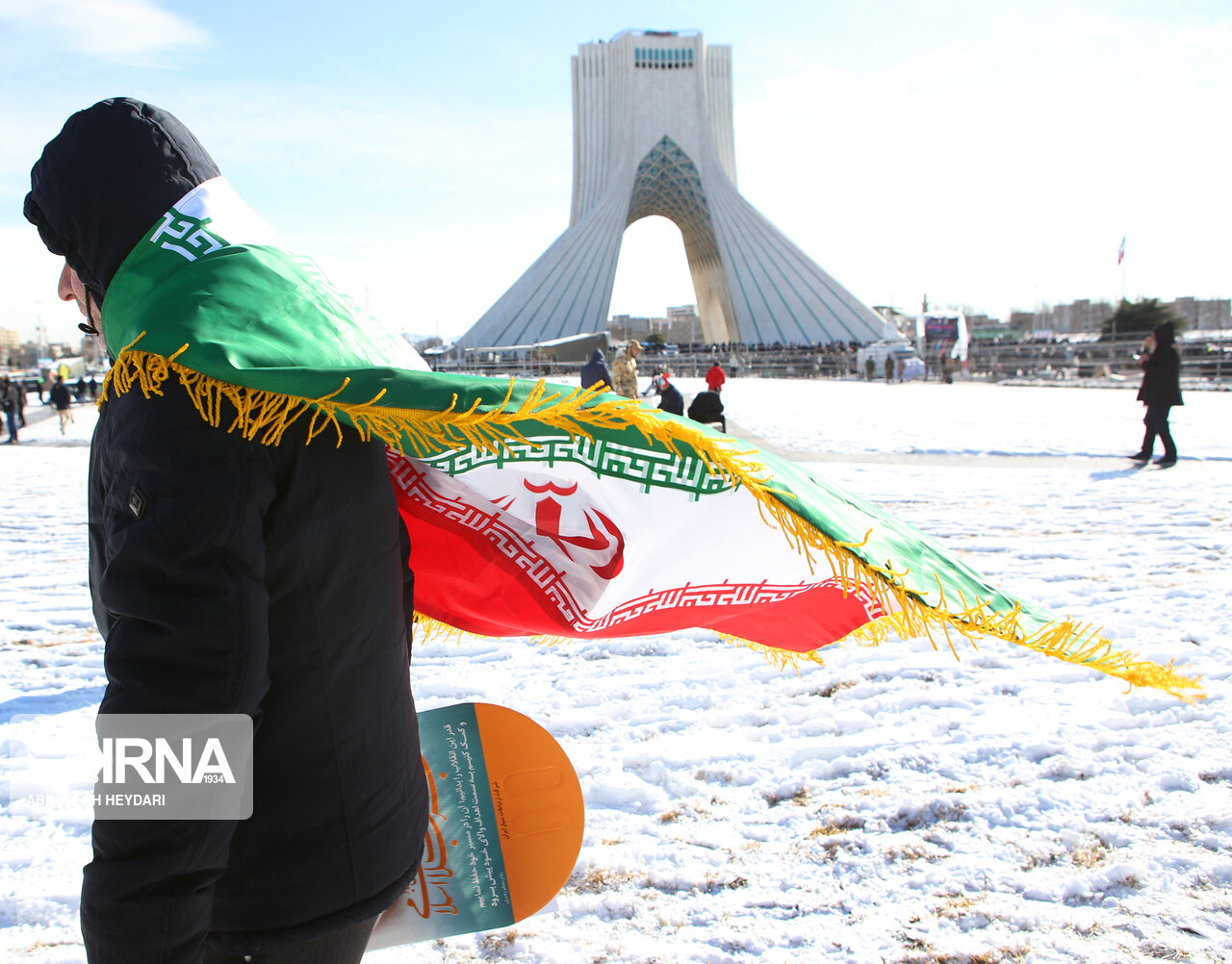
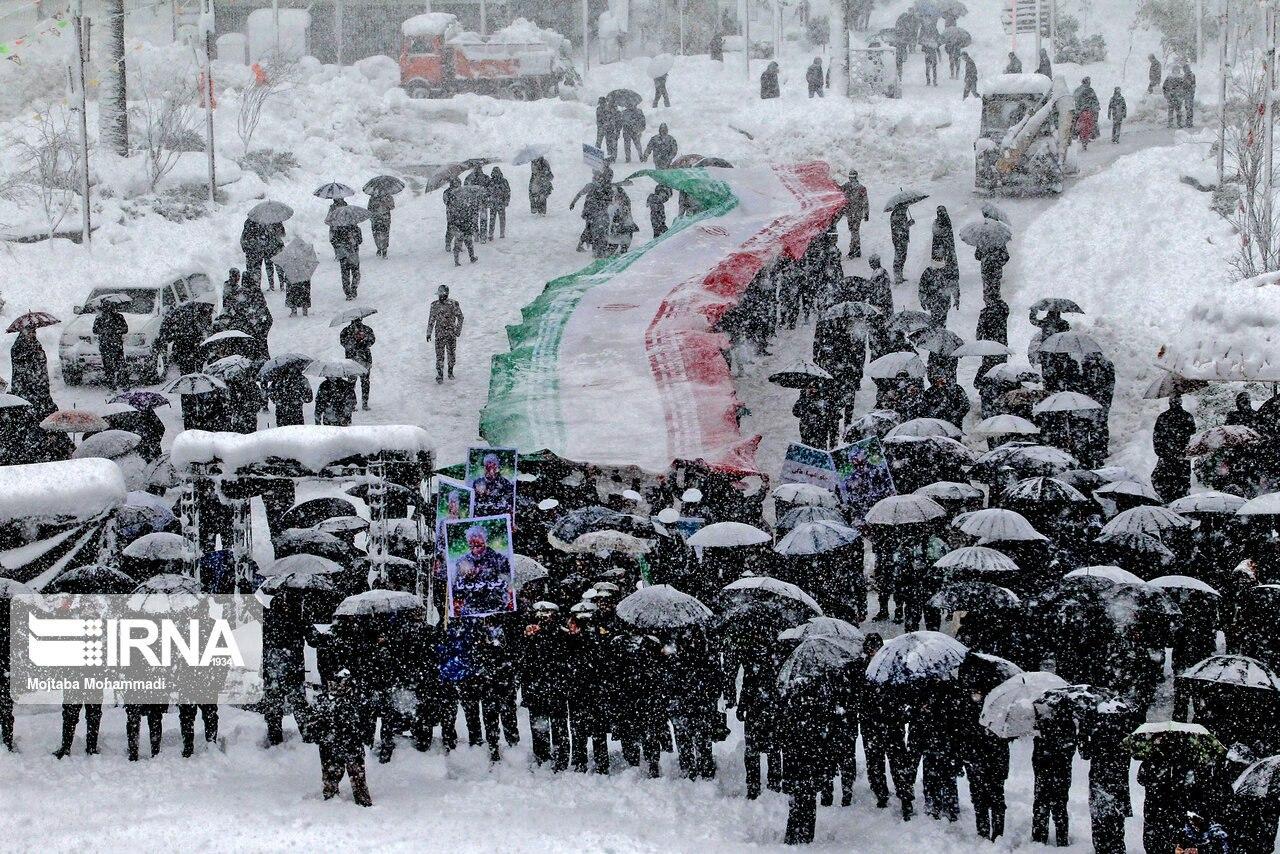
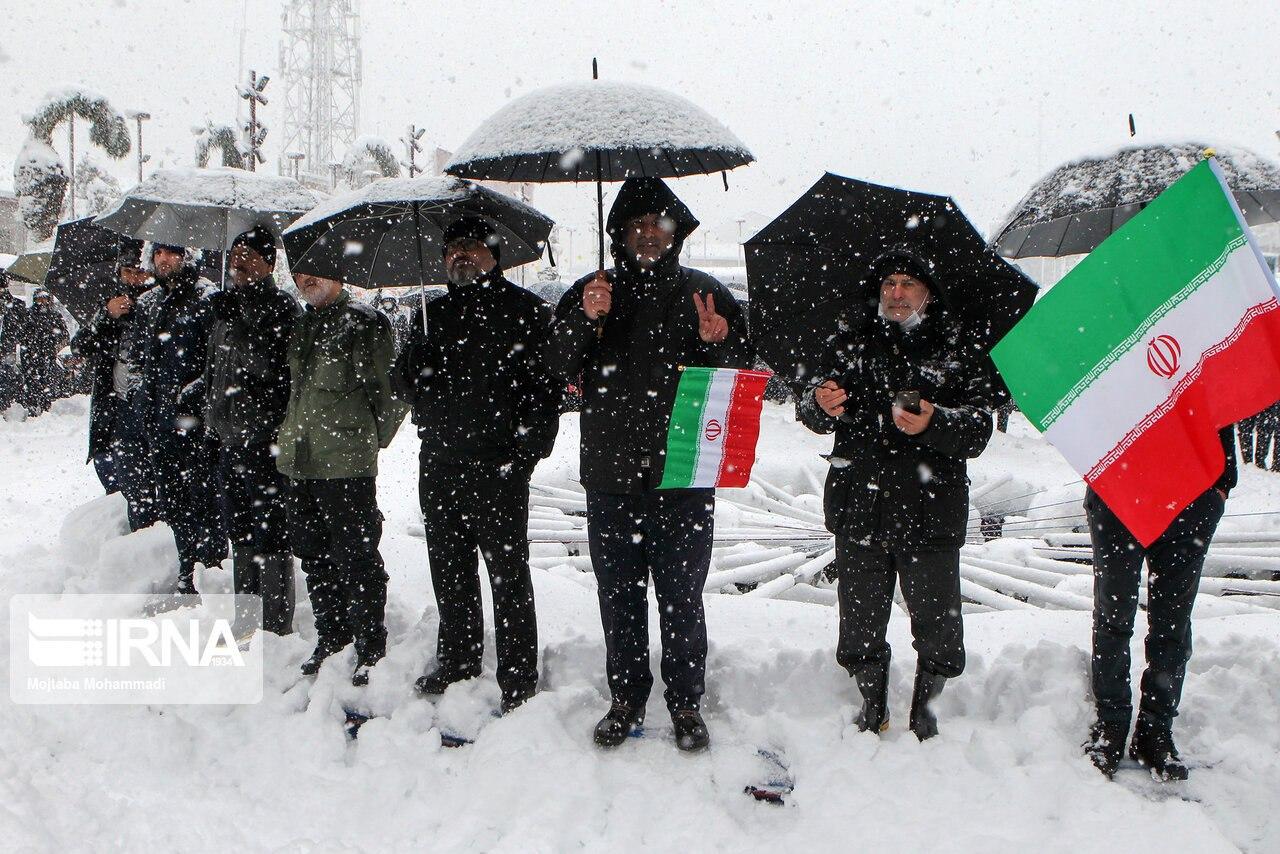
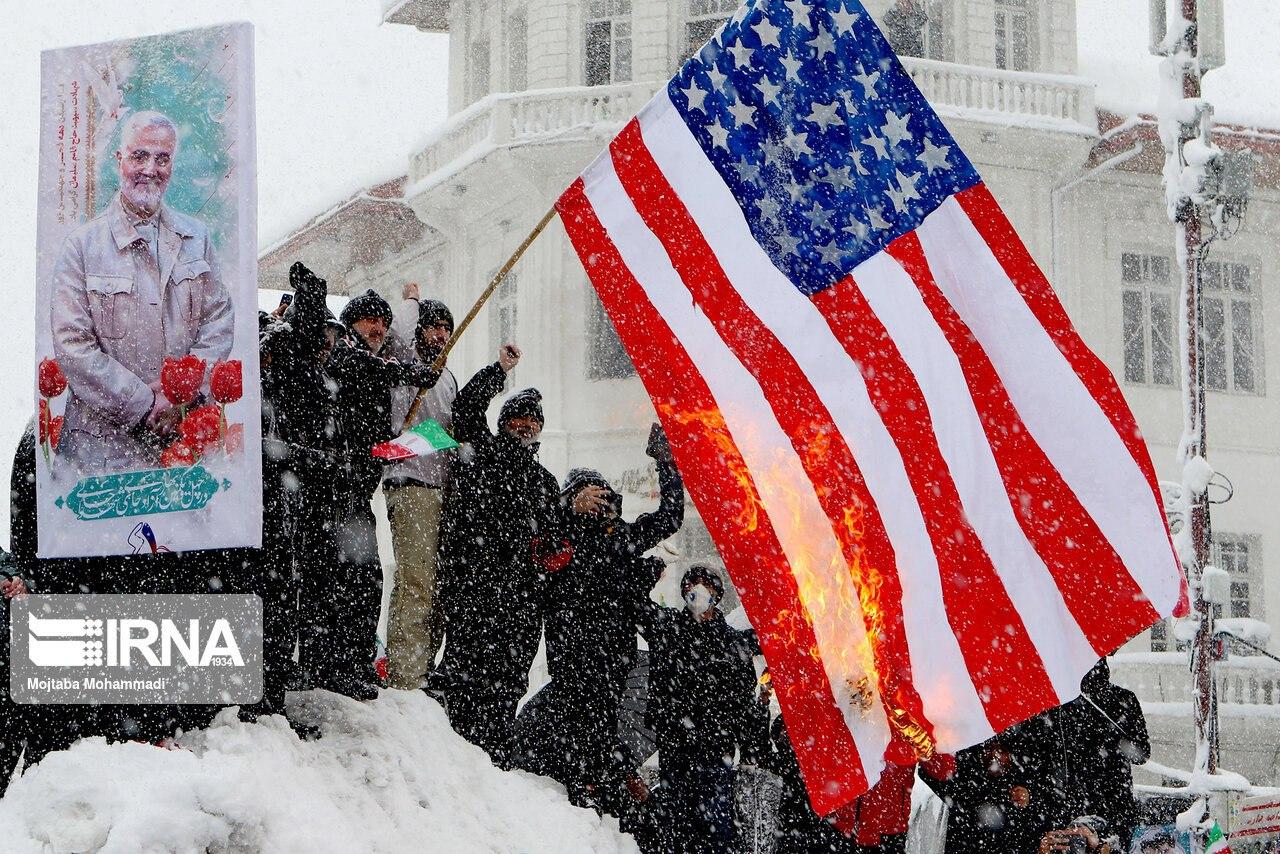
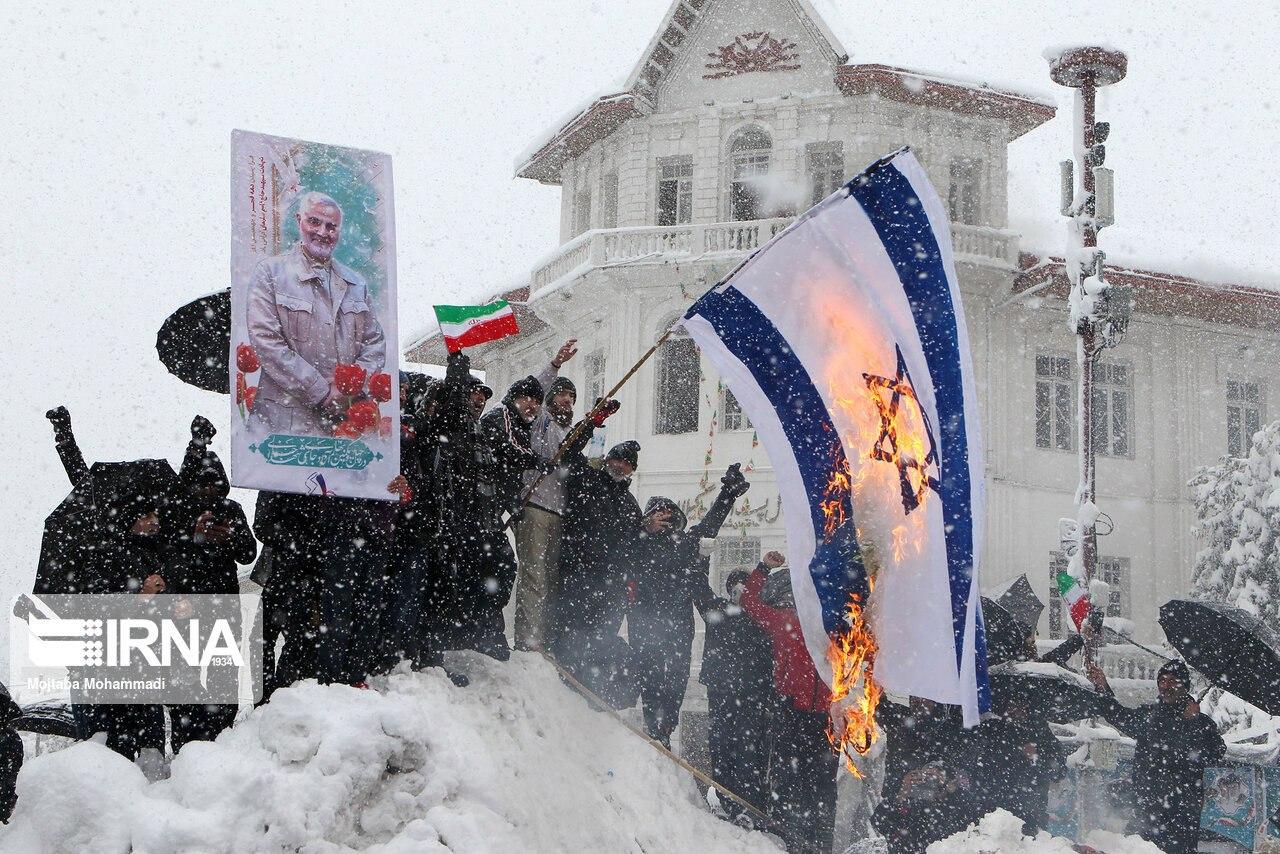
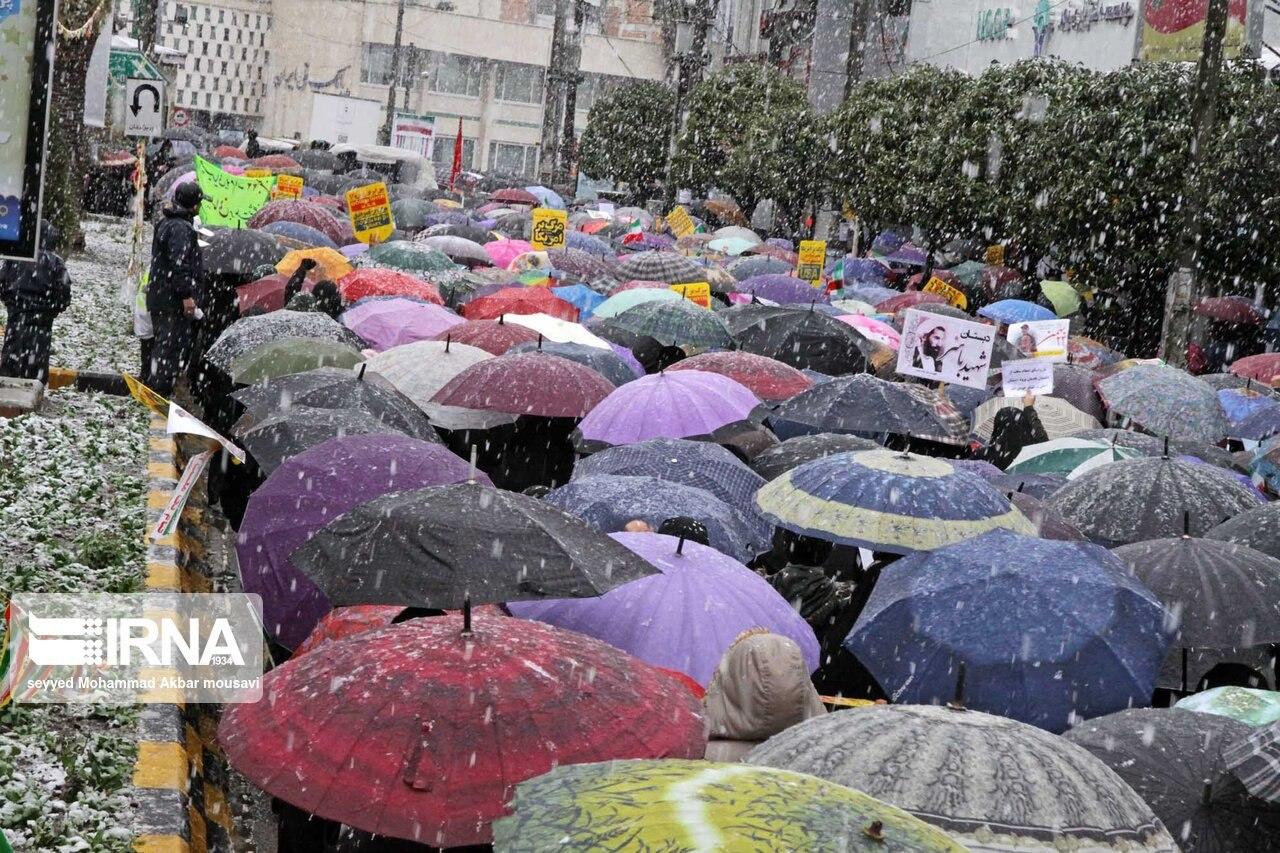
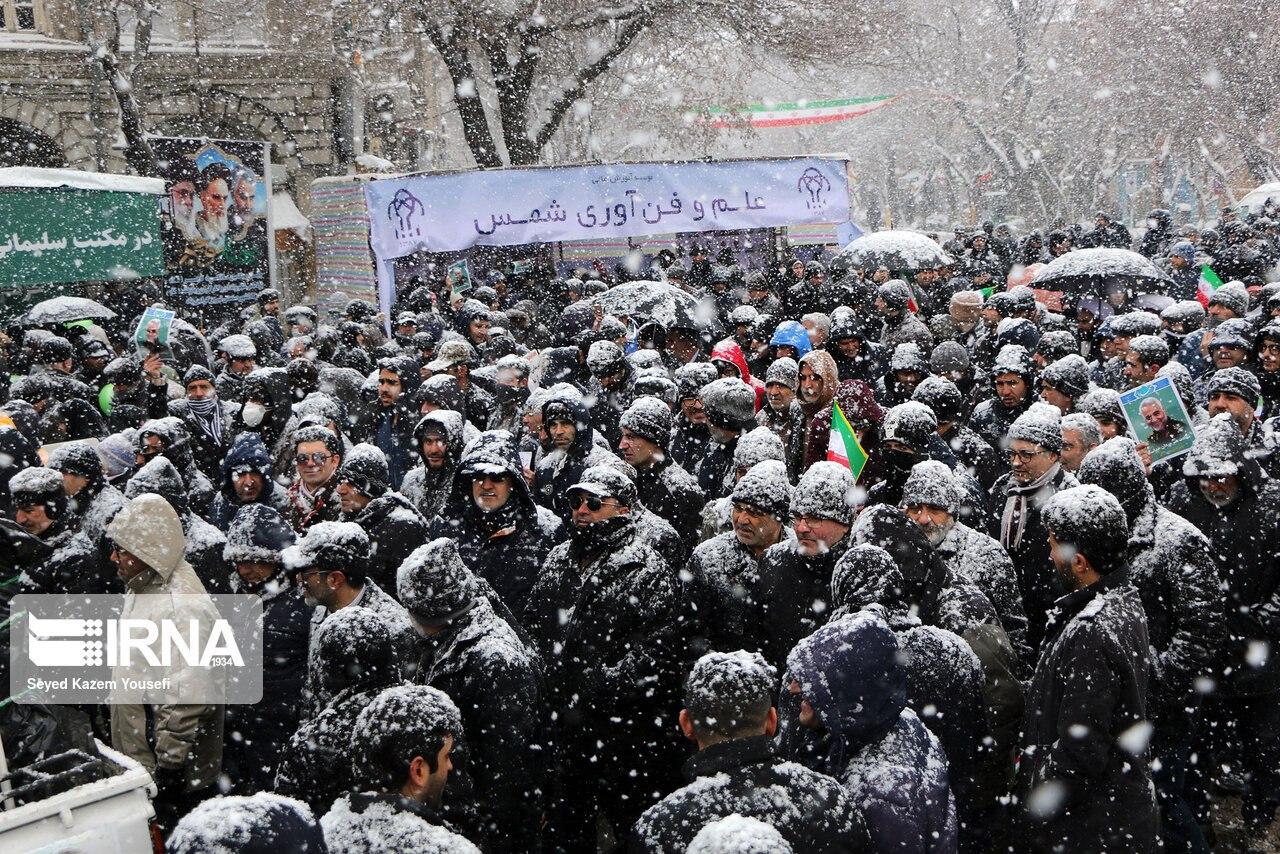
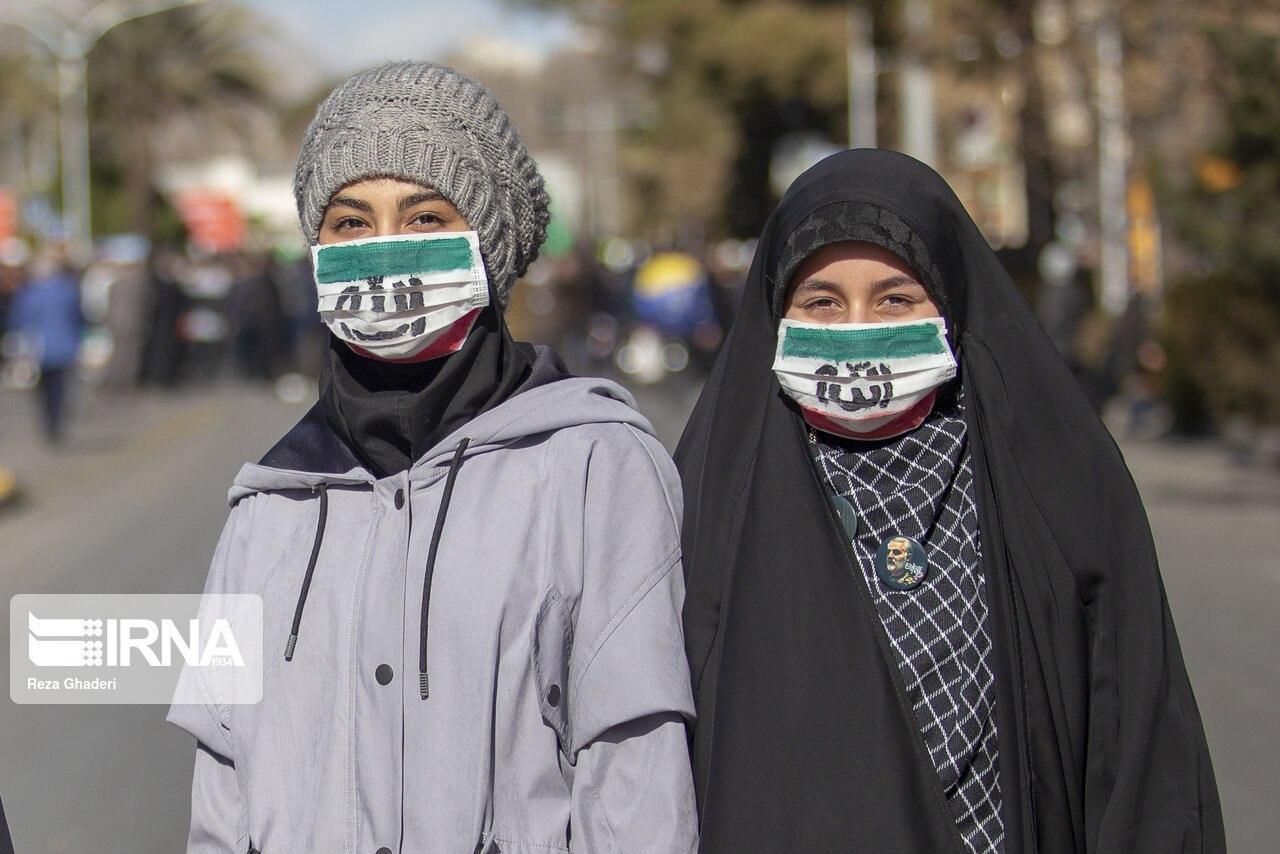
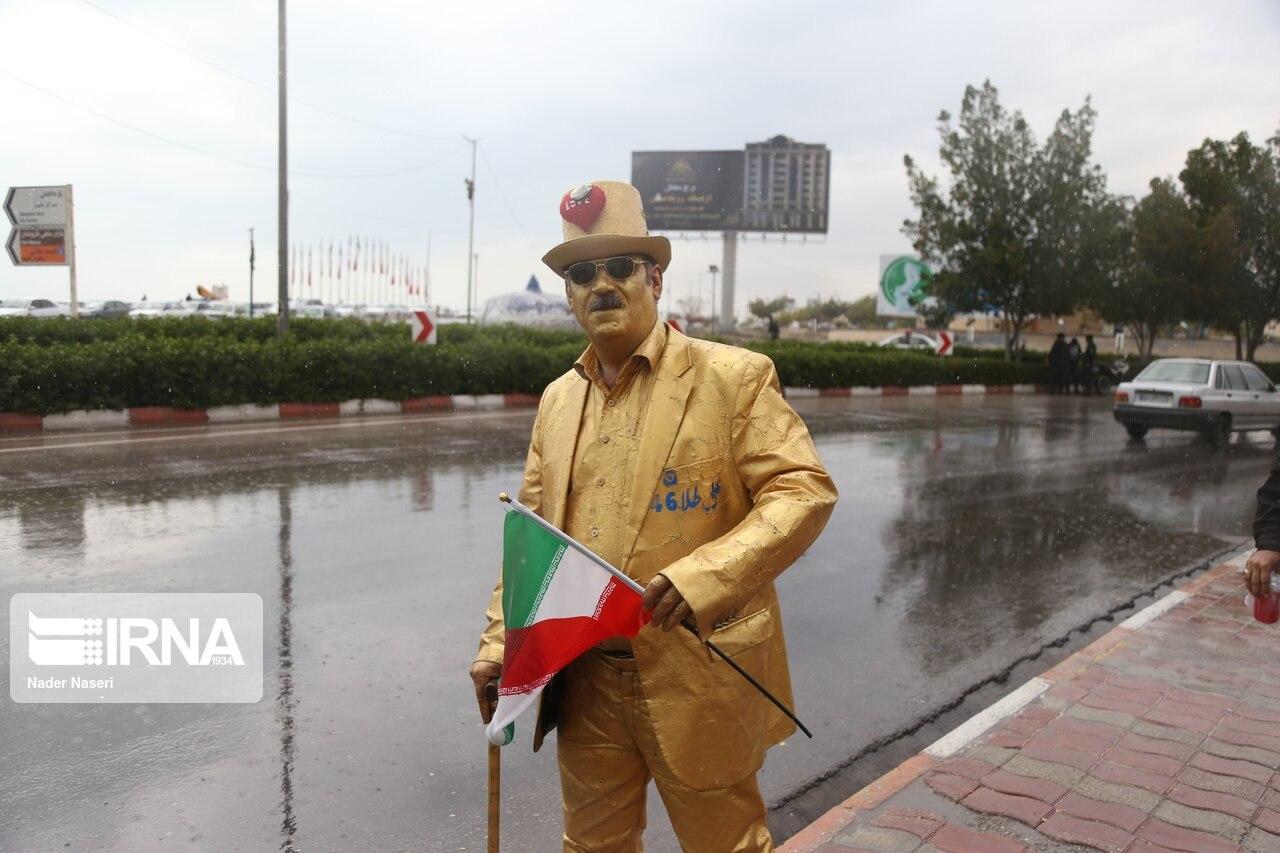
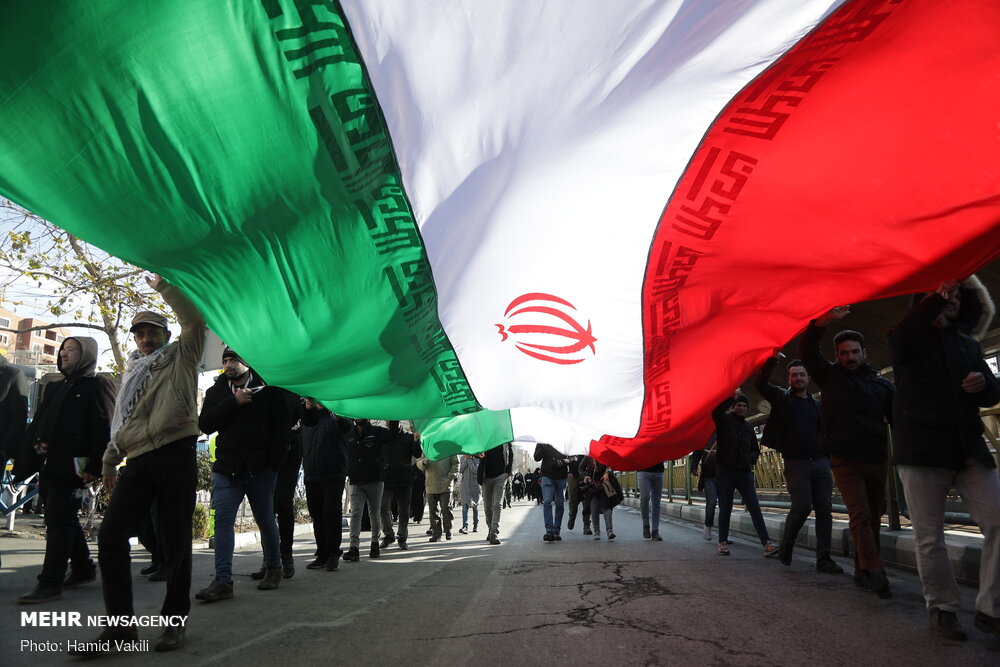
Millions in Iran Pour into Streets to Attend Revolution Anniversary Rallies

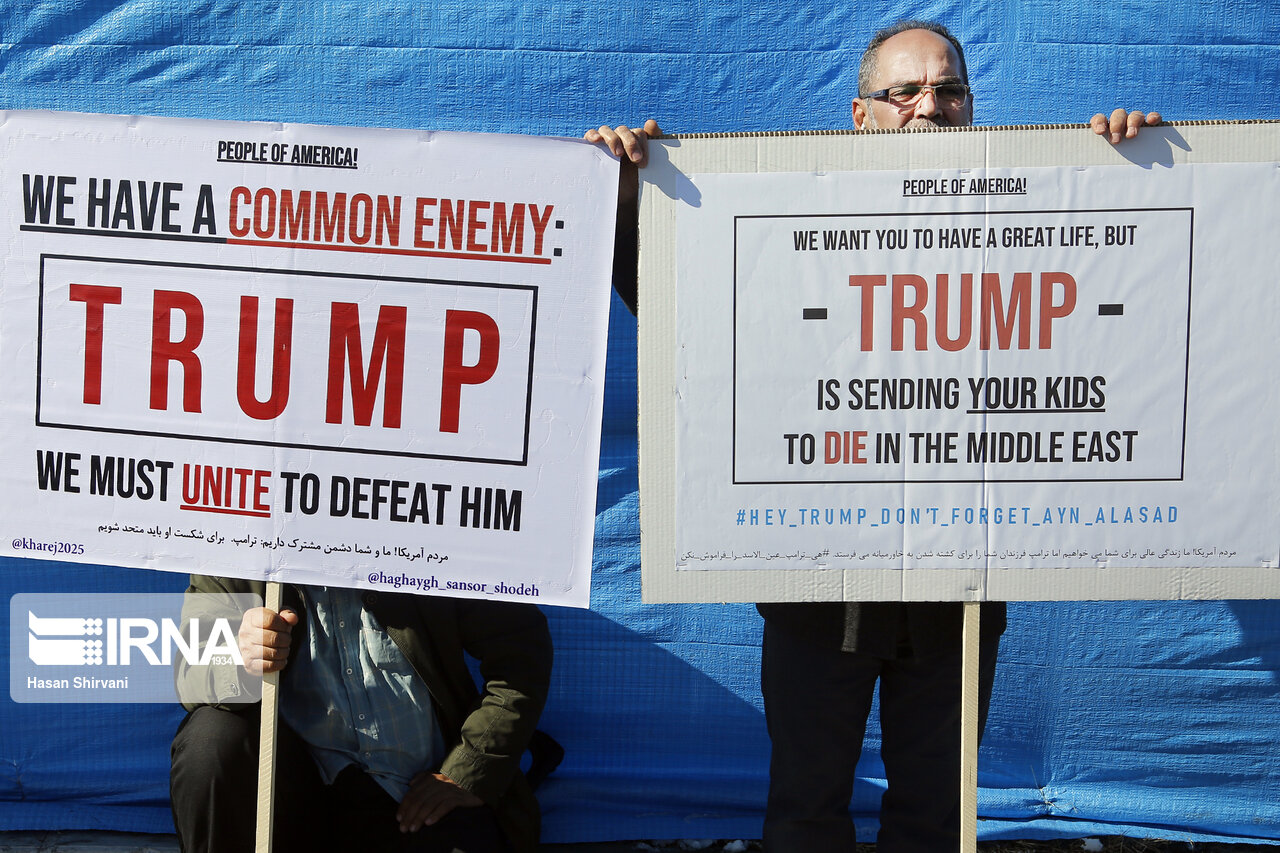
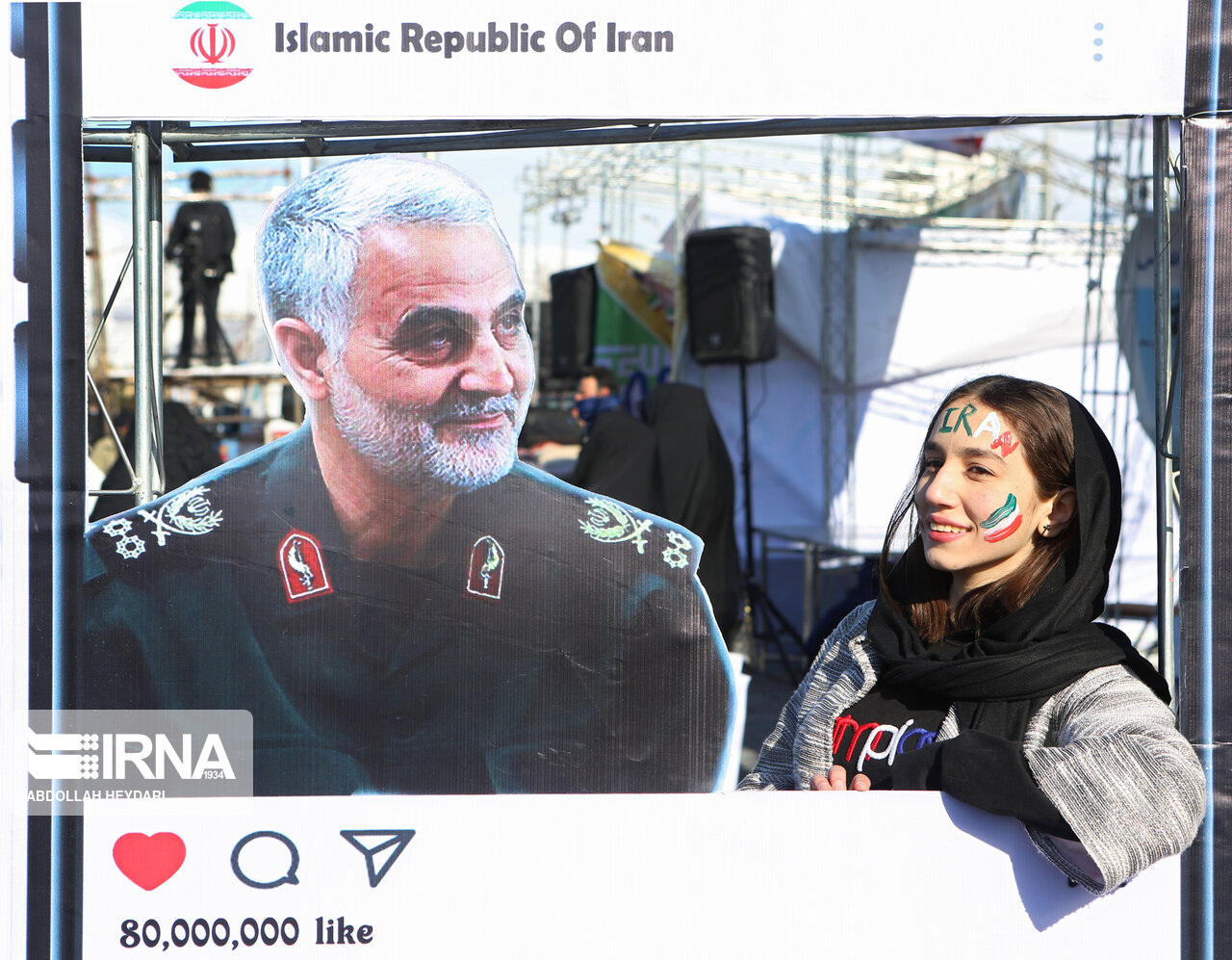
Millions in Iran Pour into Streets to Attend Revolution Anniversary Rallies

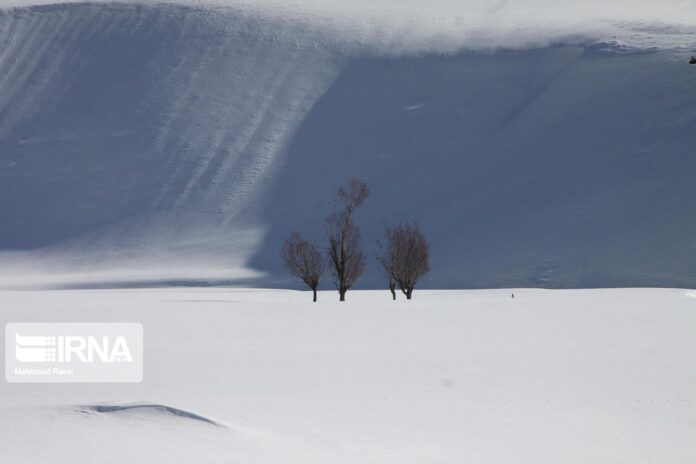
The huge turnout came in a cold and snowy day despite all the economic pressures and sanctions imposed against the nation, as well as the extensive propaganda against the Islamic Republic.

What follows are photos of the rallies retrieved from various sources:

It’s Time for Europe to Play Its Role in Saving JCPOA: Iran

It's Time for Europe to Play Its Role in Saving JCPOA: Iran

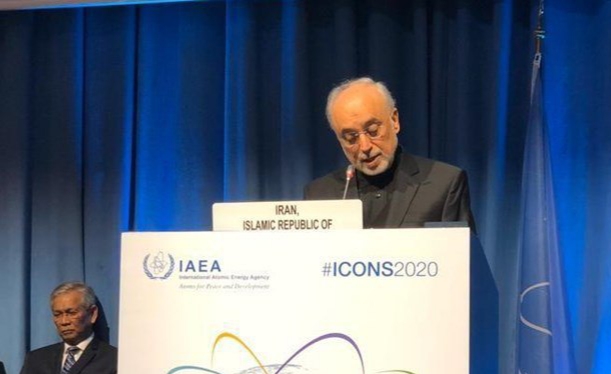
Ali Akbar Salehi, the head of the Atomic Energy Organization of Iran (AEOI), made the remarks in a Monday address to the International Conference on Nuclear Security: Sustaining and Strengthening Efforts, which is underway in Vienna, the capital of Austria.

What follows is the full text of his speech:

Co- Presidents,
Director-General,
Excellencies,
Ladies and Gentlemen,

It is a distinct honor for me to attend the third International Conference on Nuclear Security; an issue of great importance for my country.

Co- Presidents,

Over the past few years, the Islamic Republic of Iran has gone through a very difficult ordeal, which we believe could be seen as a yardstick for measuring the extent of practical adherence of the States to their multilateral and international obligations. It was in December 2015 when the overwhelming majority of the international community felt that, amidst prevailing chaos throughout the world, diplomacy is proven to be still the most viable option for tackling the toughest issues in international relations. It was a dominant belief that the JCPOA could set a model in this regard. It could also serve as a good template for cooperation amongst the Agency and the participating Member States for enhancing security issues. But, unfortunately, this euphoria didn’t last long. With the embedded irrationality in the US administration’s mindset, such optimism is fading away so quickly.

It is about time for Europe to play its role as a main JCPOA stakeholder in saving the deal through fulfilling their commitments irrespective of the US administration’s unjust pressures.

Tomorrow, we will be celebrating our 41st anniversary of the Islamic Revolution; a revolution that brought independence and freedom and saved us from all sorts of dependency on the United States. Unfortunately, the US administration has not yet come to its senses in recognizing the reality on grounds and keeps on inflicting harm on our people as well as the people of the entire region while creating and supporting terrorist groups such as ISIS; the climax of which is reflected in the cowardice terror of our beloved major general Soleimani who was the most instrumental element in combatting ISIS. Be it known as my country strongly retaliated once, it will never hesitate to strike back when necessary.
The Islamic Republic of Iran, as a member to the NPT, maintains that, as it is envisioned in Article IV of the NPT, nothing [I quote] “shall be interpreted as affecting the inalienable right of all the Parties to the Treaty to develop research, production and use of nuclear energy for peaceful purposes without discrimination …” [end of quote].

Furthermore, the Articles II and III of the Statute of the IAEA define the basic objectives and functions of the Agency, as it [I quote] “shall seek to accelerate and enlarge the contribution of atomic energy to peace, health and prosperity throughout the world” [end of quote].

In this context, nuclear security and safety measures must be utilized to support such objectives and functions. While acknowledging the distinctions between the two areas, these measures are seen to have common aim of protecting human health, society and the environment, and should be dealt with, appropriately, at the national level, by the relevant competent authorities.

Despite opportunities, expansion of new nuclear technologies and related applications has induced susceptibility on the issue of nuclear security.

These new emerging sensitivities raise the level of current concerns on issues such as the lack of transparency on more than 80% of existing Highly Enriched Uranium and Plutonium stocks. Moreover, the new nuclear security threats including EMPs, UAVs, Cyber-attacks and other non-conventional means of sabotage, especially when there are no agreed international rules and regulations governing such activities, make the situations even more complicated.

Growing threats of terrorism using nuclear materials and radioactive sources are also another crucial elements in addressing the radioactive and nuclear security issues; thus requiring the strengthening of national capacities in prevention, detection, and response to unauthorized removal and illicit trafficking of nuclear materials.

Terroristic threats against my country are augmented by menace of attacks and industrial sabotage against our nuclear installations by the US and Zionist regimes as evidenced in the past by the cyber Stuxnet, and this necessitates international condemnation as well as prevention.

Excellencies,

Needless to say that, measures to strengthen nuclear security should be in coherence with achieving sustainable development goals in peaceful nuclear technologies and applications at the national, regional and global levels, and therefore not to commit any action that would hamper them. Likewise, any measure aimed at undermining or negatively affecting the State’s national nuclear security regime runs counter to the promotional objectives and functions of the Agency.

Moreover, we believe that nuclear security activities of the Agency should be funded with no string attached by the donors, and while acknowledging that the primary source of funding for such activities should be through the NSF, new innovative forms of sustainable extra-budgetary funding could also be explored in order to guarantee sufficient, assured and predictable resources for the implementation of the Agency’s projects in meeting the needs and priorities of Member States.

It must be asserted once again that the responsibility for nuclear security within a State rests entirely with that State. The Agency, however, is expected to assist Member States, upon their request and on a non-discriminatory basis, in their efforts to enhance a sustainable nuclear security regime based on their national needs and priorities. The Agency should also be seen as a platform for sharing knowledge and the exchange of lessons learned, built upon the experiences and good practices shared by different countries. Such deliberations should be carried out in a constructive and purely technical basis to avoid politicization of the issues and exerting undue pressure on any specific State.

Ladies and Gentlemen,

At the national level, the Islamic Republic of Iran has a very unique situation. Building upon its past experience in facing multiple threats including state terrorism reflected in the martyrdom of our nuclear scientists, Iran has taken upon itself to enhance further the mechanisms of its nuclear security throughout the country, through its own resources and also by utilizing the Agency and other Member States’ potentials.

To take advantage of the Agency’s assistance, several national workshops and one regional workshop have been held during the past few years in Iran, notably, Interregional Workshop on Introduction to Nuclear Security Detection Architecture, held in Tehran last July. Likewise, I should mention the fruitful visit of DDG for Safety and Security of the Agency to Iran.

Furthermore, Iran is updating the regulations regarding the security of radioactive sources and the relevant guidance on control and combating illicit trafficking of radioactive and nuclear materials. In addition, the relevant recommendations reflected in INFICIR/225/Rev.5 have also been envisaged in Iran’s contract with the Russian Federation for the two new nuclear power plants under construction.

To conclude, we hope that this conference by taking stock of the achievements gained thus far in addressing the current and emerging issues and challenges will serve as an important input 7 for the preparation of the Agency’s next Nuclear Security Plan for the period of 2022-2025.

Let me also wish you and all the distinguished delegates every success in the course of the days ahead and thank you very much for your kind attention.

Top Iranian, Swedish Diplomats Discuss Ukrainian Plane Crash

Top Iranian, Swedish Diplomats Discuss Ukrainian Plane Crash

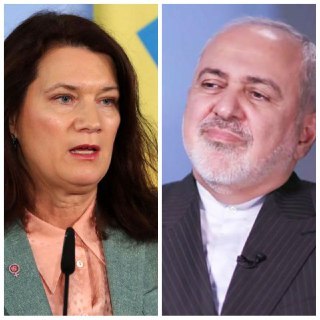
In a telephone conversation on Monday evening, Foreign Minister Zarif and Minister of Foreign Affairs of Sweden Ann Linde discussed the issues relating to the crash of the Ukrainian plane.
In the phone call, the two sides emphasized the need for cooperation instead of politicization of the incident.