Monday, January 12, 2026
Home Blog Page 1846

Uzbek tech firms welcome Iran’s scientific capabilities; cooperation to continue in the form of joint projects

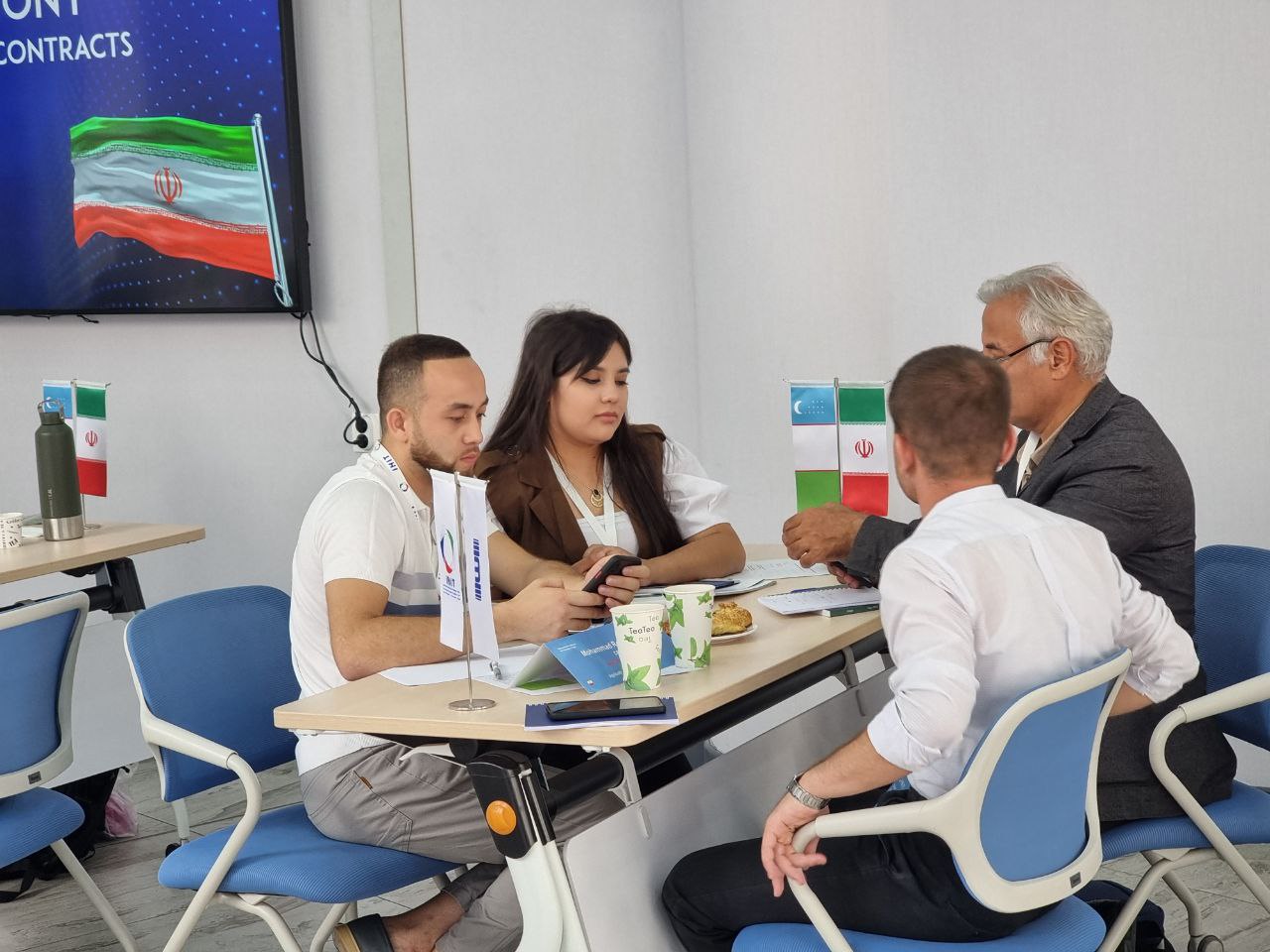
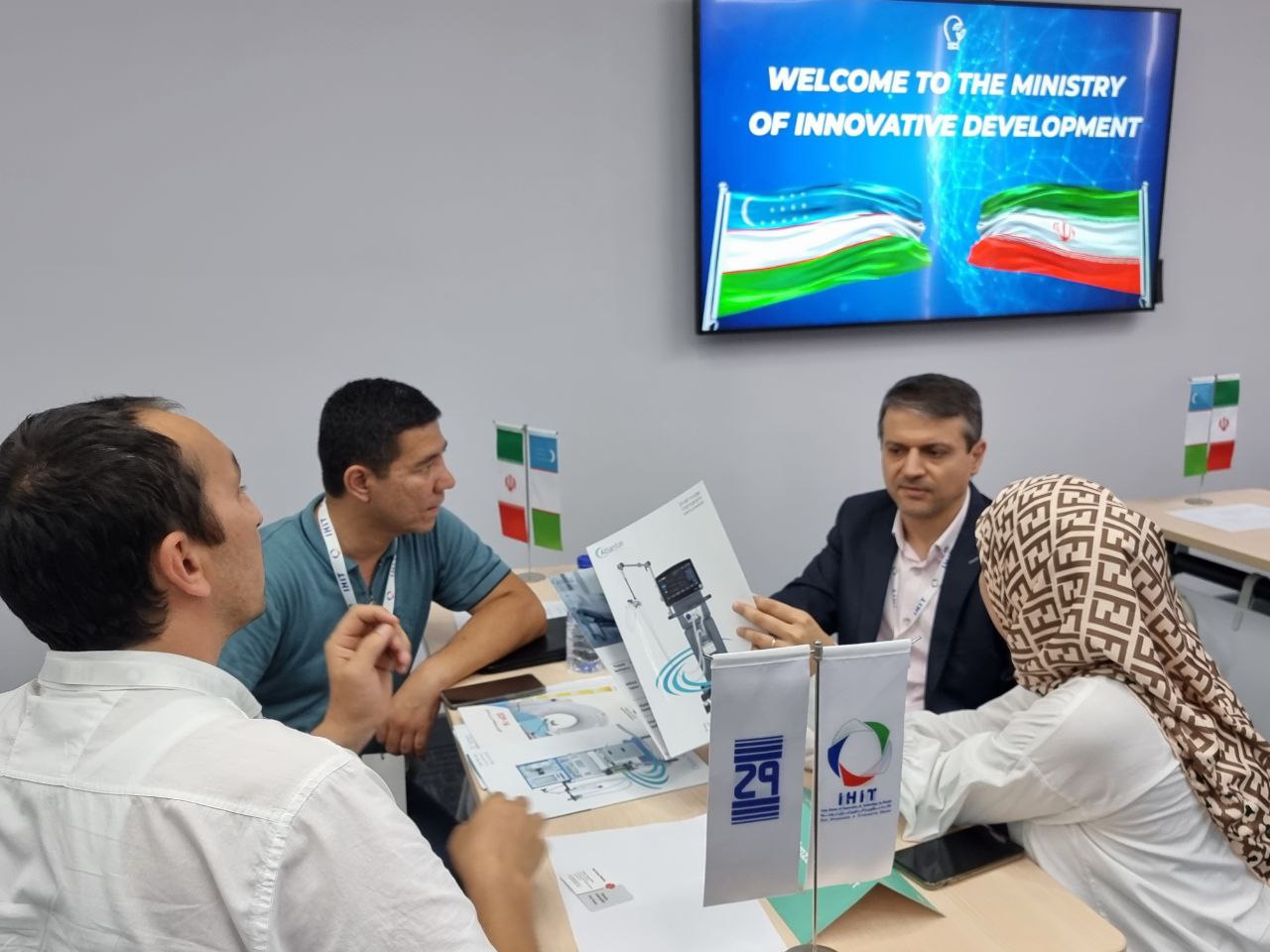
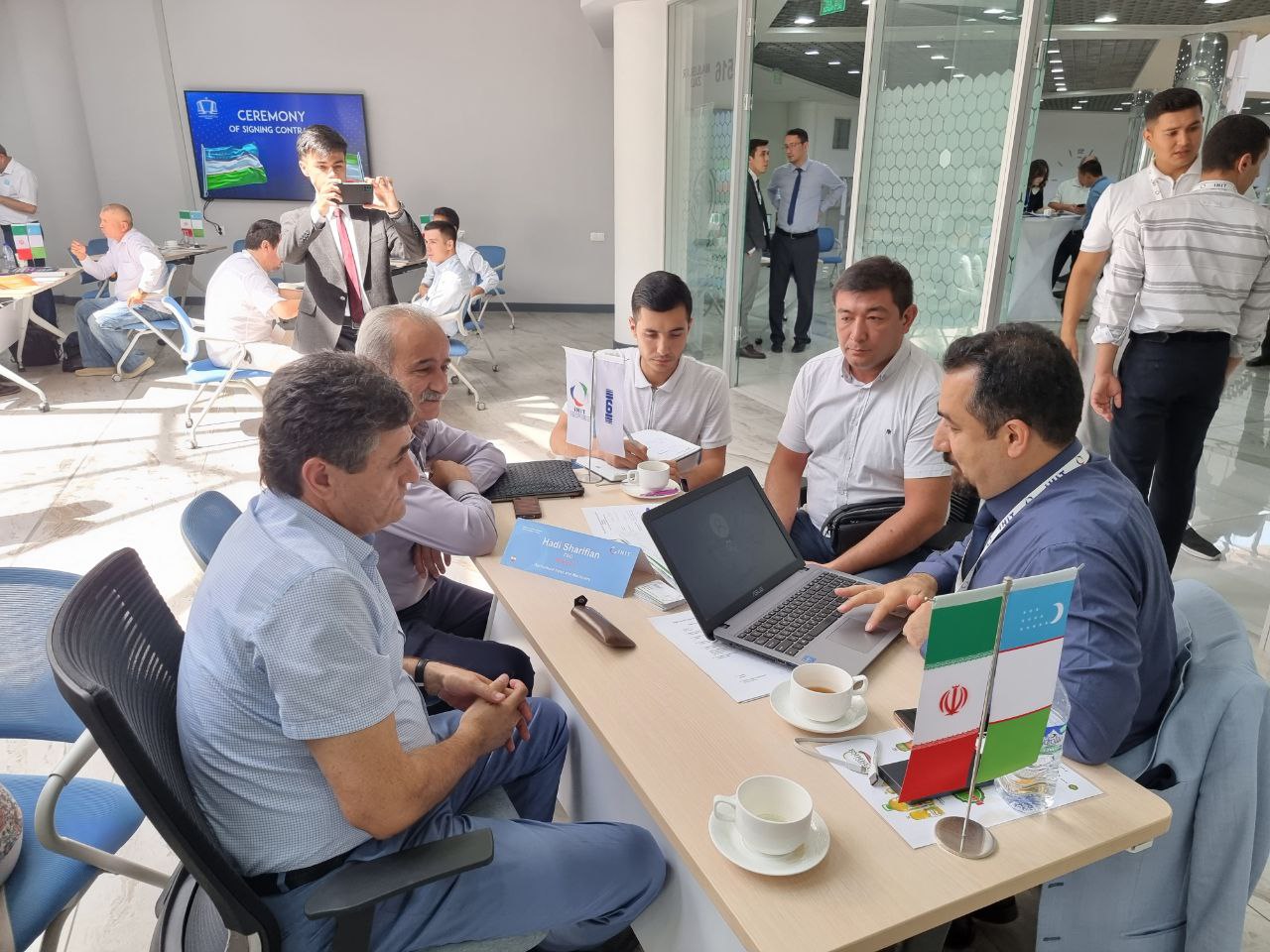
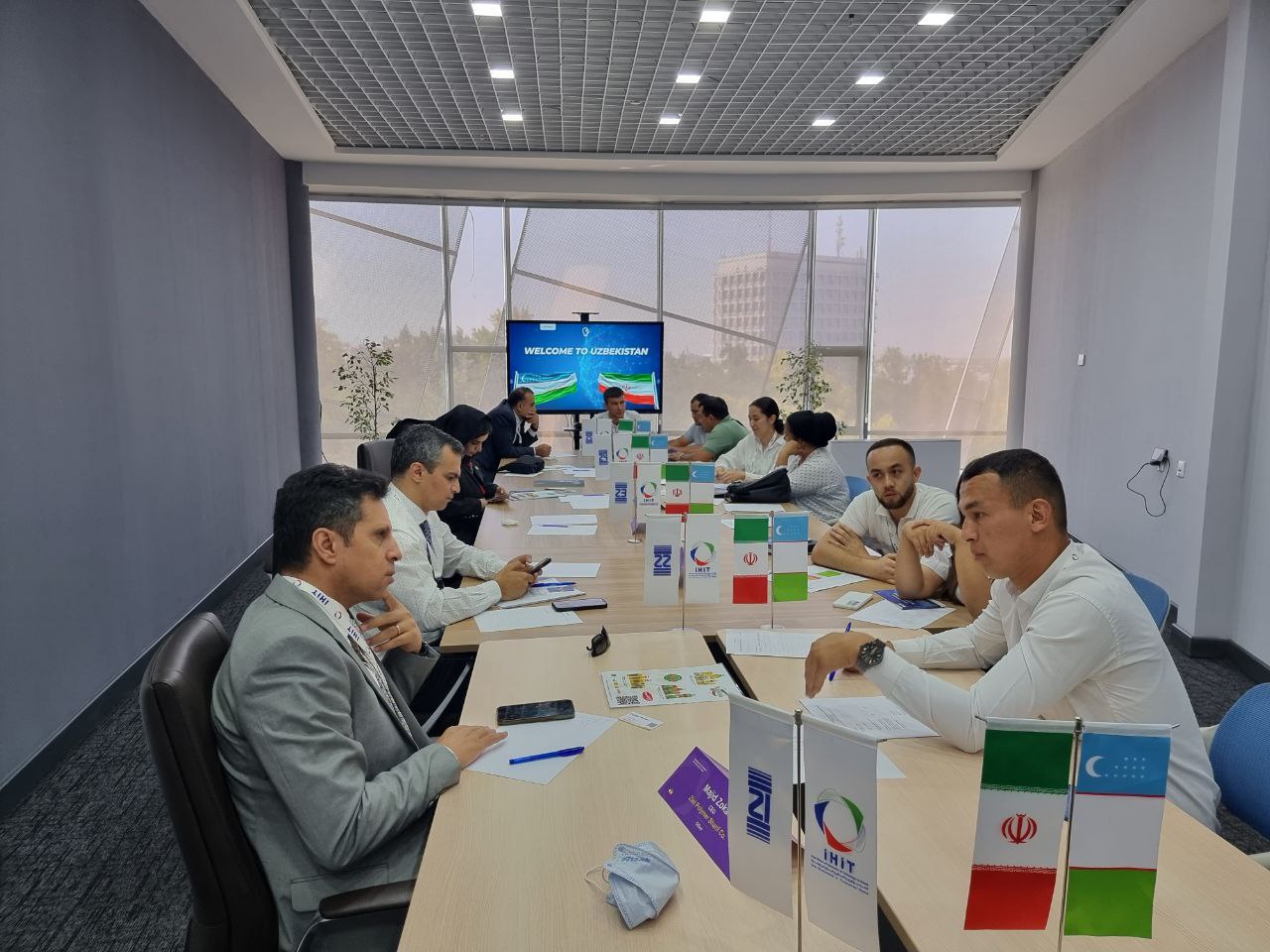
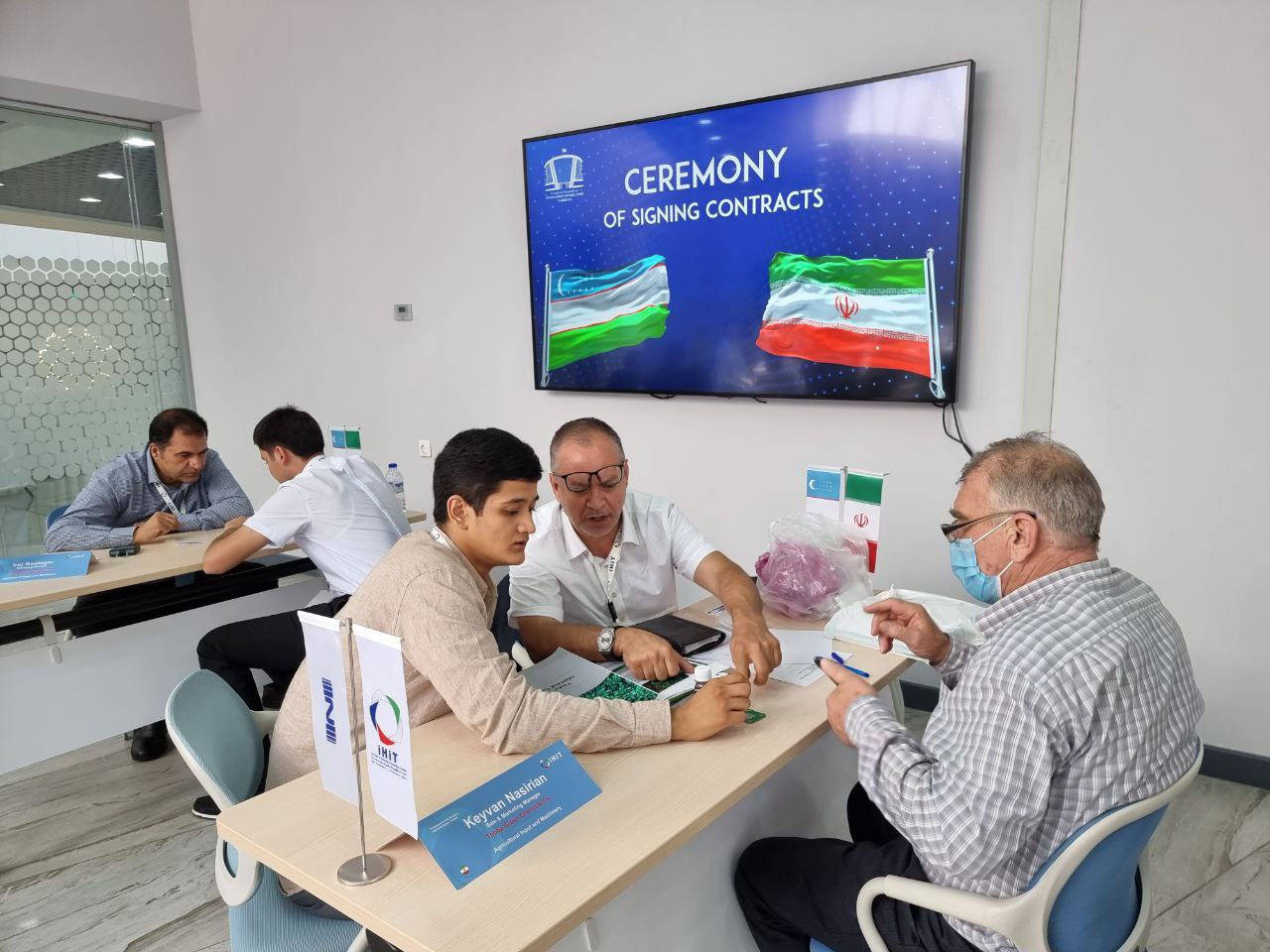
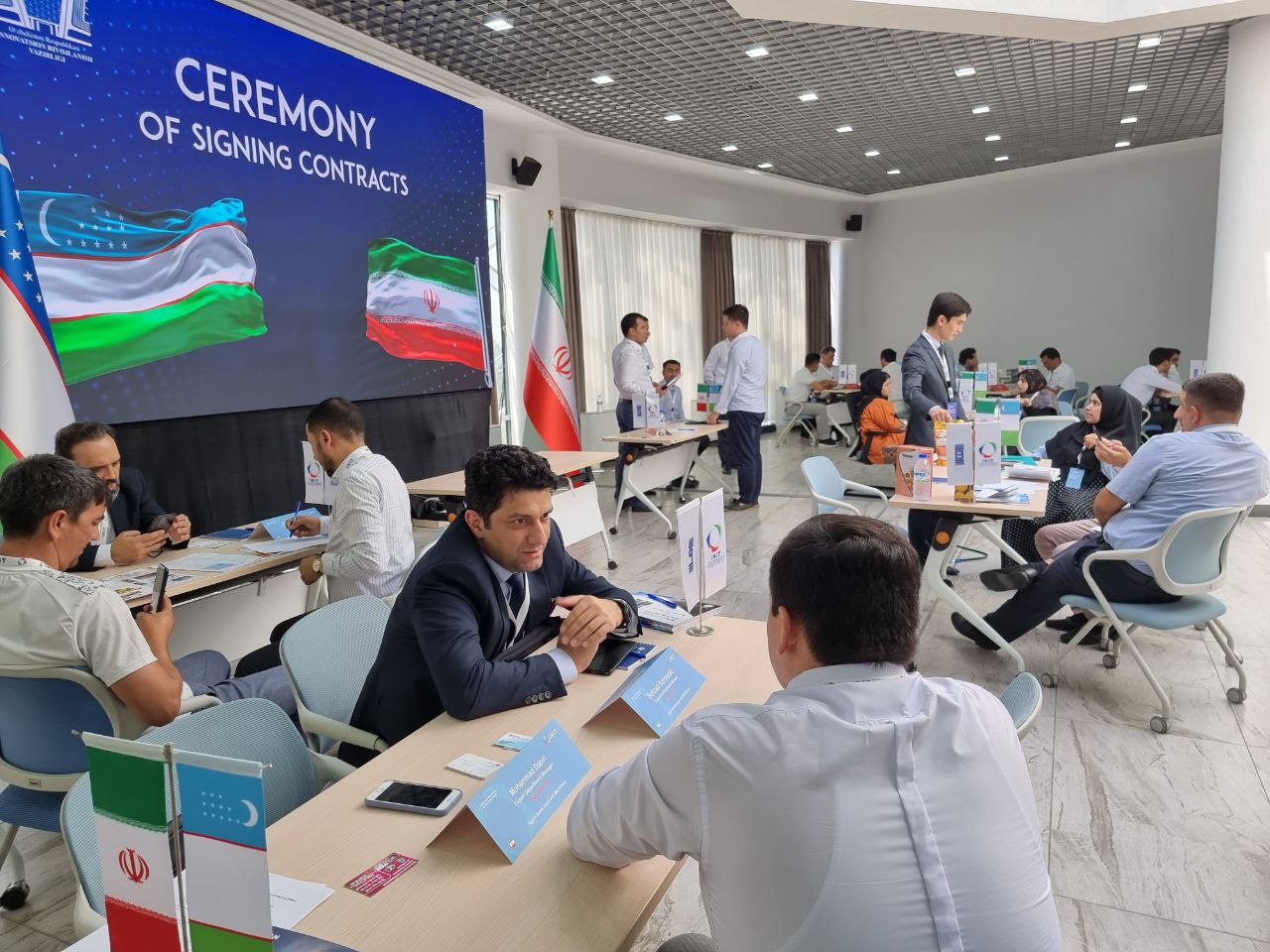
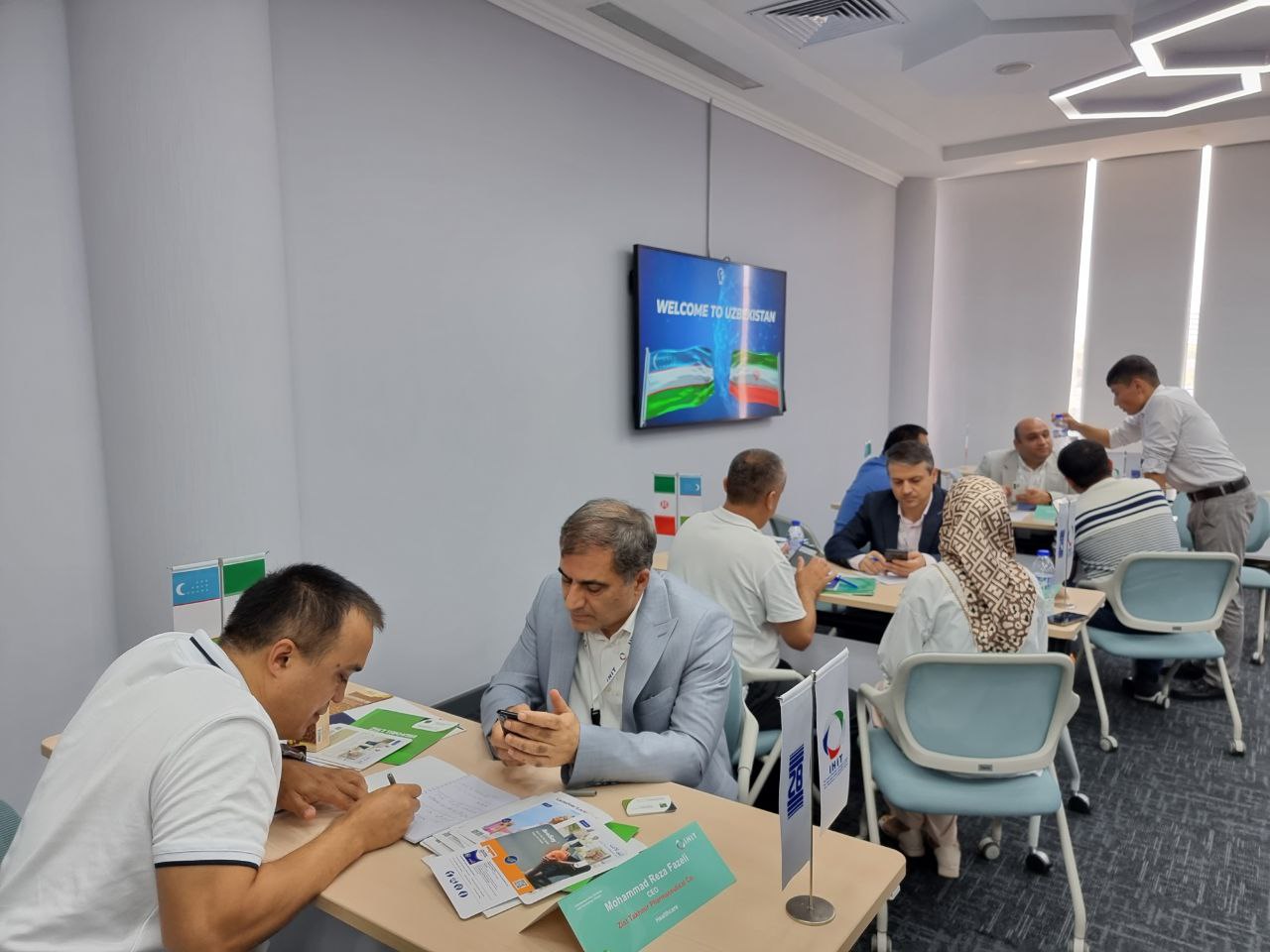
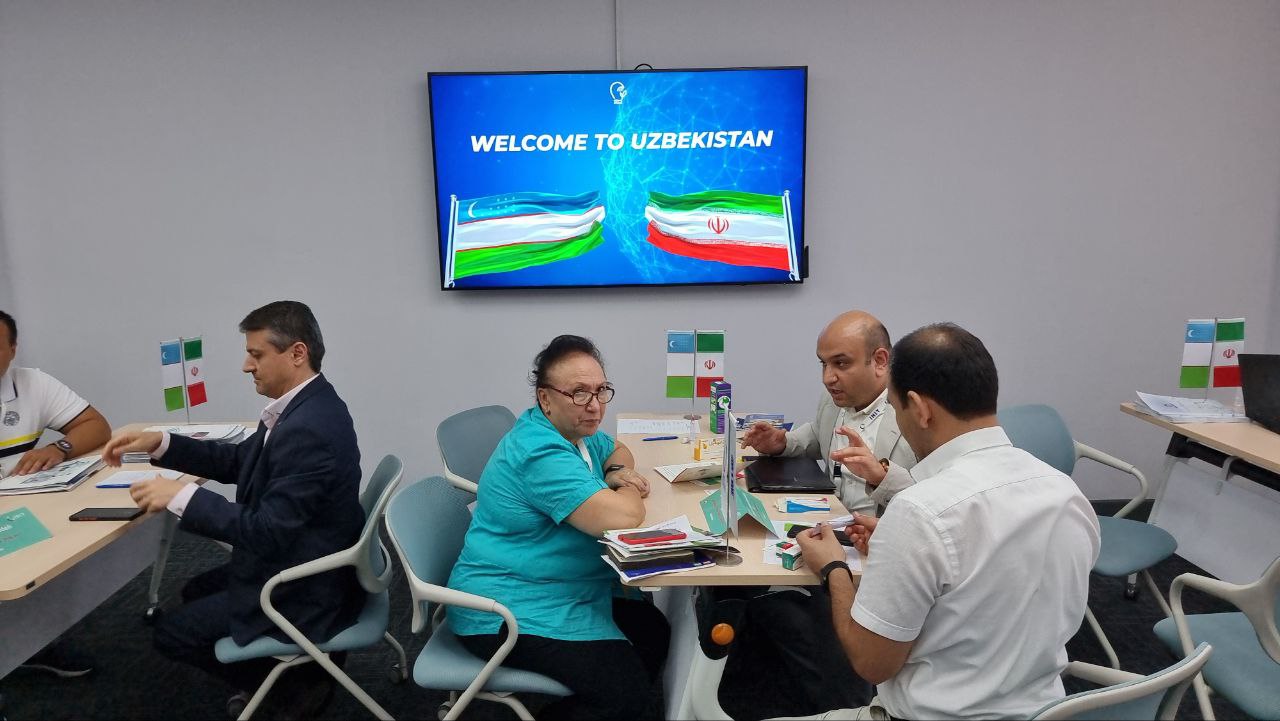
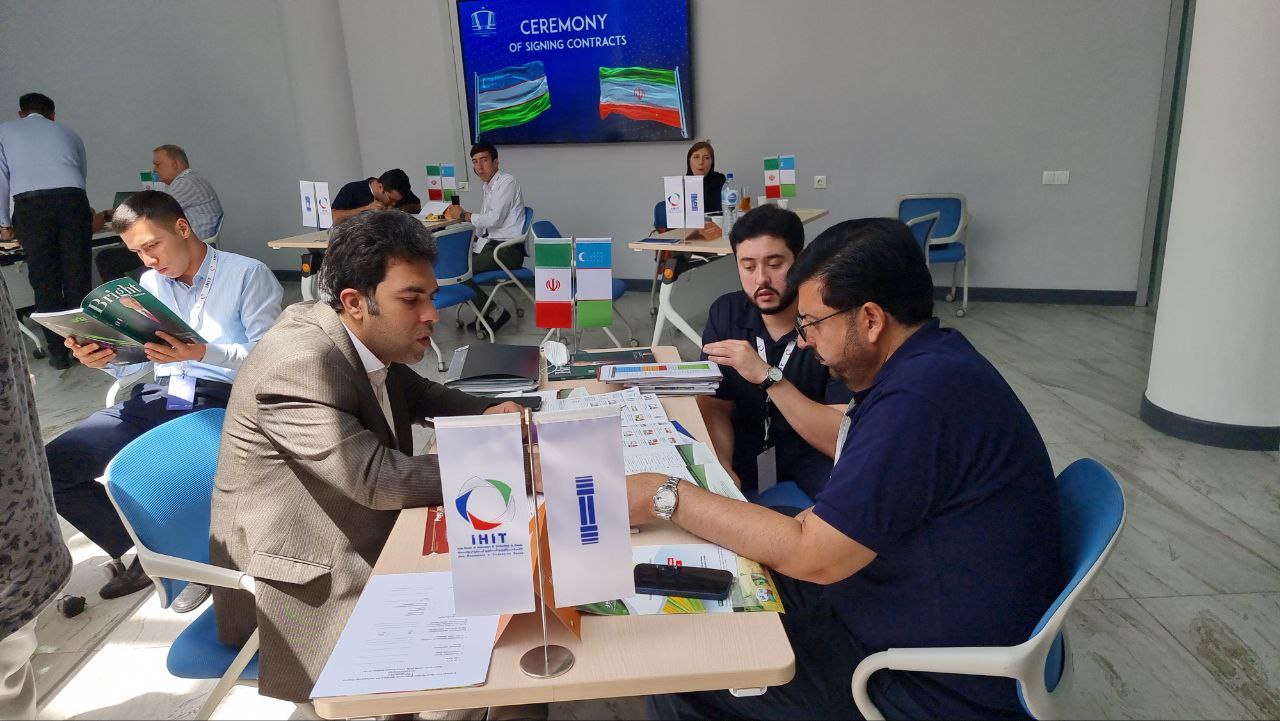
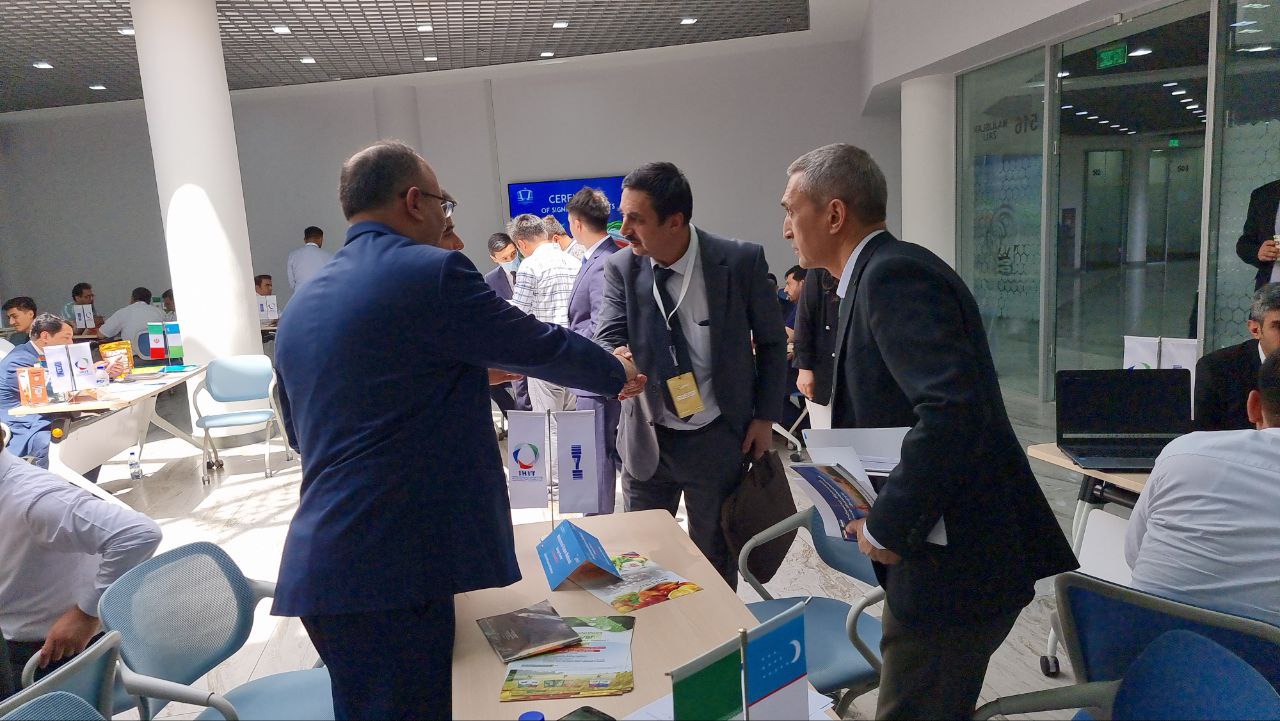
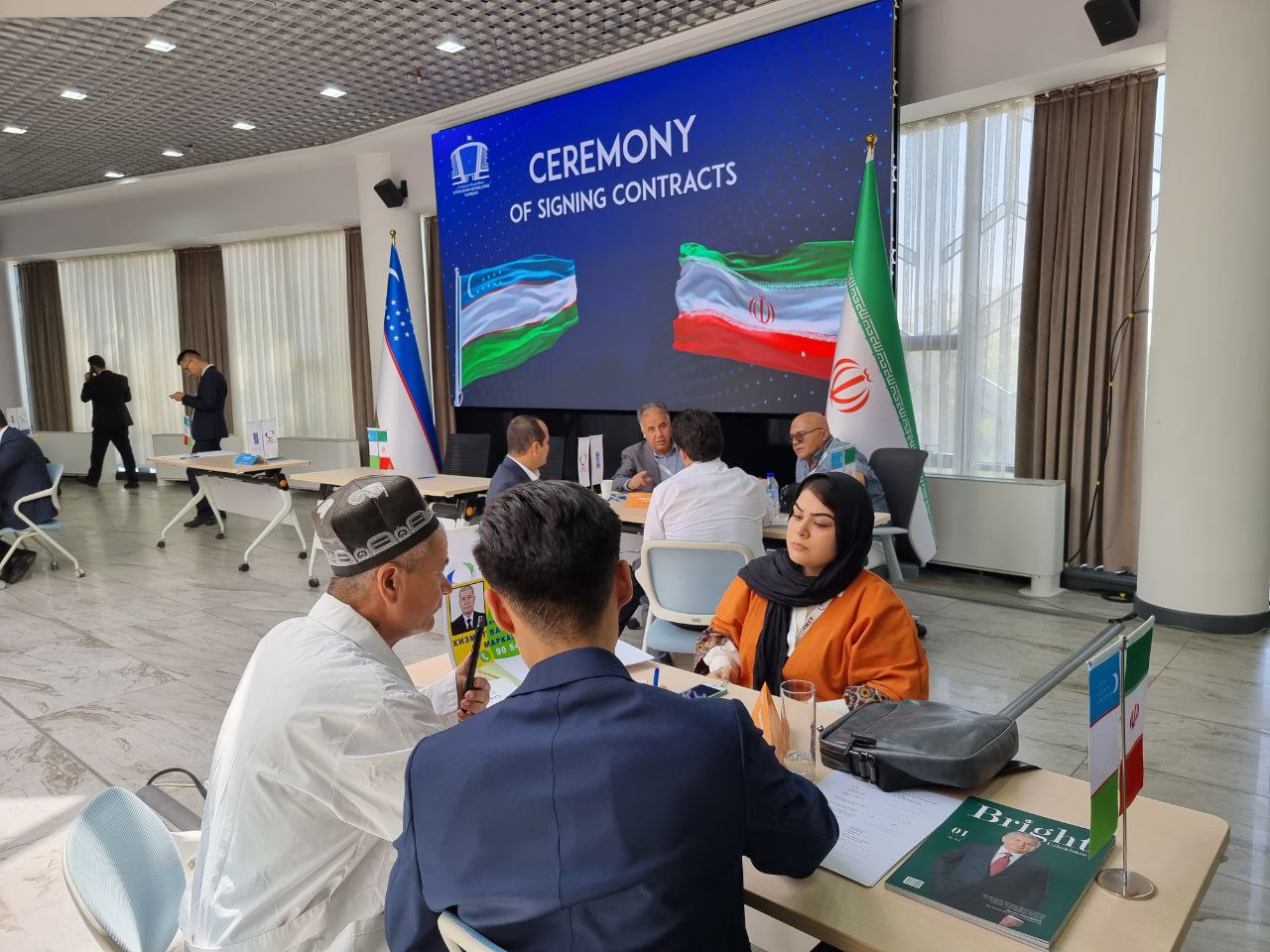
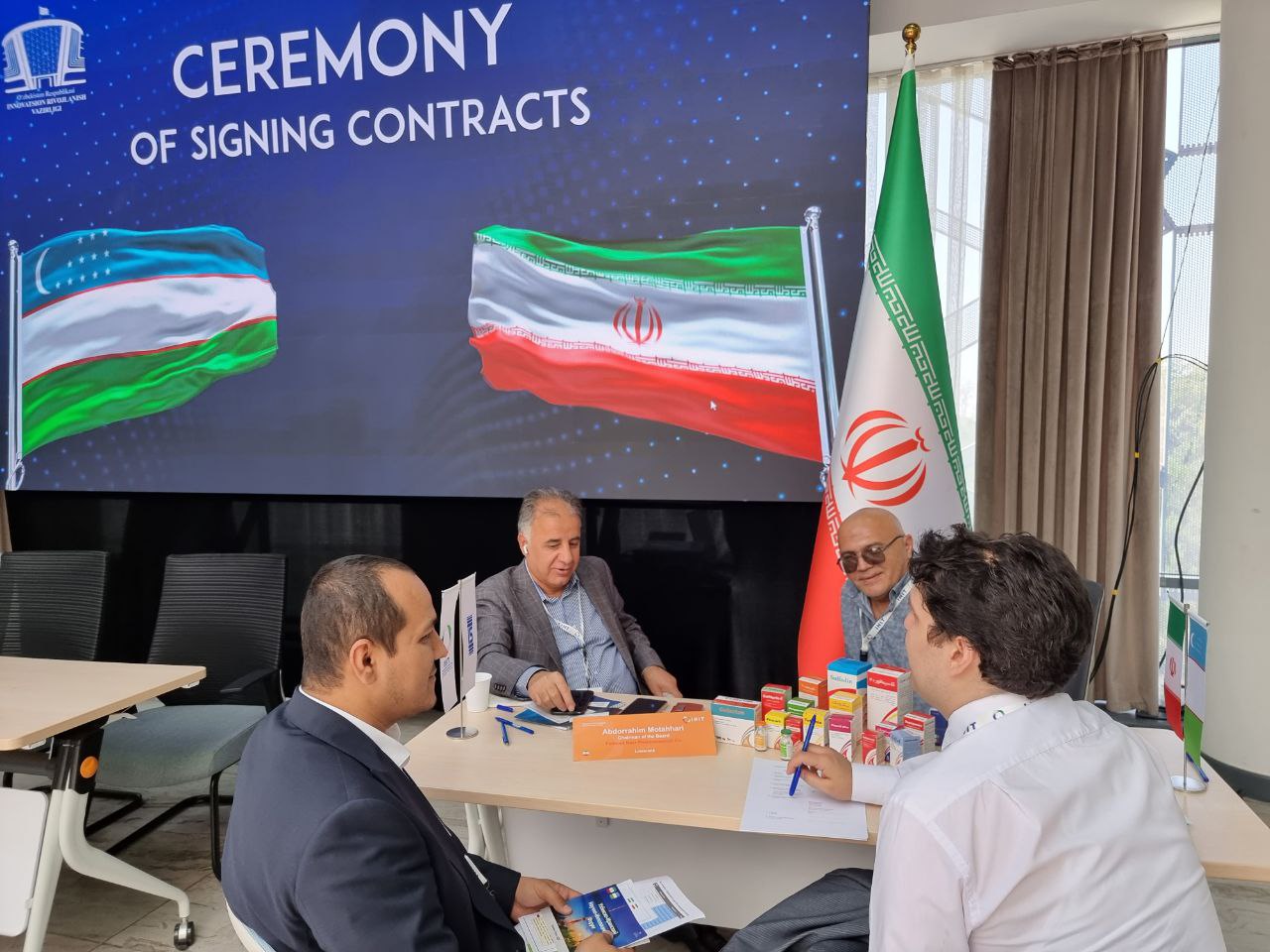
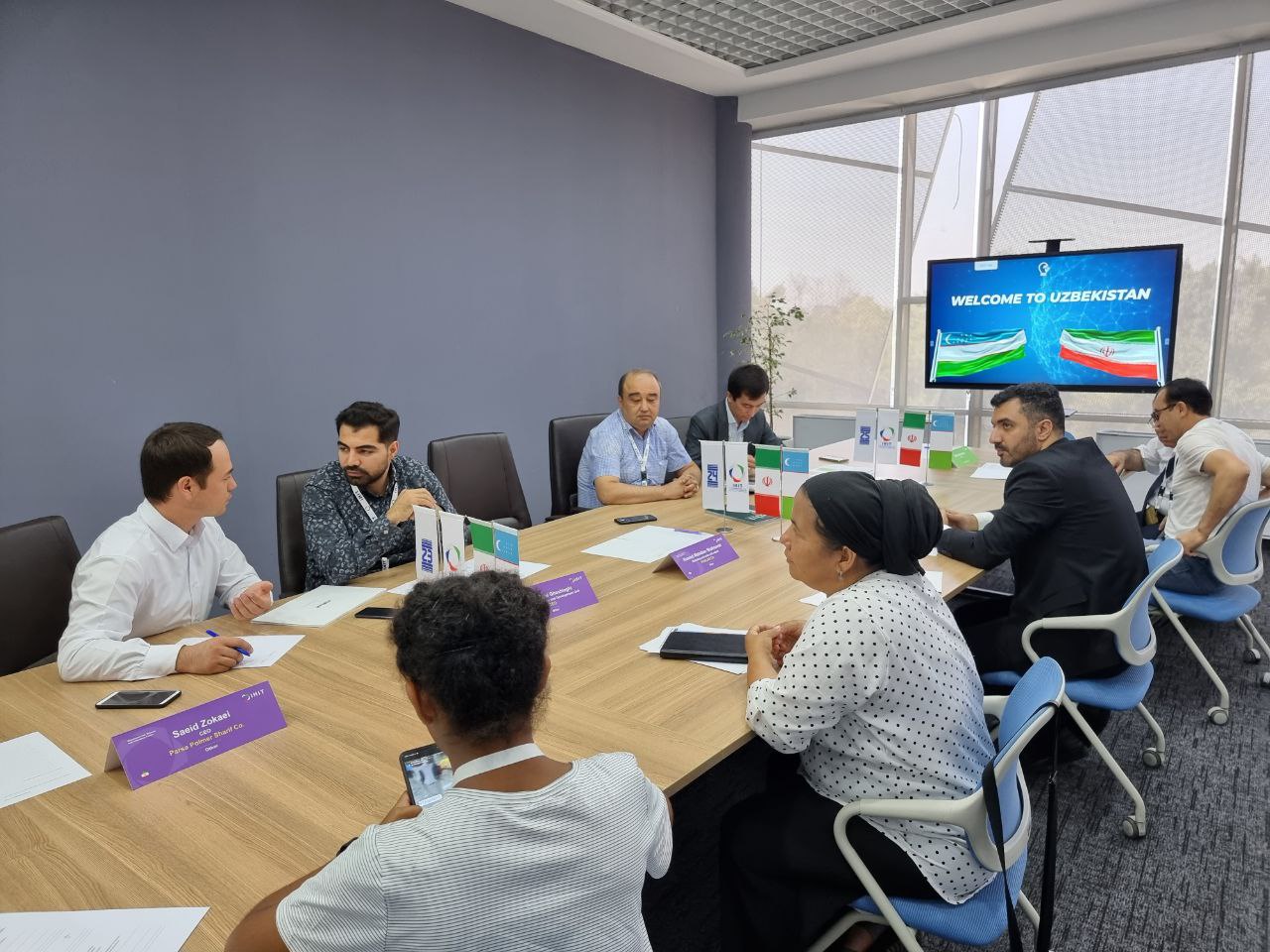
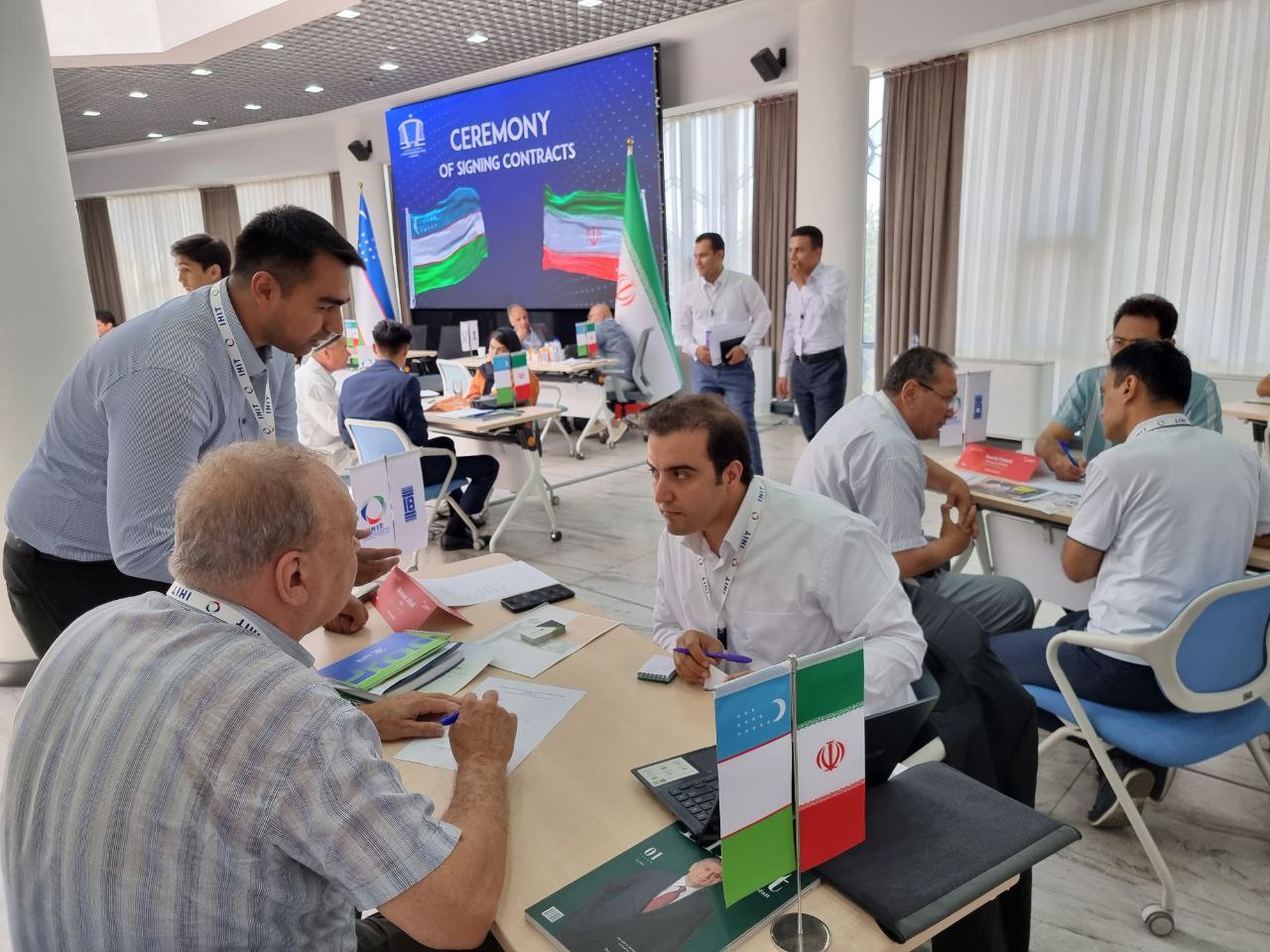
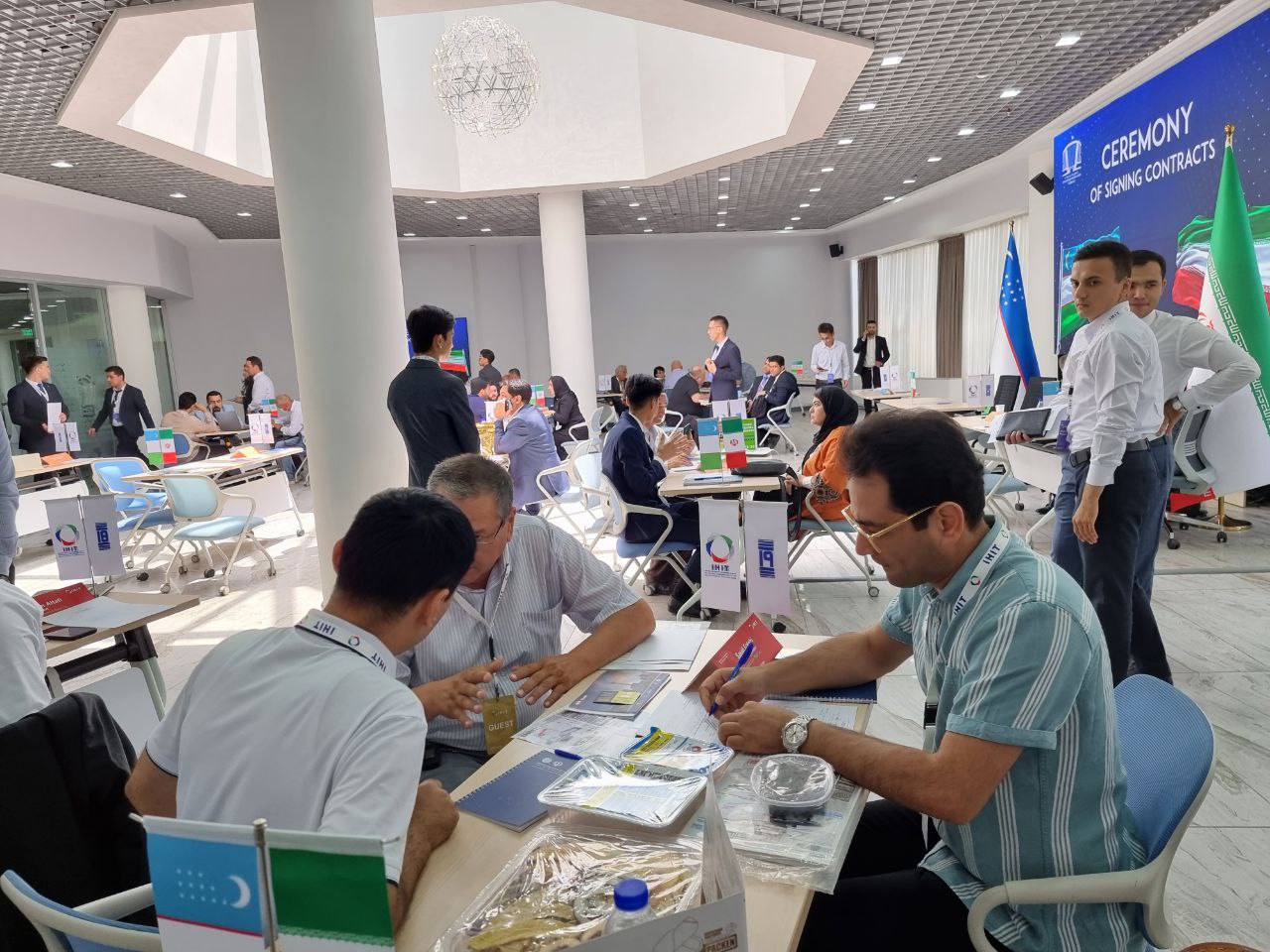
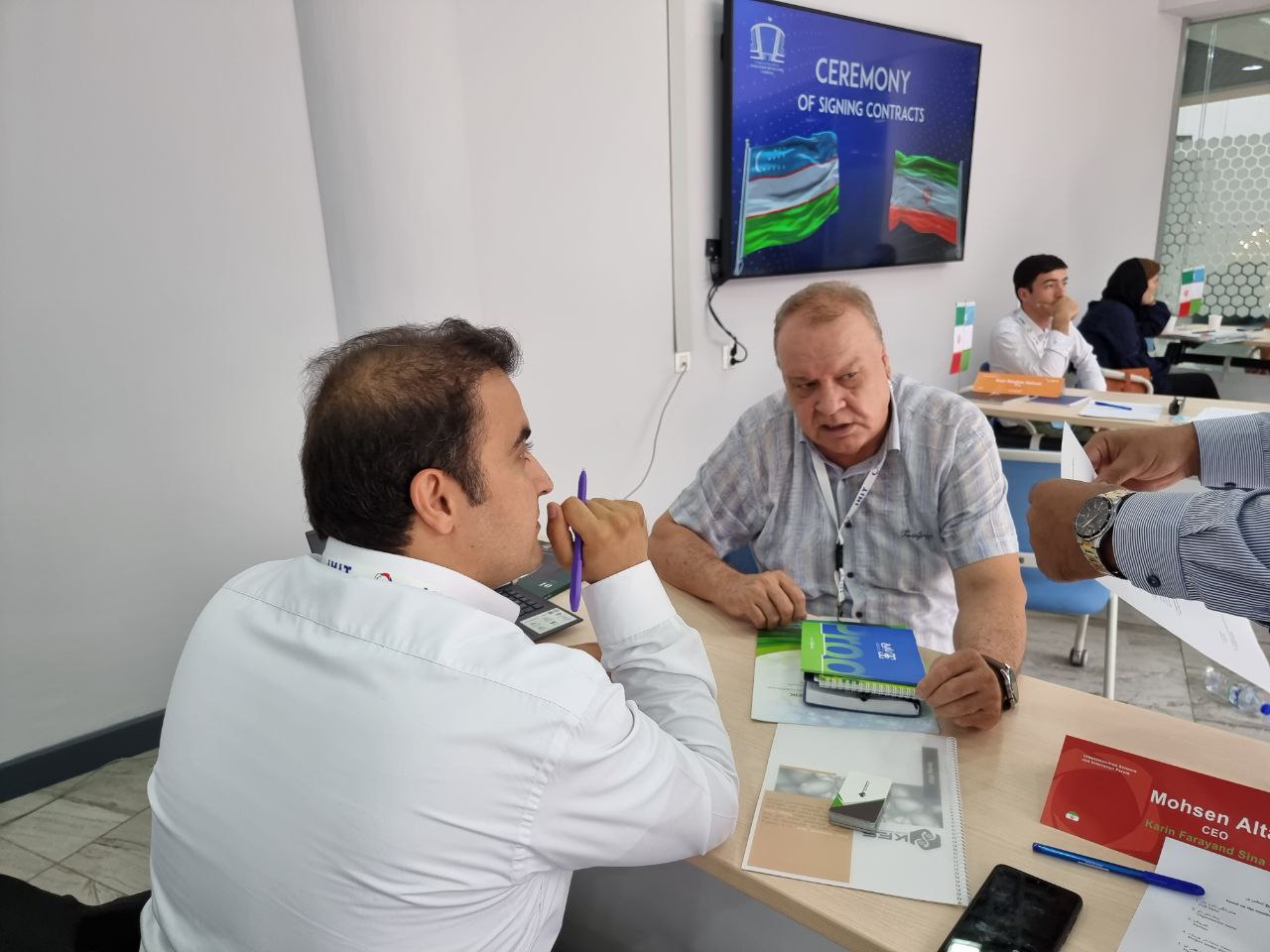
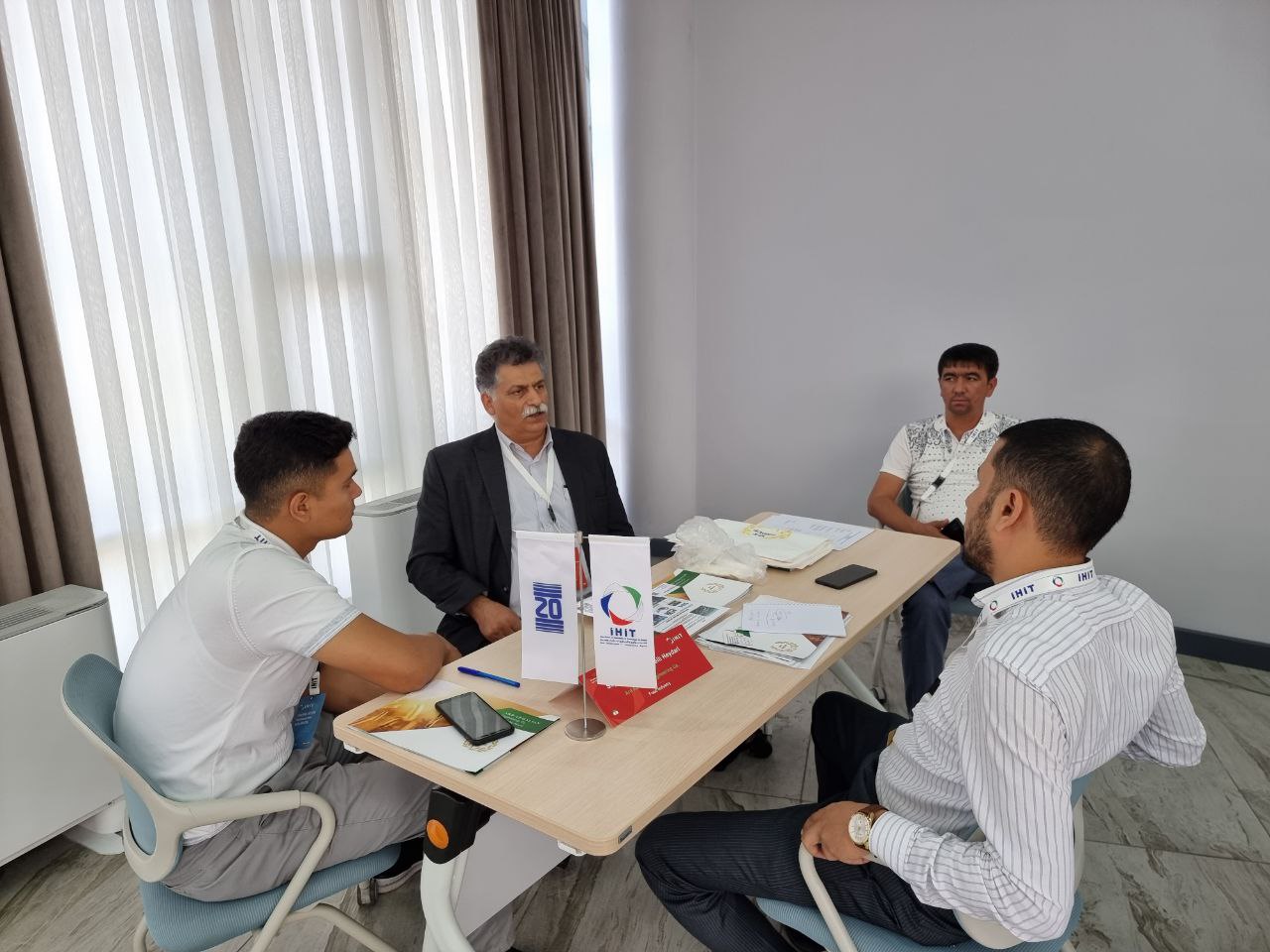
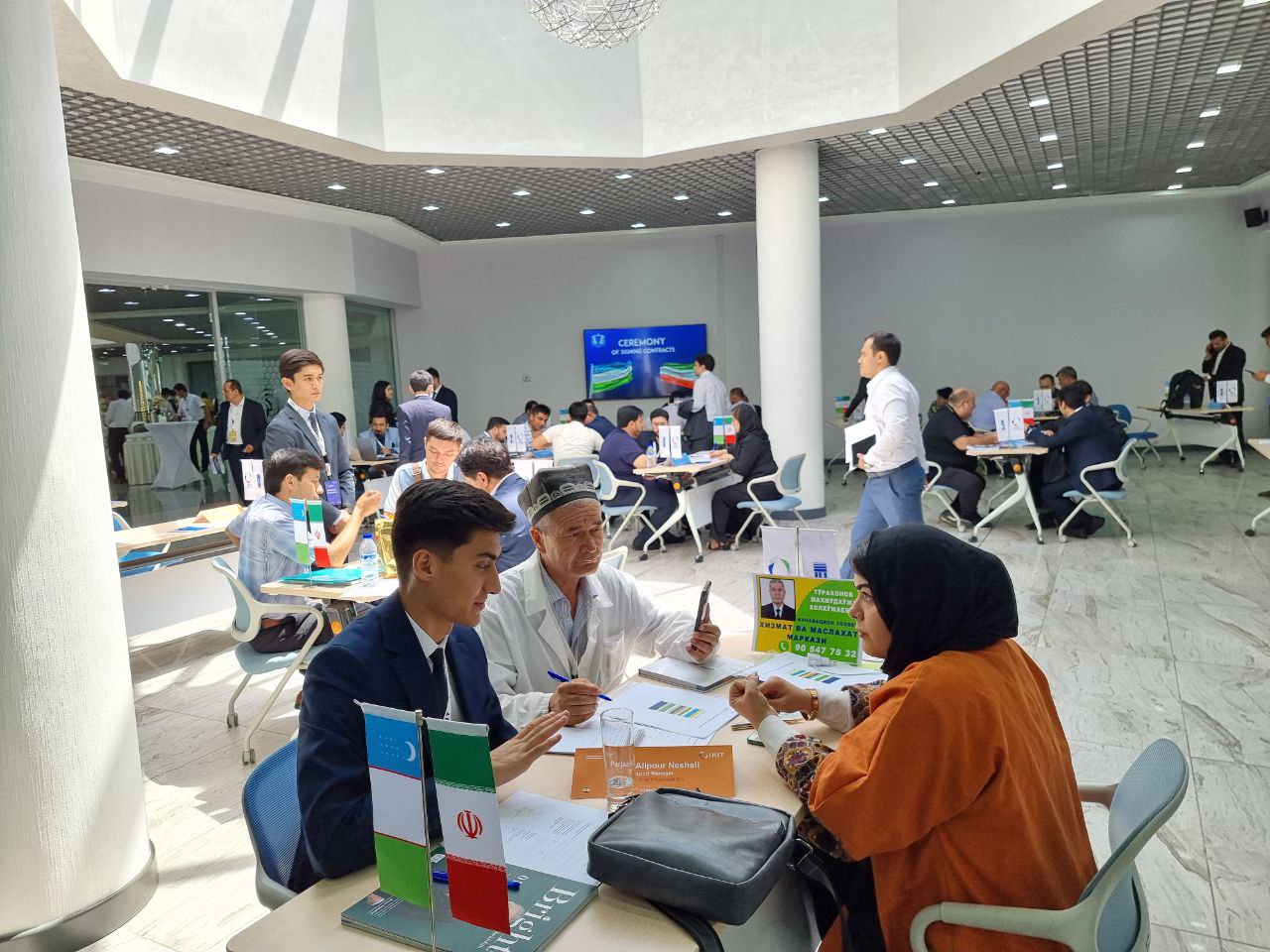
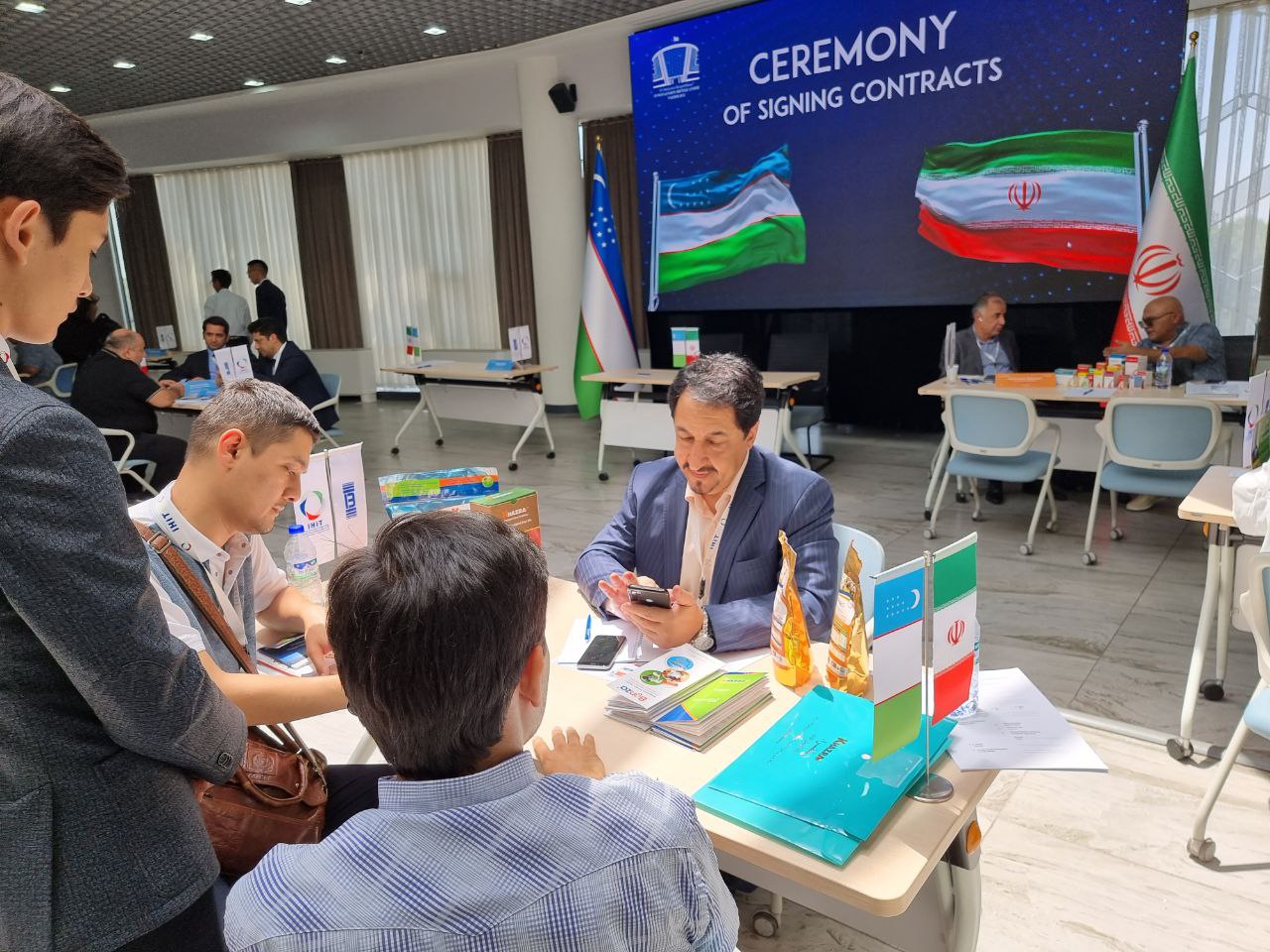
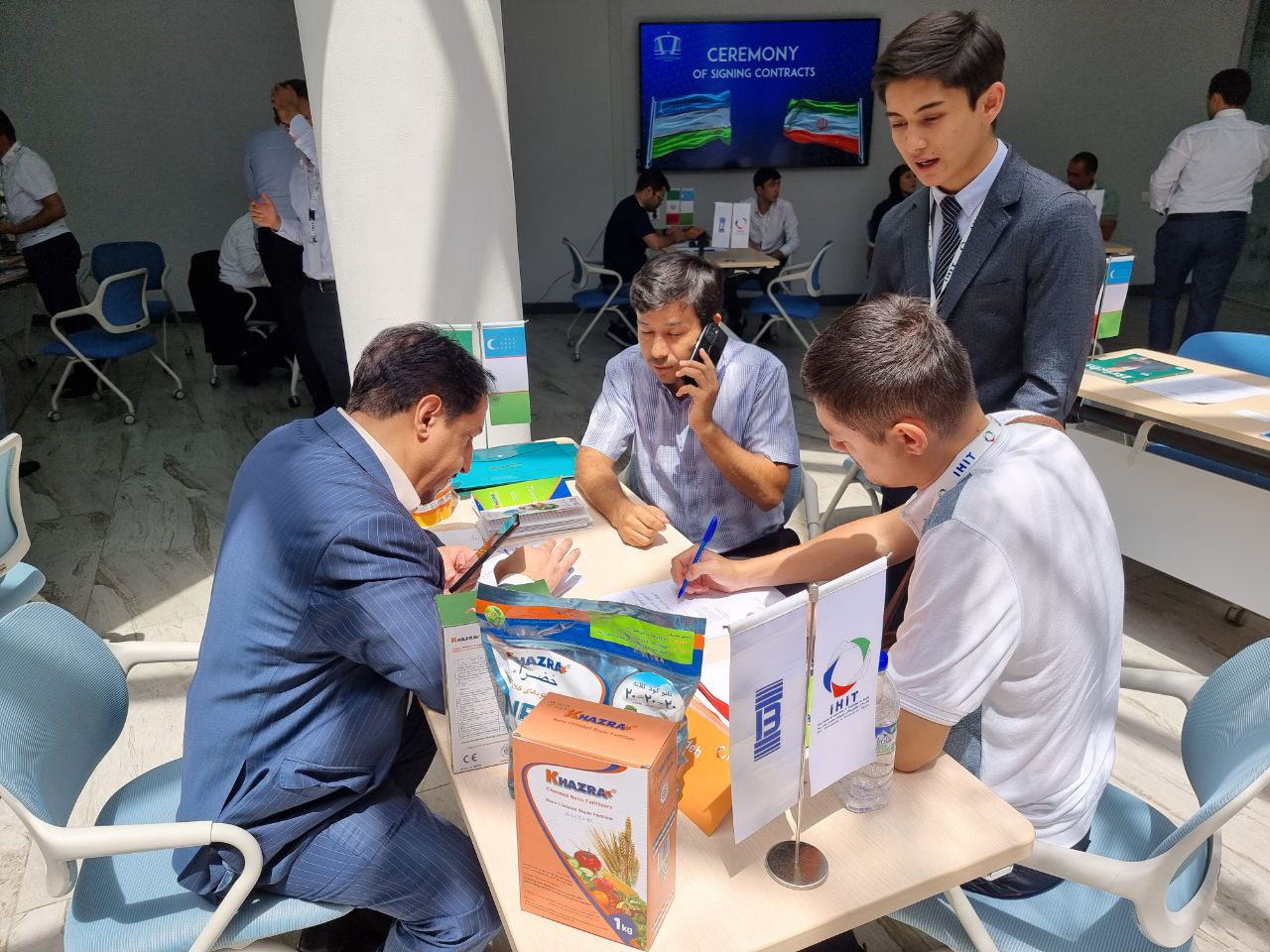
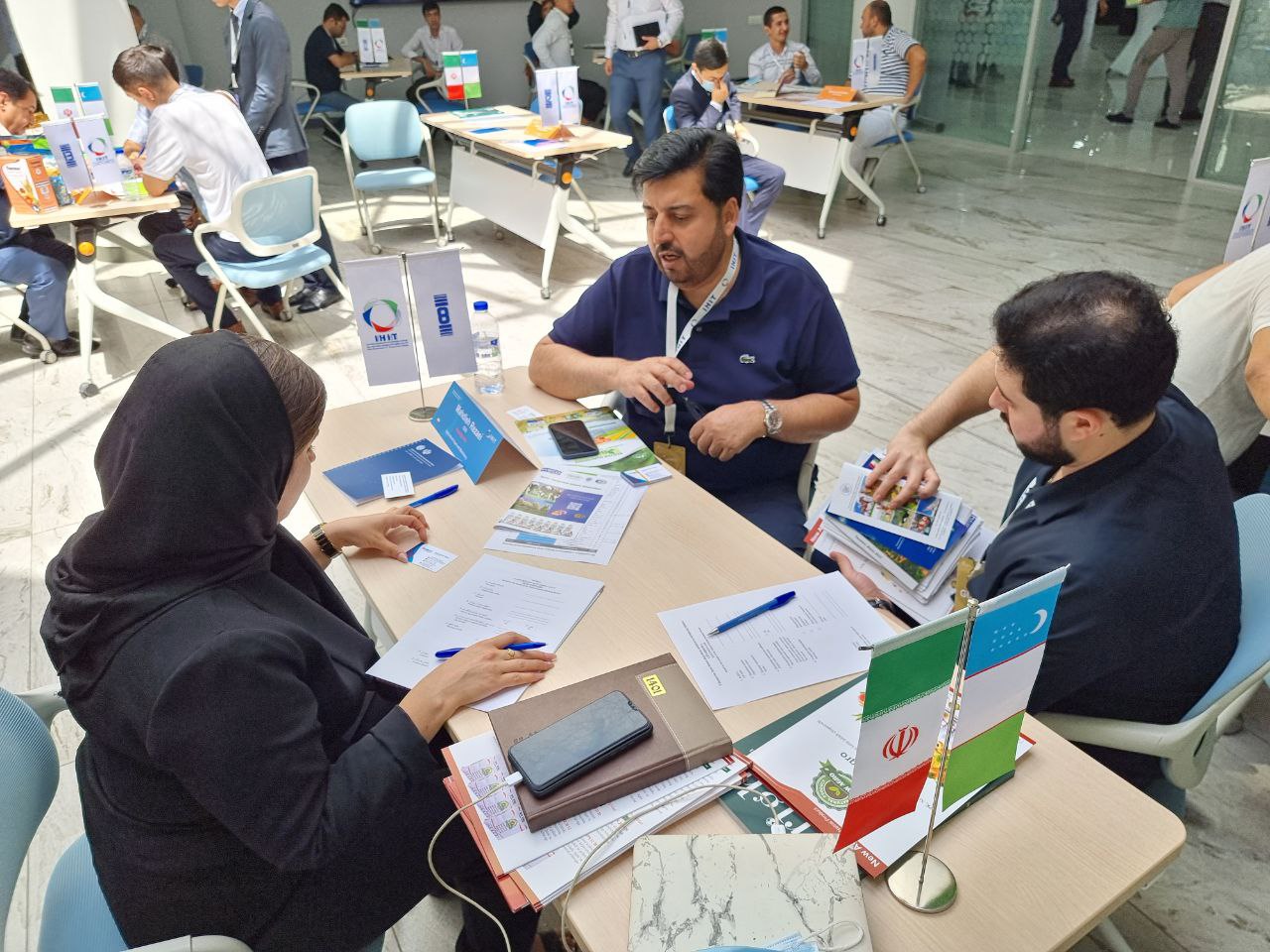
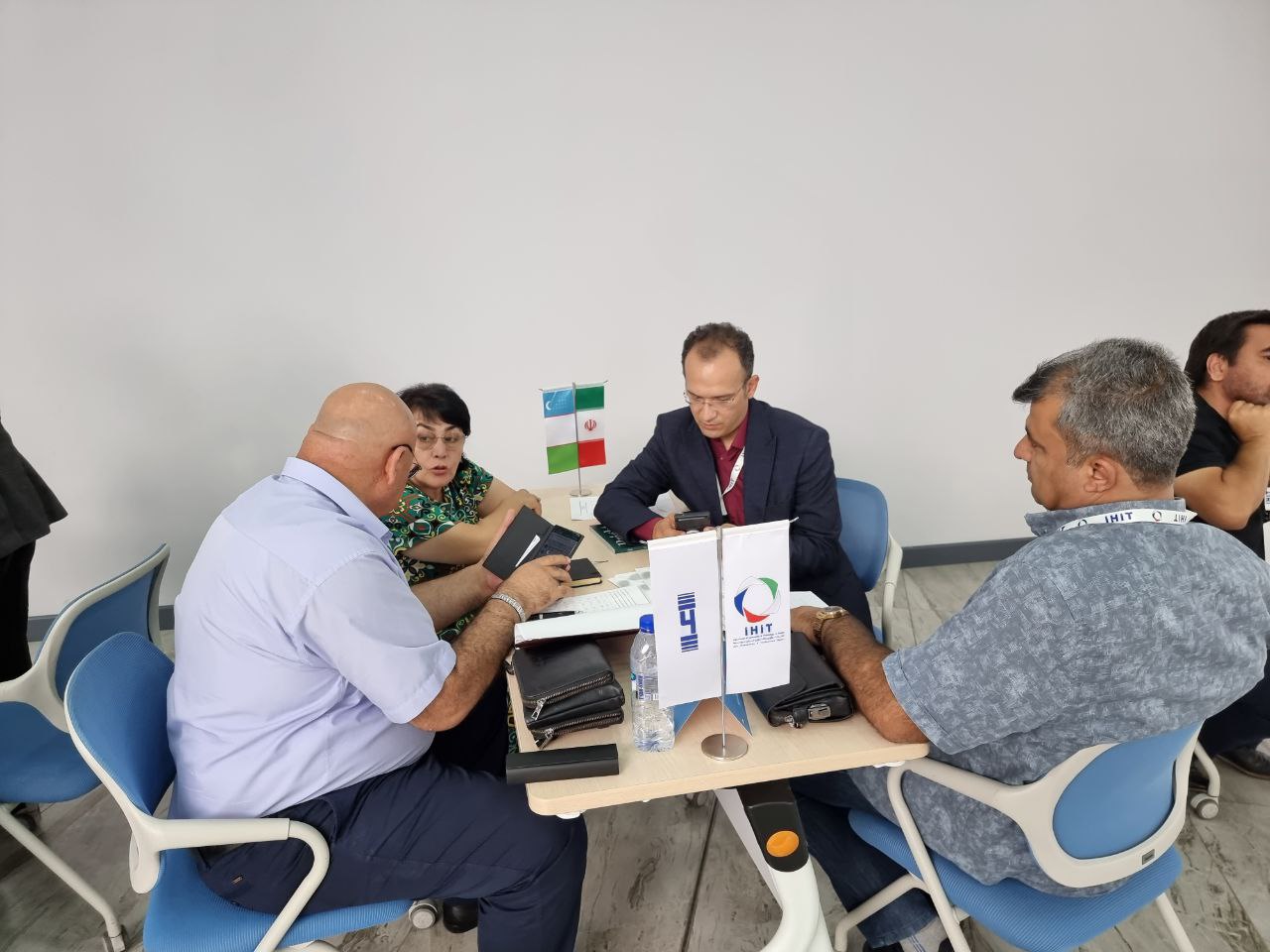
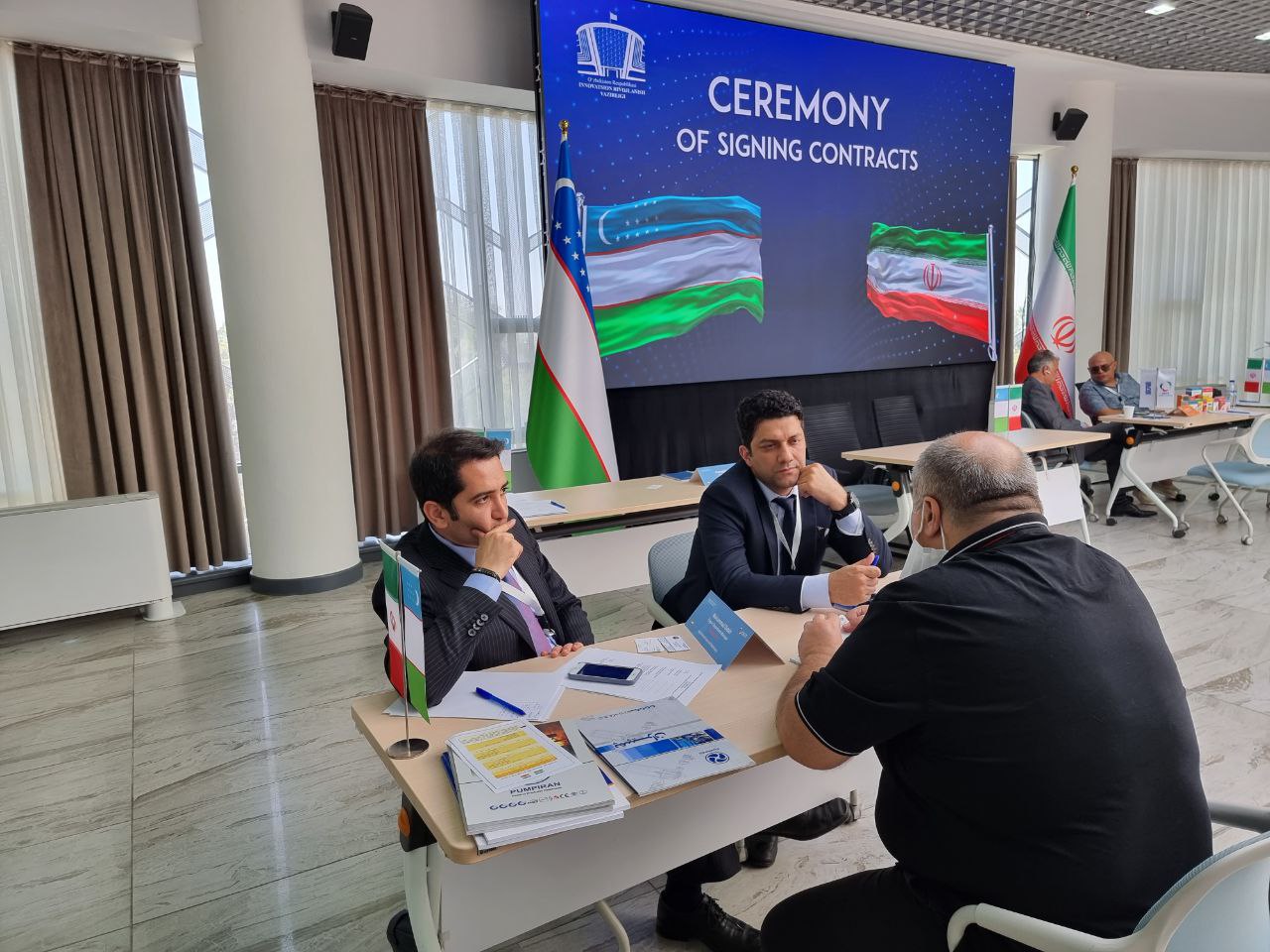
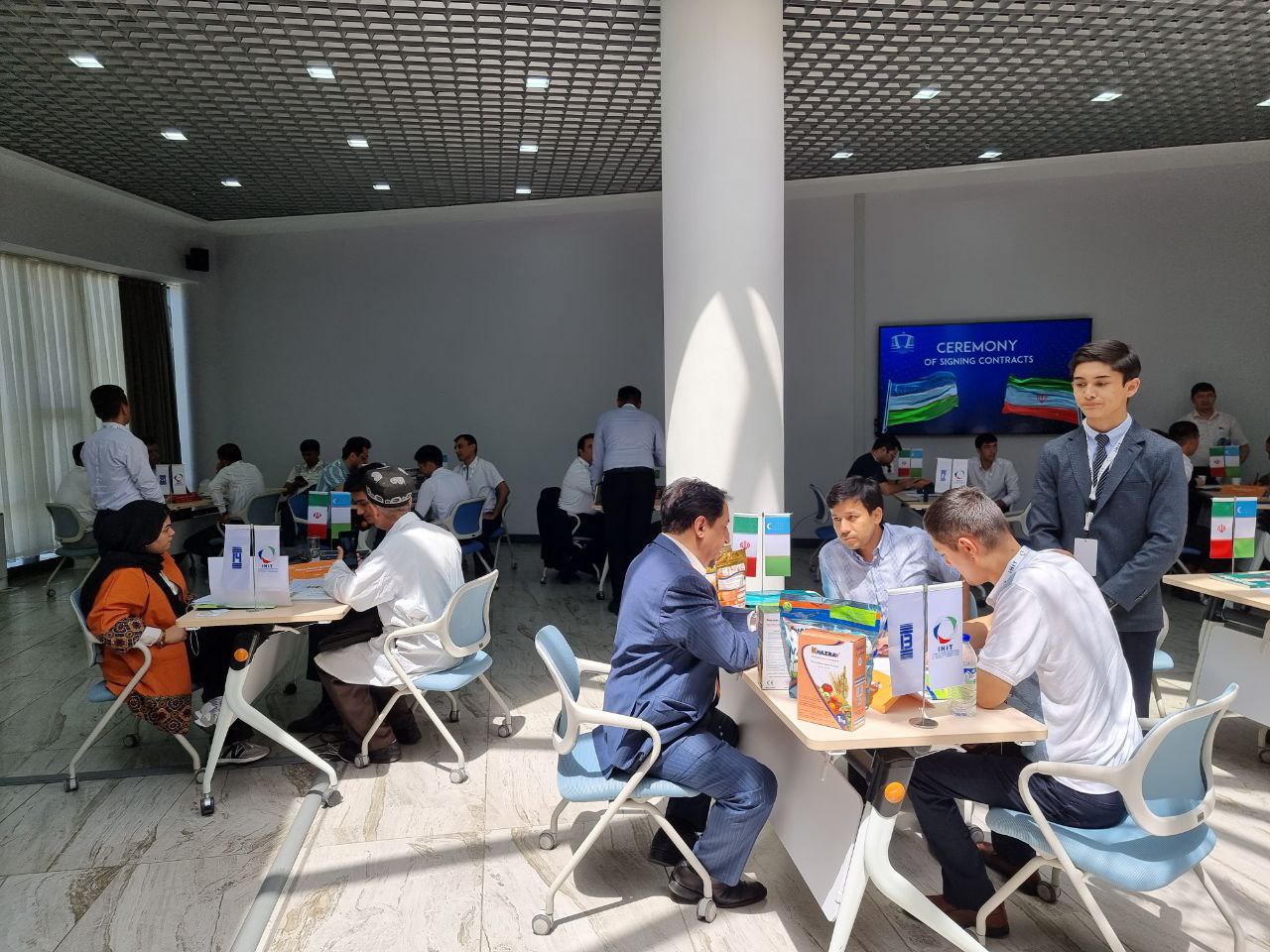
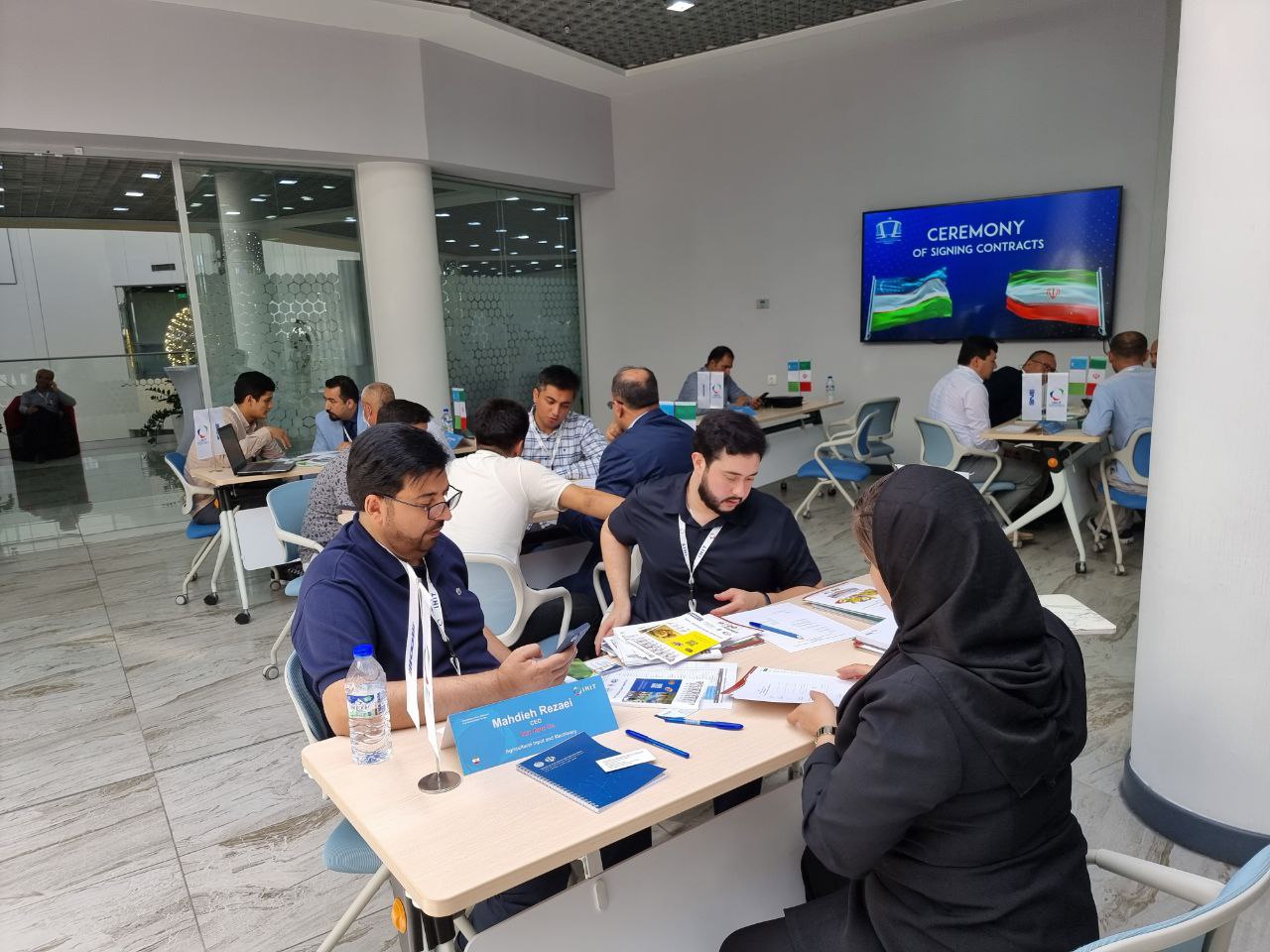
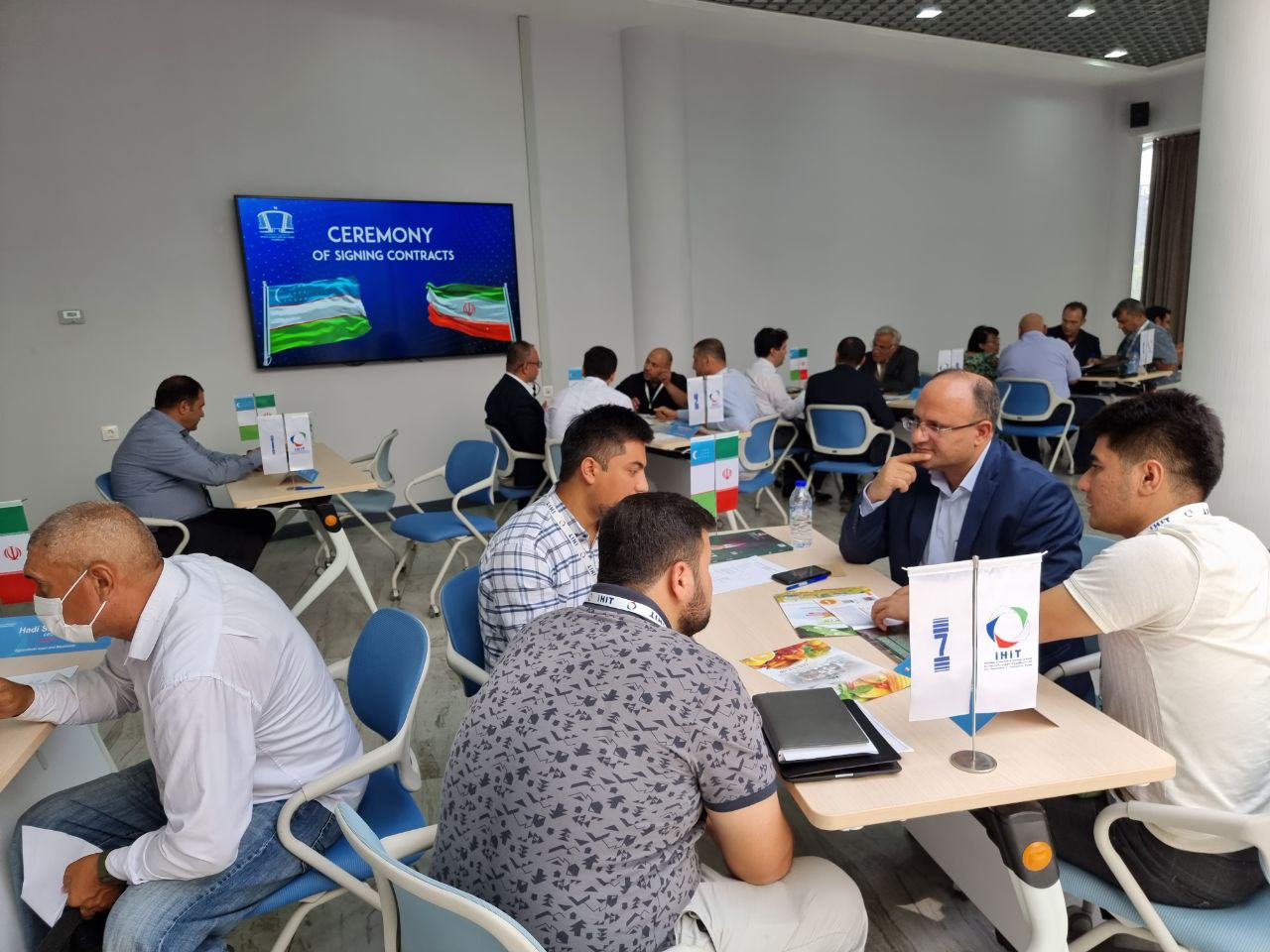
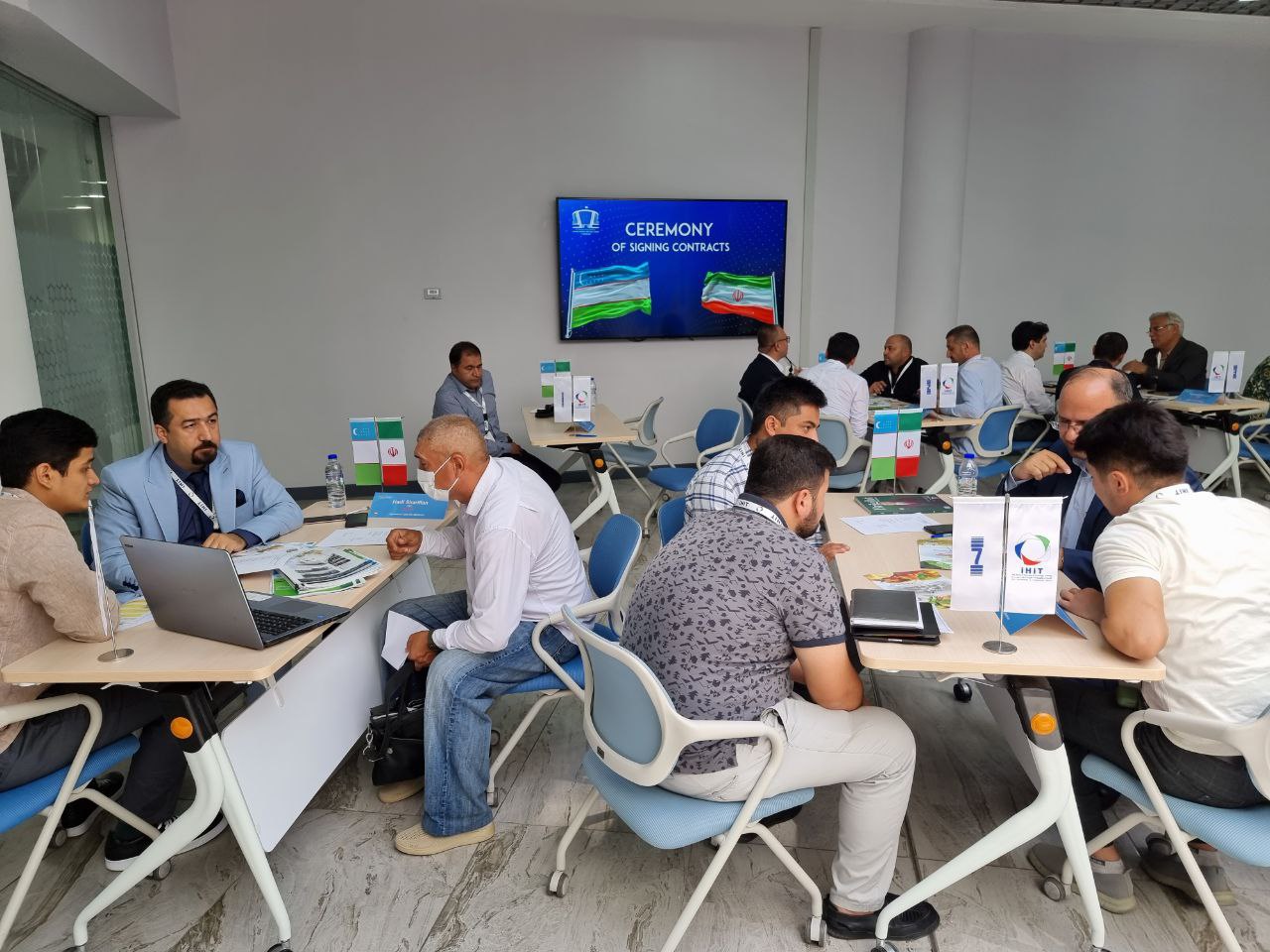
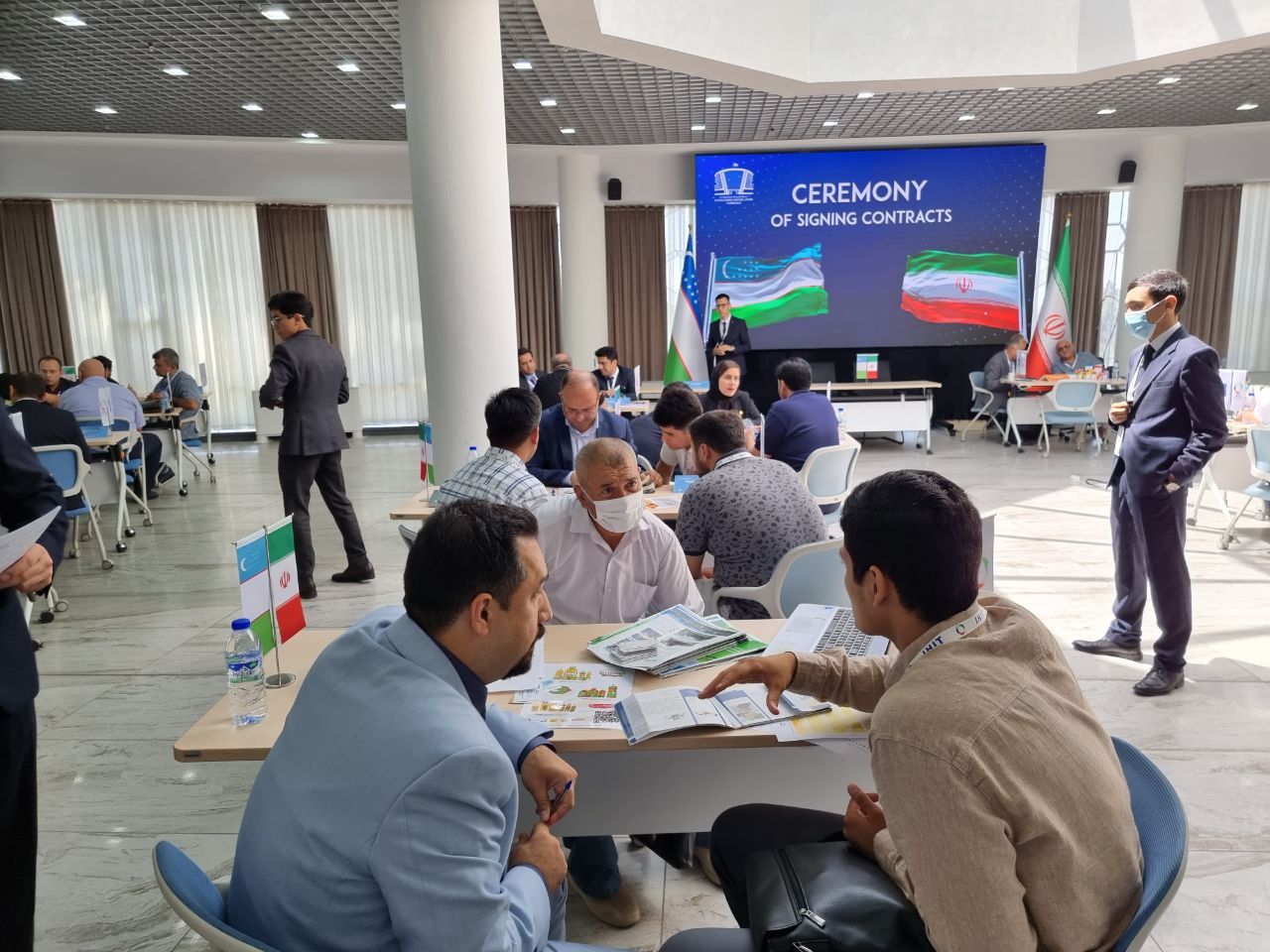
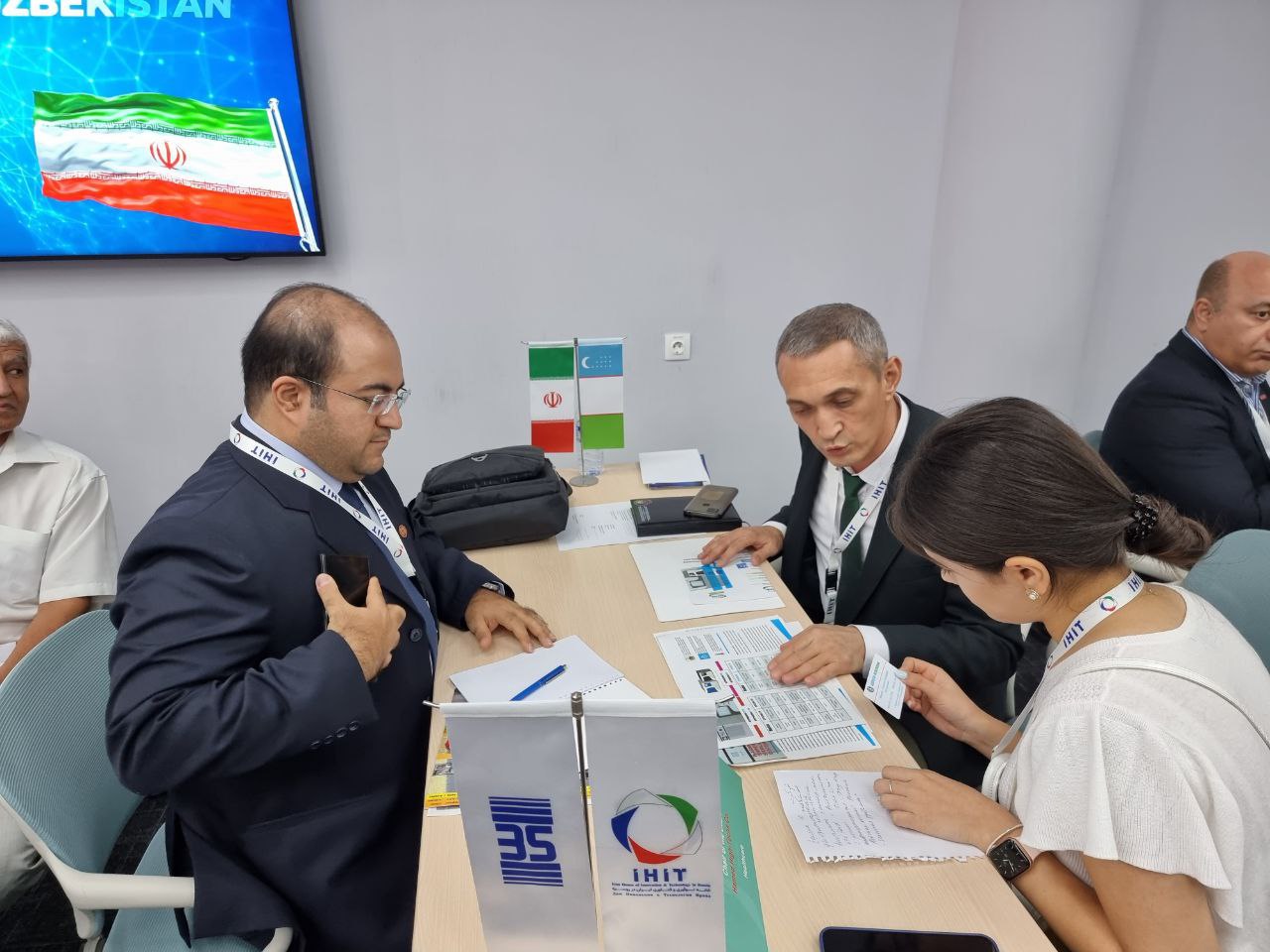
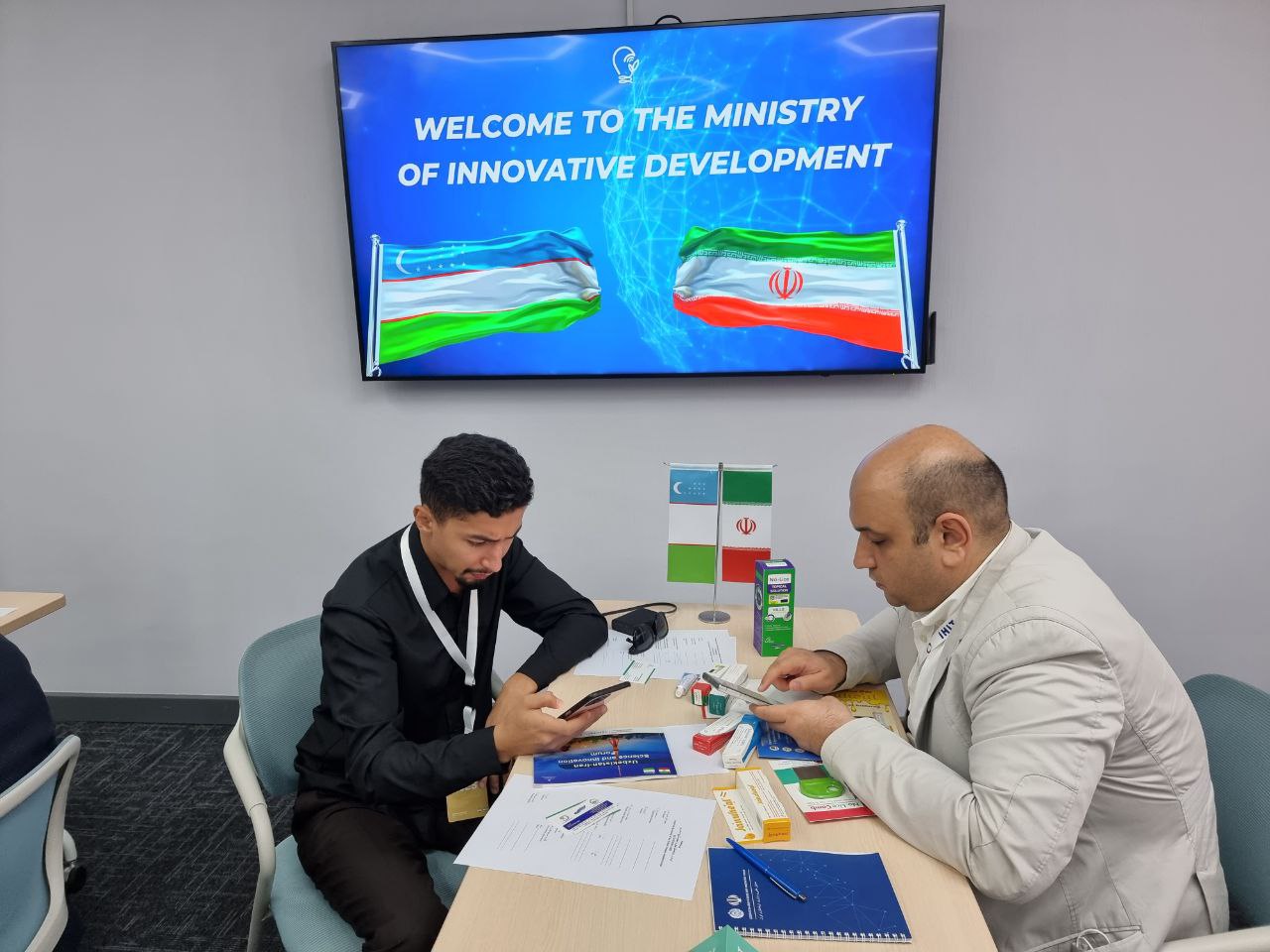
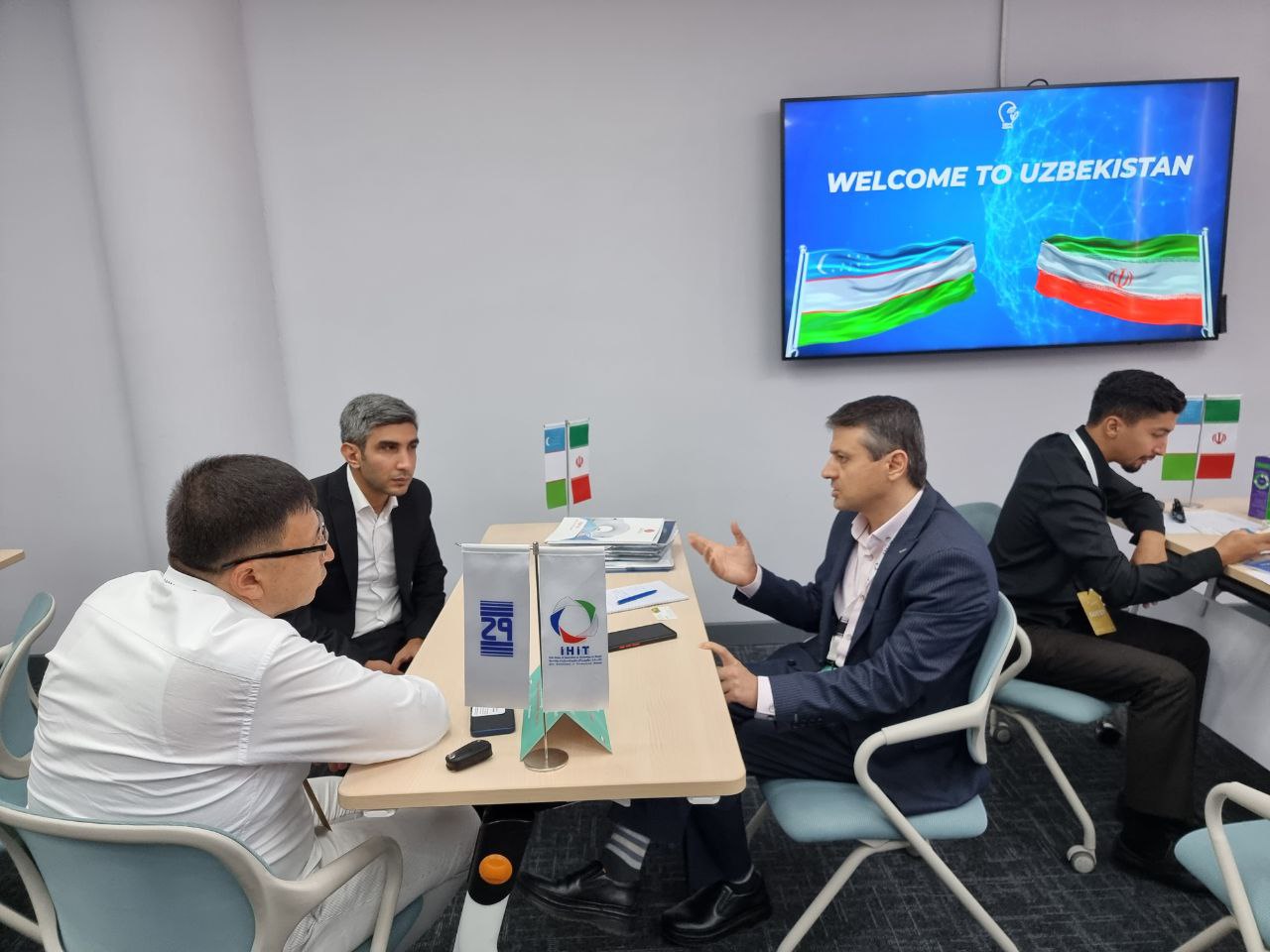
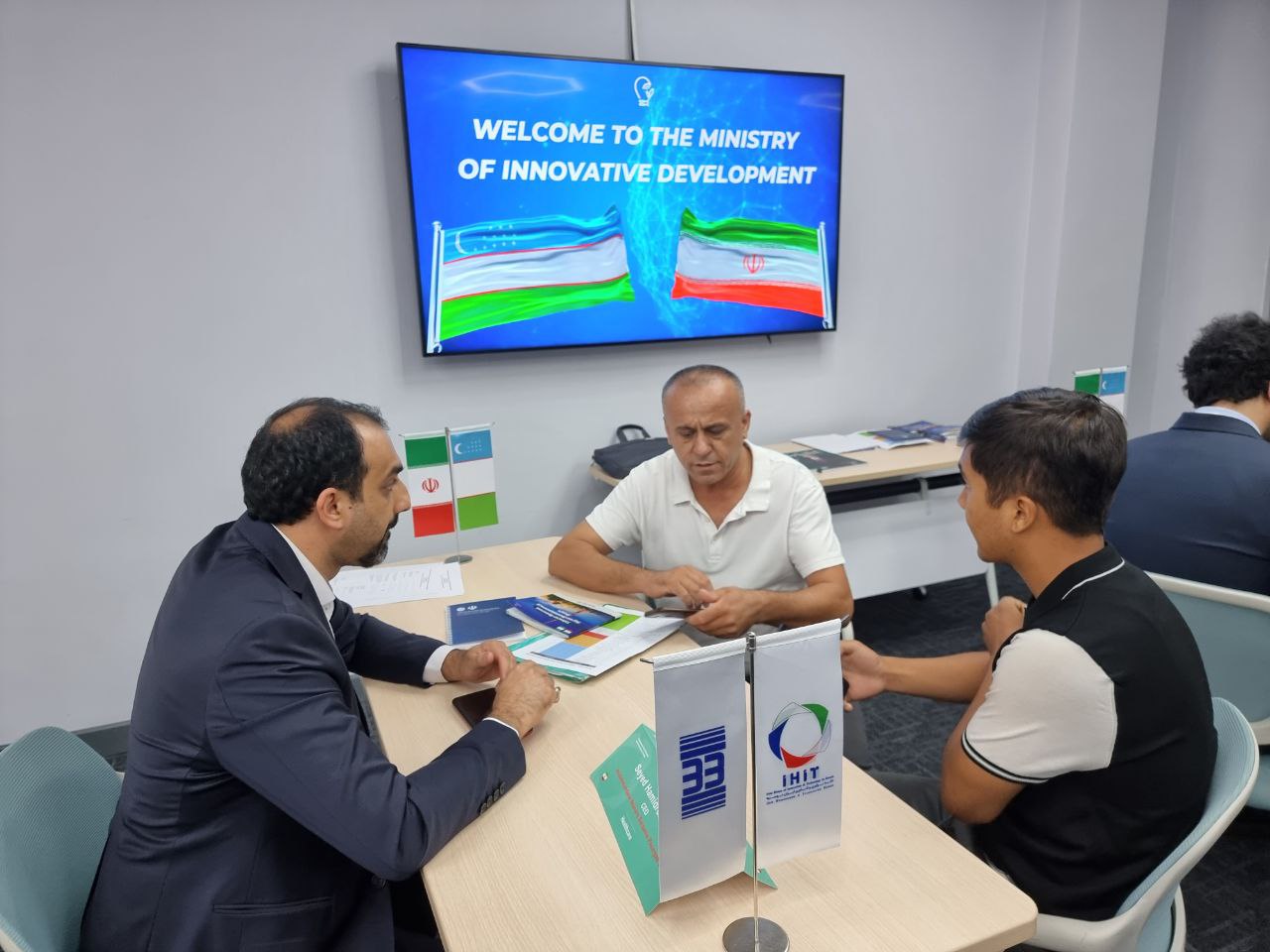
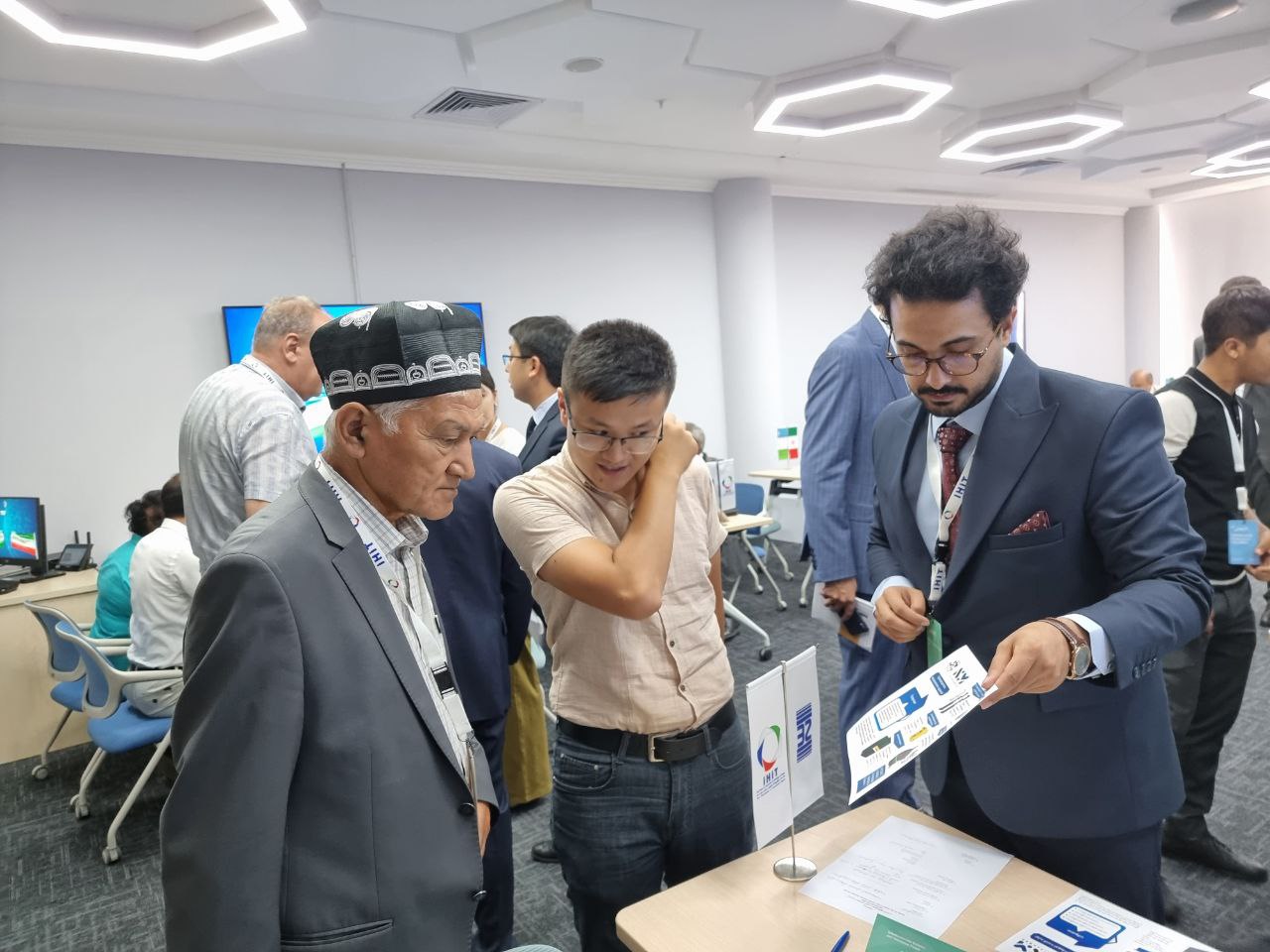
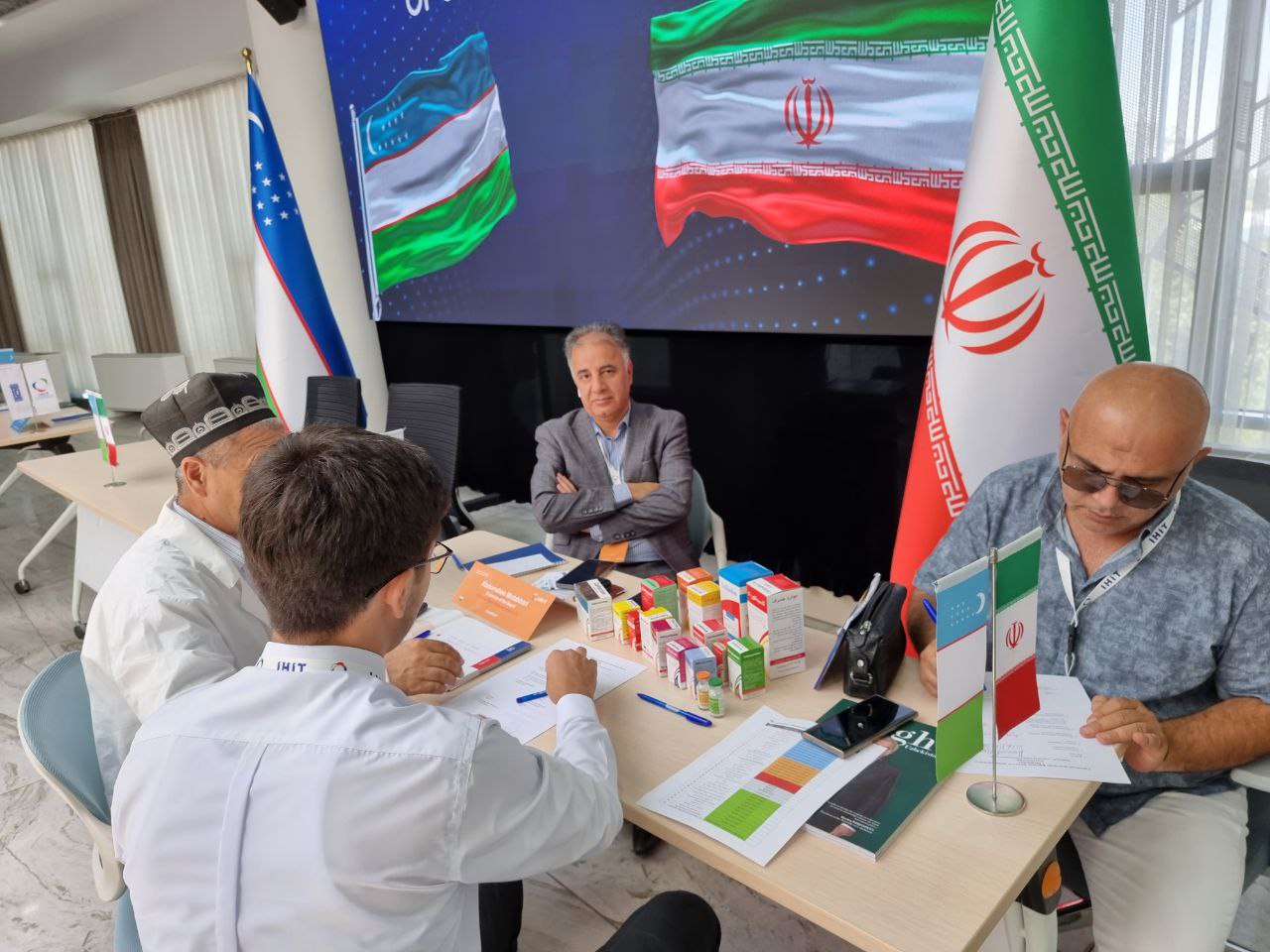
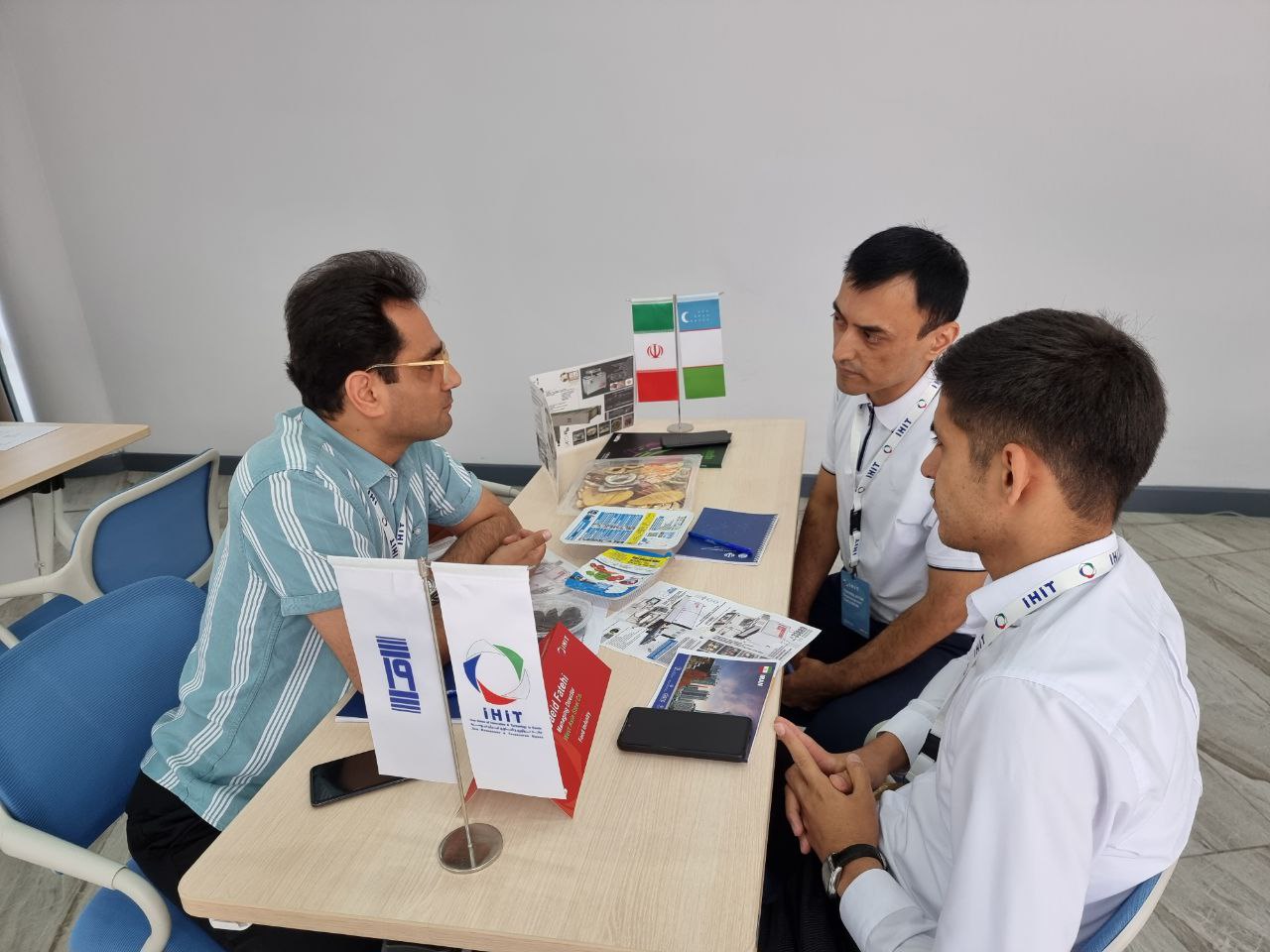
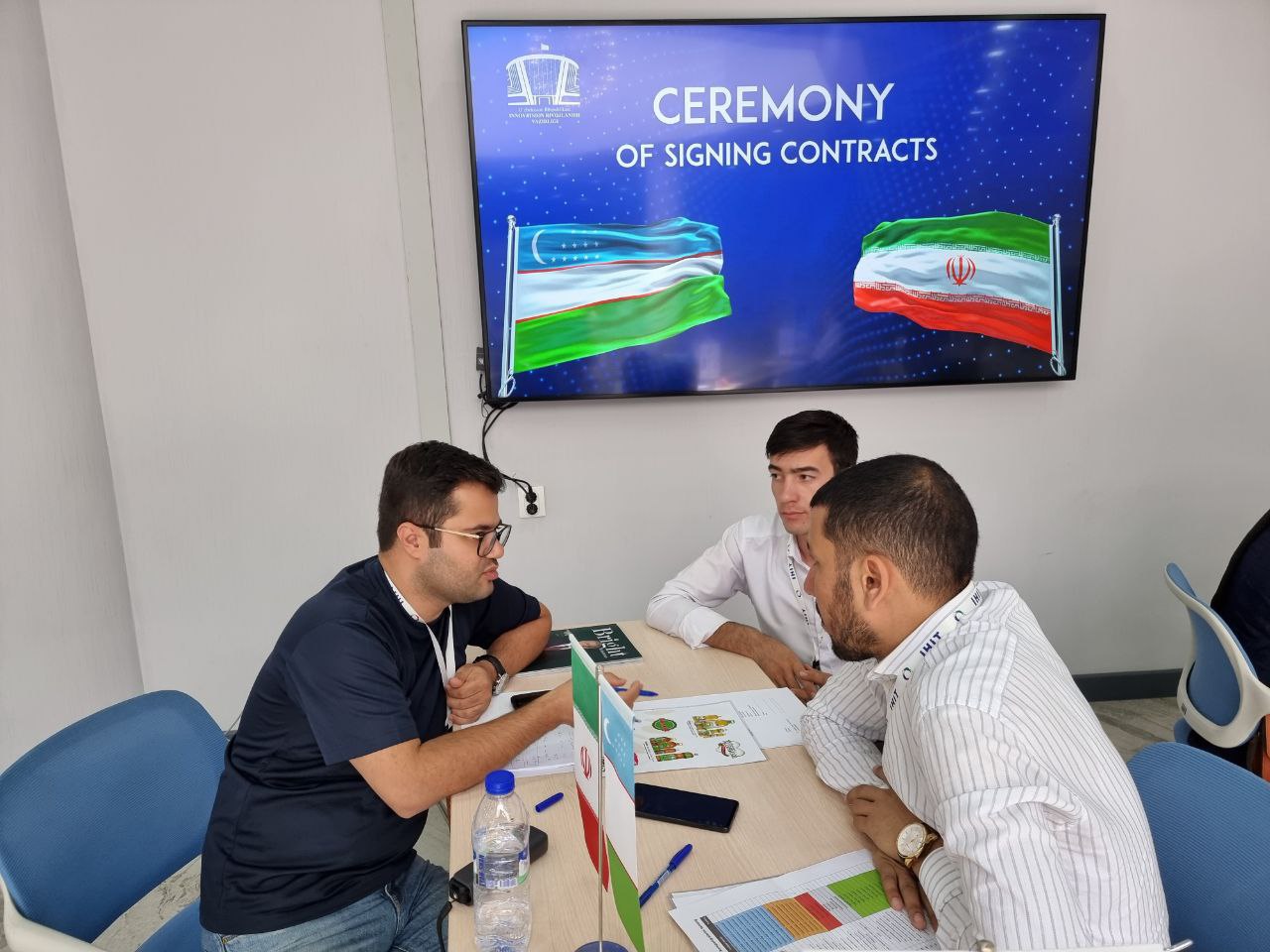
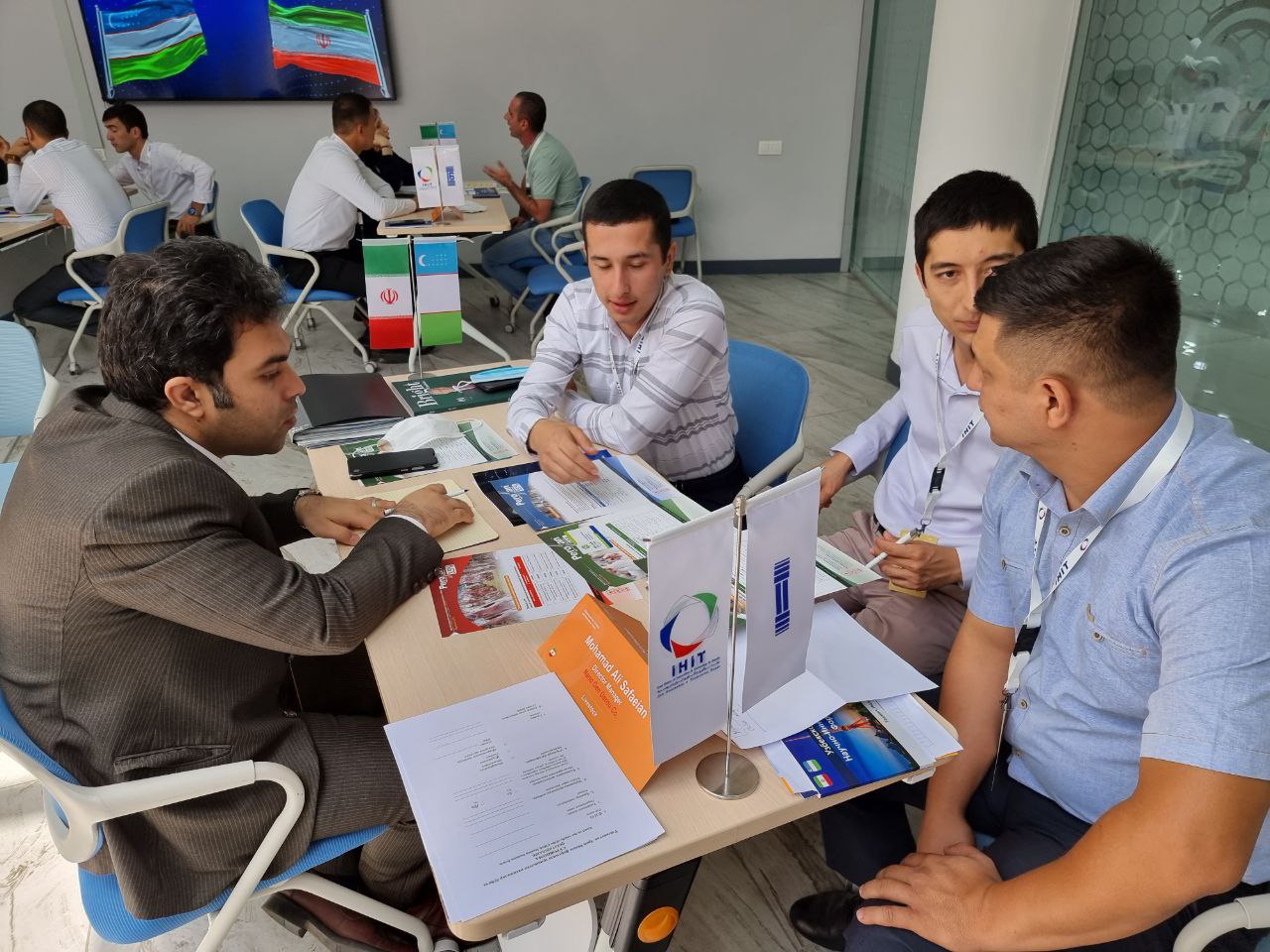
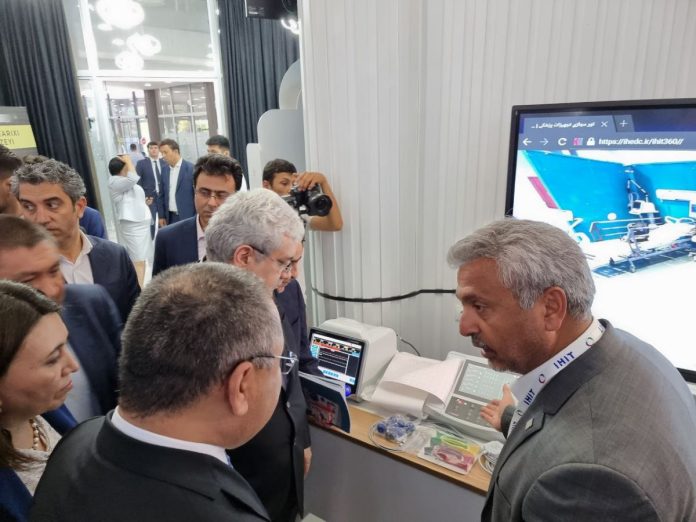
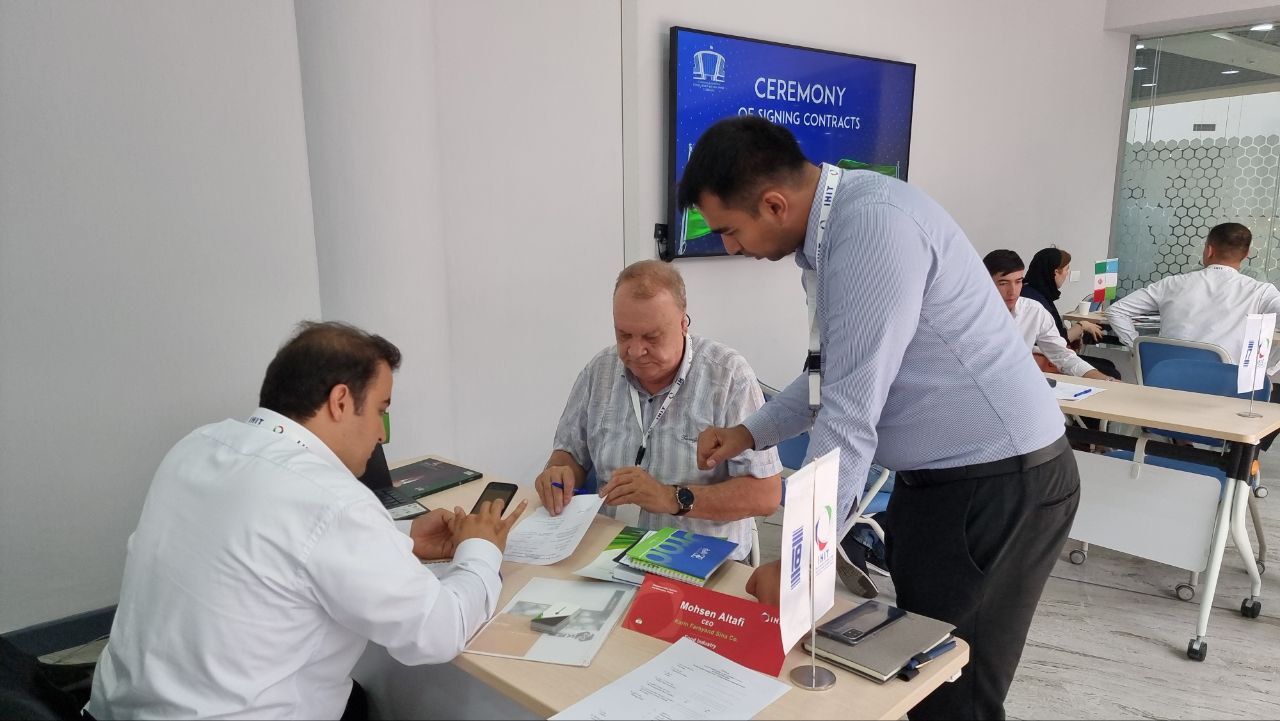
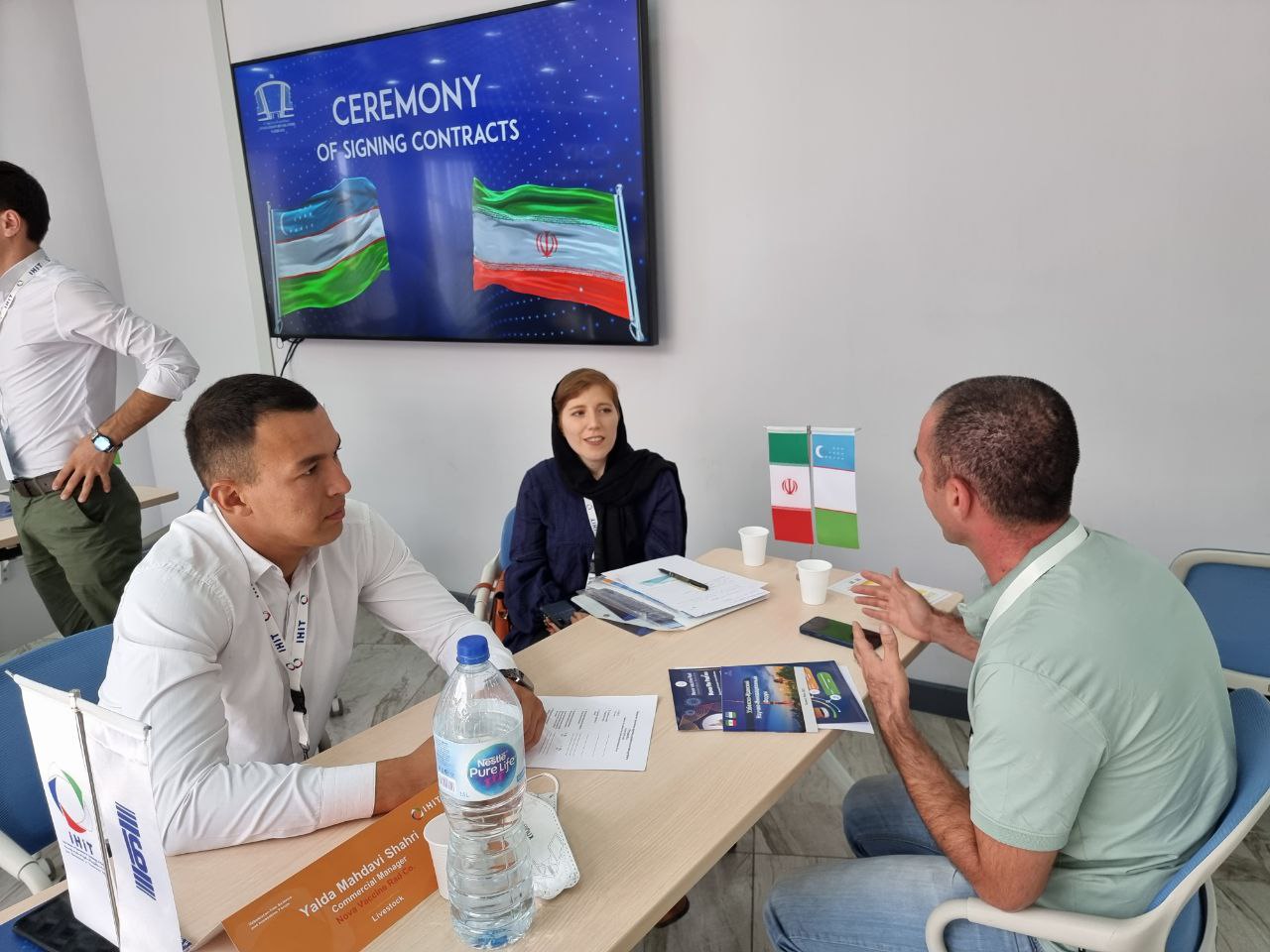
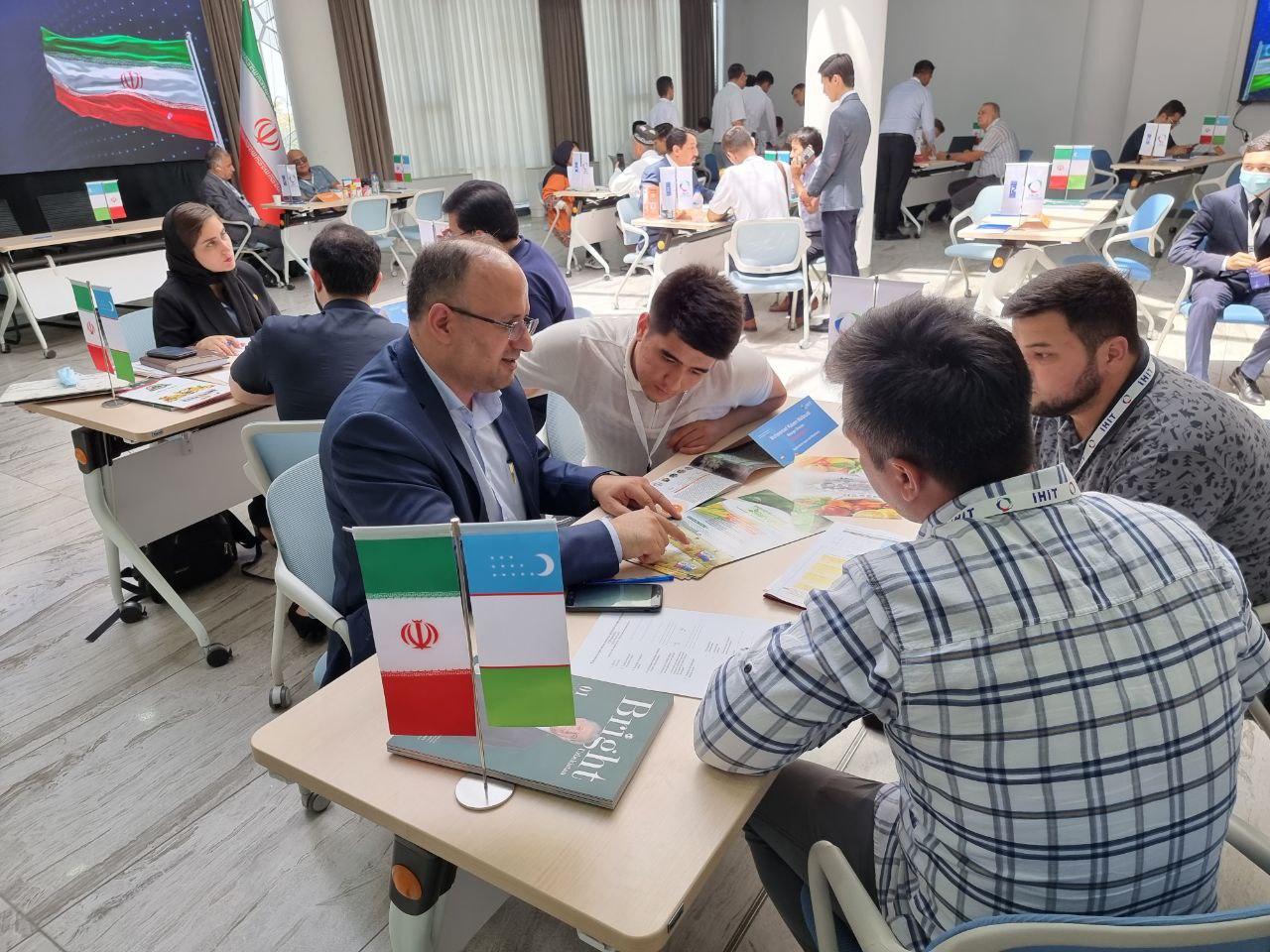
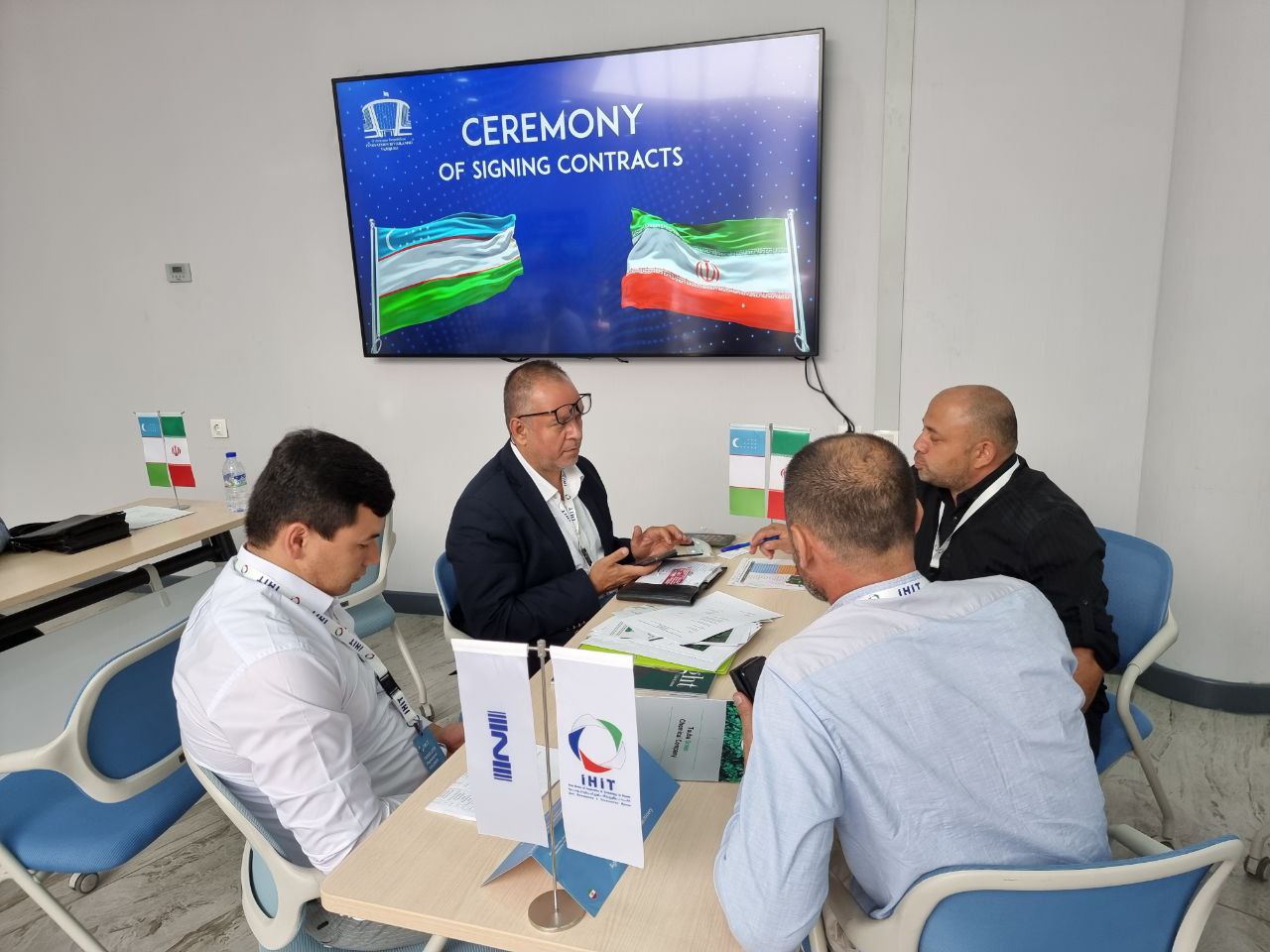
In time with a visit by Iranian Vice President for Science and Technology Sorena Sattari and his accompanying delegation to Uzbekistan, some 40 Iranian creative and knowledge-based companies found the opportunity to hold face-to-face meetings with their Uzbek counterparts to further their technological interactions and exchanges.

These companies, which are mainly active in the fields of agriculture, health, animal husbandry and biotechnology, are attempting to introduce their technological capabilities to Uzbek companies, investors and businessmen during the expert meetings while trying to persuade the Uzbek sides to purchase their services and products.

This will help expand Iran’s science and technology markets in Uzbekistan.

The meetings with Iranian knowledge-based and creative companies have been welcomed by some 200 Uzbek technology firms, businessmen and investors and the Uzbek sides are taking part in different sessions with the Iranian companies with the aim of expanding scientific and technological exchanges.

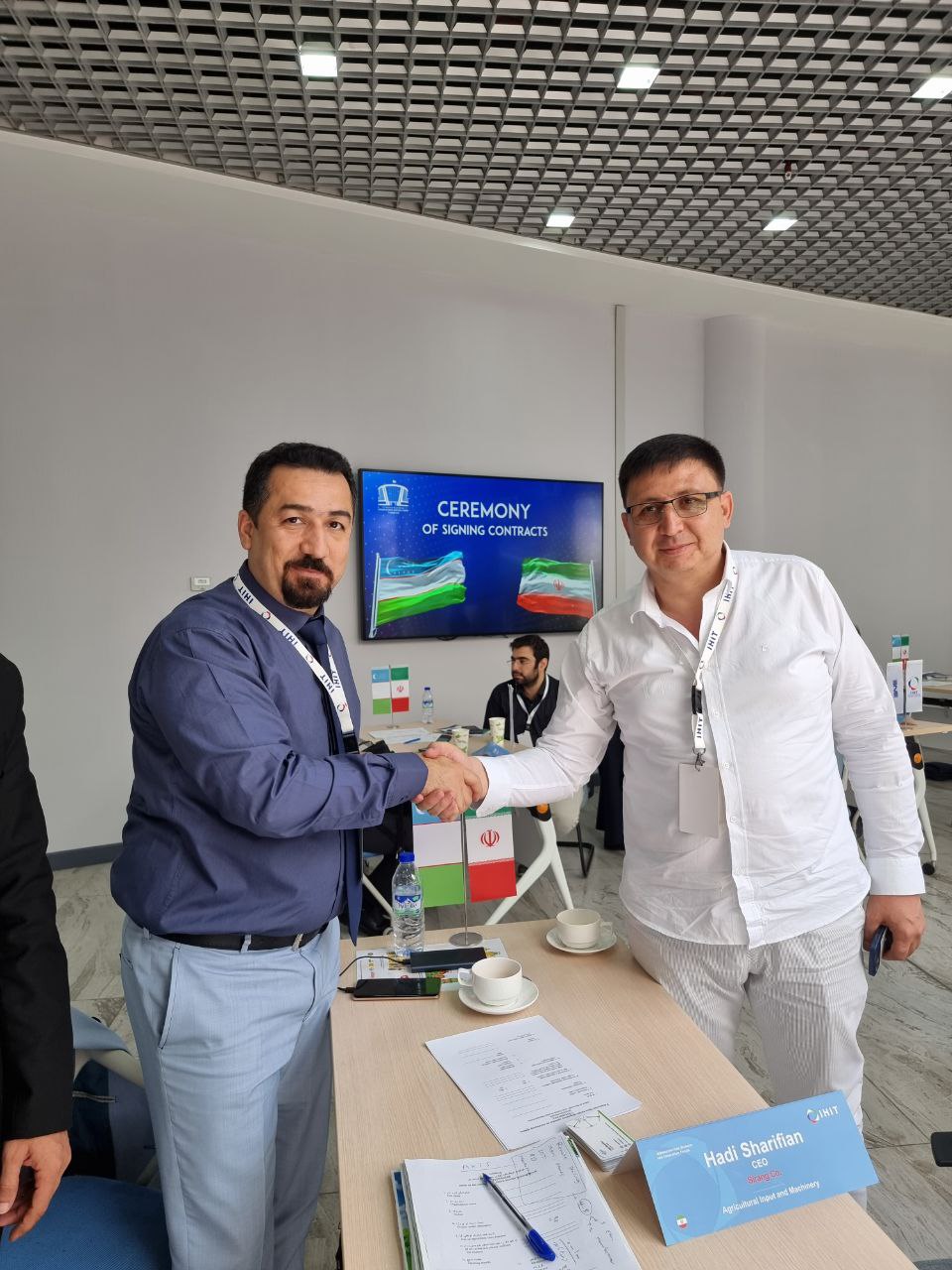
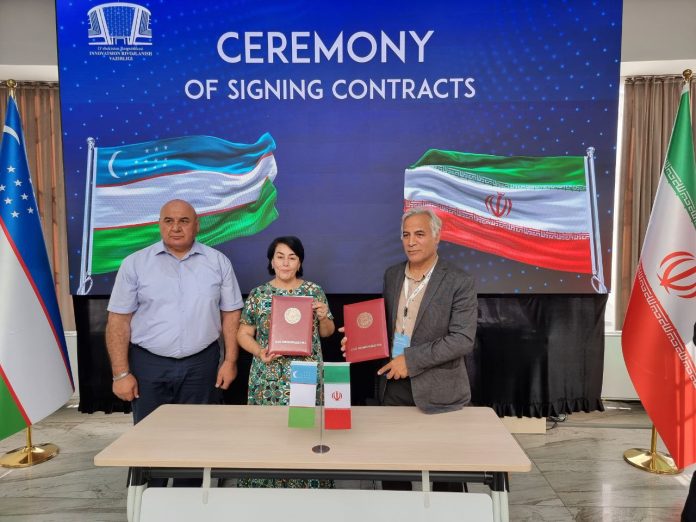
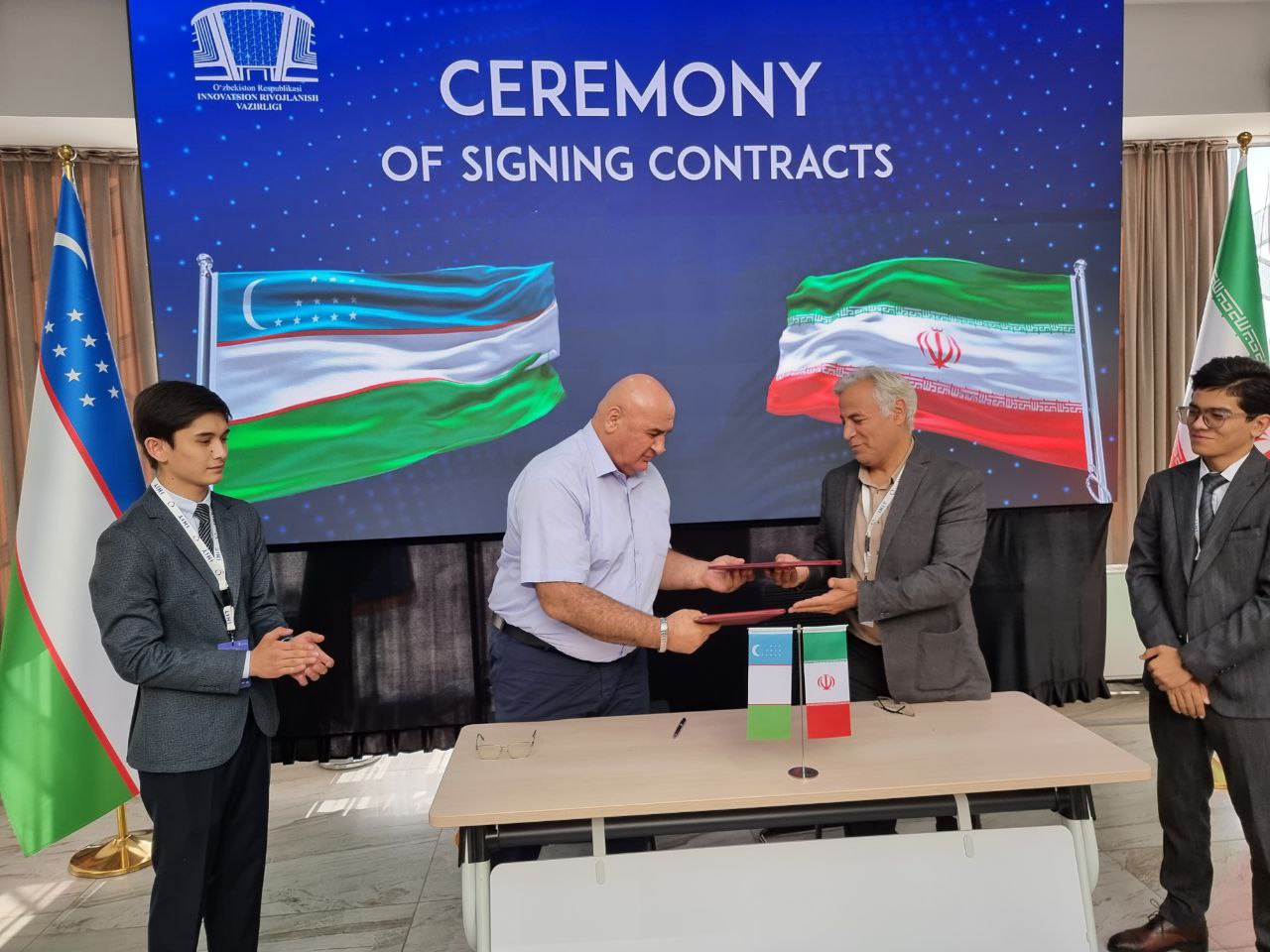
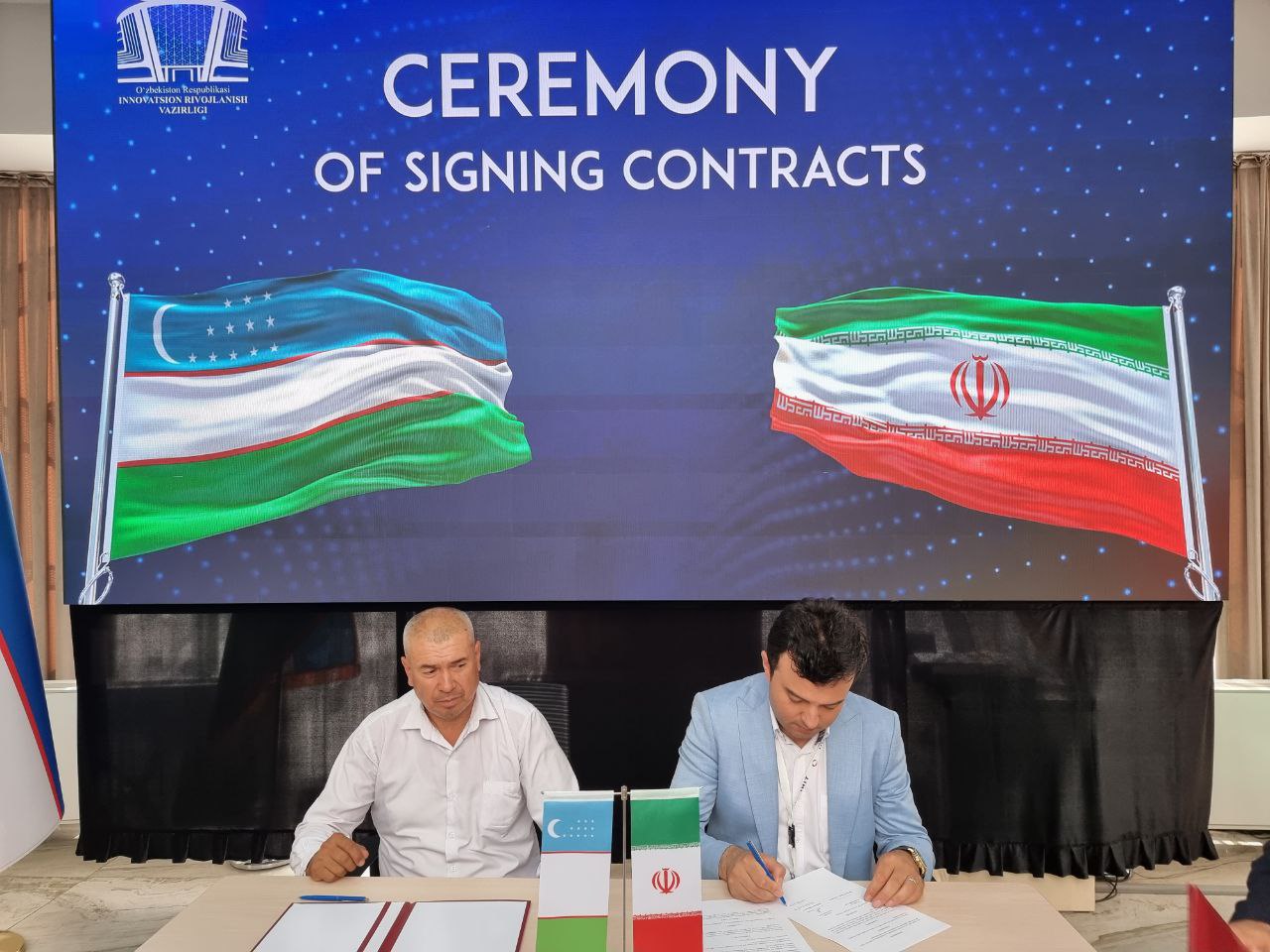
Meanwhile, during the two-day visit by the Iranian delegation, three memoranda of understanding were signed for joint cooperation between Iranian creative and knowledge-based companies and Uzbek technology firms in the presence of Iranian Vice President for Science and Technology Sorena Sattari and Uzbek Minister of Innovative Development Ibrokhim Abdurakhmonov to open a new chapter of cooperation and new projects between Iranian and Uzbek companies.

Also on the agenda of the Iranian delegation is holding expert meetings to introduce Uzbekistan’s regulations and law to Iranian companies in the area of registration and other steps related to creative and knowledge-based companies, active in the fields of health and agriculture, as well as training workshops on trade with Uzbekistan.
Iran’s VP describes Uzbekistan as an intact market for Iranian-made products

100 Iranian-made products to be showcased in Uzbekistan

On Wednesday morning, Sattari attended the scientific and technological conference of Iran and Uzbekistan and gave a report on the development of science and technology in Iran.

He said Uzbekistan’s market is a good place for the development of innovative and knowledge-based products, adding that this intact market can provide a good opportunity for knowledge-based companies of Iran so that they develop their Iranian-made goods there.

The Iranian vice-president added that Iran and Uzbekistan have good potentials for cooperation and “I think technological development is possible through investment by the private sector.”

Sattari said there can be developers of Iranian technologies in Uzbekistan by pursuing this goal, and with proper knowledge of the Uzbek market and the existing rules, “we can develop the ecosystem of the Iranian knowledge-based companies in the country.”

Elsewhere in his remarks, Sattari said his meeting with President Mirzayev of Uzbekistan and with the country’s deputy prime minister and other cabinet members produced good results and can expand academic ties and relations between Iranian knowledge-based companies and their peers in Uzbekistan.

Sattari added that the knowledge-based companies should consider Uzbekistan as an intact market that is capable of making many accomplishments.

The Iranian vice-president flew to Uzbekistan at the head of a delegation consisting of Mostafa Ghanei, Secretary of the Department for the Development of Biotechnology, Parviz Karami, Secretary of the Department for the Development of Soft Technologies and Creative Industries, Nadergholi Ebrahimi, Secretary of Department of Water and Drought, and CEOs of 40 knowledge-based and creative companies.

The trip is aimed at paving the way for expansion of scientific interactions with Uzbekistan. Companies operating in technological spheres like agriculture, husbandry, and health will expand their market and technological interactions during specialized meetings with 150 Uzbek companies.
Meanwhile, an exhibition of 100 Iranian-made products from 80 Iranian knowledge-based companies is being held in Uzbekistan. The products are put on display for the CEOs of Uzbek firms and businesspeople so that the way is paved for the entry of Iranian products into the Uzbek market and Eurasia.
The Iranian vice-president for scientific and technological affairs travelled to Uzbekistan at the ahead of a delegation consisting of Iranian knowledge-based companies for the purpose of speeding up exports of Iranian knowledge-based products to the Uzbek market and Eurasia.

Two Iranian border guards killed in clash with terrorists

Iran border guards

The commander of the border gurds of Iran’s Kordestan Province said the two soldiers were killed while protecting Iran’s territory against terrorists who were trying to sneak into the Islamic Republic via the Paveh and Baneh border.

Colonel Sepehri identified those killed as Lieutenant Mehdi Mohammadinasab and Sergeant Major Ali Fazelishad.

He said the terrorists were forced to retreat due to heavy artillery fire from the Iranian border guards.

Iran has repeatedly demanded Iraq’s Kurdistan region to prevent anti-Iran terror cells operation in its territory from nearing the Islamic Republic’s border.

Iran has on several occasions bombed the positions of terrorists in the Kurdistan region, inflicting heavy damage and casualties on them.

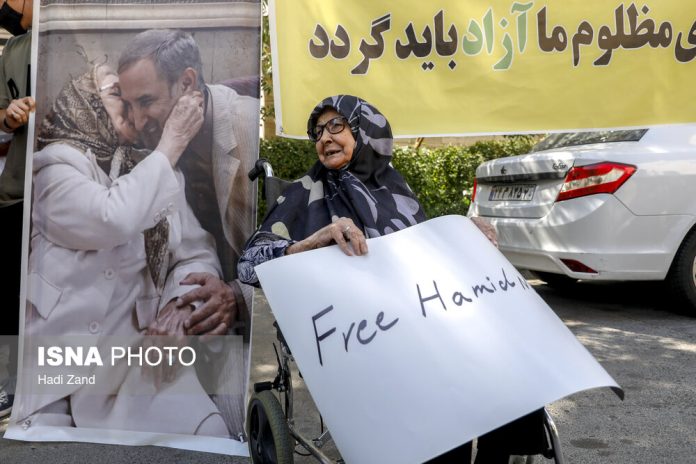
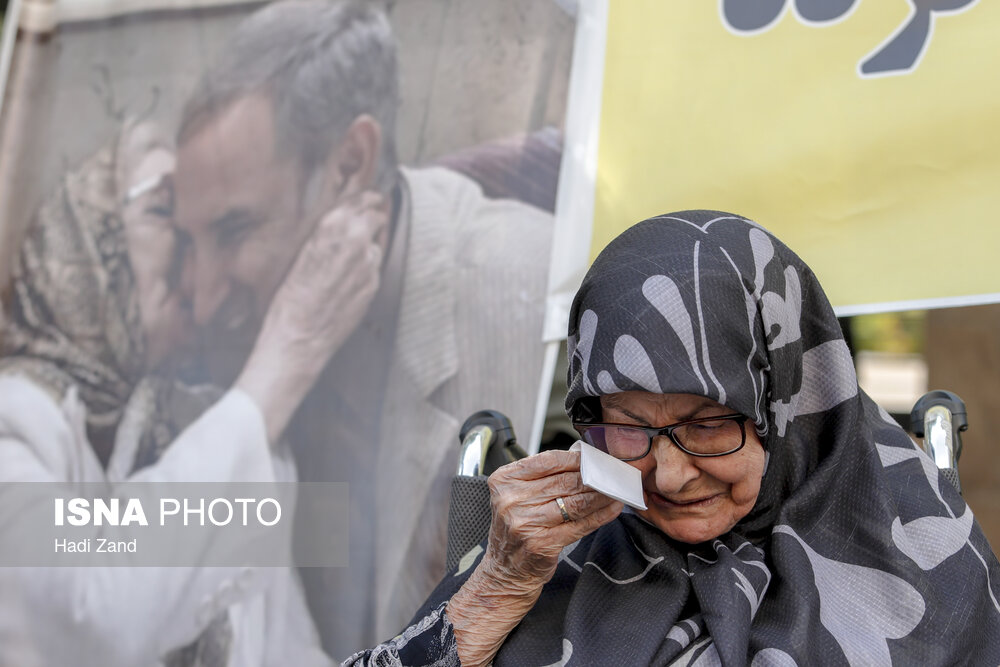
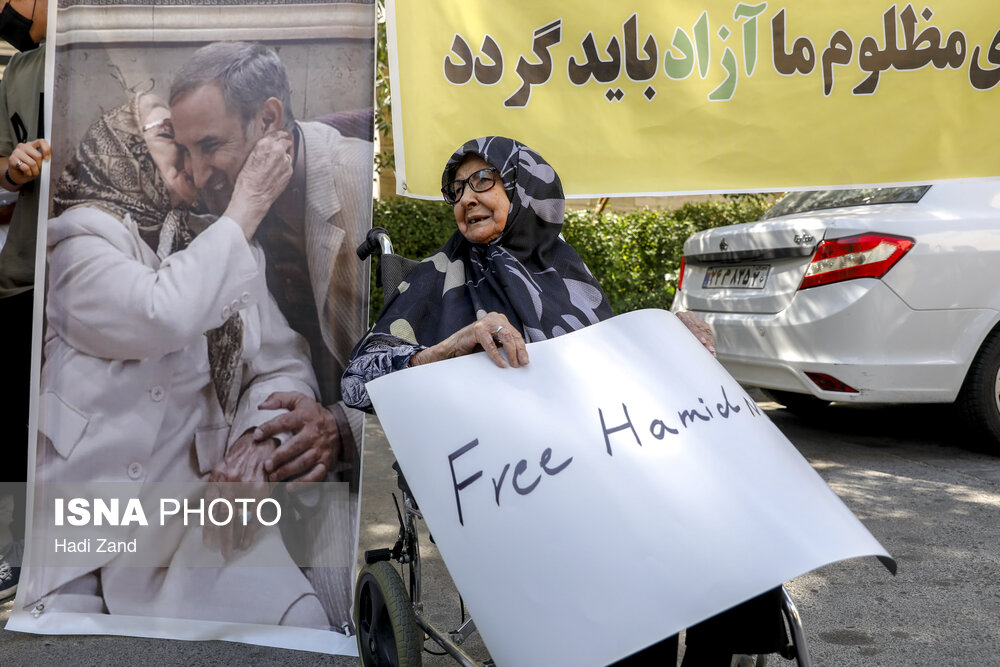
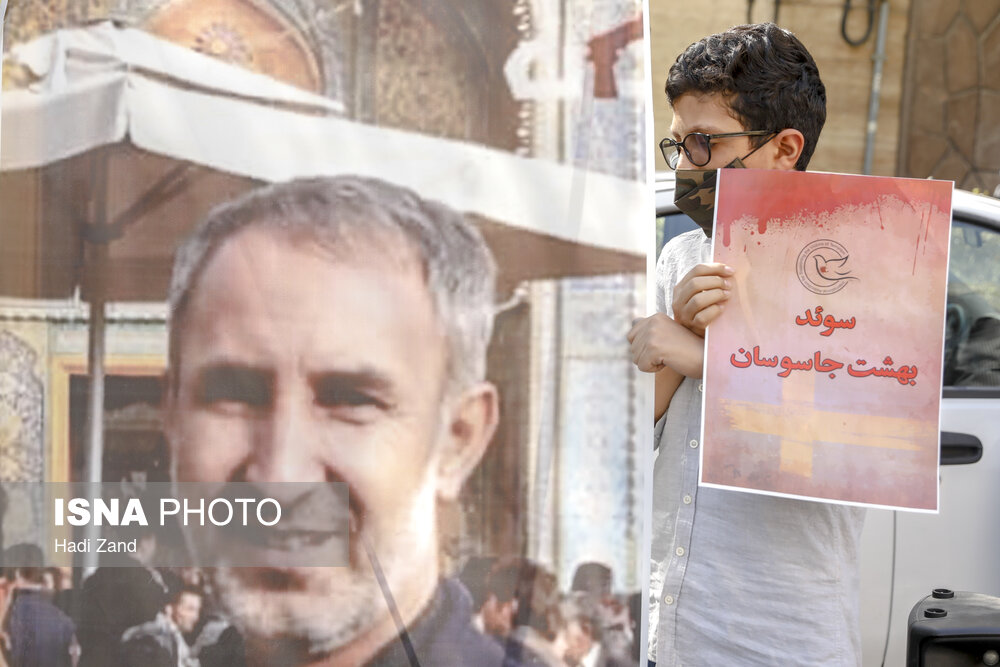
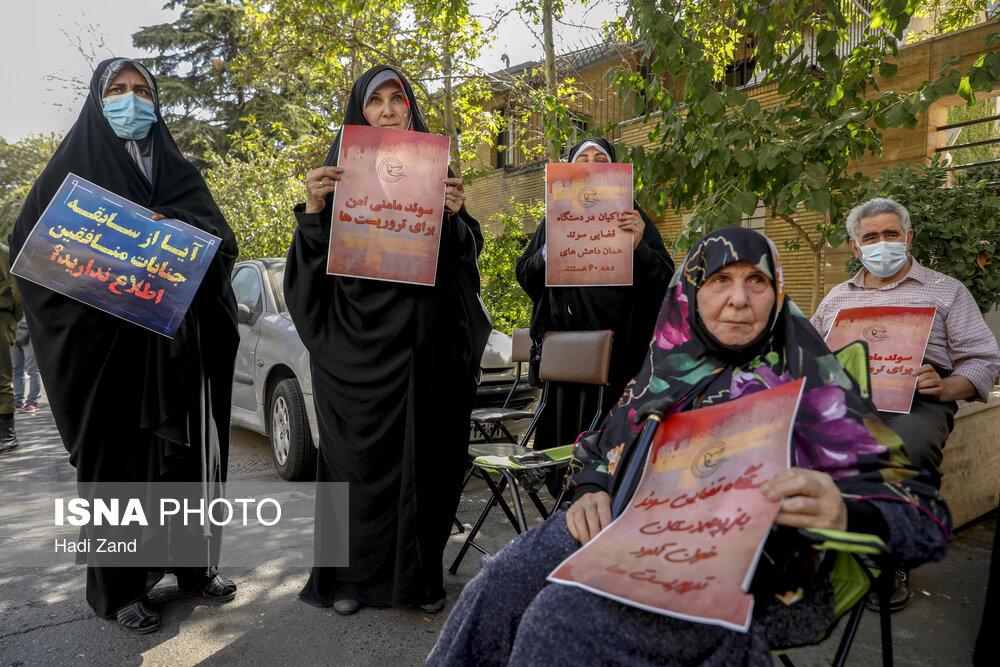
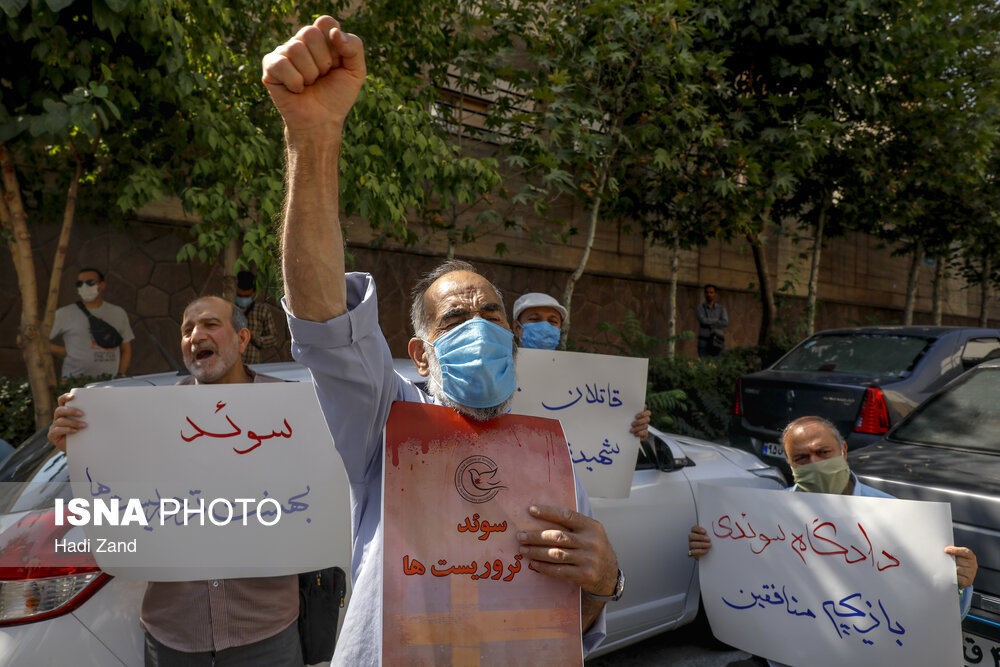
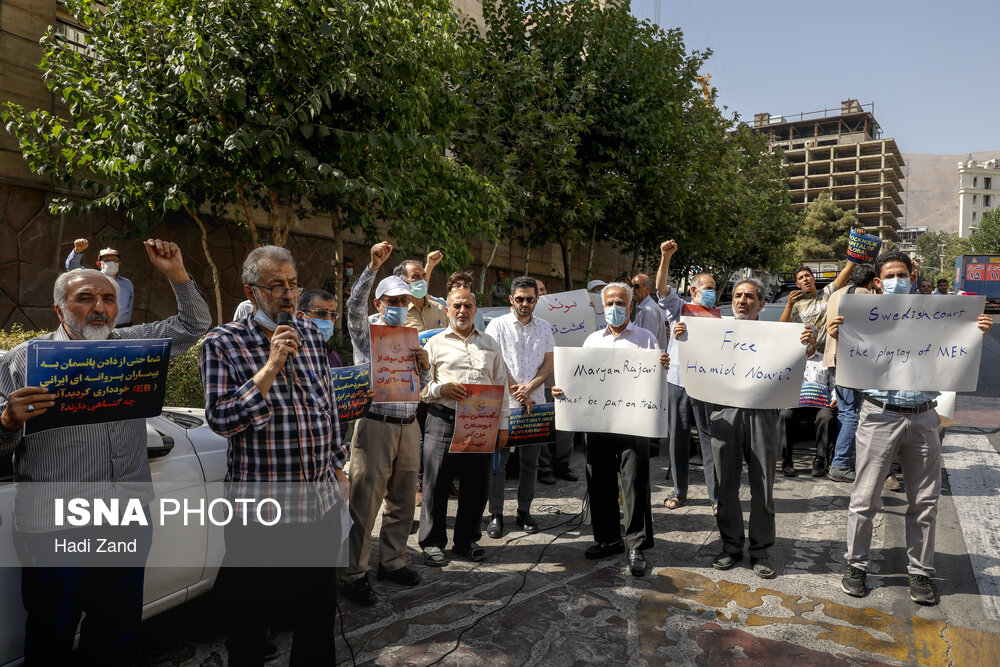
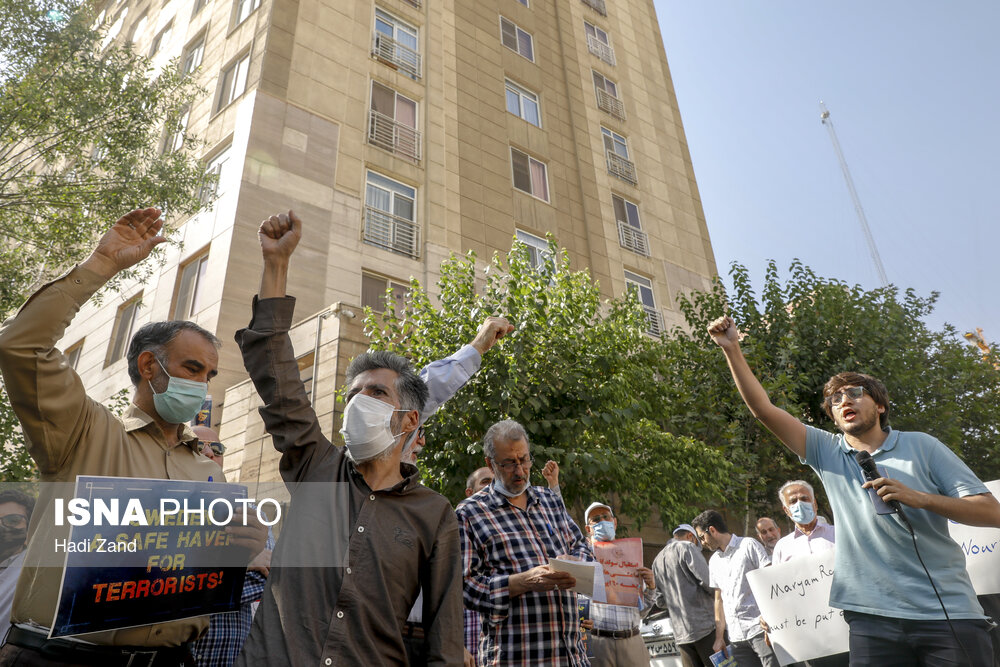
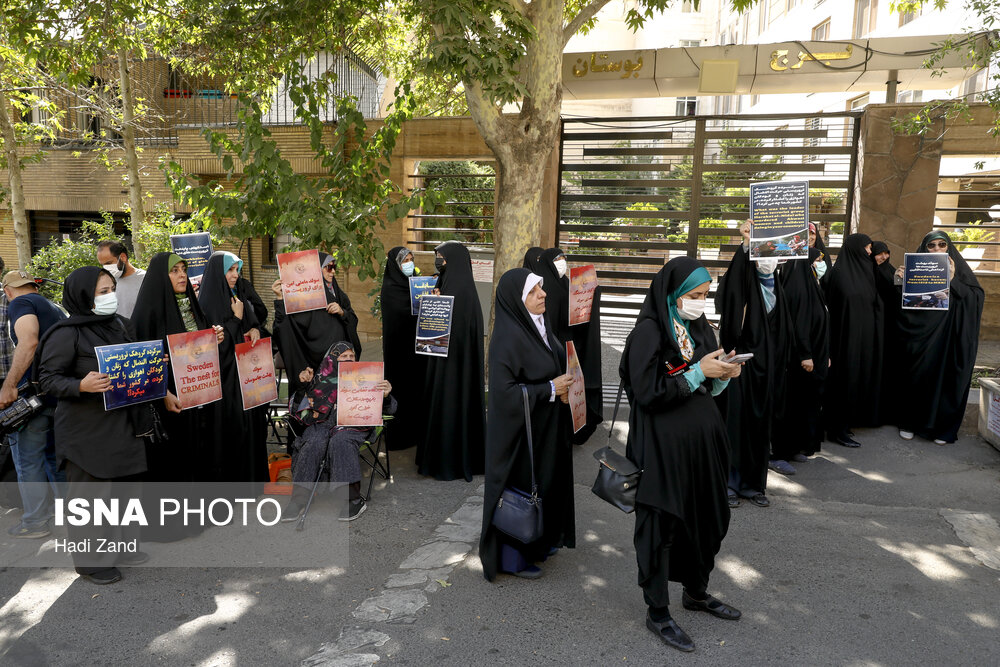
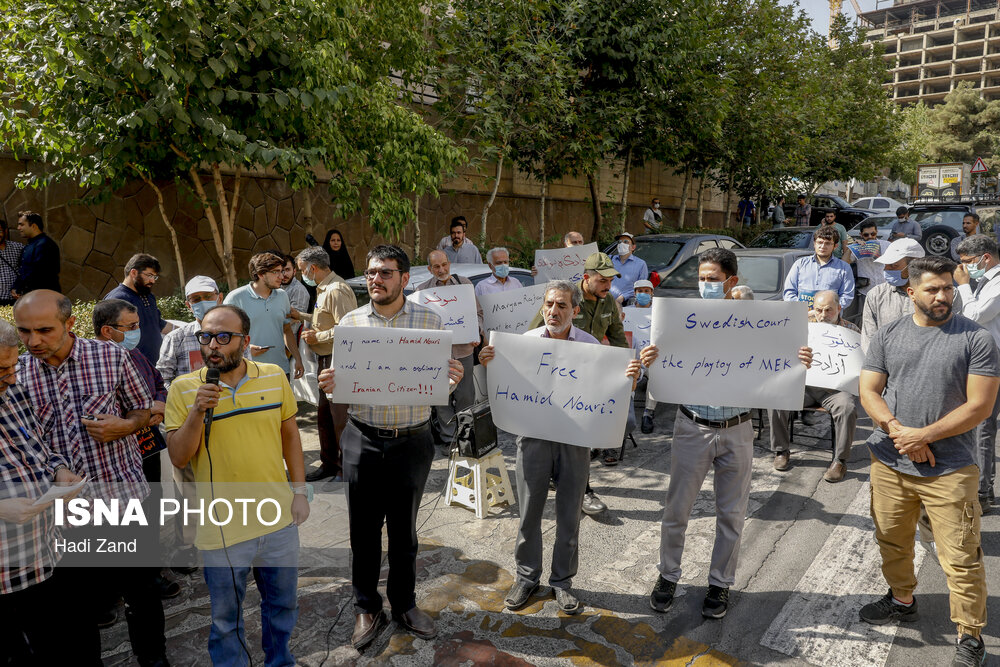
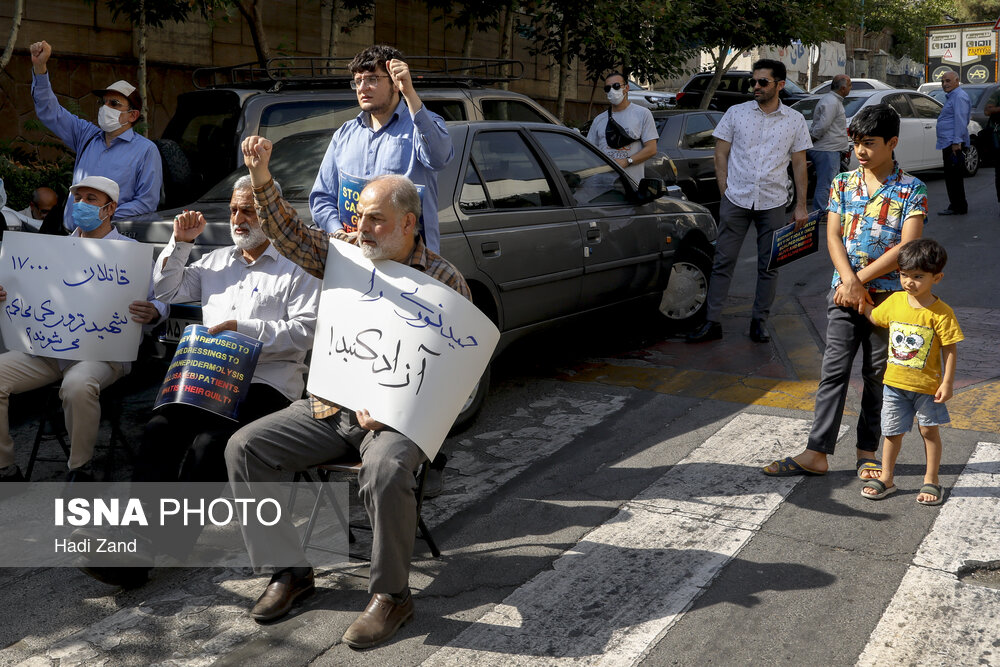
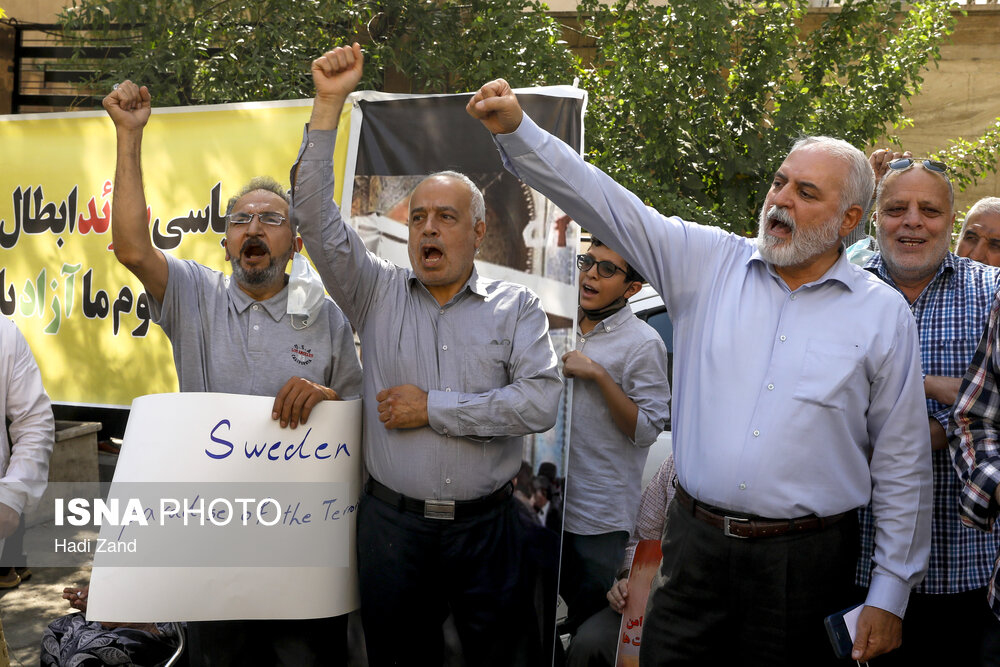
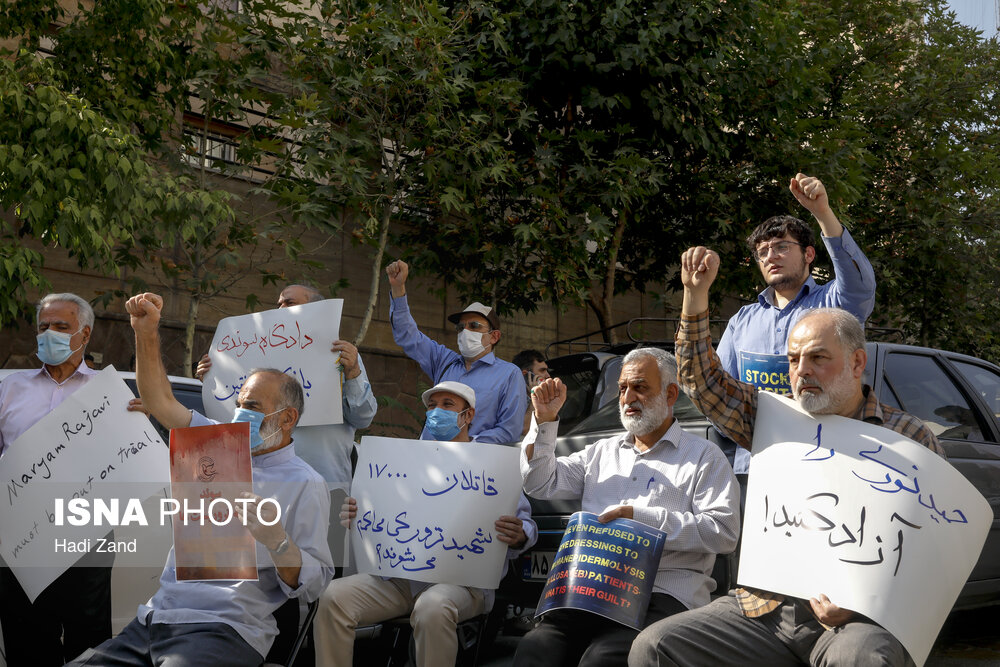
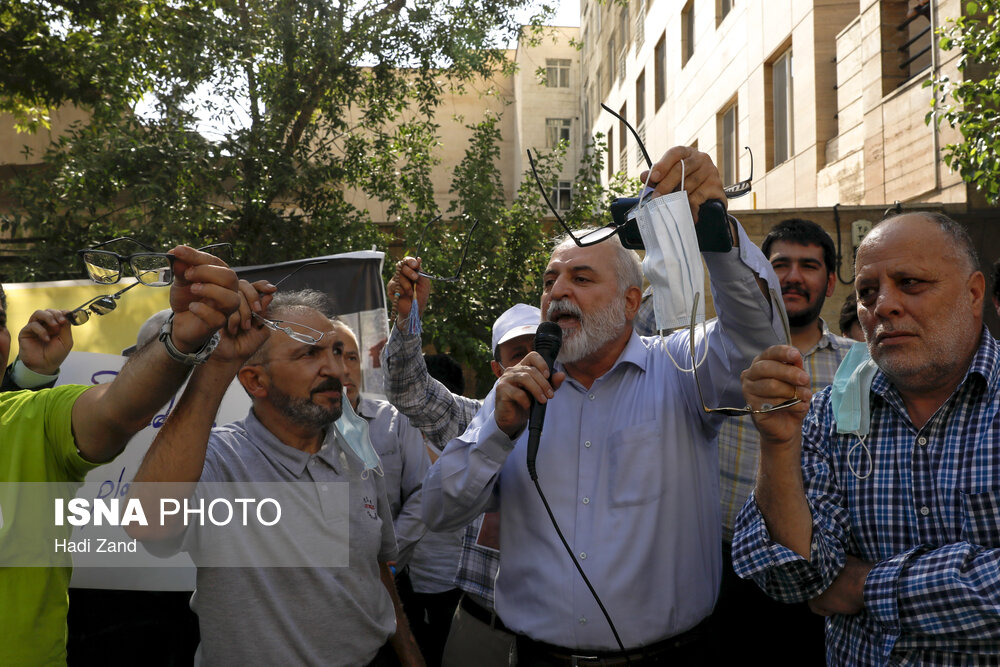
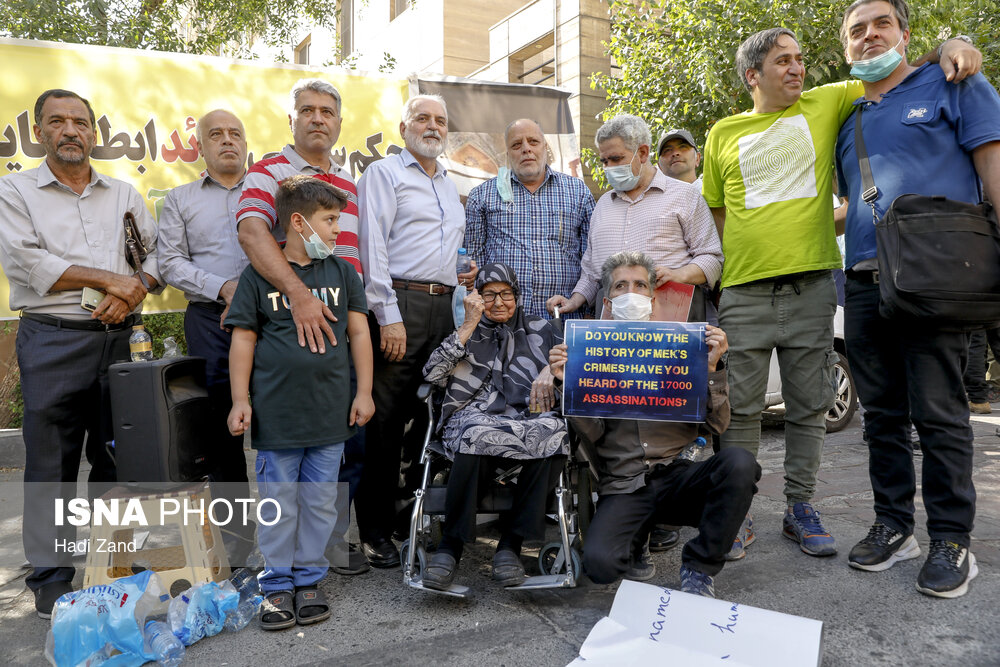
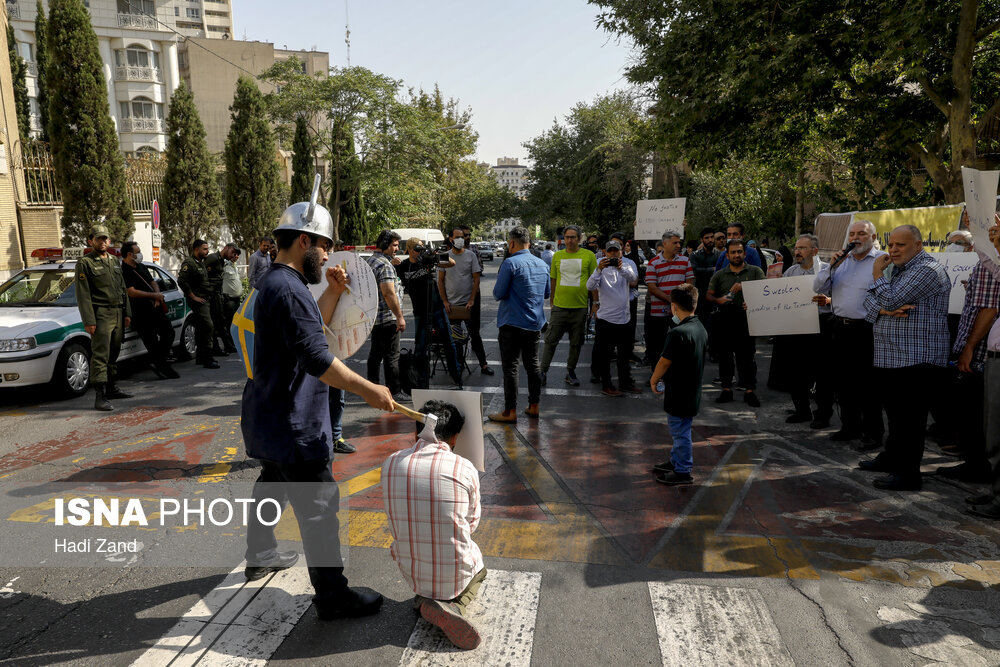
Rally outside Swedish Embassy in Tehran to condemn court verdict against Iran national

Rally outside Swedish Embassy in Tehran to condemn court verdict against Iran national

The protesters included the family of Nouri and a number of students as well as his friends and neighbors.

Nouri has been in custody in Sweden since 2019. He was arrested violently by the Swedish police upon his arrival in Stockholm on a tourist visa.

The Swedish court sentenced him to life imprisonment for alleged rights violations against members of the Mojahedin-e-Khalq organization, an anti-Iran terrorist group.

COVID cases increasingly rising in Iran

COVID in Iran

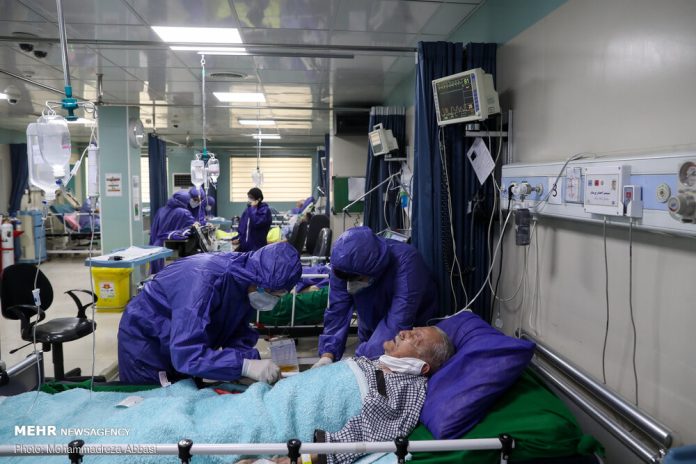
According to the official tally by Iran’s Health Ministry on Wednesday, 7,093 new cases were detected and 32 people died in a matter of 24 hours.

Some 907 people were hospitalized, 688 of them in intensive care units (ICUs), in hospitals across Iran during the same period.

Those figures were increasingly up from a couple of weeks ago when merely dozens of cases and no deaths were registered daily. Compared to even days earlier, a surge was visible on Wednesday.

The upward trend is, however, in keeping with an official warning that the country is entering a seventh wave. On July 15, Iran’s Health Minister Bahram Einollahi said Iran had entered the new wave. A day later, the Health Ministry had warned that outbreaks had reached alarming levels in 50 cities across the country.

Authorities have been calling on the Iranian people to get booster shots immediately amid the surge. As of Wednesday, 28,702,753 second booster shots have been administered in Iran, a country of almost 84 million people.

The new wave is driven by sub-strains of the Omicron variant, namely BA.4 and BA.5, which are highly contagious.

So far, 141,564 people have died of COVID-19 in Iran.

Tehran’s 3-milion-strong celebrations trigger heated debate in Iran

10-kilometer feast on occasion of Eid Ghadir in Tehran

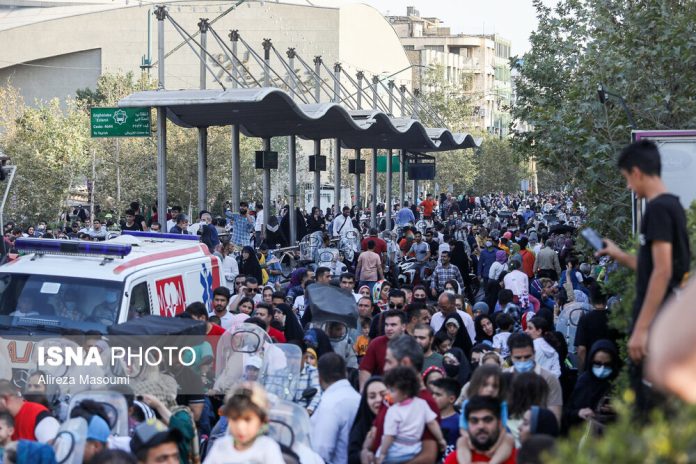
On Monday, Iranians marked Eid al-Ghadir, which marks the day when Prophet Mohammad appointed Ali ibn Abi Talib, the first Shia Imam, as his successor and the leader of Muslims some 14 centuries ago.

An estimated three million people filled Tehran’s 10-kilometer Valiasr Street, which divides the metropolis into western and eastern parts.

During the festivities, which were the first of their kind in Iran, various ceremonies were held along the road, while different sweets, beverages, and food were distributed among the jubilant participants.

Iranian police had closed the street, the longest in the Middle East, for that purpose.

Iran’s Jomhouri-e Eslami daily criticized the authorities for staging such a large event, which it described as a “strange phenomenon.”

It pointed to the traffic jam caused by the closure of Valiasr Street in other parts of the capital, saying although holding celebrations is good, this should not lead to any problems for transportation.
The newspaper also highlighted the outbreak of a new wave of Covid-19 infections in the country and said organizing such gatherings are in contradiction with the Health Ministry’s warnings and the health protocols designed to contain the spread of the disease.
“If there are people who seek to exploit such gatherings for PR on the occasion of Ghadir, they should be told not to compromise people’s health in the pursuit of their goals. Even if you organize a 1,000-km festival, you cannot promote and establish the ways of Imam Ali in spreading justice,” it said.

On the other side, however, Iran’s Hamshahri newspaper praised the celebration as an “unexpected epic.”

It said images of the festivities showed people from different walks of the society and from a wide spectrum of viewpoints joined the event, but “what was the common denominator?”

“They were all thirsty for Imam Ali-style justice. They were supporters of the most unforgettable figure of history,” he said.

The daily portrayed the participants in the gathering as supporters of the Islamic establishment of Iran.

Despite all the shortcomings, “the role model for our establishment has been the rule of Imam Ali,” it said.

“We do not consider ourselves as equal to Imam Ali’s rule, but we are moving toward the peak, and there is no other way ahead.”

Iran’s central bank governor upbeat about rial-ruble trading

Iranians Nuclear Deal Dollar Rial

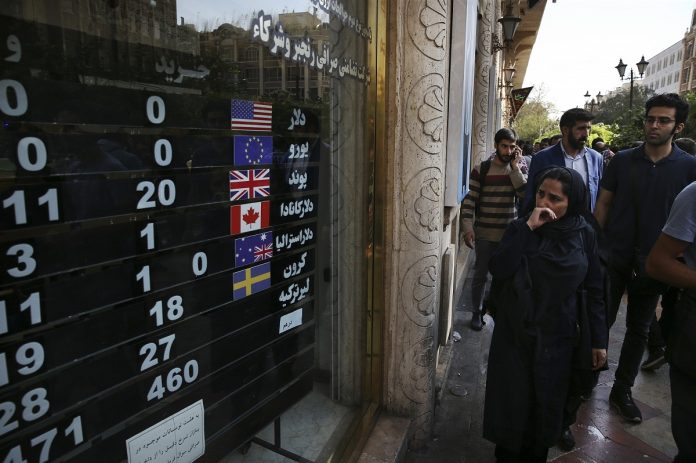
After a cabinet meeting on Wednesday, Ali Salehi Abadi hailed the move as a major initiative that can serve as a stepping stone to facilitate trade between businesspeople in Iran and Russia.

Both Iran and Russia, under US-led Western sanctions, have been trying to weaning their bilateral trade off the US dollar, which is used as a political tool for pressure and domination

Tehran and Moscow have also been working on developing an alternative to the global interbank money transfer service, SWIFT, through unification of their banking systems.

Iran sees ground for nuclear agreement ‘in near future’

Iranian Foreign Minister Spokesman Nasser Kanaani

Nasser Kanaani said on Wednesday that a deal would be conceivable in the short term “if America looked at the matter through the prism of America’s national interests, not the Zionist regime’s.”

He also said Iran demanded “serious and verifiable guarantees” that any deal would not be scrapped by a future US president.

Kanaani said Iranian Foreign Minister Hossein Amirabdollahian had held a phone conversation with European Union (EU) foreign policy chief Josep Borrell to facilitate new talks.

He said negotiations with the United States were being carried out via the EU.

He also referred to the trilateral summit of the Iranian, Turkish, and Russian presidents in the Iranian capital and said Tehran had turned into “the capital of diplomacy and the alliance against terrorism and the fight against unilateralism and militarism.”

The Iranian official referred to US President Joe Biden’s recent trip to the Middle East and said messages received directly or indirectly from regional Arab officials indicated that the countries of the region are not ready to align themselves with the United States’ policies against Iran.

He also said Iran and Russia’s technological cooperation predated the Ukrainian war and any attempt to link those ties to the developments in Ukraine was “nonsensical.”

Kanaani emphasized, however, that Iran supported a political solution to the Ukrainian conflict.

Iran signs largest foreign investment MoU in its oil industry

Gazprom

The $40-billion deal, signed hours ahead of a visit by Russian President Vladimir Putin to Tehran on Tuesday for a tripartite meeting with his Iranian and Turkish counterparts, is the largest foreign investment in the history of Iran’s oil industry.

The CEO of the National Iranian Oil Company (NIOC), Mohsen Khojastehmehr, said the agreement with the Russian gas producer accounts for a quarter of all investments planned for the Iranian oil sector until 2025.

Iran sits on the world’s second-largest gas reserves after Russia and has found ways to beat sanctions by the West.

Iranian government spokesperson, Ali Bahadori Jahromi, wrote in a tweet, “Investment is not dependent on FATF and can be obtained from non-JCPOA routes,” referring to the purported anti-money laundering body Financial Action Task Force and the Joint Comprehensive Plan of Action or the Iran nuclear agreement.

Putin calls for guarantees over JCPOA revival

Russian President Vladimir Putin

Putin made the remarks in the Iranian capital Tehran on Tuesday night after the seventh summit of the Astana peace process, launched in 2017 at the initiative of Iran, Russia and Turkey to reduce tensions in Syria.

He noted the Security Council Resolution 2231 stipulates equal rights to all signatories to the Iran nuclear deal, known as the Joint Comprehensive Plan of Action (JCPOA), without discrimination, and the parties have to restore and preserve the deal after the US unilaterally walked out of it in 2018.

Several rounds of talks to revive the deal have remained inconclusive, with Iran and the US blaming each other for the impasse.

Meanwhile, Putin touched on the summit in Tehran, saying, “The three countries emphasize that a political solution can resolve the crisis in Syria and Syria’s unity and territorial integrity must be respected.”

The Russian president also said the summit agreed that the Astana peace process would continue and include the Syrian government and opposition representatives as well as the United Nations.

The tripartite summit in Tehran ended by a final statement, underling the resolve to continue the joint cooperation in the fight against terrorism.