
Known as Yalda or Shab-e Chelleh, the ancient festival marks the end of autumn and the symbolic triumph of light over darkness.
Families and friends gather until midnight to share fruits, nuts and sweets, recite poetry by the famed Persian poet Hafez and reflect on the meaning of the night.
The word Yalda means “birth” in Persian, rooted in ancient mythology that marks the birth of the god of light and truth after the year’s longest night.
The millennia-old tradition is recognized by UNESCO as part of the Intangible Cultural Heritage of Humanity and is celebrated in Iran as well as among Persian-speaking communities in Afghanistan, Azerbaijan, Iraqi Kurdistan, Tajikistan, Uzbekistan, Turkmenistan and Turkey.
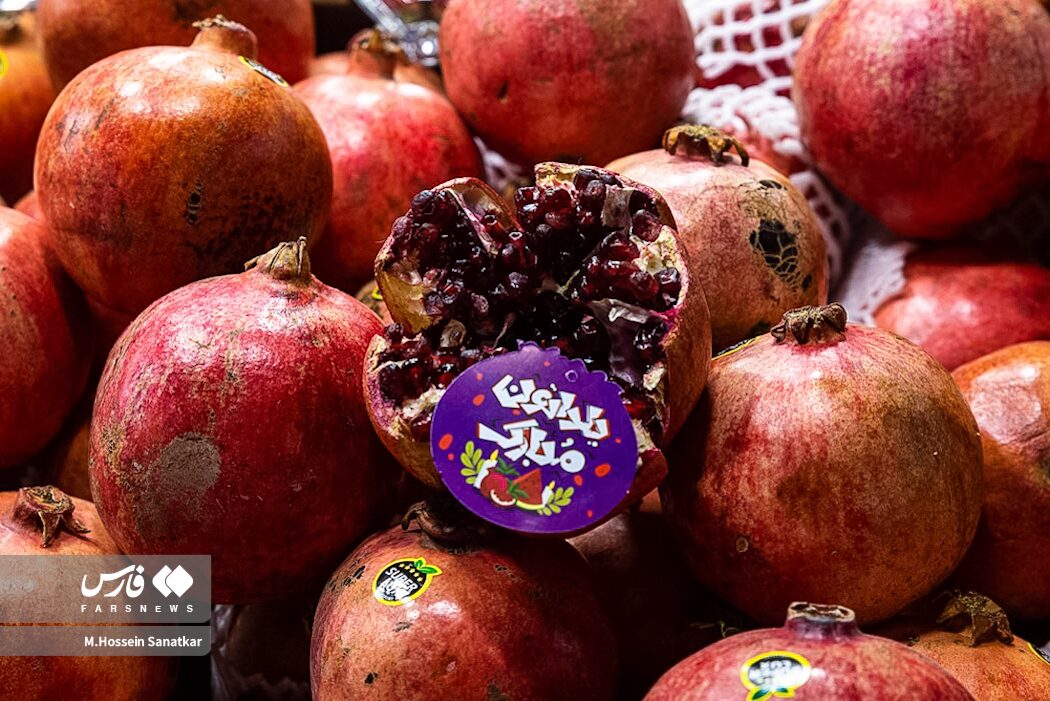
In Iran, the festive spirit is visible in bustling markets from Tehran to smaller towns, as shoppers prepare Yalda tables adorned with pomegranates and watermelons, symbols of fertility and the sun.
In various parts of Iran, people observe different customs and traditions to celebrate Yalda Night, creating lasting memories for everyone on the longest night of the year. The Iranian government has also decided to delay the start of working hours at government institutions by two hours, so that people who stay up late for Yalda celebrations will not worry about their workday on the first day of winter.
