
Every year paragliders, kite riders and tourists from different countries come to this village to do such exciting sports.
Following you can find photos of the village retrieved from IRNA:
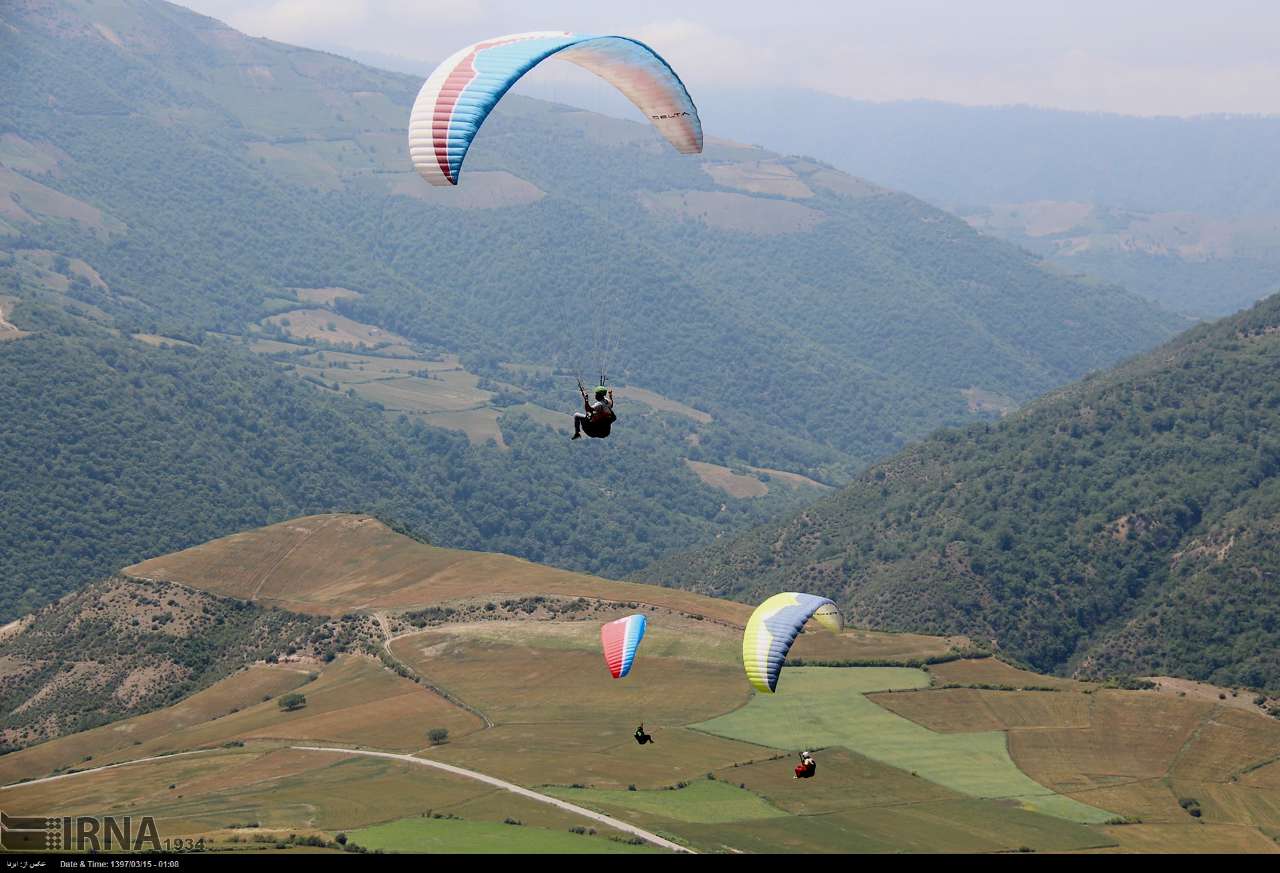

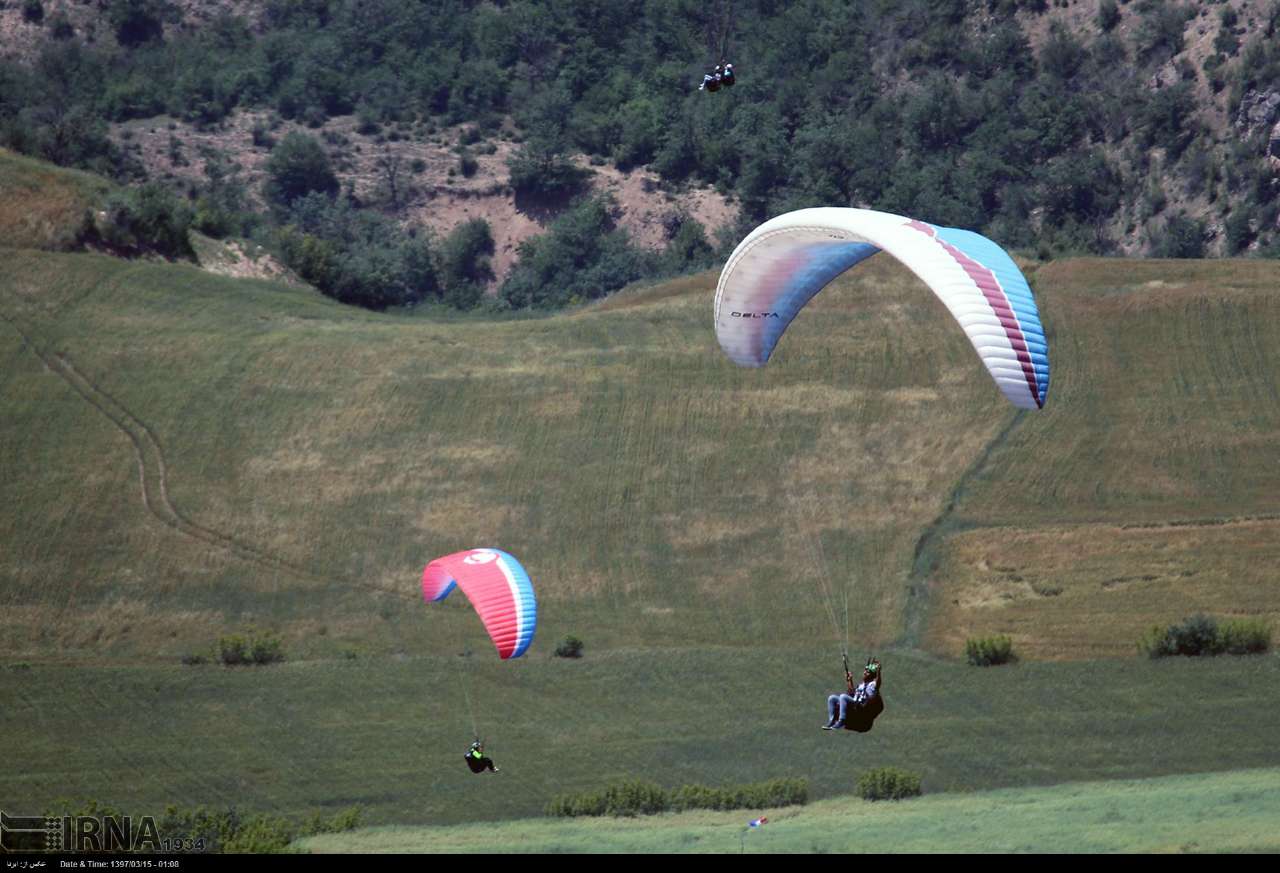
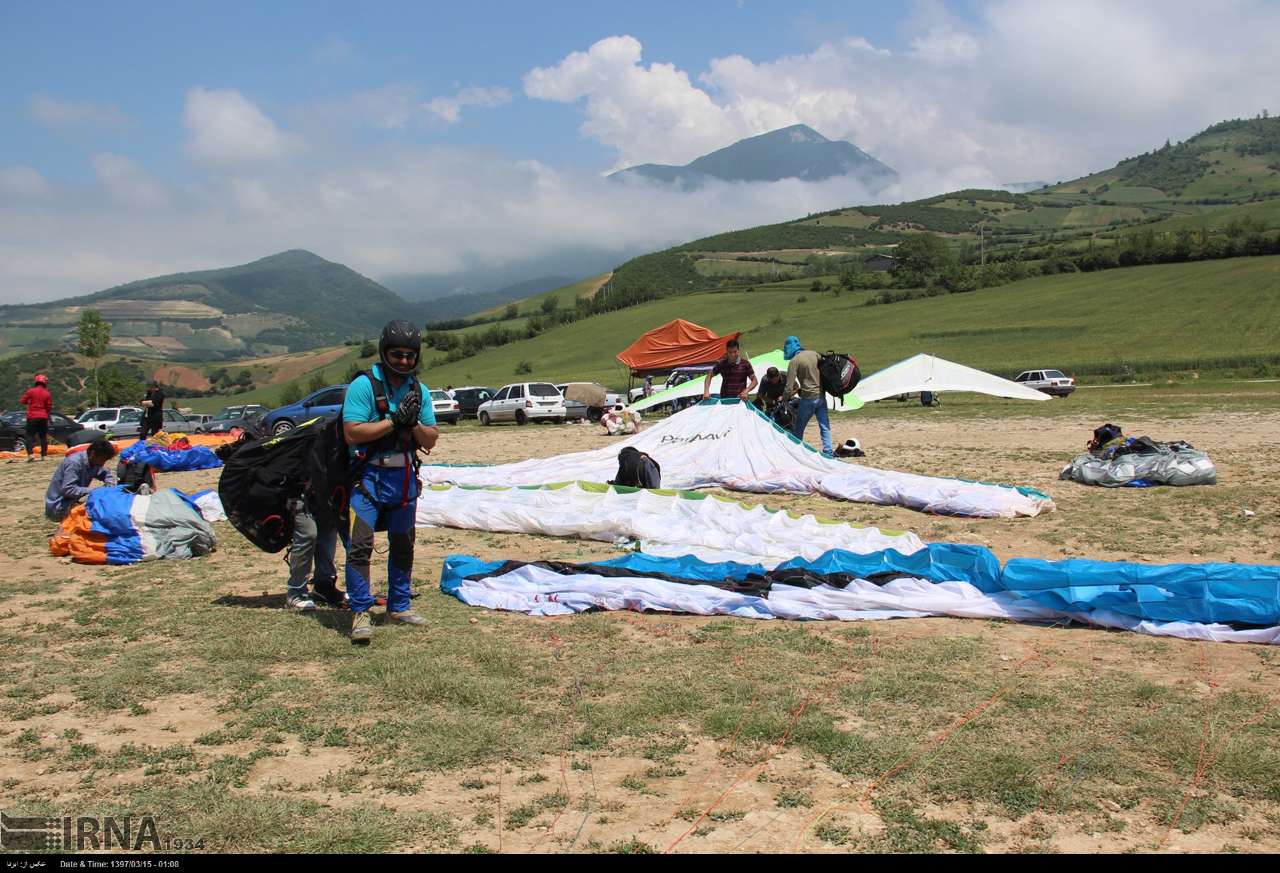

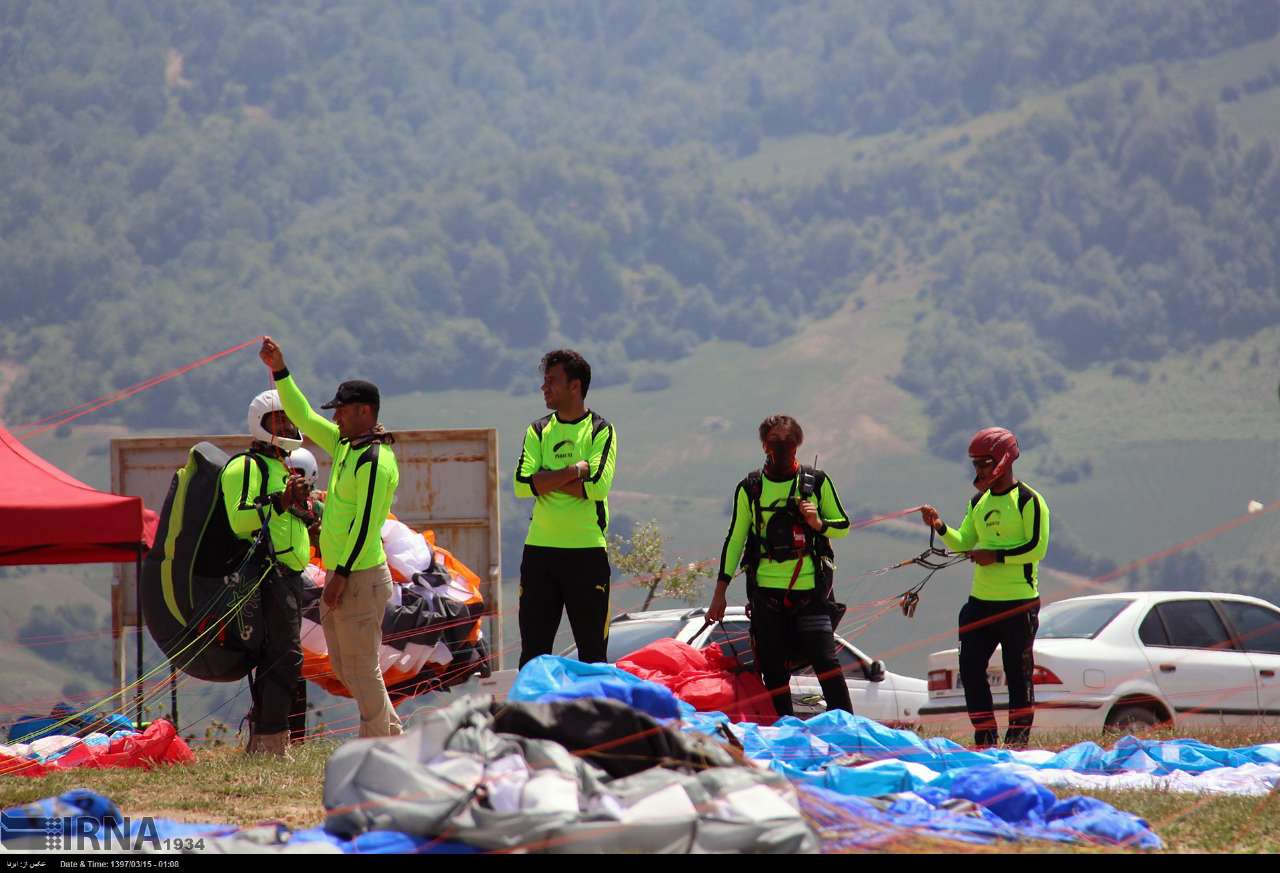

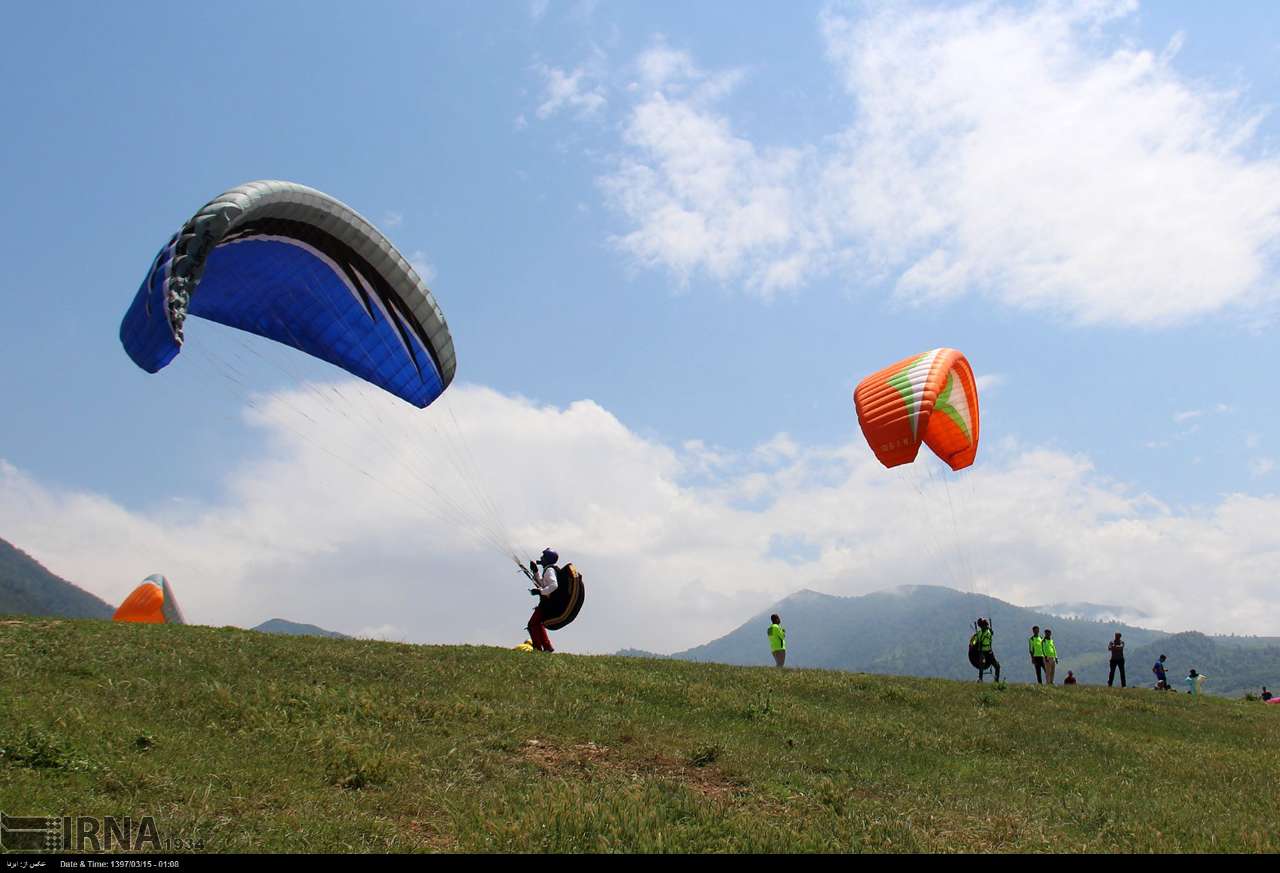
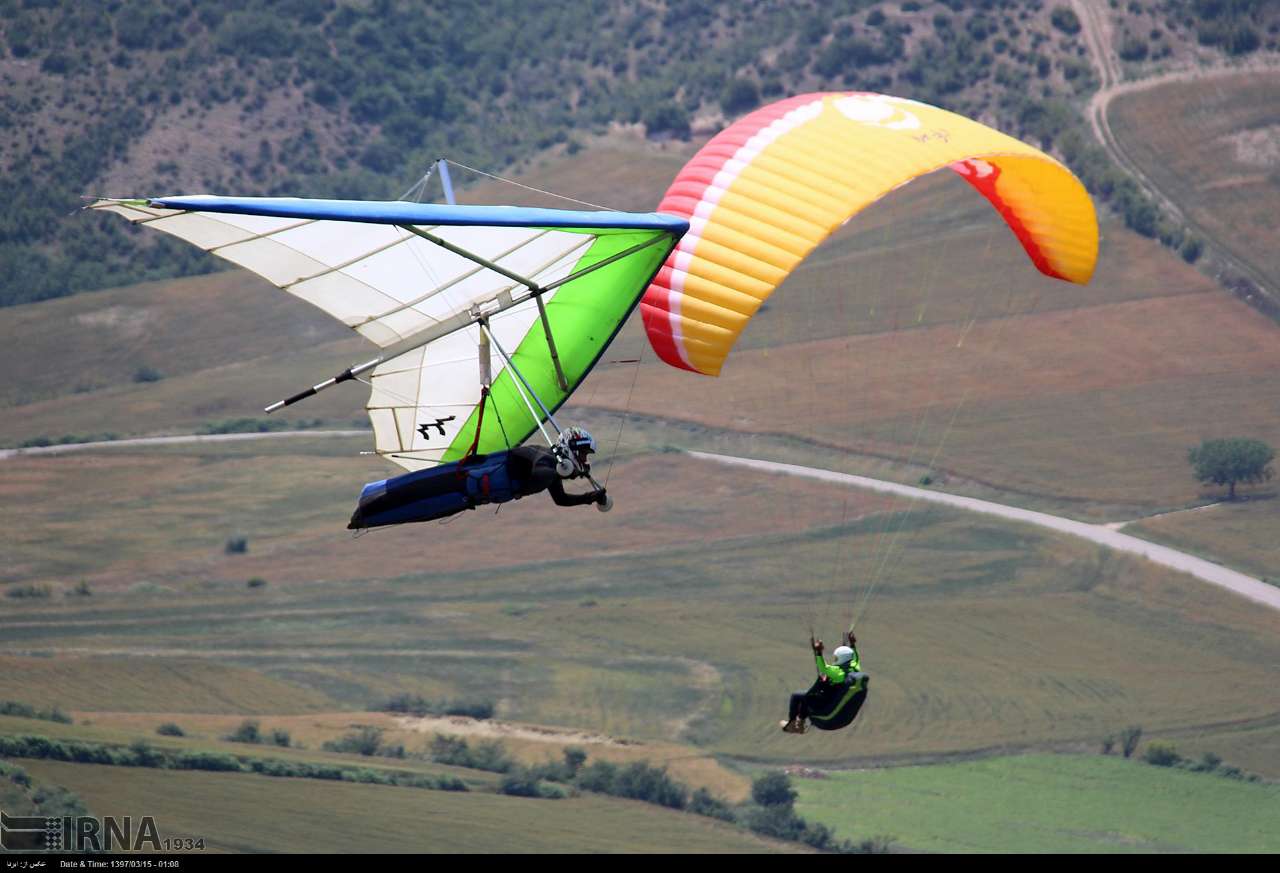
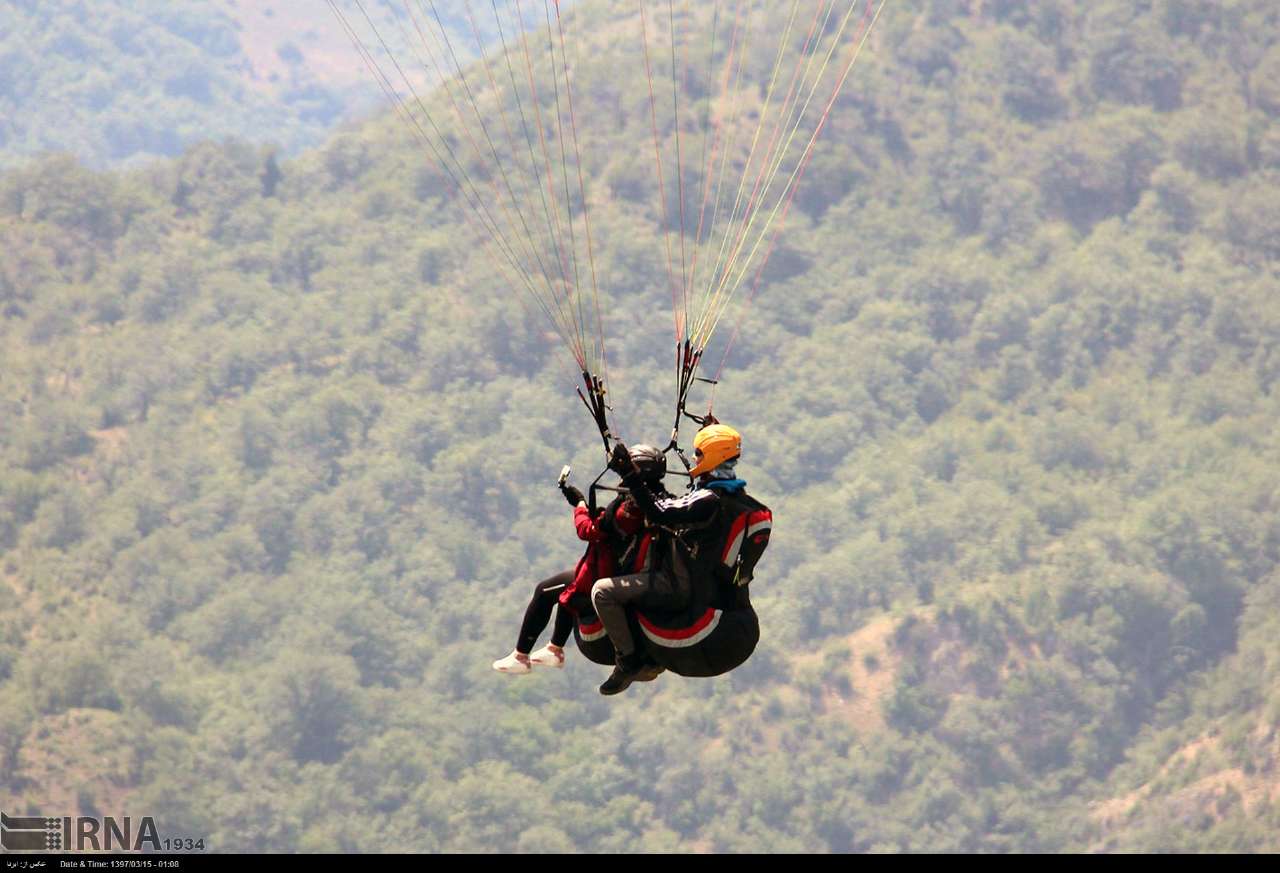
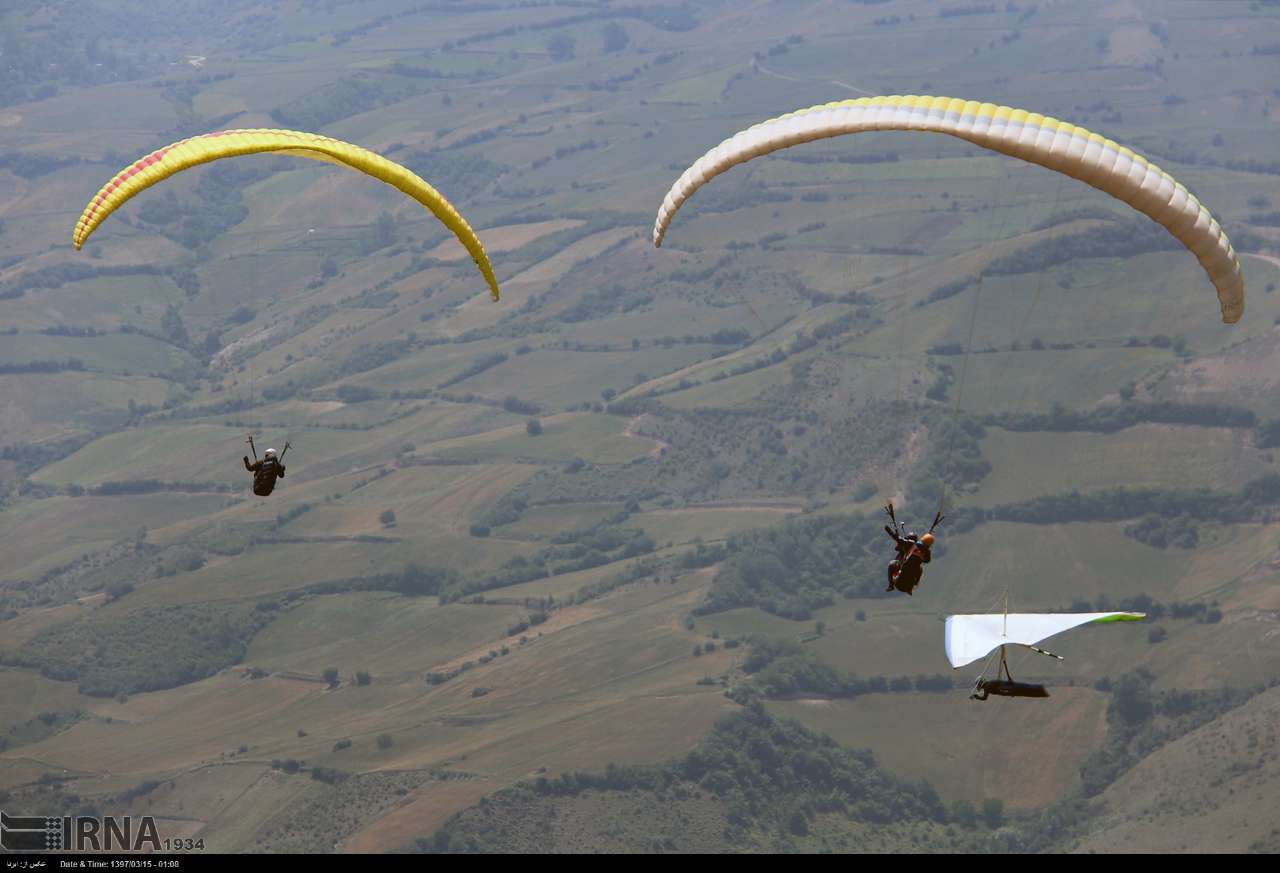
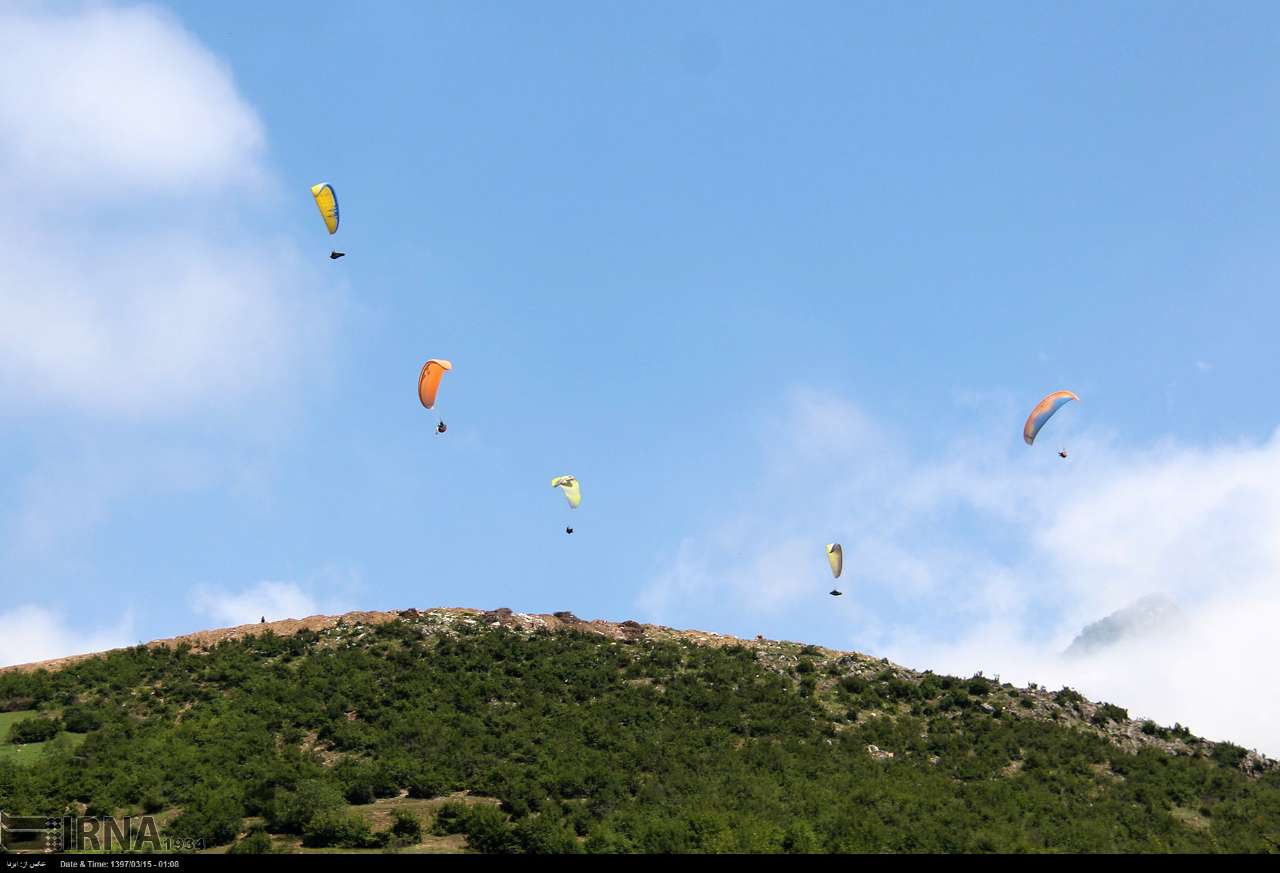
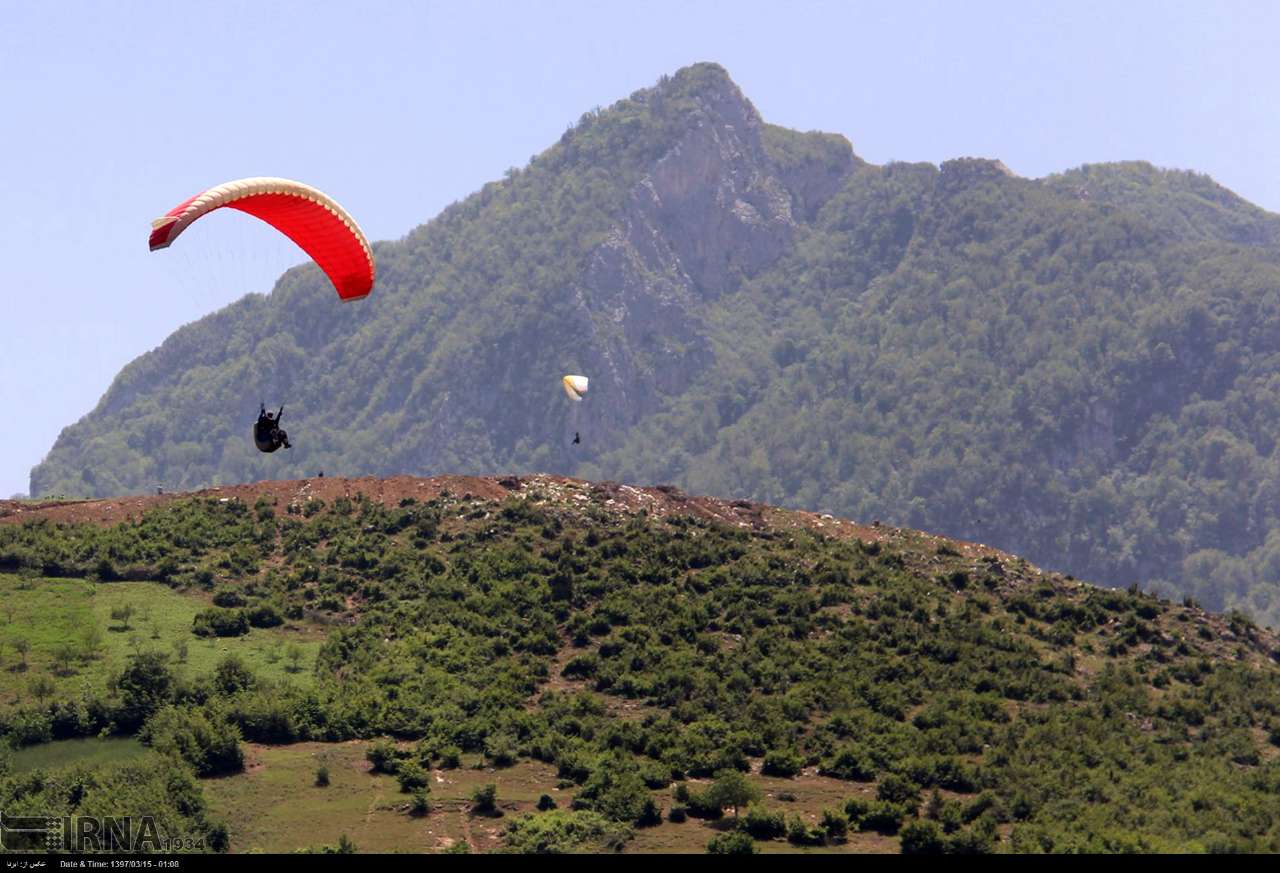
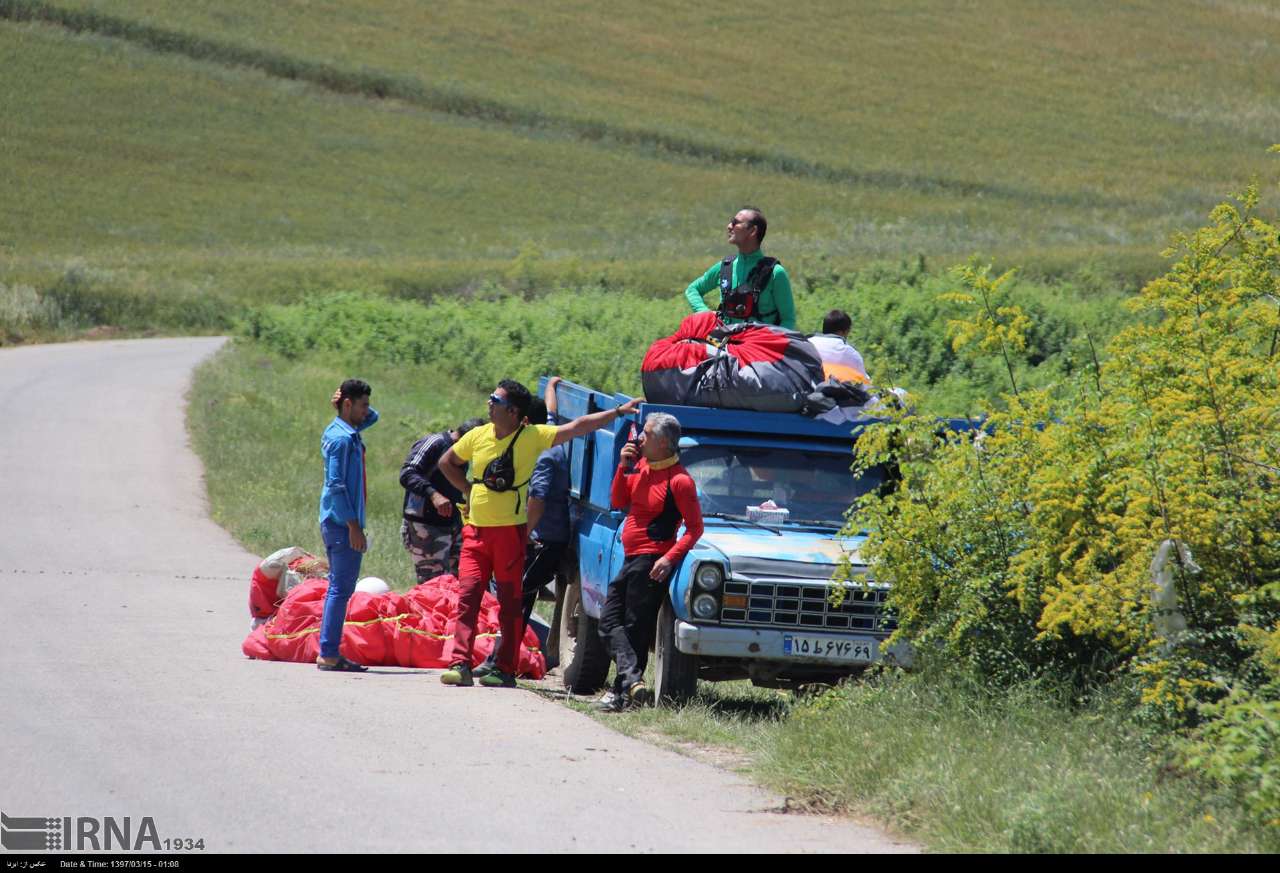
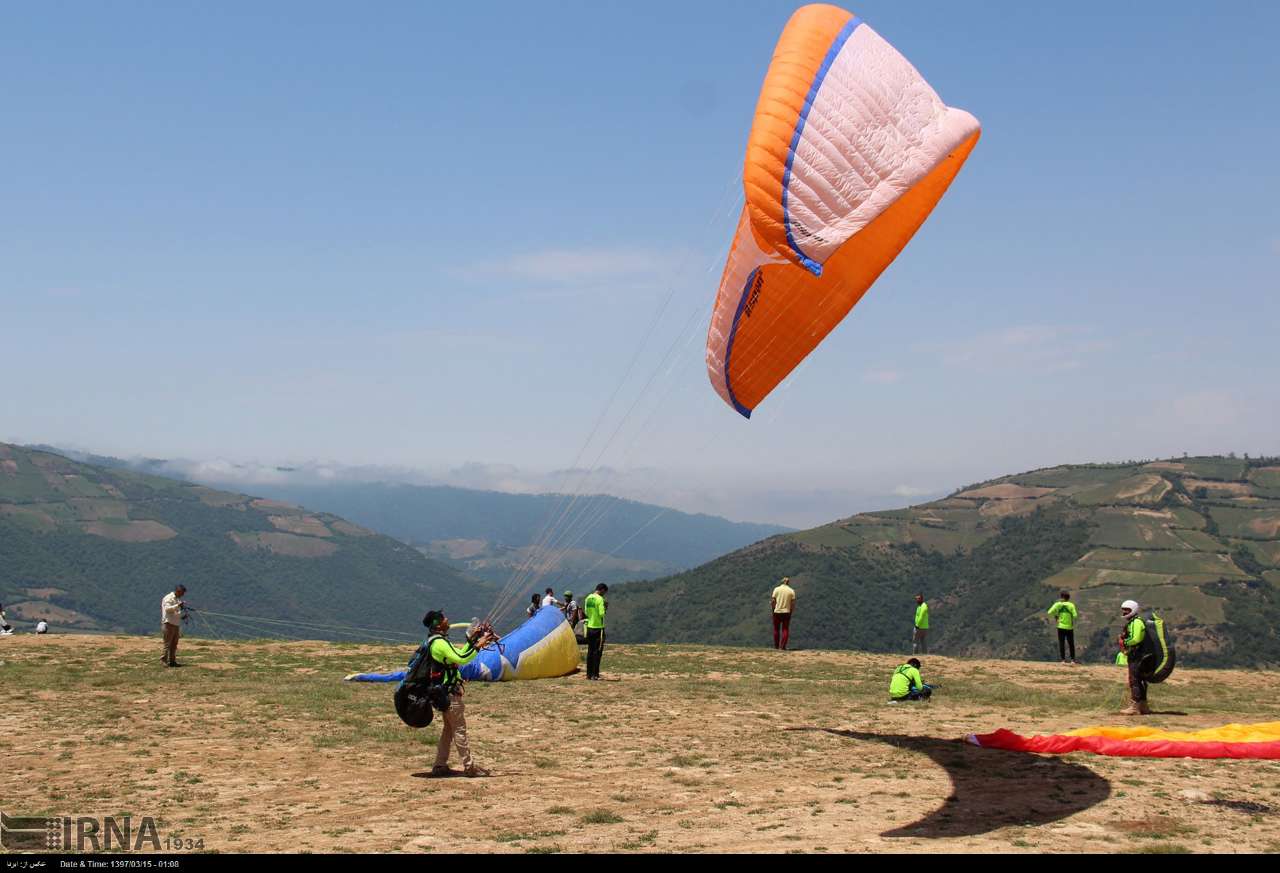
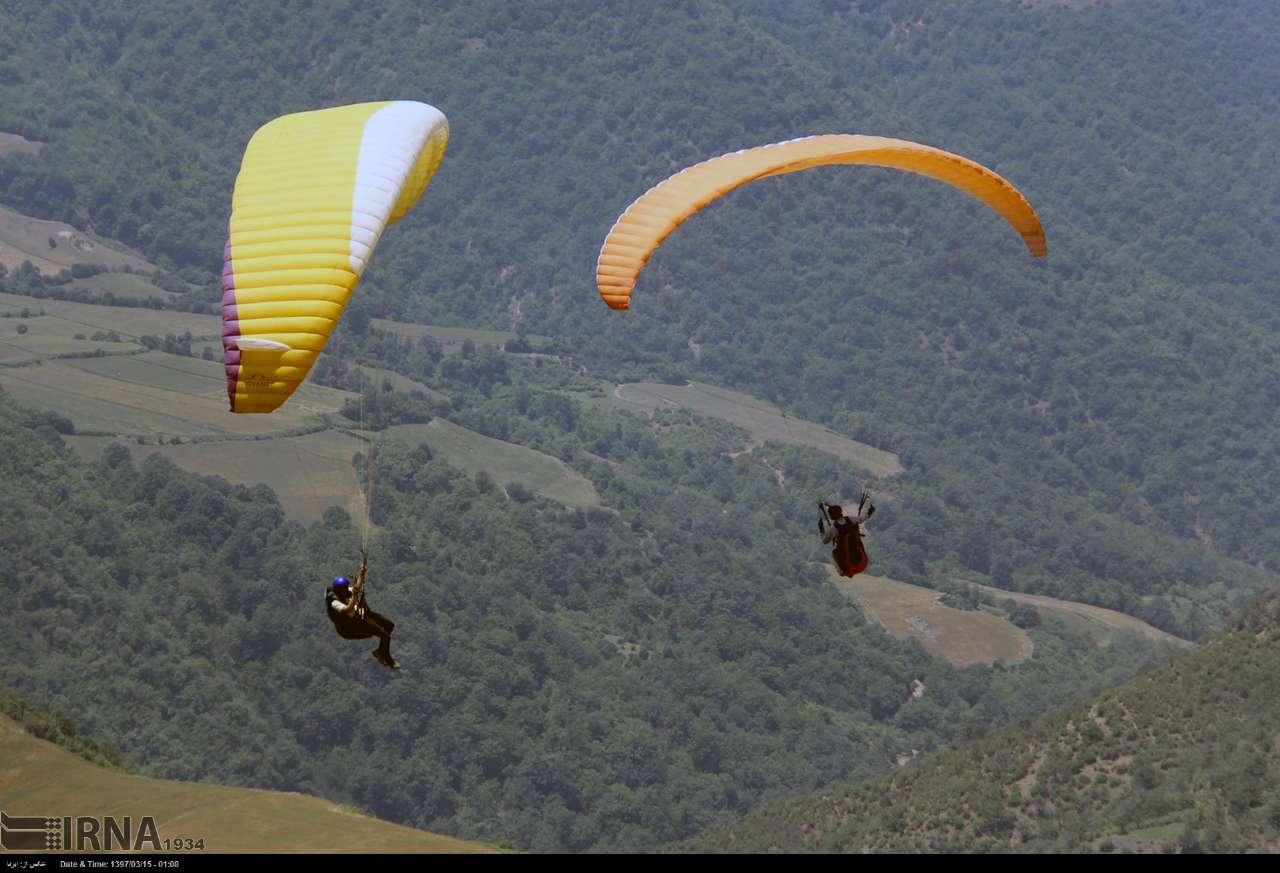
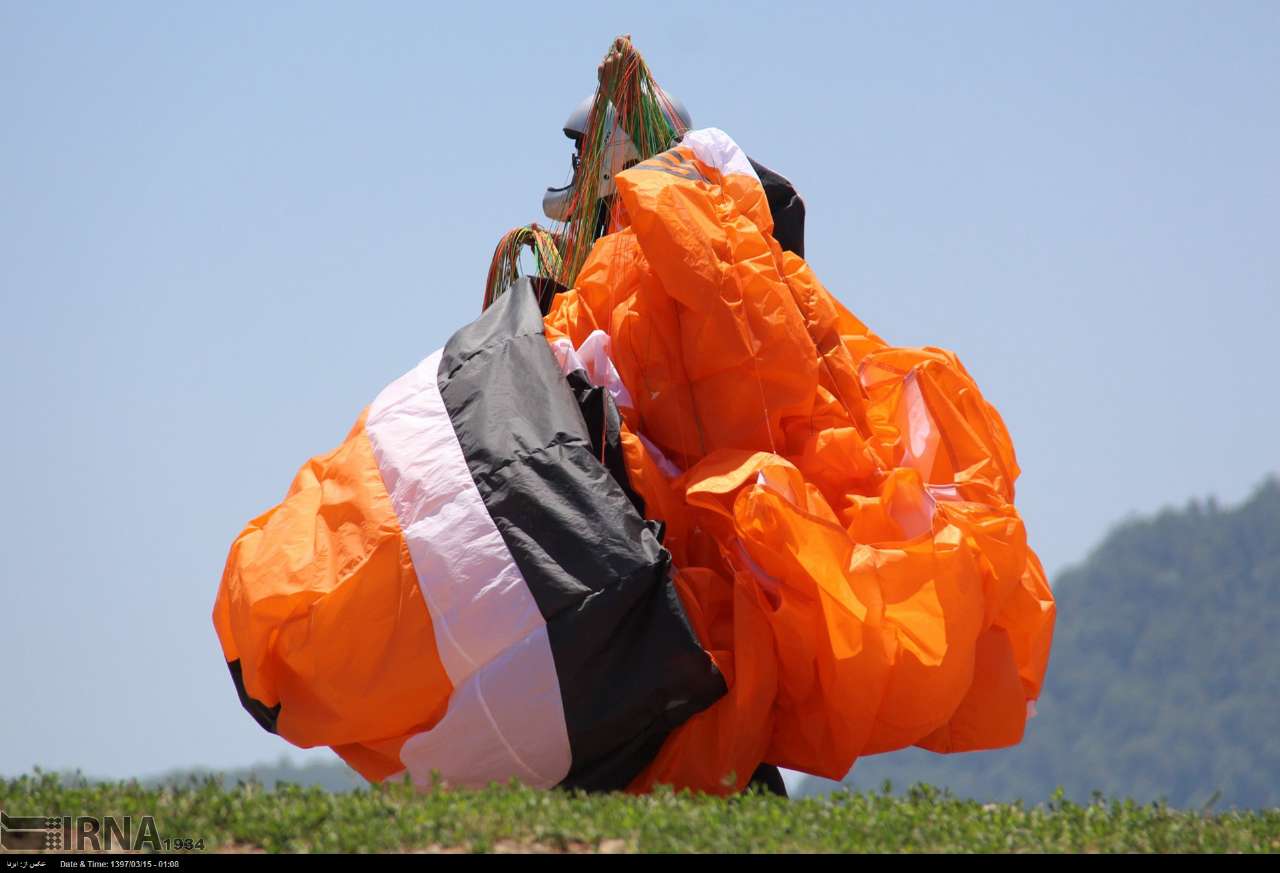

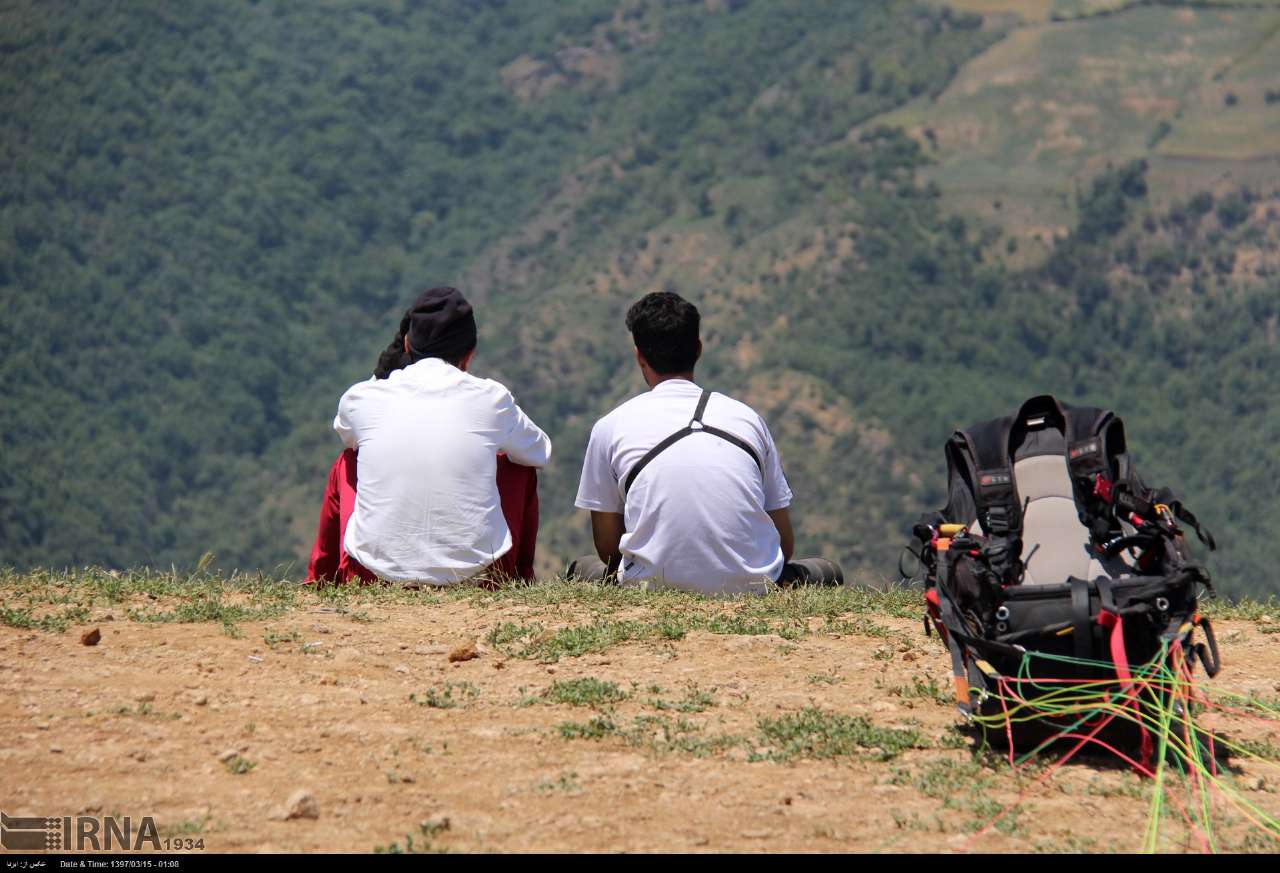
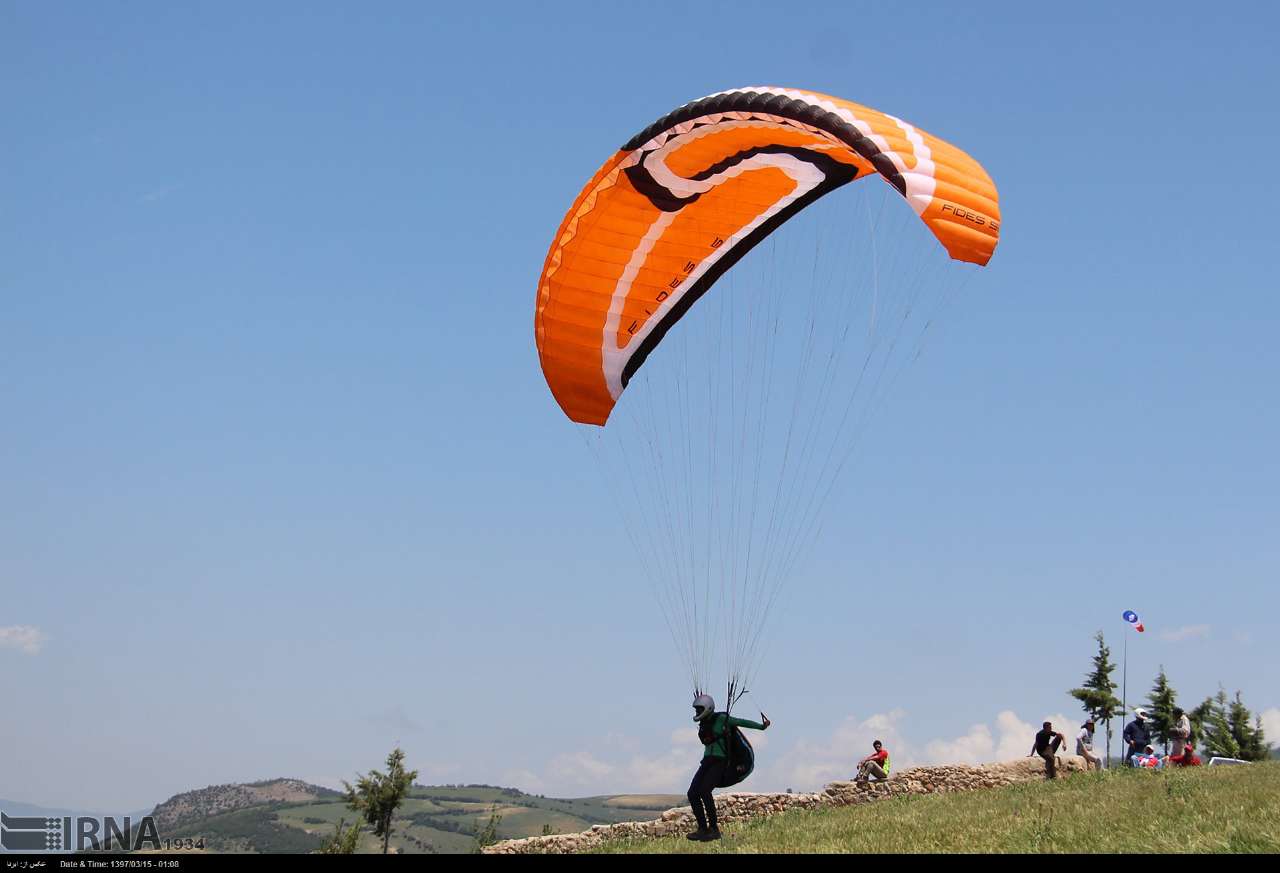
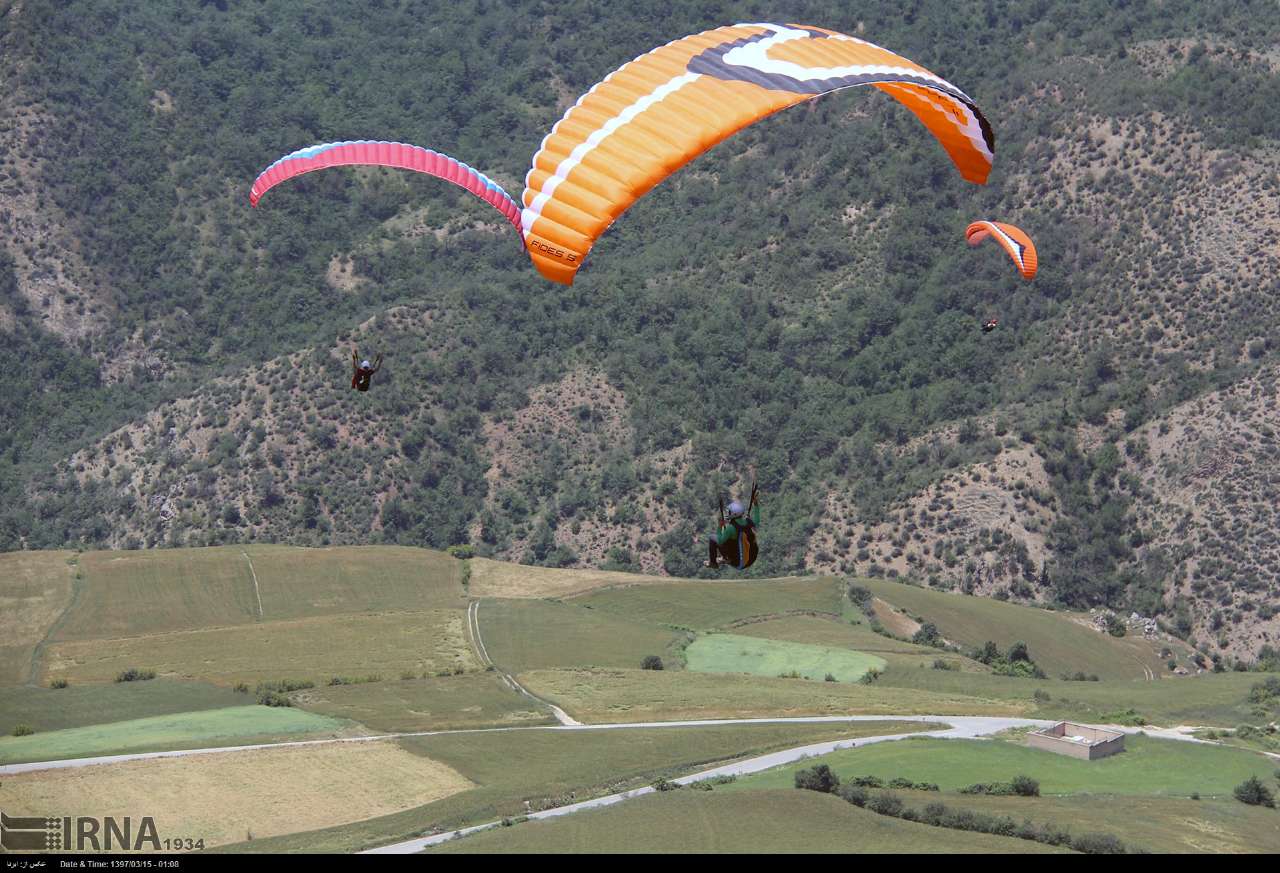
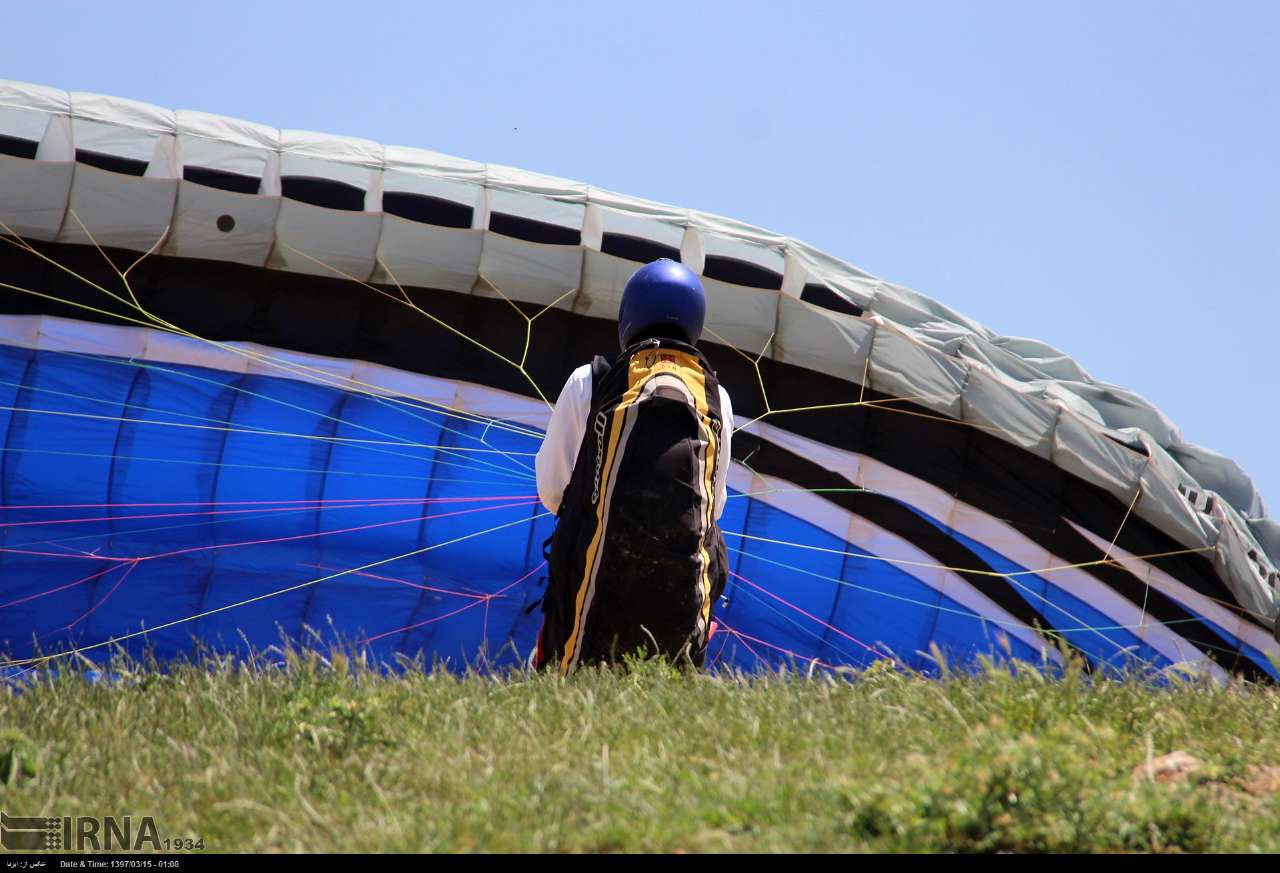
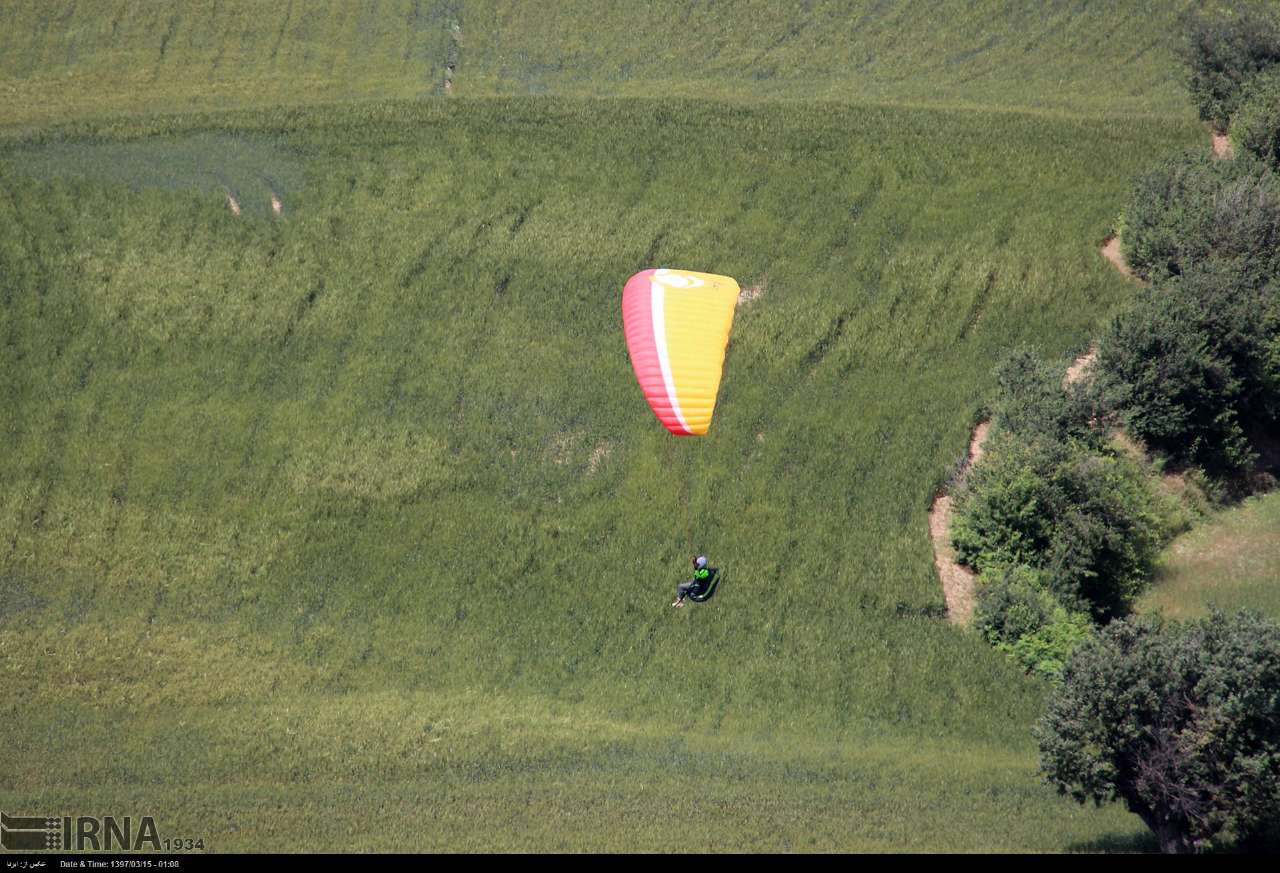

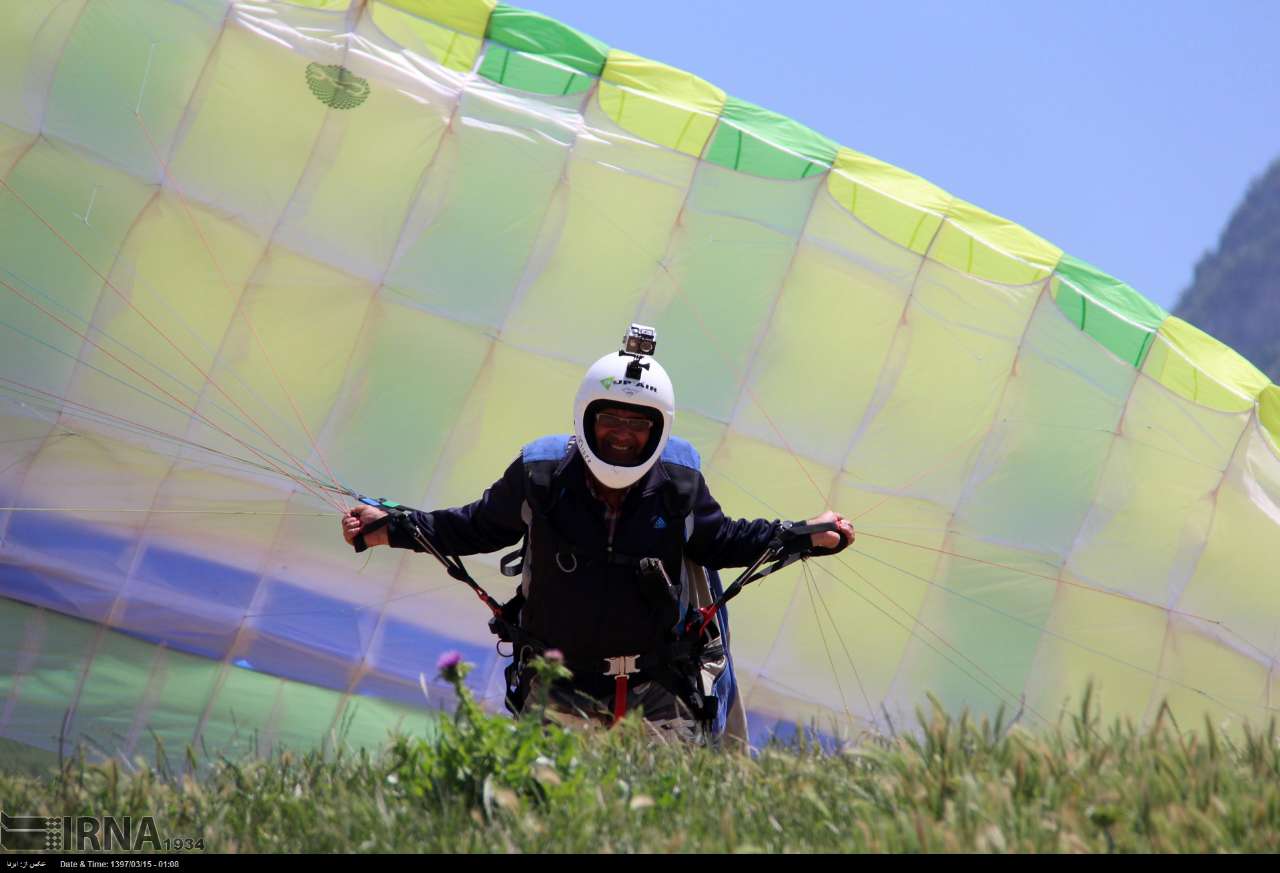

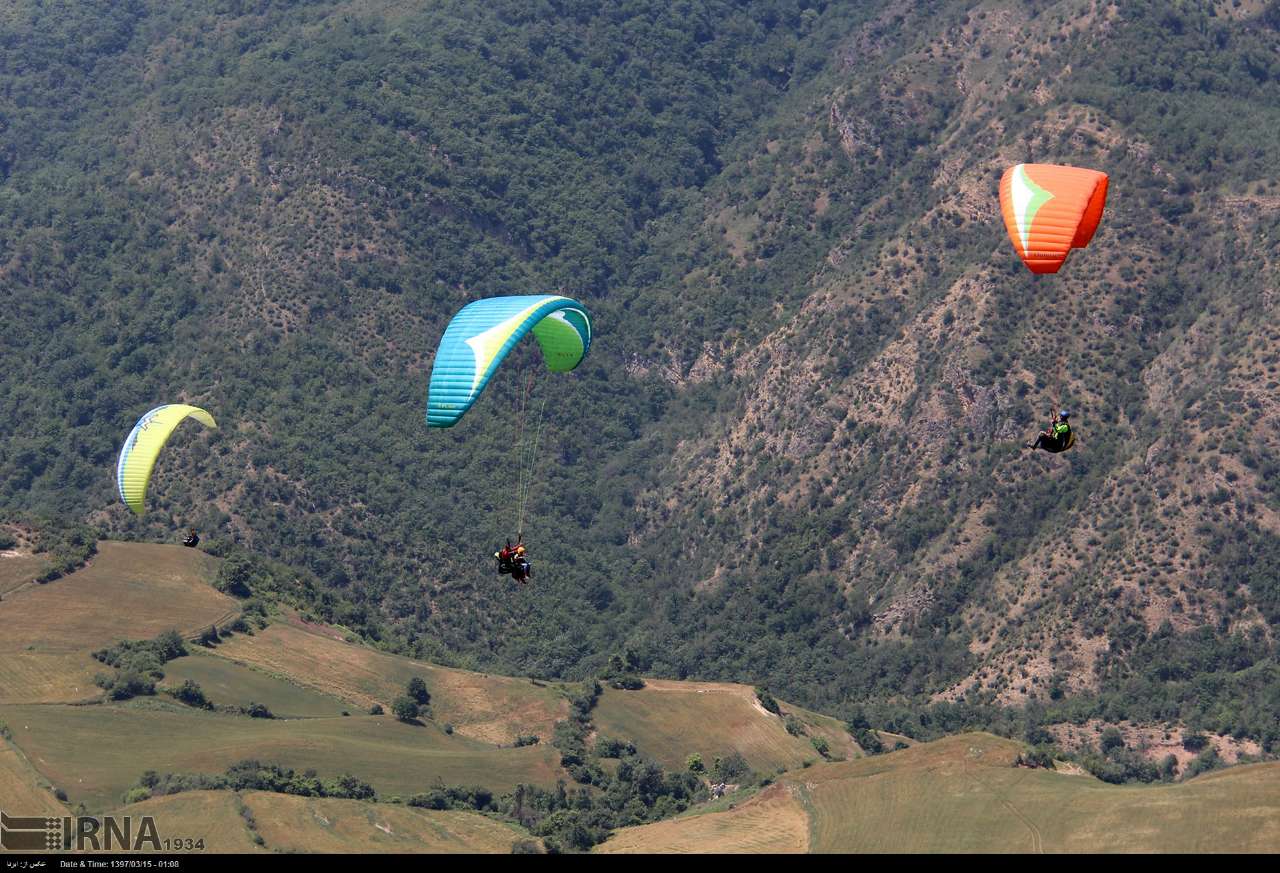
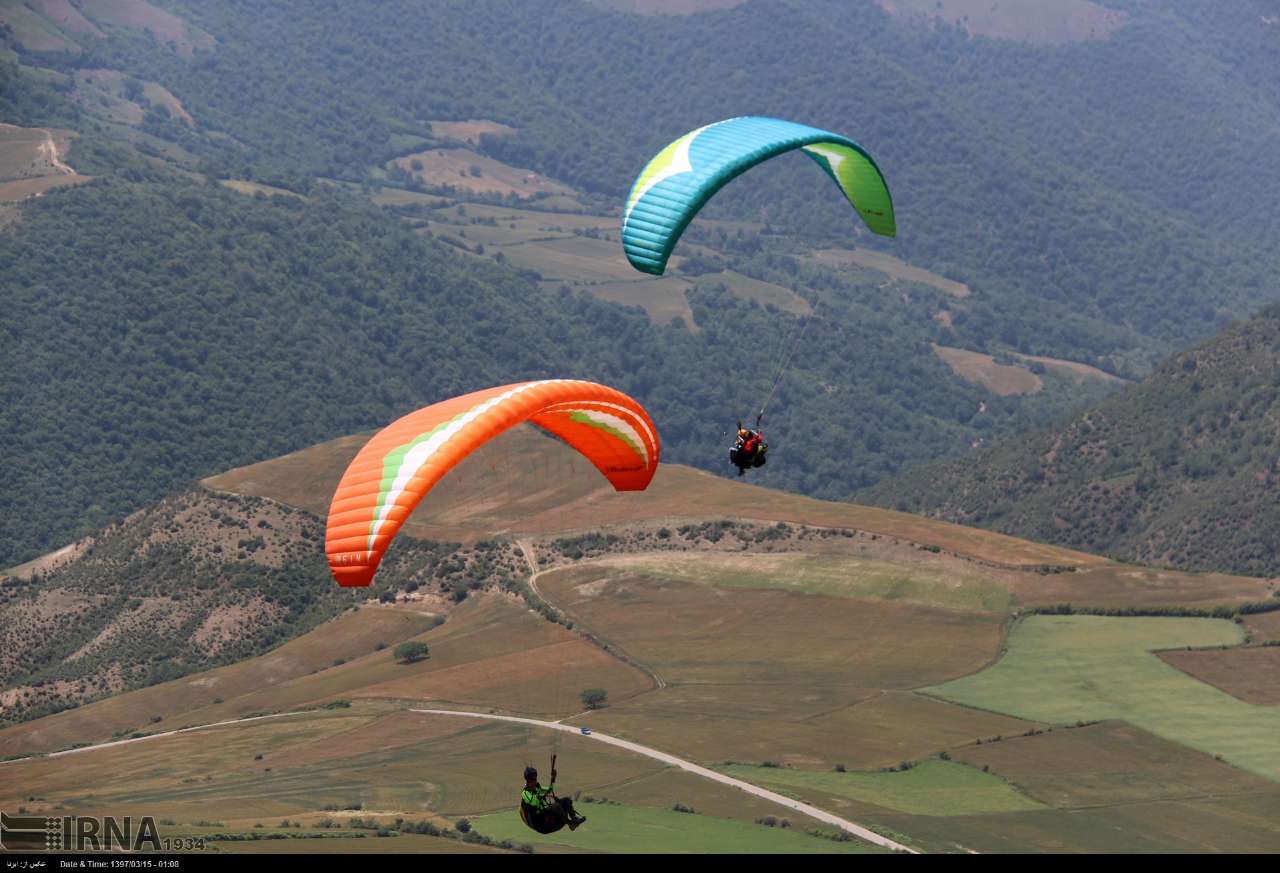


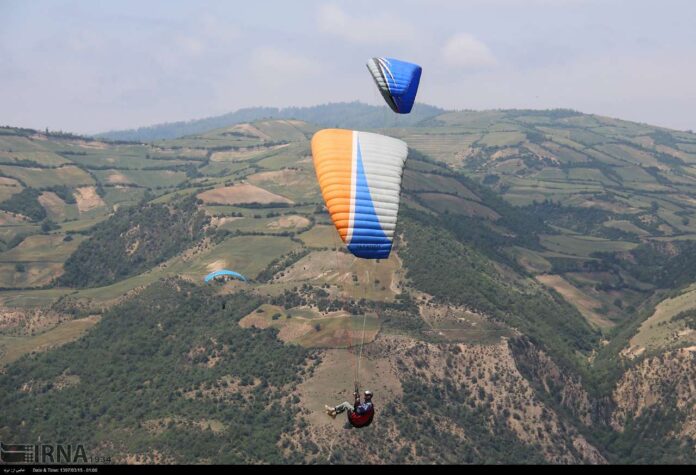
Every year paragliders, kite riders and tourists from different countries come to this village to do such exciting sports.
Following you can find photos of the village retrieved from IRNA:

In a Friday address to a large crowd of people on International Quds Day in the northeastern city of Mashhad, Brigadier General Hossein Salami, the Lieutenant Commander of the Islamic Revolution Guards Corps (IRGC) said the Israeli regime thought that backed by the US and Britain, it can frighten the resistance front without being punished for its crimes.
“The Israeli regime threatened that if Iran responds to the T-4 base attack, it will put an end to the Syrian establishment but the Islamic Republic responded to the attack by firing tens of missiles and sent this message to the regime explicitly that if they decide to fire back, Iran will raze to the ground Tel Aviv,” Salami revealed on Friday.
“As you see, they were shut up and have not dared to make any damn move so far,” he was quoted as saying in a report by Tasnim News Agency.
Back in April, two Israeli F-15 war planes carried out strikes on Syria’s T-4 base near Homs in Central Syria. Several Iranian advisors werr killed in the attacks. Russia’s Defence Ministry said Israel conducted the strikes from Lebanese air space, and Syrian air defence systems shot down five out of eight missiles. Israel had previously accused Damascus of allowing Iran to set up a complex at the base to supply arms to its ally, Lebanon’s Hezbollah.
General Salami further said the back to back travels by Israeli official around the world to garner support for Israel against Iran indicate how deeply they are frightened by Iran’s regional power.
He noted that the enemies have done whatever in their power against the Islamic Republic over the past four decades and added none of the current plots by the US and its allies against Iran is as strong and nasty as those in the past.
Elsewhere in his remarks, General Salami said the efforts by the enemies to politically isolate Iran have all ended up in failure over the past decades.
“Now they have begun new rounds of efforts to isolate us in economic area but their efforts will come to failure again because the great nation of Iran will stand firmly against their plots,” he said.
He then underlined that the Zionist regime is not only a threat to Palestine but also the whole Islamic world.
“The Zionist entity has been established to extend the US political and security geography in the region,” he said.
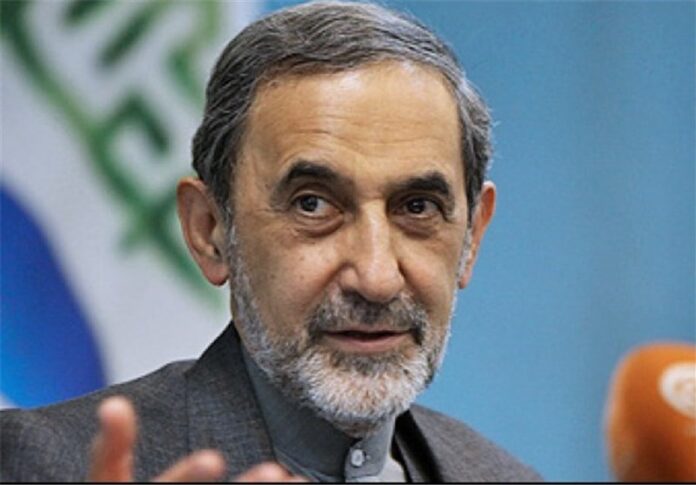
Velayati made the comment via video conference while addressing a meeting in Gaza to honour International Quds Day in the run-up to the event. The full text of his speech follows.
In the Name of God, the Compassionate, the Merciful
Forty years have passed since the late Imam Khomeini designated the last Friday of the holy month of Ramadan as International Quds Day.
During these forty years, the memory of Quds has always been honoured on this holy day to serve as a beacon of guidance for the Islamic community to regulate its struggles to secure the liberation of Muslims’ first Qibla.
Although the struggles of the Palestinian and other regional nations against Zionism have had numerous ups and downs over the past 40 years, outstanding victories have been achieved such as the liberation of Southern Lebanon, the liberation of Gaza and the Zionist regime [of Israel]’s failures in several consecutive wars against the resistance front in Gaza and Lebanon. These triumphs are so tremendous that they have reversed the trend of the Zionist regime’s power gaining, and we are witnessing the trend of its ever-growing decline.
Today, we are welcoming [International] Quds Day at a time when the events which occurred on Nakba Day turned into one of the major platforms for fight and struggles.
What happened basically that resulted in Nakba and saw hundreds of thousands of Palestinians displaced in one day?
The answer is clear. First, Britain and France disintegrated the regional countries and made them smaller before disarming the Palestinian nation and leaving it at the mercy of the armed-to-the-teeth Zionists.
British Glubb Pasha was the commander of the seven Arab armies that entered Palestine. All the sufferings that the Palestinian nation has endured emanate from the UK’s treacherous behaviour and other Western countries’ alignment with it.
The idea that Palestinians should not have left their homeland and should have agreed to the partitioning of Palestine based on Resolution 180 is a completely abstract viewpoint which overlooks the realities on the ground.
UN resolutions were basically aimed at giving legitimacy to the behaviour of the Zionists, who were a rebellious, unruly and bullying group of people. The issuance of such resolutions was mainly aimed at triggering a step-by-step move towards giving legitimacy to the illegitimate Israeli regime. Basically, these resolutions have not been issued to be implemented; so, none of them has been implemented, so far.
Nakba is not a calamity at a certain point in history; rather, it is a constant calamity with which we have been living every single moment. More than 70 years on, this nation is still homeless; still, despite being displaced, it has strongly preserved its identity.
The impressive March of Return rallies, which coincided with Nakba Day, show this nation is clinging to its historical and legitimate right to return to their homeland. However, those who, one day, sought to deceive Palestinian people by raising the flag of peace have removed the masks from their faces and relocated their embassy to al-Quds on Nakba Day to show that the existence of Israel is, in fact, associated with them.
The deplorable situation in the Muslim world today has, unfortunately, provided an ideal opportunity for the enemies of Palestine and Quds to be able to press ahead with their acts of aggression. Nonetheless, they are definitely making a big mistake. Quds is too big to be swallowed, and Palestine as well as the brave Palestinian nation are too great to be forgotten.
These days, we are hearing news about the “deal of the century.” It looks like Trump intends to impose a humiliating solution on Arabs and Palestinians to meet all of Israel’s demands. It is said that some heads of Arab states have also aligned themselves with him on this path. I doubt that these officials, however young and immature they may be, ever dare to overtly take steps on this path, a path which stands in stark contrast to the demands and will of the whole Islamic community. Of course, some countries’ covert support for them is insignificant because it has existed in the past, as well. This treacherous scheme is such that even the compromisers who are most willing to compromise cannot accept it.
Of course, in order to counter it, the Palestinian nation has brought to the fore a new Intifada (uprising) whose signs are different from those of other Intifadas. The current Intifada is marked by features of individual and collective action. Another characteristic of this Intifada is that it is staged on an off-an-on basis, which means it subsides after a few anti-Zionist moves, but another huge wave strikes right when the Zionists expect no more action. The third feature of this Intifada is that all Palestinians approve of it. They do not split into separate groups any longer, and all people from all groups have realized that the only option available to them is resistance and Intifada.
Yes! The Palestinian nation is at the forefront of, and a guide for the Islamic community in this historical battle, which has basically targeted the existence and identity of all Islamic countries. If it weren’t for their (Palestinians) struggles, now we would definitely be unable to defend the independent existence of our countries and the territory of the Islamic community and its sanctities. The whole Muslim community is beholden to the Palestinian nation whose efforts should be appreciated.
And finally, Quds is the symbol of all sanctities of Muslim nations, the ultimate symbol of unity which can bring together all Muslims from any denomination. The liberation of Quds is a lofty goal which will be the pivot of unity among all Muslims. All of us should set aside our differences on this path in order to secure the interests of the Muslim community.
Today, the Islamic Republic of Iran stands firm at the frontline of the resistance front led by Supreme [Leader of the Islamic Revolution] Ayatollah [Seyyed Ali] Khamenei to back the struggles of Palestinian people against the Zionist regime ant its supporters, especially the criminal United States. Tomorrow (June 8, 2018), which marks the last Friday of the holy month of Ramadan, the whole world will, “by God’s will” as the Supreme Leader put it, see International Quds Day rallies being held more fervently than in the past.
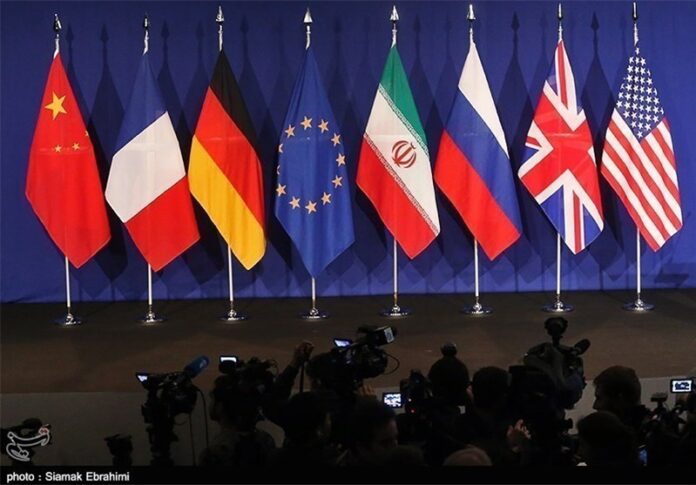
The meeting, which was held in two morning and evening sessions at the Iranian Foreign Ministry’s Institute for Political and International Studies, discussed the fallouts of the US’ withdrawal from the JCPOA.
During the meeting, the participants exchanged views on finding practical measures to meet Iran’s legitimate demands and cope with the consequences of the return of Washington’s illegal sanctions against Iran.
The talks were also focused on finding ways to compensate for the damages caused by the US’ illegal and unjustified pullout from the deal.
The meeting was attended by delegations from the Islamic Republic, the European Union, the European Commission as well as China, France, Russia, Britain and Germany.
The Thursday talks were held based on an arrangement made during an earlier meeting of the Joint Commission of the JCPOA on May 25 in Vienna. The Vienna meeting was held at the level of deputy ministers and political directors.
The expert-level meeting was the latest round of consultations held over the past month on the US illegal withdrawal of the JCPOA and Iran’s decision to give a one-month deadline to the P4+1 group of countries (Russia, China, France, Britain and Germany) to guarantee the Tehran’s benefits under the JCPOA following the US withdrawal.
It’s noteworthy that Iran’s top leadership has set conditions for remaining in the nuclear deal and underlined that if the P4+1 group of countries fails to remain committed to their collective pledges under the deal to remove the brutal sanctions on Iran, the country will revise its decision to remain in the JCPOA.
Under the terms of the JCPOA, the Joint Commission is responsible for overseeing the implementation of the nuclear deal. The commission’s meetings offer an opportunity to review the implications of the withdrawal of the US from the JCPOA and discuss the way forward to ensure the continued implementation of the deal in all its aspects.
Iran’s Leader of the Islamic Revolution Ayatollah Seyyed Ali Khamenei ordered the country’s atomic energy body on Monday to prepare for an increase in uranium enrichment capacity up to 190,000 SWU if the nuclear deal with world powers falls apart after the US pulled out.
Under the nuclear deal, the Islamic Republic curbed its nuclear energy program and in return won a lifting of most international sanctions that had hobbled its economy. The UN’s nuclear agency, the International Atomic Energy Agency (IAEA), has said in at least eleven reports that Iran continues to stay below the maximum level of uranium the deal allows it to enrich. Iran’s Leader said the latest push for enrichment would still be within the terms of the Iran deal if other sides fail to fulfil their commitments.
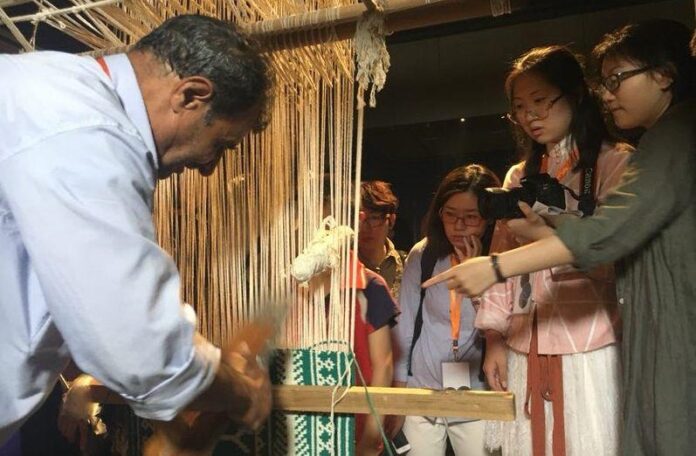
Zilu or rough rug (fabric) is made of cotton thread and comes in various sizes and patterns. In Iran, the hand-woven rugs mostly decorate the mosque floors with smaller portions of Zilu fabric used as a cover for different items such as bags and cups.
As of Wednesday, the National Silk Museum in China’s Hangzhou is hosting an exhibition of Zilu rugs woven in Iran and 13 other countries participating the fair.
A representative for Iran’s Cultural Heritage and Tourism Organization in Shanghai said on the sidelines of the exhibition that the economic relations between Iran and China through the Silk Road have been accompanied by various cultural exchanges.
In an interview with IRNA, Hossein Khalifi has spoken about the role played by rugs in the lives of the Iranian people saying that “The rug is an integral part of the life of the people of Iran, and it has long been transported through the Silk Road to the rest of the world, including China.”
“The history of Zilu is not yet clear, but it is evident that it has existed in Iran since pre-Islamic era and the birthplace of this product is Yazd province.”
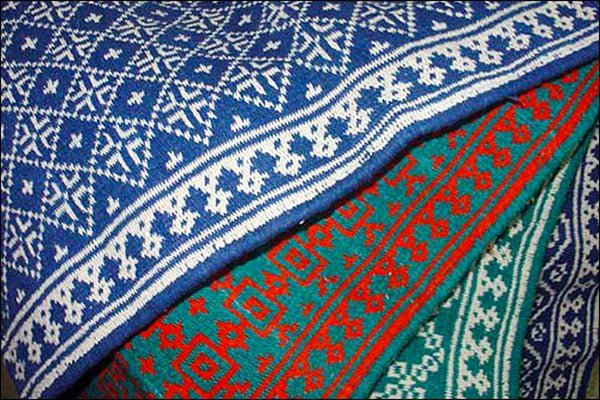
Khalifi further mentioned that Yazd is a city located in the heart of desert in which weaving Zilu has been widespread. Currently, in two cities of Ardakan and Meybod of Yazd province, this kind of art is still prevailing after many years.
The director of the Iranian pavilion says the Chinese welcome Iran’s Zilu more than the people of other countries. Ataollah Jalayer added that Iran and China have long had a special interest in the Silk Road, and now the One Belt One Road Initiative is the continuation of the same old Silk Road project.
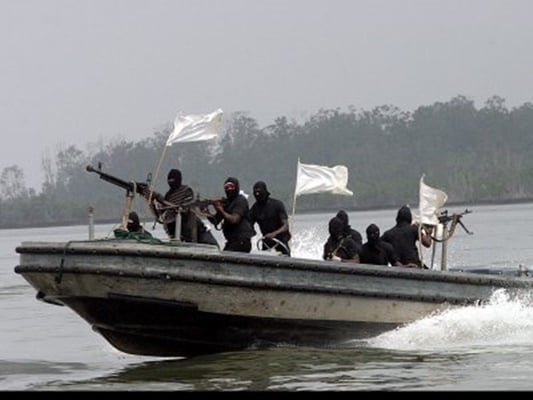
Iranian intelligence agents secured the fishermen’s release through a long process and despite tight security controls by the pirates.
The Iranian forces managed to set the captives free and bring them back to their homeland through an intelligence-operational plan.
The fishermen were all Sunni Muslims from the southeastern Iranian province of Sistan-Baluchestan. They had been held by pirates since 2015.
The four fishermen will be transferred to the city of Zahedan as soon as possible.

Hossein Shariatmadari, the editor-in-chief of the conservative newspaper Kayhan, said since the beginning of talks over the Iran nuclear deal, the US government insisted that in addition to nuclear restrictions, the Islamic Republic should also accept other limitations on its missile program and regional influence.
“The Europeans are now repeating the same demands in another form by pressuring Iran into accepting restrictions on its missile programs,” he was quoted as saying in an interview with Tasnim.
He went on saying there is no need to concurrently accept restriction on Iran’s nuclear program and sanctions on the country.
Shariatmadari said the US decided easily to pull out of the Iran nuclear deal because it was assured earlier by the European states that its demands from Iran will be fully met after its withdrawal.
He said the current negotiations between Iran and the EU over the JCPOA are like those held back in 2003 and added in the previous talks, the Europeans began to raise their demands after making sure that Iran’s nuclear activities have become suspended. “They took another step forward and urged Iran to completely halt its nuclear activities.”
He then said Iran should stand against the Europeans’ illegitimate demands.
“We should make a preemptive strike on the west and force it to retreat from its unusual demands,” he said.
Shariatmadari then expressed regret that the Iranian government didn’t give a resolute response to the US pullout of the nuclear deal.
Iranian officials said the UN Security Council Resolution 2231 guarantees the JCPOA’s implementation but the US simply violated the resolution without facing a crushing response by Iran, he added.
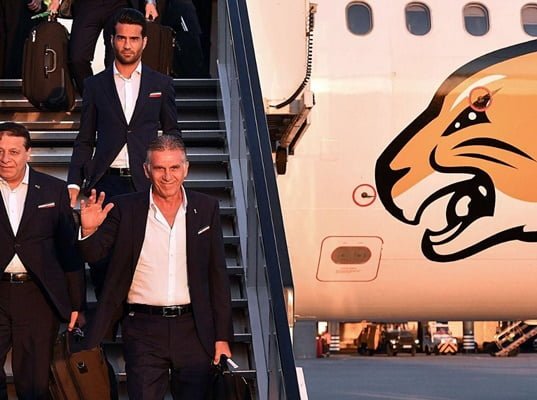
Carlos Queiroz made the comment at the Iranian team’s training camp in Russia before they began their exercises.
Queiroz said the football clubs whose camps he chooses for the Iranian football squad’s World Cup training are the ones that have already become the champions of their country’s league contests.
“In 2014, I chose [Brazil’s] Corinthians Club, which had become Brazil’s champions,” he said.
This year, he added, Iran’s National Team are training at the camp of Russia’s football club Lokomotiv Moscow, which managed to win the championship at Russia’s Premier League contests.
Queiroz said he was pleased to see the Iranian squad are training at the camp of Russia’s champions.
“There will be no better place for us than this. I hope we won’t have any problems,” he noted.
Queiroz said he and his team love attending World Cup contests.

Referring to his joint meeting with the Swiss ambassador to Tehran, Marcos Lightner, Mayor of Hamadan Abbas Soufi said Switzerland is one of the countries to be engaged in tourism and investment prosperity, and on this basis, the city council and the municipality of Hamadan have started negotiating and holding a meeting with the country’s ambassador.
Last week, along with the chief and several members of the city council and municipal deputies, we held a meeting with the Swiss ambassador to Tehran, Soufi told IRNA.
“Swiss officials emphasized the country will help promote Hamadan as a major destination for tourists of Switzerland. During the meeting, the city of Hamadan and its tourist attractions and handicrafts were introduced, and the areas of cooperation with Switzerland were discussed.”
Soufi further noted that the two sides also agreed to hold the cultural week of experience, urban management and crisis management the crisis.
As the city is going to host a tourism event called Hamadan 2018, Soufi touched upon the efforts of the council and municipality to introduce the city better.
He said the goal of the city’s management team is to establish economic and tourism relations with the world’s major countries and attract investors.
Hamadan has been selected as the capital of Asian tourism this year and hosts two transnational events in the tourism sector.

Ali-Akbar Salehi, the head of the Atomic Energy Organization of Iran (AEOI), made the comment in an interview with state TV conducted at a centrifuge assembly hall of the Martyr Ahmadi Roshan Enrichment Facility in Natanz, central Iran.
“At the moment, this place has a capacity of [producing] around 60 machines per day, which means the halls to be created in 10 months’ time will be able to ramp up [uranium enrichment capacity] to 190,000 SWUs,” Salehi said.
“We will assemble new centrifuges to the extent allowed under the JCPOA, and even if we have [an enrichment capacity of] 180,000 SWUs today, the condition will not be prepared and there is not enough raw material for this extent of enrichment.”
“After the conclusion of the JCPOA, we were able to add around 400 tonnes of raw material to the 550 tonnes we already had,” the AEOI chief noted.
He further underlined that Iran tries to raise its capacity of producing raw material in parallel with its uranium enrichment capacity.
“If our [uranium enrichment] capacity rises to 190,000 SWUs, each year we will need 300 tonnes of uranium to be used as feed [for enrichment], and we don’t have that amount at the moment, but we are making every effort to be able to increase our raw material production capacity in the country to 300 tonnes in the coming years,” Salehi said.
“We moved forward with the prediction that nuclear talks would break down or would be violated, and the Leader of the [Islamic] Revolution had also told us not to trust the United States,” said the nuclear chief.
“This hall (the industrial shed where the TV interview was being conducted) had been constructed before the JCPOA was signed, and we equipped this abandoned industrial shed back in 2014,” he noted.
“This industrial shed has several pavilions; for example, rotors are tested at different speeds at these pavilions,” Salehi said.
He said the halls are where centrifuge parts are tested.
“All necessary tests for rotors and other parts used in centrifuges are tested in this hall. Also, there is a bigger hall under construction where it will be possible to fully control 60 centrifuges,” he added.
“Since the Supreme Leader issued the order [to make preparations to increase uranium enrichment capacity to 190,000 SWUs,] work has been underway round the clock to make these halls operational. A lot of work has been done over the past 48 hours, and we hope all of these halls will become ready and enter service in a month’s time,” Salehi said.
He further noted that the current industrial sheds are suitable for IR2, IR4 and IR6 centrifuges “which are among our modern centrifuges,” adding that an extension hall is to be constructed which will be big enough to accommodate IR8 centrifuges as well.
© All Content by IFP News ( Iran Front Page ) is licensed under a Creative Commons Attribution 4.0 International License.
