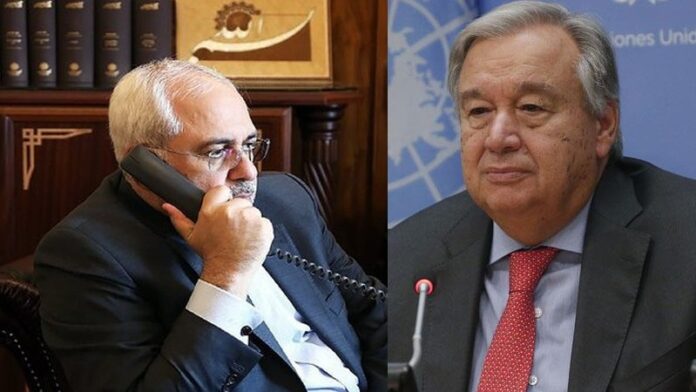
In a phone call on Saturday evening, the two sides also conferred on the latest developments in Yemen.
Donald Trump administration’s refusal to halt sanctions against Iran is directly impeding the efforts to deal with the deadly coronavirus.
Iran says politicians must realize that the path to pursuing national interests is not separate or contrary to that of global interests and international accountability.
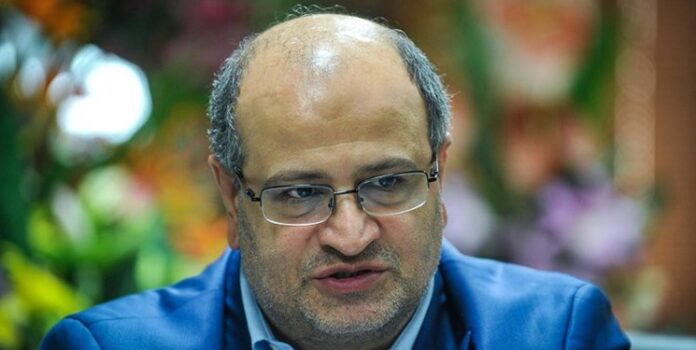
In a Saturday meeting with the CEOs and officials of a number of local knowledge-based companies and start-ups, head of the Coronavirus Battle Headquarters in Tehran, Alireza Zali, stressed the need for the development of a digital map to contain the COVID-19 epidemic more seriously.
Various organizations, such as the Municipality of Tehran, the knowledge-based companies and the start-ups, have expressed readiness to contribute to the development of the digital map, Zali added, noting that the infrastructures for the new platform could be used in future for other schemes as well.
Tracking and monitoring the suspected or the confirmed coronavirus cases would help create an inclusive digital map, he stated, saying all relevant organizations have promised to provide access to and share the necessary data by observing the principles of civil rights and ensuring confidentiality of the information.
Zali also emphasized that the outbreak of coronavirus pandemic has provided unique opportunities for innovative projects by the digital media.
Calling for the formation of integrated processes based on the information received from the citizens in Tehran, he said the analysis of data in the capital is a big challenge given the discrete nature of the data, the differences in cultural, economic and social factors, the complexities of demographic data, unofficial habitation in certain locations, floating population, and deficient information in coronavirus self-declaration processes.
The official then highlighted the necessity to work on two main strategies for combatting the coronavirus epidemic with the use of modern technologies, describing the “early detection of the cases” and “tracking the clients” as a major step in controlling and eradicating the contagious disease.
“No strategy is more helpful than the early detection of cases. The sooner we identify the patients, the earlier the source of spread of the disease will be determined,” Zali explained.
As regards the second strategy, he said the Ministry of Information and Communications Technology has undertaken to employ the capacity of the smart phones to establish contact corridors for tracking the patients after being discharged from the hospital in order to give a real-time view of the suspicious cases or the potential infected individuals.
A survey conducted jointly by Iran University of Medical Sciences and the Ministry of Information and Communications Technology among a statistical population of 1,200 people show that 52 percent of the patients have not only not gone into self-quarantine after being discharged from the hospital, but have gone outside a 2-kilometer radius of their whereabouts, Zali noted, describing it as a worrying issue.
He finally noted that more than 4 million residents of Tehran have taken part in the self-declaration program, and stressed the need to proceed with the remote work scheme in order to prevent crowds in the capital.
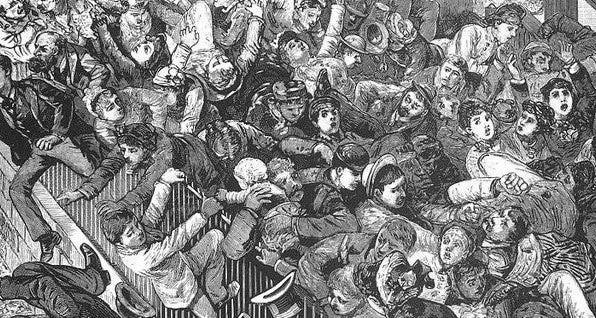
The Coronavirus Battle Headquarters of Tehran is going to convene an emergency meeting on Sunday to prevent a crowd of commuters like what happened in the streets of Tehran on Saturday morning, Zali concluded.
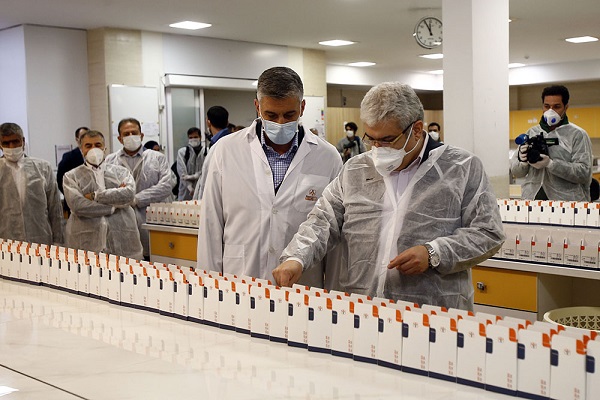
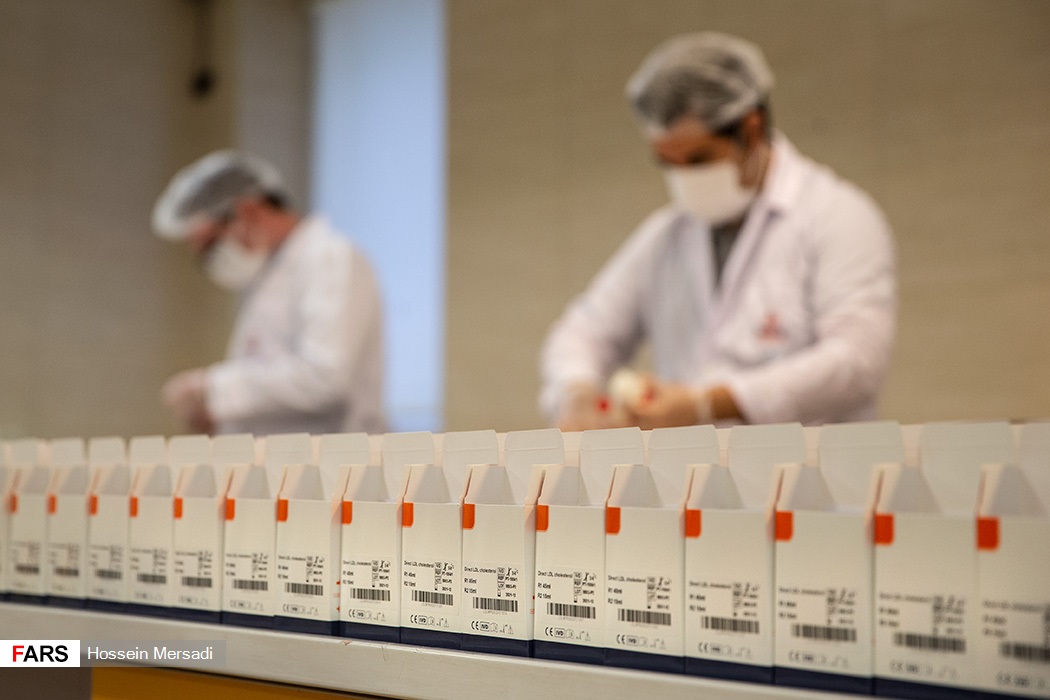
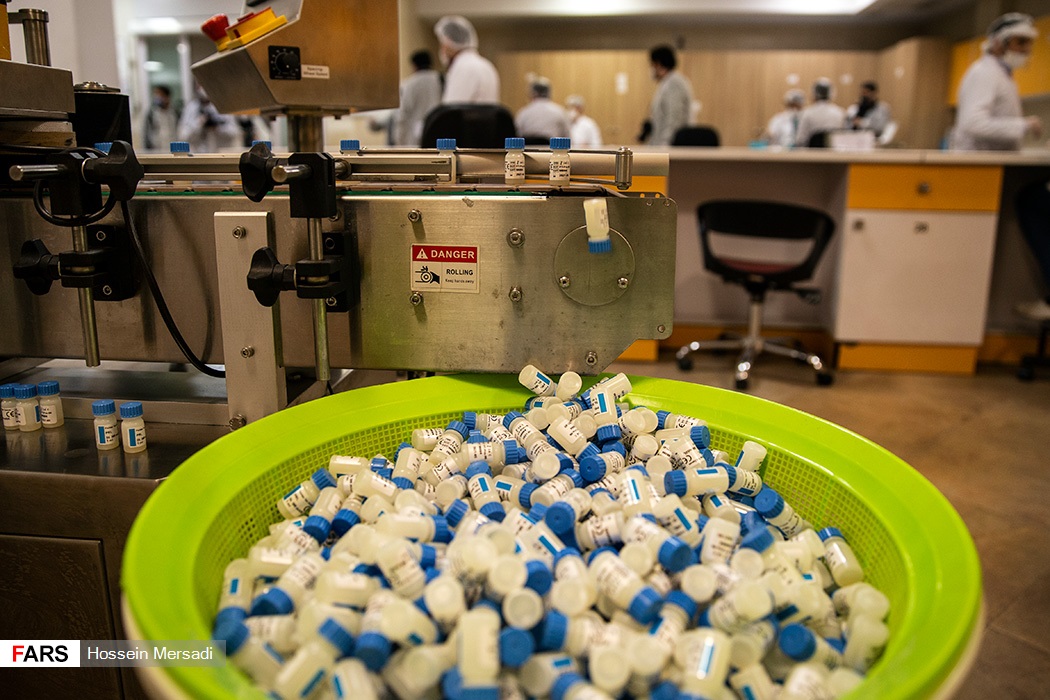
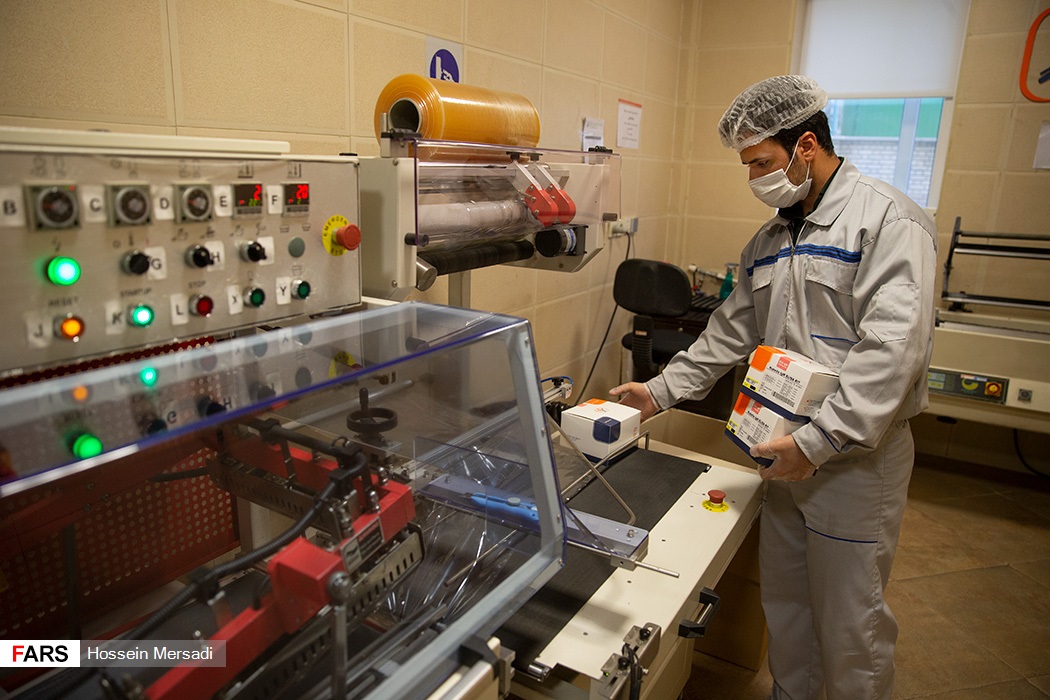
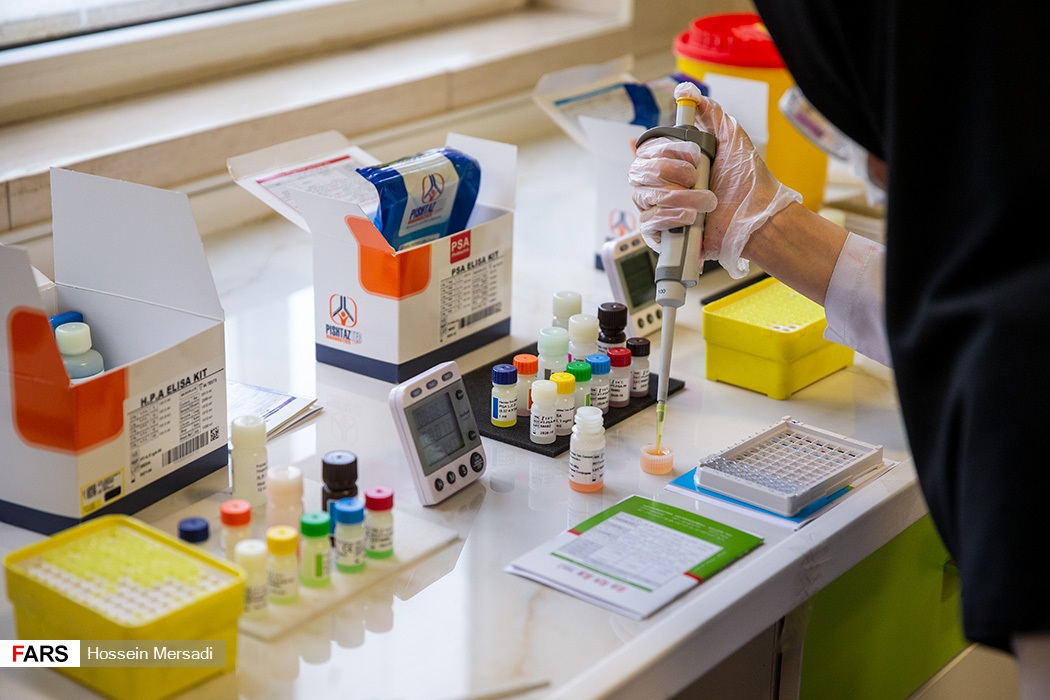
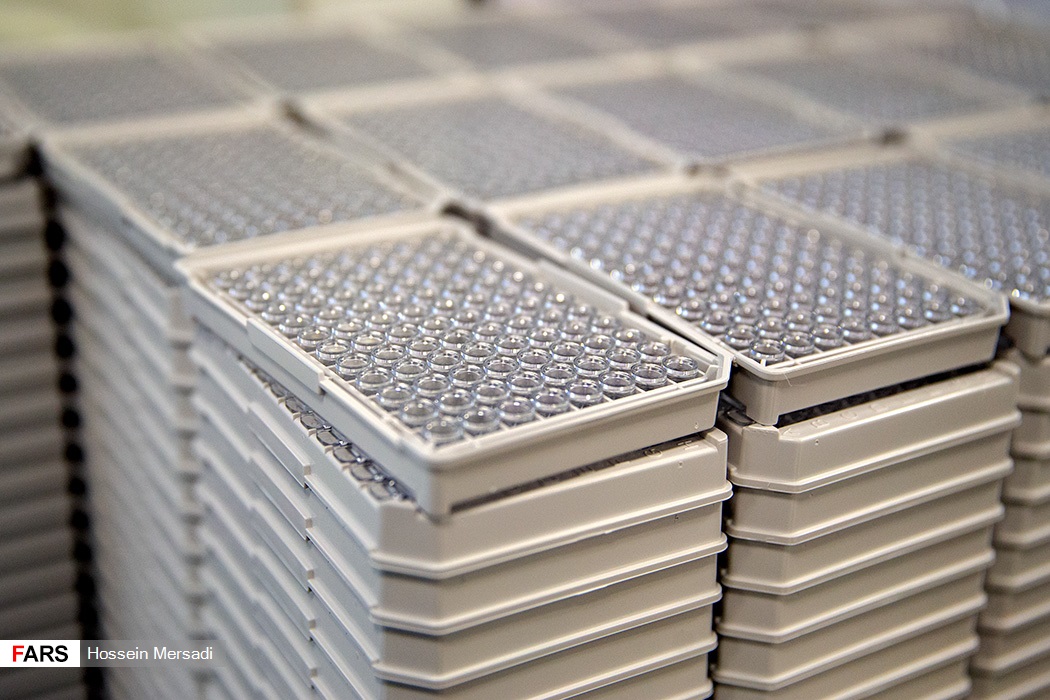
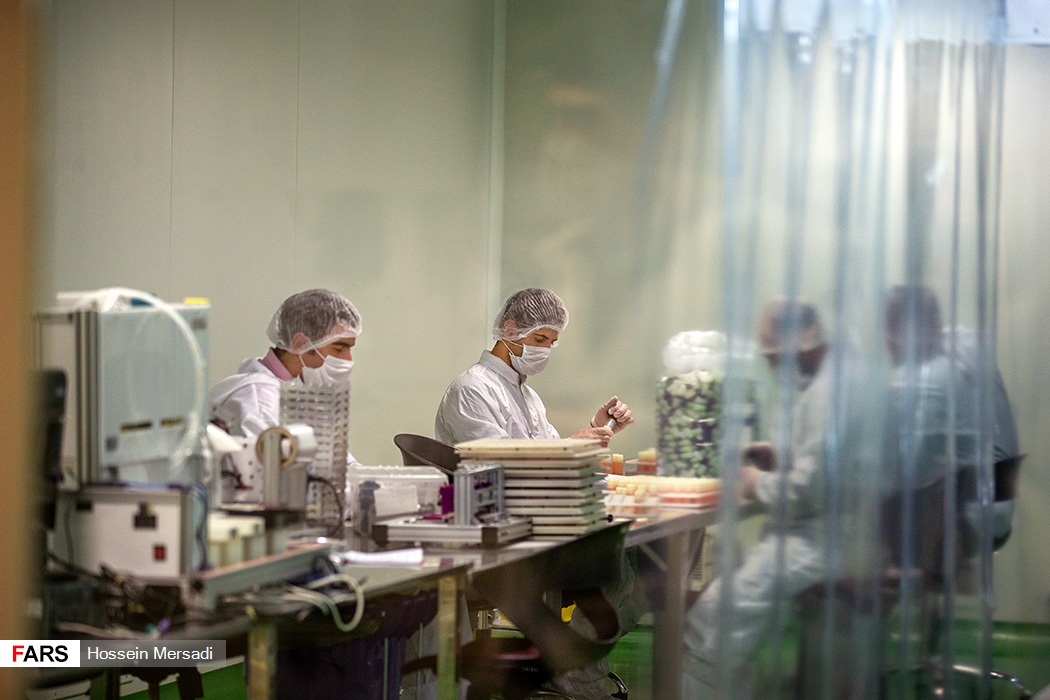
The production lines were inaugurated on Saturday by Vice President for Science and Technology Sorena Sattari in a ceremony held at Pishtaz Teb Company in Tehran.
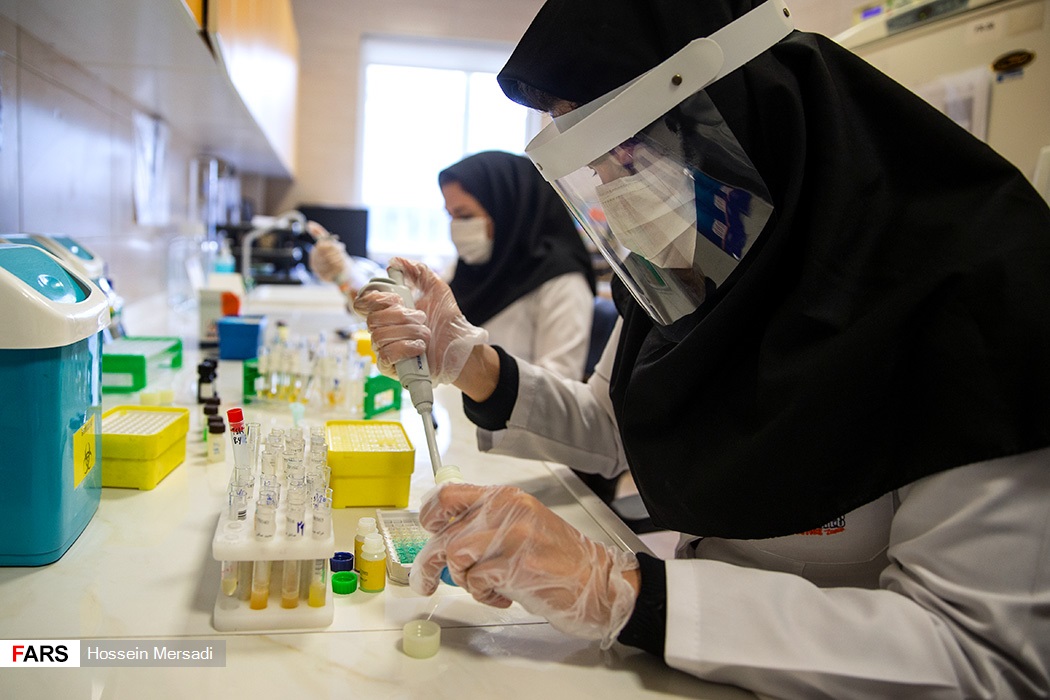
Sattari noted the production of diagnostic kits in Iran is considered to be a major step in the fight against the coronavirus, stressing that six knowledge-based companies in this field have received permits to produce different types of such kits.
Pointing out that Pishtaz Teb Company is one of the largest knowledge-based companies active in this field, the Vice President added there are two types of diagnostic kits made by this company.
“The first type are the kits based on PCR analysis and we can produce 100,000 of them per week. The second type are serologic kits that can detect the coronavirus and we produce 2 million ones a week.”
With the expansion of the production capacity of other companies, these figures will definitely increase, and we can become one of the main exporters of the diagnostic kits, maintained the Iranian Vice President.
Sattari said some companies are also working on extraction kits, and these three types of kits have been mass-produced in the country. He stated that these products can be exported to other countries while meeting domestic needs.
“We have witnessed good things since the outbreak of the virus in the country, and today we are at a point where we can say all products are made domestically using the capabilities of the Iranian workforce,” Sattari said.
These companies can produce medical equipment needed to fight COVID-19, such as surgery room equipment, ICU room stuff, as well as equipment needed to prevent and control the disease, such as masks, medications, etc. Fortunately, all this equipment is manufactured domestically by knowledge-based companies, he went on to say.
Elsewhere in his remarks, he highlighted that 40 mask production lines will be launched in the country within the next 15 to 20 days.
“We are in very good conditions regarding the production of disinfections and medical equipment. Iran has made significant progress in the field of biotech products and currently produces 23 bio-drugs domestically.”
Moreover, Sattari stated the knowledge-based companies are active in the country to recognise the time of a crisis, and they design and construct the necessary equipment. This is the approach that all industries must adopt.
Mass hypochondria is a condition in which people in a society are unduly worried about having an illness, while there is no symptom suggesting an actual medical diagnosis.
A hypochondriac person feels that he or she has contracted a serious disease. Such disorder could become commonplace in a mass of people, in a classroom, an office, a city or the entire country.
Hypochondriasis has been prevalent in the human communities for millennia, and seems to be much more common than a disorder being discovered through the ordinary medical means.
What are the symptoms of mass hypochondriasis?
The symptoms experienced by the individuals are different and depend on what illness they believe they have contracted. The common symptoms include headache, nausea, anemia, the feeling of shortness of breath, chronic coughs, chest pain, chill, a sore throat etc.
A sudden occurrence of this disorder depends on how much stress one is suffering. The people experiencing hypochondria show the physical symptoms of the illness in practice and those symptoms are not merely psychological. For example, they may actually suffer from shortness of breath, fever and chill, headache or dizziness.
However, such real feelings could not be confirmed in medical terms, as the symptoms have been caused by stress and anxiety, not by a pathogen like the coronavirus.
Hypochondriasis could affect many normal individuals, but still, it does not translate into a psychological disorder.
Nevertheless, displaying symptoms of the illness should not be immediately regarded as hypochondria. You are advised to see a physician if you show any of the following symptoms:
– An illness that lasts for more than one week to 10 days.
– A fever with the temperature in the mouth over 38.5 °C for several days, coupled with remarkable weakness and anemia.
– Severe muscle fatigue;
– Severe lachrymation;
– Skin problems or a considerable change in the skin color;
– Shortness of breath preventing you from doing daily activities.
Is it possible to prevent or avoid mass hypochondria?
The ways to prevent such disorder have not been scientifically defined very well. Maybe the best and most effective approach is to stay away from the psychological conditions and rumors about the disease. Stress is a normal part of life of every human being, but you should avoid excessive stress and anxiety. Keep in mind that excessive stress weakens the body’s immune system, which would consequently pave the way for many diseases.
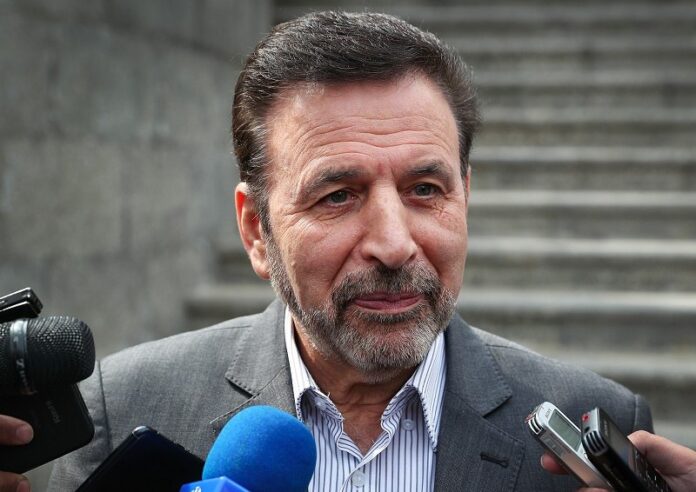
In an interview with IranGov.ir, Mahmoud Vaezi, the chief of staff of President Hassan Rouhani, discussed measures adopted by the government to fight the coronavirus epidemic.
Vaezi said Iran began to take action at the time the virus outbreak was reported in the country.
“Iran was the second country to detect the disease and, since the outset, enforced measures to control the spread of, and treat the disease by shutting down schools and universities as well as religious, cultural and sports gatherings, urging people not to go on trips and stay home, and launching the national campaign against the coronavirus,” he said.
The official said the social distancing plan was the country’s major strategy to fight the disease.
“The first stage of this strategy began at the beginning of the outbreak of the virus, and by the admission of health and medical experts, it played a key role in fighting the epidemic in the country,” he said.
The president’s chief of staff refuted the accusation that the government did not act in time to contain the disease.
“This criticism is not fair,” he said.
“Since the moment we became sure the disease had entered the country, we formed the National Coronavirus Outbreak. The president, himself, assumed management of the crisis and we immediately began measures to control the disease,” he underlined.
“The national campaign against the coronavirus was one of major measures adopted by a country across the world to fight the coronavirus. Tens of millions of people were screened in this plan,” he said.
“There was no delay,” he noted.
He said action was taken to identify infected people in a timely manner and separate coronavirus patients from healthy people, a move which was instrumental in bringing down the fatality rate.
“Whatever experts deemed necessary, was put into force immediately,” said Vaezi.
He was asked why the city of Qom, where the coronavirus was first detected, was not quarantined right at the beginning. In response, the official said evidence suggested that a quarantine plan would not work.
“Given the experience of other countries as well as figures presented by the World Health Organization, the assumption that imposing a full quarantine would work did not seem to work,” he noted.
“Since the beginning, our health experts believed that imposing a full quarantine, whether on Qom or on other cities, would not work. Instead, they proposed a model specific to the Islamic Republic of Iran, which has been enforced step by step over the past weeks,” he said.
He then touched upon the effect of sanctions on the type of the Iranian model adopted.
“Polices are adopted and enforced in accordance with existing capabilities and realities,” he noted.
“Undoubtedly, we are the only country unable to tap into all our resources to contain the coronavirus due to sanctions,” Vaezi noted.
“If there were no sanctions and we had access to all our resources, especially with regards to the management of economic consequences of the coronavirus, we would have more leeway,” he said.
“Still, the government has, so far, not allowed restrictions brought about by sanctions to result in inaction and a lack of decision-making,” Vaezi noted.
“Today, we have almost stabilized the market when it comes to the production of hygienic items to stem the spread of the coronavirus,” he added.
“Most needs of hospitals, especially with regards to supplies such as ventilators, have been met on the back of efforts by domestic knowledge-based companies,” he said.
“Our fight against the coronavirus is an unequal battle because in addition to COVID-19, we are also fighting the United States’ sanctions and economic terrorism,” he said.
However, he added, people, government and personnel in different sectors have been working in tandem to safeguard people’s health and lives.
Elsewhere in his remarks, the president’s chief of staff said Iran’s efforts in the fight against the coronavirus have been successful.
“At the moment, we have had a good performance, but like most countries have been unable to contain the disease,” he added.
The official underlined that all government offices and institutions have mobilized their resources to counter the disease.
He said the president has instructed the health minister to be transparent in giving people information about developments pertaining to the outbreak.
He then slammed certain entities and individuals for launching untrue campaigns against national efforts to contain the virus.
“Untrue campaigns under the current circumstances … are highly destructive,” he noted.
He then touched upon the problems that the country is facing in tackling the disease.
“The country is facing many problems with regards to managing the coronavirus crisis, but these problems have, fortunately, been unable to stop us thanks to the efforts by heroes fighting in the campaign against COVID-19,” he said.
“The most important problem we face is sanctions,” he said.
“The perpetuation of sanctions at a time when we are facing the coronavirus pandemic, is not only an act against Iranian people, but a crime against humanity,” he said.
“The coronavirus outbreak is a global issue today, and if Iran is unable to utilize all its potential and resources to fight the disease, it will have repercussions that would grip all countries,” Vaezi said.
“The world should stand up to this crime-like policy, or, at least, stop abiding by the United States’ unilateral sanctions,” he said.
“Now, we are in the middle of the coronavirus crisis and it’s a little early to talk about the post-coronavirus world,” he said.
“However, I believe we will definitely see some changes not only in Iran, but also across the world, because the coronavirus outbreak has challenged some definitive presuppositions in the domain of governance and ruling,” he said.
“We will need some reconsiderations whether in the domain of good governance or policy making,” he said.
“Signs of this paradigm shift are clear as of now, and I think all political groups and think tanks in the country should focus on these changes,” he said.
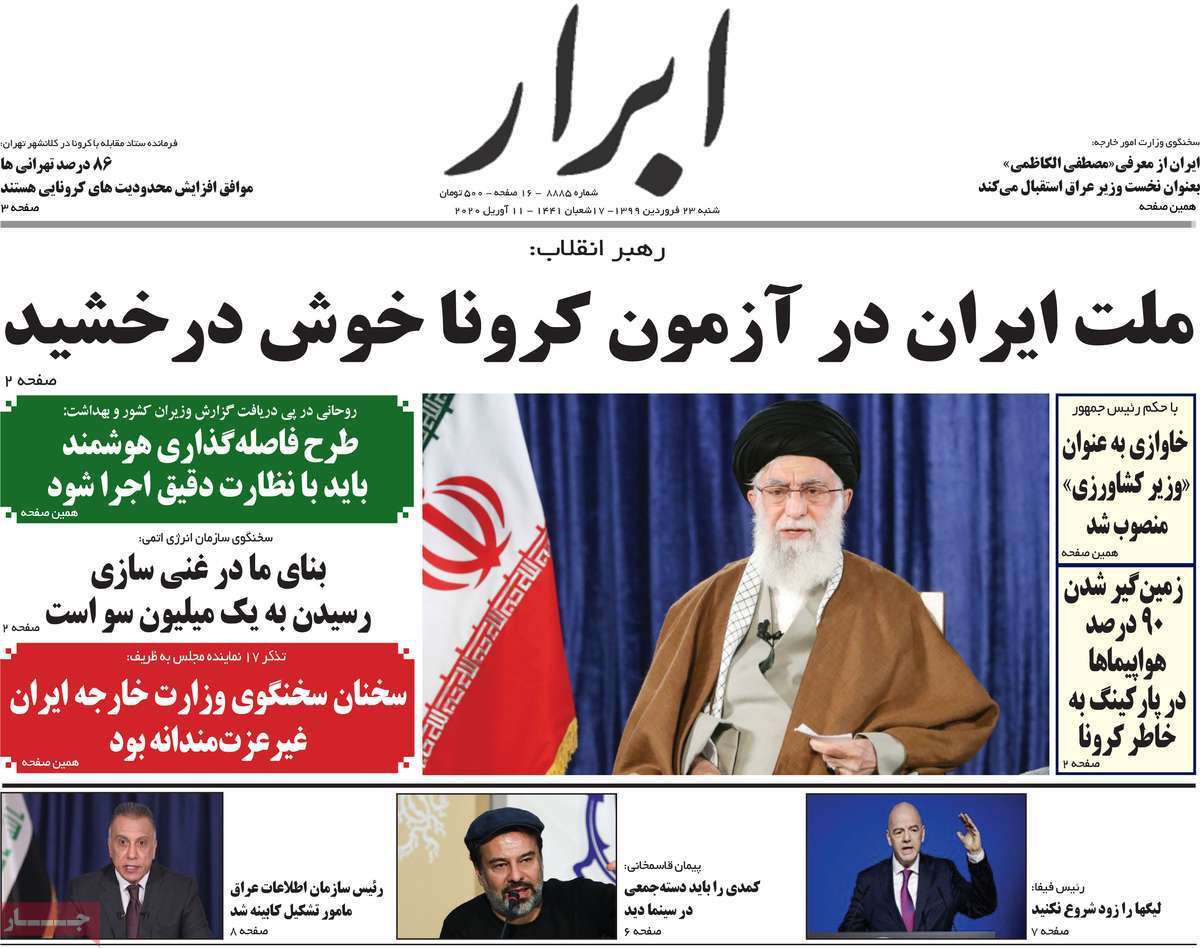
1- Iran Welcomes Appointment of Al-Kazemi as New PM of Iraq
2- Iran Leader: People Shone in Coronavirus Test
3- AEOI Spokesman: Iran Plans to Reach 1m SWU in Uranium Enrichment
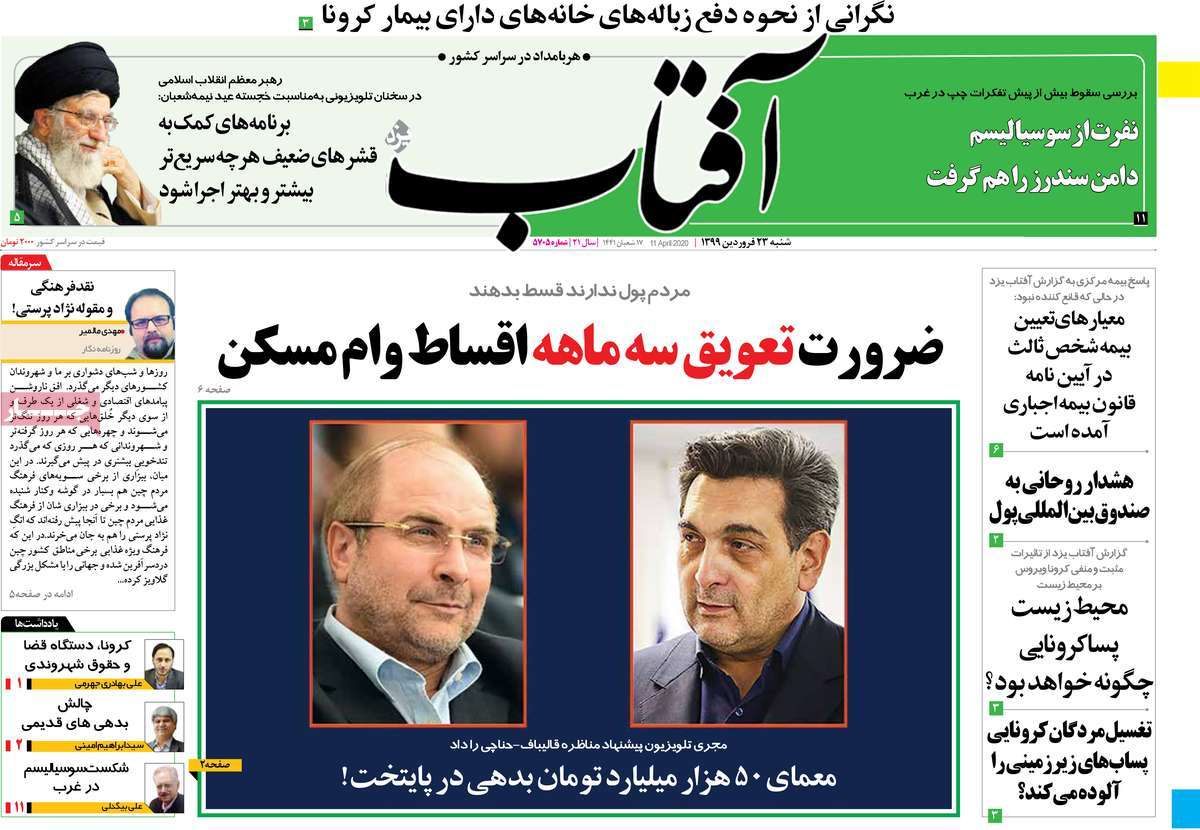
Aftab-e Yazd:
1- Voters’ Hatred of Socialism Costs Sanders Dearly
* Why Leftist Thoughts Have Become So Unpopular in West
2- Rouhani Warns IMF
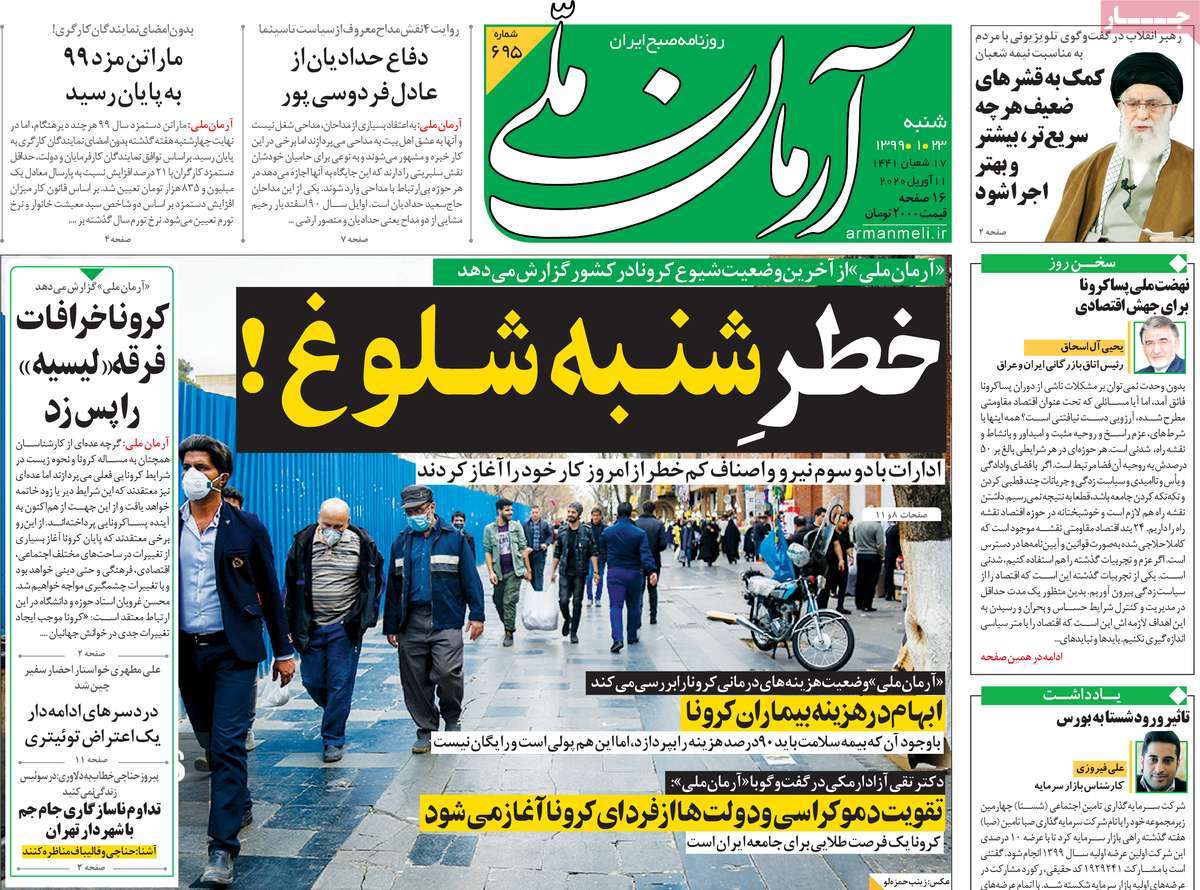
Arman-e Melli:
1- Iran Leader Urges Gov’t to Immediately Help Weaker Strata of Society
2- FM: Iran Welcomes Russia’s Idea of Creating Green Corridor
3- OPEC+ Agree on Oil Production Cut
Etemad:
1- Murder Using Weapon of Sanctions: The Political Cost Paid by Trump
Ettela’at:
1- Smart Social Distancing Plan Enforced in Iran While Observing Health Protocols
2- OPEC Members, Non-Members Agree to Cut Production by 10m Barrels of Oil
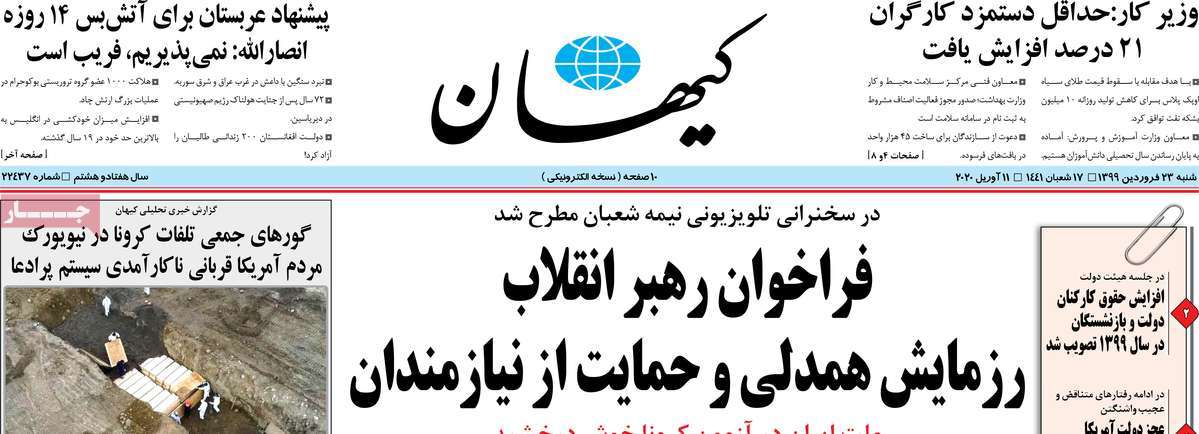
Kayhan:
1- Ansarullah Rejects Saudi Offer of 14-Day Ceasefire, Calls It Deceit
2- Iran Leader Urges Synergy, Support for the Needy
Mardom Salari:
1- $1.6 Billion Worth of Iran’s Assets Unblocked by Luxembourg Court
2- Smart Social Distancing Plan Enforced in Iran as of Saturday
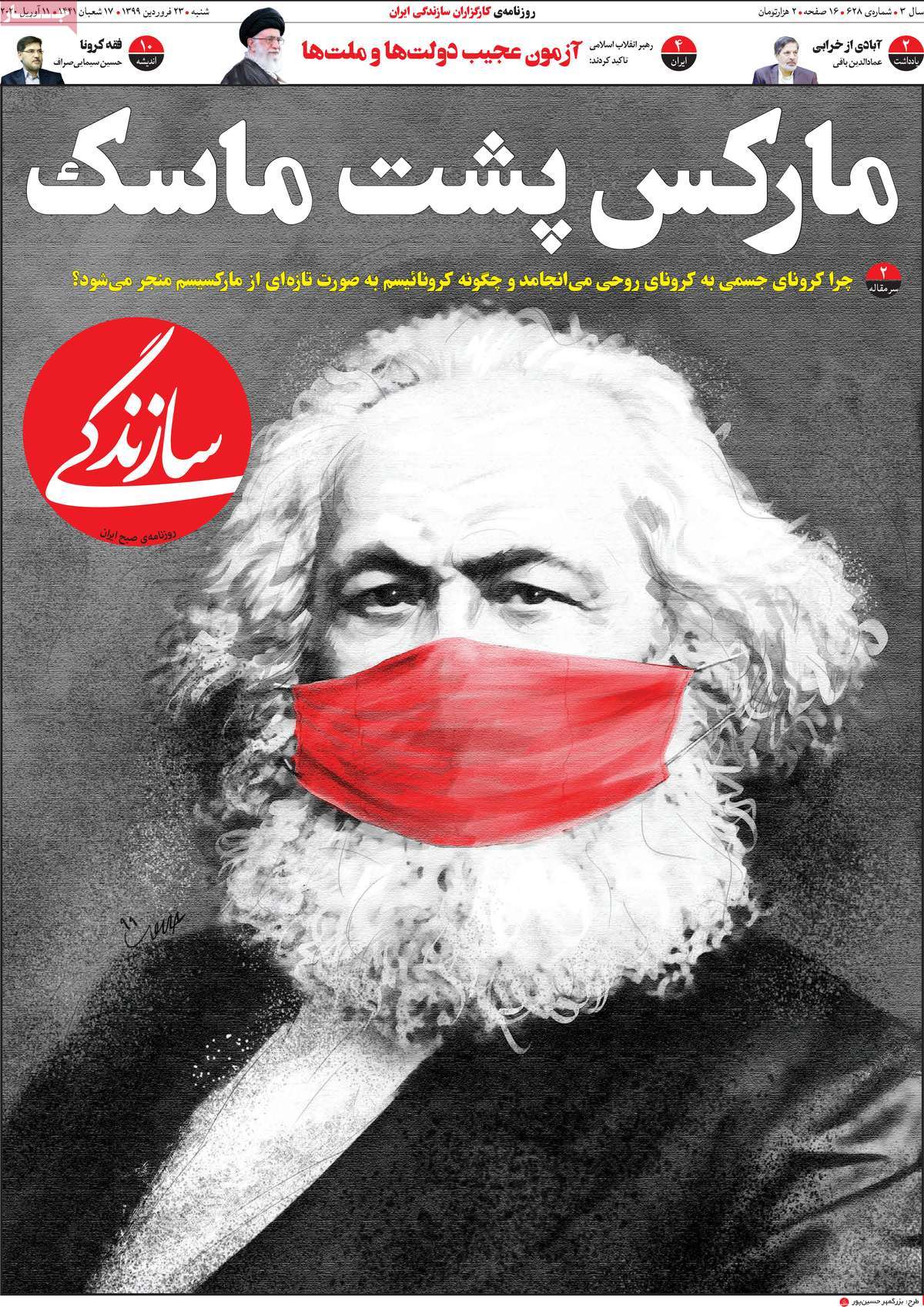
Sazandegi:
1- Marx behind Mask: Why Physical Corona Leads to Spiritual One? How Coronaism Leads to New Form of Marxism?
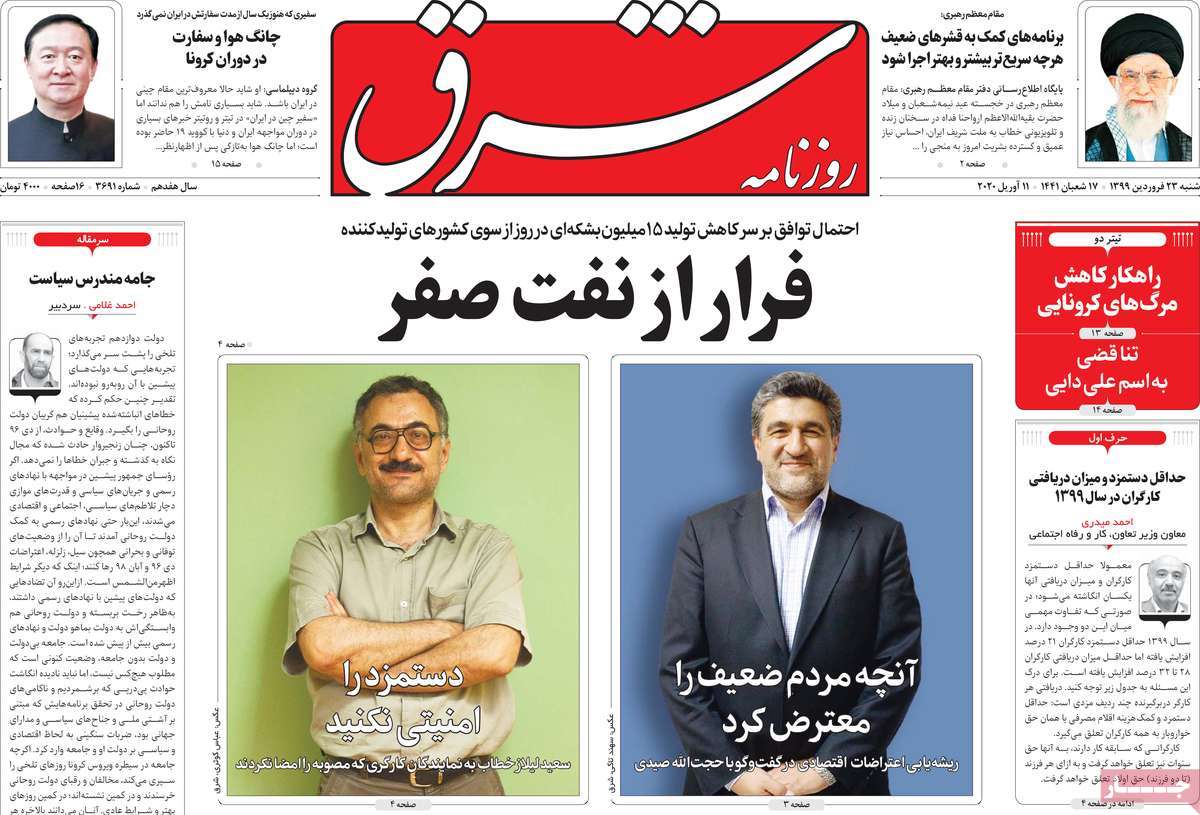
Shargh:
1- Escape from Zero Point: Oil Producers May Agree on 15m/bpd Production Cut
2- Chinese Envoy to Iran; Mission at Time of Corona
Abdul Karim Shahbazi, a member of the research group, says the device is capable of detecting nanosized explosives and narcotics.
He referred to the working mechanism of the device, noting, “The sample material is placed inside an IMS sensor and the material is ionised.”
“When the materials are placed inside the IMS sensor, they pass through the radioactive (nickel-1) path, whereby the imported material is ionised and the material will be placed in the electric field and particles of it will accelerate in the environment,” he told ISNA.
In this setting, each of the materials, like fingerprints, will have a certain pace and this speed is measured. In addition, the device has a section called “Laboratory” that defines the standard sample material specifications, and any material put in the device is compared with material in the laboratory and the closest one is recognised, continued Shahbazi.
The technical knowledge of producing this machine is exclusive to a few countries of the world.
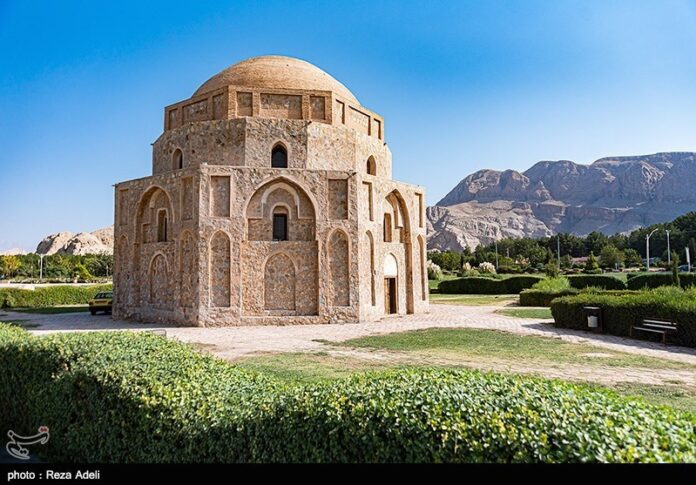
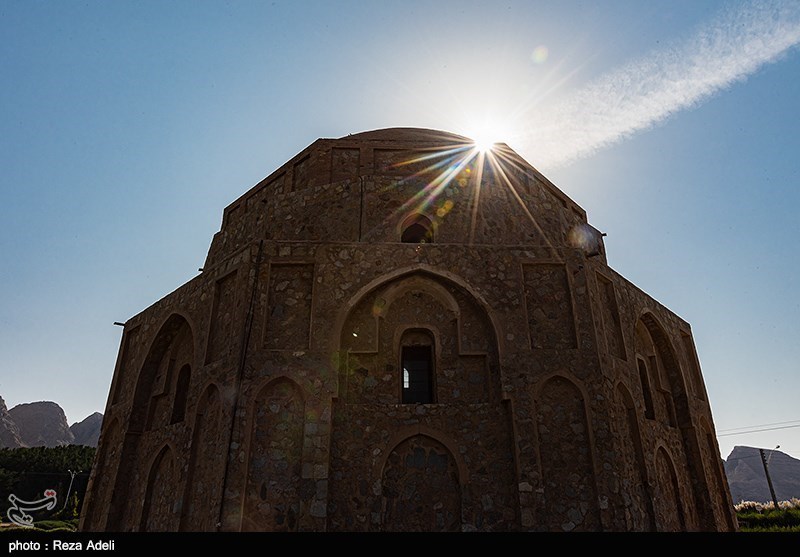
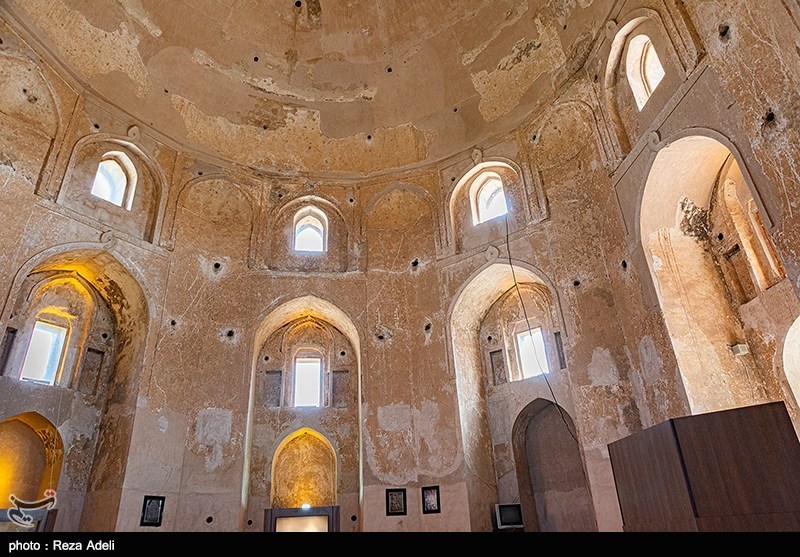
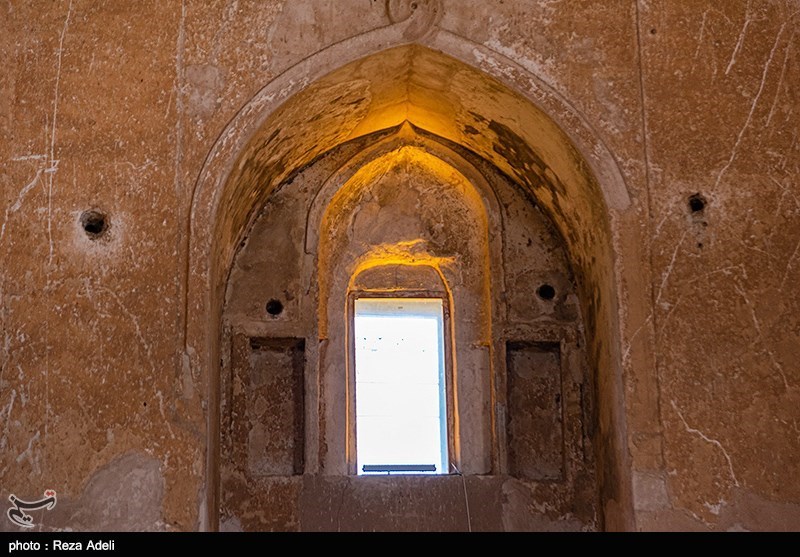
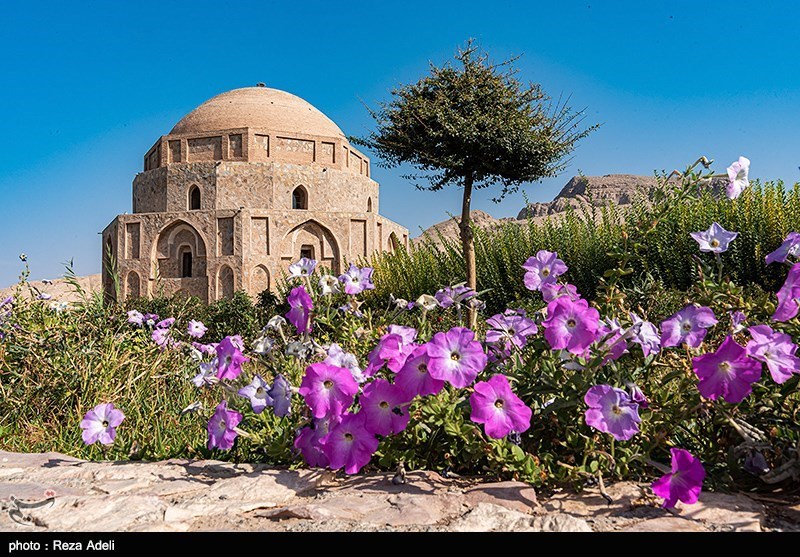
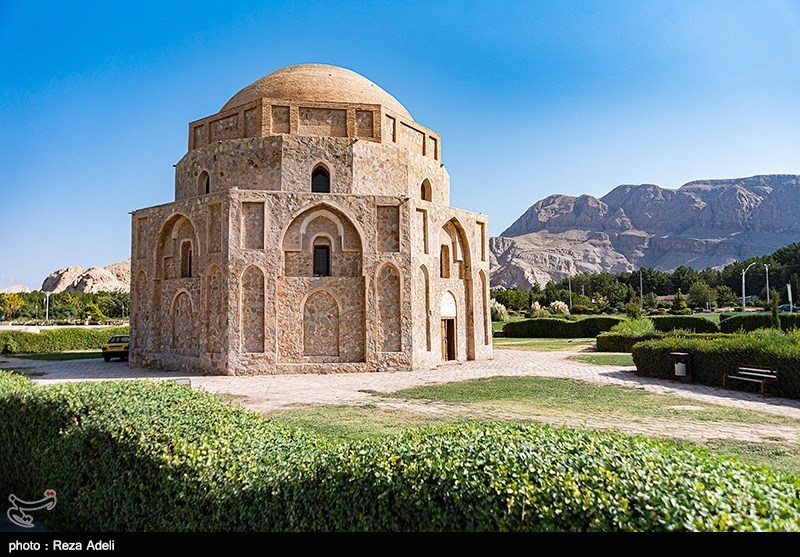
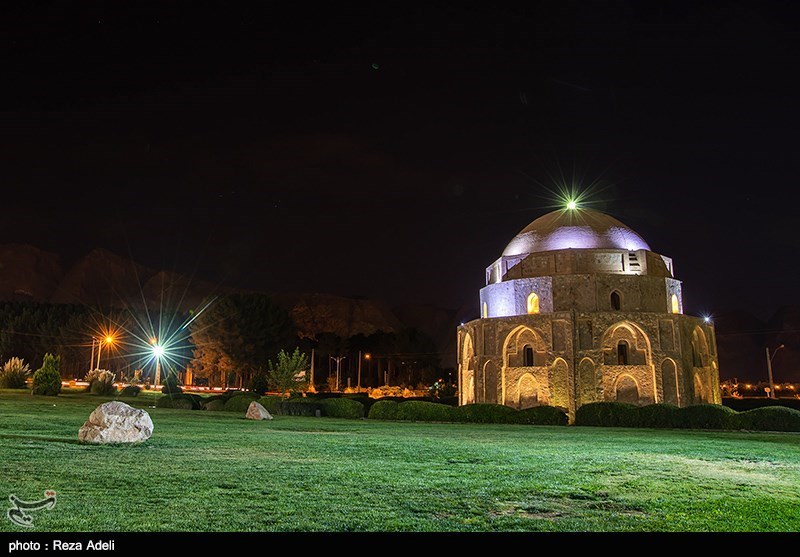
The dome, a place of historical importance in Iran, has been constructed of stone and brick, though the building is of stone and gypsum, and its architectural affects have been inspired from the Sassanid period.
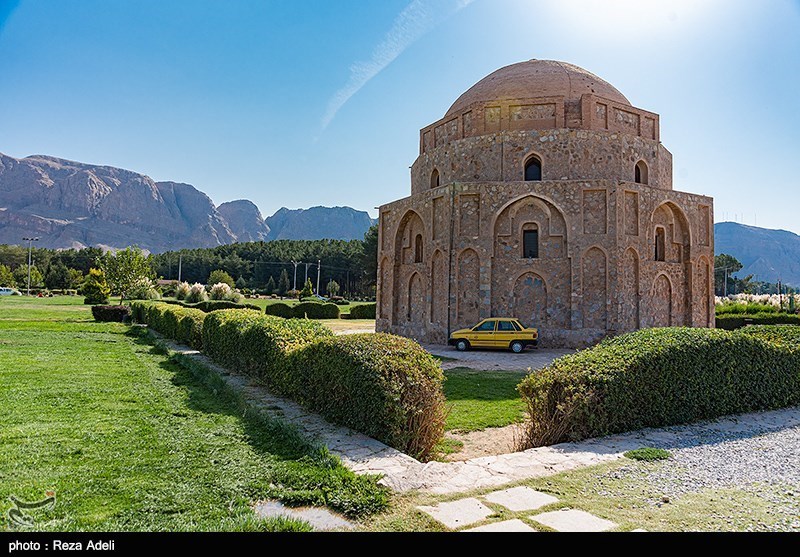
The dome, which is one of the most spectacular ones in Kerman, has survived without any fence around it. Some scholars say Jabalieh was built as an observatory, but others believe the dome was an important tomb.
Some European scholars say this dome belongs to the Seljuks, but it is mostly believed that it was built in the second century BCE.
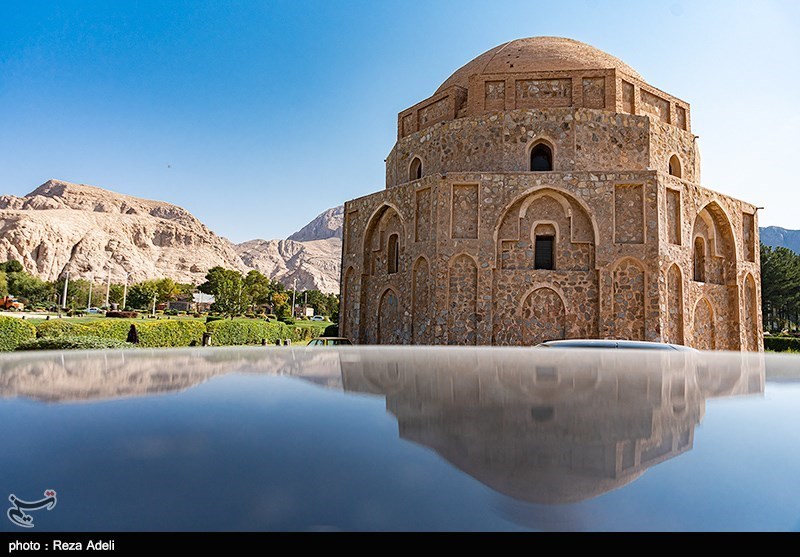
It is of octagonal design and comprises three floors crowned by a rather flat dome, totally empty inside. It may have been a Zoroastrian building, and is remarkable because of being constructed of stone rather than the more common brick.
It is also said that camel milk was used instead of water in its construction, which historians see as the reason for its strength.
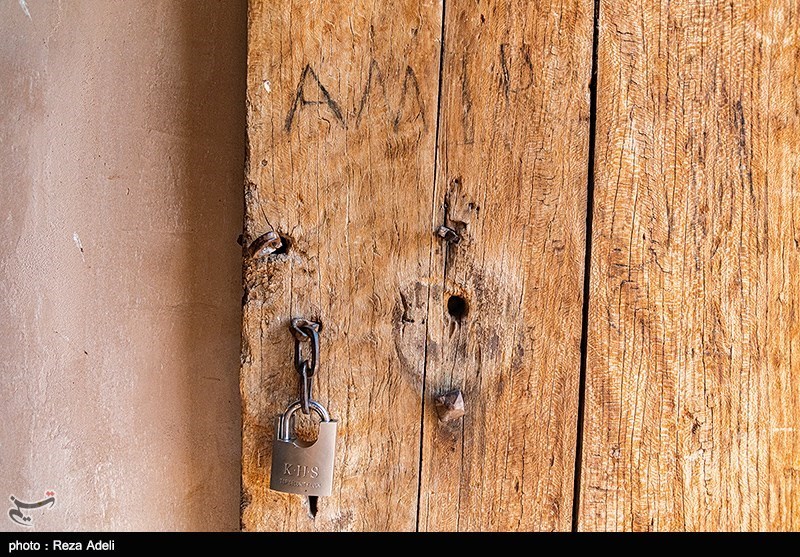
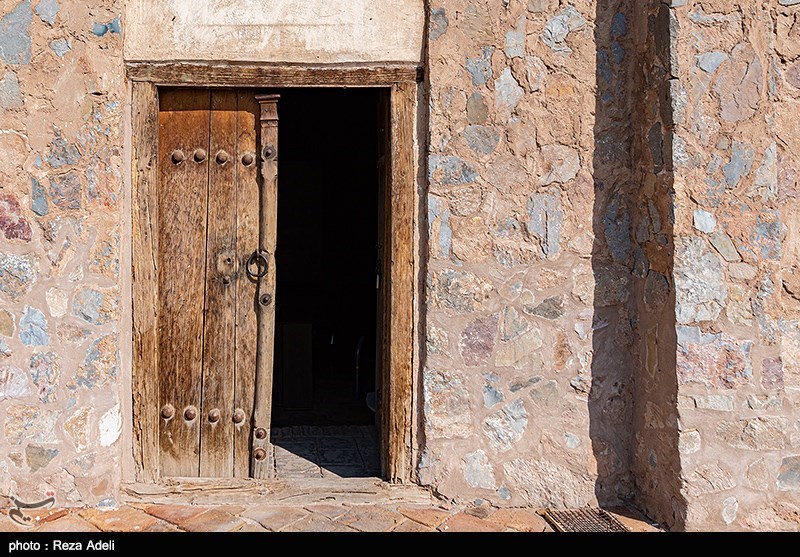
This octagonal building has eight doors that are located on each side. In order to strengthen the building, they have already covered seven doors with stones and kept only one door open.
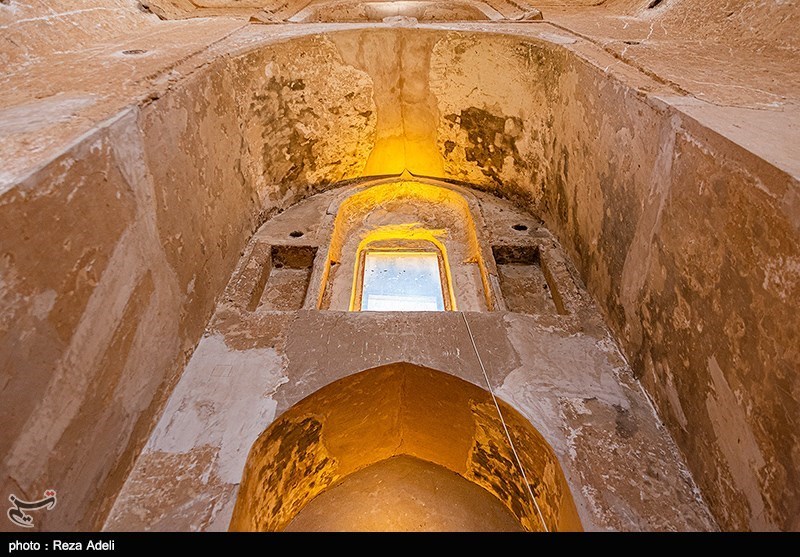
The roof of the dome has been made of bricks and the inside of the building includes beautiful reliefs. But unfortunately, most of these reliefs have been destroyed.
The materials used in the walls are with a rubble trench foundation and gypsum mortar from the outside and lime from the inside.
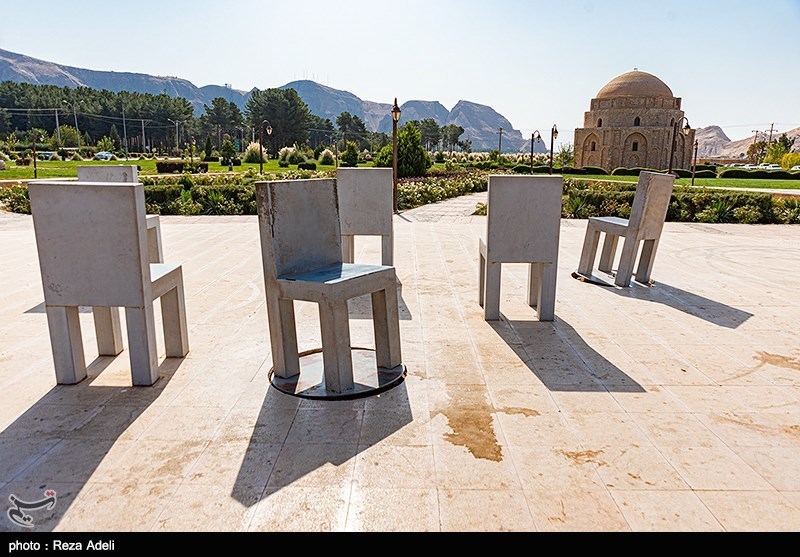
Much of the building’s surroundings have been planted to create an artificial forest. Most of the trees are cedar and pine and have created a forest called Qaem, which is one of Kerman’s resorts.
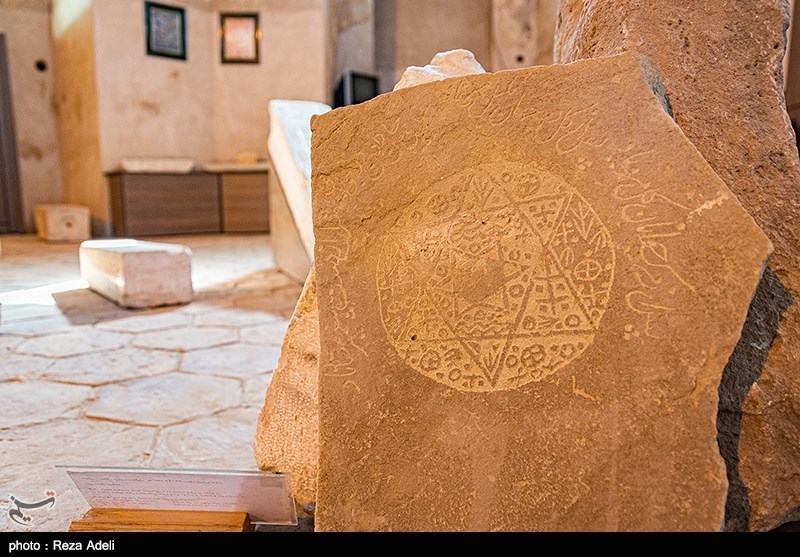
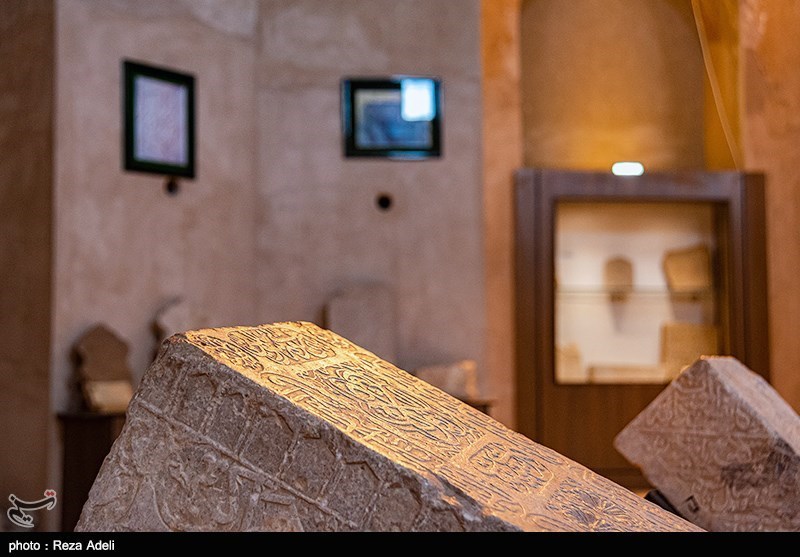
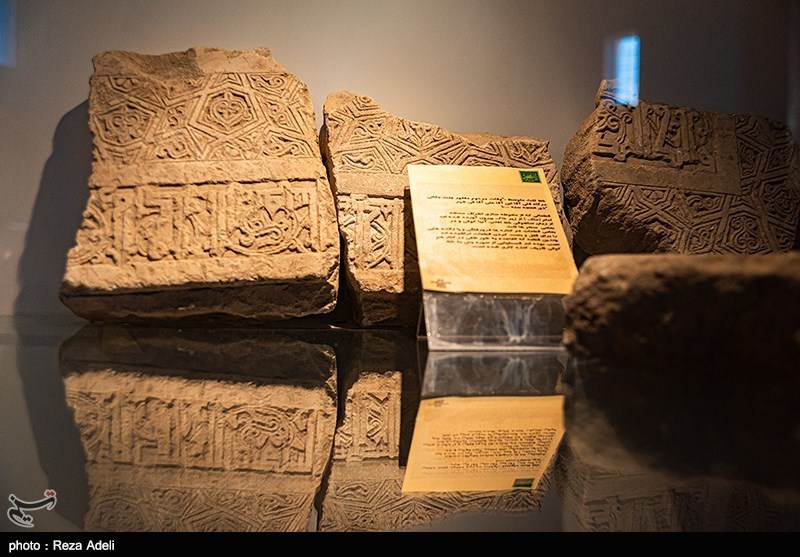
Within this historical dome, there is a valuable inscription called the inscription of the mosque Abder Ashkan. It is one of the oldest inscriptions in this place, belonging to a mosque in the northern part of the city (Ashkan). The inscription is carved on a piece of natural stone in Kufic script.
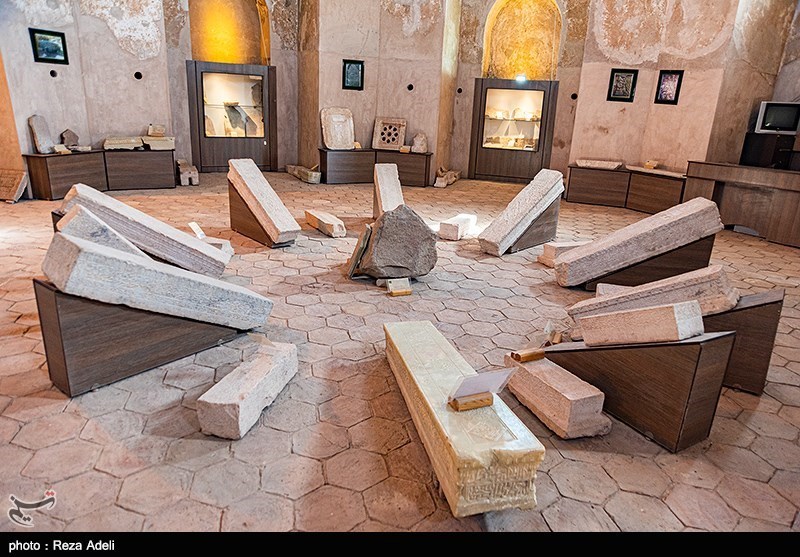
The smallest tombstone discovered in Kerman province is also kept in here. The stone was discovered and handed over to the Kerman Province Cultural Heritage Department in 1998. With a size of 26 × 22, it is composed of two important parts. One of the sections is margins, and the other one is the middle text. These writings are the Quranic verses. In this dome, more than 120 pieces of stone carvings discovered that relate to different historical periods.
Among the tombstones found there exists Mirza Aqa Khan’s tombstone. He was the son of Mirza Ahmad Ali Khan Vaziri, is historian of Kermani origin. According to contemporary historian Dr Bastani Parizi, he collaborated with his father in the compilation of the Kerman History Book.
Among the waqf inscriptions found in Jabalieh dome, there is the waqf inscription dedicated to the fire temple of the village of Qanatghestan which is very interesting. It was transferred to the Cultural Heritage Organisation by the experts after the fire temple was destroyed. This inscription is dedicated to the year 1282 AH.
Kerman is one of the hottest cities in Iran. It is located in southern Iran. In general, the best time to travel to Kerman is from early May to late June and from early September to early October.
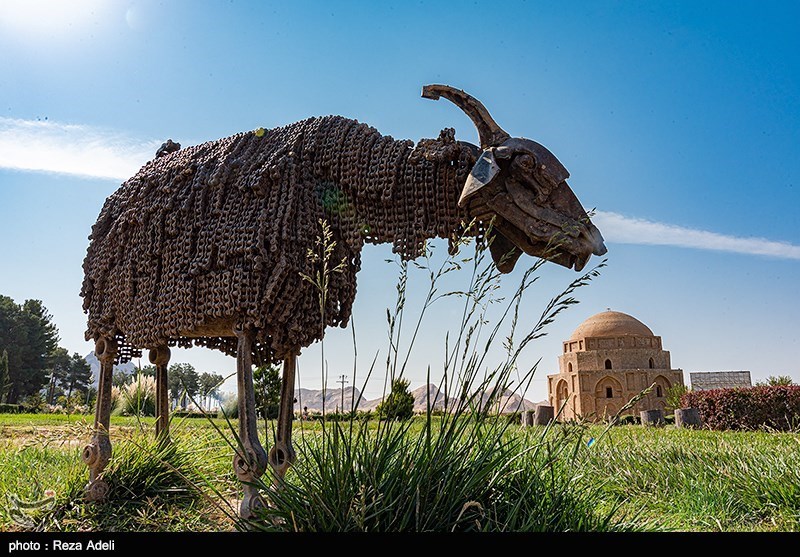
What follows are Tasnim News Agency’s photos of Jabalieh dome:
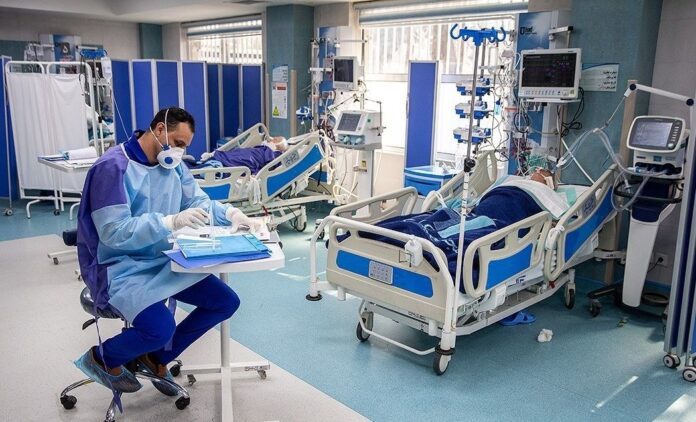
Health Ministry Spokesman Kianoush Jahanpour on Saturday said 125 people have died in the past 24 hours from the novel coronavirus, increasing the death toll to 4,357.
The recovery process has gained momentum in the past few days, he said, adding that 41,947 patients have so far recovered and been discharged from the hospital.
Jahanpour also noted that 3,987 patients are in severe conditions of the disease.
So far, 251,703 tests for the novel virus have been taken in the country.
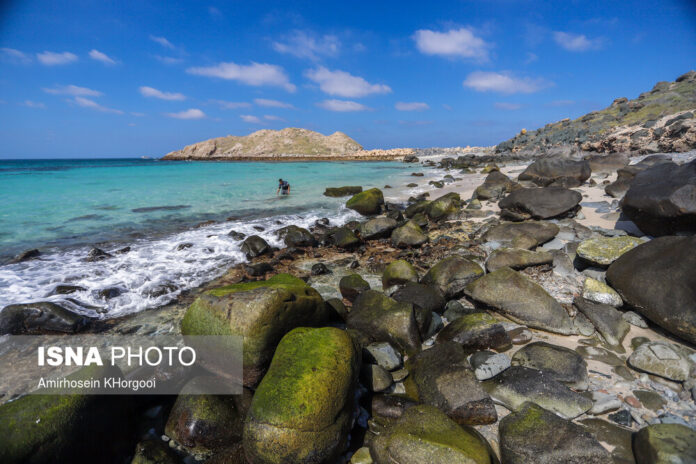
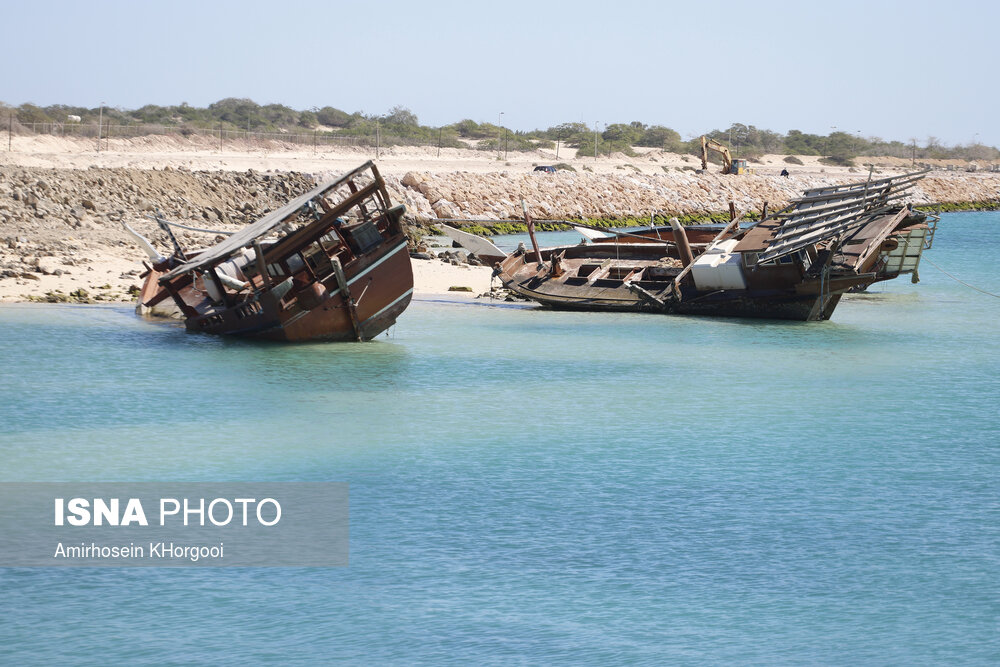
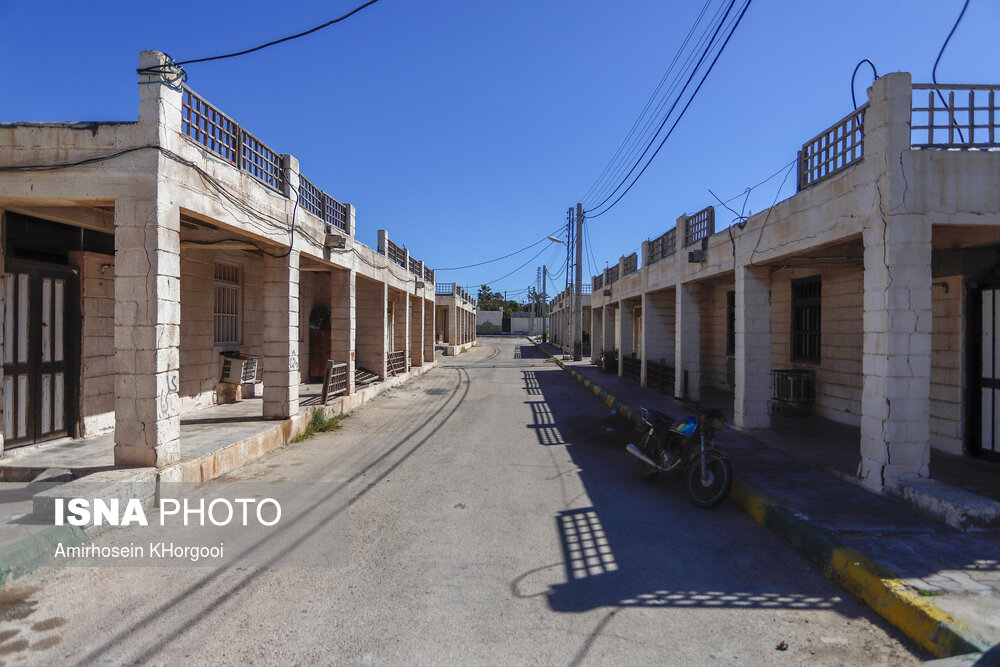
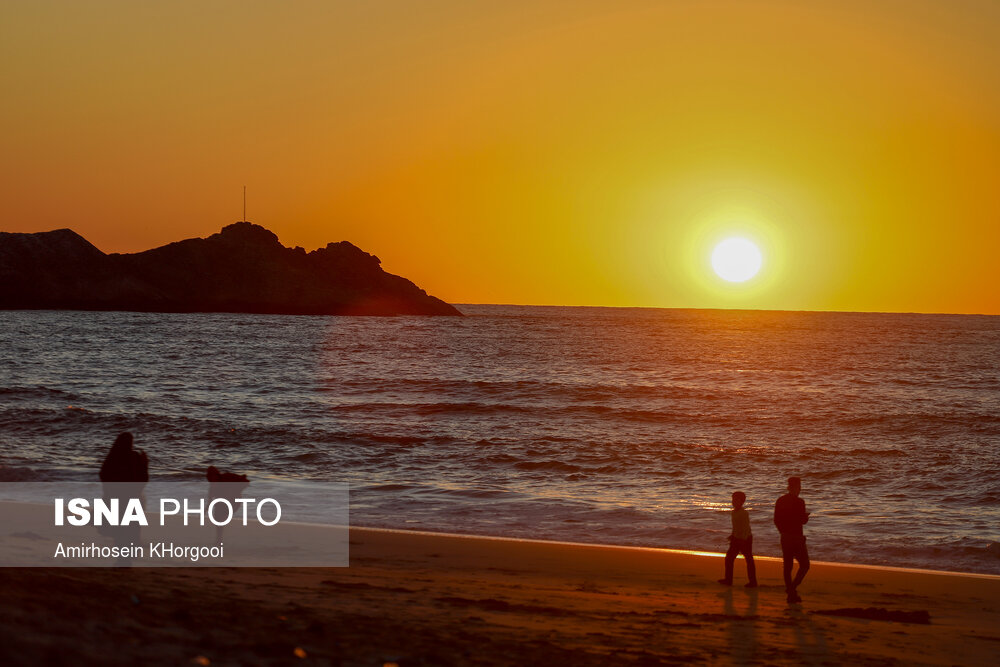
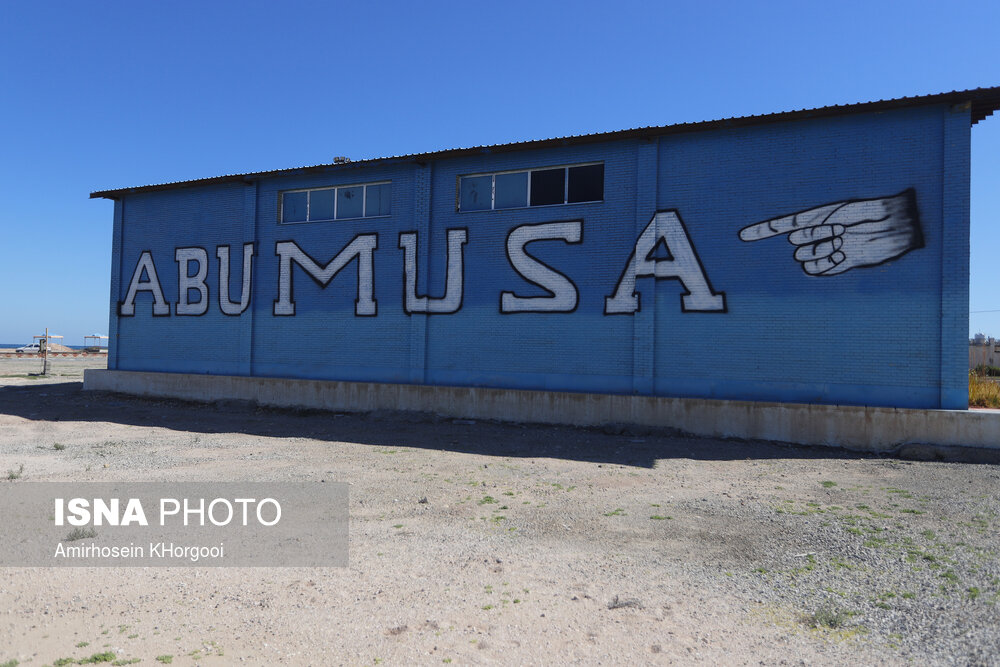
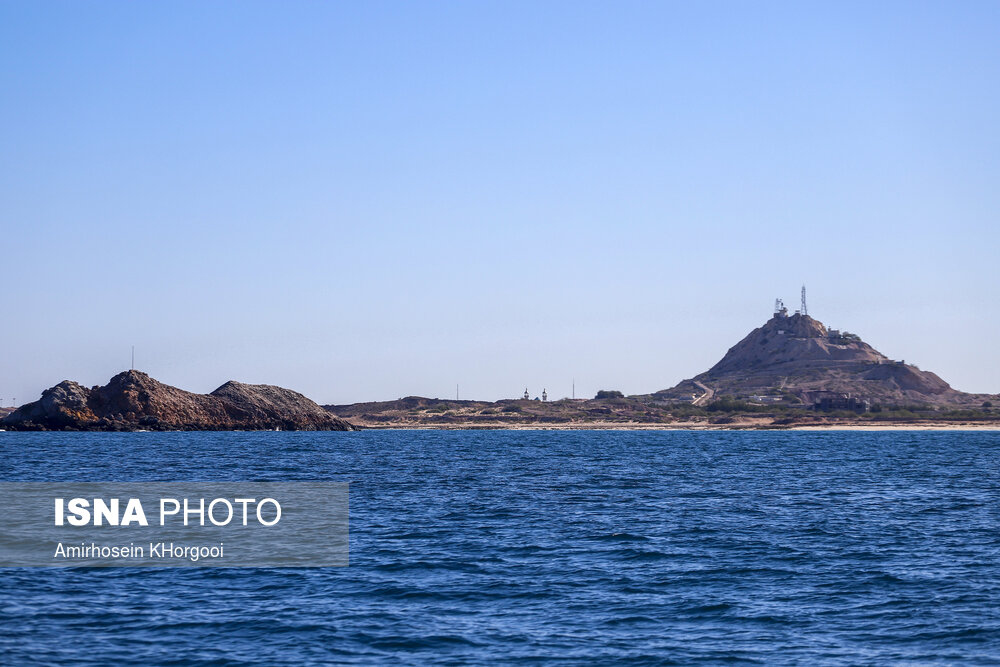
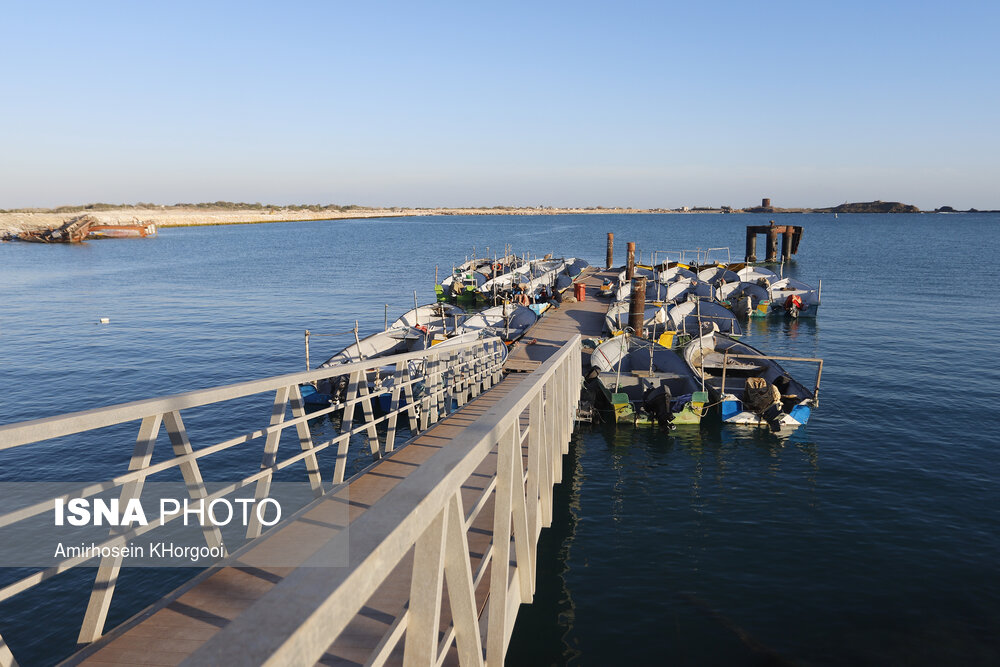
The island is located 222 kilometres from Bandar Abbas and 75 kilometres from Bandar Lengeh. It is 60 kilometres north of the UAE’s Sharjah and 160 kilometres from the Strait of Hormuz.
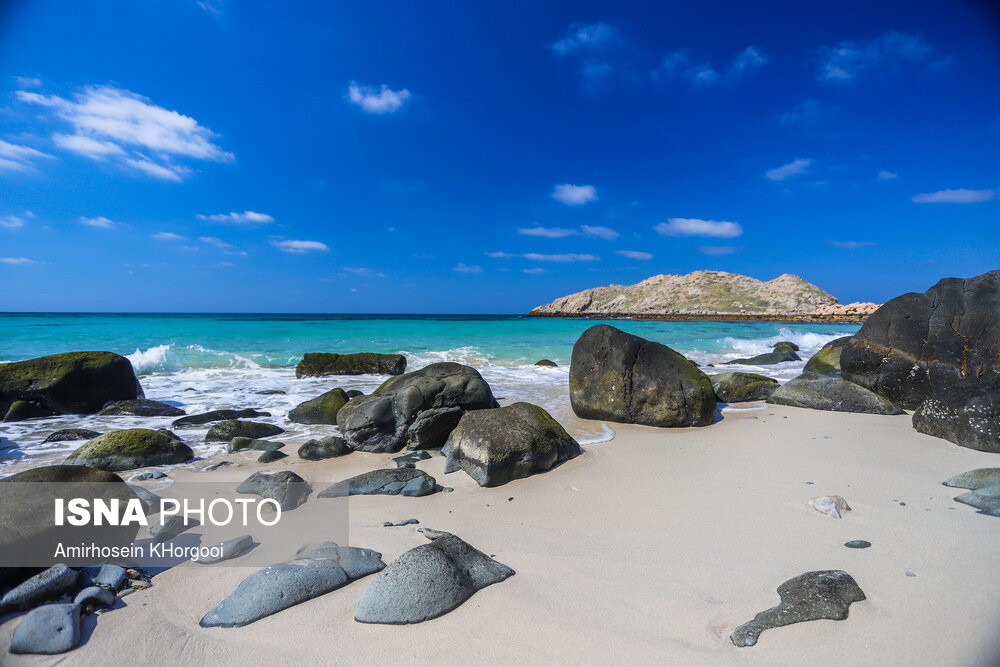
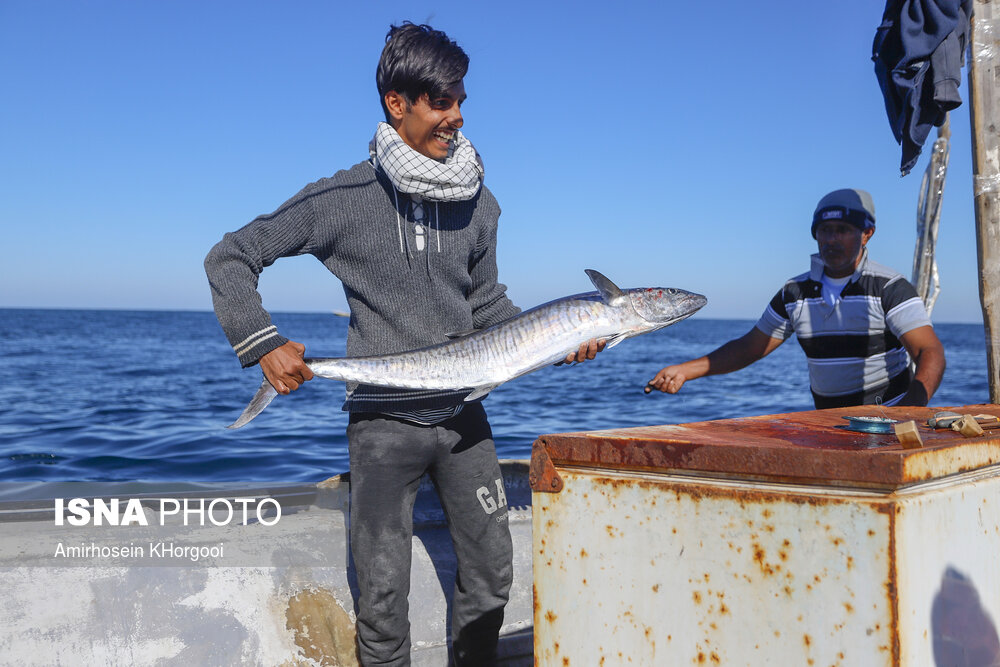
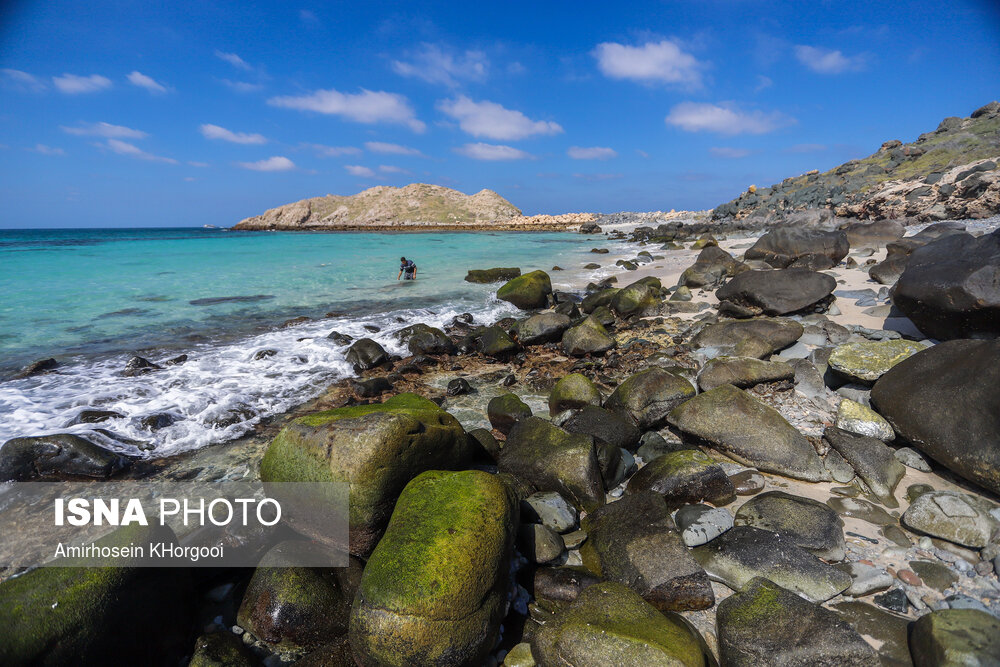
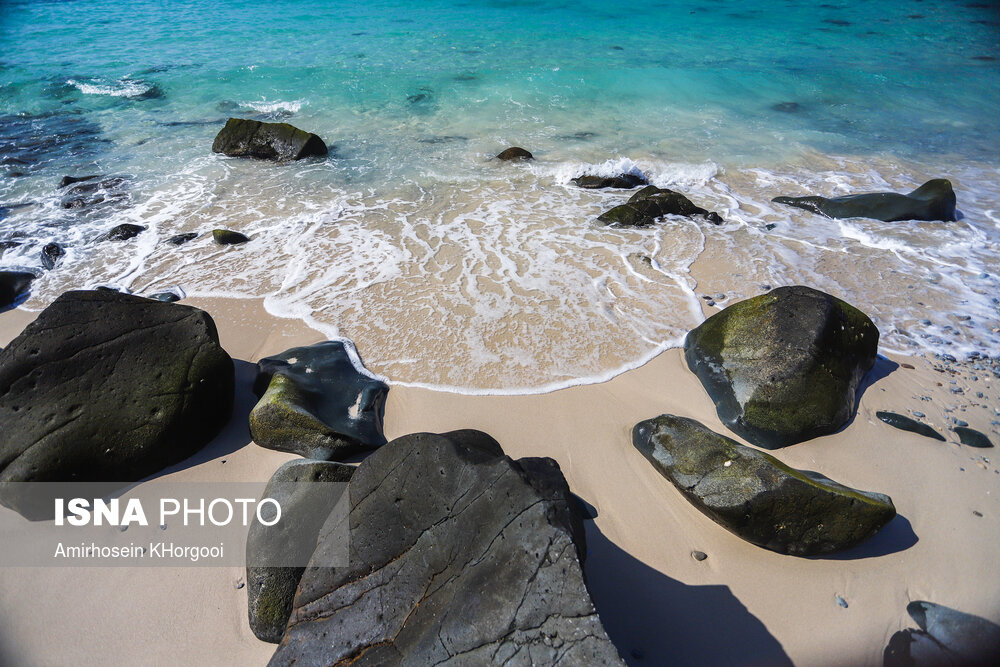
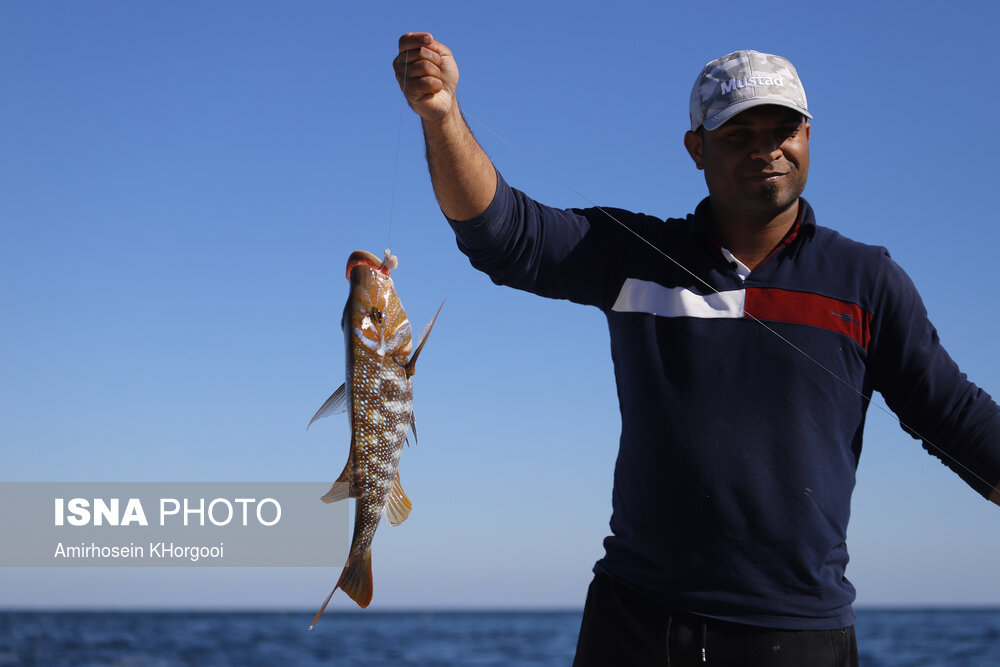
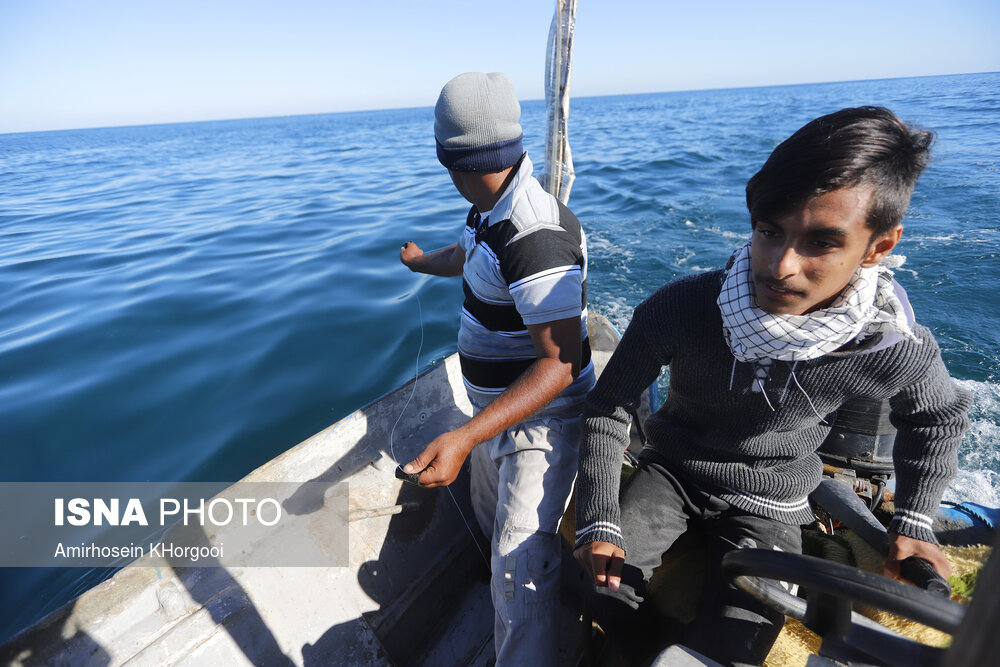
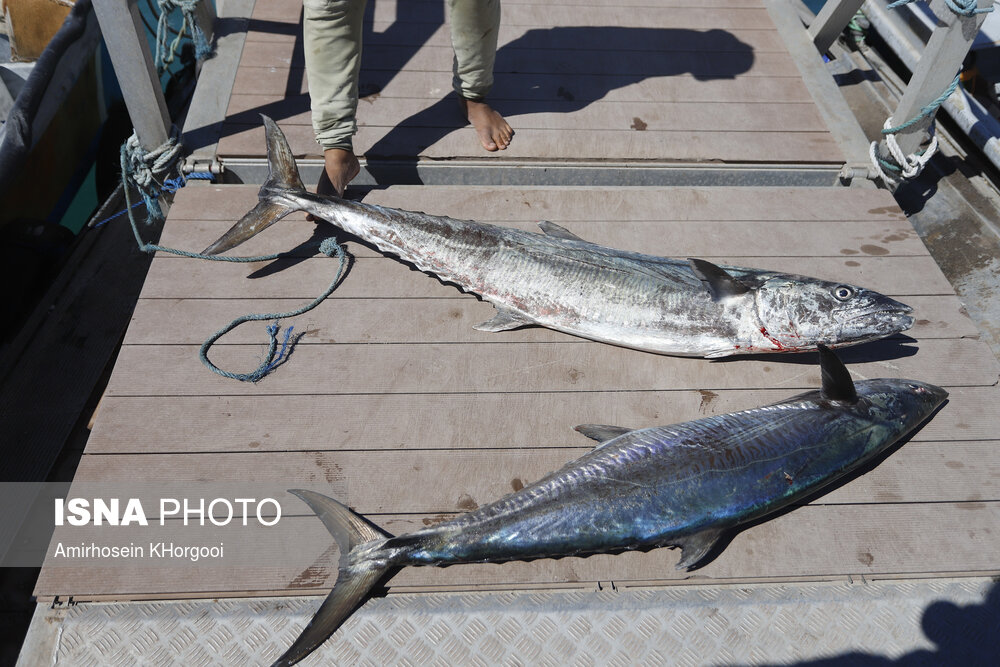
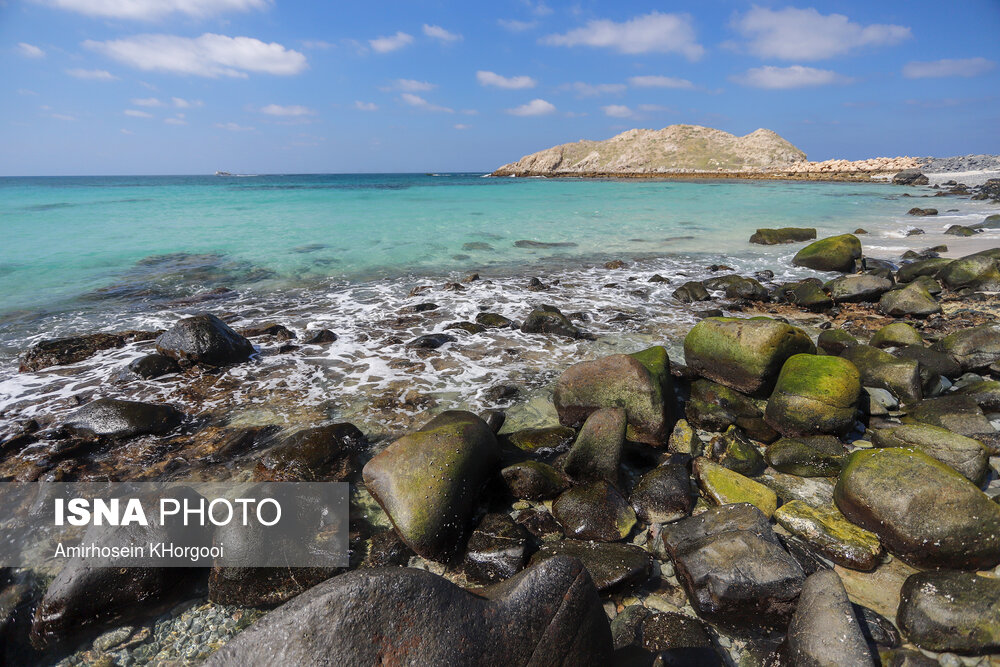
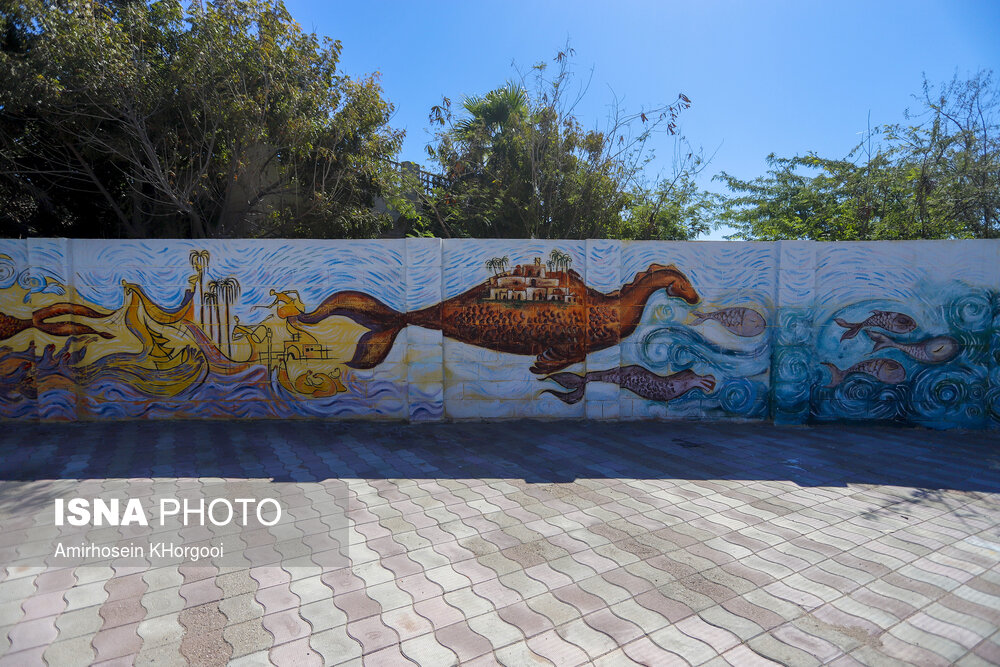
Abu Musa Island has a warm climate. Most of the local people are fishermen. A variety of plants and marine life can be found on the beach. Its highest point is Mount Halva, which is 110 metres above the sea level.
Abu Musa County with a population of more than 5,600 people includes the Abu Musa Island, Greater and Lesser Tunbs, Siri, Greater and Lesser Faror.
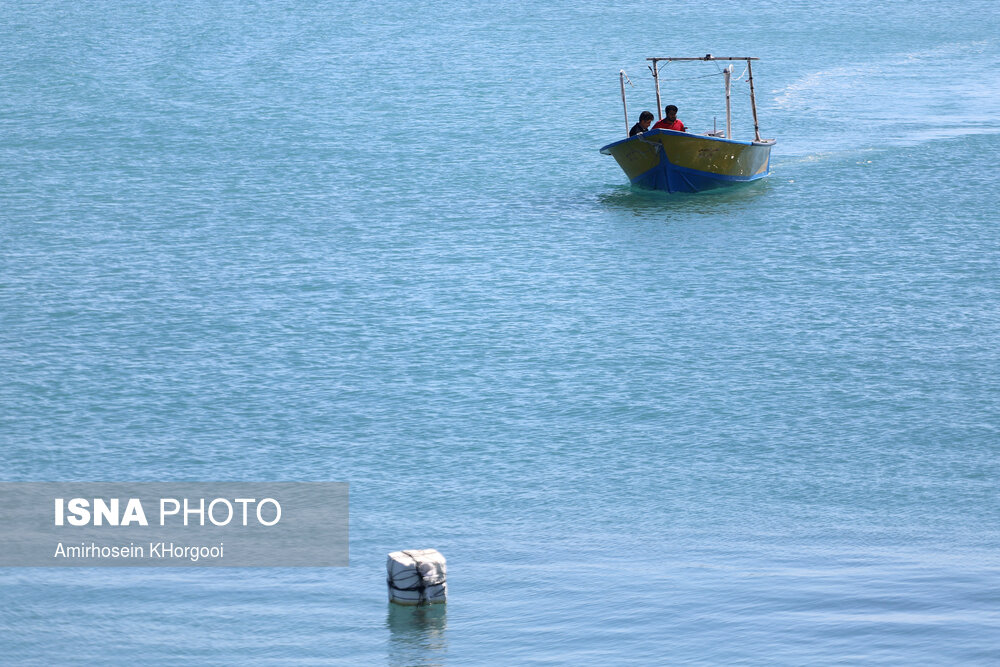
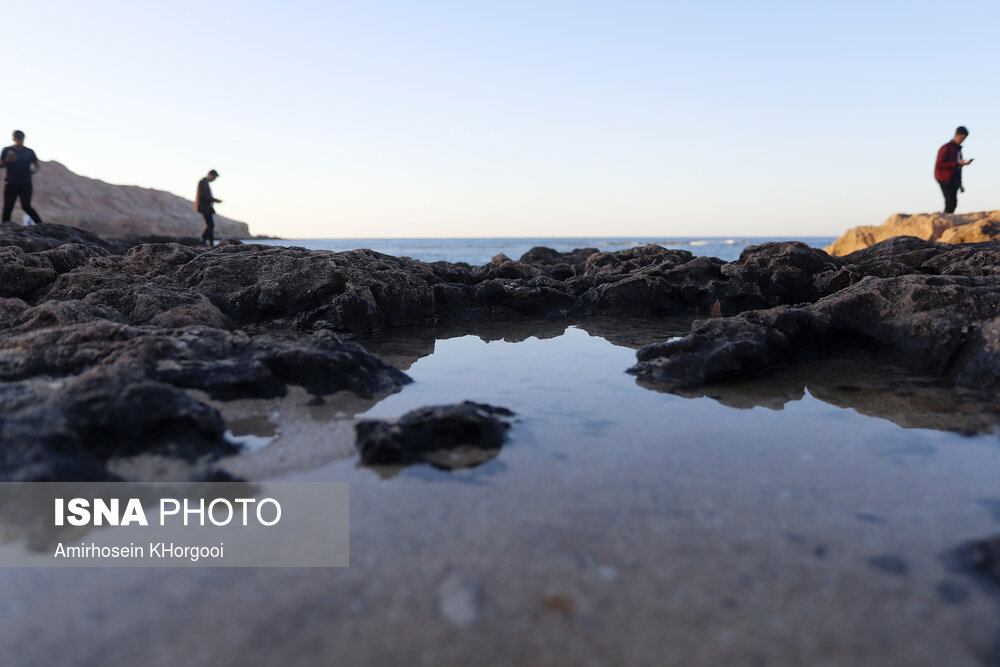
The transparency of the Persian Gulf‘s water off the coast of Abu Musa is such that the aquarium fish and its corals are clearly seen along the coast and breakwaters.
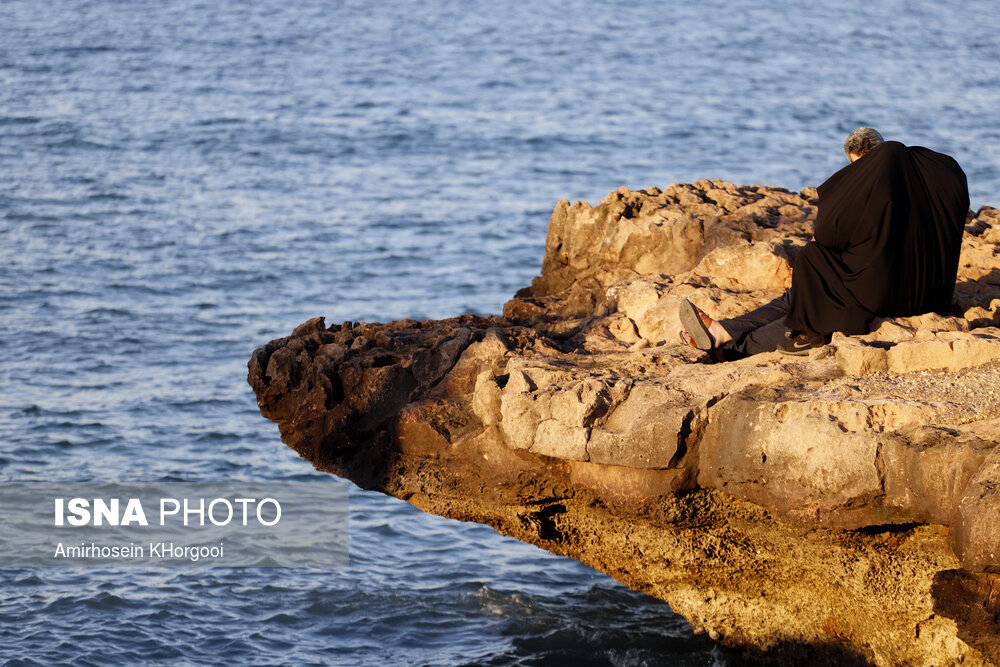
What follows are ISNA’s photos of the beautiful island: