Tuesday, December 30, 2025
Home Blog Page 2837

3 IRGC Forces Killed by Terrorists in Iran’s Kurdistan

3 IRGC Forces Killed by Terrorists in Iran’s Kurdistan

The incident happened near the city of Divandarreh, located 98 km north of the provincial capital of Sanandaj.

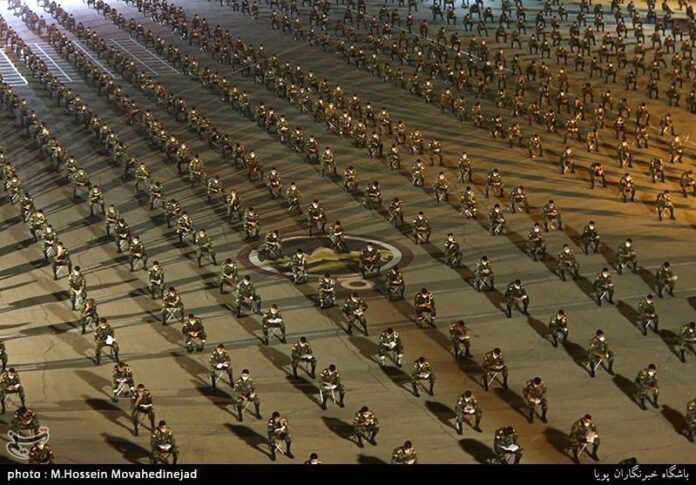
Hamzeh Sayyed al-Shohada Base of the IRGC Ground Forces announced in a statement on Tuesday that following a clash with terrorists, Colonel Shakiba Salimi was killed along with two other forces. Some anti-Iran elements have also been killed by these IRGC members.

In July 2018, anti-revolutionary terrorists attacked a border post of the Hamzeh Sayyed al-Shohada Base in the western province of Kurdistan, killing 11 forces.

250 Major Energy Projects to Be Launched across Iran by Year-End

250 Major Energy Projects to Be Launched across Iran by Year-End

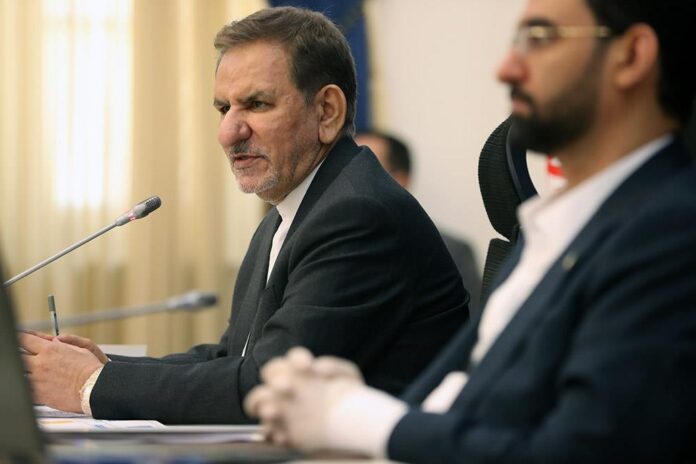
Reza Ardakanian made the comment on the sidelines of a Tuesday ceremony to inaugurate a number of electricity projects in Markazi Province through video conference.

Ardakanian said the energy projects in the central province are part of a program called “AB Iran”.

He added that in the third week of the implementation of this program six major water and electricity projects have been inaugurated in the province.

Referring to the current situation in the country and the spread of the coronavirus, Ardakanian said while the whole world is struggling with COVID-19, Iranians are involved in psychological and economic warfare too.

“We have no doubt the post-corona period will not be the same as before. Just as the post great war eras were not similar to the pre-war eras in history,” he underlined.

In February 2018, Ardakanian announced the Islamic Republic is self-sufficient in the area of power generation noting that the country is the top producer of electricity in West Asia.

He maintained that over 90 percent of power generation equipment including turbines and generators are currently built inside the country.

Decision to Cut Four Zeros from Currency Grabs Headlines in Iran

Iranian Newspapers

Almost all newspapers today covered the Iranian Parliament’s move to approve a bill that allows a major overhaul in the country’s currency rial.

The lawmakers on Monday approved articles and sub-articles of the Bill to Reform the Country’s Monetary and Banking Act, a law which has dominated financial and economic exchanges in Iran since 1972.

The first article of the bill passed on Monday stipulates that Iran’s currency would be reversed to toman, a legal tender that was in use nearly 100 years ago in the country, and each toman will be equal to 10,000 rials.

Toman is the unofficial currency used by people in their daily conversations and transactions.

What follows are headlines of 12 Iranian papers, in which some have argued for and some against the currency overhaul.

Abrar Newspaper:

1- Corona Claims 74 More Lives in Iran

2- Iran to Give Decisive Response If Arms Embargo Extended

Decision to Cut Four Zeros from Currency Grabs Headlines in Iran


Afkar Newspaper:

1- Official: Slashing Four Zeros from National Currency to Have Positive Impact on Stock Market

Decision to Cut Four Zeros from Currency Grabs Headlines in Iran


Aftab-e Yazd Newspaper:

1- Cosmetic Surgery for Patient Suffering from Cancer

* Iran Parliament Approves Bill to Change Iranian Currency to Toman

* Analyst: Cutting Four Zeros from National Currency Is Unnecessary, for Show

Decision to Cut Four Zeros from Currency Grabs Headlines in Iran


Ebtekar Newspaper:

1- A Time for Slashing Zeros!

2- Rouhani: Iran’s Plans for Fight against Corona Challenged by US Moves

Decision to Cut Four Zeros from Currency Grabs Headlines in Iran


Etemad Newspaper:

1- Prominent Literary Translator Najaf Daryabandari Dies at 91

2- Takht-Ravanchi: It’s a Joke that US Is Participant of Resolution 2231

* US Knows Threatening Iran Will Backfire

Decision to Cut Four Zeros from Currency Grabs Headlines in Iran


Ettela’at Newspaper:

1- Rouhani: US Measures Threaten to Multilateralism and Int’l Cooperation

Decision to Cut Four Zeros from Currency Grabs Headlines in Iran


Iran Newspaper:

1- Rouhani at NAM Summit: Global Cooperation Must Replace Economic Terror, Military Threat

Decision to Cut Four Zeros from Currency Grabs Headlines in Iran


Javan Newspaper:

1- Saving Face with Toman

2- Iran Starts Producing Exclusive Antibody for Corona

3- Rouhani Attacks US in NAM Online Meeting

Decision to Cut Four Zeros from Currency Grabs Headlines in Iran


Jomhouri Eslami Newspaper:

1- Iran among Top Five Countries in Terms of Recovery from COVID-19

Decision to Cut Four Zeros from Currency Grabs Headlines in Iran


Kayhan Newspaper:

1- Iranian Scientist Jailed in US to Be Repatriated Soon: Official

2- Great Operation of Ramadan II Starts in Iraq’s Anbar to Thwart ISIS Sedition

Decision to Cut Four Zeros from Currency Grabs Headlines in Iran


Sazandegi Newspaper:

1- Farewell to Rial

Decision to Cut Four Zeros from Currency Grabs Headlines in Iran


Shargh Newspaper:

1- Rouhani: Iran Ready to Produce Vaccine, Treatment for Corona

2- Rial at Final Destination

3- Kim’s Death and Issue of North Korea [Editorial]

Decision to Cut Four Zeros from Currency Grabs Headlines in Iran

Iranian Couple Travel 90km Daily to Teach Their Students

With the closure of schools due to the COVID-19 pandemic, an Iranian couple from the north-eastern city of Gonbad Kavus travel some 90 kilometres every day to teach their students in a border village.

Iranian Electric Bikes to Break into Market

Iranian Electric Bikes to Break into Market

The CEO of Bana Sharif Electric Vehicle Development Group said the company has succeeded in carrying out all the processes of producing electric motorcycles, including designing, prototyping and manufacturing.

Bana Sharif is a joint venture between Sharif University of Technology and Jahanro Company. The company focuses on developing electric vehicles and its supporting infrastructure.

Pouyan Ahmadizadeh, the CEO, said the prototype of this electric bike has been fully prepared, and it has obtained the licences required to break into market.

“Obtaining a plate licence is one of the final steps. If approved, the last problems in the way of commercialising the product will be resolved,” stressed Ahmadizadeh.

With every charge, which costs about 1,000 Tomans (about 6 cents), the vehicle travels 65 kilometres. Considering the gas price hike, this increases the cost-efficiency of using the product.

Ahmadizadeh further mentioned that the battery of this motorcycle is guaranteed for two years by the company, as it is one of the key components in electric vehicles.

Due to the rise in the price of gasoline and the relatively inexpensive price of electricity in the country, the use of high-quality electric motorbikes can be a reasonable and environment-friendly option for the future of intercity transportation in Iran.

Currently, citizens in various countries, especially in Southeast Asia, use electric motorcycles on a daily basis. In Iran, sooner or later, vehicles with non-fossil fuels will be welcomed in the country’s transport sector.

Some 100,000 Iranians Infected with Coronavirus: Ministry

Coronavirus

The Ministry’s spokesman, Kianoush Jahanpour, said on Tuesday that 63 patients have died of the virus in the past 24 hours, increasing the death toll to 6,340.

So far, he said, 80,475 patients have recovered from the disease and been discharged from the hospital.

2,685 patients are also in severe conditions of the disease, Jahanpour added. He also noted that 519,543 COVID-19 tests have been taken across the country so far.

Coronavirus online test
If you are worried that you may have contracted the Coronavirus, take this test right now.

Iranian President, Japanese PM Discuss Regional Tensions

Iranian President, Japanese PM Discuss Regional Tensions

In a phone conversation with Japan’s Prime Minister Shinzo Abe on Tuesday, Rouhani said in the current situation that the coronavirus has affected the whole world, tensions should be reduced and the relations between the countries should be based on humanitarian ties.

Expressing regret over Washington’s creation of tension in the region, Rouhani said, “It is unfortunate that in recent weeks we have witnessed tensions created by the US in Iraq and the Persian Gulf region.”

“The United States has always been the source of tensions in the region,” he noted.

Reacting to the claim by the United States that it is ready to help Iran fight against the coronavirus, the president said if they are honest and want to take action, the only way is to end imposing illegal sanctions.

Rouhani slammed the US sanctions against Iran, saying unfortunately, under the harsh conditions of the fight against COVID-19, as well as its severe economic consequences, the US illegal sanctions against the Iranian people have intensified.

The Iranian president also noted that there is no other way except inter-state cooperation to save the world from this virus, underlining that the Islamic Republic is facing many problems, even in supplying medical equipment and food as the cruel and inhumane US sanctions are increasing.

Elsewhere in his remarks, the Iranian president thanked the Japanese government for its friendly assistance to Iran in the fight against the coronavirus.

For his part, the Japanese Prime Minister stressed the need for cooperation of all countries to overcome the coronavirus and the global economic crisis caused by it.

“It is worrying that in this condition we are witnessing tensions in the Middle East. We believe that peace and stability must be established in the region,” continued Abe.

He further mentioned that Iran is an important and influential country that plays a significant role in establishing peace in the region, adding that Tokyo will continue its cooperation with Tehran in this regard.

The Japanese prime minister described as “inappropriate” the intensification of US sanctions against the Islamic Republic amid the outbreak of the coronavirus, underscoring that in the current situation, humanitarian measures should be on the agenda of all countries.

Rouhani and Abe also highlighted the need for cooperation between all countries to deal with the coronavirus, stressing that Tehran and Tokyo must boost ties and exchange experiences.

They further emphasised the development of bilateral relations and expressed hope that with the implementation of the previous agreements, Iran and Japan would witness the expansion of economic and trade ties.

Iran Exports 40,000 Coronavirus Test Kits to Germany

Iran Exports 40,000 Coronavirus Test Kits to Germany

The shipment, involving 40,000 test kits manufactured by an Iranian knowledge-based company, was exported from Tehran’s Imam Khomeini International Airport on Tuesday morning.

The coronavirus test kits have been made by Pishtaz Teb Zaman Co., a knowledge-based enterprise with 21 years of experience in producing various cancer tumor markers and testing kits for the diagnosis of infectious and endocrine diseases.

The Iranian company has already developed five types of biochemistry kits and has exported its products to Italy, Belgium, Brazil, Germany, South Korea and Turkey.

Iran to Export Coronavirus Test Kits to Germany, Turkey

The Iranian Vice Presidency for Science and Technology has categorized the company as a leading firm contributing to the knowledge-based economy in Iran.

Following a call from the vice presidency a couple of weeks ago, Pishtaz Teb Zaman focused its efforts on the production of COVID-19 diagnostic test kits.

CEO of the company Behrouz Hajian Tehrani says the homegrown product meets all European standards of accuracy, performance and diagnosis time.

The new test kits have undergone a long process to obtain certification inside Iran and have also received Europe’s CE marking, he added.

Hajian said around 150 companies and research centers, mainly based in the US and China, are currently producing coronavirus test kits, noting that many developed and European countries have been yet unable to make such device.

Although Pishtaz Teb Zaman has just received permission for the export of COVID-19 test kits, many countries in the world have applied to purchase the product, including Turkey, Ecuador, Brazil, and Spain, he noted.

Ten Countries after Importing Iran-Made Anti-Corona Products

Ten Countries after Importing Iran-Made Anti-Corona Products

International Affairs of Vice Presidency for Science and Technology says the companies are ready to export 10% of the anti-corona products related to the diagnosis and control of the coronavirus.

Mahdi Qaleh Noei said on Tuesday the Vice Presidency for Science and Technology earlier issued a call amid the outbreak of the coronavirus, announcing that companies with the ability to build diagnostic kits express readiness to combat the virus.

“With the spread of the virus, knowledge-based companies working in the field of medical equipment began working on the diagnosis of the virus due to its unknown nature.

Therefore, with the financial and spiritual support of the Vice Presidency for Science and Technology, the required kits were produced and marketed,” stated Qaleh Noie.

He went on to say that currently, a series of kits can be exported, but considering that there is a high consumption capacity in the country, and the health ministry has not yet announced the number of needed kits, these kits are only produced for domestic consumption.

However, there is a willingness to export more of the antibody diagnostic kits to determine whether people contracted COVID-19 before, he underlined.

“One of these knowledge-based companies has received an export licence, but just the surplus of these kits can be exported.”

At present, 10 countries have announced in official letters their need to receive these kits which are in the process of being exported, expressed Qaleh Noei.

Iran Exports 40,000 Coronavirus Test Kits to Germany

“We have received requests from European countries, India, and Oman in this regard, and preliminary procedures are underway to export if the domestic needs are met.”

Qaleh Noei said if the health ministry allows, the vice-presidency is ready to export 10% of the production of the knowledge-based companies.

“We are negotiating with two countries. This disease is unknown and the scientists across the world are conducting research. We have also announced readiness to various countries and Iranian specialists inside and outside the country to do joint work. We have now officially started our joint research activities with two countries, and the process of defining the features is underway.”

Coronavirus online test
If you are worried that you may have contracted the Coronavirus, take this test right now.

Qaleh Noei also added that the Islamic Republic is ready to export other items such as ventilators, disinfectants and mask-producing equipment too.

As Iran has built good infrastructure in the face of sanctions, we have a good response at the time of crisis. Iran can turn the crisis into an opportunity, noted this Iranian official.

“We produce most of the country’s needs and we are naturally ready to export. The Islamic Republic is is dealing with the disease much better than many countries in the world because they did not expect such a situation. That is why we are ready in many aspects, but due to the precautions of the health ministry we are moving carefully. Whenever the health ministry announces the domestic needs are met, we can start exporting,” he concluded.

Iran Not 1st Country to Lop Zeros Off National Currency

National Currency

West Germany was the first country to see zeros removed from its national currency as it was gripped by galloping inflation after World War II ended. Accordingly, the new Deutsche Mark hit the market. Afterwards, especially from the 1960s and 1970s onward, the same measure was adopted in different countries, mostly developing nations.

Countries whose economies was suffering from spiraling inflation and whose currencies were fast losing value began to chop zeros off their monetary units in order to make economic and commercial transactions easier and reduce costs. Most economists believe lopping zeros from banknotes will have no influence on economic indices as well as supply and demand, and that such a move mostly has a psychological effect on society.

Turkey, which lies next to Iran, had a similar experience which is worth studying. A European country with a social fabric of developing nations. Turkey removed six zeros from its currency in 2005. Inflation began to grow in Turkey in the early 1980s and kept spiraling on. Each US dollar was exchanged for 1,422 old Turkish Liras in 1988, which rose to more than 5.1 million old Turkish Liras in 2003. Reports suggest that in the early 21st century, Turkish people had to pay several Liras to buy a loaf of bread. Finally, six zeros were lopped off Turkey’s currency in January 2005 when the new Lira replaced the old one.

One of the countries which is a record-holder in terms of the number of zeros chopped off its national currency is Argentina, which had a failed experience in that regard. The country removed two zeros in 1970, four zeros in 1983, three zeros in 1985 and four zeros in 1992 from its national currency. Even the removal of all those zeros did not save Argentina from emerging inflations and the country is suffering from rampant inflation at the moment as well.

After Argentina, Brazil is another country which removed a large number of zeros from its monetary unit. Brazil had lopped three zeros off its national currency back in 1942. It removed another three zeros in 1967. Brazil got mired in raging inflation in the 1980s due to enormous amounts of debt. The country removed another six zeros, in total, in 1986 and 1989. As the move was not sufficient to rid the nation of the crisis, Brazil chopped off another three zeros in 1993.

Venezuela, too, slashed three noughts from its currency in 1997; nevertheless, the inflation rate in the country has risen from more than 24 thousand percent to over 815 thousand percent. According to the United Nations, upwards of 2.3 million Venezuelans have fled the country due to the economic crisis, poverty and hunger.

Zimbabwe: A Complete Fiasco

The Zimbabwean government knocked off three zeros from its monetary unit in 2003 when the inflation rate in the country hovered around 1,000 percent. Still, the government has, so far, not taken any action to curb inflation and has simply relied on the psychological impact of the removal of the zeros. Obviously, that psychological effect soon faded among people and galloping inflation wrecked the country’s economy, so much so that the Zimbabwean dollar collapsed. At the moment, the inflation rate in the African country has crossed the 11 million percent mark. This comes at the time when the country’s central bank says it has no longer any banknote paper available to print currency.

Knocking off Noughts from Iran’s Currency

The idea of lopping off zeros from Iran’s national currency (the Rial) goes back to the 1990s when the Central Bank of Iran put the issue on its economic agenda. However, some authorities disagreed with the move; so, planned studies into the initiative were called off. The reason behind floating the idea of removing zeros from the national currency was the high inflation at the time which was brought about by the plan to open up

the economy, shockwaves on the oil market created after the Cold War, and petro-dollars being funneled into Iran’s economy in the fifth and sixth administrations.

And now, the plan is going to be implemented in the country at a time when the coronavirus crises have gripped all countries the world over and Iran’s inflation rate stands at 34.8 percent. Based on the initiative, four zeros will be lopped of the Iranian Rial, and each 10,000 Rials will equal 1 Toman

Afte receiving approval from Parliament, the plan will get off the ground two years’ from now and the Toman will become the nation’s official currency.