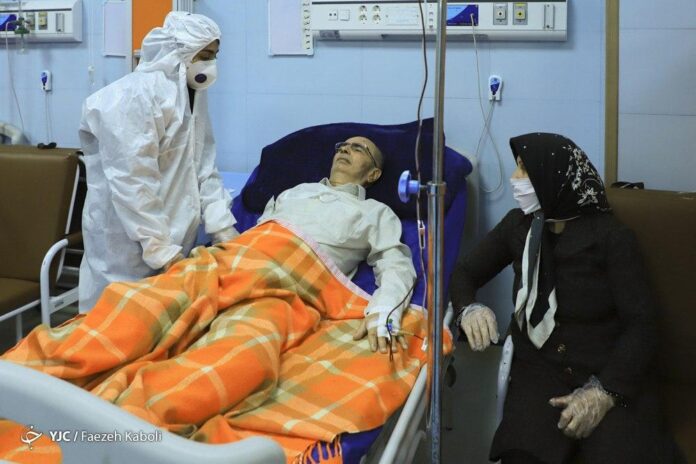
In her press briefing on Tuesday, Sima-Sadat Lari confirmed 2,563 new cases of COVID-19 infection, increasing the total number of infections to 192,439.
According to the spokeswoman, 152,675 patients have so far recovered from COVID-19, but 2,815 are still in severe conditions of the disease.
She said so far 1,293,609 COVID-19 tests have been taken across the country.
According to Lari, Khuzestan, West and East Azarbaijan, Golestan, Khorasan Razavi, Lorestan, Hormozgan, Kurdistan, and Sistan and Baluchestan provinces are considered red zones.
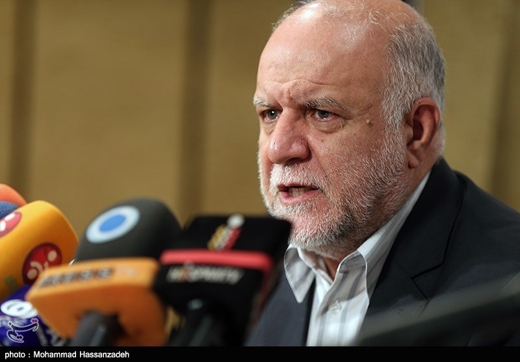
In a telephone conversation, Zangeneh and Abdul Jabbar conducted a review of relations between Iran and Iraq and called for the expansion of oil cooperation between the two Muslim neighbours.
In the conversation, the Iranian minister congratulated Abdul Jabbar on taking office as the new oil minister of Iraq after formation of a new government under Prime Minister Mustafa Al-Kadhimi’s leadership.
For his part, Abdul Jabbar said Iraq’s daily export of crude in June has reached 2.8 million barrels.
The Iraqi oil minister also emphasized that it would be in Iraq’s interests to abide by a production cut agreement between the OPEC and its allies, known as OPEC+, saying the Iraqi Kurdistan Region has been directed to comply with the OPEC+ deal and cut its share of oil output.
The OPEC members, Russia and other oil producing nations agreed in April to cut output by around 10% of global supply to support oil prices amid the coronavirus pandemic.
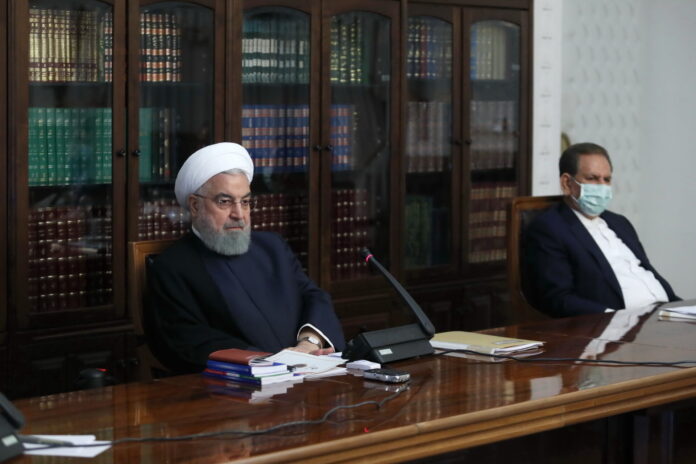
Addressing a meeting of the Administration’s Economic Headquarters on Tuesday, President Rouhani stressed the need to prevent the pressure of sanctions on the supply of foreign currency from leading to a hike in the price of basic commodities.
The president said one of the main economic priorities the administration has set for the current Iranian year is managing the capital market and supplying the foreign currency to meet the country’s demands.
“The foreign policy and the Central Bank officials are trying to free Iran’s currency assets in the other countries through multilateral consultations, so that the country’s currency market would be immune to possible volatility, “President Rouhani noted.
He also highlighted the efforts to handle the situation in two fronts at the same time, saying the administration is actively dealing with the “cruel and inhumane sanctions” imposed by the enemies and fighting against the coronavirus epidemic and mitigating its economic repercussions simultaneously.
“One of the country’s glories in simultaneous handling of the sanctions and the coronavirus has been fulfillment of the necessary needs of people in the market, in such a way that we prevented the inhumane dream of those imposing sanctions from coming true, which was causing problems and distress in the daily economic lives of people and the supply of the items they need for livelihood,” the president stated.
President Rouhani also praised the Ministry of Health and Medical Education and the Central Bank of Iran for providing the necessary medicine in the current tough conditions, saying good planning has enabled people to obtain medication in spite of the sanctions and the outbreak of coronavirus.
In comments on Sunday, President Rouhani had highlighted his administration’s efforts to deal with the economic consequences of the coronavirus outbreak, saying the main priority in the administration’s economic plans is to control prices and supply the basic means of life.
Hossein Faraji is one of ten best cavers in Iran. He is a member of the Iranian Caver Association, a member of the Lebanese Caving Club, and a mountaineering instructor.
In an interview with Khorasan daily, Faraji has talked about the exciting features of Iran’s caves.
Faraji started exploring caves at the age of 21, and after a while, he sought refuge in caves in search of the unknown and further adventure. He has been exploring the caves for 25 years.
“The mountains are visible to humans, but there are caves that have not yet been discovered and no one knows about them. Caves have been our main homes. In fact, the first place that early humans called home was these cavities, which are strangely warm in the winter and cool in the summer, and have a natural ventilation system. Our intelligent ancestors could not have chosen a better place to live than a cave. In some excavations, we find artifacts such as paintings or tools of human beings that show our ancestors lived in this place thousands of years ago,” he said.
Most Exciting Caves in Iran, World
Caves are generally divided into several categories based on their specific characteristics, says this mountaineering and cave-exploring instructor.
“Vertical caves need ropes to climb. Horizontal caves that do not require ropes and the third category are vertical and horizontal combinations. There are also caves that early humans built to live which are called hand-made caves. The other category is salt caves, which are composed of salt, and exploring them has its own special enthusiasts. It is interesting to know that Iran’s Qeshm Salt Cave is the second largest in the world in terms of size and length which dates back to the pre-Cambrian period i.e. 570 million years ago.”
Faraji also talked about different and interesting caves and introduces Por Ou and Kataleh Khor caves among them.
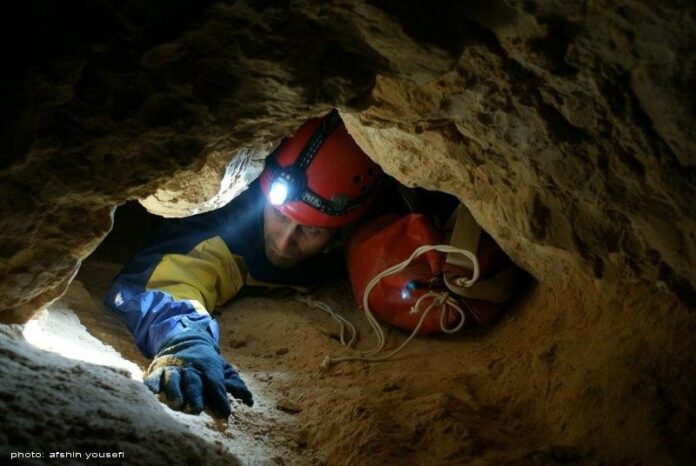
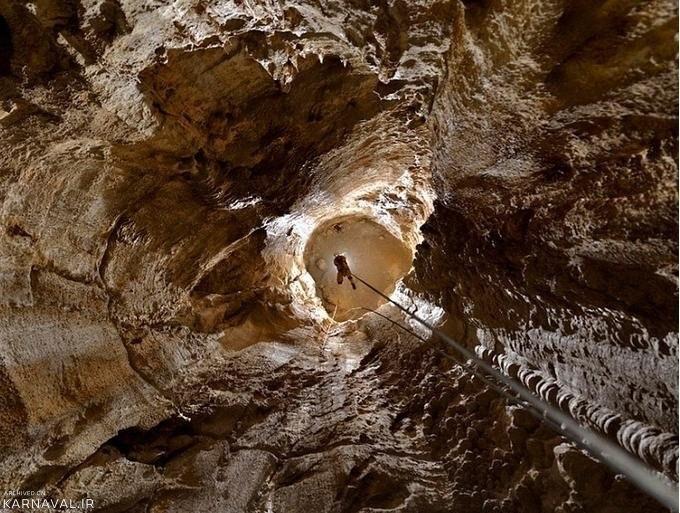
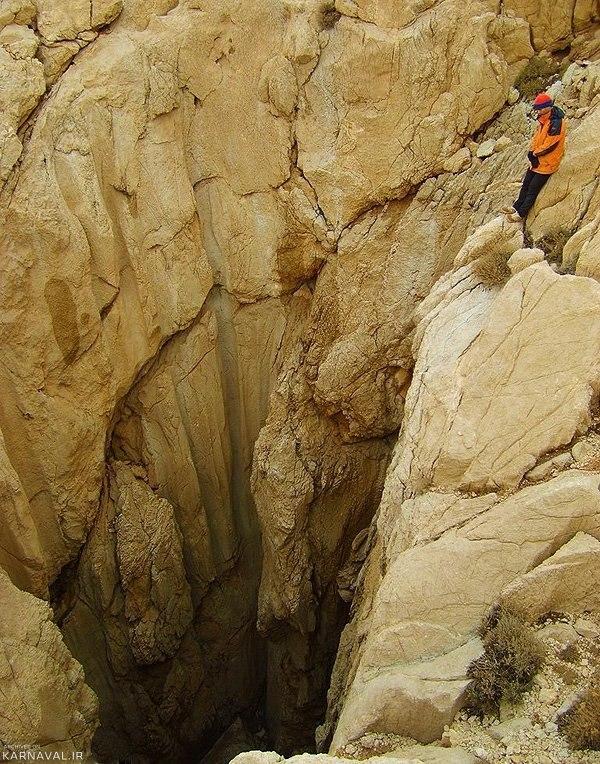
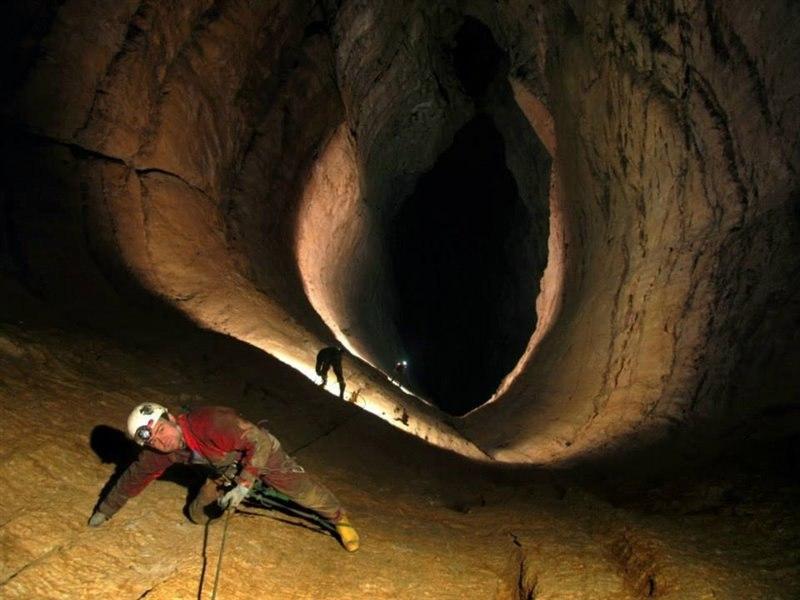
“One of the most exciting of these caves is Por Ou,” he said, referring to Iran’s unique caves. This cave is located on Mount Por Ou with a height of 3050 metres in Kermanshah province. It is undoubtedly one of the most important and exciting caves in Iran.
“To reach the mouth of this cave, you have to climb a mountain of 3050 metres. This cave has 24 wells and has been the deepest cave in Iran for the last five or six years, but the reason for the popularity of this cave is not only the height of the mountain and the number of its wells. This cave is called the killer, so much so that many of its enthusiasts are afraid to climb. The reason for that horror is the unfortunate events that took place in this place. To date, five cavers have died there, one of them was a professional Himalayan climber, and the bodies of two cavers have never been found. All of these deaths have made even professional cavers hesitant to go there,” added Faraji.
1 of 4
Kataleh Khor Cave, Original Human Habitat
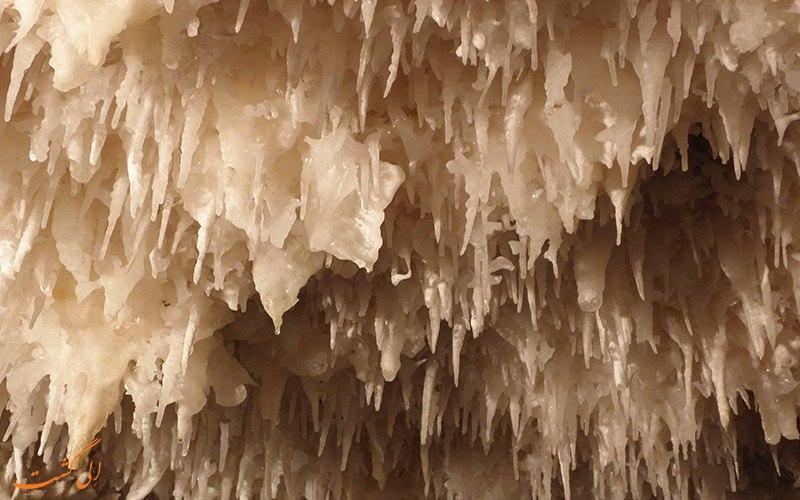
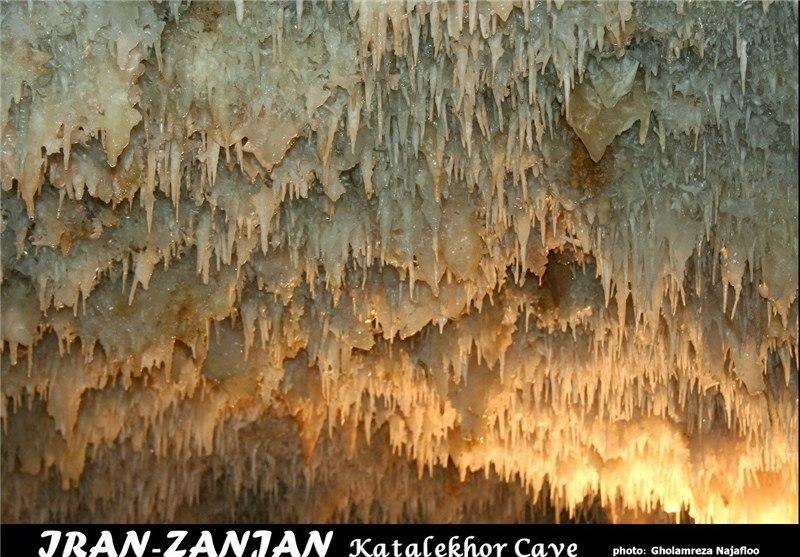
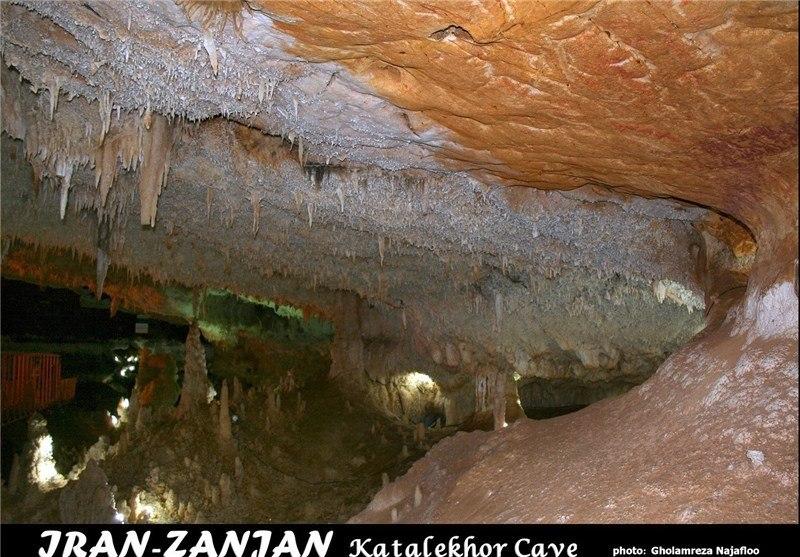
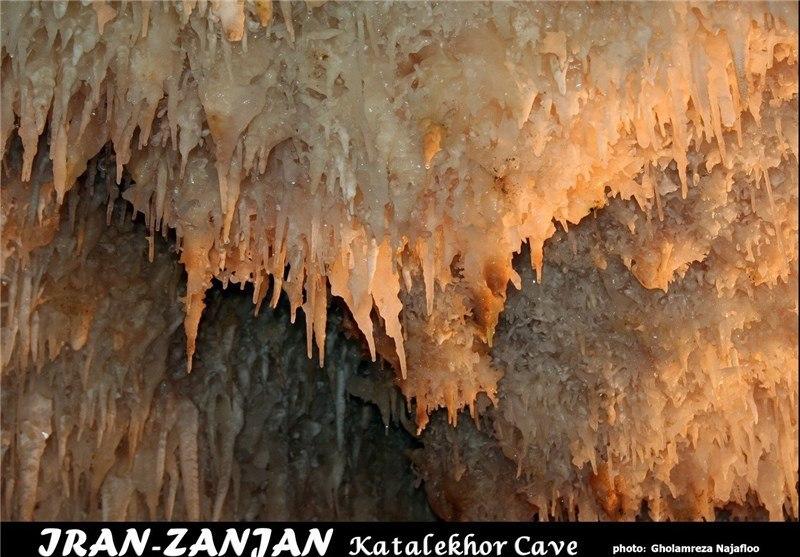
The next cave is Kataleh Khor. This cave is the longest one in West Asia and is located in Khodabandeh, Zanjan province.
“In this cave you will see stalagmites and stalactites that are very large. The remarkable thing about this place is the number of floors and halls. Its most beautiful hall is the bride and groom’s hall which is named after its structure. This cave was discovered in 1952. To enter it, people had to crawl about 700 metres and as soon as they entered the first hall, they realised early humans lived in this place many years ago. So far, about 80 skeletons of primitive humans have been found in Katleh Khor,” added Faraji.
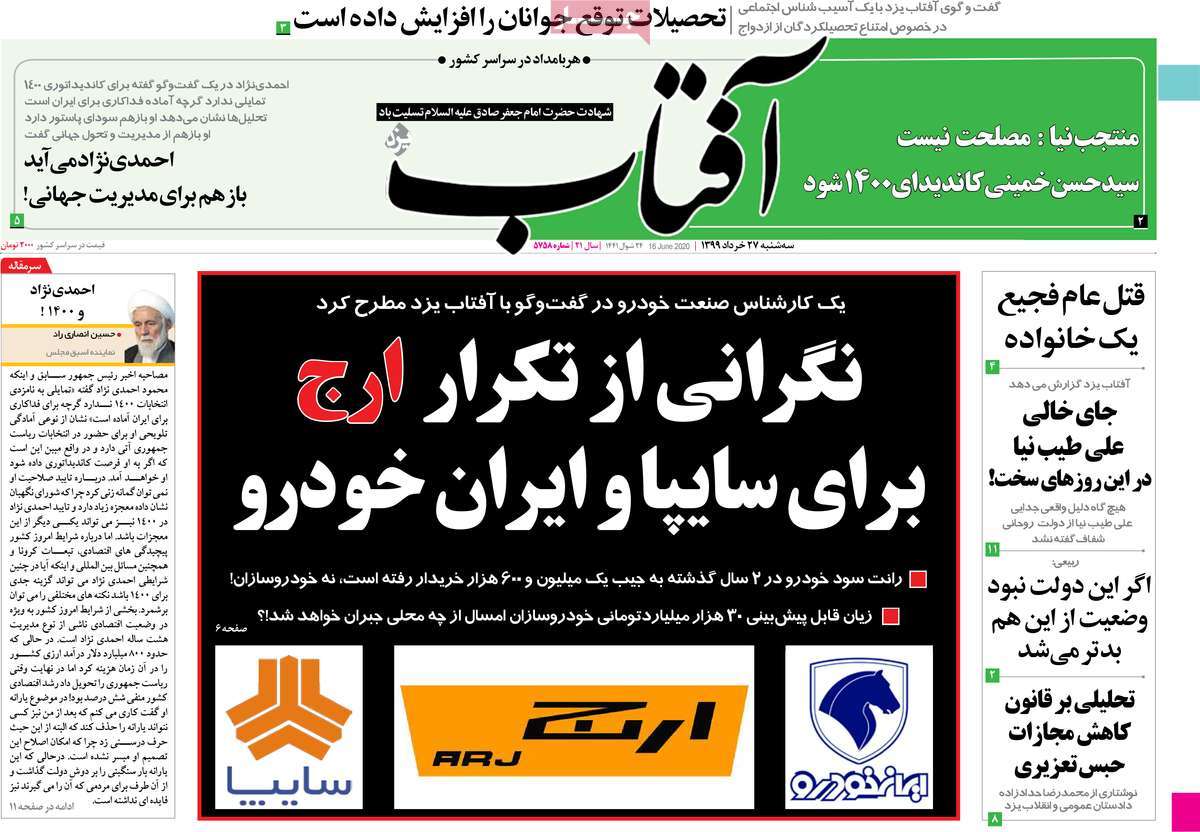
1- Imam Khomeini’s Grandson Had Better Not Run for President: Reformist Figure
2- Situation Could Be Worse If Rouhani Wasn’t in Office: Spokesman
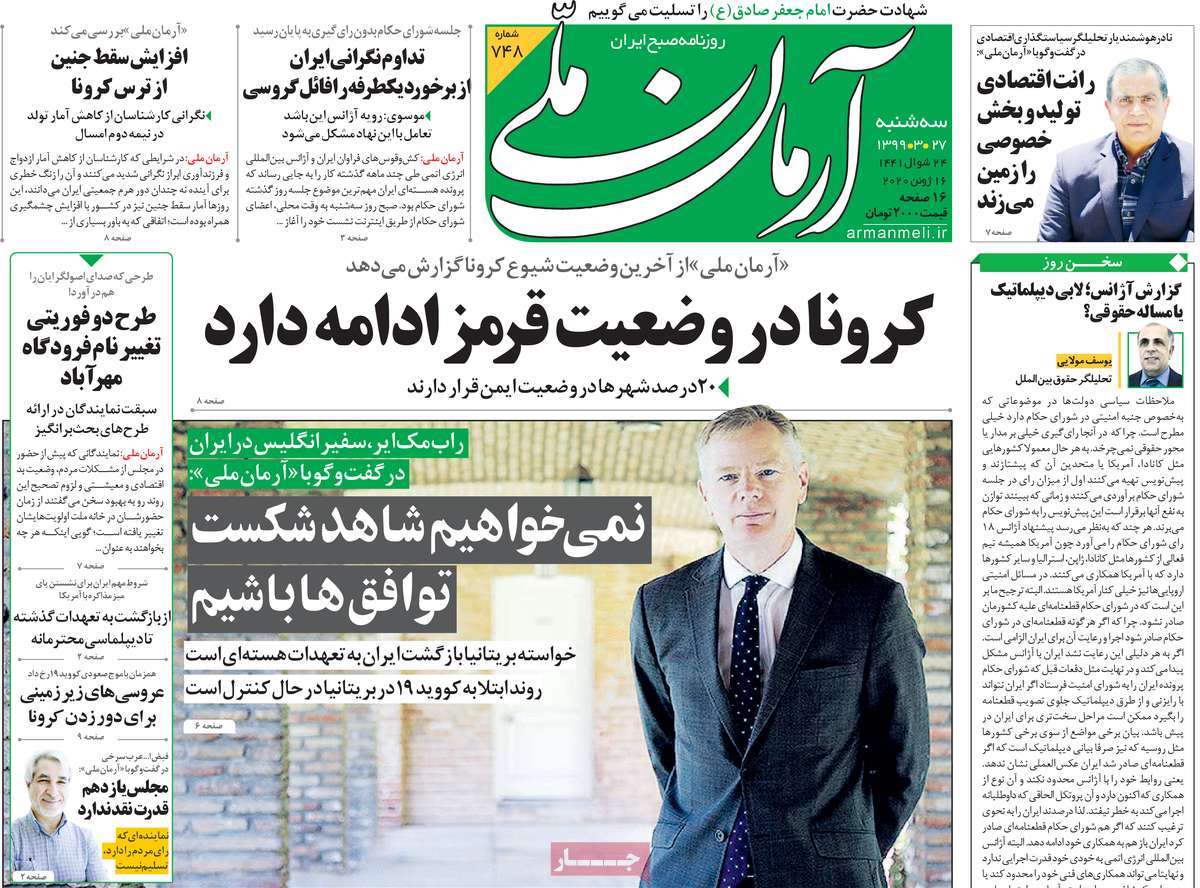
Arman-e Melli Newspaper:
1- Coronavirus Keeps Infecting People in Red Zones
2- UK Envoy to Tehran: We Don’t Want to Witness Failure of Deals
3- Even Conservatives Outraged by Motion to Rename Tehran’s Mehrabad Airport to Gen. Soleimani
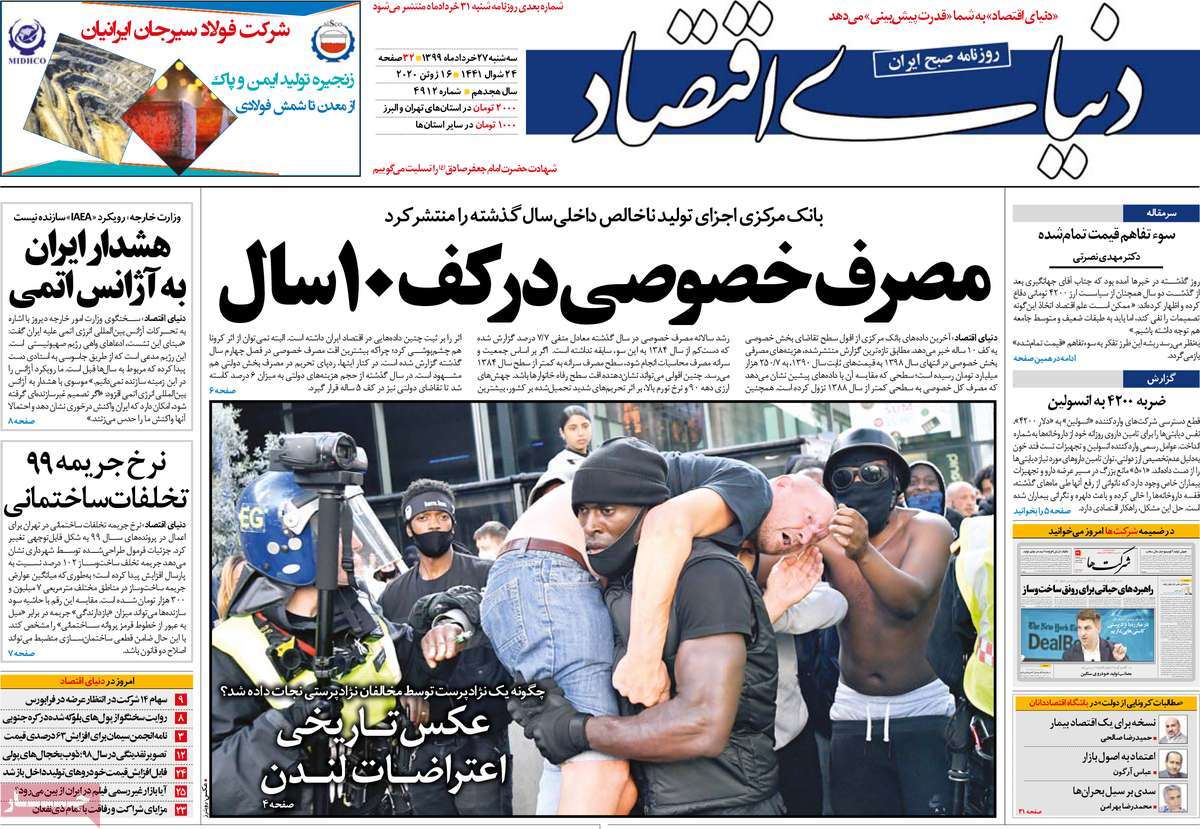
Donya-ye Eqtesad Newspaper:
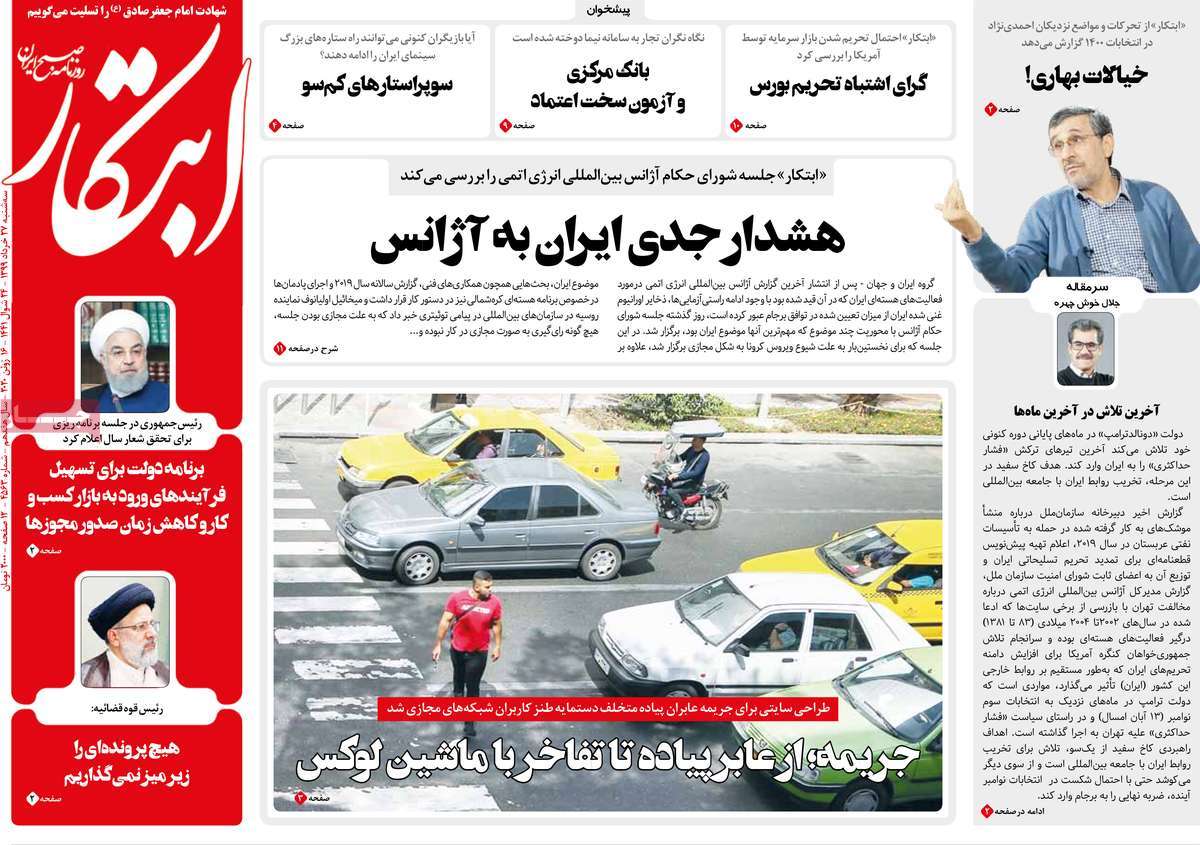
1- Iran’s Warning to IAEA: Your Approach Not Constructive
2- Historic Photo of London Protests
Ebtekar Newspaper:
1- Iran’s Serious Warning to IAEA
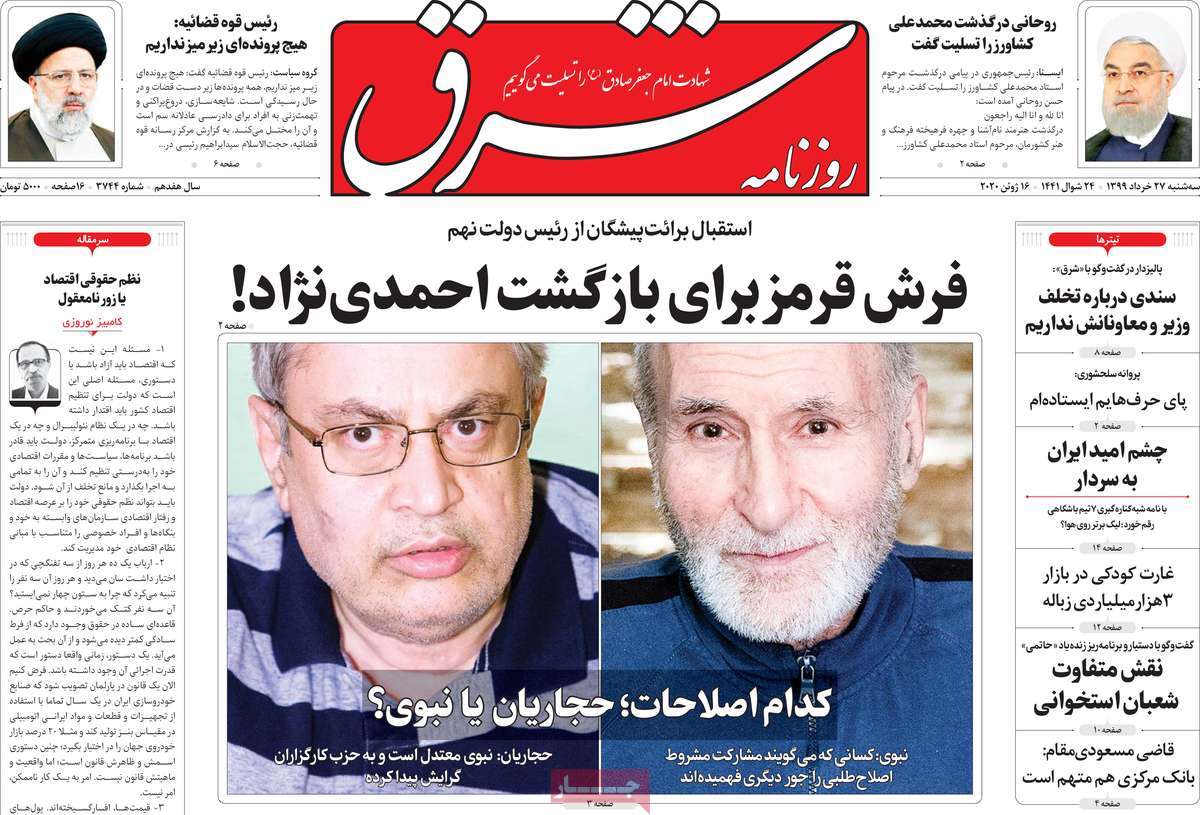
2- A Report on Ahmadinejad’s Bid to Gain Support for 2021 Presidential Votes
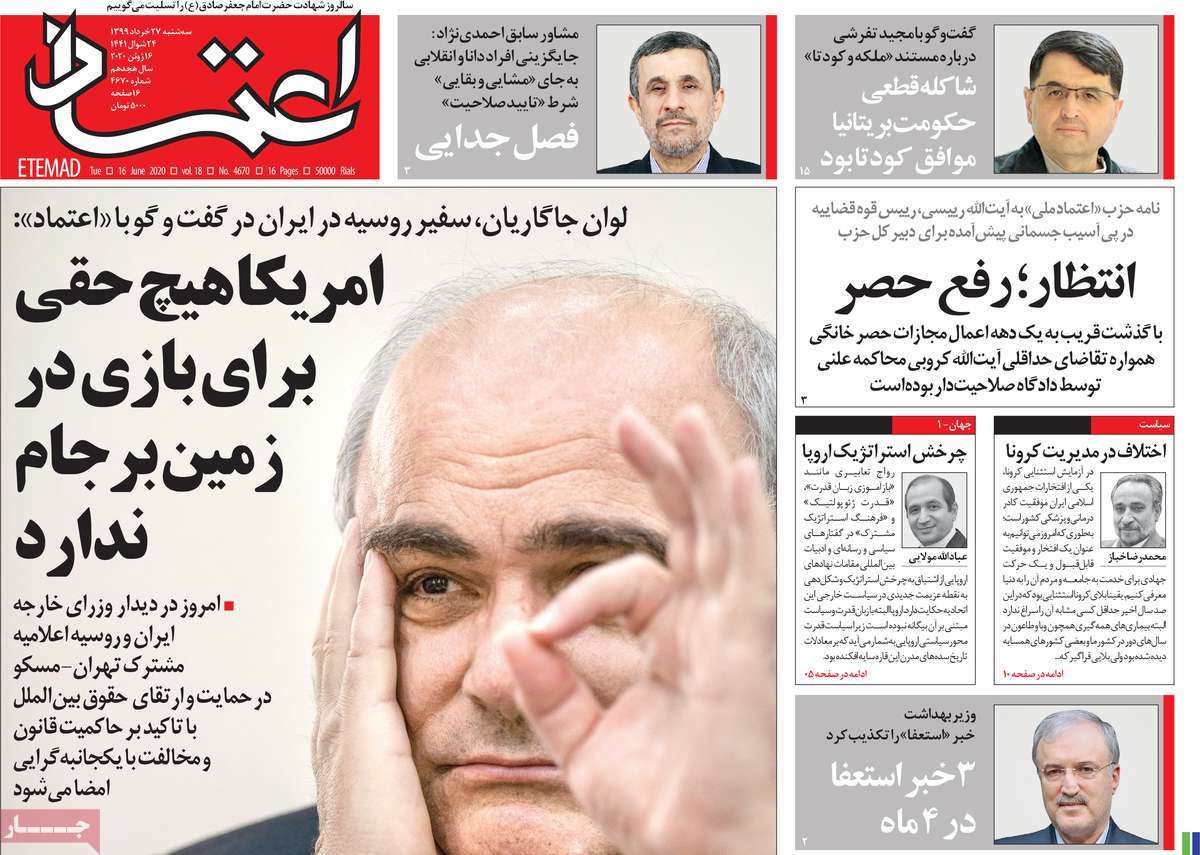
Etemad Newspaper:
1- US Has No Right to Play in JCPOA Court: Russia Envoy to Iran
2- Reformist Party Urges Judiciary Chief to End House Arrest of Opposition Leader Karroubi
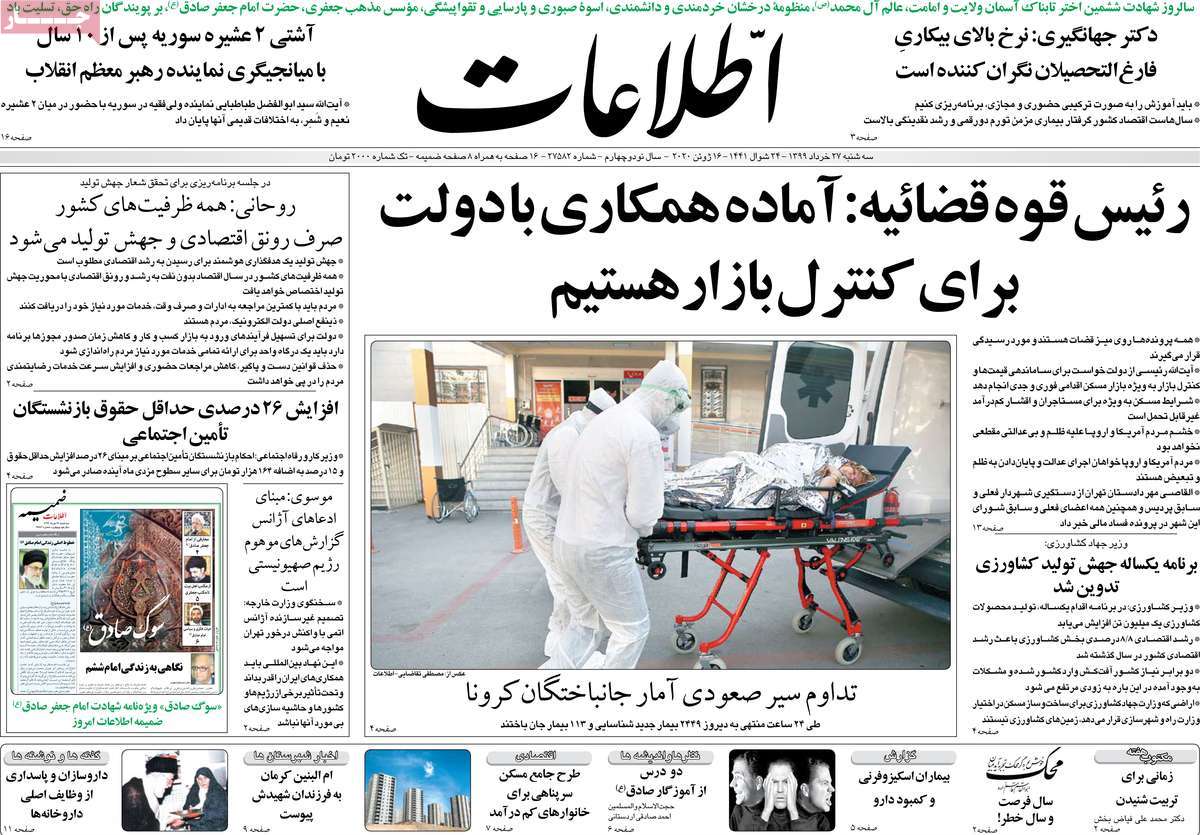
Ettela’at Newspaper:
1- Judiciary Chief: We’re Ready to Help Gov’t Control Market
2- Coronavirus Figures Continue to Surge in Iran
3- Two Syrian Tribes Reconcile after 10 Years in Presence of Iran Leader’s Representative
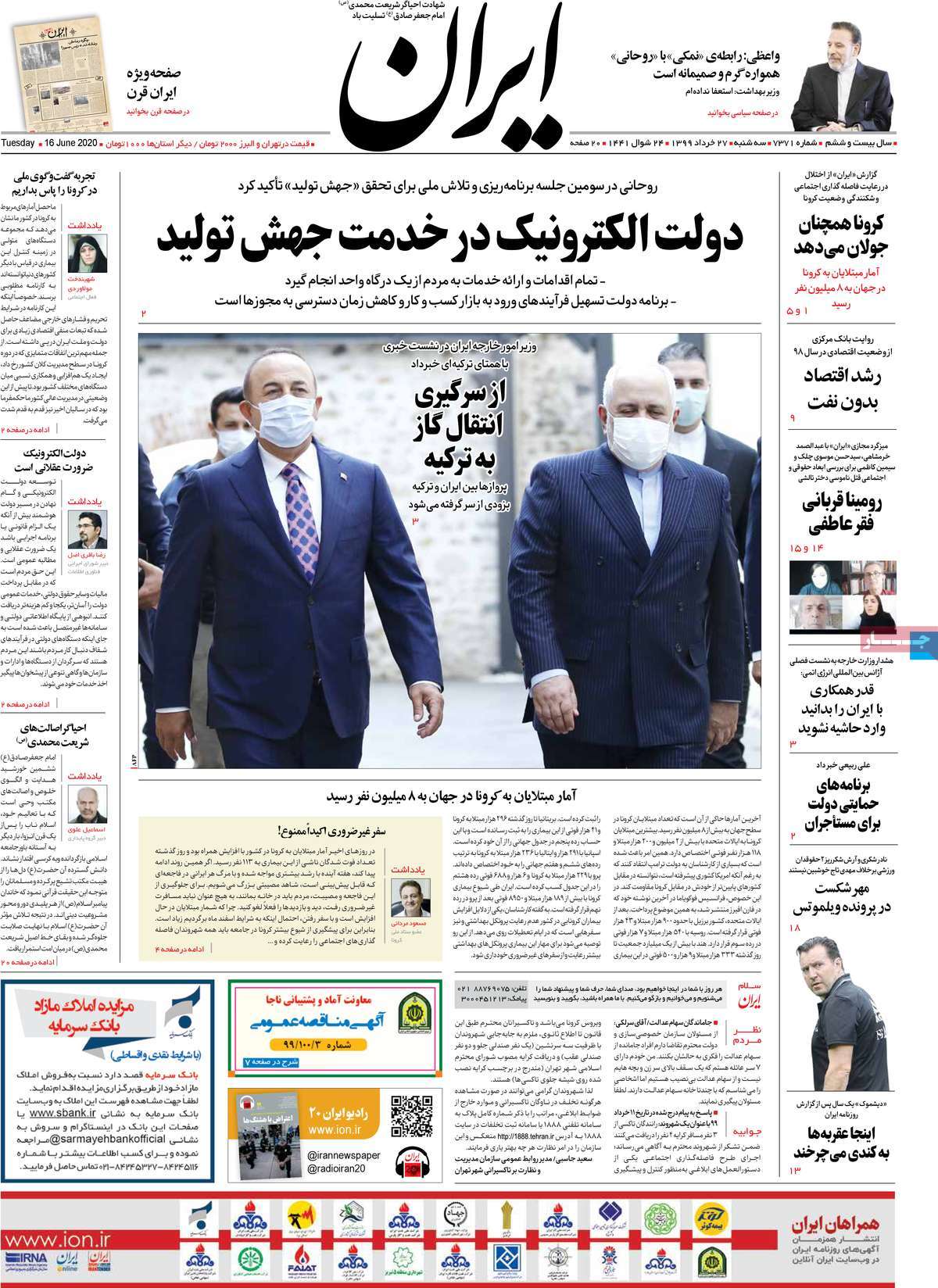
Iran Newspaper:
1- Resumption of Iran’s Gas Exports to Turkey
2- Coronavirus Still Infecting People: Over 8 Million Infected Worldwide
3- Romina Victim of Emotional Poverty
Javan Newspaper:
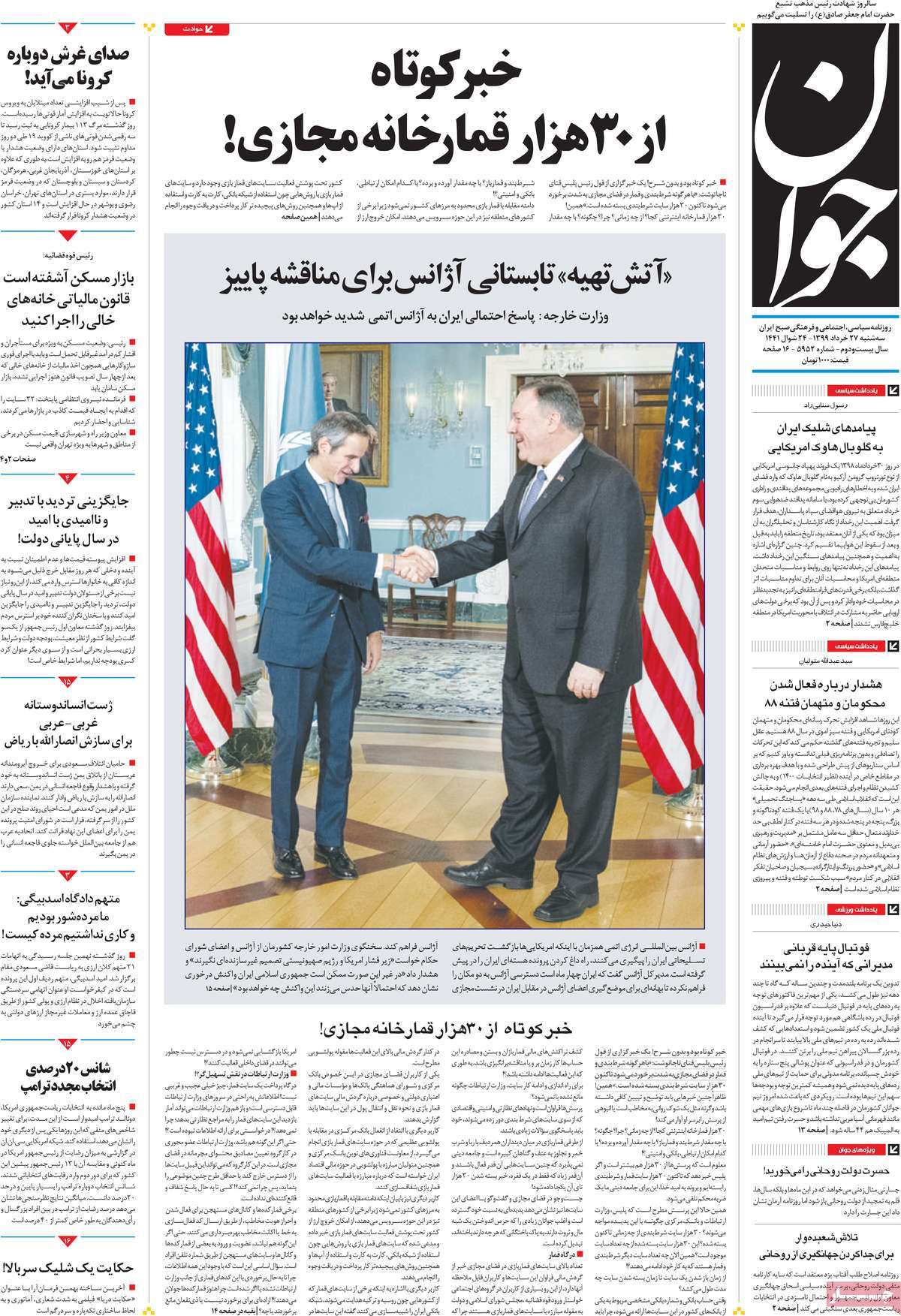
1- 30,000 Online Gambling Websites Shut Down by Iran Police
2- IAEA Preparing Fuel for October Fire
* Iran to Give Strong Response to IAEA in Case of Unconstructive Decision
3- Repercussions of Iran’s Shoot-Down of US Global Hawk Drone
Jomhouri Eslami Newspaper:
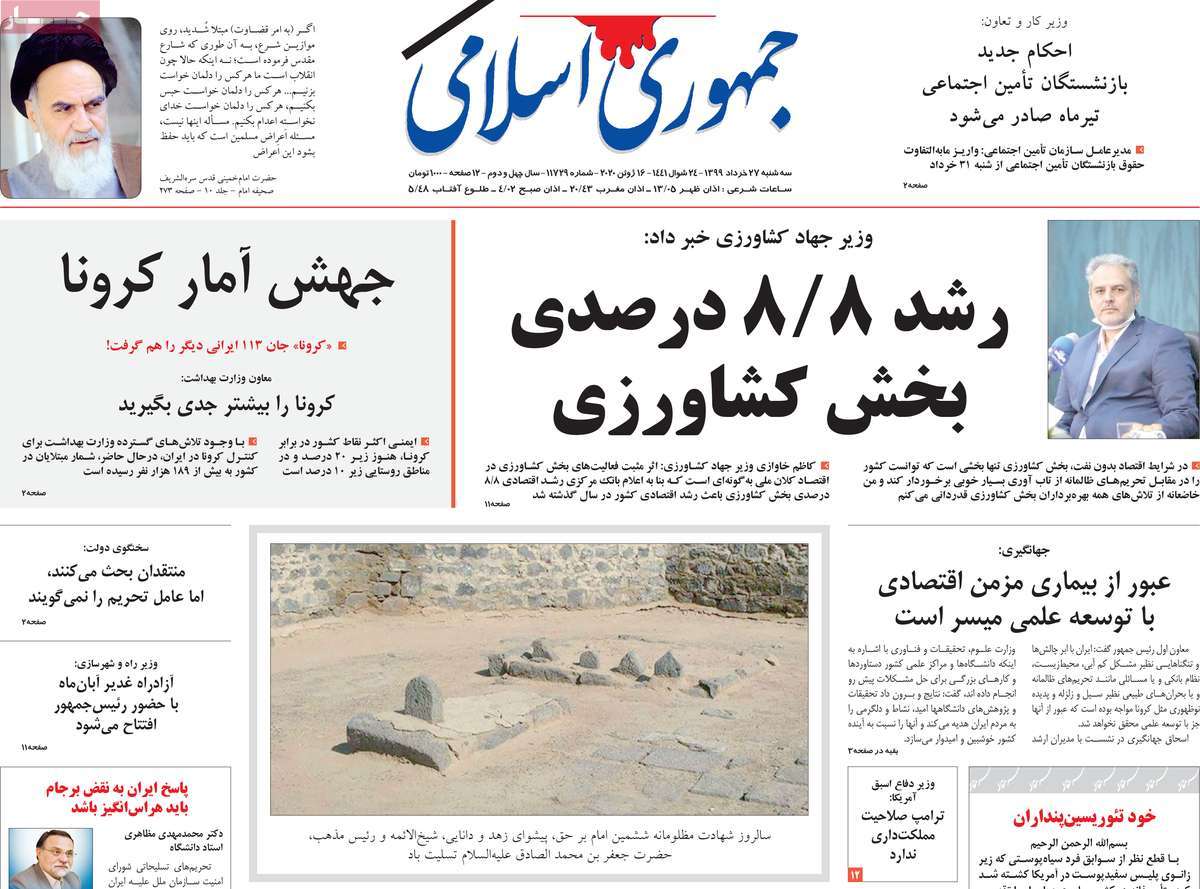
1- 8.8-Percent Growth of Iran’s Agriculture Sector: Minister
2- Coronavirus Kills 113 More Iranians
* Take Coronavirus More Seriously: Minister
Kayhan Newspaper:
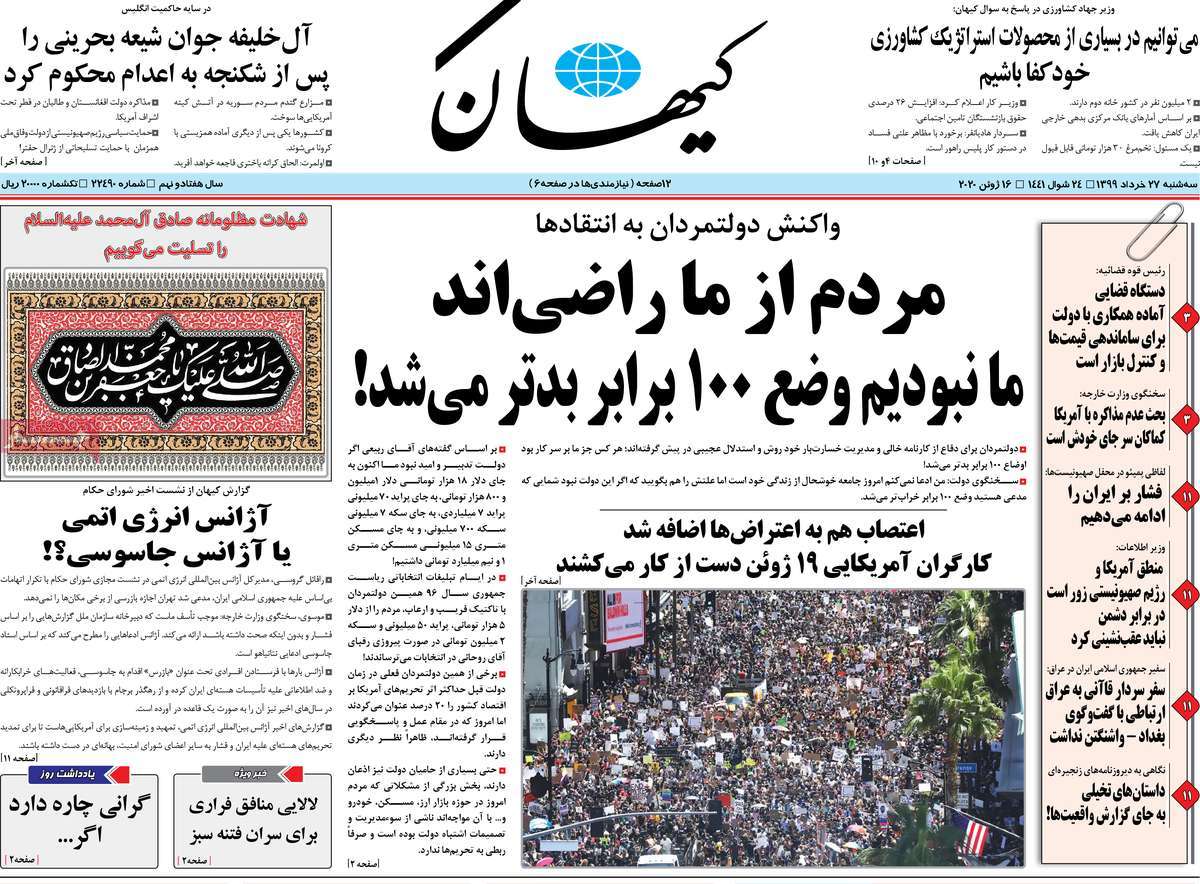
1- Gov’t Reaction to Criticisms: People Are Happy with Us; It Could Be 100 Times Worse without Us!
2- International Atomic Energy Agency or Spy Agency?
3- Al Khalifa Regime Sentences Young Bahraini Shiite to Death after Torturing Him
4- Add Strikes to Protests: American Workers to Stop Working on June 19
Mardom Salari Newspaper:
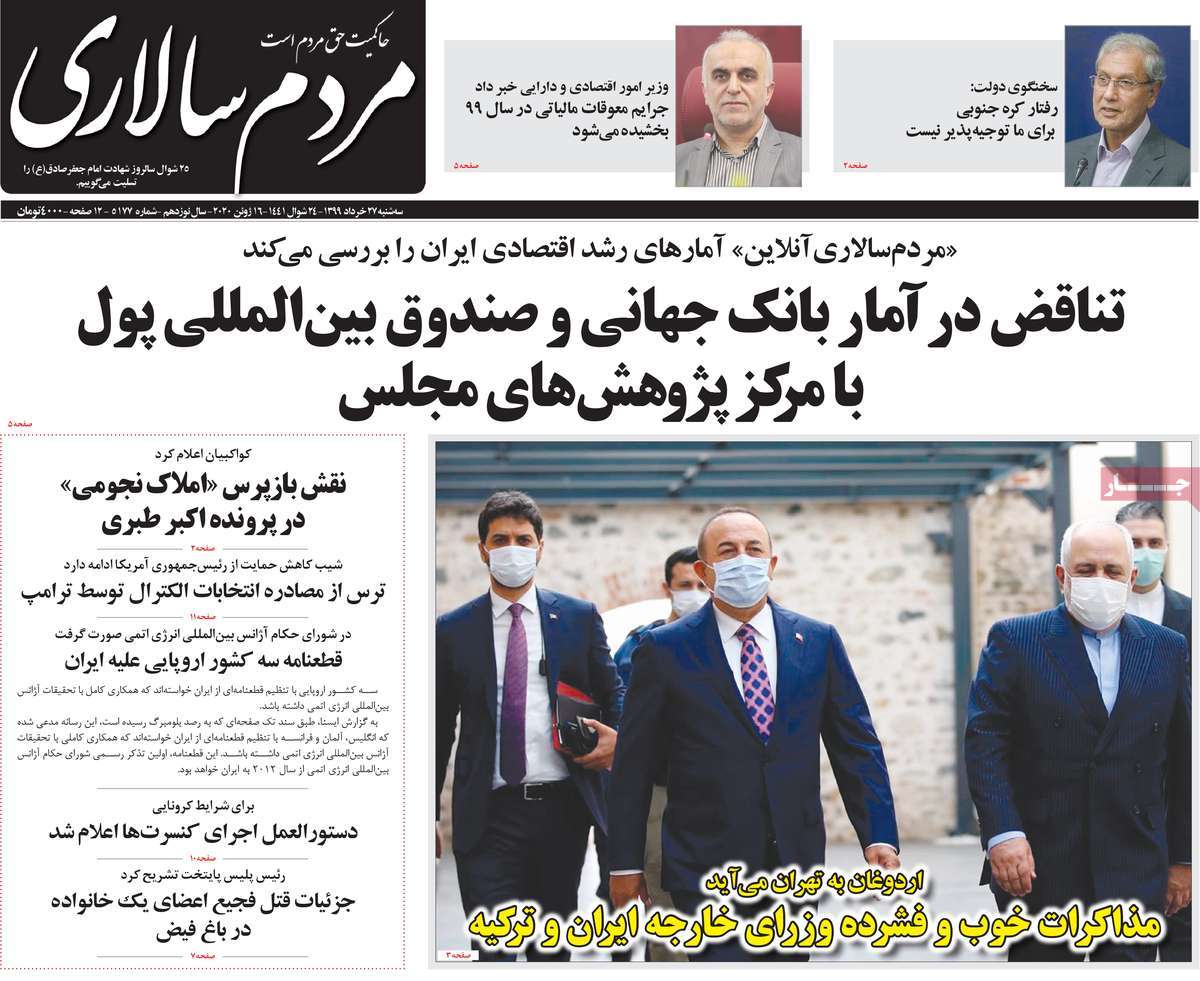
1- World Bank, IMF Figures Not Consistent with Iran Parliament Research Centre’s Statistics on Growth Rate
2- South Korea’s Behaviour Not Acceptable for Iran
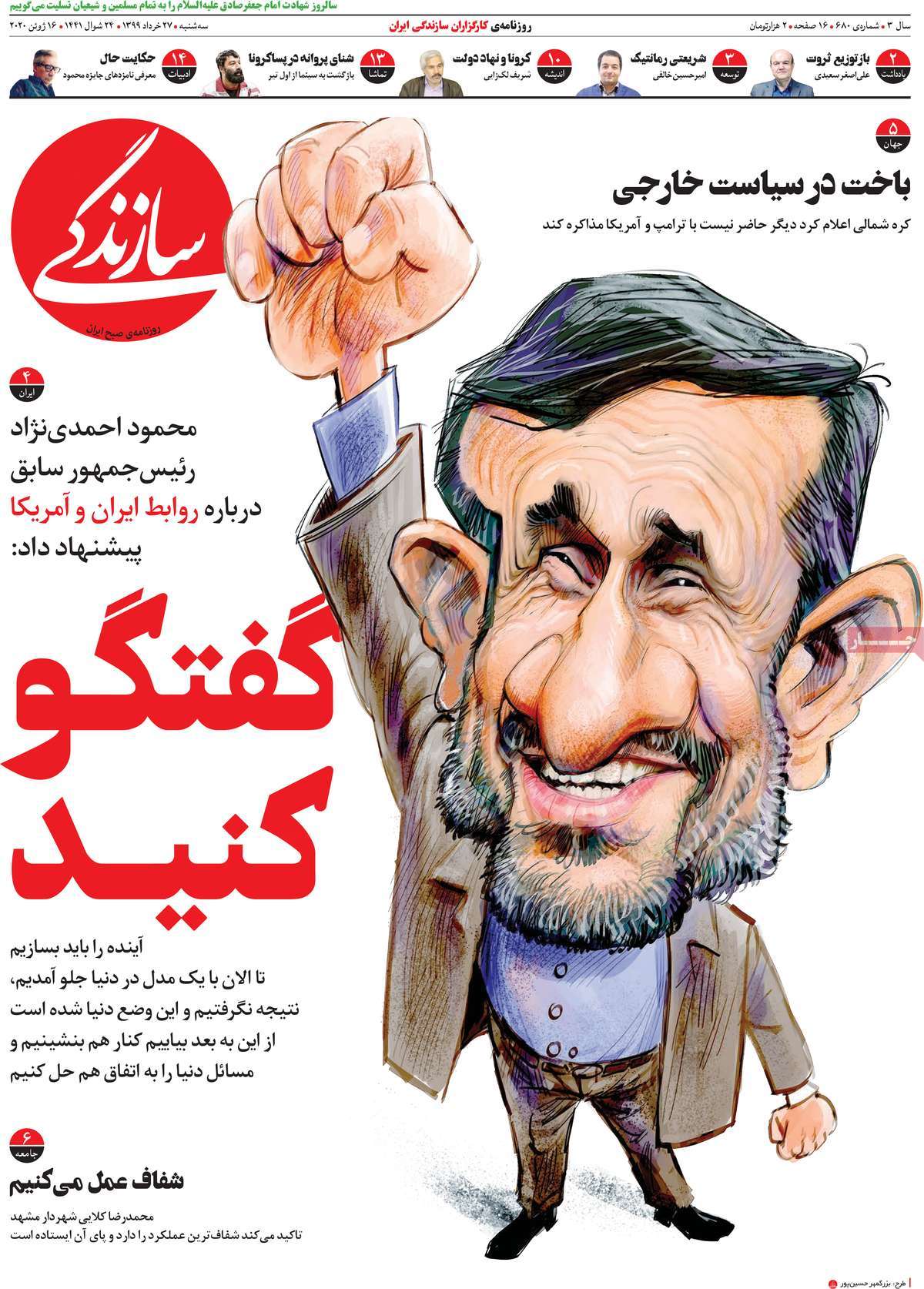
Sazandegi Newspaper:
1- Ahmadinejad Calls for Talks between Iran and US
2- Failure in Foreign Policy
* North Korea Says Won’t Negotiate with Trump, US Anymore
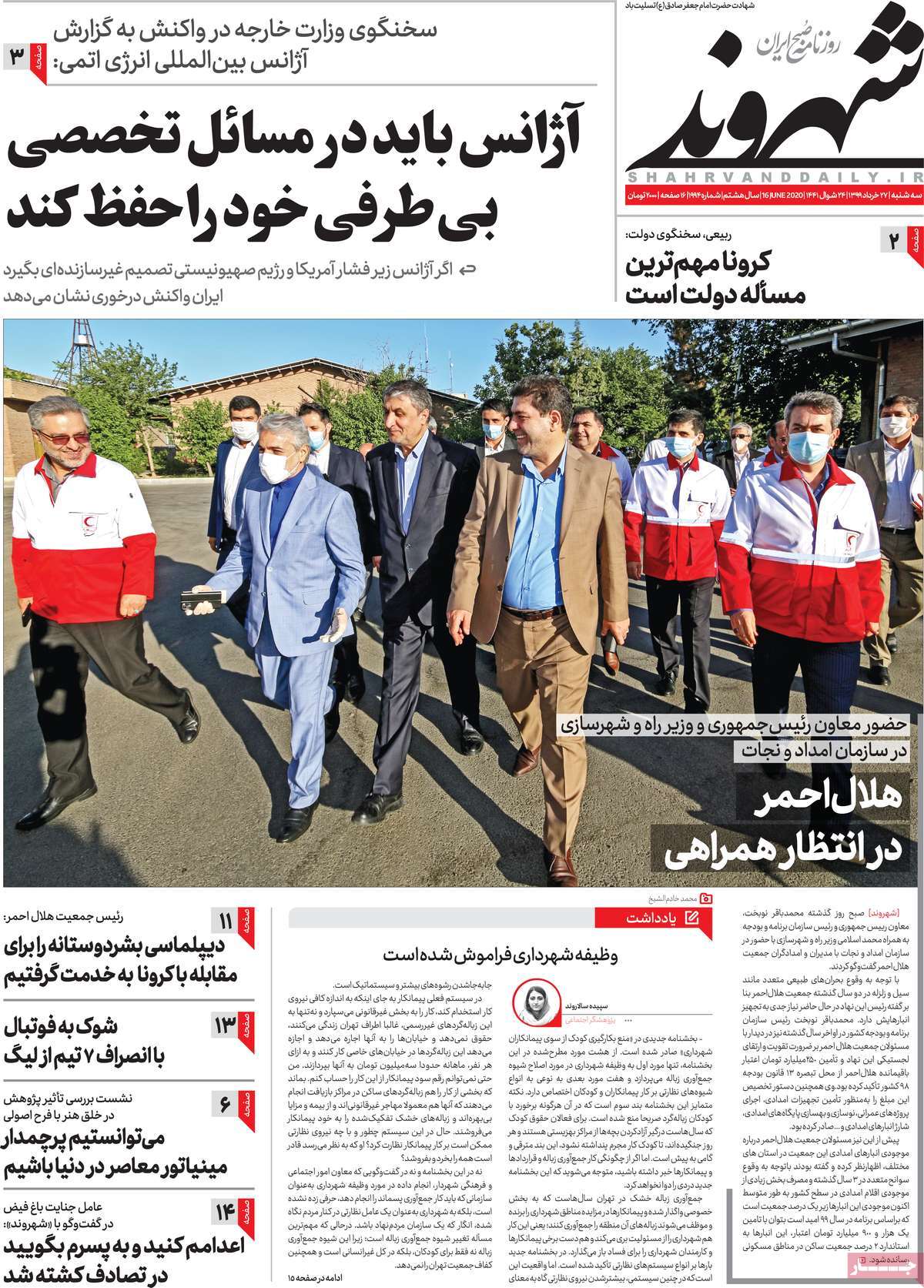
Shahrvand Newspaper:
1- IAEA Must Remain Impartial on Specialized Issues: Iran
2- Coronavirus Top Priority of Iran Government: Spokesman
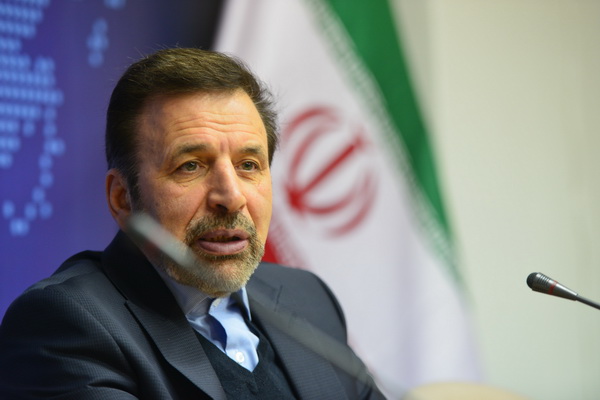
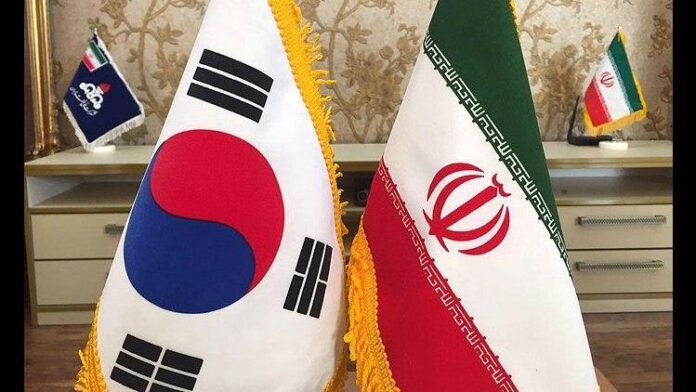
In a post on his Twitter account on Tuesday, Vaezi advised South Korea not to ruin its interests in Iran by blocking the Iranian assets under the US pressures.
دولت #كره_جنوبي نبايد اعتماد دهههاي اخير ملت ايران به توليدات و فناوري آن كشور و منافع درازمدت كشورش در بازار ايران را فداي خواست و فشارهاي رژيم آمريكا كند. لذا لازم است دسترسي ايران به وجوه بلوكه شدهاش در كره جنوبي را تسهيل و تسريع نمايد.
“The government of South Korea must not sacrifice the Iranian nation’s trust in that country’s products and technology in recent decades as well as its long-term interests in the Iranian market for the US regime’s demands and pressures,” the President’s Chief of Staff said.
It is necessary for the Seoul government to facilitate and accelerate Iran’s access to its frozen money in South Korea, Vaezi underlined.
On Monday, Iran’s Foreign Ministry Spokesperson Seyyed Ababs Mousavi denounced South Korea’s “blind” obedience to the US, saying Seoul has no right to freeze Iranian assets.
On June 12, Hossein Tanhaee, the chairman of Iran and South Korea’s joint chamber of commerce told Borna news agency that Iran’s frozen assets in South Korea were between $6.5 billion and $9 billion.
Tanhaee added that not only Korean banks refuse to release Iran’s money, some of them have also demanded commission and maintenance fees for Iran’s accounts.
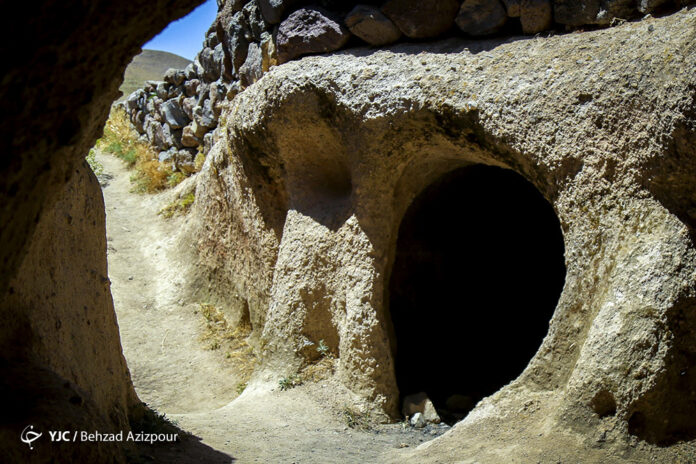
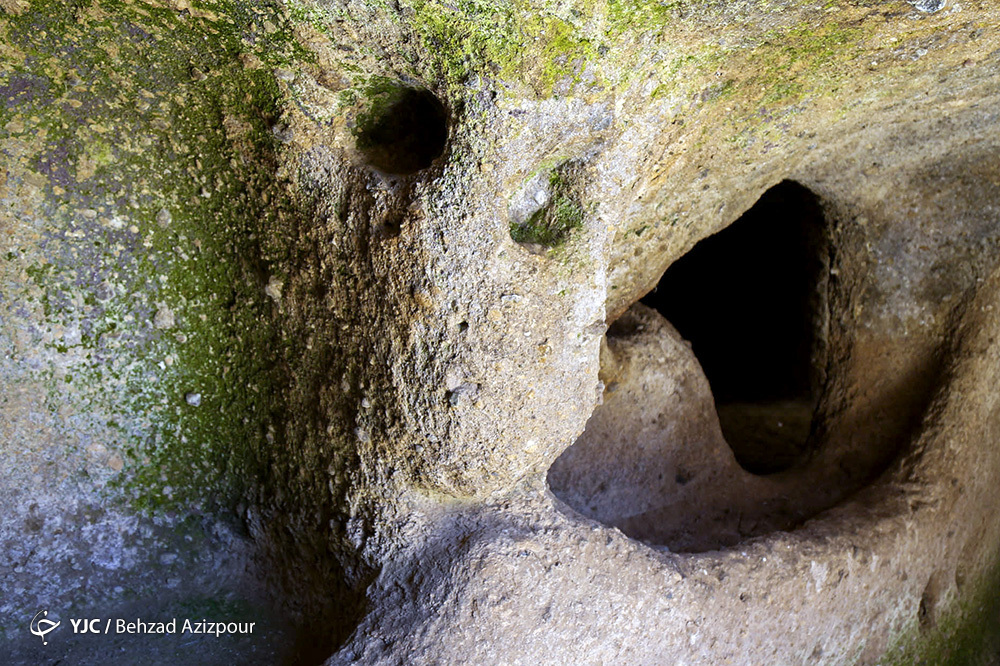
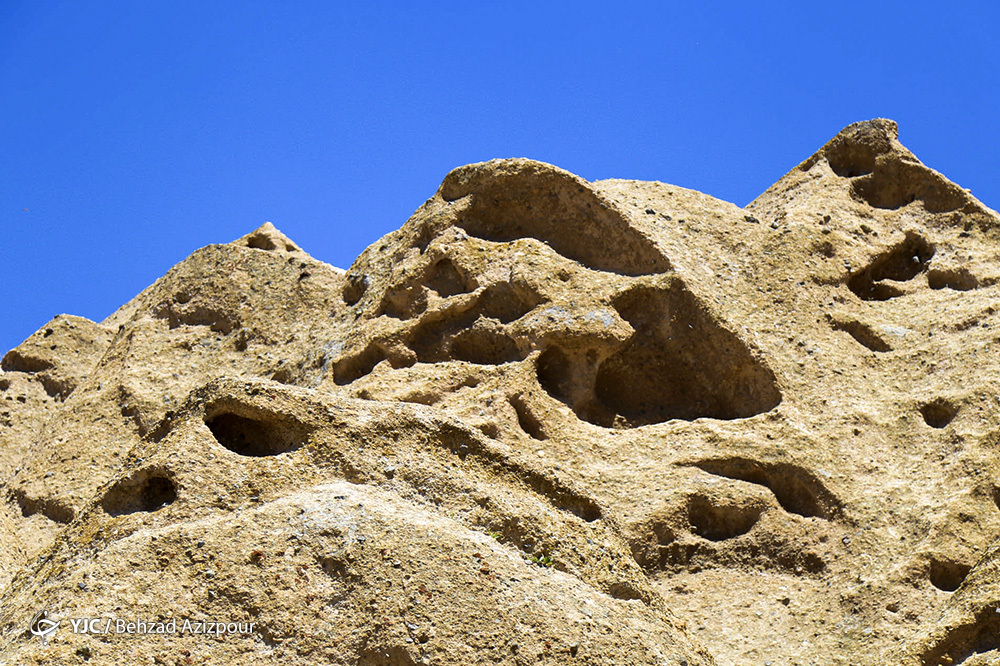
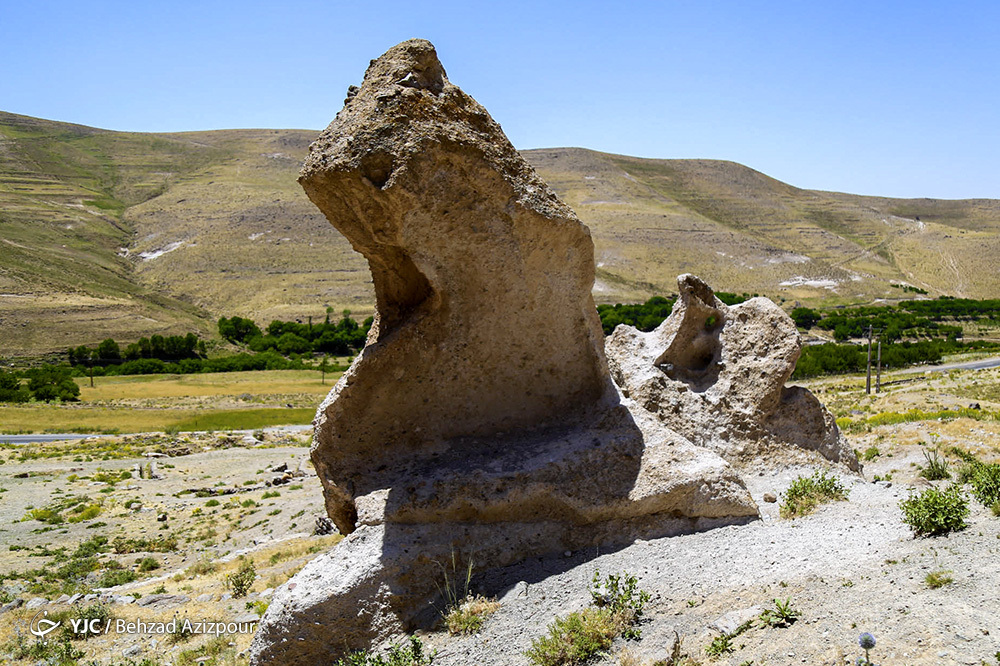
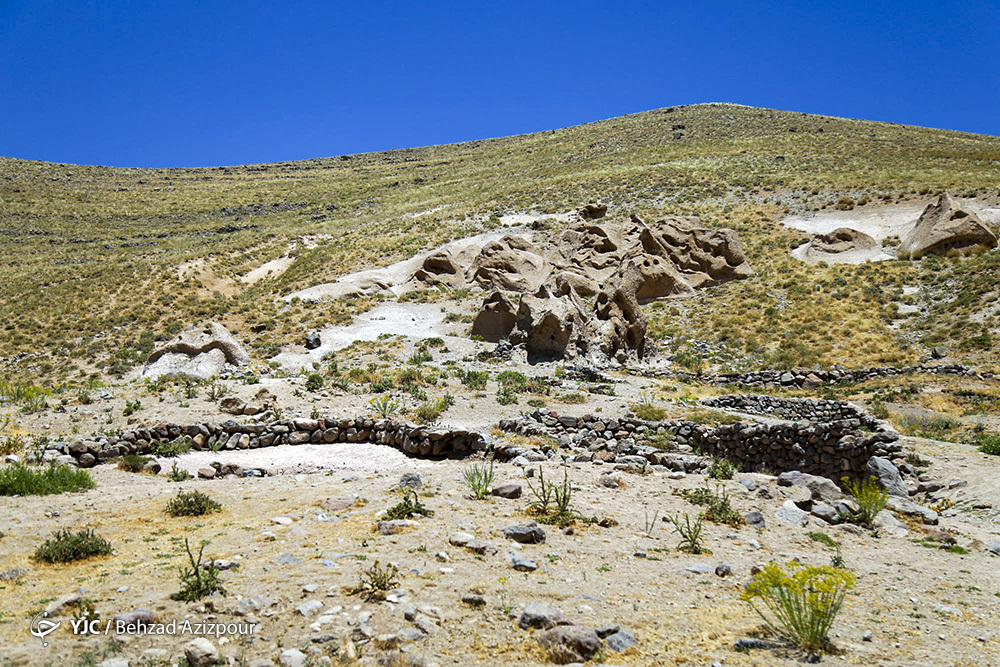
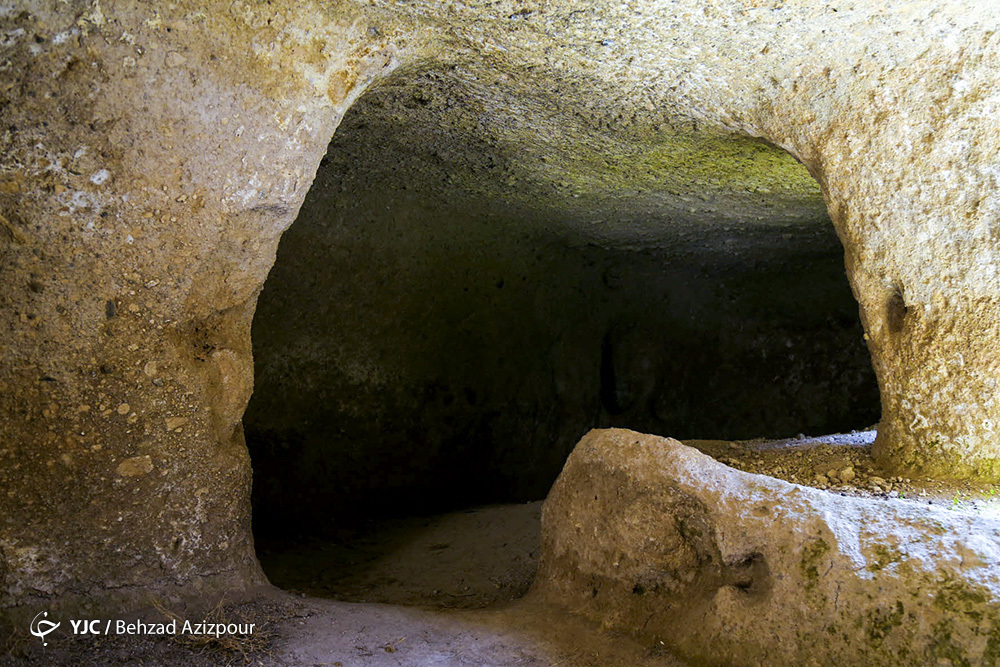
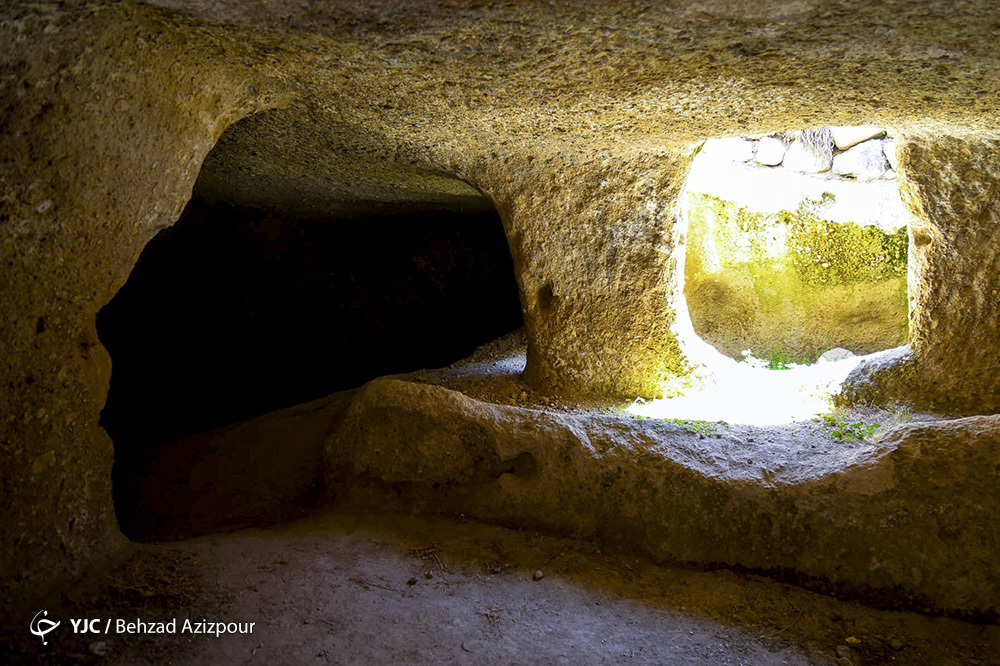
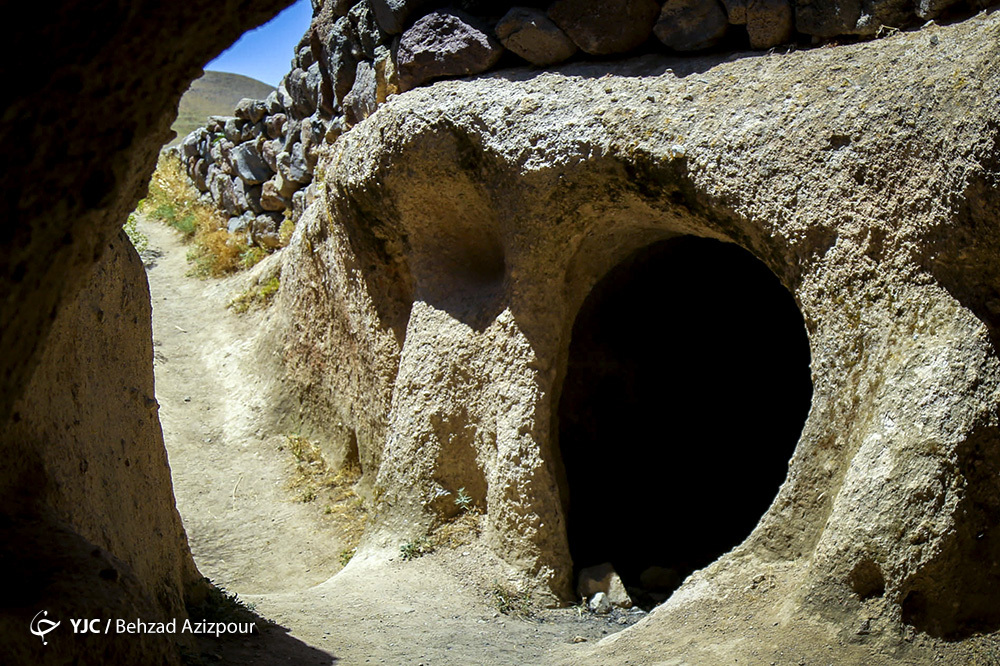
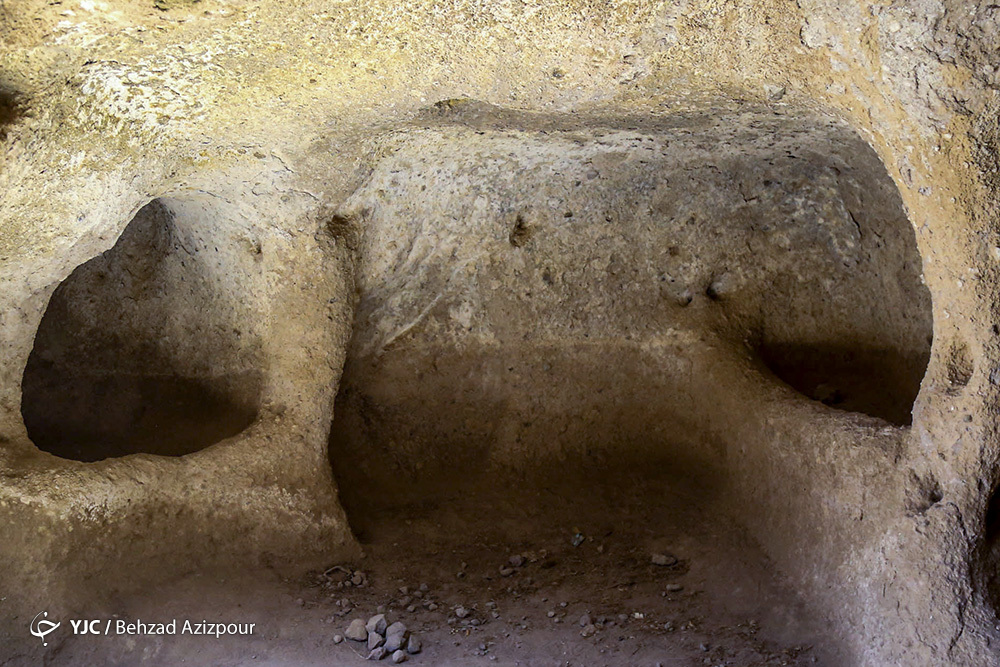
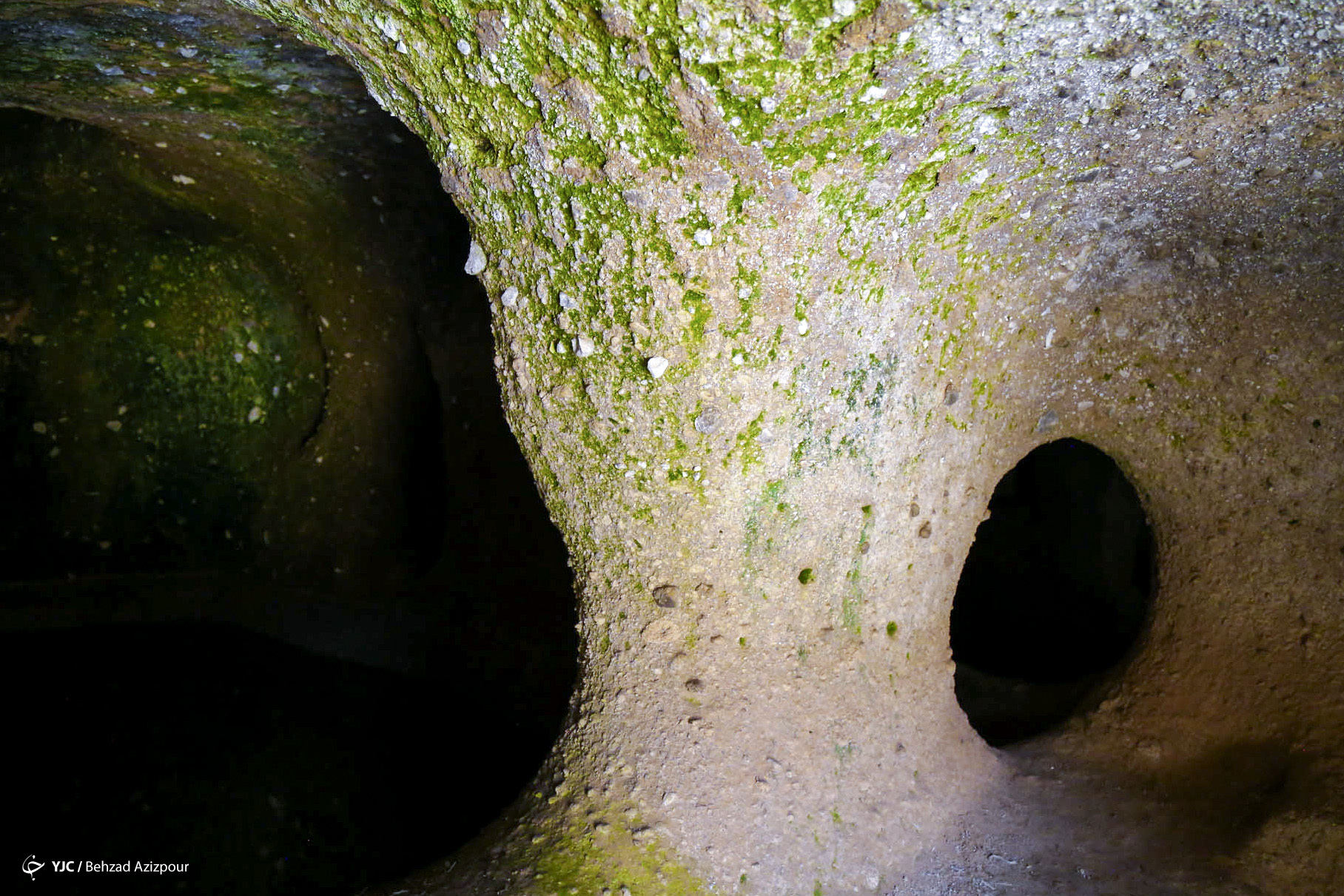
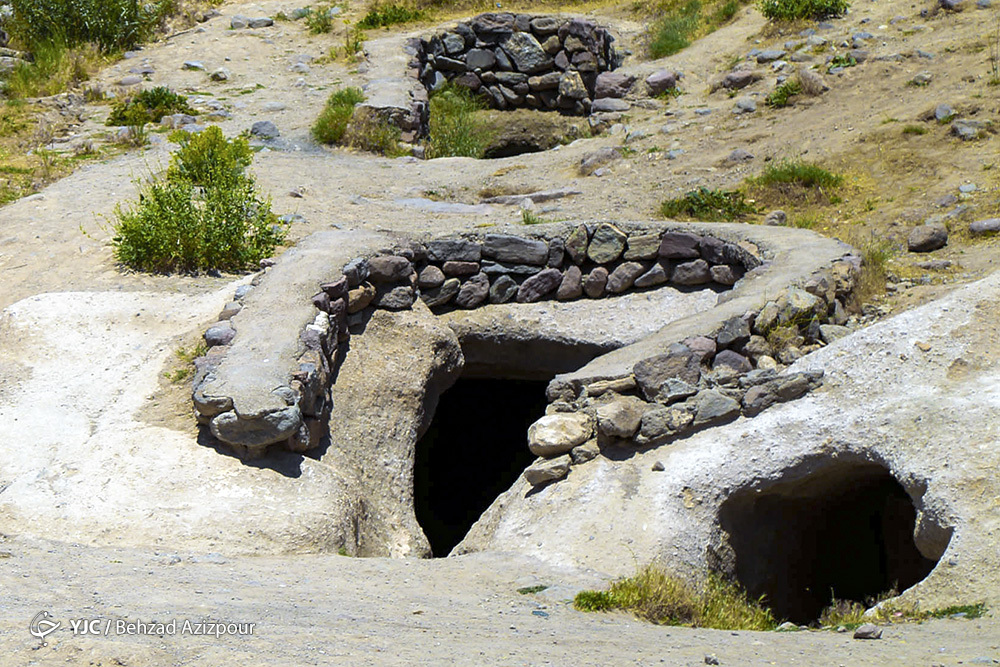
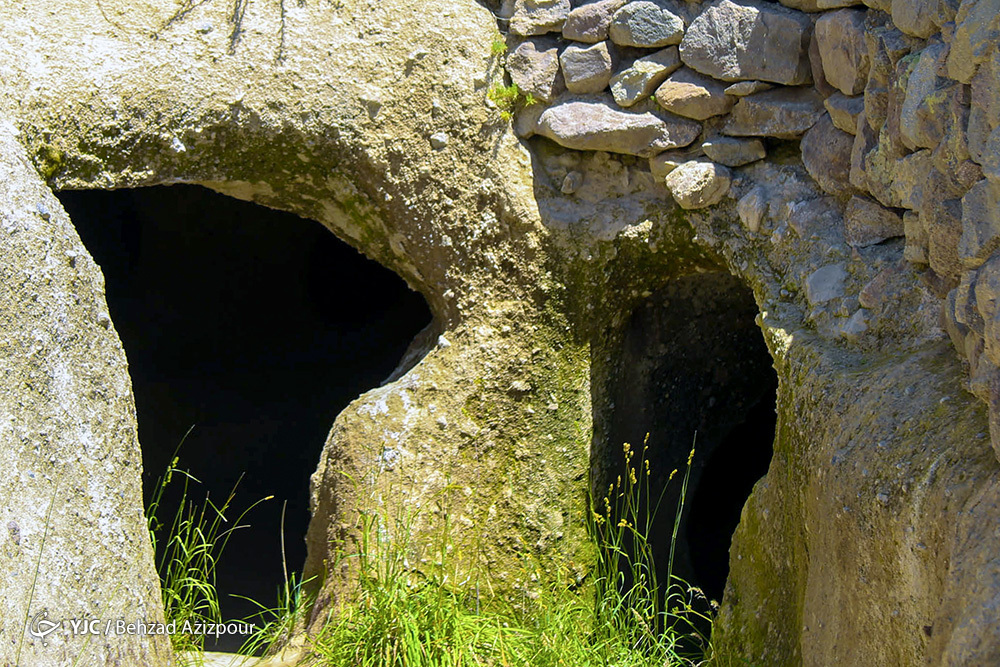
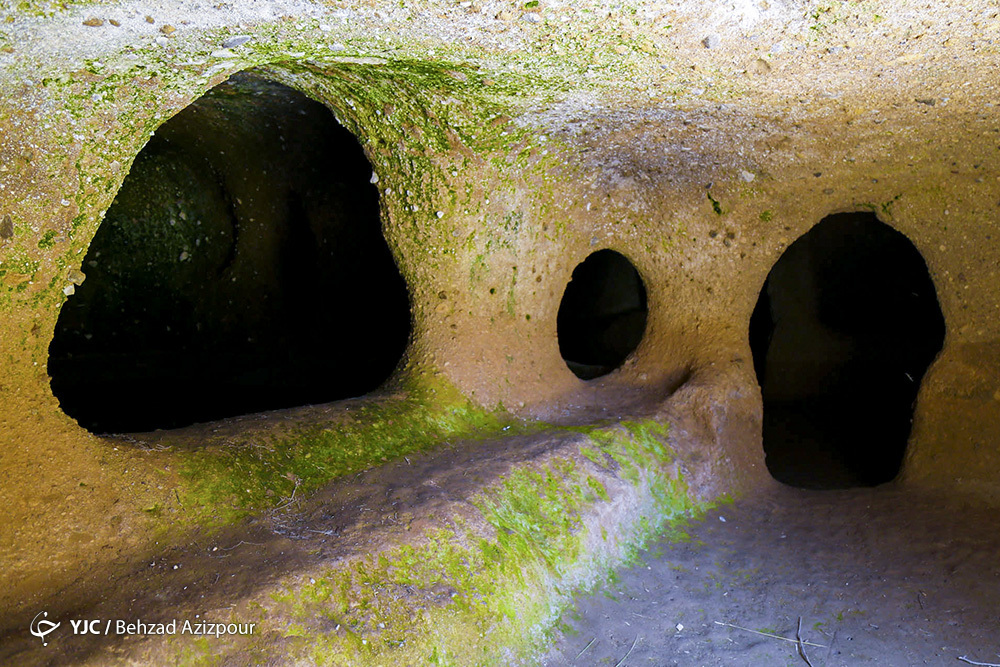
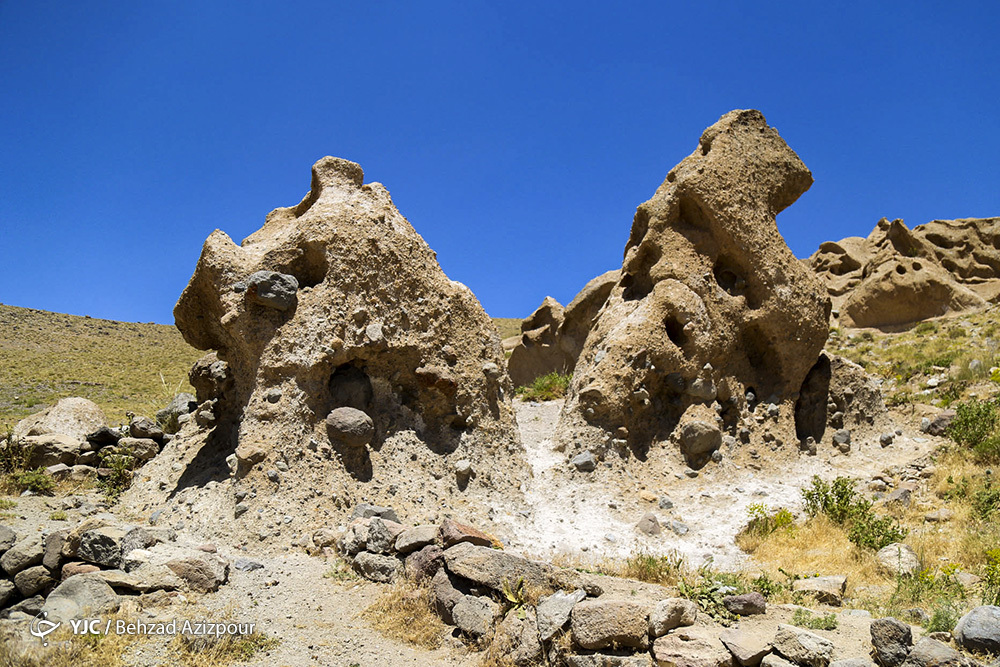
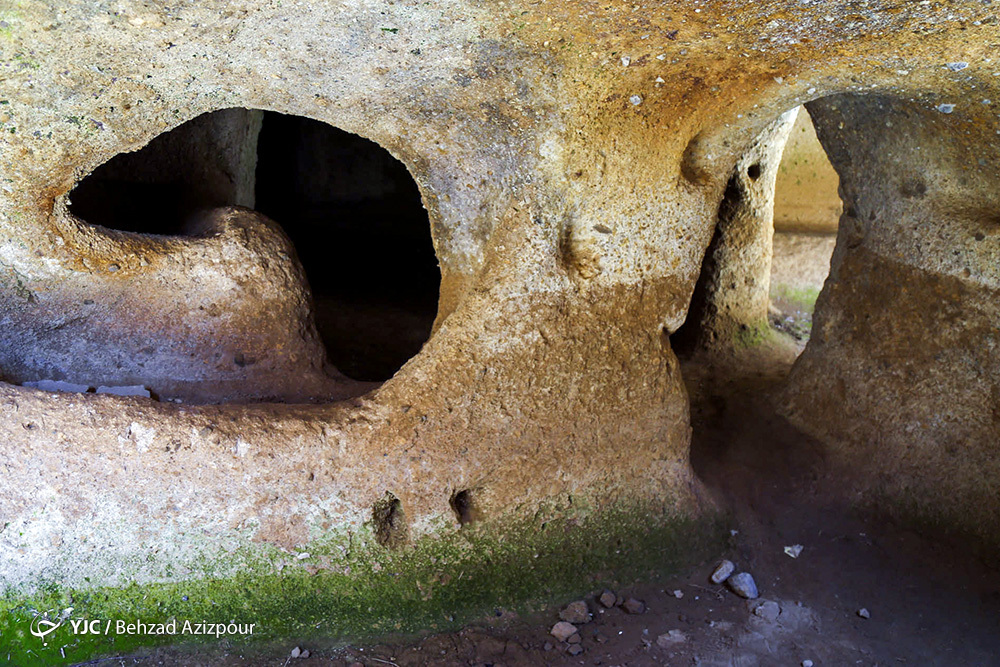
Hilevar rock village lies in the heart of soil. Some experts believe it is named “Hilevar”, which means cunning in Persian, for its houses that are hidden from the passengers’ sight.
Hilevar is an old residential area surviving from the Ilkhanid period in the seventh century AH, when the people of East Azarbaijan evacuated their houses and resorted to the mountains to escape from the Mongol invasion and save their lives.
The number of houses in this village is estimated to be more than 200. These homes are carved in an excellent style under the soil, as if they are buried, in the form of beautiful slums.
Hilevar village was registered as a National Heritage site in August 2005.
What follows are YJC’s photos of Hilevar rock village in northwestern Iran:
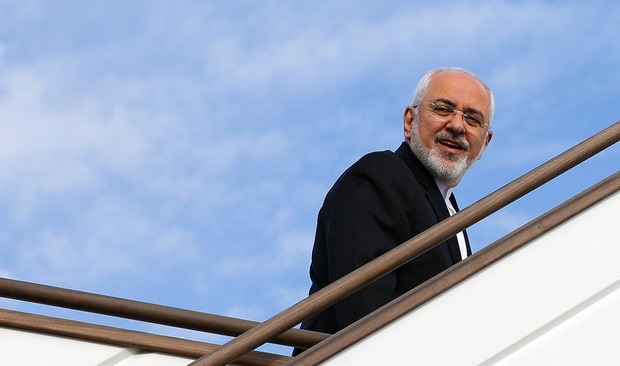
Foreign Minister Zarif, who paid a visit to Turkey on Monday with a diplomatic delegation, left Istanbul for the Russian capital of Moscow on Tuesday morning.
During his stay in Istanbul, Foreign Minister Zarif held two rounds of meetings with his Turkish counterpart Mevlut Cavusoglu for talks on the bilateral, regional and international issues.
The Iranian and Turkish foreign ministers discussed a range of topics in the meetings, signed a memorandum of understanding on the diplomatic properties and buildings of the two countries, and compiled a new list of commodities subject to preferential tariff.
“Iran’s revenue from the oil and gas condensates exported to South Korea are currently deposited in the Central Bank’s accounts in the Korean banks,” Ali Rabiei said on Monday.
“Although the US pressures have focused on the use of currency resources for the import of basic commodities, like medicine, they have said that there is no obstacle to using those resources for importing basic commodities and medicine,” he added.
“For unclear reasons, we feel that the government of South Korea is not cooperating properly,” the spokesman went on to say.
The Iranian official expressed hope that the South Korean government would immediately unfreeze these resources and resolve the problems it has created.
“Interestingly, those resources relate to the oil that has been exported to South Korea with the US permission and waivers. Thus, South Korea’s reasons are not acceptable to us from various aspects.”
“We, and the people of Iran, naturally expect the South Korean government to return the money to Iran with its measures. The consequences of this behaviour are unacceptable to all of us and will definitely affect the prospect of bilateral relations and future cooperation,” he warned.