Tuesday, January 13, 2026
Home Blog Page 1832

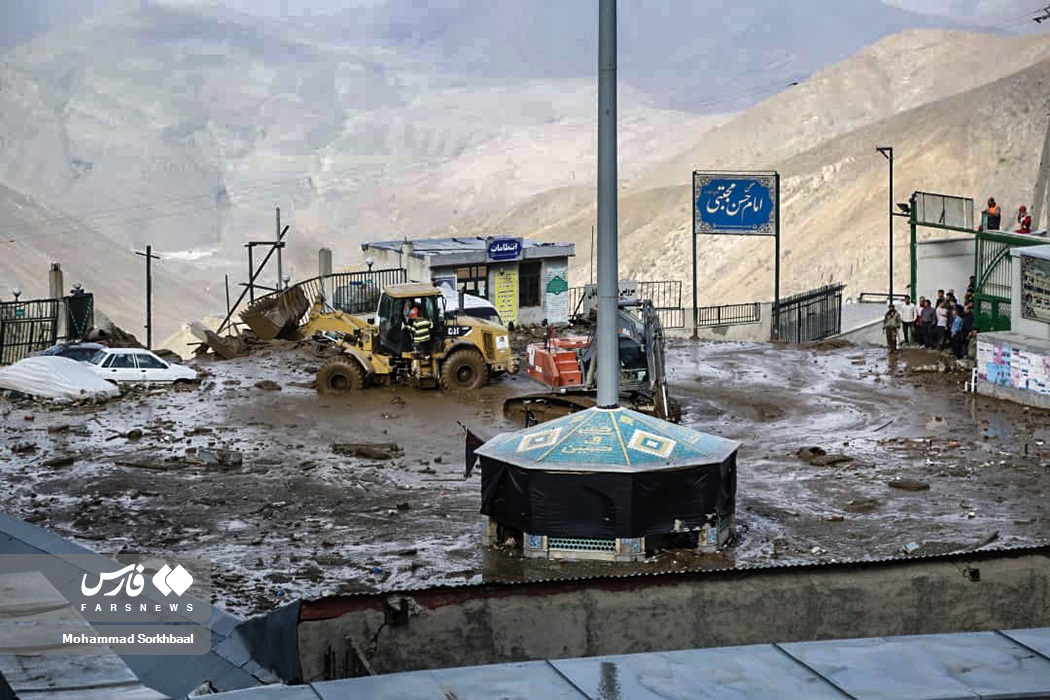
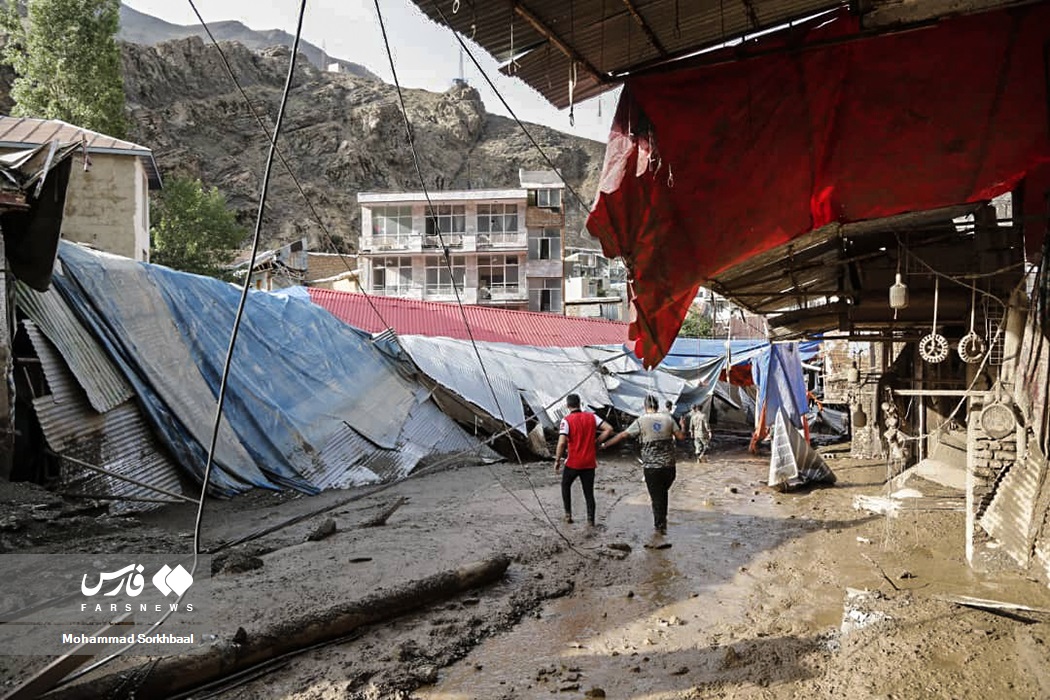
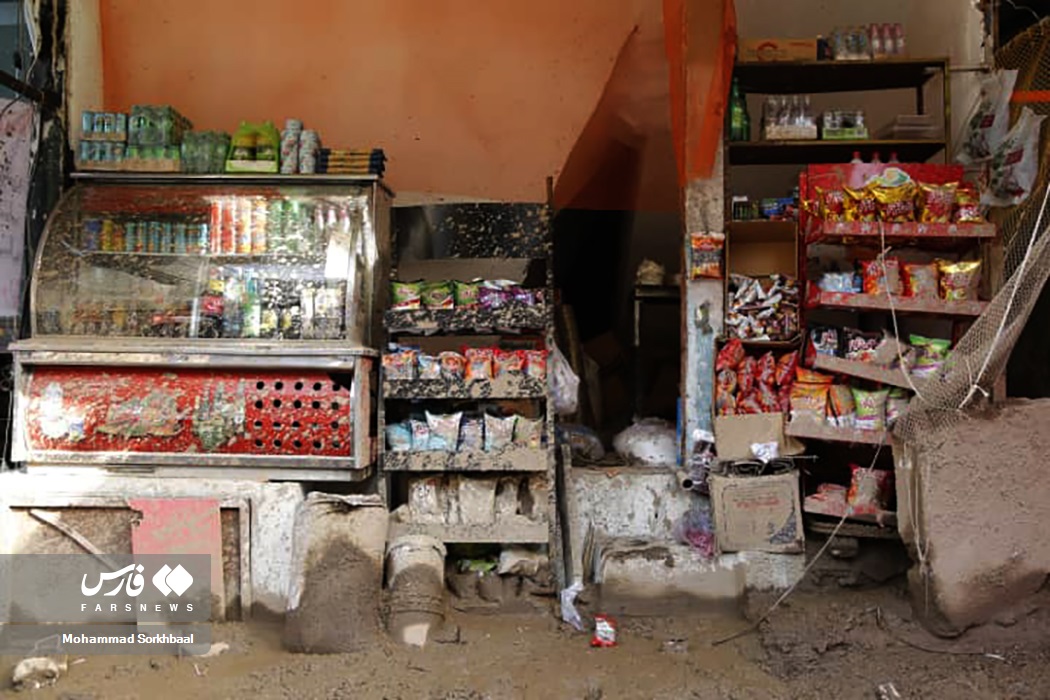
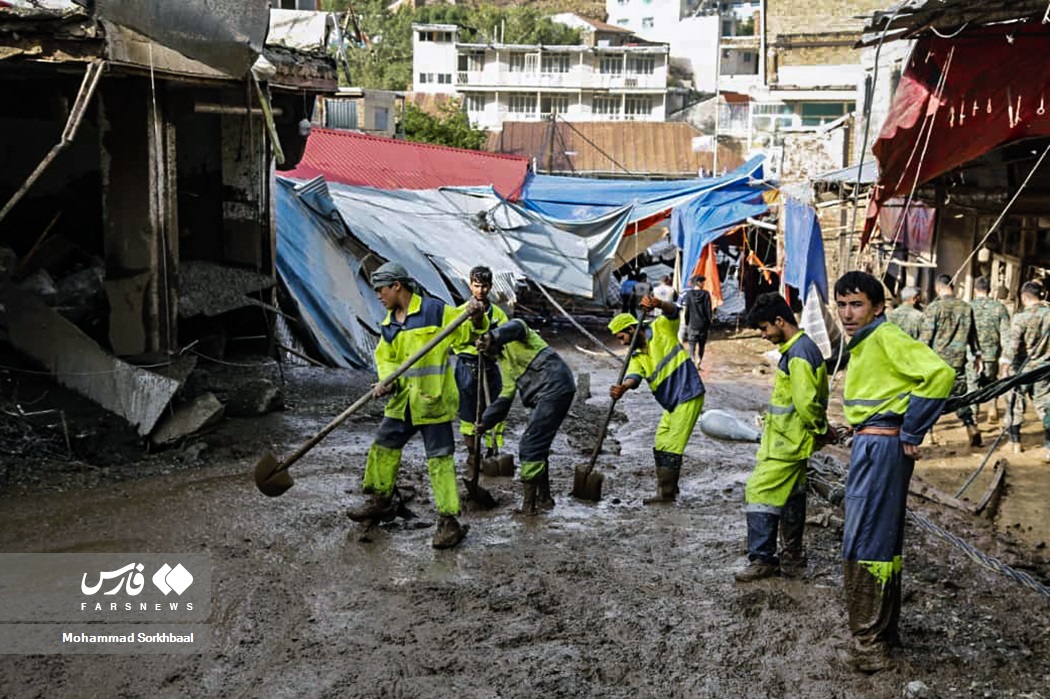
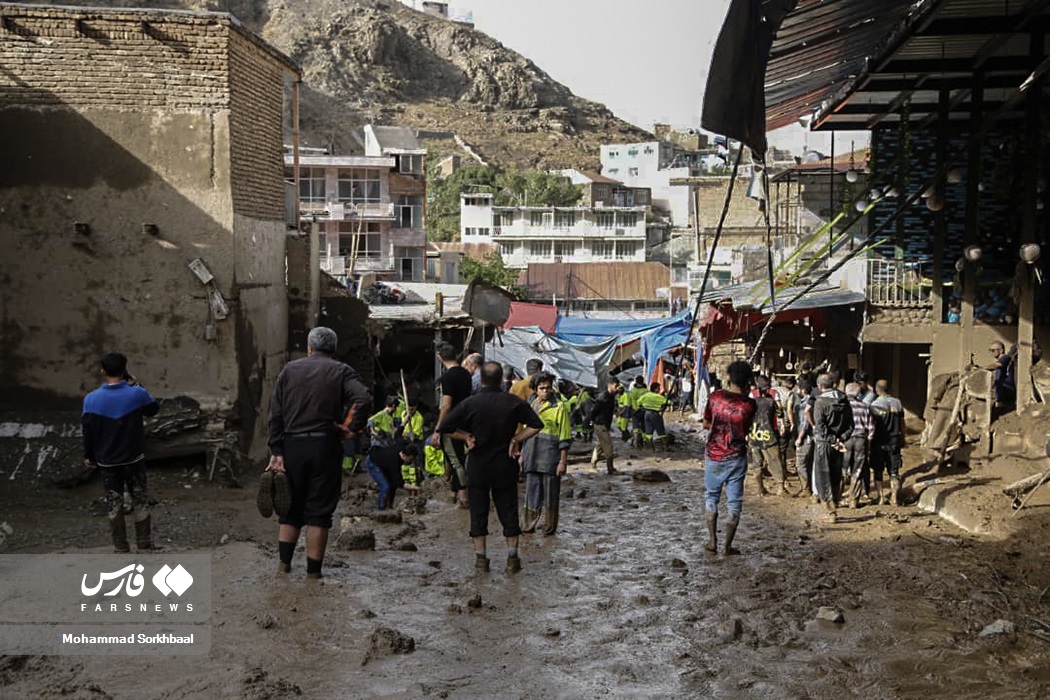
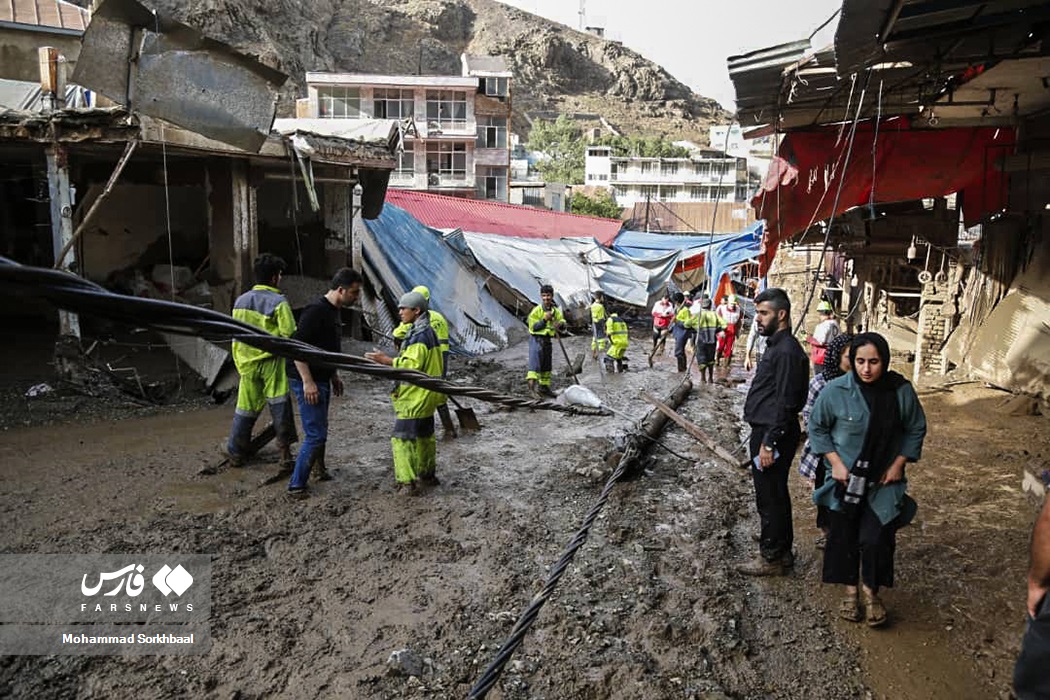
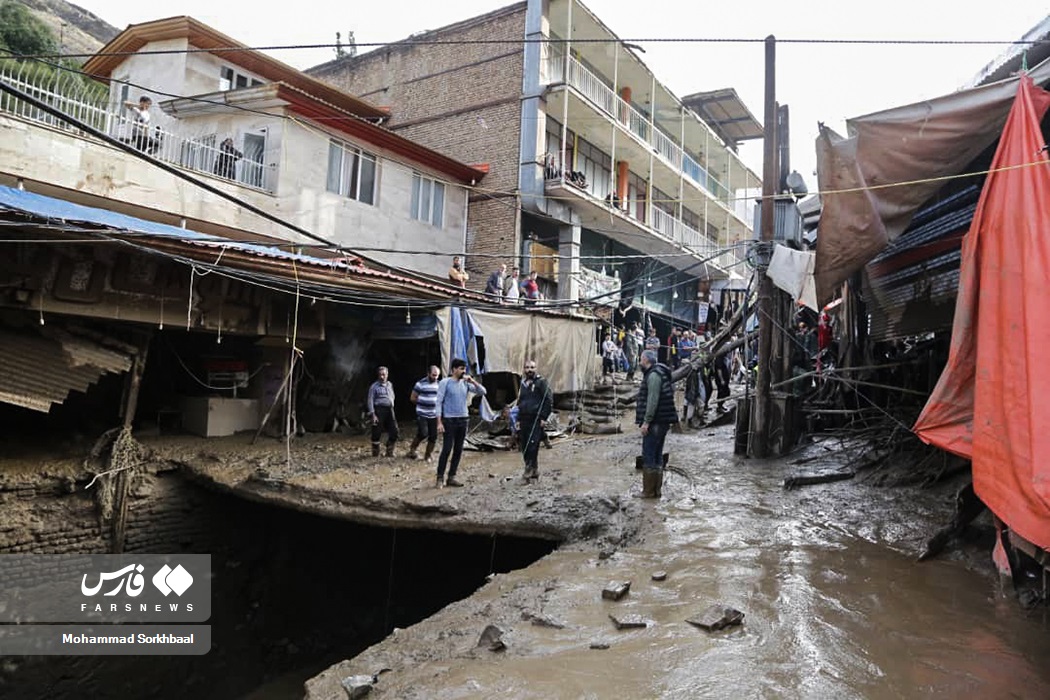
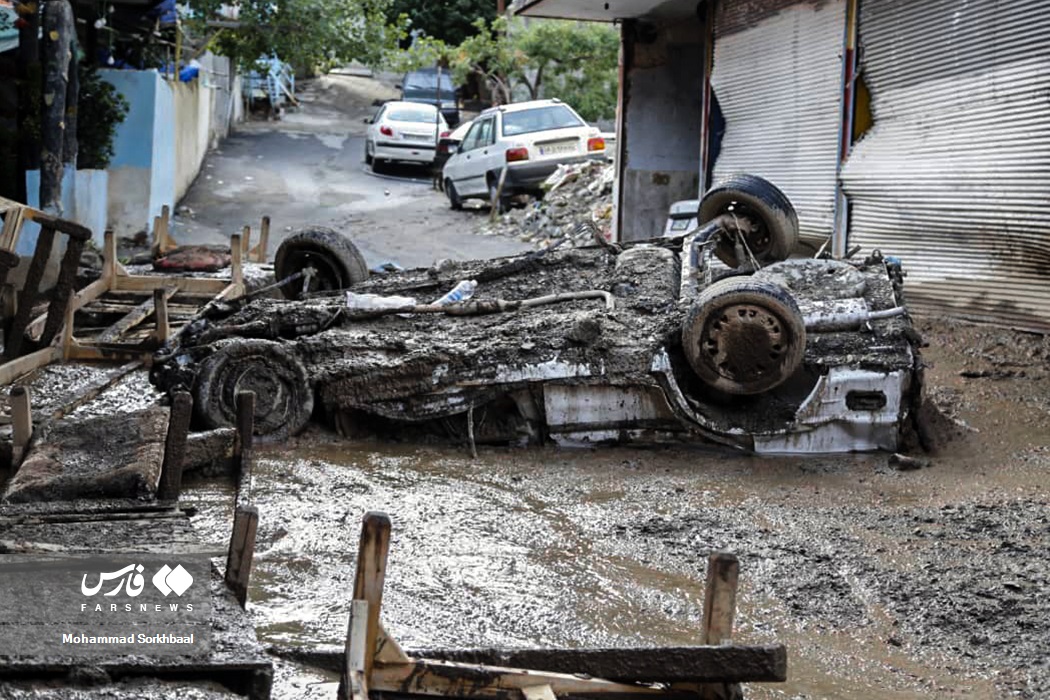
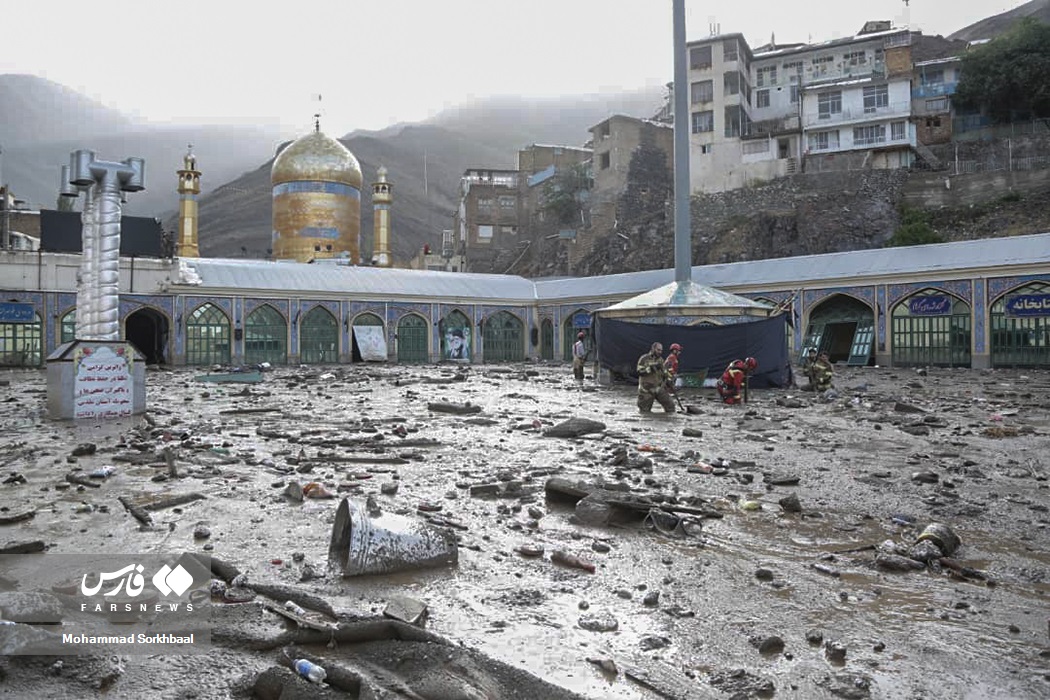
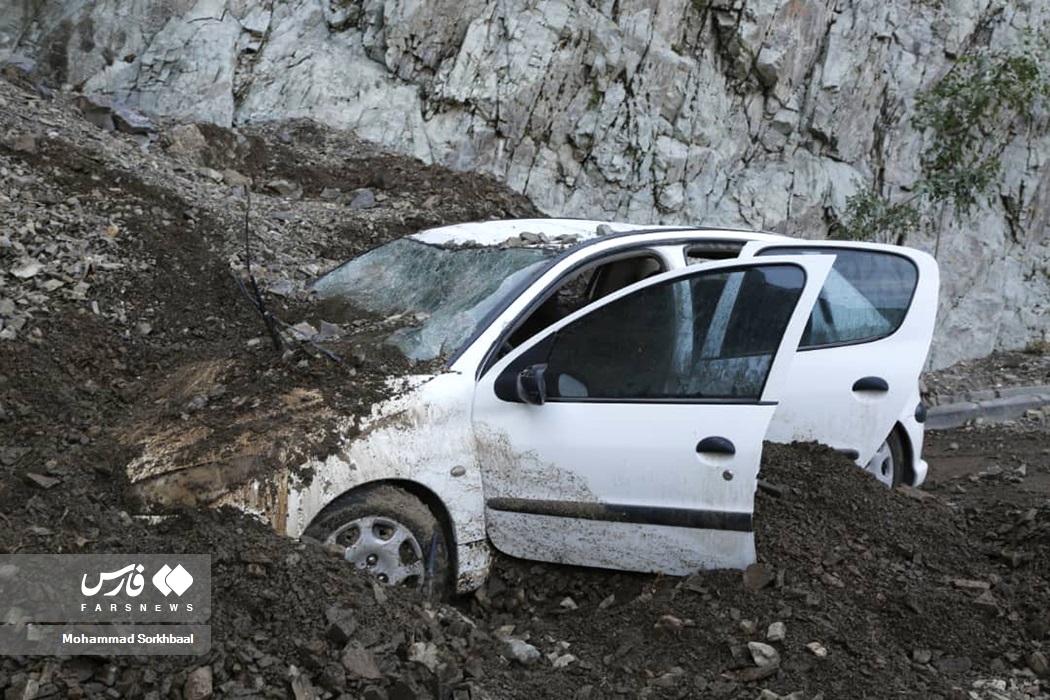
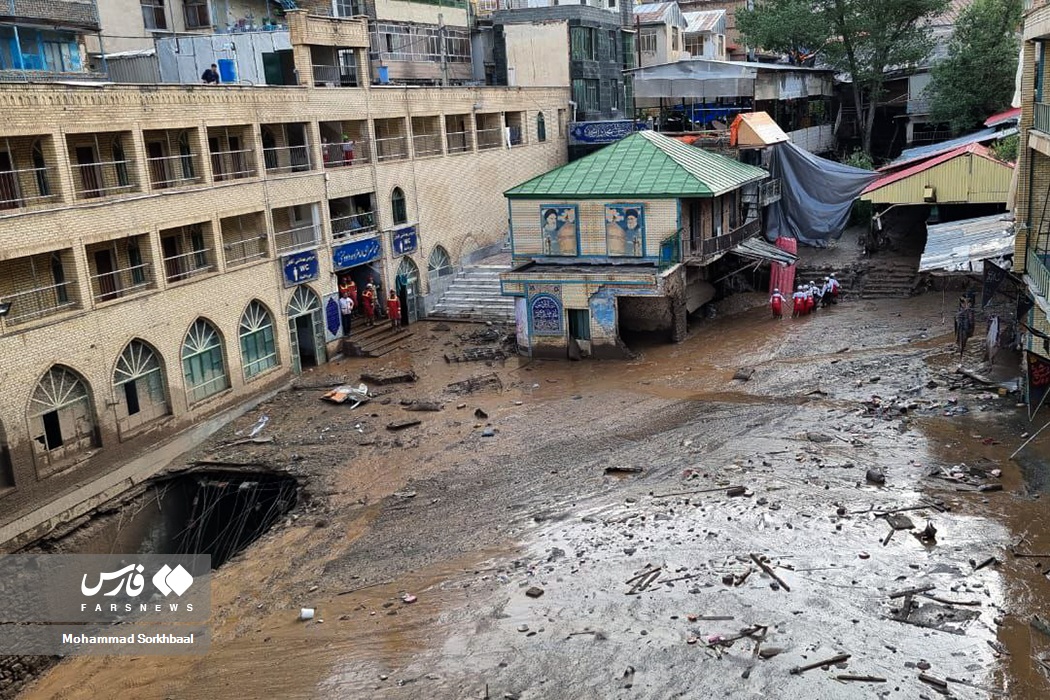
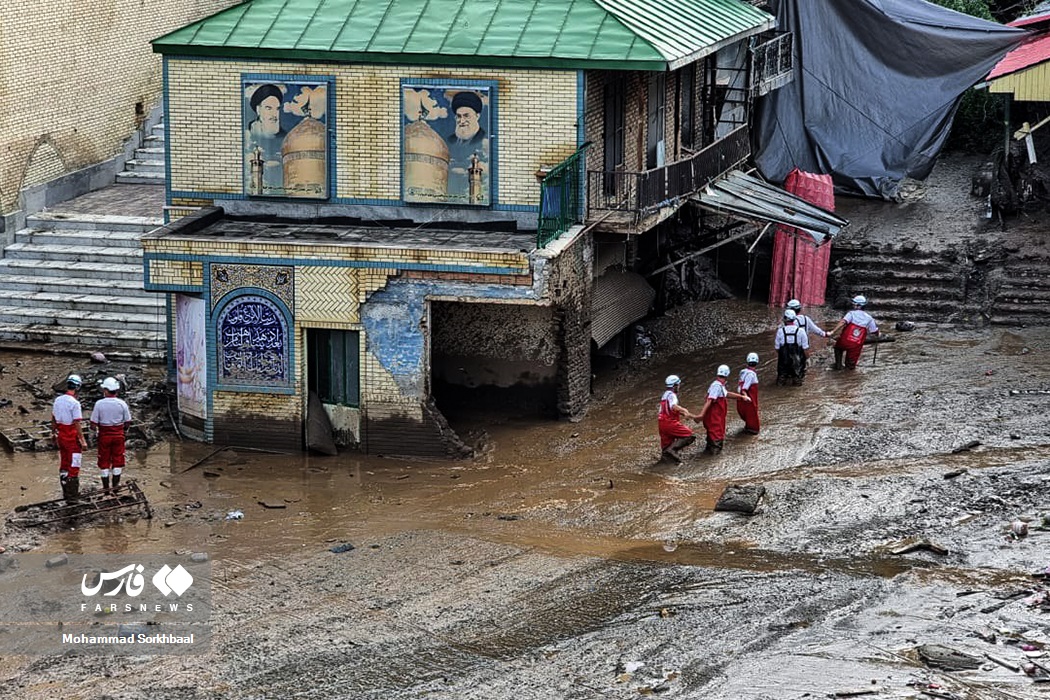
Flash floods hit Tehran, several killed and injured, some remain missing

Flood in Iran

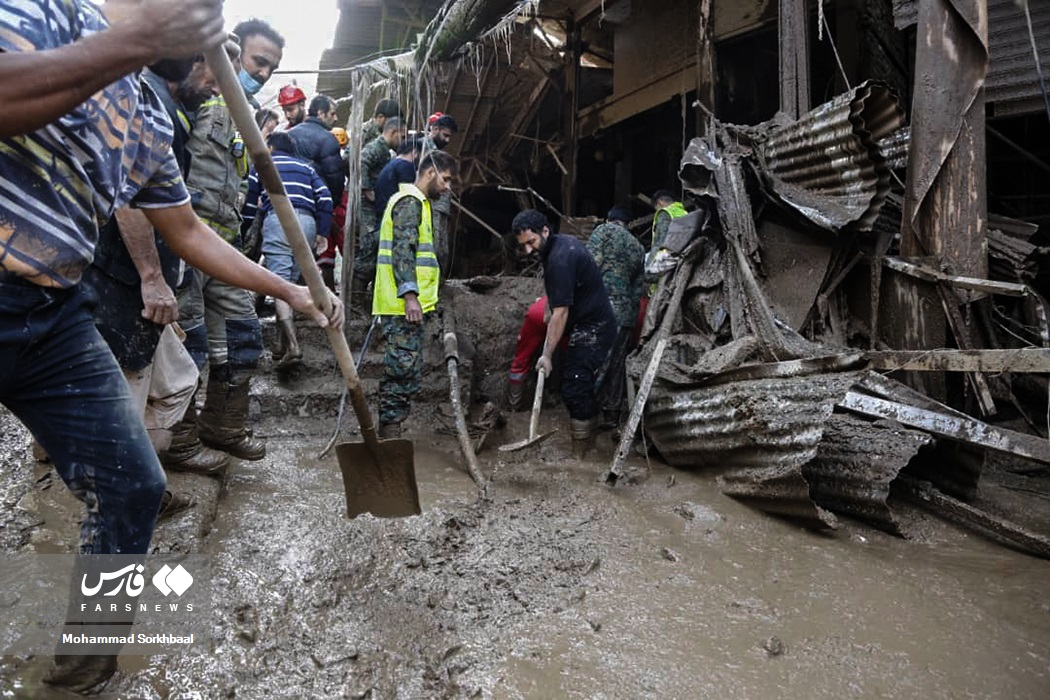
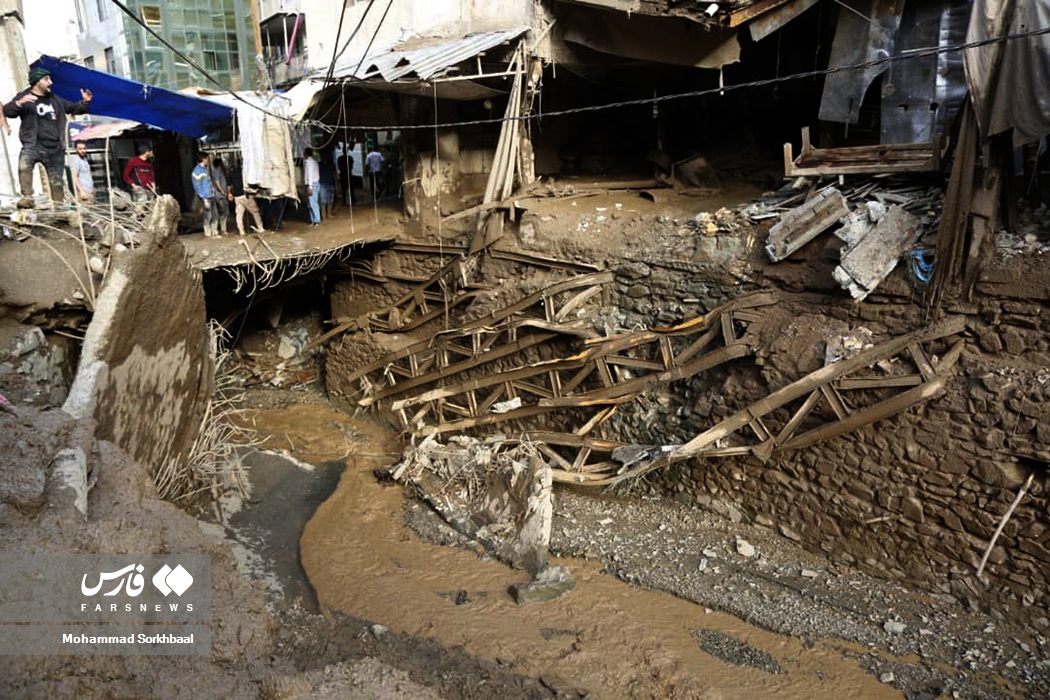
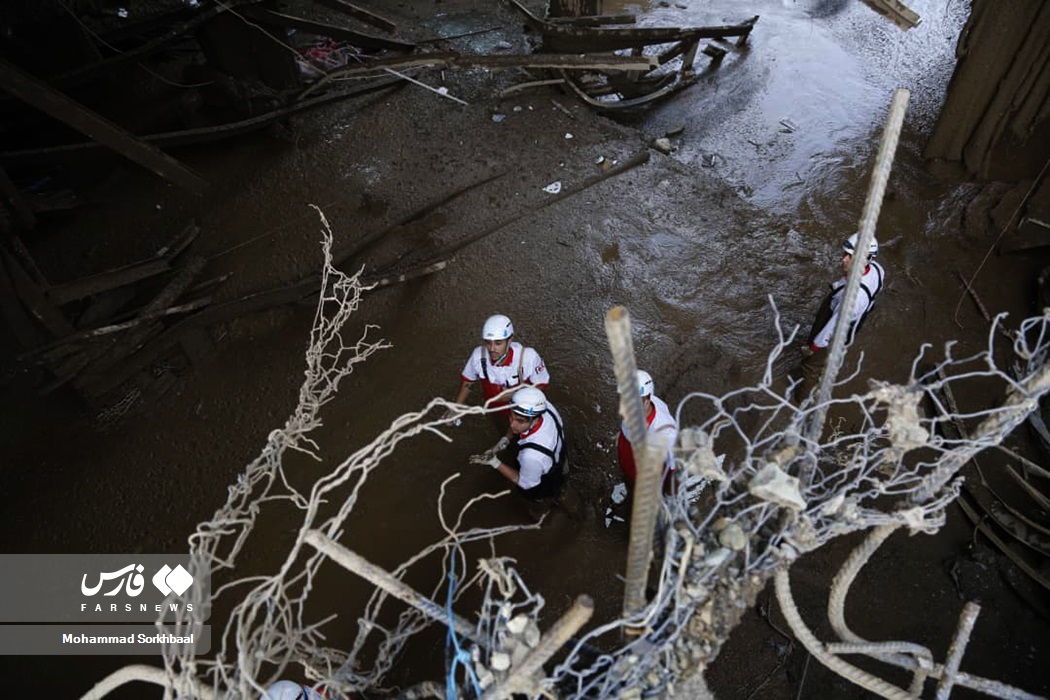
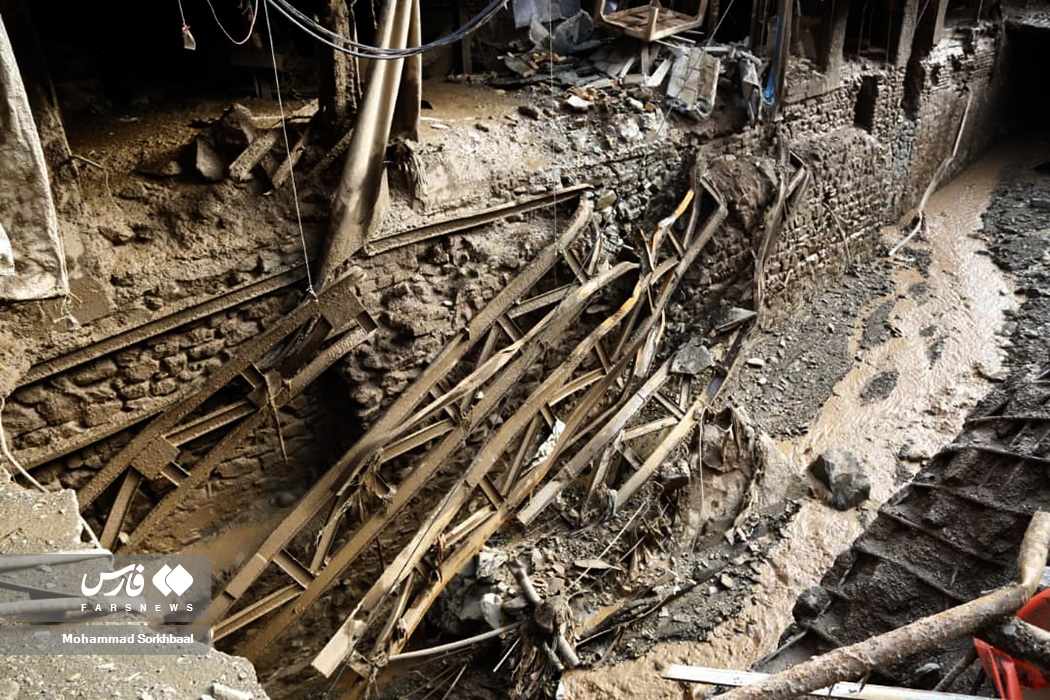
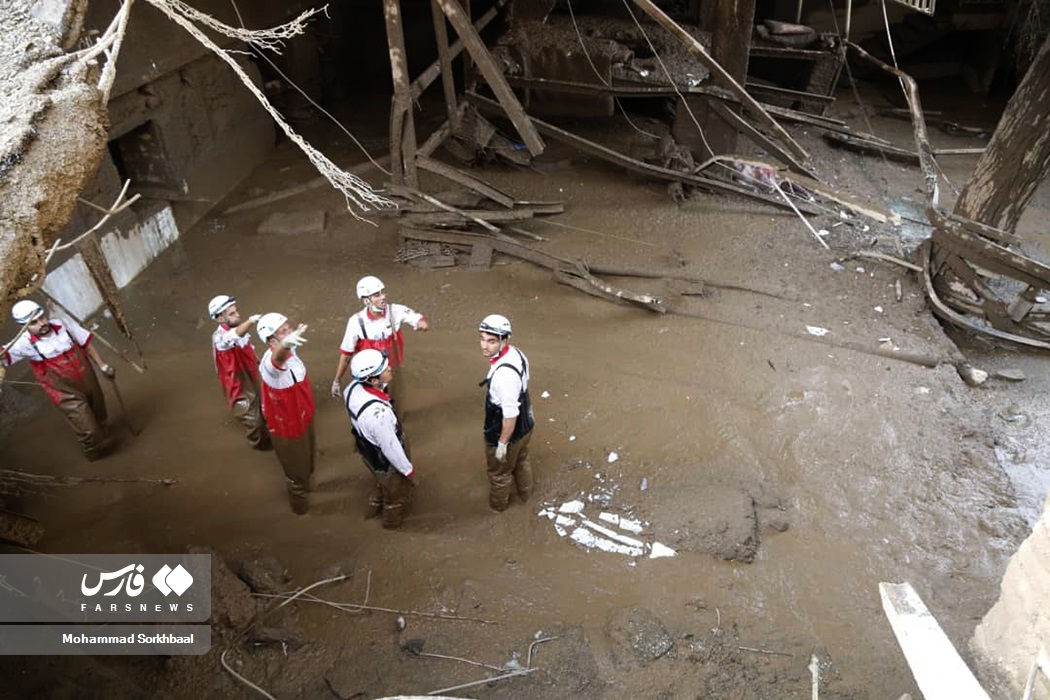
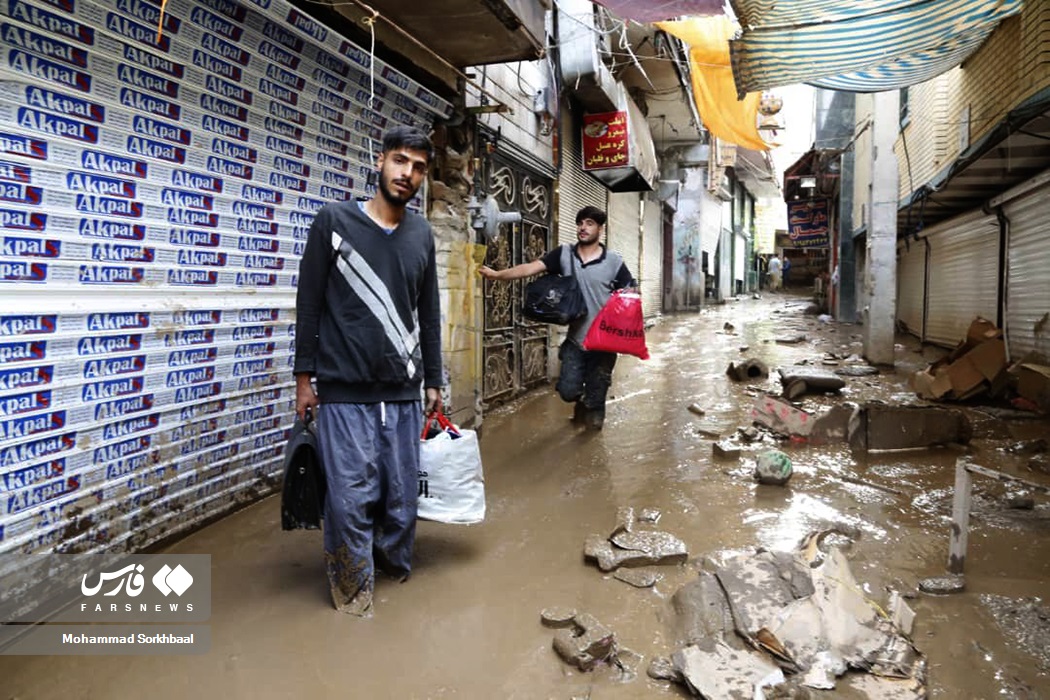
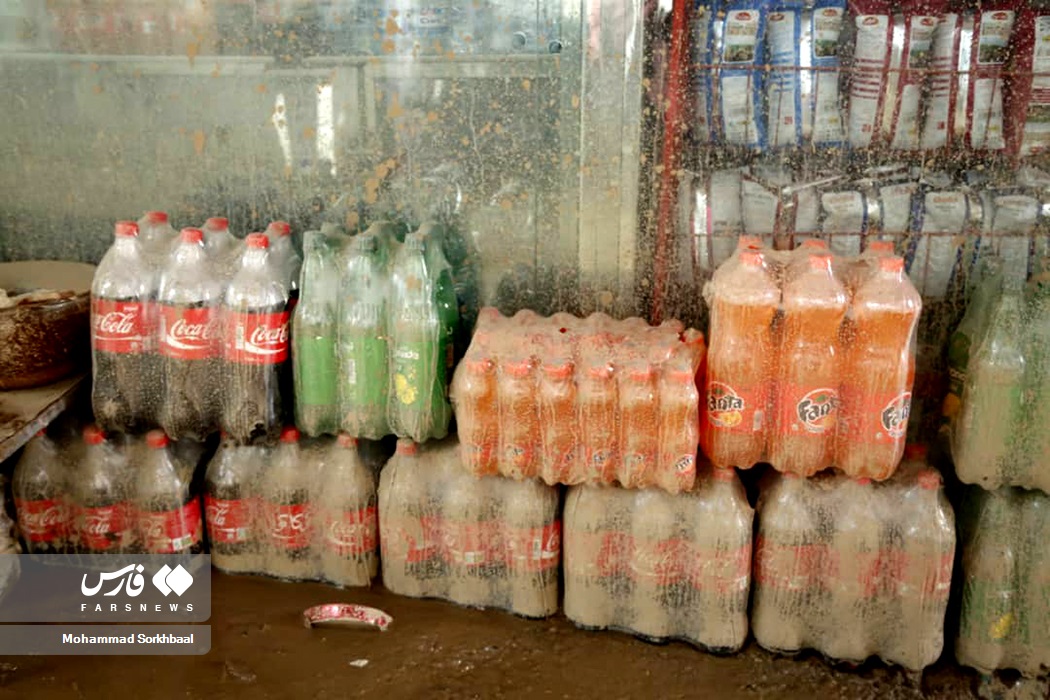
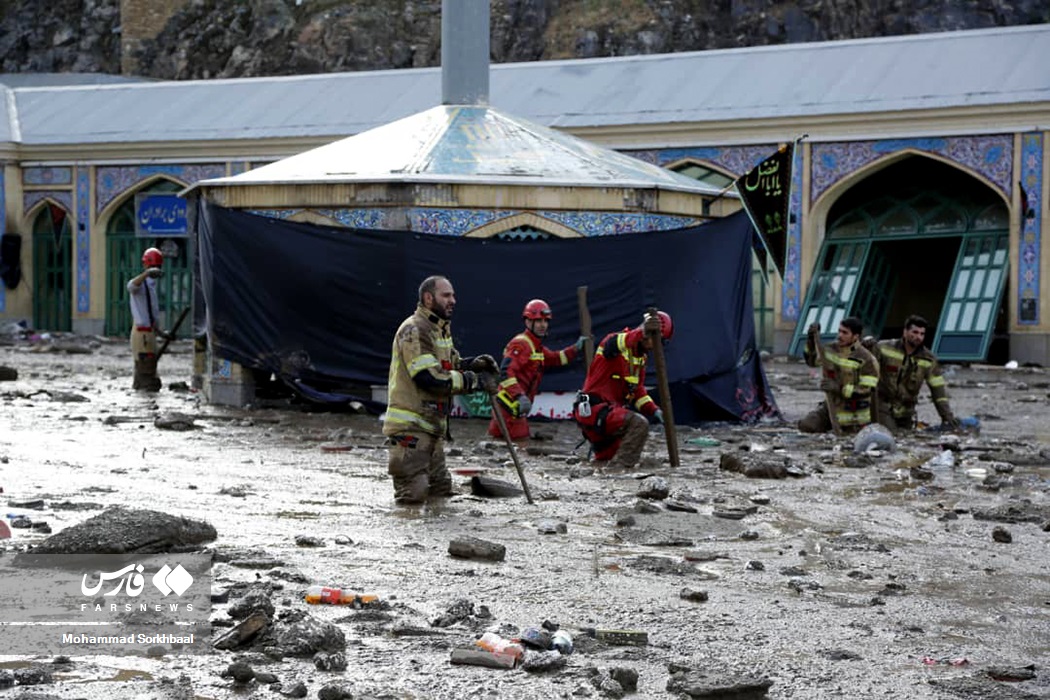
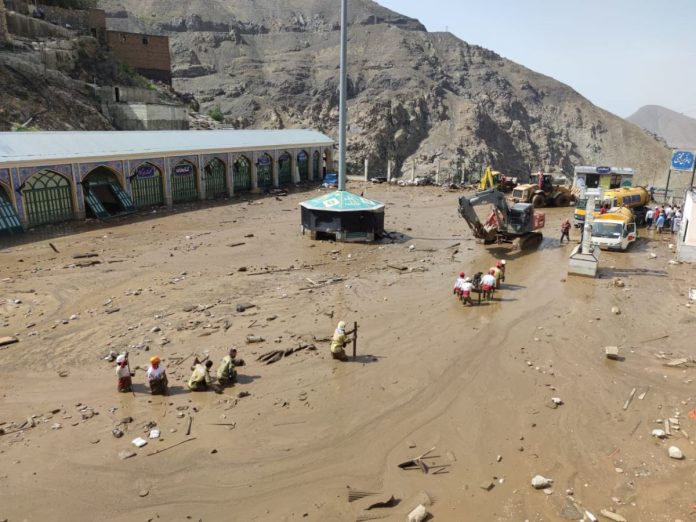
The Tehran Province’s Red Crescent Society said rescue and search operations continue after the heavy rains late Wednesday flooded the Emamzadeh Davood village, usually frequented by a large number of pilgrims of a famous mausoleum.

Iranian President Ebrahim Raisi, who was on a provincial tour of Hamedan at the time of the disaster, followed up on the latest developments and called for swift rescue and relief operations in the flood-hit areas.

Meanwhile, Iranian Interior Minister Ahmad Vahidi along with the governor of Tehran and the Red Crescent chief visited the affected areas to see the situation first-hand.

Based on meteorological forecasts, officials had issued early warnings to citizens to stay away from the spots likely to be hit by flash floods, like riverbeds.

In an emergency warning update on Thursday, officials ordered the Emamzadeh Davood residents to evacuate their houses as heavier rains are expected in the afternoon.

The incident comes days after unprecedented floods swept through southern and southeastern Iran.

Monster floods in southeastern Sistan and Baluchestan Province on Monday left five people dead and caused extensive damage.

On Friday, flash floods in the southern Iranian town of Estahban, 174 km, east of the provincial capital, Shiraz killed at least 22 people.

Live Update: Russia’s “Special Operation” in Ukraine; Day 155

Russia Ukraine War

Ukraine: Russians can no longer move heavy weapons into Kherson after bridge was damaged

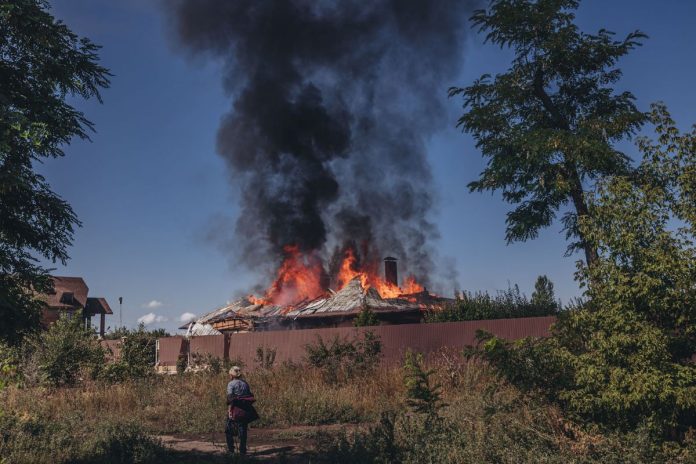
Ukrainian officials claimed that Russian troops can no longer carry heavy weapons and munitions across a strategic road bridge in the Kherson region after it was repeatedly struck by long-range Ukrainian artillery.

Serhii Khlan, adviser to the head of Kherson civil-military administration, said the Antonivskyi bridge, which is about 1,000 meters (3,280 feet) wide, “used to be the main route for the supply of weapons, ammunition and food to the Mykolaiv front” for Russian forces.

But “the strikes on the bridge were accurate,” he continued, adding, “The new hits were at the exactly those spots that were hit before. This made it impossible for any type of transport to cross the bridge. At the moment, the entrance to the bridge is blocked.”

Ukrainian officials announced the bridge was hit on Tuesday night. Social media video also showed large detonations in a cluster toward one end of the bridge.

“Hypothetically, the Russians might be able to build a pontoon crossing. However, the left bank of Dnipro almost entirely consists of floodplains and swamps,” Khlan noted.

The Russian-appointed deputy head of the Kherson region, Kirill Stremousov, said via Telegram that ferry crossings from near the bridge were already underway, adding, “just come here to the bridge and you will definitely get to the opposite bank of Dnipro.”

On Thursday, the UK’s defense ministry said that Russia’s 49th Army, which is stationed on the west bank of the Dnipro river, “now looks highly vulnerable” after Ukrainian long-range artillery hit a total of three bridges.

“Kherson city, the most politically significant population centre occupied by Russia, is now virtually cut off from the other occupied territories,” the ministry added.

However, the Russians still control large areas to the northeast of the city and may be able to resupply forces on the west bank with pontoon bridges and river ferries across the Dnipro.

Khlan also said that “a month ago, the invaders used the railway bridge. They brought whole trains to Kherson and to the right bank (of the Dnipro river) of military equipment and weapons. After the ammunition depots located near the railway bridge were destroyed, the occupiers stopped using the railway bridge.”

As a result of the damage to the Antonivskyi bridge, Khlan stated that “the detour for civil transport is via the hydroelectric power station through Kakhovka; a lot of cars have accumulated there.”

The bridge at Kakhovka upstream from Kherson is smaller than the Antonivskyi.

Khlan also referenced reports that a police vehicle in Kherson was attacked with an explosive device Wednesday, claiming that “the resistance movement in Kherson is gaining momentum. This is the result of their work.”

Dmytro Butriy, temporary acting head of Kherson region military administration, noted the attack on the police car had been carried out by a radio-controlled explosive device and had killed one policeman.

Butriy added attacks against Russian positions in Kherson continued.

“Our aircraft made five strikes on the enemy. Pairs of attack aircraft and a bomber hit three enemy strongholds,” he continued.

He also claimed that Russian occupation authorities had announced a ban on the Ukrainian currency hryvnia.

“The so-called occupation ‘police’ are walking around the market and warning people who sell cash that they will be punished for issuing hryvnias,” he said.


Hungary’s PM: Ukraine “cannot win” war with NATO’s current strategy

Hungarian Prime Minister Viktor Orban told journalists on Thursday that Ukraine cannot defeat Russia with NATO’s current strategy of support, while also warning of dire consequences for the European economy.

“This war in this form cannot be won,” Orban said, speaking alongside Austrian Chancellor Karl Nehammer in Vienna.

Orban added that NATO countries’ strategy of supporting Ukraine with weapons and training “has shown until now that it will not lead to success.”

“Without changing the strategy, there is not going to be peace,” he continued, warning that, without peace in Ukraine, all of the European Union will “be pushed into a war situation.”

“It is not clear how we can avoid recession in the EU if the war carries on,” Orban added.

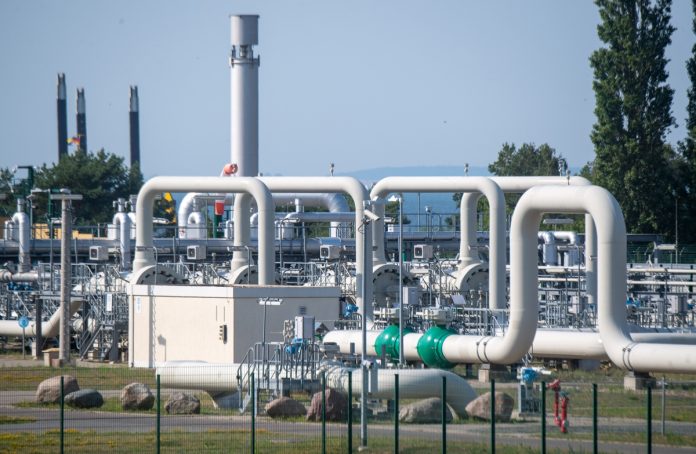
Both leaders warned against the possibility of a European Union embargo on Russian gas.

“We met a wall just now, and that wall is called gas embargo, and I would suggest to the EU that we do not knock against that wall,” Orban said, as Nehammer warned such an embargo “is not possible.”

“Not only because we, as Austria, are dependent on Russian gas. The German industry is also dependent on Russian gas. And if the German industry collapses, the Austrian industry collapses,” said Nehammer, adding that that situation could result in “mass unemployment.”

“There are many announcements from the EU Commission, but very little is being implemented,” he noted, regarding EU action on the energy crisis, adding that there is “no sign” of the implementation of the common gas purchase platform that was proposed by the EU Commission.

He stressed that, given the current pressures on the energy market, that “this common platform would be more important than ever.”


Russian strikes hit military base outside Kyiv: Ukraine army

A senior Ukraine military official has stated Moscow’s forces have struck a military base north of the capital, Kyiv, in a rare admission of a successful Russian attack on Ukrainian military infrastructure.

Oleksiy Gromov told reporters that Russian forces had fired “six Kalibr cruise missiles on a military base in Lyutizh” at around 02:00 GMT from the Crimea peninsula. One building was destroyed and two were damaged in the attack on the town some 30 kilometres (19 miles) north of the capital.

Gromov also reported attacks on Ukraine’s northern region of Chernihiv, with shells fired from neighbouring Belarus, an ally of Moscow. He added there were “losses” among Ukrainian troops.


Mayor says nowhere in Kharkiv is ‘safe’

Ukraine’s second-biggest city has been hit by a barrage of Russian shelling, leaving residents little hope for a return to normalcy.

“We have nine districts in the city and they are all being bombed with varying intensity and at different times. So you can’t say anywhere in Kharkiv is safe,” Igor Terekhov told AFP.

Kharkiv, Ukraine’s one-time Soviet capital, was besieged from the first days of the full-scale conflict and has been a key focus of the Russian invasion.

Last week, raids killed three people including a 13-year-old boy, adding to a toll that Terekhov says is in the “many hundreds.”


Russia says no deal ‘yet’ on prisoner swap with US

Negotiations between Moscow and Washington on exchanging prisoners are ongoing, Russia’s foreign ministry spokeswoman has stated.

“A concrete result has not yet been achieved,” Maria Zakharova announced in a statement.

US Secretary of State Antony Blinken noted on Wednesday he would speak with his Russian counterpart Sergey Lavrov by phone and press him to respond to an offer Washington has made to secure the release of American citizens detained by Moscow, including basketball player Brittney Griner.

When asked by journalists during his daily conference call on Thursday, Kremlin spokesperson Dmitry Peskov also said, “Well, look, since there are no agreements now that would be finalized, then, accordingly, I have nothing more to add to what has been said.”


Ukraine’s offensive to recapture Kherson gathering momentum: UK

Ukraine’s counteroffensive in the Russian-occupied Kherson region is gathering momentum, the United Kingdom’s defence ministry has said.

“Ukraine has used its new long range artillery to damage at least three of the bridges across the Dnipro River which Russia relies upon to supply the areas under its control,” the ministry announced in its latest intelligence briefing.

“Russia’s 49th Army is stationed on the west bank of the Dnipro River and now looks highly vulnerable,” it added.


Security Council can’t agree on statement lauding grain deal

The United Nations Security Council has been unable to agree on a statement welcoming last week’s deal to get grain and fertiliser moving from Ukraine and Russia to millions of hungry people around the world, Norway’s UN ambassador has said.

The statement also would have commended Secretary-General Antonio Guterres and Turkey’s government for their key roles in arranging the agreement.

“Norway and Mexico have been working for days to unify the council in one message welcoming the significant deal to resume exports of grains, foodstuffs and fertilisers through the Black Sea,” Mona Juul told The Associated Press, adding, “We regret that this was not possible.”


UK adviser warns of nuclear war risk amid communication breakdown

The United Kingdom’s national security adviser has warned of the growing risk of nuclear confrontation with Russia and China amid a breakdown in the backdoor communication channels that helped maintain peace during the Cold War.

Speaking in Washington, DC, Stephen Lovegrove said there was a lack of dialogue at a time when there were not only a “broader range” of strategic risks, but also more “pathways to escalation” as a result of advances in science and technology, the proliferation of weapons, and increasing rivalry in areas such as space.

“The Cold War’s two monolithic blocks of the USSR [Soviet Union] and NATO – though not without alarming bumps – were able to reach a shared understanding of doctrine that is today absent,” he stated on Wednesday at the Center for Strategic and International Studies (CSIS), a think-tank.

“Doctrine is opaque in Moscow and Beijing, let alone Pyongyang or Tehran,” he added.


Russia: No requests from US on Lavrov-Blinken phone contact

Moscow has received no requests from Washington for a telephone contacts between US Secretary of State Antony Blinken and Russian Foreign Minister Sergey Lavrov, the Russian foreign ministry told TASS on Wednesday.

“There have been no requests, only media reports. We rely on regular diplomatic practices rather than on megaphone diplomacy,” a ministry spokesman said.

Blinken stated earlier that he plans to speak with Lavrov within days to discuss issues of grain export from Ukraine and possible release of US nationals detained in Russia.


US House members told over 75,000 Russians have been killed or wounded during war on Ukraine

United States House lawmakers who attended a classified briefing Wednesday on Ukraine stated Joe Biden administration officials informed them that more than 75,000 Russians have been killed or wounded during the war on Ukraine.

The briefing also added the Russian military is fatigued, but Ukrainians are looking for additional reinforcements as they aim to launch a counteroffensive in the south before the winter.

“We were briefed that over 75,000 Russians have either been killed or wounded, which is huge, you’ve got incredible amounts of investment in their land forces, over 80% of their land forces are bogged down, and they’re tired,” Democratic Rep. Elissa Slotkin of Michigan, who serves on the House Armed Services Committee and recently visited Ukraine, told CNN.

“But they’re still the Russian military,” Slotkin continued.

US and Western officials have noted in recent weeks that the next few weeks of war will be crucial, because the Ukrainians are going to try to mount a major counteroffensive in the south. Richard Moore, the head of the UK’s secret intelligence service, MI6, said last week at the Aspen Security Forum that he believes the Russians will begin to lose steam in the coming weeks because they are running out of manpower. US and western officials believe Ukraine will aim to take back the southern city of Kherson, which has been occupied by Russia since March.

“The sort of main conversation in the briefing was, you know, what more we can and should be doing for the Ukrainians, literally in the next three to six weeks, very urgently. Ukrainians want to go to the south and do operations in the south. And we want them to be as successful as possible,” Slotkin said.

“I think that what we heard very firmly from President Zelensky and reinforced today is that the Ukrainians really want to hit Russia in the teeth a few times before the winter comes, put them in the best position possible, particularly hitting them down south,” Slotkin added.

During the briefing, Slotkin stated there was bipartisan support for sending Ukraine long-range missiles, known as ATACMS, that can strike as far as 180 miles away (more than 280 kilometers). The Ukrainians have been urging the US to provide these systems for months because the High Mobility Artillery Rocket Systems (HIMARS) can only strike distances of around 49 miles (more than 78 kilometers).

But US national security adviser Jake Sullivan reiterated last week at the Aspen Security Forum that the US would not be providing the ATACMS because they could be used to strike into Russian territory, which would escalate the war even further.

The US Senate will also get its own briefing on Ukraine. It was originally scheduled for today but had to be rescheduled.


Russian forces, Ukraine both claim control of vital power plant

The fate of Ukraine’s second-biggest power plant was hanging in the balance after Russian-backed forces claimed to have captured it intact, but Kyiv did not confirm its seizure, stressing only that fighting was under way nearby.

Seizing the Soviet-era coal-fired Vuhlehirsk power plant in eastern Ukraine would be Moscow’s first strategic gain in more than three weeks in what it calls its “special operation” to demilitarise and “denazify” its neighbour.


Ukraine “very grateful” for increase in Western military assistance: National security official

Ukraine is “very grateful” for an increase in deliveries of Western military aid over the past month, the country’s national security adviser Oleksiy Danilov tweeted on Wednesday

“Over the past month, there has been a strong intensification of military assistance from our partners, we are very grateful to them for this,” Danilov wrote.

The Ukrainian National Security went on to say his country’s forces had used some of that equipment to target the Antonivskyi bridge, in the Kherson region, an important supply artery for Russian forces stationed west of the Dnieper river.

“The destruction of the [Antonivskyi] bridge shows how delicately modern military equipment works — the enemy trembles, and partners are delighted at how quickly and efficiently our military has mastered it,” Danilov continued, adding that Russia has been moving “troops in the Kherson direction.”

Analysts have suggested Russia has been fortifying it’s positions in the Kherson and Zaporizhzhia regions in advance of a Ukrainian counteroffensive.

“This war will result in the decolonization of the Russian federation,” Danilov also stated.


Blinken says he will speak to Lavrov for first time since war

US Secretary of State Antony Blinken has said he will speak to his Russian counterpart for the first time since Russia’s full-scale invasion of Ukraine, but would narrowly focus the call to priorities including the release of detained Americans.

The phone call “in the coming days” with foreign minister Sergey Lavrov “will not be a negotiation about Ukraine”, Blinken told reporters.


Moscow warns of consequences if Ukraine uses US-made weapons against Russian territory

Moscow has warned of “more than serious” consequences if Ukraine uses US-made multiple launch rocket systems or other NATO-supplied long-range weapons against Russian territory, according to Russian official Konstantin Gavrilov.

Gavrilov is the head of the Russian delegation at talks in Vienna on issues of military security and arms control.

“If the Armed Forces of Ukraine use American MLRS or other NATO long-range weapons against Russian territory, the consequences will be more than serious,” Gavrilov said according to a statement published by the Russian Foreign Ministry.

“An increase in the transfer of Western weapons to Kyiv may force the Russian Federation to move to tougher responses,” he continued.

Gavrilov also stated that all of the main goals set by President Vladimir Putin will be accomplished in Ukraine and urged Western governments to listen to Russia’s concerns.

Ukrainian Defense Minister Oleksiy Reznikov said on Tuesday that the United States and other allies have praised his country’s use of donated systems, such as the High Mobility Artillery Rocket System, with officials in Washington saying Russia has yet to take out any of the gifted Western rocket artillery.

The Ukrainian defense minister added the donated weapons were “already affecting the course of the war.”

The HIMARS, with range and accuracy superior to that of equivalent Russian artillery, has allowed Ukraine to hit targets well within Moscow-controlled territory, the Ukrainian president’s chief of staff noted last week.

Germany has also delivered three Mars II multiple launch rocket systems launchers from its army stocks, as well as five Gepard self-propelled anti-aircraft guns and three self-propelled howitzers to Ukraine, German Minister of Defense Christine Lambrecht said on Tuesday.


Ukraine to increase electricity exports to EU: Zelensky

President Volodymyr Zelensky has said Ukraine will up its export of electricity to the European Union as the bloc faces an energy crisis sparked by Russia’s invasion.

“We are preparing to increase our electricity exports to consumers in the European Union,” Zelensky stated in his daily address to the nation.

“Our exports would not only allow us to increase our income in foreign currency but will also help our partners to resist Russian energy pressure,” he noted after Russia drastically slashed its gas deliveries to Europe.

“We will gradually make Ukraine one of the guarantors of European energy security,” he added.


War in Ukraine ‘weakened Russia profoundly’: Blinken

US Secretary of State Antony Blinken has said that the war in Ukraine has “profoundly” weakened Russia despite Moscow’s insistence that it is thriving politically and economically.

The growing strength of NATO, global condemnation of Russia’s invasion and overwhelming sanctions all prove to “refute” the Kremlin, Blinken stated in a press briefing.

“The Kremlin says that global businesses haven’t really pulled out of Russia. In fact, more than 1,000 foreign companies – representing assets and revenue equal to more than a third of Russia’s GDP – have stopped operations in Russia,” Blinken continued, adding, “They say that Russia is replacing lost imports from the West with imports from Asia. In fact, imports into Russia have dropped more than 50 percent this year.”

“Though President Vladimir Putin will likely claim that this war was a resounding success, the world can see that it has weakened Russia profoundly,” he noted.

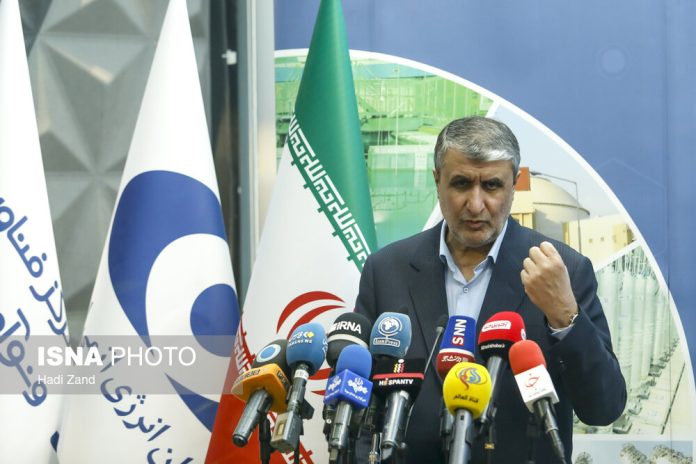
Iran to begin construction of new nuclear research reactor soon

Mohammad Eslami

Mohammad Eslami says an objective of the research reactor is conducting the nuclear fuel test for other reactors.

Eslami says the reactor will be fully Iranian-made and will complete the country’s chain of research, assessment, test and certification for production of nuclear power.

He added that, for the first time ever, the Atomic Energy Organization of Iran has drawn out a 20-year strategic plan and the document has been submitted to the International Atomic Energy Agency.

This, he said, is extremely significant as the agency is now officially notified of the long-term planning for Iran’s nuclear program.

Eslami said Iran’s planning focuses on generation of 10MW of nuclear power adding that site surveying is underway for the nuclear power projects, especially in the south of the country.

The AEOI chief noted that his organization welcomes international and domestic participation in the nuclear power projects.

He stressed, however, that Iran enjoys adequate scientific, technological and industrial potential to advance the projects and will not hesitate to implement them if foreign parties fail to come forward.

Another part of Iran’s 20-year plan, Eslami said, is industrializing the nuclear fuel cycle, noting the country has already mastered at the research level.

This, he said, will enable Iran to produce part of the fuel needed for its future power plants in the Isfahan site.

The Iranian nuclear chief further underlined that Iran’s first nuclear power plant began work in 2014 and has generated more than 52 billion KW/H of energy, so far, while saving the country equal to 85 million barrels of oil.

According to Eslami, these are besides the reduced pollution of the “clean” nuclear power.

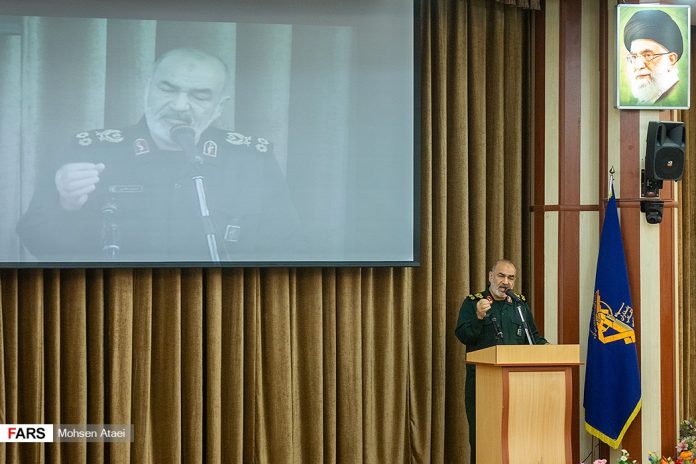
IRGC commander: Iran forced US to flee the region

Major General Hossein Salami

General Hossein Salami said US President Joe Biden recently paid a visit to the region to insinuate that the Muslim world is still a foreign policy priority for Washington but he returned to Washington empty-handed.

Salami added that Iran has defeated the US which enjoyed unrivalled hegemony in the region and the whole world before the victory of the 1979 Islamic Revolution but after the revolution they were forced to flee the region.

The IRGC’s commander noted that nobody has spread a red carpet for US officials after the Islamic Revolution.

Salami added that the Americans are everywhere but Iran and its airspace, soil and maritime territories are closed to the US.

Salami described what has happened in this regard as a “miracle.”

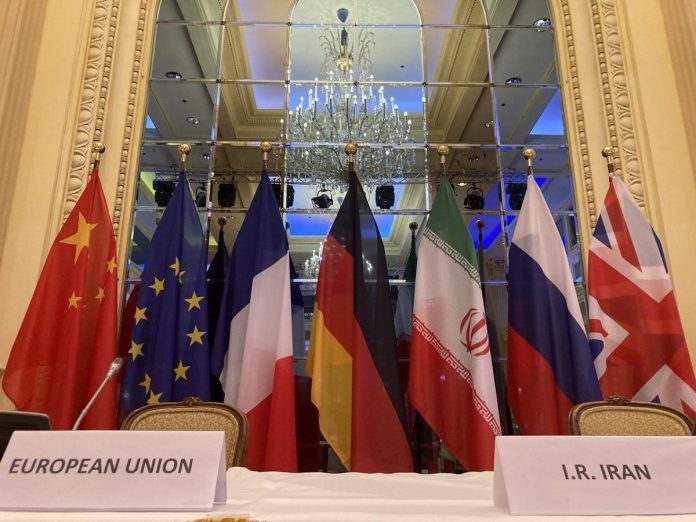
Former Iranian diplomat: Nuclear talks at turning point

Vienna Talks

Kourosh Ahmadi told Entekhab news outlet given that EU Foreign Policy Chief Josef Borrell has said a proposed deal has been drafted that has no alternative, the US and its allies may be preparing to pressure Iran.

Ahmadi added that next measures by the West could be taking the Iran issue to the UN Security Council because of Tehran’s increased nuclear activities inducing uranium enrichment.

He noted that another factor in stepping up efforts to get Iran to agree to the draft is that the West is worried about an insane move by the Israeli regime.

Ahmadi said mere tensions between Iran and Israel could adversely affect the energy markets and shoot up prices.

The former diplomat noted that the current stalemate in the talks between Iran and the other sides to revive the nuclear deal does not serve the interests of any of the parties to the negotiations.

Ahmadi said in the event of a deal, Iran will be able to secure its share of the energy markets.

He also said Iran has a good bargaining chip in the talks because of its enrichment capability which could enable it to extract concessions from the other sides.

Ahmadi said direct talks between Iran and the US will make it easier for both sides to speed up progress in negotiations and to better understand each other’s points.

He however underlined that direct talks will be fruitful if the two sides give in to each other’s demands.

Iran FM to EU’s Borell: Tehran determined to reach lasting deal

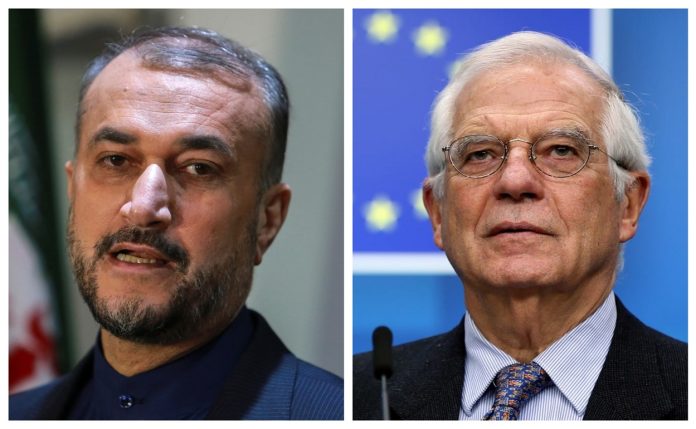
Josep Borrell & Hossein Amir Abdolahian

Iranian Foreign Minister Hossein Amirabdollahian and the European Union Foreign Policy Chief Josef Borrell exchanged views over the latest state of sanctions removal talks during a telephone conversation on Wednesday evening.

In the conversation, Amirabdollahian thanked Borrell and his deputy Enrique Mora for their efforts and said there is no doubt that Iran is determined to reach a good, robust and lasting deal.

He said if the US moves realistically toward finding a solution and reaching a deal, a good agreement will be at hand for all parties.

Amirabdollahian said the Islamic republic of Iran has shown good faith and serious determination to reach a deal since the start of the talks.

He further referred to a draft proposed recently by Borrell, underscoring that Iran welcomes the continuation of diplomacy and talks.

The Iranian foreign minister said the US has always claimed that is wants a deal, so this must exist in the wording of the agreement and also in practice.

EU Foreign Policy Chief Josef Borrell for his part said the Iranian side has so far shown positive and serious determination during the negotiations and time is now that the talks produce good results.

Borrell once again declared that he and his deputy are ready to facilitate and speed up this trend through communications and consultations with all parties.

In the telephone conversation, Amirabollahian and Borrell exchanged views about how to move forward.

Iran voices readiness to help world cope with energy crisis, food insecurity

Energy Crisis

Stating that Iran is involved in creating the foundations of free trade and will soon finalize the Free Trade Area (FTA) Agreement with the Eurasian Economic Union, Amir Abdollahian said that Iran is ready to help the international community to cope with the current energy crisis and counter threats related to food insecurity.

Following is the full text of the Iranian foreign minister’s speech at the 20th Session of the Council of Ministers of D-8:

I am pleased to attend the 20th Session of the Council of Ministers of the D-8 Organization for Economic Cooperation, in the friendly and brotherly country of Bangladesh. I appreciate the excellent organization of this Meeting. Moreover, I would like to thank H.E. Sheikh Hasina, the Honorable Prime Minister of the People’s Republic of Bangladesh for her inaugural address and constructive views.

I would also like to express gratitude to the distinguished D-8 Secretary General and his colleagues in the D-8 Secretariat for preparatory work for this Council of Ministers’ meeting.

Allow me also to congratulate the 25th anniversary of the establishment of the D-8 Organization establishment. I hope the D-8 Organization will continue to make progress with utmost strength and speed.

Economic Diplomacy and deepening ties with neighboring and Muslim countries are two of the priorities of the Islamic Republic of Iran’s Foreign Policy. Furthermore, strengthening multilateral mechanisms such as the D-8 Organization is of high importance to my Government. We have always supported the collective efforts made by developing countries to fulfil the creation of an efficient international economic system as well as the achievement of economic development and growth, people’s welfare and wellbeing, preservation of values and national cultures and the attainment of a proper standing in international relations.

That is why the Islamic Republic of Iran is an active member in international and regional economic groupings, including the D-8. In the realm of economic convergences, too, we are involved in creating the foundations of free trade and will soon finalize the Free Trade Area (FTA) Agreement with the Eurasian Economic Union.

Despite being geographically scattered, D-8 enjoys abundant natural and human capacities, blessings, energy reserves, complementary economies as well as eager private sectors. The coronavirus crisis disturbed the economic and developmental planning of the countries and made the world community face a kind of uncertainty. We are of the belief that in addition to their national policies and orientations, the D-8 member states need to also take into consideration options of collective cooperation in the post-Covid19 era. Apart from Coronavirus, the member states are also facing food and energy security crises.

At this critical juncture, the Islamic Republic of Iran is prepared to place all its political, economic and cultural capacities and capabilities at the disposal of the economic growth as well as the development welfare, and progress of the shared values. I would like to remind you that despite unlawful and unilateral economic measures by the United States as well as the imposition of sanctions, the Islamic Republic of Iran has achieved significant achievements and great breakthroughs in different areas, relying upon its indigenous resolve and might.

We have voiced our preparedness to help the international community to cope with the current energy crisis and counter threats related to food insecurity. Our exemplary connectivity and transit position are at the service of the consumption markets. In addition, as the possessor of huge energy sources, we stand ready to contribute to the endeavors aimed at guaranteeing the security of energy supply. H.E. Mr. Raisi, the Honorable President of the Islamic Republic of Iran submitted his initiative dubbed “Gas for Post-Covid Global Economy Recovery” at the summit of the”Gas Exporting Countries Forum”. We are prepared to engage in dialogue between the producers and consumers within the framework of this initiative.

Throughout its 25-year-old life, D-8 has gradually been turned into a valuable ground for strengthening effective economic cooperation amongst its members. However and despite the existence of high trade potentialities, the intra-D-8 trade still stands at below 10 percent. Therefore, mechanisms and arrangements are needed to facilitate and expand trade among member states.
We believe that private sectors, too, should play their part in the fields of trade, energy, investment, industries, agriculture and tourism. We, as the governments of the D-8 member states, must accord the needed support to the private sectors.

Moreover, the capacity of the parliaments of the member states should be tapped for the purpose of developing and advancing our cooperation. I propose that the D-8 Secretariat examines the possibility of holding joint meetings between the parliaments of the eight countries, and even the possibility of setting up a “D-8 Inter-parliamentary” body. We are ready to help this happen.
Paying attention to education and technology are among the key areas for the success of the D-8. Since the establishment of the Organization, the Islamic Republic of Iran has shown its strong interest in these two areas by establishing the “D-8 International University” in the city of Hamdean and the “D-8 Technology Transfer and Exchange Network” at the Pardis Technology Park in Tehran.

D-8 enlargement and accession of new members may serve as a tool for the realization of the Organization’s goals. We do welcome the readiness and desire of our friendly and neighboring country, the Republic of Azarbaijan to join D-8. The Organization should move quickly to accept new members.

Today regional organizations and initiatives play a significant role in guiding international politics and the economy. The active and constructive approach adopted by the Islamic Republic of Iran in cooperating with regional organizations and initiatives have resulted in invitations extended to my country to participate in different conferences and initiatives. Tehran tries in such events to draw other countries’ attention to the remarkable role of regional cooperation in peace, stability and national development. My honorable colleagues are surely aware of the complicated developments in the west and south Asia regions. The Islamic Republic of Iran tries to foster national and regional peace, stability and development by engaging with its neighbors and other regional countries.

In conclusion, I am confident that this session will be yet another step towards achieving the lofty objectives of the Organization and its founders as well as towards upgrading the position of the D-8 and gaining more exposure in regional and international relations.

The Leader says hijab issue must be dealt with “very gracefully and logically”

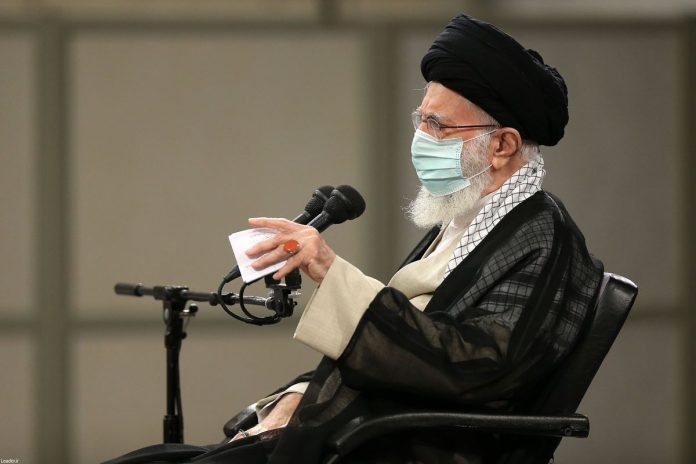
Ayatollah Seyed Ali Khamenei

Ayatollah Seyed Ali Khamenei told a gathering of prayer leaders from across the country that a key mission of the Friday prayer sermons is to counter constant raising of suspicion by the ill-wishers.

The leader added that the enemy uses suspicion on the “battlefield of soft power” to penetrate people’s faith and destroy it. The reason, he said, is that people’s faith was the main root of the victory of the Islamic revolution in Iran and the country’s resistance against seditions.

Ayatollah Khamenei added that enemies are “constantly plotting to harm” the Islamic Republic of Iran.

The leader said the recent resort to hijab is another such attempt that he said will fail.

“Several years ago, in a meeting, I was asked about the issue of women, and how we can defend [our stance] against the west,” the leader said.

“I said, ‘I have nothing to defend. I can launch an attack. It is those who have turned women into a commodity who should defend themselves and be accountable’.”

Ayatollah Khamenei also talked about what he called the sudden attack by the official media of the US, Britain and their puppets on the issue of hijab.

“Is the West truly a champion of the rights of Iranian women?” he asked.

“The Westerners are the same people who would have blocked Iran’s access to water if they could, just as they sanctioned the drugs for kids suffering from the butterfly disease and prevent medicine to become available to these children. Now are the Westerners really concerned about the Iranian women?”

“The talented and dignified women of Iran have dealt one of the heaviest blows to the claims and lies of the western civilization and they are extremely angry about this.”

The leader explained that Westerners have since long ago argued that women cannot progress in science, politics, economy and society unless they free themselves of ethical and religious bonds.

In Iran, he said, women have achieved “great success” in different fields over the past forty years while observing the hijab.

“The successes of the Iranian Muslim women offset two or three hundred years of efforts by the Westerners and that is why they are angry of Iranian women and raise suspicions and launch propaganda under the pretext of hijab,” Ayatollah Khamenei said.

Iranian Intelligence Ministry: Mossad mercenaries sought to detonate 8 powerful bombs inside Iran

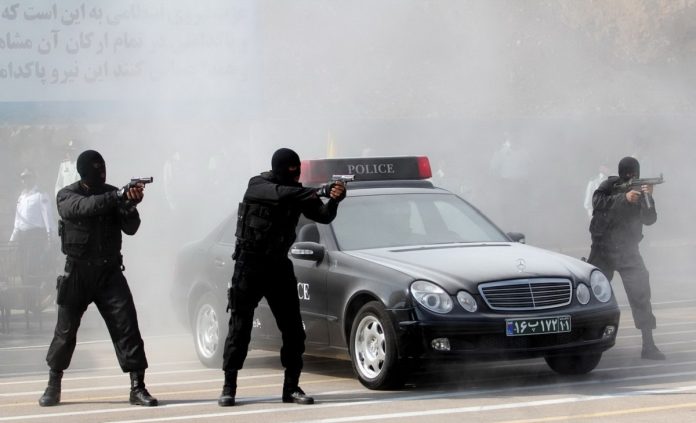
Iranian security forces

The statement said the Mossad terrorists wanted to blow up a sensitive military site in Iran.

It added that those who were supposed to carry out this plot were members of the anti-Iran terrorist group Koomeleh which now works as a mercenary and proxy group for Mossad.

The Intelligence Ministry noted that its agents, after arresting the terrorists, let them to remain in touch with Mossad’s officers in order to identify and apprehend other members of this terror ring. According to the statement, the Intelligence Ministry achieved its goal and captured the other members of the cell.

It added that the terrorists had so many weapons and pieces of equipment that they had to inset them into appliances carried by human porters across the border.

These weapons included 8 highly powerful bombs for the detonation of the main target and 8 smaller bombs for destruction of the equipment the terrorist ring was carrying after completing their mission.

A number of firearms with silencers and also makeup tools as well as a large amount of foreign currencies were seized from the terrorists.

Other items confiscated from them were fake Iranian and foreign ID documents.

The Intelligence Ministry noted in its statement that despite the fact that the plot was foiled, it reserves the right to respond to this conspiracy by the Zionist regime.

Iran FM says foreigners can’t hinder regional cooperation

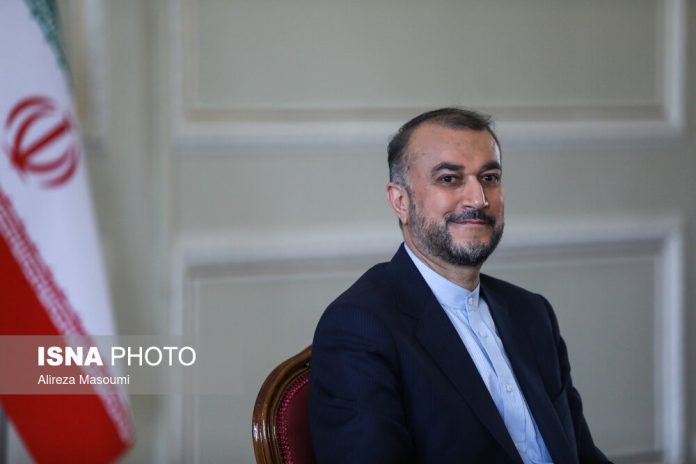
Hossein Amirabdollahian

In an Instagram post, Amirabdollahian referred to his recent phone calls with Omani, Kuwaiti, Qatari, and Iraqi counterparts.

He said he had elaborated on the latest developments in the negotiations on lifting sanctions and referred to Iran’s initiatives to keep the window of diplomacy open.

The FM added that the final stage of the agreement depends on the two elements of realism and flexibility on the US and that Iran is committed to achieving a lasting and strong agreement.

The Islamic Republic of Iran attaches importance to energy and food security in the world and by understanding the current energy problems in the world, it has taken different initiatives, he noted.
He stated that his counterparts had supported Iran’s initiatives in the negotiations and that they welcomed Iran’s regional diplomacy.

He pointed to environmental issues as another topic discussed in the meeting.

Kuwaiti Foreign Minister Sheikh Ahmed Nasser Al-Sabah appreciated the Islamic Republic of Iran’s initiative of boosting ties with regional and neighboring counties, arguing that Kuwait has always favored expansion of friendly ties with Iran.

The UAE Foreign Minister Sheikh Abdullah bin Zayed bin Sultan Al Nahyan referred to the shared interests of the two countries in the expansion of bilateral ties, adding that upgrading the level of the political representative offices of the two countries in the framework of expanding ties is of great importance and expansion of bilateral ties between the neighboring and brother nations is favored by both countries’ leaders.

Oman’s Foreign Minister Sayyid Badr al Busaidi stated that the Omani officials believe all involved sides in those talks favor reaching a good agreement and a golden opportunity is now provided for reaching such an agreement.