Tuesday, January 13, 2026
Home Blog Page 1831

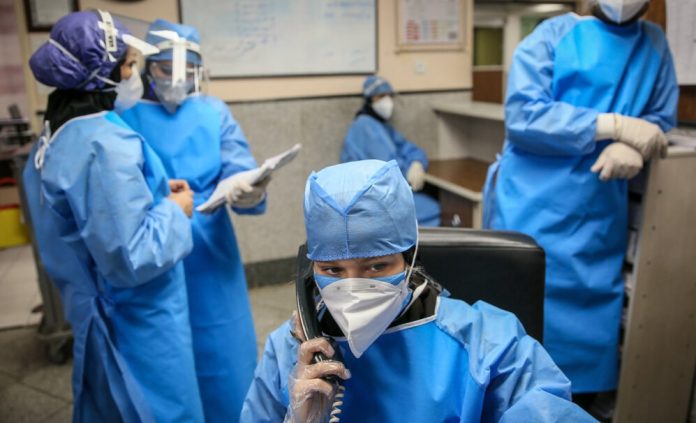
Covid on the rise in Iran: 42 killed, around 10k infected in 24 hours

Covid Iran

The health ministry also said 9,456 people tested positive in the past 24 hours.

Meanwhile, Iran’s Health Minister Bahram Einollahi said figures show that 96 percent of Iranian have received one dose of Covid vaccine.

Einollahi added that 86 percent have got a second dose and 76 percent of the whole population have been vaccinated against Covid.

He also said in the US, which is the worst hit country by the Coronavirus, the figure is 60 percent.

The vaccination process in Iran has gained momentum again. So far, 153,083,151 doses have been administered.

Over 30 million people are triple-vaxxed in Iran.

Runaway convict in Iran embezzlement case captured

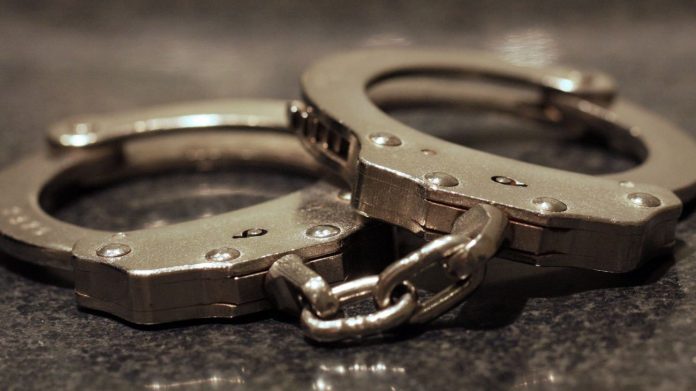
Handcuff

“This defendant, who had run away to one of the Persian Gulf countries after a Rls.200-billion embezzlement case back in 2018, was returned to the country thanks to constant follow-up work by senior officials of the Judiciary and the Prosecutor’s Office of Shiraz City as well as in cooperation with the Judiciary’s Department General for International Affairs and the Ministry of Foreign Affairs,” said Mostafa Bahraini, the public and revolution prosecutor of Fars Province in southern Iran.

He said another key convict in the case had been returned to Iran from Turkey in 2020.

He said the key convicts in the case, which involved a fraudulent currency exchange outlet, were served with long prison terms.

The arrested convict has been remanded in custody.

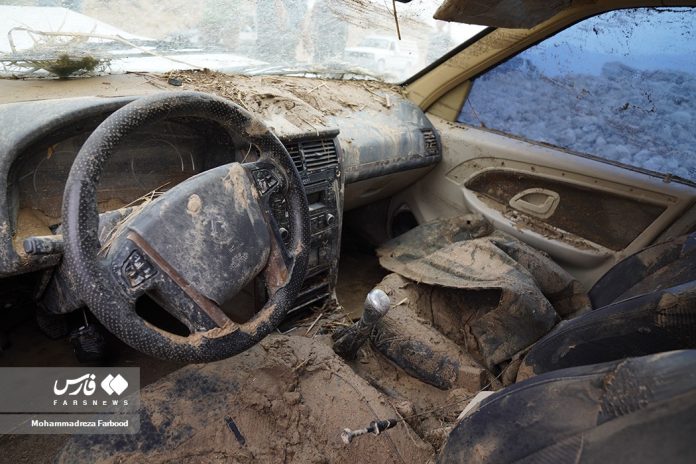
Red Crescent: 18 Iranian provinces hit by flash floods

Iran Flood

Pir-Hossein Koulivand, the society’s head, said according to weather forecast the heavy downpours would continue until Monday and alerted the citizens to exercise caution near riverbeds and mountainous areas.

He said Red Crescent Society emergency responders and rescue units are on standby to deal with the emergency situation.

The unprecedented floods started in southern and southeastern Iran on Friday, leaving dozens of casualties and extensive material damage in Fars and Sistan-Baluchestan Provinces.

Earlier on Thursday, at least five people were killed and nine others were wounded after torrential rains hit the Emamzadeh Davood village, northwest of the Iranian capital Tehran.

Hundreds of people were also evacuated as heavier rains are expected on Thursday afternoon.

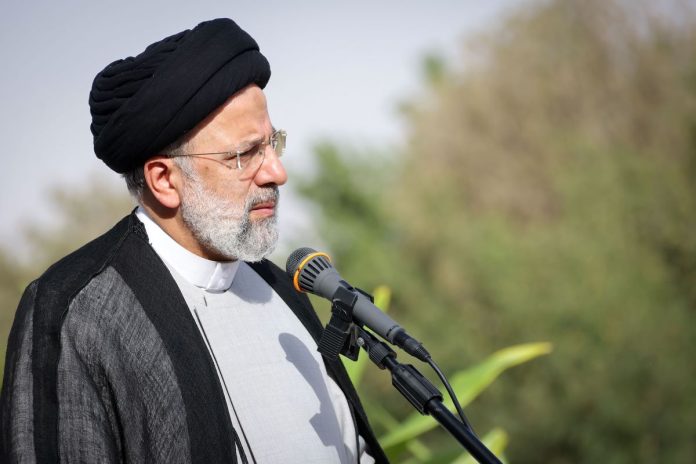
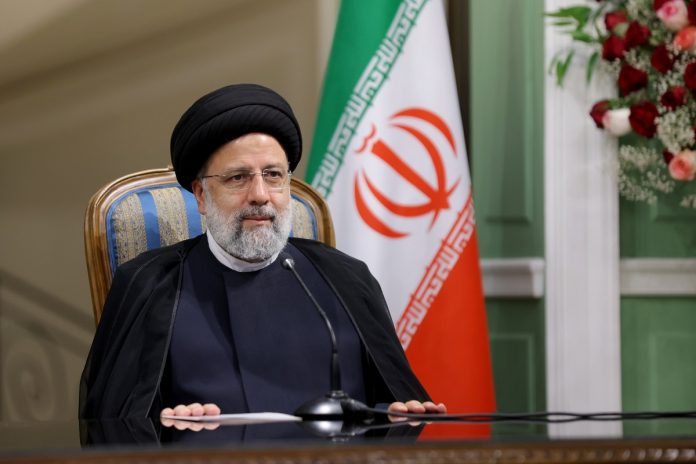
Raisi: People constitute main component of Iran’s power, security

Iranian President Ebrahim Raisi

In a speech on Thursday at a gathering of people during his trip to Hamedan Province, in western Iran, the president said the fact that the US openly admits to the failure of its harsh economic sanctions on Iran means the participation of people generates power for the country.

“We take pride in our weapons power, but the most important element of national might and security is in fact the pious and participant people of Iran,” he said.

The Iranian nation, he said, always “embraces danger” and stands ready to defend the country, something that serves as a source of frustration for enemies and hope for supporters of the Islamic Revolution.

The enemies are resolved to detach the people from all the ideals that they have faith in, but the “sinister conspiracy” will once again face defeat, the president said.

“Upon the people’s demand, we have seriously placed resistance against domineering powers and the hegemonic system on our agenda, and we will never back down on our legitimate positions,” President Raisi said.

The enemies, he added, should know that the Iranians are still the same people that stood resistant in the face of the ex-Iraqi regime’s eight-year war on the Islamic Republic in the 1980s.

Iranian minister: Cyberspace security needs revision

Cyber attack

Issa Zarepour told an information network conference in Iran’s ICT Research Institute that in all complicated communications development projects, including the internet of things (IoT) and artificial intelligence (AI), the administration puts boosting cyberspace security high on the agenda.

The minister said Iran has gained self-sufficiency in hardware products in the field, adding it needs to improve its economic competitiveness in international markets for the next stage.

He said although Iran has come a long way to develop security in recent years, the country needs to further step up the security as many users are still vulnerable to phishing and ransomware messages from hackers.

Iranian online infrastructure, including transportation and railways company, has been targeted by stepped-up cyber attacks in recent months.

Iran says the United States and Israel are behind the sabotage acts.

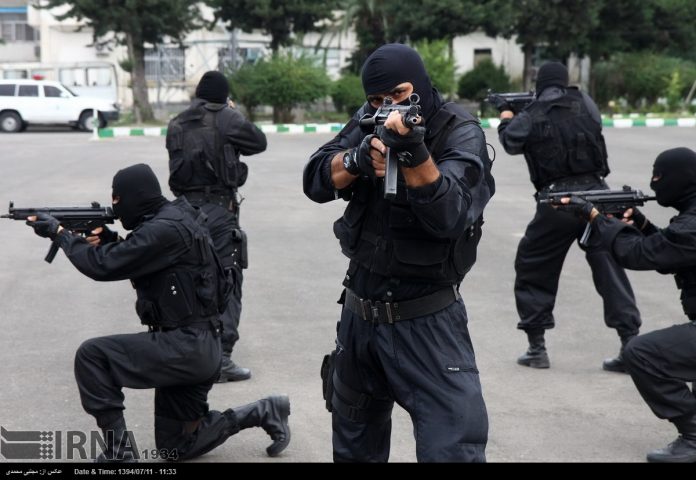
Iran busts spy ring tied to Israeli regime

Iran Security Forces

Operatives of the spy ring had been enticed into contacting the Israeli spy service, Mossad, by the leader of a secessionist group who had been working for Tel Aviv as a mercenary.

In addition to gathering intelligence, members of the spy ring ignited fires, scrawled graffiti against Iran, and had been trained to carry out armed operations as well as acts of sabotage.

However, all members of the spy ring were arrested before taking any action.

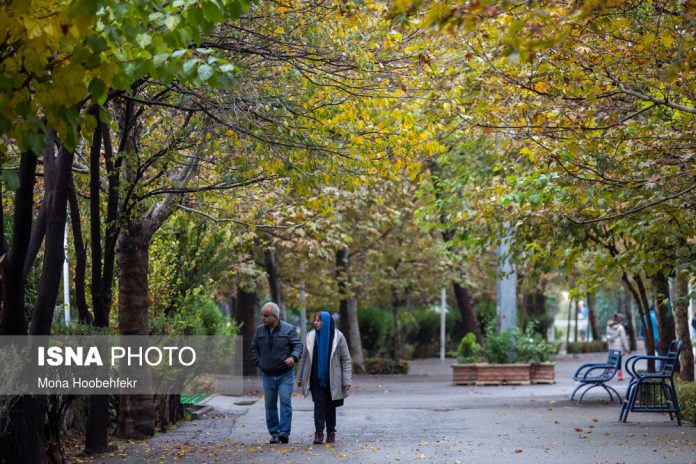
Tehran parks closed for two weeks to stem Covid surge

Iran Park

The Coronavirus Taskforce Committee said in a statement on Thursday it was forced to issue the decree after the uptick in Covid-hit cases in the capital.

The committee said the decision does not apply to small local parks, but called on the citizens to comply with health and social distancing protocols in all public places.

Iran has been experiencing a new wave of the disease after several weeks of near-zero deaths, with the highly contagious sub-strains of the Omicron variant, BA.5, the dominant factor in majority of the new cases.

On Wednesday, Iranian Health Minister Bahram Einollahi called on the people to face masks in public places and get booster shots immediately as the BA.5 spreads 18 times faster than other variants.

Iran’s total Covid death toll stands at nearly 142,000, according to the latest tally by the health ministry.

Raisi felicitates Iran’s U-17 Greco-Roman wrestling team on winning World C’ship

President Ebrahim Raisi

In a congratulatory message on Thursday, the Iranian president thanked the athletes, the coaches and all those in charge of the Greco-Roman wrestling team for exerting great efforts and bringing joy to the nation.

The “precious” victory, he said, “is indicative of the talent, great resolve and bright future of our country’s teenagers in this sports field.

“I hope we will see a continuation of their victories in other competitions with proper planning and greater efforts on the part of the competent coaches,” he said.

The Iranian team won a gold, two silver and four bronze medals in the competition in Rome.

Iran won the top honors with 135 points, followed by Azerbaijan Repubkic, which secured 130 points.

Georgia also finished third with 121 points.

Iran handicrafts: Largest Iranian kilim woven

Iran handicrafts: Kilim

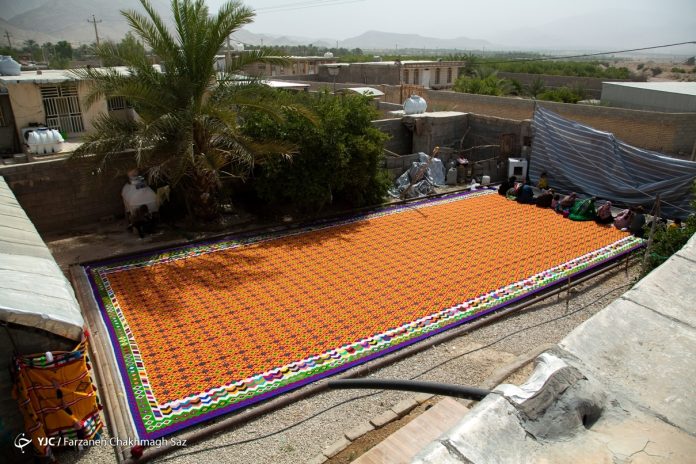
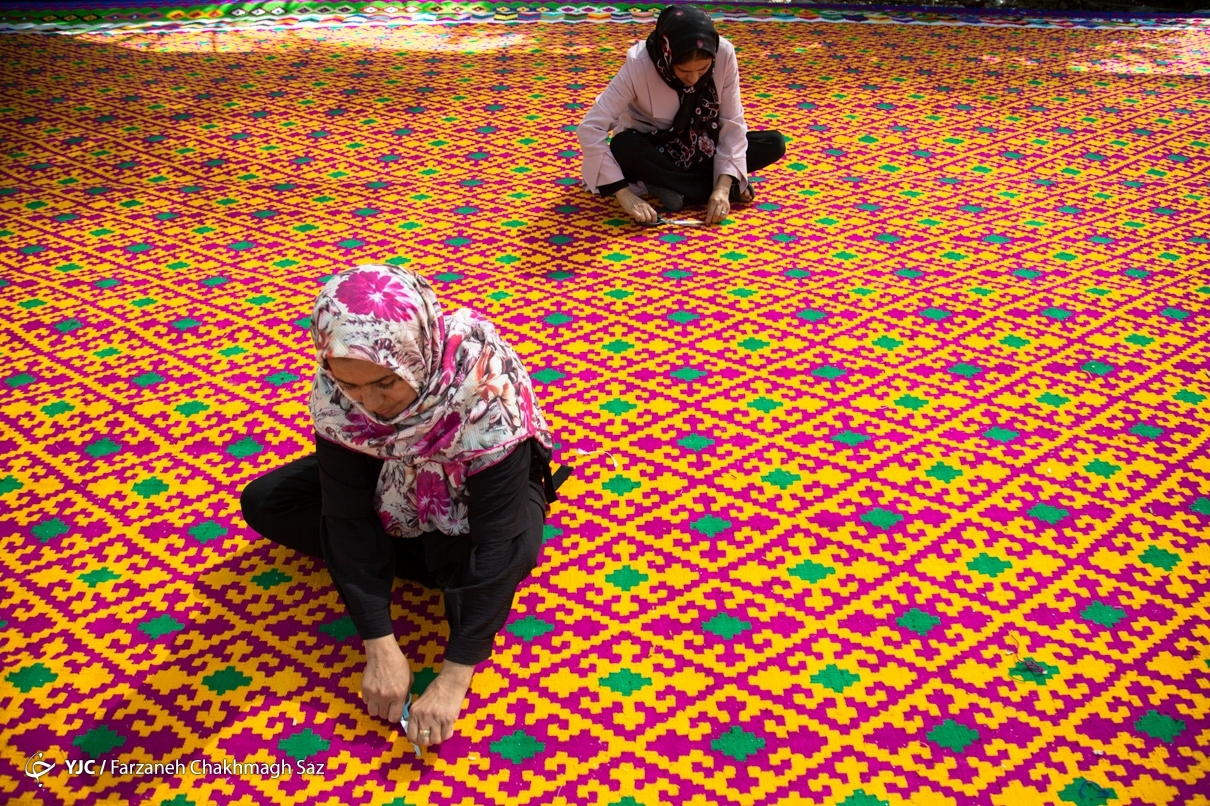
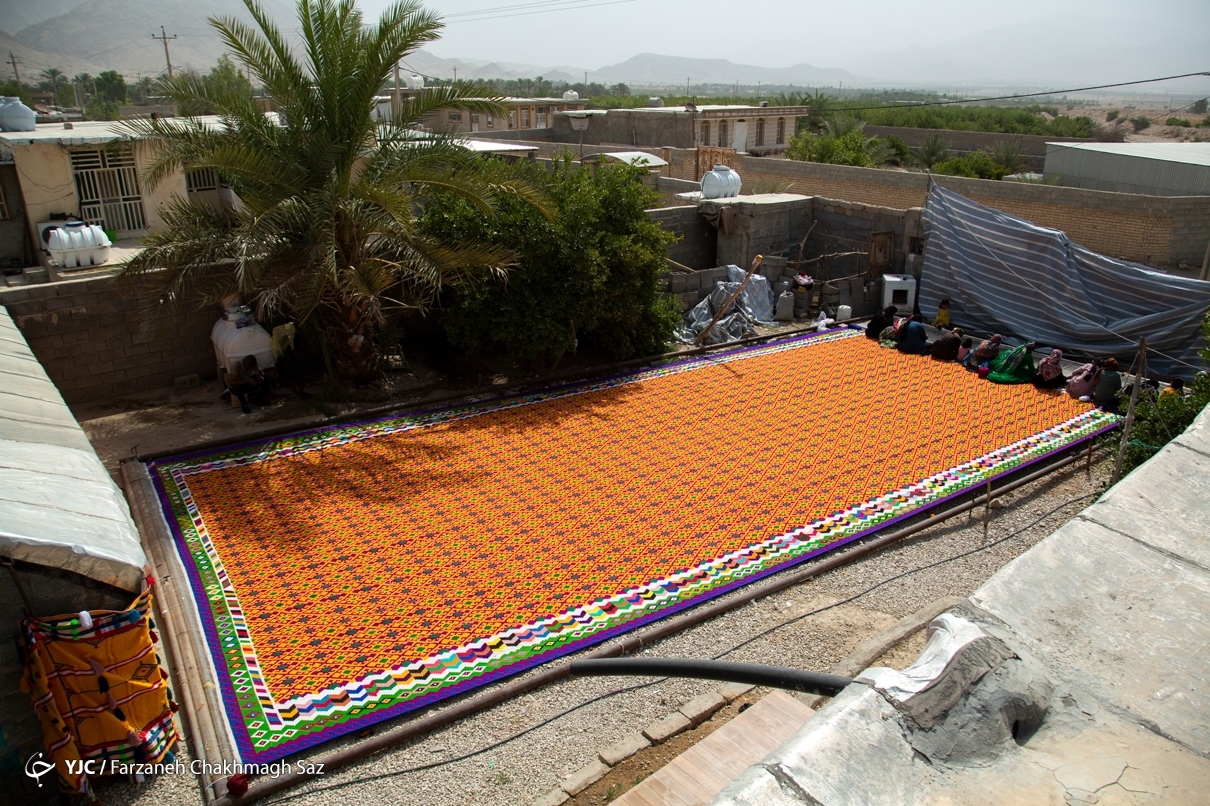
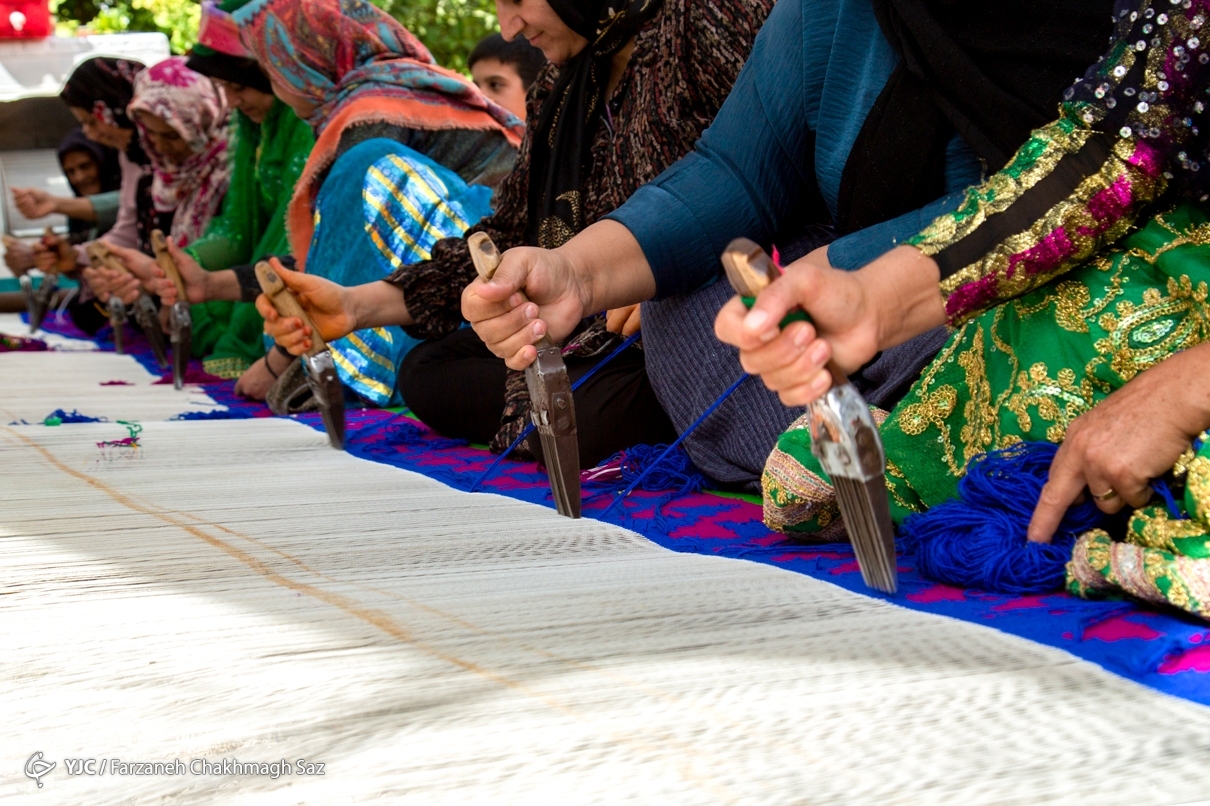
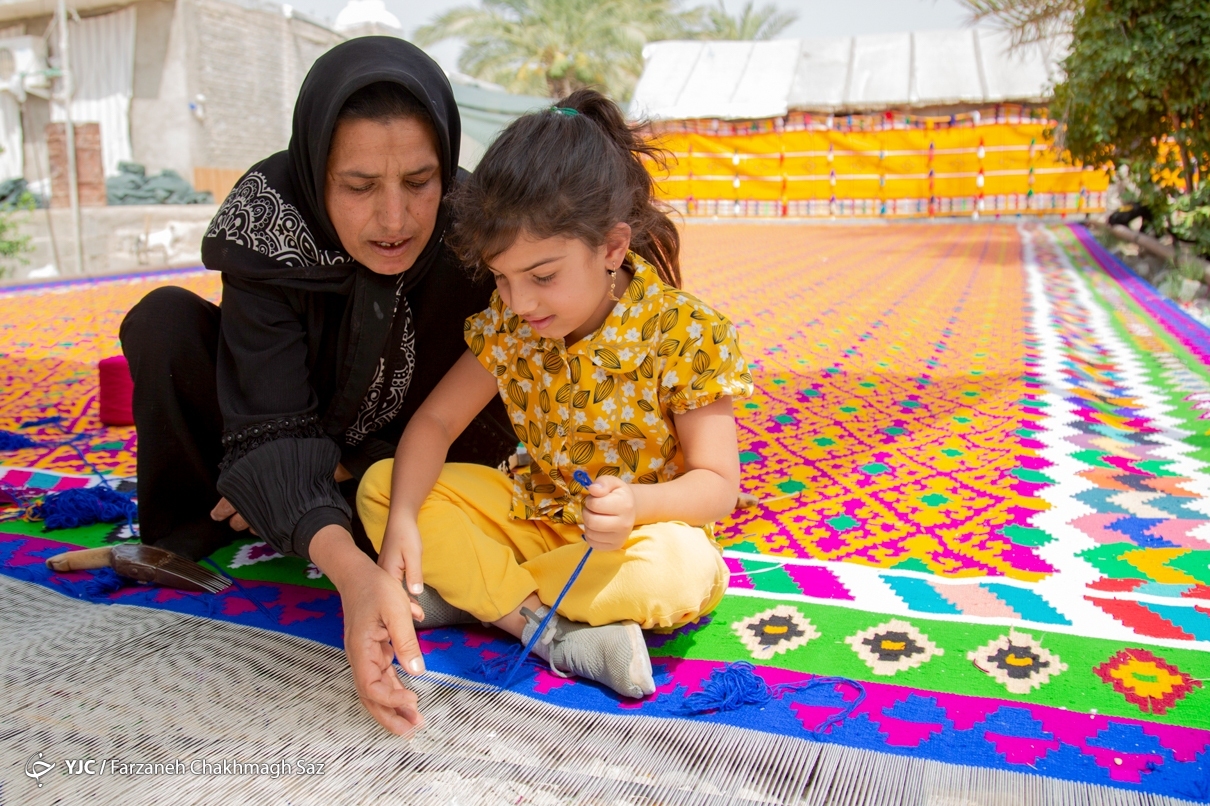
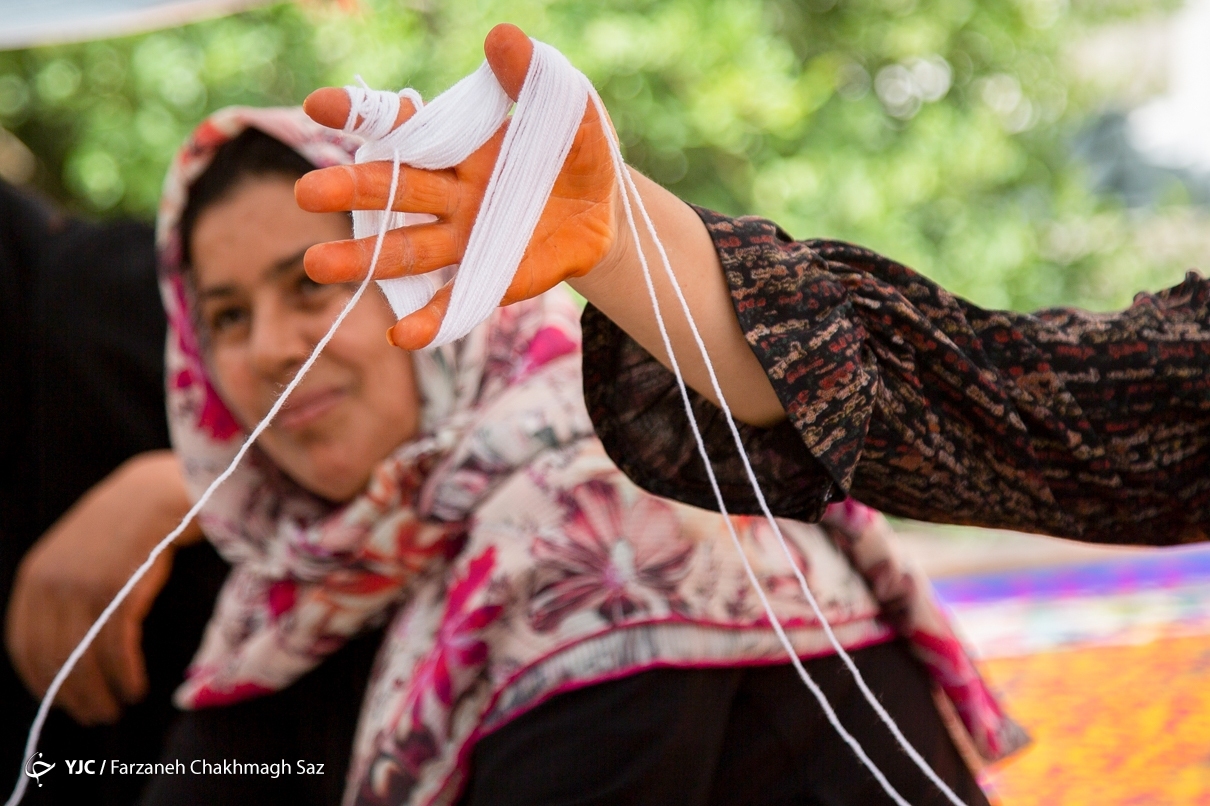
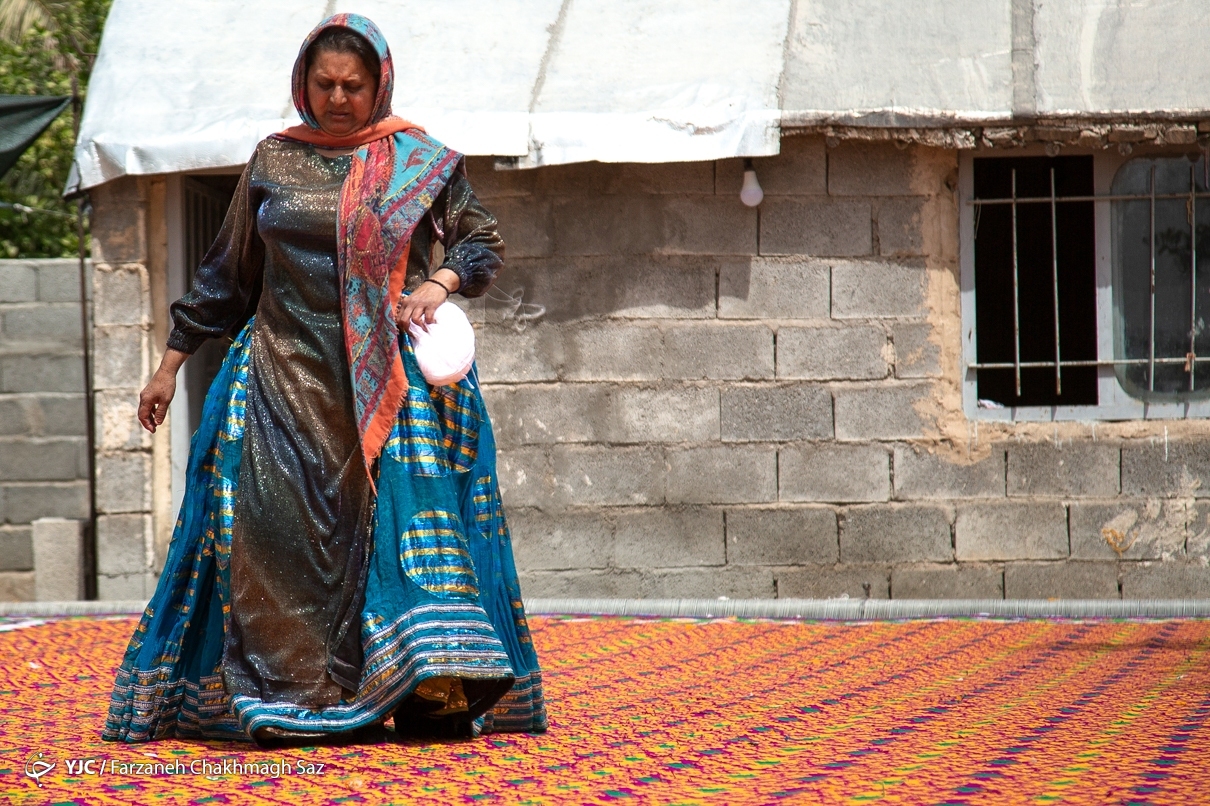
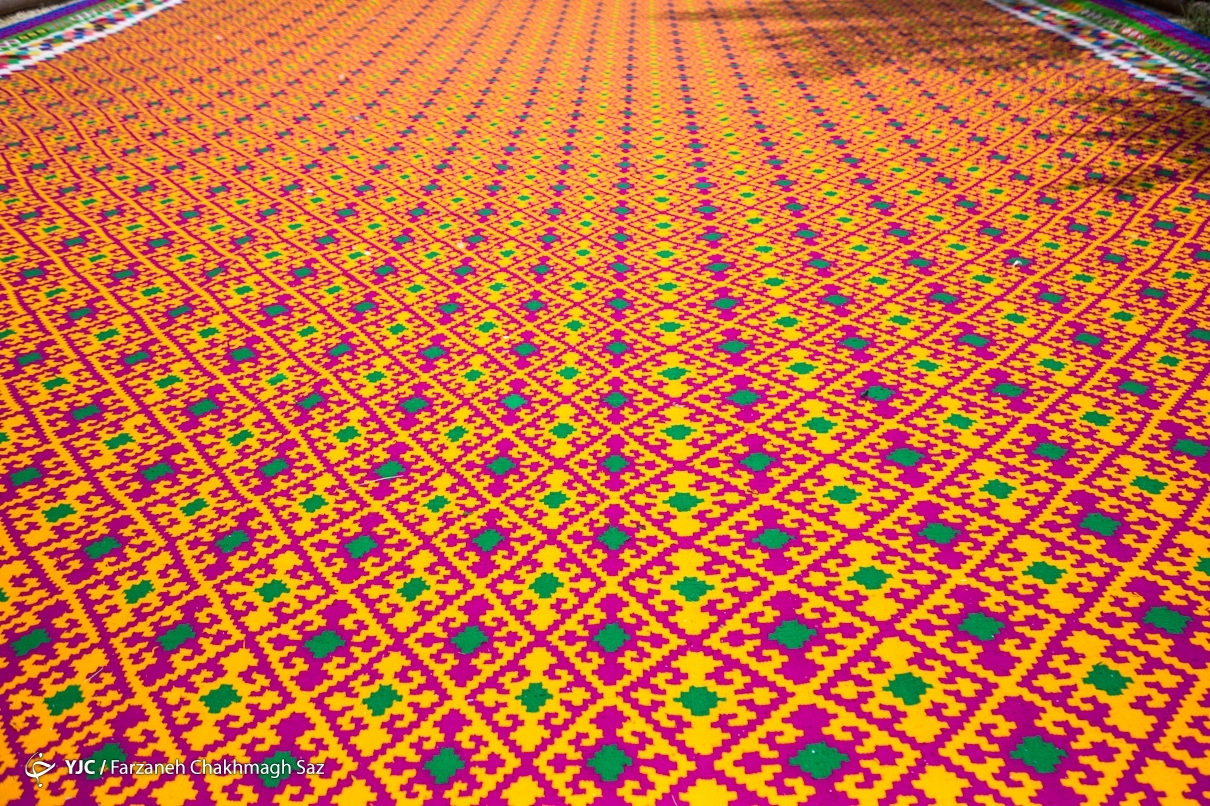
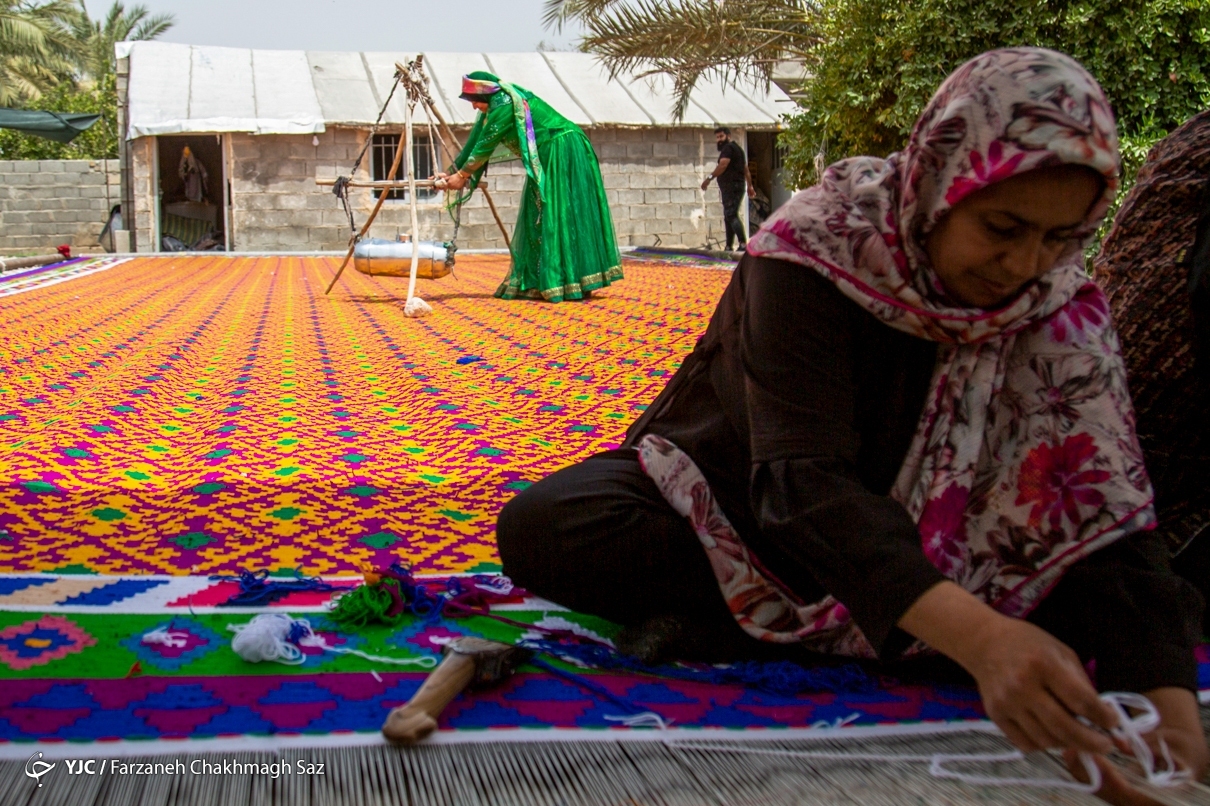
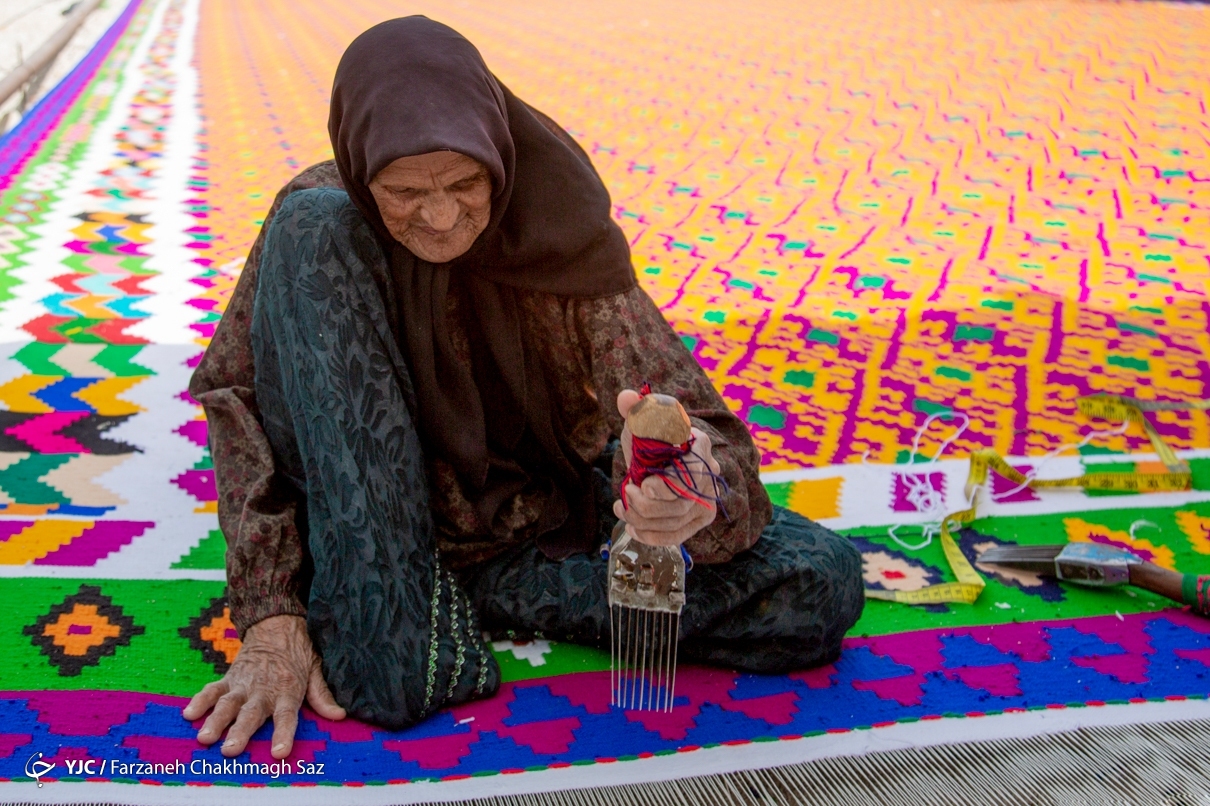
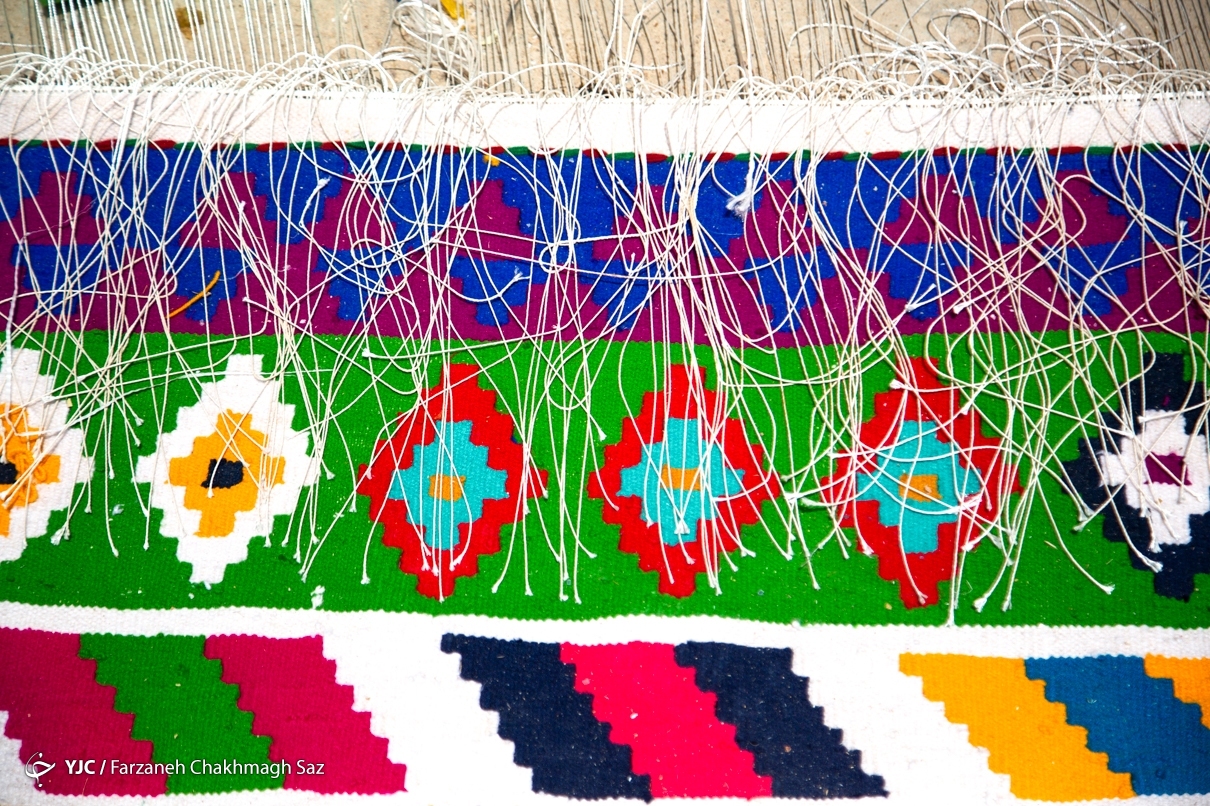
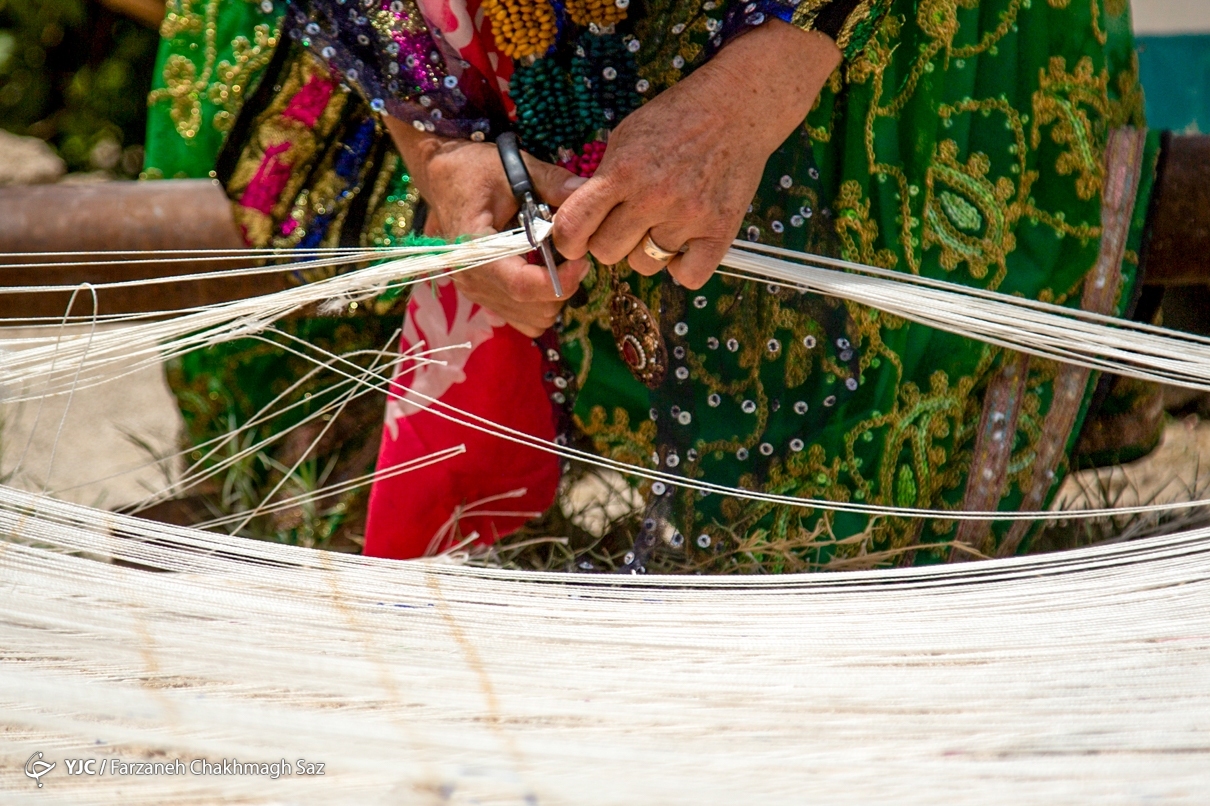
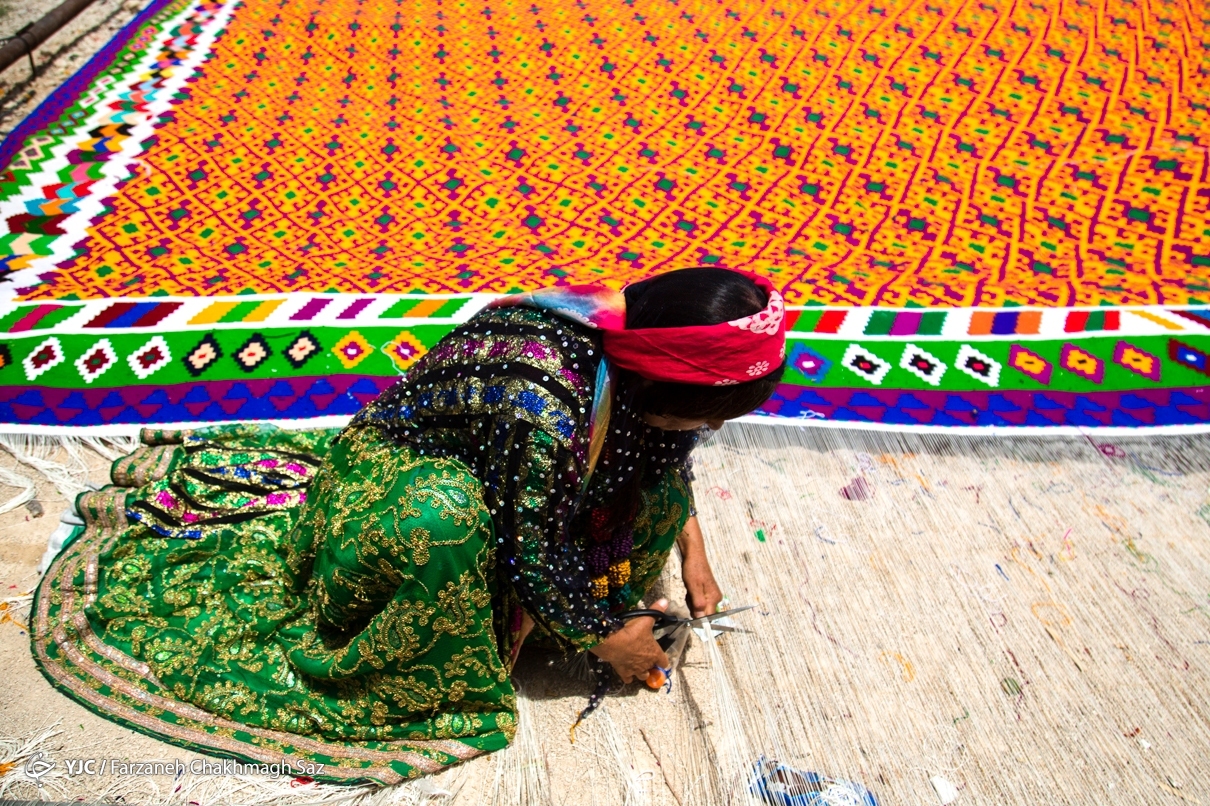
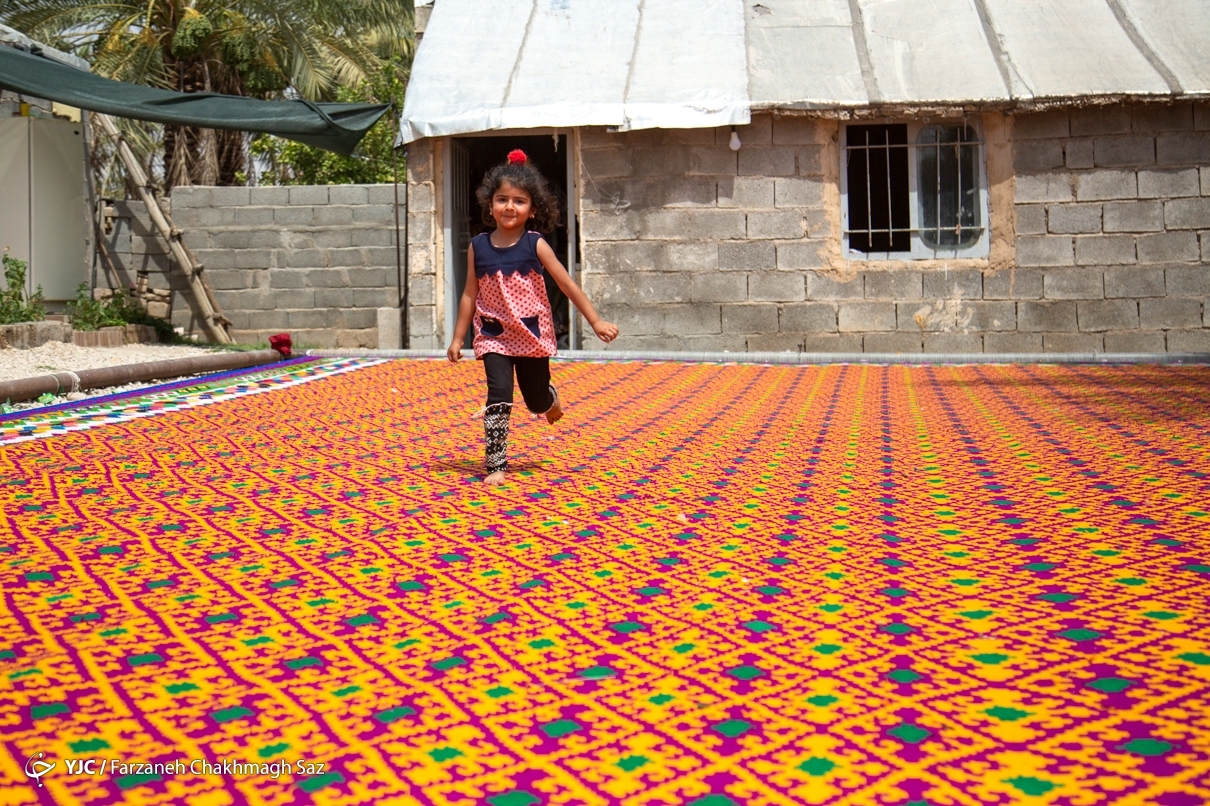
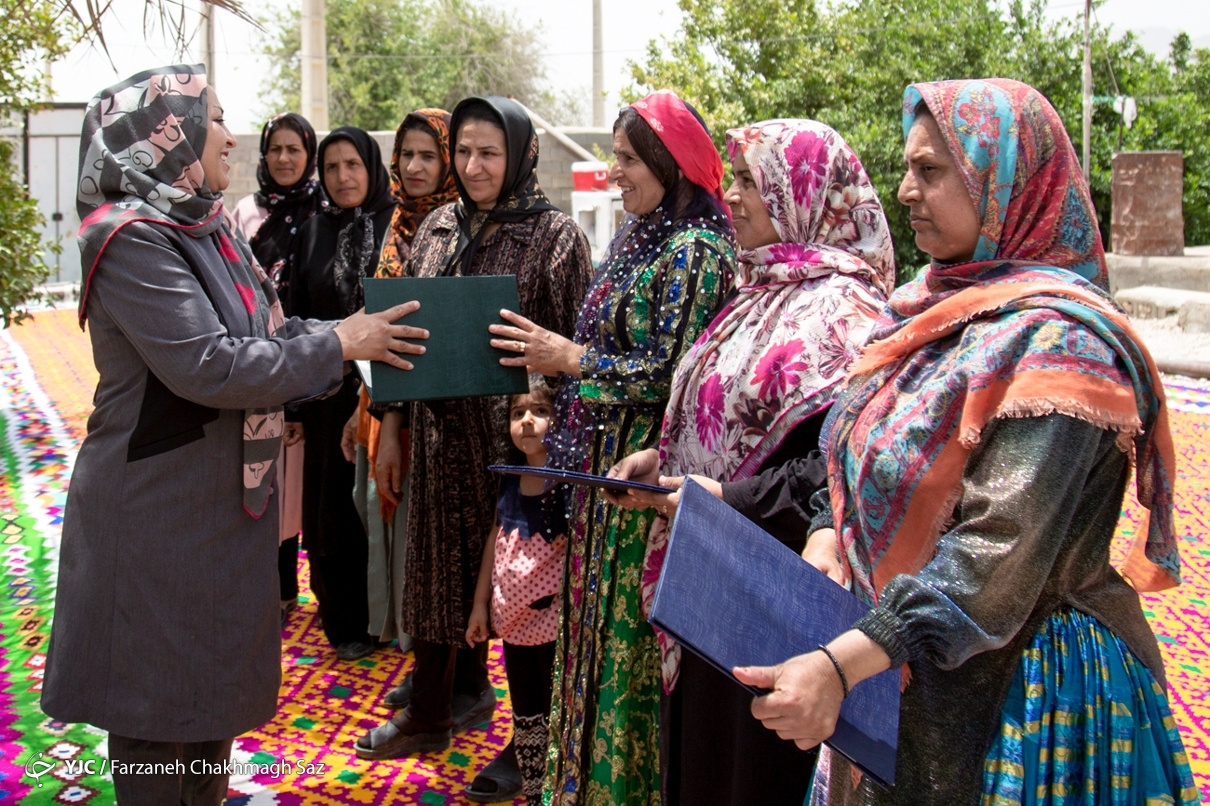
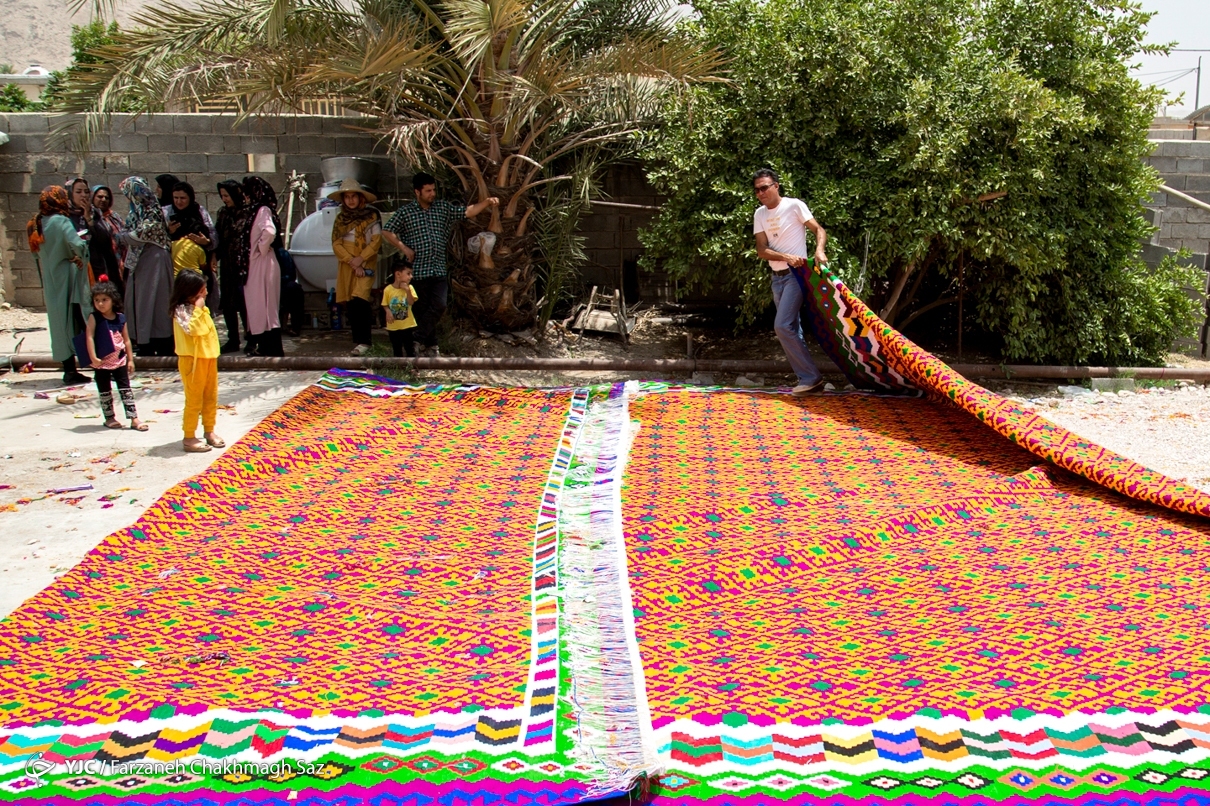
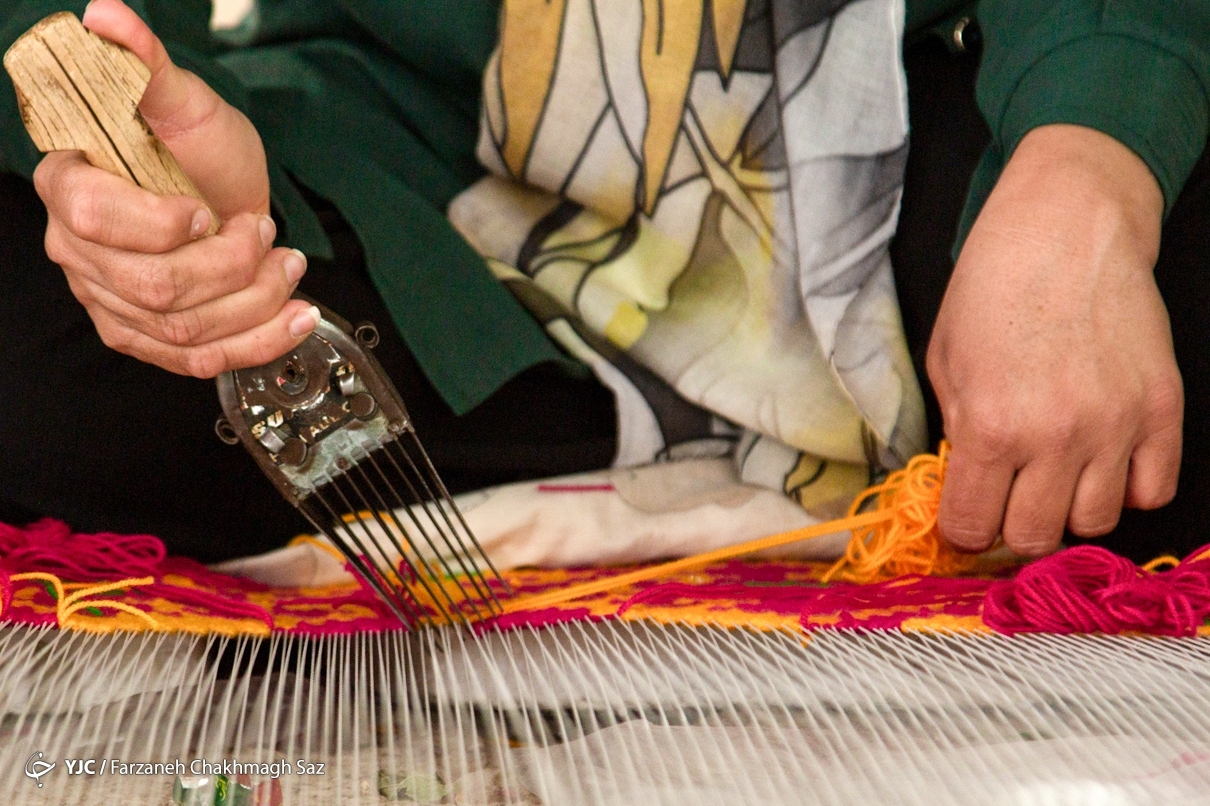
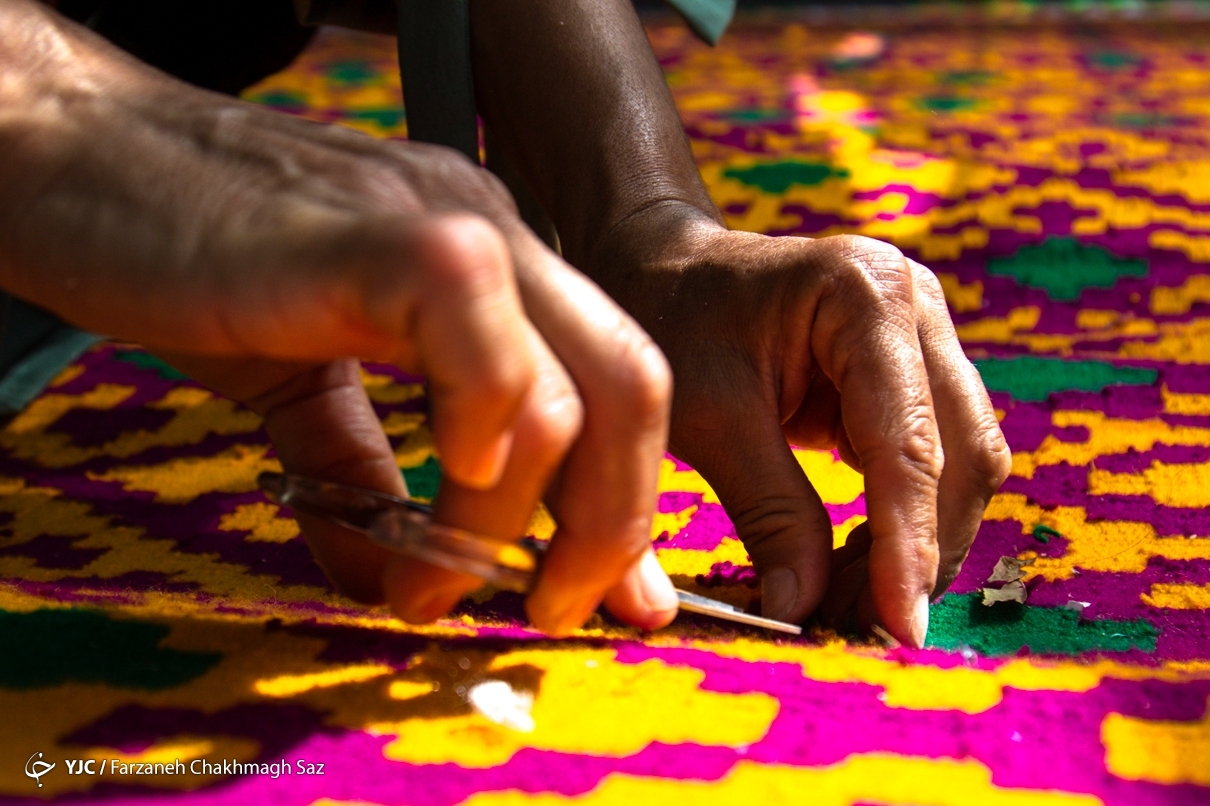
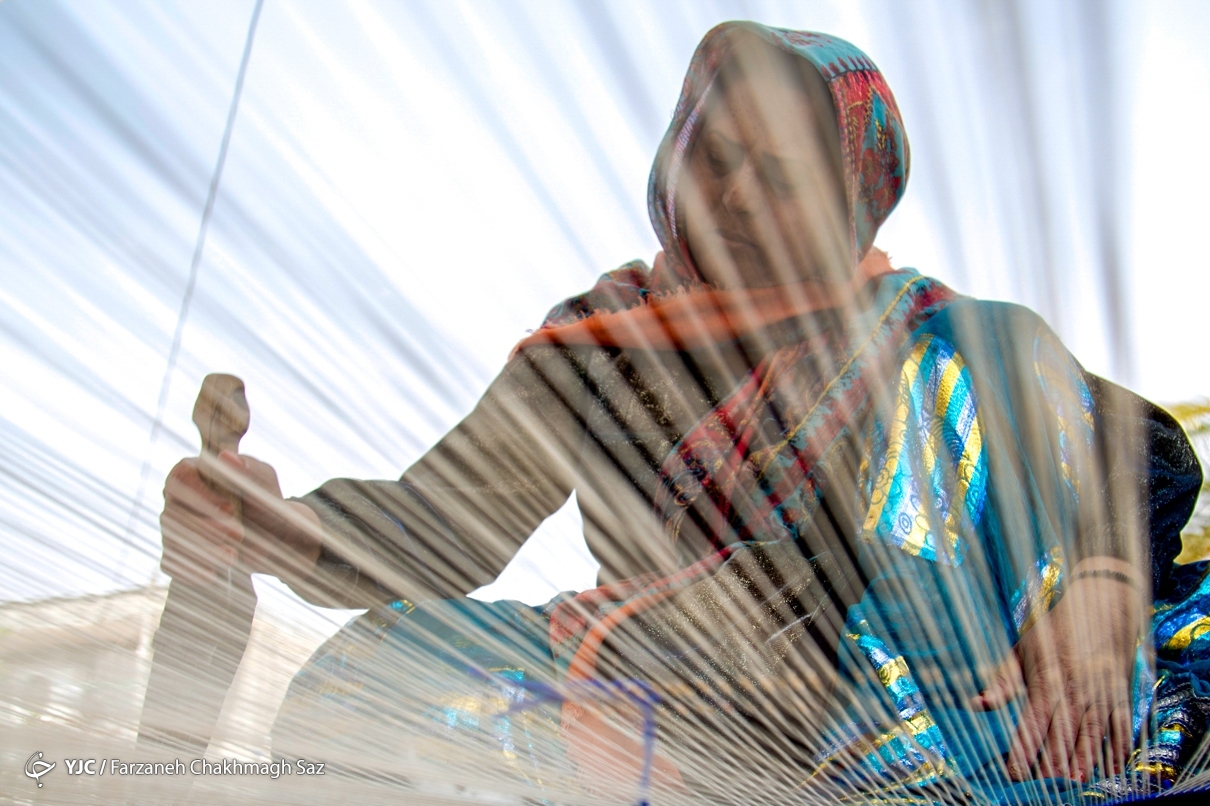
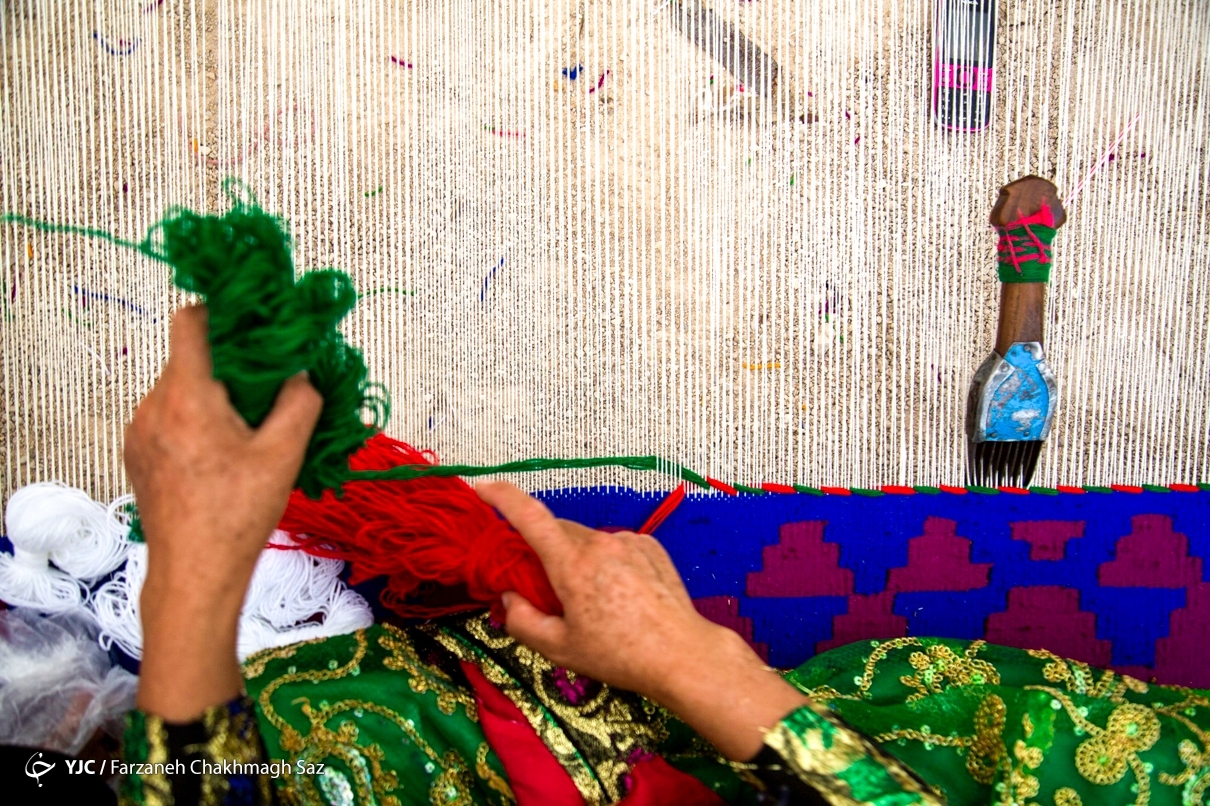
According to the Cultural Heritage, Tourism, and Handicrafts Department of Qirokarezin County in Fars Province, in early Tir on the Iranian calendar, a kilim measuring seven by 15, or 105 square meters, was woven by seven main weavers and three extra weavers in a village in the Qirokarezin County of Fars Province.

The kilim was woven on an order by Qatar. In weaving it, some 1,890 piles, equivalent to 66,150 meters, have been drawn, making it the largest kilim ever woven.
Iran handicrafts: Kilim

A history of the Iranian kilim

Kilims and its various types are the most famous and most popular artifacts used in Iranian homes. Kilims have a smooth lint-free surface. In the past, it was common to weave kilims using the wool or hair of goats. But gradually, cotton was also used.

Today, since synthetic fabrics have found their way into the industry, many kilims are woven using synthetics such as acrylic threads.

Kilim weaving takes place in most parts of Iran; therefore, each kilim, having its unique design and colors, is attributed to a special region; the most important Iranian kilims based on geography are Shahsavani, Lori, Khamseh, Baluchi, Hersin, Qashqai, Saneh, Turkmen, Zarandi, and Afshari.

Kilims in Iran are generally either simple-weave (with one side, and a predetermined geometric design), or embossed floral (with a simple background but embossed floral patterns like a rug), or verni (lint-free kilims with imaginative designs).
Iran handicrafts: Kilim

The measurements of the Iranian kilims

Kilims differ in measurements depending on their usage. For instance, smaller ones are used as janamazi (prayer mats), and larger ones as chador shab.
Kilims and jajims are generally classified into the five groups of small kilims, kilimchehs, medium kilims, large kilims, and long kilims.

A long kilim is often over four meters in length and almost two meters in width. But today, the world’s largest kilim has been woven in Fars Province, which is several times larger.
Iran handicrafts: Kilim

Qirokarezin County

Karezin is a city in Fars Province, in southern Iran. It is located in the center of Qirokarezin County. The county dates back to 5,000 years ago.

Qir means border in old Pahlavi, and it is called that because it is located on the border of warmth and coldness. Ten kilometers in Qir’s north has a cold climate and toward the south, the climate becomes warm. This county is famous for its high-quality and various agricultural produce, but it is also famous for woven products, such as kilims.

Hayghar Canyon, which is known as Iran’s Grand Canyon, is one of the most amazing canyons in the world. It is also one of Fars Province’s tourism attractions, standing tall alongside the city’s historical monuments. Some experts say Hayghar Canyon is an Iranian geopark.
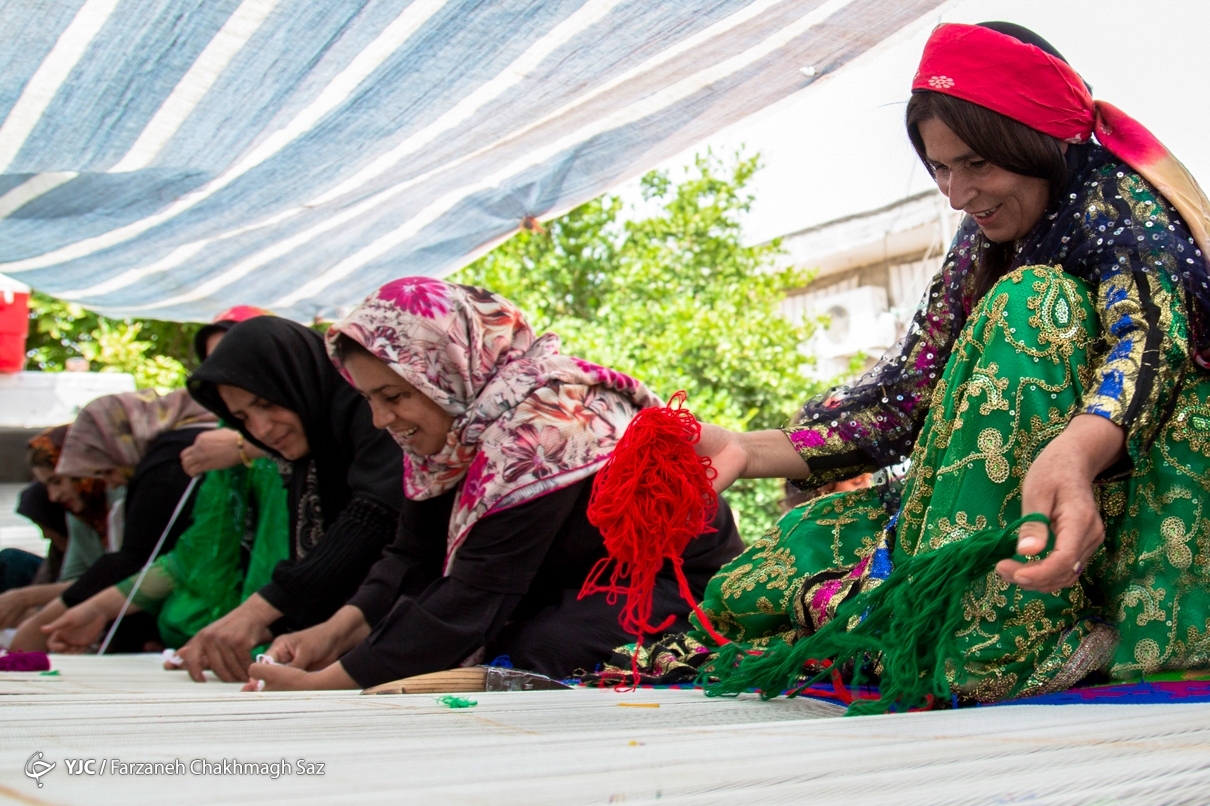
Iran handicrafts: Kilim

More images from the weaving of the world’s largest Iranian kilim

These photos have been published by YJC.

Answers to your questions about the Iranian kilim

1. What qualities does a good kilim have?

It can be said with certainty that any kilim that has more and more dense weft is more valuable.

To check that, raise the kilim, pick a section, and use both hands to pull it to opposing sides. Two things could happen to your kilim: Either, your kilim is so dense that it will completely resist the pulling and not change in shape, which would mean that the kilim is high-quality; or, the kilim would have elasticity and would expand, and often its white tarps will show, in which case it should be said that the kilim is not high-quality.

2. Where are the most famous kilims woven?

Qashqai kilims are one of the most famous Iranian kilims

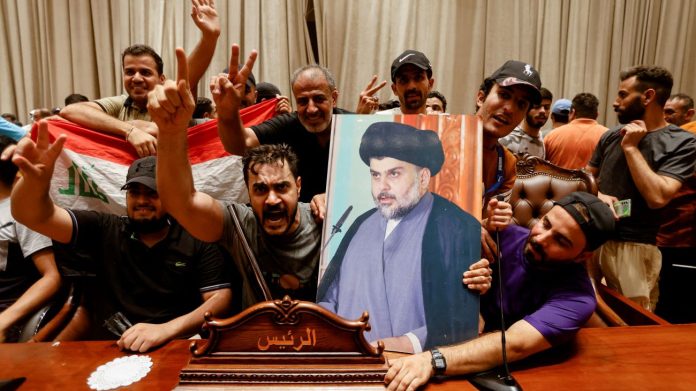
Sadr supporters storm Iraqi parliament

Sadr supporters storm Iraqi parliament

Only security forces were inside the building in Baghdad and they appeared to allow the protesters in with relative ease, according to reports.

The breach by Sadr’s typically unruly supporters was in reaction to the recent nomination of Mohammed al-Sudani as Iraq’s new prime minister.

Earlier on Wednesday, they breached Baghdad’s heavily fortified Green Zone where riot police used water cannons to repel demonstrators pulling down cement blast walls.

But many breached the gates to the area, which houses government buildings and foreign embassies, walking down the zone’s main thoroughfare to the parliament building.

Caretaker prime minister Mustafa al-Kadhimi called for calm and restraint, and for protesters to “immediately withdraw” from the area.

He warned in a statement that security forces would see to “the protection of state institutions and foreign missions, and prevent any harm to security and order”.

In a message, Sadr claimed the breach carried a “message of peace and reform, saying if his supporters chose to withdraw from the area, he would respect the decision.

Analysts say through protests, Sadr wants to demonstrate he’s still politically relevant. The strategy, however, is a very dangerous game which can plunge the country into civil strife, they have warned.

In 2016, his supporters stormed the parliament in a similar fashion. They staged a sit-in after then-prime minister Haider al-Abadi sought to reshuffle the cabinet.

After the Sadr bloc exited government formation talks, al-Sudani was selected by consensus to face parliament for vote.

However, parties must first select a president. Sadr resigned from political activity after he was not able to persuade enough legislators to choose him as Iraq’s next president.