Tuesday, January 13, 2026
Home Blog Page 1833

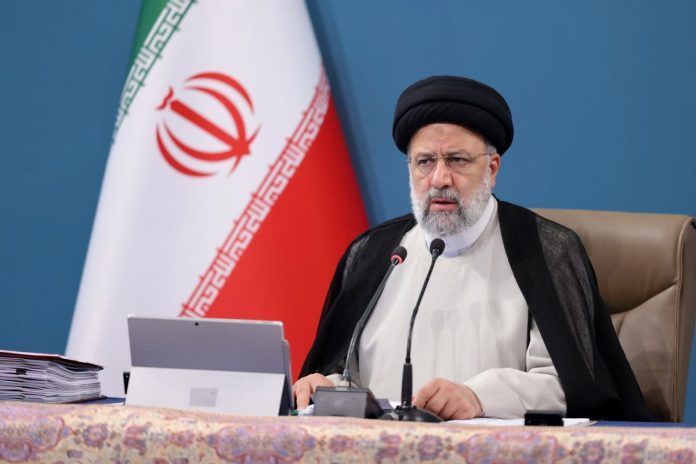
Iran will not forgo rights to water from Helmand River: Raisi

Iranian President Ebrahim Raisi

In a cabinet meeting on Wednesday, Raisi ordered the ministers of foreign affairs and energy to follow up on the matter, and said his administration “will by no means back down from pursuing the rights of the nation.”

Helmand has been at the center of a long-running political dispute between Iran and Afghanistan. While the two sides reached a treaty to resolve the matter in 1973, Iran has long complained that Afghanistan has failed to release enough water from a dam built on the river to comply with the terms of the pact.

Helmand flows some 1,150 kilometers from the Hindu Kush Mountains, west of Kabul, before reaching the Sistan wetlands in southwestern Afghanistan and eastern Iran.

In the Wednesday cabinet meeting, Raisi also tasked relevant ministries with taking other action — such as digging deep wells and installing special-purpose pylons — to supply Iran’s Sistan-and-Balouchestan Province with drinking and agricultural water.

Earlier this month, Raisi’s special envoy for Afghanistan said the current government in Kabul supported the implementation of the 1973 treaty on the share of the water from Helmand River.

EU’s Mora urges parties to Iran nuclear talks to take final step

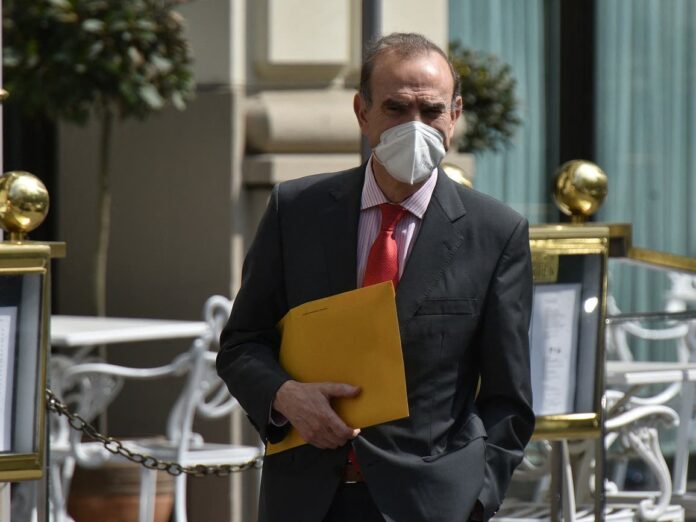
Enrique Mora

Enrique Mora, who is also the EU coordinator, said in a tweet on Wednesday, “The best possible deal for all the parties is on the table. It ensures clear, measurable economic benefits for the Iranian people and verifiable non proliferation benefits for the international community. I invite all participants to take the last step.”

Earlier, Iran’s chief nuclear negotiator confirmed that the European Union’s foreign policy chief has put forward a new draft text to revive the Joint Comprehensive Plan of Action (JCPOA), adding the Islamic Republic has also proposed its own ideas to conclude the negotiations.

Ali Bagheri Kani said on Twitter, “Had serious and constructive exchanges with other sides in the course of the past week on Vienna negotiations. The Coordinator has shared his ideas to conclude the negotiations. We, too, have our own ideas, both in substance and form, to conclude the negotiations which would be shared.”

Bagheri’s confirmation came after the EU’s Foreign Policy Chief Josep Borrell wrote in an essay in the Financial Times, “After 15 months of intense and constructive negotiations in Vienna and countless interactions with the JCPOA participants and the US, I have concluded that the space for additional significant compromises has been exhausted.”

Iran and other parties to the JCPOA, Russia, China, Britain, France and Germany, have held several rounds of talks in the Austrian and Qatari capitals to restore the agreement after Washington unilaterally withdrew from the deal in 2018.

Iran intelligence ministry says targeted Israel several times in recent months

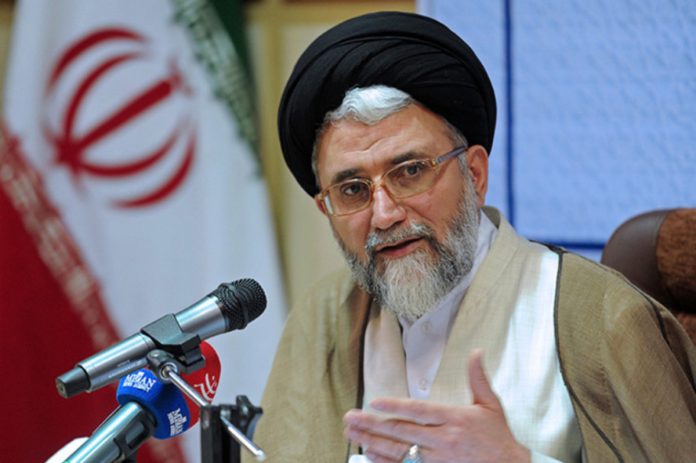
Iranian Intelligence Minister Esmail Khatib

Iranian Intelligence Minister Esmail Khatib, in a meeting with Iran’s Parliament Speaker Mohammad Baqer Qalibaf on Wednesday, hailed Iranian intelligence operatives for thwarting conspiracies by Israel and anti-Iran groups.

Khatib also said the enemies have failed to provoke riots and terror in Iran, explaining “One of the reasons is the popular approach of the intelligence ministry and the government to interact with the people in order to ensure stable security in the country.”

During the meeting, Qalibaf praised Iranian security and intelligence forces for their achievements despite the hardships the country is going through.

He said the US and Israel have never stopped targeting Iran’s security and stability since the victory of the Islamic Revolution in Iran in 1979.

The remarks came days after Iran’s security forces dismantled an espionage network linked to Israel’s spy agency, Mossad, before destroying a sensitive facility in the central Iranian province of Isfahan.

Earlier in July, Iran arrested a network of Mossad agents with a large cache of weapons and ammunition at the western borders.

Iran to issue cards under Russian Mir payment system shortly

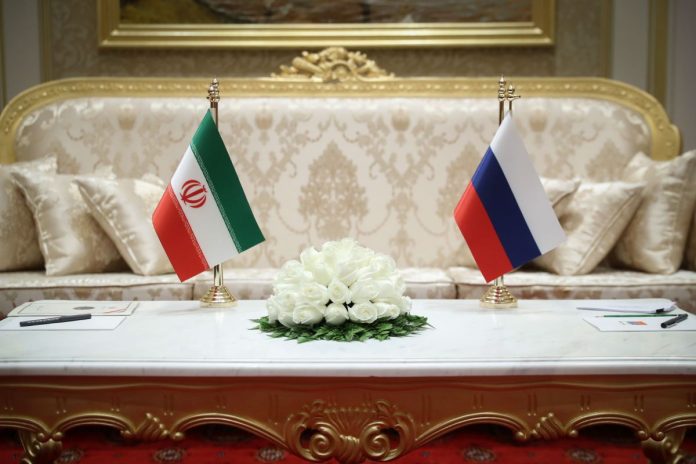
Iran and Russia Flags

Mehdi Safari, deputy foreign minister for economic diplomacy, told Sputnik Iran that talks had been held about the launch of the Mir system in Iran and that he believed cards under the system would soon be launched in the country, the Russian news agency reported on its Persian service on Wednesday.

“I don’t know whether one can use the Mir cards in Iran or not now, but an agreement has been reached to that effect,” he told Sputnik.

Safari said Iran and Russia had each come up with the idea of a new financial transactions system similar to SWIFT and had agreed to use one that combined both.

Asked whether Tehran and Moscow aimed to find a replacement for SWFIT, he said, “It is a given that any two countries that want to eliminate the dollar from their transactions should have a special SWIFT system of their own.”

Earlier this month, the governor of the Central Bank of Iran (CBI) said the Islamic Republic and Russia had explored ways in recent talks to eliminate the US dollar from their financial transactions in order to facilitate economic cooperation under sanctions.

Ali Saleh-Abadi said that agreements had been reached in the banking, financial, and economic sectors following extensive talks between him and Russian Deputy Prime Minister Alexander Novak and Minister of Economic Development Maksim Reshetnikov.

The idea of an alternative to SWIFT was initially brought up during those talks.

In first round of talks, Taliban, Masoud’s forces agree to hold fire: Report

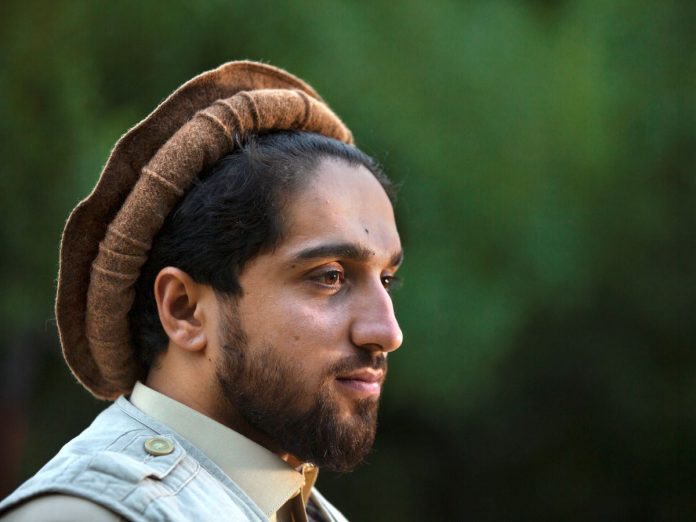
Ahmad Masoud

Afghanistan’s TOLOnews on Wednesday cited a representative of the resistance forces, Mohammad Alam Ezedyar, as writing on Facebook that the two sides had reached the agreement in their first round of talks in Parwan Province on the same day.

“After three hours of discussion, it was decided that both delegations will share the message with their leadership and resume the negotiations to reach a durable peace in the country. It was also decided that the parties should not attack each other until the second round of negotiations,” Ezedyar wrote.

A member of the Taliban delegation, Anamullah Samangani, said the sides had had differing agendas in the first round, hence the lack of outcome.

“The Panjshir (resistance) delegation was more focused on the overall structure of the governance system. Since there were big differences between the two sides’ demands, both sides decided to take the messages to their leaders,” Samangani said.

It was unclear when a second round would be held.

But another Taliban official said the negotiations could “bear results in the coming days.”

Noorullah Noori said, “If the discussions have no results and they use another option (military), we will do the same.”

The Taliban took over Afghanistan in August 2021. Since then, and despite promises that an inclusive government would be formed, the Taliban have failed to persuade Masoud’s forces resisting in Panjshir Valley to lay down their arms.

Iran’s exports to China up by 31% in first half of 2022

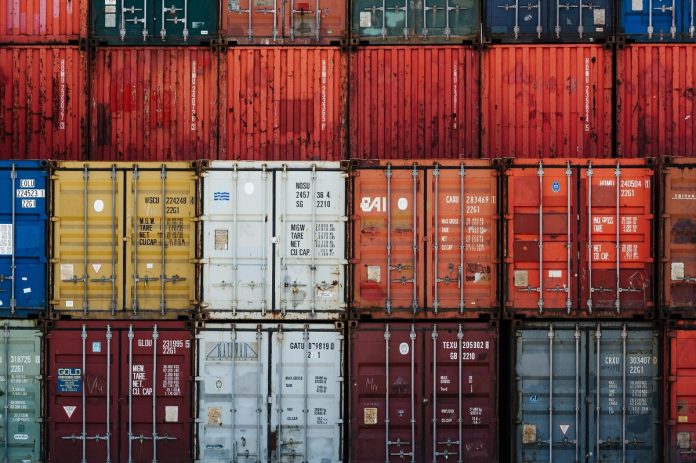
Iran Trade

The data show that China’s trade with Iran grew by 23% from January to June, compared to the same period last year, reaching 8.263 billion dollars.

Iran’s non-oil exports to China include chemicals, plastics, fruits, ceramic products and metals.

Meanwhile, China’s exports to Iran experienced a 16% growth, hitting 4.182 billion dollars, compared to 3.6 billion dollars worth of goods during the same period last year.

This comes as Iran is under the harshest sanctions of the US and some of its allies.

According to the report, China’s total international trade has been over 3 trillion dollars so far this year, a 10.3% growth compared to the first half 2021.

During this period, China exported 1.732 trillion dollars of goods and imported 1.347 trillion dollars worth of goods.

Kuwait welcomes Iran’s initiative of boosting ties with regional states

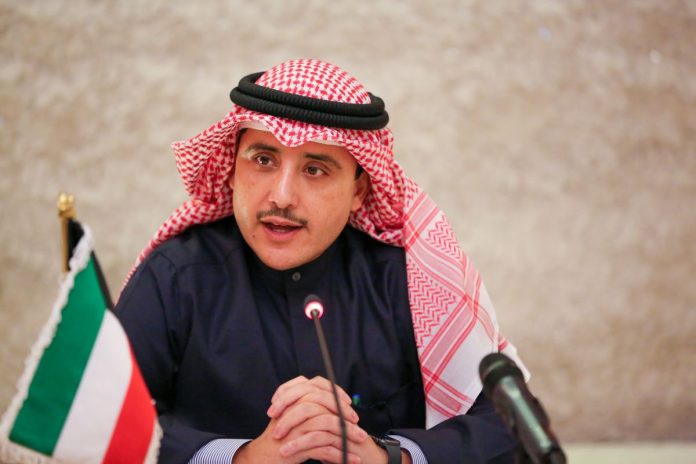
Kuwaiti Foreign Minister Sheikh Ahmed Nasser Al-Mohammed Al-Ahmed Al-Jaber Al-Sabah

He made the remarks in a phone talk with his Iranian counterpart Hossein Amirabdollahian on Tuesday. The two sides exchanged views on strengthening bilateral ties, as well as consulting on some regional and international issues of mutual interest, including the recent Jeddah Conference.

Sheikh Ahmed Nasser Al-Sabah appreciated the Islamic Republic of Iran’s initiative of boosting ties with regional and neighboring counties, arguing that Kuwait has always favored expansion of friendly ties with Iran.

He added that the political leadership of Kuwait favors deepening and broadening cooperation with Iran and the appointment of the new Kuwaiti ambassador to Iran is aimed at achieving the same objective.

The top Kuwaiti diplomat referred to a recent visit of Iranian vice president and Environment Protection Organization chief of Kuwait, as well as a bilateral meeting aimed at boosting both countries’ efforts to combat sand storms in joint efforts.

On Jeddah Security and Development Conference, the Kuwaiti foreign minister said that despite some speculations about the anti-Iran atmosphere of that meeting, the emphasis of the regional leaders was on preservation of good, and strong relations with Iran in the long term.

Amirabdollahian, for his part, welcomed the activation of expert bilateral committees, arguing that it is a good sign of the positive trend of bilateral cooperation.

The Iranian foreign minister expressed hope that increased visits and meeting of the two countries’ officials will surely pave the path for faster expansion of bilateral ties.

Inviting his Kuwaiti counterpart to visit Tehran at his earliest convenient opportunity, Iran’s top diplomat stated that Kuwait side by side Iran’s other neighboring countries, has a positive viewpoint about strengthening regional relations, and Iran, too, warmly shakes its friends and neighbors’ hands.

Amirabdollahian condemned those few countries’ efforts that tried to turn the atmosphere of Jeddah Conference into anti-Iran, expressing satisfaction that the regional countries’ wisdom and efforts fortunately made that plot futile.

He added that the regional countries proved that the Palestine issue is still a top priority for the Islamic world, and no country in this region ignores the criminal acts of the Zionist regime.

Reviewing the process of the nuclear negotiations during the past three months, the top Iranian diplomat expressed hope that the Americans will act rationally so that the negotiations will lead into a satisfactory final result for all sides.

He noted that the Islamic Republic of Iran is committed to all its obligations, and expect the Americans, to act rationally so that achieving a good, strong and sustainable agreement will become possible.

Tehran slams Pakistan’s claims: Iran has safest airspace in region

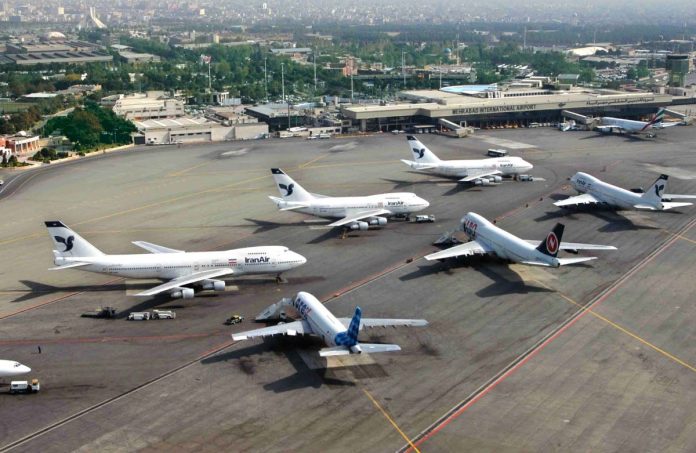
Iran Airport

In a tweet, Hadi Yousef Pourazari said Islamabad’s “strange” report was against the regulations put in place by the International Civil Aviation Organization (ICAO).

“I assure dear compatriots that this report is not true, and that the Iranian airspace is the safest in the region for air traffic thanks to the efforts of the colleagues at the Air Traffic control,” the official said.

Islamabad had claimed that two Pakistan International Airlines (PIA) planes narrowly escaped mid-air collision on Sunday when they came dangerously close to each other over Iranian airspace.

It said both planes were on the same route and altitude due to what it claimed to be negligence of the Iranian Air Traffic Control.

Iran FM says Tehran serious in reaching good agreement

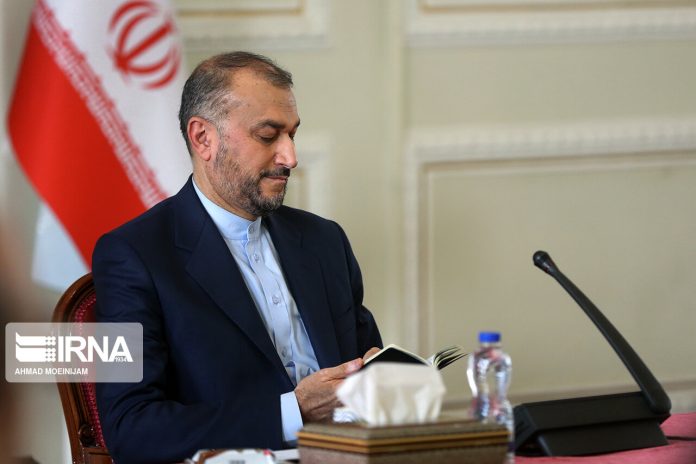
Iran FM Hossein Amirabdollahian

Amirabdollahian in his Tuesday phone talk with UAE Foreign Minister Sheikh Abdullah bin Zayed bin Sultan Al Nahyan assured him about the seriousness of both Tehran and the EU in the negotiations to remove the sanctions, and meanwhile exchanged views with him on expansion of bilateral ties, as well as issues of mutual interest in regional and international developments.

The top Iranian diplomat underscored that the high ranking officials of both countries favor elevating the bilateral ties and that is an important factor in expansion of comprehensive relations between the two neighboring countries.

Amirabdollahian, meanwhile, stated that the occupier regime of the Holy Quds is the main cause for the regional instability and insecurity, adding that it was the Zionist regime that made efforts to turn the recent Jeddah Conference into a regional crisis, but thanks to the participating regional countries issues related to regional cooperation and security were focused on and emphasized.

The UAE FM, for his part, referred to the shared interests of the two countries in expansion of bilateral ties, adding that upgrading the level of the political representative offices of the two countries in the framework of expanding ties is of great importance, and expansion of bilateral ties between the neighboring and brother nations is favored by both countries’ leaders.

He added the UAE officials have no doubt that not only the warmth of the two countries’ relations can be restored, but also new horizons can be opened in our relations, especially keeping in mind the numerous challenges in the region, including the environmental difficulties.

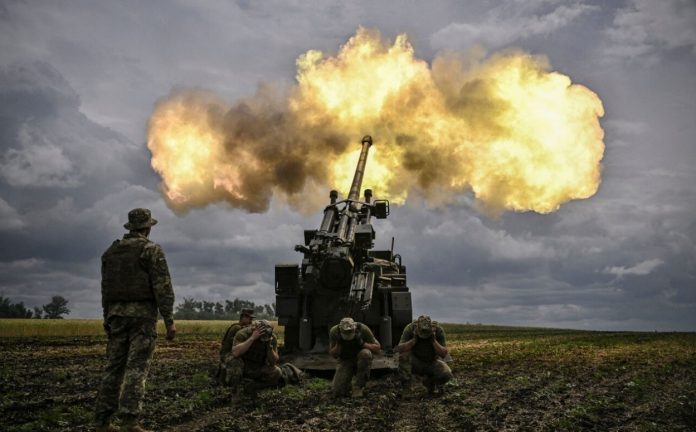
Ex-envoy: Russia initiated Ukraine war to prevent future surprise by NATO

Russia Ukraine War

“I believe the Cold War never stopped. Had it been stopped, NATO should not have expanded itself toward the Eastern states of the East bloc,” Mahdi Safari said in interview with the website of Leader of the Islamic Revolution Ayatollah Seyyed Ali Khamenei.

He said NATO’s expansion poses a threat not just to Russia but also to Iran and other regional countries, warning that the US-led military alliance is after crossing the Caspian and gaining a foothold in Kazakhstan and Mongolia.

The Westerners, the ex-envoy said, pushed the situation to a point which forced Russia to take a pre-emptive measure so that it would not be surprised later.

Safari was elaborating on Ayatollah Khamenei’s position on the Russian military operation in Ukraine, which he announced during a meeting with President Vladimir Putin in Tehran earlier this month.

“War is a harsh and difficult reality, and the Islamic Republic will in no way be happy if it entangles ordinary people,” the Leader said.

“In the case of Ukraine, however, if you had not taken the initiative, the opposite side would have caused [the outbreak] of war with its own initiative,” the Leader added, addressing the Russian president.