Thursday, December 25, 2025
Home Blog Page 1282

Iranian FM to President Assad: Iran to stand by Syria under new circumstances

Assad Amirabdollahian

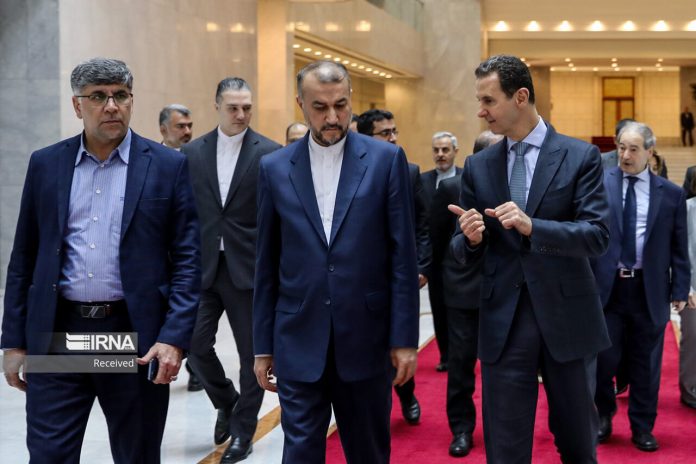
Iranian Foreign Minister Hossein Amirabdollahian has sat down with Syrian President Bashar al-Assad in Damascus.

In the meeting that was held on Thursday morning, the top Iranian diplomat said, “As the Islamic Republic of Iran stayed with Syria during tough days, it will remain by Syria and its people under the new circumstances as well.”

Amirabdollahian urged all countries to remain committed to Syria’s territorial integrity and sovereignty, adding the Islamic Republic of Iran will continue to stand by Syria in fighting terrorism.

The Iranian foreign minister added, “The Syrian government, people and army emerged victorious in a global war launched against them by terrorists, and now Syria is in its best conditions ever, and we are pleased to see the region and the world have come to realize Syria’s realities and power, though Syria’s enemies seek to pursue their own political objectives vis-à-vis Syria by resorting to sanctions and economic pressures against the Syrian government and people.”

Amirabdollahian also extended Iranian President Ebrahim Raisi’s invitation to the Syrian president to visit Tehran.

Amirabdollahian also referred to the normalization of ties between Iran and Saudi Arabia, saying these relations will benefit both countries and the whole region.

He also voiced pleasure with the resumption of Syria’s presence and activities in the Arab League and the enhancement of Syrian-Arab relations.

President Assad in turn said the United States’ strategy in the region to secure its own interests is to create and fuel tensions and crises among regional countries and nations, be it Shiite or Sunni or Arab or Iranian.

He appreciated Iran’s initiative to boost ties with Arab countries in the region and described it as a super-strategic move.

Amirabdollahiam arrived in Damascus on Wednesday and, besides President Assad, has met with the Syrian Prime minister as well as his Syrian opposite number.

US, Germany trained Saudi border forces accused of killing migrants: Report

Migrants

Despite growing concern over the scale of human rights abuses in Saudi Arabia under the country’s crown prince and prime minister, Mohammed bin Salman, both the German federal police service and the US military have been involved in training Saudi border forces implicated by the UN and human rights NGOs in mass killings.

Significantly, the US training agreement – the funding for which ended last month – stipulated that the US was required to monitor how its training was being used, with those receiving training only allowed to operate defensively, to protect themselves and their sites from an attack.

The scale of the abuses was revealed by Human Rights Watch in a shocking report earlier this month. It alleged that Saudi border forces had used explosive weapons to target mainly Ethiopian migrants and asylum seekers attempting to cross the border from Yemen, claims that have been denied by Saudi Arabia.

Amid growing outcry over the claims, the Guardian has also been told that Saudi Arabia has increasingly treated illegal incursions across its borders as a counter-terrorism issue, authorising the use of lethal force.

The newspaper has also been told that Saudi Arabia employs extensive and centrally monitored electronic surveillance of the border area meaning it should be able to distinguish groups of trafficked civilians from those involved in armed incursions from Yemen or drug smuggling.

The disclosures elevate the question of whether Riyadh has been deliberately targeting migrants trying to cross the border, which Human Rights Watch has suggested would amount to a “crime against humanity” if it was established to be official policy.

The daily has established that the US military’s training of Saudi forces, including border forces, has been part of a long running military support programme known as MOI-MAG (Ministry of Interior-Military Assistance Group) with US involvement in training border forces beginning in 2008.

The agreement to train Saudi border forces required the Pentagon to draw up a unique technical cooperation agreement to allow US forces to train a non-military force for the first time, requiring the monitoring of the use to which US trained units were being put by the Saudis.

Confirming the long-running US training of Saudi border forces, a US official told the Guardian: “The US army Security Assistance Command provided border guards training, which had been funded for a period from 2015-2023, with the funding period ending in July of this year.”

The official did not explain why the funding had ended.

For its part, the German training of Saudi border forces was undertaken by the federal police.

Beginning in 2009, the programme continued well into 2020, with a brief interruption after the killing of Washington Post journalist Jamal Khashoggi in Saudi Arabia’s consulate in Turkey.

In 2015 the German programme came under fire again when a Saudi blogger, Raif Badawi, was sentenced to 1,000 lashes and 10 years in prison as punishment.

In 2017, after a visit by Germany’s Chancellor Angela Merkel to the kingdom, the training of Saudi Arabian border guards was formalised further with the German federal police announcing a wide ranging training programme at the Saudi border guard academy and its regional offices.

The German and US training missions ran in tandem with a wider effort by Saudi Arabia to upgrade its border security with surveillance technologies, which have raised additional serious questions over why Saudi authorities were unable to distinguish between civilians and armed individuals at the Yemen border.

Publicly issued tenders for the systems over recent years show Riyadh seeking a sophisticated and centralised surveillance network for its borders, including CCTV, thermal imaging, and ground motion sensors.

While it is unclear how many of those systems have been deployed, the Guardian has been told that real time surveillance capabilities have been installed in border areas, including the ability to monitor the border both from regional control rooms and also reportedly from Riyadh.

Eleonora Ardemagni, an Italian researcher into the Persian Gulf and Yemen, who has studied the increasing militarisation of the Saudi response on the border with Yemen, describes the policy as ever more highly centralised under the control of the ministry of the interior in recent years.

“Since 2015, and the start of the war in Yemen war [in late 2014], what I have been struck by on the Saudi side is the rise of multiple security players operating on the border. While this means more capacity, it also means it is even more difficult to understand who provides security on specific parts of the border,” said Ardemagni, who is at the Italian Institute for International Political Studies (ISPI).

Among new players who have emerged in tandem with the increase in migrant deaths is the Al Afwaj regiment, which answers directly to the ministry of the interior. There has also been an increase in the use of foreign forces, notably Sunni Yemenis recruited as contractors from that country’s south.

“This militarisation of the border comes at a time when the border issue has come to be seen by Saudi Arabia as a key national security issue,” Ardemagni stated, adding, “It is part of Riyadh’s understanding that the border issue will be more and more decisive in the way it manages not just the Yemeni dossier but in terms of economic security. They want to secure the border as a first priority and only then see if the Yemen parties can come to a durable ceasefire.”

Given the monitoring technology on the border and the increased centralisation of the response, Ardemagni is sceptical that the Saudis would not be aware of the circumstances of migrant deaths.

“The centralised approach to the border issue makes it less credible that the Saudis lack knowledge of what is happening there. However, the proliferation of security players also makes it harder to identify who is committing these alleged crimes without real cooperation by Riyadh.”

Palestinian authority backs conditional Saudi-Israeli normalization: Report

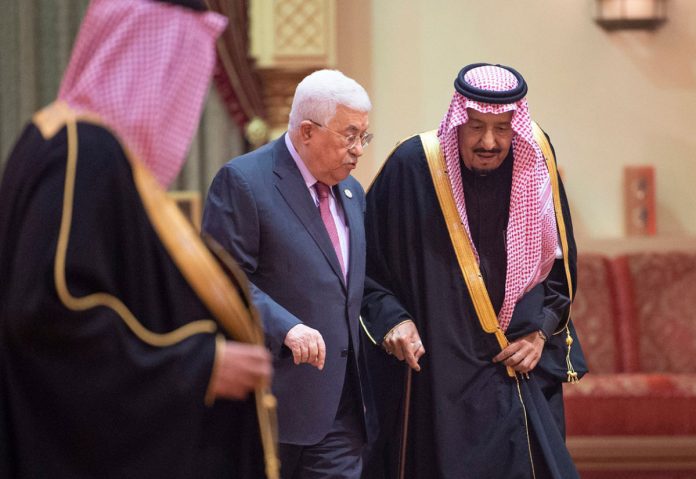
Mahmoud Abbas and King Salman

Citing six US officials and Israeli sources familiar with the issue, American news website Axios reported on Wednesday that the PA’s list of wants includes giving Ramallah more control over parts of Area C in the occupied West Bank, where Israel currently has full control and the reopening of the US consulate in al-Quds.

The PA has also asked for steps to be taken by the United Nations to recognize Palestine as a member state and demands the US for the scrapping of congressional legislation characterizing the PA as a terror organization.

It also wants Saudi Arabia to open a consulate in al-Quds and to resume funding to the PA which was halted several years ago.

Hussein al-Sheikh, Secretary of the Palestine Liberation Organization (PLO)’s Executive Committee, who is leading the consultations on the issue with Riyadh, gave the list of possible deliverables to Saudi national security adviser Musaed bin Mohammed al-Aiban three months ago, the sources said.

The Joe Biden administration is aware of the content of the Palestinian proposals to the Saudis, they added.

The shift in PA’s policy, which strongly condemned the normalization deals back in 2020, comes as Palestinian President Mahmoud Abbas and his aides have decided to avoid a clash with Riyadh and leverage their position to get as much as they can from any possible agreement.

Earlier, The Wall Street Journal, citing unnamed Saudi officials, reported that Riyadh has offered to resume financial aid to the cash-strapped PA in a bid to gain Ramallah’s support for its efforts to normalize relations with Israel.

Saudi Crown Prince Mohammed bin Salman first made the proposal in April, when Palestinian President Mahmoud Abbas visited the kingdom.

Saudi Arabia hopes that Abbas’s approval of a normalization agreement with the Tel Aviv regime would silence criticisms directed at Riyadh over abandoning the Palestinian cause.

US President, Joe Biden, declared on July 28th that a deal for Israel and Saudi Arabia to normalize relations may be on the horizon following National Security Adviser Jake Sullivan’s talks with Saudi officials in Jeddah earlier in the week.

In order to sign a deal with Israel, Riyadh publicly asked Tel Aviv to implement the 2002 Arab Peace Initiative to establish a Palestinian state first.

However, members of the far-right Israeli regime, led by Prime Minister Benjamin Netanyahu, say they will not make any concession to the Palestinians as part of a potential deal for normalization of relations with Saudi Arabia.

The US-brokered normalization deals in 2020, which saw the United Arab Emirates, Bahrain, Sudan, and Morocco normalize ties with Israel, have sparked widespread condemnations from the Palestinians as well as nations and human rights advocates across the globe, especially within the Muslim world.

Palestinians slammed the deals as a treacherous “stab in the back” and a “betrayal” of their cause against the decades-long Israeli occupation of Palestinian territories.

Israel’s occupation of West Bank illegal: UN

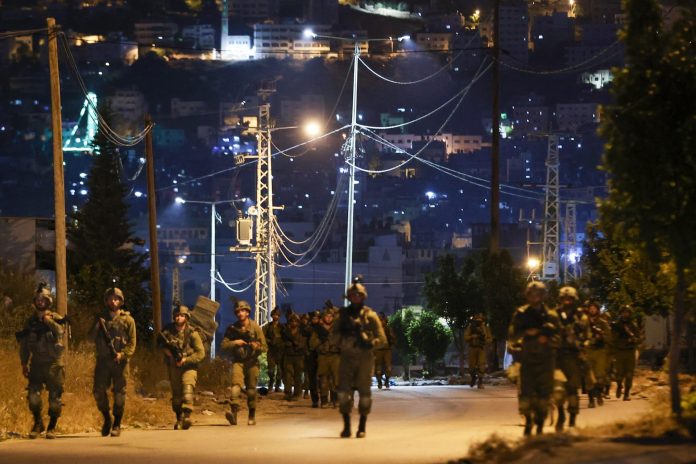
Israeli Soldiers

The annual 2023 report, released on Wednesday, was commissioned by the UN Committee on the Exercise of the Inalienable Rights of the Palestinian People.

The report found that Israel had violated several norms of international law to meet the conditions for the occupation to be deemed illegal, including moving to annex parts of the occupied territory, breeching rights of the occupied people, and instituting practices of apartheid.

“The study concludes that Israel is in gross violation of these laws and that the administration of the occupation has become illegal,” Michael Lynk, the UN’s former special rapporteur on Palestine, told the committee, unveiling the study.

“Because the occupation is illegal, the consequences should be the immediate, unconditional complete withdrawal of Israel’s military forces, the withdrawal of colonial settlers, the repeal of all discriminatory laws and dismantling of the military administrative regime,” he added.

Israel has occupied the West Bank and East Jerusalem since seizing the land from Jordan in the 1967 war.

In 1980, Israel unilaterally annexed East Jerusalem and has since consolidated its control of the West Bank. In 2023, under the government of Prime Minister Benjamin Netanyahu, Israel has approved the highest number of settlements in the territory, considered illegal under international law, on record.

“Israel’s conduct in administering occupied Palestine, characterized by the prolonged nature of the occupation and by its policies and plans of settlement construction, further evinces a breach of the right of self-determination,” the report said.

Israel’s actions have gone largely unchecked by the international community, which Cuba’s ambassador to the UN slammed at the committee on Wednesday.

“What it is, is a process of ethnic cleansing… and here we are just acting as if it’s business as usual… the UN doesn’t talk about what’s happening in Palestinian, the Security Council doesn’t talk about what’s happening.”

Ambassador Pedro Luis Pedroso pointed to a recent visit by New York City mayor Eric Adams to Israel as an example of the limited criticism Israel has received from leaders.

“He talks on social media all the time, but there isn’t a single word about the denial of the rights of the Palestinian people. It seems there is no price for this.”

Wednesday’s report, however, builds on others at the United Nations that have criticised Israel. In March 2022, the UN special rapporteur on human rights in the occupied Palestinian territories submitted a report concluding that the situation in Israel and the occupied territories amounted to apartheid.

The latest report echoed those findings, pointing to the confiscation of Palestinian lands and denial of seven million Palestinian refugees their right of return to their lands.

“Israel is administering the Occupied Palestinian Territory under a regime of systematic racial discrimination and apartheid,” the report noted.

Palestinian advocates also scored a victory at the UN in December when the general assembly adopted a resolution requesting the International Court of Justice (ICJ) to make an opinion on Israel’s occupation of Palestinian lands.

The decision was criticised by Israel, which said that the Palestinians were “decimating any chances of reconciliation” by taking their case to the ICJ.

Riyad Mansour, the permanent observer charged with representing the State of Palestine to the UN, welcomed Wednesday’s report as an “extremely powerful, strong, heavily researched legal argument about the legality of occupation”, adding that it contributed to the “very strong legal argument” the Palestinians are putting before the ICJ in order to “be free from this evil system of occupation”.

The deadline for UN members to make comments on arguments submitted to the ICJ is 25 October. The court is expected to accept the request, but an opinion could take at least a year.

Iran tourism: Haft Ghar in Iran’s Neyshabur, a beauty on earth

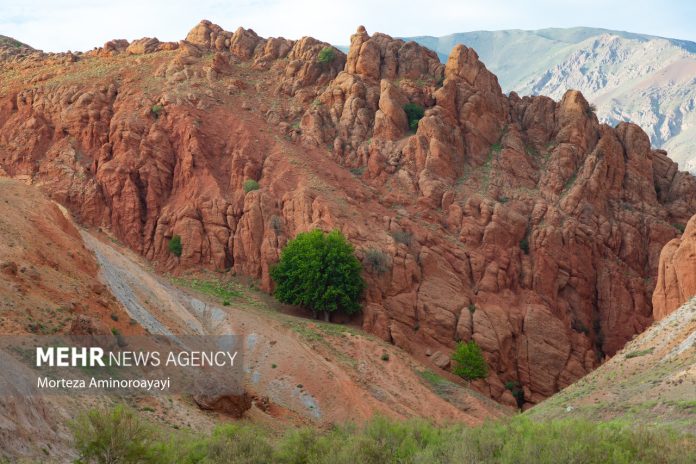
Haft Ghar Iran’s Neyshabur

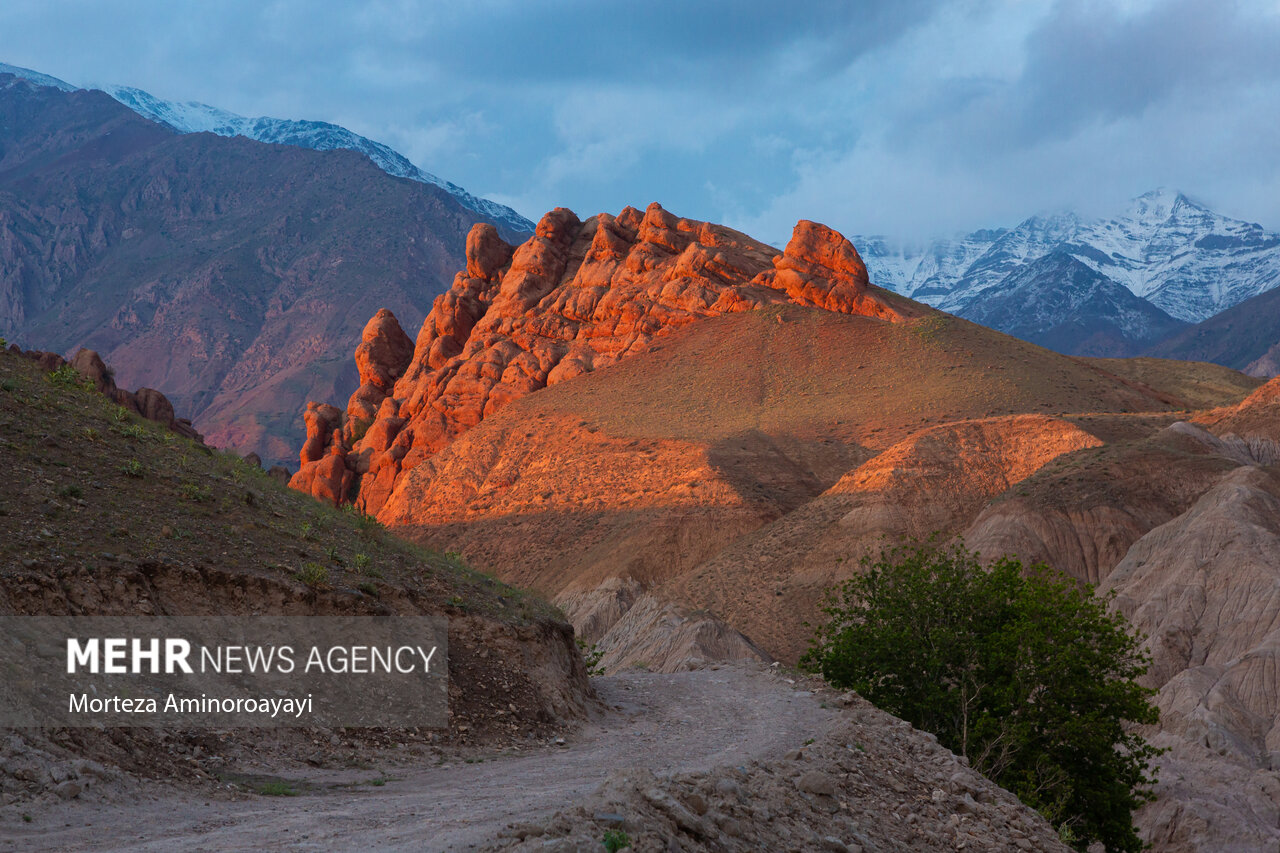
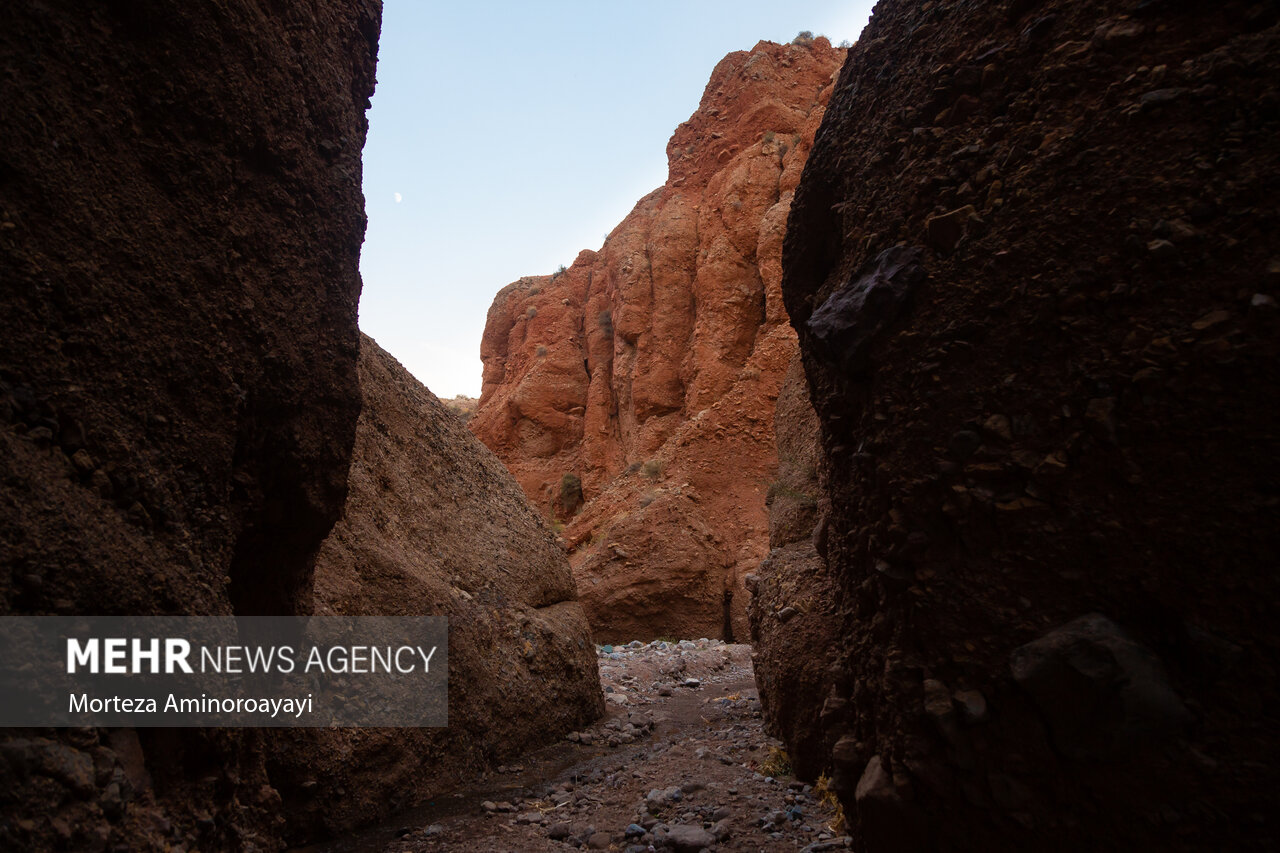
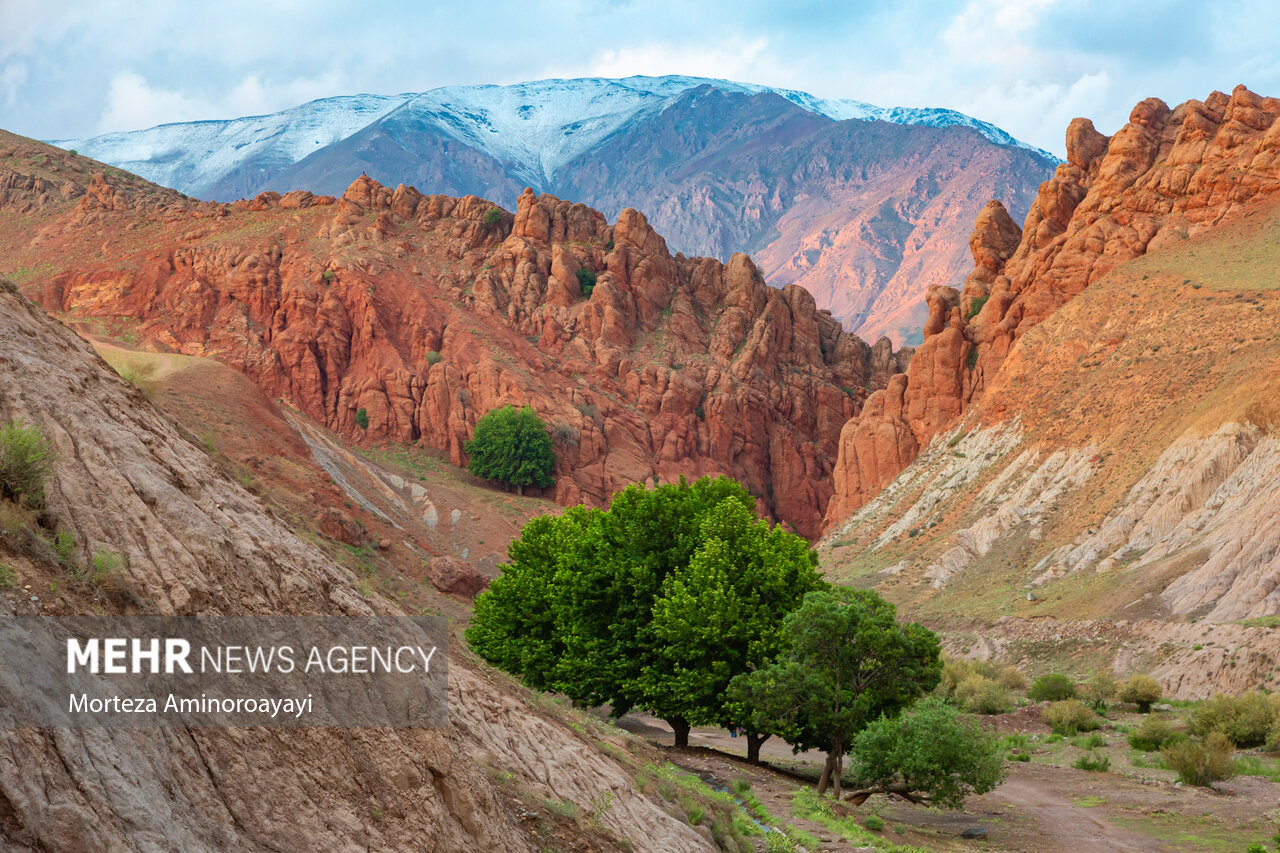
In the north of Neyshabur, there is a beautiful valley known as Haft Ghar for many years. You might think it is named Haft Ghar because there are seven caves in it, but actually there are seven gorges there, which have gradually become known as Haft Ghar among the people.

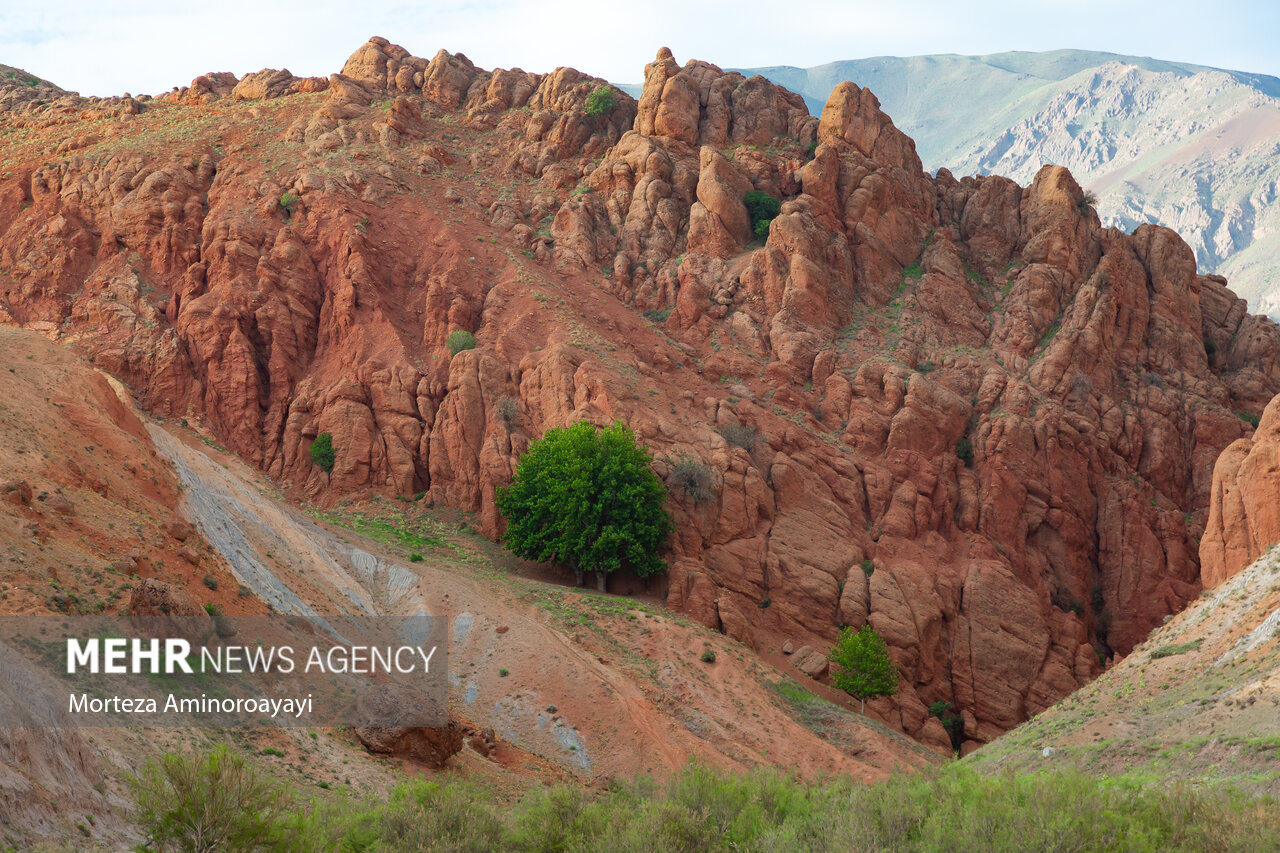
The green trees and the river that snakes through them, along with the red landscapes, have all created a unique view where your eyes can feast on it.

If you pass through the seven gorges, you will see springs and rivers, and red mountains that have deep and beautiful cracks.

After you traverse the valley, at an altitude of 1900 meters, you will reach an open area and the main source of the Ghar River, which is surrounded by walnut trees.

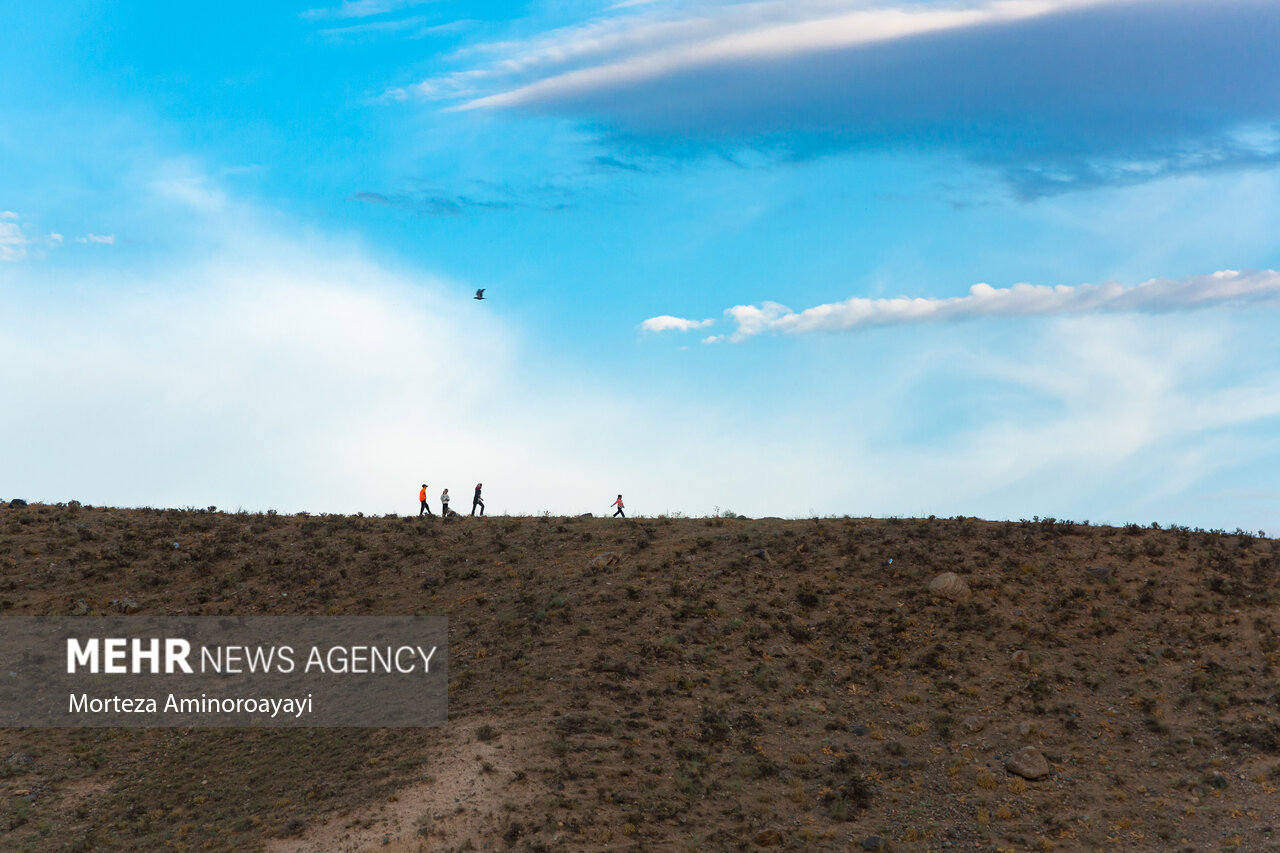
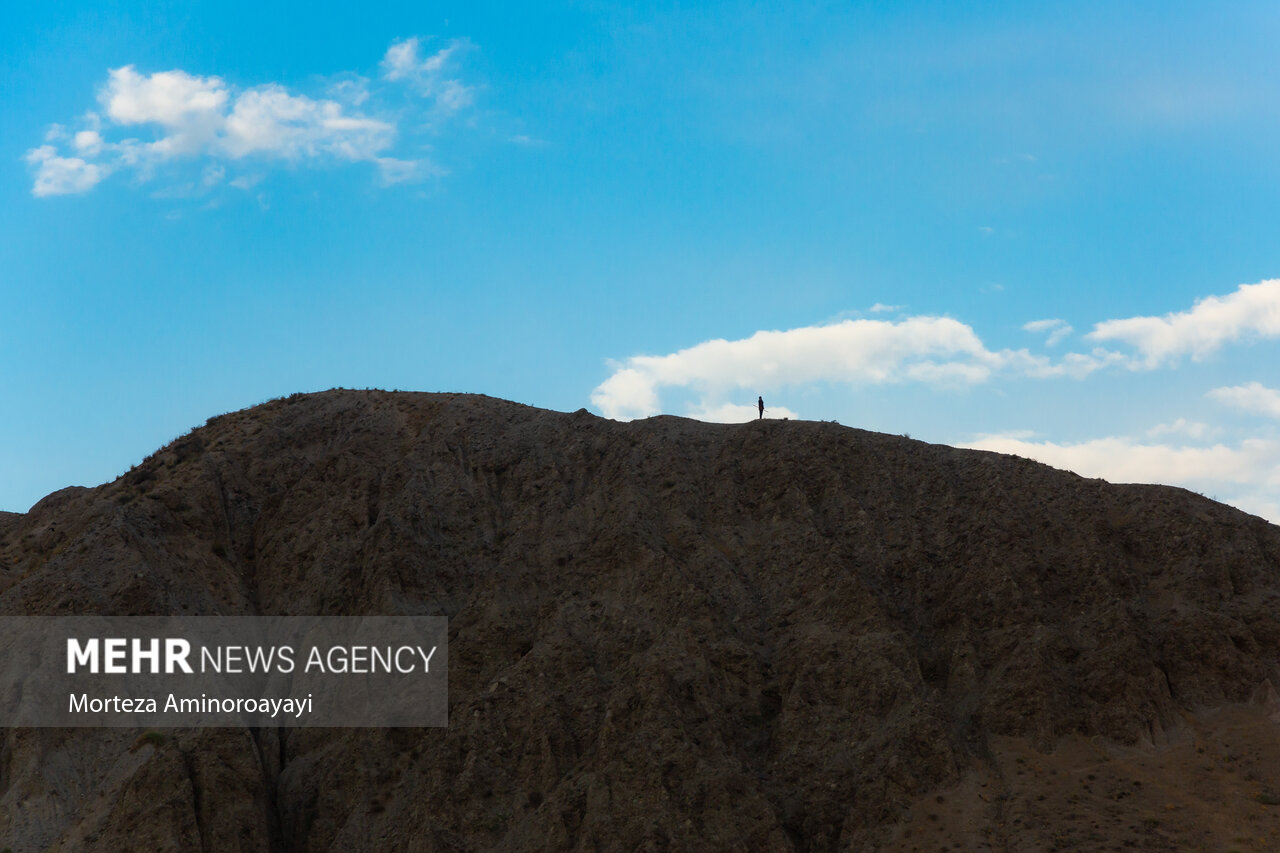
Many people, mostly hiking teams, go to Haft Ghar especially on holidays and enjoy the scenery and nature.

Iran tourism: Haft Ghar in Iran’s Neyshabur, a beauty on earth

Neyshabur tourist attractions

In addition to its beautiful nature, Neyshabur has many historical and cultural attractions.

Two of the most important tourist spots, which are culturally and historically important, are the tombs of Iranian polymath Omar Khayyam and poet Attar Neyshaburi.

The tomb of Kamal al-Molk, an Iranian master painter, is also located in the vicinity of Attar’s dome-shaped tomb.

One of the other attractions of Neyshabur is the wooden village. All the structures of the village are made of wood and have an attractive contrast with the stone and cement buildings of the city, which is one of the strong points of the village.

One of the most important attractions of Neyshabur is the turquoise mines. There are many turquoise mines around Neyshabur. This is why many kinds of handicrafts made with turquoise have become the most important souvenirs of Neyshabur.

READ MORE:

Iranian FM: Israeli raids on Syria won’t go unanswered

Hossein Amirabdollahian and Faisal Mekdad

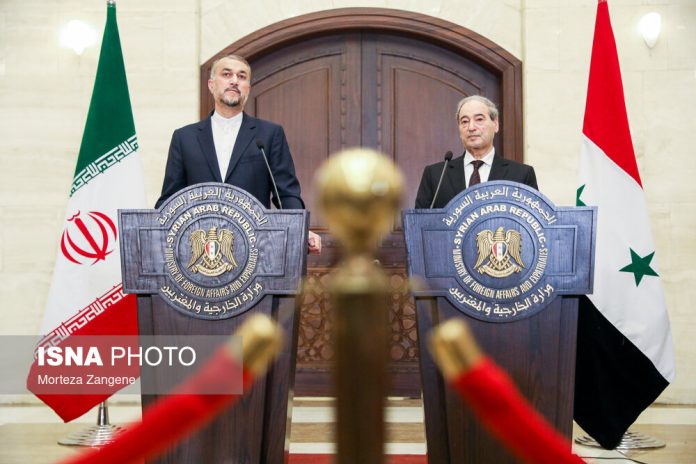
During a joint press conference with his Syrian counterpart Faisal Mekdad in Damascus, Amirabdollahian described the presence of US forces in Syria as illegal, urging them to withdraw from the country while calling on American authorities to stop interfering in the West Asia region.

“We advise US forces to return home and we also advise American authorities to leave the region to the people of the region,” the top Iranian diplomat stressed

He added that they had discussed the fight against terrorism as well as US measures to re-organize terrorist groups, stressing that the Islamic Republic of Iran will continue supporting Syria in its anti-terror fight until the situation there becomes stabilized and prosperous.

The frequent airstrikes by the Zionist regime on Syrian soil was another issue raised during the press briefing.

The Iranian foreign minister strongly deplored the Israeli airstrikes including the attack that hit Aleppo International Airport on Monday, stressing the need for responding to such strikes.

“None of the criminal acts by the Zionist regime will go unanswered,” Amirabdollahian said.

Both ministers referred to attempts by the United States to shut down transit routes between regional countries, with Mekdad emphasizing that regional nations will not allow the US to advance its plans.

Mekdad stated that the US and other Western states are going ahead with their aggressive policies against Iran and Syria, especially through “investing in terrorism”, adding that the Iranian and Syrian nations have remained resilient and this common stance will bring them victory against Western plots.

The Syrian foreign minister also added that Western countries do not like normalized ties between regional countries, in reference to his country’s return to the Arab League, and the restoration of diplomatic ties between Iran and Saudi Arabia.

The two top diplomats said they had also discussed relations between their countries and the recent agreements reached between the presidents of Iran and Syria, saying that measures are underway to implement those agreements.

Senior commander describes Iran as world-class air defense power

Iran Air Defense System

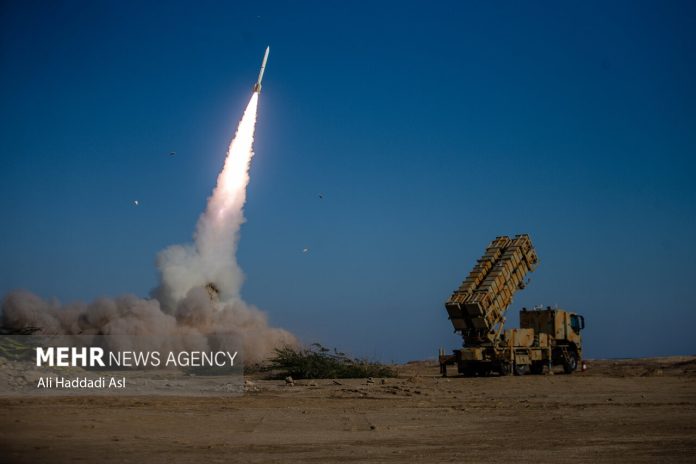
With domestically-developed systems and radars at their bases, the Iranian Air Defense is monitoring each and every movement of the enemies, Sabahifard said on Wednesday.

He made it clear that Iran has no problem in detecting, tracking, intercepting and destroying any type of aerial target from any generation.

The domestically-manufactured missile defense systems and radars have turned Iran into a reliable air defense power in the region and the world, the ranking commander stated.

He gave an assurance that the new air defense systems have enhanced his forces’ preparedness and made the country’s airspace more secure than ever.

Iran has recently unveiled a homegrown air defense system dubbed ‘Tactical Sayyad’, which can detect 24 targets at a distance of 180 kilometers and simultaneously engage 12 targets.

In remarks in 2018, Leader of the Islamic Revolution Ayatollah Seyyed Ali Khamenei described the air defense base as a very crucial part of the Armed Forces that is at the frontline of confronting enemies of Iran.

The Leader also stressed the importance of accelerating the capabilities of the base and the Air Forces’ staff.

Iran’s former health minister berates IRIB for “slanderous, insulting TV program”

TV

In a program, the IRIB had blasted the former minister for allegedly immigrating to Canada, saying that Qazizadeh cannot be allowed to walk free in Canada to enjoy himself and have fun alongside people like Mahmoudreza Khavari, a former central Iranian bank governor who fled to Canada years ago after embezzling huge sums of money.

In that program, the IRIB also quoted the Canadian tourism minister as saying that he had banned Qazizadeh from entering Canada for three years.

“After I watched part of that program, I began to wonder whether I should file a complaint against the Canadian minister or my country’s radio and television organization (the IRIB),” said Qazizadeh rhetorically.

“It is regrettable that an organization (the IRIB) whose responsibility is to build culture to train pious, benevolent and honest people, unilaterally, shamefully and brazenly spreads lies, and ridicules and slanders others,” said the former health minister.

“If I had any intention of emigrating to other countries, the world’s best universities and hospitals had provided the opportunity for me ten years ago, but I proudly chose to stay with my people,” said Qazizadeh.

Meanwhile, former Iranian Minister of Information and Communications Technology Mohammad-Javad Jahromi reacted to the IRIB program, saying, “We are no strangers to the shameful remarks made by the host of the IRIB program about Mr. Qazizadeh.”

“Some people are very pleased with sanctions and insulting Iranians,” he added.

Live Update: Russia’s “Special Operation” in Ukraine; Day 554

Russia Ukraine War

Ukraine can hit targets with missiles 700km away: Zelensky

President Volodymyr Zelensky has claimed Ukrainian missiles are capable of hitting targets 700km away.

He posted the message on Telegram and stated its Ministry of Strategy and Industry had successfully produced and tested the long-range weapons that hit a target 700km away.

Moscow is about 675km from Ukraine’s Kharkiv.


Ukraine’s FM tells critics of counter-offensive to ‘shut up’

Ukrainian Foreign Minister Dmytro Kuleba has hit out at critics of Kyiv’s tactics in its counter-offensive against Russia’s invasion.

Kuleba said they were spitting in the faces of Ukrainian soldiers and should “shut up”.

“Criticising the slow pace of the counter-offensive equals… spitting into the face of the Ukrainian soldier who sacrifices his life every day, moving forward and liberating one kilometre of Ukrainian soil after another,” Kuleba told reporters at a meeting of EU foreign ministers in Toledo, Spain.


Erdogan, Putin to meet in Russia to discuss grain deal on September 4

Turkish President Recep Tayyip Erdogan will meet counterpart Vladimir Putin in Russia’s resort of Sochi on September 4 to primarily discuss Black Sea grain exports, two Turkish sources told Reuters.

The leaders will discuss the fallout from the war in Ukraine as well as a deal that allowed the export of Ukrainian grain via the Black Sea, one of the sources said.

The Black Sea grain deal, brokered by Turkey and the United Nations in 2022, ended after Russia withdrew in July. Ankara has since sought to convince Moscow to return to the agreement.


Kremlin says no outcome yet on its Turkey-Qatar grain export plan

The Kremlin announced no specifics had been agreed yet on a proposal by Moscow to ship Russian grain via Turkey to poor countries with financial support from Qatar.

Earlier, Russian authorities had said it was proposing the plan as an alternative to the Turkish-brokered Black Sea grain deal that it quit in July, which allowed Ukrainian farm exports.


Ukraine says Russian troops ‘maintain presence’ by borders in north

Ukraine’s deputy defence minister Hanna Maliar has stated that Russia continues maintaining a military presence in the areas bordering Ukraine in the north.

“Three groups of troops covering the state border in the Bryansk, Kursk, and Belgorod regions have been kept with the aim of restraining our troops,” she said in a statement on the Telegram messaging app.

She added that while active hostilities and heavy fighting continues, Ukraine’s troops are achieving milestones not only in the north but also in the east and south.


Ukraine says Russia restricting food rations to military personnel in occupied areas

Ukraine’s deputy defence minister, Hanna Maliar, said the logistical support to Russia’s military personnel continues to deteriorate and food supplies to individual military units in occupied areas of Ukraine have been restricted.

She added that “the use of food restrictions to punish personnel has became one of the characteristic features of the so-called special military operation of the Soviet Union in Ukraine”.


Ukraine urges people in occupied areas to avoid voting in local elections planned by Russians

Ukrainian authorities have urged citizens in occupied areas not to vote in upcoming elections planned by Russian-appointed officials, adding they should “leave the region” if possible.

“Russians have started holding ‘elections’ to pseudo-local councils and ‘legislative bodies’ in the temporarily occupied territories,” Ukraine’s National Resistance Center (NRC), an official agency, said on Thursday.

Occupation authorities were planning “early voting” in the Donetsk and Zaporizhzhia regions through September 8 at people’s homes, the NRC added.

The voting will begin in Kherson and Luhansk on September 2.

“We urge Ukrainians not to open their doors to the occupiers and, if possible, to leave the region or their homes for the period of ‘early voting.'”

Voting will then take place at polling stations between September 8 and 10.

“The Russians need this long scheme to hide the turnout and the lack of interest of the locals in the ‘expression of will,'” the NRC announced.

The NRC also alleged that “election commission members” accompanied by Russian soldiers are going around Ukrainians’ homes to identify those willing to vote, which happened in referendums last year on the status of the occupied regions in Ukraine universally dismissed as sham by Ukrainian and Western leaders.


Three drones shot down in Russia’s Bryansk region: Governor

Russia shot down three drones over its southwestern region of Bryansk on Thursday, a local governor said, as Kyiv continues to ramp up aerial assaults on Russian territory. The Bryansk region borders both Ukraine and Belarus.

“Thanks to the vigilance of our citizens, the call center for emergency operational services received a message about a suspicious aircraft over the city of Bryansk today,” Governor Alexander Bogomaz wrote on Telegram.

Defense forces downed “three aircraft-type UAVs” using anti-drone weapons and a special carbine, he added. There were no casualties or damage to infrastructure, Bogomaz added.

Several videos appeared on social media channels on Thursday purporting to show the drones in flight.

It came a day after Russia was hit by the biggest drone assault since it launched its full-scale invasion of Ukraine in February 2022.


Ukraine says defence minister likely to be replaced: Local media

Ukraine’s Defence Minister Oleksii Reznikov, who has been leading the country’s war against Russia together with President Volodymyr Zelensky, could be replaced, according to a report by local news outlet Ukrainska Pravda.

Citing local government sources, the news outlet reported that Reznikov’s replacement could be Rustem Umerov, the chairman of Ukraine’s state property fund.

In February, journalists and activists uncovered that the Ministry of Defence bought food for soldiers at vastly inflated prices, putting Reznikov under the radar, as Ukraine tries to tackle corruption.


Ukraine FM in Spain to meet with EU foreign ministers

Ukrainian Foreign Minister Dymitro Kuleba met with Spain’s Minister of Foreign Affairs José Manuel Albares, according to posts from both diplomats on X.

Kuleba said he was in Spain to discuss “Ukraine’s EU accession talks” and “expanding Spain’s much-appreciated military aid to Ukraine.”

Albares stated they would address the “situation in Ukraine” at an informal meeting of EU foreign ministers. He added that Ukraine has the firm support of Spain in its “defence of peace” and “territorial integrity”.


Russia downs another drone near Moscow: Mayor

Russian air defenses destroyed a drone flying toward Moscow Thursday morning, the city’s mayor said, a day after Russia came under the largest drone assault on its territory since it launched its war on Ukraine.

Moscow Mayor Sergei Sobyanin stated the latest drone was downed over the Voskresensky district southeast of the capital.

No casualties or damage were reported, he added.

It comes after six Russian regions including Moscow came under attack early Wednesday, while in the city of Pskov, near the Estonian border, several transport planes were reportedly damaged when drones targeted an airport.

Russian officials did not report any casualties and claimed to have thwarted almost all of those strikes.


Ukrainian sabotage operation foiled in Russia’s Bryansk region: Governor

Russian authorities in the southwestern Bryansk region bordering Ukraine have thwarted a Ukrainian sabotage operation, killing two of the alleged saboteurs and detaining five others, a local official claimed.

In a Telegram post, Bryansk Gov. Alexander Bogomaz claimed the group were armed with Western-supplied weapons and planned to strike military and energy facilities.

“The activities of a Ukrainian sabotage and terrorist group consisting of staff employees of the SBU [Ukrainian security service], military personnel of the Main Intelligence Directorate and the special forces of the Ministry of Defense of Ukraine were suppressed,” Bogomaz said.

“The goal of the saboteurs was to commit a series of high-profile terrorist attacks on military and energy infrastructure facilities,” he added.

Russian state news agency TASS also released a video showing weapons and equipment that authorities said were seized from the group.

Ukraine has not commented on the allegations.

The report comes after the pro-Ukraine Russian Volunteer Corps (RVC) guerilla group on Wednesday claimed responsibility for a drone attack attack Sunday on the Russian region of Kursk, which neighbors Bryansk, saying it worked in tandem with the SBU.


Recent drone attacks show war is “increasingly moving” to Russian territory: Zelensky adviser

Mykhailo Podolyak, the adviser to Ukrainian President Volodymyr Zelensky, said the recent drone attacks on Russia are an indication the “war is increasingly moving to Russia’s territory”. The official, however, stopped short of claiming responsibility for the attacks.

When referring specifically to drone attacks on the Russian northwestern region of Pskov that damaged aircrafts and grounded flights, Podolyak stated the increased movement of the war into Russia’s territory “cannot be stopped.”

Without directly claiming responsibility for the attacks, the adviser said Ukraine “strictly adheres to the obligation not to use the weapons of its partners to strike Russian territory and acts exclusively within the principles of defensive war.”

He dismissed calls to avoid strikes on Russian soil as “absurd.”

The attacks on Wednesday were the biggest drone assault on Russian soil since the war began. Six Russian regions including Moscow came under attack early Wednesday, while in the city of Pskov, near the Estonian border, several transport planes were reportedly damaged when drones targeted an airport. Russian officials haven’t reported any casualties, and claimed to have thwarted almost all of the strikes.

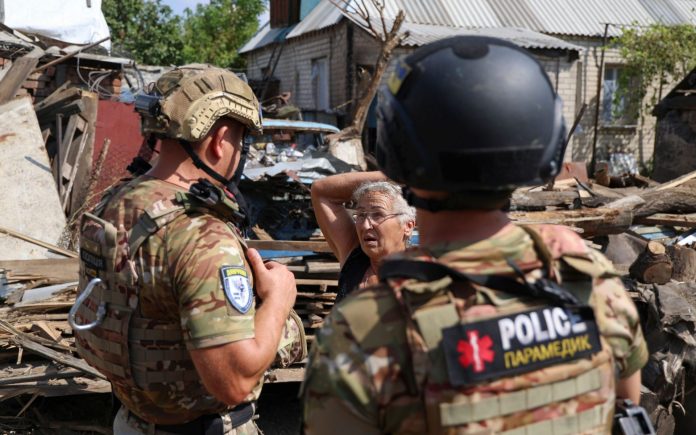
Ukraine has increasingly been emboldened to hit strategic targets inside Russia through the air in recent weeks, even as it suffers assaults on its own cities, setting up a new phase of the conflict defined by Kyiv’s apparent efforts to wear down domestic Russian support for the war.

Kyiv officials meanwhile said Russia hit the Ukrainian capital with a “massive” bombardment overnight.


US intel shows war in Ukraine caused “one of most disruptive periods” for global food security

Russia’s invasion of Ukraine caused deep disruptions in the global food supply, raising prices and increasing the risk of food insecurity in poorer nations in the Middle East and North Africa, America’s top spy agency said in an unclassified report released by Congress on Wednesday.

The direct and indirect effects of the war “were major drivers of one of the most disruptive periods in decades for global food security,” the eight-page report found — in large part because Ukraine and Russia were among the world’s largest pre-war exporters of grain and other agricultural products.

Although food security concerns have abated since the start of this year, according to the report, the future trajectory of global food prices likely will depend in part on what happens with the Black Sea Grain Initiative, which Russia ended in July. The deal, facilitated by the United Nations, had allowed Ukrainian agricultural shipments to safely exit Black Sea ports and reach the international market.

How much acreage Ukraine is able to cultivate as the war continues to rage and the cost and availability of fertilizers will also have an impact on global food prices, the report found. Global fertilizer prices reached near-record levels in mid-2022 as global oil and natural gas prices rose.

“The combination of high domestic food prices and historic levels of sovereign debt in many countries — largely caused by spending and recessionary effects of the COVID-19 pandemic — has weakened countries’ capacity to respond to heightened food insecurity risks,” the report added.

“These factors probably will undermine the capacity of many poor countries to provide sufficient and affordable food to their population through the end of the year.”

Droughts last year in Canada, the Middle East, South America and the United States also compounded the war-related stress on global food supplies, according to the report.

Intelligence officials have accused Russia in the past of weaponizing food supplies by blocking Ukrainian exports, destroying infrastructure and occupying Ukrainian agricultural land.

Citing satellite imagery and open-source reporting, the report said that Russia stole nearly 6 million tons of Ukrainian wheat harvested from occupied territories in 2022. Cargo ships used to transport the stolen grain out of Russian-occupied territories in 2022 would steer along the coast of Turkey to deliver shipments to ports in Syria, Israel, Iran, Georgia and Lebanon, the report said.

“We cannot confirm if the buyers of the Russian cargoes were aware of the grains’ Ukrainian origin,” the report noted.


Pskov airport to resume operations on Thursday: Russian authorities

Pskov airport will resume operations on Thursday, regional Gov. Mikhail Vedernikov said in a statement published Wednesday on his Telegram channel.

“The results of the inspection of the state of the civil infrastructure of Pskov airport have been summed up. In short: everything is in order! From tomorrow, the airport will resume normal operations,” Vedernikov said.

Late Tuesday night, Russian authorities reported drone attacks in Russia’s northwestern Pskov region, which caused damage to four IL-76 military aircraft at the airport. The airport is used for both civilian and military aircraft.

Six Russian regions, including Moscow, came under attack early Wednesday in the biggest drone assault on its territory since the full-scale invasion began last February. Russian officials haven’t reported any casualties and claimed to have thwarted almost all of the strikes.


Russia and North Korea “actively advancing” in negotiations to reach arms deal: US intelligence

Russia and North Korea are “actively advancing” their negotiations over a potential arms deal that would provide significant ammunition for different types of weapons systems, including artillery, in the latest indication that the Kremlin is desperate to obtain further materiel for its failing invasion of Ukraine, according to newly released US intelligence.

The news of the potential deal comes despite North Korea’s public claims to the contrary.

The Joe Biden administration said Wednesday that it remains concerned that the two states are in the middle of arms negotiations and that following Russian Defense Minister Sergei Shoigu’s trip to North Korea last month a second delegation of Russian officials have visited Pyongyang for follow up discussions on a potential deal.

In addition to the second delegation, Russian President Vladimir Putin and North Korean leader Kim Jong Un have exchanged letters “pledging to increase their bilateral cooperation,” according to John Kirby, National Security Council strategic communications coordinator.

“We remain concerned that the DPRK continues to consider providing military support to Russia’s military forces in Ukraine and we have new information which we are able to share today that arms negotiations between Russia and the DPRK are actively advancing,” Kirby said, adding, “Following these negotiations, high level discussion may continue in coming months.”

Meanwhile, Amb. Linda Thomas-Greenfield, US representative to the United Nations, accused Russia and North Korea of negotiating arms deals. Greenfield called it “shameful” and a violation of Security Council resolutions approved by Russia.

The public disclosure of the new intelligence is the latest example of how the Biden administration plans to continue to publicize Russia’s efforts to avoid Western sanctions and source weapons for its war, as well as put North Korea on notice that the US is closely monitoring these efforts. It is also the most detailed evidence provided in recent months of Russia’s outreach to North Korea to help fuel its invasion of Ukraine.

“Under these potential deals Russia would receive significant quantities and multiple types of munitions form the DPRK, which the Russian military plans to use in Ukraine. These potential deals could also include the provision of raw materials that would assist Russia’s defense industrial base,” Kirby continued, pledging that the US would take direct action to sanction any entities involved in a potential deal and urged Pyongyang to cease the negotiations.

Earlier this month, the US Treasury sanctioned a sanctions evasion network aimed at supporting arms deals between Russia and North Korea.

Kirby also said Russia’s attempts to source weapons from places like Iran and North Korea was a clear signal of Moscow’s distress.

“There is no other way to look at that than desperation and weakness, quite frankly,” the official added.

At the end of last year Pyongyang delivered infantry rockets and missiles to the Wagner private military company for their troops in Ukraine and Western officials have said that Iran has supplied Russia with weapons for use in Ukraine. Iran and North Korea have both denied these claims.


Kremlin says overnight drone attacks on Russia are “continued terrorist activity of Kyiv regime”

A Kremlin spokesman has attributed the biggest drone assault on Russian territory since the war in Ukraine began to the “continued terrorist activity of the Kyiv regime.”

The Russian President Vladimir Putin is receiving “timely and up-to-date information” on all developments, Kremlin spokesman Dmitry Peskov told reporters on Wednesday.

“Of course, with regard to such massive attacks, the information is also immediately brought to the attention of the Supreme Commander-in-Chief [Vladimir Putin],” Peskov added.

Journalists on the regular Kremlin call pressed Peksov on whether the drones that attacked the northwestern Pskov region could have been launched from the territory of neighboring Estonia or Latvia.

“I have no doubt that our military experts are currently working on these issues, figuring out the routes, analyzing how this was done in order to take appropriate measures to prevent such situations in the future,” Peskov stated.

Russia saw the largest drone assault on its territory since the start of the war on Wednesday after six regions including Moscow came under attack.

In the city of Pskov, drones attacked an airport some 35 miles away from the Estonian border late Tuesday night, causing a fire and damage to four IL-76 military aircraft which led to the cancellation of all flights.

Russian officials haven’t reported any casualties, and claimed to have thwarted almost all of the strikes.

Amirabdollahian urges joint Iran-Syria fight against terrorism

Hossein Amirabdollahian and Faisal Mekdad

In a meeting with his Syrian counterpart, Faisal Mekdad in Damascus, Amirabdollahian said regional developments are going Syria’s way.

He said Iranian and Syrian officials need to continue consultations in close time intervals and described his visit to Damascus as a good opportunity to that end.

The top Iranian diplomat added that the perseverance of the Syrian army, government and people has brought great victories to Syria and the key to absolute victory is the continuation of this perseverance.

Referring to bilateral ties, he expressed pleasure with the trend of economic and commercial cooperation between Iran and Syria and stressed the importance of continuing joint efforts to implement the agreements signed between the two countries.

Syrian Foreign Minister Faisal Mekdad in turn, said the continued occupation of parts of Syrian soil and increased military movements by the US in the region are parts of its bid to create tension and increase instability in region.

He added that the US is continuing its economic pressure and blockade against Syria with the aim of preventing the normalization of conditions in the country.

Faisal added that what worsened the economic hardships in Syria was international terrorism and the US pressures.