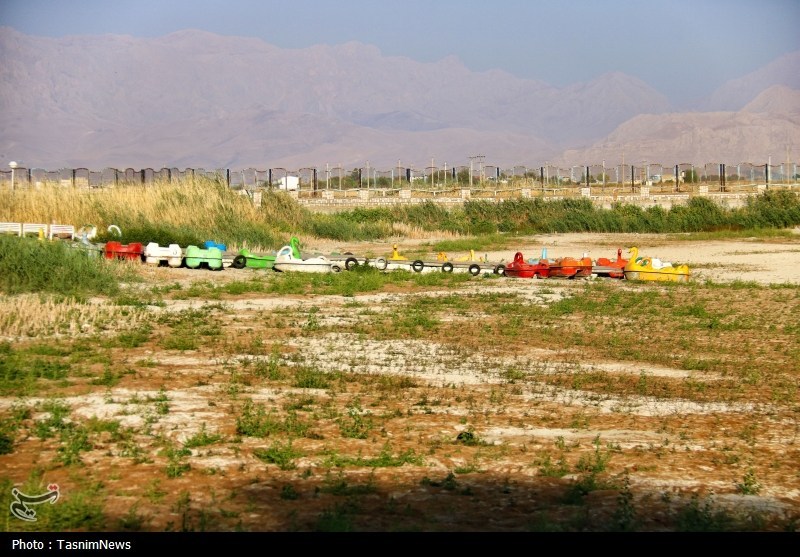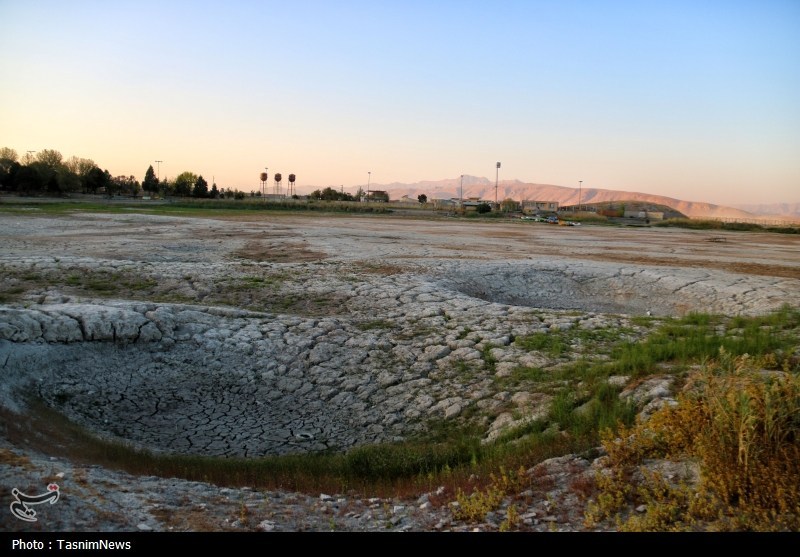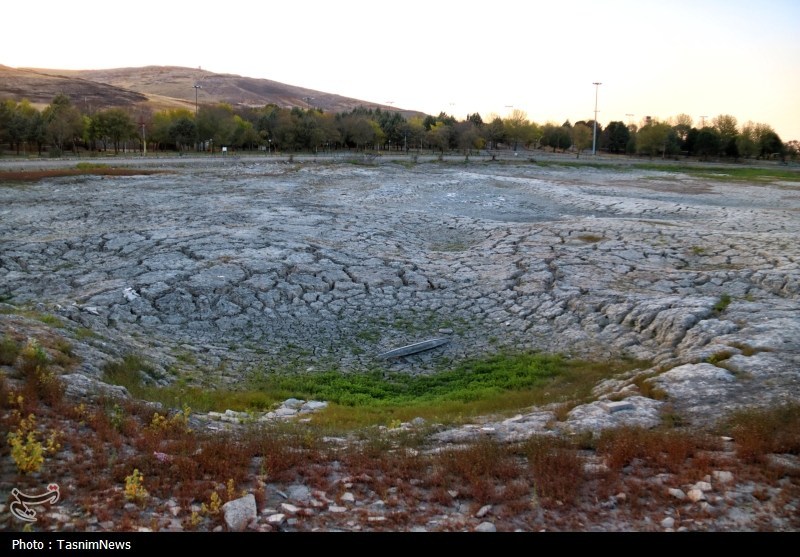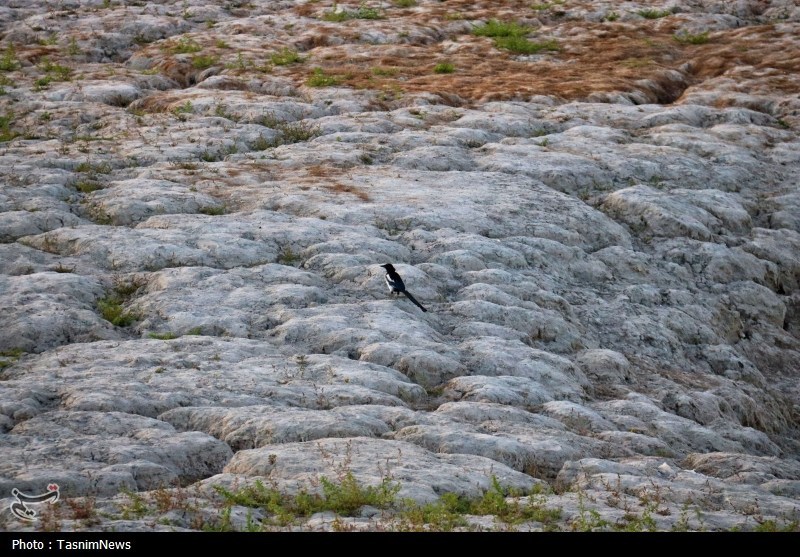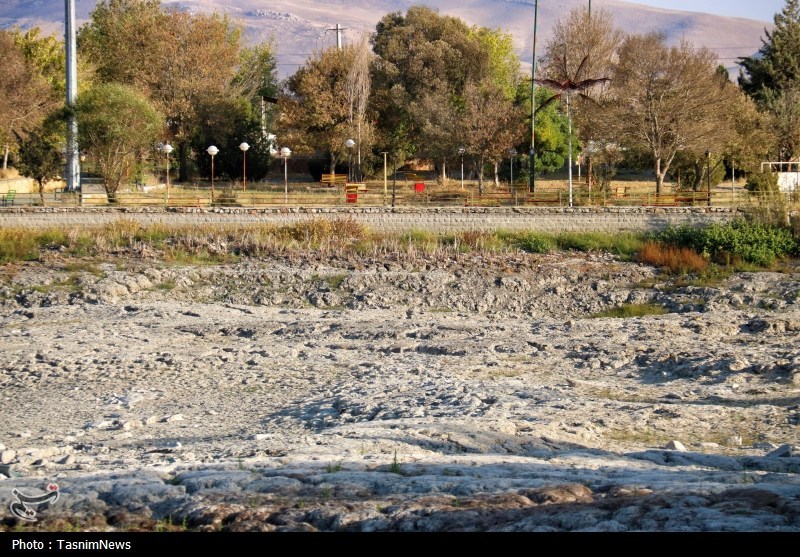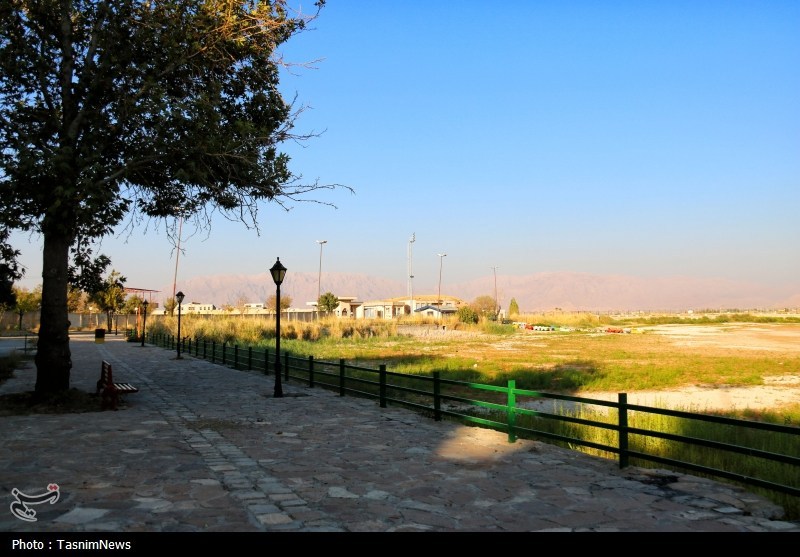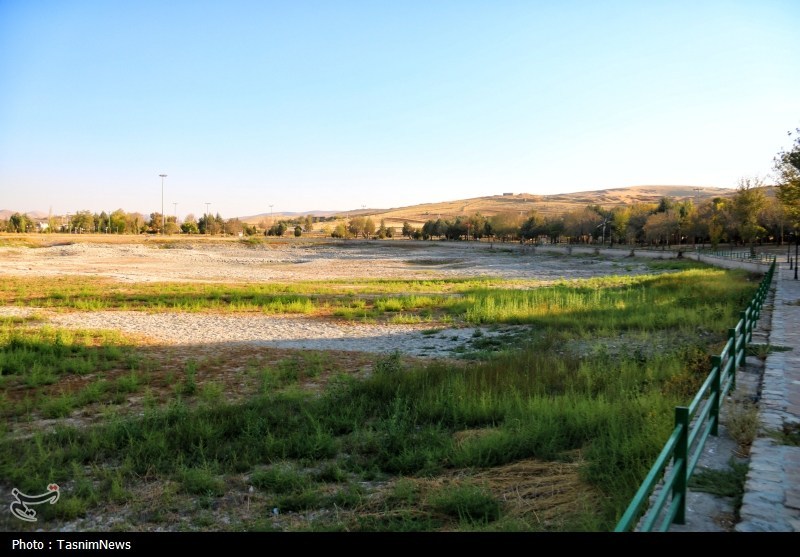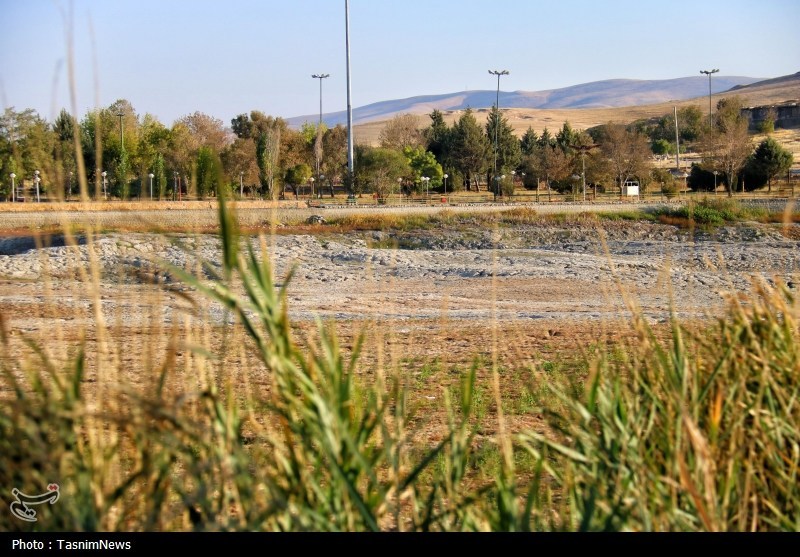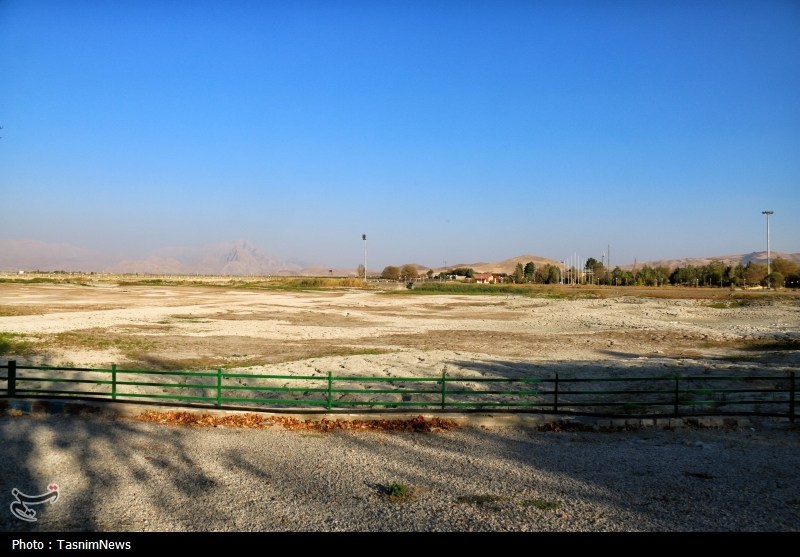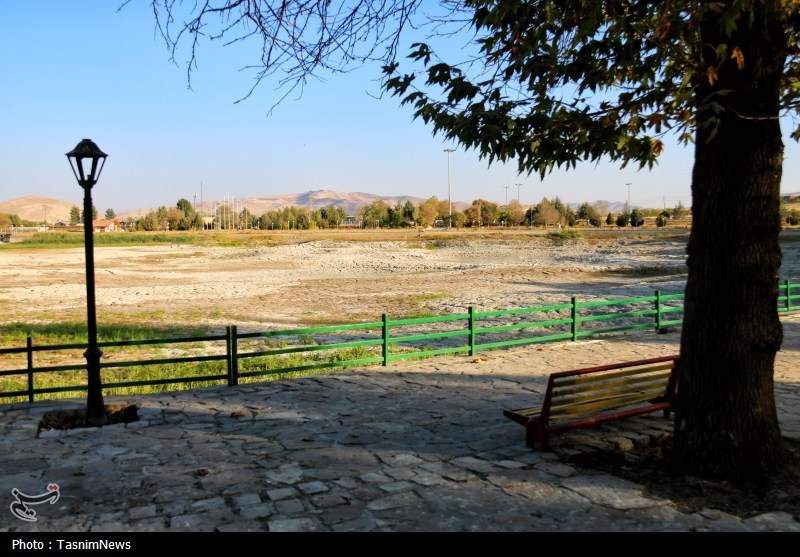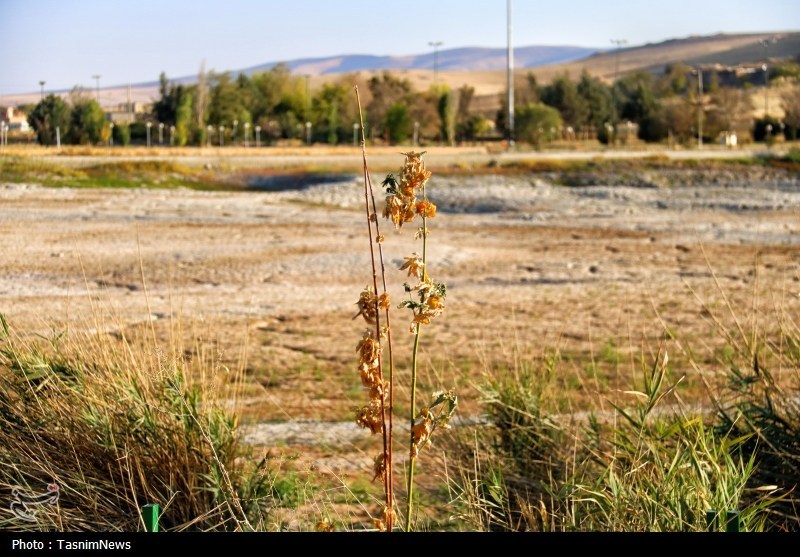
Environmental officials blame years of drought combined with severe water mismanagement and unsustainable farming practices for the loss of this ecological treasure.
The spring, once famous for its clear waters, floating lotus flowers, and flocks of migratory birds, was a popular recreation site for locals and tourists alike. Today, only dry soil and silence remain where once life and color thrived.
Soraya Ghorbani, deputy director for natural environment and biodiversity at Kermanshah’s Department of Environment, said more than half of the crisis stems from excessive water use in agriculture, particularly from second and third crop cycles of water-intensive plants such as corn grown near wetlands.
Over-extraction from both legal and illegal wells has caused a sharp and possibly irreversible drop in groundwater levels, she noted.
Ghorbani warned that continued depletion could trigger land subsidence and irreversible damage to ecosystems, calling for urgent and comprehensive water-resource management to save what remains of Kermanshah’s natural heritage.