
According to the latest figures from the Ministry of Energy, only 1.35 billion cubic meters of water entered the country’s dam reservoirs between October 1 and November 3, marking a 39% decrease compared to the same period last year, when inflow totaled 2.19 billion cubic meters.
During the same period, water release from dams for drinking, agriculture, industry, and environmental needs reached 2.79 billion cubic meters, representing a 26% decline compared to last year.
Current total water stored in the reservoirs stands at 17.21 billion cubic meters. This means just 33% of national dam capacity is filled, while 67% remains empty.
Last year on the same date, the storage level was reported at 22.92 billion cubic meters, indicating a year-on-year decrease of 25%.
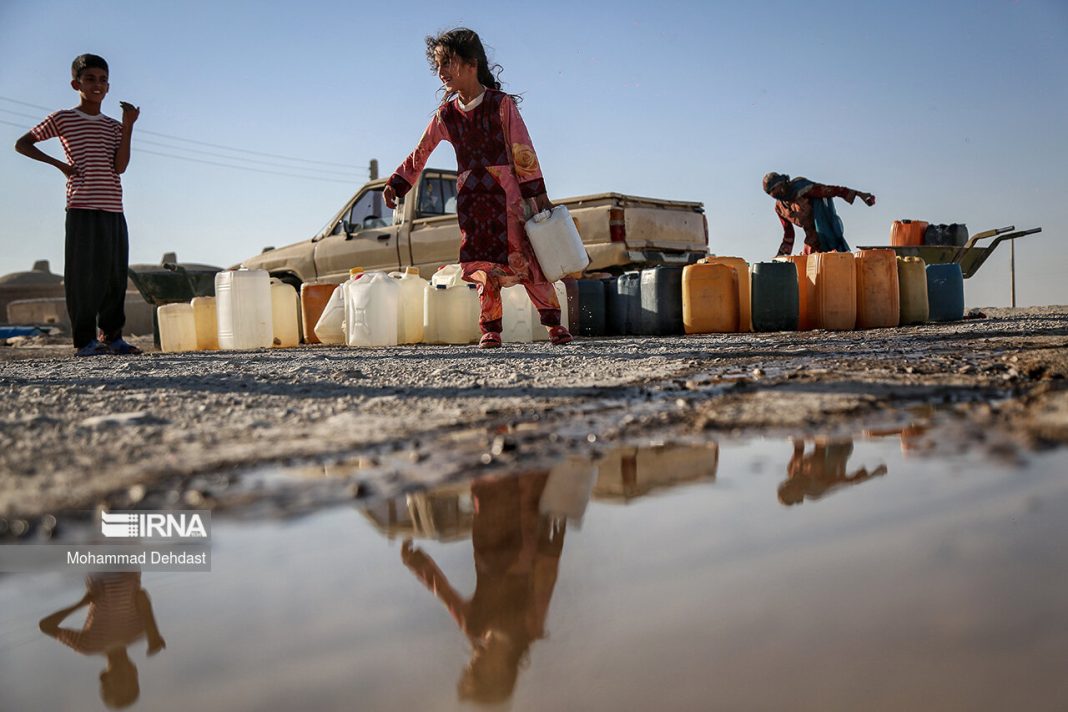
The situation reflects the impact of ongoing drought conditions, as Iran enters its sixth consecutive dry autumn.
Experts warn that 28 provinces are currently facing critical rainfall shortages, with several major dams nearing “dead storage” levels.
Authorities emphasize that widespread water conservation and careful consumption management are essential until more substantial seasonal rainfall occurs.
