
Reza Shahbazi attributed the persistent air pollution to intensifying drought, regional winds, and the activation of domestic dust hotspots.
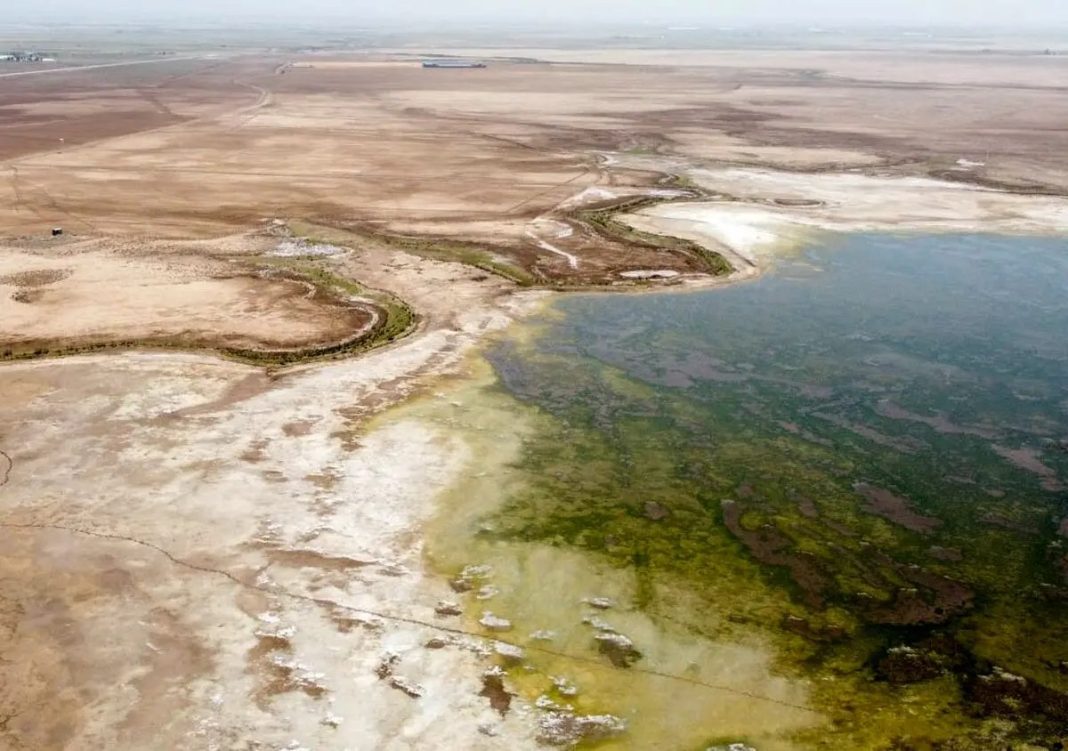
Salehiyeh Wetland, located southwest of Tehran near the borders of Alborz and Qazvin provinces, was once a seasonal wetland supporting wildlife and migratory birds. It has now dried up due to declining rainfall, excessive groundwater extraction, dam construction, and agricultural expansion, transforming into an active dust emission zone during southern and southwestern winds.
Dust storms in Iran are not new, but their frequency, severity, and geographical spread have significantly increased over the past two decades.
External sources of dust include Iraq, Syria, and Saudi Arabia, while internal sources span regions like Khuzestan, Sistan and Baluchestan, and now areas near Tehran.
Experts warn that ongoing climate change, poor water management, and shrinking wetlands continue to fuel this growing environmental and public health crisis.
