Wednesday, December 31, 2025
Home Blog Page 686

Iran’s UN Envoy Calls for UNSC Action on Killing of Iranians in Lebanon

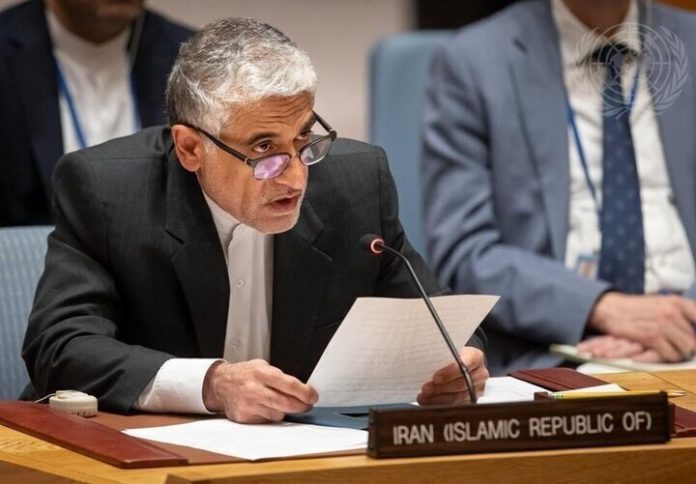
In a letter to the UN Security Council and the Secretary-General, Iravani described the Israeli regime’s attack as a clear violation of Lebanon’s sovereignty and territorial integrity, demanding that it be condemned in the strongest possible terms.

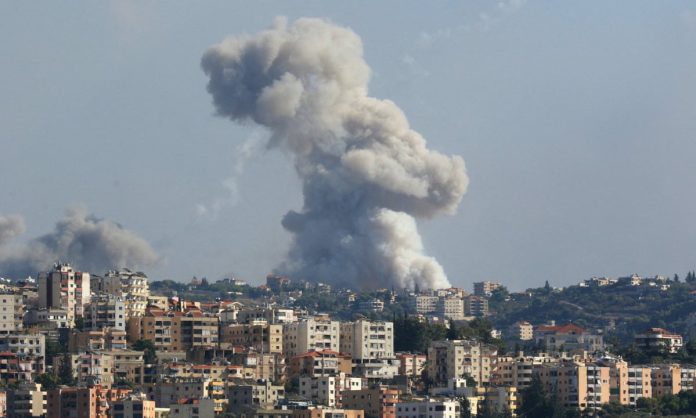
On October 19, Massoumeh Karbasi, an Iranian national, and her Lebanese husband were killed in an Israeli airstrike in Jounieh, north of Beirut.

Additionally, on October 22, Dr. Ali Heidari, an Iranian physician and aid worker providing medical assistance to the injured, was killed in an Israeli airstrike on the Lebanese capital.

The Iranian envoy emphasized that these attacks undermine the global commitment to protecting fundamental humanitarian rights.

Iravani stressed that the attack on the Iranian woman and her husband reflects the Israeli regime’s disregard for civilian lives and the principles of international law.

The Iranian diplomat also condemned the targeted killing of Dr. Heidari, who was performing his humanitarian duties, noting that this reprehensible act constitutes a direct violation of the 1949 Geneva Conventions and qualifies as a war crime.

Governor: 2 to 3 million Afghan migrants add to Tehran’s complications

Mohammad Sadegh Momenian, in an interview with Khabaronline news website, shared insights into the challenges facing the capital, highlighting the need for equitable distribution of resources and balanced development.

He emphasized that while Tehran is the most migrant-receiving province, the distribution of infrastructure between the city and counties is unequal.

The highlight of his remarks was with a total population of 15 million residents, adding Tehran has reached its capacity and cannot accommodate further population growth.

Momenian noted that daily, approximately 2 million people commute within Tehran, contributing to the city’s severe congestion issues.

Overcrowding is also evident in the education sector, with some areas experiencing student densities as high as 48 students per class, the highest recorded in the province, he noted.

The governor pointed out that Tehran’s problems, including water crises, air pollution, traffic congestion, and inadequate urban development, stem from a lack of implemented plans and policies.

Despite contributing to over 33 percent of the country’s revenue, many socio-economic indicators in Tehran are below the national average, he deplored.

In response to these challenges, Iran plans to repatriate 2 million migrants to alleviate some of the demographic pressures before the current Iranian year on March 20 in order to improve living conditions and infrastructure for all residents.

Momenian emphasized the need for focused management and strategic policy-making to enhance employment, production capacities, and the equitable distribution of resources.

Iran’s President lauds BRICS efforts against US unilateralism

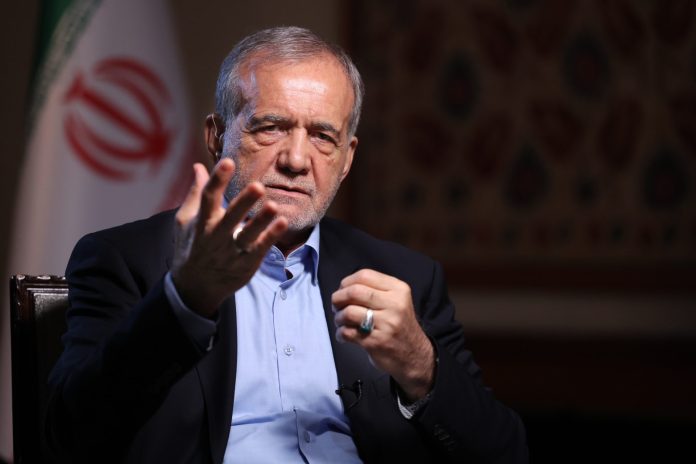
Masoud Pezeshkian

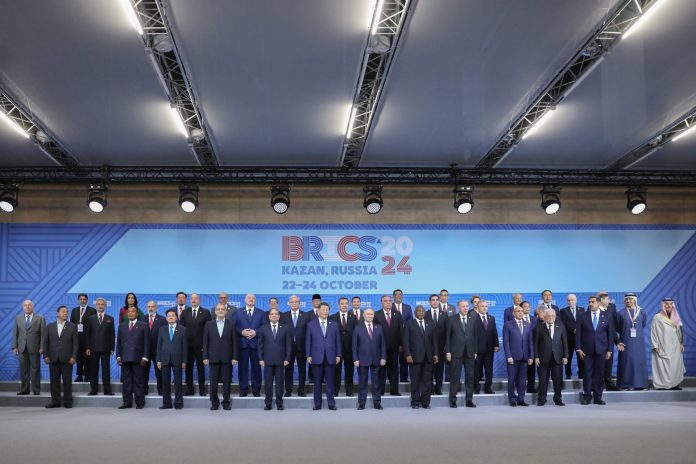
At the end of his three-day visit to Russia and upon his arrival at Tehran’s Mehrabad Airport on Thursday night, President Pezeshkian remarked that BRICS is dedicated to countering U.S. unilateralism, the dominance of the U.S. dollar over the global economy, and the severe sanctions imposed on various countries.

President Pezeshkian further noted that the BRICS meeting included discussions about establishing an independent monetary fund. This initiative is intended as a tool to resist U.S. policies influencing the International Monetary Fund (IMF) and to mitigate sanctions.

He also highlighted the summit’s final communique, which condemned the Israeli regime’s crimes in Gaza and Lebanon. The communique also underscored the importance of enhancing economic, cultural, scientific, and security cooperation among BRICS member states.

During his visit, President Pezeshkian held bilateral meetings with the presidents of China, Russia, and South Africa, as well as the Prime Minister of India among others.

He described the visit as a “golden opportunity” for Iran to expand its synergy with BRICS members.

BRICS currently includes Brazil, Russia, India, China, South Africa, Iran, Egypt, Ethiopia, the United Arab Emirates, and Saudi Arabia. Additionally, Turkey, Azerbaijan, and Malaysia have formally applied for membership.

Ayatollah Khamenei: Hezbollah Alive, thriving, strongest defender of Lebanon

Ayatollah Khamenei

In a message of condolence over the martyrdom of Sayyed Hashem Safieddine, the head of Hezbollah’s Executive Council, the Leader said, “As always, the Islamic Republic will continue to support the mujahideen of Quds and those resisting the usurping criminal gang’s occupation of Palestine.”

Ayatollah Khamenei said Sayyed Hashem Safieddine was one of the most eminent figures of Hezbollah, adding with the planning and courage of leaders like him, Hezbollah was able to protect Lebanon once again from the danger of being broken up and collapsing by neutralizing the threat of the usurping Zionist regime

Ayatollah Khamenei added today, Hezbollah remains the strongest defender of Lebanon and the firmest shield in the face of the avarice of the Zionist regime, which has long sought to break up Lebanon.

Hezbollah has recently confirmed that Hashem Safieddine, one of its leading figures who was widely expected to succeed Sayyed Hassan Narallah as the secretary general of the movement, was killed in an Israeli air strike on southern Beirut, Lebanon.

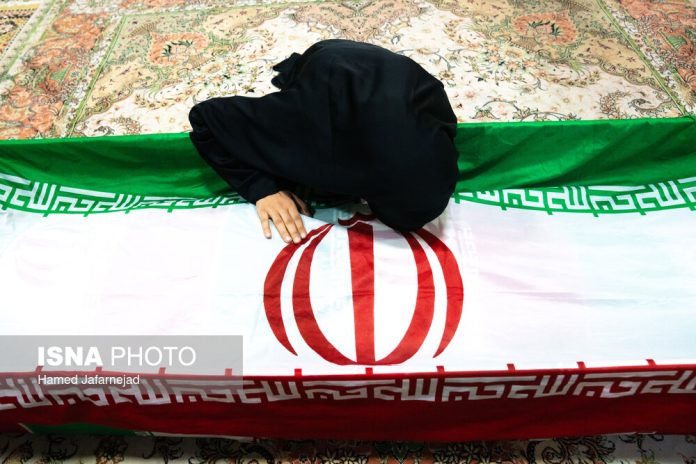
Tehran bids farewell to Iranian Dr. Ali Heydari, victim of Israeli regime’s drone strike

A devoted physician and aid worker, Dr. Heydari had traveled to Lebanon to offer medical assistance to the wounded and sick, driven by a sense of humanitarian and religious duty.

His vehicle was struck by the Israeli regime’s drones, leading to his martyrdom.

Dr. Heydari was known for his selfless service, treating ill pilgrims free of charge during the Arbaeen pilgrimage.

His body was returned to Iran Thursday, where his family and the people of Tehran gathered to pay their respects.

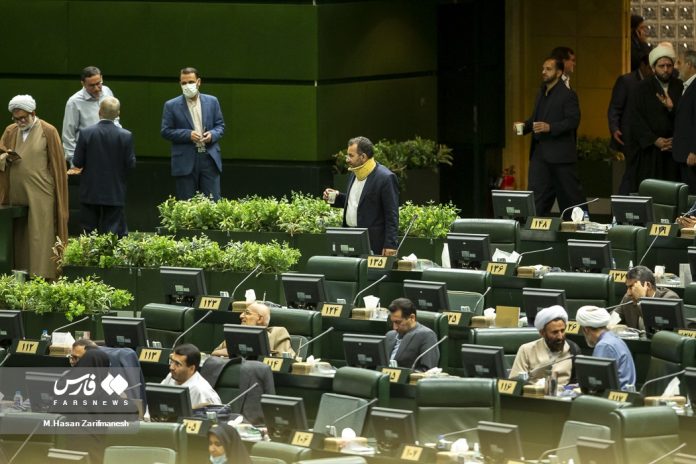
Iran parliament national security, foreign policy commission members visit Persian Gulf island

Iran Parliament

This visit comes in the wake of recent controversies sparked by certain Persian Gulf countries and a statement from the European Union questioning Iran’s sovereignty over the three islands of Abu Mousa, the greater and lesser Tunbs.

Iran firmly rejects these claims, asserting that the trio islands have always been and will remain an integral part of Iranian territory, a fact rooted in historical continuity.

The delegation’s visit includes meetings with local residents and inspections of key infrastructure to ensure the well-being and stability of the islands’ inhabitants.

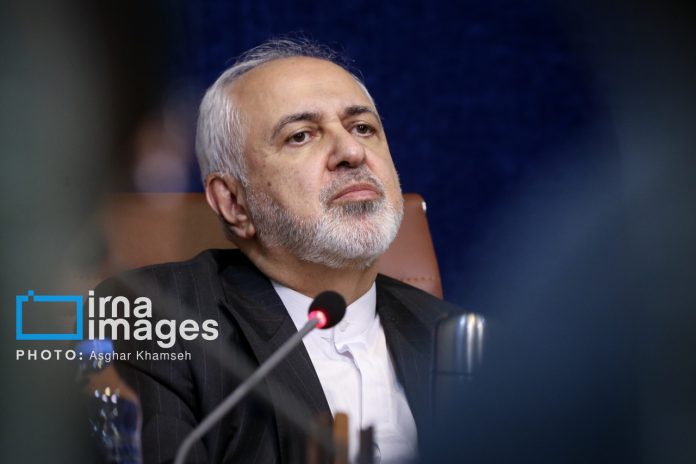
Zarif: Israel seeks to sacrifice Azerbaijan, not support it

Zarif highlighted Iran’s role in the post-Islamic Revolution era, stressing regional synergy to cope with challenges facing the region.

He noted that Iran has become a reliable power, capable of safeguarding its territorial integrity and overcoming its 200-year security challenges.

This strategic confidence, Zarif asserted, enables Iran to pursue the policy of a strong regional strategy.

The Iranian Vice-President for Strategic Affairs also reiterated that Iran, with its geopolitical significance and abundant material and human resources, can become a regional hub for transit, technology, and energy.

Referring to the 3+3 initiative involving Iran, Turkey, Russia, Azerbaijan, Armenia, and Georgia, Zarif stressed the importance of comprehensive cooperation to solve regional issues without foreign interference.

He proposed a mixed transit consortium to enhance regional cooperation following the Nagorno-Karabakh ceasefire between Armenia and Azerbaijan, ensuring the mutual benefit of all Caucasus and neighboring countries.

3 soldiers killed in Israeli attack on southern Lebanon

Lebanon War

The Israeli attack is the second deadliest on the Lebanese Army in four days.

“The Israeli enemy targeted Lebanese army personnel in the vicinity of Yater village, in Bint Jbeil in the south, while carrying out an operation to evacuate wounded, resulting in three martyrs, including an officer,” the Lebanese Army said in the statement.

Earlier on Sunday, the Israeli army killed three soldiers when it targeted their military vehicle in southern Lebanon.

Israel has mounted a huge air campaign in Lebanon since last month against what it says are Hezbollah targets in an escalation from a year of cross-border warfare between Israel and the group since the start of Israel’s brutal offensive on Gaza.

Over 2,570 people have been killed and more than 12,000 injured in Israeli aggression since October last year, according to Lebanese health authorities.

Israel expanded the conflict on Oct. 1 this year by launching a ground assault into southern Lebanon.

Iran’s Pezeshkian says foundations of unilateralism collapsing

“Coalitionism and efforts to create constructive and friendly relations are part of today’s reality and the demand of many countries and international players to get rid of unilateralism,” Pezeshkian said in an address to a meeting of the BRICS+ group in the Russian city of Kazan on Thursday.

Since its formation, the group has managed to turn into a “successful” model of cooperation and convergence among the countries in the regional and international scenes thanks to its lofty goals, he continued.

He emphasized that a better word will be established when there is no trace of sanctions, imposition of will, aggression, war, conquests and genocide.

A better word will be a place where multilateralism will prevail over unilateralism, the majority outweighs the minority, discrimination is replaced with equity, transparency is chosen instead of deception, democracy is preferred over authoritarianism and dialogue has put an end to war, the Iranian president stated.

Pezeshkian said illegal sanctions have destructive impacts on international relations and block access of countries to their own financial resources.

He warned that illegal sanctions will have adverse consequences on the countries’ effective role in international cooperation aimed at countering the negative effects of climate change, global warming, environmental destruction and provision of humanitarian aid.

The Iranian president urged BRICS and BRICS+ to draw up and implement a clear, fair, inclusive and non-discriminatory mechanism based on multilateral trade rules with a special focus on developing and less developed countries.

He added that countries favoring unilateralism will continue to impede developing countries’ access to modern technologies, stressing the need to accelerate collective cooperation and share experience to counter such moves.

Contrary to all recognized principles of international law and human rights, unilateral sanctions have challenged global norms and human rights, he emphasized.

The president warned that many processes of development have faced numerous challenges due to coercive measures and political prejudice, expressing regret that a sustainable movement toward a safe and developed world has been disrupted.

Elsewhere in his address, Pezeshkian pointed to the regional developments over the last year and the serious threat to West Asia’s peace and security, and said the Israeli regime has crossed many red lines regarding the countries’ sovereignty in violation of international regulations.

He noted that Israel has added another dark page to the history of its widespread crimes by creating a new wave of violence and terror.

The Iranian president emphasized that international forums, particularly the United Nations Security Council, are not efficient enough to end the ongoing war in the Gaza Strip and Lebanon.

The unwavering support provided to the Israeli regime by the US and the West has made it difficult to establish peace and end war in Gaza and Lebanon, he pointed out.

IRGC chief warns Israel not to pin its fate on US missile shield

On Thursday, Major General Hossein Salami played down the capabilities of THAAD, which the US has recently supplied to the Israeli regime.

The general advised the Zionist regime not to rely on the barrels of THAAD.

He noted that such missile defense systems are “limited” equipment, reminding the Zionists that they have counted upon a finite power.

“Shoot as much as you wish, your enemies will shoot many times more than you. You cannot win in this and we will defeat you.”

The top general warned that the Zionist regime, 98% of whose economy is dependent on sea, could head towards downfall instantly if it makes unwise decisions.

Earlier this month, in its latest round of military assistance to Tel Aviv, Washington sent its THAAD anti-missile defense system to Israel along with scores of soldiers and crew to operate it.

US President Joe Biden said the deployment was meant “to defend Israel,” and bolster the regime’s air defenses after heavy missile attacks by Iran and regional resistance groups, including Lebanon’s Hezbollah.

On October 1, Iran responded to the Israeli assassination of Hamas political bureau chief Ismail Haniyeh, Hezbollah Secretary General Seyyed Hassan Nasrallah, and IRGC general Abbas Nilforoushan by launching as many as 200 ballistic missiles toward the Zionist regime’s military and intelligence bases all over the occupied Palestinian territories.

While the Zionist regime has threatened to retaliate, Iranian officials have warned that Tehran’s reciprocal response to any Israeli action will be harsh, proportional and well-calculated.