Monday, December 22, 2025
Home Blog Page 4870

Iran breaks US monopoly in production of industrial lubricant

Iran-Oil

An expert in oil industry said Monday that Iran has become self–sufficient in production of industrial lubricant, a strategic oil product.

Samad Hashemi said that the US was the sole producer of the product, adding Iran has now accessed the know-how and become the producer of the lubricant.

Hashemi told a press conference that the monopoly of an industrial lubricant which is used in oil, gas, petrochemical, drilling and power plants industries was broken by Iranian experts.

Director of Industrial-commercial Group ‘MRT’ said that cost of production of the industrial lubricant is one-fifth of the foreign brand.

He said that the product will decrease the import of industrial lubricants to 80 percent, so it can play a role in lowering expenses of production and energy.

To produce the strategic industrial lubricant, which is applicable in rotating machines and gearboxes of oil, gas, petrochemical and other special industries, only five percent of its raw material needs to be imported from abroad and the other composing materials are provided inside the country, Hashemi said.

There is a possibility to produce 20 million liters of the industrial lubricant in the country annually and Iran can export the product to other countries, including the Persian Gulf countries next year.

Hashemi said that formal works are in process to obtain license from Asian and European registration centers and the product will be unveiled soon on the sidelines of the Oil Industry International Exhibition in Tehran.

Those who have vested interest in sanctions should change their job

Rouhani-Iran-President

The Iranian president says Iran has got engaged in nuclear talks to show to the world the inauthenticity of allegations against the Islamic Republic and remove the problems the ill-wishers have created for the country.

President Rouhani made the comment at a ceremony held Tuesday to thank those involved in the labor and production sectors. The following is a partial translation of what else the president said as reported by the Fars News Agency:

[…]

The president said, “Iran is seeking two points in nuclear talks: First is dismissal of charges. We want to show to the world that ill-wishers told lies to world nations. Iran is after peaceful nuclear technology, not developing a destructive atomic bomb which is religiously banned according to the Supreme Leader’s edict.

“Second, we seek to remove the problems the ill-wishers have thrown our way”.

Rouhani went on to say that a final nuclear deal is within reach in coming months if the other party [to the nuclear talks] demonstrates strong determination.

He said conclusion of a nuclear deal will improve production in Iran, adding those who have a vested interest in [the continuation of] sanctions should think about other ways to line their own pockets.

“With God’s grace and the support of the Supreme Leader and the Iranian nation, Iran will move toward constructive interaction with the world,” he said.

The president further said no country in the world can continue with exerting pressure on and imposing sanctions against Iran over the next months and years.

Rouhani reiterated that the sanctions regime is close to total collapse, saying P5+1 should know that the Iranian nation and government stand by and support each other.

In the year designated [by the Leader] as the year of harmony and solidarity, all Iranians are expected to join hands and help the country’s march toward progress and development, he added.

[…]

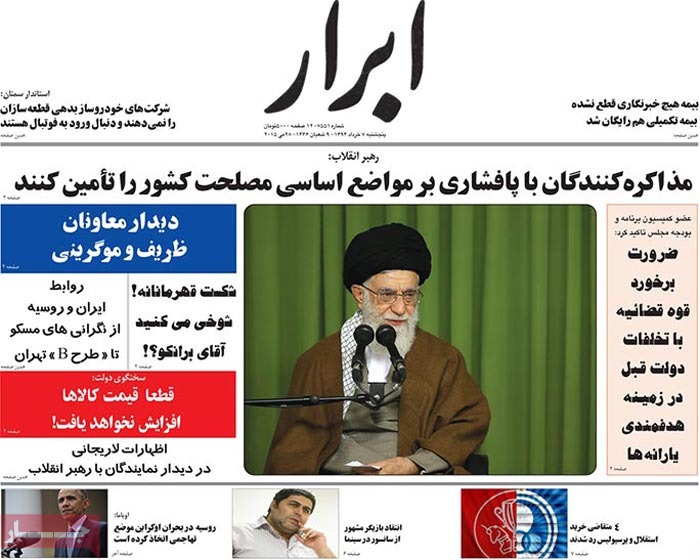
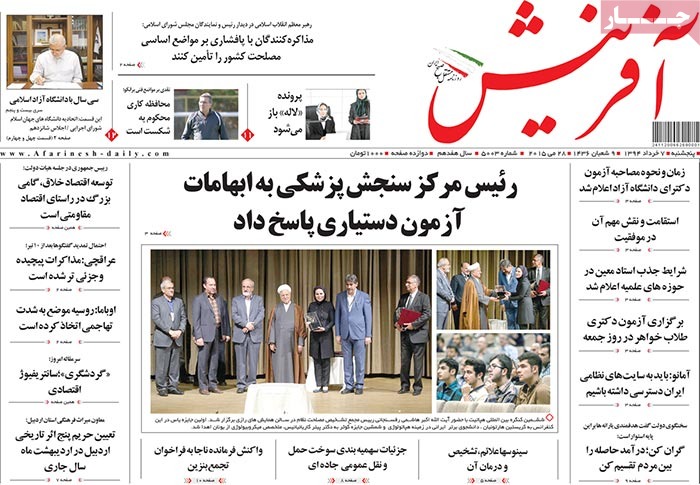
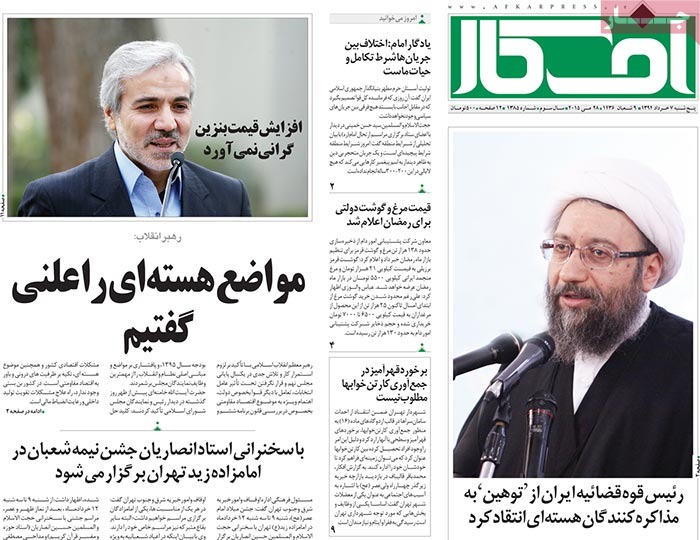
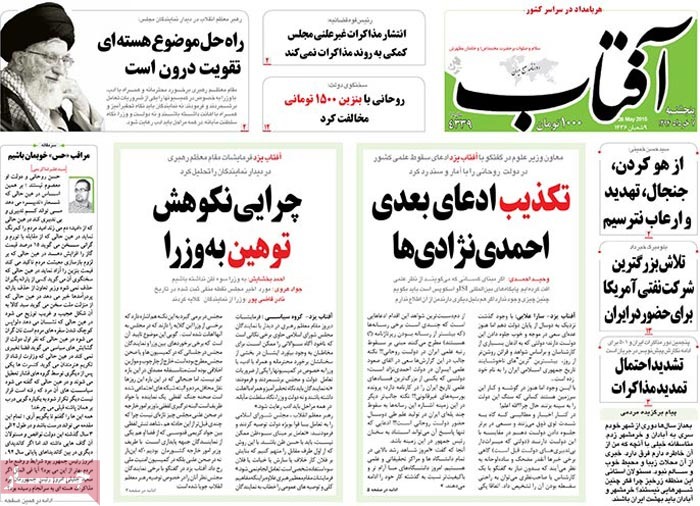
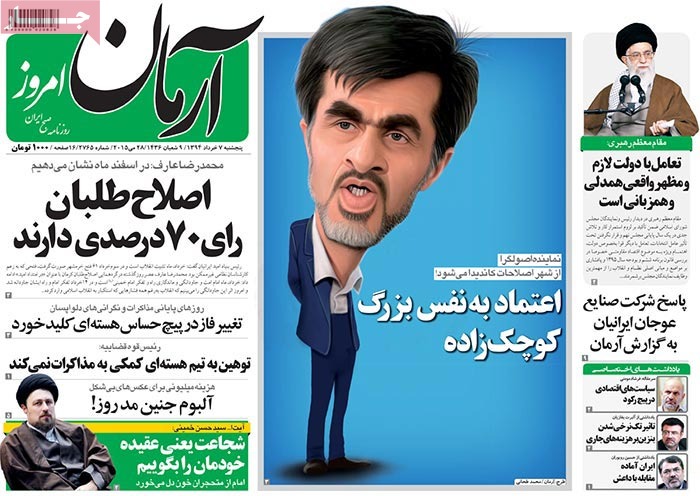
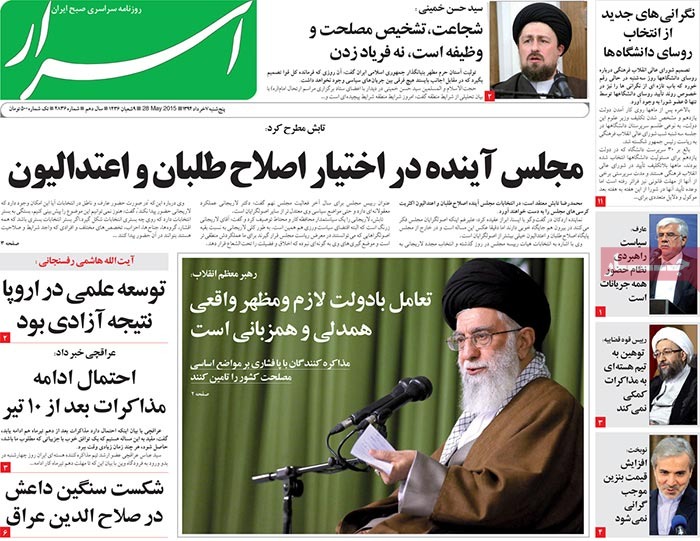
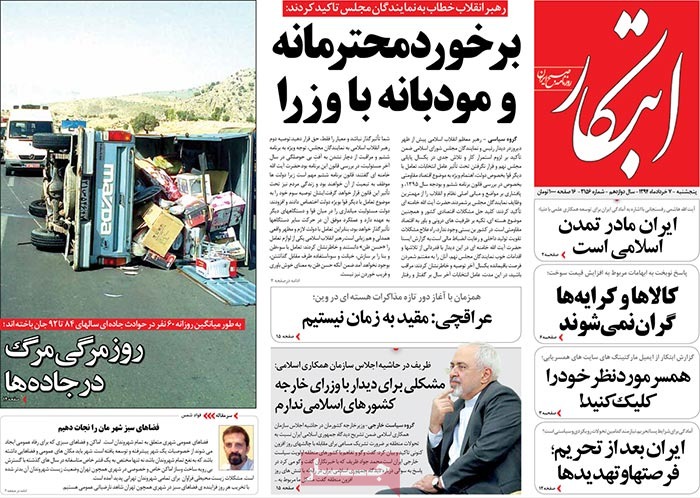
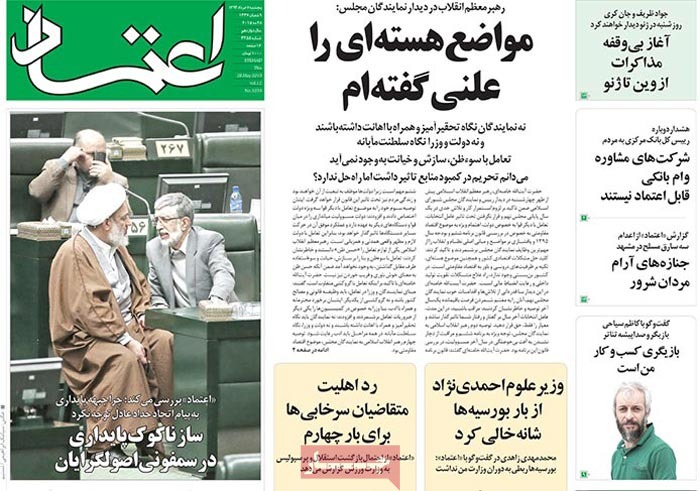
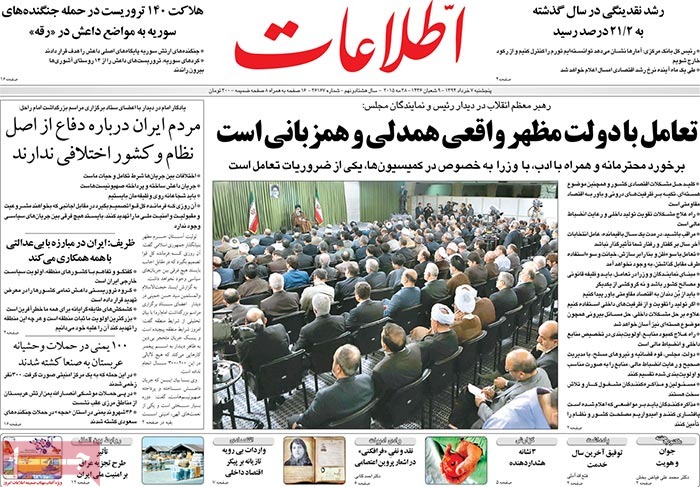
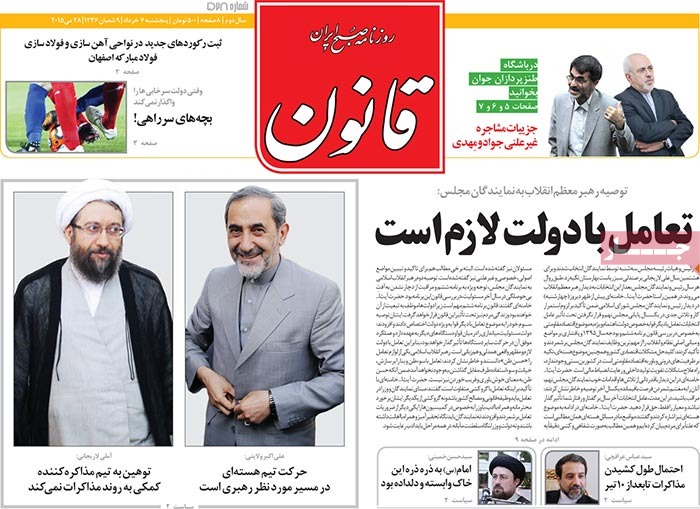
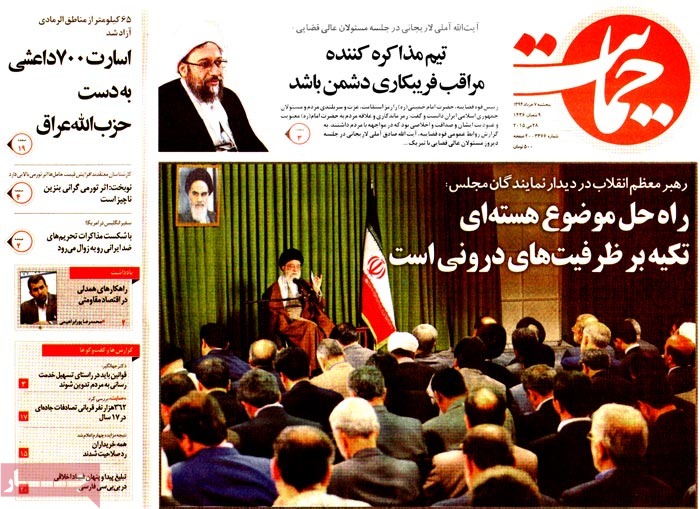
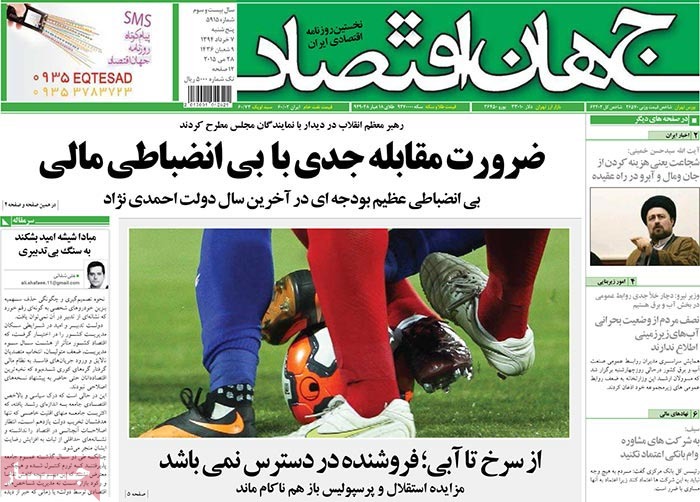
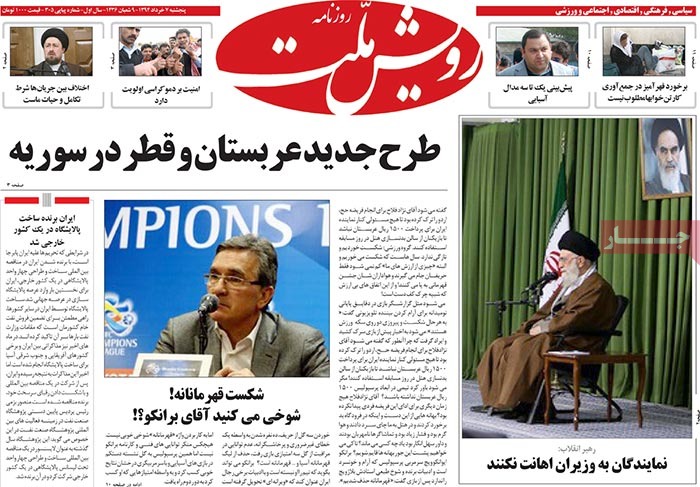
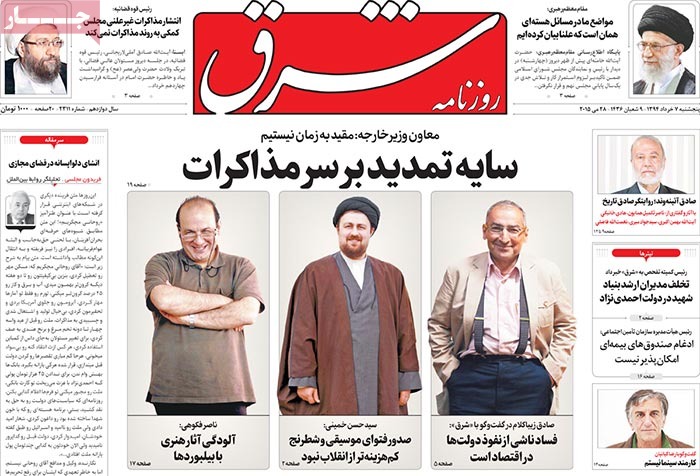
A look at Iranian newspaper front pages on April 28

Iranian Newspapers Headlines

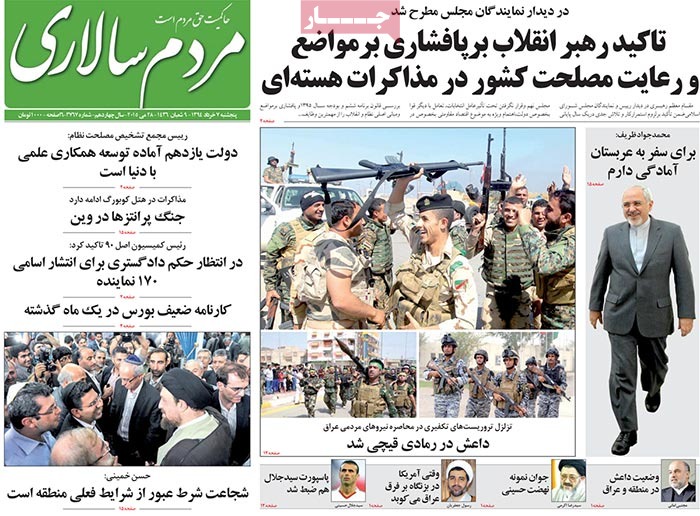
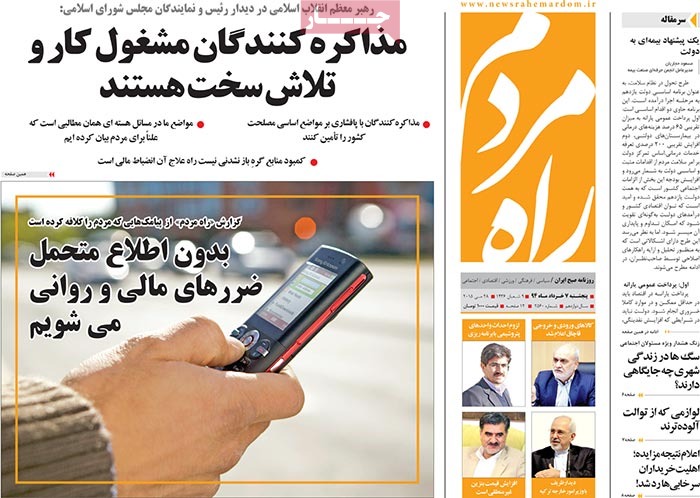
Comments by the first vice-president about the government’s determination to take on corruption dominated the front pages of Iranian newspapers on Tuesday. Also in the news were the remarks of Foreign Minister Mohammad Javad Zarif about the NPT and commitment of the American side to the Lausanne statement.


Afarinesh: “Acceptance of the Additional Protocol depends on clinching an agreement on all issues”.

The comment was made by Director of the Atomic Energy Organization of Iran Ali Akbar Salehi.


A look at Iranian newspaper front pages on April 28


Afkar: Energy consumption in Iran is three times as much as the global average.


A look at Iranian newspaper front pages on April 28


Aftab-e Yazd: Mr. President we need brave ministers.

Tehran MP Ali Motahari has said that the speech Interior Minister Abdolreza Rahmani Fazli delivered in parliament on the so-called dirty money being channeled into electoral campaigns was not courageous.

Aftab-e Yazd: Handout of cash subsidies to some 6 million individuals will stop.


A look at Iranian newspaper front pages on April 28


Arman-e Emrooz: The local chapter of Hezbollah in Gorgan has invited the grandson of the founder of the Islamic Republic to visit the city.

[It came after a statement attributed to the group threatened Seyyed Hassan Khomeini not to visit the northern province of Golestan.]


A look at Iranian newspaper front pages on April 28


Asia: Representatives of the private sectors of Iran and Switzerland held talks on establishing trade ties while sanctions are still in place.


Asia daily-4-28


Ebtekar: “Police have been ordered to deal with individuals who disrupt concerts,” said Minister of Culture and Islamic Guidance Ali Jannati.


A look at Iranian newspaper front pages on April 28


Ettela’at: “We have no red lines in the fight against corruption,” said First Vice-President Eshagh Jahangiri.

He further said, “We are at a point which requires giant strides toward economic growth and development.”


A look at Iranian newspaper front pages on April 28


Hemayat: “Iranian Officials need to drop conservatism in dealing with the Saudi government,” said the commander of the Islamic Revolution Guard Corps.


A look at Iranian newspaper front pages on April 28


Javan: To say that police’s duty is not to implement the rules of Islam amounts to the green-light to immorality.

Three senior clerics have criticized the president for making the comment at a meeting with senior police commanders.


A look at Iranian newspaper front pages on April 28


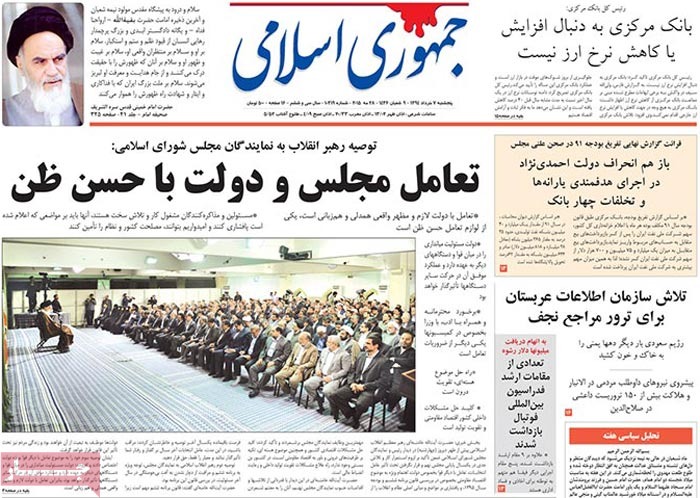
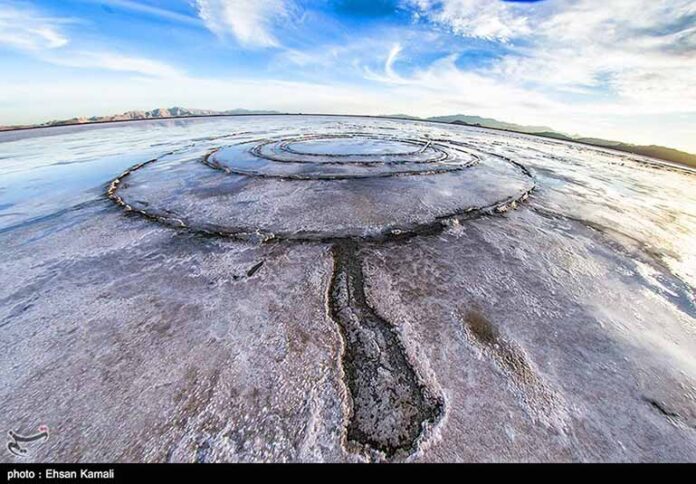
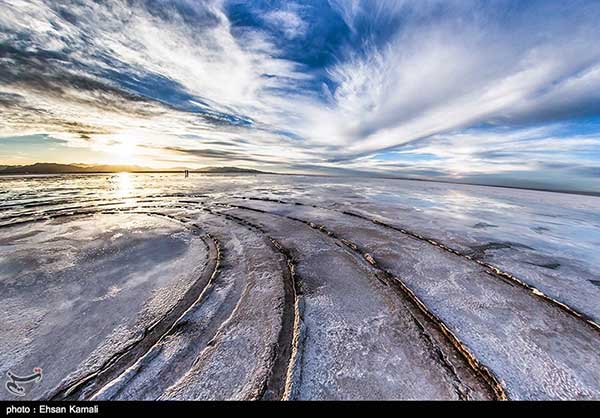
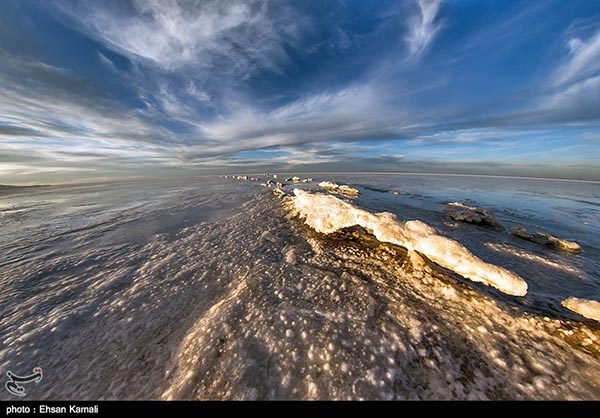
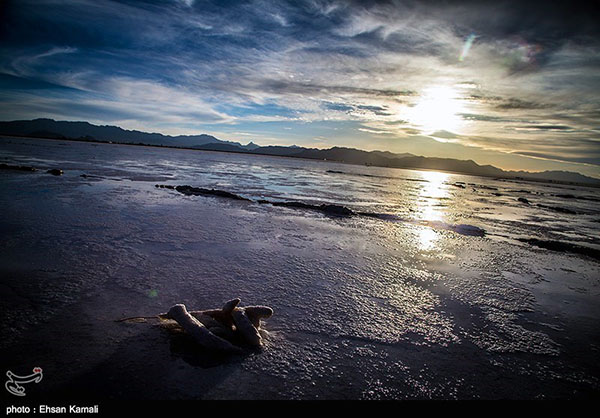
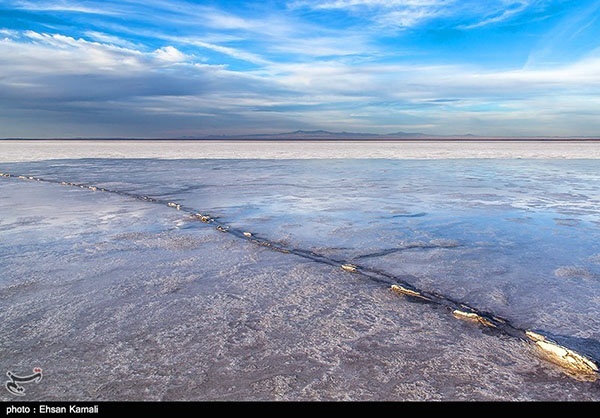
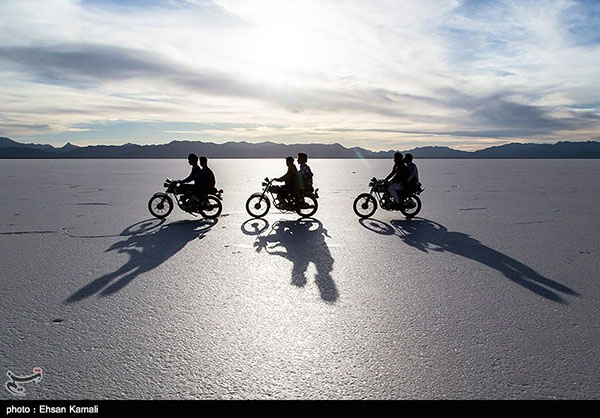
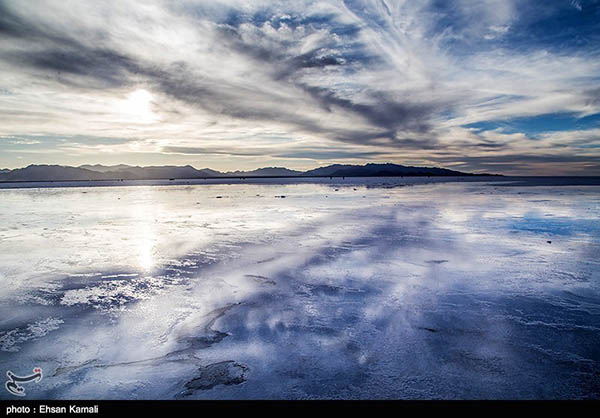
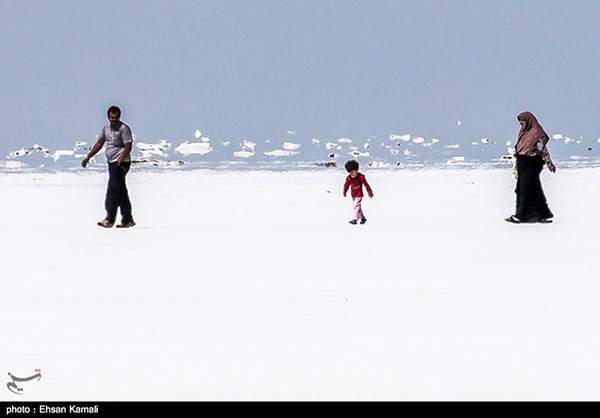
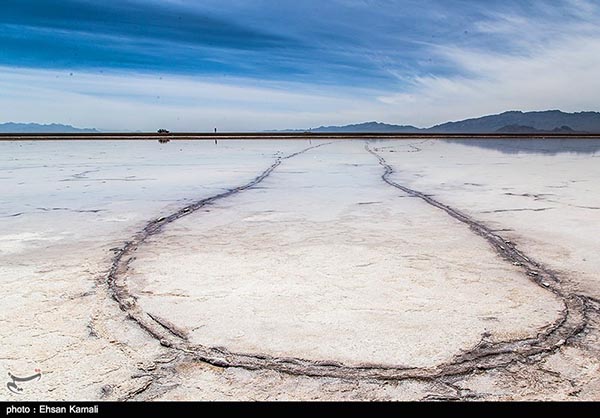
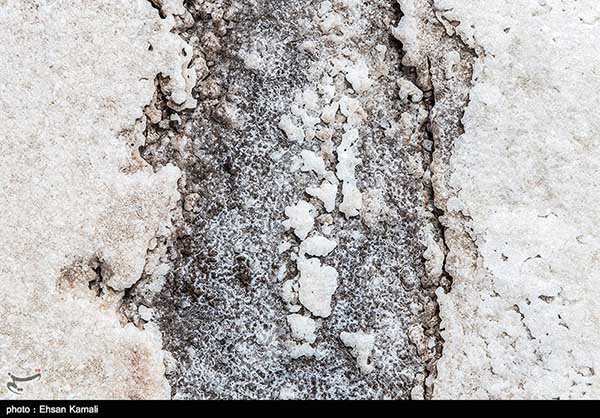
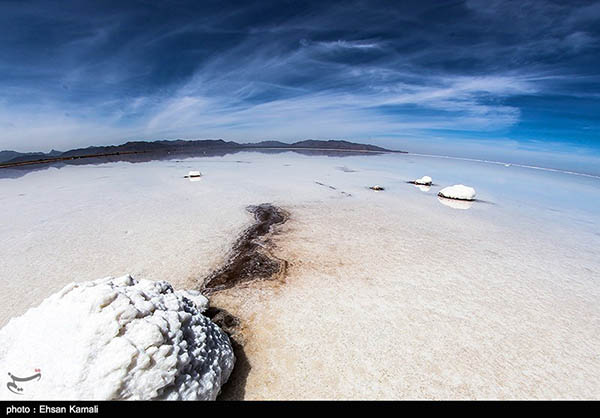
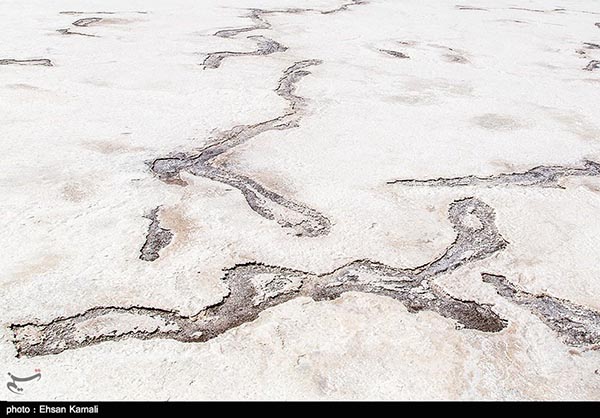
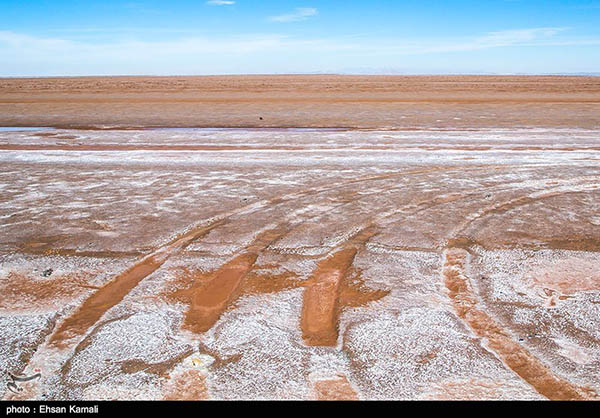
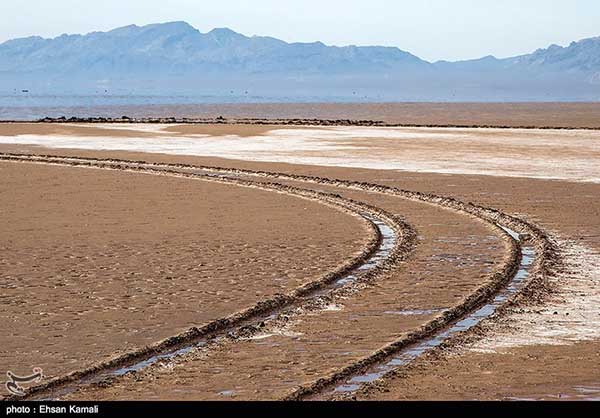
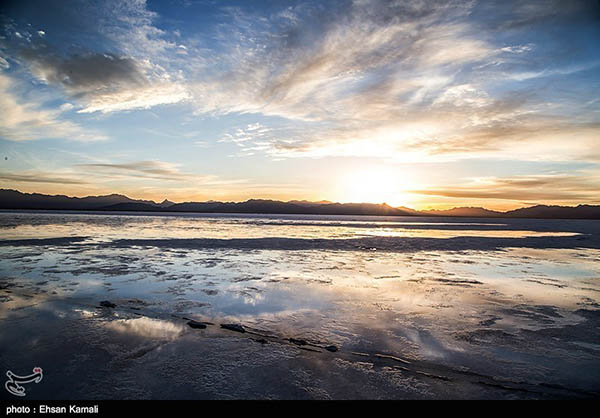
Jomhouri Islami: Life is gradually returning to Orumiyeh Lake.

[The vast lake in northwestern Iran was on the brink of drying up until a couple of years ago.]

Jomhouri Islami: Twelve Western giants are waiting for Iran sanctions to be lifted.


A look at Iranian newspaper front pages on April 28


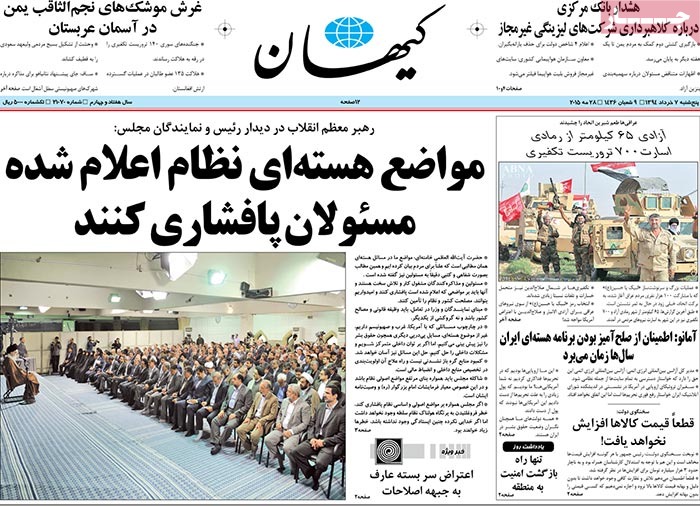
Kaenat: The war minister of the IS terrorist grouping has been killed.


A look at Iranian newspaper front pages on April 28


Resalat: “The Zionist regime is the biggest obstacle standing in the way of the NPT,” said Iranian Foreign Minister Mohammad Javad Zarif.
 

A look at Iranian newspaper front pages on April 28


Roozan: “I am concerned about the way critics are treated,” said Tehran MP Ali Motahari.
 

A look at Iranian newspaper front pages on April 28


Saheb Ghalam: “Support for production and industry is the country’s top priority,” said Parliament Speaker Ali Larijani.


A look at Iranian newspaper front pages on April 28


Iran, US foreign ministers meet in New York

Zarif-Kerry

US Secretary of State John Kerry and Iran’s Foreign Minister Mohammad Javad Zarif have met on the sidelines of a UN anti-nuclear weapons conference in New York.

The meeting was held on Monday at the residence of Iran’s ambassador to the United Nations where the two are taking part in the 2015 Review Conference of the Parties to the Treaty on the Non-Proliferation of Nuclear Weapons (NPT).

It was the first time that the top Iranian and US diplomats met since April 2, when Iran and P5+1 reached a mutual understanding over the Islamic Republic’s nuclear program.

Zarif and Kerry did not speak to reporters as the meeting started, but earlier in the day Kerry defended nuclear talks with Iran in his address to the summit.

The global community is “closer than ever” to a “good comprehensive” agreement with Iran, he said, adding, however, “the hard work is far from over and some key issues remain unresolved.”

“Now it’s important to remember that the NPT has always been at the heart of these negotiations. From day one, we have been focused on bringing Iran back into compliance with its obligations under the treaty. And if ultimately the talks are successful, it will once again prove the power of diplomacy over conflict and reinforce the rule of law,” the US diplomat said.

This comes as Iran has announced time and again that its nuclear activities are solely geared for peaceful purposes.

Iran and P5+1 ended their latest round of talks at the deputy and expert levels in Vienna, Austria, on April 24. The three-day talks were held with the goal of drafting the text of the Joint Comprehensive Plan of Action (JCPOA) based on the mutual understanding reached in Lausanne, Switzerland.

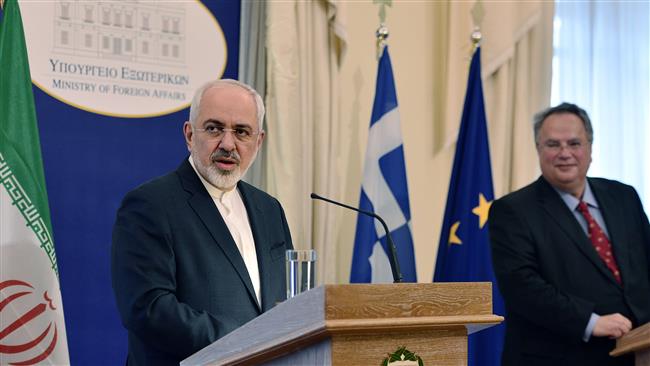
Addressing the conference on Monday, Zarif, who was speaking on behalf of the Non-Aligned Movement (NAM), said, “We firmly believe that any use or threat of use of nuclear weapons would be a crime against humanity and a violation of the principles of the Charter of the United Nations and international law, in particular, international humanitarian law.”

Zarif is set to deliver his speech as Iran’s foreign minister at the summit on Tuesday.

Iranian foreign minister meets UN undersecretary general

Mohammad Javaz Zarif-Iran FM

Iranian Foreign Minister Mohammad Javad Zarif, who is in New York for the ongoing NPR Review Conference, met and conferred with UN Undersecretary General Jan Eliasson Monday.

During the meeting, the two sides discussed current developments in Yemen and underlined the need for holding broad-based talks on Yemen.

Zarif stressed the importance of the role the UN played in establishing the Yemeni talks.

A review of the latest situation in Syria was another topic in the meeting and the two sides exchanged views on the existing solutions to the peaceful settlement of the current Syrian crisis.

The Iranian foreign minister also talked about the latest developments in nuclear talks between Iran and 5+1, and Jan Eliasson expressed pleasure over the current trend of the nuclear talks.

Zarif discusses nuclear-free Mideast with Egyptian, Algerian counterparts

un-general-assembly

Iranian and Egyptian foreign ministers in a meeting in New York discussed the plan for the nuclear-free Middle East region.

Mohammad Javad Zarif and Sameh Shoukry held the meeting on the sidelines of the NPT Review Conference in New York Monday.

In this meeting, the two sides underlined the need for closer cooperation between the Iranian and Egyptian delegations in the ongoing NPT conference for adopting close and unified positions.

The two foreign ministers also discussed the plan for the nuclear-free Middle East region as well as the NPT Review Conference.

Iran’s foreign minister also met with his Algerian counterpart Ramtane Lamamra on the sidelines of the NPT Review Conference.

During the meeting, the two foreign ministers exchanged views on the latest crises in Yemen and Syria. The two sides also emphasized the importance of finding a peaceful solution to the current crises in the two countries.

The Iranian and Algerian foreign ministers also discussed the NPT Review Conference and called for coordinated positions of the two countries, especially on a Middle East free from nuclear weapons.

Zarif is in New York to attend the Review Conference of NPT which is held at five-year intervals at UN Headquarters to discuss the three major parts of the treaty and reach a final binding document.

Any use or threat of using nuclear weapons crime against humanity: Zarif

zarif-3

Iran’s foreign minister says the use of nuclear weapons or even the threat of use of such weapons is crime against humanity.

Mohammad Javad Zarif made the remark while addressing the 2015 Review Conference of the Parties to the Treaty on the Non-Proliferation of Nuclear Weapons (NPT) in New York on Monday.

“We firmly believe that any use or threat of use of nuclear weapons would be a crime against humanity and a violation of the principles of the Charter of the United Nations and international law, in particular, international humanitarian law,” he said.

The Iranian foreign minister made a strong call for “the complete exclusion” of the use or threat of use of the nuclear weapons from military doctrines.

“We express our dissatisfaction over the lack of required political will and effort by the nuclear weapons states to fully address the legitimate interest of all non-nuclear-weapon states parties to the treaty to receive unconditional and legally-binding security assurances against the use or threat of use of nuclear weapons under all circumstances pending their elimination,” he said.

Referring to a recent summit meeting of the Non-Aligned Movement (NAM) in Tehran, Zarif said heads of state taking part in the summit lent their support to creation of a zone free from nuclear weapons and other forms of the weapons of mass destruction in the Middle East while asking immediate accession to the NPT by all countries, which should bring their nuclear activities under the supervision of the International Atomic Energy Agency (IAEA).

He added that the NAM heads of state also expressed their concern about the activities of the Zionist regime of Israel, which pose a serious threat to neighboring countries in the Middle East, condemning that regime for the production of nuclear weapons.

Zarif, who was also speaking on behalf of the NAM, said the bloc considers nuclear disarmament as its “highest priority” and reiterates that “the existence of nuclear weapons poses the greatest threat to humanity.”

“The continued lack of progress in the implementation of nuclear disarmament obligations and commitments by the nuclear weapons states could undermine the objects and purposes of the [Non-Proliferation] Treaty and the credibility of the non-proliferation regime,” he said.

The Iranian foreign minister further stated that the implementation of the Plan of Action adopted by the NPT Review Conference in 2010 with regard to nuclear weapons, nonproliferation and peaceful use of nuclear energy is deplorable.

He added that to realize the goals of the treaty and to bolster international peace and security, the contents of the NPT should be implemented in full, without discrimination and in a balanced manner.

Zarif also emphasized the role of the treaty as “the essential foundation for nuclear disarmament and non-proliferation as well as for promoting international cooperation and assistance in support of the inalienable right of the state parties to peaceful use of nuclear energy.”

The Iranian foreign minister further criticized the countries that possess nuclear weapons for not making any progress in eliminating their nuclear arsenals.

“The role of nuclear weapons in their security policy has not diminished. Some are modernizing their nuclear arsenals and planning research on new warheads; others have announced their intention to develop new delivery vehicles for nuclear weapons,” Zarif said.

Zarif further expressed deep concern about the military and security doctrine of nuclear weapons states as well as that of NATO, saying, “They justify their use or threat of use of nuclear weapons and maintain the irrational concept of security based on nuclear deterrence and nuclear military alliances.”

The Iranian foreign minister further called for “a comprehensive nuclear weapons convention which would include a phased program and a specified timeframe for the complete elimination of nuclear weapons,” adding that he has put forward a working paper entitled “Elements for a Plan of Action for the Elimination of Nuclear Weapons.”

Zarif said proliferation concerns are best addressed through “multilaterally negotiated, universal, comprehensive and nondiscriminatory agreements,” stressing that “additional measures related to safeguards shall not affect the rights of the non-nuclear states parties to the treaty.”

“Each state party in line with its national requirements and in accordance with the rights and obligations under the treaty has a sovereign right to define its national energy and fuel cycle policies including their inalienable right to develop for peaceful purposes a full national nuclear fuel cycle. Accordingly, the choices and decisions of each state party in the field of peaceful use of nuclear energy should be fully respected,” he said.

“We strongly reject and call for the immediate removal of any restriction or limitations on the peaceful use of nuclear energy including restrictions on export to other state parties of nuclear material, equipment and technology for peaceful purposes.”

With Clinton in the White House, America’s Iran policy will not change

JOSEPH NYE

Seda-magazine-32Joseph Nye, a Harvard University professor and a former advisor to John Kerry during his 2004 presidential campaign, says that the US policy on Iran will not be subject to change if Hillary Clinton follows in the footsteps of her husband to the White House.

“The Most Ambitious Woman in the World” is the cover story of the 32nd issue of Seda (Voice) Weekly. The seven-page story takes a closer look at the past and future of Hillary Rodham Clinton, the most outstanding hopeful in the 2016 race.

The weekly’s Arash Najmeddin had asked Nye for a phone interview about the [foreign policy] challenges the US faces; the American political scientist accepted to be interviewed only after Arash read Is the American Century Over? – his latest book which came out earlier in 2015. The following is a partial translation of the interview preceded by Najmeddin’s introduction:

It would be no exaggeration to claim that nobody is above Joseph Nye when it comes to international relations. He has lectured at Harvard since 1964 and has served as the dean of the John F. Kennedy School of Government at Harvard University along the way. He is closer to Democrats and served as Assistant Secretary of Defense for International Security Affairs in the Clinton Administration [from 1994 to 1995]. Nye was widely considered to be the preferred choice for National Security Advisor in the 2004 presidential campaign of John Kerry.


Some have said that the Obama presidency has been an exception as far as the US foreign policy goes and that his successor – whether a Democrat or a Republican – will opt for change. What’s your take on that?

With Clinton in the White House, there wouldn’t be much change, because she once served as secretary of state under Obama. But if a Republican wins the White House, the situation will be different. The extent of the change in question will depend on who that Republican is. If Jeb Bush becomes the next president, change can be small or big, but the change will be remarkable if Rand Paul or Ted Cruz succeeds Obama. A President Paul would internalize foreign policy and a President Cruz would make it more aggressive. […]


When it comes to Iran, do you think Hillary’s policies will differ [from Obama’s]? If yes, how much?

I think Clinton will be a bit radical, but the change won’t be remarkable. What set the stage for talks on Iran’s nuclear program came when Clinton was secretary of state. Her staff started to make preparations for the [launch] of the talks. That’s why I think there will be no sea change.


What about the culture at the State Department? Would the makeup of the State Department or the topics it highlights undergo big change in the Clinton administration?  

I don’t think big change is in the cards. […] I do not see any big change. We need to look back at the past when she was the US top diplomat. The State Department in the Clinton administration would be probably similar to the time when she was the boss at the State Department.


Some say the US had better focus its attention on regions other than the Middle East. Which president do you think can better follow a policy in which Asia, for example, is given more attention?

[…] Asia is the dynamic part of the global economy. Any US government after the Obama administration has to concentrate its attention on Asia; on the other hand, the Middle East is the breeding ground for the current problems the world is grappling with, thus the US cannot turn its back on the Mideast.


The US is said to be unable to leave the Middle East since it has been entangled in this area? What’s your take?

[…] Observers maintain that the US will soon be energy independent and that it no longer will have to import energy from the Middle East, but it still has different reasons to be interested in the region, including striking a military balance, stemming the proliferation of nuclear weapons, and human rights. It is impossible for the US to completely turn its back on the Middle East.


Where do you stand on the nuclear talks, including the Lausanne statement and the path of the talks? Do you think they serve the US interests?

As far as we understand the agreement (clearly we do not have full understanding of that), I support it.


It is said that a Republican president will damage or diminish the US soft power in the world. Do you agree?

That is not necessarily the case. In the past, under Republican presidents such as Bush (41), Reagan and Eisenhower the US wielded soft power. I think it is not simply a matter of parties.


Don’t you think that a nuclear bomb can give a government enormous power?

The common knowledge that nuclear weaponry can transform a government’s power is nowhere near correct. […] In a region such as the Middle East, a nuclear bomb can simply undermine the security of all countries. The bigger the number of such weapons, the more likely it becomes for a regional government to use one, and this is dangerous for all regional countries.


In your book Is the American Century Over, you have talked about the integration of China into the international community. Which one of the candidates [for the 2016 race] do you think can better pursue a China policy as such?

The US has pursued a China balance of power policy since the 1990s when the Clinton administration was in talks with Beijing. President Clinton supported China’s entry into the World Trade Organization on the one hand, and cemented US security ties with Japan on the other. Presidents Bush (43) and Obama pursued that same policy. This will remain part of the US foreign policy in the next government.

At the Height of Tehran’s Tallest Flagpole

Tehran from its tallest flagpole

Tehran’s tallest flagpole has a height of 150 meters. It is indeed the third tallest flagpole in the world.

Snapshots of the capital from the highest point of Tehran’s flagpole released online by Tasnim News Agency:


History Show Focusing on Seljuq Dynasty in Isfahan

Isfahan History Show 35

Actors in Isfahan have contributed to a historical festival designed to take people on a trip down history lane to the time of the Seljuq Dynasty. The festival to mark Isfahan Week is aimed at getting people familiar with Isfahan’s history.

Photos of the history show posted online by IRNA: