Friday, December 26, 2025
Home Blog Page 4611

A look at Iranian newspaper front pages on Feb 6

Iran Newspaper front pages

It is still less than a month since international sanctions on Iran’s nuclear program were lifted prompting a rush of international business delegations to Iran and visits by Iranian officials after nearly a decade of isolation to leading economic centers. During this short span of time Iran is breaking records in international meetings and deals. In the latest of these developments, Minister of Foreign Affairs Mohammad Javad Zarif visited UK at the invitation of London. During the visit he met with his British counterpart Philip Hammond and the two sides agreed to restart issuance of visas in their embassies in Tehran and London in a near future. Many dailies devoted their main headlines to the visit and its outcomes.

Syrian development, killing of an ISIS ringleader in Yemen with his companions, Saudi army’s entry into Syrian soil, and the ongoing deliberations over qualities of parliament and Assembly of Experts hopefuls are the major topics Iranian dailies highlighted on Saturday, February 06, 2016.

Here are the top headlines:

Abrar:

1- ISIS ringleader, companions killed in southern Yemen

2- Iraq to build security wall around Baghdad

3- Germany seeks economic interactions with Iran

4- Iran’s Zarif meets UN’s Sec. Gen.


A look at Iranian newspaper front pages on Feb 6


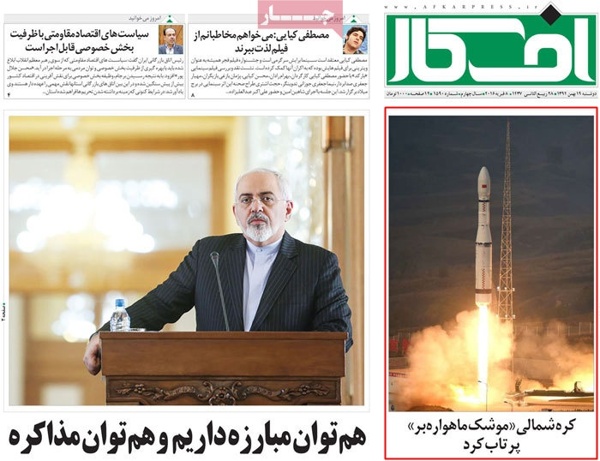
Afkar:

1- FM: Iran ready for economic cooperation with all the world

2- Saudi ground forces enter Syrian soil

3- Australia makes citizenship harder for refugees
 

A look at Iranian newspaper front pages on Feb 6


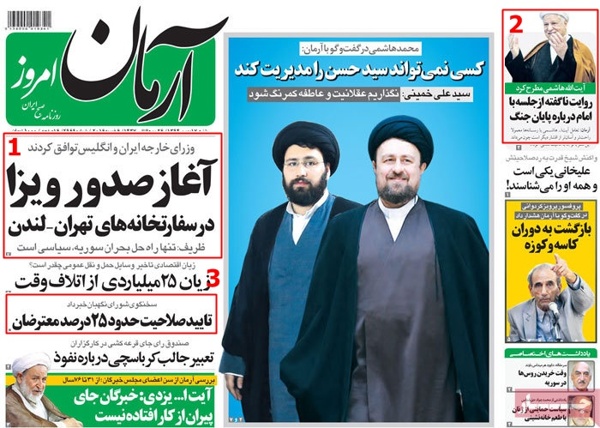
Arman-e Emrouz:

1- ‘Iran, UK to resume issuing visa soon’ in their respective embassies

Iranian Foreign Minister Mohammad Javad Zarif says Iran and Britain will resume issuing visas for the two countries’ citizens “within the next few weeks.”

2- Rafsanjani recounts what war-ending session with Imam had

3- Guardian Council qualifies 25% of objectors
 

A look at Iranian newspaper front pages on Feb 6


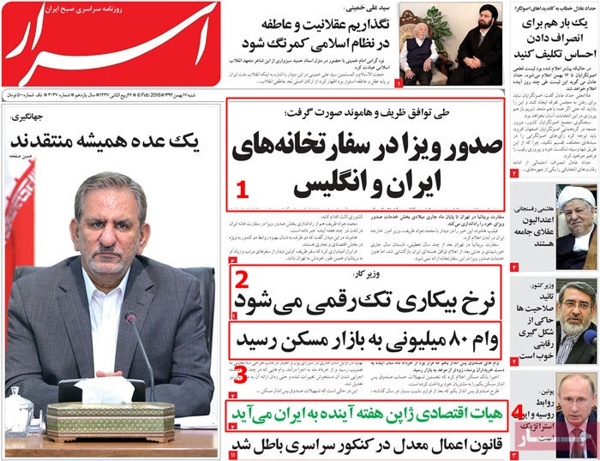
Asrar:

1- Iran, UK to restart issuing visas in embassies

2- Unemployment rate to become one-digit figure

3- IRR80m loan earmarked for housing market

4-Japanese business delegation in Iran next week
 

A look at Iranian newspaper front pages on Feb 6


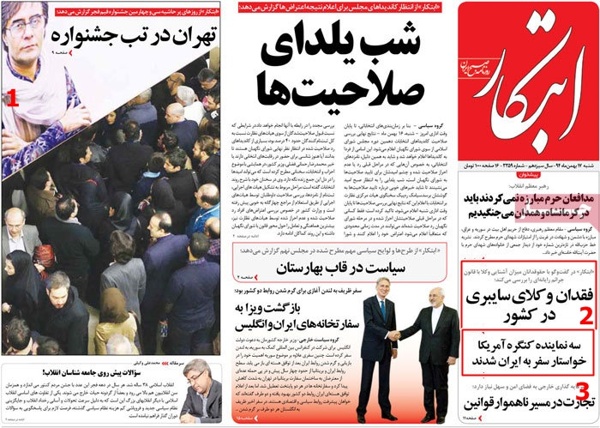
Ebtekar:

1- Fever of festival in Tehran

These days Tehran is hosting the 34thFajr Film Festival.

2- Lack of online lawyers in Iran

3- Three US congressmen ask to visit Iran
 

A look at Iranian newspaper front pages on Feb 6


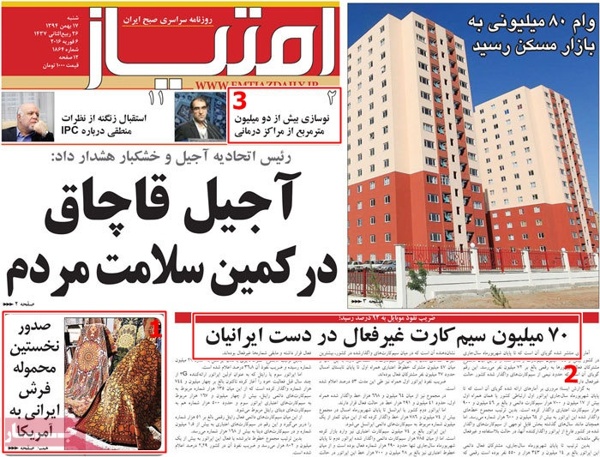
Emtiaz:

1- Iran exports first carpet shipment to US

2- 70m unused sim cards owned by Iranians

3- Iran renovates over 2 M square meters of healthcare centers
 

A look at Iranian newspaper front pages on Feb 6


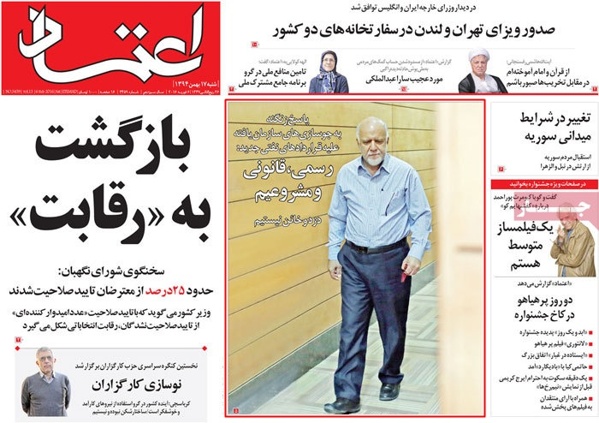
Etemad:

1- We are official, legal and legitimate: Zangeneh

Iranian Minister of Petroleum Bijan Zangeneh reacted to organized activities inside the country to undermine the effectiveness of the newly unveiled oil contract model. “We are not thieves or traitors,” he said.
 

A look at Iranian newspaper front pages on Feb 6


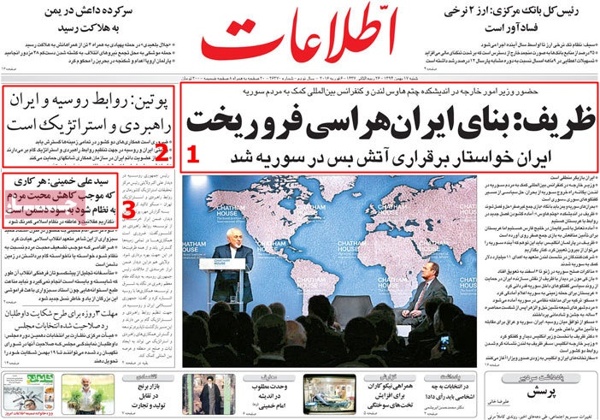
Ettela’at:

1- Zarif: Iranophobia masonry has fallen

Tehran calls for ceasefire in Syria

2- Putin: Tehran, Moscow ties strategic

3- Seyyed Ali Khomeini: Enemy favors from everything that results in people losing affection to the [Islamic] establishment
 

A look at Iranian newspaper front pages on Feb 6


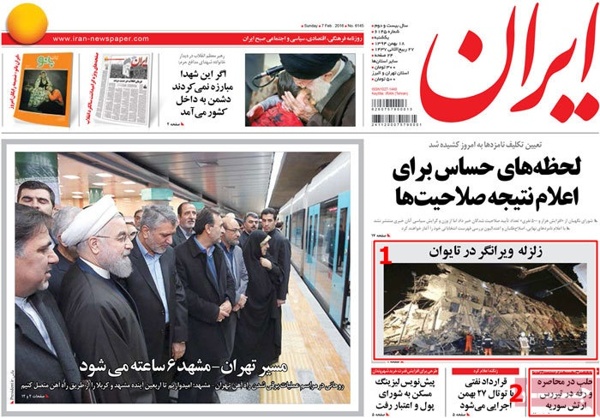
Iran:

1- Economy Minister confers with representatives of 60 Japanese firms

2- Vice – President launches domestically-built power plant

3- 500 illegal middleman in state organizations identified
 

A look at Iranian newspaper front pages on Feb 6


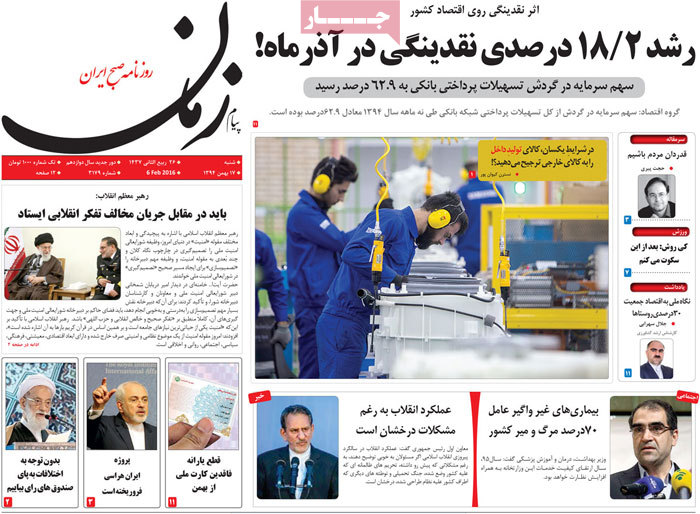
Payam Zaman:

1. 18.2% liquidity growth in month of Azar

Iran’s liquidity rose by 18.2% during the 9th month of the Iranian

calendar year (November 22-December 21).

2. Veep hails revolution’s achievements despite problems

3. Health Minister: Non-communicable diseases cause of 70% of deaths in Iran
 

A look at Iranian newspaper front pages on Feb 6


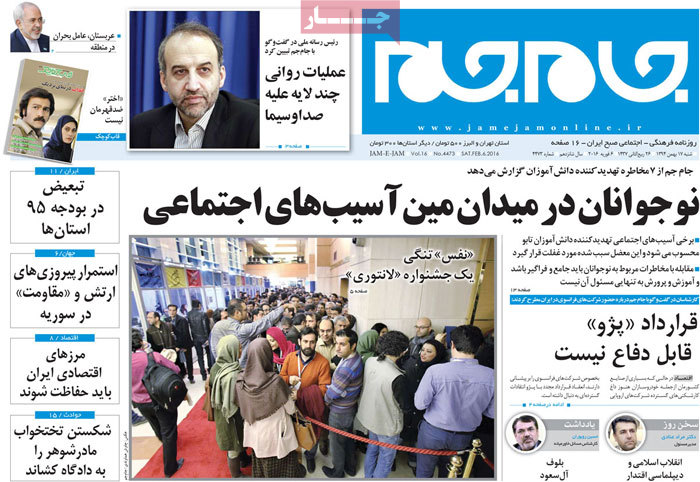
Jamejam

1. Head of IRIB speaks of ‘multilayer plot against IRIB’

2. Adolescents in the social mine field

3. Calls for preserving Iran economic borders

4. Peugeot deal indefensible
 

A look at Iranian newspaper front pages on Feb 6


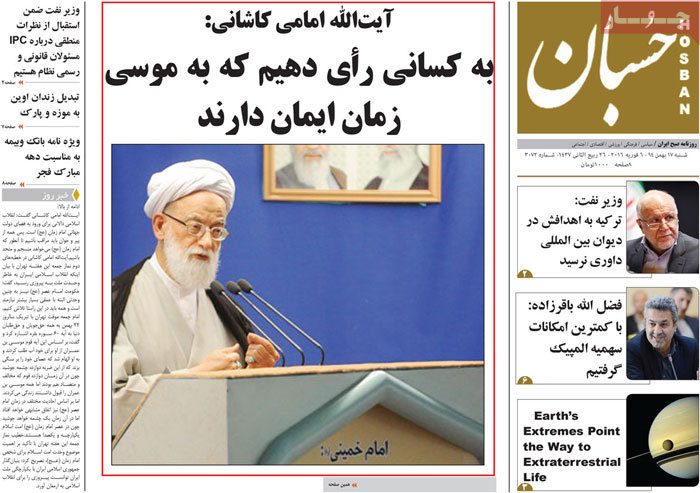
Hosban:

1. Turkey failed to reach objectives in gas dispute with Iran: Zangeneh

2. Prison to become park
 

A look at Iranian newspaper front pages on Feb 6


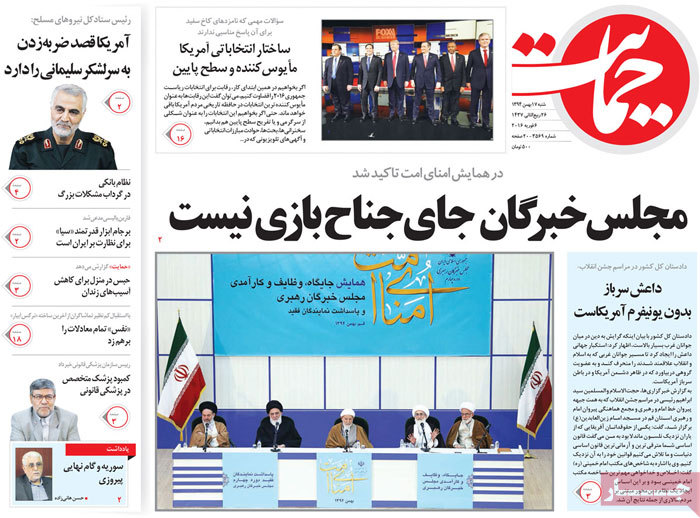
Hemayat:

1. Assembly of  Experts no place for partisan games

2. ISIS, US’s plainclothes soldier: Pros. Gen.

3. Banking system in whirlpool of troubles

4. US after hurting Cmdr Soleimani: Chief of Staff of the Armed Forces

5. US election structure: hopeless, low-level
 

A look at Iranian newspaper front pages on Feb 6


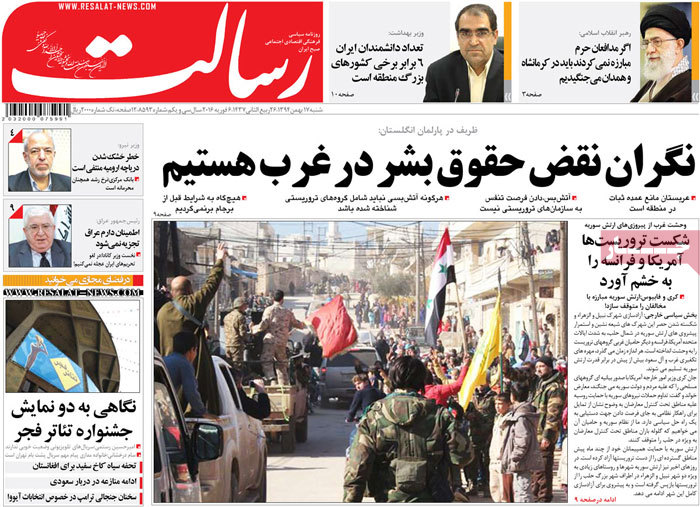
Resalat:

1. Zarif in London: Iran concerned about human rights in West

Saudi Arabia main barrier to region’s stability

Ceasefire no recess for terrorist organizations

Not all ceasefires can include recognized terrorist groups

Returning to pre-JCPOA conditions impossible

2. Power Minister: Urmia lake not to dry out

3. Iraqi President: I am assured Iraq will not dissolve
 

A look at Iranian newspaper front pages on Feb 6


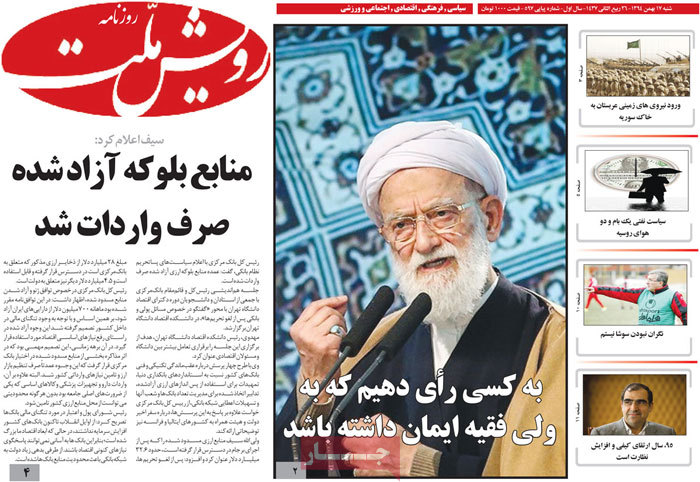
Rooyesh Mellat:

Unfrozen assets spent for imports: CBI head
 

A look at Iranian newspaper front pages on Feb 6


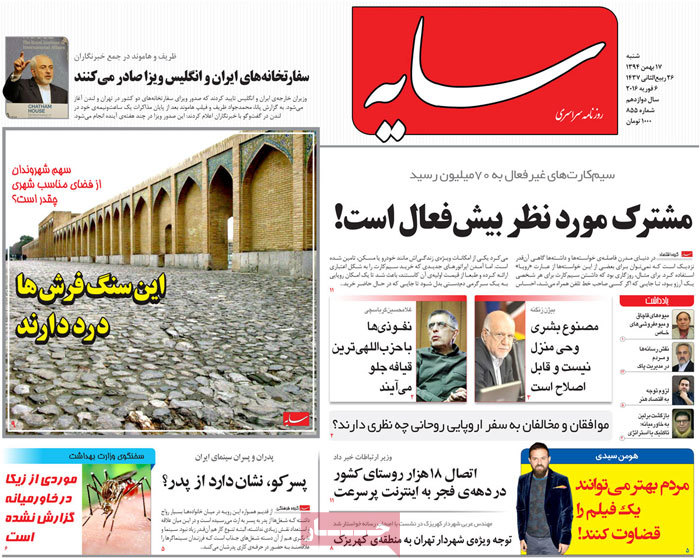
Sayeh:   

Minister of Telecommunications: Iran to connect 18,000 villages to high-speed internet
 

A look at Iranian newspaper front pages on Feb 6


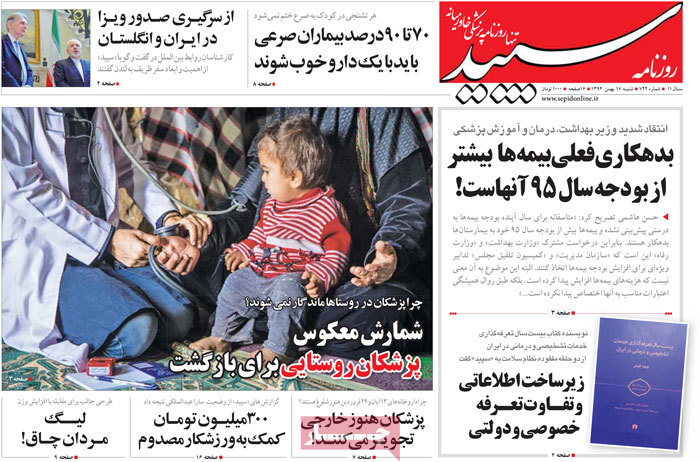
Sepid:

1. IRR3,000m garnered for injured athlete

2. League for fatties

The league is a proposal for tackling obesity in Iran.
 

A look at Iranian newspaper front pages on Feb 6


Shahrvand:

1. University examination law alters after one citizen’s complaint

2. 18,000 newborns suffer cardiac diseases annually

3. 700% inflation paralyzes Venezuela
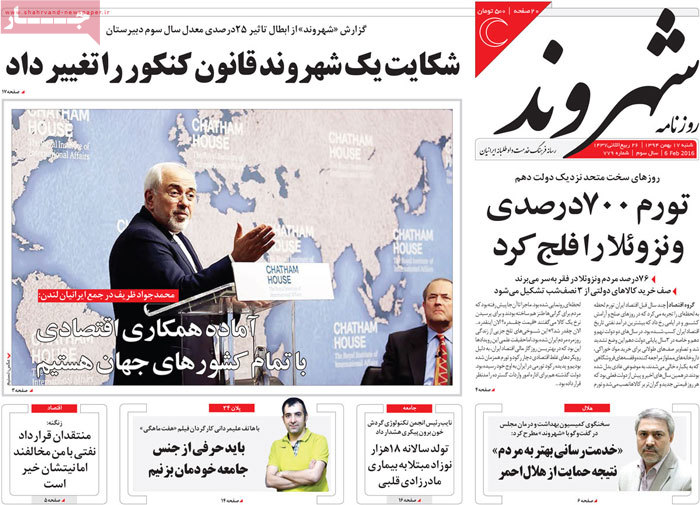
 

A look at Iranian newspaper front pages on Feb 6


Sahib Ghalam:

Iran, Oman launch regular shipping lines

Court of Arbitration fines Iran $2b to Turkey [for overcharging it gas]
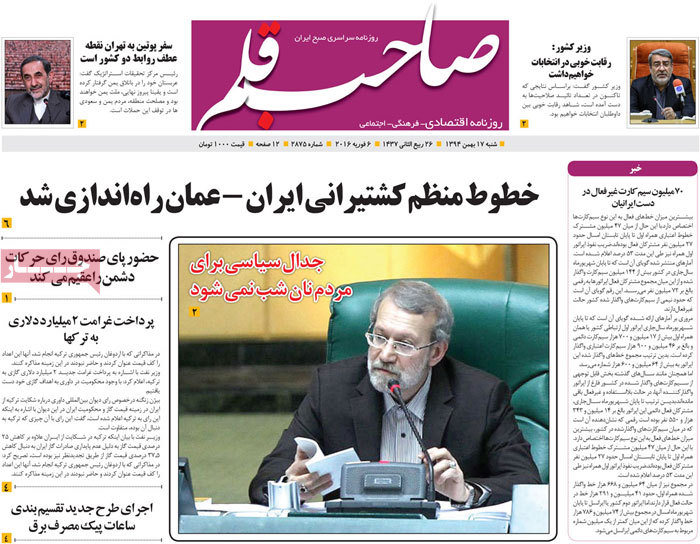
 

A look at Iranian newspaper front pages on Feb 6


Asr-e Azadi:

Iran imports first fully electric car

Details about returning economic criminal to Iran by Tabriz Prosecutor
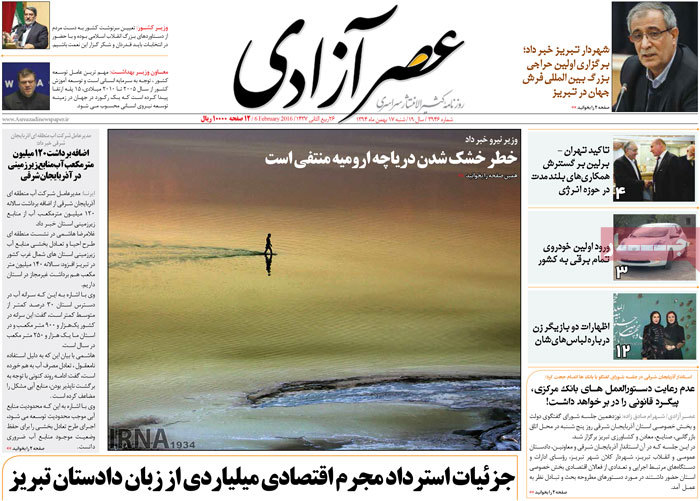
 

A look at Iranian newspaper front pages on Feb 6


Vatan Emrouz:

1. Iran says amount of fine to Turkey is confidential: The Confidential Administration

2. Outstanding Quran reciter dies
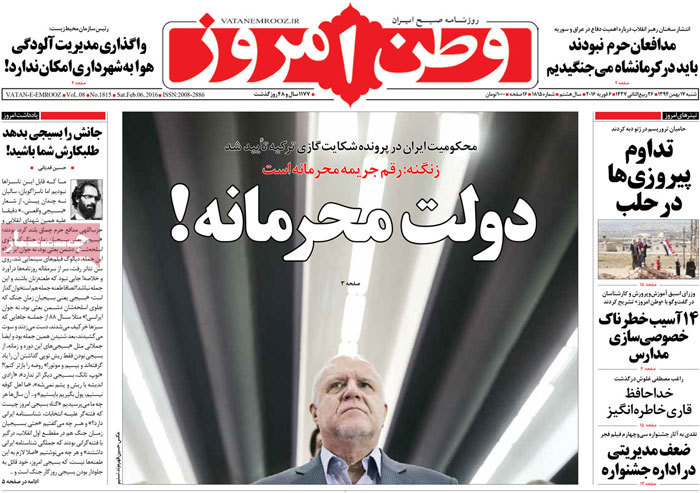
 

A look at Iranian newspaper front pages on Feb 6


Abrar Eqtesadi:

1. $10b credit line for Iran-Japan trade

2. 0.7% Iran’s economic growth in 2015

3. First Iran carpet cargo hits US market

4. Oil price many cross $50/b in 2016
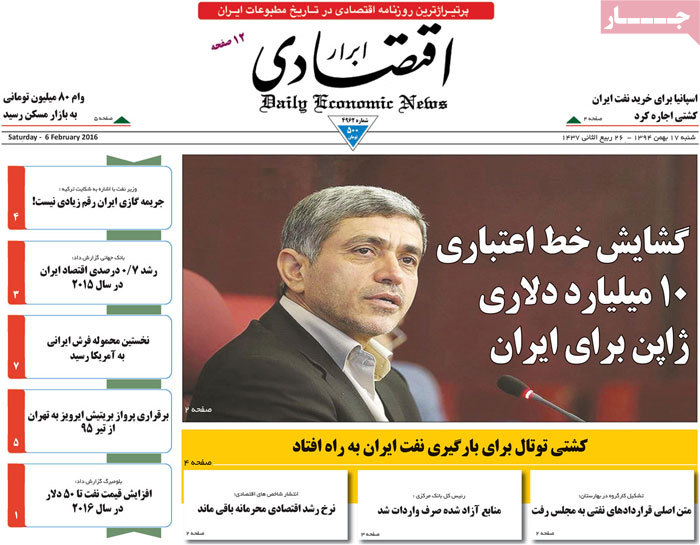
 

A look at Iranian newspaper front pages on Feb 6


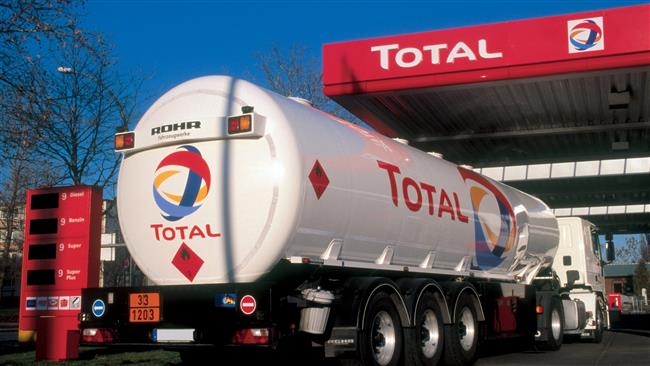
Iran-France oil contract to take effect Feb 16

Bijan Zangeneh said an agreement, signed last month in Paris between National Iranian Oil Company (NIOC) and Total, will take effect on February 16.

“As per the contract signed between NIOC and Total, this French company will buy 160,000 b/d of Iranian crude oil,” the minister said.

He added that Total has shown willingness to develop Iran’s giant South Azadegan oil field, shared with neighboring Iraq, and to revive Iran LNG project for the production of supercooled gas.

“Iran plans to provide this French company with necessary data for studies,” said Zangeneh.

Iran discovered Azadegan oil field in 1999 in what was the country’s biggest oil find in decades. The country accordingly teamed up with Japan’s Inpex to push the project toward development. However, the Japanese company quit the project as a result of US sanctions against Iran.

The NIOC later divided the project into South Azadegan and North Azadegan and both were awarded to China’s CNPC when Iran’s former president Mahmoud Ahmadinejad (2005-2013) was in office.

South Azadegan is believed to hold 33.2 billion barrels of oil in place, 5.2 billion barrels of which are recoverable.


Eni, Saras want Iran oil

Zangeneh also said that Italy’s giant Eni is to send a delegation in Tehran soon to sign contracts for buying Iran’s oil and developing an oil field in Iran.

He said Eni hopes to buy 100,000 b/d of crude oil from Iran, adding that Italy’s refiner Saras wants 60,000 b/d to 70,000 b/d of Iran’s crude.

Zangeneh said the lifting of sanctions on Iran has boosted the country’s crude oil exports to Europe.

“The only European destination for Iran’s crude oil during [years of] sanctions was Turkey that used to buy 100,000 b/d of oil from Iran. With current deals, this amount will increase to more than 300,000 b/d,” said the minister.

Greece’s main oil refiner Hellenic Petroleum recently reached an agreement with Iran for importing crude oil.

The Greek refiner was a major buyer of Iranian crude, which accounted for about 20% of its annual crude oil imports before sanctions were slapped on Iran in 2011.

Under the agreement, HELPE will start buying oil from Iran immediately and will also settle its nearly $550-600 million outstanding debt to NIOC.

On January 16, Iran’s landmark nuclear deal with six world powers, reached last July, went into effect, leading to the lifting of US, UN and European sanctions on the country.

Iran is expected to add 500,000 b/d to its oil exports after the sanctions are lifted. It will continue to raise exports to 1 mb/d six months after.

Iran to resume export of hand-woven carpets to US

Talking to IRNA, Karegar reiterated that the US Congress halted the imports of Iranian carpet in 2010.

‘Before imposing of sanctions on Iran, the US markets were considered as the first exports hub of Iranian carpets.

Kargar reinterred that over four million tons of Iranian hand-woven carpets, worth $230 million, were exported during the 10 months of current Iranian calendar year, started March 21, 2015.

He described the figure as too meager, reiterating that imposing of sanctions against Iran and economic recession as the main reasons behind the decline of the exports of Iranian carpets.

Karegar said Europeans are also the enthusiastic buyers of Persian carpets.

He said that Persian hand-woven carpets in the past seven months of the current Iranian year (started on March 21) fetched more than 142 million dollars.

Karegar said based on statistics released by Iran Customs Administration, 2,620 tons of hand-woven carpets were exported to 80 countries in the past seven months.

Export of the Persian carpets amounted to $166 million, showing 14 percent growth compared to the figure in the preceding period.

The exported hand-woven carpets weighed more than 3,100 tons, showing 16 percent growth.

Moreover, the eight-month statistics showed more than 3,900 tons of hand-woven carpets, worth more than $202 million, were exported to more than 80 countries, showing increases of 24 and 12 percent in weight and value respectively compared to the figures in the same period in the year 1392 (2013-14).

Germany, Italy, Switzerland, and France in Europe, Lebanon, Qatar, the UAE and Kuwait in the Middle East and China and Japan in east of Asia are major buyers of Iranian hand-woven carpets in the seven-month period.

Iran National Carpet Center put the value of exports of Iranian hand-woven carpets at more than 330 million dollars the year before.

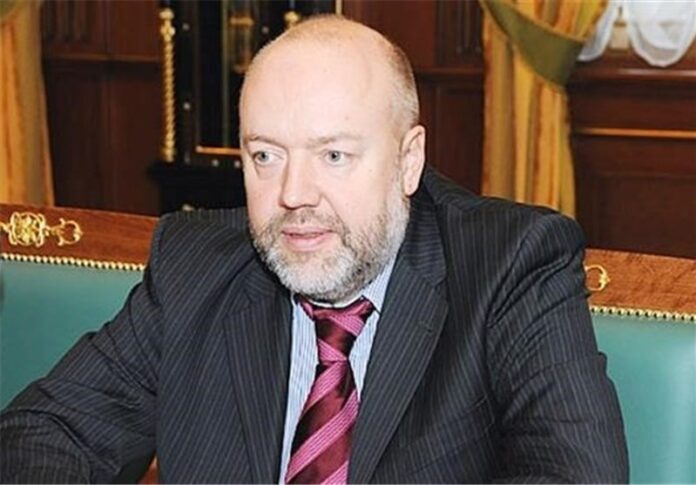
Saudi Military Intervention in Syria Amounts to War, Russia Warns

“Syria has to give official consent, to invite, otherwise it will be a war. The same applies to international law,” Pavel Krasheninnikov, the head of the State Duma committee, told Interfax on Friday.

Krasheninnikov said that by promising a ground operation in Syria, Riyadh now “intends to send troops to the territory of a sovereign state essentially without declaring a war.”

Saudi Arabia on Thursday voiced readiness to participate in any ground operations in Syria if the US-led coalition allegedly targeting terrorists decides to start such operations.

US State Department spokesman John Kirby also welcomed the Saudi decision, Press TV repoted.

Saudi Arabia is a member of the so-called US-led coalition that has been conducting air raids against what are claimed to be the Daesh terrorists inside Syria without any authorization from the Syrian government or a UN mandate since September 2014.

The US-led strikes have on many occasions targeted infrastructures and left many civilians dead.

Syrian President Bashar al-Assad said during an interview in March 2015 that the US-led military campaign does not aim to “do away” with the terror group.

Washington and its regional allies, including Turkey and Saudi Arabia, have been backing militants fighting against the Syrian government and people. Since the Syria conflict started in 2011, they have been providing military and financial aid to the militants who are accused of widespread war crimes and crimes against civilians.


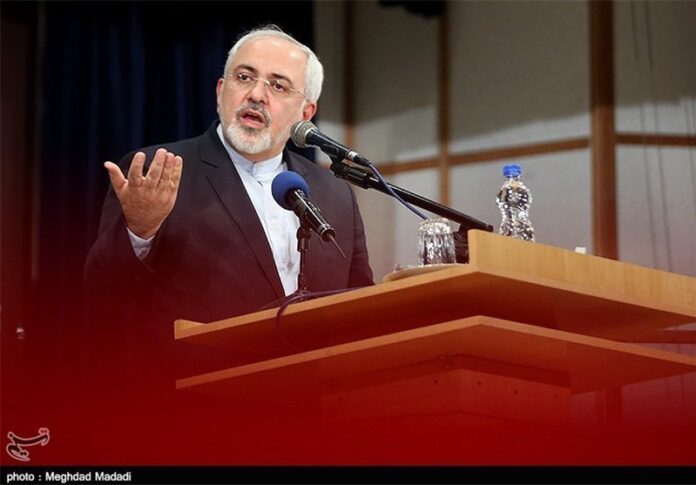
Iran’s Nuclear Deal Means Diplomacy Works: Zarif

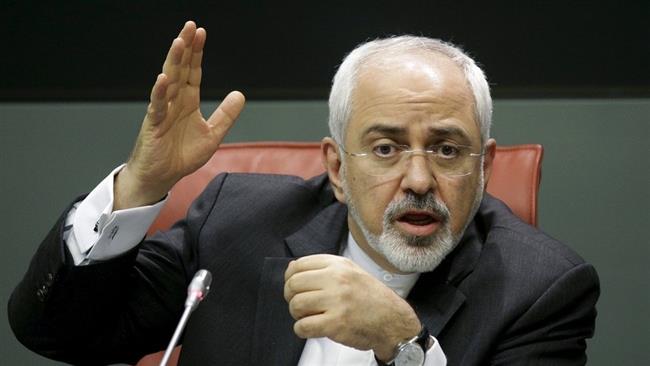
“With the nuclear agreement we demonstrated that diplomacy works,” Zarif said in a speech in the British parliament on Thursday, referring to the nuclear deal between Iran and the Group 5+1 (Russia, China, the US, Britain, France and Germany), reached on July 14, 2015 and implemented on January 16 this year.

And now, there is a hope that the international community can resolve its difficult problems through diplomacy, he added.

He further pointed to the ongoing crisis in Syria, saying that since the beginning of the UN-brokered negotiations to end war in the Arab country, Iran has called for ceasefire along with political transition.

However, he added, any ceasefire in Syria should not include stopping military operations to combat terrorism.

“Ceasefire, based on everybody’s interpretation, does not include giving a breathing space to recognized terrorist organizations,” Zarif said. “Having a ceasefire is different from letting up the fight against terrorism.”

He named the Nusra Front and Daesh (ISIL) as such organizations.

Syria has been gripped by civil war since March 2011 with Takfiri terrorists from various groups, including Daesh, currently controlling parts of it.

According to the United Nations, more than 250,000 people have been killed and one million wounded during the conflict.

In the meantime, Iran has remained a close ally of Syria and supports its legitimate government in the face of foreign-backed militancy.


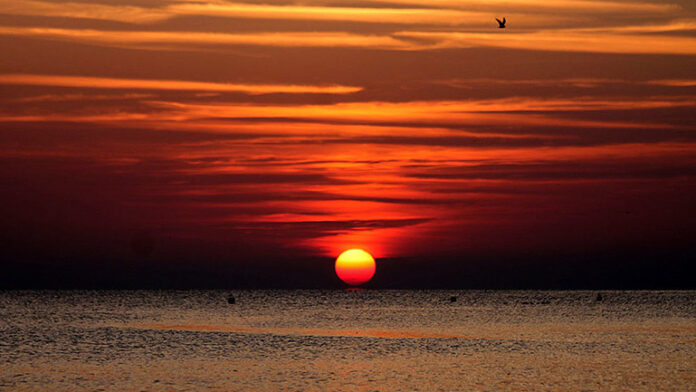
Gorgeous sunset on Kish Island(PHOTOS)

The coral-rimmed, oval-shaped Island of Kish off the southern coast of Iran shines a fiery orange in the sunset, creating a unique and fascinating sight.


Iran putting finishing touches to IPC contracts: Zangeneh

“So far, no contract has been signed and even the text of this model of contracts has not been readied yet,” Bijan Zangeneh told the ministry’s official news agency SHANA.

“The drafting of the contracts is under way and we will negotiate with [foreign] companies after finalization,” said the minister.

He said that petroleum ministry officials are open to discussing the framework of the Iran Petroleum Contract (IPC) – drafted to replace unattractive buybacks – to assuage their concerns.

“I agree that there are concerns about oil and there have always been [such concerns]. We want to give assurances provided that the critics are for negotiations, are rational and observe the minimum criteria,” said Zangeneh.

He dismissed criticisms that foreign companies should not be engaged in oil contracts with Iran.

“Development of oil production capacity with focus on joint fields with a view to enhancing recovery rate is enshrined in the general policy [of oil plans],” said Zangeneh.

“I’m sure that the lawmakers who are critical of this framework have goodwill. Although they are opposed to me, their intention is the development of the country,” he said.


IPC, an attractive model

Iran cancelled an oil conference that was scheduled for this month in London to unveil new terms for oil contracts.

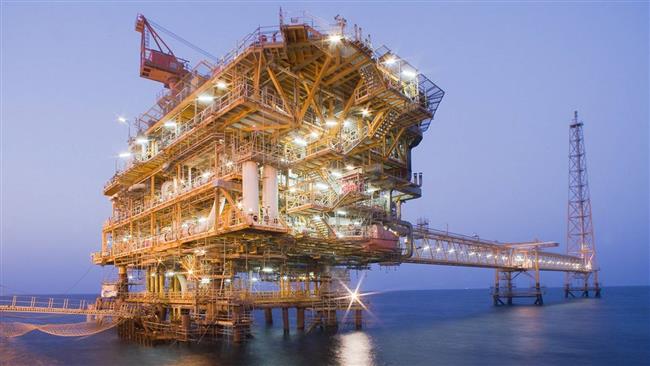
South Pars gas


The London conference was planned to be held Feb. 22-24 as international sanctions have been lifted following the entry into force of Iran’s landmark nuclear agreement with world powers last month.

IPC is replacing buyback deals. Under a buyback deal, the host government agrees to pay the contractor an agreed price for all volumes of hydrocarbons the contractor produces.

But under the IPC, National Iranian Oil Company (NIOC) will set up joint ventures for crude oil and gas production with international companies which will be paid with a share of the output.

More than 100 energy companies, including Britain’s BP, France’s Total, Italy’s Eni and Spain’s Repsol attended a conference in Tehran last November to hear about the IPC.

Under the IPC, different stages of exploration, development and production will be offered to contractors as an integrated package, with the emphasis laid on enhanced and improved recovery.

Architects of the new contract say foreign companies can no longer dash out of their contractual obligations if sanctions are ever re-imposed on Iran. But critics cite numerous shortcomings which seriously plague the new formula.


Canada lifts Iran sanctions, to restore ties

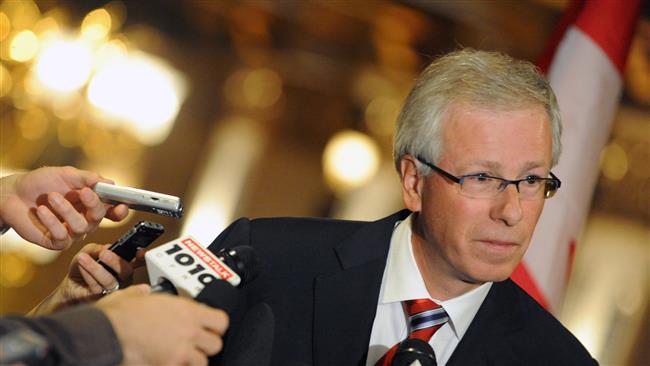
The government of Prime Minister Justin Trudeau announced in a statement that it had amended its “broad-reaching autonomous sanctions against Iran to allow for a controlled economic re-engagement, including lifting the broad ban on financial services, imports and exports.”

The statement, issued by Foreign Affairs Minister Stéphane Dion and International Trade Minister Chrystia Freeland, says the changes announced Friday mean “Canadian companies will now be better positioned to compete with other companies globally.”

All applications for export permits will be considered on a case-by-case basis, read part of the statement.

This is seen by the media as a key step to make Canadian companies more competitive against rivals doing business in Iran.

Nevertheless, the country has emphasized that it will continue to maintain tight restrictions on exports to Iran of goods, services and technologies considered sensitive from a security perspective.

Foreign Minister Dion has been quoted by the Canadian media as saying on Friday that the country is considering the restoration of diplomatic contacts with Iran, as well.

He had said last week that if Airbus is allowed to sell to Iran, then Canadian aircraft maker Bombardier Inc should be allowed to export there as well.

The Canadian foreign minister had also said in late January that it will move to quickly normalize relations with Iran and lift the sanctions it has imposed against Tehran in order not to miss the business opportunities that have arisen following the recent implementation of Tehran’s landmark nuclear agreement with six world powers.

He had emphasized that Ottawa would act “in a speedy fashion” to normalize ties and remove economic sanctions against Iran.


Iran urges US to tell EU banks trade Ok

The call was made on Thursday by Iran’s Foreign Minister Mohammad-Javad Zarif in a forum at the British think-tank Chatham House in London.

“Rebuilding the confidence of the banks that the United States will not re-intervene in their relations with Iran may require some further assurance from the United States,” Reuters quoted Zarif as saying.

“We don’t need any more legalese – we need clear precise assurances that banks can do business with Iran,” he said. “I hope that is fast coming because if not it would be a problem of implementation.”

Iran saw a series of nuclear-related economic sanctions lifted in mid-January when a landmark deal with the P5+1 group of countries – the five permanent members of the Security Council plus Germany – was implemented.

Nevertheless, some restrictions over the country’s commercial activities still remain, Reuters reported.

Washington still prevents US nationals, banks and insurers from trading with Iran and also prohibits any trades with Iran in U.S. dollars from being processed via the US financial system.

This is a significant complication given the dollar’s role as the world’s main business currency, the report added.

European banks are also cautious – with some, including Deutsche Bank and BNP Paribas, remembering past fines from US regulators for breaking sanctions.

Last April, BNP Paribas SA was sentenced to five years probation by a US judge in connection with a record $8.9 billion settlement resolving claims that it violated sanctions against Iran, as well as Sudan and Cuba.

Also, US regulators said in November 2015 that the Deutsche Bank will pay $258m in fines for doing business with US-sanctioned countries like Iran and Syria.


Iran, Japan sign investment agreement to up economic ties

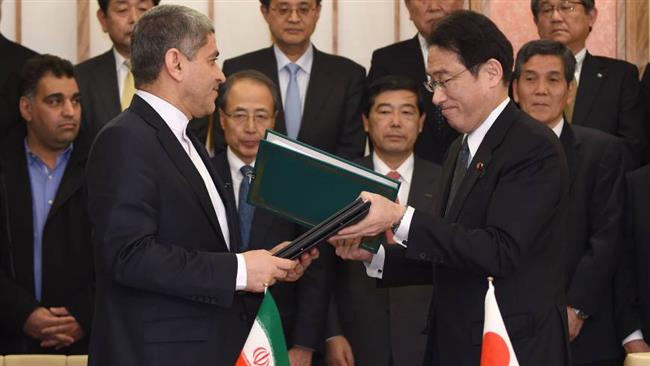
The agreement was signed by Japanese Foreign Minister Fumio Kishida and visiting Iranian Minister of Finance and Economic Affairs Ali Tayyeb-Nia in Tokyo on Friday following Japan’s move to lift Iran sanctions as a result of the implementation of a nuclear deal between Tehran and the P5+1 group of countries.

According to the Friday agreement, all rights and assets of potential Japanese investors in Iran will be protected, Tayyeb-Nia said.

The Iranian minister added that the foreign party will be insured against all possible non-trade risks under this agreement.

He expressed Iran’s keenness to improve relations with Japan after the removal of sanctions and noted that the signed pact can play a leading role in achieving this objective.

The Japanese foreign minister, for his part, said Tokyo is firmly determined to strengthen economic cooperation with Tehran due to its great potential.

Kishida expressed hope that the investment agreement would help the two countries improve their relations.

Iran and the five permanent members of the UN Security Council – the United States, France, Britain, China and Russia – plus Germany started to implement Joint Comprehensive Plan of Action (JCPOA) on January 16.

After JCPOA went into effect, all nuclear-related sanctions imposed on Iran by the European Union, the Security Council and the US were lifted. Iran in return has put some limitations on its nuclear activities. The nuclear agreement was signed on July 14, 2015 following two and a half years of intensive talks.