
The Turkmen or Turkoman horse, the most beautiful horse native to Iran, is bred in Turkmen Sahra region, in the northeast of Iran near the Caspian Sea.

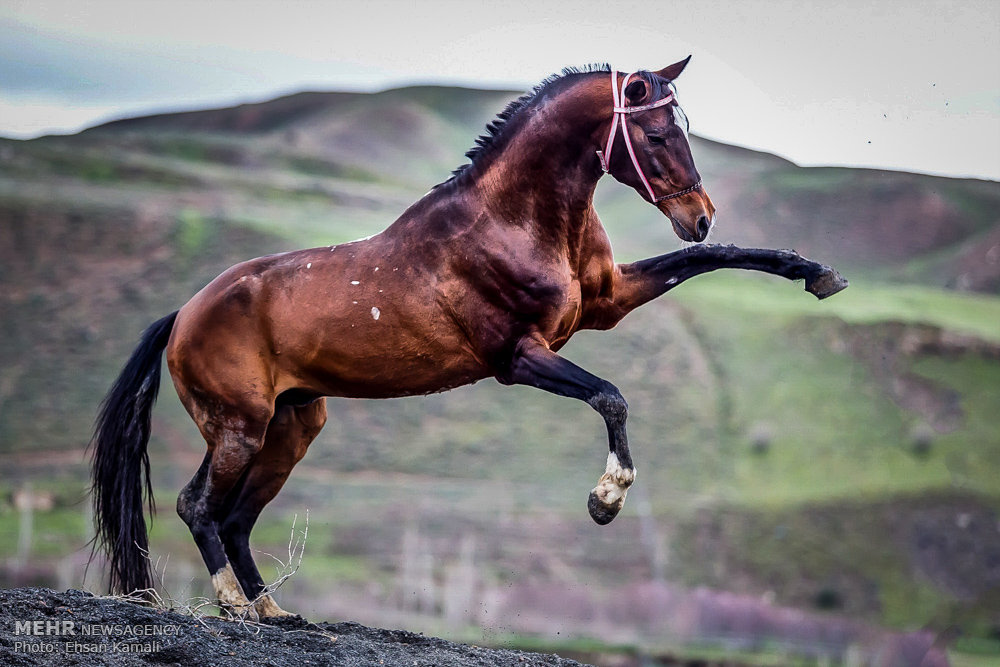
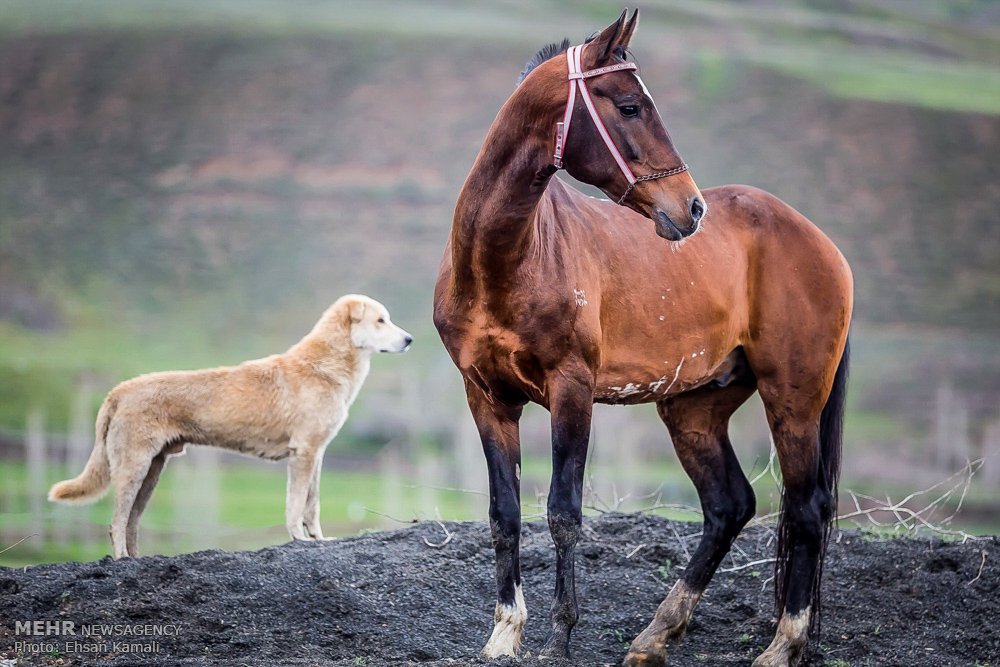
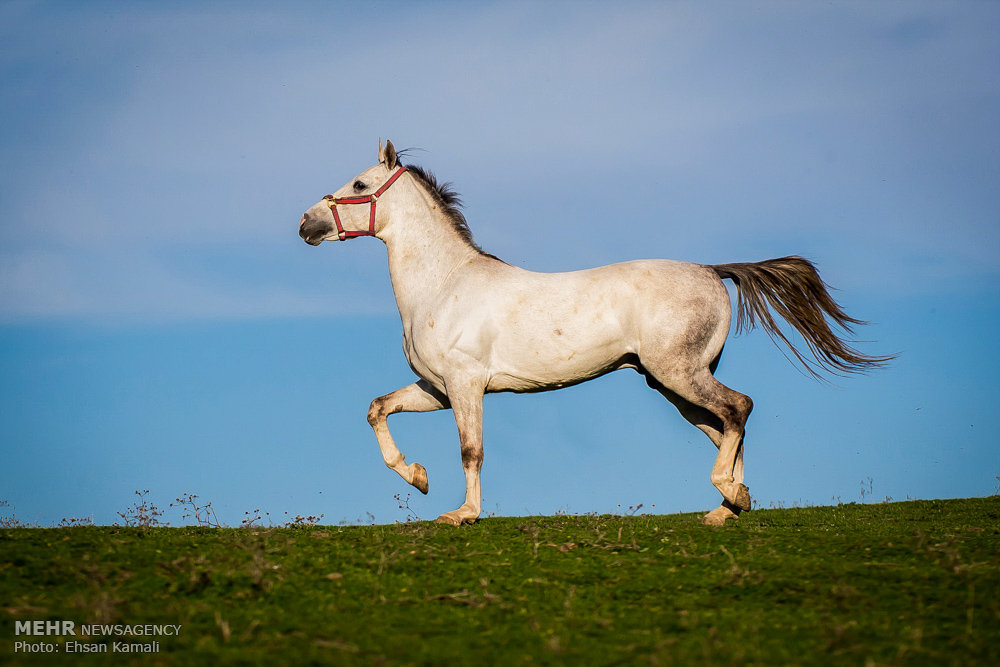
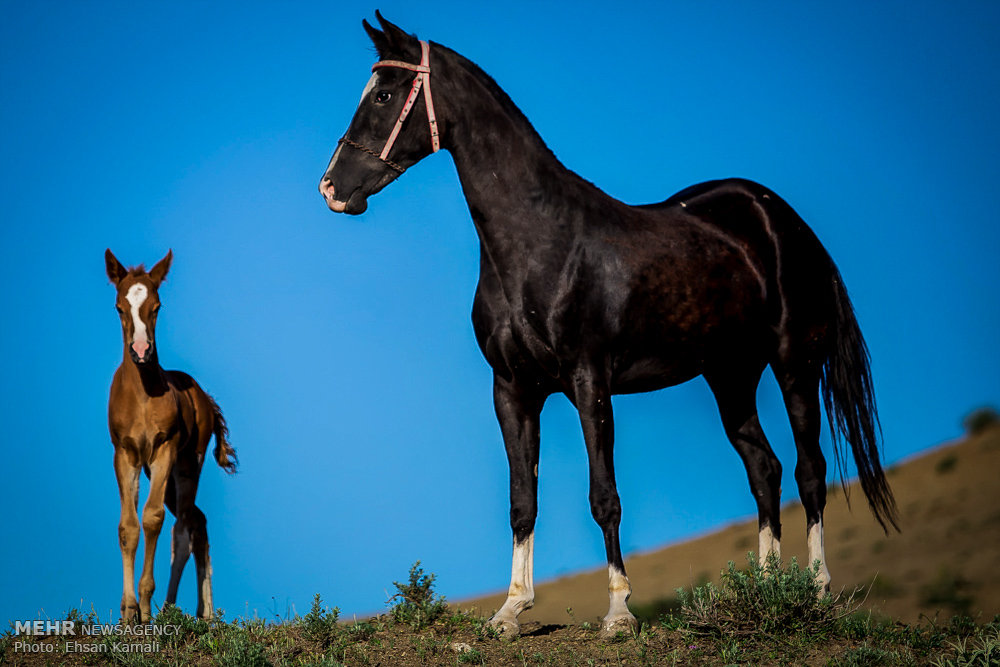
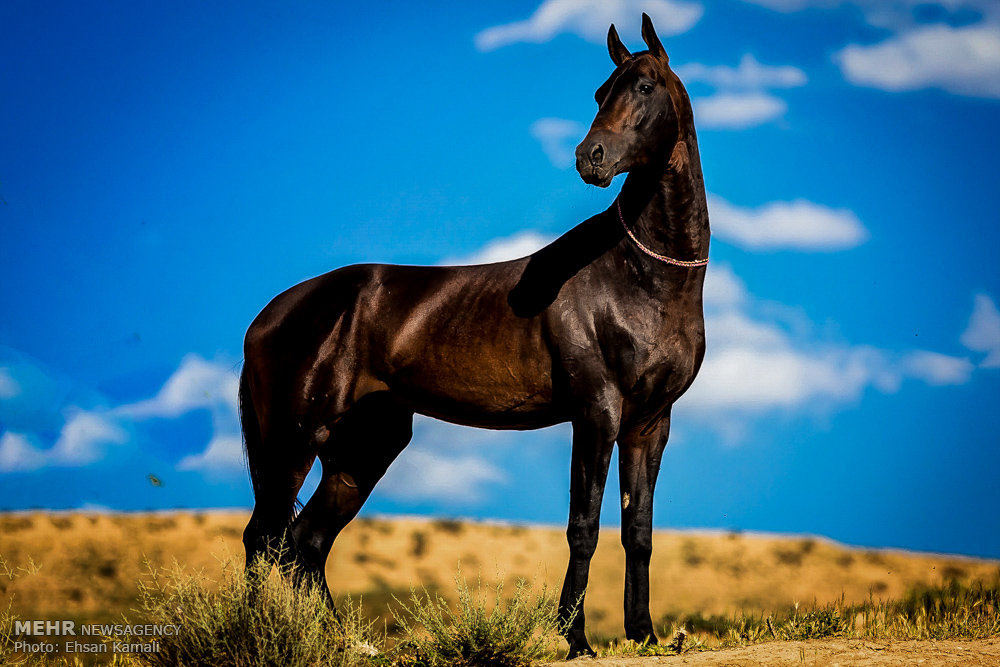
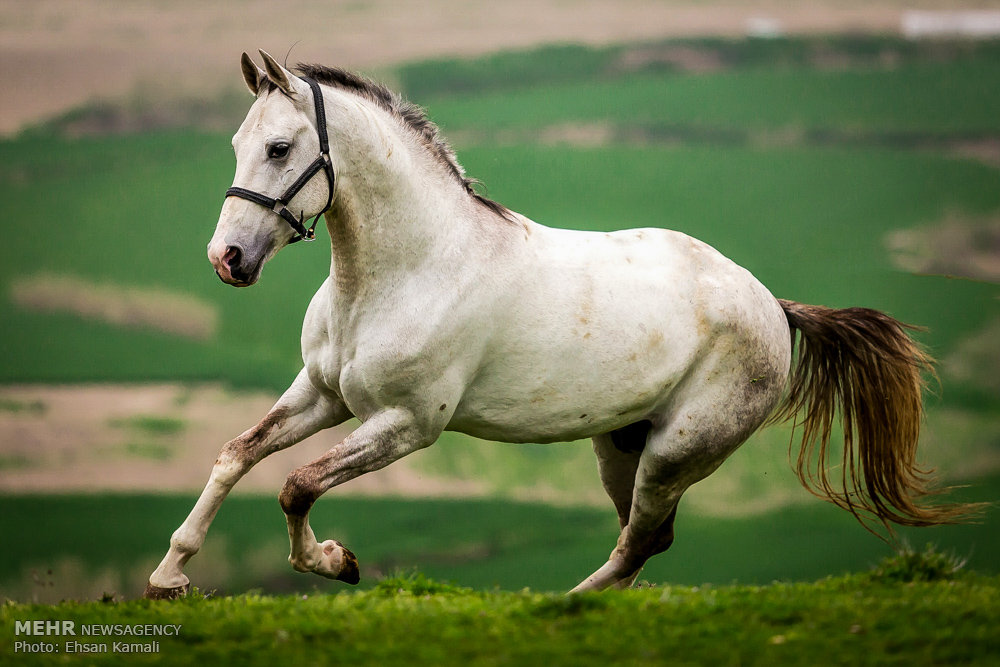
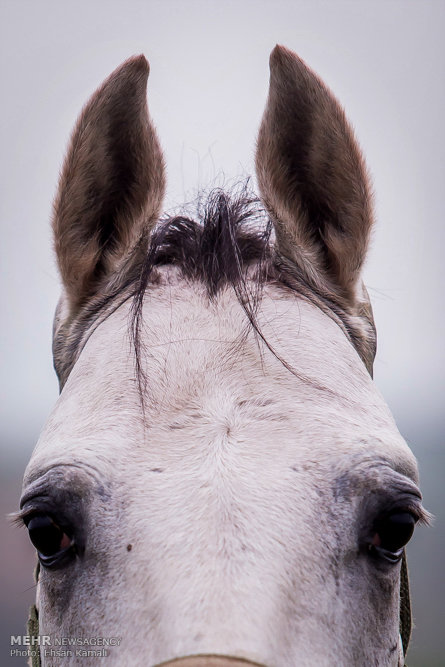
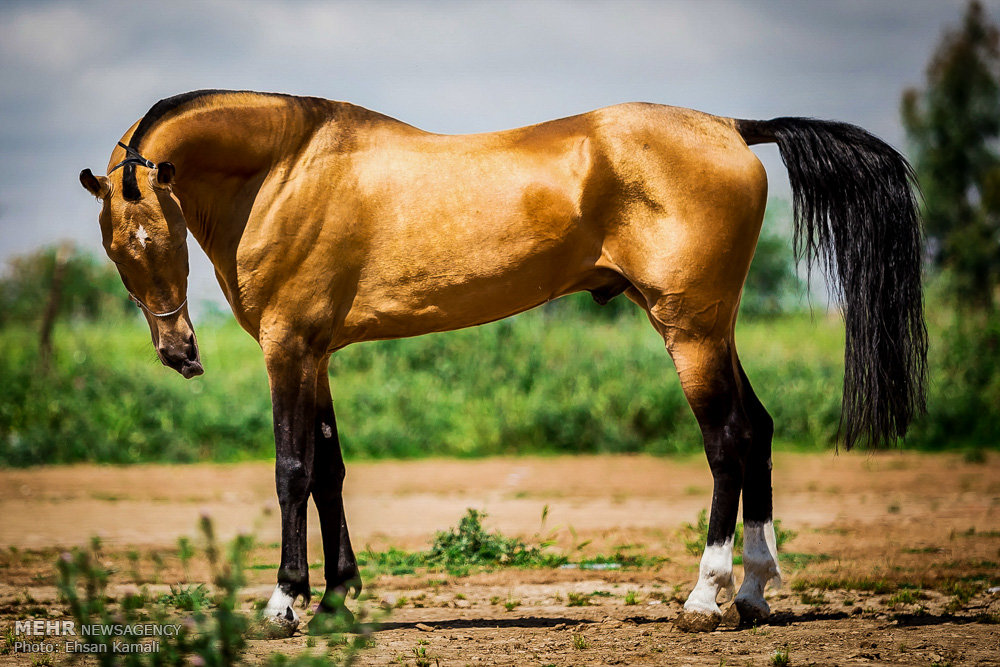
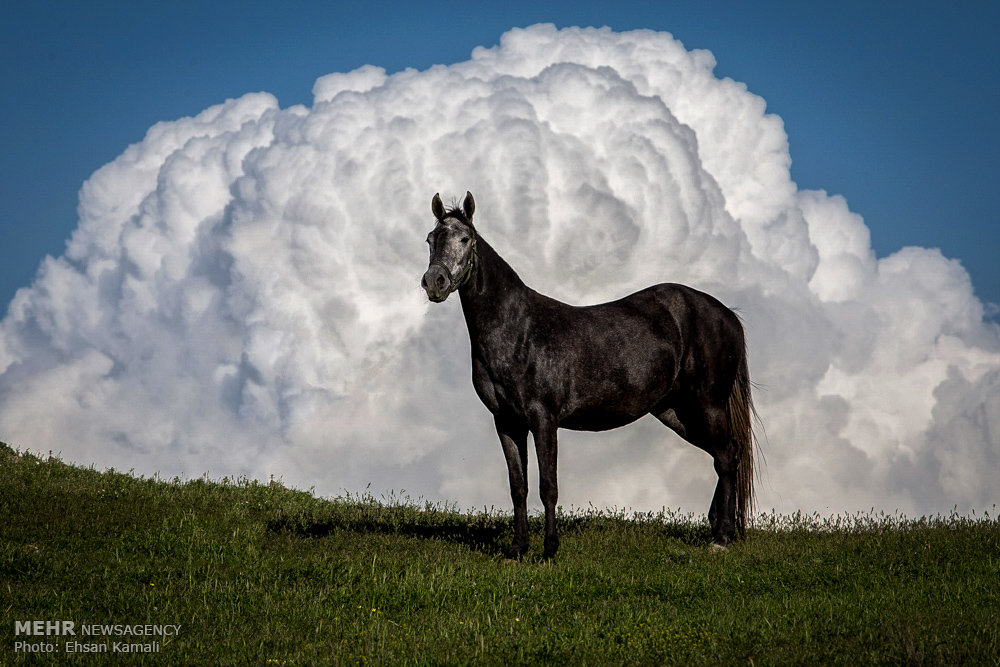
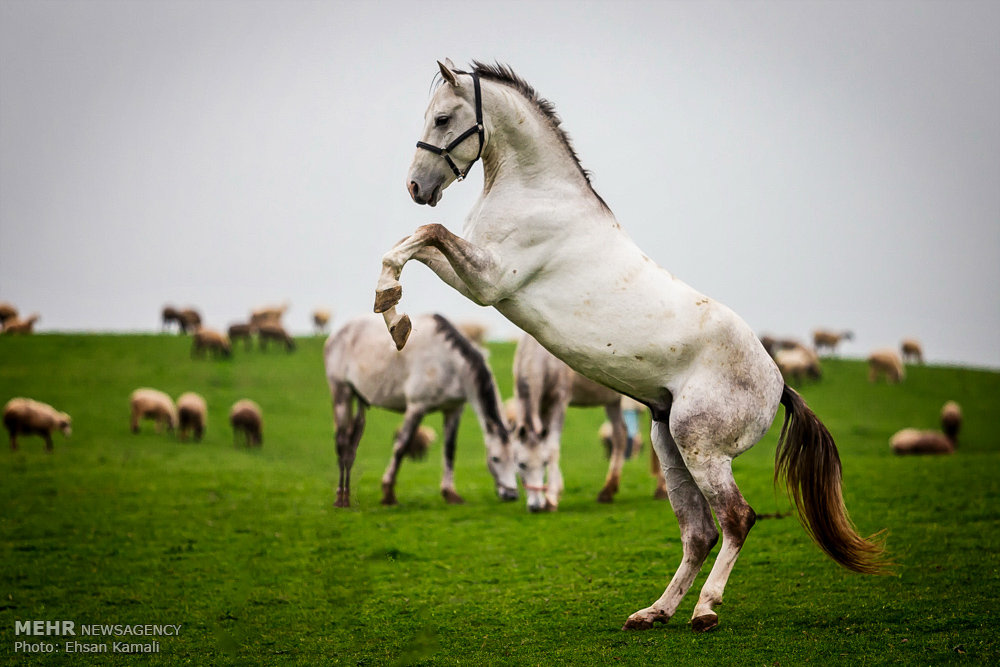
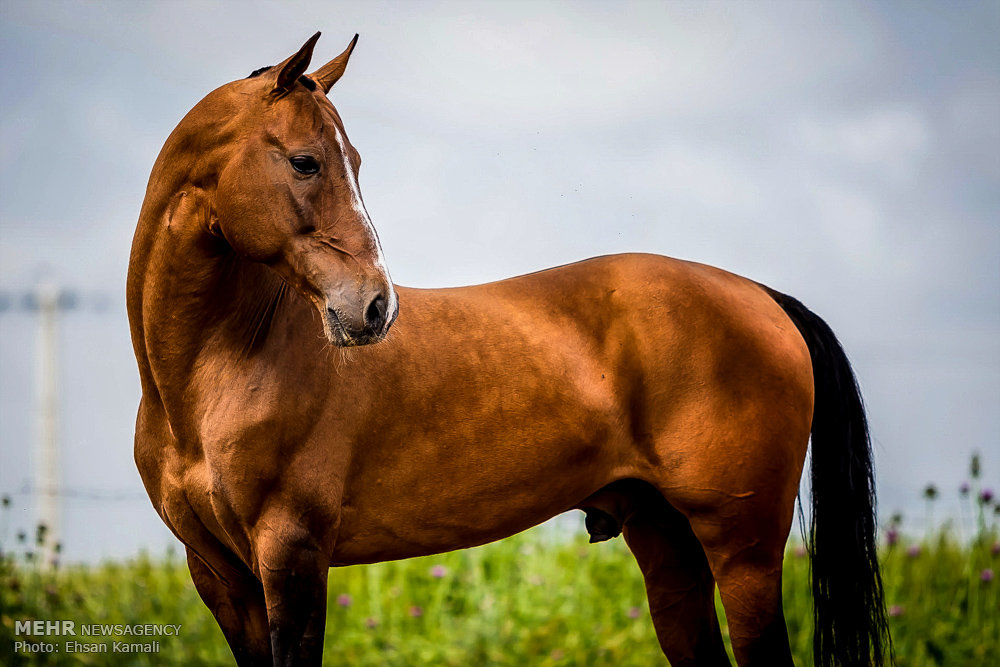
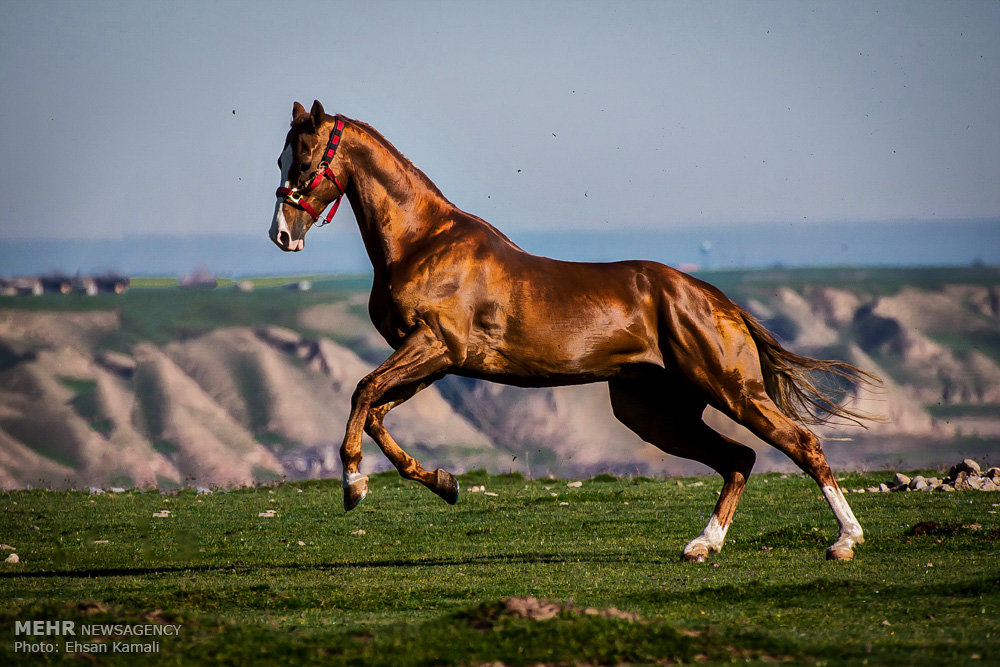
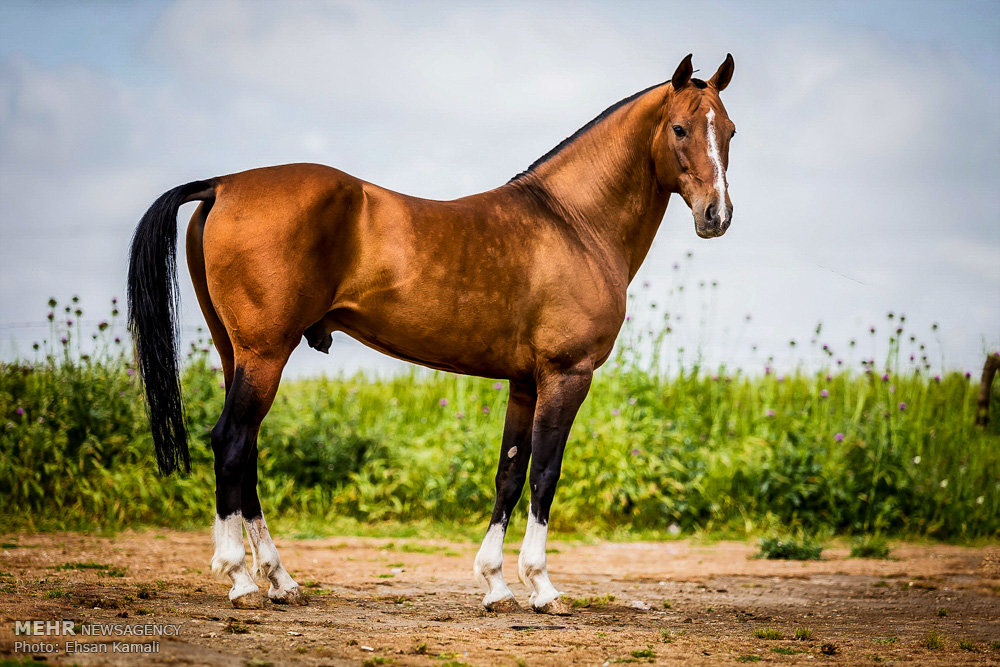
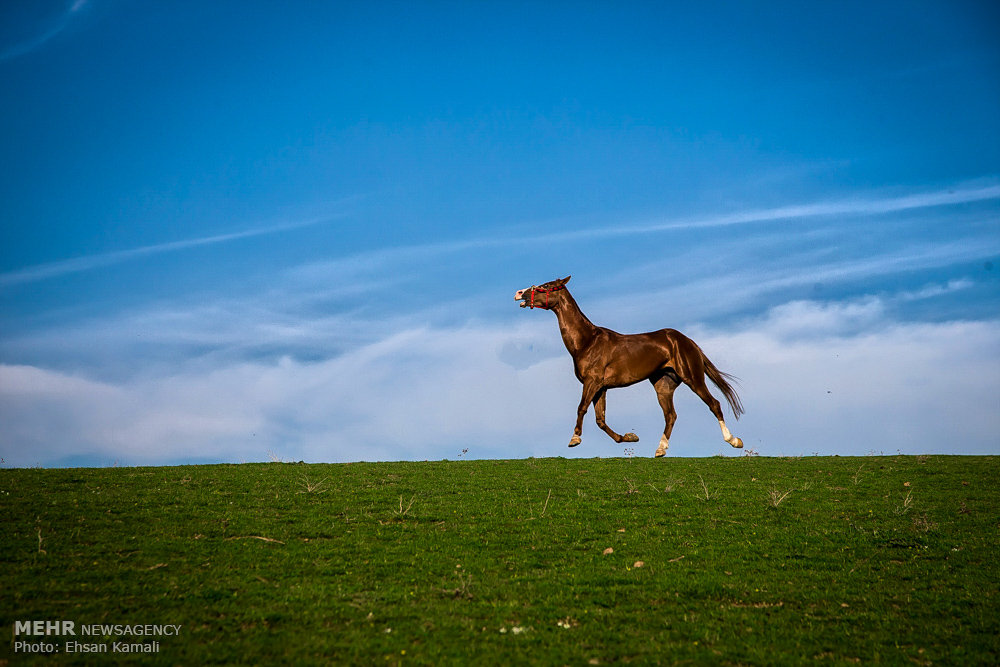
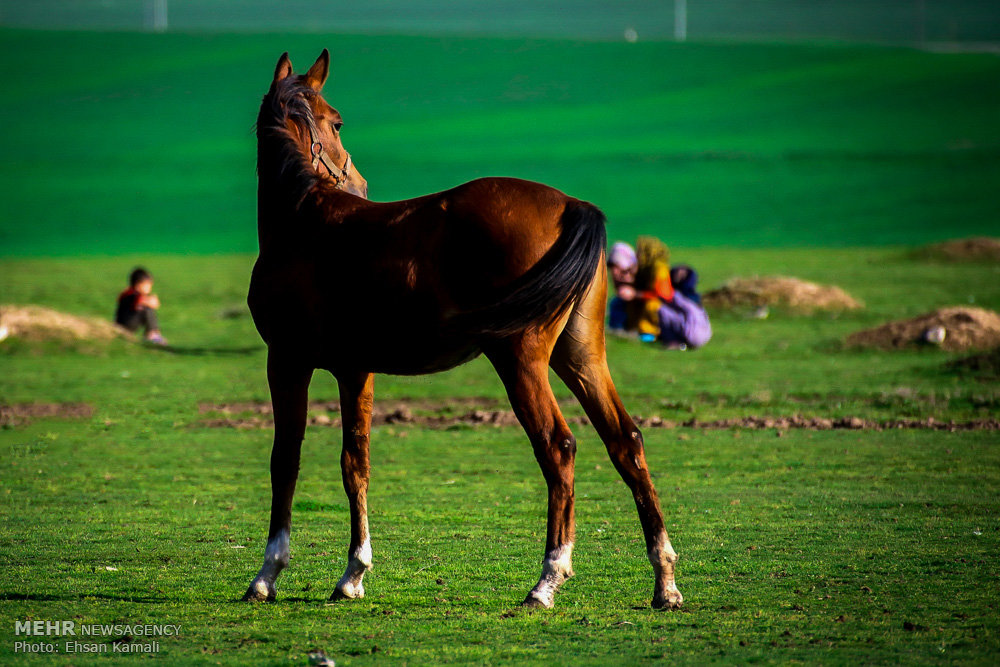
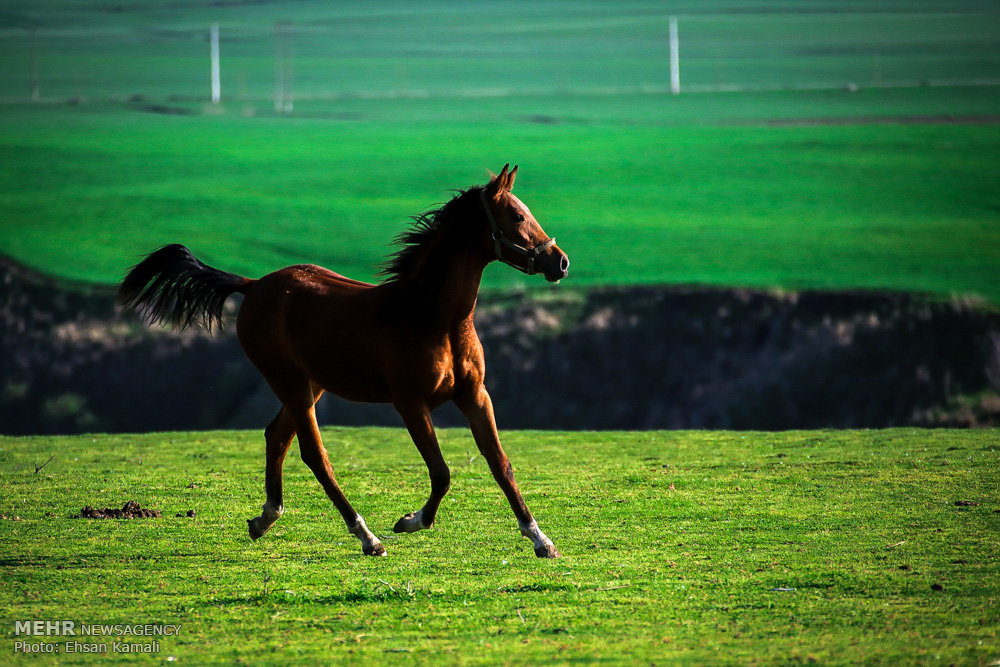

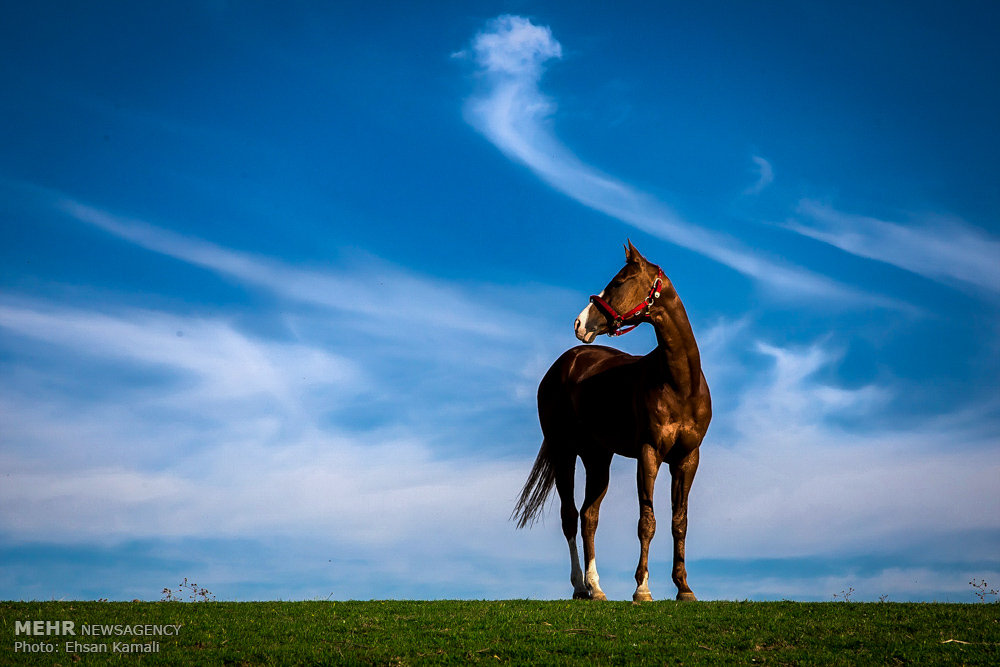
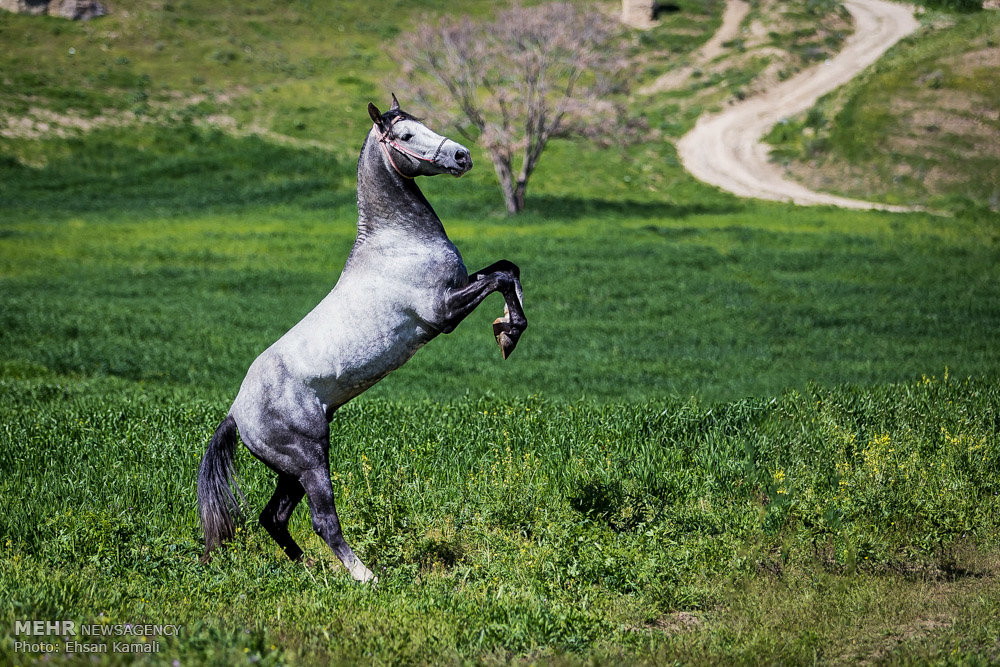
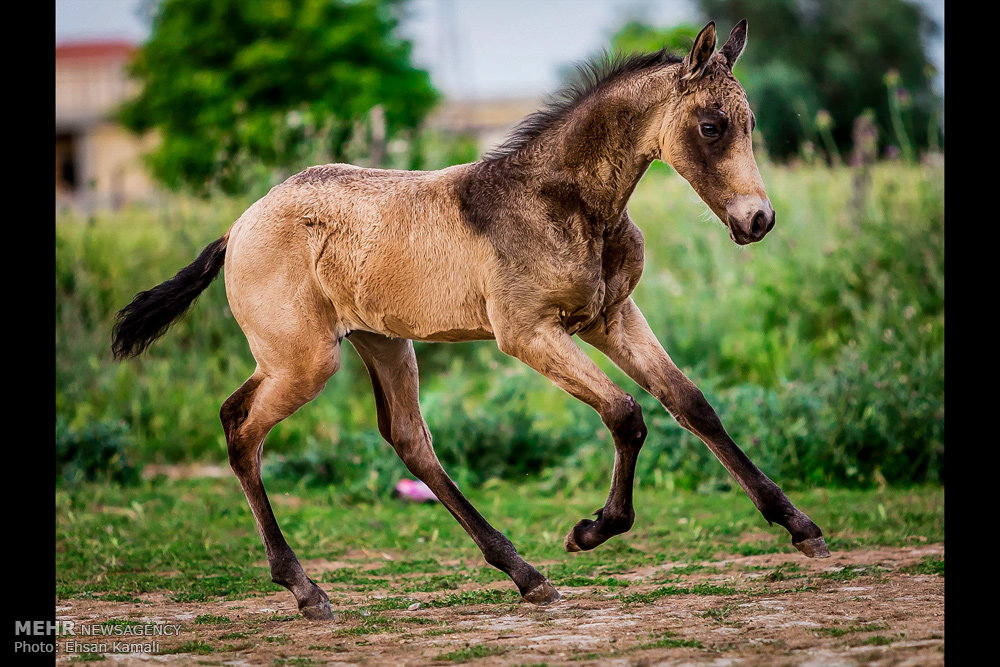
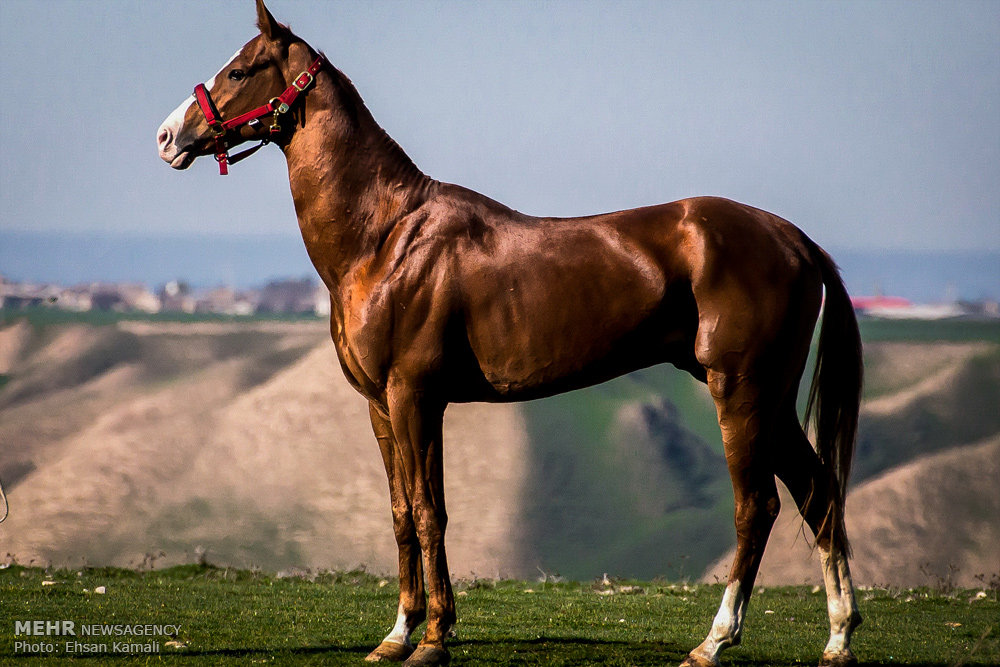
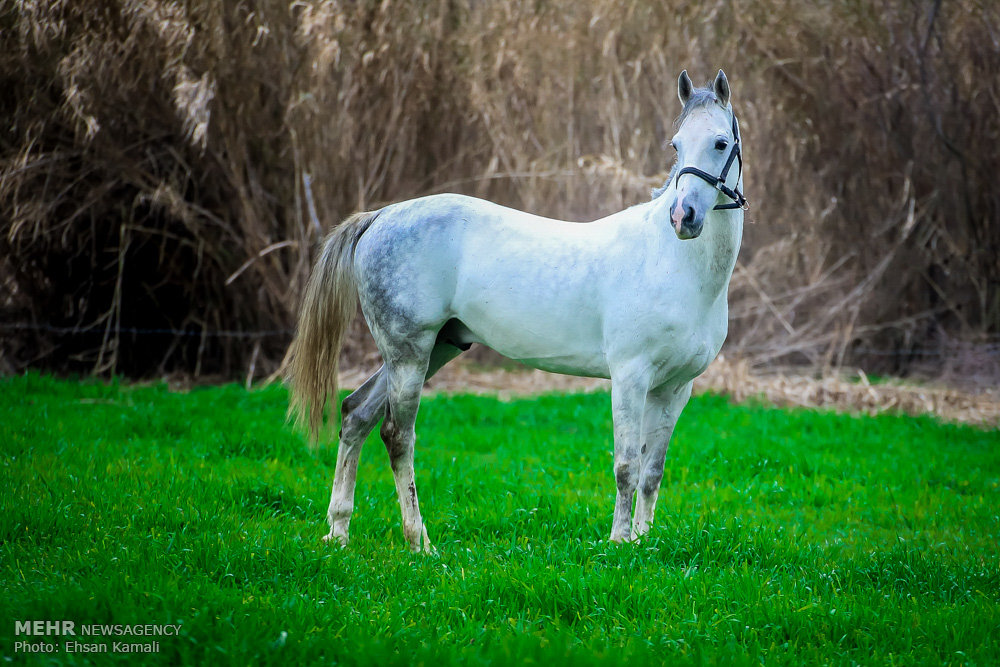
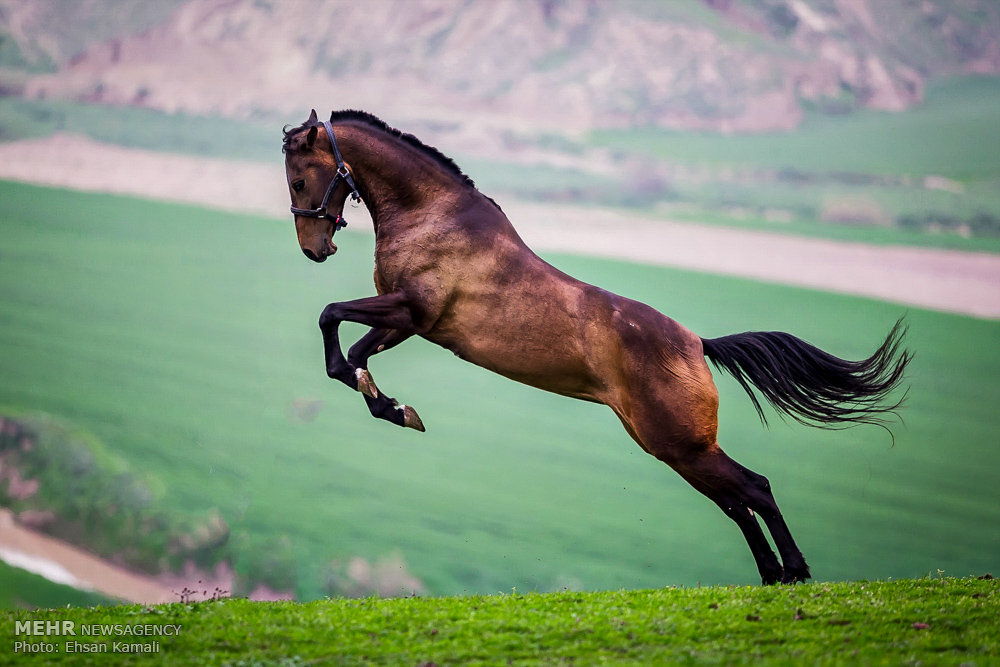
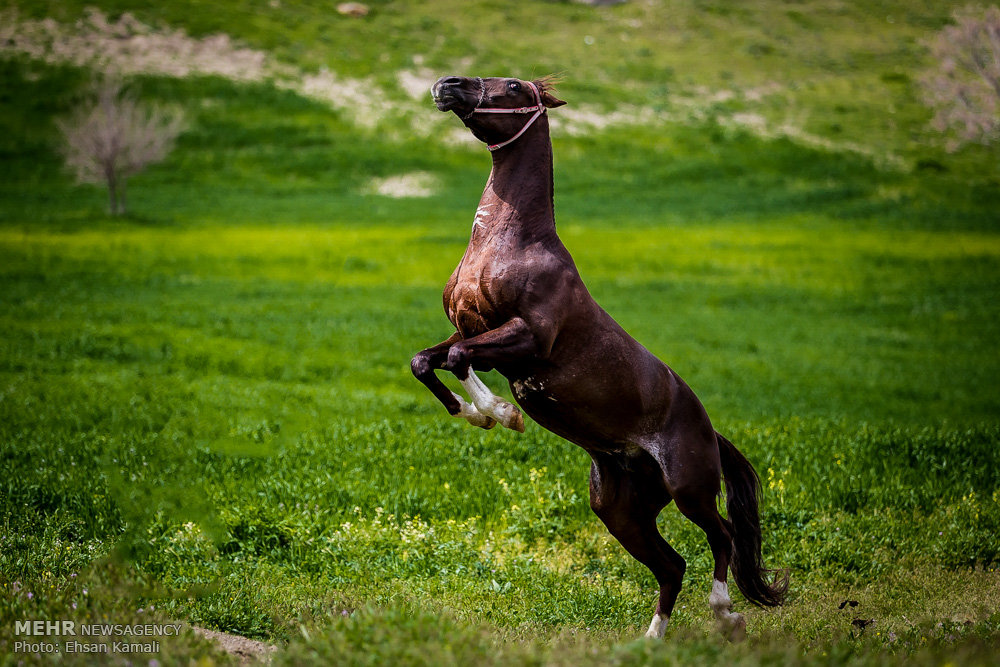

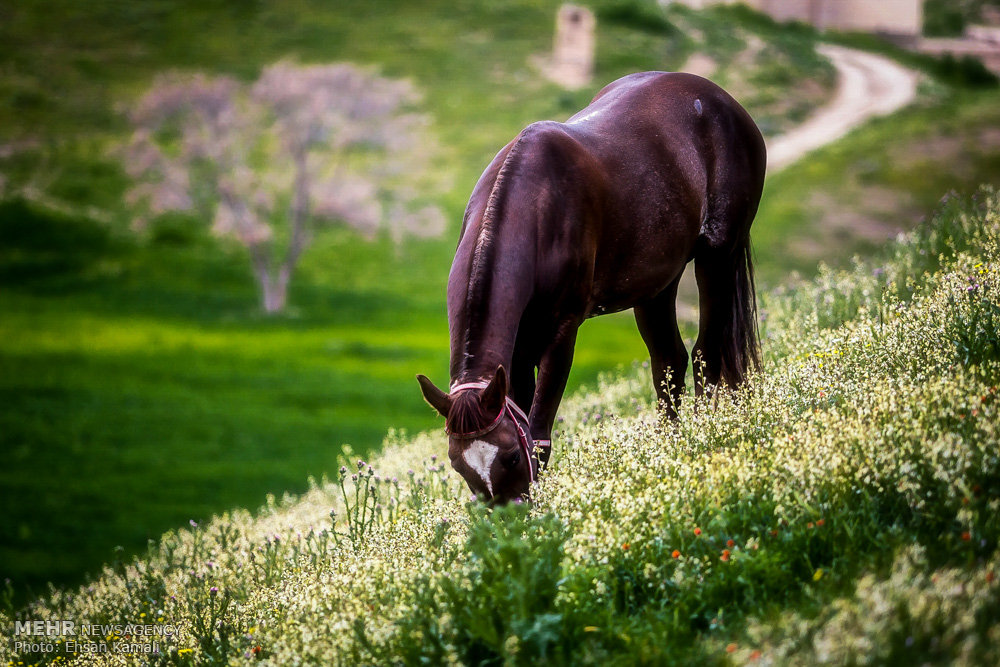
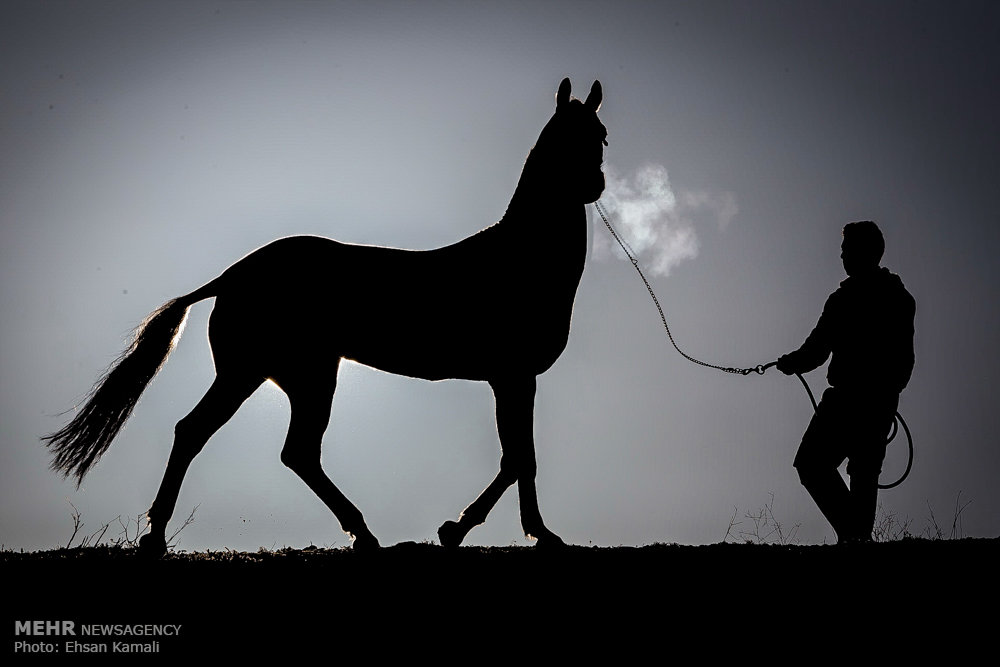

The Turkmen or Turkoman horse, the most beautiful horse native to Iran, is bred in Turkmen Sahra region, in the northeast of Iran near the Caspian Sea.

Iran’s Deputy Minister of Road and Urban Development Ali Noorzad told Trend on Friday that the loan will be provided by the International Bank of Azerbaijan. Iran and the Azeri bank have agreed on the generalities of the loan, but details are still being negotiated, he added.
The sum will be spent on the construction of a railroad linking the Iranian northern cities of Rasht and Astara, Noorzad explained.
“Azerbaijan’s Economy Minister Shahin Mustafayev visited Iran in May, familiarized himself with the course of implementation of the Qazvin-Rasht-Astara railway project and we are now discussing the cooperation between Iran and Azerbaijan on construction of the Rasht-Astara section,” he said.
Trend has estimated the budget for completion of the Rasht-Astara railroad project at $1.1bn, part of which will be supplied by the loan from the Azeri bank.
When finished, Rasht-Astara section will connect the rail networks of Iran and Azerbaijan through the border city of Astara.
Noorzad was also quoted as saying that another section of the project in Iran, namely the Qazvin-Rasht railroad, is more than 90% complete, and will come on-stream by March 2017. The entire project constitutes part of the north-south corridor.
The International North-South Transport Corridor (INSTC) is a multipurpose route for the transit of goods between Iran, Russia, Europe, India and Central Asia via shipping lines, railroad and land routes.
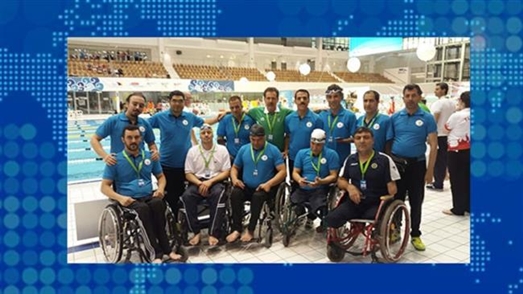
On Friday June 11, on the second day of the competitions at the Schwimm-und Sprunghalle im Europa-Sportpark (SSE) indoor swimming pool in Berlin, Ali Amini and Mehdi Akbarnejad collected a gold medal each in the men’s 150-metre individual medley and men’s 100-metre freestyle heats.
Iran’s Mohammad Mohammadi also received a silver medal in men’s 50-metre backstroke.
Additionally, Amini, Akbarnejad and Mohammad Reza Rahbari settled for bronze in men’s 100-metre freestyle, men’s 50-metre backstroke and men’s 150-metre individual medley contests respectively.
The achievements came only a day after Iranian Paralympians Amini, Akbarnejad and Mohammadi participated in the men’s 100-metre butterfly and men’s 100-metre breaststroke competitions, and clinched the gold medal each.
Amini, Akbarnejad, Rahbari and Gholamhossein Sahebkar also received a silver medal in the men’s 200-metre freestyle, men’s 100-metre butterfly and men’s 100-metre breaststroke contests.
Akbarnejad, Rahbari, Sahebkar, Morteza Parsapour and Shouresh Delpasand finished third in men’s 100-metre breaststroke, men’s 200-metre freestyle and men’s 100-metre butterfly heats, and took a bronze medal each.
The Internationale Deutsche Meisterschaften (IDM) 2016 started in Germany on June 9, and will run through June 12.
Dozens of Paralympian swimmers from various countries, including Australia, Britain, Germany, the Islamic Republic of Iran, Italy and the United States, are participating in the tournament.
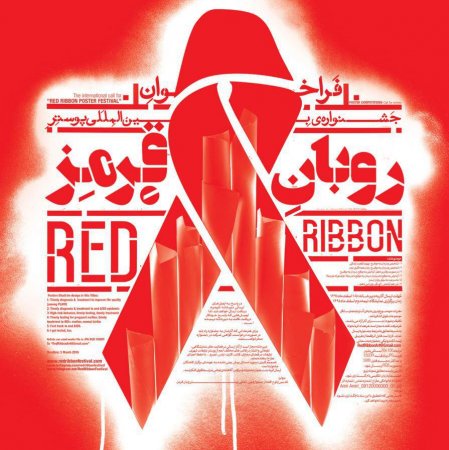
The festival is categorized under several major themes including improving the quality of life of the afflicted, early diagnosis and treatment, timely testing and treatment of pregnant mothers, fast-track elimination of the epidemic, and ensuring birth of healthy babies from infected mothers.
More than 600 artworks on the theme of HIV/AIDS from Iran and the Netherlands, Hungary, Poland, France, the US, Greece, Mexico, Italy, South Korea, Russia, China, Ecuador, Switzerland, Kyrgyzstan and Iraq were received but only 91 were selected for the exhibition.
Representatives from the festival organizer, Payam Avaran Hamyari, an NGO, and the sponsor, UNAIDS in Iran, attended the event. The festival will conclude on June 12, and visitors can vote for the artwork of their choice to select the award-winning entry.
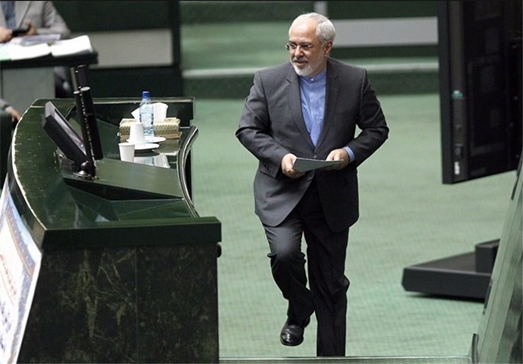
Speaking to the Tasnim, Mohammad Qasim Osmani, a member of Parliament’s presiding board, said according to the board’s decision, Zarif will attend an open session of the parliament on Sunday June 12 and brief the MPs on the Joint Comprehensive Plan of Action (JCPOA).
Osmani added that Zarif is also slated to answer to lawmakers’ questions about the impact of the JCPOA on the country’s economy.
Earlier in April, the previous Parliament’s National Security and Foreign Policy Commission received a report from the Foreign Ministry on the status of implementation of the JCPOA, the comprehensive 159-page deal on Tehran’s nuclear program, over the first three months after the implementation.
Tehran and the Group 5+1 (Russia, China, the US, Britain, France and Germany) on July 14, 2015, reached a conclusion over the text of the JCPOA.
The accord took effect in January, terminating all nuclear-related sanctions against Iran.
According to a law that requires the Iranian administration to safeguard the nation’s achievements and nuclear rights, the National Security and Foreign Policy Commission has a duty to monitor “the proper implementation” of the JCPOA, and is required to submit a report on the issue to the presiding board of the parliament every six months.
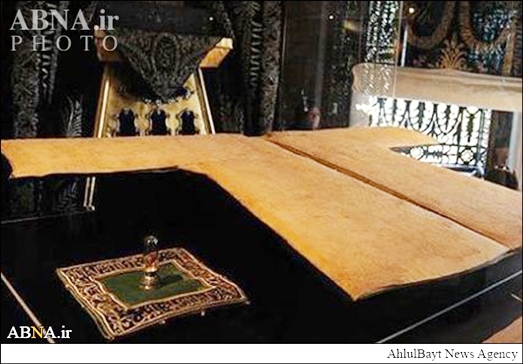
According to a report by IRNA, as translated by IFP, the Holy Mantle, or Hırka-i Şerif, is an item of clothing that was given as a gift by Prophet Muhammad to Veysel Karani, one his companions.
The hırka, a short mantle or coat, is a simple garment with a long history. There are two hırkas in Istanbul of great significance for Muslims and their ancestry are said to be traced back to the Prophet – hırka-i sa’adet and hırka-i şerife.
The former, the Mantle of Happiness, is among the sacred relics at Topkapı Palace. The latter, however, can only be viewed by the public during Ramadan in the mosque of the same name, Hırka-I Şerife Grand Mosque. It is now open to the public for 10 days.
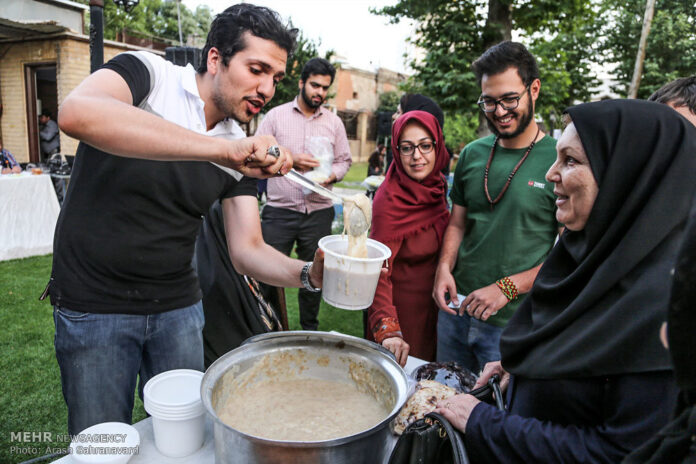
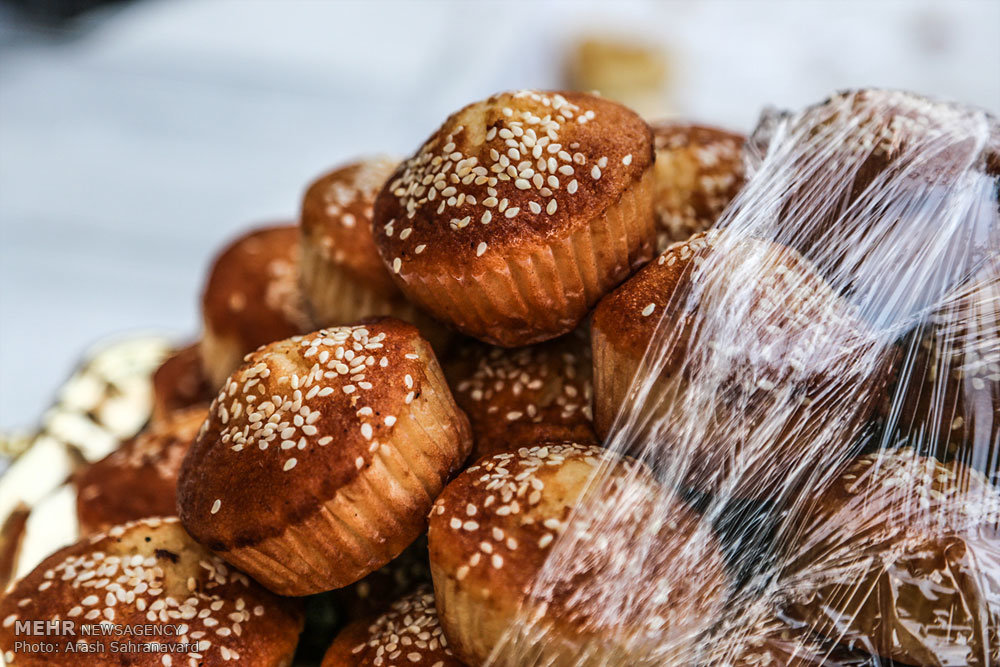
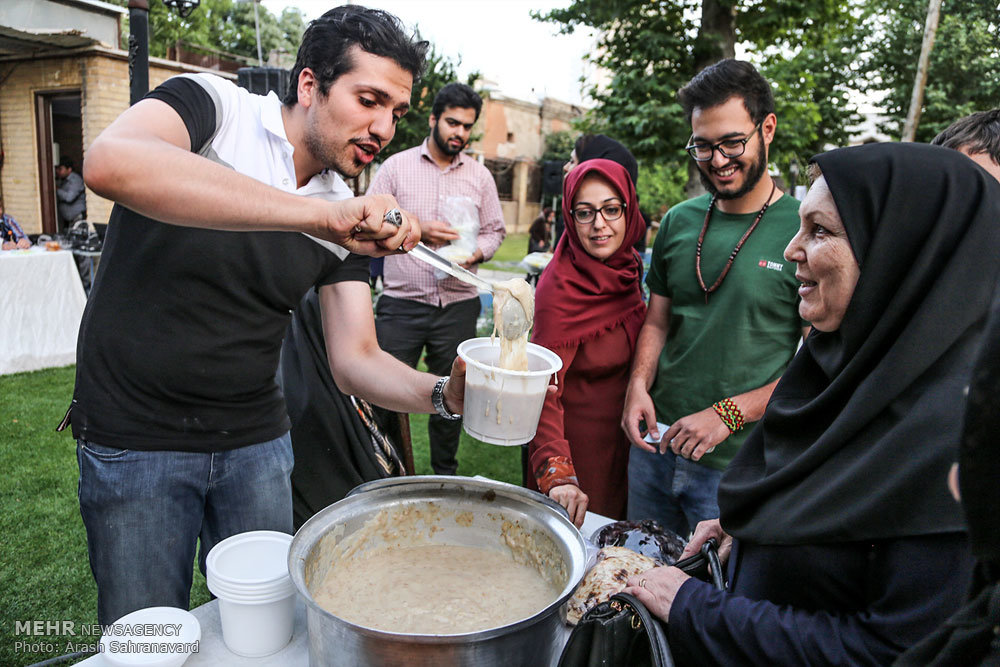
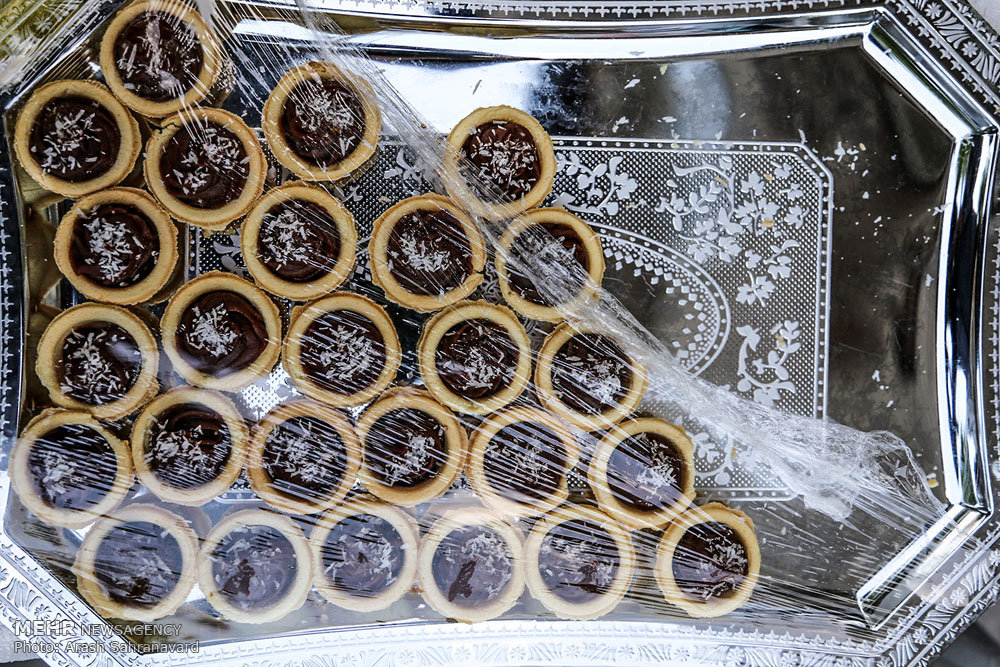
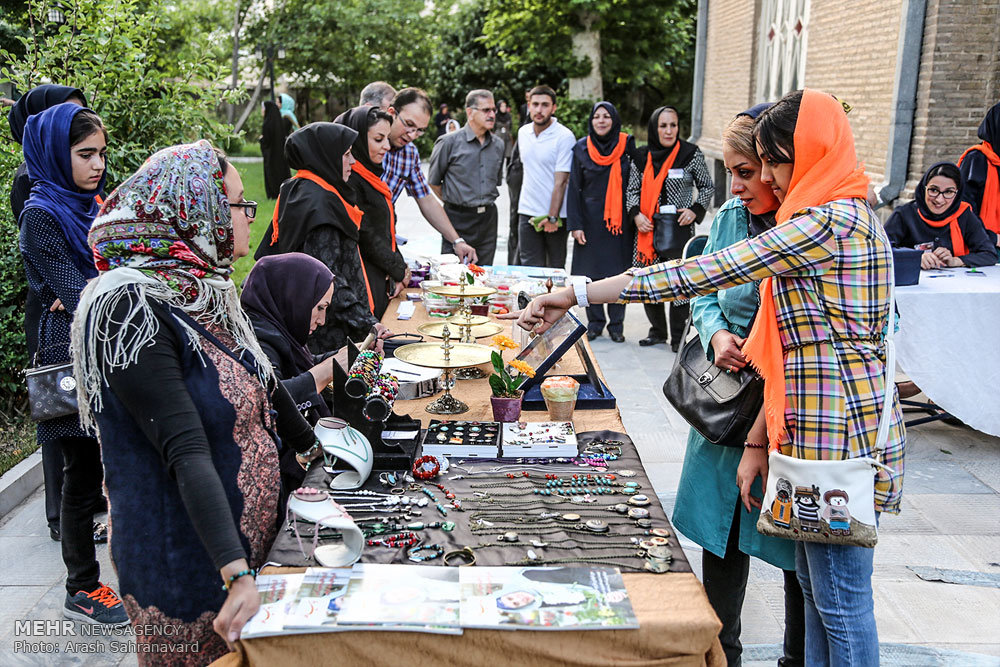
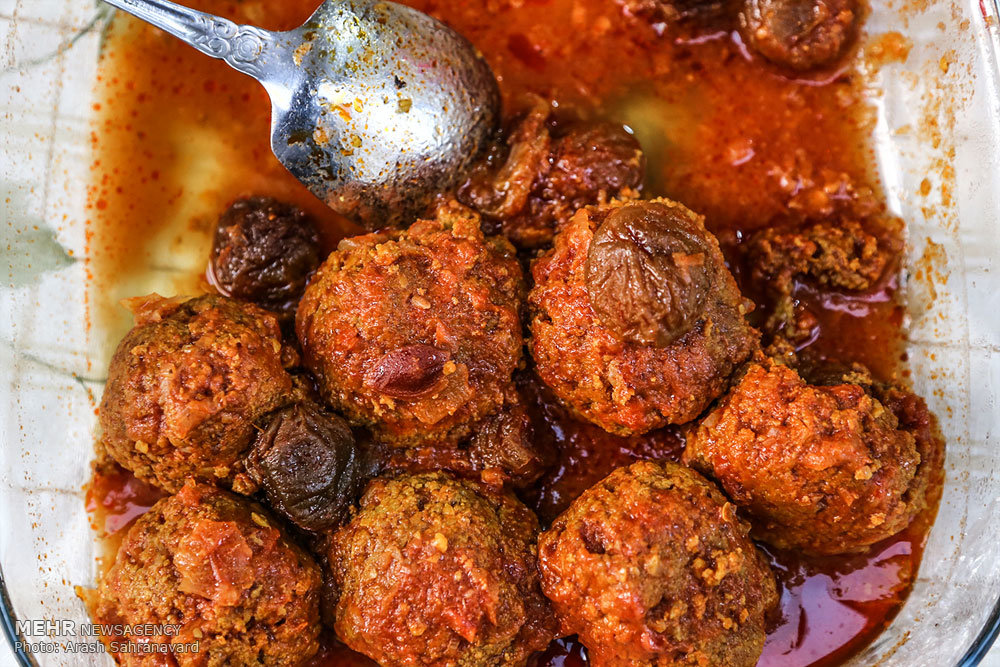
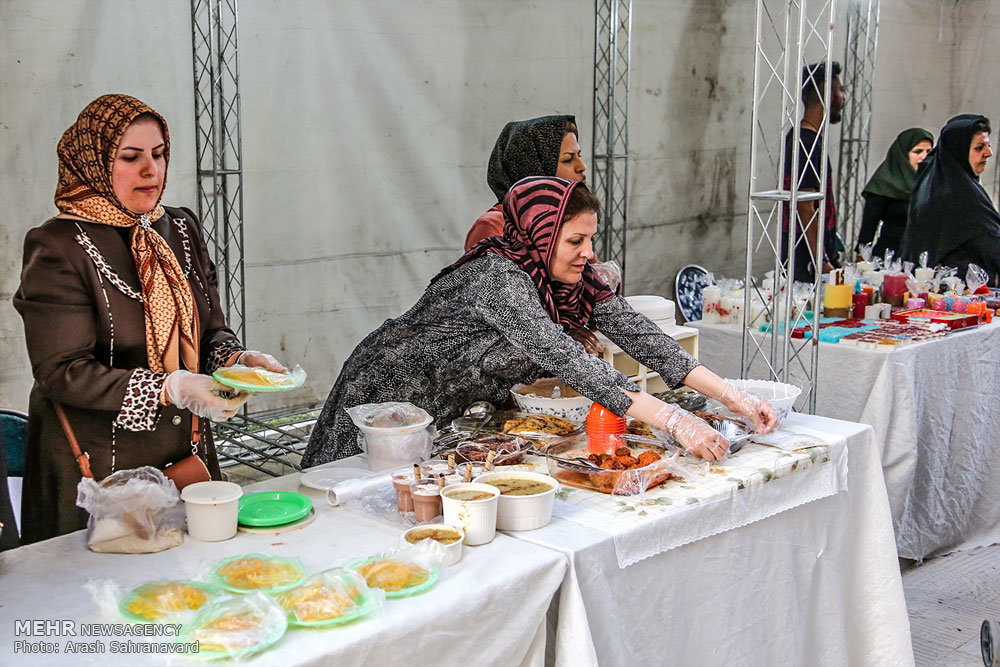
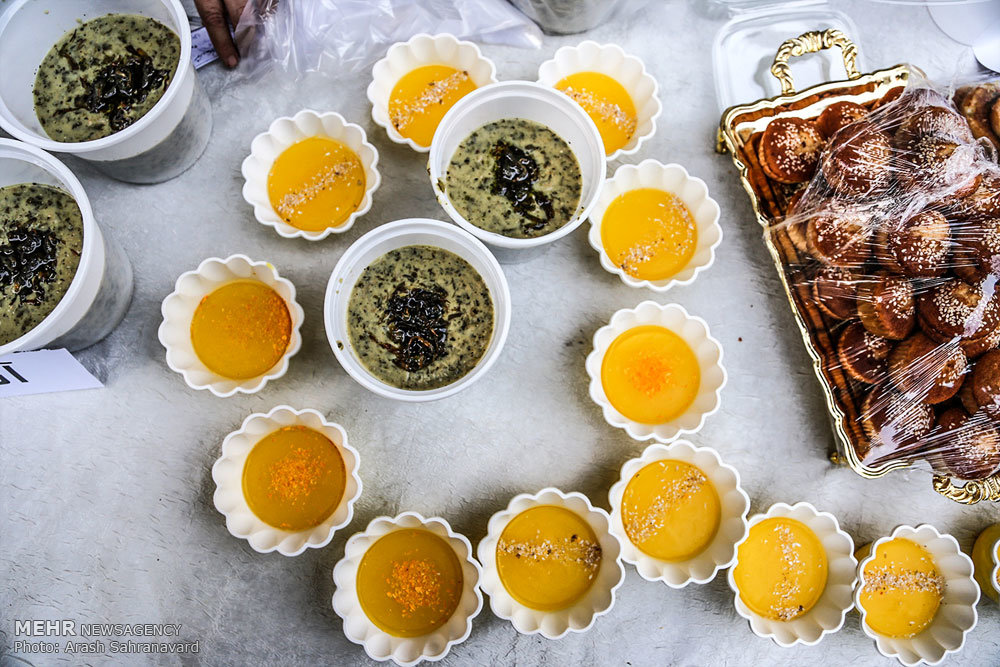
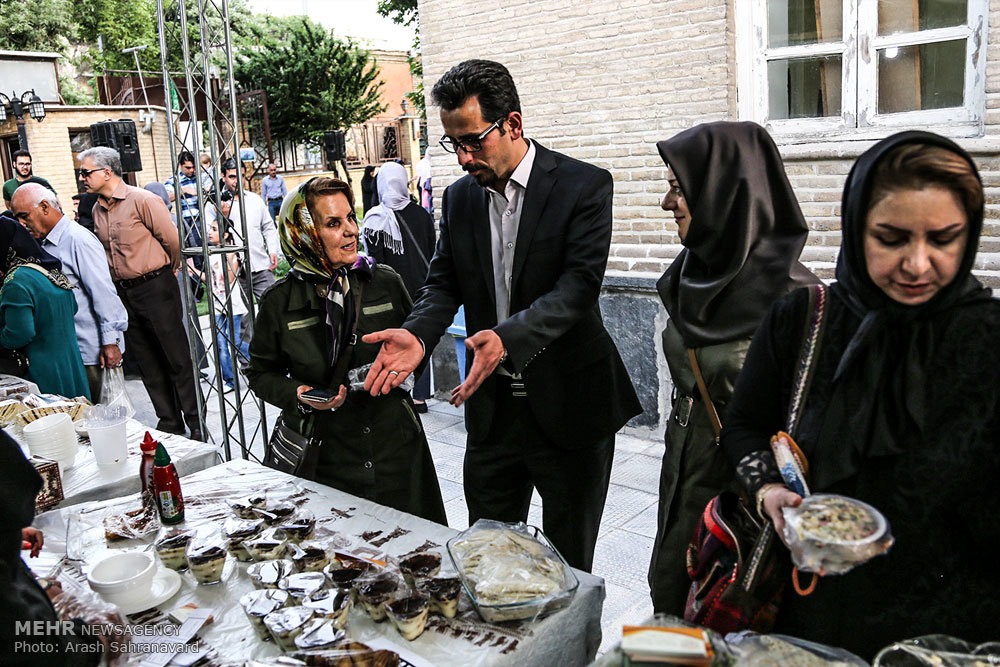
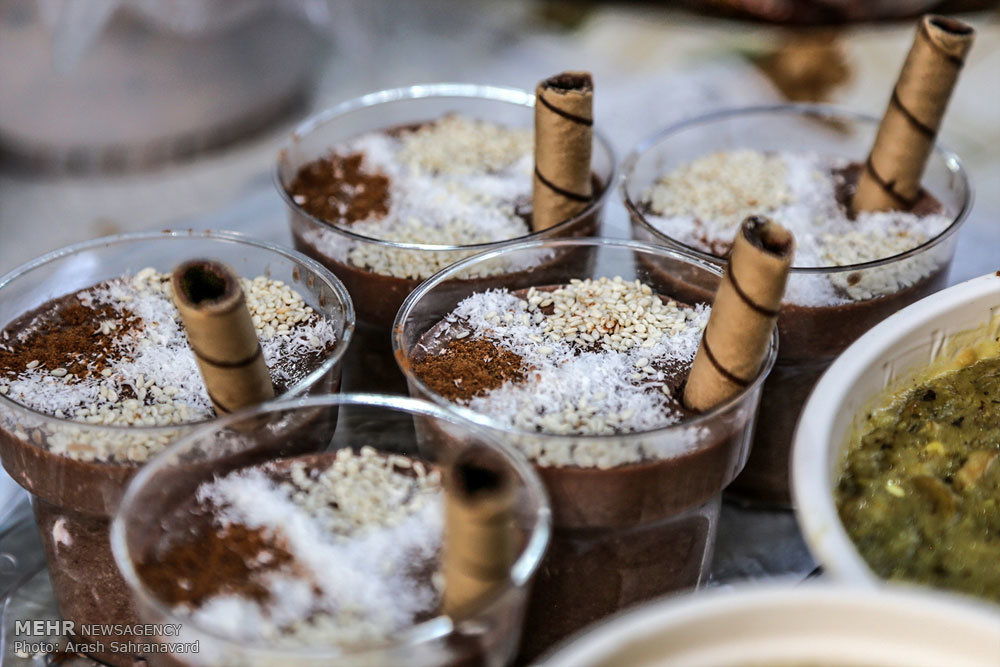
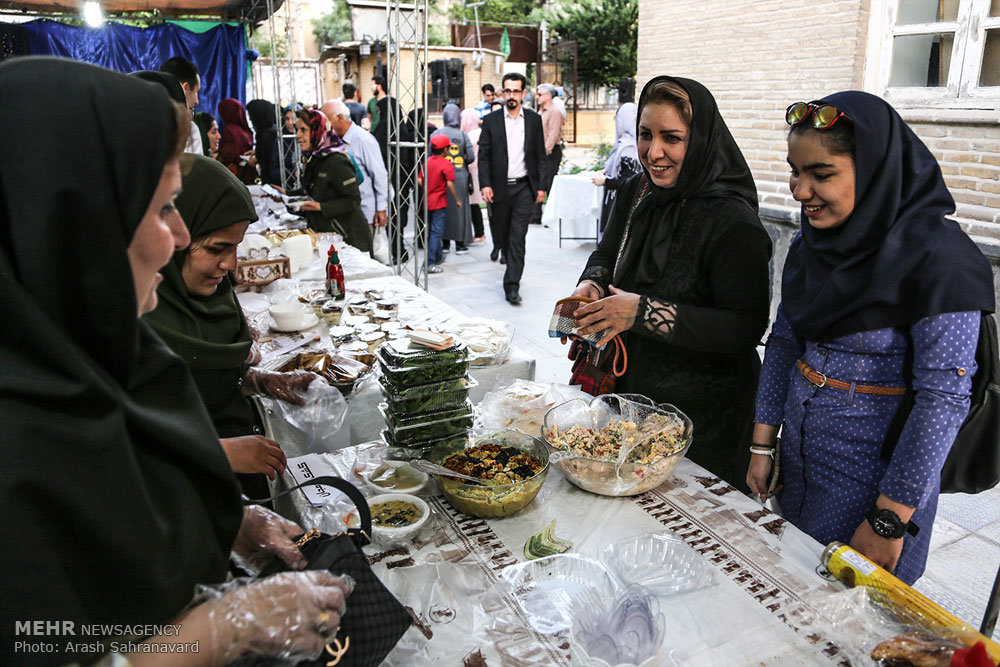
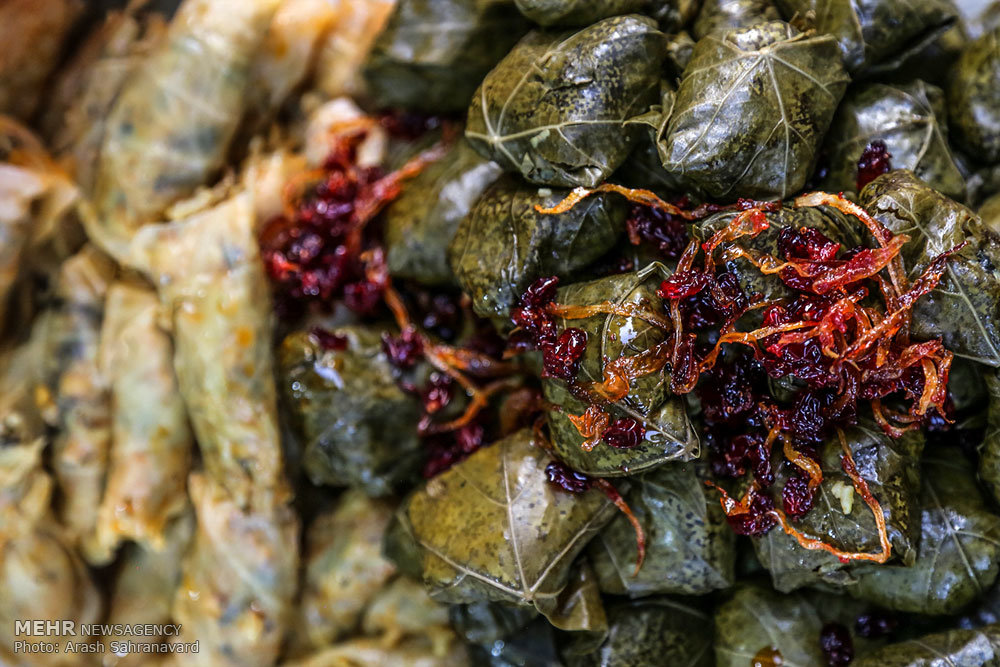
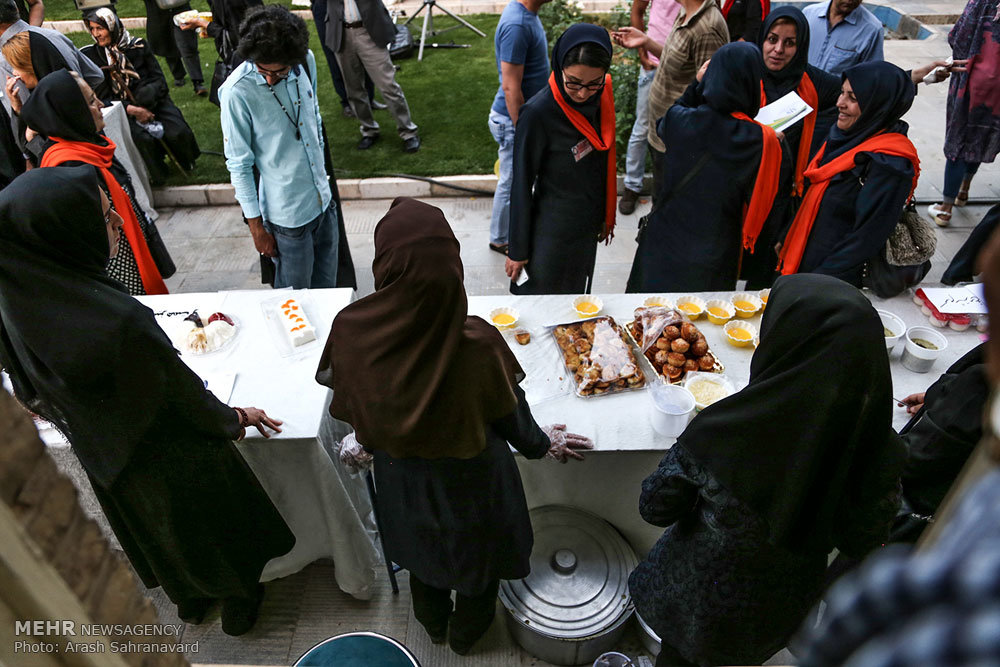
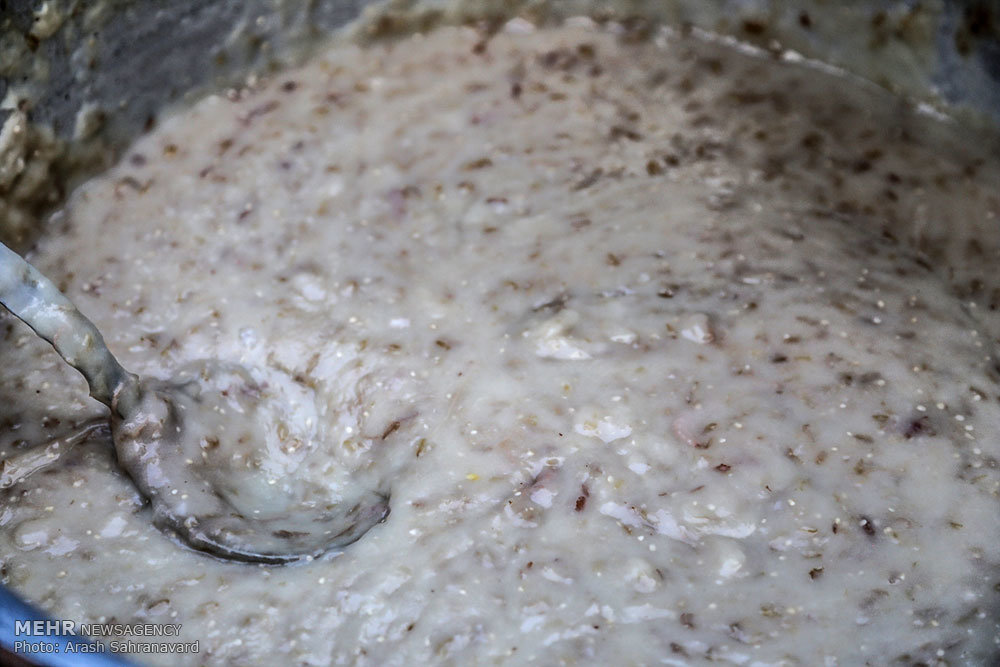
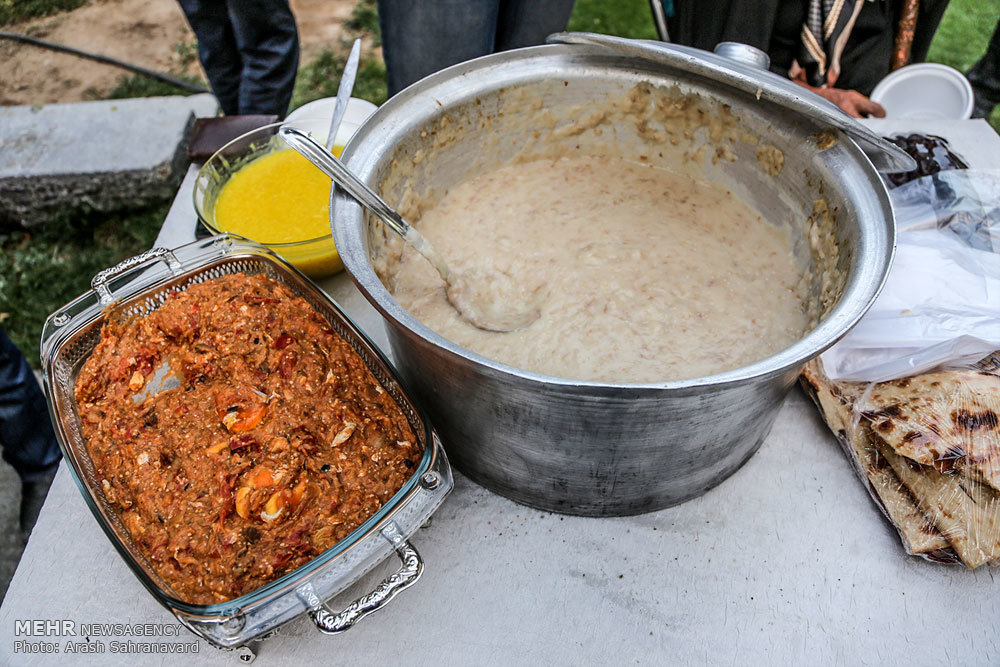
IFP: Here you can see some of the traditional Iftar foods eaten by Muslims when breaking their fast during the month of Ramadan. Iftar is held at sunset, and is commonly a time when families and communities gather to eat food and pray together. As Ramadan currently falls in the hotter summer months, this leads to a great increase in outdoor evening and night-time activities.





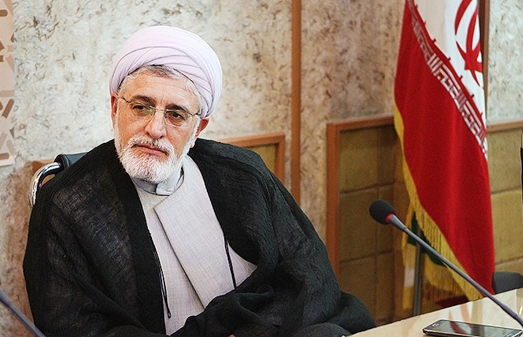
Etemad: With the advent of the Arab Spring in the Middle East and North Africa, many hoped for the beginning of democratization in such countries as Egypt, Tunisia, Libya, Syria, and Bahrain. The Muslim Brotherhood, as an Islamist group and a pioneer in Sunni democratic beliefs, made great efforts to form a powerful movement in a bid to take the democratic leadership of these countries. However, the rule of the Muslim Brotherhood in Egypt did not last longer than a year, and the group’s senior member Mohammed Morsi, the President of Egypt, was overthrown.
In Libya, domestic conflicts escalated so much that the country is still in critical and unstable condition after five years of crisis. Syria is gripped by a widespread civil war and an ongoing fight against ISIS terrorists, and Bahrain is still under the rule of a dictator. The only country that managed to succeed in democratization was Tunisia.
The Ennahda Movement of Tunisia, headed by Muslim Brotherhood affiliate Rached Ghannouchi, came to power after the Arab Spring and led the country for three years, and managed to guide Tunisia towards democratization by developing the country’s Constitution. In spite of various challenges, the Movement and Ghannouchi finally ceded power in a democratic way, which led Ennahda to be considered as an exception and as a role model in the Muslim world.
The 10th congress of the Ennahda party was held a few weeks ago. During the congress, Ghannouchi was re-elected as party leader; however, now in 2016, five years after the Arab Spring in Tunisia, he announced the choice of a different path for Ennahda. He chose Tunisia over the goals of the Muslim Brotherhood, and showed that Ennahda is not a party for the Arab world and Muslim Brotherhood; rather, it is a civil party for Tunisia alone. Back in April, he even wrote a letter to the Muslim Brotherhood Assembly in Istanbul, distancing himself from the central core of the Brotherhood.
Here’s IFP’s translation of the first part of Etemad’s interview with Hujjatoleslam Davoud Feyrahi on the repercussions of Ennahda’s new approach to Tunisia and the Muslim Brotherhood.
Rached Ghannouchi, the leader of the Ennahda Party, who was re-elected in the Party’s 10th Congress a few weeks ago, announced that he was going to separate the Party’s socio-political and religious activities, and work in two distinct phases. Do you think this is a new move or something which continues Ennahda’s previous actions?
Ghannouchi’s remarks were reported in the media in slightly different ways. Actually, no considerable change has been made in Ghannouchi’s words; he had noted that his party will have three phases of activities: The first step was to search for identity before the overthrow of Bin Ali and the popular revolution. The second step was to build a consensus and achieve public demand for the toppling of the dictatorship, as well as the transition of power to democratic bodies. And the last step was democratic activities inside Tunisia.
He further made a very important point, noting that Ennahda is a political, national, and democratic party inspired by Islamic principles. He also announced that, thereafter, the party will only carry out its political duties, and not the religious ones. The meaning of these remarks should be deeply investigated because they involve very important points.
In an interview made before the Ennahda Congress, he underlined that there was no room for activity after the Arab Spring. Isn’t that a change in his viewpoint compared with the past?
I don’t see any tangible change in his behaviour, because certain developments have occurred inside the Muslim Brotherhood movements, and hence the remarks made by Ghannouchi. Muslim Brotherhood movements have a number of main features: They work in different countries, but they always have supranational ideas and propagate unity among the Muslim world. It is also mentioned in Ennahda’s Constitution that the Movement is first looking for unity of African Arab states, then the entire Arab world, and finally the entire Muslim world. These are the basic ideas of Tunisia’s Ennahda Party.
Muslim Brotherhood movements were national movements with supranational attitudes, and this was the first feature of the Brotherhood. Their second feature was that they operated beyond the scope of a party; they were considered a society rather than a party. Therefore, during and after the Arab Spring, when they talked about democracy, they faced the challenge of how it is possible to work at the national level and at the same time maintain supranational activities and religious invitations.
In Egypt, we saw how the Brotherhood maintained their framework and, as part of their political activities, once again formed a party, the Freedom and Justice Party, under the leadership of Mohamed Morsi.
Since the Brotherhood does not have a global network, it is traditionally said that Egypt’s Brotherhood is the mother of all Muslim Brotherhood movements. However, this was not the case in Tunisia. Ghannouchi was the one in Tunisia who could decide whether the Movement would operate as a society or a party. He stressed that they would operate as a Muslim political party, not as a Brotherhood movement anymore. This was what Ghannouchi said in his remarks.
The same thing can be interpreted from the stances held by Tunisian President Beji Caid Essebsi. Essebsi said in the tenth Congress that Ennahda is an Islamic national democratic party, and is looking for a national government for the Muslim people of Tunisia. This was the idea proposed by Essebsi in his remarks.
That is why Ghannouchi’s words do not imply a change towards secularism. He never wants to secularize the Party. […] The entire Congress had a religious tone; even Essebsi as the President and leader of the Nidaa Tounes Party used religious words in his speech.
Now Ennahda should choose between its domestic and international activities and also between religious invitations and political activities. It seems to have already chosen domestic and political activities. It means that Ennahda is no longer a society inside the Brotherhood network; it is rather a national party in Tunisia with its own political base.
As Ghannouchi said, he intends to turn his party into a role model in the Muslim world. Can Ennahda become a role model?
In the critical conditions of the Arab world, Tunisia is an exception. Not only did it manage to establish stability, it also created democracy. Before the Tunisian Revolution, stability was always accompanied by dictatorship; whenever people moved towards democracy, society became chaotic, and the transition was disrupted. Tunisia, however, did not descend into domestic chaos in its transition to democracy; it rather moved towards a coalition democracy. The coalition was made between Islamists and non-Islamists, and this put an end to the existing authoritarianism.
In fact, political Islam seeks to Islamize the government, but Ghannouchi wants a civil government. A civil government is not an extremely religious or extremely non-religious government; it is rather a government where religious values are maintained in spite of the civil agreement.
This is similar to what existed in Turkey until a couple of years ago. They looked for a democratic version of a religion-government relationship. This is what Ennahda Party wants now. [Remarks from] the sidelines of Ennahda’s 10th Congress indicated that the Party members are also satisfied with such conditions. However, it is not clear yet whether the model is feasible in all countries or not. It is not clear whether the Brotherhood is capable of entering the political phase in different countries. The question is whether the Brotherhood will change its nature by entering such a phase. That is not clear yet, either. These are the doubts and paradoxes in modern Sunni and Brotherhood thoughts. […]
Through his words, Ghannouchi seeks to theorize what he has done practically. […] They have a democratic interpretation of Islam and believe that Islam as a religion is one thing, and the Muslim society as a political society is another thing, with its own special characteristics and a different logic. […] Ennahda is not only trying to maintain its religious base, but also wants to be active in politics and accept the logic of democracy.
Read the second part of the interview here .
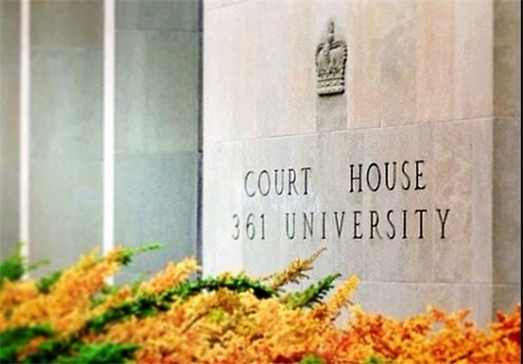
The judgment by the Ontario Superior Court of Justice, obtained by AFP on Friday June 10, found Tehran responsible for financing and training Hamas and Hezbollah operatives, who purportedly carried out eight bombings or hostage-takings in Buenos Aires, Israel, Lebanon and Saudi Arabia between 1983 and 2002. Tehran did not immediately comment on the court judgment.
“The broad issue before the court is whether Iran is entitled to immunity from the jurisdiction of Canadian courts for its support of terrorism,” Ontario Superior Court Justice Glenn Hainey claimed.
The move by Ottawa came after the US Supreme Court ruled on April 20 that Iran’s assets frozen in a bank account, which are worth around $2bn, should be turned over to American families of those killed in a 1983 bombing in Beirut and other attacks blamed on Iran. Tehran has denied any role in the attacks.
The ruling for the $13m payout does not affect Iran’s diplomatic property in Canada but does touch non-diplomatic properties and a list of frozen bank accounts, the report added.
This is while Canadian Foreign Minister Stéphane Dion confirmed on Friday that Ottawa has started “official” talks with Tehran in an attempt to renew ties with the Islamic Republic following a lasting nuclear deal between Tehran and world powers. “Talks have started, yes, at the official level,” Dion said. Iran’s ambassador the United Nations declined to comment when asked whether the talks were happening between the two country’s missions to the UN.
Italy has been handling Canada’s interests in the country since ties were cut four years ago. Canada broke diplomatic ties with Iran in September 2012.
“Thank God we have the help of the Italians but it would be much better if Canada were able to help itself as a country,” Dion added.
He would not speculate on the type of diplomatic presence Canada might pursue in Tehran, but added that an embassy was not a likelihood in the near future. “I would say it’s step by step — and an embassy cannot be a first step.”
In what is seen as a dramatic gesture on his part to help promote entrepreneurship, CBI Governor Valiollah Seif sent a letter to banks’ chief executives on Wednesday June 8, asking them to consider “financing SMEs as their top priority.”
Banks have come under regular criticism for giving small businesses short shrift and instead being too generous in lending to special-interest groups that have mostly defaulted on their loans. Economy Minister Ali Tayyebnia recently sounded the alarm on the flow of bank resources into unproductive sectors, and the high ratio of bad loans and toxic assets, which now account for 42% of banks’ total resources.
In the missive, published on the CBI website, Seif refereed to the role and influence of SMEs in boosting production and improving the economy. “Allocating resources to SMEs will have a positive impact on the economy, compared to large industries.”
He added that granting loans to small businesses would also improve the efficiency of banks’ lending and help the country achieve the 5% projected growth rate in the current fiscal year, which started in March.
CBI data shows banks lent IRR4.2 quadrillion ($317bn) during the previous fiscal year. While the share of the loans given to SMEs has yet not been specified, it is estimated that 10,000 small and medium-sized businesses are active in the country, many of which are struggling or on the brink of closing down.
New Lease of Life
In comments posted on the Tehran Chamber of Commerce website, Kourosh Parvizian, CEO of the privately-owned Parsian Bank with close ties to the CBI, said the central bank is seeking to finance SMEs with about IRR15-16 trillion.
“Given their total loans paid in the previous year, it is possible for the banking sector to provide this amount,” he said, claiming that the money would be enough to revive the SMEs. However, he noted that the methods used for financing SMEs need to be revised. “For instance, it is important to lend to only those units capable of selling their products.”
The banker added that SMEs need cheaper loans so that they would be able to repay them. “About 15-16% interest on loans should be reasonable,” he noted, at a time when most businesses have complained that such high interest rates are prohibitive and normally thrust the borrowers into the red. The CBI has been trying to ease lending conditions for businesses in dire need of financing and working capital.
Earlier this month, the regulator announced that small and medium-sized businesses are allowed to take out loans even if they have unpaid debts and/or bounced checks. New terms are offered to SMEs active in agriculture, industry, service and production sectors.
Last month, the CBI required banks to provide new loans to businesses with up to 100 people on their payroll.
Latest Borrowing Data
Banks lent IRR212.5 trillion ($6.9bn) during the Iranian month ending April 19, marking a year-on-year growth of 66.7%, or IRR88.5 trillion.
According to CBI data published on Wednesday June 8, the services sector still tops the list of borrowers having received IRR112.1 trillion ($3.67bn), accounting for more than half of the total loans. Industries and mining plus trade sectors accounted for 24.9% and 12.8% of the loans respectively during the said period.
Figures also show that about 68% of loans were paid to help meet the needs of industries and replenish their working capital. The CBI figures said 6.3% of the lending went towards starting new businesses.
© All Content by IFP News ( Iran Front Page ) is licensed under a Creative Commons Attribution 4.0 International License.
