Monday, April 13, 2026
Home Blog Page 4403

Thousands of Armenians Hold Religious Ceremony in Iran’s St. Thaddeus Church

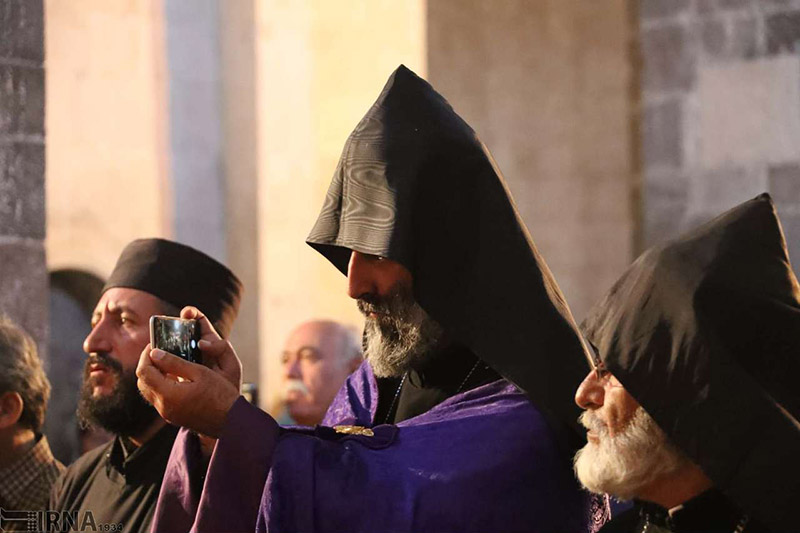
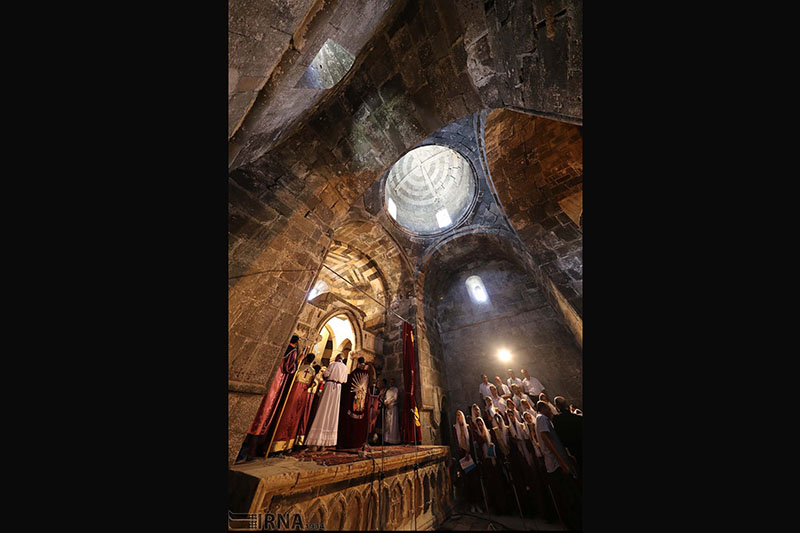
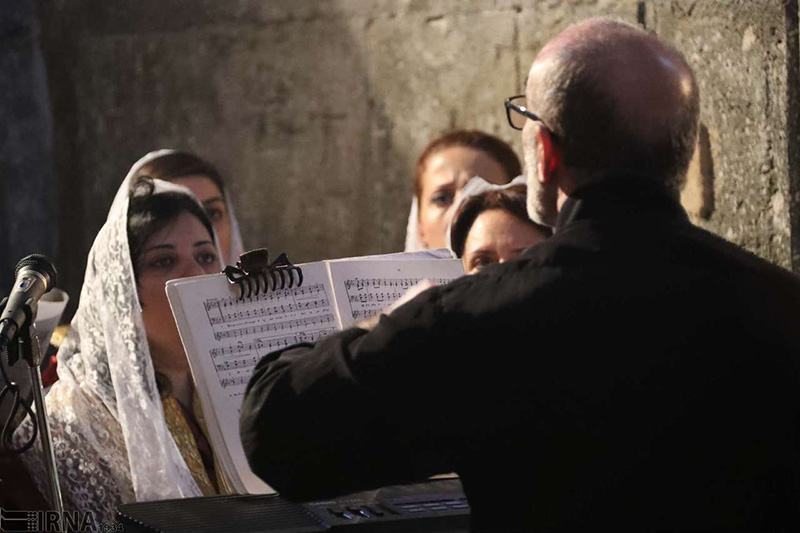
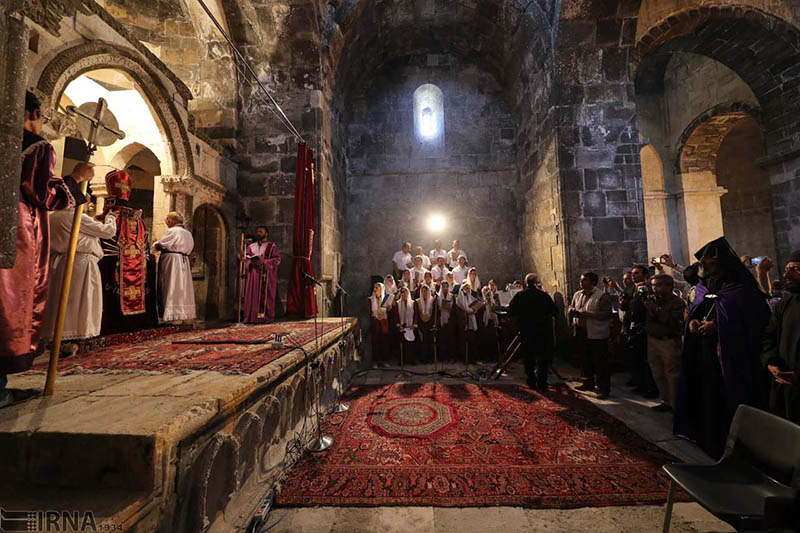
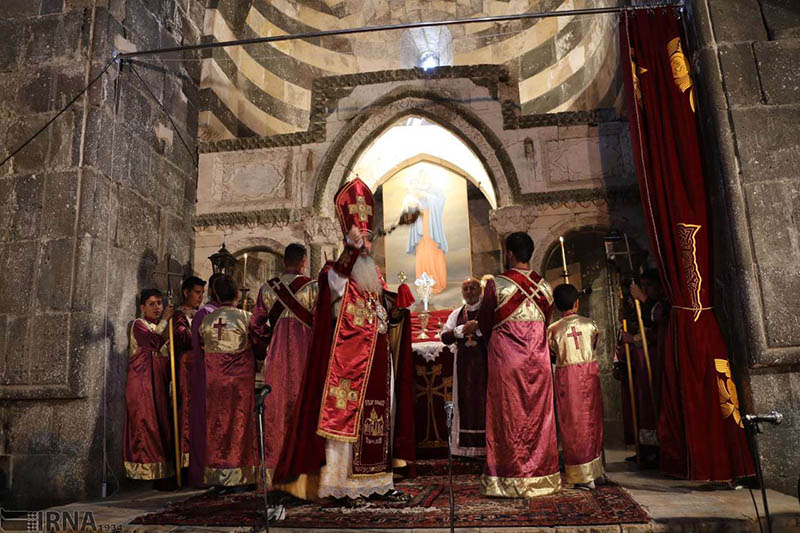
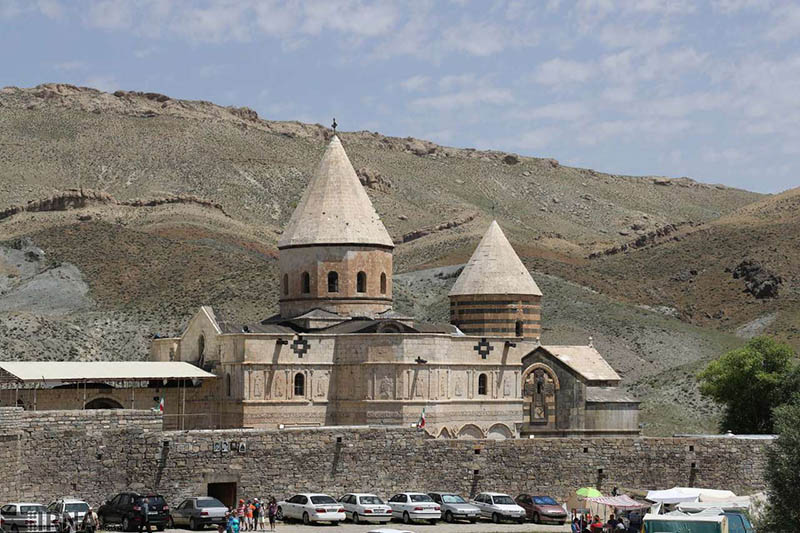
Qara Kelisa or St. Thaddeus Complex in Chaldoran, northwest of Iran, hosted the annual religious ceremony of Armenians known as Badarak.

Qara Kelisa or St. Thaddeus Complex in Chaldoran, northwest of Iran, hosted the annual religious ceremony of Armenians known as Badarak.

Thousands of Armenians from Iran and other nations including Armenia, Syria, Lebanon, the Netherlands, France, Austria, Germany and Canada took part in the three-day event, which was started on July 14.
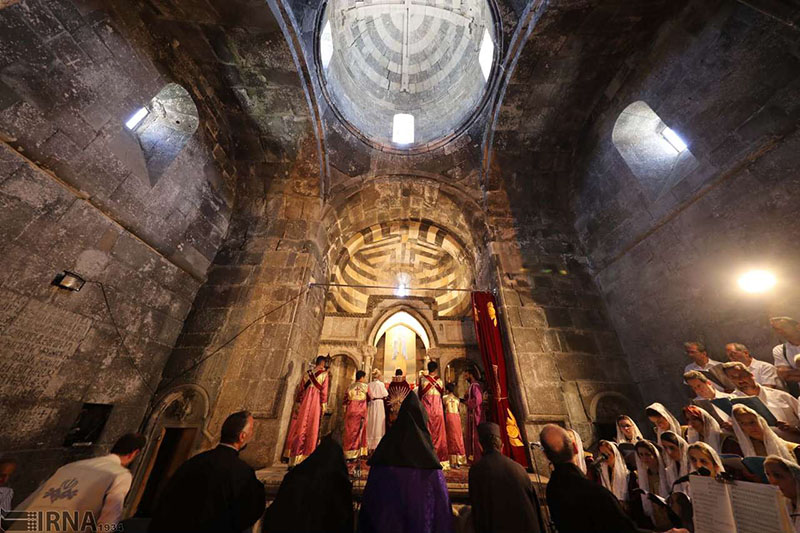
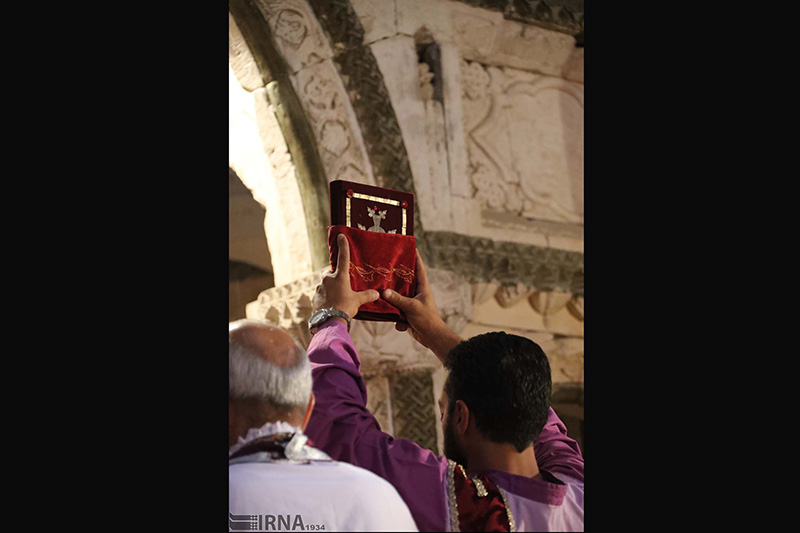
Qara Kelisa or St. Thaddeus Complex in Chaldoran, northwest of Iran, hosted the annual religious ceremony of Armenians known as Badarak.The ceremony is held to mark the martyrdom anniversary of Saint Thaddeus — one of the apostles of Jesus Christ (Peace Be upon Him).

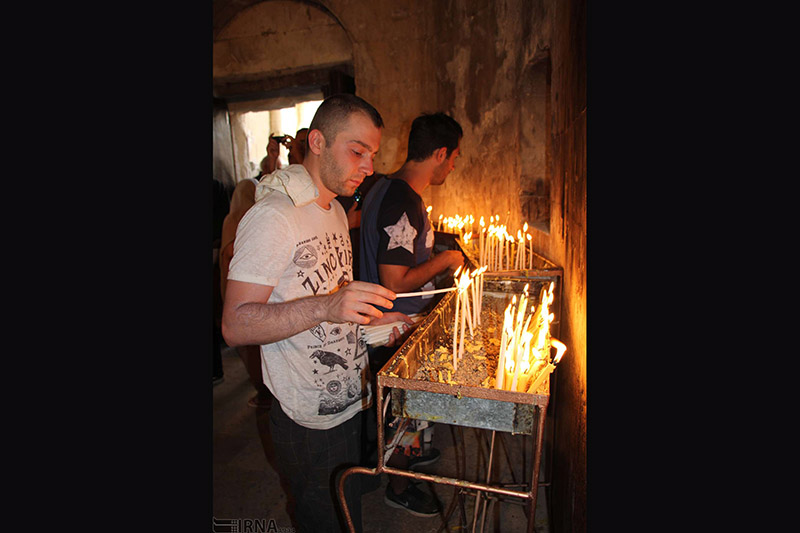
During the ceremony, the worshippers perform religious practices, including sacrificing sheep, lighting candles, baptism of infants, etc.

Each year, Qara Kelisa honours the memory of St. Thaddeus and his faithful followers.

Scores of Armenians, Assyrians and Catholics from Iran and other countries attend the annual event as part of their pilgrimage on the Day.

The ceremony is known as one of the largest religious ceremonies held by Armenians.

Qara Kelisa, also known as the St. Thaddeus Church, is one of the oldest and most notable surviving Christian monuments of Iran that has great significance for the country’s Armenian Orthodox community.

Armenians believe that Qara Kelisa is the world’s first church constructed in 68 CE by one of the apostles of Jesus, St. Thaddeus. According to Armenians, he had travelled to Armenia, then part of the Persian Empire, to preach the teachings of Jesus Christ.

Photos from the recent ceremony are published by IRNA:


US Gets Low Grade in JCPOA Implementation: Iran FM

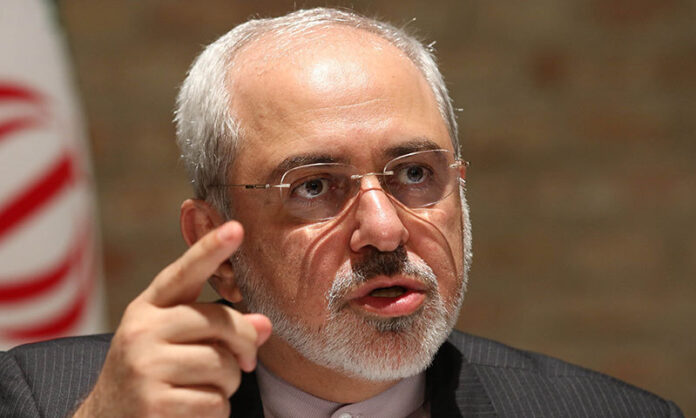
Mohammad Javad Zarif

Zarif made the remarks in an exclusive interview with Iran’s IRIB News Agency on the occasion of the first anniversary of the nuclear agreement, known as the Joint Comprehensive Plan of Action (JCPOA), between Iran and the five permanent members of the UN Security Council – the United States, France, Britain, China and Russia – plus Germany on July 14, 2015.

“If we want to give a grade to the JCPOA, it will definitely get a very good score considering the time frame and international circumstances, but if we want to give a grade to the way that the Americans implemented [the agreement], they will probably receive a low score,” said Zarif, who headed Iran’s nuclear negotiating team in talks with the six countries.

He added that the JCPOA is a “very important achievement” for the Islamic Republic as it safeguarded the Iranian nation’s dignity on the international scale, recognized its rights, scrapped the resolutions of the United Nations Security Council and prevented new sanctions against the country.

Iran and the six world powers started implementing the JCPOA on January 16.

Under the deal, all nuclear-related sanctions imposed on Iran by the European Union, the Security Council and the US should be lifted. Iran has, in return, put some limitations on its nuclear activities.

Zarif emphasized that the JCPOA was “a very defensible document” which proved that nothing can be imposed on the Iranian nation through pressure.

He reasserted Iran’s continued implementation of its obligations under the JCPOA with seriousness and precision, and the country’s resolve to prevent the opposite side from failing to meet its own commitments.

Following the JCPOA implementation, many European banks started transacting with their Iranian counterparts, he said.

“However, a number of banks are still in fear of US regulations, but we believe that such fear is a psychological fear emanating from conservative nature of monetary and banking institutions and not from regulations which prevent cooperation with Iran,” the foreign minister pointed out.

He said Iran has focused its attention on making the best use of the opportunity created after the JCPOA implementation, but the country will always remember that the US does not keep its promises.

Zarif added that Washington has certainly failed to make enough efforts to allay the international community’s concerns, which were the result of its policies against Tehran over almost a decade.

After the JCPOA went into effect, congressional Republicans have introduced many sanctions bills and other legislation to undermine the agreement that is viewed as a foreign policy legacy of President Obama’s administration.

The American banks are still banned from dealing with Iran as part of an old US trade embargo that still remains in place. Accordingly, this is believed to have already effectively blocked any transactions with Iran which is based on US dollar, because they would ultimately have to be cleared in the US.

Prevalence of Hepatitis B in Iran Dropped to Less Than 2%

12

Moayyed Alavian told IRNA on Monday, July 18, that over 5% of Iranian people used to be affected by hepatitis B, but the figure has dropped to 2% in all provinces except Sistan and Baluchestan and Golestan.

The prevalence of hepatitis has been decreased to less than 1% in some provinces, he noted, adding that the disease is also rare among people younger than 27, with a minute rate of 0.5%.

Alavian noted that risky sexual behaviours and drug addiction are the most important ways in which hepatitis B is communicated.

He also pointed to the World Hepatitis Day, which is annually marked on July 28, saying that attempts to find, support, and treat the patients and attract the attention of policy-makers, officials, and media to the disease are among the most important aims of the international day.

Hepatitis B is a potentially life-threatening liver infection caused by the hepatitis B virus. It is a major global health problem. It can cause chronic infection and puts people at high risk of death from cirrhosis and liver cancer.

Infants and children are more vulnerable to hepatitis B. A vaccine against hepatitis B has been available since 1982. The vaccine is 95% effective in preventing infection and the development of chronic disease and liver cancer due to hepatitis B.

“Immortal” Wins Silver Apricot Prize at Armenian Film Festival

2086455

‘Immortal’ (‘Mamiro’ in Persian) directed by Hadi Mohaghegh and produced by Majid Barzegar scooped the Silver Apricot prize for best feature film and the Ecumenical Jury Award at the 13th Yerevan International Film Festival in Armenia.

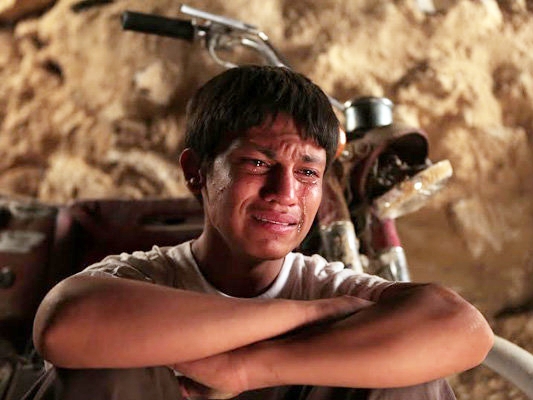
The film chronicles the story of Ayaz, a lonely sixty-year-old man who detests his life and feels guilty about the death of his family. Now, Ayaz lives with his teenage grandson, Ebrahim, who is the last surviving member of his family, and his wife’s voice on a cassette tape.

Mohaghegh dedicated the Silver Apricot to acclaimed Iranian filmmaker Abbas Kiarostami, who passed away on July 5 in Paris where he was receiving treatment for gastrointestinal cancer.

‘Immortal’ had previously won several awards in international film festivals including the 14th Pune International Film Festival (PIFF), India, as well as the Busan International Film Festival in South Korea.

The annual Golden Apricot International Film Festival was formed in 2004 in Yerevan. The festival held its 13th edition from July 9 to 16 in the Armenian capital.

1st Court Hearing Held for Those Who Attacked Saudi Embassy in Tehran

Attack to Saudi Embassy

The hearing was presided over by Judge Dehqan at Tehran’s 1060 branch of Special Court for Government Employees.

4 out of the 21 suspects were not present at the hearing and their attorneys defended them.

The second session of the hearing is scheduled to be held on July 19, Tasnim reported.

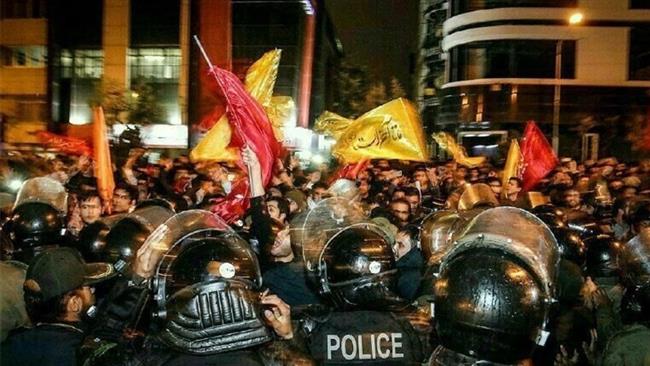
In the early hours of January 3, angry demonstrators attacked Saudi Arabia’s embassy in Tehran in protest at Saudi Arabia’s execution of prominent Shiite cleric Ayatollah Sheikh Nimr al-Nimr a day earlier.

Police arrested those identified as being involved in the attack and President Hassan Rouhani condemned the move afterwards.

However, the Saudi foreign ministry announced it was cutting diplomatic ties with the Islamic Republic following the angry protests.

Commander Warns of Sabotage on Iran’s Cyber Infrastructure

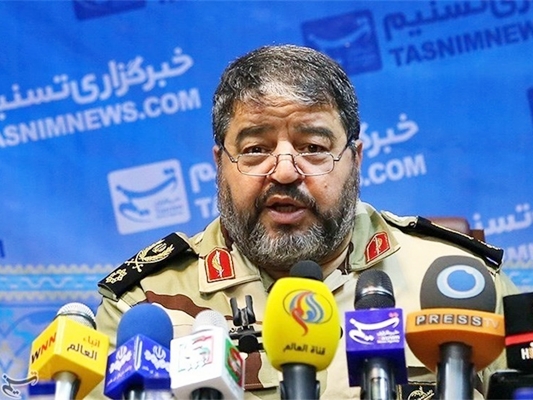
General Gholam Reza Jalali

Devices have been implanted in the hardware that Iran buys from abroad to equip or upgrade its cyber infrastructure, Brigadier General Gholam Reza Jalali said, voicing concern that such plot would enable the enemies to launch attacks on all of Iran’s infrastructure “with the push of a button.”

Speaking at a television talk show on Sunday night, the official also cautioned that cyberattacks against the country over the past three months may recur, because there are still flaws in the country’s software infrastructure.

He also criticized the country’s executive bodies for inclination to get equipment from the Western countries, stressing that the bulk of the necessary supplies could be manufactured inside the country.

Only in one case, Tehran had to purchase software needed by the Central Bank of Iran (CBI) from an American company, the commander explained, adding that the decision was soon reversed because it could have let the US gain access to the CBI’s database system and its financial transactions.

General Jalali underlined that Iran should never make commitments that would have the West expand surveillance on the country.

Earlier in June, the commander unveiled plans for developing a nationwide alarm system that would alert the country’s organizations to possible cyber-attacks.

Pro-Independence Leader Pleads for Iran’s Help over Kashmir Dispute

139504281142491738159404

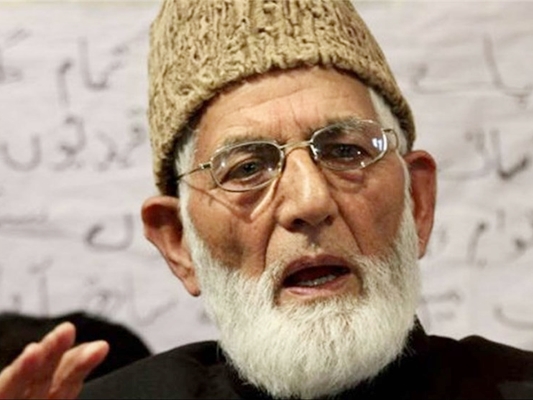
According to a report carried by the Economic Times on Sunday, Geelani in the letter has called on Iran, a number of other countries and international bodies to urge India to take confidence building measures and “accept disputed nature of J&K, repeal Armed Forces Special Powers Act and start a rapid demilitarization process immediately”.

Heads of the permanent members of United Nation Security Council, regional organizations such as the European Union, ASEAN, OIC and SAARC, China, Pakistan and Turkey have also received similar letters.

“These countries have a special responsibility to intervene to stop this reign of terror by India in J&K…create an atmosphere conducive for the resolution of the dispute of Jammu & Kashmir as per the principle of Right to Self Determination,” Geelani wrote.

The letter came after thousands of armed police and paramilitary soldiers in riot gear patrolled the streets of Srinagar, the summer capital of Jammu and Kashmir State, as well as Anantnag district in the south to enforce the curfew on Friday.

Indian authorities also blocked mobile phone services to prevent further protests after Friday prayers across the Muslim-majority region.

The state government has ordered restrictions on the movement of people and traffic in several parts of the valley. It said in a statement that only people involved in medical emergencies would be allowed to travel across the troubled region.

Clashes erupted after Burhan Wani, a top figure in the pro-independence Hizbul Mujahideen (HM) group, was killed along with two others in a shootout with Indian troopers on July 8.

Anti-riot troops have used live ammunition, pellet guns and tear gas to disperse the crowds and calm down the outrage over the past few days.

At least 37 people are now confirmed dead and over 2,000 others injured following days of violent clashes between protesters and Indian forces. Medical sources have expressed serious concern that a severe lack of blood donations and life-saving medicines could cause more deaths.

Kashmir has been at the heart of a bitter territorial dispute since India and Pakistan became independent in 1947.

New Delhi and Islamabad both claim the Himalayan region in full, but rule parts of it. The two countries have fought two wars over the disputed territory.

The last bout of serious violence in the scenic valley was in the summer of 2010, when more than 100 people died in anti-India protests.

No Turkish Official Has Entered Iran, Official Says

13941028162528796929614

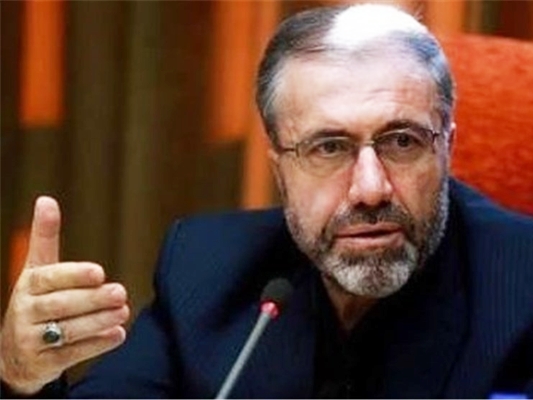
Speaking to reporters in Tehran, Deputy Interior Minister for Security and Law Enforcement Hossein Zolfaghari denied any entry into the country by Turkish officials in recent days, after an abortive military coup in Turkey.

He said it was already predictable that the conflicts in the neighboring country would not cause any security problems for Iran.

The comments came after Turkey’s government crushed a coup launched by a faction in the army against President Recep Tayyip Erdogan.

Following the Saturday coup attempt, Turkish authorities rounded up nearly 3,000 suspected plotters and ordered thousands of judges detained.

Elsewhere in his comment, the Iranian deputy interior minister said two suspects were arrested in a border province on June 30 for plotting acts of sabotage in the country on the International Quds Days.

The two, arrested by the Police and the Intelligence Ministry forces, were captured before taking the time to leave the border province, Zolfaghari added.

On June 20, Iran’s Intelligence Ministry announced in a statement that its agents thwarted a major plot by Takfiri-Wahhabi groups for a series of bombing raids across the country during religious events in the Muslim holy month of Ramadan.

10 Takfiri-Wahhabi terrorists were arrested in Tehran and three border and central provinces of the country before performing different planned operations including planting bombs, detonation of remote control bombs, suicide attacks, and blowing up explosive-laden vehicles.

US, Israel, Saudi Arabia, Egypt Were Plotters of Turkey Coup

Hossein Sheikholeslam

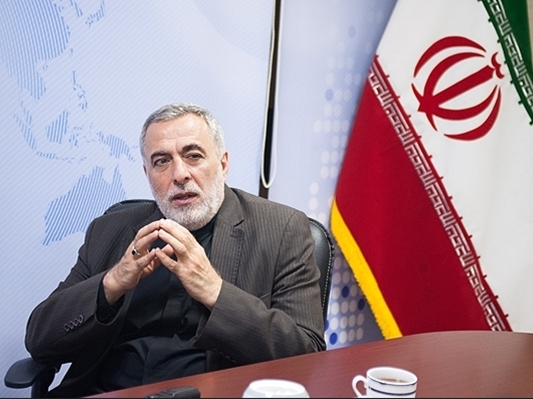
Javan Online news website has reported the remarks made by Hossein Sheikholeslam, an International Advisor to the Iranian Parliament Speaker Ali Larijani, about the recent coup attempt in Turkey.

Here is IFP’s translation of the report:


The recent military coup against the Turkish government, which crumbled in the early hours, was the most important development in the past few days, and was widely covered by media outlets throughout the world.

According to Sheikholeslam, the remarks recently made by Turkish officials, particularly the recent statements of Turkish Prime Minister Binali Yıldırım, indicate that Ankara has changed its policy towards Syria.

“If Turkey cuts off the routes previously used by Saudi Arabia as a conduit to transfer weapons, explosives and even mercenaries to Syria, the eradication of terrorism will become much easier.”

He drew a link between the policy change and the recent coup attempt in Turkey, and said, “The elimination of terrorists in Syria is a big strategic loss for the Zionist regime; therefore, I don’t see it unlikely that what happened in Turkey was the result of efforts made by Americans, Saudis, Egyptian intelligence, and Zionists.”

He pointed to the Saudi news channel Al Arabiya’s support for the coup as well as Egypt’s efforts to dissuade the United Nations from condemning the coup.

“It is no secret to anyone that the masterminds of the coup also had close relations with the Zionist regime,” he further noted.

Sheikholeslam also referred to the recent threats made by Saudi Arabia against Turkey, and noted, “The threat resembles the approach adopted by Bandar bin Sultan, the former Saudi Arabian ambassador to the US, against the Russian President Vladimir Putin. Bandar had implicitly threatened to carry out terrorist attacks in Russia.”

“The defeat of terrorist groups will ruin Saudi Arabia’s dignity, and is thus a vital issue for Riyadh,” he added, reiterating that Turkey’s change of stance on Syria is too costly for Saudi Arabia.

Turkey’s policy change seems to have disturbed Saudi Arabia so much that Saudi Foreign Minister Adel al-Jubeir delivered a harsh speech against Turkey’s authorities.

Jubeir’s threatening statements against Turkey could be a result of numerous phone calls made between the Saudi royal family and Turkey’s army, vying to build a regional army against Iran, Sheikholeslam  went on to say.

Archaeologists Discover Graves Belonging to Parthian Era in Amlash

graves

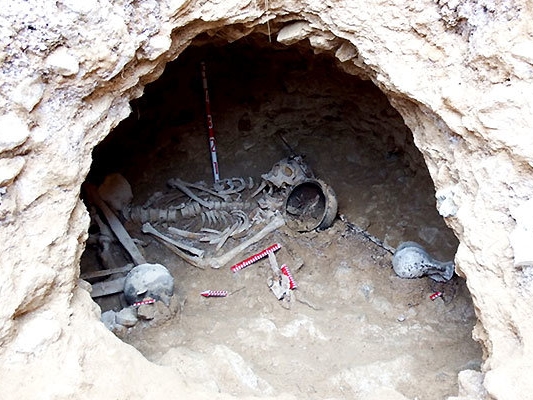
Vali Jahani, the leader of the archaeological mission to Amlash, said the second season of emergency excavation on the settlement site and cemetery of Amlash County began on May 6 with the aim of saving cultural artefacts, and will continue until July 28.

The ancient site was first identified in 2013, Jahani said, adding, “The exploration led to the discovery of funerary objects and stone architecture whose historical periods are still unknown to archaeologists.”

At the five excavation workshops on the graveyard located at the easternmost part of the ancient site, 14 pits and cellar graves have been discovered, probably dating back to Parthian and Sassanid eras.

“In the residential-settlement part of the site located on the north side, we also found evidence of stone architecture and residential spaces,” he added.

He went on to say that further research is needed for a definite opinion about the exact cultural period of these funerary and residential objects.