
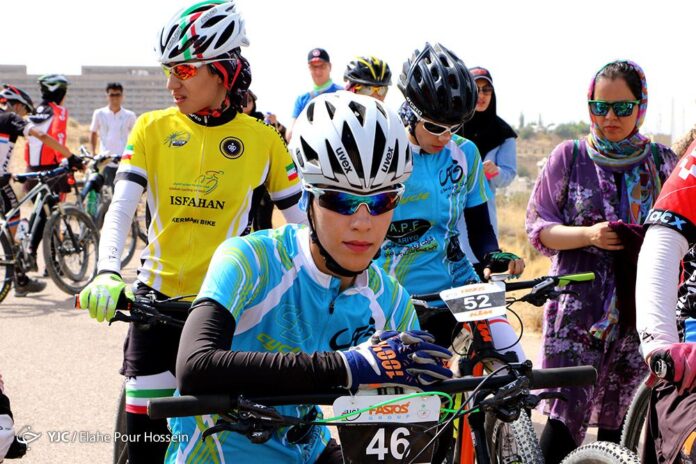
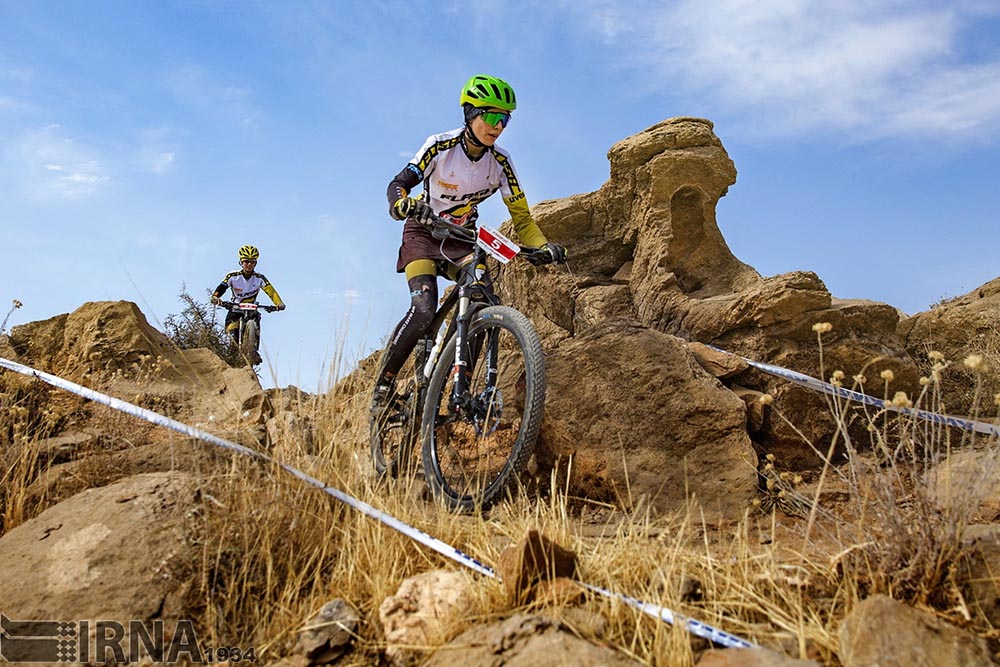
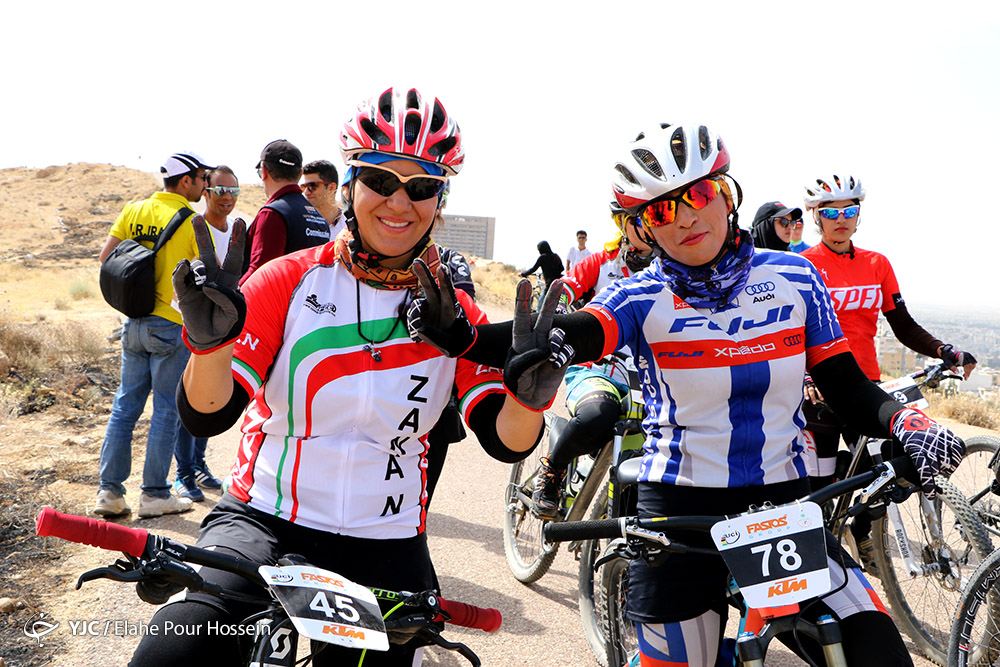
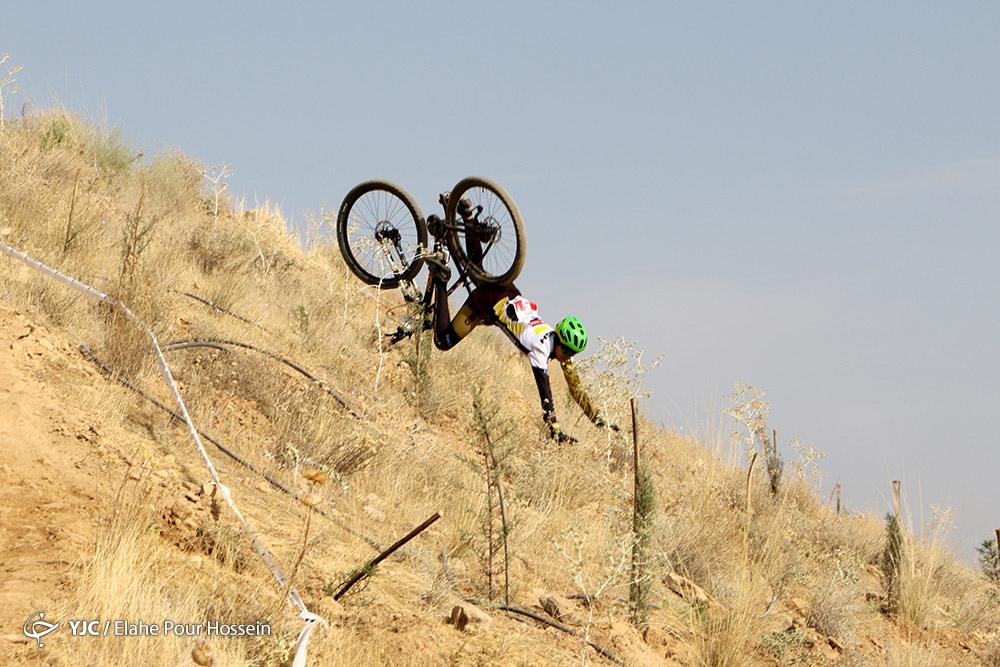
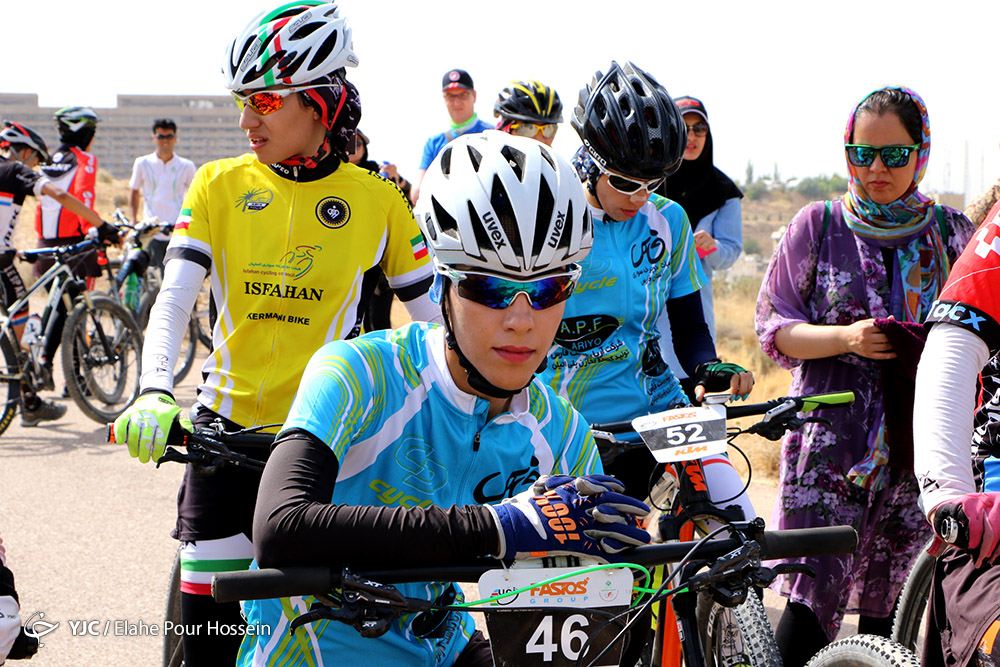
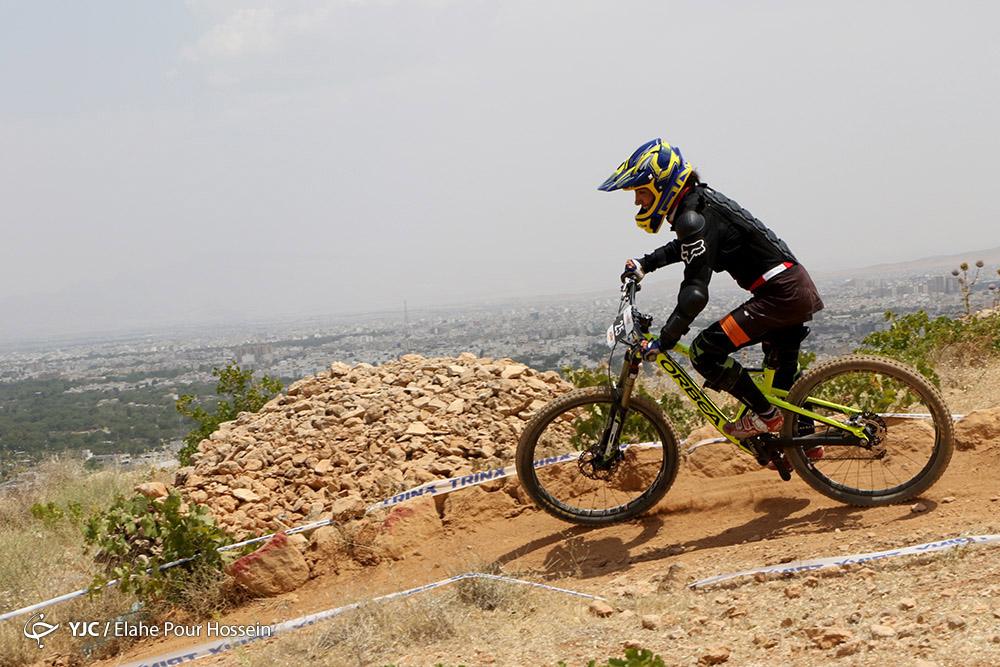
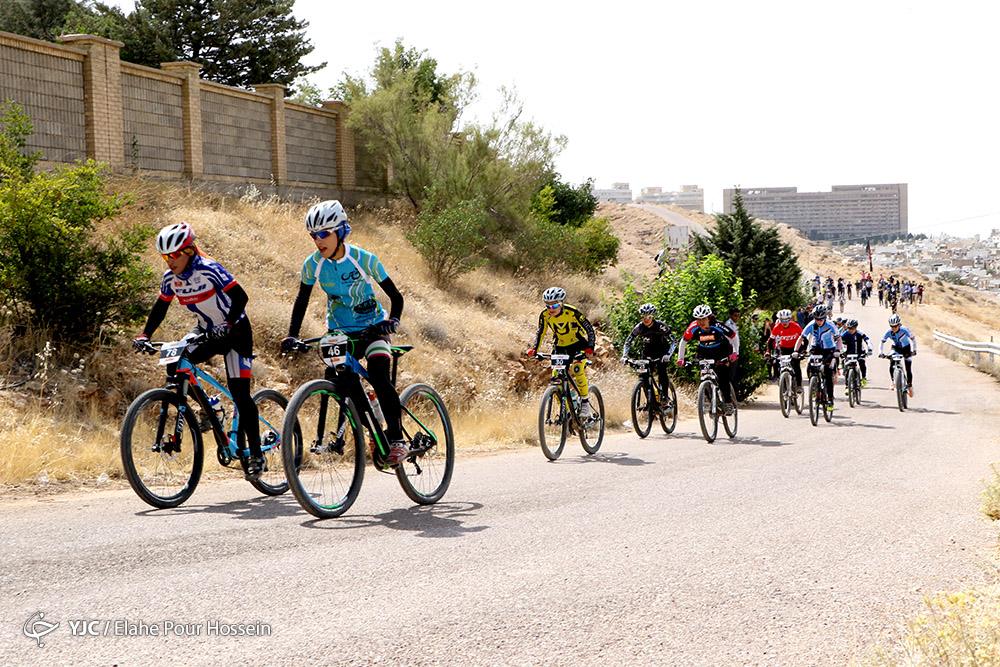
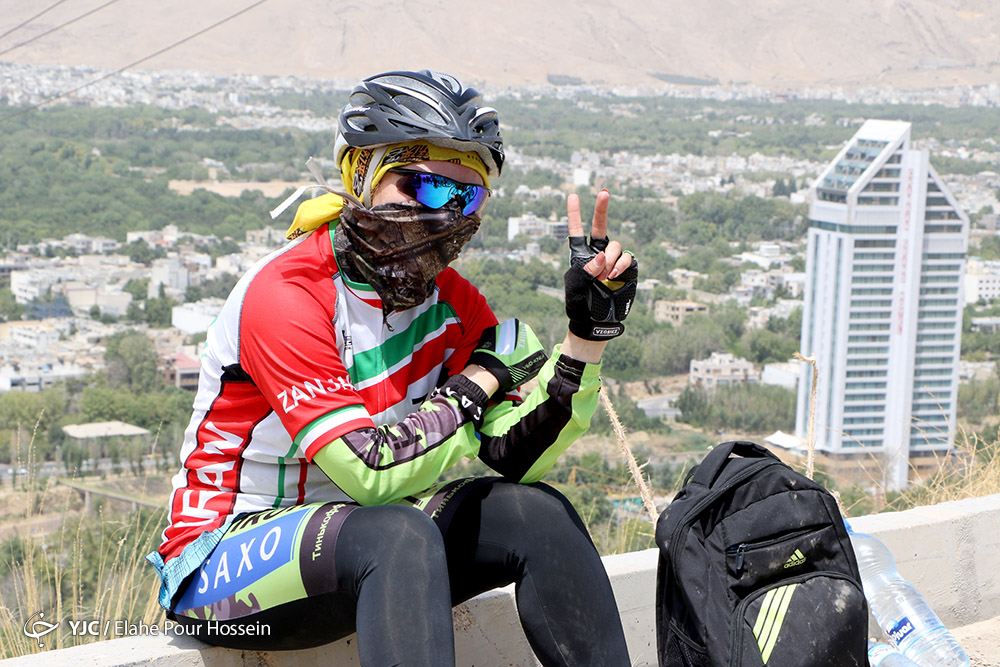
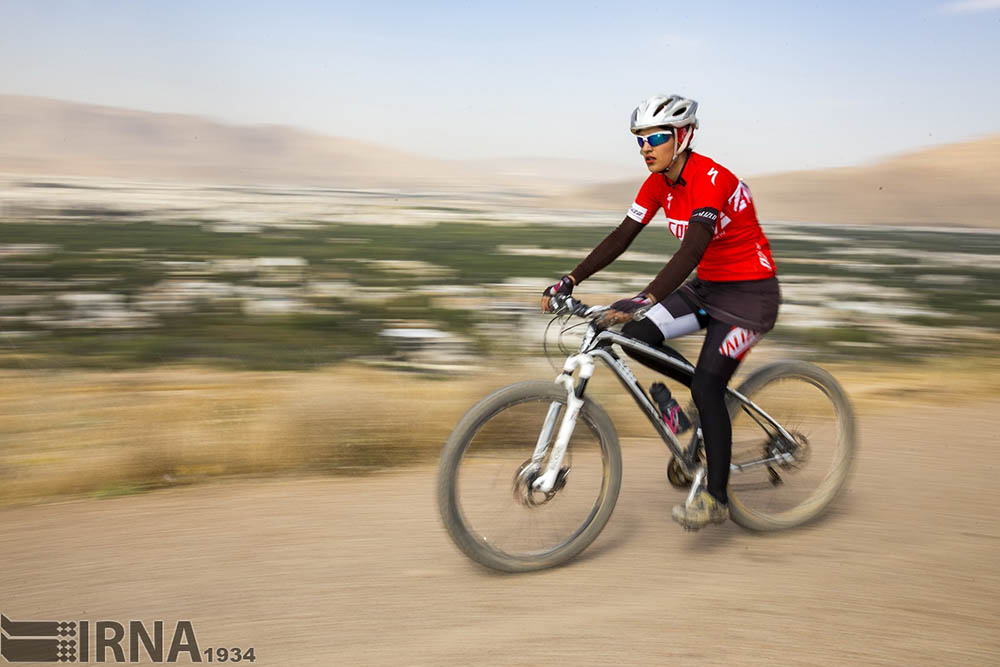
Iranian female bikers took part in National Biking Championship in Shiraz, Fars Province, on Monday, July 18.
1 of 11



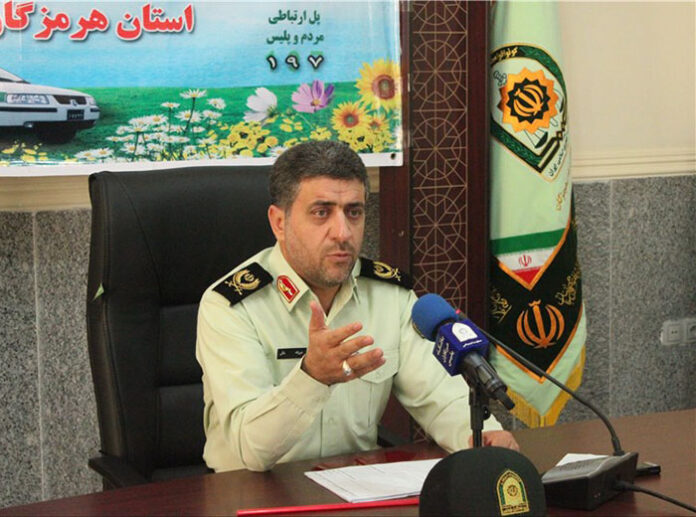
Speaking to Tasnim on Tuesday, July 19, the provincial police chief, General Maleki, said the operation was preceded by months of extensive intelligence activities to identify and track a number of fake corporations involved in forging documents and smuggling big hauls of goods into the country.
In their recent operation, the police forces sized 210 containers of smuggled commodities, including toys, glassware, auto parts and house appliances, the commander added, estimating the value of the cargo at over $60 million.
The general also noted that 17 members of the smuggling band, some of whom were on their way to flee the country, have been arrested.
The southern province of Hormozgan, lying on the coasts of the Persian Gulf, is known as a major hub for exports and imports, with a large number of ports.
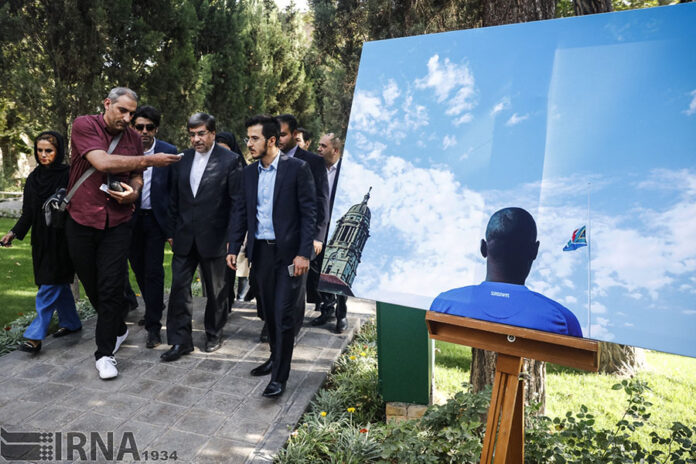
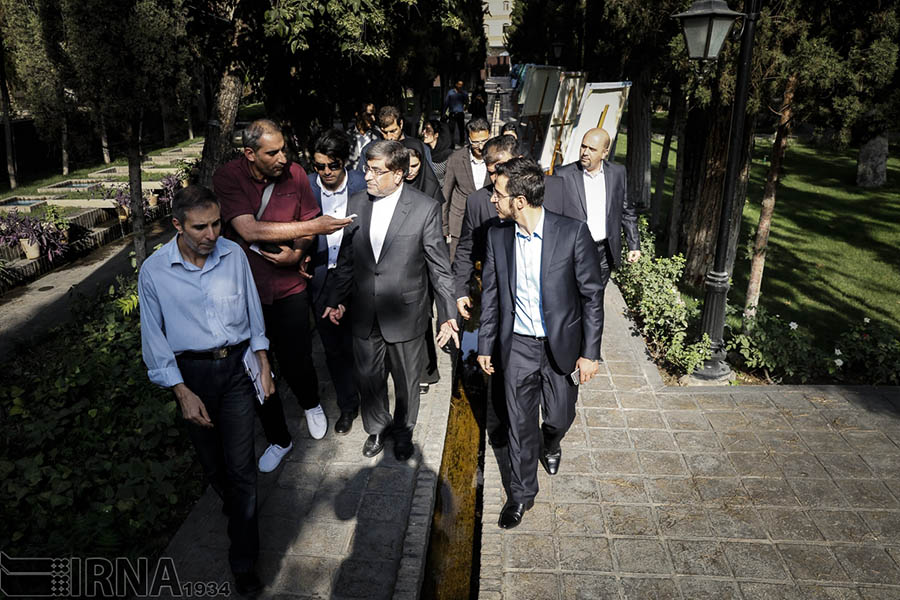
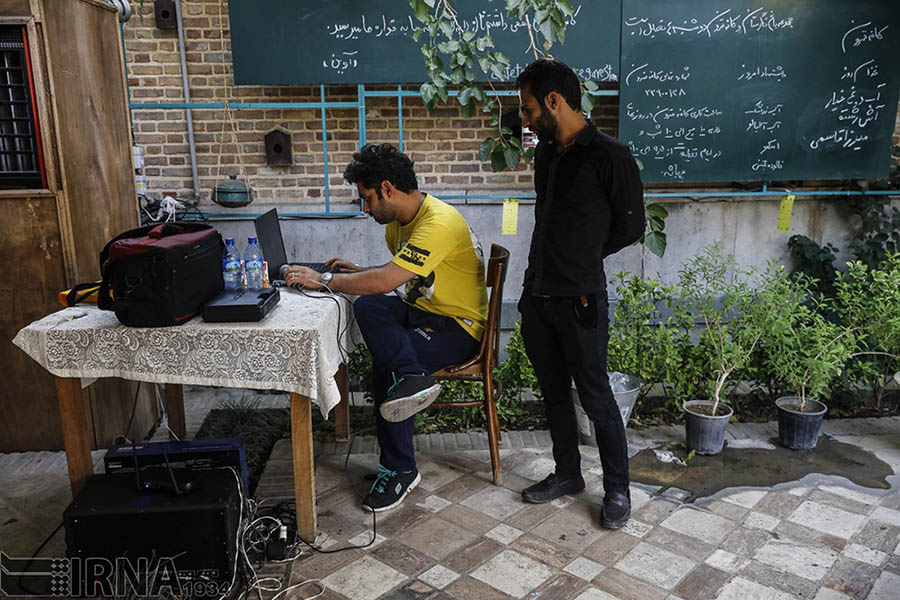
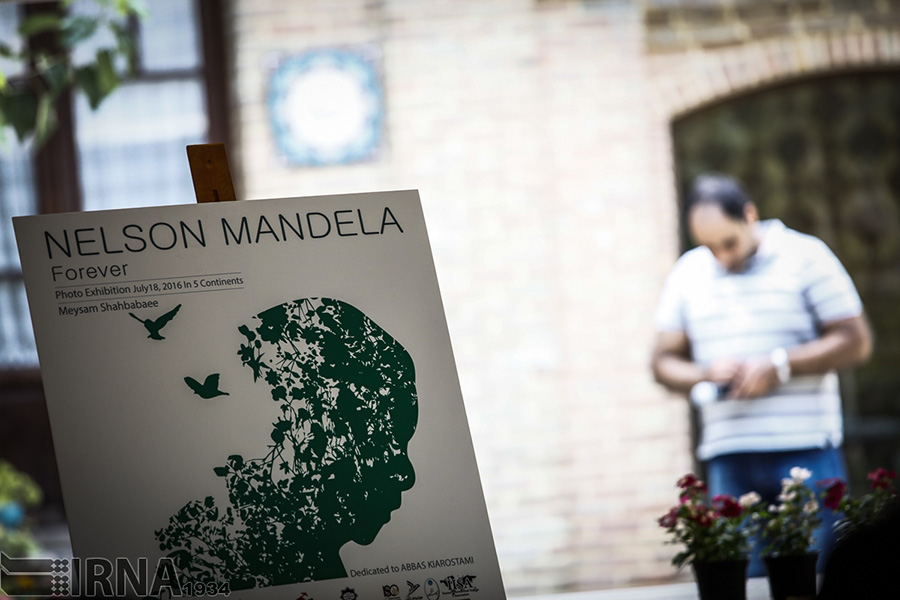
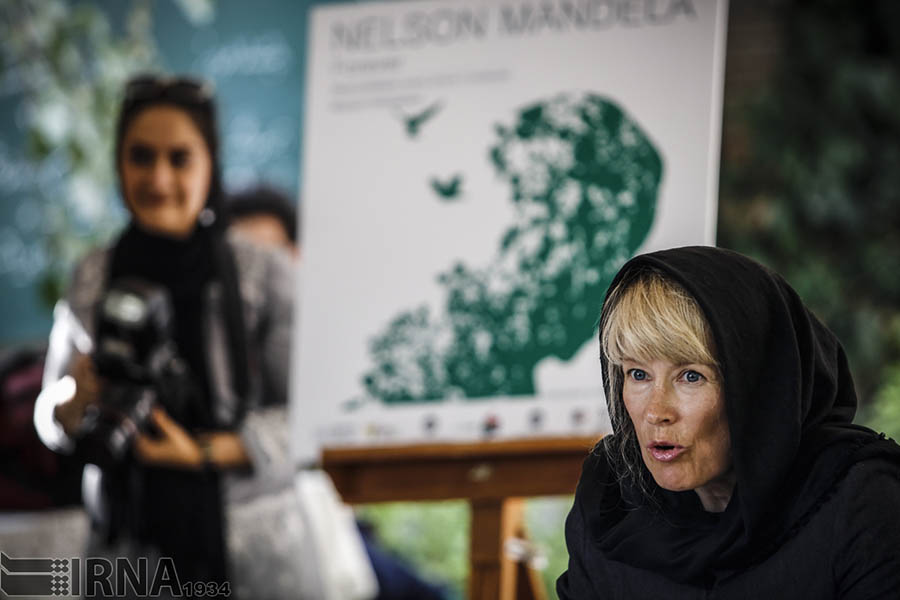
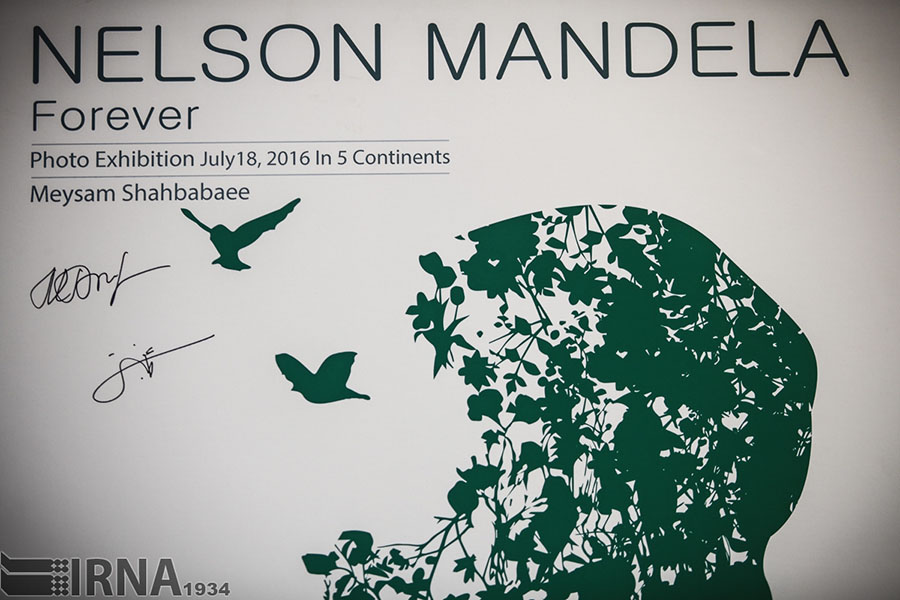
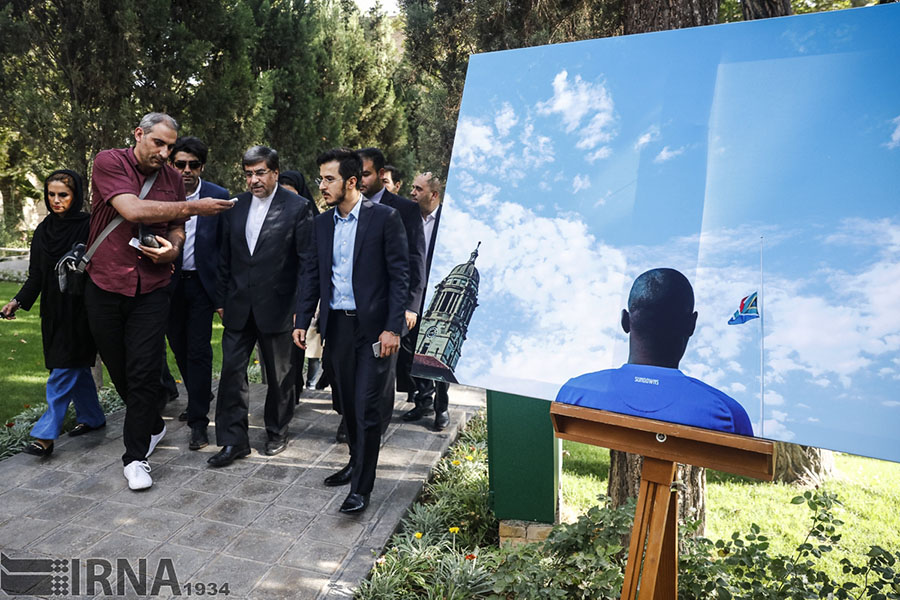
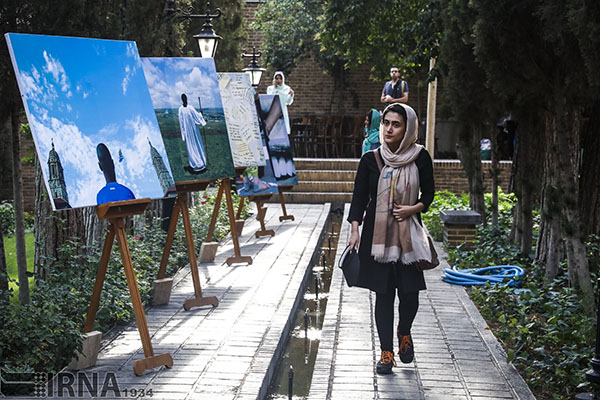
A photo exhibition was held on Monday, July 18, in Negarestan Garden in Tehran to mark the birthday anniversary of Nelson Mandela, the South African anti-apartheid revolutionary, politician, and philanthropist.
The exhibition displays the works of Iranian photographer Meysam Shahbabaei, who claims to have been the only representative of Iran in Mandela’s funeral ceremony held in late 2013. He says he has tried to take photos of the African figure’s last days.
“On his birthday anniversary, I tried to do something different, so I organized exhibitions of my photographs [from the funeral ceremony] in five countries, including South Africa, France, the US, Australia, and Iran,” Shahbabaei noted.
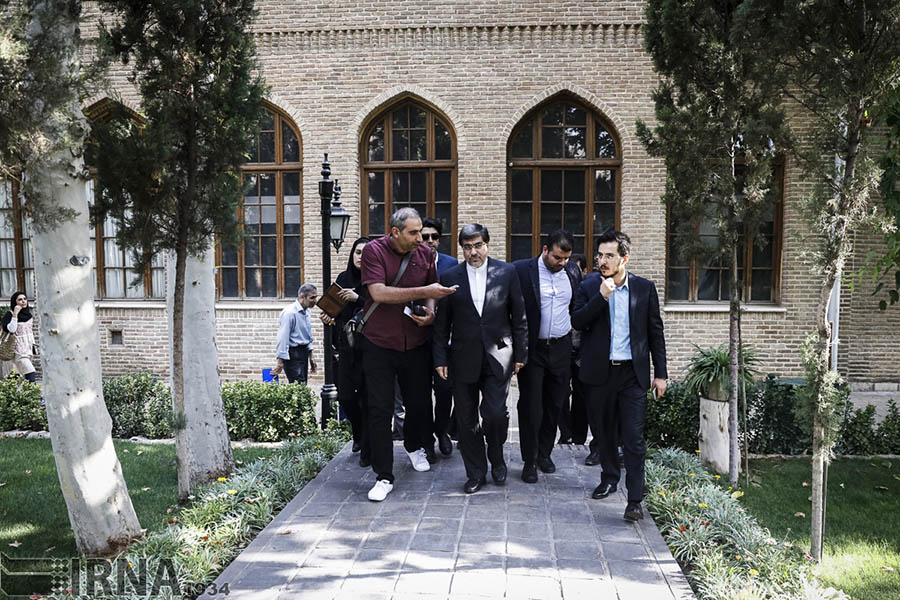
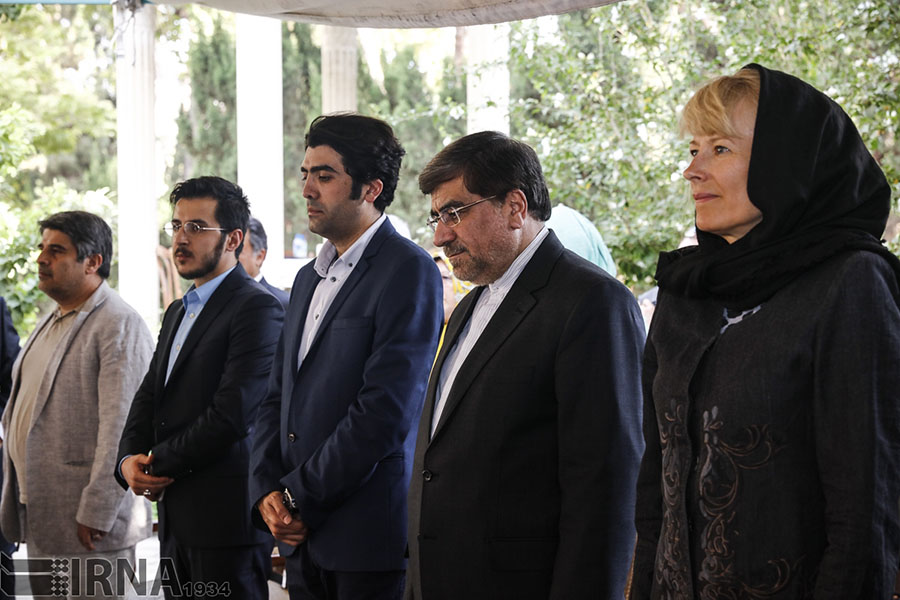
The opening ceremony of the exhibition was attended by Iran’s Culture and Islamic Guidance Minister Ali Jannati, Director of the United Nations Information Centre in Tehran Maria Dotsenko, and a representative from South African embassy.
In this ceremony, Jannati also unveiled Nelson Mandela’s stamp in a move to commemorate the anti-apartheid hero.




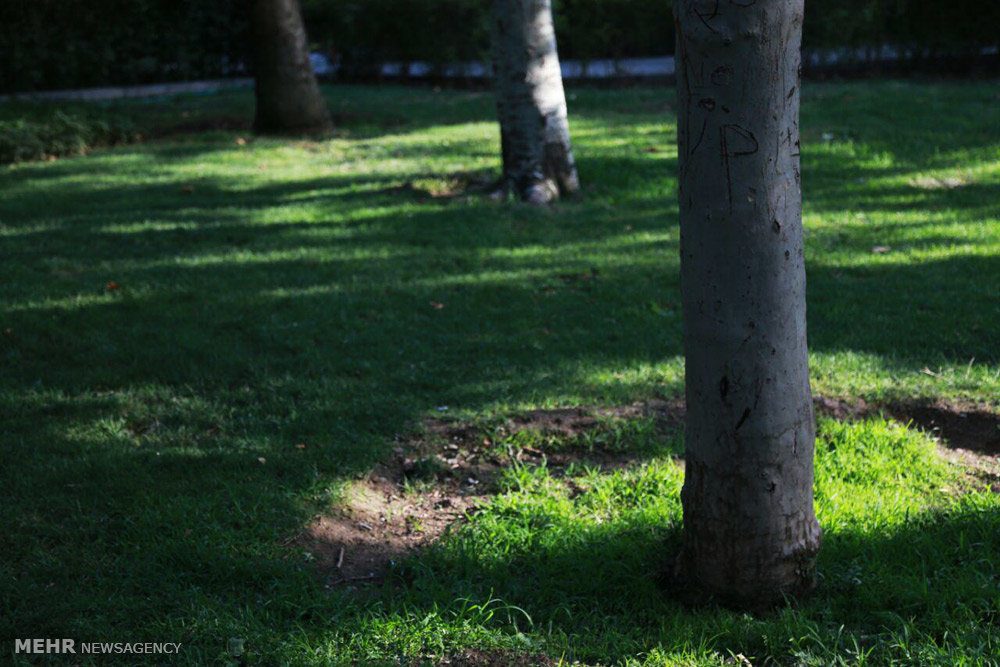
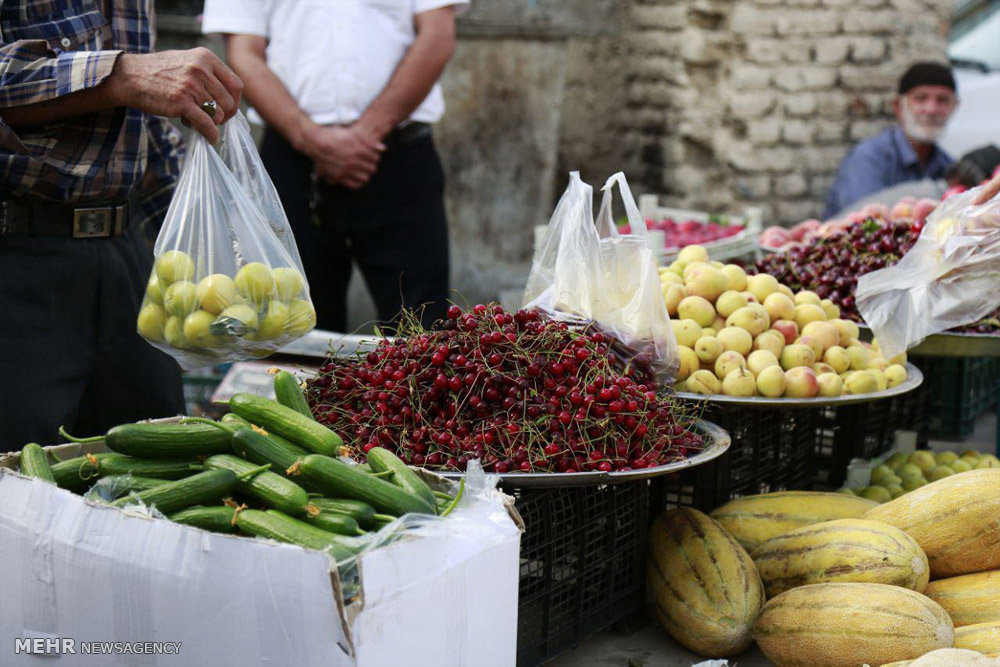
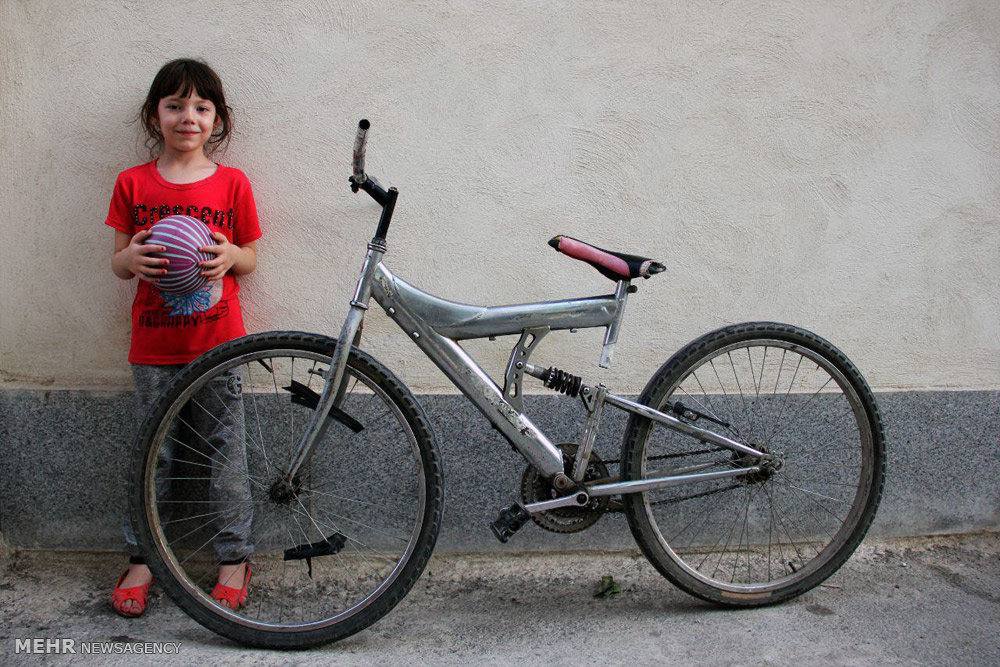
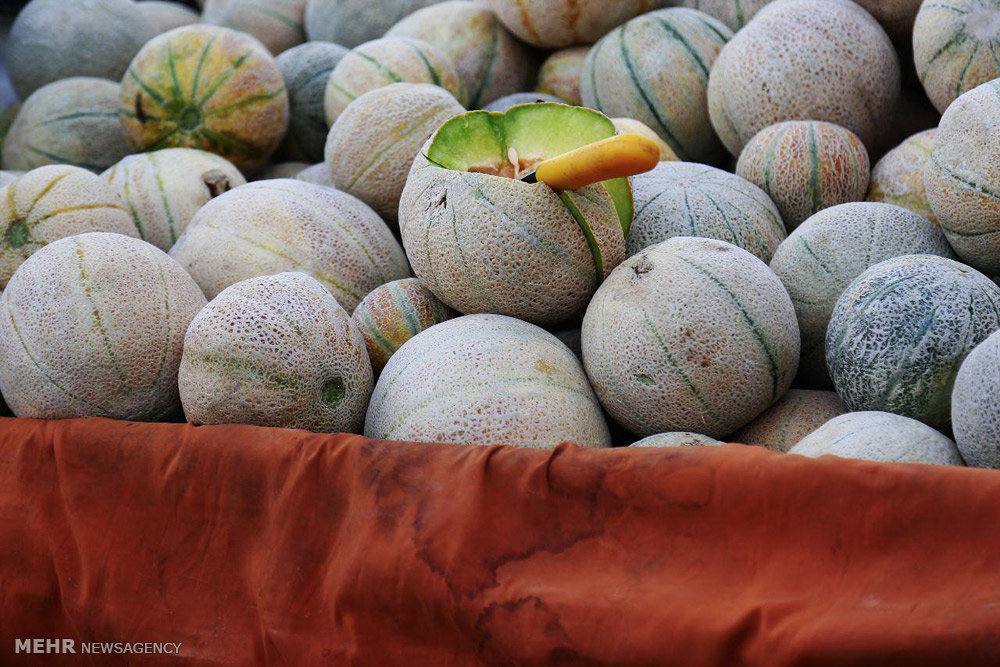
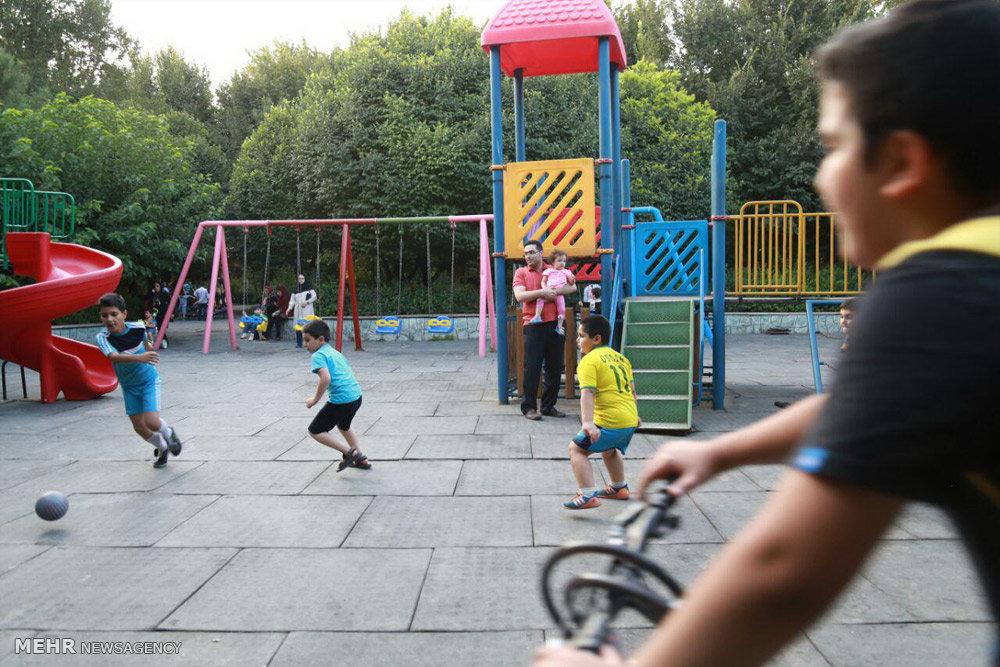
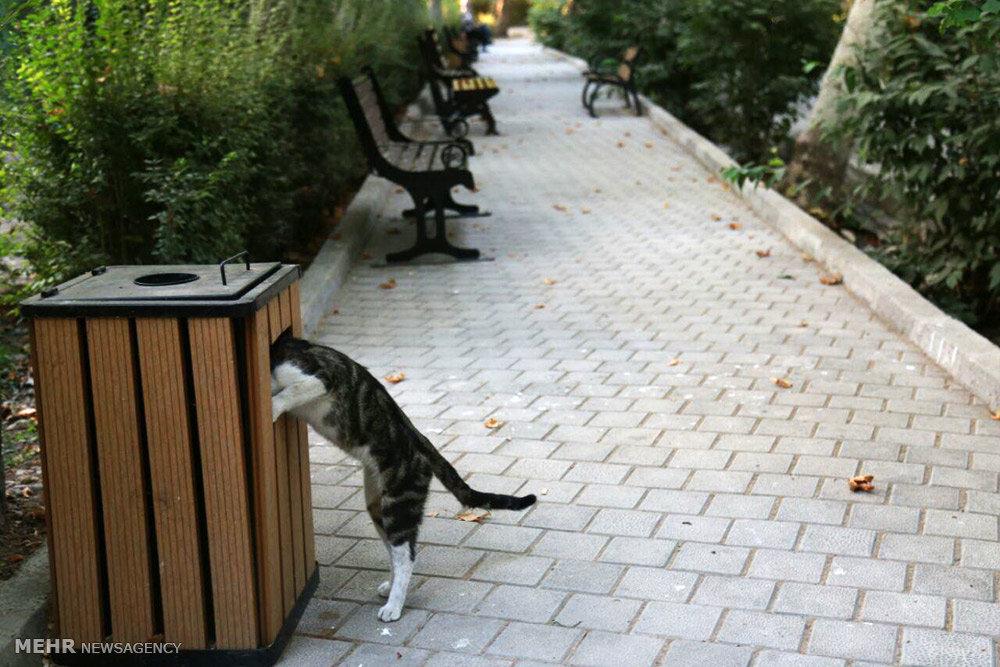
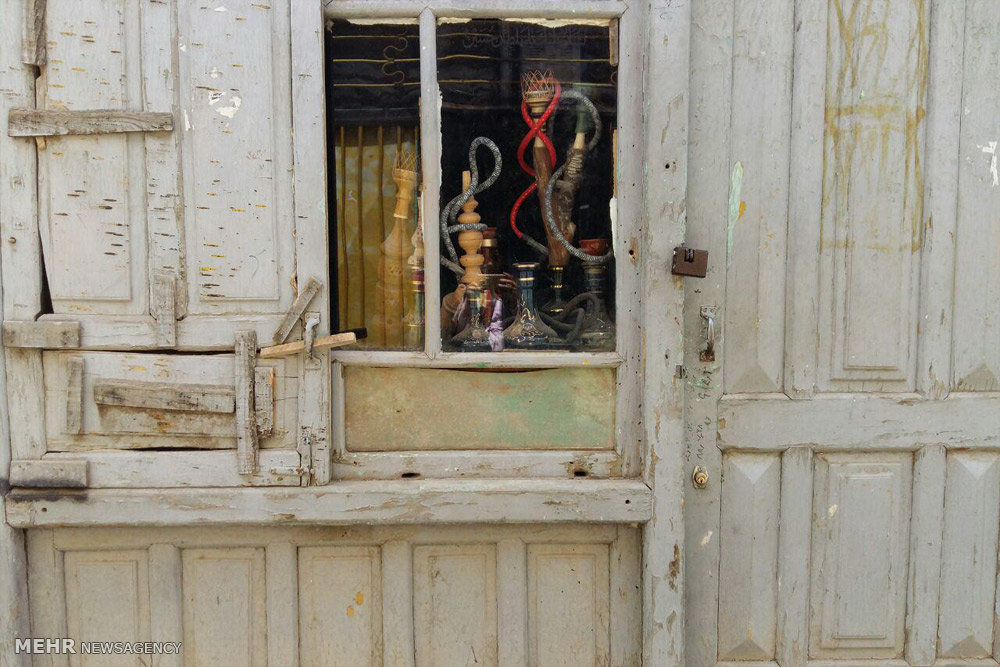
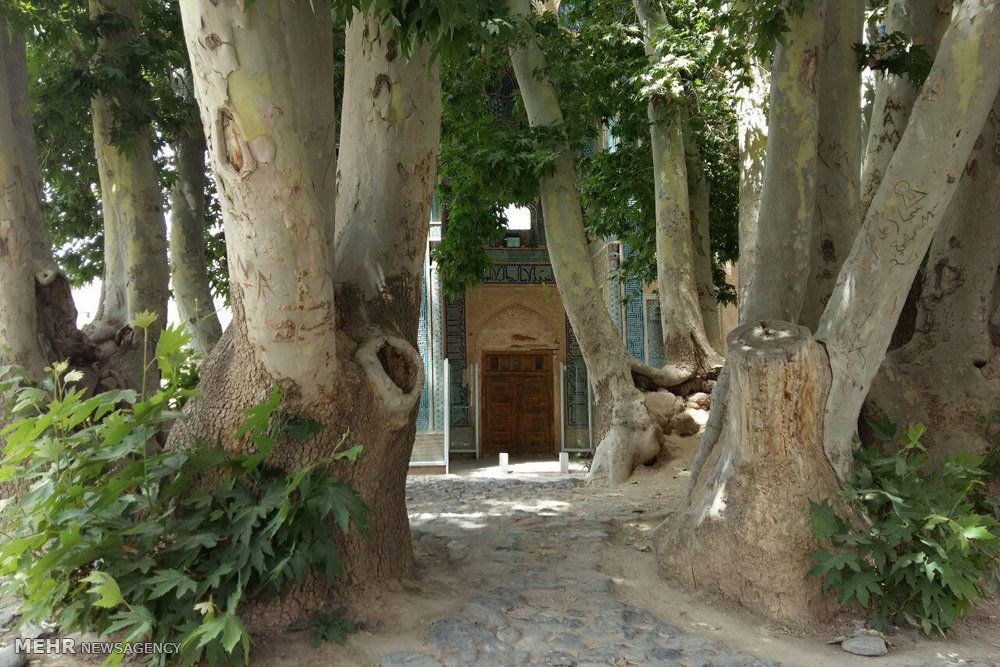
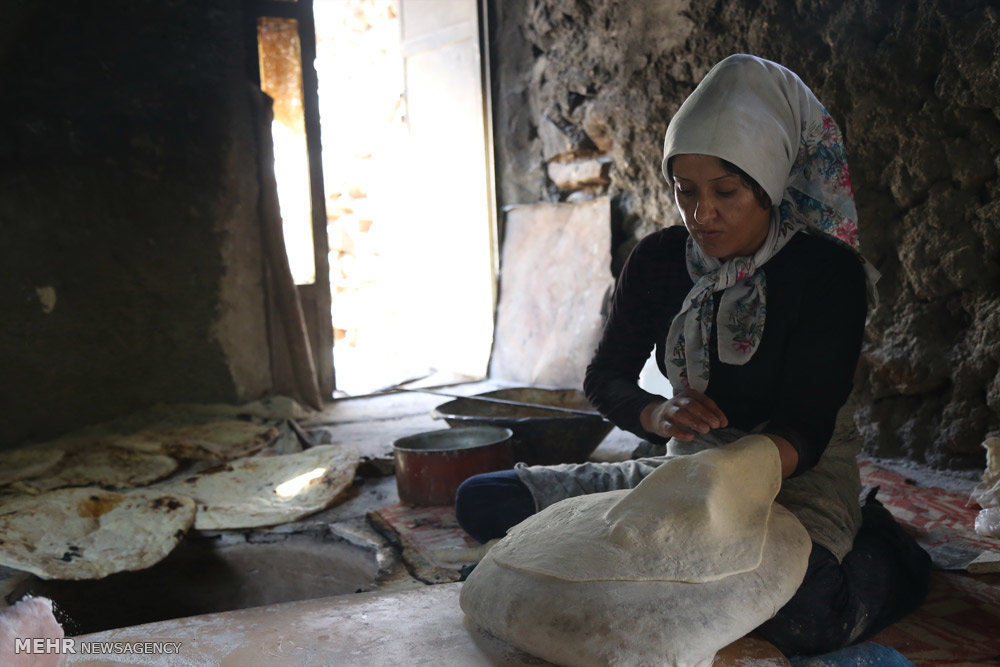
Mehr News Agency has published photos of a journey through the heart of Iran, capturing scenes from everyday life.




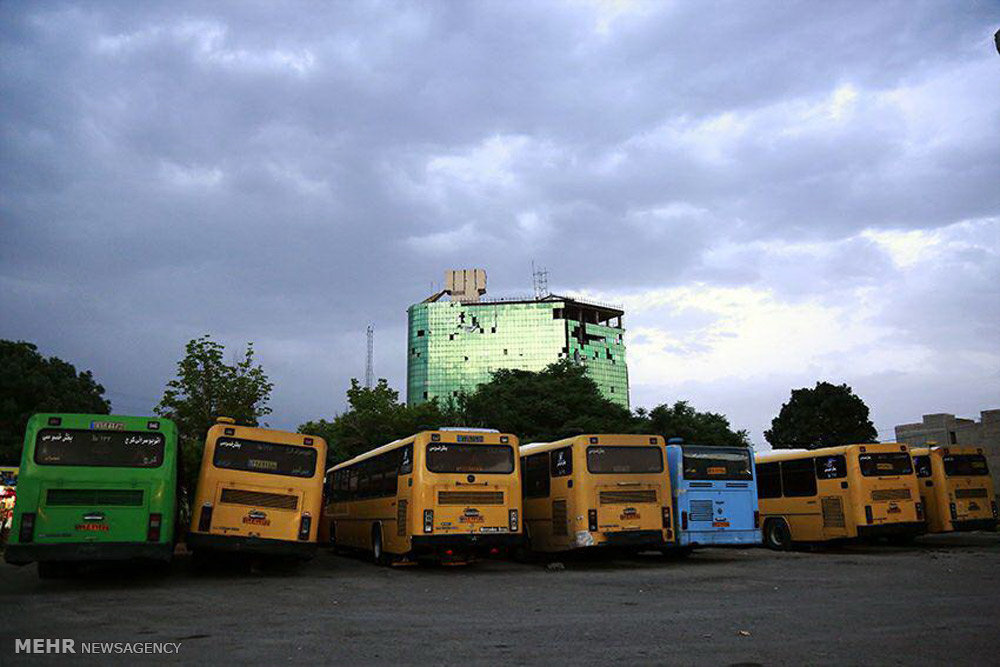

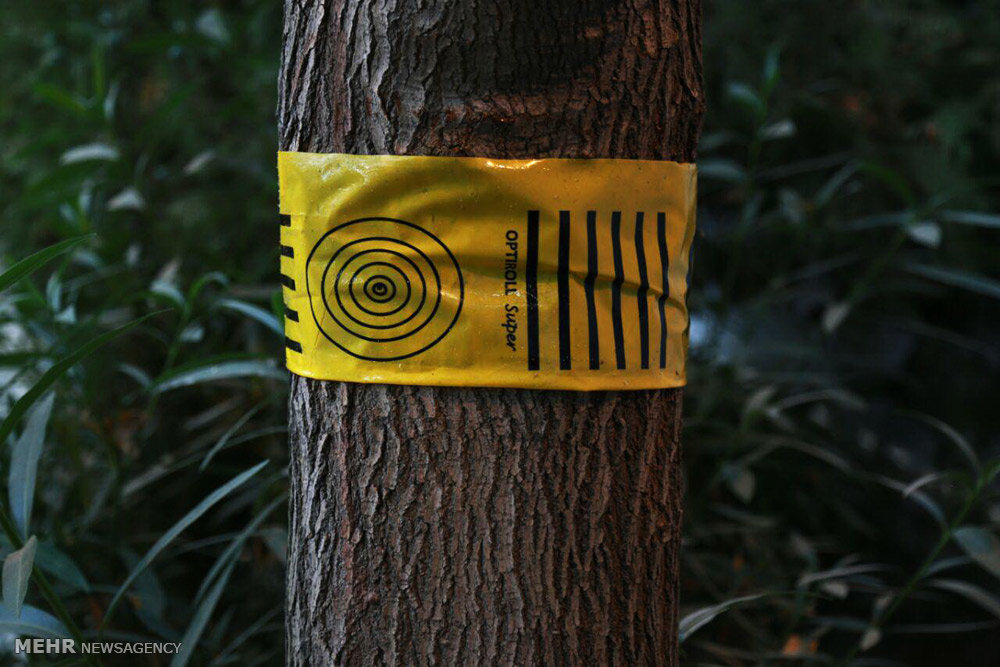

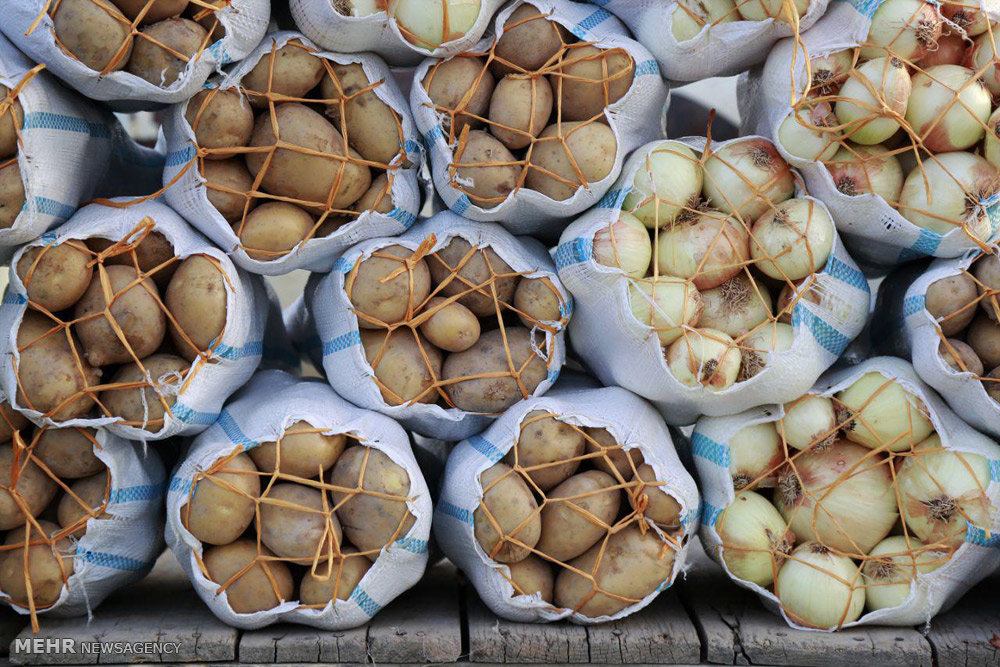
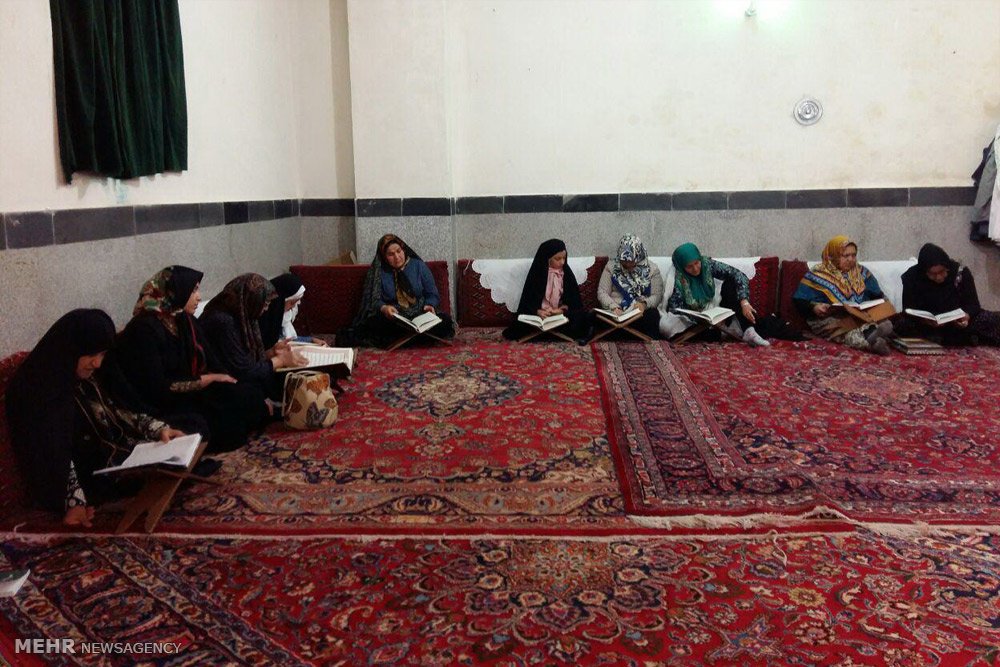

“The conflicts and tensions in Kashmir can only be resolved through peaceful ways and dialogue,” Qassemi said, according to a report by the Foreign Ministry’s website, as translated by IFP.
He also called on both sides of the conflict to show self-restraint.
In the recent clashes between in clashes between security forces and protestors, at least 42 people have been killed, and thousands of others wounded.
Thousands of armed police and paramilitary soldiers in riot gear patrolled the streets of Srinagar, the summer capital of Jammu and Kashmir State, as well as Anantnag district in the south to enforce the curfew on Friday.
Indian authorities also blocked mobile phone services to prevent further protests after Friday prayers across the Muslim-majority region.
The state government has ordered restrictions on the movement of people and traffic in several parts of the valley. It said in a statement that only people involved in medical emergencies would be allowed to travel across the troubled region.
Clashes erupted after Burhan Wani, a top figure in the pro-independence Hizbul Mujahideen (HM) group, was killed along with two others in a shootout with Indian troopers on July 8.
Anti-riot troops have used live ammunition, pellet guns and tear gas to disperse the crowds and calm down the outrage over the past few days.
At least 42 people are now confirmed dead and over 2,000 others injured following days of violent clashes between protesters and Indian forces. Medical sources have expressed serious concern that a severe lack of blood donations and life-saving medicines could cause more deaths.
Kashmir has been at the heart of a bitter territorial dispute since India and Pakistan became independent in 1947.
New Delhi and Islamabad both claim the Himalayan region in full, but rule parts of it. The two countries have fought two wars over the disputed territory.
The last bout of serious violence in the scenic valley was in the summer of 2010, when more than 100 people died in anti-India protests.
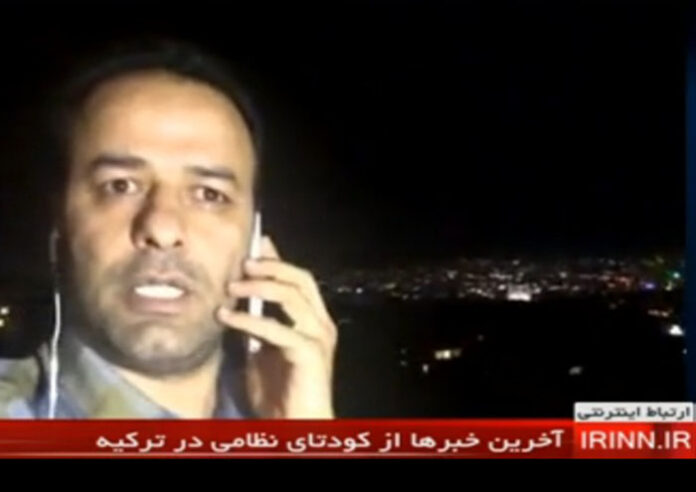
According to a report by Khabar Online, as translated by IFP, the Iranian TV channel was unsurpassed in providing the latest news from the coup attempt in Turkey and took the lead among other foreign channels.
Majid Akhavan, the IRINN’s correspondent in Ankara, in a courageous attempt recorded a stand-up report right in front of the putschists’ tank in Ankara to feed the Iranian audiences with trustworthy news.
The news anchor could not hide his concern for the reporter, who was doing his job in the heart of the coup, and came out to say, “Dear Majid, be careful, take care of yourself!”
Mohammad Reza Baqeri, a senior media expert, told Farda News that Akhavan’s work was admirable.
“His coverage of the coup can be compared with Christiane Amanpour’s job during Kuwait-Iraq war. It is not at all an easy job to be present at the scene immediately and send instant reports in a very risky situation with minimum equipment,” he noted.
IRINN’s news coverage of the coup attempt in Turkey, if taken as an exemplar by other news channels, can eliminate the Iranian audiences’ need for foreign news outlets.
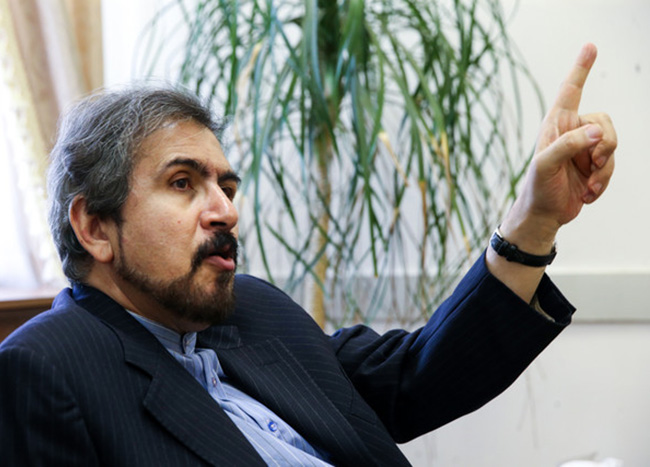
Speaking to reporters, Bahram Qassemi strongly condemned and expressed concern over the aggressive actions in Kazakhstan.
He went on to say that the increase of terrorist operations in neighbouring countries is alarming.
He further stressed that all regional countries should fight against terrorism through joint efforts.
Terrorist acts, aggression and violation are not acceptable, no matter where and when they take place, he noted.
Security forces in Kazakhstan arrested two men suspected of gunning down five people in attacks on a police station and a security building on Monday in the country’s economic capital, Almaty.
Kazakhstan’s National Security Committee (KNB) declared its “anti-terror” operation over in the financial capital after detaining the two suspects.
Three police officers and two civilians were shot dead in what President Nursultan Nazarbayev called “a terrorist act”.
The KNB announced “the conclusion of the anti-terror operation” and lowered the terror threat level from “critical” red to “moderate” yellow shortly after detaining the second of the two men.
The first suspect is accused of killing a local resident during a carjacking and attacking the police station in broad daylight, then shooting dead a police officer and seizing his gun, the interior ministry said.
A civilian also died during the shooting at the police station.
The suspect then shot dead two officers as they gave chase, before he was arrested.
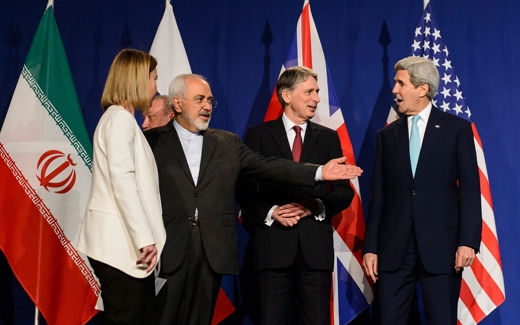
On July 7, Reuters quoted a confidential report by the UN Secretary General as saying that Iran’s ballistic missile launches “are not consistent with the constructive spirit” of the JCPOA, further urging Tehran, to “refrain from conducting such ballistic missile launches since they have the potential to increase tensions in the region.”
Tehran has on various occasions asserted that the issue of Iran’s defence programs is clearly excluded from the nuclear agreement, known as the Joint Comprehensive Plan of Action (JCPOA), reached between Iran and the Group 5+1 on July 14, 2015.
The US, Russia and Iran have all slammed the report, saying it violates the spirit of the deal.
“The United States disagrees strongly with elements of this report, including that its content goes beyond the appropriate scope. We understand that Iran also disagrees strongly with parts of the report,” US Ambassador to the United Nations, Samantha Power, told the council Monday.
Power (pictured above) added that, “while some have argued that to be balanced, the report should give Iran a chance to express complaints about sanctions relief under the deal,” the Security Council did not require that Ban report on such issues.
Russian Permanent Representative to the United Nations Vitaly Churkin also told a Security Council session on Monday that the report “is not fitting the necessary business rhythm. The document is politically motivated and goes far beyond the frames of factual summary of the course of the implementation of Security Council Resolution 2231.”
“It can potentially work towards undermining the agreements reached,” Churkin (pictured below) noted. “Some of the provisions of the Secretary-General’s report have no relation to his mandate, nor to the terms of reference of (the UN) resolution or the (nuclear deal).”
Iranian Foreign Ministry Spokesman Bahram Qassemi also dismissed the report as unbalanced and biased.
On March 9, Iran successfully test-fired two ballistic missiles as part of a military drill to assess its defence capabilities. The missiles dubbed Qadr-H and Qadr-F were fired during a large-scale drill, code-named Eqtedar-e-Velayat.
Resolution 2231 adopted on July 20, 2015 provides for the termination of the provisions of previous Security Council resolutions on the Iranian nuclear program and establishes specific restrictions that apply to all states without exception.
The resolution calls upon Iran not to undertake any activity related to ballistic missiles designed to be capable of delivering nuclear weapons, including launches using such ballistic missile technology.
Iran, however, has repeatedly announced that the missile launches are not against the Security Council resolution.
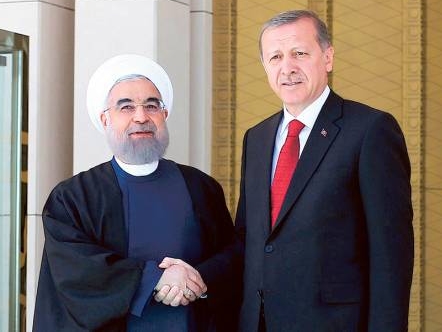
According to Rouhani’s Twitter account, the Iranian President had a telephone conversation with his Turkish counterpart, Recep Tayyip Erdogan, on Monday, July 18.
In the phone call, Rouhani voiced satisfaction over the restoration of calm to Turkey after an abortive military coup in the country, Press TV reported.
The Iranian President further pointed to the role of the Turkish people in defending democracy and their elected government, saying, “Fortunately, the Turkish people showed their great political maturity throughout this coup and proved that bullying approaches have no place in our region.”
Iran has been closely following the developments in Turkey, he said, adding that Erdogan’s call on the nation to take to the streets in the early hours of the coup was “reassuring.”
The Iranian President highlighted the importance of Turkey for the Islamic Republic and said, “Turkey’s peace and stability will strengthen peace and stability across the region and we have no doubt that certain major powers as well as terrorists do not want to see stability in Muslim countries.”
“Just as we struggle for our own country’s stability and security, we are duty-bound to feel responsible for the stability and security of neighbours and friendly Muslim countries as well,” Rouhani pointed out.
He said the recent events in Turkey were “a test” to recognize the country’s domestic and foreign friends and foes.
Calling for a collective campaign in the region against terrorism, the Iranian President urged all regional countries to fight terrorists and eliminate them in order to promote stability and peace across the region.
The Turkish President, for his part, appreciated Rouhani’s phone call and said bullets and tanks may kill people but cannot destroy a nation’s ideals.
Erdogan added that the conditions in Turkey have returned to normal, but “we cannot assume that everything has ended.”
The Turkish President emphasized that his country is ever more determined to continue down its path, saying, “We are resolved to cooperate with Iran and Russia for the settlement of regional issues and increase our efforts to restore peace and stability to the region.”
The botched putsch began late on July 15, when a faction of the Turkish military blocked Istanbul’s iconic Bosphorus Bridge and strafed the headquarters of the Turkish intelligence agency and parliament in the capital.
Tanks, helicopters and soldiers clashed with police and people on the streets of the two main cities.
The Turkish president rushed back to Istanbul from a Mediterranean holiday and called on people to defy the coup plotters’ orders of a curfew and stage a rally in support of his government.
Prime Minister Binali Yildirim on Monday updated the media on the number of people arrested or killed over the coup attempt, saying that more than 7,500 have been detained since the coup was declared over two days ago.
He also gave a new toll of the victims of the military-led coup attempt, saying 208 people were killed, including 145 civilians, 60 police and three soldiers, adding that 1,491 others were also wounded.
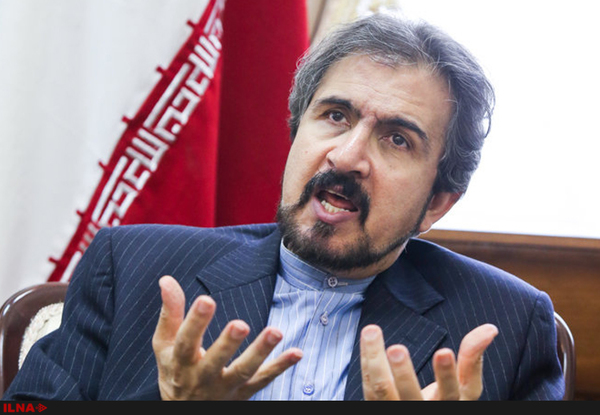
Qassemi on Monday rejected the report as “unbalanced and biased” and said it has been prepared under Washington’s pressure on the UN Secretariat.
“The allegations leveled against the Islamic Republic in the report are unfounded”, he said, adding that it runs counter to “the spirit and text of the Joint Comprehensive Plan of Action (JCPOA) and even the UN resolution 2231”.
“The international community expects the UN secretary-general to clearly and explicitly mention the cases of failure of the US and some other members of the Group 5+1 (Russia, China, the US, Britain, France and Germany) to fulfill their commitments under the JCPOA,” he stated.
Earlier this month, Reuters claimed it has seen a confidential report by the UN chief that says Iran’s ballistic missile launches “are not consistent with the constructive spirit” of the JCPOA.
Iran has made it clear that test of missiles is an issue relating to defense of its territorial integrity and that none of its missiles are designed to carry nuclear weapons.
The UN Security Council will reportedly discuss Ban’s report in a meeting later today.
While the JCPOA came into force in January, some Iranian officials have complain about the US failure to fully implement the accord.
Back in March, Leader of the Islamic Revolution Ayatollah Seyed Ali Khamenei said Americans have yet to fulfill what they were supposed to do as per the nuclear deal.
Iran still has problems in its banking transactions or in restoring its frozen assets, because Western countries and those involved in such processes are afraid of Americans, the Leader said at the time, criticizing the US for its moves to prevent Iran from taking advantage of the sanctions removal.
© All Content by IFP News ( Iran Front Page ) is licensed under a Creative Commons Attribution 4.0 International License.
