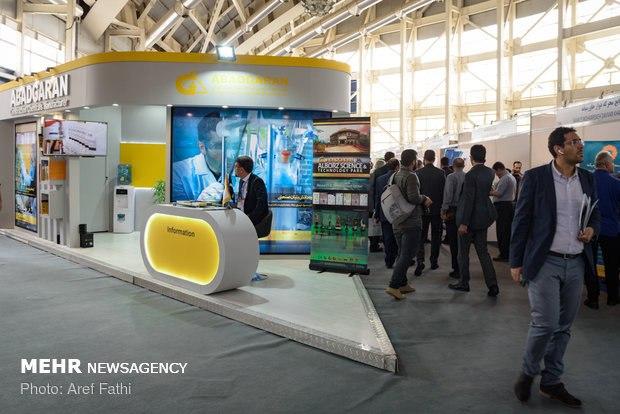
The program is part of a collaborative effort to organise an annual event in the global information community that is being held this year with the goal of identifying and supporting innovative solutions to global urban challenges.
This event will be held in Geneva, Switzerland, on April 5-7.
According to global statistics, nowadays, 55 percent of the world’s population lives in cities, and the figure is projected to reach 66 percent by 2050. These cities occupy 3% of the total earth, consuming 60 to 80% of the energy available on earth.
This increase in urban population exacerbates the complexities of social life in cities. In this case, the issue of sustainability will be given greater attention.
Currently, the urban ecosystem is in turmoil with issues like urbanisation, pollution, population increase, climate change, outdated infrastructure, etc.
Due to the participation of various countries in this innovative event and its role in reducing urban hazards, Iran’s Vice Presidency for Science and Technology has supported the creative presence of researchers in this event in Switzerland.
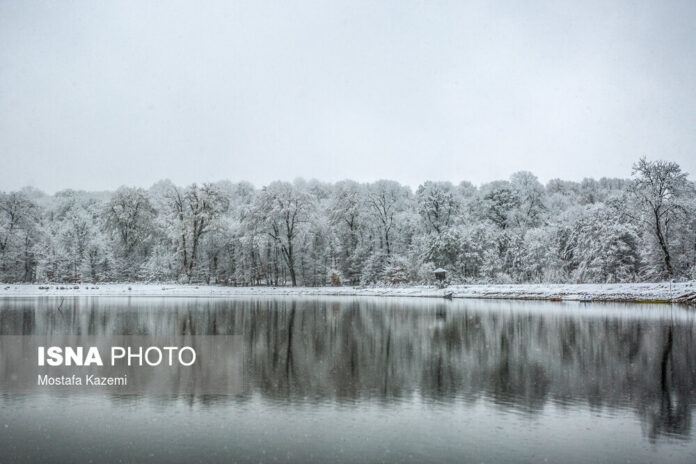
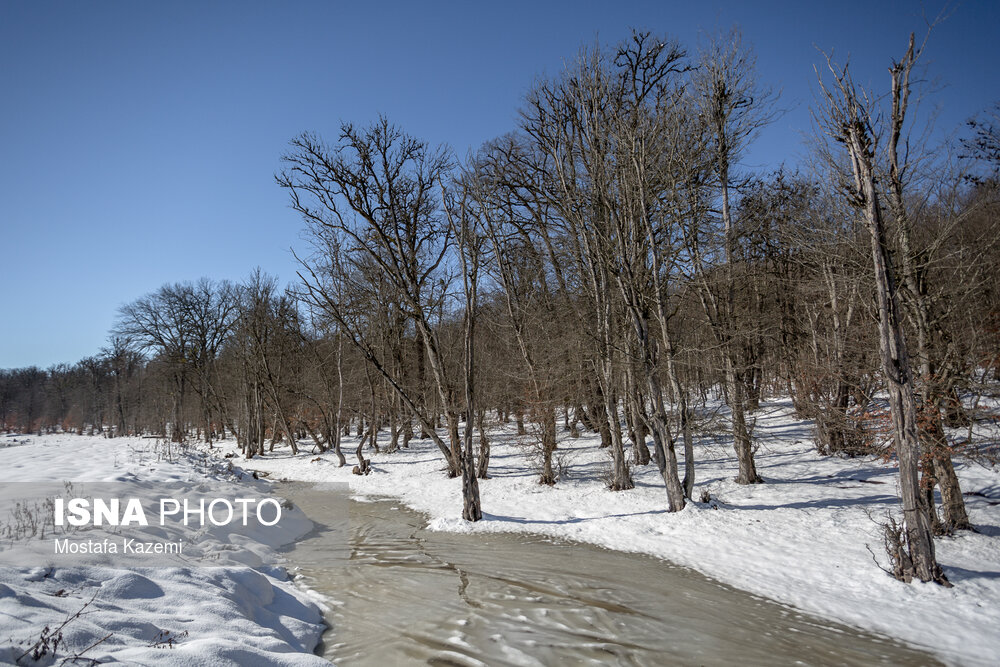
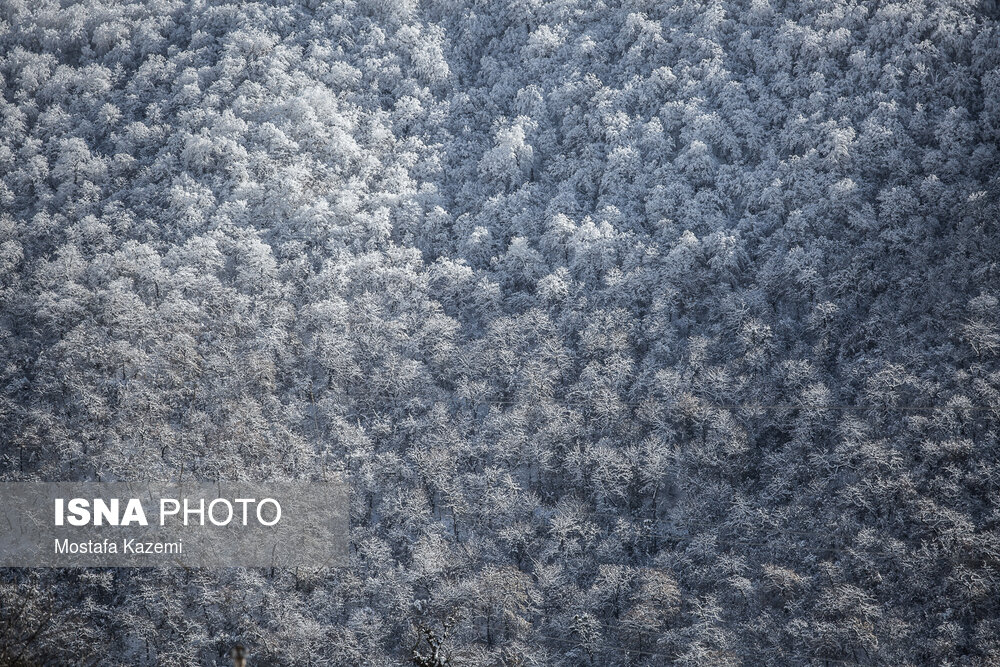
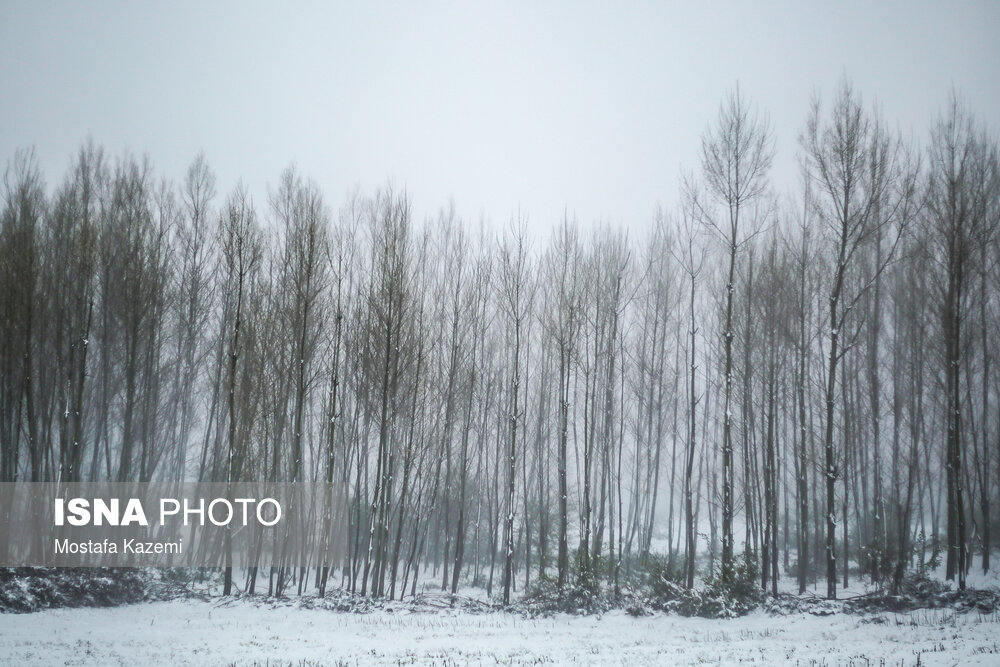
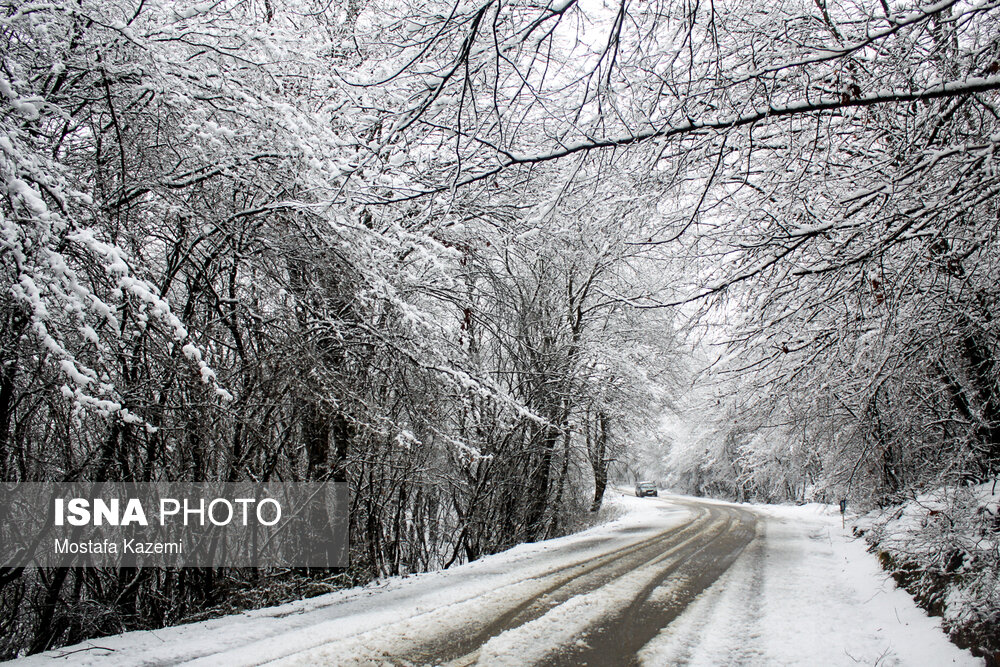
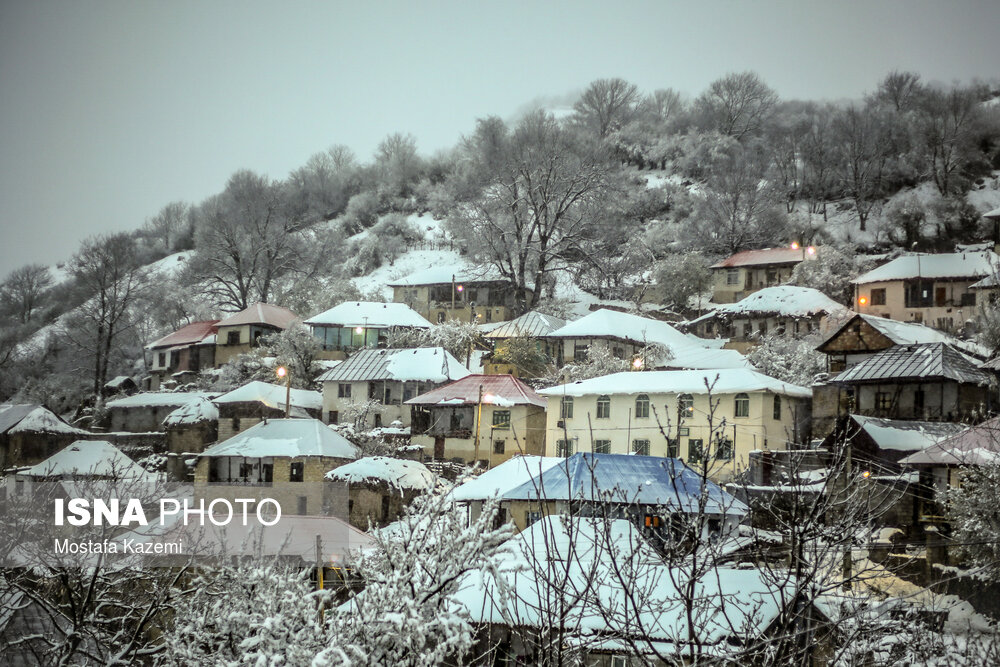
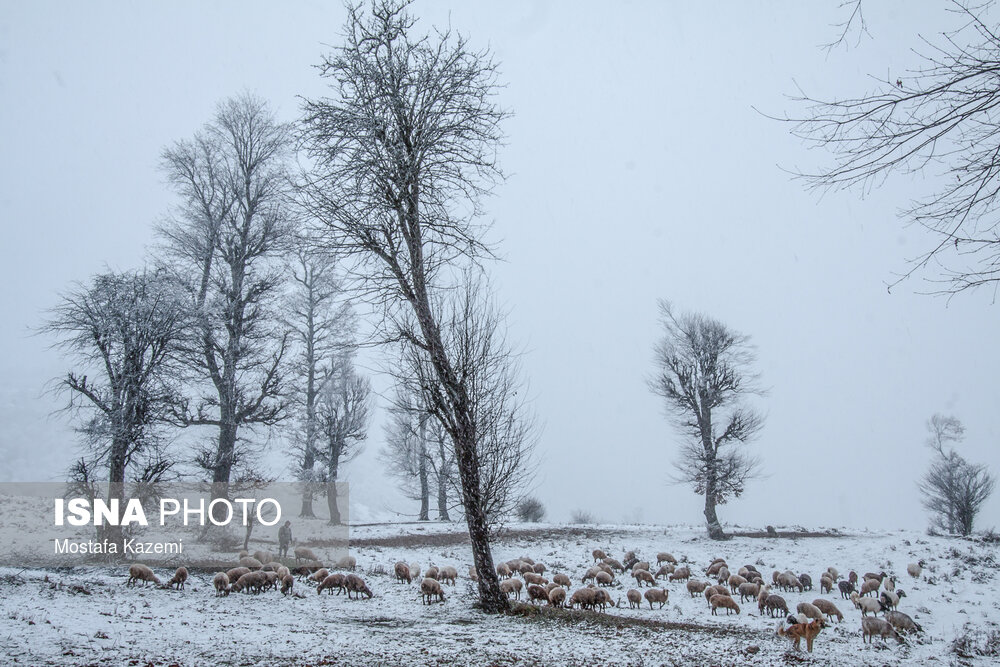
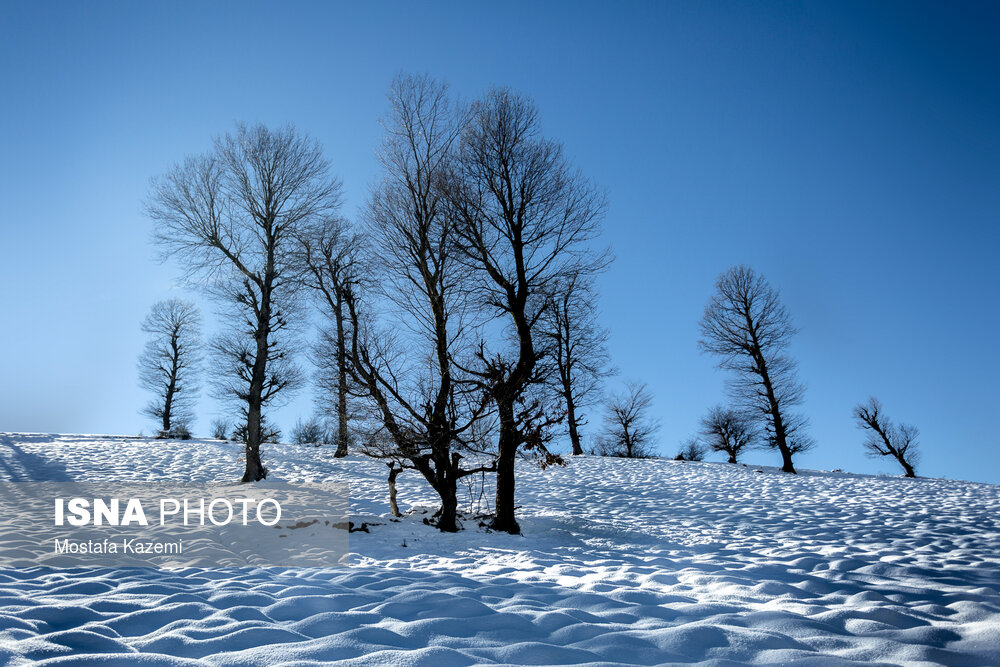
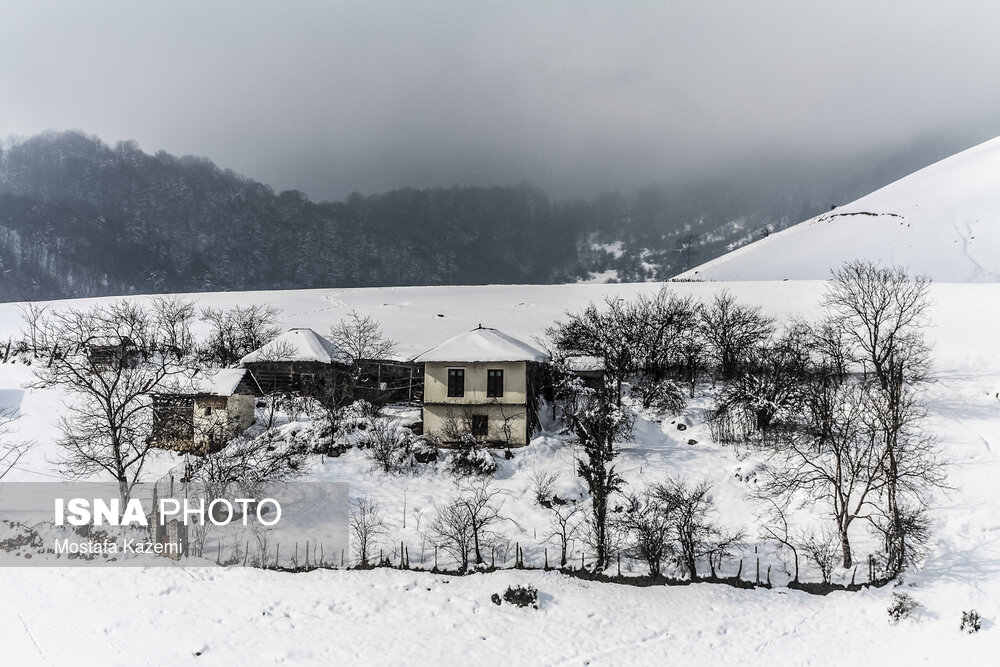
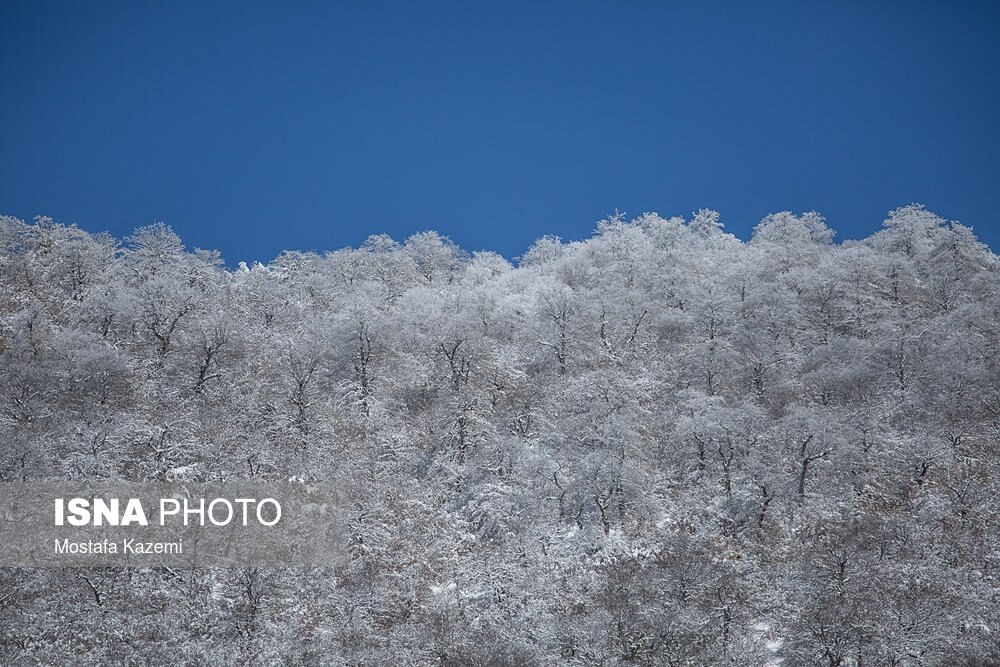
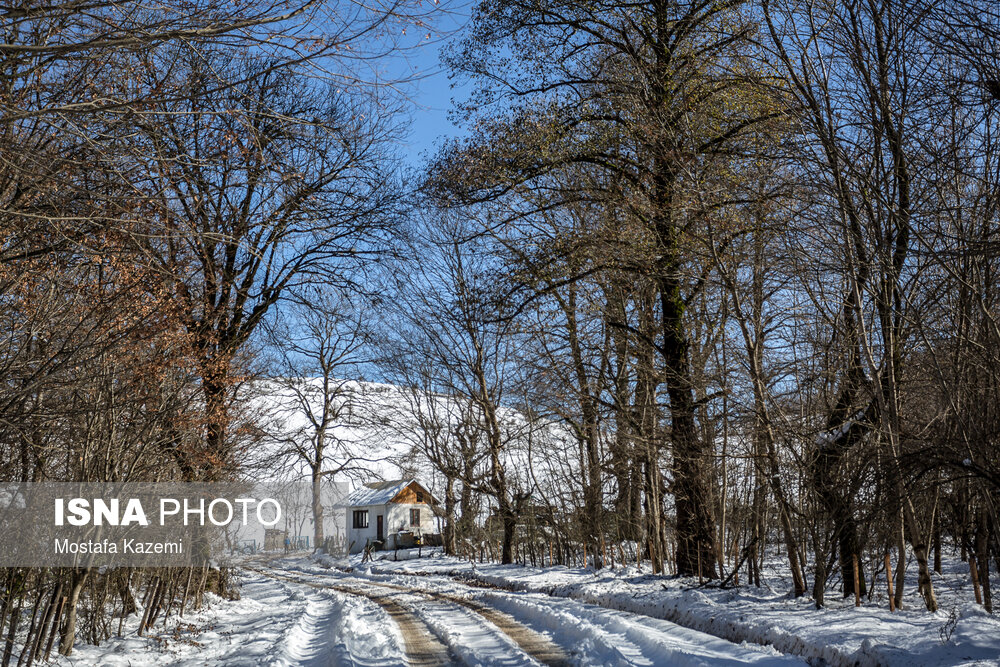
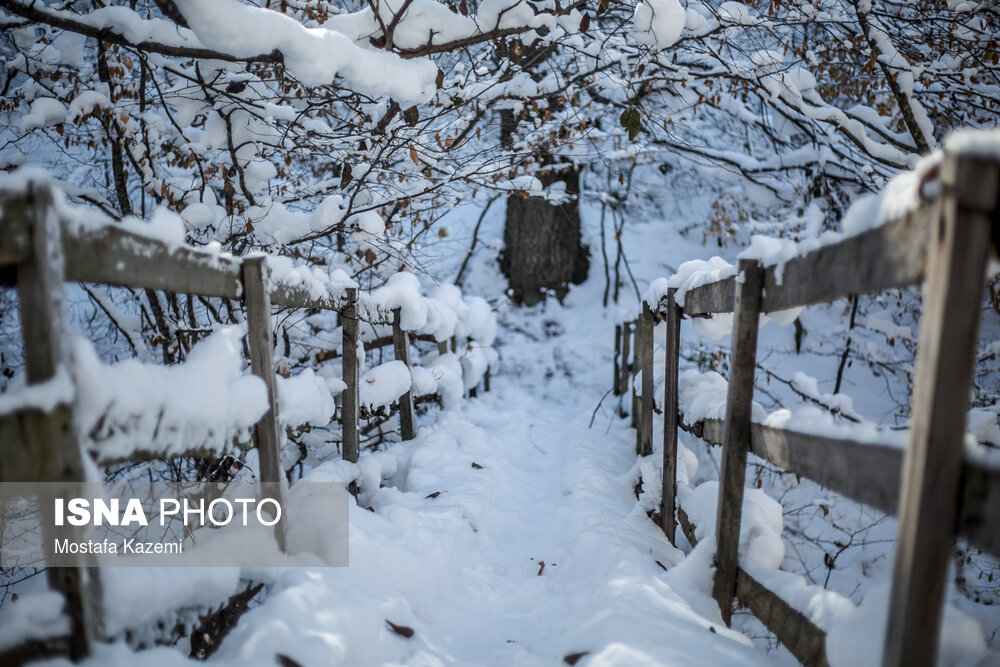
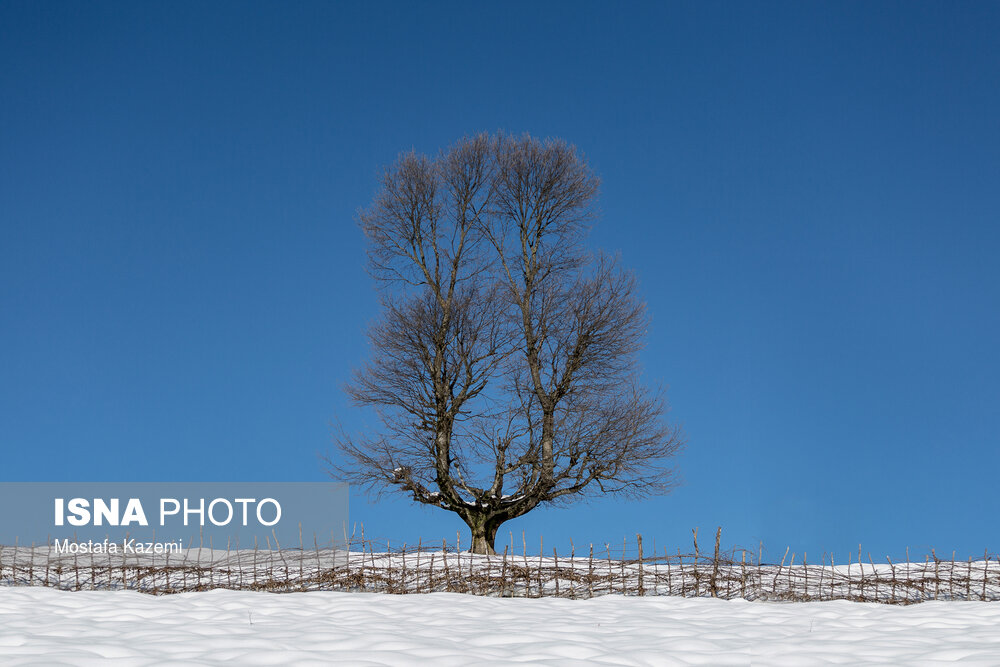
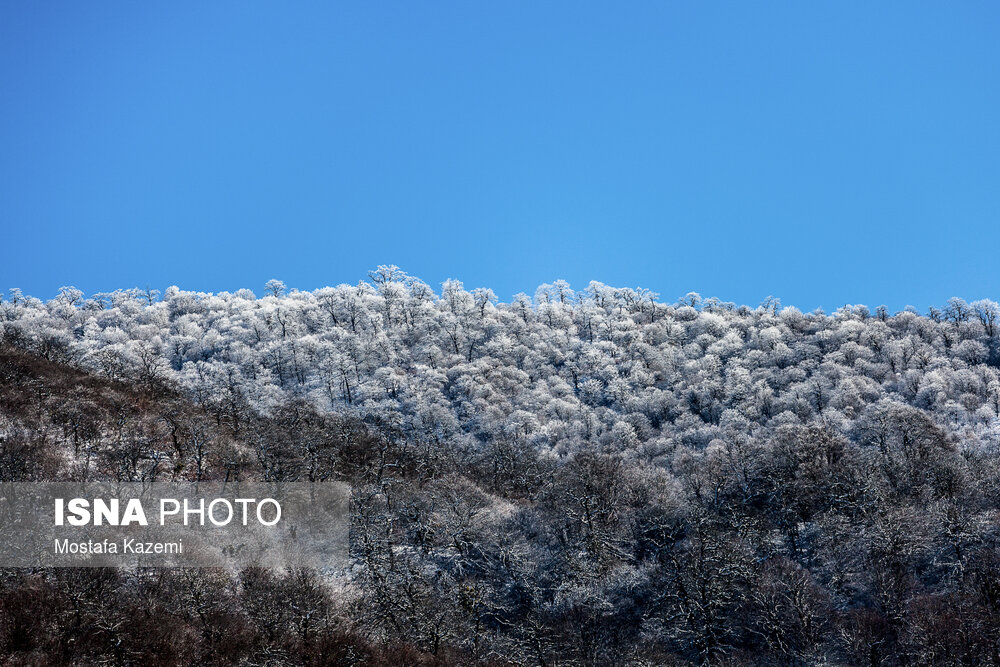
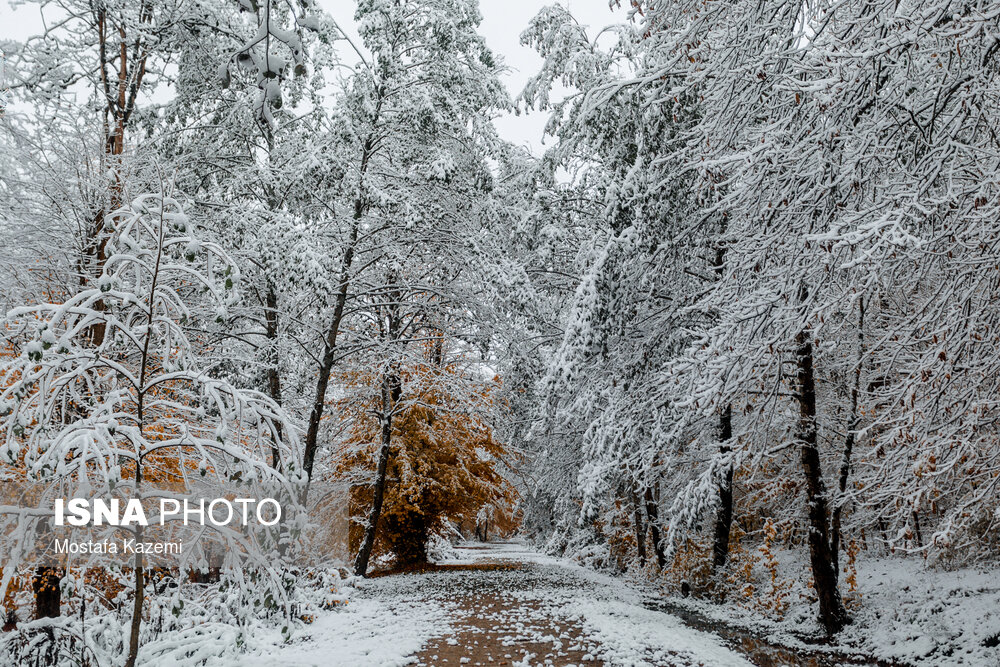
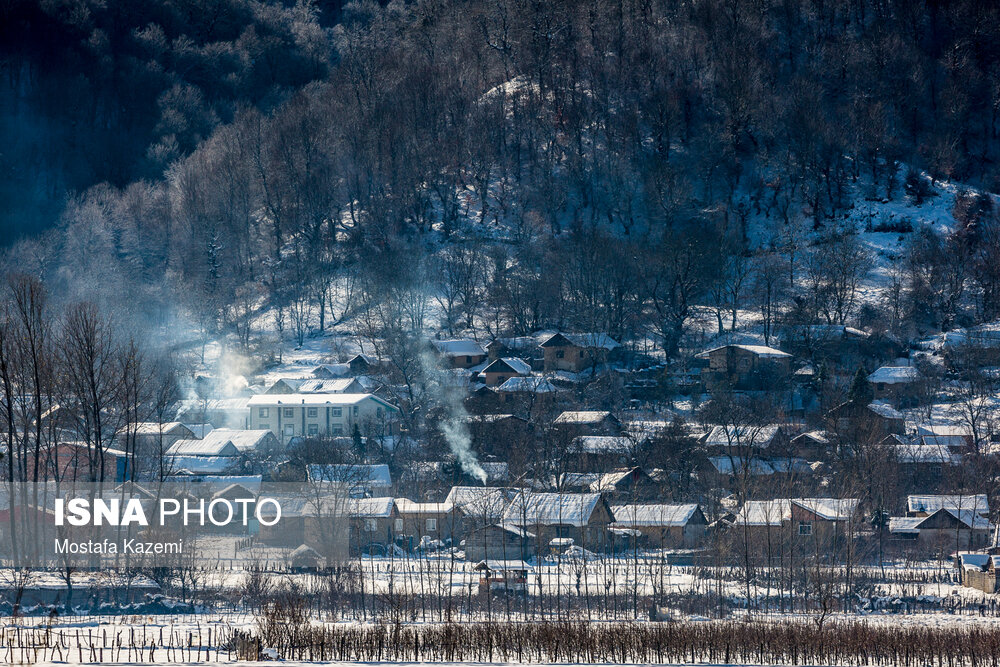
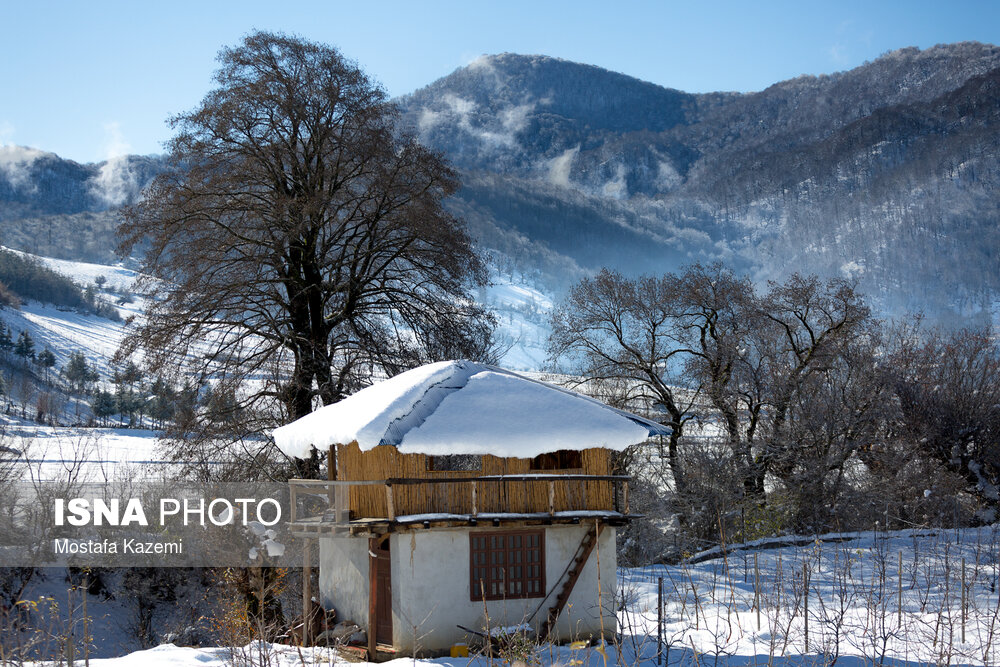
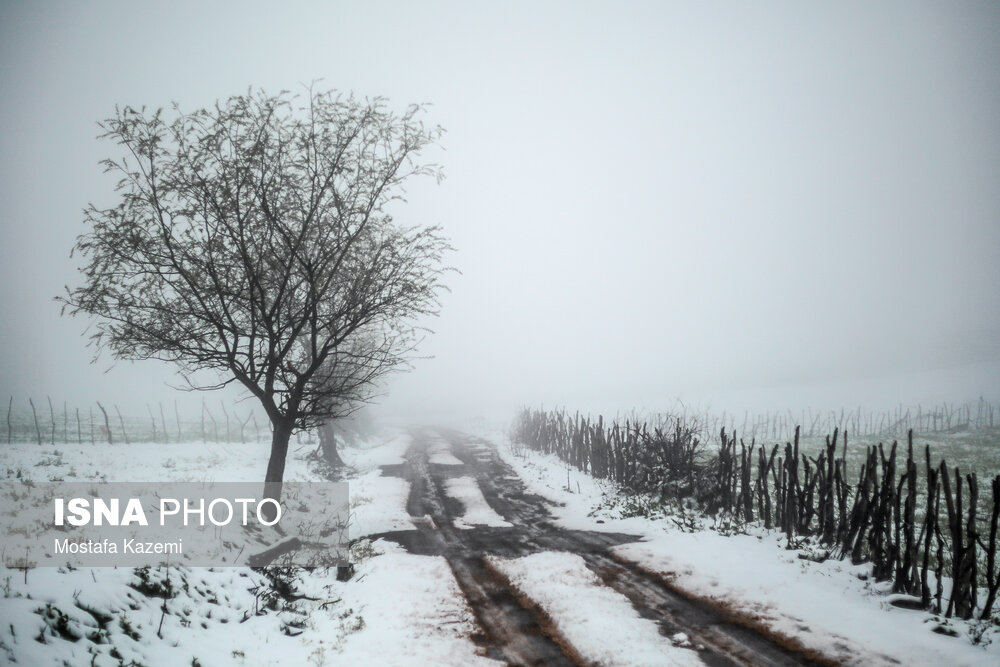
Chahardangeh is one of the six districts of Sari county, Mazandaran province, in northern Iran. Due to its geographical location and pristine forests, the region is a special destination for domestic and foreign travellers.
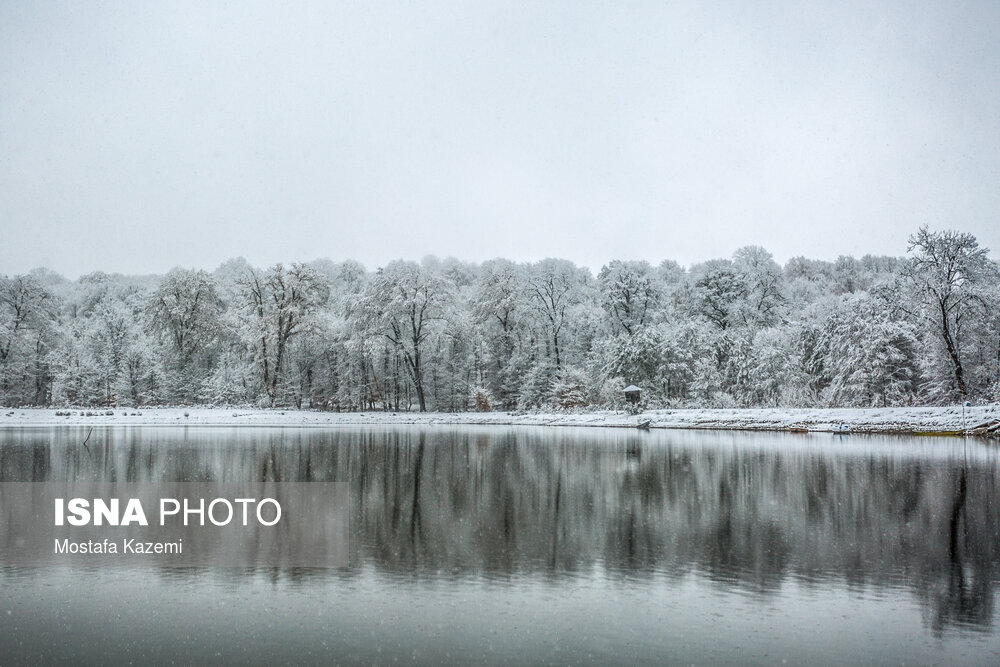
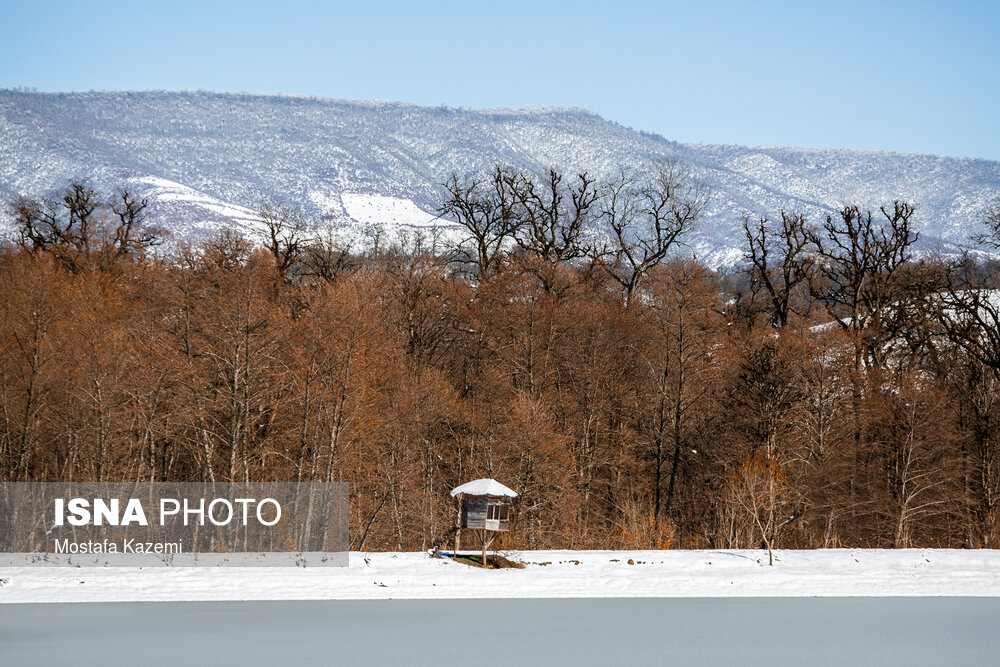
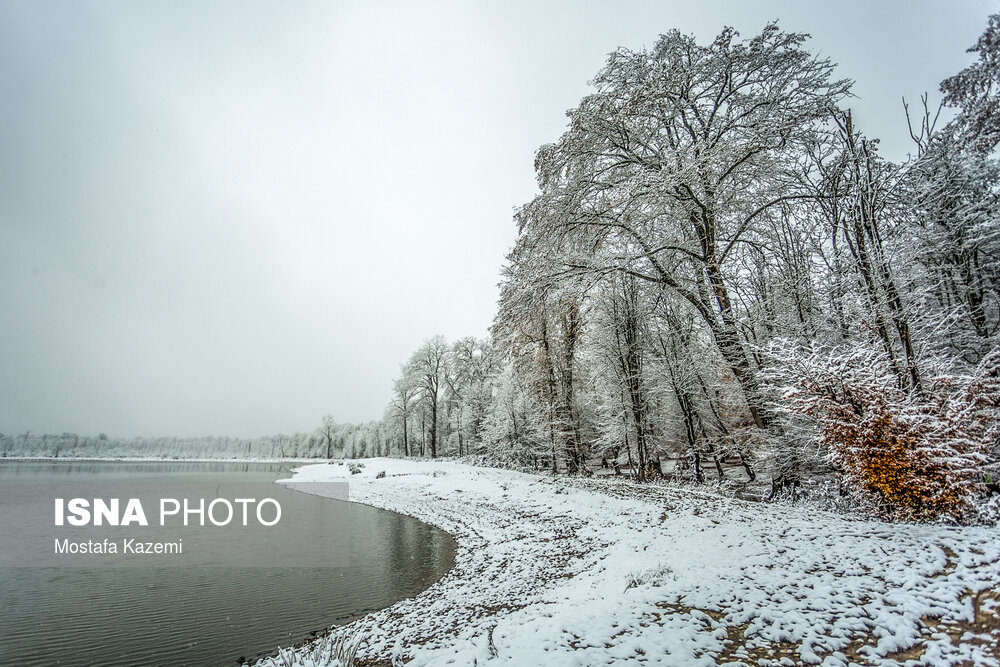
Several prominent tourist attractions of Sari are located in Chahardangeh district; including Lake of Pele in Alandan village, Mianshah or Churat Lake, and Badab-e Surt.
What follows are ISNA’s photos of Chahardangeh region in northern Iran during winter:
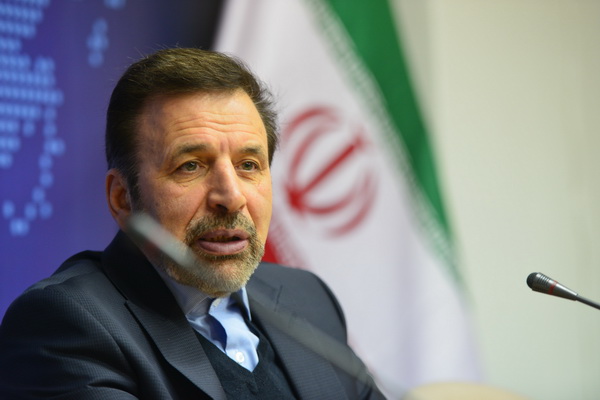
“Comments by Mr. Josep Borrell in these meetings showed Europe is seeking good relations with Iran and trying to preserve the JCPOA,” said Mahmoud Vaezi, the chief of staff of Iranian President Hassan Rouhani.
“In his meeting with our country’s authorities, the EU foreign policy chief accepted that the Europeans failed to make good on their commitments after the US withdrawal from the JCPOA,” he added.
He said Borrell also stressed Europe’s good relations with Iran and its attempts to preserve the JCPOA, and these comments mean whatever is said about the snapback mechanism will not happen, he said.
Elsewhere in his remarks, Vaezi condemned Washington’s imposition of sanctions on Ali-Akbar Salehi, the head of the Atomic Energy Organization of Iran (AEOI), and said decisions made by the current US government are not compatible with any logic.
“The US sanctioning of Dr. Salehi will have no bearing on the trend of our nuclear program,” he said.
“In the near future, all technology and development of countries will be handle through space and satellites,” Barari said.
“In this field, one of the priorities of our country is to focus on the space science and space achievements,” added the top official.
“Fortunately, over the past few years, by investing in this sector, have managed to design and produce satellites each of which have specific features,” the deputy minister said.
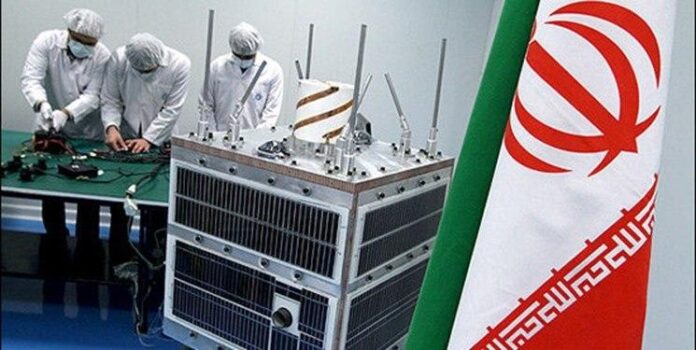
Elsewhere in his remarks, he touched upon the specifications of the Iranian-made satellite “Zafar” (victory) which is to be sent into orbit in coming days.
“One of the features of the Iranian satellite Zafar is that in can simultaneously send data received from space to 256 space stations in the world,” he noted.
He said one of the important plans is to set the stage to encourage elite and university graduates to begin work in the space sector.
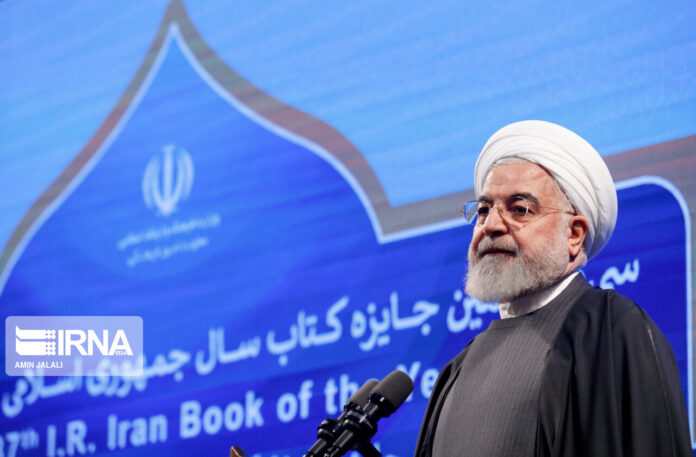
“Despite the US pressures, the course of Iran’s progress has not been halted and our oil-free economic growth will be positive this year,” President Rouhani said in a ceremony on Iran World Award for Book of the Year, held in Tehran on Wednesday.
He also noted that Iran has been withstanding the toughest economic pressures imposed by the enemies, the US in particular, over the past two years, saying Washington has violated the UN resolutions and all international regulations.
The US has not imposed sanctions on a specific Iranian individual, but on 83 million Iranian people without exception, the president deplored, saying the US administration lies that it has exempted the pharmaceutical products from the sanctions.
President Rouhani added that the total value of Iran’s foreign trade during the first 10 months of the current Iranian year, including the exports and imports, has stood at $72 billion, showing a better performance compared to the previous years.
The US was mistaken to imagine that it could bring the Iranian nation to its knees during three months, the president stated, noting that Washington will never succeed to force Tehran to the negotiating table.
President Rouhani finally pointed to his recent meeting with the EU foreign policy chief, saying the Europeans have publicly acknowledged that the US has taken “wrong and illegal” measures.
In an interview with the National Iraqi News Agency, Iran’s Ambassador to Iraq Iraj Masjedi provided a description of the reason why General Soleimani had travelled to Baghdad in his last mission.
The envoy said the late commander of the IRGC Quds Force had flown to Baghdad in order to pass on a message from Iran to Saudi Arabia.
According to Masjedi, the top Iranian commander had been assigned to let Iraq known about Iran’s message for Saudi Arabia about Tehran’s view on an initiative developed by Baghdad.
“This message contained Iran’s view about the fight against terrorism, the promotion of peace and the establishment of security and stability in the region,” the envoy added.
He also hailed Iraq’s role in contributing to the settlement of conflicts between Tehran and Riyadh as well as the resolution of the other regional problems, saying the Iraqi government plays a “constructive role” in the region.
Masjedi further highlighted Iran’s willingness to resolve the disputes with the United Arab Emirates and Saudi Arabia, saying Tehran welcomes any effort from Baghdad or the other parties to address the problems.
“Tehran welcomes Iraq’s efforts to resolve the Iran-Saudi disagreements and regional issues. The government of Iraq played a constructive role in the region and we welcome any efforts aimed at de-escalation of tensions … Iran is willing to settle its disputes with United Arab Emirates and Saudi Arabia,” he added.
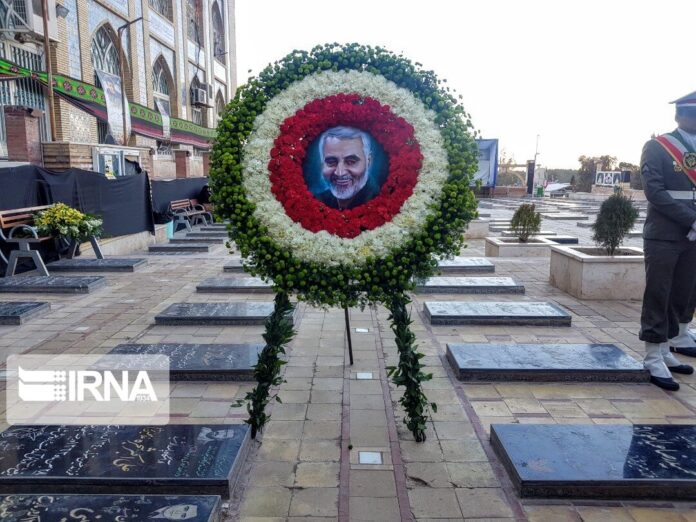
The ambassador also dismissed the notion that Iran has violated Iraq’s sovereignty by launching a missile attack on the American airbase of Ain al-Assad, stressing that the strike was only a response in retaliation for the US assassination of Lt. General Soleimani and deputy commander of Iraq’s Popular Mobilization Units (PMU) Abu Mahdi al-Muhandis.
“It was an act of retaliation, as the US assassinated martyrs Soleimani and al-Muhandis on Iraq’s soil. For this reason targeting the military base was not breach by Iran of Iraq’s sovereignty.”
Masjedi also urged that the US should stop interfering in the internal affairs of the region and the American military bases, which have turned into the “sites for criminal activities”, must be closed.
The regional governments must sue the US and call for an end to the American activities in the region instead of complaining about Iran’s policies, the ambassador underlined.
He finally took a swipe at the US government for assassinating two official military commanders of Iran and Iraq, saying Washington claims to be fighting against terrorism and creating security, but it has committed a grave act of terrorism itself.
“Washington purports that it is fighting terrorists in the region and providing security, but in fact it was the US who martyred General Soleimani and Abu Mahdi al-Muhandis, and that means state terrorism as the two martyrs were Iran and Iraq’s official military commanders.”
“The US cannot tolerate the existence of anyone opposing its policies, and hence commits assassination. If the other states do not want to respond to the US policies, Tehran will not remain silent towards infringement of its rights,” the official added.
Stressing Iran’s support for the stability in Iraq, Mr. Masjedi said that Tehran welcomes appointment of Mohammed Tawfiq Allawi to the office of prime minister.
Iranian Minister of Economic Affairs and Finance Farhad Dezhpasand said in a press conference on Tuesday that the 50% increase in investment has been achieved despite efforts to cut foreign investment.
Referring to the historical course of efforts to cut oil dependence in the years following the victory of the 1979 Islamic Revolution, he added, “In 1996, Leader of the Islamic Revolution issued orders to build an economy without oil dependence.”
Much effort has been made to cut oil revenues and define alternative solutions, most notably tax revenues, he underlined.
“In the eleventh and twelfth governments [the Rouhani administration], nothing has been borrowed from the banking system for public financing.”
Elsewhere in his remarks, Dezhpasand reiterated that tax revenues now cover a significant portion of government spending.
Referring to enemy’s efforts to zero out Iran’s non-oil exports, he said that in the first six months of this year, the volume of non-oil exports increased by 20 percent in terms of weight, but decreased by 3 percent in value terms.
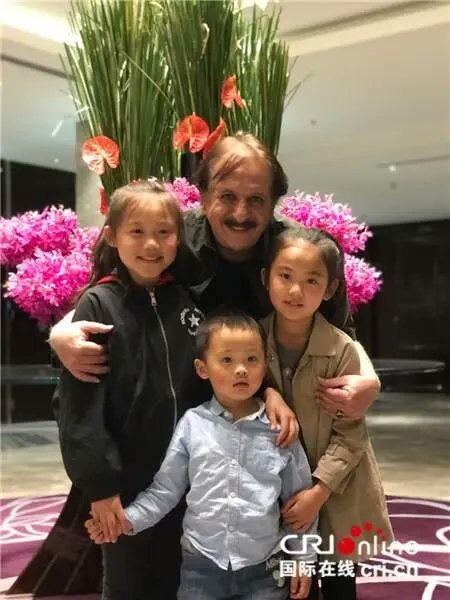
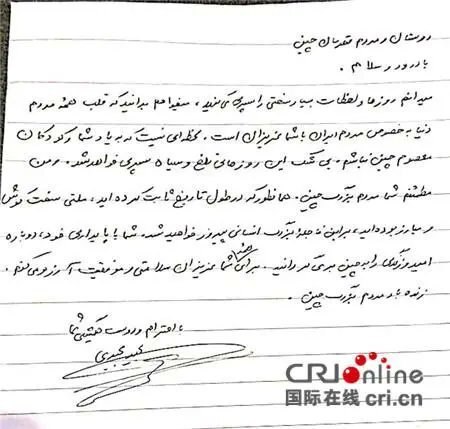
“Mr. Majidi has sent a letter to China to express sympathy. I thank Iranian friends standing by the Chinese nation during harsh days,” Ambassador of People’s Republic of China Chang Hua tweeted on Monday.
Earlier on Friday, Majidi had sent a letter to the China’s Central Radio and TV Tower, saying that he will make a film to picture the Chinese people’s endeavours to combat the disease.
“I am certain that you great people of China will triumph over this great human disaster, as you have proved in the annals of history that you are a hardworking and combatant nation. You will restore hope and life to China,” said Majidi in his letter.
A prominent movie director in Iran and the world who has paid many visits to China, Majidi has won many international awards.
In 2008, he made the short movie Beijing, Beijing for the program “Famous Directors’ View of Beijing”. In 2019 he attended the Conference on Dialogue of Asian Civilizations during which he sat for an exclusive interview with China’s Central Radio and TV Tower’s reporters.
“This is an important achievement and I recommend the Ministry of Energy designs a more detailed plan within various frameworks, especially for power plants, so that the capacities of internal experts are tapped at the maximum level,” Larijani said during a ceremony to inaugurate four power projects in the province of Khuzestan.
He stressed that “given the foreign currency limitations”, the ministry needs to “prepare the groundwork … for the presence of internal experts in the field of electricity.”
Larijani urged the Ministry to produce all the equipment it needs inside the country, and vowed that if banking facilities were needed, the parliament will help.”
He added “we can pave the way for manufacturing the equipment inside Iran, which [of course] involves some risks, and the parliament will provide the necessary support.”
Iran has been under severe sanctions since 2018 when US President Donald Trump withdrew his country from the JCPOA, an agreement between Iran and world powers over the country’s nuclear program.
Iranian officials stress that in spite of the pressures the sanctions put on the Iranian people, they spur the country to start thinking about ways of self-sufficiency.