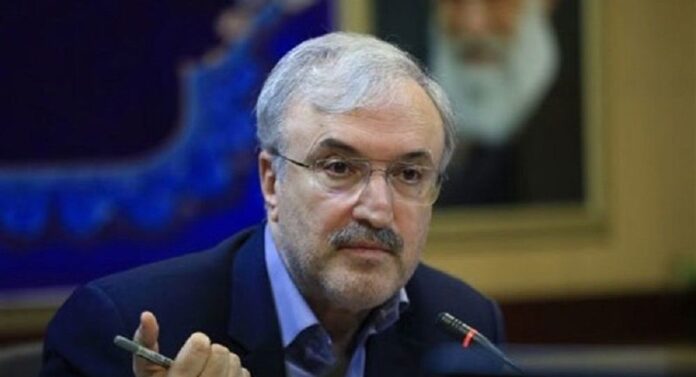
Saeid Namaki said in a tweet that he has decisively rejected US Secretary of Health’s help proposal as Iran does not need Washington’s dishonest assistance.
در مقابله با کرونا امروز جمهوری اسلامی ایران با لطف پروردگار و همیاری مردم و مسئولان و مشارکت صمیمانه بین بخشی در اوج عزت و سربلندی در حال تسلط بر بیماری است.
ایران عزیز ماحاضر است به مردم گرفتار آمریکا برای نجات از درماندگی دولتشان برای برون رفت از شرایط سهمگین کنونی کمک کند.۲/
“With God’s help and cooperation of people and officials, Iran is overcoming the disease. The Islamic Republic is ready to help poor Americans in the face of inability of their government in dealing with the current tough situation,” reads Namaki’s tweet.
Health ministers of World Health Organisation, including the Iranian and American officials, held a meeting on Thursday to look into latest situation of coronavirus outbreak.
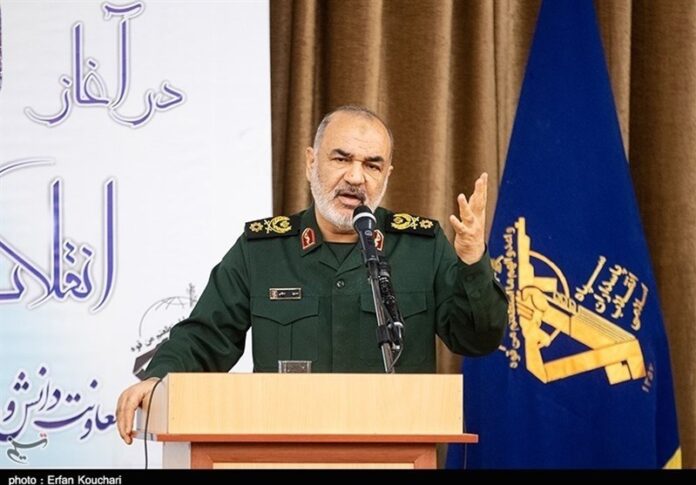
“We (warn) the Americans that we are fully determined and serious in defending our national security, maritime borders, maritime interests, maritime security and security of our forces at sea and any (wrong) move (by enemies) will meet our decisive, effective and prompt response,” Major General Salami said on Thursday, in reaction to the US officials’ recent threats.
He added that the Americans have seen Iran’s responses in the past and should take them as lessons.
“We have also ordered our military units at sea that if a vessel or military unit of the navy of the US’ terrorist military seeks to threaten the security of our civilian ships or combat vessels, they should target that (enemy) vessel or military unit.”
The senior commander also stressed that the Americans’ unprofessional and hazardous behavior caused the IRGC Navy vessels’ confrontation with US vessels last week.
The remarks came after US President Donald Trump said he had instructed the US navy to destroy Iranian boats “if they harass” US ships in the Persian Gulf.
“I have instructed the United States Navy to shoot down and destroy any and all Iranian gunboats if they harass our ships at sea,” Trump said in a tweet on Wednesday morning.
On Sunday, the IRGC Navy released a video showing a recent confrontation between its forces and the US Navy in the Persian Gulf, refuting claims by the US that Iranian forces behaved in an dangerous manner when faced with US Navy vessels.
In its statement, the IRGC said the main source of mischief and insecurity in the region was the illegal presence of US terrorist forces in West Asia, reiterating the call for the full withdrawal of all American forces.
“They must be sure that the IRGC Navy and the powerful Armed Forces of the Islamic Republic of Iran consider the high-risk behavior of foreigners in the region as a threat to their national security and a red line, and will give a decisive response to any miscalculation on their part,” the IRGC statement said.
Iranian vessels belonging to the IRGC Navy commonly patrol the Persian Gulf and the Sea of Oman to ensure the security of the vital global energy hub.
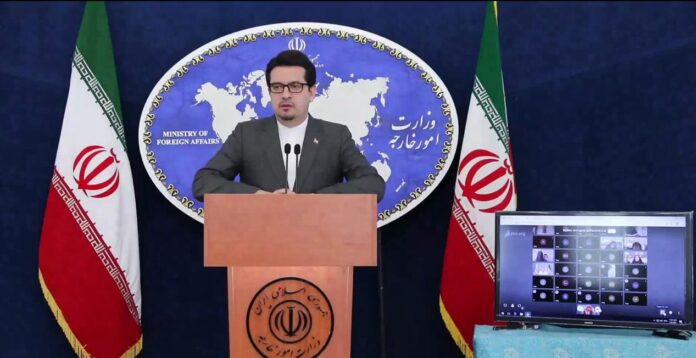
In a statement on Thursday, Foreign Ministry Spokesman Seyyed Abbas Mousavi said the Swiss ambassador received a note to relay to American officials, in which the Islamic Republic has expressed its strong protest at the threats posed by the Americans, including the US fleet’s illegal and destabilizing presence and actions in the vicinity of the Persian Gulf’s northern waters and the Iranian coasts.
“In the note of protest, the Islamic Republic has reminded the US administration of the necessity for all parties to observe international maritime safety and freedom of navigation regulations,” Mousavi said.
In this note, he added, Iran has also warned the US that while powerfully defending its maritime rights, the Islamic Republic of Iran would give a proper response to any threat or aggressive action in the Persian Gulf and Sea of Oman region illegal.
Mousavi also condemned the provocative and threatening remarks made by US President Donald Trump on Wednesday, advising him to engage the US Navy in containing and handling the new COVID-19 pandemic inside America, where the virus has taken its biggest toll, rather than resorting to adventurism and blame game.”
In comments on Wednesday, Trump said he had told the Navy to “shoot down and destroy” Iranian gunboats that “harass” US ships.
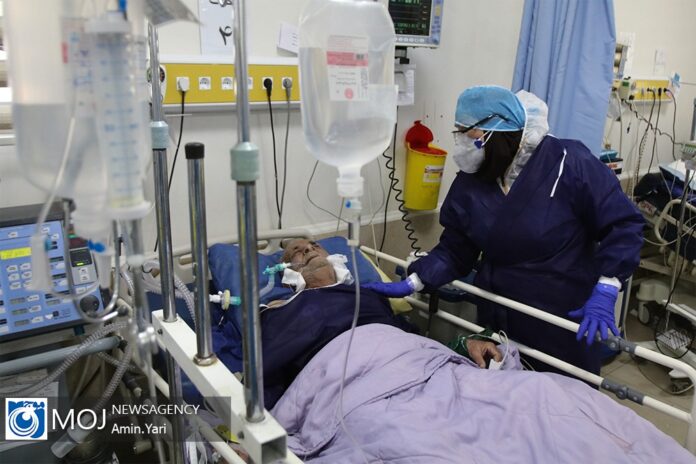
Health Ministry spokesman, Kianoush Jahanpour, said on Thursday that 90 people have died in the past 24 hours, increasing the total number of fatalities to 5,481.
64,843 patients have so far recovered and been discharged from the hospital, he added.
However, the spokesman noted, 3,105 patients are in severe conditions of the disease.
Jahanpour said 389,507 COVID-19 tests have been taken in the country since the beginning of the outbreak.
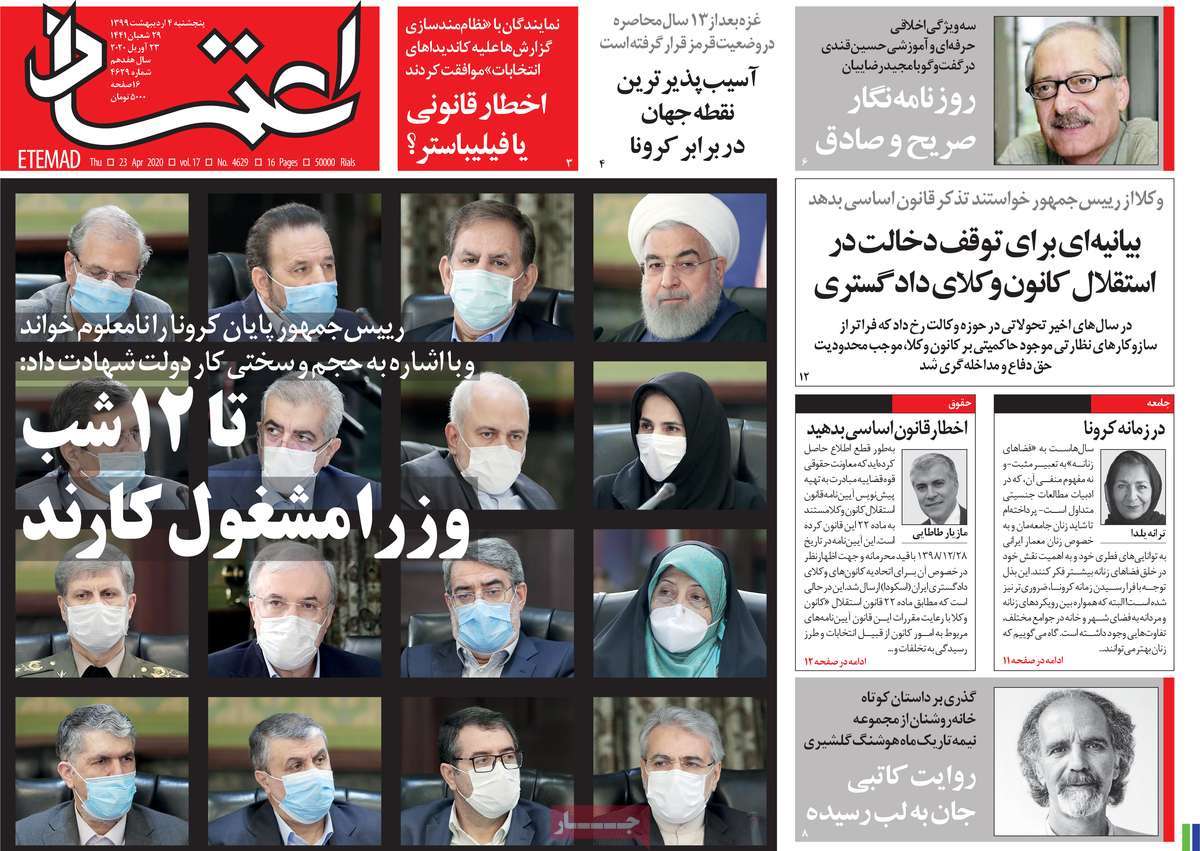
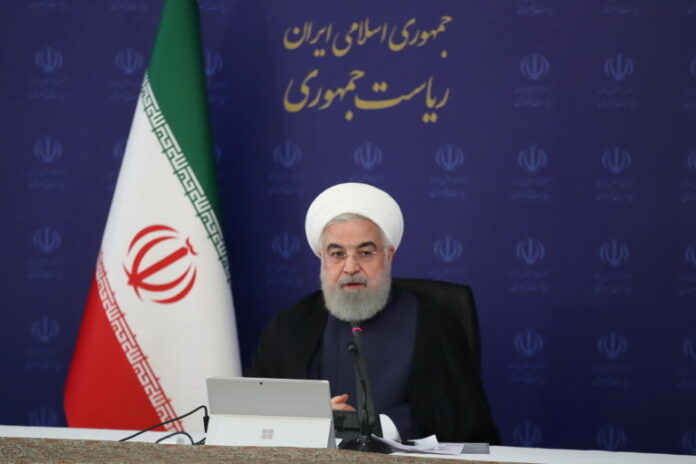
Rouhani said on Thursday the launch of the Noor satellite is both a blessing for the country and a sign that all efforts in such conditions are worthwhile.
Speaking in a video conference to inaugurate several projects in the southern Fars province, the president added that Iran is proving to the world that despite difficulties it is going ahead with its activities.
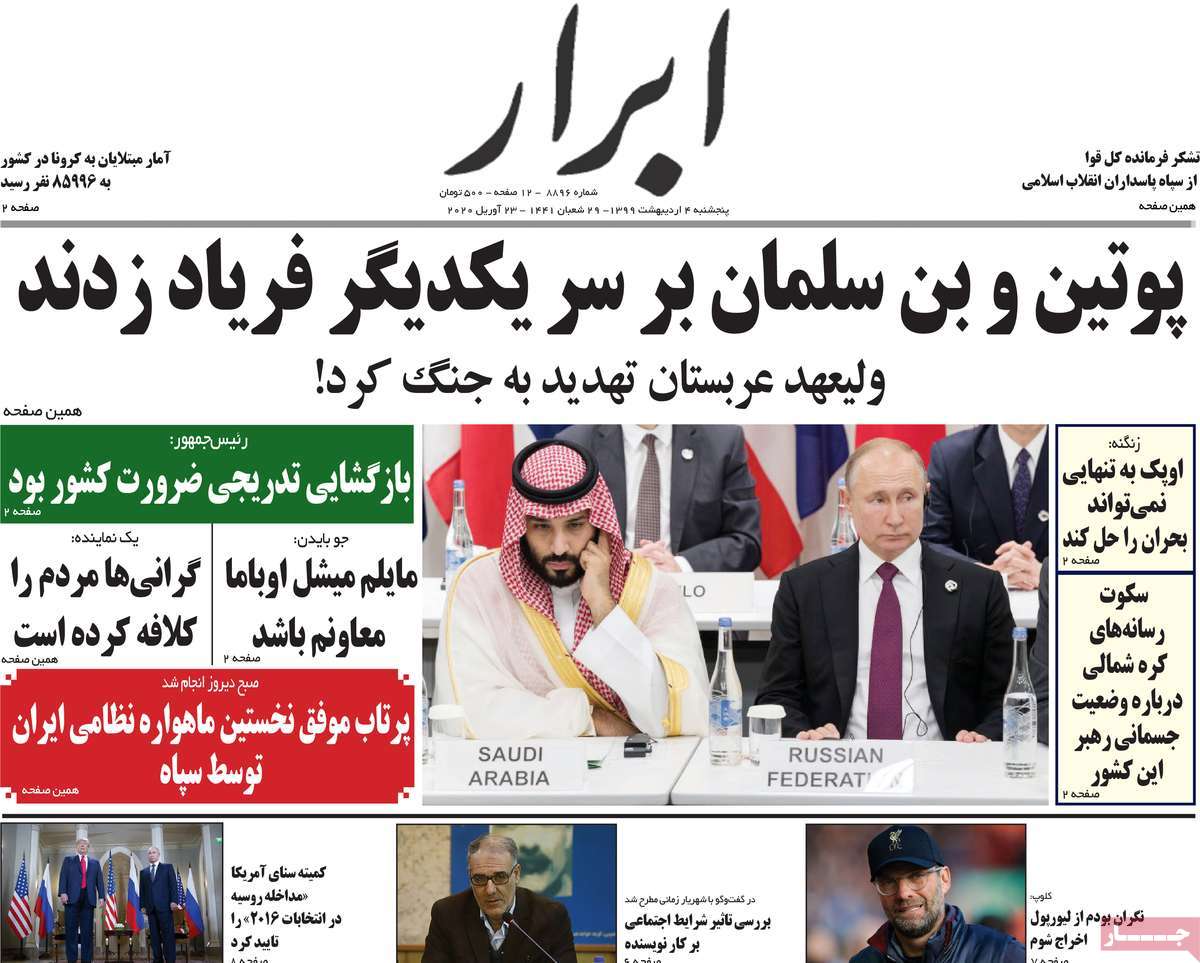
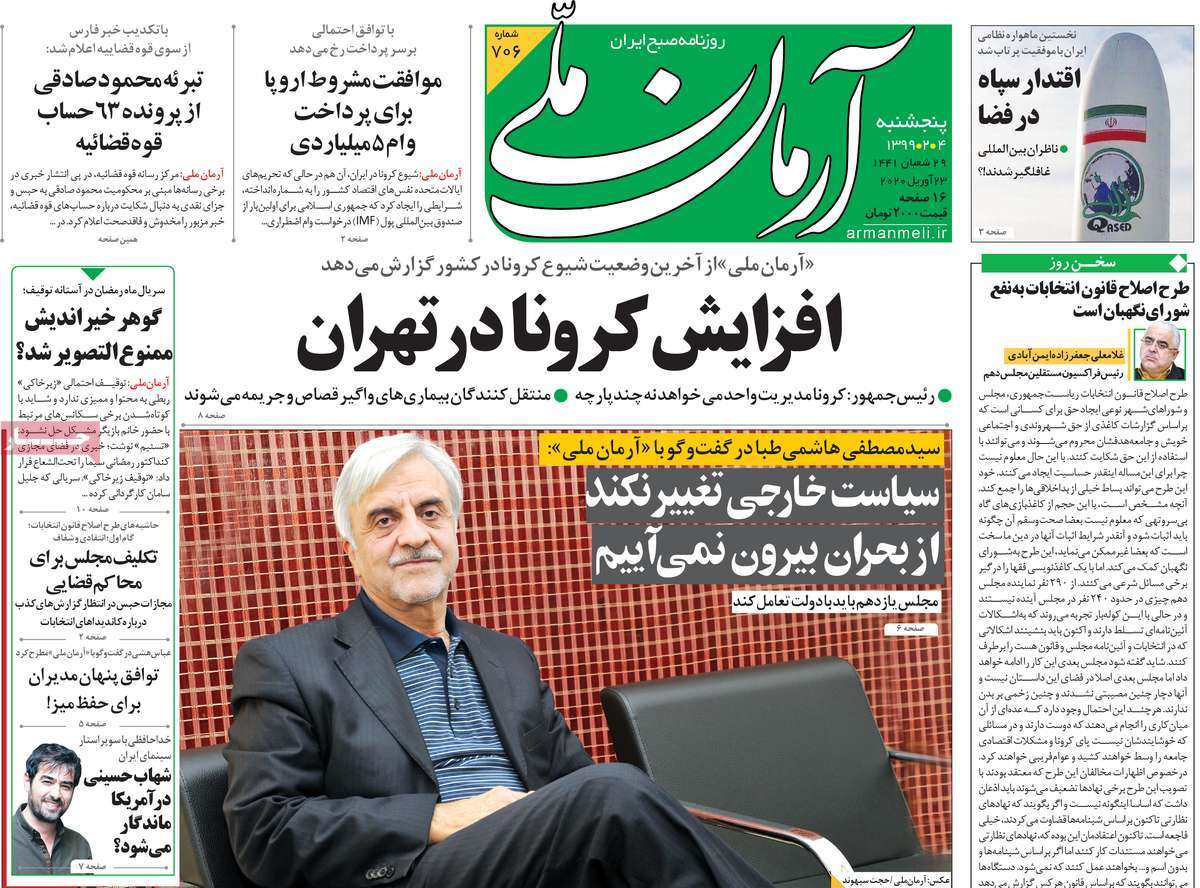
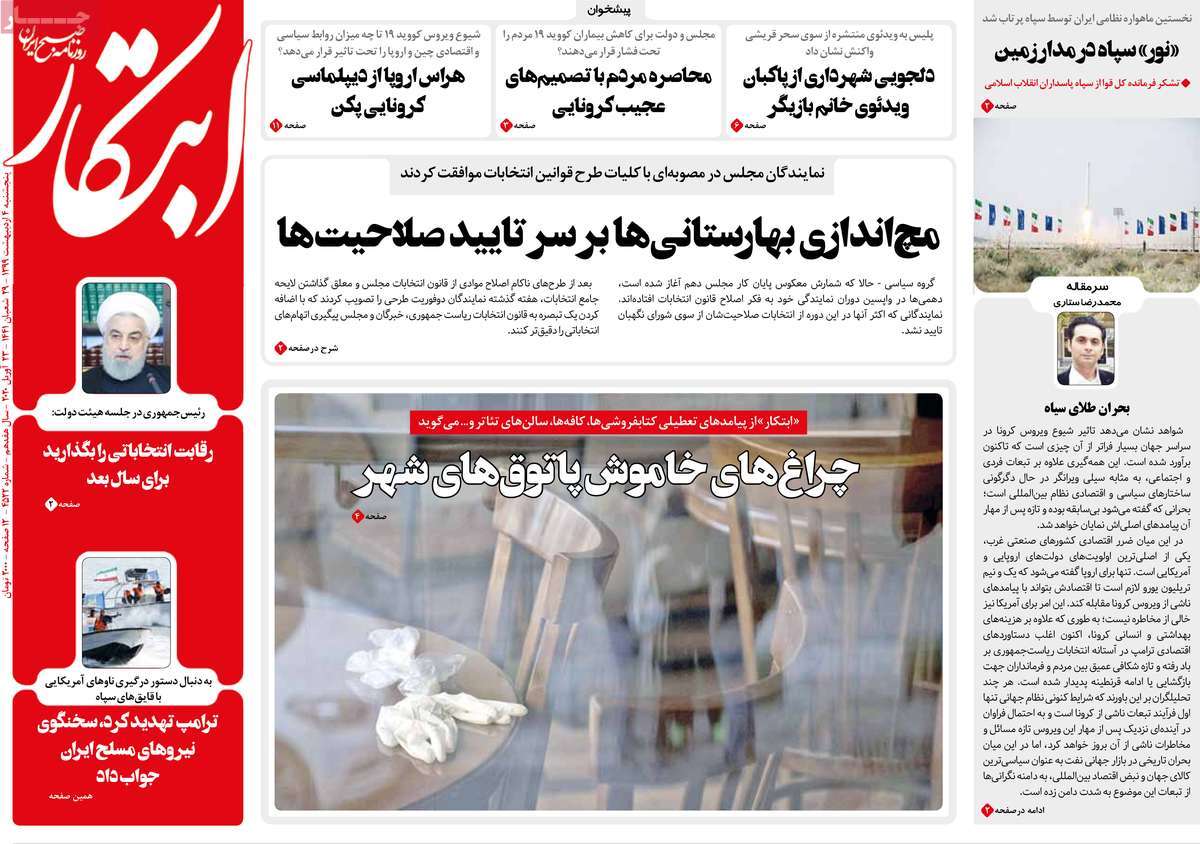
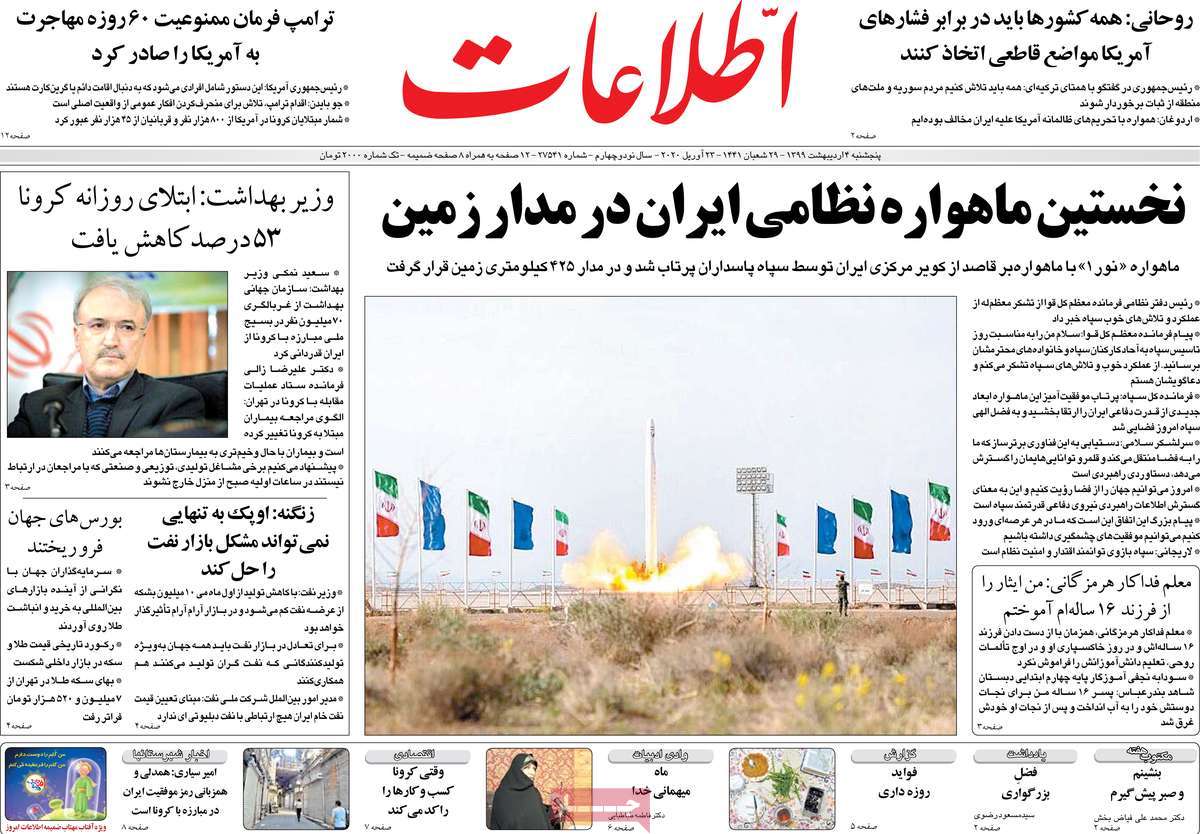
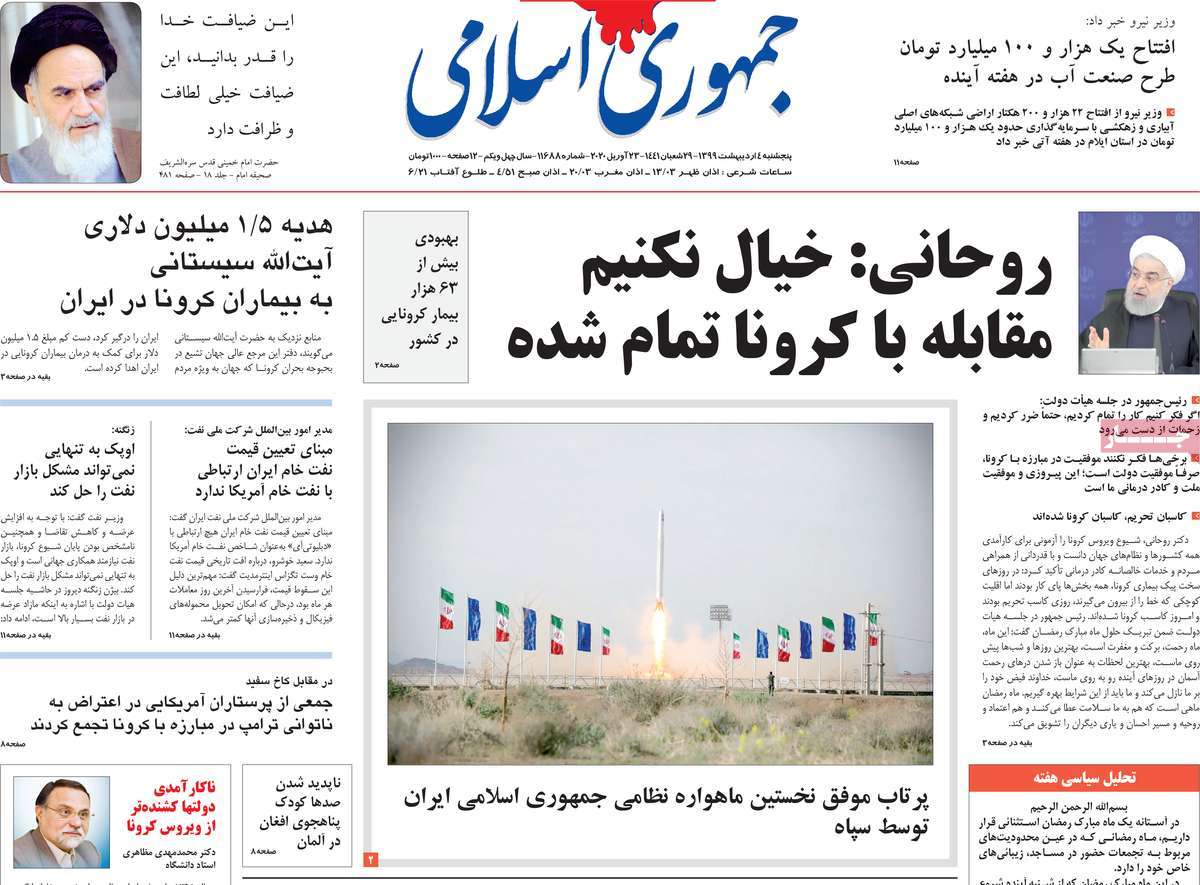
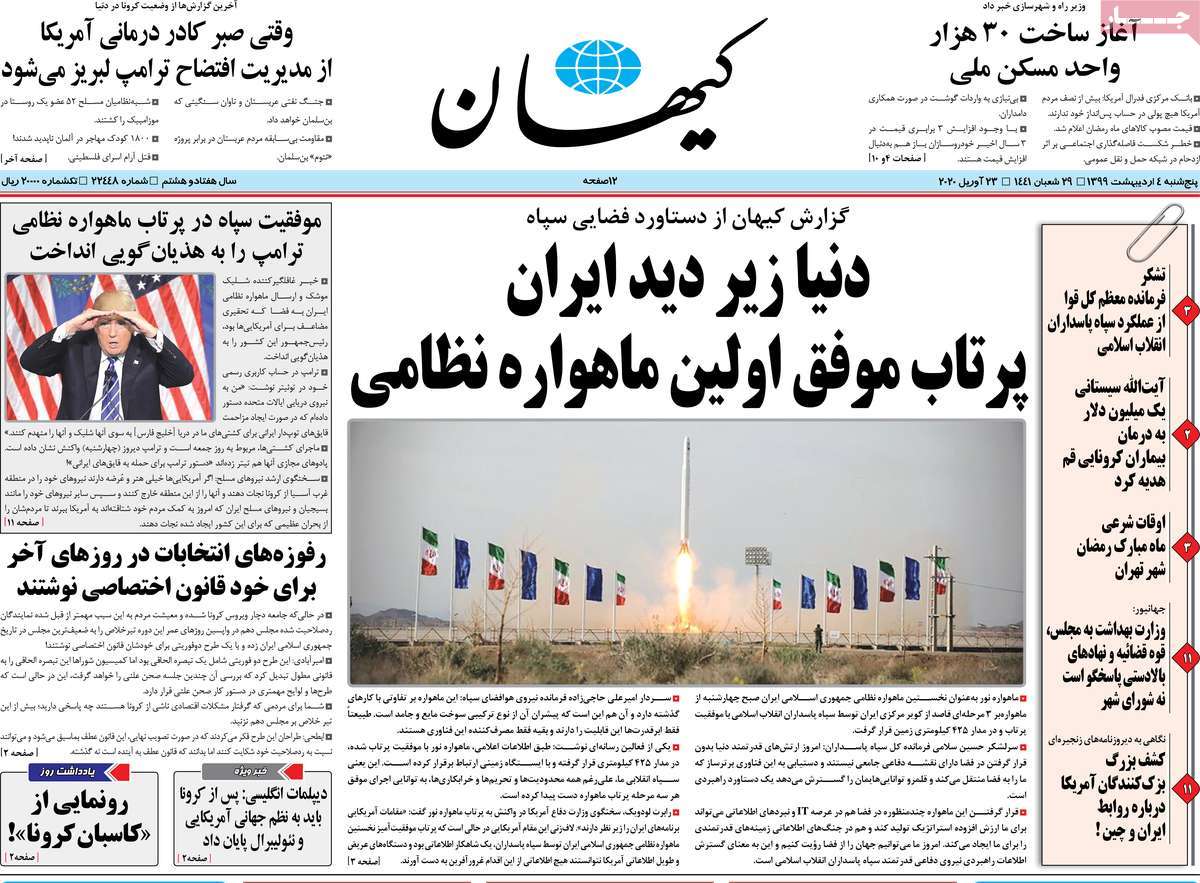
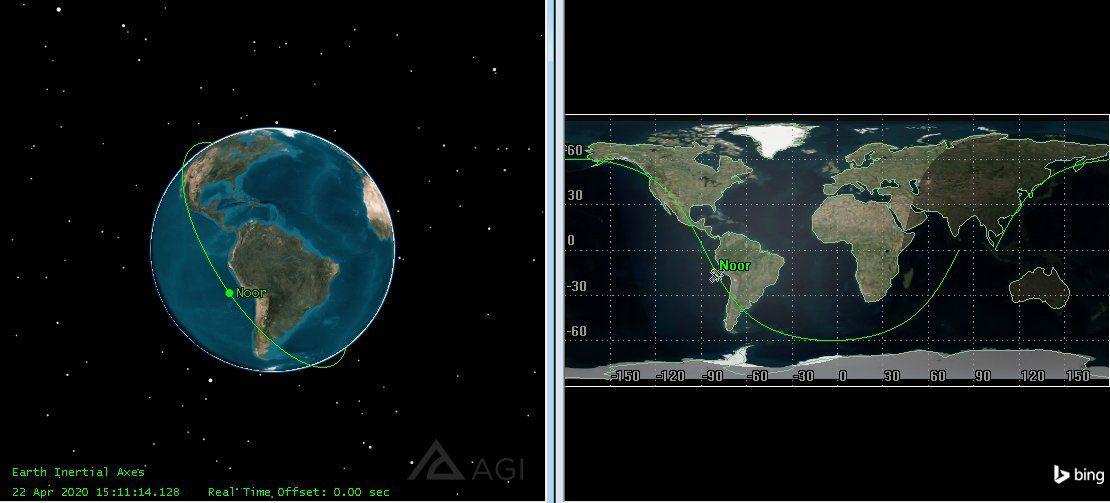
Iran’s IRGC said on Wednesday it had successfully launched the country’s first military satellite into orbit.
The military craft, named Noor, flew into orbit on top of a multi-stage Qased rocket.
The satellite was deployed into orbit after the Qased rocket flew southeast from the Shahroud base.
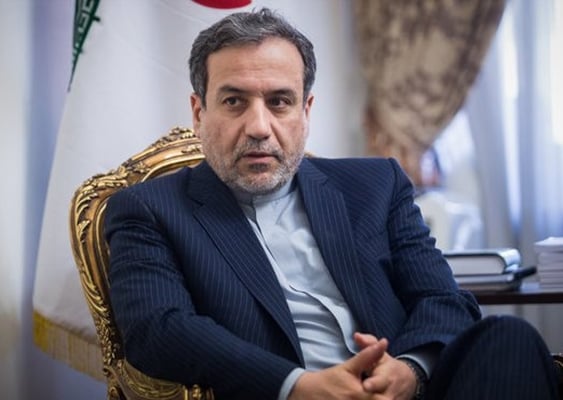
Iranian Deputy Foreign Minister for Political Affairs Seyyed Abbas Araqchi made the comment in a Wednesday phone conversation with Thijs van der Plas, the director for political affairs at the Dutch Foreign Minsitry.
“The coronavirus has spread not only in Iran, but also in almost all countries, and it needs a serious and collective move,” said Araqchi.
“Today, in addition to this virus, Iran is facing the United States’ illegal and inhumane sanctions, which redouble the pressure on Iranian people,” he added.
“Iranian people are entitled to have access to their own financial resources to fight the disease and tackle its economic consequences,” he added.
“The United States’ unilateral and unfair sanctions against Iran are a gross breach of UN
Security Council Resolution 2231, and the US should be answerable for that,” he said.
The Dutch official, in turn, condoled with Iranian people over the coronavirus outbreak, saying it is an international responsibility to fight the pandemic.
He said his country remains committed to multilateralism in the world and helping international institutions to protect public health.
The diplomat also said the Netherlands continues to support the Iran nuclear deal, also known as the Joint Comprehensive Plan of Action (JCPOA), and pertinent mechanisms.
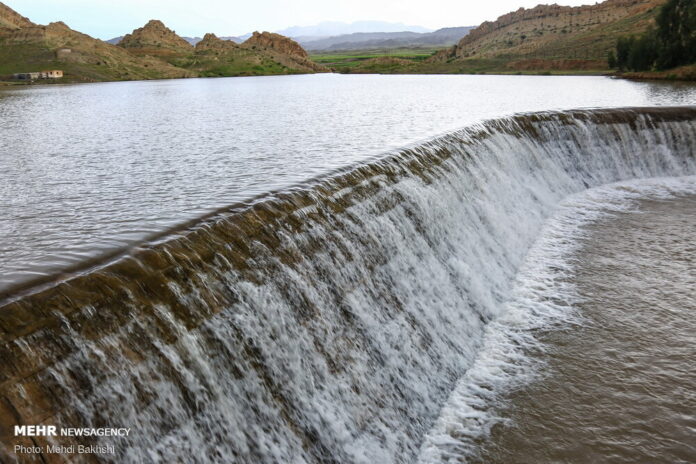
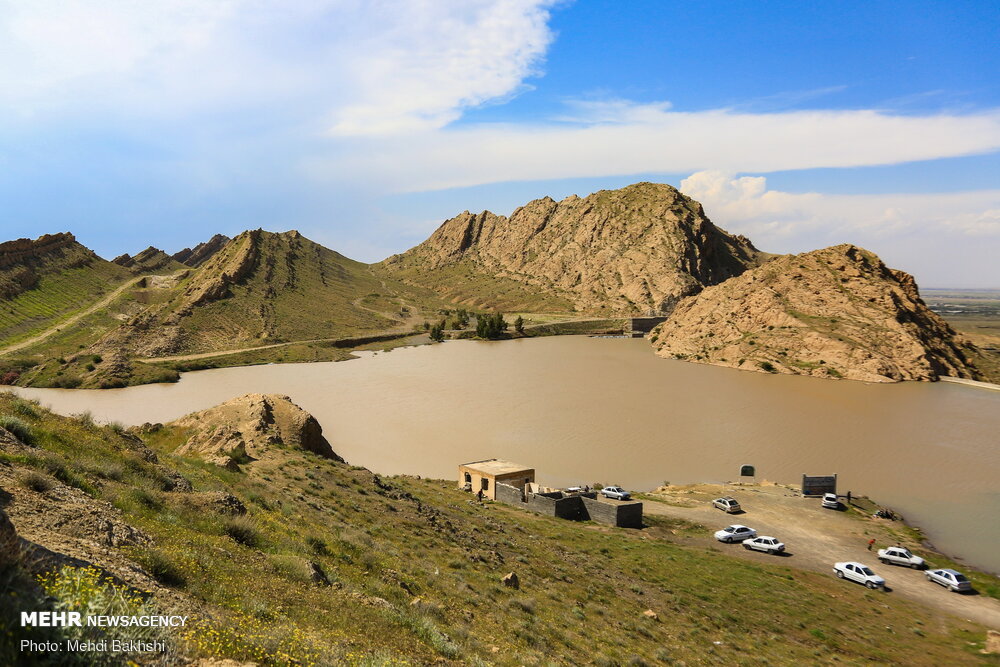
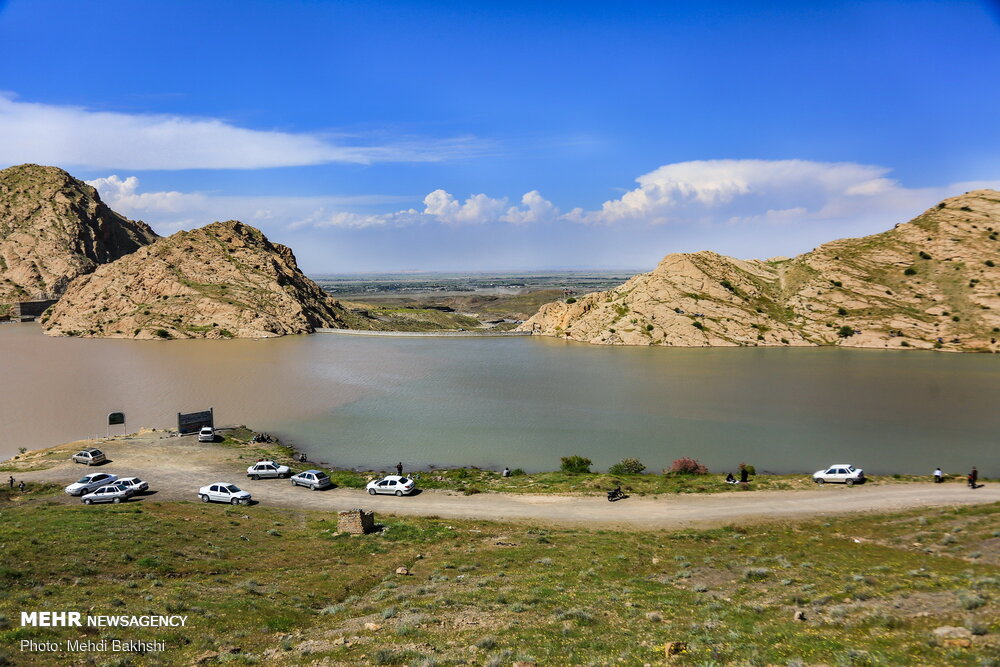
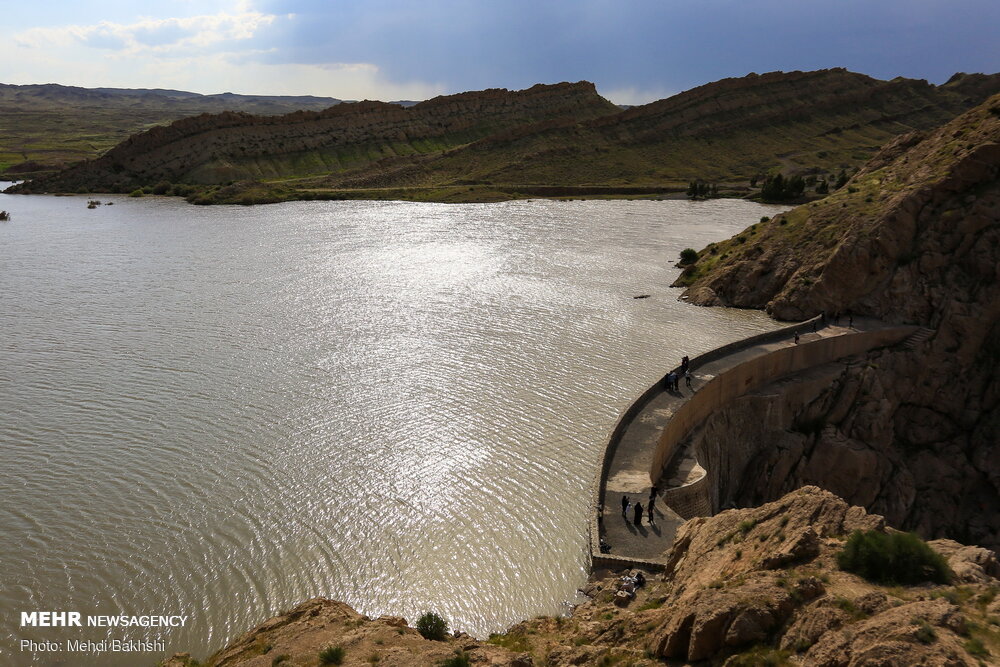
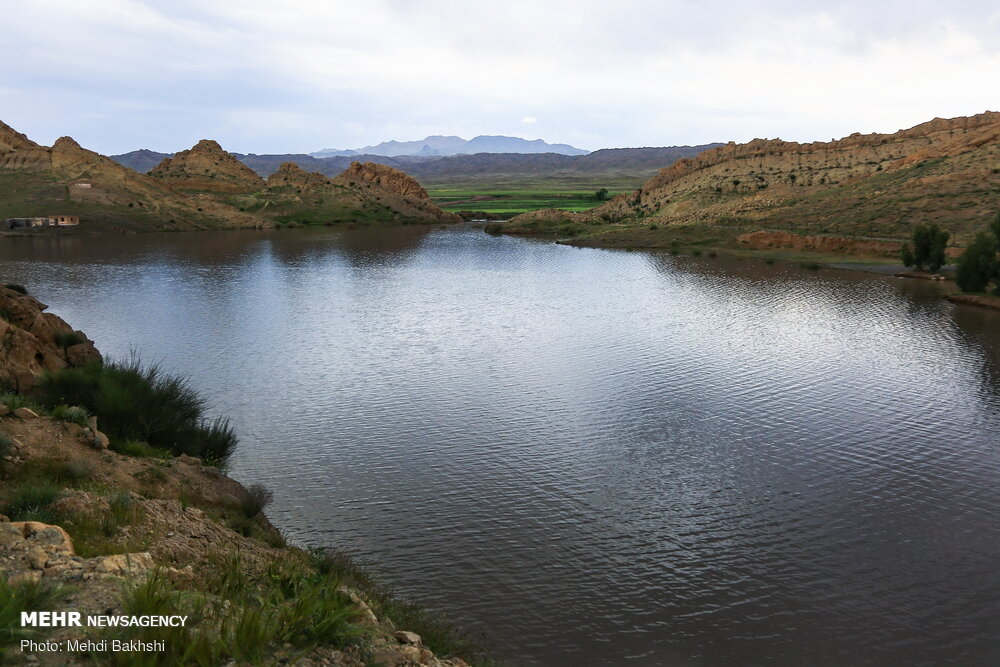
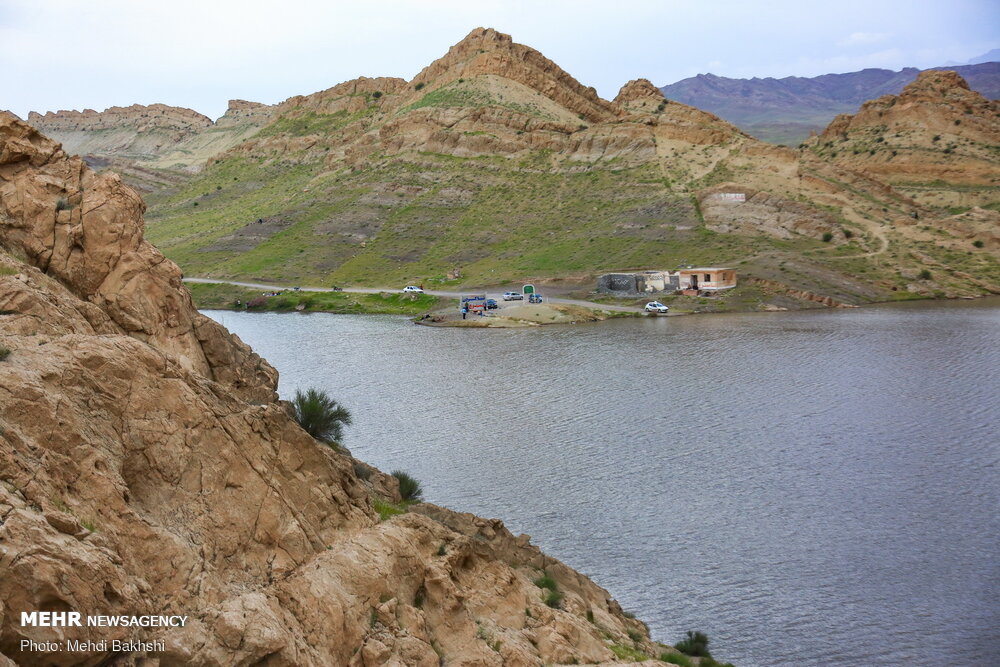
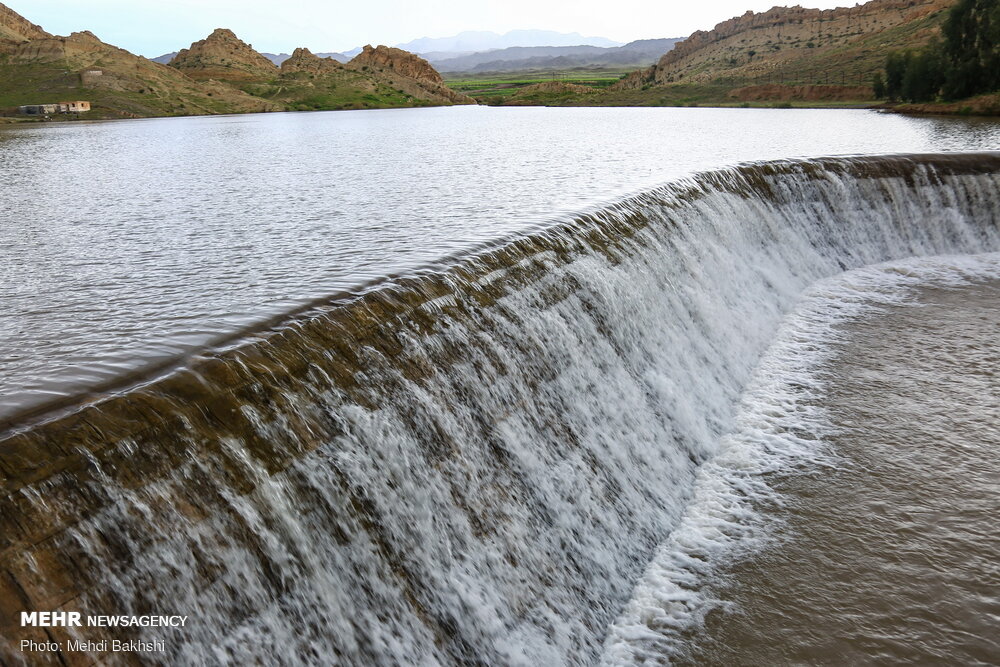
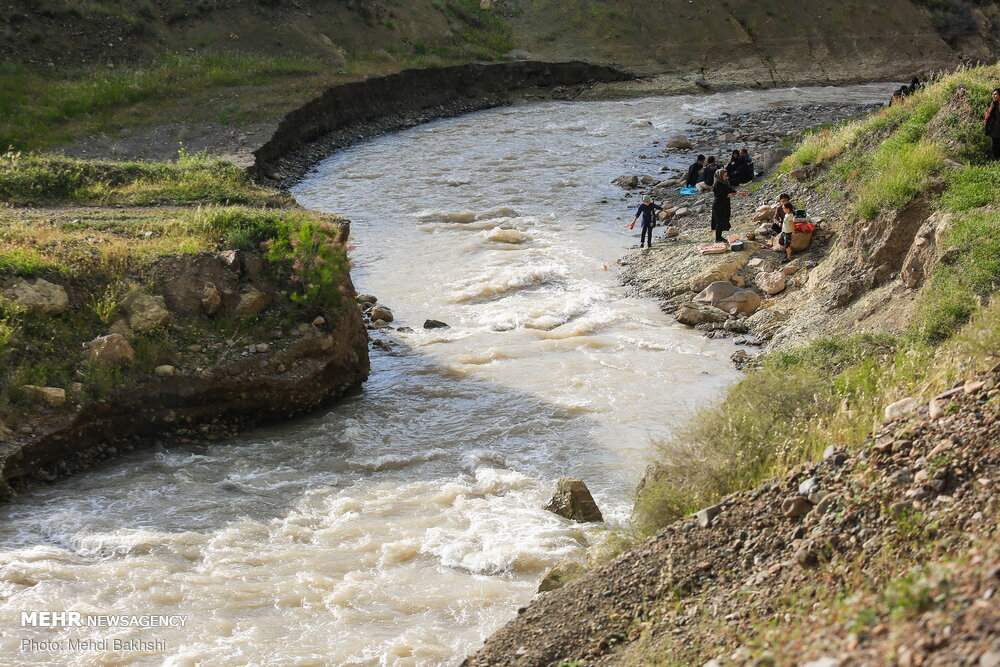
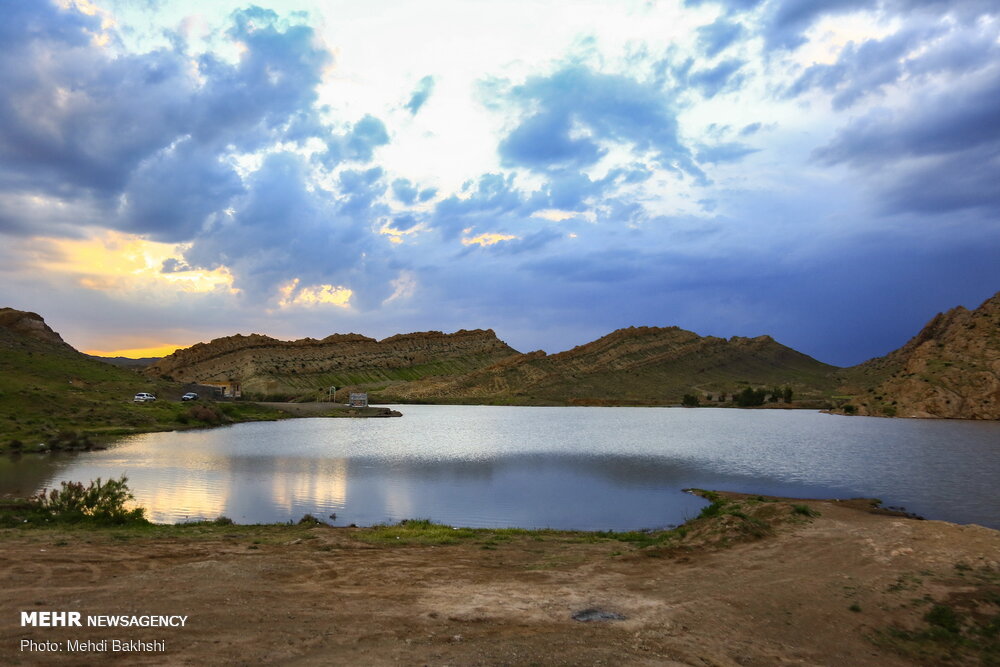
Kebar Dam is located 24 km from Qom, on a river of the same name beside the old route from the city to Kashan. It is a 700-year-old structure which dates back to pre-Safavid era.
Located in the middle of two mountains, the dam has a special architecture. It has been built using materials such as stone mortar and Sarooj, a traditional Iranian water resistant paste.
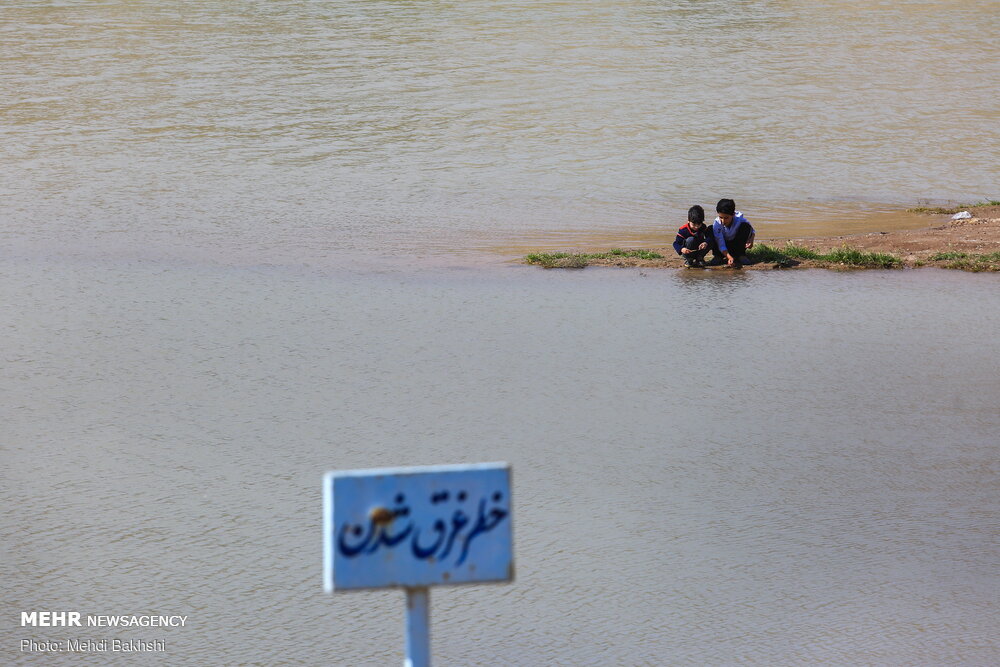
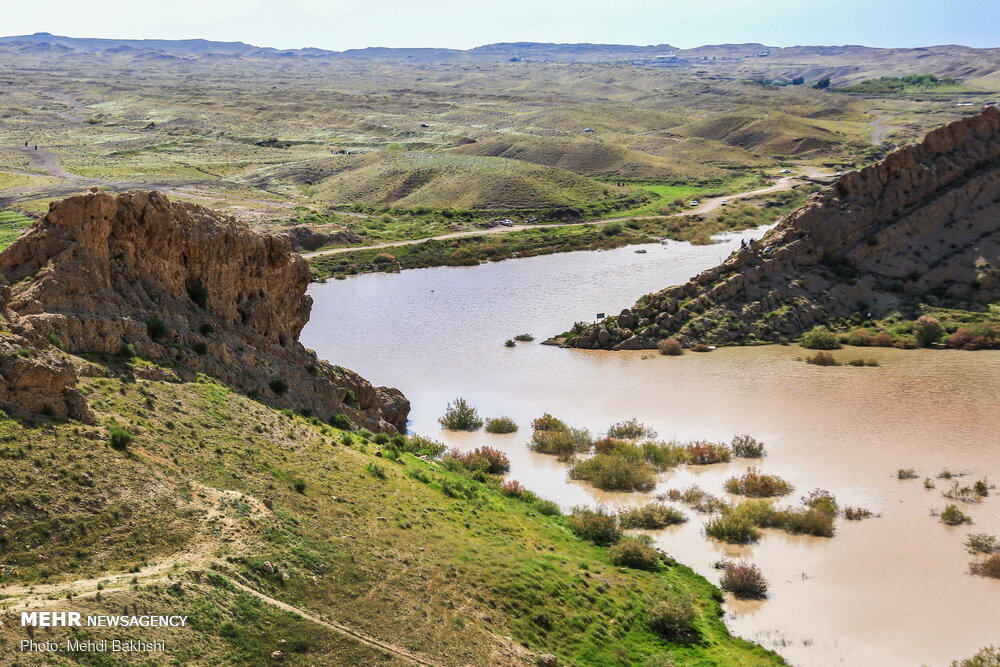
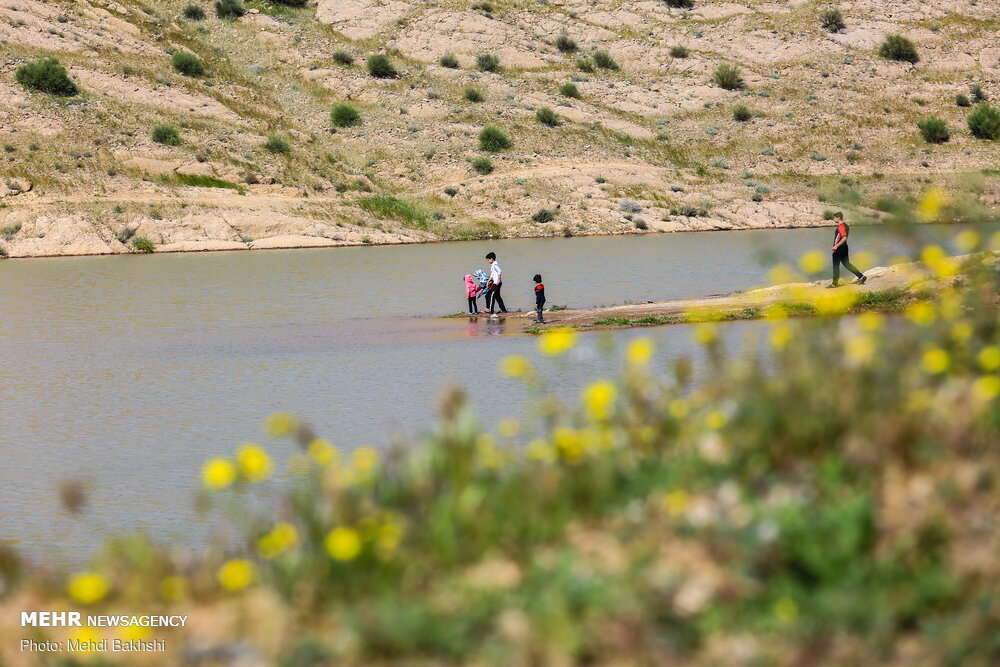
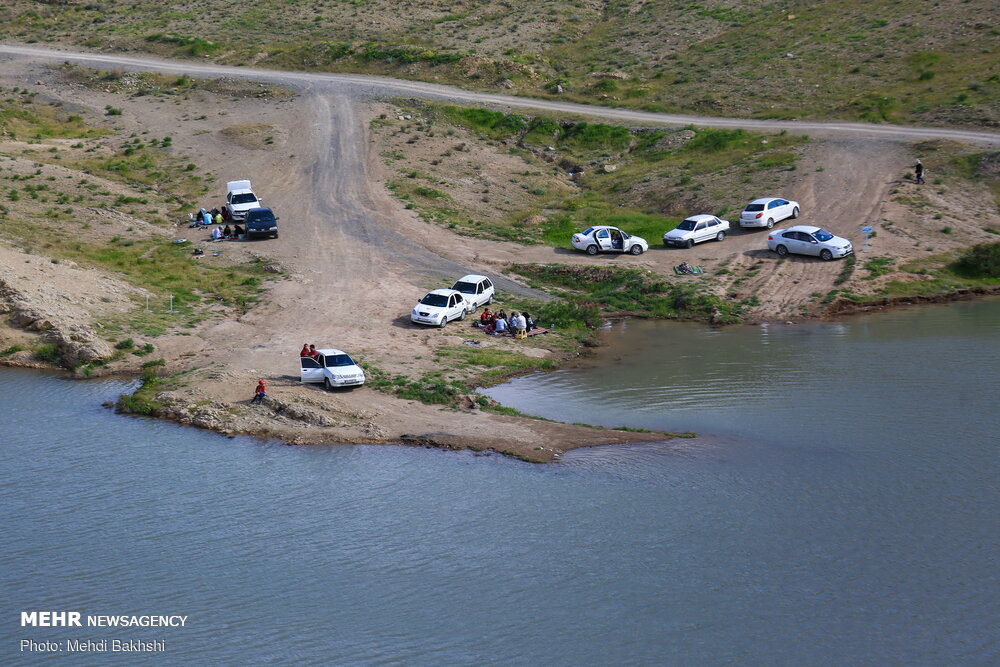
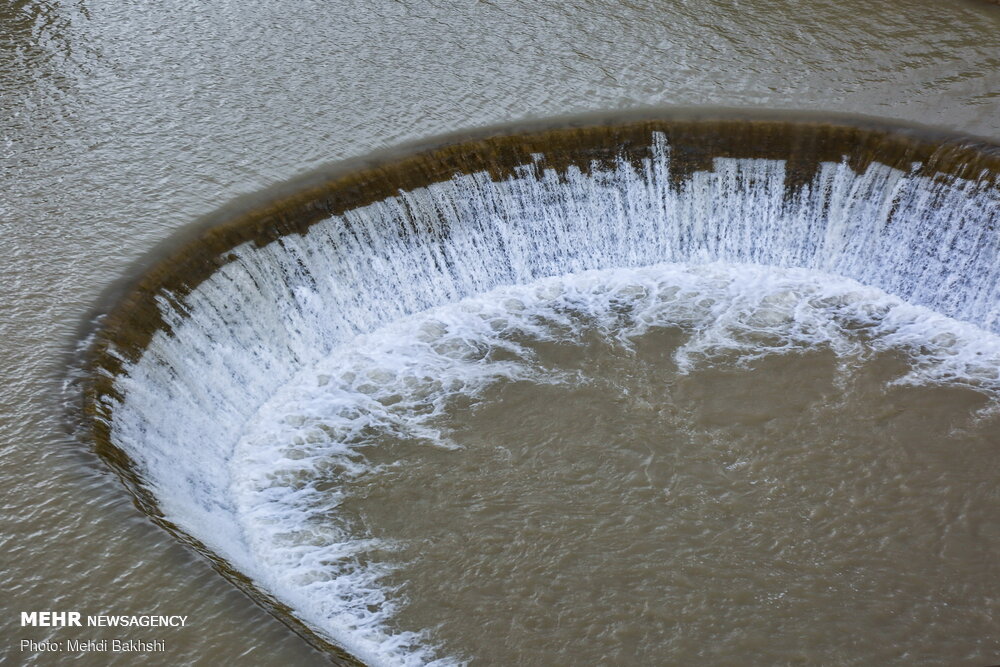
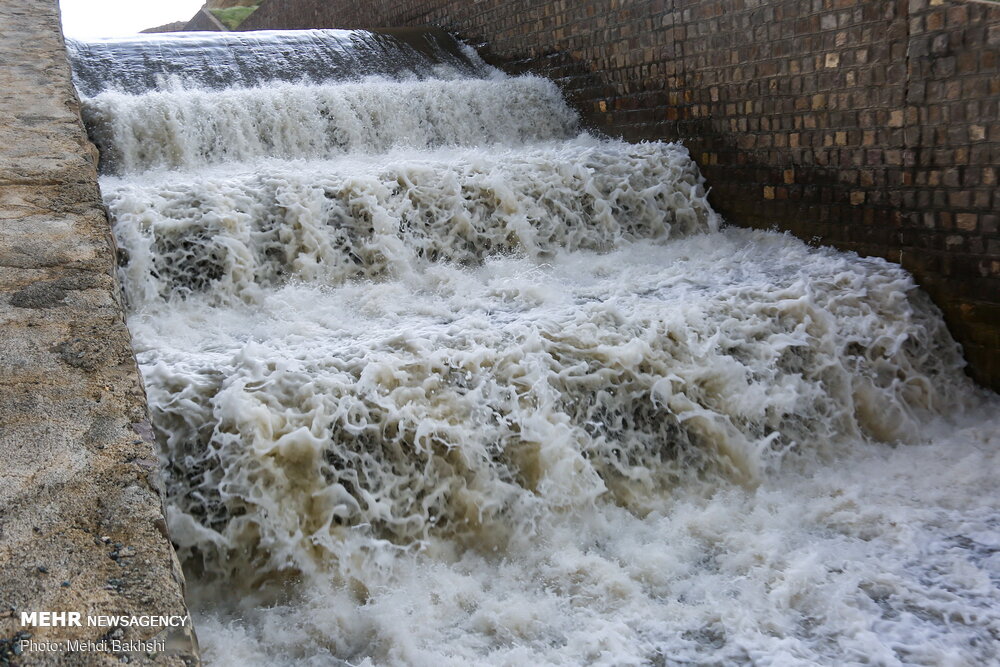
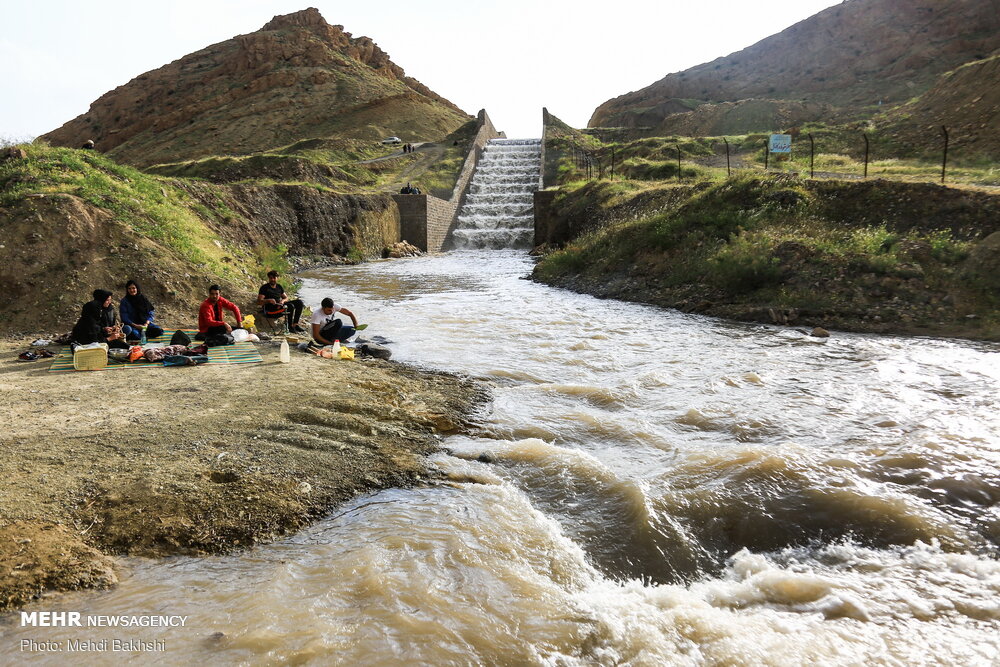
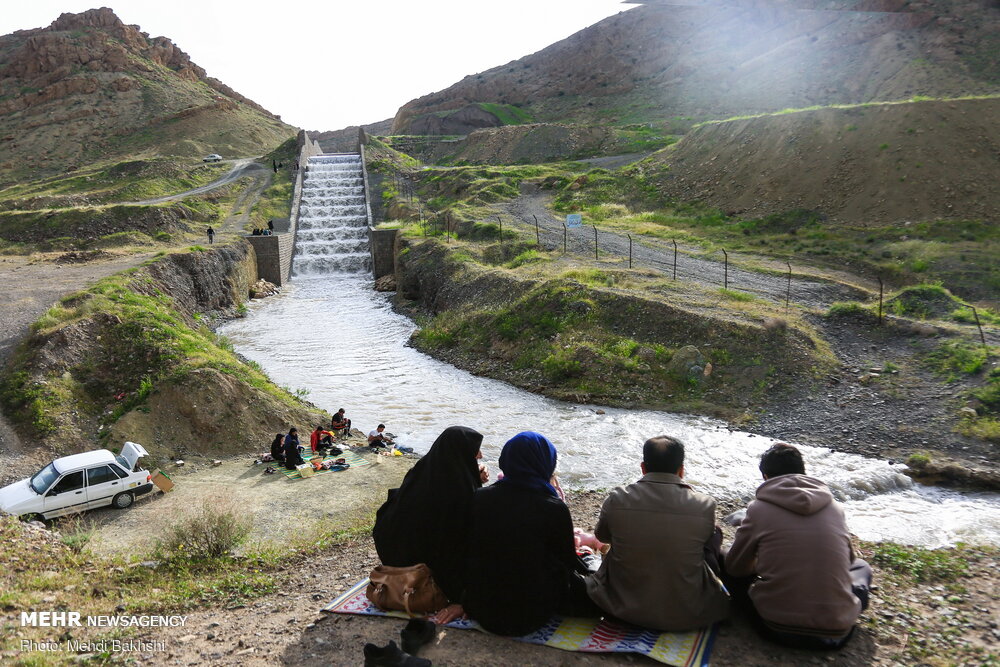
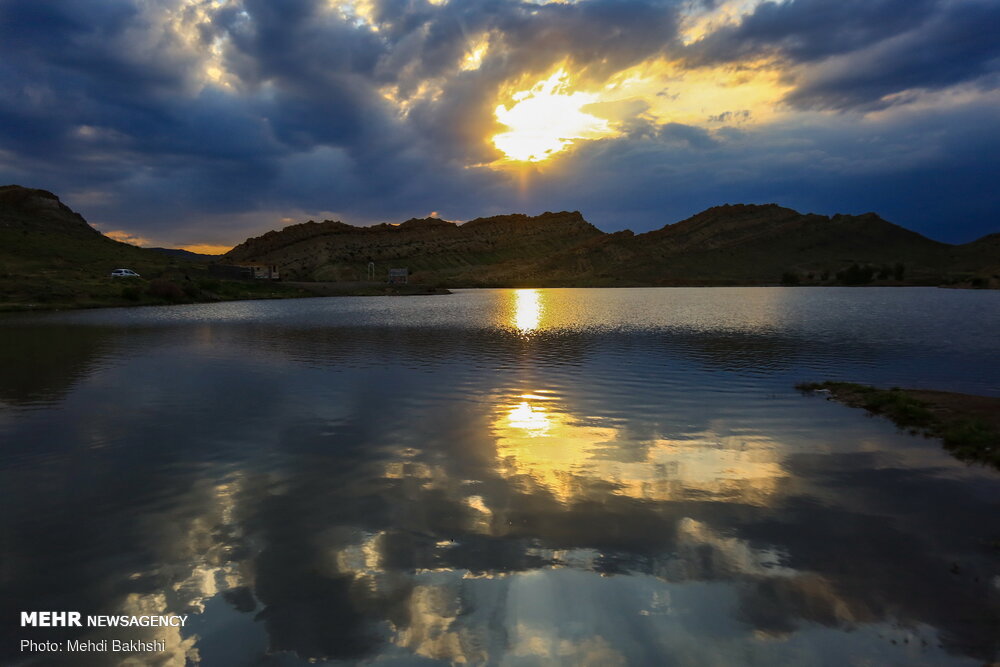
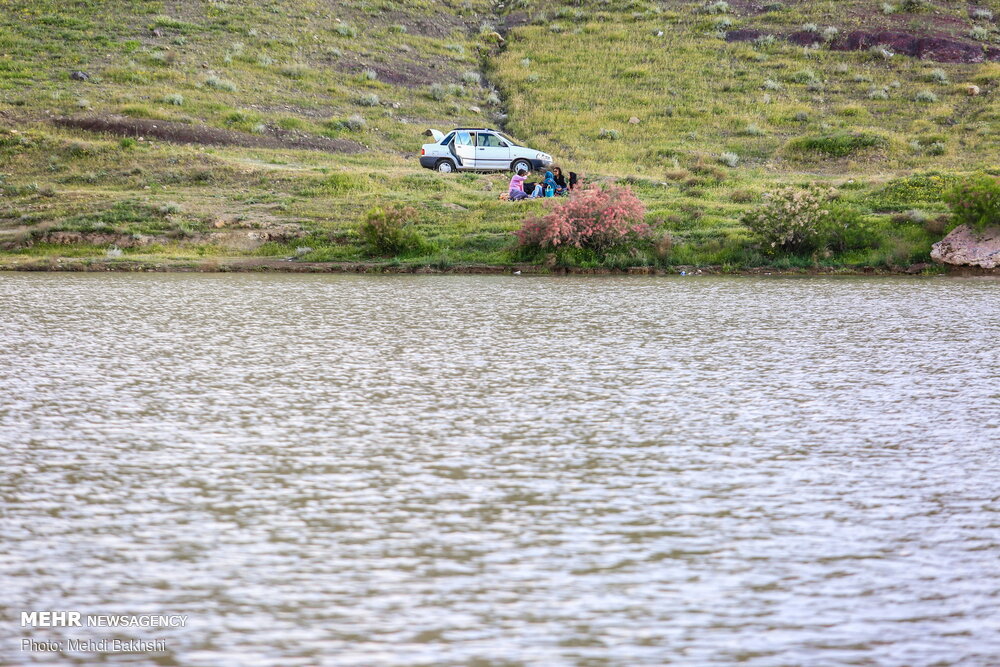
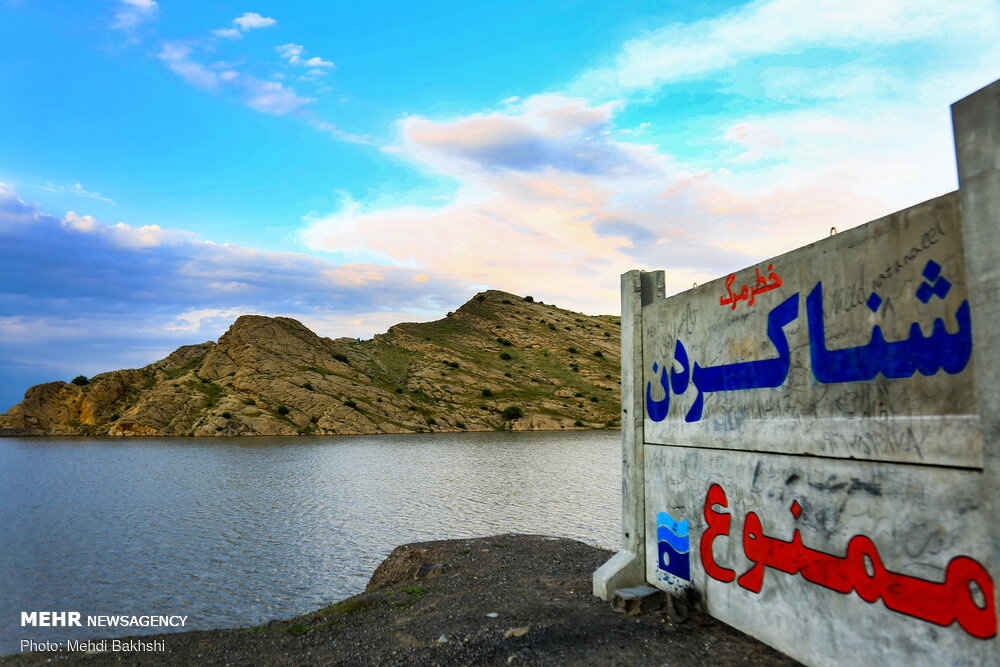
Kebar Dam has been full to its ultimate capacity- 450,000 m3 of water- in recent days thanks to the good rainfall and the consequent seasonal floods in Kahak section of Qom province.
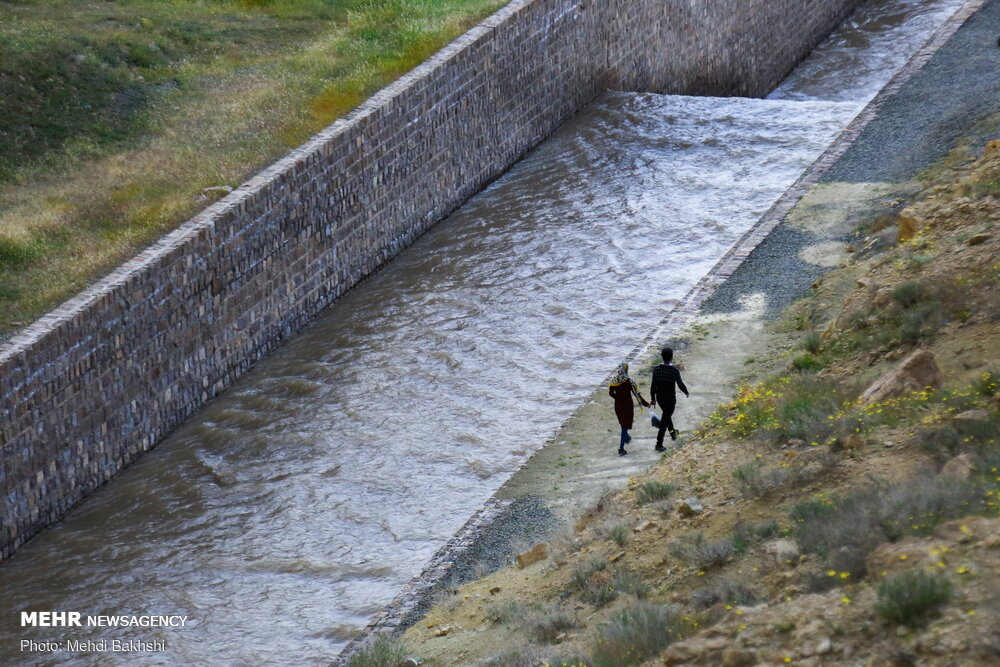
The dam is now overflowing from the northern part to its surrounding plains, while it was in a critical situation two years ago, on the verge of drying up due to the drought.
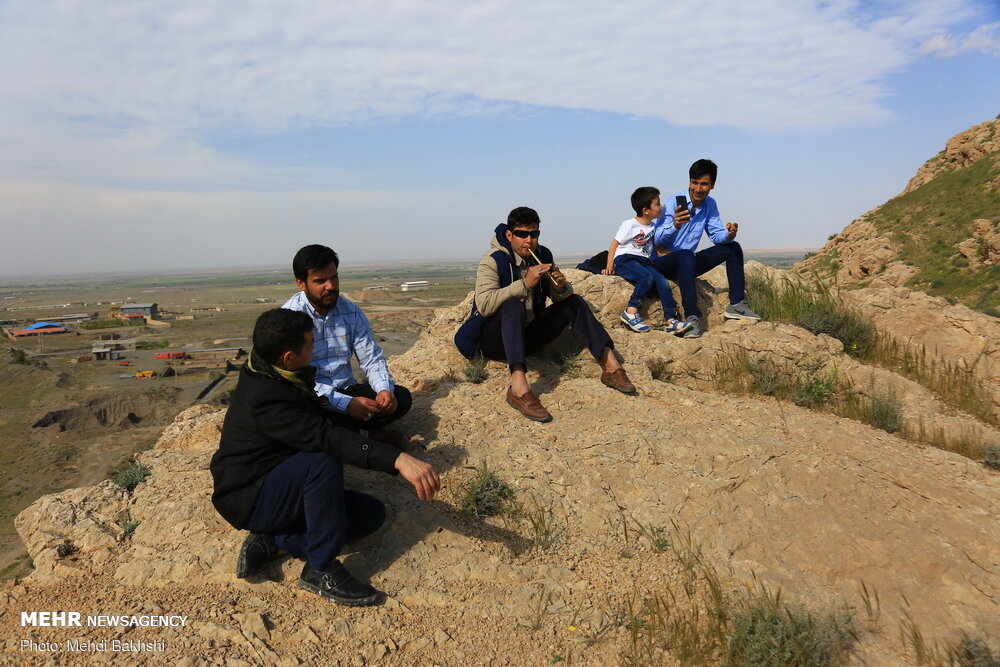
What follows are Mehr News Agency’s photos of the full-of-water Kebar Dam during spring days:
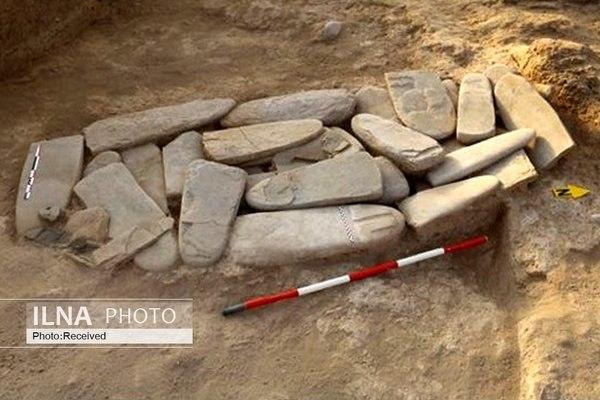
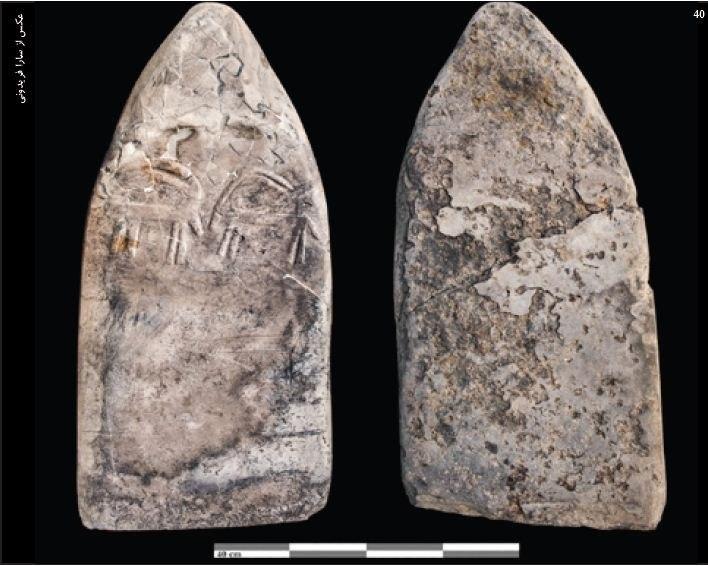
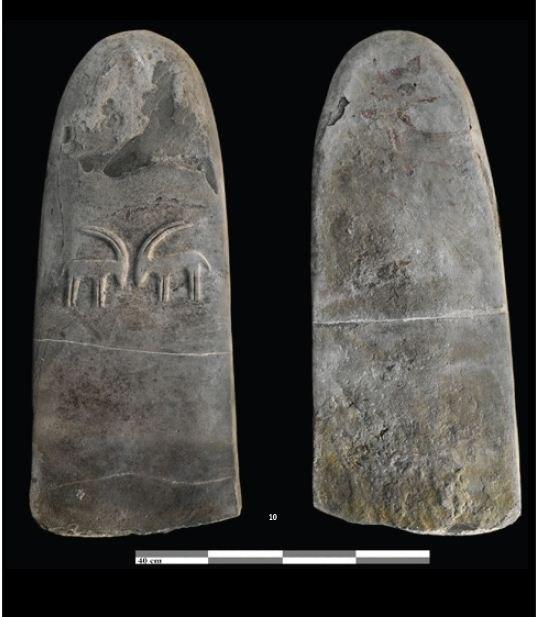
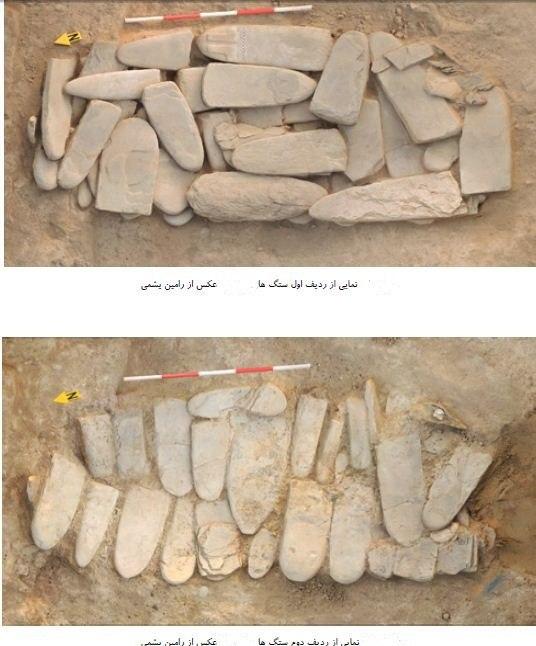
The rocks lying on top of one another were found in “Tall Chegah-e Sofla” village near Behbahan town in Khuzestan province.
The village was discovered by an archaeology team led by Hans Nielsen from the University of Chicago. Later on, Reinhard Dittmann expounded habitation patterns at local deserts in the area. Dittmann refers to Tall Chegah-e Sofla as one of the key hubs of habitation in the late 5th millennium BCE.
In 2009, Tall Chegah-e Sofla was registered on Iran’s List of National Heritage Sites. In 2015, operations conducted to demarcate the archaeological site of Tall Chegah-e Sofla, one of Kuzestan’s largest prehistoric sites, led to the discovery of tombs dating back 7,000 years. That triggered a 5-year project of archaeological excavations at the site, which have now resulted in the discovery of these conical rocks.
The head of the team of archaeologists says the rocks were dug out as archaeological excavations were underway.
“We can say that the pieces of rocks were deliberately put on top of one another,” he says.
“The rocks are laid in two rows in the shape of a rectangle. The ones in the upper row are less damaged than those in the lower row,” he says.
“Most of the rocks in the lower row are broken as they were not only under much pressure, but were made of sandstone,” the lead archaeologist notes.
“There is mortar between the rocks,” he says.
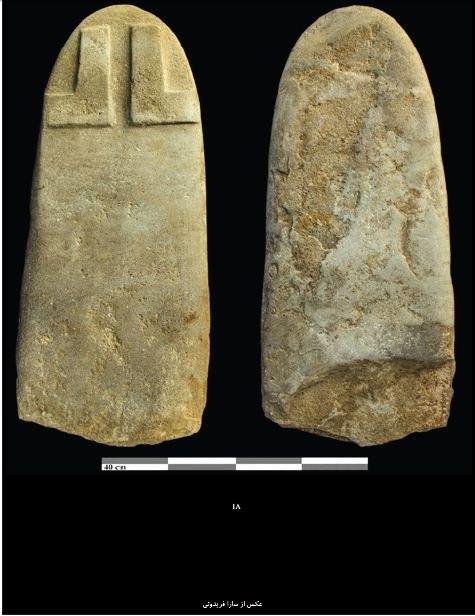
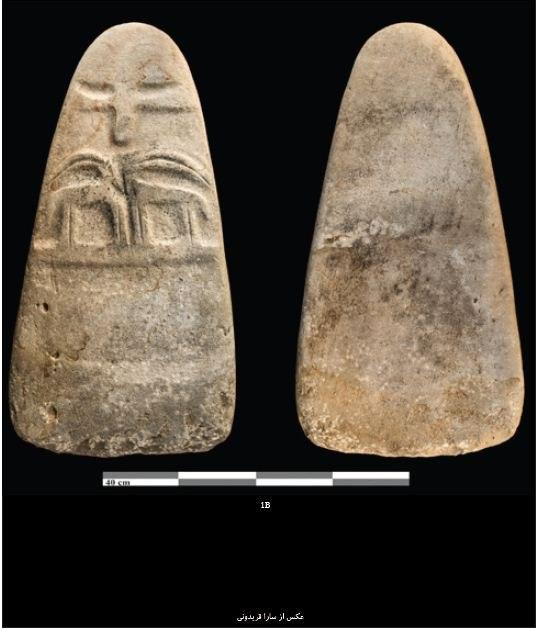
The rocks cut out to look like cones bear carvings including images of goats, oval and circular eyes, different marks containing crisscross lines, circles reminiscent of human eyes, and images of humans. Of course, some of the rocks have no carvings on them.
In no other rural archaeological sites in Iran have similar rocks been found. Signs have also been found of prehistoric wall carvings near the tombs unearthed there.
Hamidreza Shiri, a member of the project, told ISNA that dogs have already been used to diagnose malaria and other viruses.
Since dogs sense odours 20,000 times more than humans, they have already been able to detect some viruses, he added.
However, as the coronavirus is unknown and highly mutated, researchers have not yet carried out such a project. At present, we have taken the risk of this action, and the Army of the Islamic Republic of Iran has supported us in this regard, he went on to say.
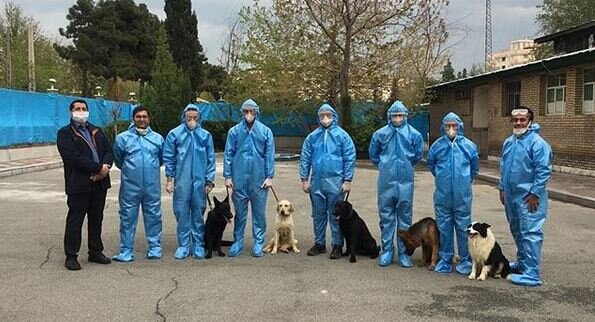
So far, two stages of these trainings have been carried out in SK9 School and the final stage has been done at the centre of the military police near Imam Reza Hospital, he said.
“In this regard, in the first phase of the study, we proved that dogs do not get infected with the coronavirus, because dogs have been exposed directly to viruses for about two weeks, but several stages of testing have been performed and so far we haven’t seen any cases of virus transmission from dogs to trainers; therefore we can say dogs cannot be virus carriers.”
Hamidreza Shiri stated that he hopes to announce in the next 10 days that dogs can detect coronavirus. “Among the ten tests that are performed, dogs can identify the virus and say nine are negative and one is positive. We hope to be able to prove this to the world in the coming days,” stressed Shiri.
“Since this is a research project, we did not know which breed was more useful, so we used different breeds, including Labrador, Golden Retriever, German Shepherd, and Border Collie.”
He also asserted the study has not yet begun in other parts of the world; the United Kingdom has said it seeks to take action, but it is still in the research phase.
The budget the UK has requested for the project is over one billion dollars, while the army of the Islamic Republic of Iran supported the researchers.
“Getting help from dogs to diagnose the corona will have two phases. The first phase will be the use of dogs to diagnose people, and if a dog is trained, it can detect up to 700 cases per hour. Another phase is that dogs can be trained to distinguish between carriers and healthy people in crowded places such as shopping malls, barracks, airports, and so on.”
In the end, he said this research is very risky and the virus is just 20 centimetres away from the trainers. This is a project being carried out with the cooperation of SK9 School, Army of the Islamic Republic of Iran, Army University of Medical Sciences, Military Police Centre and Imam Reza Hospital.
Corona diagnosis by sniffer dogs is also being investigated in the UK. Working with the London School of Hygiene and Tropical Medicine and Durham University, the Medical Detection Dogs charity organisation believes dogs could learn the smell of coronavirus within six weeks to provide a rapid diagnosis.
Odour samples from patients infected with coronavirus as well as a sample group who do not have the virus will be given to dogs that are already trained in detecting conditions. If their training with COVID-19 is effective, the dogs could be sent to airports or public places to provide screening for the deadly infection.
“These dogs can screen up to 750 people per hour and would support ongoing efforts to test for COVID-19,” the charity said. “Once we have trained the first dogs and have set training protocols, we could engage other agencies, at home and abroad, to increase the number of working teams.”
Science Alert quoted James Logan, the head of the department of disease control at London School of Hygiene and Tropical Medicine, as saying that it is too soon for COVID-19 odour detection. We do not know if COVID-19 has a specific odour yet, but we know that other respiratory diseases change our body odour so there is a chance that it does. And if it does, dogs will be able to detect it. This new diagnostic tool could revolutionise our response to COVID-19.