Thursday, April 23, 2026
Home Blog Page 2871

Iran’s Beauties in Photos: Beautiful Nature of Ilam

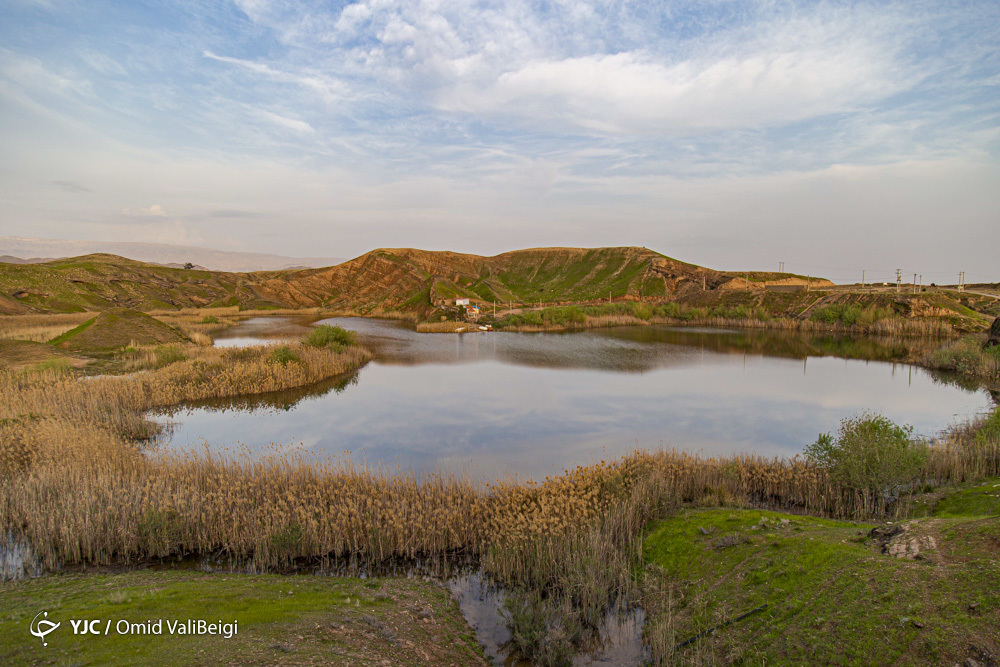
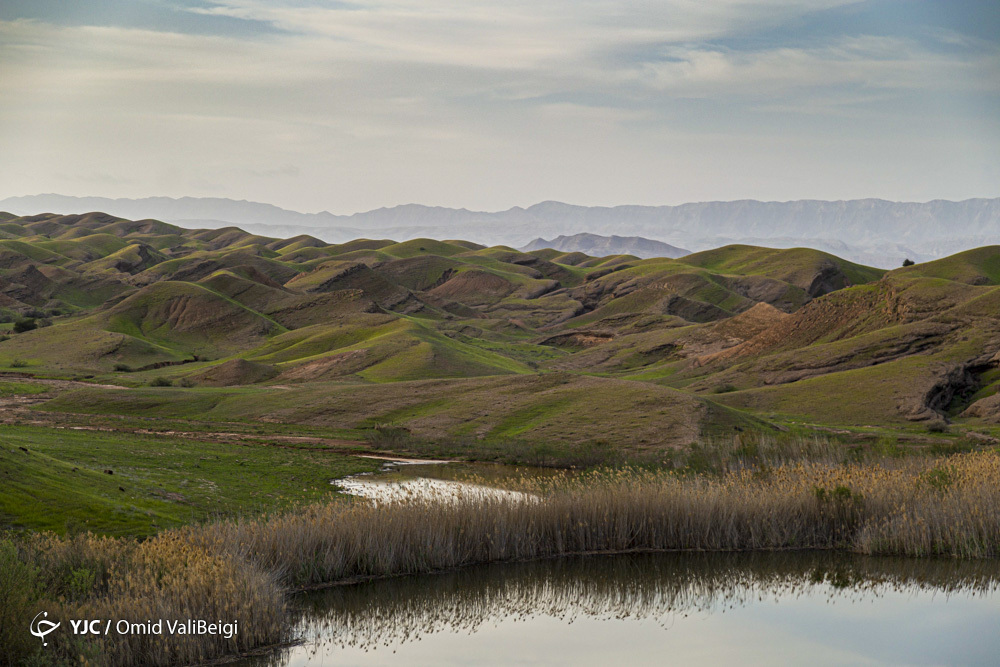
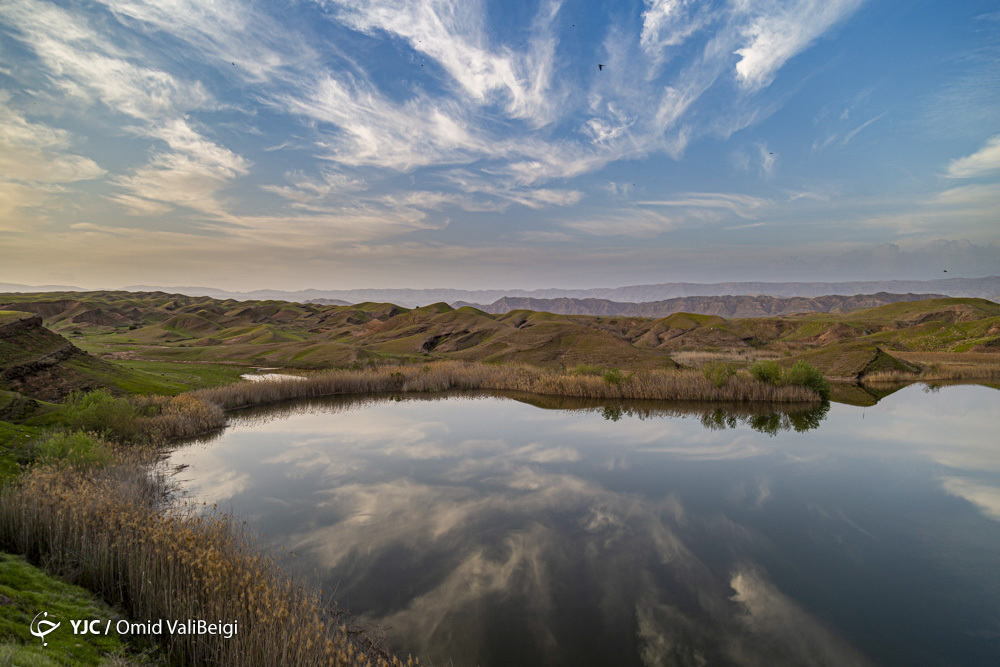
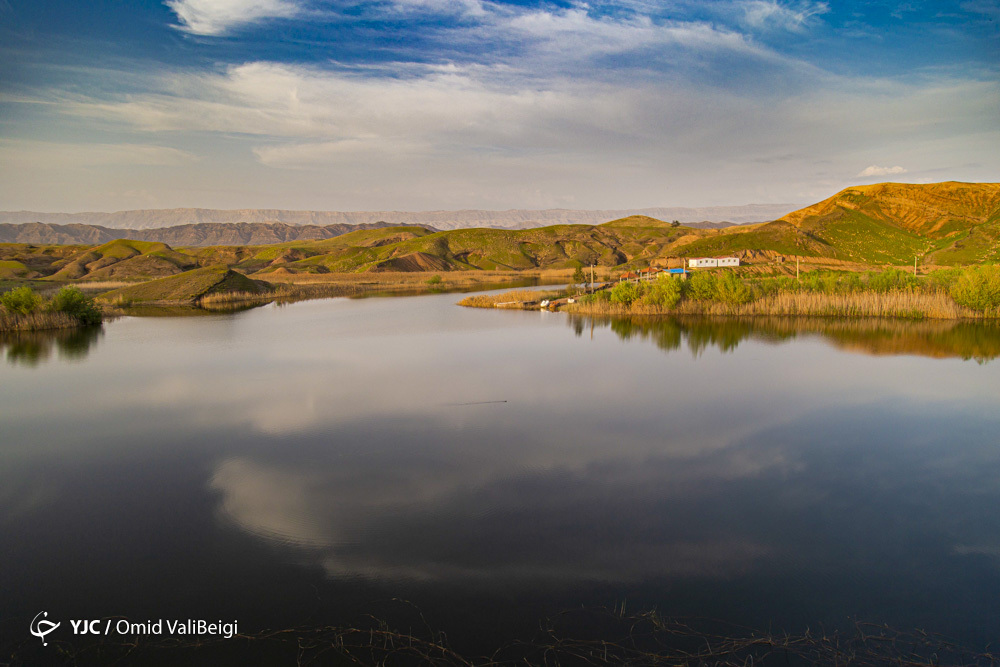
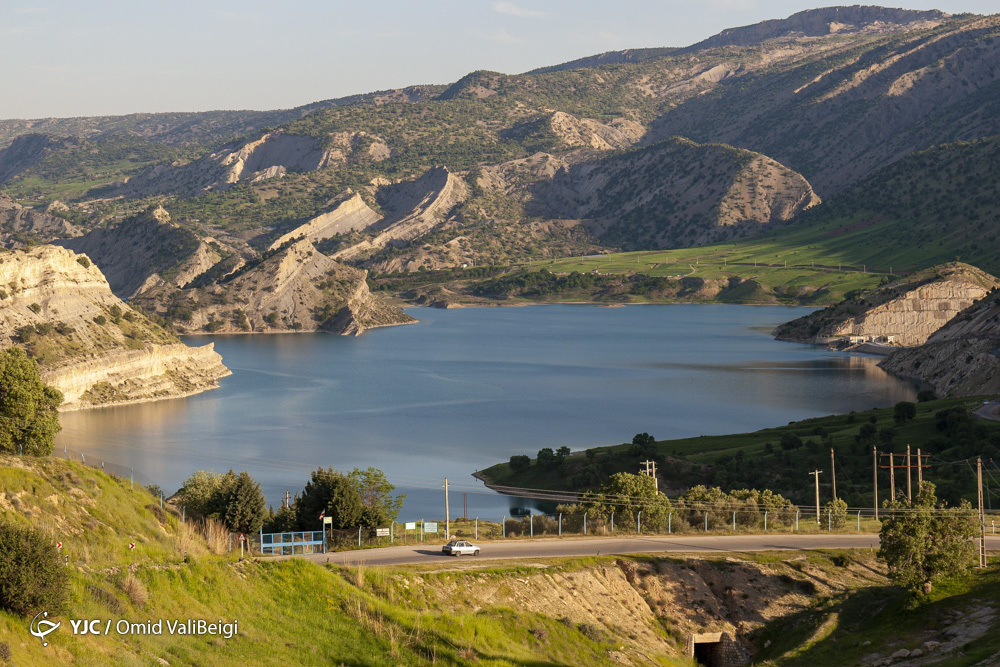
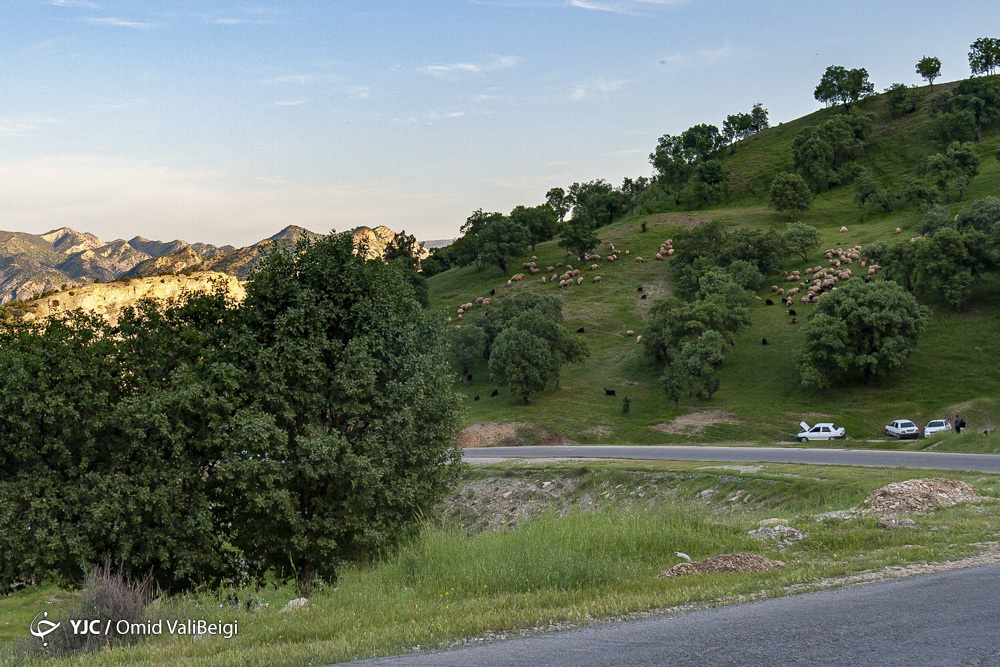
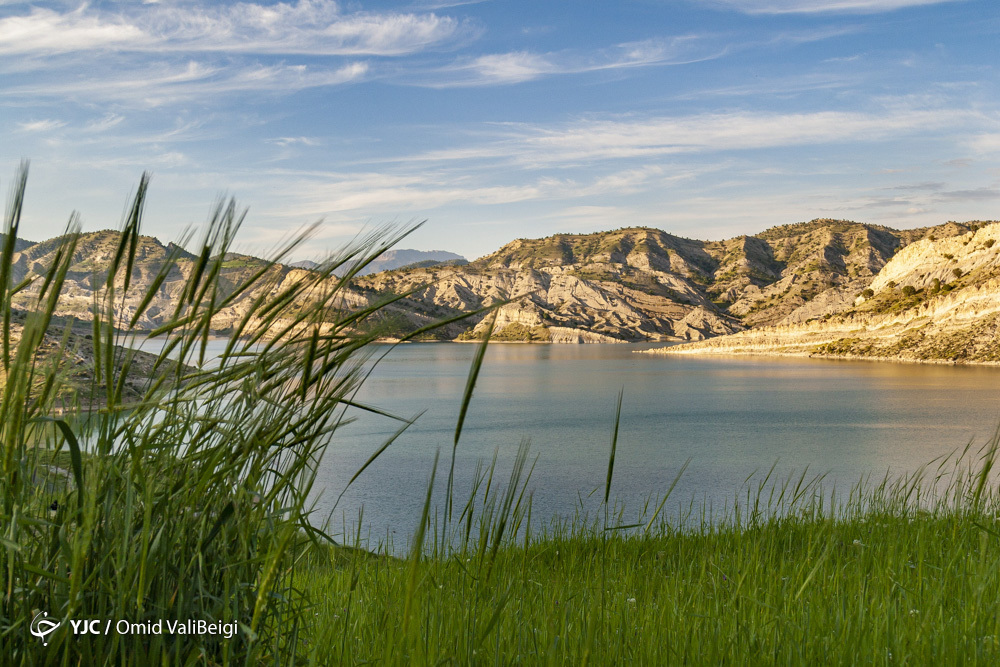
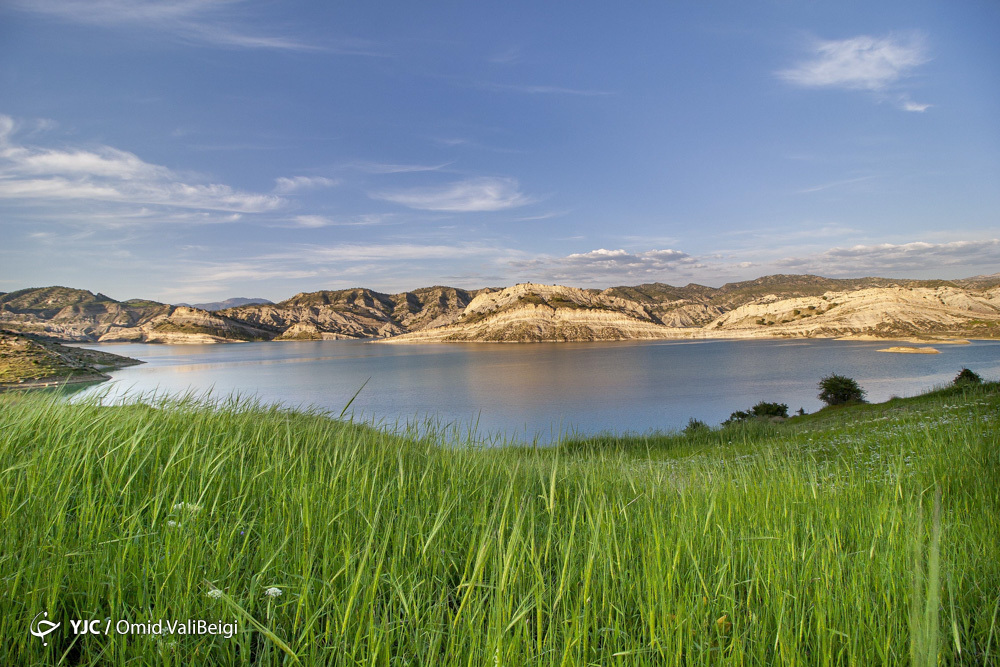
Stunning nature of western Iran

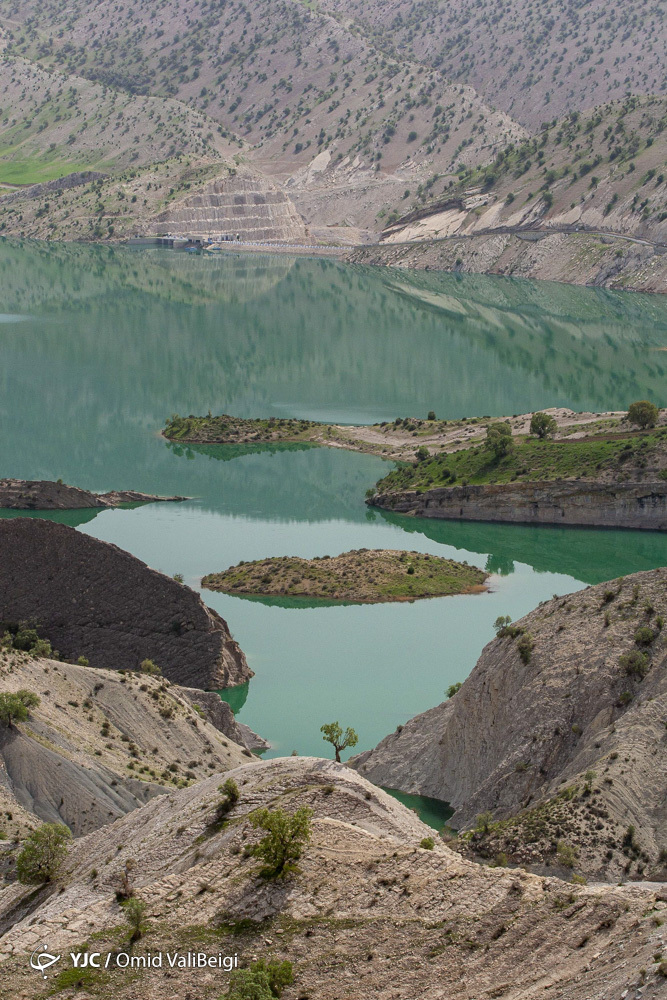
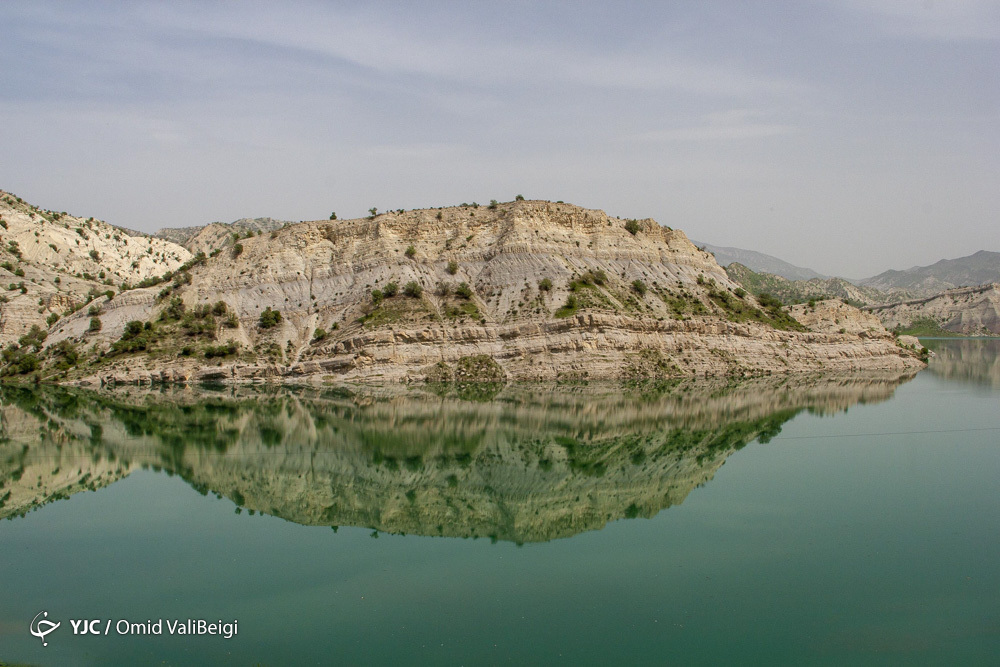
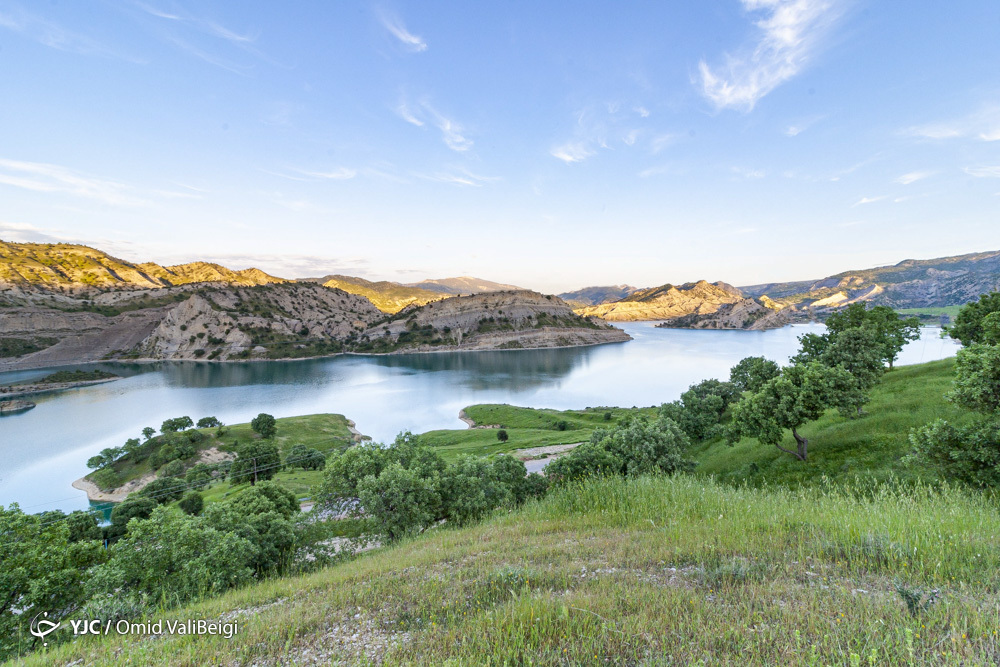
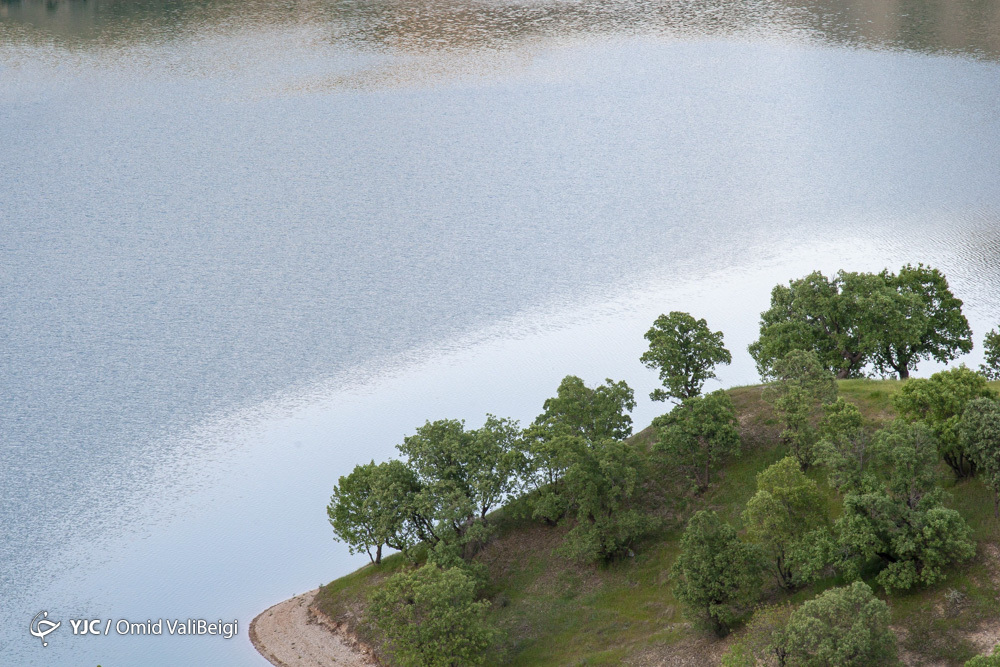
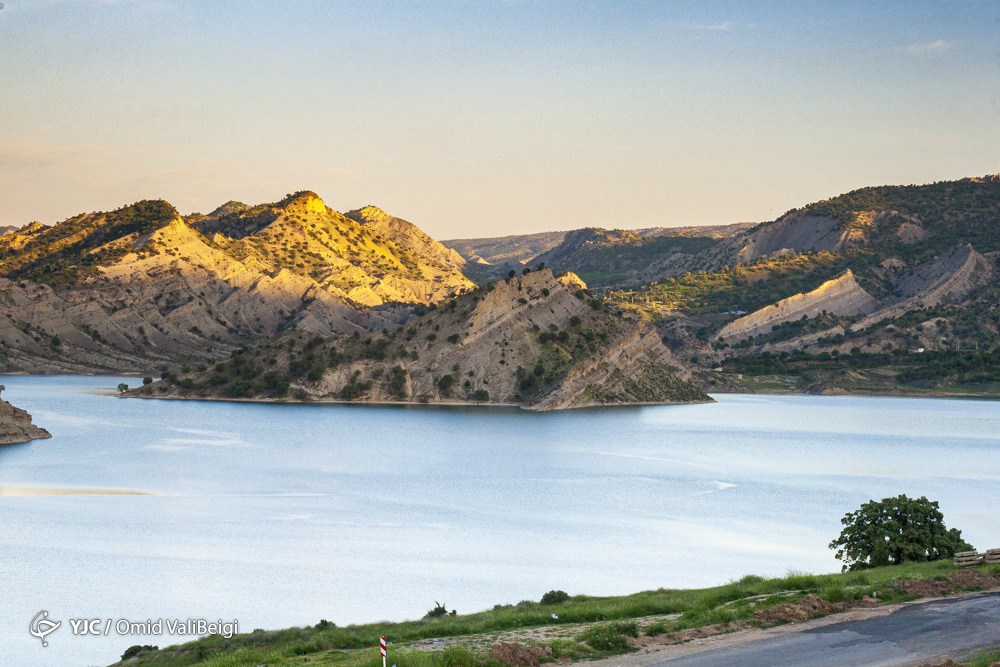
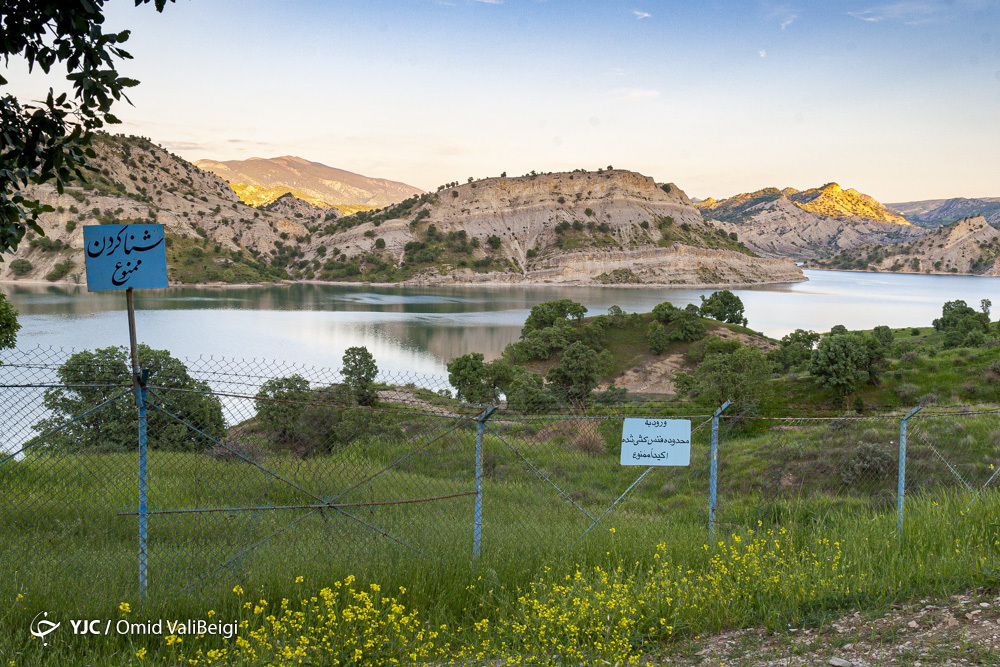
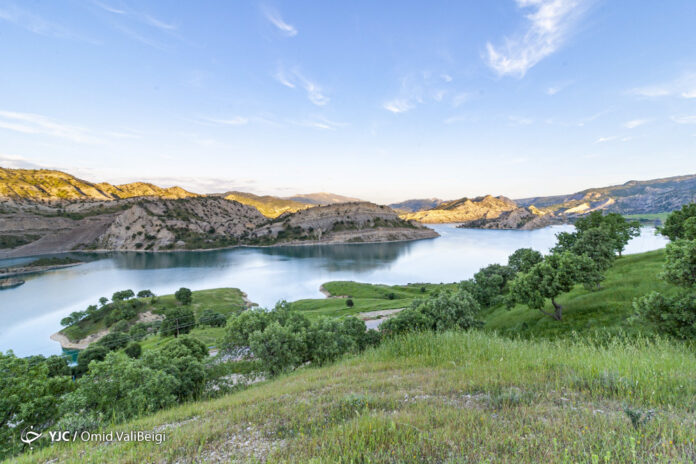
A tourist attraction of Ilam province is Cham Gardalan Dam, constructed near Malekshahi county. It is an important source of water supply in Ilam city, the province’s capital.

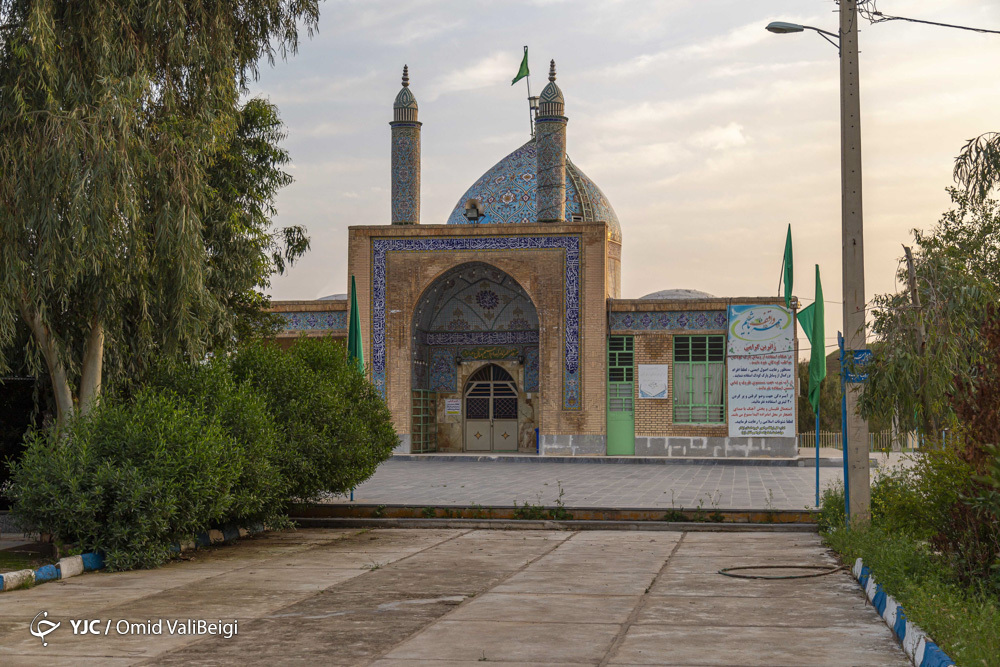
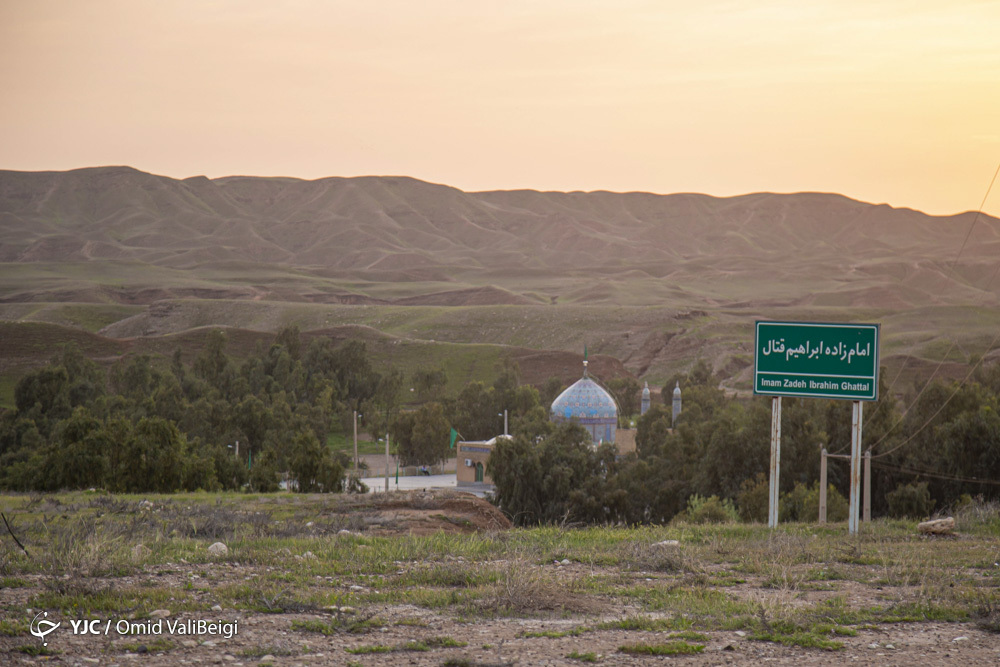
Another attraction is the shrine of Imamzadeh Seyyed Ibrahim (AS), known as Ibrahim Qatal, a descendant of Imam Ali (AS), the first Shiite Imam. He is a descendent of Mohammad Hanafieh -son of Imam Ali (AS)- with 7 intermediaries. The shrine is located 45 km from Dehloran city and is a part of Bisheh Deraz section. A large wetland and a small dam are located near it.

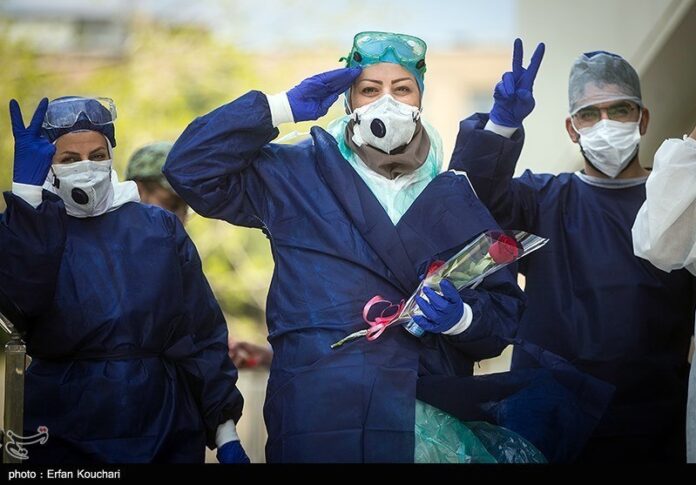
What follows are YJC’s photos of Ilam’s wonderful nature. It’s to be noted that due to the outbreak of coronavirus, the roads to the province’s natural sites are temporarily closed:

Non-Oil Exports from Iranian Ports Increase by 4 Percent: Official

VP Urges Boost to Iran’s Non-Oil Exports

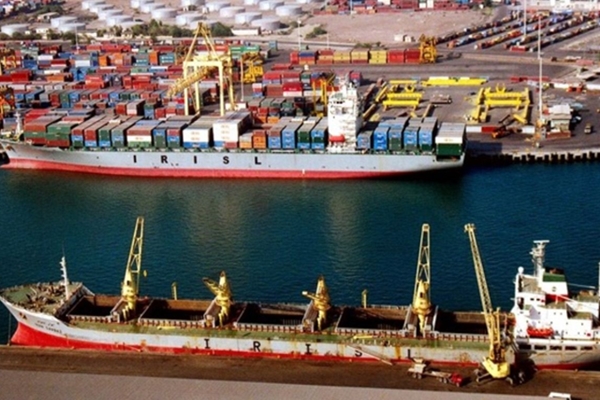
Deputy Minister of Roads and Urban Development and the Managing Director of Ports and Maritime Organization of Iran, Mohammad Rastad, said on Wednesday that 52.5 million tonness of non-oil products were exported from the ports of the country in the past Iranian year.

He added that 34 million tonnes of non-oil products were also imported, showing a growth of 27%.

Last year, over 150 million tonnes of goods were unloaded in the country’s ports, which shows a 9% rise in comparison with a year earlier, he noted.

The deputy minister made the comments in a meeting with First Vice President Es’haq Jahangiri and Minister of Roads and Urban Development Mohammad Eslami on Wednesday.

“The most difficult process in the shipping chain is the entry and exit of the ship, Rastad said.

“Fortunately, in this case, in a port like Bandar-e Imam, the unloading and loading of a ship with 70,000 tonnes of basic goods was carried out round the clock, and by unloading 8,000 tonnes every 24 hours, these ships were unloaded within a maximum of eight days,” he explained.

He also mentioned that some equipment that were previously manufactured and produced by the foreign companies, such as container cranes, are now built inside the country, saving about 20 million euros.

Referring to Jahangiri’s visit to Shahid Rajaei Port, Rastad said the third phase of Shahid Rajaei Port is an important and strategic project that can increase the container capacity of the port from 6.3 million TEU to 8 million TEU.

“In this regard, we plan to bring at least 900 metres of the 1,400-metre pier in this project into operation and add it to the infrastructure of this port. We are also trying to bring into operation three piers for loading oil and oil products this year in Shahid Rajaei port, which can add 30 million tonnes to the country’s oil production capacity.”

Elsewhere in his remarks, Rastad said another significant measure taken by the Ports and Maritime Organisation of Iran was to repeatedly isolate the United States and discuss its illegal actions against the Maritime Organisation’s conventions.

He also referred to the infrastructural works carried out on the country’s coasts, saying that among these moves, the integrated management of the country’s coasts is a strategic plan.

In the end, Rastad said the issue of multifaceted transportation, which is strongly emphasised by the minister, is one of the issues that is being seriously pursued by the Ports and Maritime Organisation.

“That is why we have increased the share of railways in ports in an unprecedented move, and this programme will definitely continue,” he concluded.

Iran’s Aluminium Production Capacity to Rise to 785,000 Tonnes

Iran’s Aluminium Production Capacity to Rise to 785,000 Tonnes

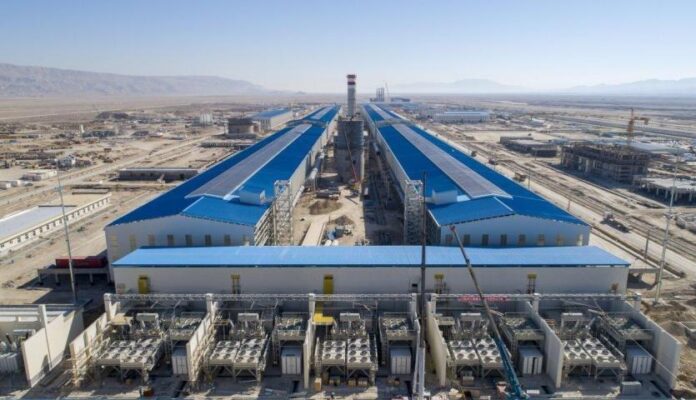
The project has come with a price tag of more than $1.2 billion and will see 300,000 tonnes of aluminium ingots produced, said Minister of Industry, Mine and Trade Reza Rahmani.

The project has been completed and is located in Lamerd in Iran’s southern province of Fars.

The minister added that cutting-edge technology has been incorporated into the project, noting that a whole variety of products will be exported as well.

When operational, the factory will employ 1,500 people directly and 5,000 others indirectly, Rahmani noted.

The minister said the majority of the workforce has been chosen from the native residents, and added they have passed the required training courses.

Resolving Oil Market Issues Requires Global Cooperation: Iran Minister

Resolving Oil Market Issues Requires Global Cooperation: Iran Minister

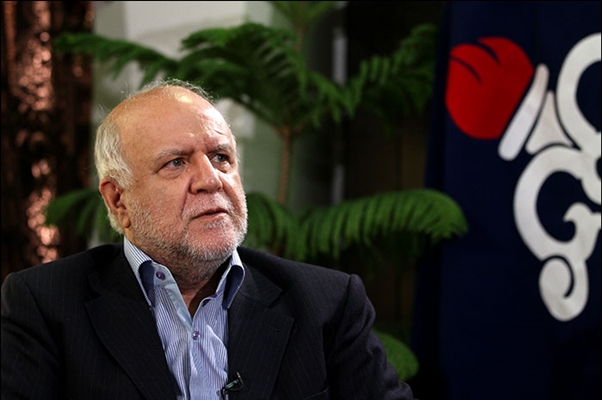
Bijan Namdar Zanganeh said the recent drop in the oil prices was unprecedented, underlining that resolving the issues related to the oil market needs global support.

In comments on the sidelines of a cabinet meeting on Wednesday, he said the oil producers must work together to survive, especially the producers who pay more for oil production.

According to Shana, Zanganeh said that one of the main reasons for the oil prices plunge is the outbreak of the coronavirus.

“With the spread of this virus, the consumption of petroleum products has sharply decreased and a significant part of the world’s aviation industry has been shut down and passenger transportation has been disrupted,” he noted.

Under these circumstances, the refineries have reduced their production and demand for crude oil has fallen sharply, the minister added.

“OPEC initially estimated a surplus of 3 million barrels per day in the first three months of 2020. The estimate rose to 11 million barrels at a recent meeting of the OPEC and non-OPEC members in April, and the oil market is expected to face a 14 million barrel surplus in the second quarter of this year,” Zanganeh explained.

Noting that the coronavirus is the reason for the oversupply in the oil market, the Iranian oil minister stated, “Unfortunately, since March, we have witnessed the start of a price war by some countries. They bragged that they are increasing the supply of oil, and this has created the crisis in the oil market.”

Zanganeh stressed that the storage tanks were filled with the excess oil that entered the market, but it should be collected from the market.

“OPEC and non-OPEC members agreed at their recent meeting (April 12) to reduce their production by about 10 million barrels per day as of May 1,” he underlined.

Zanganeh noted that if the agreement is fully implemented as of May 1, calm will gradually return to the oil market.

What is important is that the market did not consider such reduction in the oil production (about 10 million barrels per day) sufficient due to the current conditions, supply and demand, and the uncertainty about the coronavirus crisis, he added.

The oil minister said the price of North Sea Brent crude fell below $20 yesterday and the OPEC oil basket reached $14.50, something the market had not experienced for years.

“This shows the depth of the problems that need to be addressed quickly and with the reduction of new production,” Zanganeh noted.

He further stressed that success in this issue depends on the actions of non-OPEC members, especially the producers who have not yet made any commitments, such as shale oil producers in the United States and Canada.

“This is a general crisis and must be managed globally, so the OPEC alone cannot solve this problem, and if all oil producers are not involved, they will naturally be punished in the market,” maintained the Iranian oil minister.

He also pointed to the bankruptcy of oil companies in the United States and Canada and said just as the entire world must work together to deal with COVID-19, solving the oil problem requires global cooperation, and producers must work together to survive, especially those who are producing more expensive oil.

Ayatollah Khamenei Thanks IRGC for Its “Good Performance”

Ayatollah Khamenei Thanks IRGC for Its “Good Performance”
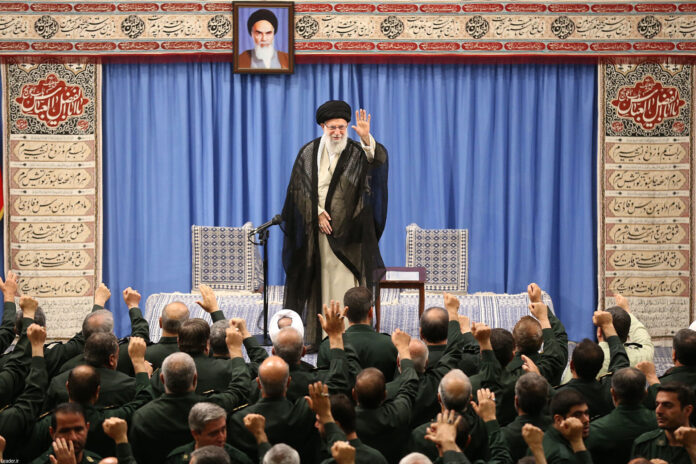
IRGC commanders and personnel meet with Ayatollah Khamenei in Tehran on October 2, 2019.

In a telephone conversation with IRGC Commander Major General Hossein Salami, Ayatollah Khamenei’s message was delivered by Brigadier General Mohammad Shirazi, Chief of the Leader’s Military Office.

“Extend my greetings to all IRGC staff and their families on the occasion of the IRGC establishment anniversary,” reads the Leader’s message.

 “I appreciate the good performance of the IRGC and its efforts and I pray for them,” the Leader said in the message.

The Islamic Revolution Guard Corps is a branch of Iran’s Armed Forces, founded after victory of the Islamic Revolution on April 22, 1979, on founder of the Islamic Republic Ayatollah Ruhollah Khomeini’s orders.

In recent weeks, the IRGC has played a significant role in dealing with the deadly coronavirus in Iran. It has run several field hospitals and helped many people in deserted areas; also unveiled several health equipment and medicines to help the government contain the deadly pandemic.

Coronavirus Deaths in Iran Cut by Two-Thirds in 18 Days: Health Minister

In a televised speech on Wednesday, Saeed Namaki said he had a meeting with the regional health ministers and Director General of the World Health Organisation (WHO) Tedros Adhanom 18 days ago to examine the coronavirus epidemic, adding that “since then we have been able to reduce the number of patients on a daily basis by 53%.”

He also noted that the WHO chief has thanked Iran for launching the National Mobilisation Plan against Coronavirus and for screening 70 million people.

“It is a great achievement for us in the face of sanctions, but we called on the World Health Organisation to take steps to lift the cruel sanctions,” Namaki added.

The health minister also referred to a meeting of world health ministers, which will be held on April 23, adding that the representatives from six regions of the World Health Organisation will attend the forthcoming meeting to present their achievements.

“As the representative of Iran, I am honoured to announce the achievements of our country in the fight against coronavirus,” stated Namaki.

Coronavirus online test
If you are worried that you may have contracted the Coronavirus, take this test right now.

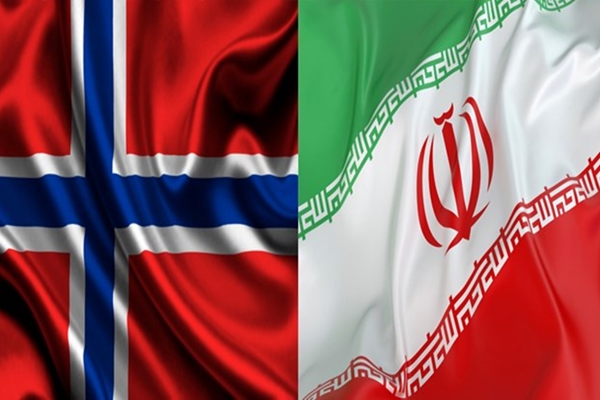
Iran, Norway Discuss Coronavirus Conditions

Iran, Norway Discuss Coronavirus Conditions

In a telephone conversation with Secretary General of Norway’s Ministry of Foreign Affairs Tore Hattrem on Wednesday afternoon, Araqchi referred to the global outbreak of the coronavirus and the need for all countries to work together to deal with it.

He also pointed to the US’ unilateral sanctions against the Iranian people in these difficult conditions, and called on the international community to address this illegal and inhumane act by the United States.

The two sides further talked about the bilateral relations, as well as the regional and international developments. The next round of political consultations between the two countries in Oslo, the regional developments, including the Hormuz Peace Endeavor (HOPE), peace and reconciliation in Afghanistan, the latest situation in Iraq, and the need to continue humanitarian aid for Yemen were among the other issues discussed in the telephone call.

The Norwegian official also expressed his sympathy for the Iranian government and people’s battle with the coronavirus, and highlighted his country’s policy of multilateralism in the global arena and its assistance to the international organisations to ensure the health of people. Hattrem also put stress on continuing consultations with Iran on security and stability in the Persian Gulf and West Asia.

The Norwegian diplomat also invited the Iranian Deputy Foreign Minister for Political Affairs to visit Oslo after the coronavirus crisis which was welcomed by Seyyed Abbas Araqchi.

Iran’s Top Banker Urges IMF to Remain Neutral

Iran’s Top Banker Urges IMF to Remain Neutral

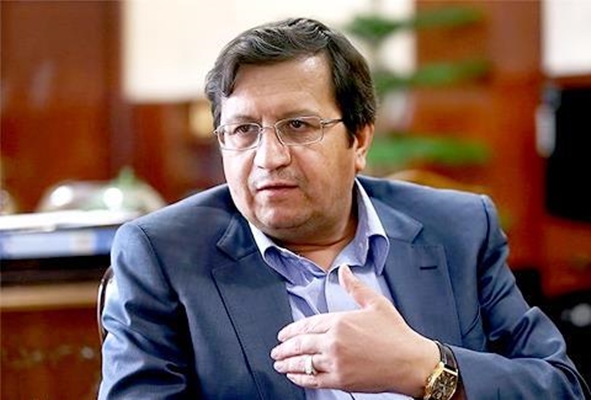
“The Islamic Republic of Iran is one of the countries that has suffered the brunt (of the coronavirus) in the MENA region,” CBI Chief Abdolnaser Hemmati said at a video conference meeting between the finance ministers and directors generals of the Middle East and North Africa (MENA) region and Managing Director of the International Monetary Fund (IMF) Kristalina Georgieva on Wednesday.

Hemmati also expressed his gratitude to the IMF for offering financial aid to the countries plagued by COVID-19.

“Also, Iran was one of the first countries to request emergency support funds under the Rapid Financing Instrument (RFI),” the CBI chief noted.

“We worked with the IMF staff to assess the amount needed in the balance of payments due to this global pandemic,” he added.

The top official then expressed hope that the IMF would remain a neutral international entity.

“From our perspective, the IMF is an independent and non-political international institution and we hope it will remain the same,” he said.

“Our people expect the IMF as well as the World Bank to be answerable, which makes it all the more necessary for the IMF to respond impartially, seriously and immediately” Hemmati stressed.

“If the neutrality of the IMF is harmed, it will be very difficult to fix it,” the CBI chief warned.

Hemmati then asked the IMF managing director to have Iran’s RFI request brought up at the Board of Directors to be decided on.

Iran is going to use the financial aid from the RFI to procure the medical equipment needed to save the lives of coronavirus patients and stem the spread of the disease, Hemmati concluded.

Iran, Turkey Weigh Plans to Shield Trade from Coronavirus

Iranian, Turkish Presidents Discuss Enhancement of Trade Ties

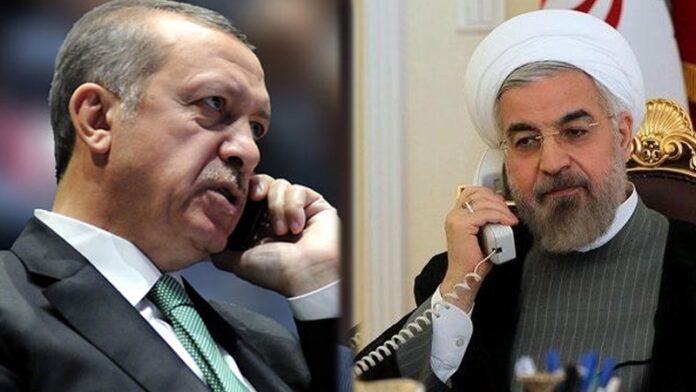
In a telephone conversation on Wednesday evening, Iranian President Hassan Rouhani and his Turkish counterpart Recep Tayyip Erdogan hailed the “friendly, brotherly and growing” ties between Tehran and Ankara for the purpose of serving the interests of the two nations and establishing sustainable security and stability in the region.

In the conversation, President Rouhani congratulated the Turkish government and nation on the start of the Muslim month of Ramadan, expressing hope that the holy fasting month would be a source of blessing and prosperity for the entire Muslim world.

Pointing to the numerous problems that the outbreak of coronavirus has caused for the governments and nations across the world, President Rouhani said, “Iran and Turkey proved that they have stood together in the hard days and in difficulties, and we should also assist each other today by promoting cooperation.”

Highlighting Iran’s success and experiences in the battle with the coronavirus, the president stressed the need for close interaction between the Iranian and Turkish officials and the exchange of experiences between the two neighbors.

He further stressed the importance of plans to preserve the bilateral trade exchanges at the common border in conformity with the health regulations, and called on the officials of the two countries to push for the promotion of economic and trade interaction between Iran and Turkey.

President Rouhani further lashed out at the US for imposing severe pressures and cruel sanctions on the Iranian nation amid the outbreak of coronavirus and for attempting to block Tehran’s request for an emergency International Monetary Fund loan to fight COVID-19, adding, “Today, the whole countries must adopt clear and decisive stances against the US’ anti-human pressures.”

He further highlighted the importance of consultations and negotiations among Iran, Turkey and Russia for implementing the Astana Peace Process agreements, stating, “All of us should try to let the people of Syria and the regional nations enjoy stability, and I hope that the efforts from the three countries would establish peace and full security in the region to the benefit of all countries and nations.”

President Rouhani also welcomed the Turkish leader’s proposal for a summit of Iran, Turkey and Russia within the framework of the Astana format and for holding a meeting of Iran-Turkey Cooperation Supreme Council via video conference.

For his part, President Erdogan congratulated the Iranian government and nation on the beginning of the month of Ramadan, and prayed that Almighty God might turn the holy month into an occasion for health, prosperity, peace and calm among the nations.

The Turkish president also lauded Iran’s praiseworthy struggle against the coronavirus outbreak in spite of various problems, and called for efforts to ensure uninterrupted trade exchanges between Turkey and Iran in compliance with the health protocols.

Turkey has always opposed the US’ cruel sanctions against Iran and hopes that the international community would express a good state of resistance and confrontation in the current circumstances, President Erdogan noted, adding, “As two friends and brothers, Iran and Turkey will also get through these difficult days with cooperation and collaboration with each other.”

The Turkish president also proposed the idea of convening a summit of Iran, Turkey and Russia within the framework of the Astana process and holding a meeting of Iran-Turkey Cooperation Supreme Council via video conference, stressed the need for carrying out the trilateral agreements in the Astana format, and emphasized the necessity for the efforts to ensure ceasefire and sustainable peace and stability in the region.

Minister Vows to Prevent Schooling Deprivation in Iran

Minister Vows to Prevent Schooling Deprivation in Iran

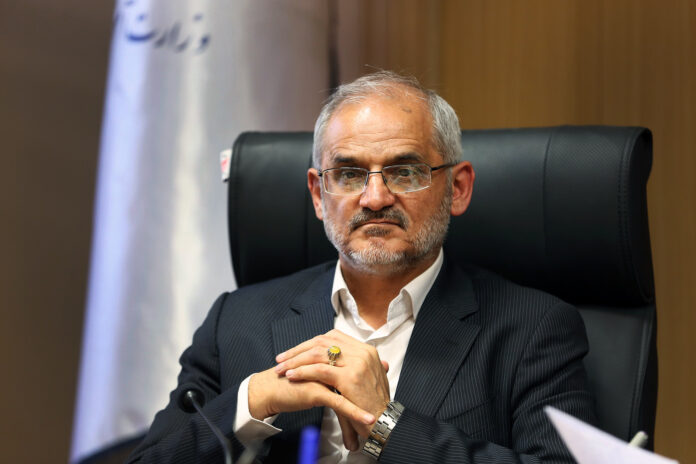
In a post on his Twitter account on Tuesday, Minister of Education Mohsen Hajimirzaee said, “I will not let any student be deprived of schooling.”

Pointing to the distance learning programs that the Education Ministry has devised after the outbreak of coronavirus and the school closures, the minister said a homegrown mobile application, dubbed SHAD, covers around 90 percent of students at home.

The Education Ministry has a special plan for the remaining 10 percent of students who have no access to the Internet or the electronic devices, he noted.

The minister emphasized that the teachers and school principals are providing schooling uninterruptedly for the students that do not have access to the Internet, through direct contacts or by giving lesson even over the telephone.