Thursday, April 9, 2026
Home Blog Page 2735

Iran Has Some of World’s Most Successful Startups: VP

Iran Has Some of World’s Most Successful Startups

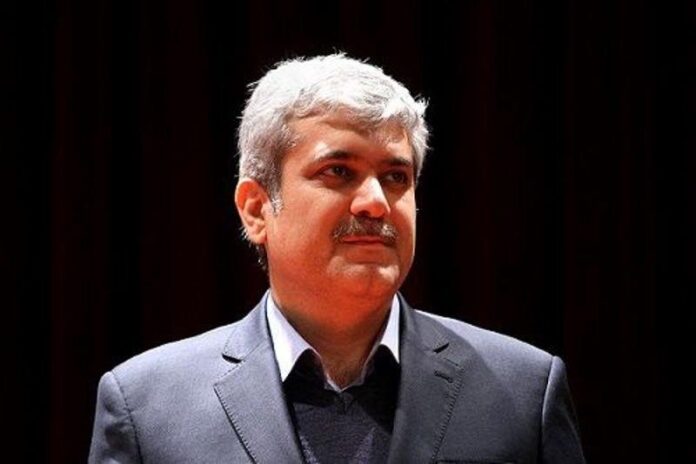
As the eleventh administration (the administration of Hassan Rouhani during his first tenure as Iranian President) began its work in 2013, Sorena Sattari was designated as the vice president for science and technology. After four years when Rouhani was re-elected as president, Sattari was reinstated in his position for another four-year term.

Now, with less than a year left until the twelfth administration winds up it work, Sattari says he would do whatever it takes during the remaining time to further develop and promote knowledge-based companies because most people are familiar with “knowledge-based economy”, which is a great achievement.

In an interview with the Iran newspaper, he has weighed in on a whole range of scientific developments, from startups entering the stock market to the time when a vaccine would be produced for coronavirus.


These days the issue of startups and knowledge-based firms entering the stock market is a hot issue, and there are both proponents and opponents of why these companies should enter the stock market.

First of all, bear in mind that the way knowledge-based companies develop is different from that of startups. All across the world, startups go public for survival. To put it simply, startups are formed in the basements of houses and from within a family group, and the initial budget could be provided by the same families. However, the development of startups finally ends up in the stock exchange. This is something that most successful startups around the world such as Amazon, Uber, etc. have done.

Around four years ago, this trend got underway. The first and largest startup that entered the stock market was the “Up” company whose shares have been valued at Rls. 200 trillion.

There are 35 knowledge-based companies and startups are listed on the stock exchange and valued at Rls. 1,800 trillion. We forecast there will be more than 70 such companies by the time the current administration’s tenure comes to an end. Of course, we are encouraging firms to enter the stock exchange.

At the moment, how is the situation of the ecosystem and biome for startups in the country? Have they grown quantity-wise or quality-wise?

We have the most unique startup biome in the region. Many startups operating in the information and communications technology (ICT) area are unique in the region. When we talk about FinTechs, I should say that even in our neighbouring country Turkey, there are no such companies with which to compare ours. Many of our startups have the upper hand, too, when it comes to online sales. Startups working in the biotech area are among technological topics that we, unfortunately, do talk about very much. We even didn’t talk about them in this interview.

In this field, we have the biggest startups in the region. We also have the upper hand in many other areas, including stem cells and aerospace. We are even superior when it comes to presenting articles. If we look the papers released in 2019, we can see that our ranking improved one step to secure the 15th standing in the world. Moreover, our distance with our rivals in the region such as Turkey, Saudi Arabia, etc., is increasing considerably.

We rank among the top ten countries in many engineering disciplines. For instance, we have secured the 6th ranking in mathematics, 6th in civil engineering and 6th in biotechnology. However, we are behind in some other areas such as humanities, art and linguistics. And the reason is that professors of those major do not present articles in English. So, when we calculate our overall standing, we have the 15th ranking in the world. Anyway, we have the largest startups in the region, but unfortunately, what keeps startups from developing in the country is a lack of proper environment for these businesses.

In what areas related to startups and knowledge-based firms have you exactly made the most investments in recent years?

Specifically speaking, the Science and Technology Department of the Presidential Office has made direct investment in the biotechnology sector, and given the recent developments in the coronavirus domain, I think the whole world has learned that biotechnology is not only a science. It is a matter of security and economy. This is the area in which we made lots of investment over the past years, and I’m happy to have taken this sector seriously because I can say with certainty that after the coronavirus outbreak, most domestic needs from diagnosis kits to hospital equipment will be met domestically.

Another program that we’ve been following seriously is the issue of food security on which we have been focusing for almost a year now. I think this is a very important topic for the country’s future, too.

In what areas are knowledge-based companies producing products mostly? Are there any statistics available regarding the sales of knowledge-based products in the country?

Most of our sales are related to biotech companies, but ICT tops the list in terms of job creation. Overall, sales of knowledge-based firms amounted to Rls. 1,200 trillion last year.
 

US Push to Use Mechanisms in Iran Nuclear Deal Ludicrous: Rouhani

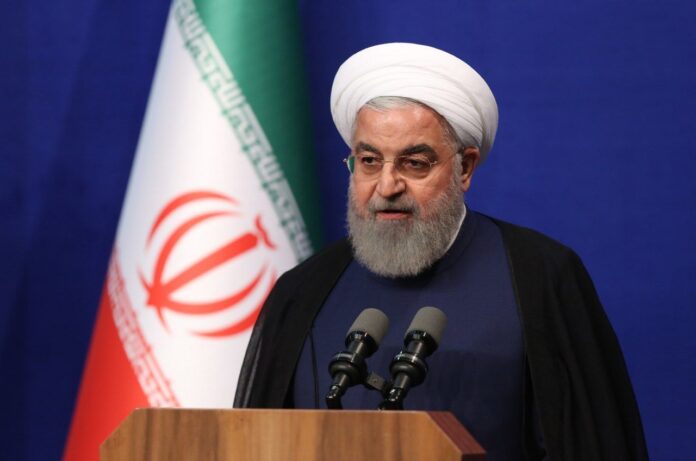
US Push to Use Mechanisms in Iran Nuclear Deal Ludicrous: Rouhani

President Hassan Rouhani said Washington’s efforts to mobilize United Nations Security Council (UNSC) members against Iran have failed.

He said Washington first tried to get the UNSC to reinstate the arms embargo against Iran that expires in October, 2020, but failed to.

“After this defeat, the US sought another plan to restore its lost face; accordingly, it asked to use the mechanism in the Iran nuclear deal,” he said.

“Anyone who is familiar with the ABC’s of politics and interaction knows well that if somebody withdraws from an agreement, they cannot return after two or three years and use a concession stipulated in the same accord,” President Rouhani noted.

He also underlined that the remaining signatories to the Iran nuclear agreement reiterated in their recent meeting that the US has no right to use the provisions in the deal as it is no longer a party to the accord.

Rouhani said the consensus among UN Security Council member states against the US is unprecedented in the history of the world body and amounts to a victory for Iran as well.

Iran Unveils 3D Phased Array Radar System

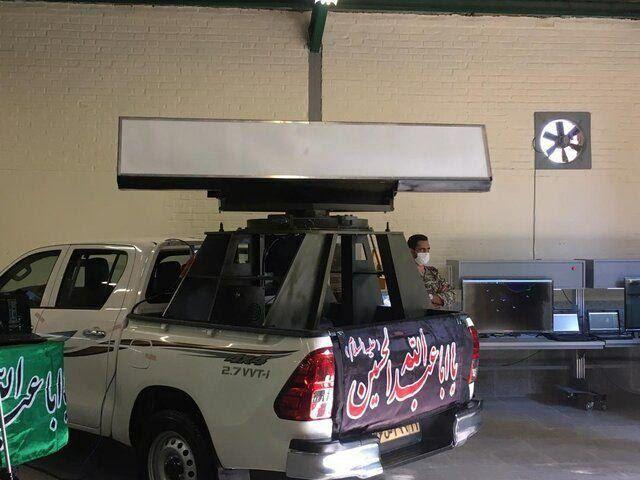
Iran Unveils 3D Phased Array Radar System

The Kashef-99 radar is a 3D mobile phased array system with a range of 12 kilometres. It is capable of spotting 300 targets simultaneously.

The radar system has been designed and produced at the New Technologies Research Centre of the Air Defence Force of the Iranian Army.

Iran has made considerable progress in the defence sector and secured great achievements in that area. So far, the country has unveiled and put into service a whole range of military hardware and equipment, from missiles and radars to submarines and weapons.

Iran Warns UAE against Possible Israeli Presence in Region

Iran Warns UAE against Possible Israeli Presence in Region

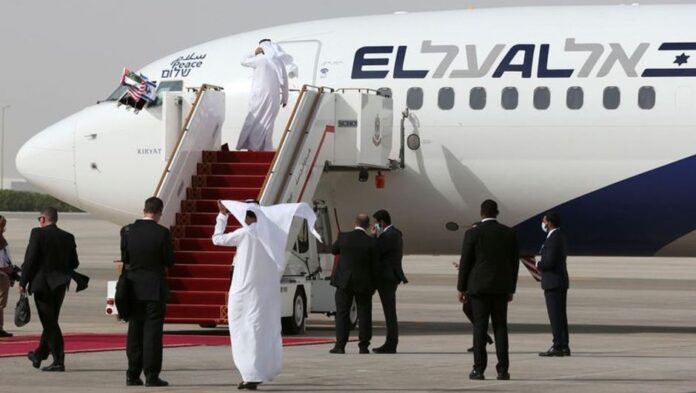
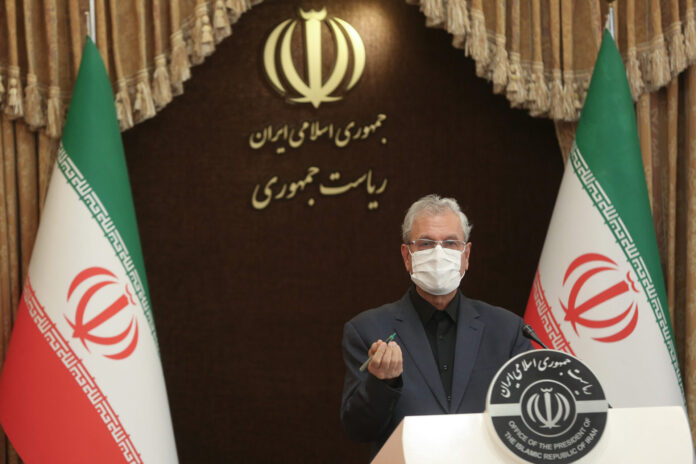
Ali Rabiei said any Israeli presence in the region as a result of Abu Dhabi’s normalization agreement with Tel Aviv is perceived as a threat.

“We continue to regard as a threat the UAE government’s move to open the way for the Zionist regime [of Israel] to be present in the region an in Iran’s backyard,” he said in a Tuesday press conference.

“As we have already said, we keep monitoring any threats to security resulting from this presence. We will review the developments, and threats emanating from such presence would not be acceptable to us and we will not tolerate it.,” he added.

“Israeli security officials’ presence in talks is not a good sign, either. Of course, we needed to express our concerns. Our respected foreign minister, too, expressed the misgivings of our country and the necessary warnings,” Rabiei noted.

“Our position on this issue is that we hope our neighbours will show wisdom, which is in the interests of the Muslim community as well as the regional nations and countries,” the spokesman said.

“We believe the Zionist regime [of Israel] will not be a loyal friend to the people in our region and will act based on its interests and, if necessary, will pose threats to these countries as well, namely intelligence threats in the first place as well as security threats,” he said.

US Wish to Bring Back Iran Sanctions Just A Dream: Tehran

US Wish to Bring Back Iran Sanctions Just A Dream: Tehran

Government Spokesman Ali Rabiei says Washington has not learned a lesson from its failures.

“These sanctions are to be reinstated only in the [US] secretary of state’s dream world. Of course, the unruly US regime has proven that these defeats have failed to put an end to its dreams, and it will press ahead with its efforts,” he said.

He underscored that US threats have been a non-starter as the international community are not giving in to those threats.

“The threats they have made coupled with the fuss they have kicked up have not only failed to force us into submission, but have not replaced international rules and regulations, either. The world is standing up [to these threats],” he said.

Rabiei underlined that the White House cannot change the reality that world nations are defying its unilateral policies and excessive demands.

“We believe the United States’ insistence cannot change this reality either. Washington can neither deny nor cover up that fact that world nations and governments at the UN Security Council gave a loud ‘NO’ to the bullying US to make it understand this reality,” said the spokesman.

He urged countries to distance themselves from the United States’ illegal moves.
“We are monitoring the behaviour of all countries. We regard any compliance with this unilateral law-breaking as violation of the most obvious consensus of the international community about international regulations, and, if needed, we will respond proportionately,” he noted.

JCPOA Joint Commission Rules Out US Bid to Trigger Snapback: Iran

JCPOA Joint Commission Rules Out US Bid to Trigger Snapback: Iran

Speaking to reporters in the Austrian capital on Tuesday, Seyyed Abbas Araqchi said the latest meeting of the JCPOA Joint Commission lasted for more than four hours and revolved around the US’ attempts at the UN Security Council to reinstate the sanctions on Iran by resorting to the snapback mechanism of the Joint Comprehensive Plan of Action.

All parties to the JCPOA –Iran, Russia, China, the UK, France and Germany– have reiterated that the US is not a participant in the nuclear deal and has no right to use the mechanisms embedded in the JCPOA or in the UNSC Resolution 2231, he underlined.

The JCPOA Joint Commission deems that the US government’s anti-Iranian attempts at the UN are illegal, considers as null and void the US’ bid to trigger the snapback mechanism, and believes that Washington’s measures will get nowhere, he added.

“All JCPOA members and the majority of the international community members are opposed to the US’ unilateral policies and its policy of weakening multilateralism, international organizations and multilateral approaches in the international relations. Everybody complains about the measures the US is taking to ruin the international institutions,” Araqchi stated.

He further criticized the inefficiency of the Instrument in Support of Trade Exchanges (INSTEX), a financial mechanism developed by the three European members of the JCPOA- saying while the channel was supposed to organize trade interaction between Iran and Europe in defiance of the US sanctions, it has fallen far below Iran’s expectations.

The European parties have come up with some ideas to improve the efficiency of the payment channel, Araqchi added, saying one initiative is to allow Russia and China to join the INSTEX and carry financial transactions.

The EU3 has also proposed the idea of increasing the number of INSTEX shareholders and finding new financial resources to fund the channel, the Iranian deputy foreign minister noted.

On his meeting with IAEA Director General Rafael Mariano Grossi in Vienna, Araqchi said the recent agreements made in Tehran between Iran and the UN nuclear watchdog were reviewed.

The joint statement that Iran and the IAEA released at the conclusion of Grossi’s recent visit to Tehran provides guidelines for resolution of the disputes and resumption of a normal relationship with the IAEA, he said.

Dismal Failure Awaiting US Policy of Sanctions: Iran Spokesman

Dismal Failure Awaiting US Policy of Sanctions: Iran Spokesman

Speaking to reporters at a weekly press conference on Tuesday, Ali Rabiei expressed confidence that the policy of sanctions and pressure on the Iranian people will soon face a historic defeat.

“The signs of failure and frustration are obvious in the faces of the US regime’s leaders from today,” he noted, adding that Washington has no more tool to intensify sanctions on Iran.

The US has become isolated in the world as its policy of maximum pressure has backfired and is mounting pressures on itself, Rabiei stated.

Asked about the possibility of European support for the US’ bid to trigger the snapback mechanism of the 2015 nuclear deal in order to reinstate the UN sanctions on Tehran, the spokesman said ‘snapback mechanism’ is a fake term invented by Washington and has not gotten a mention in the JCPOA or the UNSC Resolution 2231.

What the US government is referring to in its push to trigger that mechanism has no legal basis, he underlined, reiterating that Washington is not a party to the JCPOA anymore and has no right to use an article of the nuclear deal arbitrarily.

The spokesman then warned that Iran’s Supreme National Security Council will take the necessary decision at the appropriate time about any violation of the UNSC Resolution 2231 and the JCPOA.

Rabiei further denounced the United Arab Emirates’ move to normalize ties with Israel, saying the Zionist regime’s foothold in the region is a threat that Iran would not tolerate.

The neighbours are advised to exercise wisdom to serve the interests of the Muslim community and people of the region, he noted.

The spokesman then reaffirmed Iran’s commitment to cooperation with the International Atomic Energy Agency, saying, “All of Iran’s nuclear activities come with transparency and cooperation with the Agency, are within the framework of the JCPOA, and we’ll proceed with them.”

He finally highlighted the administration’s efforts to settle the economic problems despite the pressure of sanctions and restrictions, noting that an economic rod map devised for the one remaining year of the administration’s term includes major plans and projects that would affect the livelihood of people.

Iran’s President Calls for Closer Ties Uzbekistan

Iran’s President Calls for Closer Ties Uzbekistan

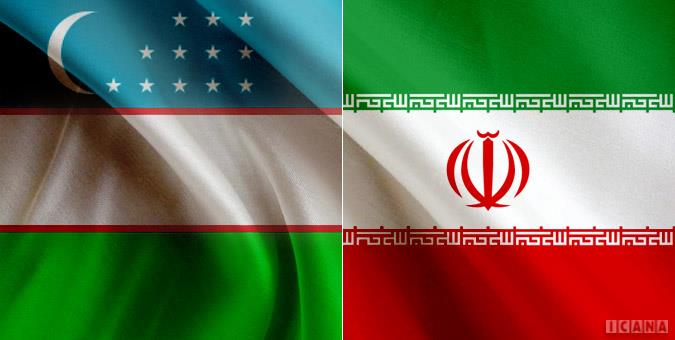
In a congratulatory message to his Uzbek counterpart Shavkat Mirziyoyev on Tuesday, President Rouhani expressed hope that the efforts of the two countries’ economic officials would result in further deepening of cooperation between Tehran and Tashkent in line with the two nations’ interests.

“Common cultural grounds and joint efforts between the two countries have played a significant role in expanding and sustaining interactions in the midst of the global crisis of coronavirus,” Rouhani said.

He finally wished health and success for the Uzbek president, and prosperity and felicity for the people of the Republic of Uzbekistan.

Independence Day is an official national holiday in Uzbekistan, celebrated on the first of September. Fireworks, concerts, competitions, military parades, and wreath laying ceremonies are held in Tashkent during the independence day celebrations.

In 1991, the August Coup in the Soviet capital of Moscow caused many Soviet republics to declare their independence from the Soviet Union. President of the Uzbek SSR, Islam Karimov declared Uzbekistan independent from the USSR on 31 August 1991. 

That same day, the Supreme Soviet of Uzbekistan adopted a resolution on the declaration of independence of the Republic of Uzbekistan and a law on the state independence of Uzbekistan. 

Once the laws were signed by Karimov, the Uzbek SSR was renamed to the Republic of Uzbekistan. The next day was then declared a national holiday, and a day off from work by the government.

A Look at Iranian Newspaper Front Pages on September 1

A Look at Iranian Newspaper Front Pages on November 18

Iranian Newspapers

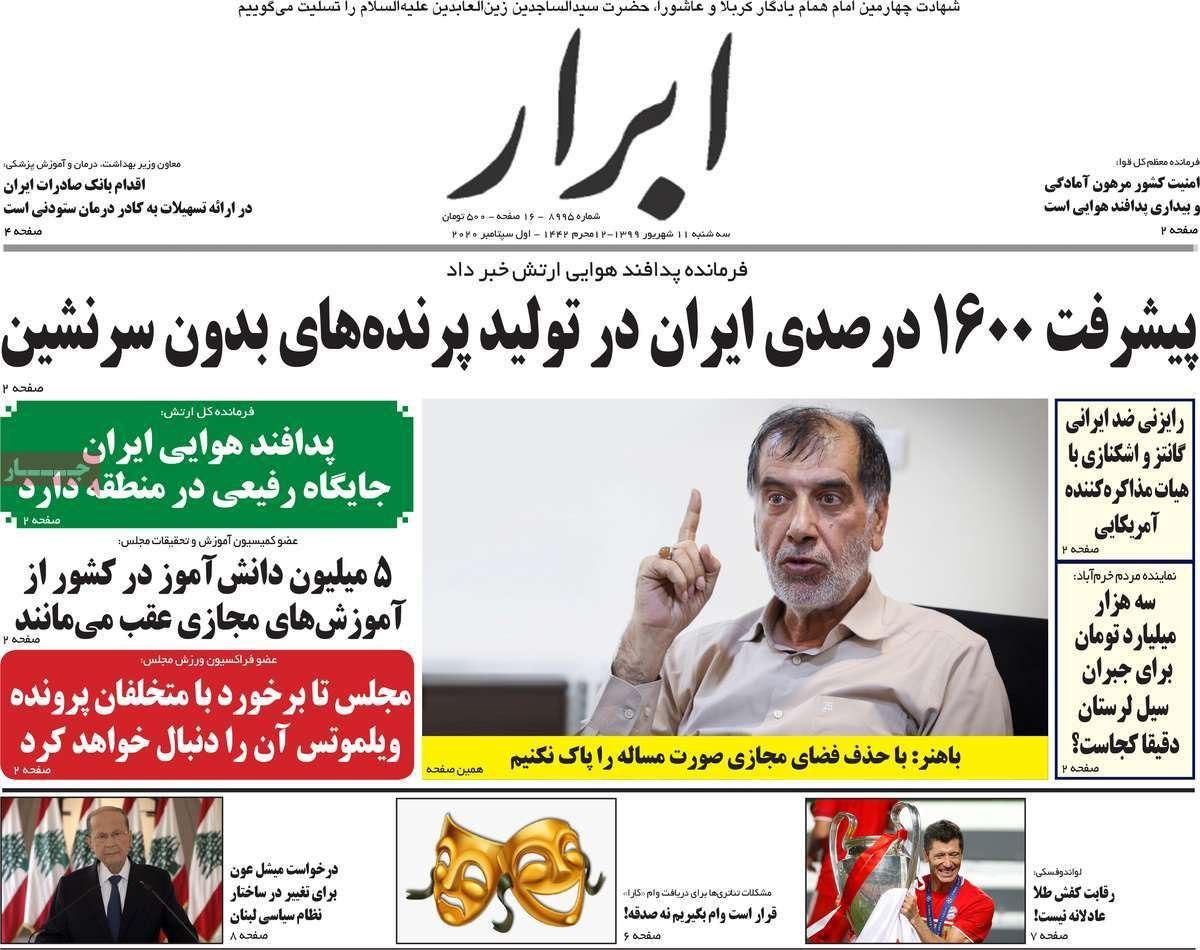
Abrar Newspaper:

1- Army Air Defence Chief: Iran Has Had 1,600-Percent Progress in Making UAVs

A Look at Iranian Newspaper Front Pages on September 1


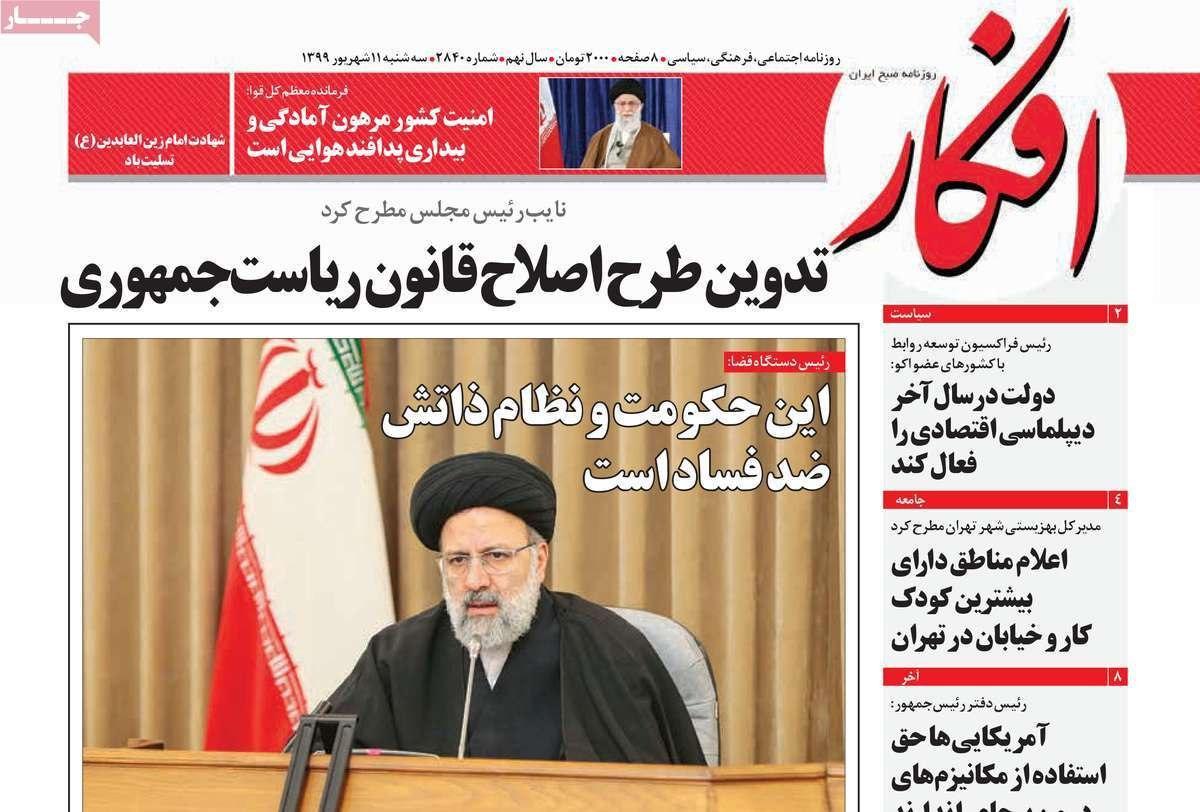
Afkar Newspaper:

1- Iran Leader: We Owe Our Security to Vigilance of Air Defence

A Look at Iranian Newspaper Front Pages on September 1


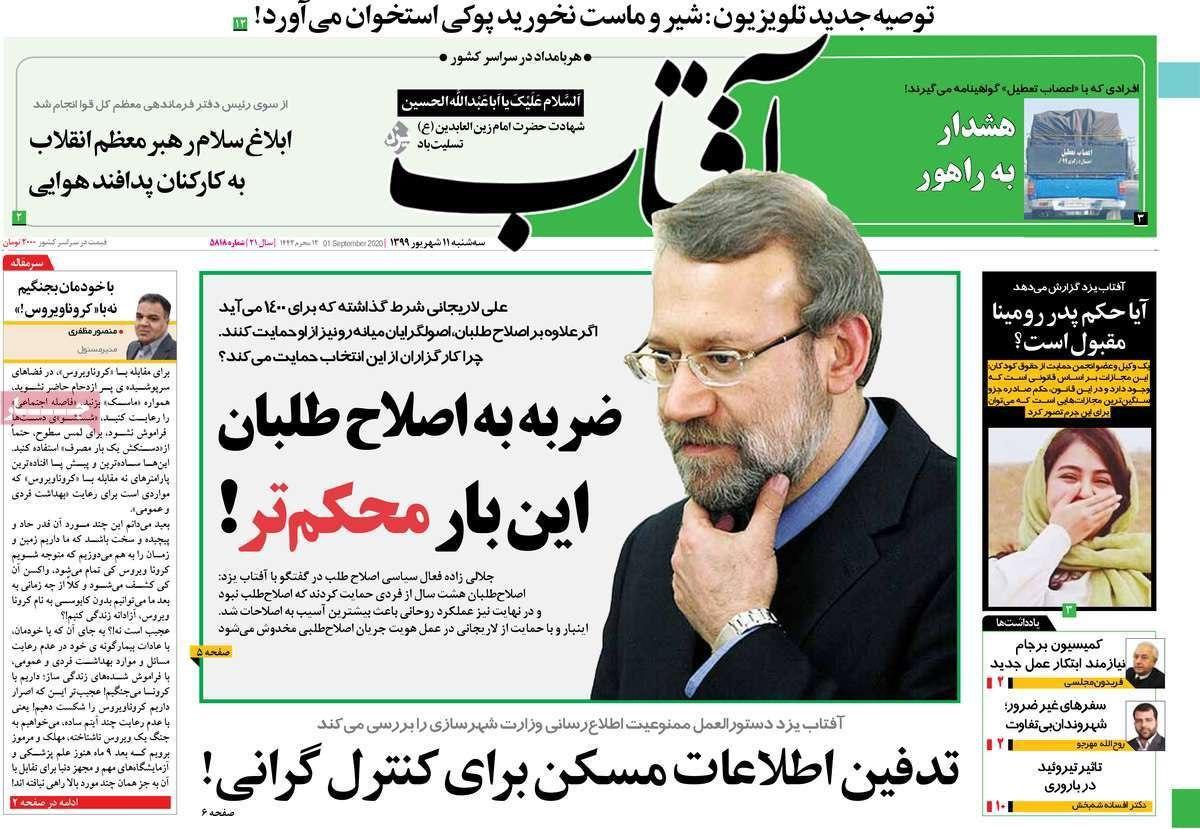
Aftab-e Yazd Newspaper:

1- We’d Better Fight Ourselves Instead of ‘Coronavirus’ [Editorial]

A Look at Iranian Newspaper Front Pages on September 1


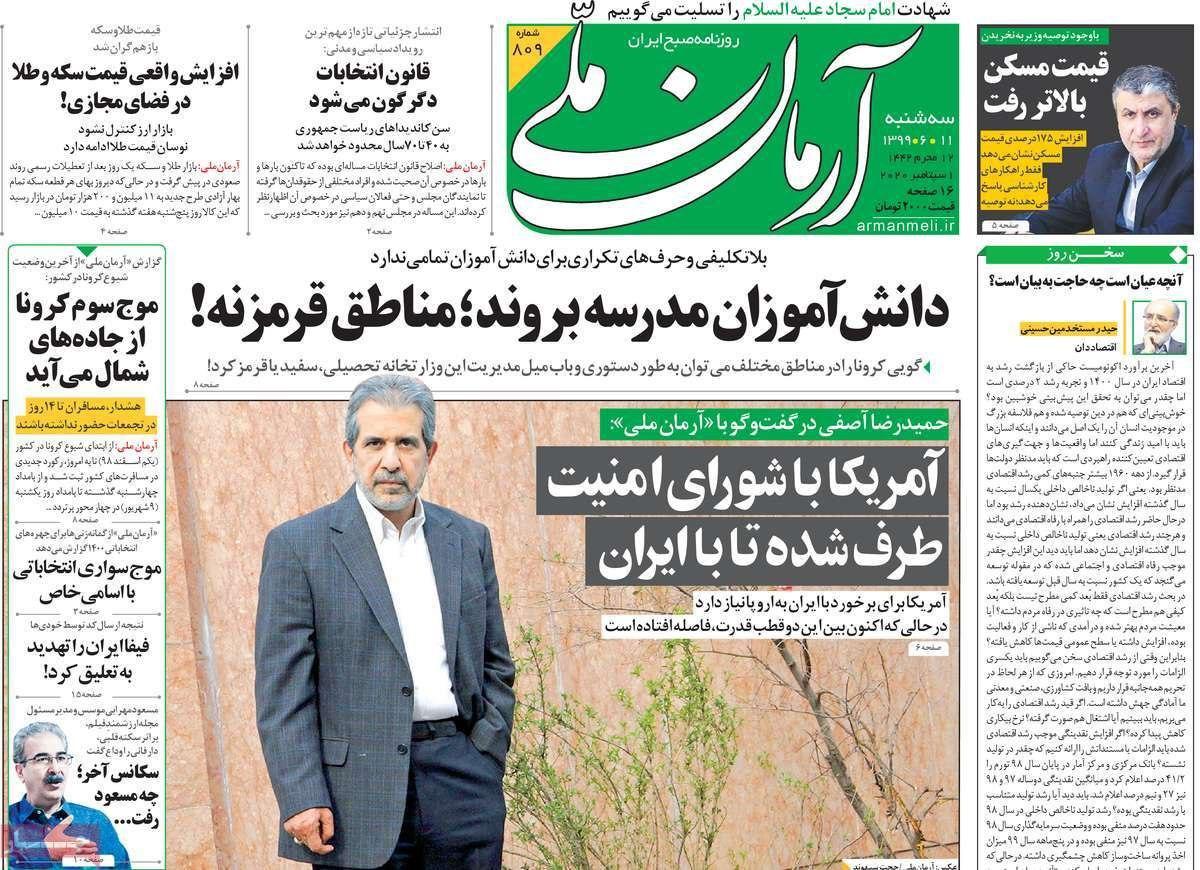
Arman-e Melli Newspaper:

1- US Now Confronting UNSC Instead of Iran: Ex-Diplomat

A Look at Iranian Newspaper Front Pages on September 1


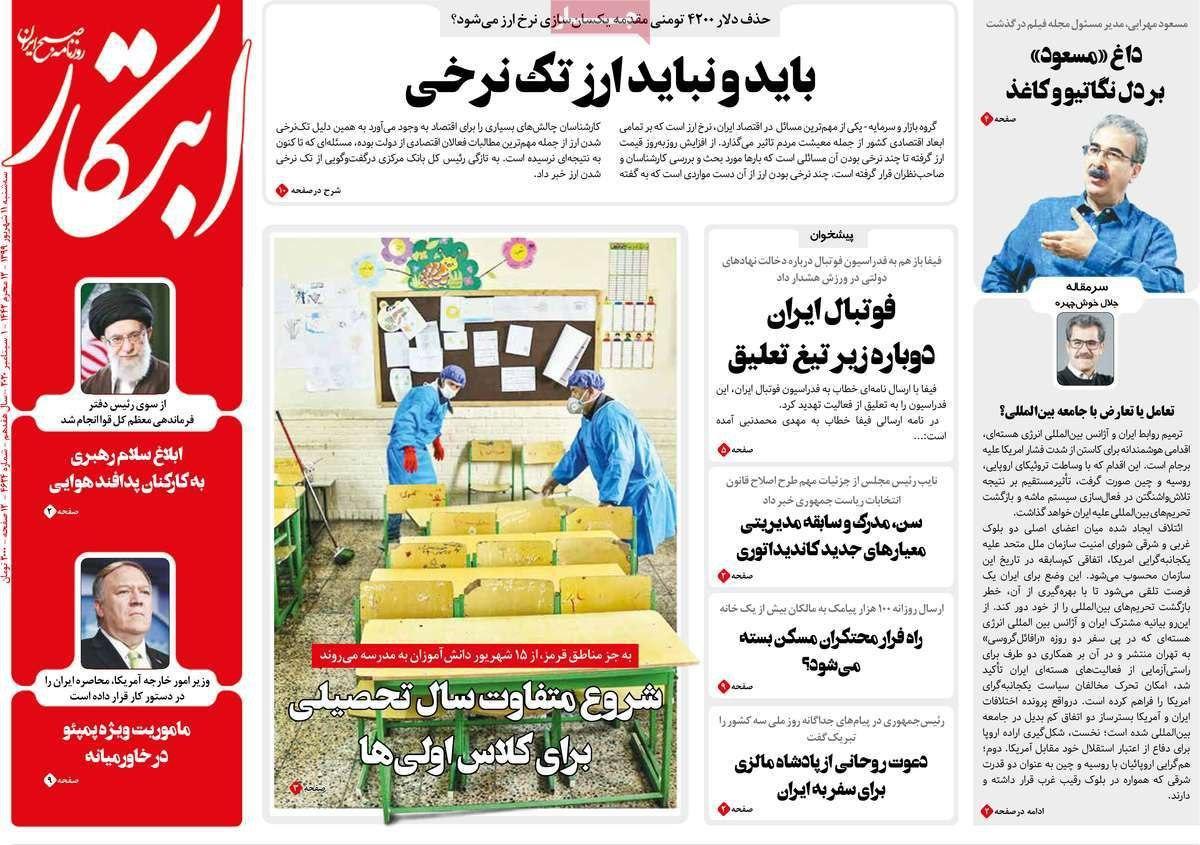
Ebtekar Newspaper:

1- Students to Go to School This Week in All Parts of Iran Except for Red Zones

2- Pompeo’s Special Mission in Mideast: Besieging Iran on Agenda

3- Iran’s Football under Threat of Suspension Once Again

* FIFA Warns Iran’s Football Federation about Interference of Gov’t in Sports

A Look at Iranian Newspaper Front Pages on September 1


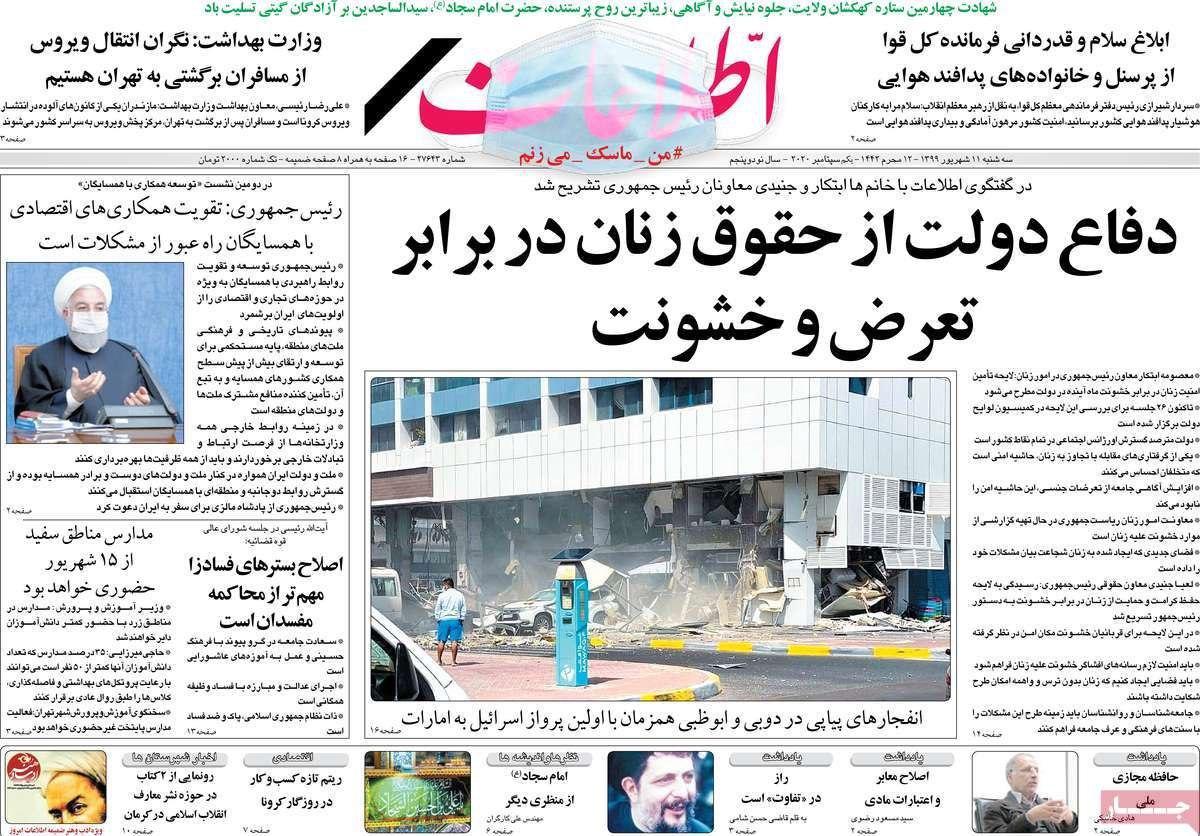
Ettela’at Newspaper:

1- Gov’t Defends Women’s Rights against Violence, Aggression: VP

A Look at Iranian Newspaper Front Pages on September 1


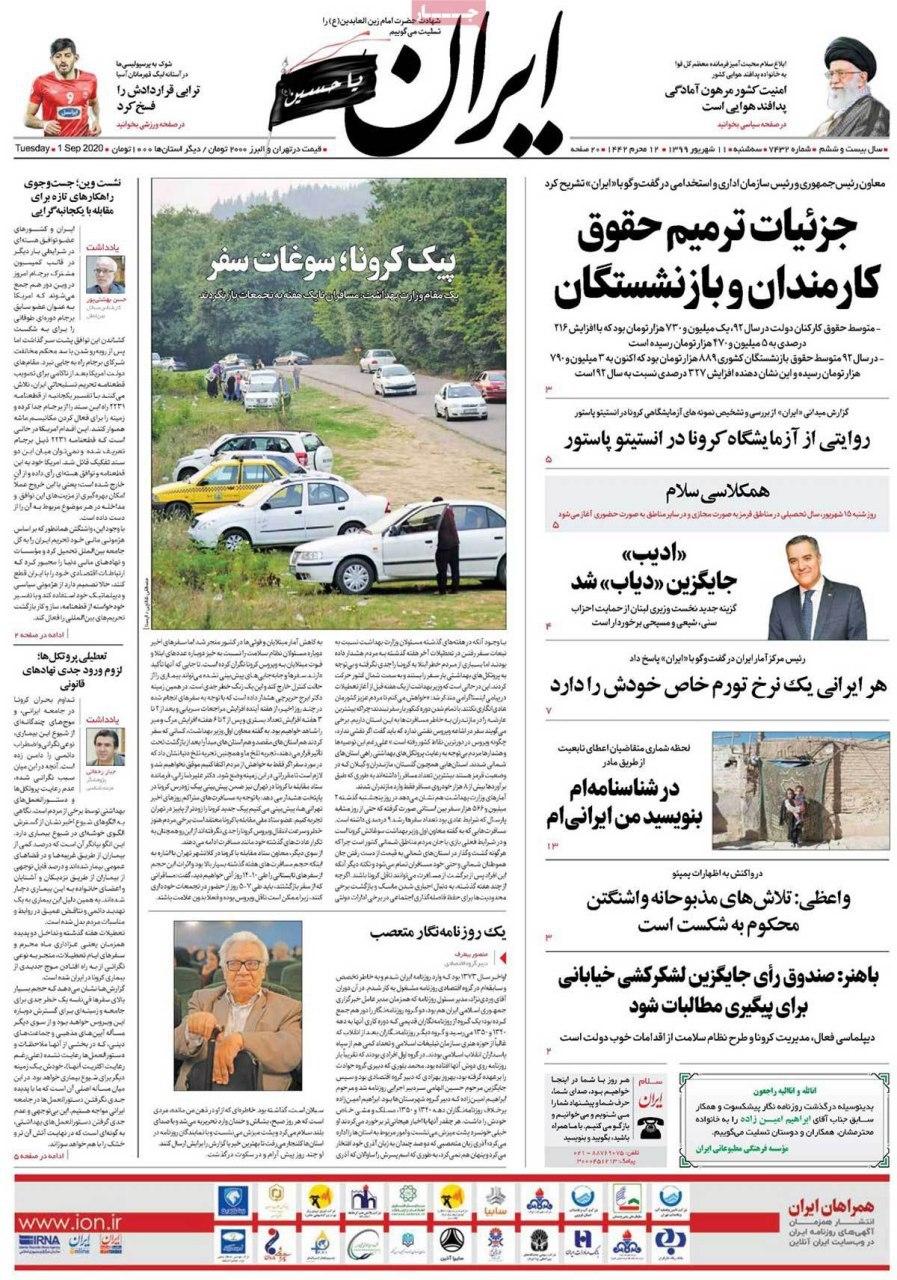
Iran Newspaper:

1- People’s Trips in Recent Holidays to Result in Another Peak of Coronavirus Outbreak

A Look at Iranian Newspaper Front Pages on September 1


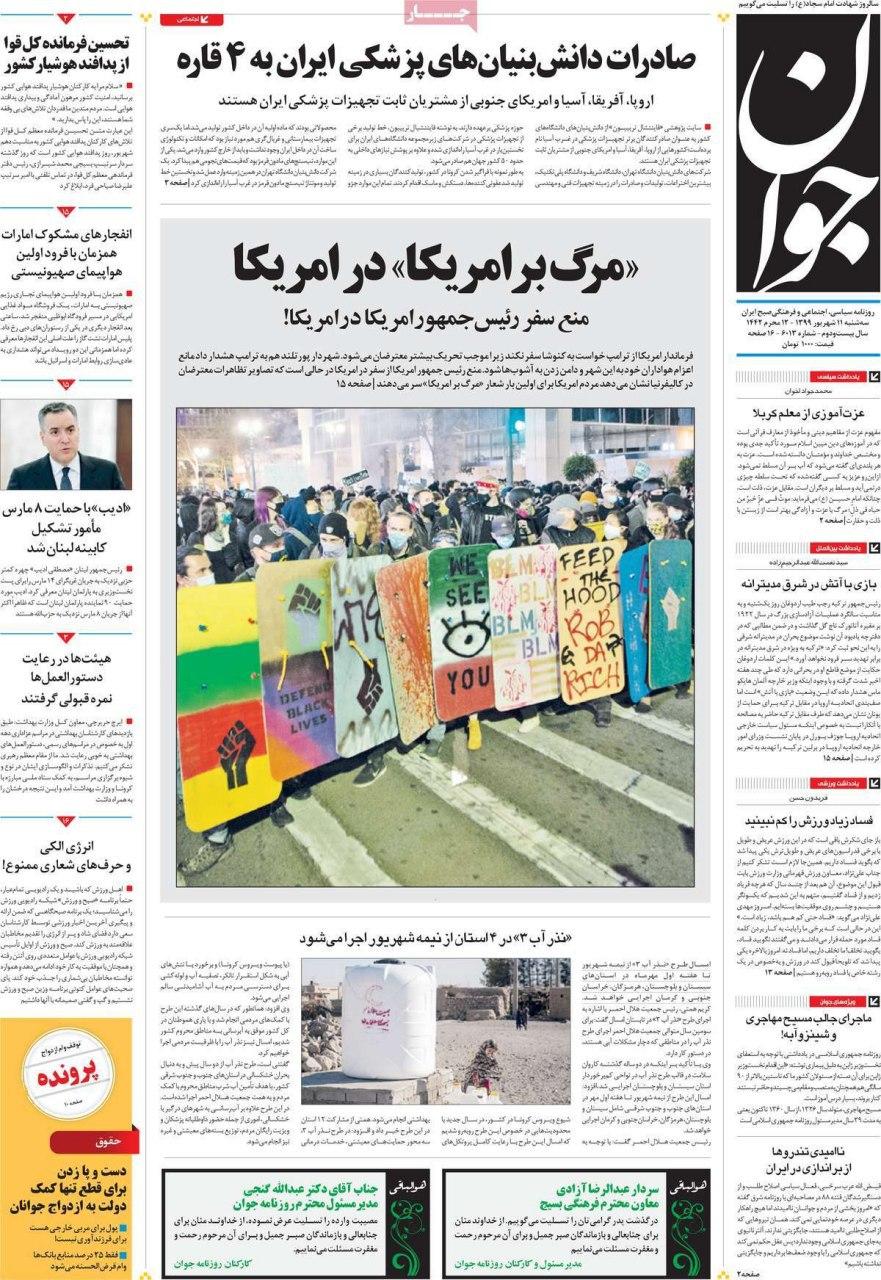
Javan Newspaper:

1- ‘Death to America’ Chanted in America

2- Iran Exporting Medical Knowledge-Based Products to Four Continents

3- Iran’s Leader Praises Vigilance of Air Defence

A Look at Iranian Newspaper Front Pages on September 1


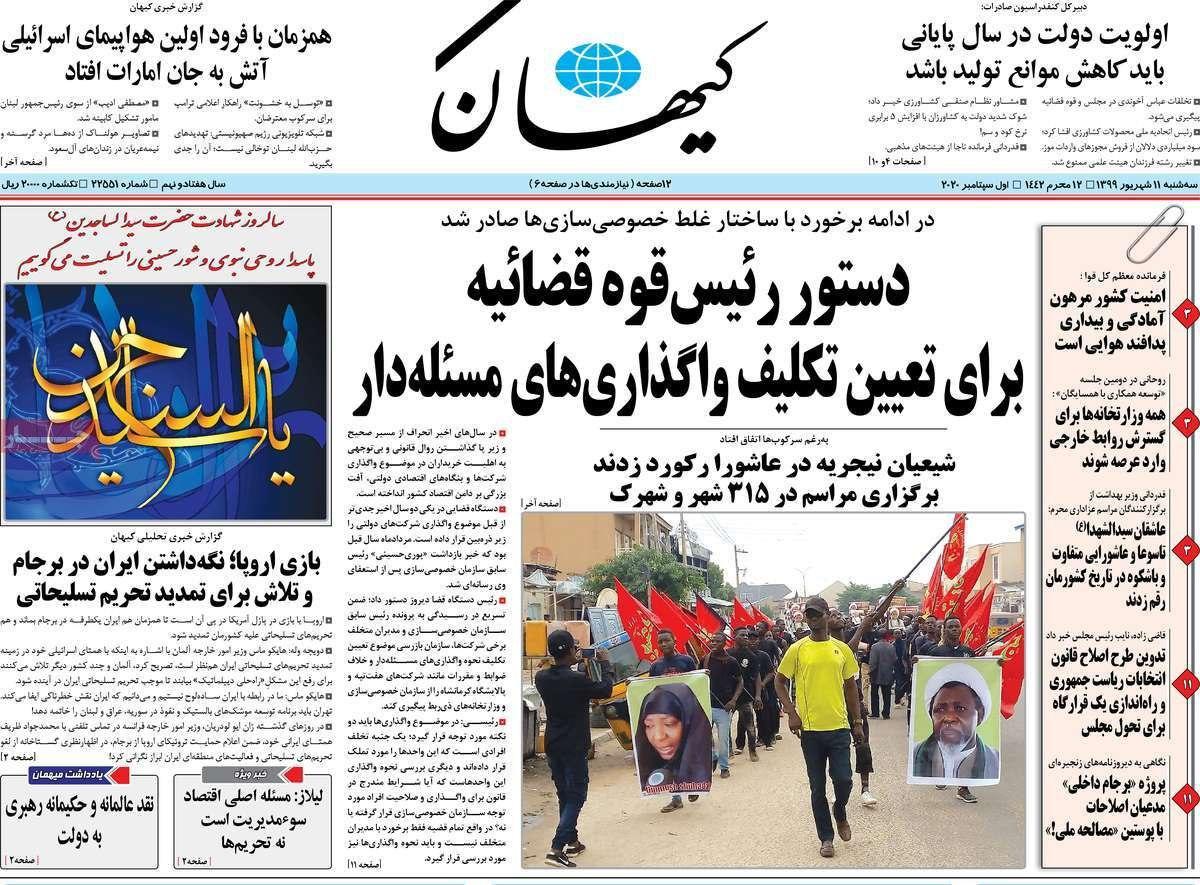
Kayhan Newspaper:

1- Europe Playing with Iran: Keeping Tehran in JCPOA While Trying to Extend Arms Bans

2- Fire in UAE as First Israeli Flight Lands

A Look at Iranian Newspaper Front Pages on September 1


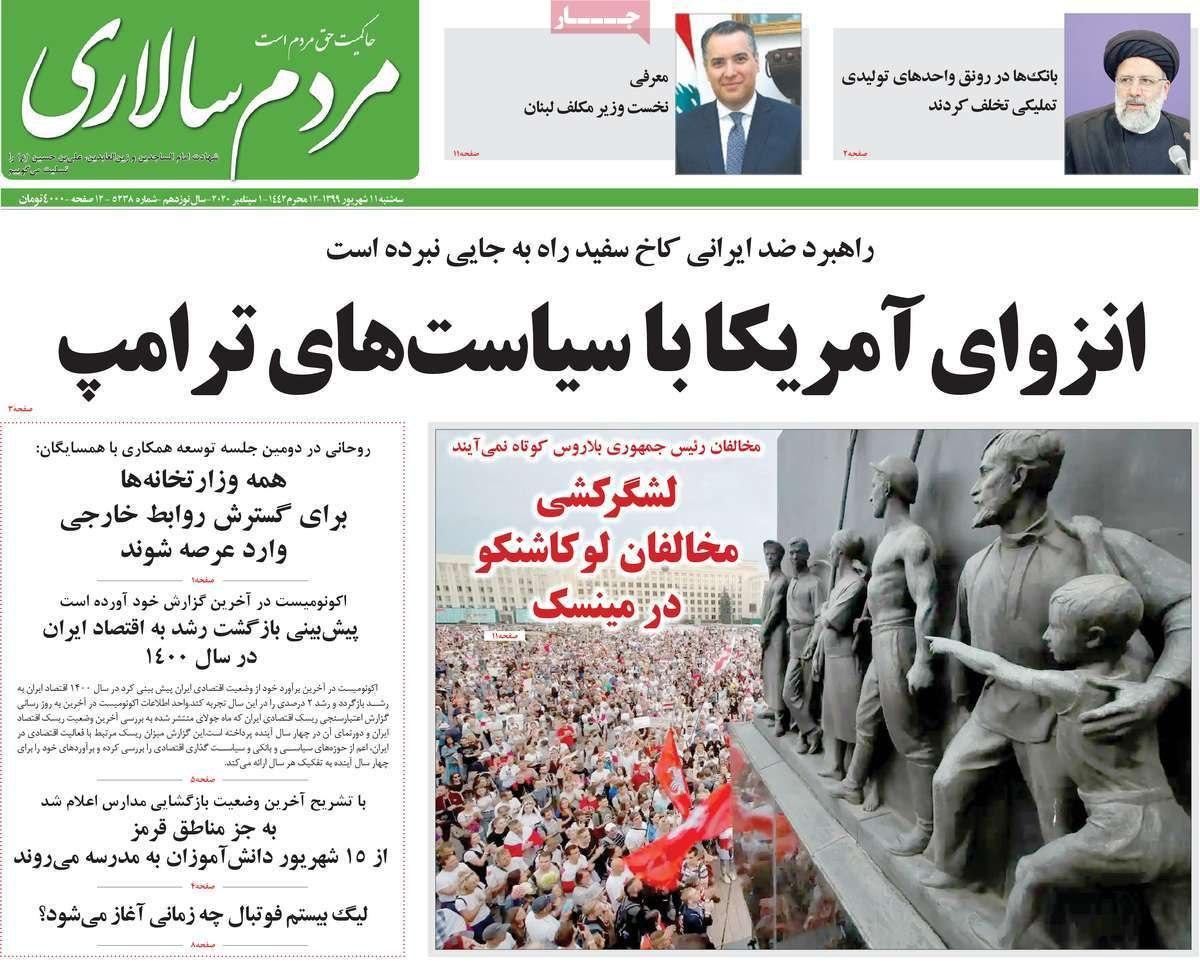
Mardom Salari Newspaper:

1- US Isolated Thanks to Trump’s Policies

2- Rouhani: All Ministries Must Contribute to Expansion of Foreign Relations

A Look at Iranian Newspaper Front Pages on September 1


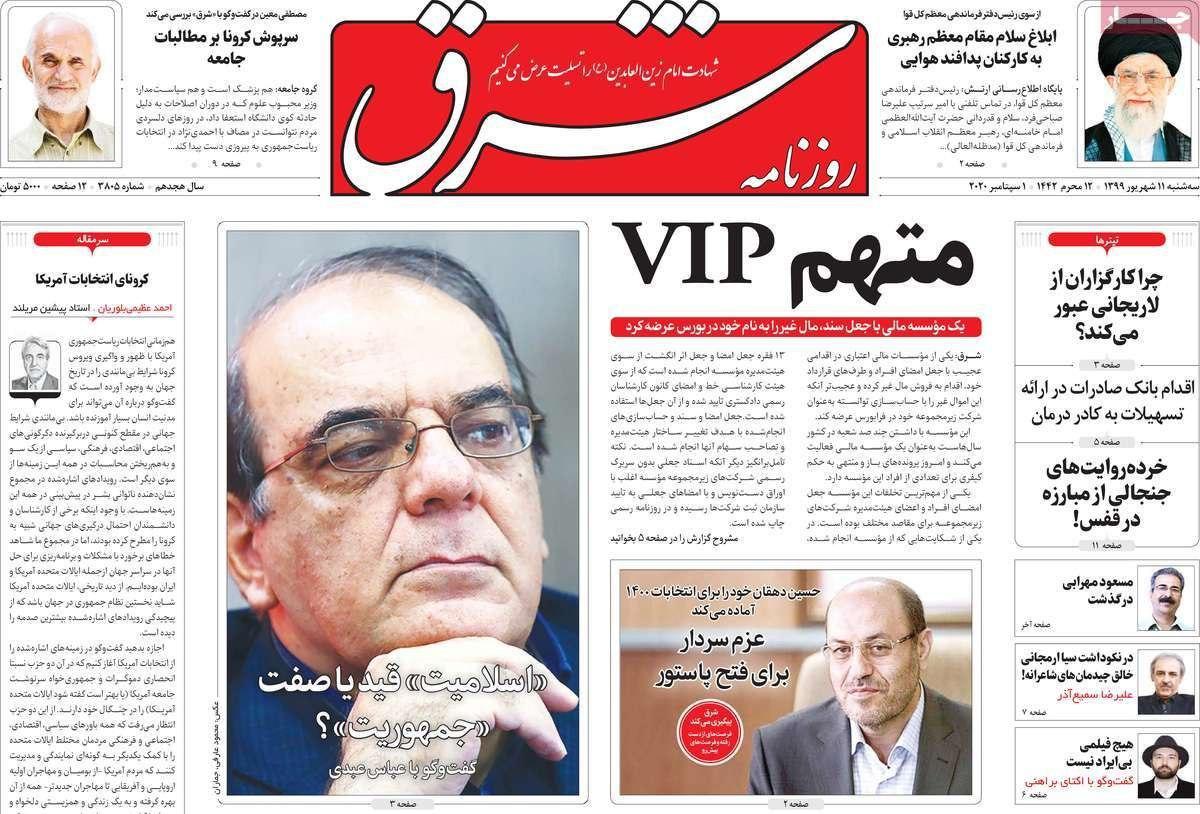
Shargh Newspaper:

1- Former DM Dehqan Preparing for Candidacy in 2021 Presidential Votes

2- Coronavirus of US Elections [Editorial]

A Look at Iranian Newspaper Front Pages on September 1

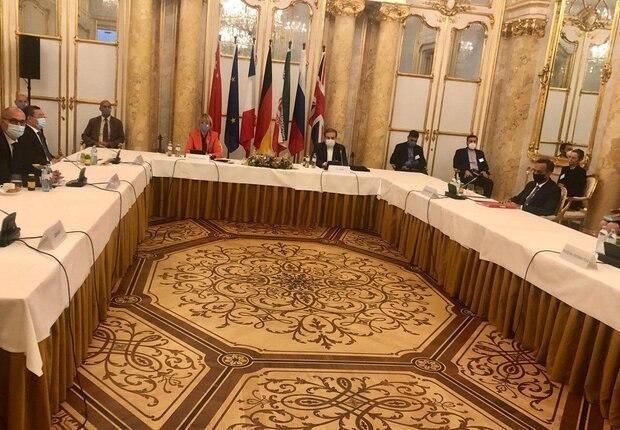
JCPOA Joint Commission Holds Meeting in Vienna

JCPOA Joint Commission Holds Meeting in Vienna

The meeting was co-chaired by Iranian Deputy Foreign Minister for Political Affairs Seyyed Abbas Araqchi and the Secretary General of the European External Action Service Helga Schmid.

Before the beginning of the meeting, Araqchi called on the remaining signatories to the Iran nuclear deal to stand up to Washington’s unilateralism.

He said the meeting has taken on special significance as it coincides with US efforts to reinstate former UN Security Council sanctions on Iran and wreck the Iran nuclear deal.
He also touched upon UNSC members’ opposition to the US-drafted resolution against Iran.

“US attempts in New York [against Iran] will definitely be a serious subject of discussion at the meeting of the joint commission, and we hope the joint commission will be able to reach a single stance and adopt decisions on how to keep moving on this path and counter US efforts as well as attempts by this country to destroy the JCPOA,” added Araqchi.

He expressed hope members of the commission will maintain the same stance they adopted at the UN Security Council meeting in New York and that constructive discussions will take place at the meeting of the joint commission.