Sunday, January 18, 2026
Home Blog Page 2734

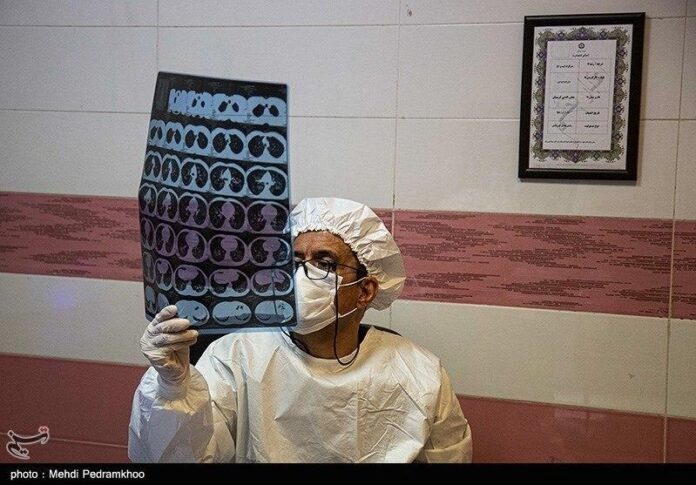
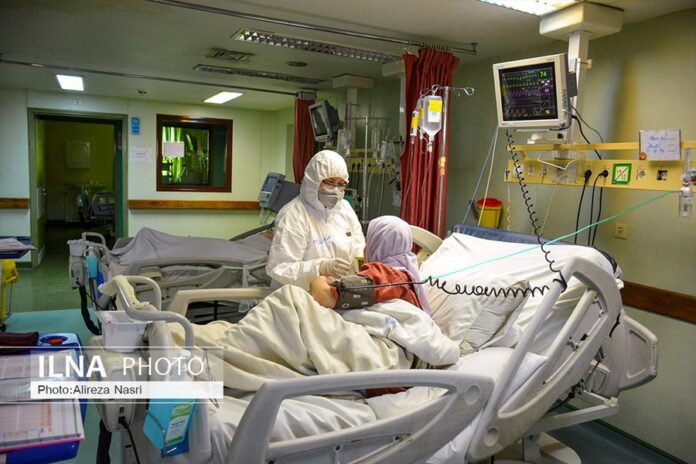
Iran’s Coronavirus Cases Hit 380,000: Health Ministry

Iran Confirms over 3,500 New Cases of COVID-19 Infection

In a press briefing on Thursday, Sima-Sadat Lari said the virus has killed 129 patients since Wednesday noon, increasing the overall death toll to 21,926.

So far, she added, 328,595 patients have recovered from the disease or been discharged from the hospital.

Lari said 3,702 patients are also in critical conditions caused by more severe infection.
The spokeswoman noted that 3,307,383 COVID-19 tests have been taken across the country so far.

She said the high-risk “red” zones include Tehran, Qom, Mazandaran, East Azarbaijan, Isfahan, Yazd, Khorasan Razavi, North Khorasan, Semnan, Gilan, Zanjan, Qazvin, and Kerman provinces.

The “orange” zones also include Lorestan, Ardabil, Golestan, Markazi, Alborz, Hormozgan, Ilam, Fars, Bushehr, West Azarbaijan, Chaharmahal and Bakhtiari, Kermanshah, South Khorasan, Kohgiluyeh and Boyer-Ahmad, and Khuzestan provinces, she added.

‘Iran Self-Sufficient in Producing Masks, Equipment for COVID-19 Treatment’

‘Iran Self-Sufficient in Producing Masks, Equipment for COVID-19 Treatment’

Vice President for Science and Technology Sorena Sattari has, in an interview with the Iran newspaper, weighed in on the progress and scientific development of Iranian startups and knowledge-based companies.

The first part of the interview was earlier published by IFP News. What follows is the second part:

We are seeing that tough sanctions are being enforced against the country every day. Have these sanctions affected your programs, and what plans have you devised to counter them?

We cannot say that sanctions have had no effects, but on the other hand, they have had many benefits for companies because they have created good markets for firms. Moreover, culture changes with sanctions because a country which has sold oil and imported goods has not reached a point where it becomes an exporter.

We have had good progress in some domains despite sanctions. With regards to the coronavirus pandemic, for instance, many startups such as those working in the education field experienced very good progress; but on the other hand, startups operating in the transport sector ran into trouble.

On the whole, sanctions contributed to the development of knowledge-based companies.

In early 2020, you said in an interview that agreements have been signed with knowledge-based firms to produce some 5 million masks. Is it possible that knowledge-based companies produce masks for the general public at low prices?

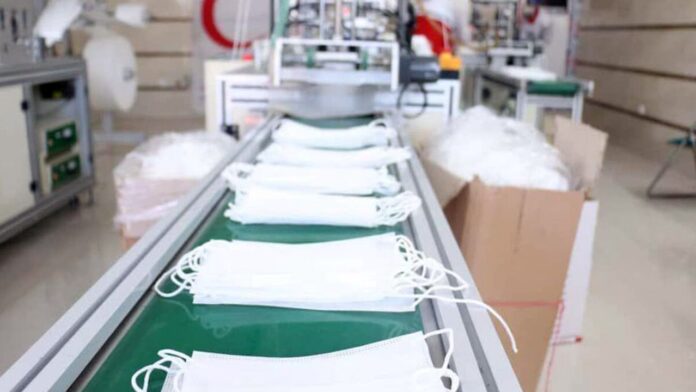
Knowledge-based companies are working in the area of mask production in the nanotechnology field. Of course, in that interview, I talked about mask producing machines developed by knowledge-based companies, and now, all nano-masks are produced inside the country. When the novel coronavirus had just broken out in the country, domestic capacity for mask production in the country was 200,000, but only a few was produced. But in a month’s time, our first knowledge-based company managed to turn out the first mask-producing machine. Afterwards, a few other companies joined the production process as well.

At the moment, we are exporting machines used to produce nano-masks. Our information about this disease has increased, too, and now we have arrived at the conclusion that washable masks made of cloth can also be used to stem the spread of the disease.

Anyway, I’m glad to see that we have the capacity to produce more than 5 million masks at the moment.

Are there any figures regarding the medical services that knowledge-based companies and startups offered people with the outbreak of COVID-19?

I remember the first days when coronavirus had broken out in the United States, they would connect four patients to a ventilator. They had also built ventilators which could be used for 8 patients simultaneously. It was a terrible thing and they themselves knew that some of those eight patients would die, but we didn’t have any such tragic events in our country.

Note that it is not easy to produce a ventilator and each one of them costs between Rls. 2 billion to 3 billion. Of course, that is the cost of production inside the country as its international price is much higher. At a certain point, ventilators were not available on the market, so we wouldn’t be able to buy them. The reasons were that the US and European countries had rushed to the market and bought up whatever available, from ventilators to ICU room equipment and disinfectants. We produced all these items inside the country, and at the moment, we do not need to import any of this equipment.

How are things going with regards to the production of the coronavirus vaccine in the country?

We have contracts with 6 companies and research centres. Two of these agreements have gone well and have reached the clinical test stage for animals, but we still need to wait because coronavirus is an extremely complicated virus. All across the world, the process of producing a vaccine is the same. If it were a simple virus, its human vaccine would have been produced much sooner.

Less than a year to go until the tenure of the 12th administration ends. What plans would you like to see definitely get off the ground during this remaining time?

I’d very much like to see the issue of knowledge-based companies stabilized in the country. During the remaining time, we will do whatever it takes to achieve that end.

From my perspective, the capital Tehran should turn into a hub of innovation because development of the country takes place when the whole city has turned into a sci-tech park where our experts can easily work. And if somebody is an entrepreneur, he or she should be able to do their job from inside their rooms.

This is exactly what we did, and are doing, with regards to innovation activities. Unfortunately, some folks at the ministry of science want to make laws in these areas. Well, law creates limitations, which would destroy innovation and development will no longer take place. As a result, economy will not grow, either. An innovative economy needs a wild mind which is able to easily move around and bring innovation. As the administration, the only thing we can do is to not prevent it from happening and not create limitations on its way. Fortunately, with the help of the Supreme Leader, this year we will be in a better situation in terms of funding and we will make the necessary investments in this field.

‘Iran-Japan Ties Enhanced More Than Ever During Abe’s Tenure’

'Iran-Japan Ties Enhanced More Than Ever During Abe’s Tenure'

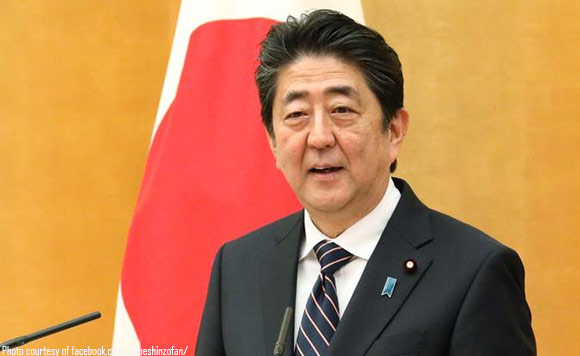
Mahmoud Vaezi, the chief of staff of the Iranian president, wrote in a tweet that relations between the two countries are based on mutual respect.

“Age-old relations between the Islamic Republic of Iran and Japan, which have always been based on friendship, trust and mutual respect, were enhanced more than ever during the premiership of Mr. Abe Shinzo,” he tweeted.

“While appreciating the efforts made by Mr. Abe for cooperation aimed at deepening and further expanding relations between the two great nations of Iran and Japan, we wish him health and prosperity and we welcome continued cooperation and constructive interaction with the Japanese government and nation,” Vaezi added.

Iran Has Homegrown Radars with Range of 3,000 km: Top General

Iran Has Homegrown Radars with Range of 3,000 km

Brigadier General Mohammad Shirazi hailed advances made on the military front thanks to domestic capabilities.

“During the [Iraqi imposed] war [on Iran in the 1980s], enemy aircraft flew over our operational zones. Some of these planes such as Mirage warplanes would come, easily bombard areas and leave,” said General Shirazi, the head of the Military Office of the Commander-in-Chief of the Armed Forces Ayatollah Seyyed Ali Khamenei.

“Our capability was limited at the time, but today, strategic air defence weapons are available to us,” the top general noted.

“In those days, our maximum expectation was to have a radar with a range of 25 kilometres, but today we have radars with a range of 3,000 kilometres,” he said.
The top general then praised local experts working in the domains of both production and repair of military equipment.

US Push to Reinstate Sanctions on Iran Has No Legal Basis: Official

US Push to Reinstate Sanctions on Iran Has No Legal Basis: Official

Mahmoud Vaezi, the chief of staff of the Iranian president, once again reiterated that Washington has withdrawn from the 2015 Iran nuclear deal, officially known as the Joint Comprehensive Plan of Action (JCPOA); and thus has no right to use mechanisms stipulated in the accord.

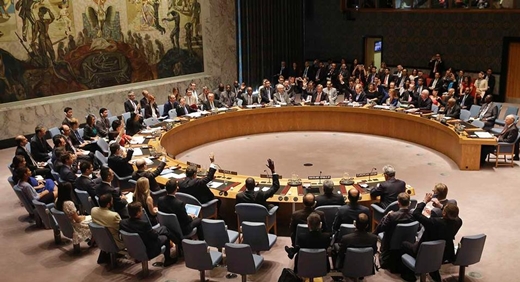
“Any move at the UN Security Council or international institutions must have legal grounds. Now, all law experts, even inside the United States, have announced that what the US government refers to at the UN Security Council does not have a legal basis. The US refers to the JCPOA and UN Security Council Resolution 2231 while it has pulled out of the JCPOA,” he said.

“From a political perspective, when a government does not accept the JCPOA and says it has been deceived [by having signed the deal], it cannot refer to the agreement,” he noted.

“So, the United States’ moves have no political and legal foundation,” Vaezi underlined.
He said the US also failed in its attempts to get the UN Security Council to reinstate international sanctions on Iran.

“Indonesia, the former president of the UN Security Council, announced loud and clear that the United States’ moves do not have a legal basis; so, the council cannot meet [to discuss Washington’s demand],” he said.

“Niger, the new head of the UN Security Council, too, shares the same stance,” he noted.
Vaezi then slammed US President Donald Trump for his stance on political issues.
“Trump is a business-minded person and thinks he can use force and pressure when it comes to political and legal issues, but he will get nowhere,” he said.

“Trump has also threatened to put sanctions on UN Security Council members, which is a new precedent,” he said.

125 More Iranians Die of Novel Coronavirus: Ministry

Iran's COVID-19

In a press briefing on Wednesday, Sima-Sadat Lari confirmed 1,858 new cases of COVID-19 infection, raising the total number of infections to 378,752.

The spokeswoman said 326,801 patients have so far recovered from COVID-19 or been discharged from hospital, but 3,693 are still in critical conditions of the disease.
Lari added that so far 3,281,961 COVID-19 tests have been taken across the country.
She said the high-risk “red” zones include Tehran, Qom, Mazandaran, East Azarbaijan, Isfahan, Yazd, Khorasan Razavi, North Khorasan, Semnan, Gilan, Zanjan, Qazvin, and Kerman provinces.

The “orange” zones also include Lorestan, Ardabil, Golestan, Markazi, Alborz, Hormozgan, Ilam, Fars, Bushehr, West Azarbaijan, Chaharmahal and Bakhtiari, Kermanshah, South Khorasan, Kohgiluyeh and Boyer-Ahmad, and Khuzestan provinces, she added.

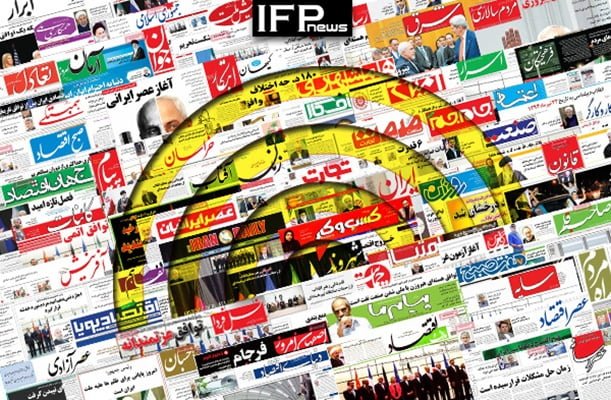
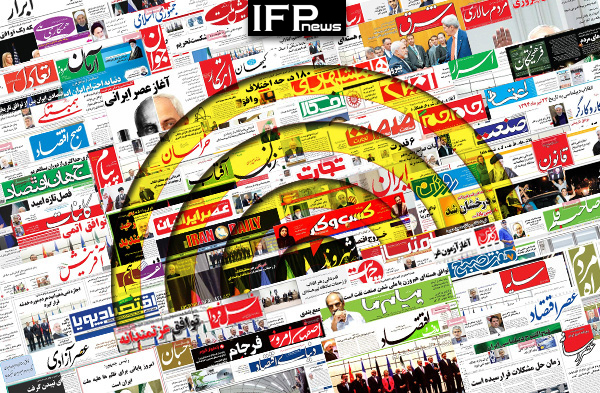
A Look at Iranian Newspaper Front Pages on September 2

A Look at Iranian Newspaper Front Pages on November 18

Iranian Newspapers

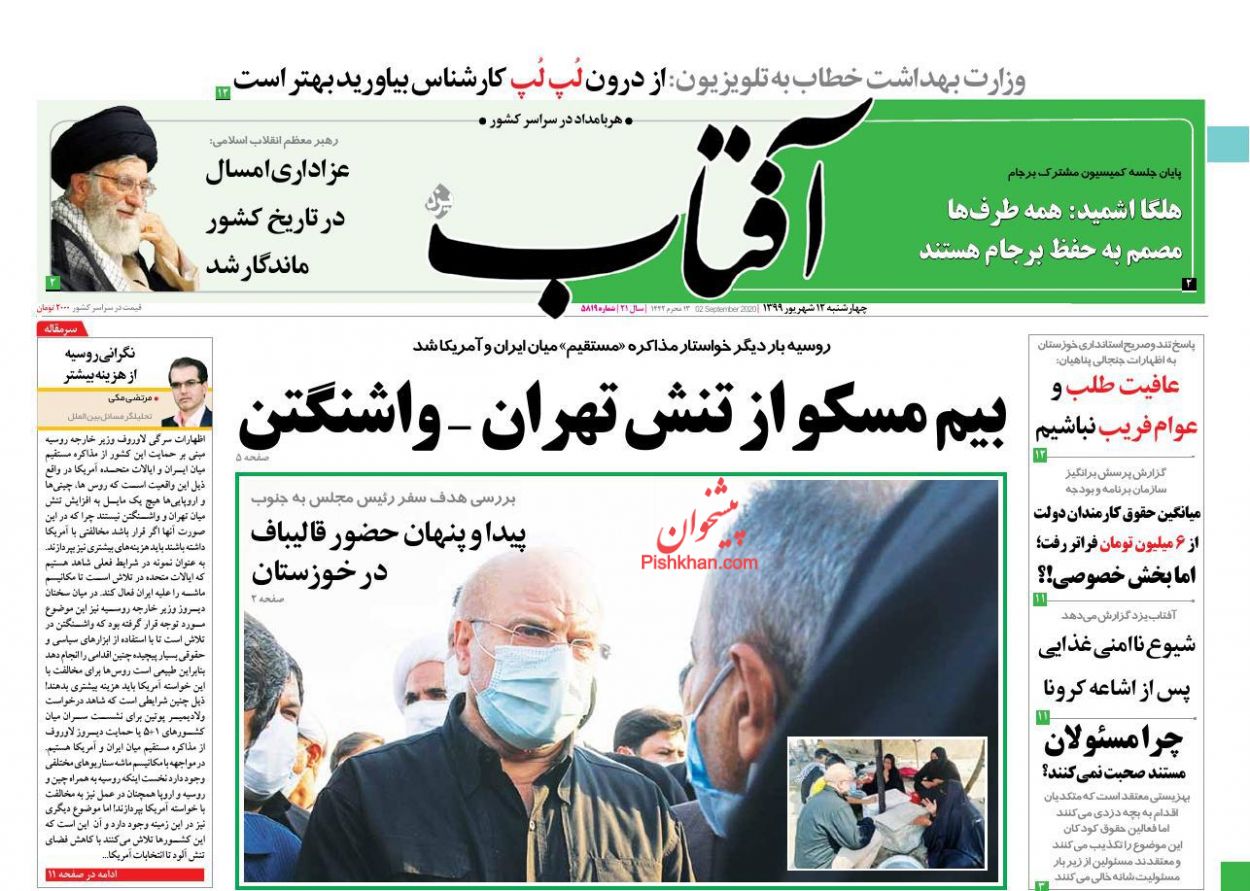
Aftab-e Yazd Newspaper:

1- Moscow Afraid of Tehran-Washington Tension

2- Russia Concerned about More Costs [Editorial]

A Look at Iranian Newspaper Front Pages on September 2


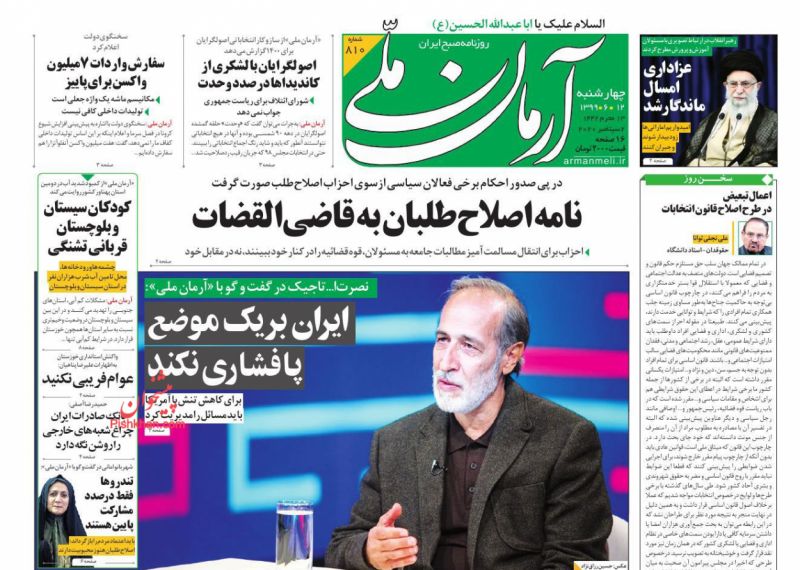
Arman-e Melli Newspaper:

1- Iran Leader: This Year’s Mourning Ceremonies to Go Down in History

A Look at Iranian Newspaper Front Pages on September 2


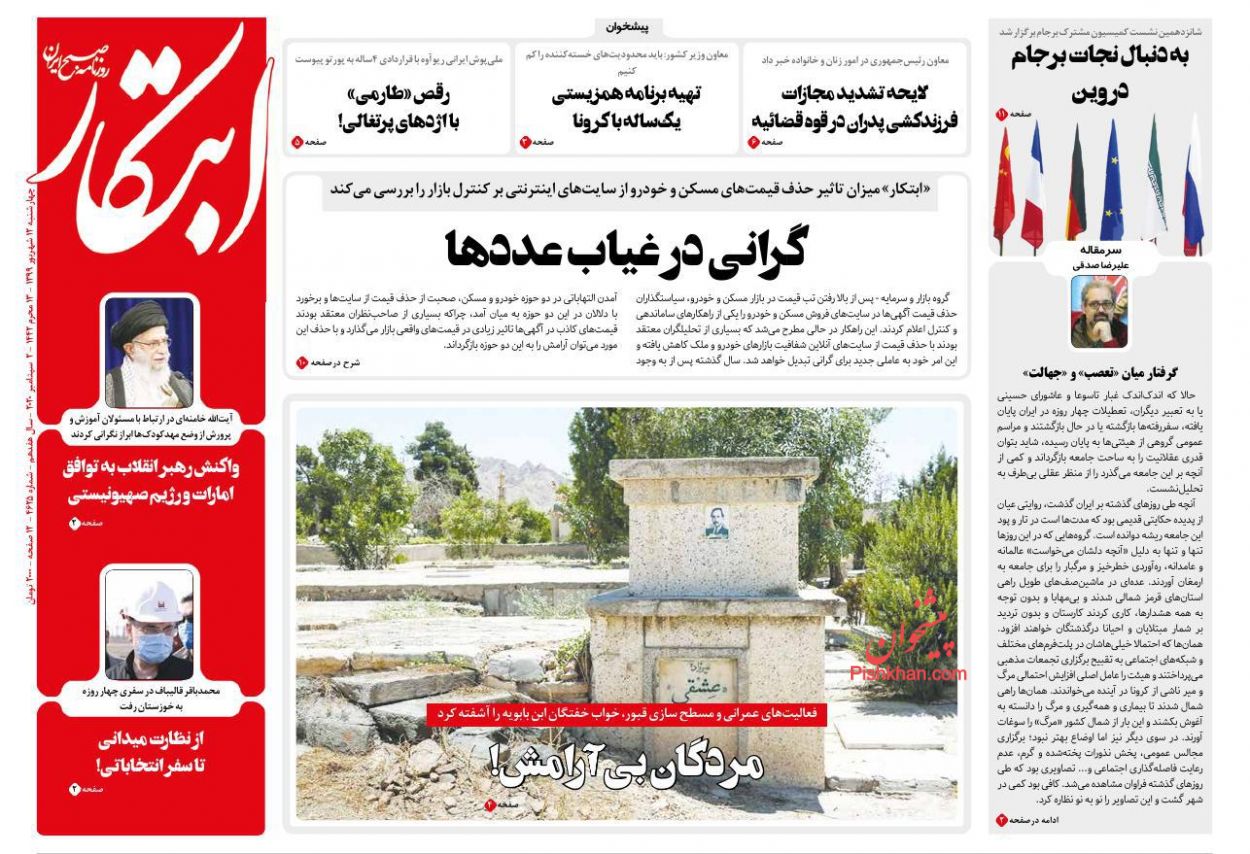
Ebtekar Newspaper:

1- Iran Leader Reacts to UAE-Israel Deal

2- Saving JCPOA in Vienna: 16th Meeting of Joint Commission Held

A Look at Iranian Newspaper Front Pages on September 2


Etemad Newspaper:

1- Iran Leader: UAE Betrayed; We Hope It Would Wake Up Soon

2- United against US Delusions: Representatives of Iran, P4+1 Support JCPOA in Vienna

A Look at Iranian Newspaper Front Pages on September 2


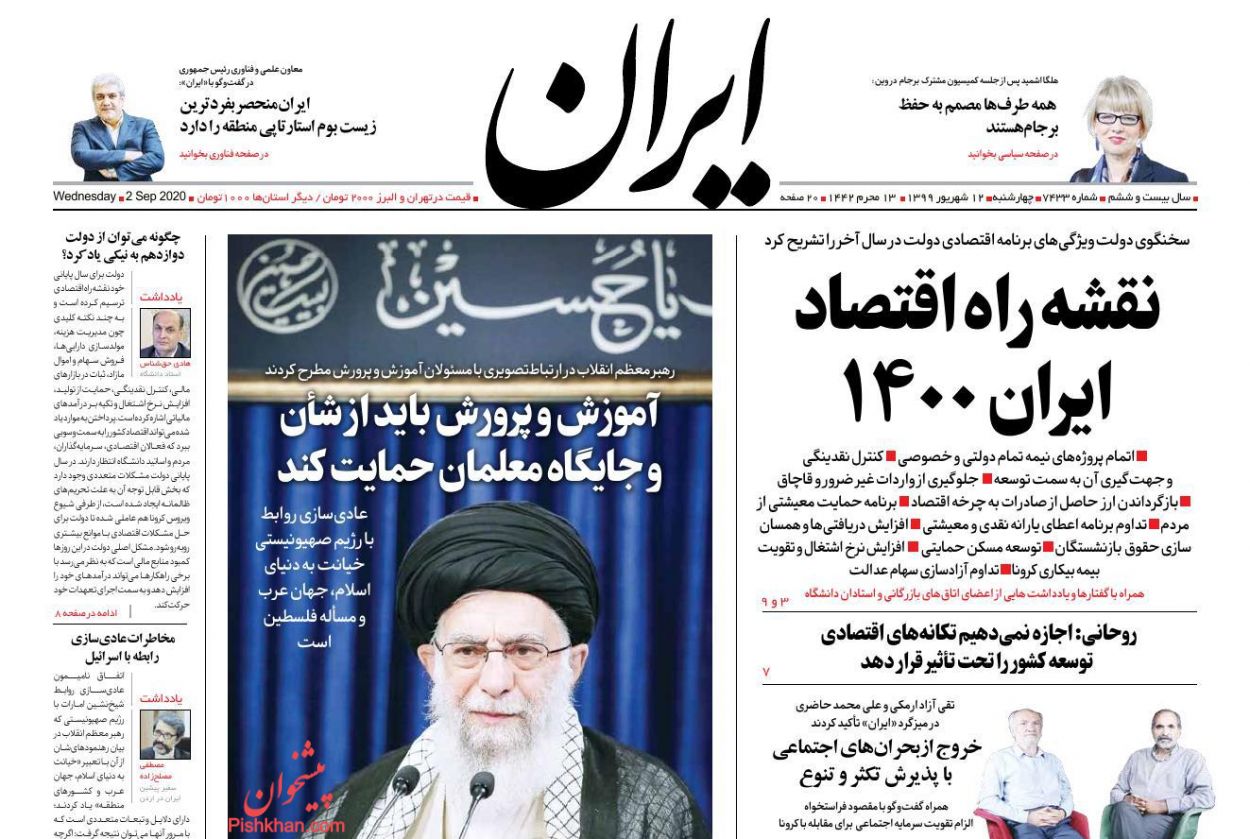
Iran Newspaper:

1- Rouhani: We Won’t Let Economic Shocks Influence Iran’s Development

A Look at Iranian Newspaper Front Pages on September 2


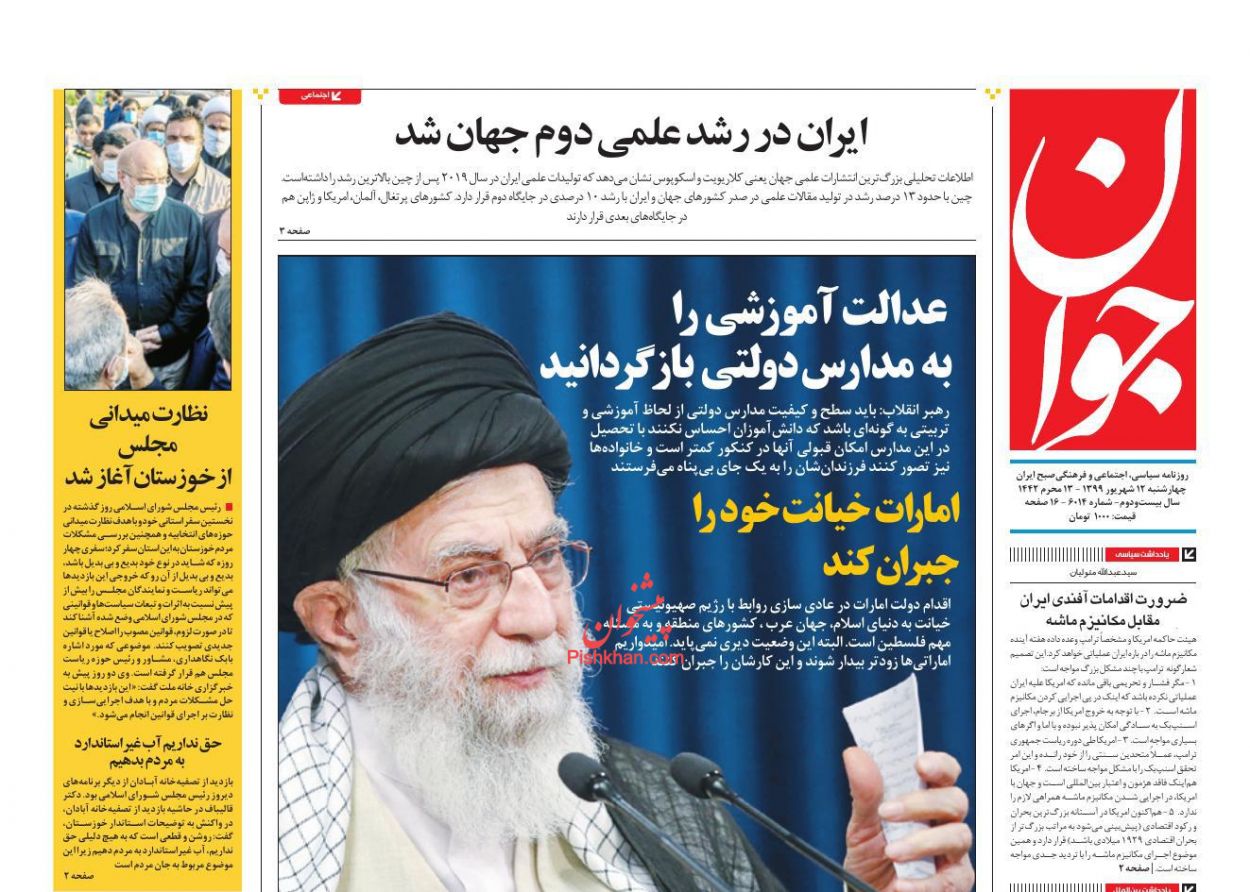
Javan Newspaper:

1- Iran Ranks Second Globally in Scientific Growth

2- Iran Leader Calls for Return of Educational Justice to Public Schools

A Look at Iranian Newspaper Front Pages on September 2


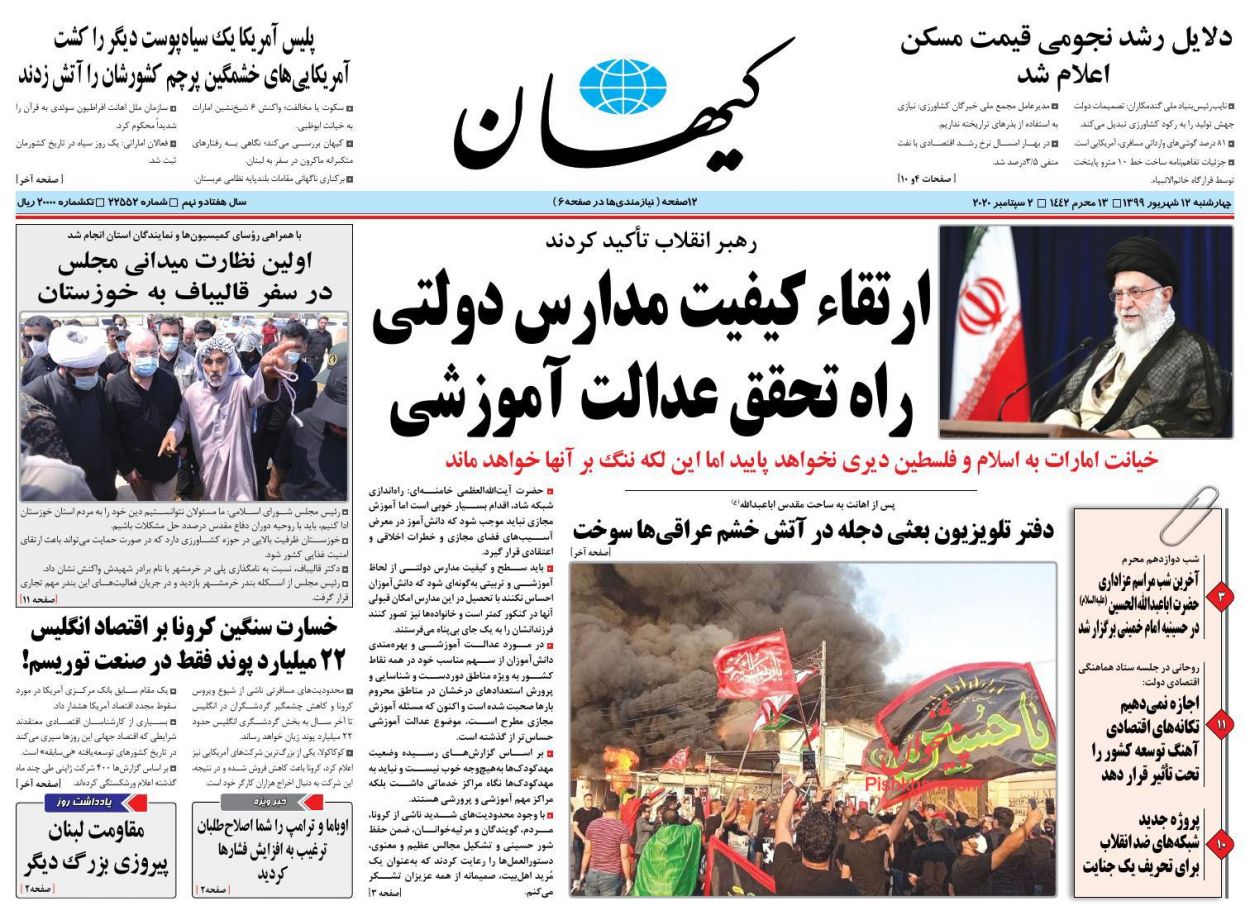
Kayhan Newspaper:

1- Iran Leader: UAE’s Betrayal of Palestine Won’t Last Long, but Stigma Will Stay with Them Forever

2- US Police Kill Another Black Person: Outraged Americans Set Fire on Their Country’s Flag

A Look at Iranian Newspaper Front Pages on September 2


Khorasan Newspaper:

1- Dilemma of FIFA Threat to Suspend Iran

A Look at Iranian Newspaper Front Pages on September 2


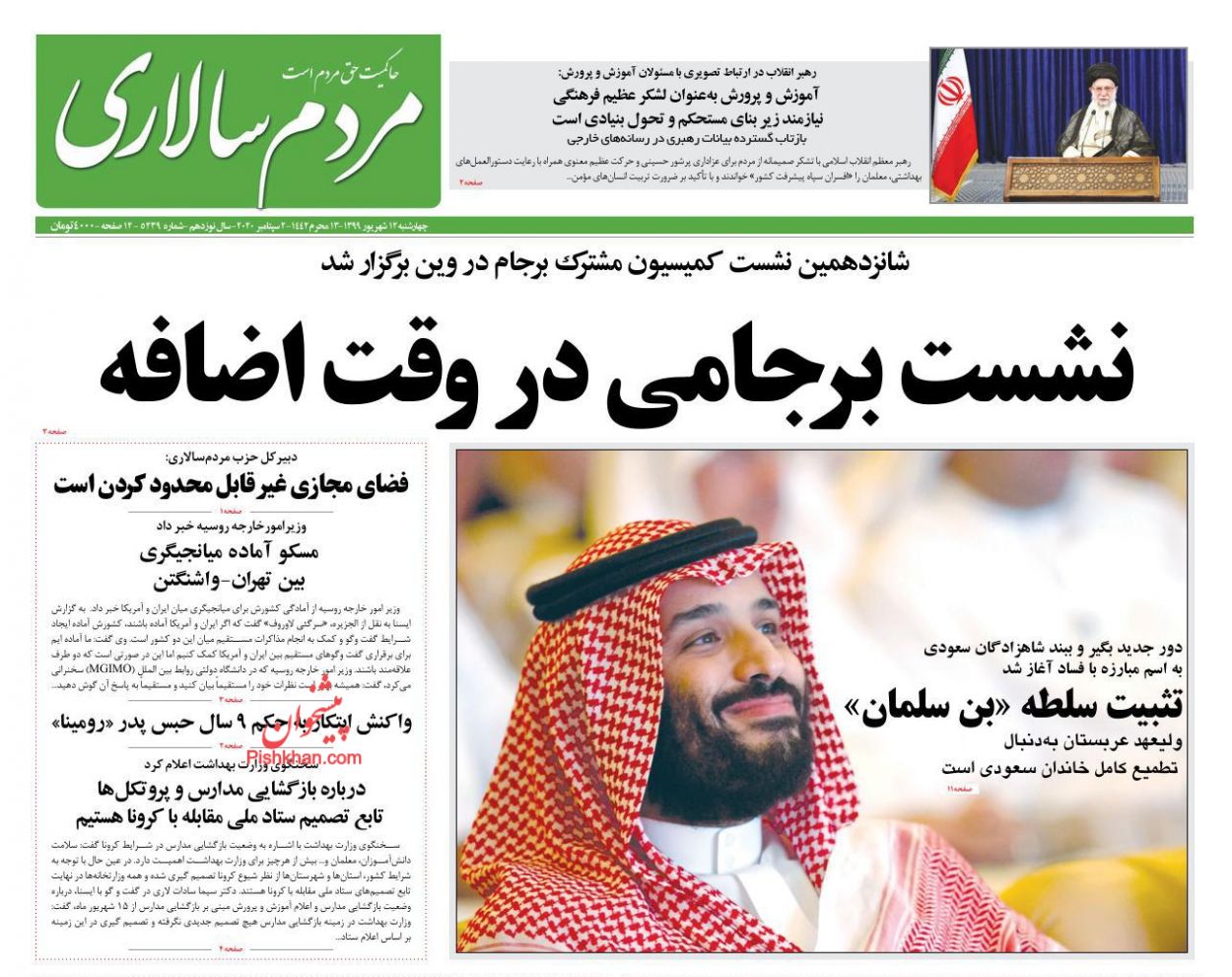
Mardom Salari Newspaper:

1- JCPOA Meeting in Extra Time

2- Establishment of Bin Salman’s Reign

A Look at Iranian Newspaper Front Pages on September 2


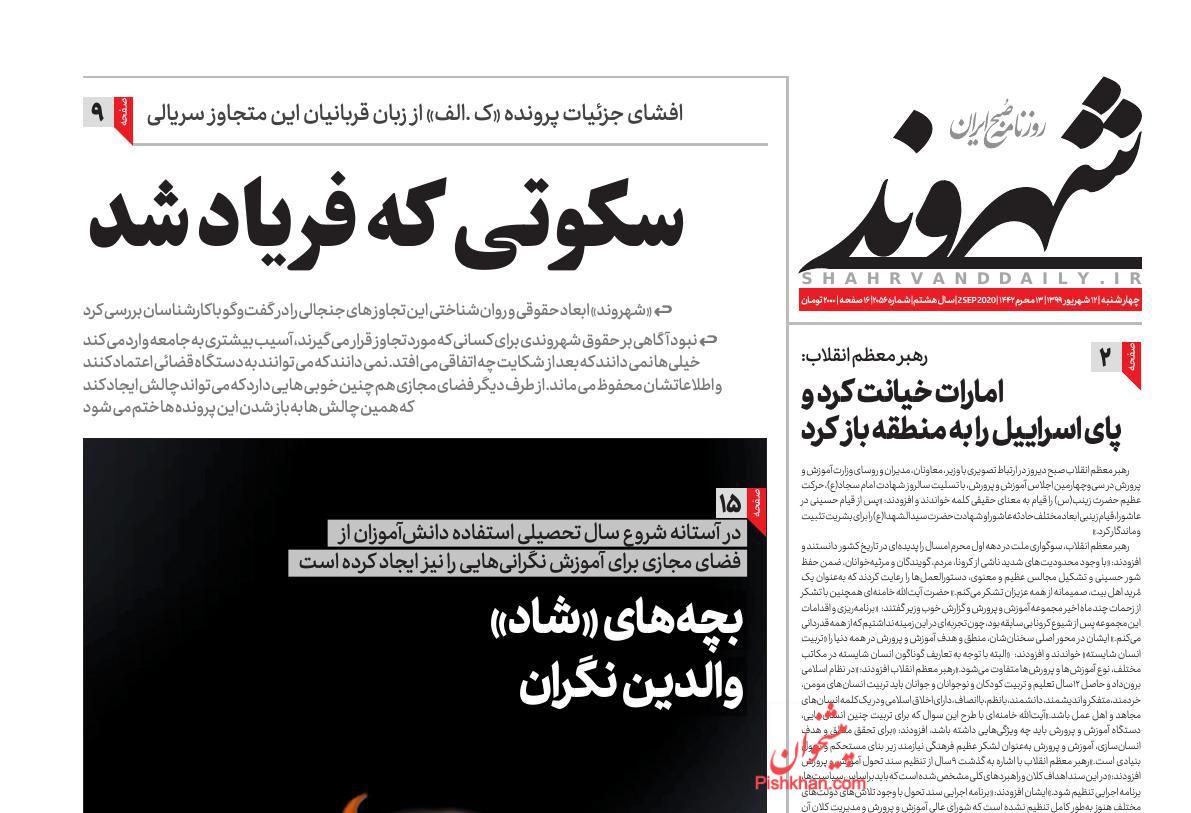
Shahrvand Newspaper:

1- Iran Leader: UAE Betrayed, Opened Way for Israel’s Presence in Region

A Look at Iranian Newspaper Front Pages on September 2


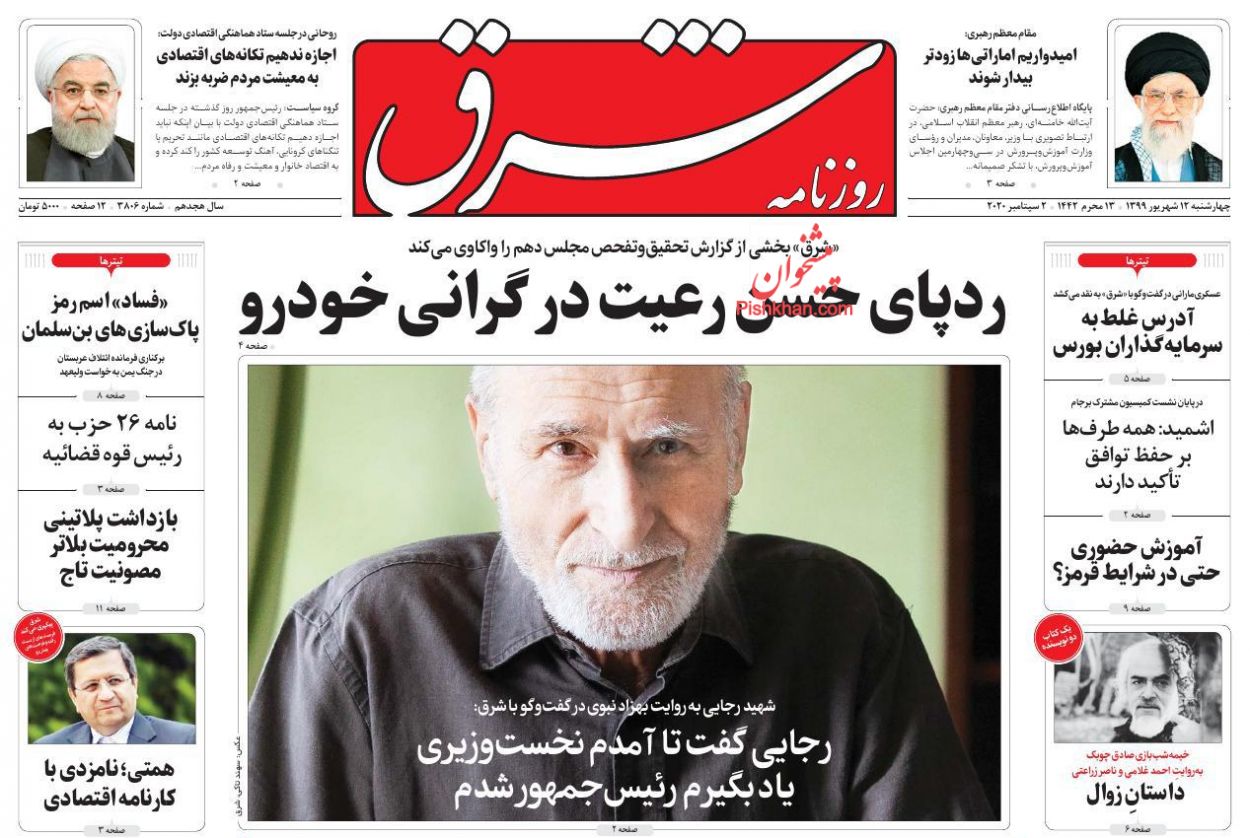
Shargh Newspaper:

1- Leader: We Hope Emiratis Would Wake Up Soon

A Look at Iranian Newspaper Front Pages on September 2

Iran Has Some of World’s Most Successful Startups: VP

Iran Has Some of World’s Most Successful Startups

As the eleventh administration (the administration of Hassan Rouhani during his first tenure as Iranian President) began its work in 2013, Sorena Sattari was designated as the vice president for science and technology. After four years when Rouhani was re-elected as president, Sattari was reinstated in his position for another four-year term.

Now, with less than a year left until the twelfth administration winds up it work, Sattari says he would do whatever it takes during the remaining time to further develop and promote knowledge-based companies because most people are familiar with “knowledge-based economy”, which is a great achievement.

In an interview with the Iran newspaper, he has weighed in on a whole range of scientific developments, from startups entering the stock market to the time when a vaccine would be produced for coronavirus.


These days the issue of startups and knowledge-based firms entering the stock market is a hot issue, and there are both proponents and opponents of why these companies should enter the stock market.

First of all, bear in mind that the way knowledge-based companies develop is different from that of startups. All across the world, startups go public for survival. To put it simply, startups are formed in the basements of houses and from within a family group, and the initial budget could be provided by the same families. However, the development of startups finally ends up in the stock exchange. This is something that most successful startups around the world such as Amazon, Uber, etc. have done.

Around four years ago, this trend got underway. The first and largest startup that entered the stock market was the “Up” company whose shares have been valued at Rls. 200 trillion.

There are 35 knowledge-based companies and startups are listed on the stock exchange and valued at Rls. 1,800 trillion. We forecast there will be more than 70 such companies by the time the current administration’s tenure comes to an end. Of course, we are encouraging firms to enter the stock exchange.

At the moment, how is the situation of the ecosystem and biome for startups in the country? Have they grown quantity-wise or quality-wise?

We have the most unique startup biome in the region. Many startups operating in the information and communications technology (ICT) area are unique in the region. When we talk about FinTechs, I should say that even in our neighbouring country Turkey, there are no such companies with which to compare ours. Many of our startups have the upper hand, too, when it comes to online sales. Startups working in the biotech area are among technological topics that we, unfortunately, do talk about very much. We even didn’t talk about them in this interview.

In this field, we have the biggest startups in the region. We also have the upper hand in many other areas, including stem cells and aerospace. We are even superior when it comes to presenting articles. If we look the papers released in 2019, we can see that our ranking improved one step to secure the 15th standing in the world. Moreover, our distance with our rivals in the region such as Turkey, Saudi Arabia, etc., is increasing considerably.

We rank among the top ten countries in many engineering disciplines. For instance, we have secured the 6th ranking in mathematics, 6th in civil engineering and 6th in biotechnology. However, we are behind in some other areas such as humanities, art and linguistics. And the reason is that professors of those major do not present articles in English. So, when we calculate our overall standing, we have the 15th ranking in the world. Anyway, we have the largest startups in the region, but unfortunately, what keeps startups from developing in the country is a lack of proper environment for these businesses.

In what areas related to startups and knowledge-based firms have you exactly made the most investments in recent years?

Specifically speaking, the Science and Technology Department of the Presidential Office has made direct investment in the biotechnology sector, and given the recent developments in the coronavirus domain, I think the whole world has learned that biotechnology is not only a science. It is a matter of security and economy. This is the area in which we made lots of investment over the past years, and I’m happy to have taken this sector seriously because I can say with certainty that after the coronavirus outbreak, most domestic needs from diagnosis kits to hospital equipment will be met domestically.

Another program that we’ve been following seriously is the issue of food security on which we have been focusing for almost a year now. I think this is a very important topic for the country’s future, too.

In what areas are knowledge-based companies producing products mostly? Are there any statistics available regarding the sales of knowledge-based products in the country?

Most of our sales are related to biotech companies, but ICT tops the list in terms of job creation. Overall, sales of knowledge-based firms amounted to Rls. 1,200 trillion last year.


US Push to Use Mechanisms in Iran Nuclear Deal Ludicrous: Rouhani

US Push to Use Mechanisms in Iran Nuclear Deal Ludicrous: Rouhani

President Hassan Rouhani said Washington’s efforts to mobilize United Nations Security Council (UNSC) members against Iran have failed.

He said Washington first tried to get the UNSC to reinstate the arms embargo against Iran that expires in October, 2020, but failed to.

“After this defeat, the US sought another plan to restore its lost face; accordingly, it asked to use the mechanism in the Iran nuclear deal,” he said.

“Anyone who is familiar with the ABC’s of politics and interaction knows well that if somebody withdraws from an agreement, they cannot return after two or three years and use a concession stipulated in the same accord,” President Rouhani noted.

He also underlined that the remaining signatories to the Iran nuclear agreement reiterated in their recent meeting that the US has no right to use the provisions in the deal as it is no longer a party to the accord.

Rouhani said the consensus among UN Security Council member states against the US is unprecedented in the history of the world body and amounts to a victory for Iran as well.

Iran Unveils 3D Phased Array Radar System

Iran Unveils 3D Phased Array Radar System

The Kashef-99 radar is a 3D mobile phased array system with a range of 12 kilometres. It is capable of spotting 300 targets simultaneously.

The radar system has been designed and produced at the New Technologies Research Centre of the Air Defence Force of the Iranian Army.

Iran has made considerable progress in the defence sector and secured great achievements in that area. So far, the country has unveiled and put into service a whole range of military hardware and equipment, from missiles and radars to submarines and weapons.