Wednesday, April 22, 2026
Home Blog Page 2695

Iran to Enforce Fresh Travel Bans to Curb COVID-19 Spread

Iran to Enforce Fresh Travel Bans to Curb COVID-19 Spread

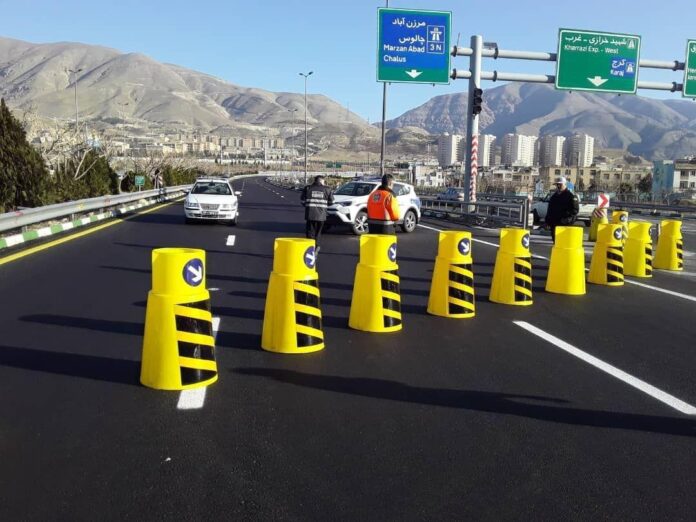
President Hassan Rouhani authorized travel restrictions to be imposed in the capital Tehran as well as in Karaj, Mashhad, Isfahan and Urmia, said Health Minister Saeed Namaki on Wednesday.

“We should turn to the third peak in the coronavirus outbreak, which gripped part of the country,” he noted.

“With the studies we have conducted on the virus, we realized that the virus has undergone some mutations,” he said.

The minister underscored the virus is infecting people at a higher pace than before.
He expressed with the enforcement of the new travel restrictions, the infection and mortality rate from the virus will decrease.

According to the new restrictions, only the cars belonging to the citizens of these five cities are allowed to enter their hometown, and other cars will be denied entry, unless they prove they live in one of those cities.

There will be no quarantine inside these five cities, however.

Iran’s President Blasts US for Stoking Insecurity in Region

Iran's President Blasts US for Stoking Insecurity in Region 11

President Rouhani made the comment in a Wednesday cabinet session, while referring to Washington’s destructive moves in the region.

“Look what they did to Afghanistan, and look what’s going on in this country, and see who is in control of its western and eastern parts,” he noted.

“Those who claimed to be fighting the ISIS terrorist group … see what they did? Can the US government say what success it has achieved in its foreign policy over the past four years,” he said.

President Rouhani said White House rulers have been defeated on all fronts. “They haven’t secured even one single success,” he said.

The president then congratulated Iranians as the UN arms embargo on Iran expires on Sunday, October 18

He said the unfair, 10-year ban will be removed despite US attempts to keep them in place.

President Rouhani said this achievement was one of the results of the 2015 Iran nuclear deal, officially known as the Joint Comprehensive Plan of Action (JCPOA).

“As of Sunday, we will be able to buy and sell weapons,” the president noted.

Iran’s Oil Production Didn’t Stop Even a Single Day: Minister

Iran’s Oil Production Didn’t Stop Even a Single Day: Minister

Bijan Namdar Zangeneh noted the production of petroleum and natural gas did not stop at all, adding, electricity generation and water production are dependent on the production of petroleum and gas.

“If oil and [natural] gas are not produced, electricity and water will not be produced, either,” he said in ceremony where more than 140 respiratory devices used for coronavirus patients were donated by the petroleum ministry to hospitals in the country’s oil-rich regions.

He said the ministry began to take action, from the very outset of the coronavirus outbreak, to move forward with the production of oil “as its activities were sensitive and its was not possible to shut down crude production.”

“We couldn’t stop work on islands and platforms as well as at operational units,” he said.

He added the ministry has contributed to the production of disinfectants, etc., saying, “We will continue with our activities in the regard.”

“During this time, our colleagues at the oil ministry spared no effort to allay people’s suffering and pain,” he said.

Iran Urges Baku, Yerevan to Stop Killing Civilians, Stick to Karabakh Truce

Iran Says US Change of Tack to Benefit Region, World

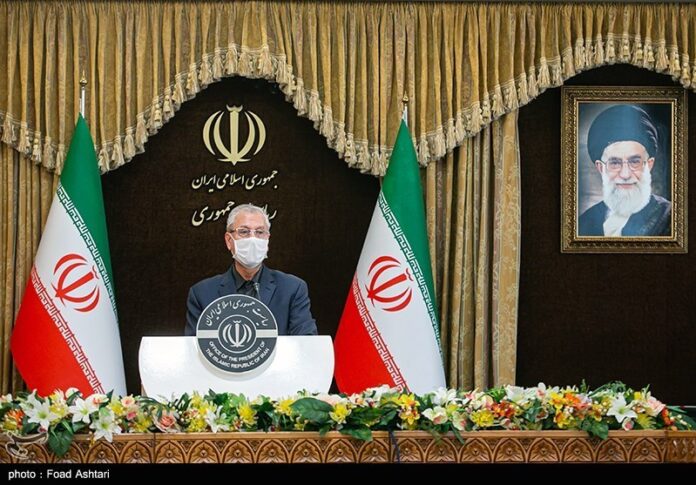
Ali Rabiee said Iran welcomes a lasting ceasefire between the warring sides.

“As we have announced time and again, we welcome any initiative that can stop the war between Azerbaijan and Armenia and establish a ceasefire and prevent the killing of people,” he noted.

“I deem it necessary to express the Iranian government’s concern and regret over the killing of civilians and I stress the need to avoid a repeat of such incidents at a time when the region and the peoples of the regional countries need peace and tranquility more than ever,” said Rabiee.

“Fortunately, in light of diplomatic engagements, the two warring countries agreed on a humanitarian ceasefire. Of course, we also witnessed the harrowing violation of the truce whereby a number of people were killed,” he added.

He also expressed concern over the escalation of conflict in the Azeri city of Ganja.

The spokesman recalled consultations between Iranian officials and senior authorities of other regional countries to help settle the crisis.

“From the outset of the fighting and during the course of the Iranian president and foreign minister’s talks with their counterparts, we have expressed our viewpoints and made our efforts. We have held talks with the officials of other countries in the region,” he said.

“We have announced the official position of our authorities and we have announced our readiness for mediation. We are pressing ahead with our attempts. Based on the plans envisaged, we are moving forward with our negotiations with the warring sides,” the spokesman said.

“God willing, Iran’s humanitarian efforts will bear fruit. We are among the few players in the region that have a good relationship with all those involved in the crisis, including the warring sides or key regional countries. We have good bilateral ties with these countries as well,” he added.

“We will try our utmost to help bring a ceasefire to the Nagorno-Karabakh region and urge the warring sides to seriously respect international law and territorial integrity in all negotiations. We hope they will avoid any move that would destabilize the ceasefire and the first steps toward diplomacy and the truce,” he said.

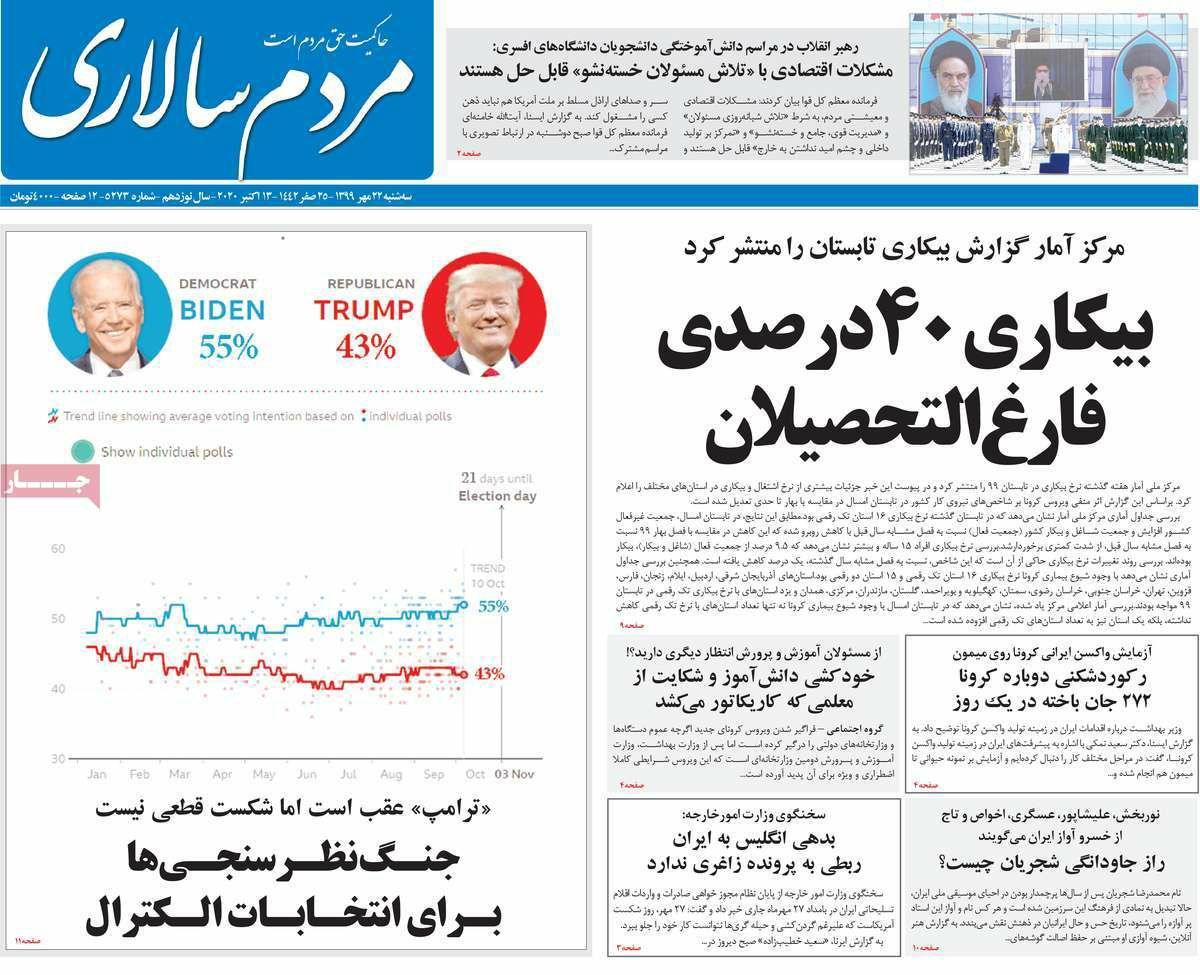
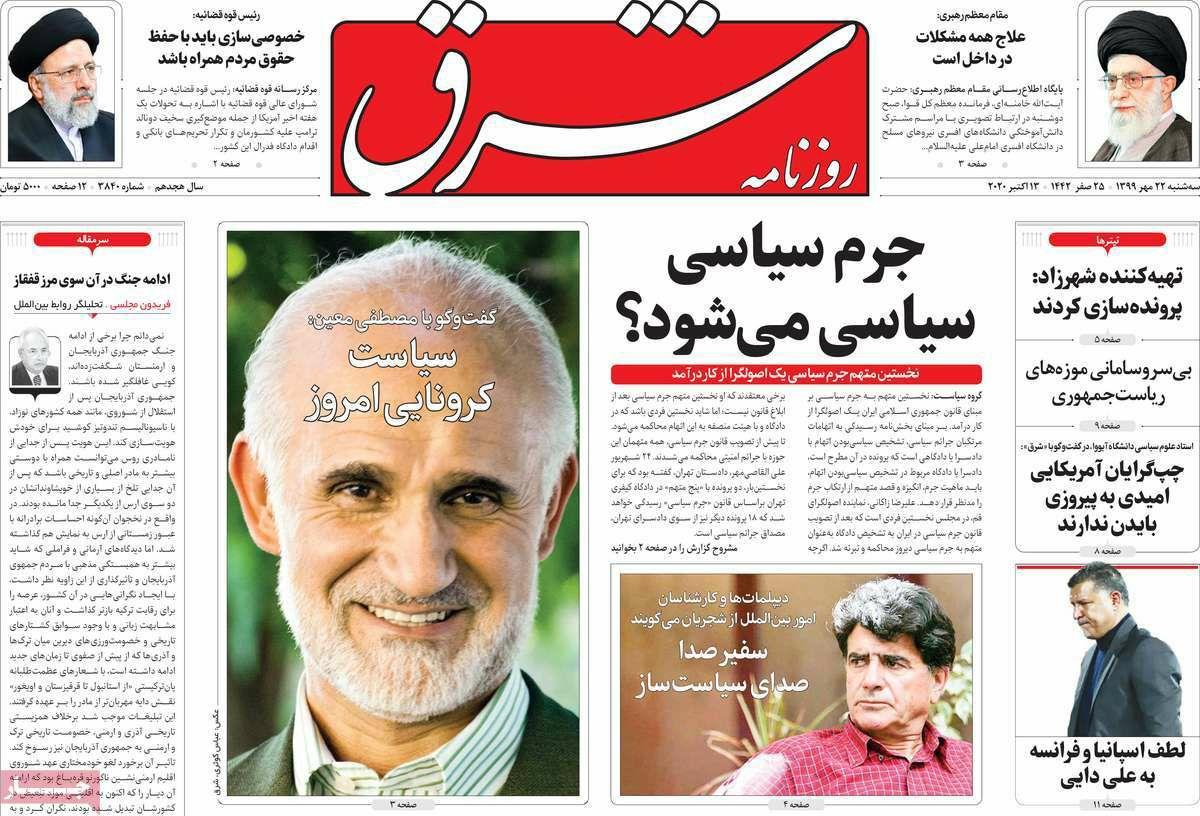
A Look at Iranian Newspaper Front Pages on October 13

A Look at Iranian Newspaper Front Pages on November 5

Iranian Newspapers

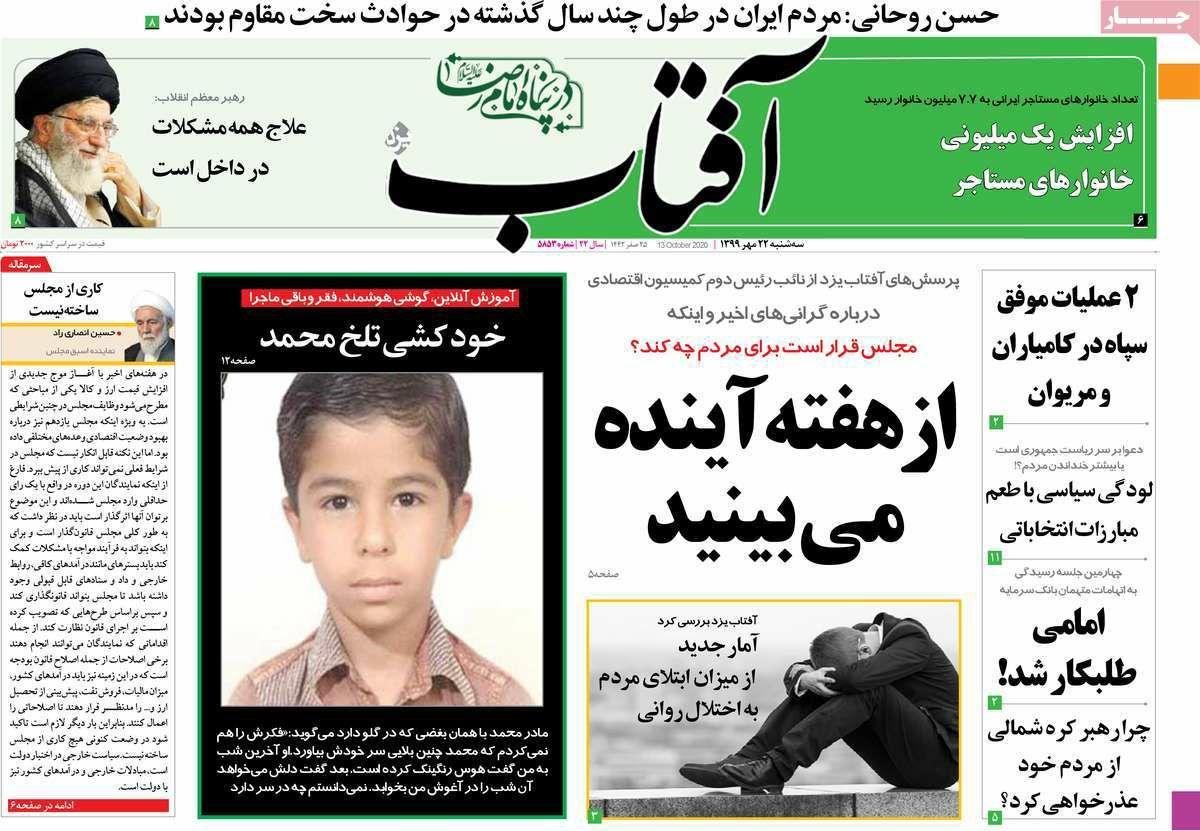
Aftab-e Yazd Newspaper:

1- Mohammad’s Tragic Suicide

* E-Learning, Smartphone, Poverty and Suicide

2- IRGC’s Successful Operation against Terrorists in Western Iran

A Look at Iranian Newspaper Front Pages on October 13


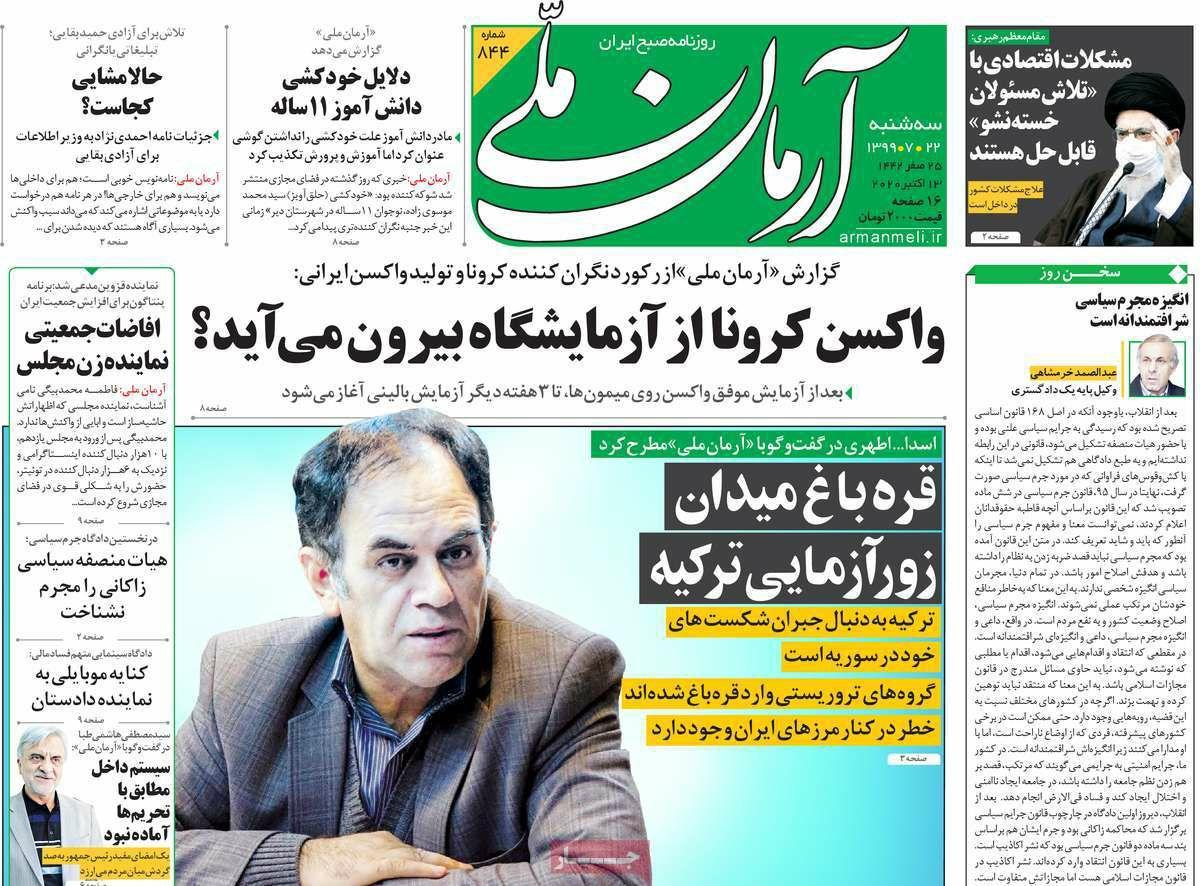
Arman-e Melli Newspaper:

1- Karabakh; Battlefield for Turkey to Test Its Power

2- Iran Leader: Economic Problems Can Be Solved with Efforts of Hardworking Officials

A Look at Iranian Newspaper Front Pages on October 13


Ebtekar Newspaper:

1- UK Debts to Iran Have Nothing to Do with Zaghari’s Case: Foreign Ministry

2- US Dollar Rates Continue to Rise amid Government’s Poor Performance

A Look at Iranian Newspaper Front Pages on October 13


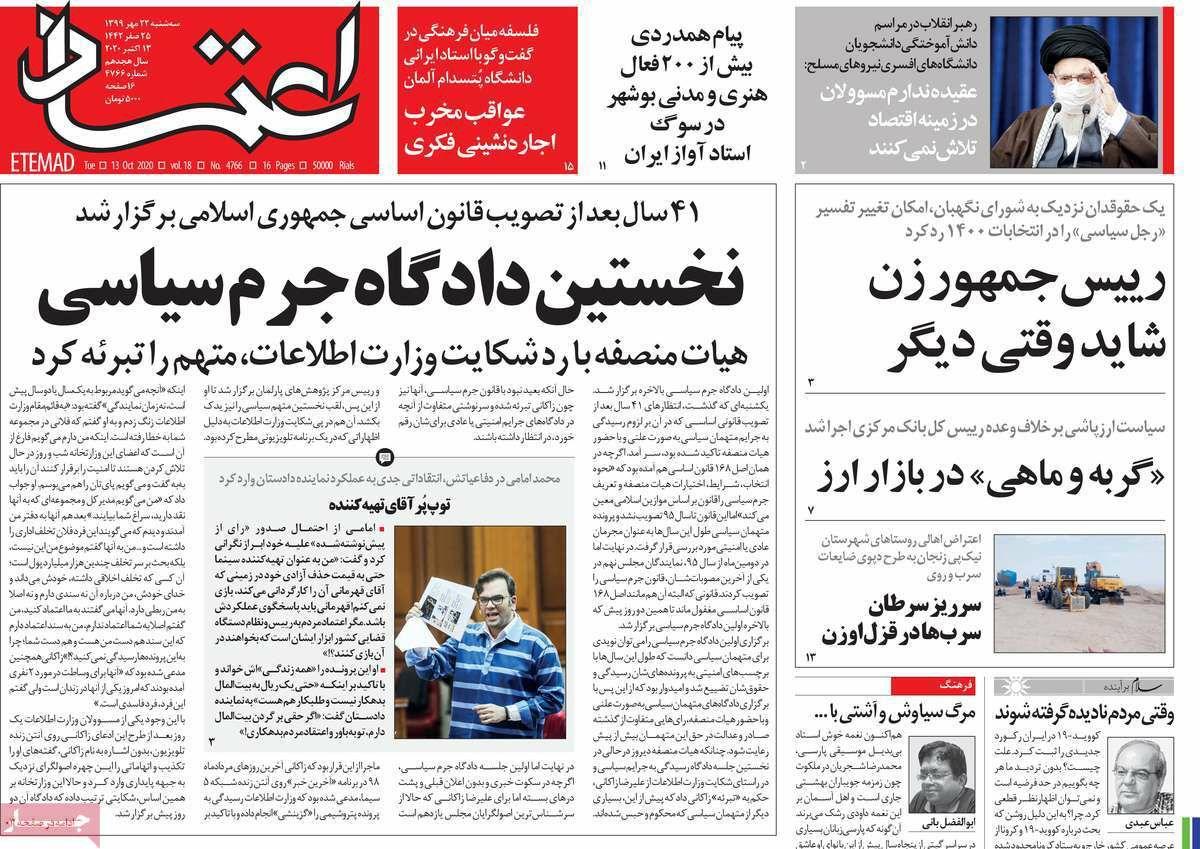
Etemad Newspaper:

1- A Woman President? Maybe Some Other Time

* Official Close to Guardian Council Rules Out Possibility of Women’s Presidency in 2021

A Look at Iranian Newspaper Front Pages on October 13


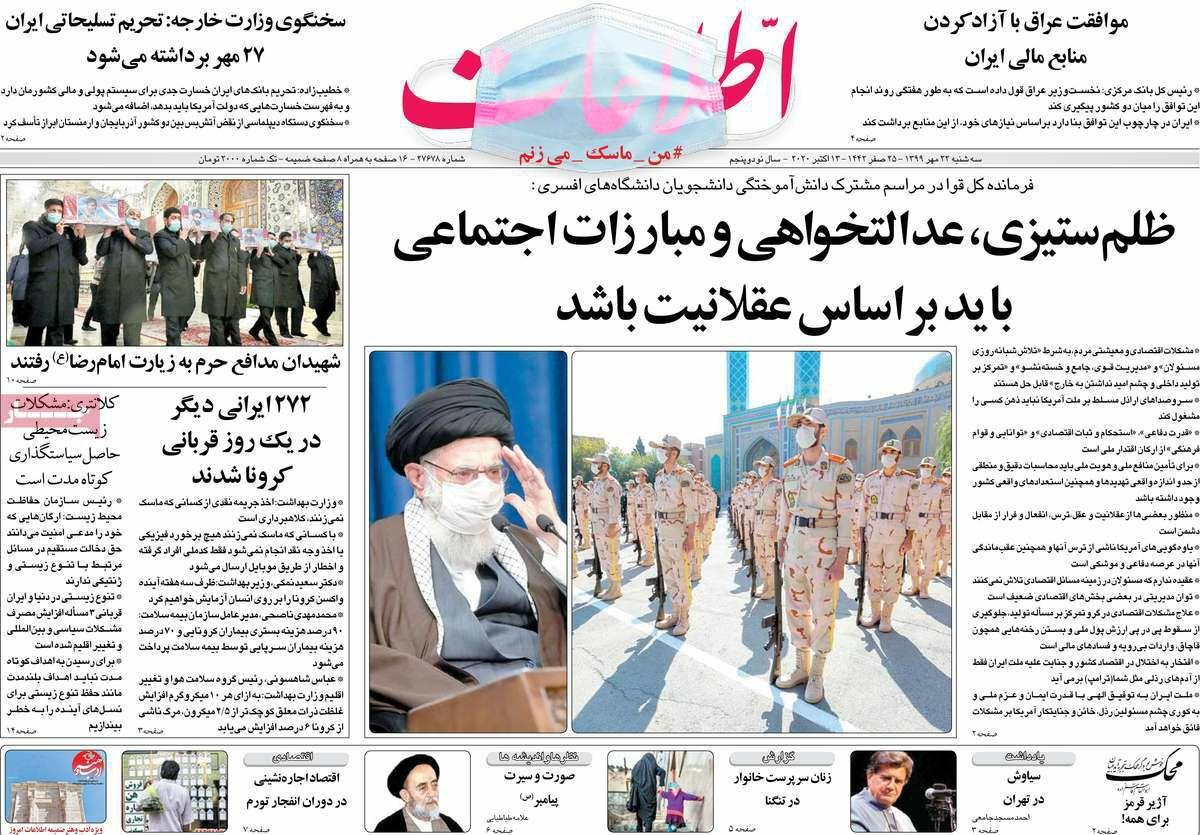
Ettela’at Newspaper:

1- UN Arms Embargo against Iran to Be Lifted on Oct. 18: Foreign Ministry

A Look at Iranian Newspaper Front Pages on October 13


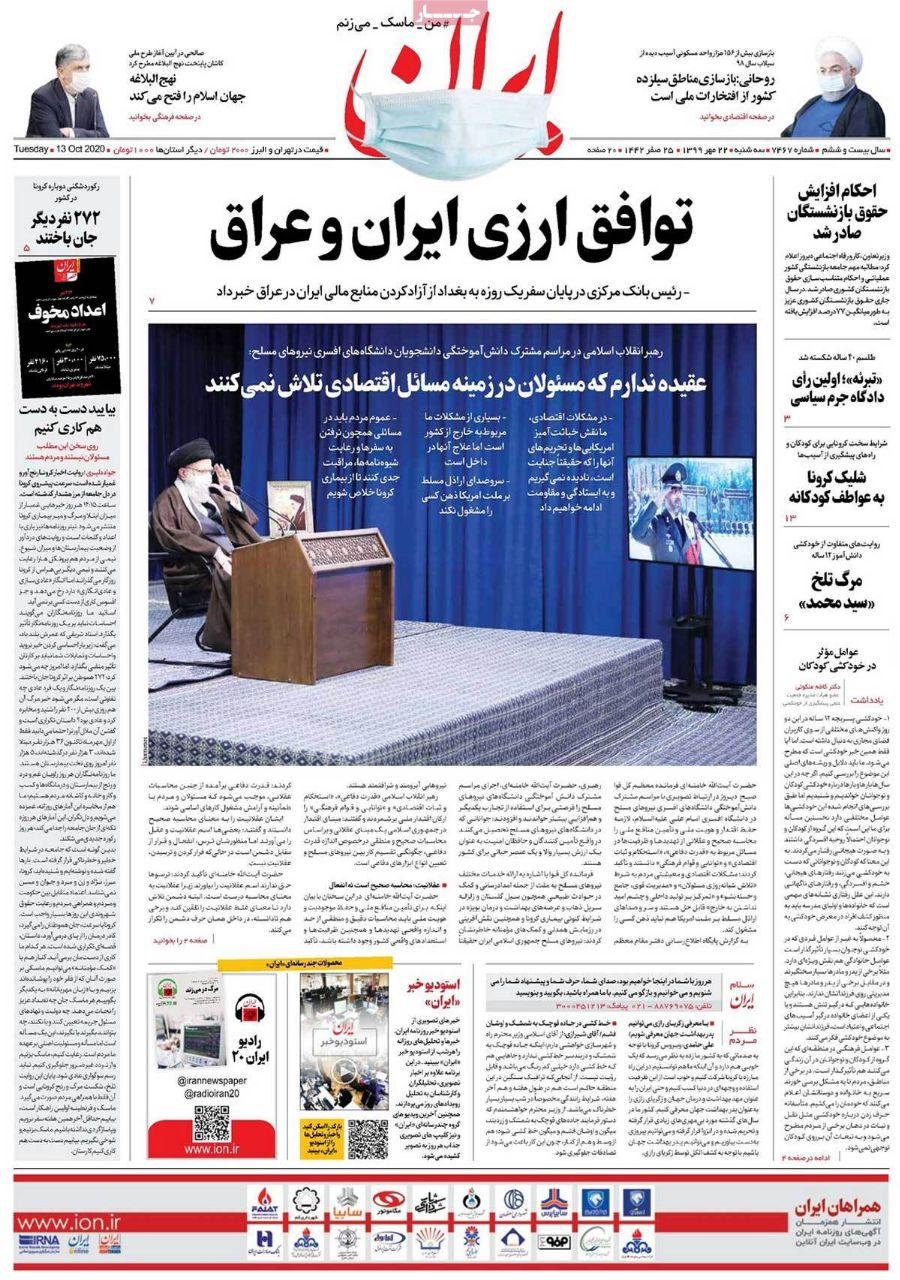
Iran Newspaper:

1- Iran-Iraq Forex Deal

2- Corona Shoots at Children’s Emotions

A Look at Iranian Newspaper Front Pages on October 13


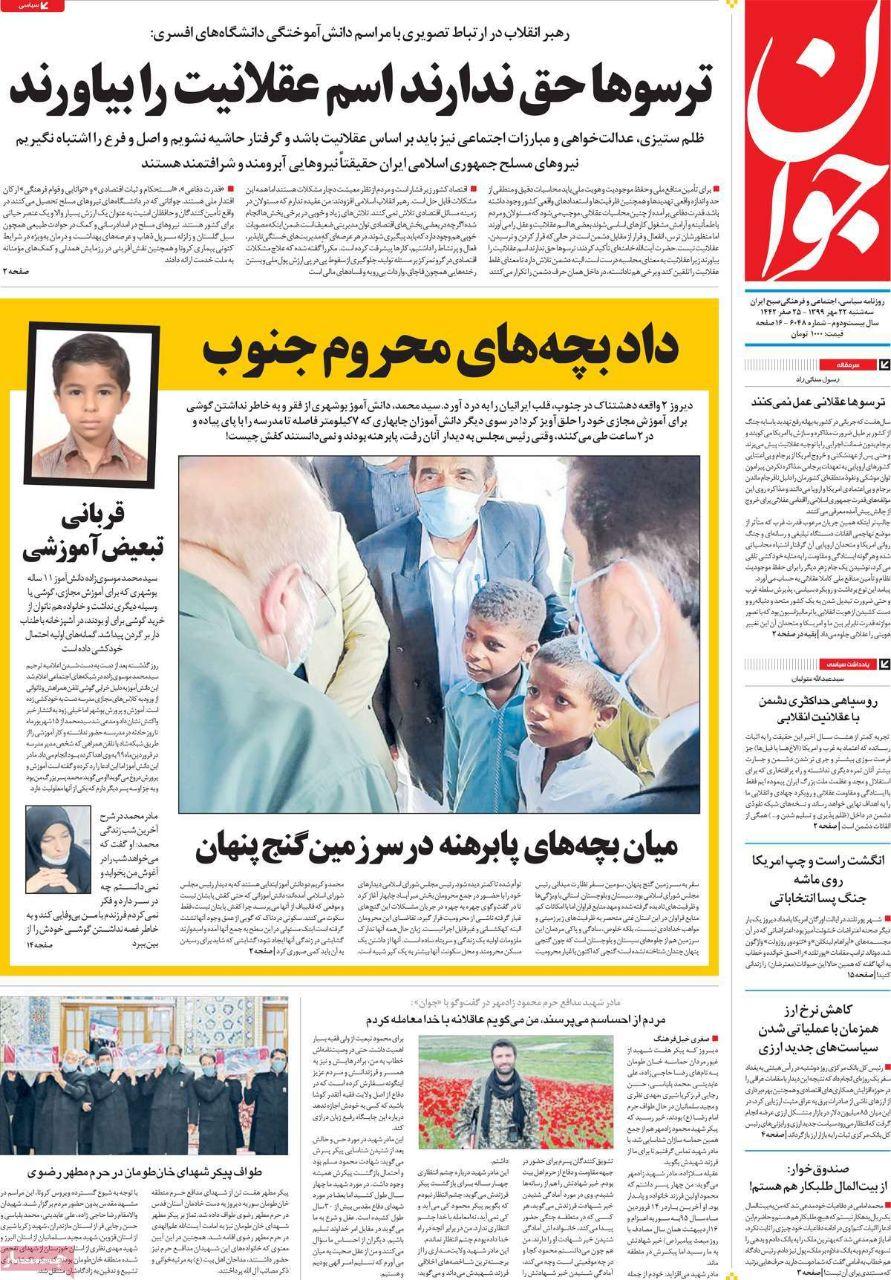
Javan Newspaper:

1- Iran Leader: Cowards Have No Right to Talk of Wisdom

2- Mohammad Victim of Educational Discrimination: Deprived Children of Southern Iran

A Look at Iranian Newspaper Front Pages on October 13


Kayhan Newspaper:

1- Iran to Start Testing COVID-19 Vaccine on Human in 3 Weeks

2- Russia Admits Karabakh Ceasefire Has Failed; Banned Weapons Used in War

A Look at Iranian Newspaper Front Pages on October 13


Mardom Salari Newspaper:

1- War of Polls for Electoral Votes

A Look at Iranian Newspaper Front Pages on October 13


Shahrvand Newspaper:

1- Mourning the Poverty of ‘Mohammad’

[the 11-year-old boy has killed himself because he allegedly didn’t have a smartphone for e-learning]

A Look at Iranian Newspaper Front Pages on October 13


Shargh Newspaper:

1- War Goes on in Caucasus

2- Leader: All Problems Can Be Resolved Inside Iran

3- US Leftists Not Hopeful about Biden’s Victory

A Look at Iranian Newspaper Front Pages on October 13

Iran’s COVID-19 Fatalities Hit 29,000: Ministry

Iran's COVID-19 Fatalities Hit 29,000

In a press briefing on Tuesday, Sima-Sadat Lari said 508,389 patients have contracted the virus so far, including 4,108 new cases identified in the past 24 hours.

So far, she added, 411,840 patients have recovered from the disease or been discharged from the hospital.

Lari said 4,570 patients are also in critical conditions caused by more severe infection.
The spokeswoman noted that 4,369,622 COVID-19 tests have been taken across the country so far.

She said the high-risk “red” zones include Tehran, Qom, Mazandaran, East Azarbaijan, Isfahan, Yazd, Ardabil, Khorasan Razavi, Khuzestan, Hamadan, West Azarbaijan, Bushehr, Chaharmahal and Bakhtiari, Kohgiluyeh and Boyer-Ahmad, Alborz, Lorestan, Markazi, Ilam, South Khorasan, Kermanshah, North Khorasan, Semnan, Gilan, Zanjan, Qazvin, and Kerman provinces.

The “orange” zones also include Golestan, Hormozgan, Kurdistan, and Fars provinces, she added.

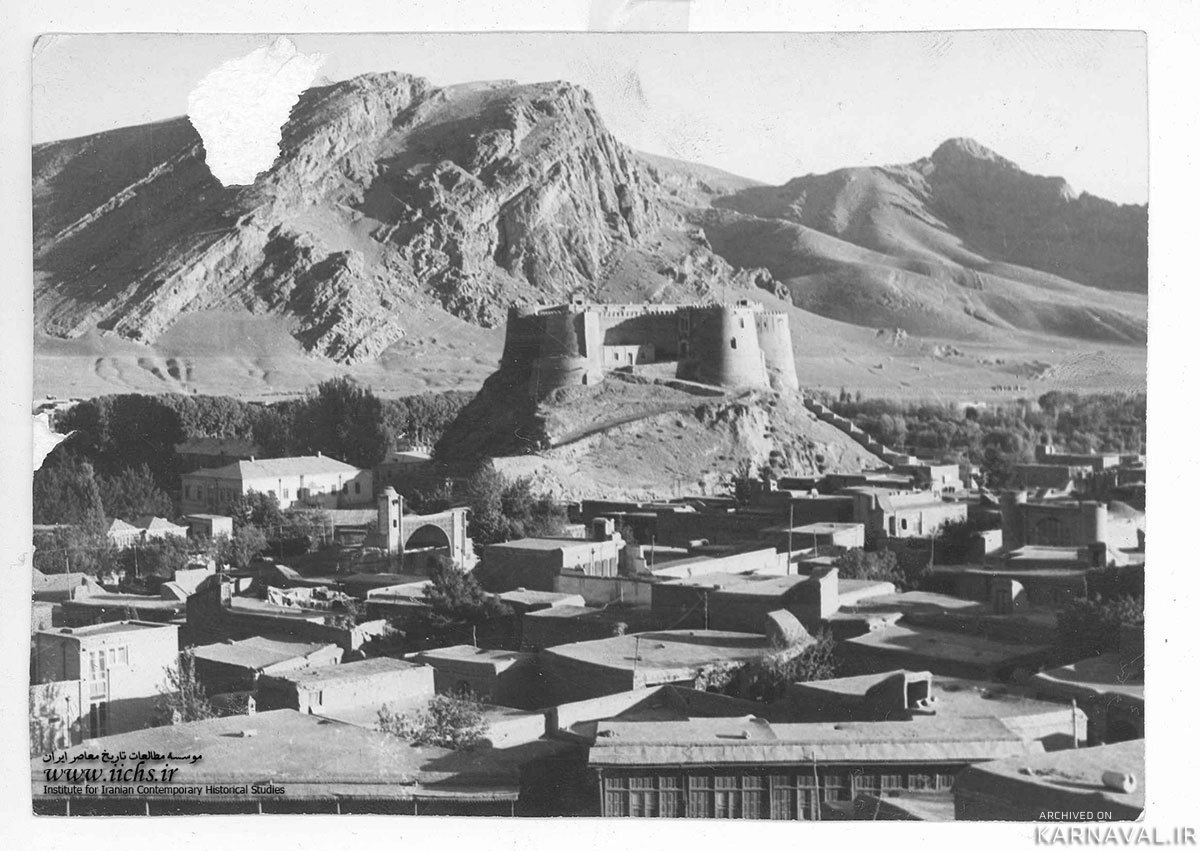
Iran’s History in Photos: Castle of Falak-ol-Aflak

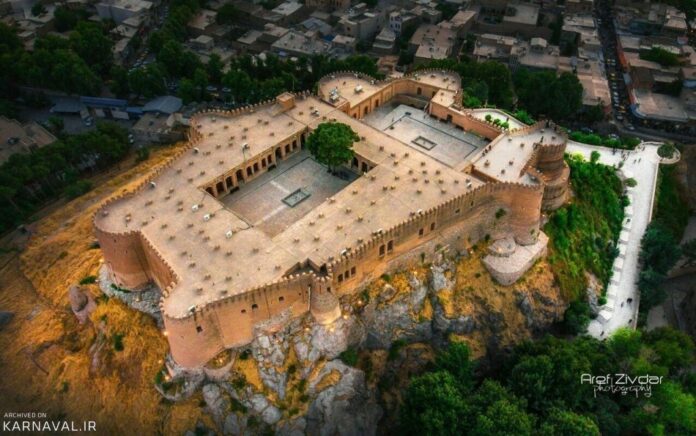
Castle of Falak-ol-Aflak 3

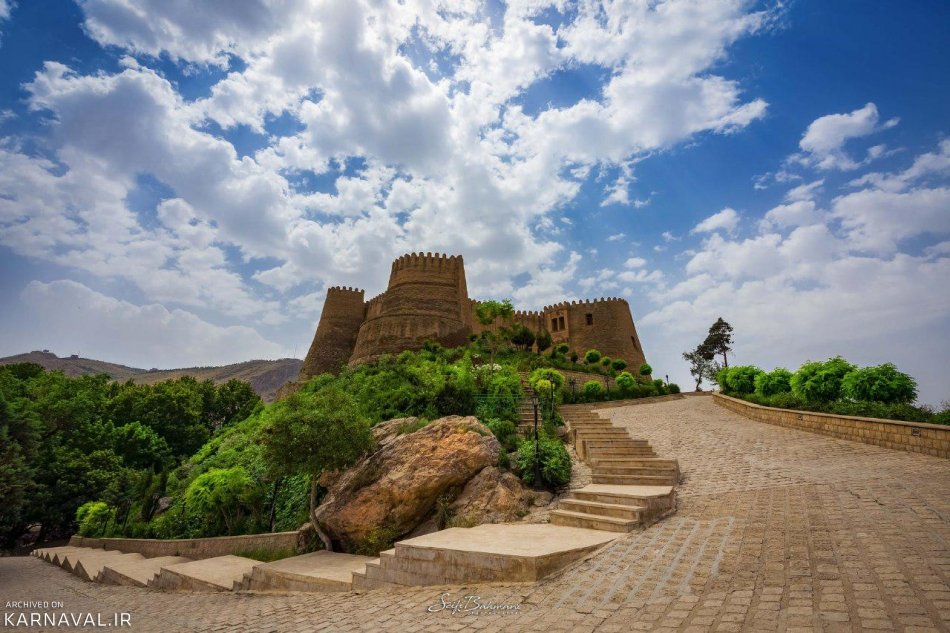
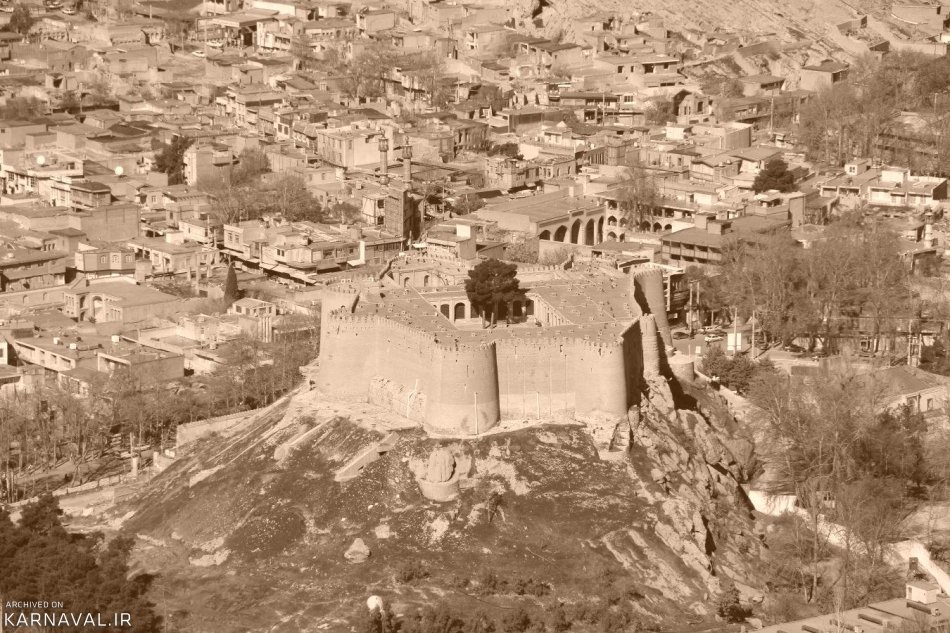
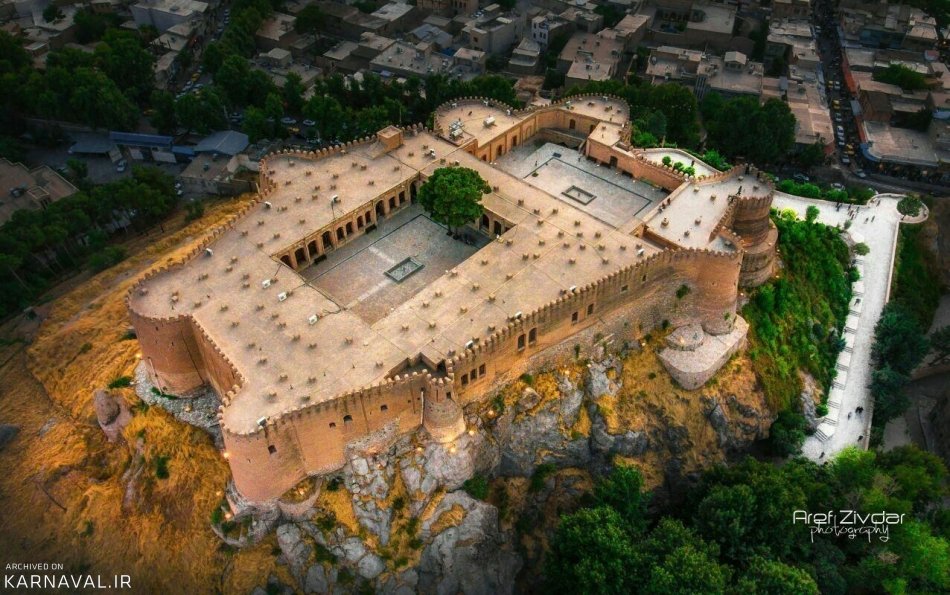
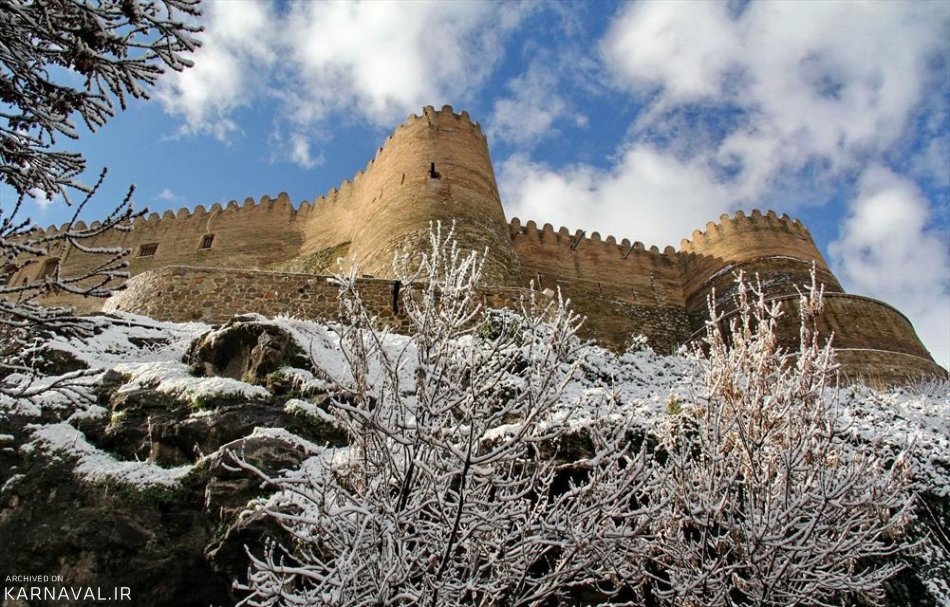
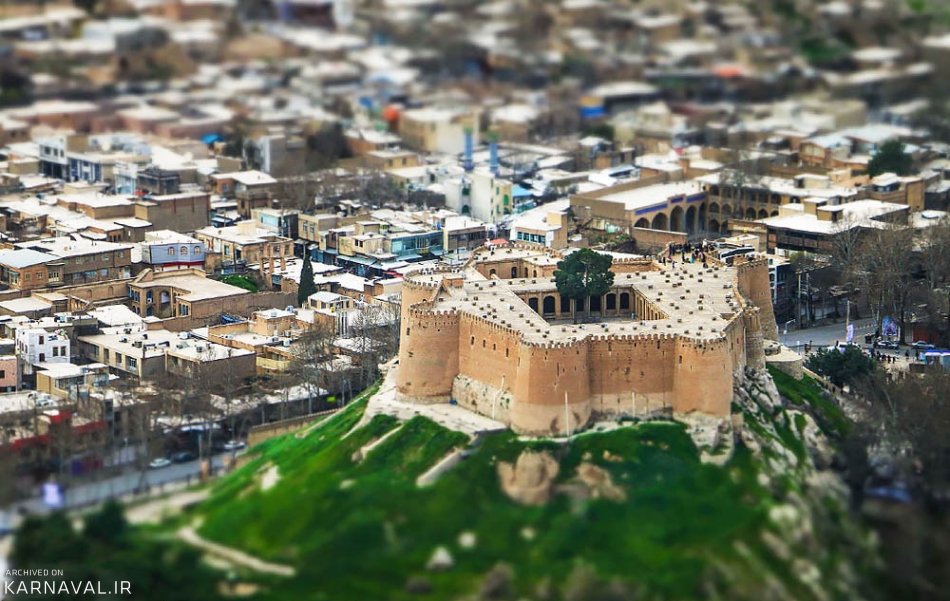
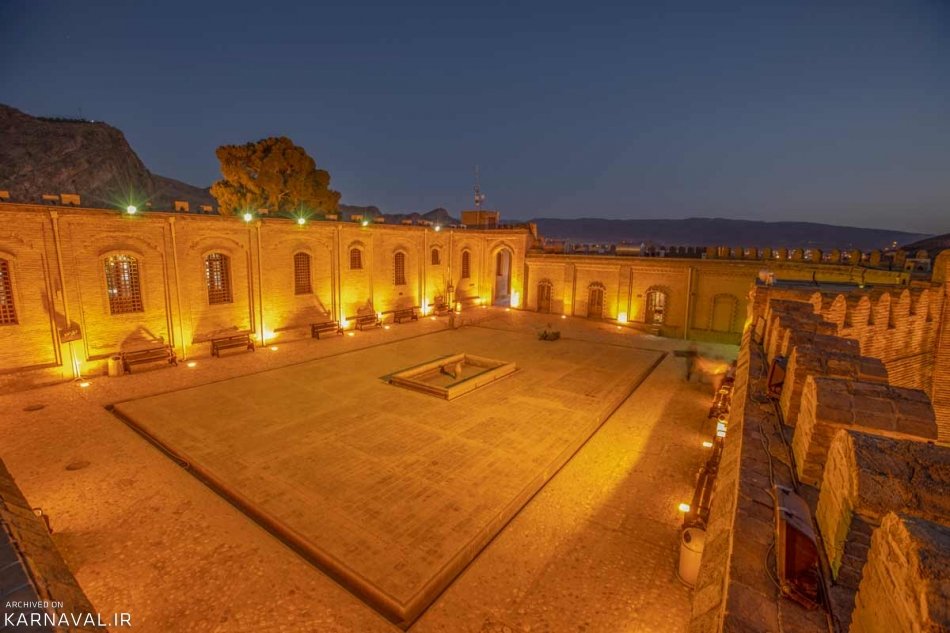
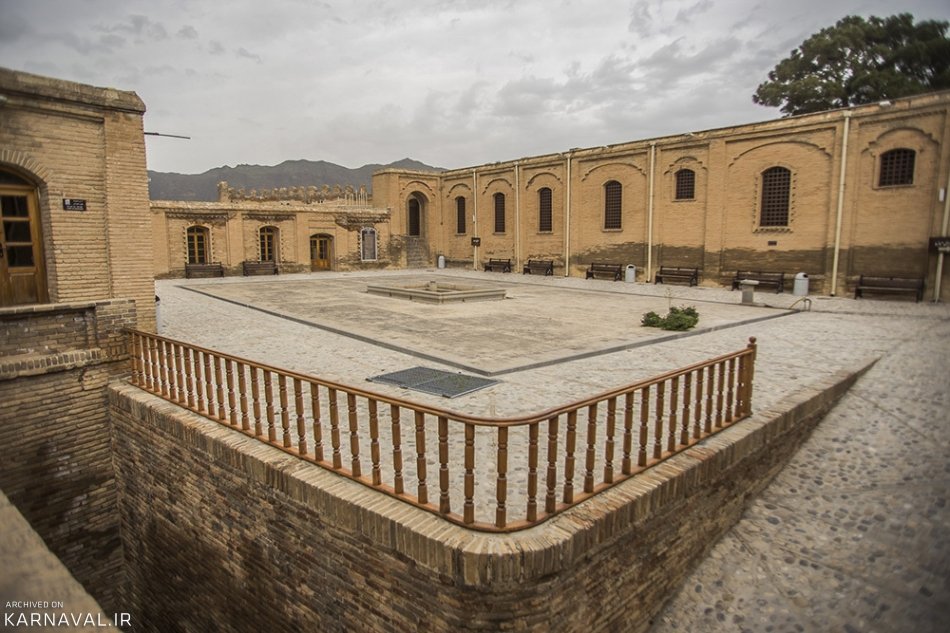
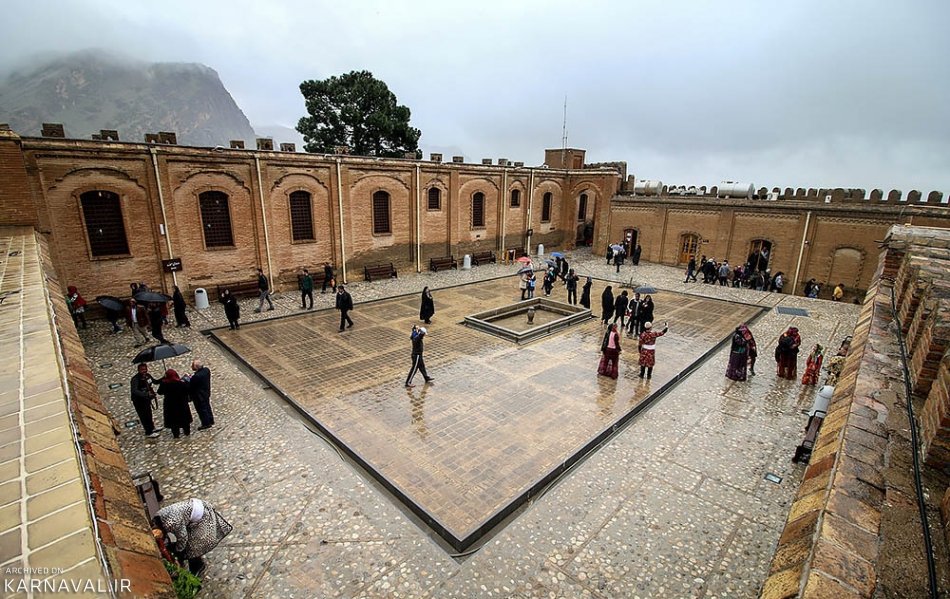
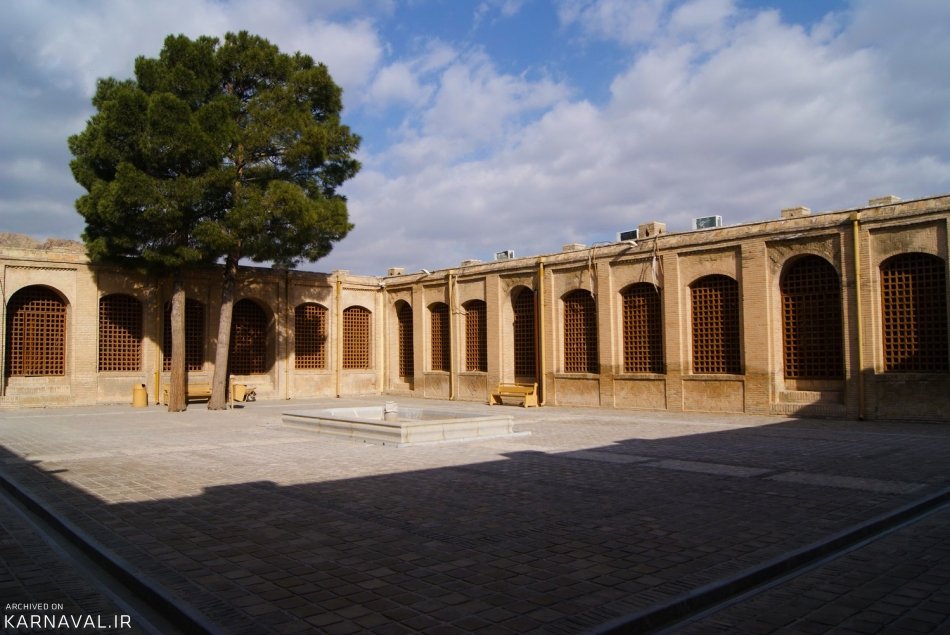
The Castle of Falak ol-Aflak is located in the centre of Khorramabad, the capital city of Lorestan province in western Iran. It is sited near a river, on a hill overlooking the city.

As the most impressive historical tourist attraction of Khorramabad, the Castle of Falak ol-Aflak has an area of ​​5,300 square metres. Its tallest tower is 22.5 metres above the hill.

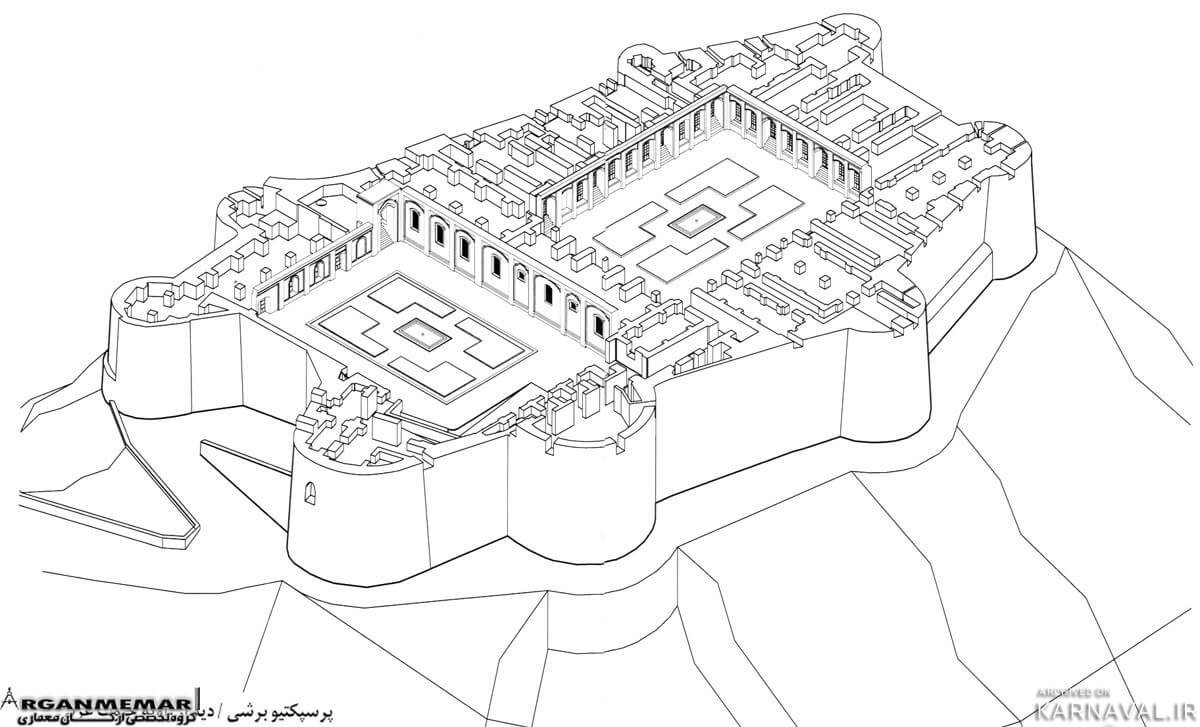
Castle of Falak-ol-Aflak plan

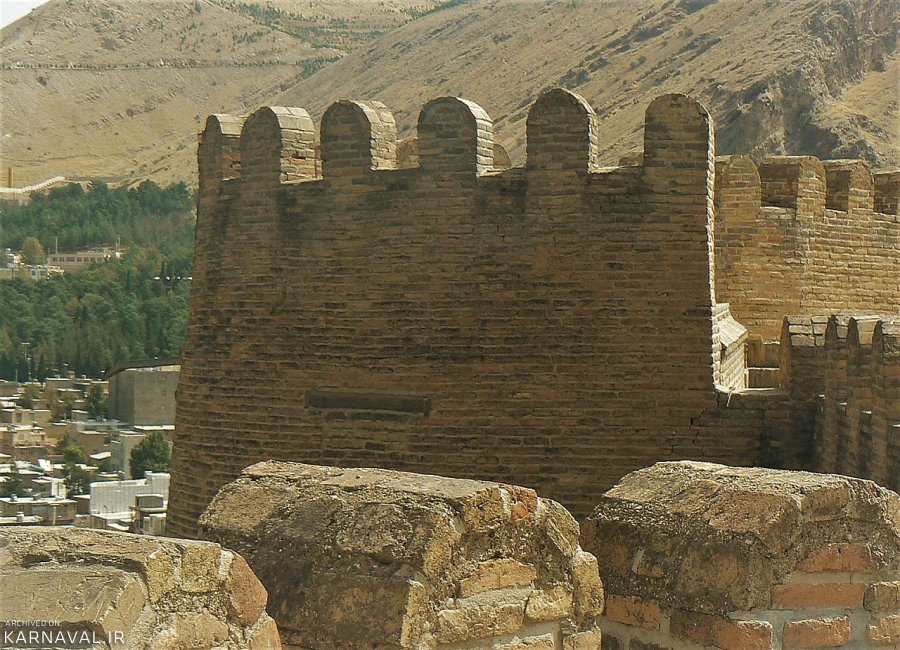
The fortress is made of stone, brick (red and large), clay, plaster and lime mortar. Built during the Sassanid period, it served as the main seat of rulers of Lorestan in different eras.

The castle has been registered under the name of Falak ol-Aflak since the Qajar era; while it is also known as the castle of Shapur Khast or “Davazdah-Borji”. The latter refers to the twelve constellations in Persian.

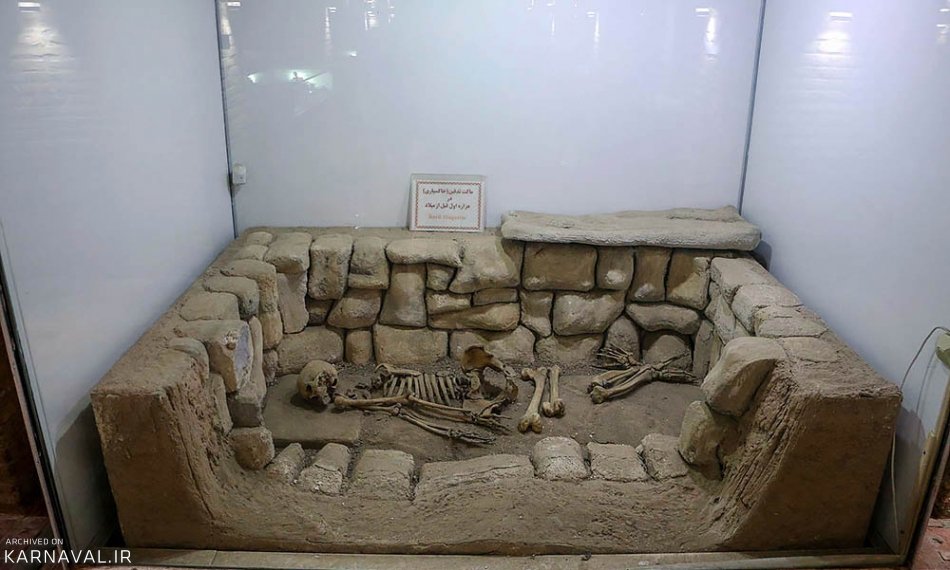
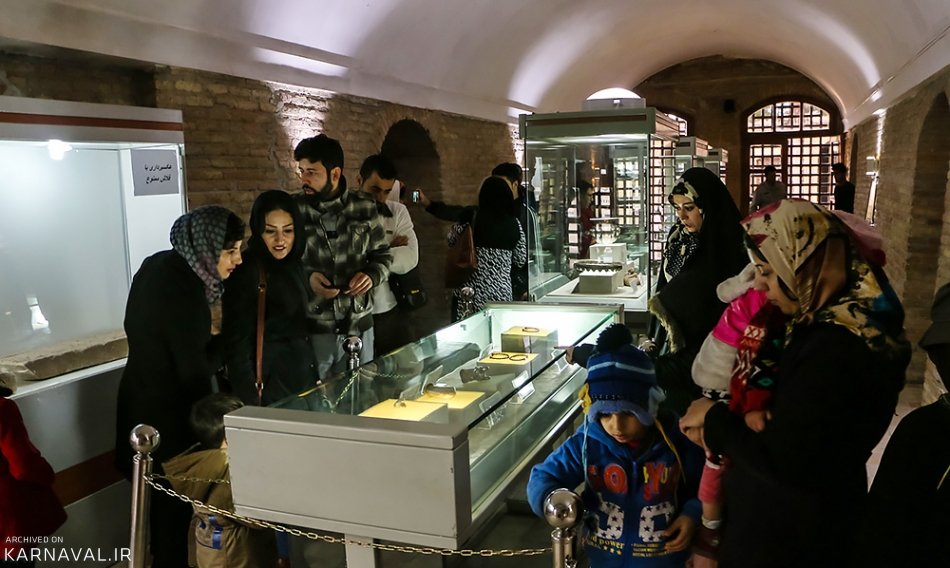
When Alexander the Great invaded Iran, the rulers of Lorestan decided to hide valuable objects of gold and silver in this fortress. Those antiques were accidentally found by the thieves after 2,000 years. Some have been restored and kept in the castle’s museum.

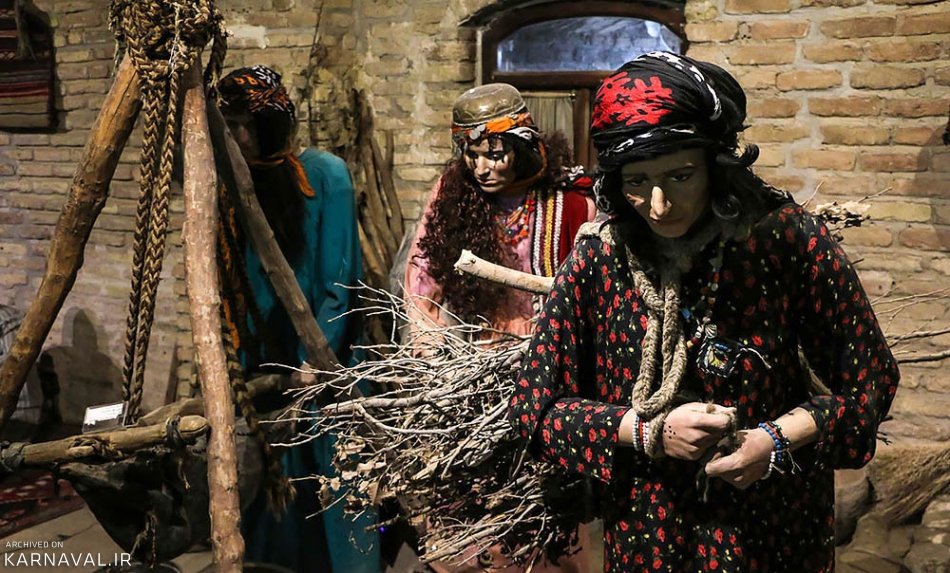
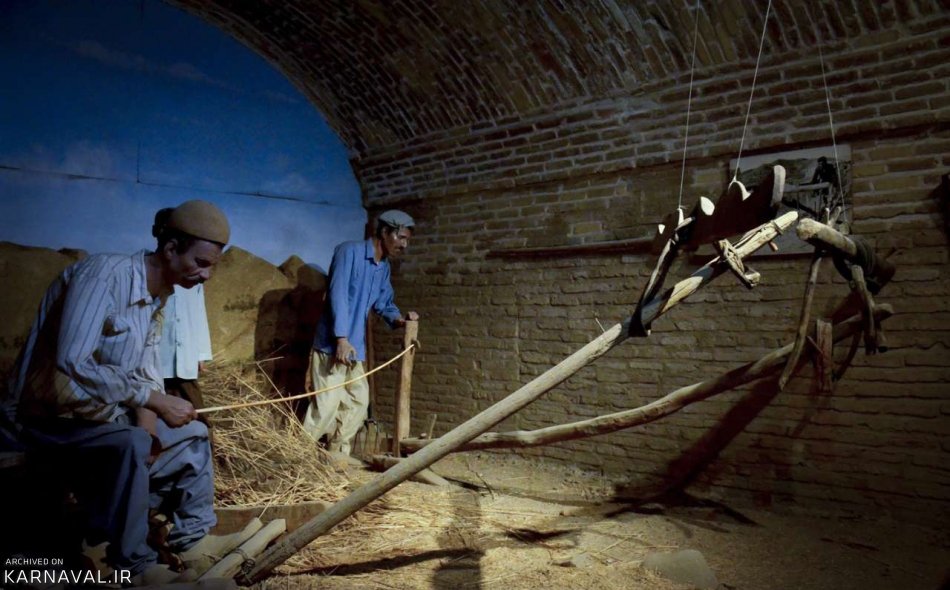
Castle of Falak-ol-Aflak old photoA laboratory equipped for the restoration of ancient objects has been built inside the Falak ol-Aflak Castle. Next to it, there is a library with exquisite books, and a museum of anthropology.

The fortress is registered in the list of Iran’s National Heritage sites.

Which Format is the Best for an External Disk?

Which Format is the Best for an External Disk

You may already have a disk that can be used on a PC and Mac, but you will know how to take the best advantage of your external disk especially external HDDs in the article.


Common file systems

File system is the way in which files are separated into individual pieces, named and placed logically for storage and retrieval. Without a file system, data stored in a storage device would be one large body of data with no way to tell where one piece of data stops and the next begins.

To sign a file system to a storage medium, you need to format the medium through an OS on a digital device such as computers, cameras, or phones.

Which file system on a computer should you use then? Check the common file systems below.


File systems by Microsoft:

FAT

FAT is a file system family which contains FAT, FAT16, FAT32 and exFAT. It is a universal file system that can work on Windows, macOS, Linux, or even phone OS. Among them, FAT32 and exFAT are the improved ones that you should choose.

FAT32 doesn’t support a file larger than 4GB, a partition larger than 32GB in Windows, and a partition larger than 2TB in macOS. As a result, FAT32 is a good option for SD cards or USB flash drives with small capacity. exFAT eliminates the limits the file and partition size, so it will be a better option for drives with large storage capacity or where large files will be stored.

NTFS

NTFS is the primary file system on current Windows PCs and default file system for Mac external HDDs and SSDs. NTFS supports file permissions, file compression, file journaling and large file allocation. It is the best file system to use on Windows computers. However, macOS doesn’t support writing to NTFS volumes.


File systems by Apple:

Mac OS Extended

Mac OS Extended, also known as HFS Plus or HFS+, has been the primary file system on all Macs Since 1998. It supports journaling to avoid data loss in case of a system crash and supports files larger than 4TB. Another advantage is that it is the file system required for Time Machine backup software. Disks formatted with Mac OS Extended can be read in Windows but can’t be written too.

APFS

APFS replaced Mac OS Extended as the default file system on Mac computers that came with macOS 10.13 High Sierra. APFS is optimized for all-flash storage drives especially for SSDs. It is a lot faster. APFS is very exclusive and not compatible with Windows at all.


Which file system should you use for your external storage device?

The best option of a file system depends completely on your needs. If you want to use the external disk on Windows only, NTFS is your best option for large capacity HDD while exFAT/FAT is for SD cards or USB flash drives. If you want to use the disk on Mac only, Mac OS extended should be the best considering the compatibility with OS before macOS 10.13. If you want to use the external disk changeably between a PC and a Mac, format it to exFAT.

Furthermore, a disk is not limited with one file system. It is recommended that you partition the external hard drive with at least two partitions with the best format suggested above. Then you can enjoy free file storage and transferring without worrying about the file limit and incompatibility.

Last but not the least, disk drivers can help you gain full access to a disk formatted with incompatible file system. For example, an NTFS for Mac driver can help users both read and write to Microsoft NTFS formatted disks on Mac. It is very convenient for those who don’t want to reformat or repartition the disk.


Conclusion

Doing some homework about how to set up an external disk will help you take the best advantage of your drive. It can reduce the incompatibility occurrence and even reduce disk corruption risk. To format or partition a disk, use Disk Management in Windows and Disk Utility in macOS.

Quick Fixes for Common 3D Printing Problems

Quick Fixes for Common 3D Printing Problems

Corner Worms

In some cornered designs, stringy meshes can appear on one or more of the inside corners, which can look like a spider web made of worms and may happen even if you use Zero Infill and Zero Top Layer settings.

Fix: Your Slic3r believes its nozzle is still touching a filled layer. Go to your Slic3r configuration. Click on “Print Settings” then “Infill.” Look for a dialog box that reads, “Only retract when crossing perimeters.” Uncheck it.

Curling Overhangs When Printing Small Details Using ABS

Sometimes when you try to print a detailed part with a gradual overhang using ABS, the material can start to shrink inward. This curling happens because of the lack of anchor below the part.

If you were using PLA, you could cool the area with a fan. ABS layers do not bond very well and may crack with this method.

Fix: Design a simple tower about the same height as your print. Place it next to your part and have your printer create them together. This slows down the printing and lets your overhang cool off a bit more between layers, which reduces curling. It also keeps the nozzle cleaner than other fixes for this problem, like using a slower printing speed or “Orbit” mode.

Stuck Parts

If one of your designs gets stuck to the bed of your printer, it can be hard to find enough leverage to pry it loose. This is incredibly difficult when printing pyramid shapes with a broad base.

Fix: If you’re using ABS, try setting your heat bed’s temperature to around 60 degrees Centigrade to prevent sticking.

Try using a pair of pliers wrapped in a rag to get a grip on your part without damaging it.

You can also wrap a small chisel in some soft tape and use it to slowly scrape an edge of your part off the printer’s surface.

Warping

If you need to print an object with some long, thin feature or a narrow, flat base, you may get a bit of warping at the ends or corners. You can correct this by adding small pads to the places where the warping tends to happen.

The pads can be any shape and size, but we recommend using small cylinders about 10 millimeters wide and only a couple of layers thick. These prevent warping and are easy to trim off after printing to get your object back to its correct shape.

Fix: If you need to repeat printing the same part several times, add a few of these pads directly into your 3D data.

If you want a quick fix for one part, add the pads in your GUI. It’s easy to make a pad shape right in your CAD. You can then save it as an STL and have it added to your build tray. This method lets you quickly copy a pad and place it in different locations.

STL Errors

When you cut up an STL file, you can sometimes end up with weird geometrical features or missing pieces. This usually happens when your original STL data is flawed. It can be hard to find the incorrect data location, especially if you’re pressed for time.

Fix: At Makershop.co, we like to fix this using Netfabb, a powerful STL repair tool. You can pay for the full version or get a basic version free of charge on their website.

Inside Netfabb, find the “Extras” menu and click on “Repair Part.” For most files, you can use the “Automatic Repair” feature on the bottom right. Click on “Default Repair” then “Apply Repair” to start. Once the process is finished, go to the file tree on the right side and right-click on your part. Choose the “Export” option and save it as an STL file.

ABS Plaster

You can make a quick, sticky plaster paste using ABS and acetone. Use it to create large, intricate designs out of small individual parts, paint a nice finish, or fix cracks and broken pieces.

Fill a small airtight glass jar about halfway with pure acetone. Crumble up some loose ABS into little bits and dissolve them in the acetone. You can print a square sheet out of ABS one layer thick and cut it into pieces for this. Stir the solution slowly and wait until all the parts have dissolved.

ABS Temperature

ABS usually extrude best at a temperature range between 215 to 240 degrees Centigrade. This range can be affected by your piece’s color, the temperature, and elevation of your print room, or the presence of moisture in your plastic.

Cracks in Tall Parts

The taller your part, the more prone it will be to cracking. Pieces over 30 millimeters high are especially problematic. Higher layers are farther from the heat bed, which makes them cool faster and adhere together poorly.

Fix: Slowly increase the temperature of both your extruder and heat bed to find the sweet spot. 5 to 10 degrees Centigrade usually works best.

 

Drone Crashes in Northwestern Iran Near Karabakh Battlefield

Drone Crashes in Northwestern Iran Near Karabakh Battlefield

A deputy governor-general of Ardabil said the crash has left no casualties or damages.
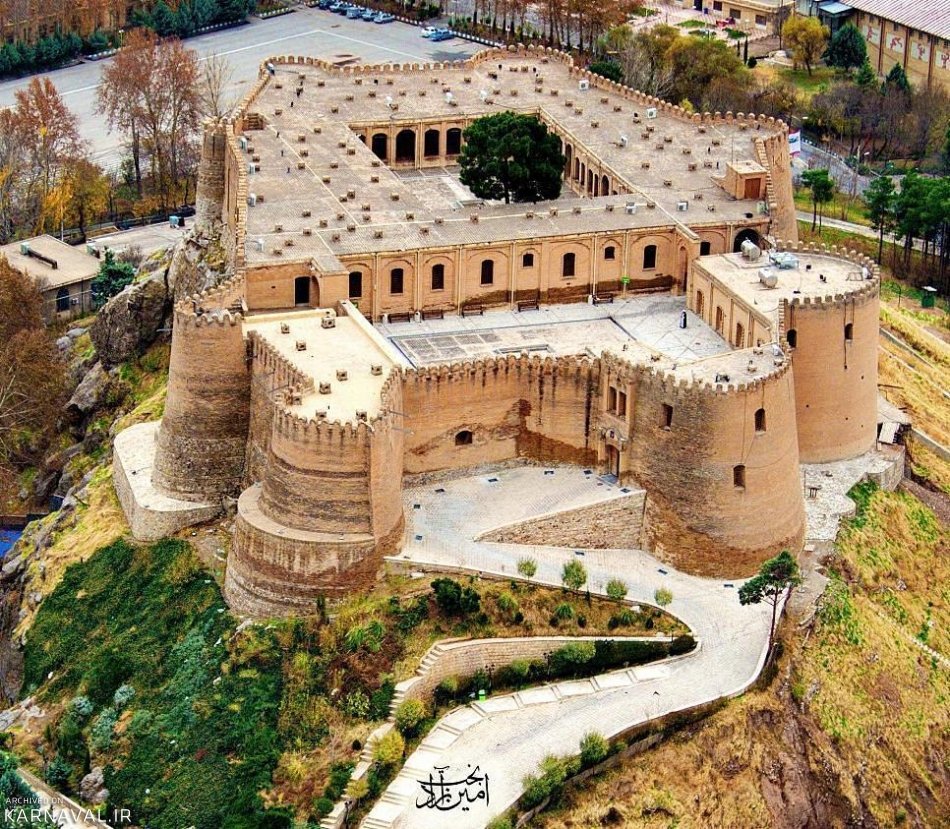
The drone, which military experts say is an Israeli-made IAI Harop, crashed near the Iranian border with the disputed Nagorno-Karabakh region, where Armenia and Azerbaijan Republic are fighting.

Local sources believe the drone belongs to the Azerbaijani army, as Baku regularly purchases weapons and military equipment from Israel.

However, the provincial official says investigations are underway to determine whether it is Azeri or Armenian.

Iran has repeatedly asked for settlement of the conflict and urged cessation of hostilities in Nagorno-Karabakh.

Dispute over Nagorno-Karabakh started in 1988 and led to a military conflict in 1992.
A couple of days ago, Armenian and Azeri foreign ministers agreed on a Russia-brokered ceasefire but violation of the truce suggests it is fragile.