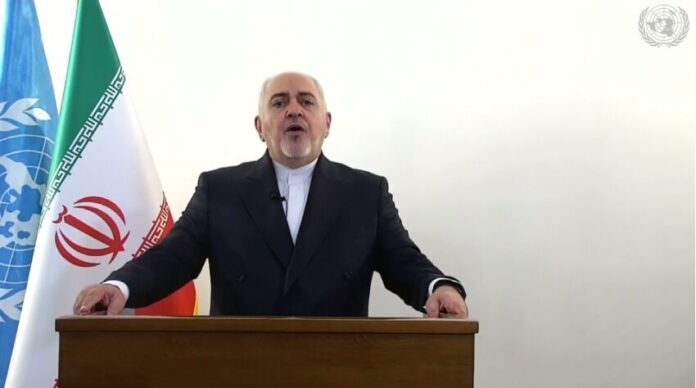
“Our United Nations at 75 needs to recommit itself to stand up—united—against unilateralism and war,” Zarif said in his speech to a session of the 75th UN General Assembly.
What follows is the full text of his Monday speech:
Mr. President,
Seventy-five years ago, the United Nations was founded to restore international peace and security in the aftermath of two horrific wars. But how successful have we been?
According to a new study, since 2001—ironically, the “United Nation’s Year of Dialogue Among Civilizations”—37 million people have been displaced as a result of the US “Forever Wars”.
The eight violent wars that the US initiated or joined since 2001—under the rubric of “War on Terror”—have resulted in the loss of hundreds of thousands of innocent lives, countless broken societies and families, failed and failing states and unprecedented extremism.
So today, we should be asking ourselves:
Whether our world is more—or less—secure than it was in 1945;
How we can counter the unilateralism and disdain for international law by a bully that only knows wielding a big stick and speaking arrogantly;
And how we can contain a power that has spent over 220 of its total 244 year-history in war: from the wars on its native population, to the war on its enslaved population—which continues with extreme brutality—and to the 39 military conflicts and nearly 120 economic wars—it deceptively calls “sanctions”—since 1945. Against any entity that hasn’t submitted to its whims.
Ironically, it keeps losing its “Forever Wars”.
In fact, no one wins in a war.
It’s time to change tack—saving American blood and treasure and sparing the world from further misery.
Dear Friends,
Complacency is the oxygen that the US needs to continue its bullying. US appetite only grows by appeasement; by submitting to its unlawful measures against others, in the hope of avoiding its wrath. It does not work, my friends.
Our United Nations at 75 needs to recommit itself to stand up—united—against unilateralism and war.
In a statement released on Monday, the IRGC condemned the French president’s stances in support of the insults to Prophet Muhammad (PBUH), describing the ant-Islamic moves as a “failed project that would accelerate the inevitable fall of the US and the Zionist regime.”
The satanic scenario for anti-Islamism has entered a new phase after the recent move by Charlie Hebdo to republish offensive cartoon of Prophet Muhammad (PBUH) and the subsequent supports from the “witless and adventurous French president”, the statement deplored.
The IRGC also said the insults to Islam reveal the great paradox in the West, particularly in the so-called flag-bearer of freedom of expression in Europe, as France is attempting to cover up its failure to prevent the spread of Islam and growing enthusiasm for Islamic teachings.
“The rulers of the hegemony system and Zionism, which are the main supporters of the extremist and Takfiri currents and creation of horror and violence in the world, would be unable to save the crisis-hit and anti-human West from a self-created quagmire,” the statement noted.
The IRGC finally warned that the recent insults to Islam will soon draw an appropriate response from the Islamic community, beyond just a boycott of French products or protests.
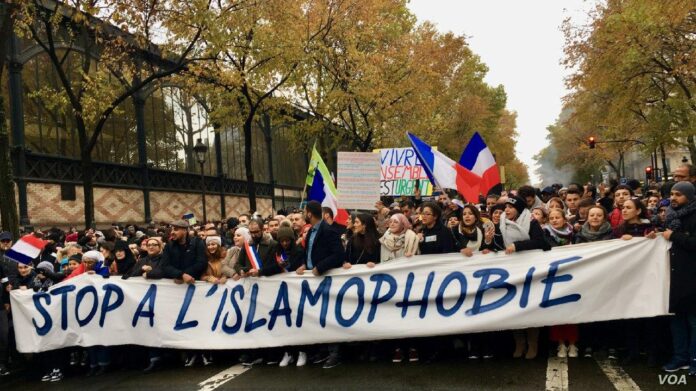
Several trade associations in the Muslim nations have announced a boycott of French products, in response to recent comments made by President Emmanuel Macron on Islam.
Earlier this month, Macron pledged to fight “Islamist separatism”, which he said was threatening to take control in some Muslim communities around France.
He also described Islam as a religion “in crisis” worldwide and said the government would present a bill in December to strengthen a 1905 law that officially separated church and state in France.
His comments, in addition to his backing of satirical outlets publishing caricatures of the Prophet Muhammad (PBUH), have drawn widespread condemnation from Muslims across the world.
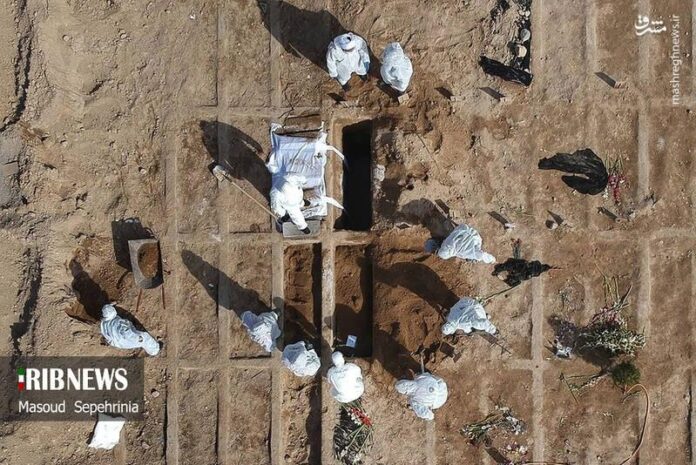
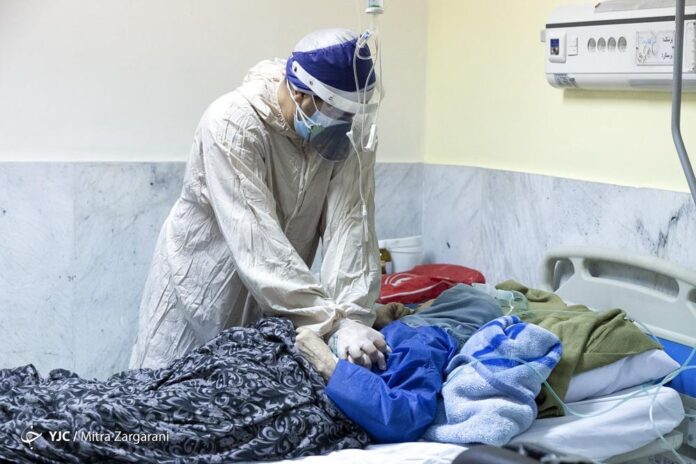
In her press briefing on Monday, Health Ministry spokeswoman Sima-Sadat Lari reported 5,960 new cases of COVID-19 infection, raising the total number of cases to 574,856.
So far, she added, 459,250 patients have recovered from the disease or been discharged from the hospital.
Lari said 4,982 patients are also in critical conditions caused by more severe infection.
The spokeswoman noted that 4,753,357 COVID-19 tests have been taken across the country so far.
She said the high-risk “red” zones include Tehran, Qom, Mazandaran, East Azarbaijan, Isfahan, Yazd, Ardabil, Khorasan Razavi, Khuzestan, Hamadan, West Azarbaijan, Bushehr, Chaharmahal and Bakhtiari, Kohgiluyeh and Boyer-Ahmad, Alborz, Lorestan, Markazi, Ilam, South Khorasan, Kermanshah, North Khorasan, Semnan, Gilan, Zanjan, Qazvin, Kurdistan, and Kerman provinces.
The “orange” and “yellow” zones also include Golestan, Hormozgan, Fars, and Sistan-and-Baluchestan provinces, she added.
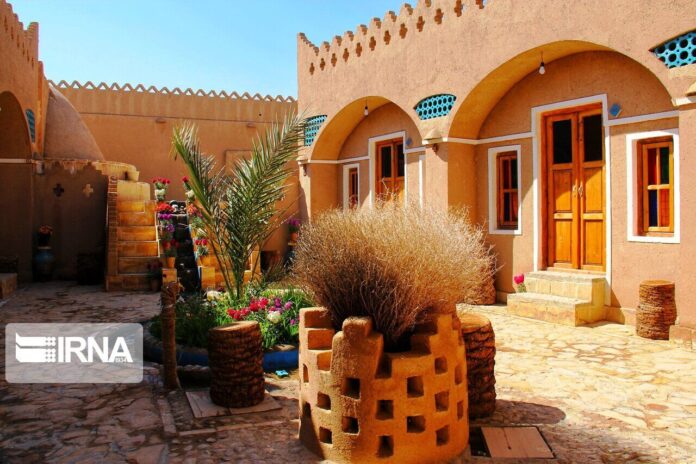
The Ministry of Cultural Heritage, Tourism and Handicraft said in accordance with the instructions approved by the Economic Working Group to deal with the consequences of the coronavirus outbreak, new loans are to be paid to affected businesses in the tourism sector.
Deputy Minister, Vali Teimouri, announced on Monday that the working group decided to defer the payment of all expenses and debts of tourism activists (taxes of previous years, employer’s insurance shares, repayment of bank instalments, utility bills) until the end of the current Iranian year (to end in mid-March 2021).
All tourism industry activists can benefit from at least IRR 160 million to IRR 9 billion worth of bank loans with a breathing space of about six months.
“Based on this, hotels, hotel-apartments, guesthouses and traditional accommodation centres and eco-tourism centres will receive bank loans of up to IRR 9 billion, travel agencies get between IRR 1.5 and 3 billion and tourist guides receive IRR 200 million,” noted Teimouri.
Tourism complexes, tourism training institutes, transportation companies, motels, tourism service evaluation companies and evaluators will also benefit from this package.
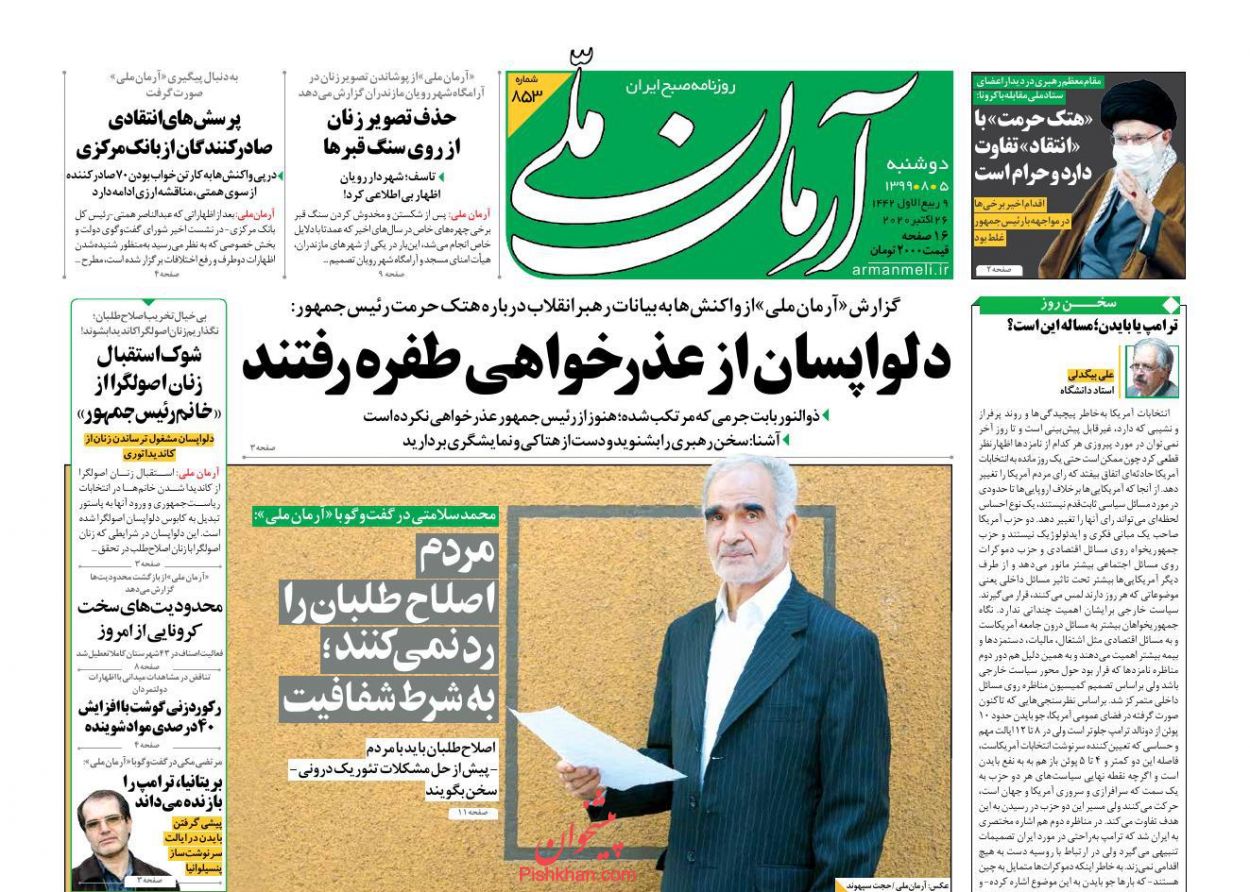
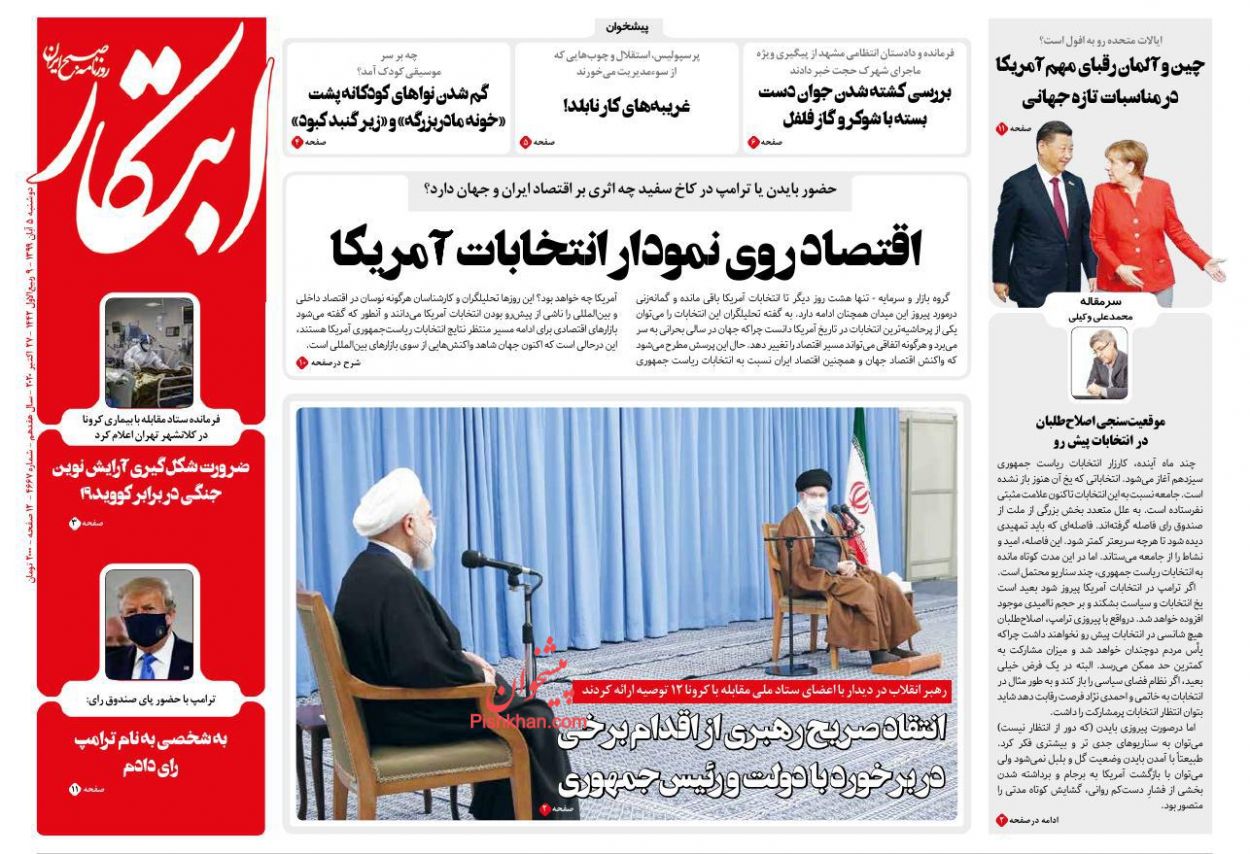
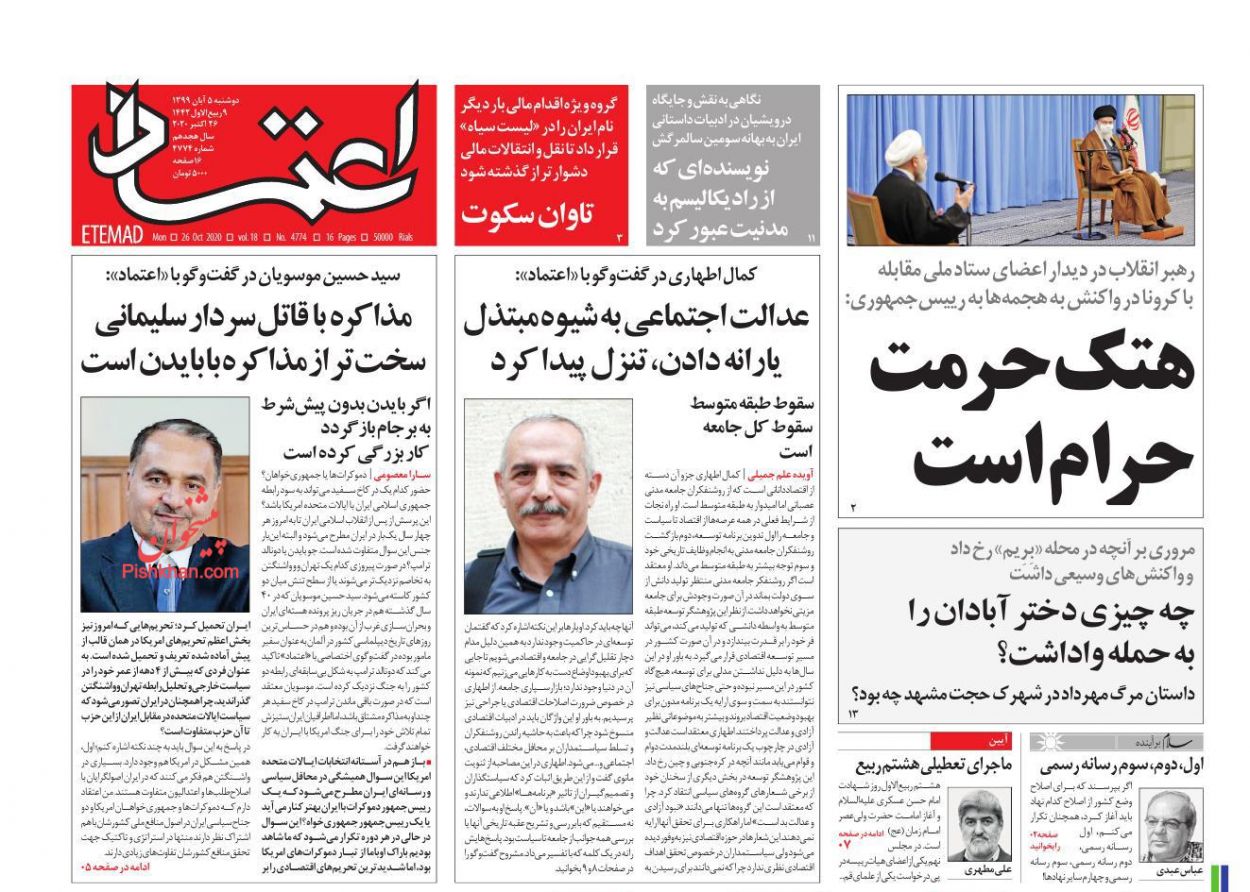
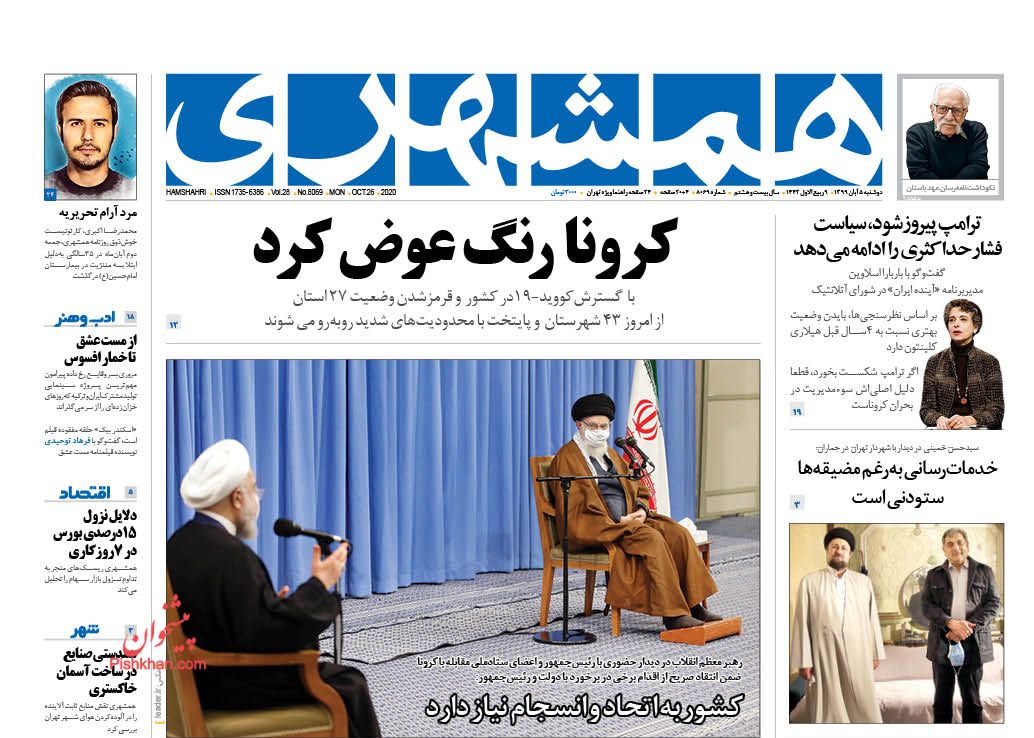
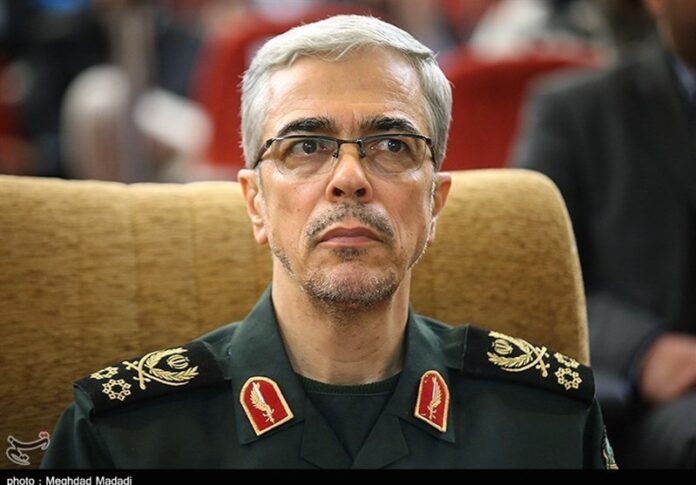
Major General Mohammad-Hossein Baqeri said on Monday the US military knows that if they initiate a war against Iran, it will not be up to them to end the war.
“In case of a war, it will be us that will determine when and how the war will end,” said General Baqeri, the chairman of the General Staff of the Iranian Armed Forces.
“The enemy wants the Iranian nation to accept the strategies and policies imposed by the US,” he added.
“They want to drag Iran to the negotiating table. These talks have a foregone conclusion, and that would be Iran’s submission to the US,” he added.
The top commander said the criminal United States’ breach of commitments has not ended.
“The Americans withdrew from the Iran nuclear deal and opted to impose sanctions and exert pressure on the Iranian nation,” he said.
“The power, or superpower, which can be dominant in this region will be place at the top of the global pyramid of power,” the top military official said.
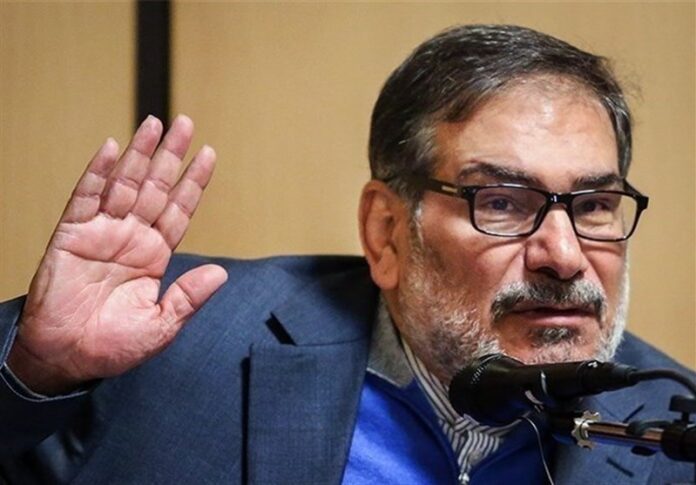
In a Monday tweet, Secretary of Iran’s Supreme National Security Council Ali Shamkhani described Macron’s “Islamophobic” remarks as “unwise behaviour” and an indication of his “political immaturity”.
“Otherwise, he would not have taken such an offensive move against Islam in order to realize his dream of leading Europe,” Shamkhani noted.
“I advise him to read history more, and not pin his hopes on the support of the declining America and the decaying Zionism,” he added.
Shamkhani’s comments came after numerous Muslim states and peoples denounced Macron’s persisting support for blasphemy in his country against Prophet Muhammad (PBUH).
“We will not give in, ever,” Macron tweeted on Sunday. The tweet served to back up his earlier support for a French teacher’s displaying of cartoons insulting of the Prophet of Islam in his class under the pretext of “freedom of speech.”
“France will never renounce caricatures,” Macron had declared on Wednesday, defending the teacher for “promoting freedom.”
“Corona‘s proven deadly, vicious and brutal everywhere, but it’s worse in Iran as it has a cruel collaborator: US regime,” the Foreign Ministry said in a Monday tweet.
“US has elevated maximum pressure to Health Terrorism and targeted Iranian people with inhuman sanctions while they’re fighting the pandemic,” it added.
“We’ll overcome but NEVER forget,” the tweet read.
The trade of humanitarian goods, such as food, medicine and medical devices, is theoretically allowed by the US, but European companies refuse to do business with Iran, fearing secondary American sanctions.
The bans imposed on the Iranian banking system have dissuaded many pharmaceutical firms from doing business with Iran.
The United States in June activated a set of sanctions it had imposed on Iran’s shipping network six months ago, in a move expected to further hamper imports of food and medical supplies into Iran at a time when the country is fighting to contain a deadly coronavirus outbreak.
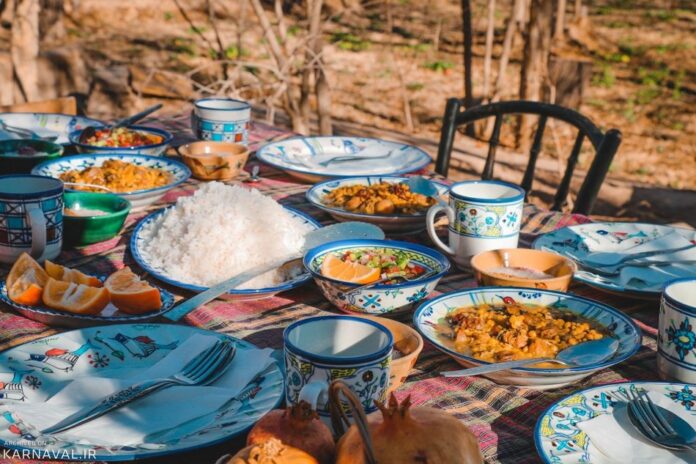
The foods of Yazd mostly have a hot nature compatible with the desert climate of this city.
People of Yazd pay due regard to traditional medicine. They pay attention to the cold or hot nature of foods when cooking them and, of course, they are more inclined to eat foods with hot nature.
Traditional bread is an integral part of Yazdis’ tables at breakfast time. In cold season, “ground sesame and syrup” and “sesame paste” are found in every home.
Watermelons and pomegranates are the most frequently used fruits.
“Lettuce and oxymel (or vinegar)” is a popular afternoon snack in Yazd. They serve lettuce and bowls of oxymel or vinegar on large trays. They rinse lettuce leaves in oxymel or vinegar and eat them.
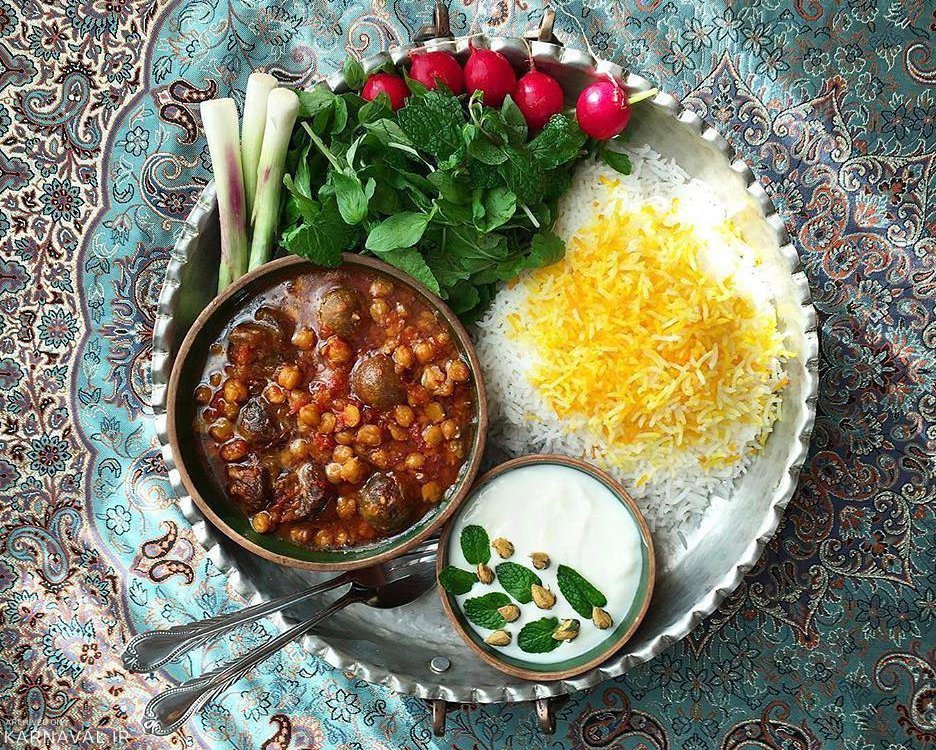
This is a traditional type of stew cooked in Yazd and is on the menus of all traditional restaurants in the city. Instead of split peas, peas are used to make this type of stew. Its ingredients include red meat, chopped onions, cinnamon, cardamom and turmeric.
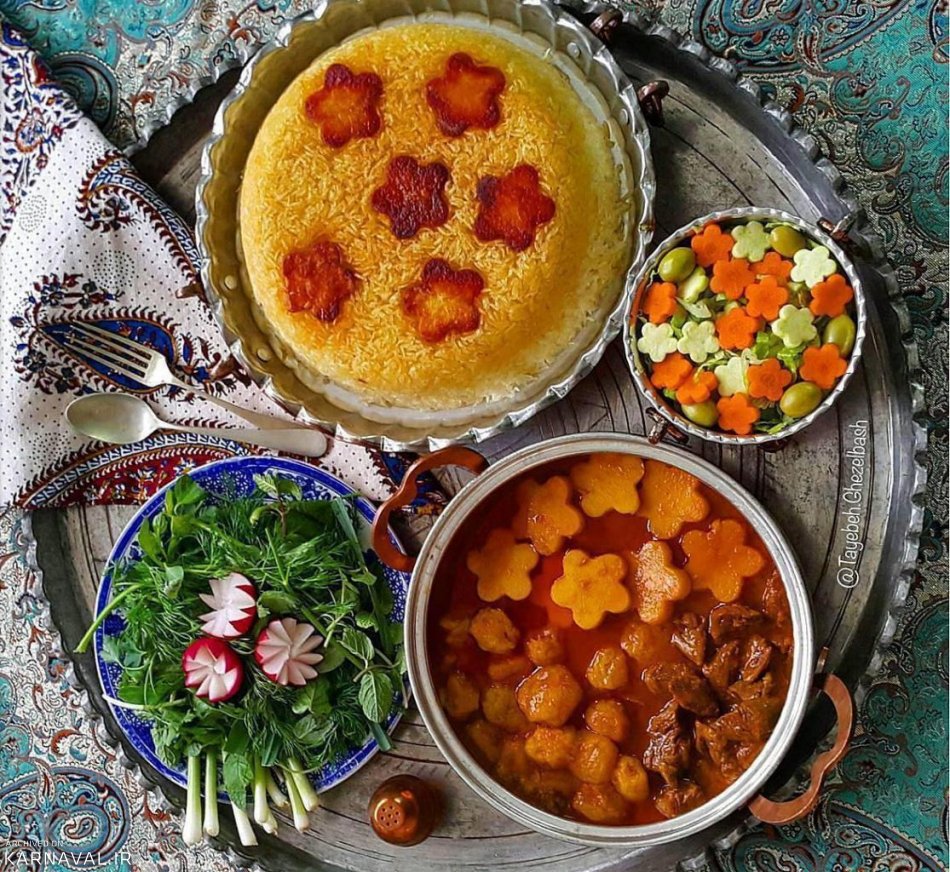
This food is known for its sweet-sour taste. It is not only easy to cook, but also very nutritious as it is made with quince and prunes. The ingredients of this stew include quince, meat, prunes, split peas, saffron, sugar and tomato paste.
Foods for Hot Season
Felleh
Felleh is the simplest Yazdi food made with the colostrum of sheep or cows in early spring. Locals boil colostrum and drink it after it gets cold when it takes on a pudding-like form. In the distant past, this kind of food used to be put on the Haft-Seen Table, the special table set by peoples celebrating Nowruz as part of customs marking the arrival of the New Year on the solar calendar, which begins in late March.
Curd with Cucumber
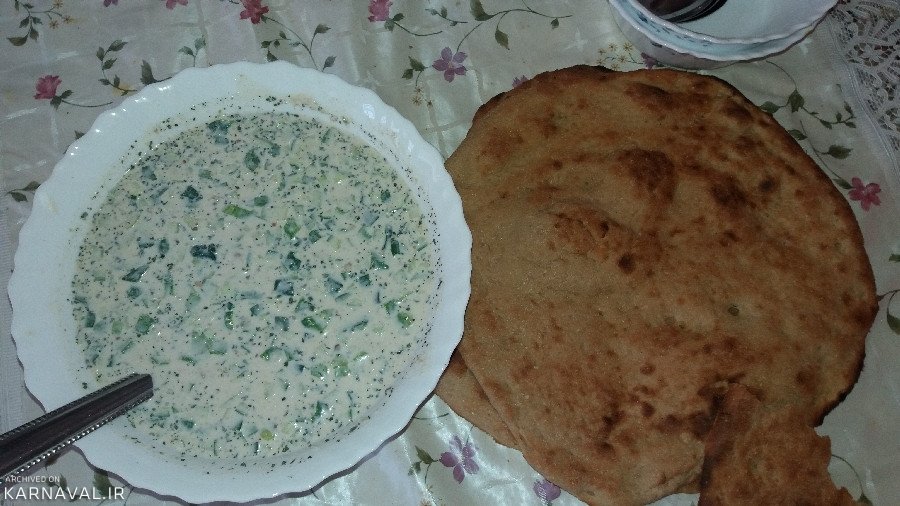
In kitchens in Yazd, they have replaced yoghurt with curd. Cucumber with curd is a food for hot days in Yazd. First, they wash dried curd, rinse it in water and then grind it to prepare one of the ingredients of this simple food. Then they add several grated cucumbers, crushed walnuts, mint and sultanas. Sometimes this food is served as an appetizer at mealtimes and sometimes it is served as the main course at noon in summer.
Onion and Vinegar Salad
The onion salad is a salad specifically served in hot season in Yazd in order to lower the body temperature. To make this salad, they shred the onions and put it into vinegar before adding a lot of mint.
Yazdi Broths
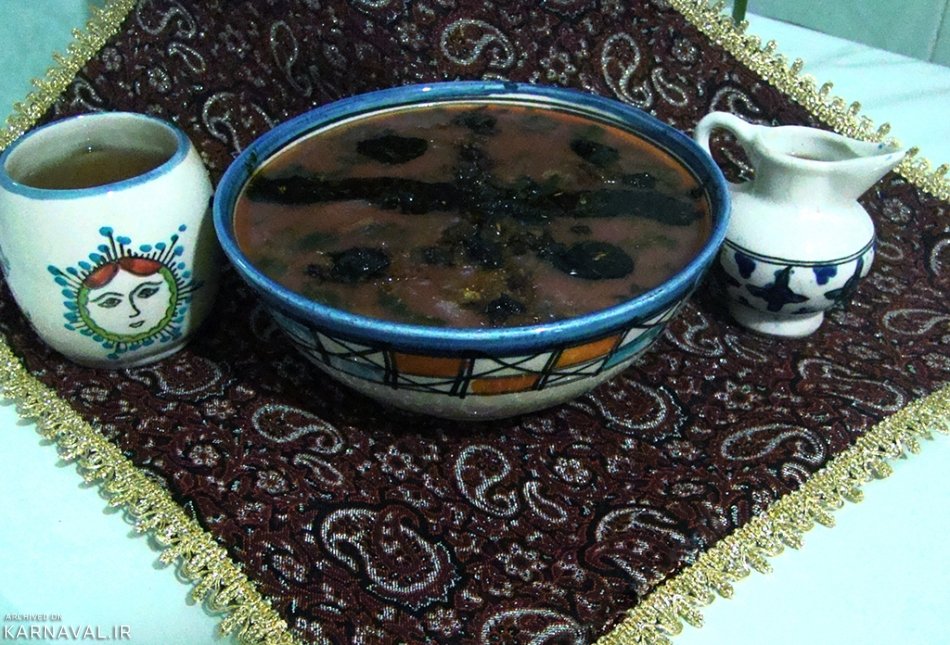
Different types of broth are cooked in Yazd. The most famous ones are “Shooli” and the pomegranate broth which is made with pomegranate juice. Moreover, the courgette broth, Jogav broth and mung beans are also popular among locals.
Shooli, the Most Popular Broth in Yazd
It completely depends on the season what ingredients are used in this kind of broth and different ingredients are used in winter and summer. Cooked mung beans, spinach, beet root, and sometimes turnips and goldmine zucchinis are used ad ingredients in winter. In summer, they cook this broth with some whole or half-mashed peas and lentils, chopped or half-mashed beet root, and leaves. Pomegranate vinegar or grape vinegar as well as pomegranate paste is sometimes used as seasoning.
Snacks and Desserts in Yazd
Moshtook
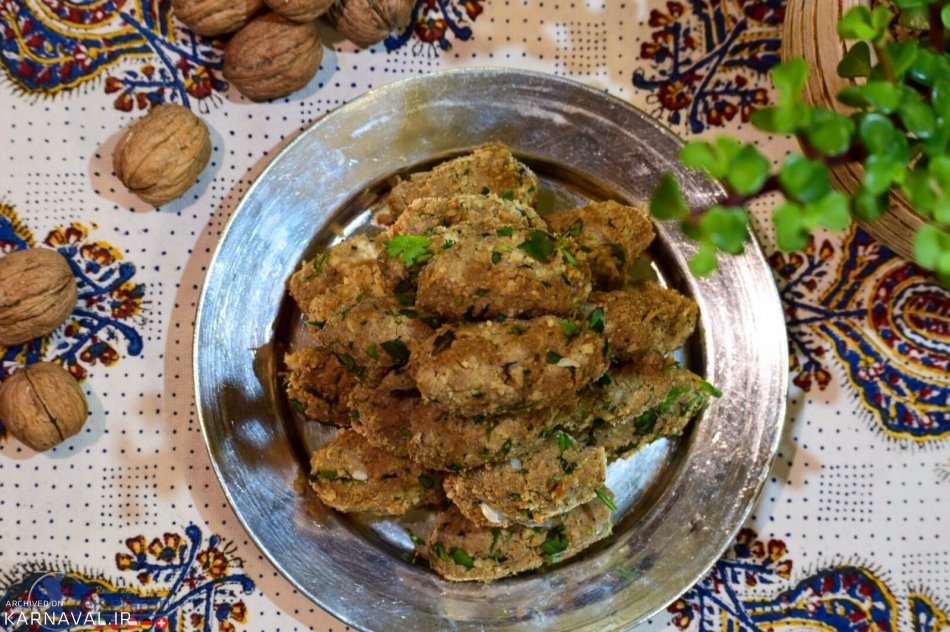
Crushed dried bread, which must be a type of traditional bread of Yazd, is mixed with grated onions and cheese as well as half-crushed walnuts and cumin. Then they add some water to shape the ingredients into a paste-like mixture and form it into ball-shaped pieces to be used.
Soorok Bread
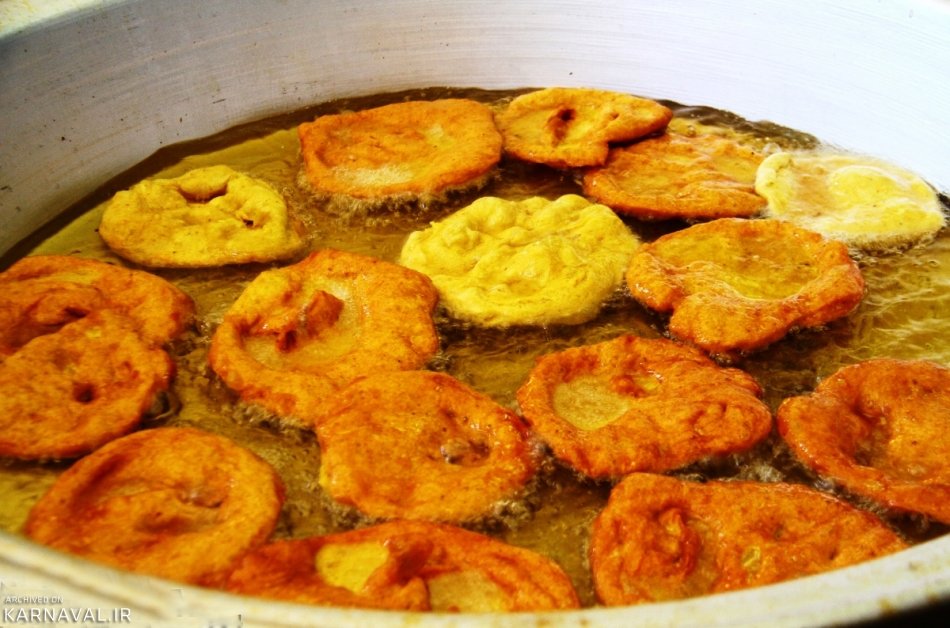
The Soorok bread is a kind of tasty shortbread mostly cooked on Thursdays to be given away as Kheirat (food and other edibles distributed among people for free usually on Thursdays in return for them offering prayers to the souls of the distributor’s loved ones who have passed away.) The ingredients include flour, water, sugar, salt, coriander seeds, safflower, yeast and sesame oil.
Yazdi Paloodeh
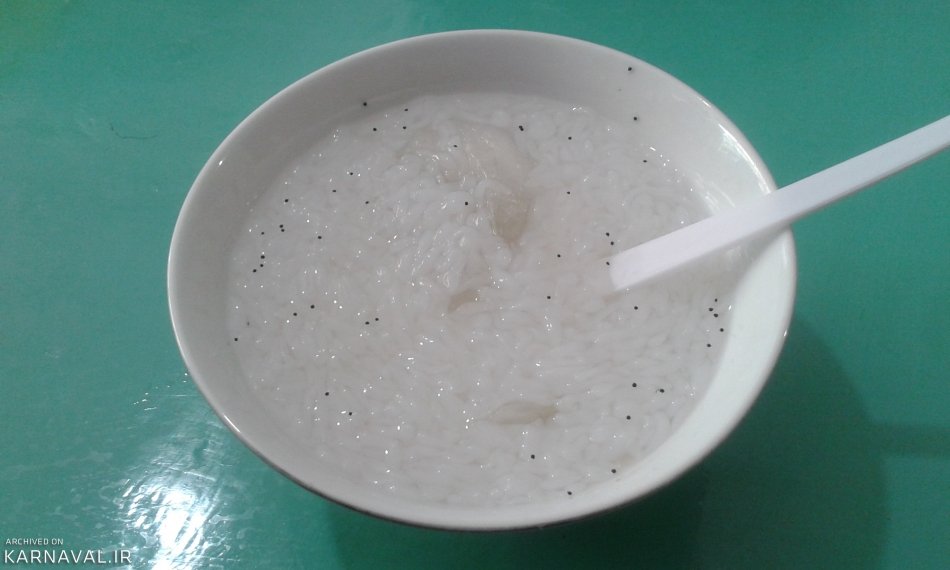
Paloodeh (a sweet beverage containing starch jelly in the form of thin fibres) is one of delicious specialties found in whole Yazd. Paloodeh is made with starch, rosewater, water and sugar as main ingredients. The difference between Yazdi Paloodeh and Shirazi Faloodeh is that the former is rice-shaped and served with fennel flower seeds.
If this dessert is not served in rice-shaped pieces, then it is served as a whole piece in a bowl with almonds, pistachios and a special syrup.
Yazdi Coffee
The method of making Yazdi coffee was make on the cultural heritage list of the United Nations Educational, Scientific and Cultural Organization (UNESCO) last year.
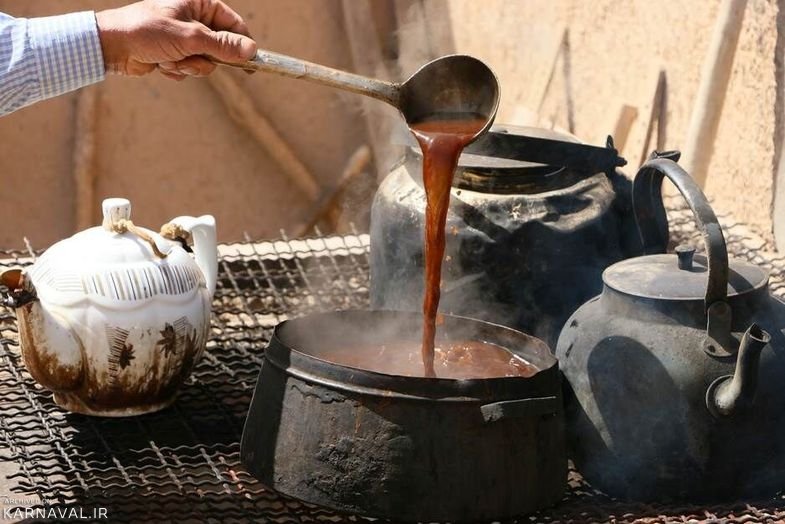
To make this coffee, they put Turkish coffee along with water, cardamom, rosewater and Yazdi rock candy onto a tray and heat them for at least 6 hours to get thick coffee. This type of coffee is of special importance in mourning ceremonies.
Ali-Akbar Velayati, the secretary general of the forum, denounced Paris authorities’ support for the use of the blasphemous cartoons in a French class room.
“Following international condemnations at a time when the publication insulting the Prophet Muhammad in France should have been banned, double-standard approaches led to this polytheistic and irreligious ideology finding its way into the educational system of this country and being promoted,” he said in a message.
Velayati said all these events bear witness to the ever-growing interest in Islam, which has led the major masterminds of this wicked move to enter the scene overtly and unmask their real and infamous face.
“Extremism and insulting Prophet Muhammad are two faces of the same coin promoted by international Zionism and global hegemony against pure Islam,” he added.
Velayati said such moves will sadden, and trigger a response by Muslims, freedom-seekers and justice-seekers around the world and further unite Muslims.
“As it has announced earlier, the World Forum for Islamic Awakening condemns this crime and big insult, asking all Muslims to remain vigilant and make the masterminds of these anti-Islam plots fail in their attempts,” he said.
His comments come as French President Emmanuel Macron is facing widespread criticism from Muslim leaders over his anti-Islam stances. The Pakistani premier earlier accused Macron of encouraging Islamophobia; the Turkish president said his French counterpart needs mental checks. Several Muslim states have also called for boycotting French goods.