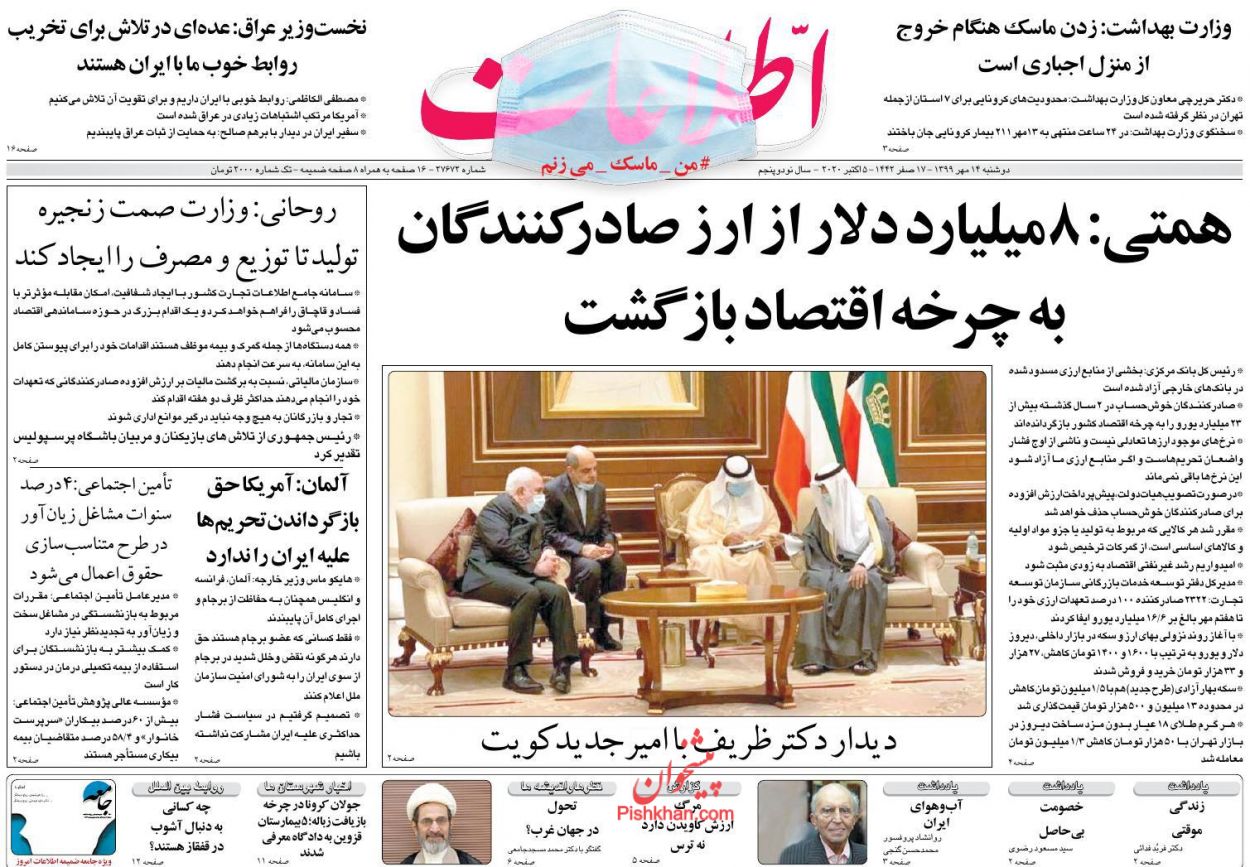
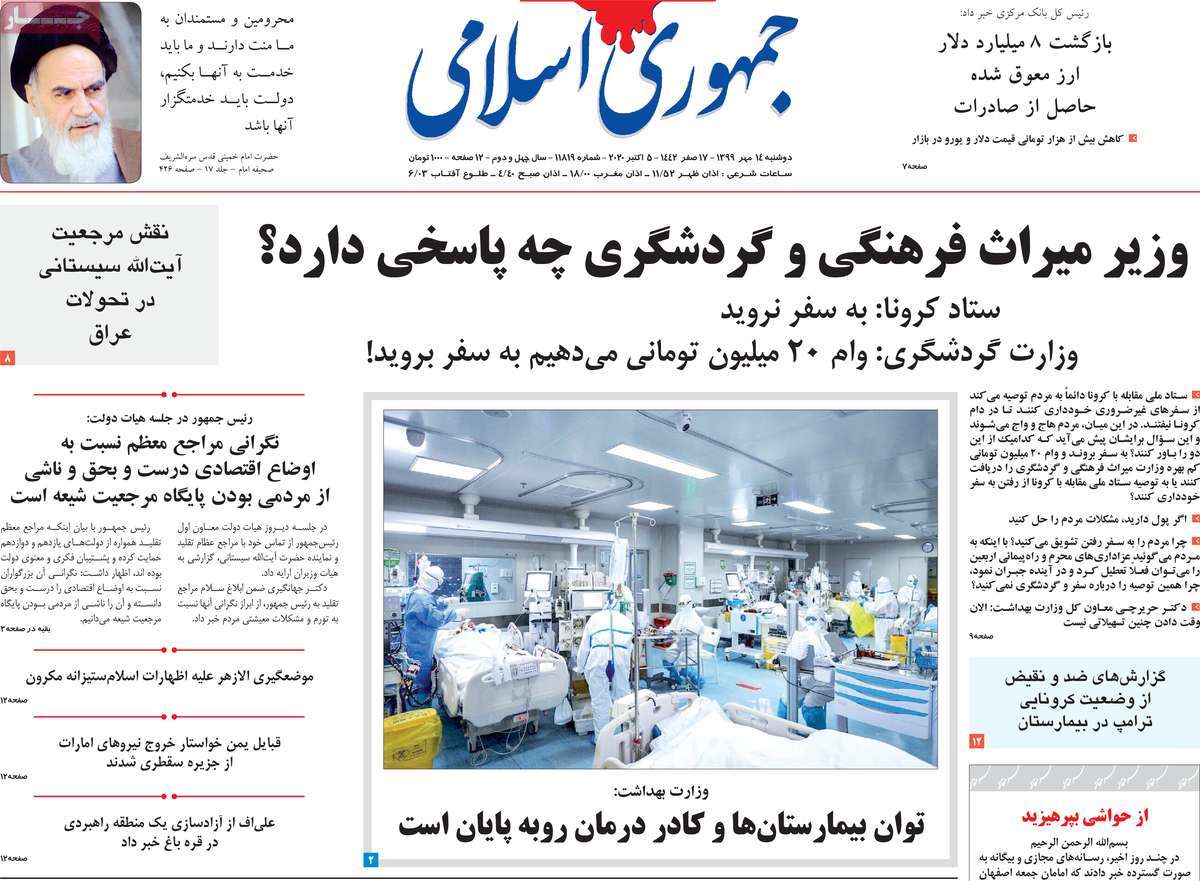
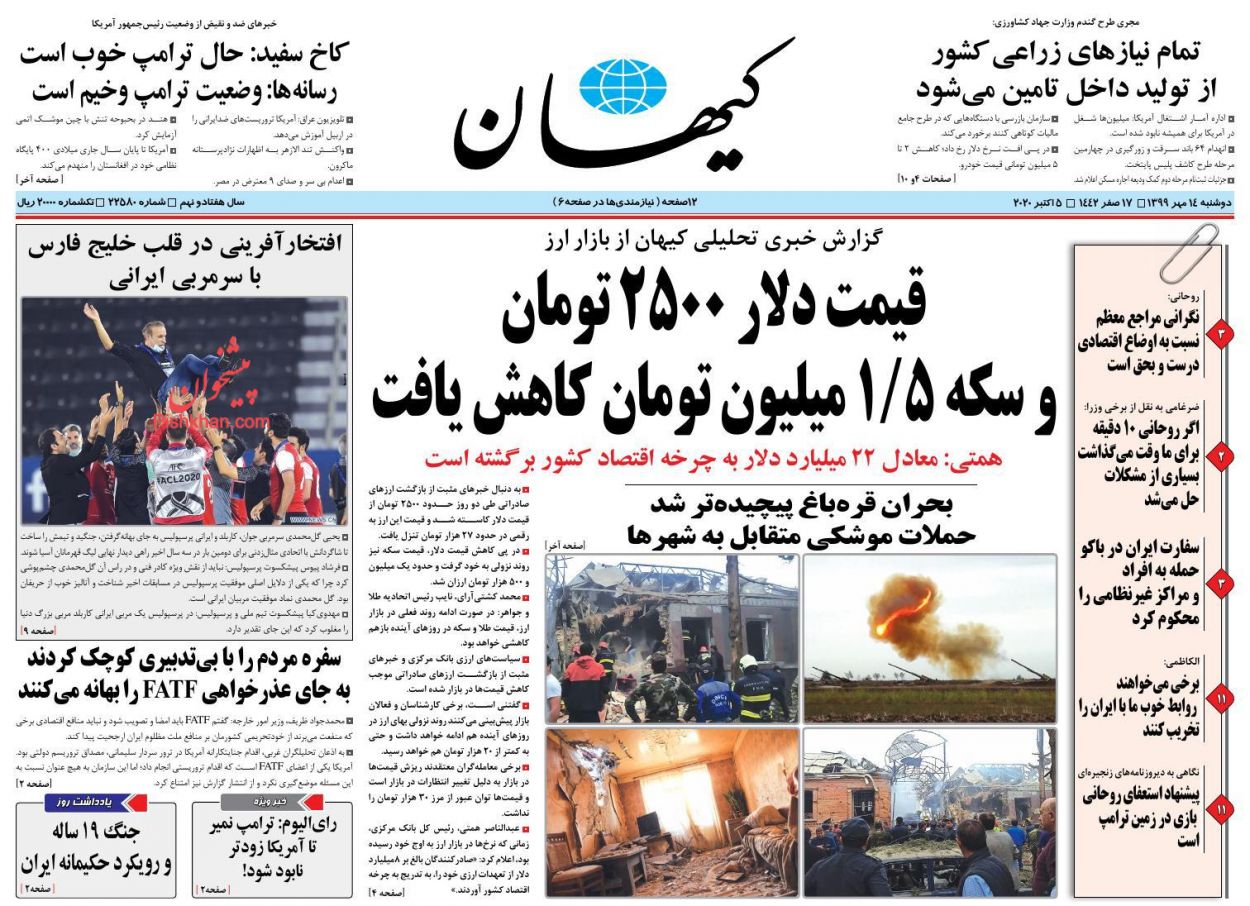
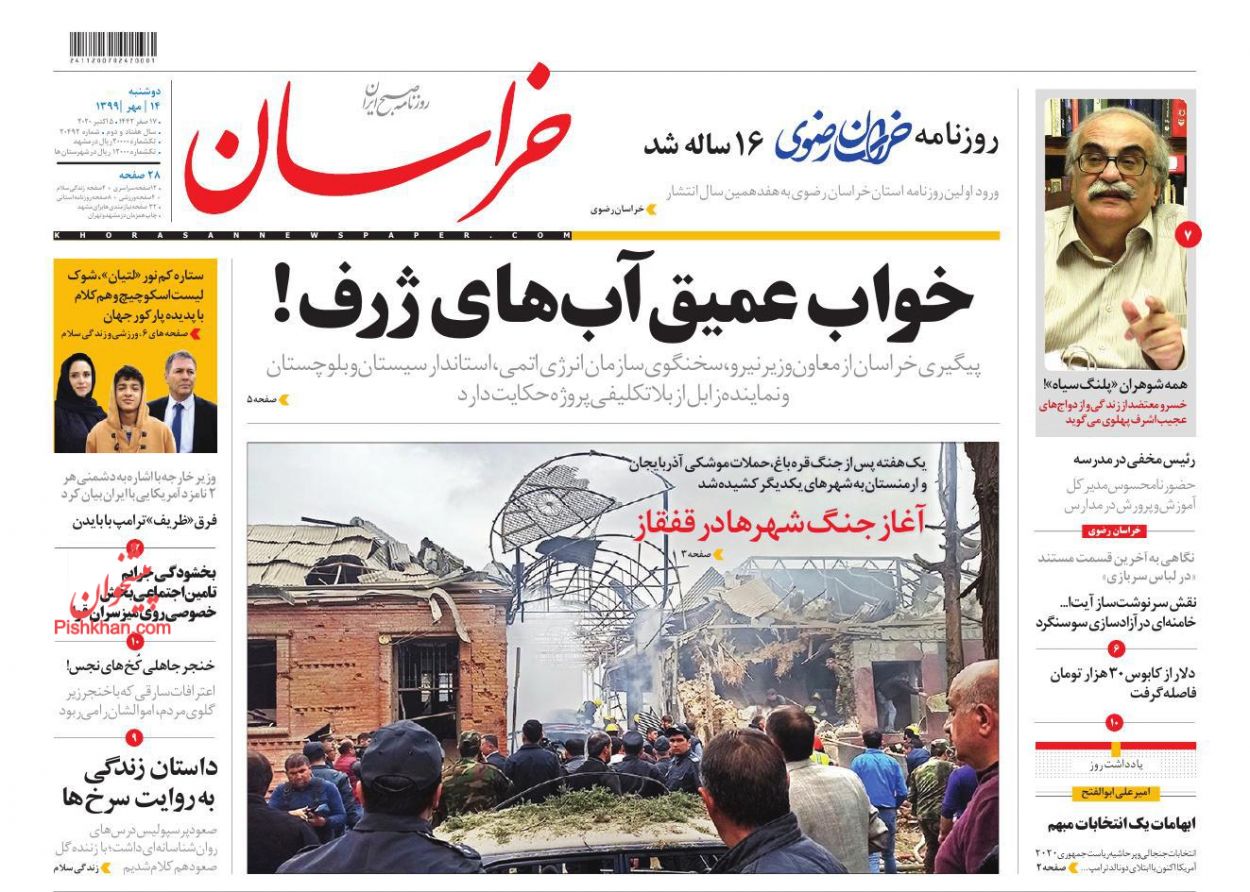
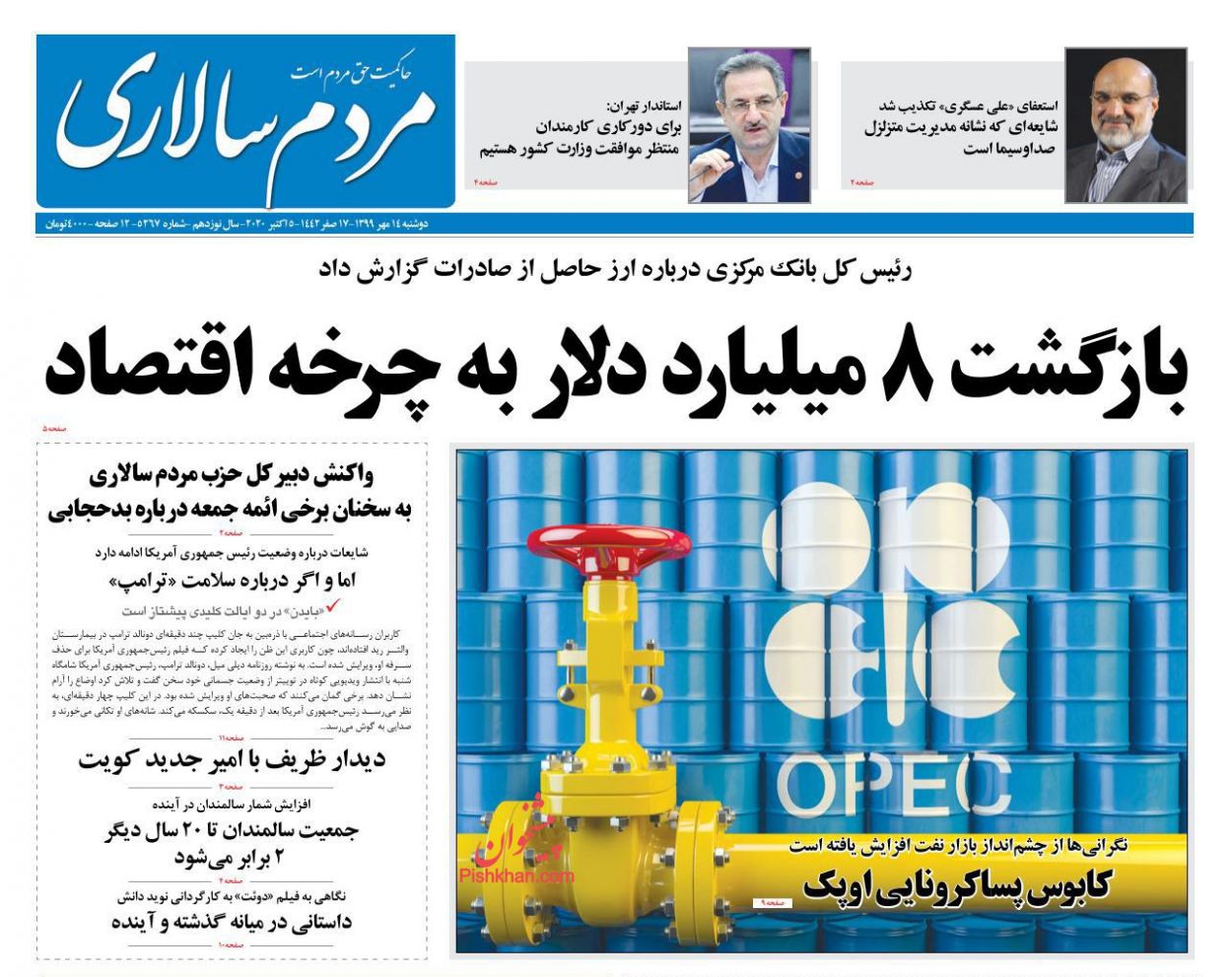
During a Monday visit to a hospital in Tehran for the patients suffering from rare diseases, head of the Iranian Judiciary’s High Council for Human Rights, Ali Baqeri Kani, said the council has compiled a list of 45 American natural and legal persons who have had a role in the cruel US sanctions against the people of Iran.
The list, made in cooperation with the Iranian Intelligence Ministry, has been submitted to the Prosecutor General of Tehran for judicial action, he added.
The 45 American people in the list are going to be prosecuted in accordance with the Article 5 of the Iranian Act on countering the US violation of human rights and terrorist activities and the Article 8 of the law on retaliatory action against the US designation of the IRGC as a terrorist organization, he noted.
Baqeri Kani finally lashed out at the US government for turning the policy of maximum pressure on Iran into the policy of maximum hostility towards the Iranian nation, and deplored the European states’ obedience to Washington’s criminal actions in imposing medical and pharmaceutical sanctions on people of Iran.
In a recent interview with RT, Iranian Foreign Minister Mohammad Javad Zarif slammed the US for impeding the Islamic Republic’s ability to fight the coronavirus, explaining that US sanctions have prevented the purchase of critical medical supplies.
Washington’s efforts to stop Tehran from exporting oil have limited the government’s ability to respond to the global health crisis and provide relief to the Iranian people, Zarif said.
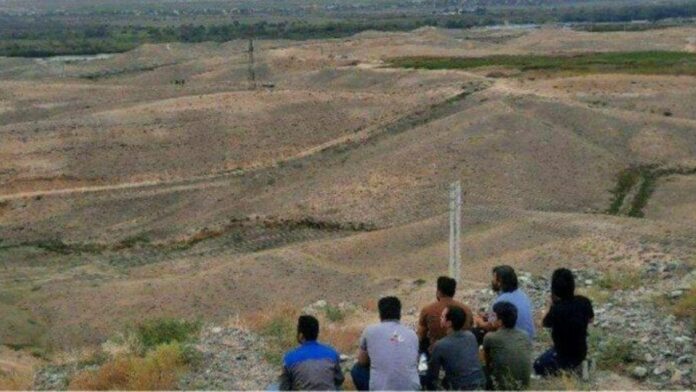
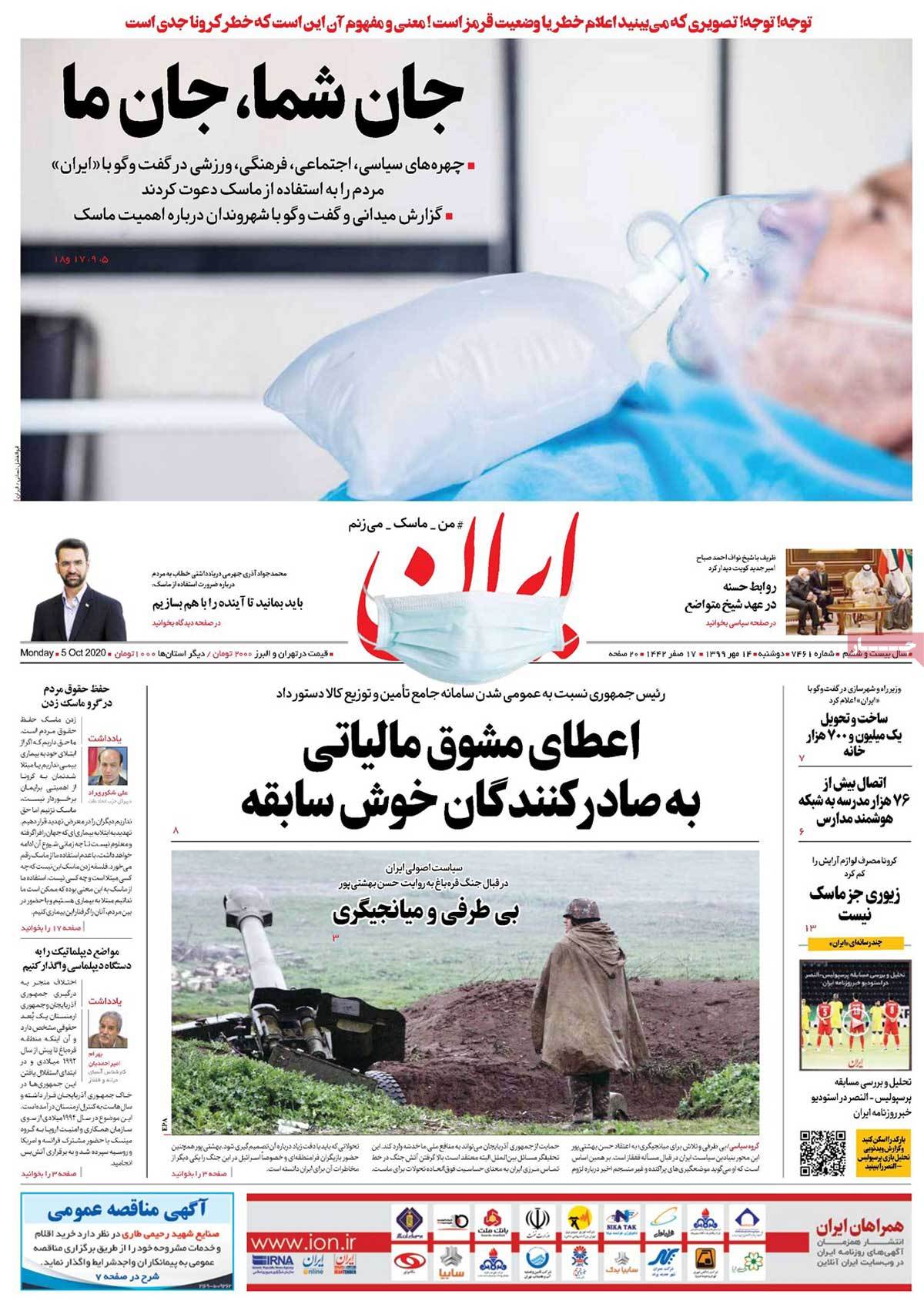
Asked by reporters about the situation along Iran’s northwestern border after a recent flare-up of fighting between the Republic of Azerbaijan and Armenia, Interior Minister Abdolreza Rahmani Fazli said on Monday, “We have advised and warned the neighbouring states that we would by no means tolerate insecurity, interference, or any other measure damaging the security of our people in those regions.”
The minister also expressed hope that Azerbaijan and Armenia would observe the international law that entails respect for the national sovereignty and rights of all states.
Rahmani Fazli then hoped that the country’s border areas would not experience any insecurity with the warring sides proceeding with caution and Iran monitoring the border zones strongly and thoroughly.
The interior minister said a number of mortar shells fired during the Nagorno-Karabakh fighting have fallen in Iran, saying Tehran will give the warring sides a stronger warning if such incidents recur.
On Saturday, Iranian Foreign Ministry Spokesperson Saeed Khatibzadeh called on Armenia and Azerbaijan to be careful not to violate Iran’s border amid the outbreak of the new round of fighting.
His comments came after officials in Iran’s northwestern province of East Azarbaijan reported that mortar shells fired by the warring sides in the latest round of fighting between Armenia and Azerbaijan have hit border rural areas in the province.
According to reports, one of the mortars has fallen in a village in Khoda-Afrin county, injuring a 6-year-old child.
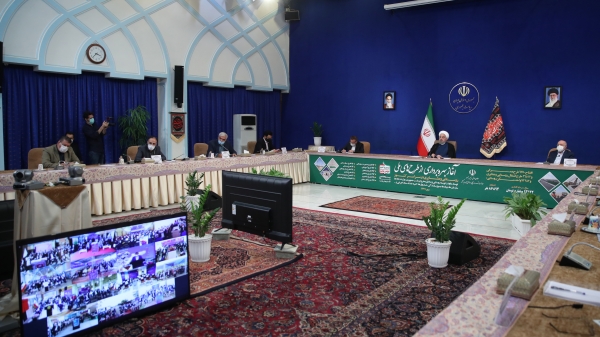
In an online event on Monday, President Rouhani ordered the opening of thousands of new projects in the 27th week of inauguration of national projects across the country.
In the videoconference, the president inaugurated 6,750 construction projects, 26,512 plans for rural and nomadic employment, and 282 housing projects in villages in various provinces.
The new projects, unveiled on the eve of the national Day of Village and Nomads, have been funded with an investment of 13,122 billion tomans and have provided employment for 86,894 people.
The new projects have been carried out by the Ministry of Agriculture, Ministry of Labor, Ministry of Roads and Urban Development, Education Ministry, Oil Ministry (gas supply projects), Energy Ministry (power transfer projects), Ministry of Information and Communications Technology, Interior Ministry, Health Ministry, Ministry of Culture, the Islamic Revolution Housing Foundation, Imam Khomeini Relief Foundation, the Construction Basij Organization, Executive Headquarters of Imam’s Directive, and Omid Entrepreneurship Fund.
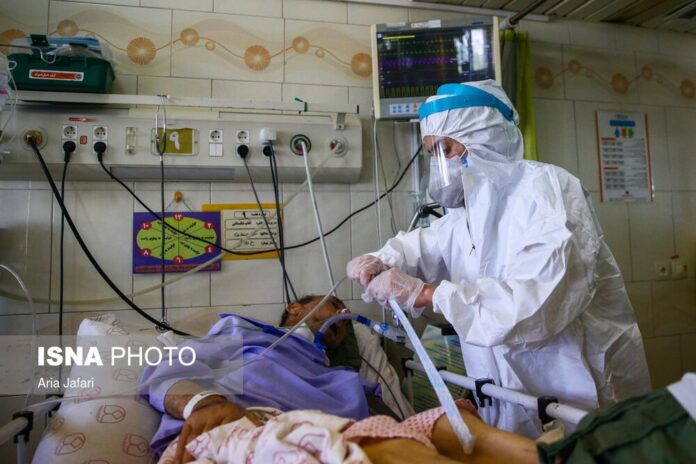
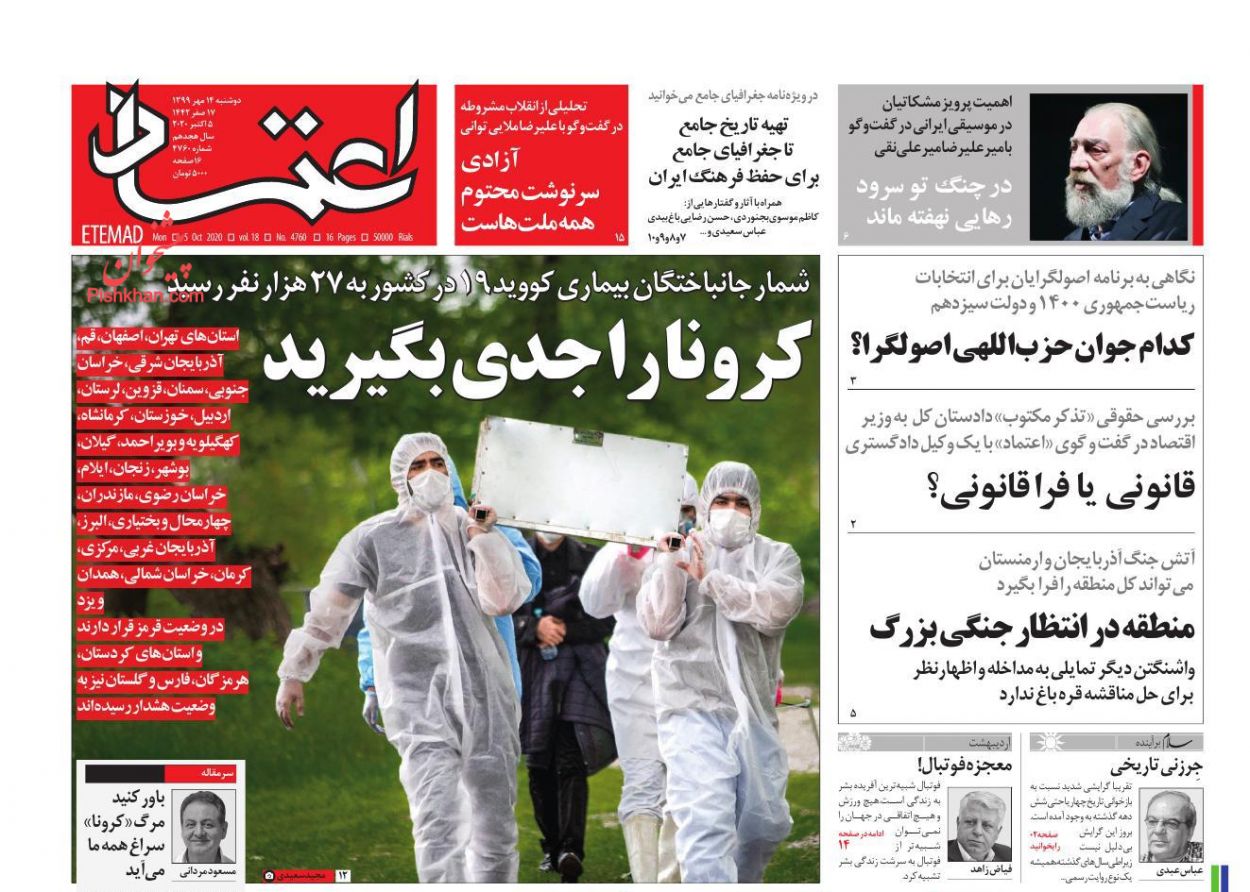
The figure announced by Sima-Sadat Lari in her Monday press conference increases the total number of COVID-19 infections in Iran to 475,674.
She also said the virus has killed 235 patients since Sunday noon, increasing the overall death toll to 27,192. The number of new deaths equals the all-time high record of July 29.
So far, she added, 392,293 patients have recovered from the disease or been discharged from the hospital.
Lari said 4,167 patients are also in critical conditions caused by more severe infection.
The spokeswoman noted that 4,115,445 COVID-19 tests have been taken across the country so far.
She said the high-risk “red” zones include Tehran, Qom, Mazandaran, East Azarbaijan, Isfahan, Yazd, Ardabil, Khorasan Razavi, Khuzestan, Hamadan, West Azarbaijan, Bushehr, Chaharmahal and Bakhtiari, Kohgiluyeh and Boyer-Ahmad, Alborz, Lorestan, Markazi, Ilam, South Khorasan, Kermanshah, North Khorasan, Semnan, Gilan, Zanjan, Qazvin, and Kerman provinces.
The “orange” zones also include Golestan, Hormozgan, Kurdistan, and Fars provinces, she added.
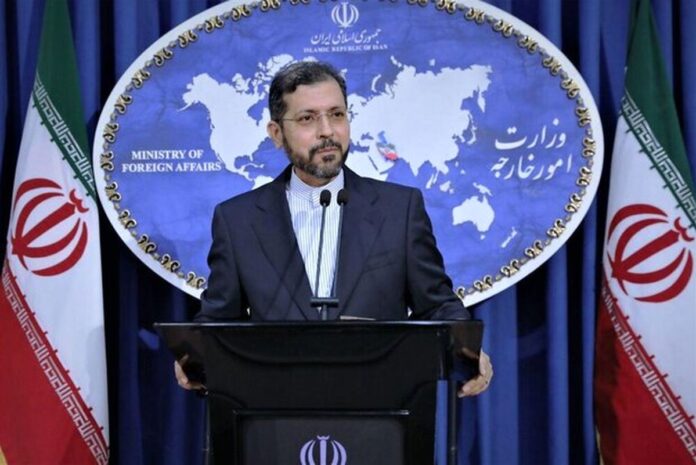
Addressing a press conference on Monday, the Foreign Ministry spokesman dismissed the Saudi concerns about an alleged Iranian violation of the 2015 nuclear deal.
Saudi Arabia and the Zionist regime are probably the last ones to have any right to make comments on the subjects relating to nuclear commitment, Khatibzadeh added.
Pointing to Saudi Arabia and Israel’s serious opposition to the settlement of disputes over Iran’s nuclear program, the spokesman said, “They have not hidden and would not hide such opposition. Such comments are much more ridiculous than being worth response.”
“On Saudi Arabia, I should say that Saudi Arabia is bound by the NPT to honor its commitments. We are carefully examining the relevant developments and news, and warn Riyadh to be careful to honor its international commitments and allow the international and legal paths to be carefully pursued about Saudi Arabia’s activities that are sometimes hidden and covert,” he stated.
“We have also told the international community and institutions, as they are in the right path to hold Saudi Arabia accountable for its obligations,” the spokesperson concluded.
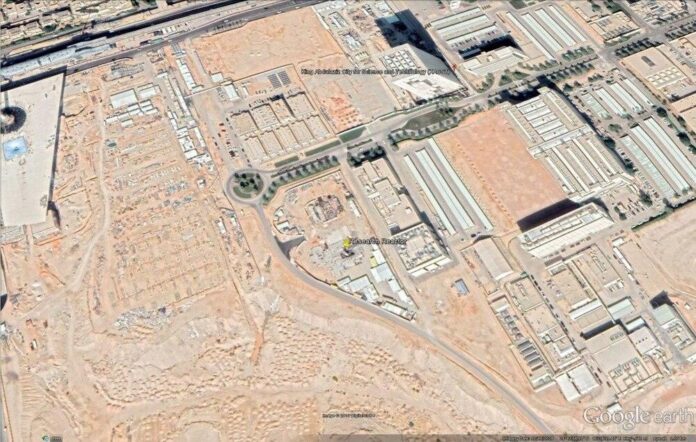
In August, Iran’s permanent representative to international organizations in Vienna called on the IAEA to clarify Saudi Arabia’s “covert” nuclear activities.
The comments came after American intelligence agencies said they had spotted an undeclared nuclear site near Saudi Arabia’s capital city of Riyadh, scrutinizing attempts by the kingdom to process uranium and move toward the development of atomic bombs.
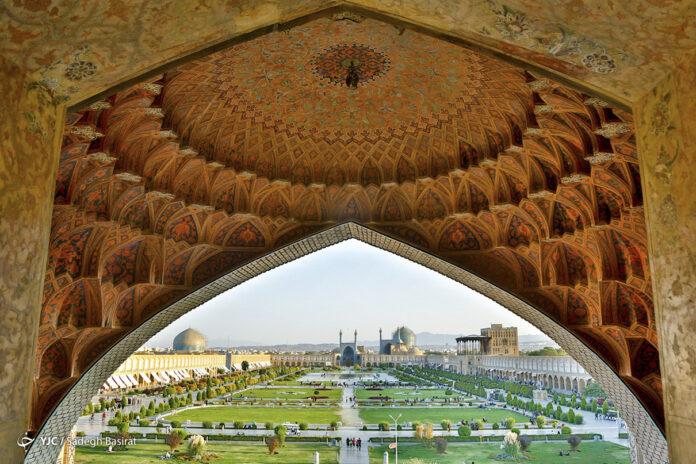
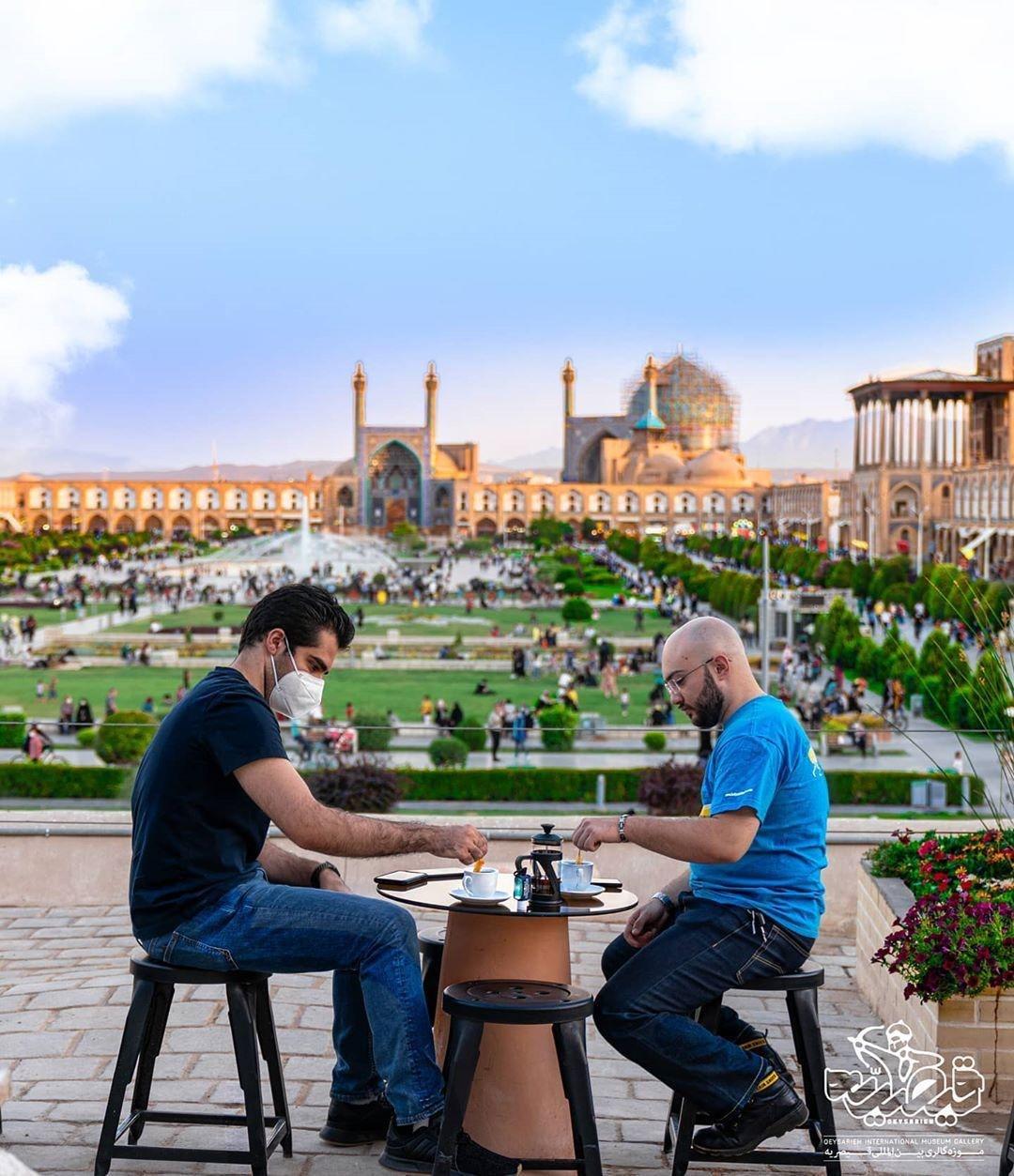
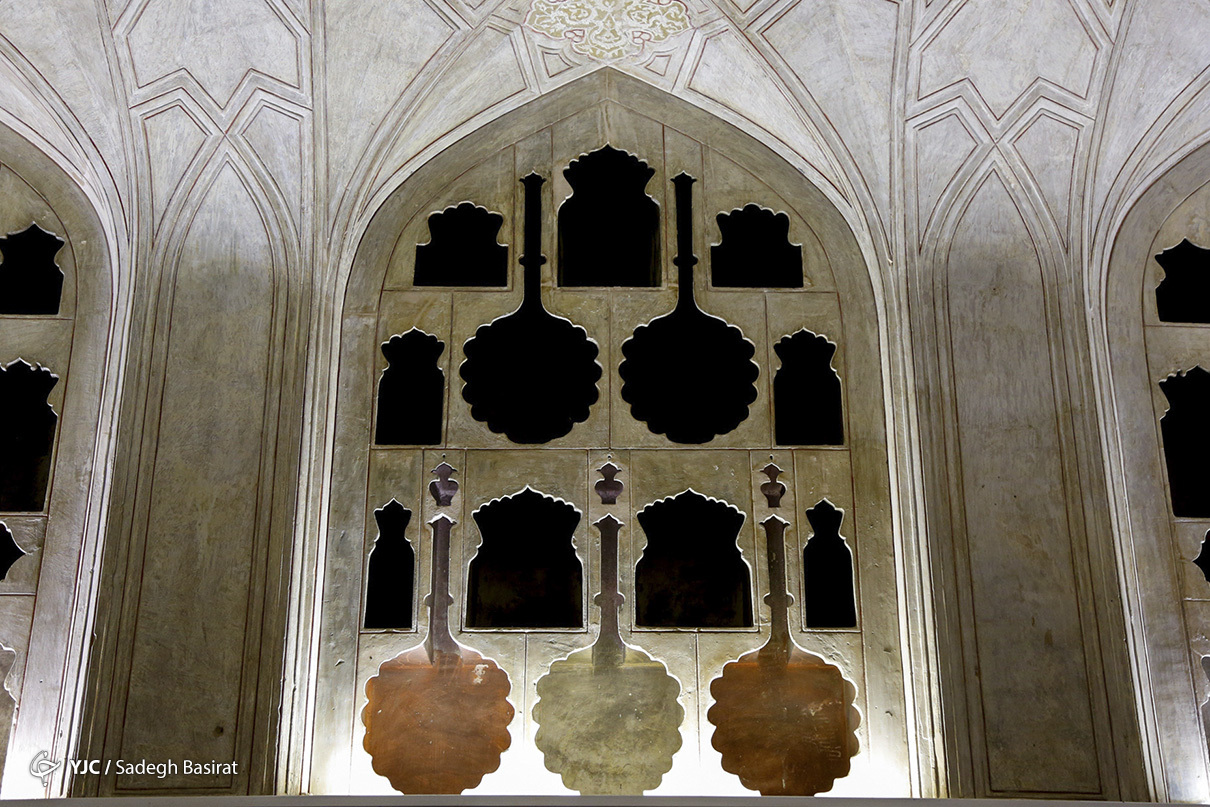
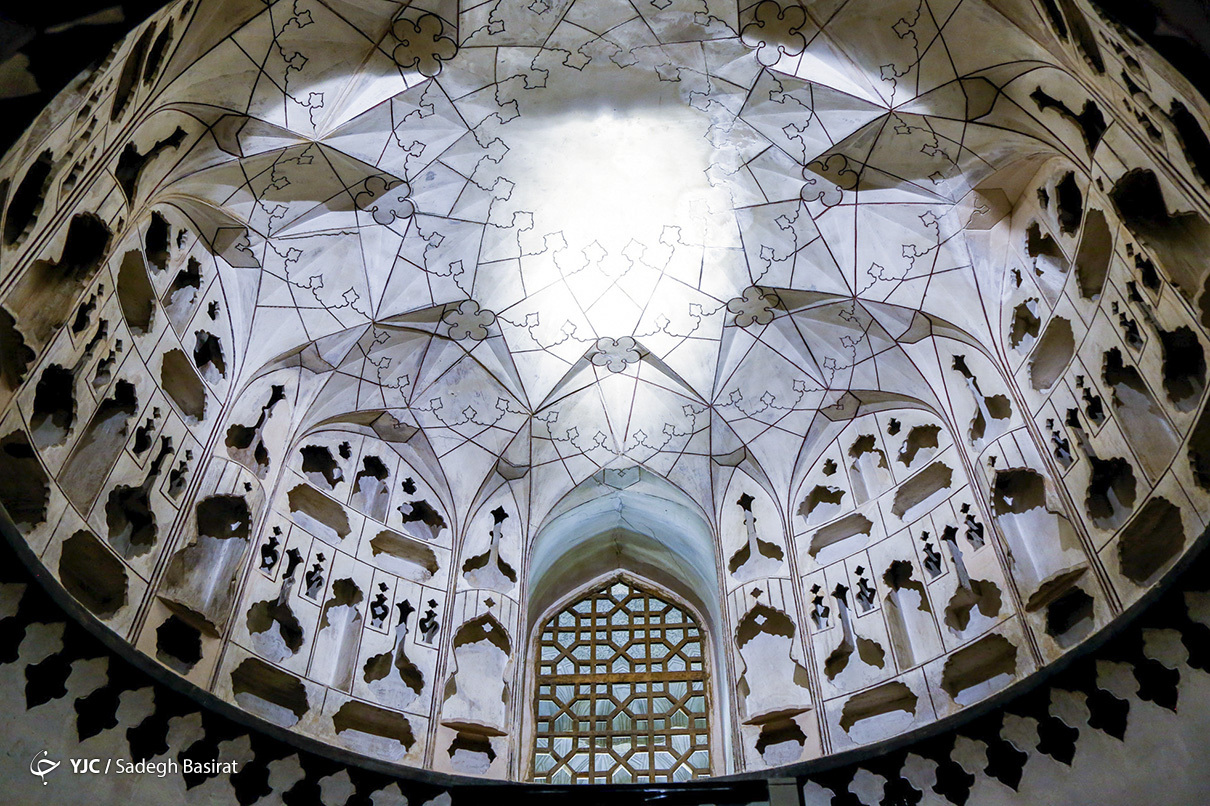
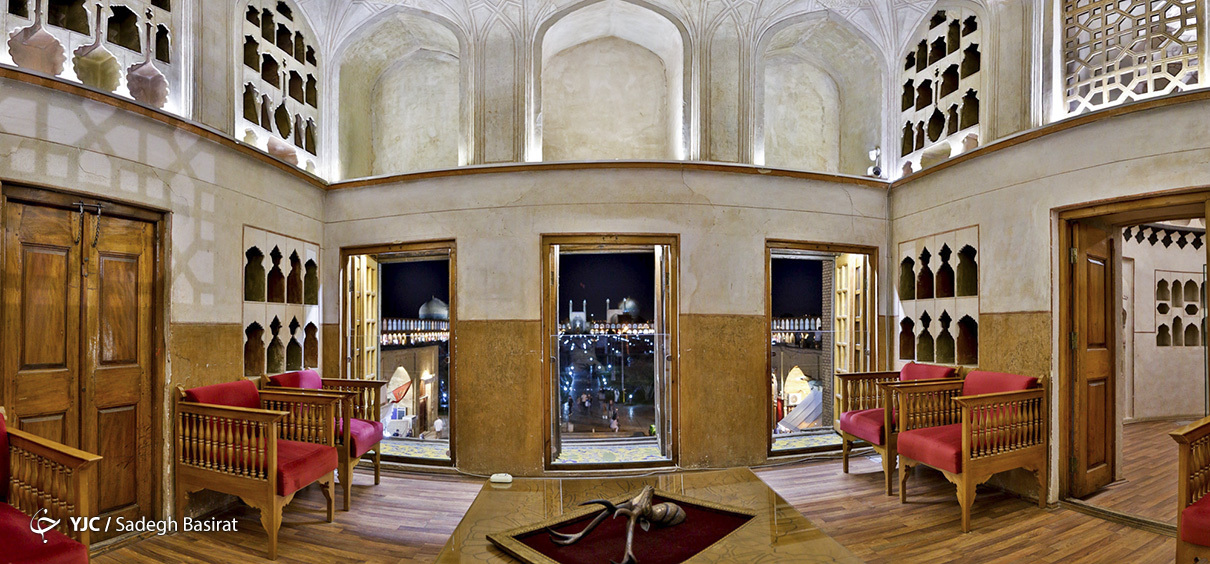
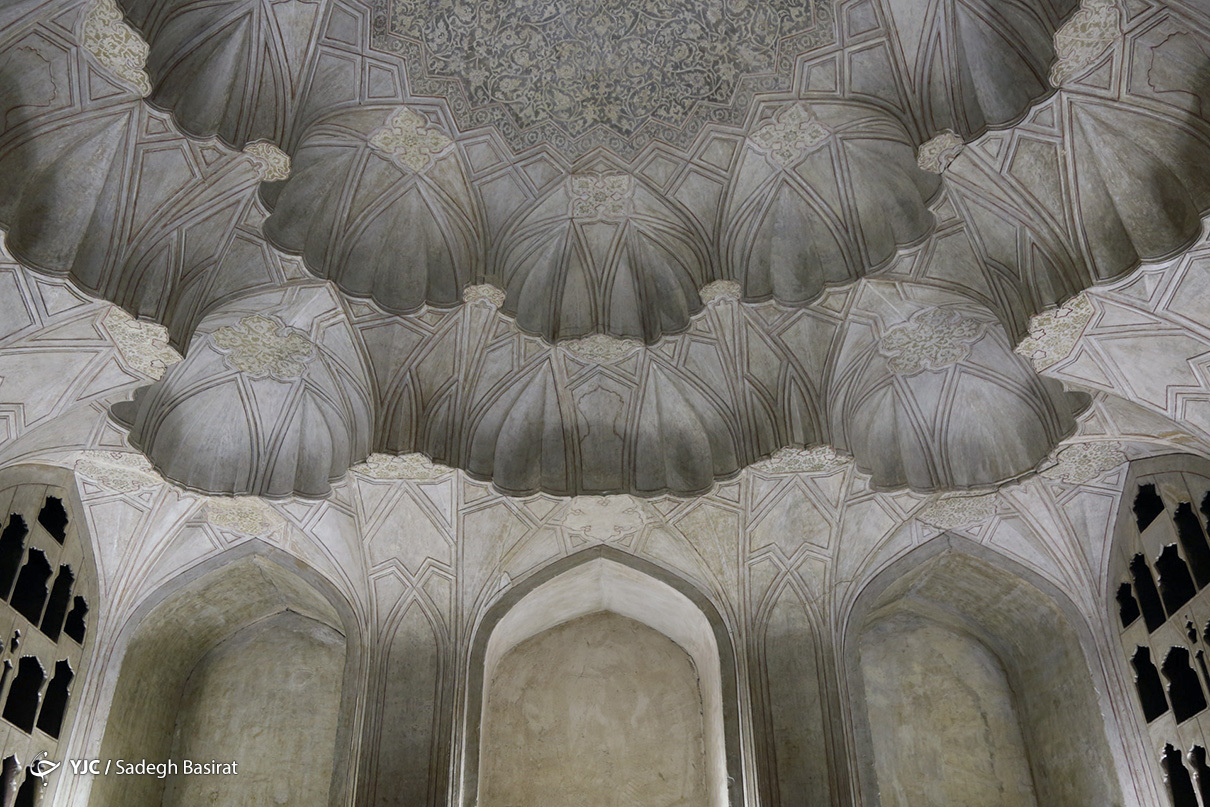
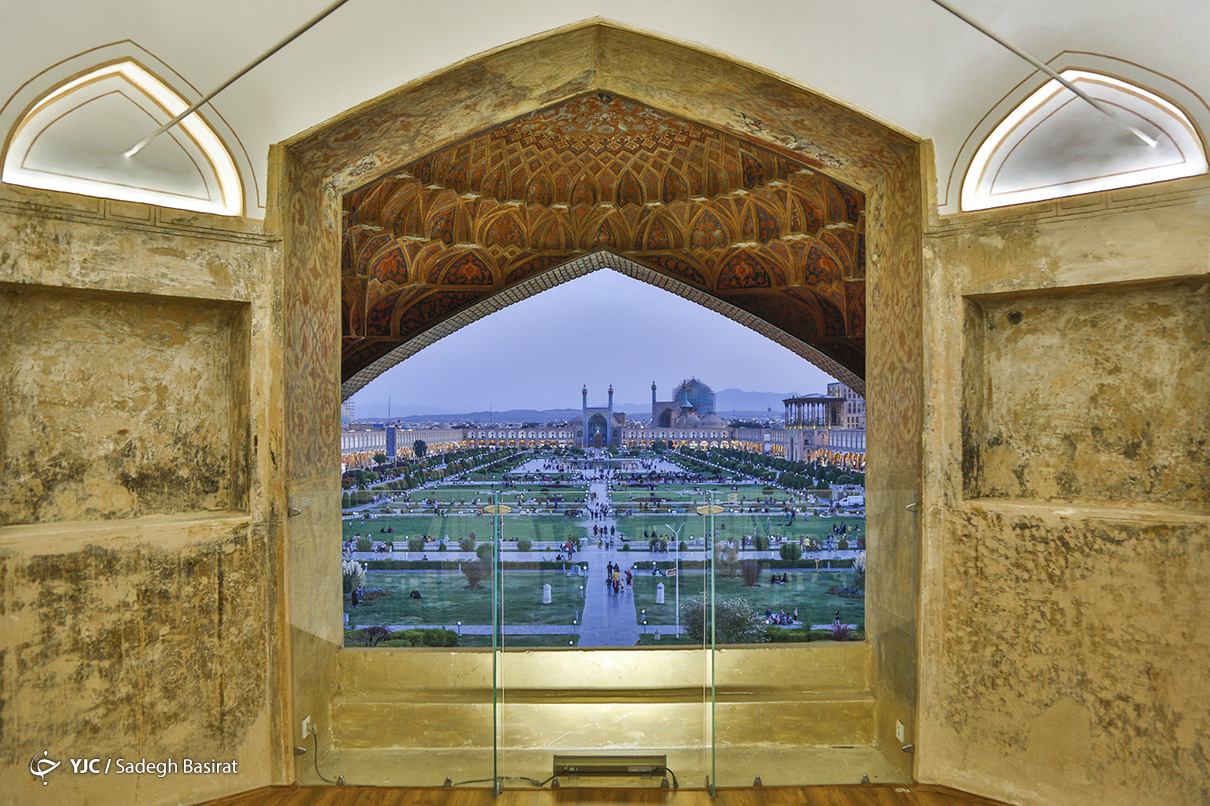
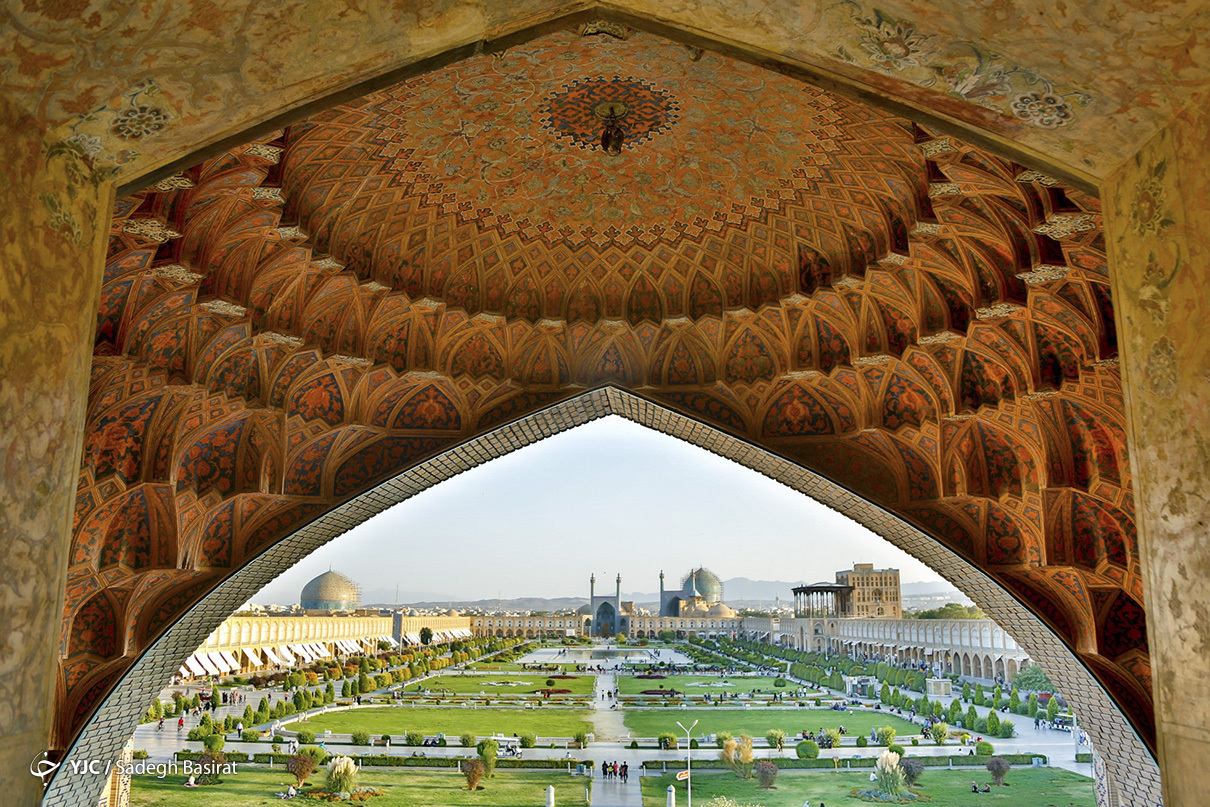
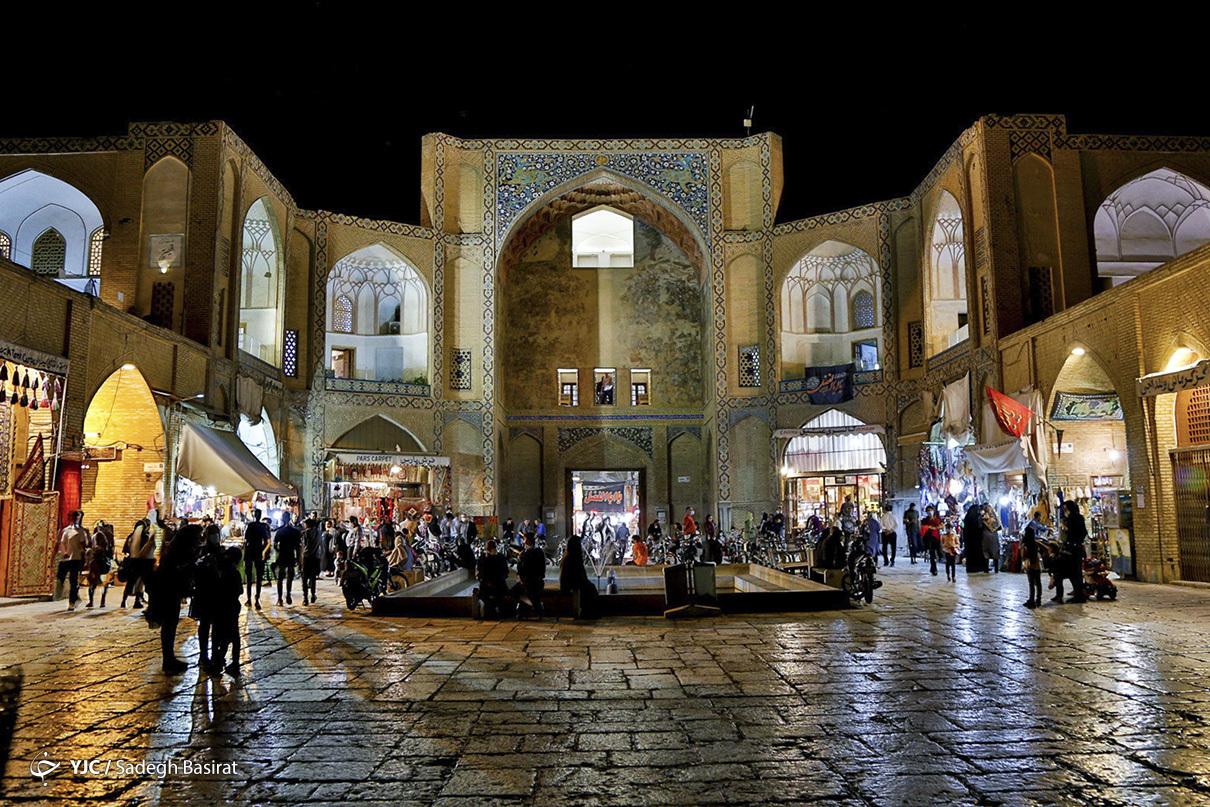
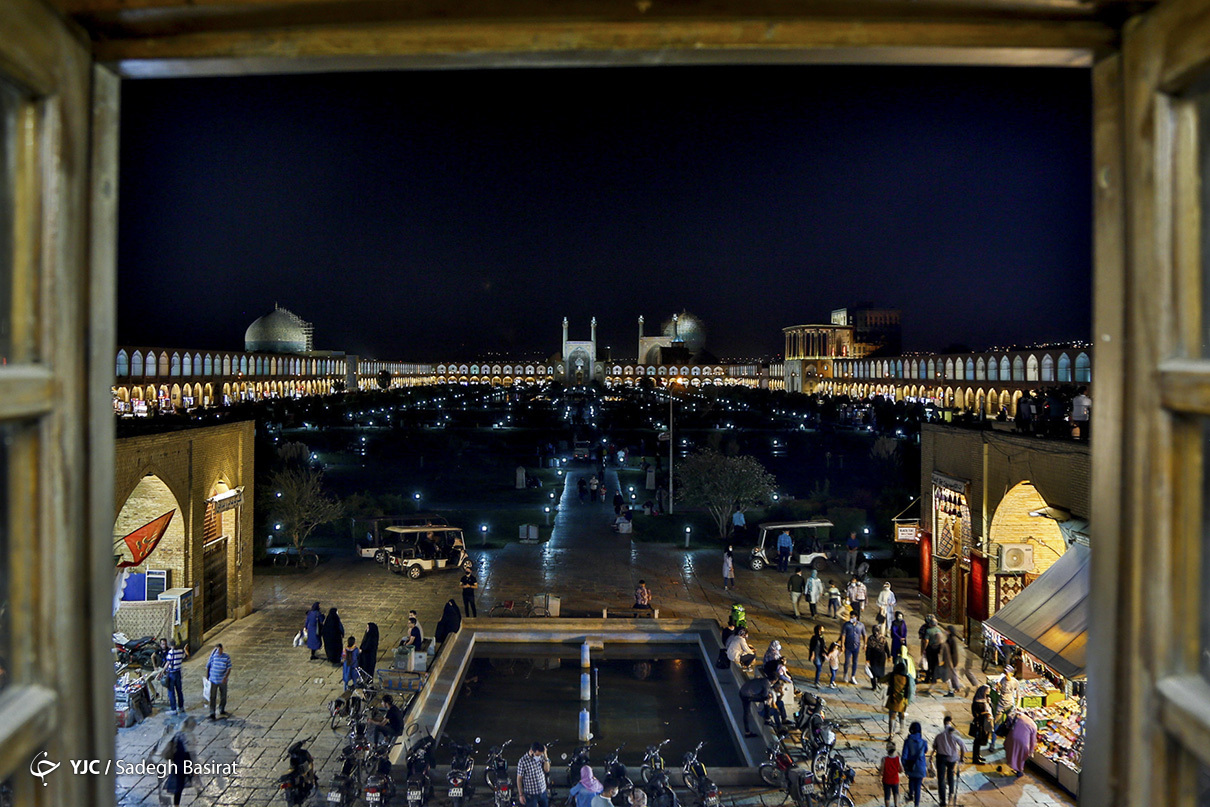
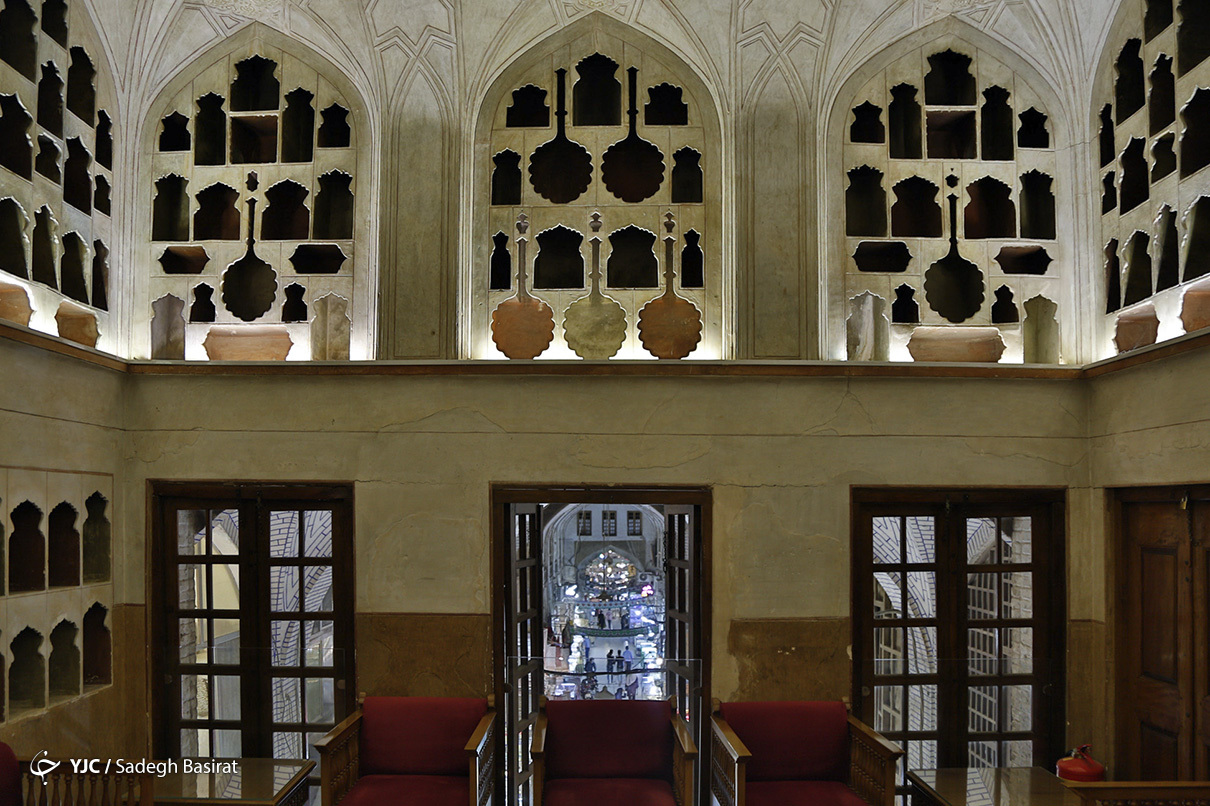
The Qeisarieh complex of Isfahan includes an exquisite gateway in the Shahi Bazaar, the Naqqareh-Khaneh edifice, the Royal Mint, the Royal Caravanserai, and a bazaar where a museum gallery and a café have opened recently.
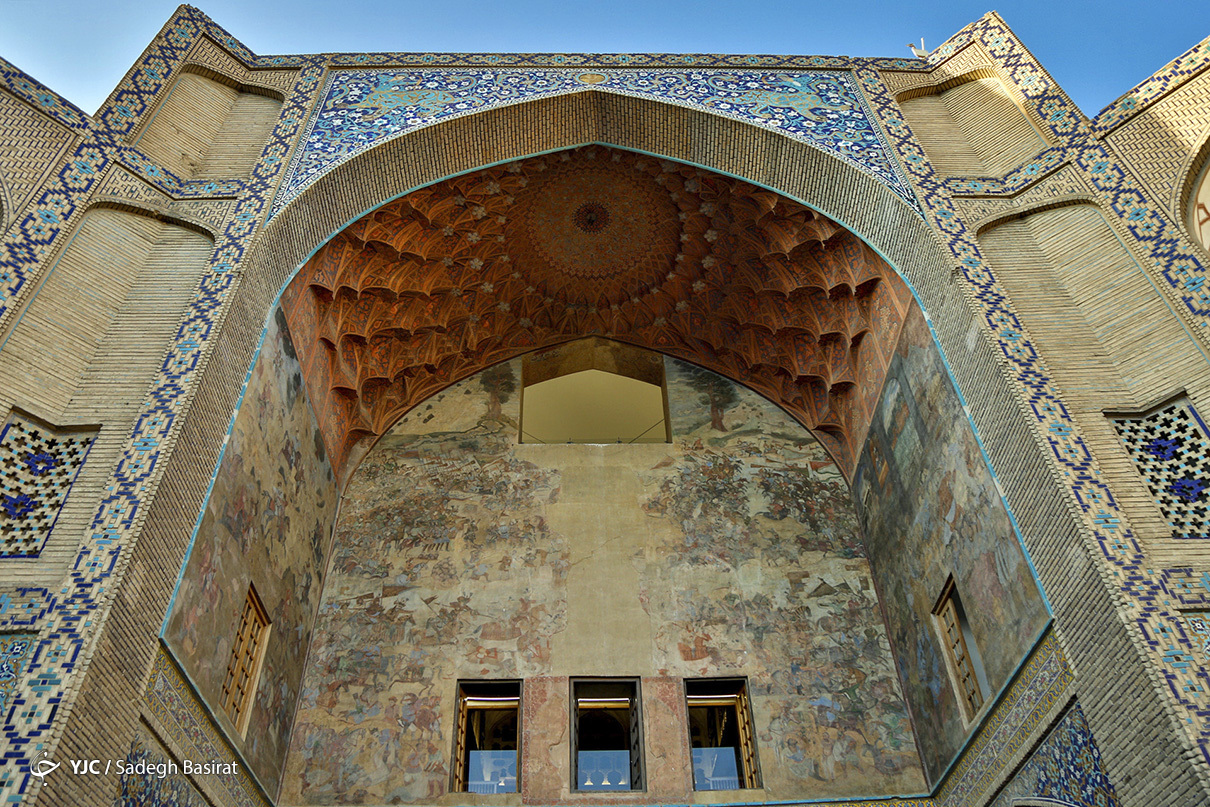
The historical site of Qeisarieh Gate is situated in the north of Naqsh-e Jahan Square, across from the Imam Mosque (known as Shah Mosque before 1979 revolution). The portal was built during the reign of King Abbas I of the Safavid dynasty by an architect named Master Ali Akbar Isfahani. The naming of the gate is etymologically connected to a historical construction in Kayseri, located in Anatolia, which is now Turkey.
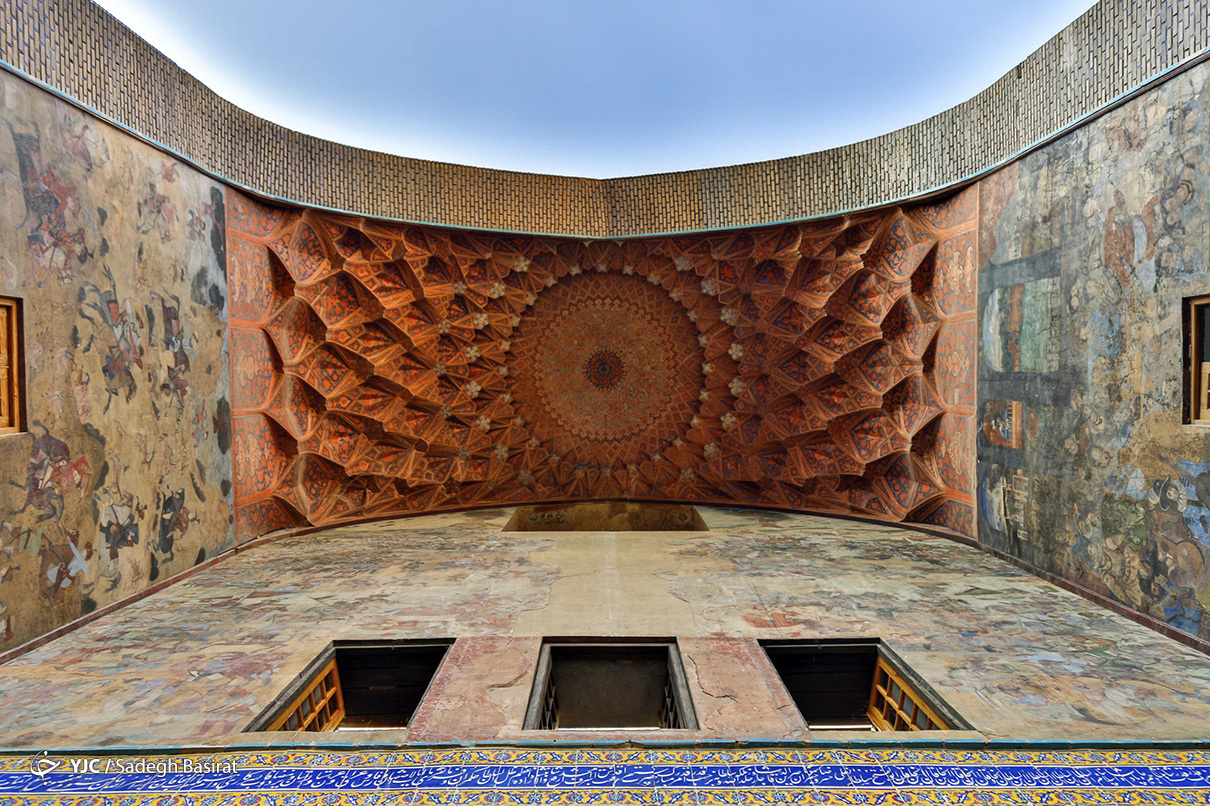
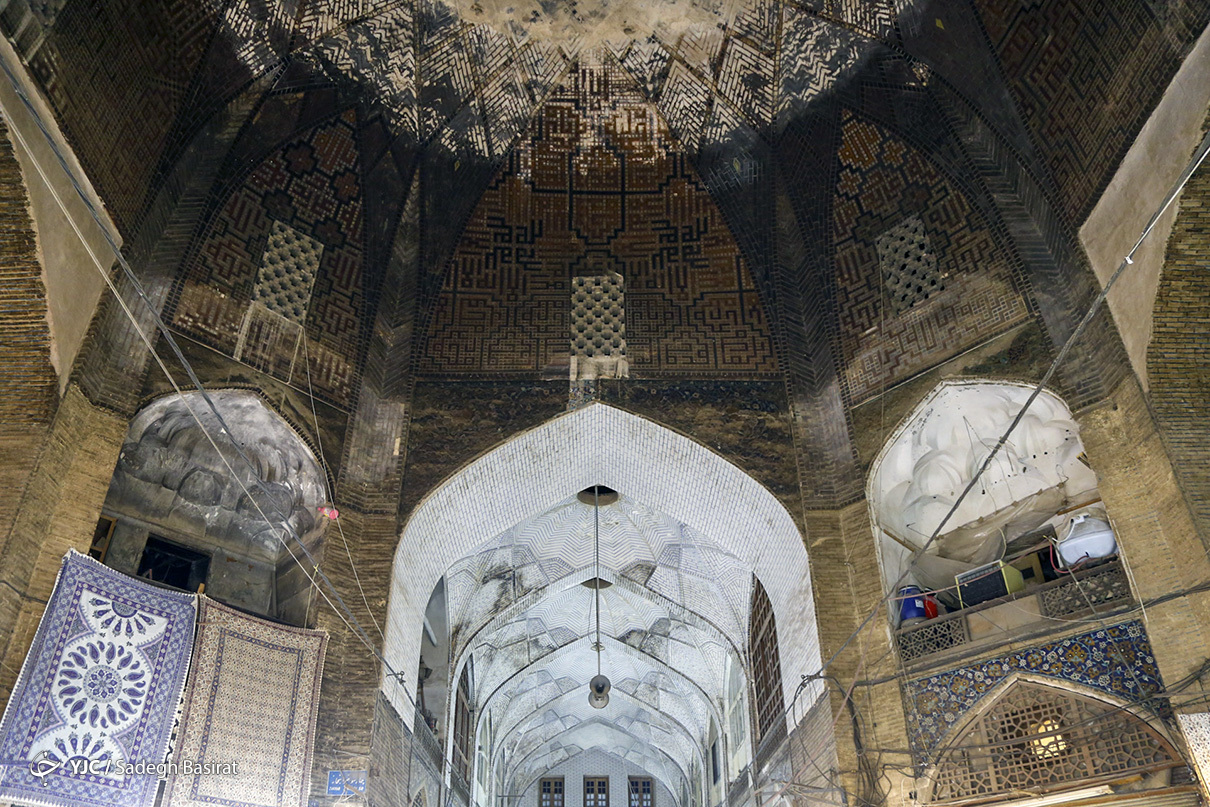
The Qeisarieh Gate is decorated with brickwork and paintings. The portal was known as the most important and biggest gateway to the Safavid-built part of Isfahan. The gate was a link connecting the new district of Isfahan to the old town built during the Seljuq dynasty through the Grand Qeisarieh Bazaar.
The Qeisarieh complex now includes the gateway, the Naqqareh-Khaneh edifice, the Royal Mint and the Royal Caravanserai that attract tourists from around the world.
Café Qeisarieh
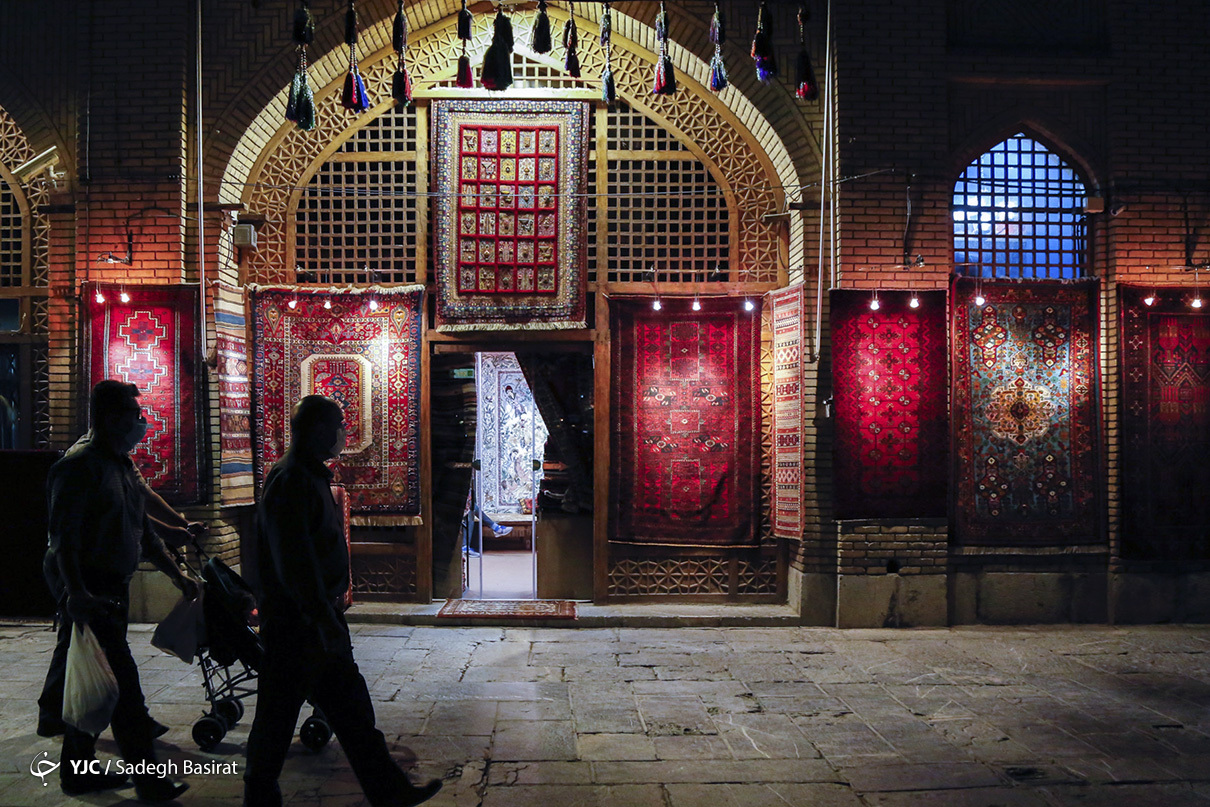
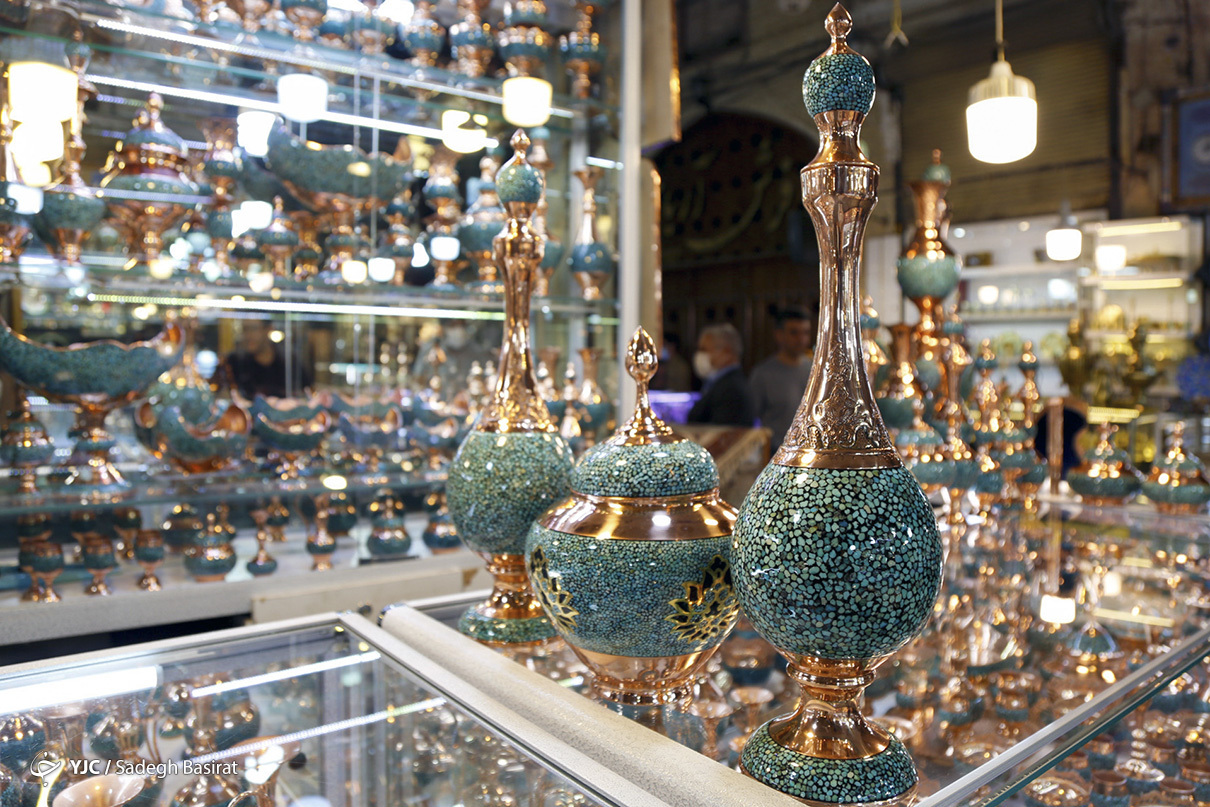
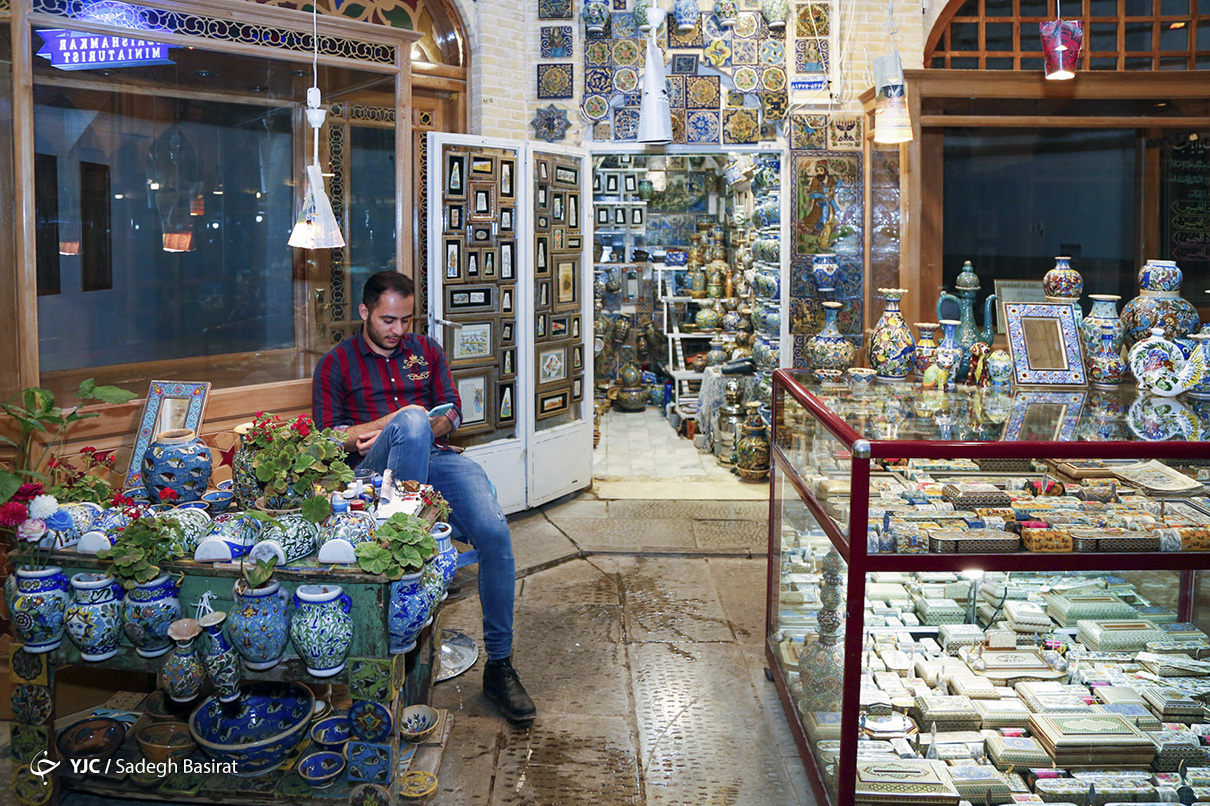
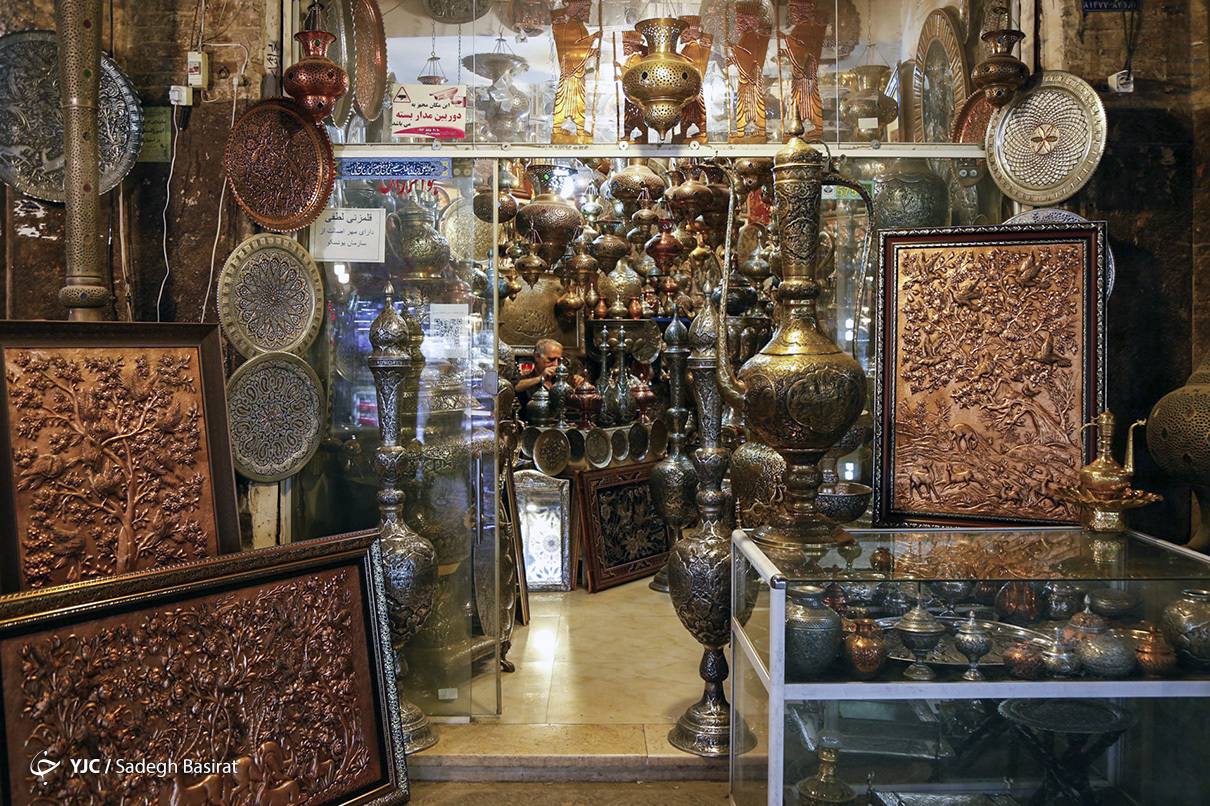
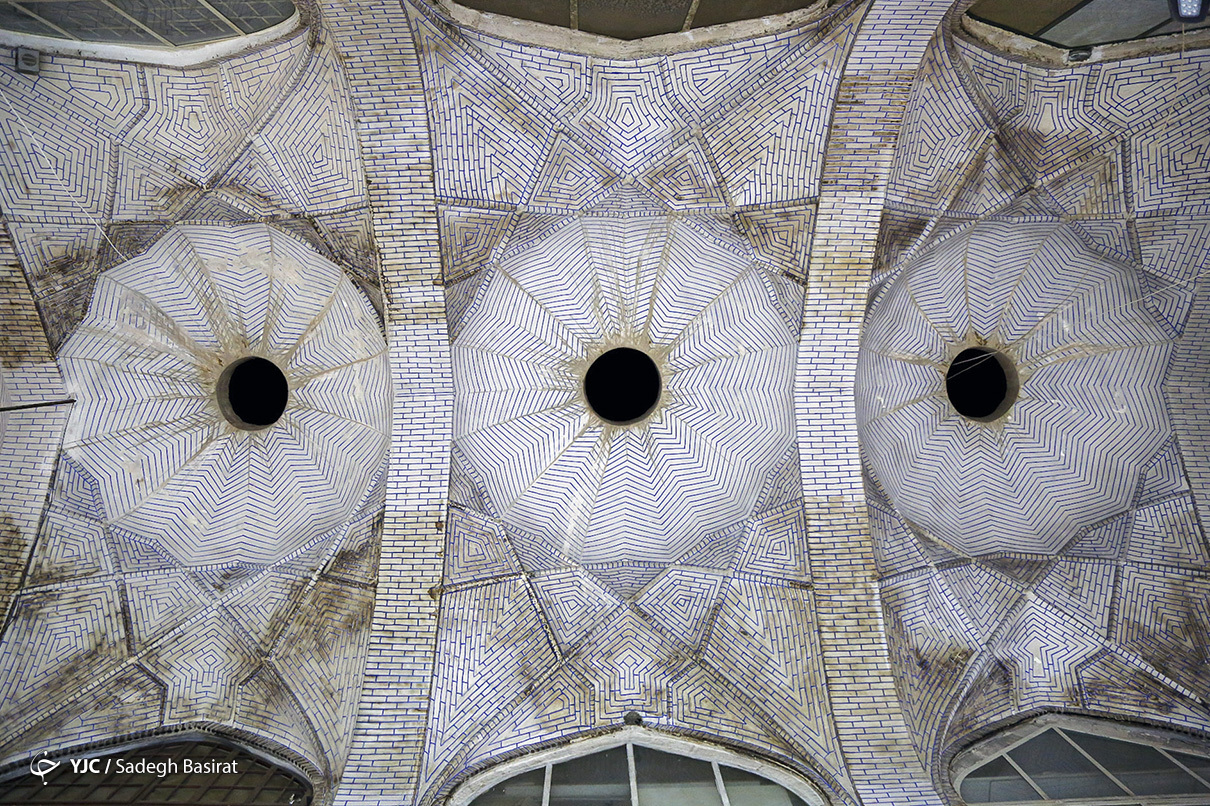
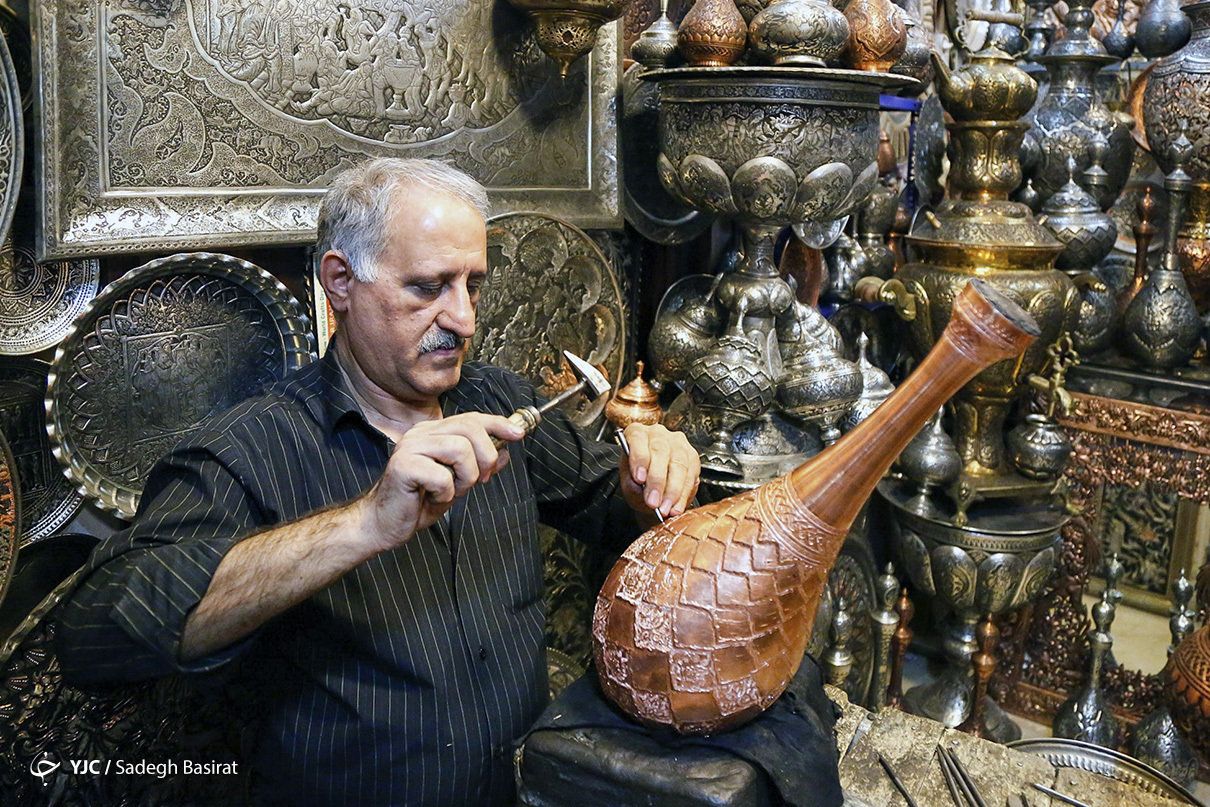
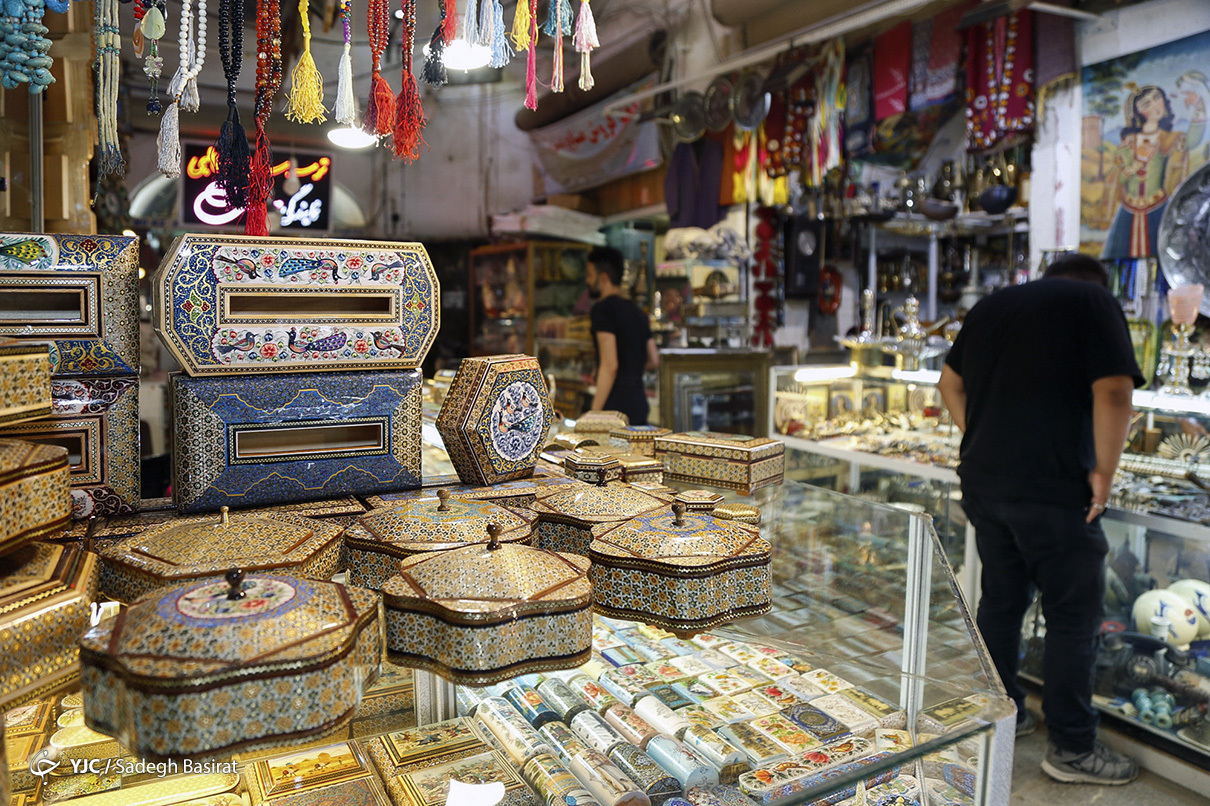
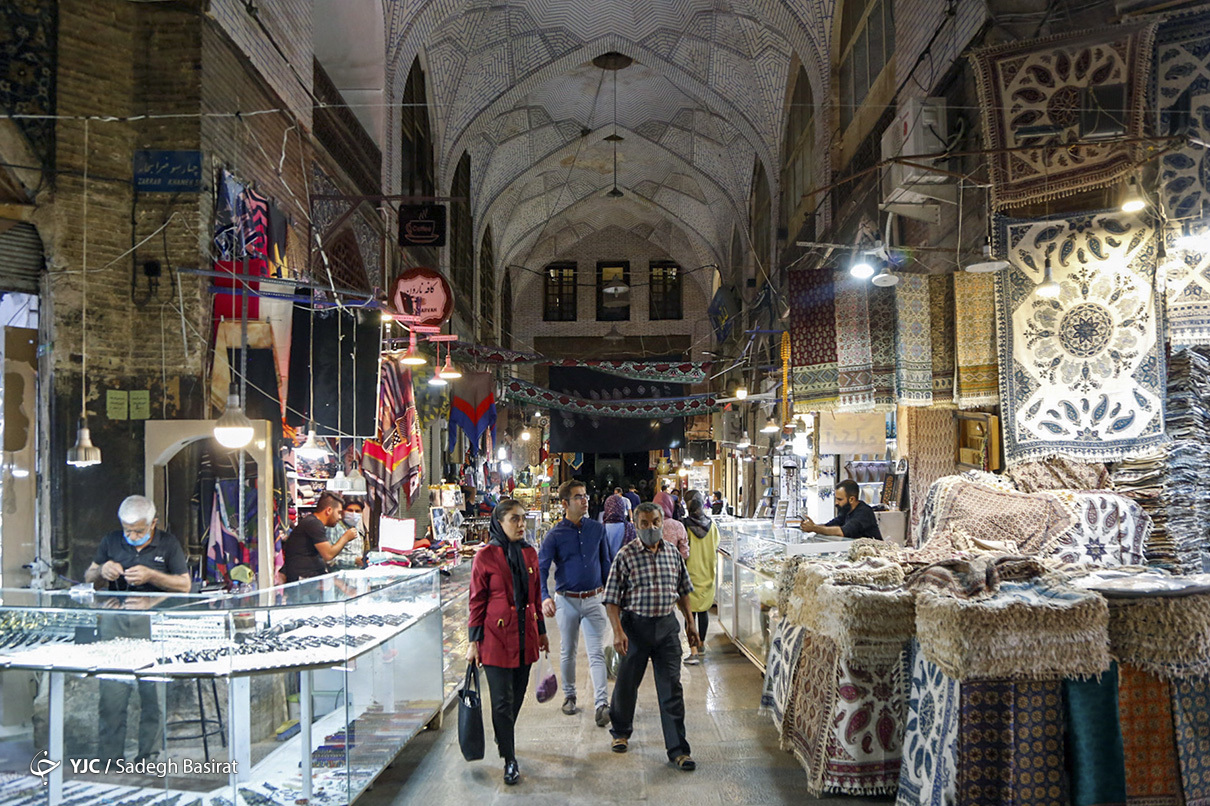
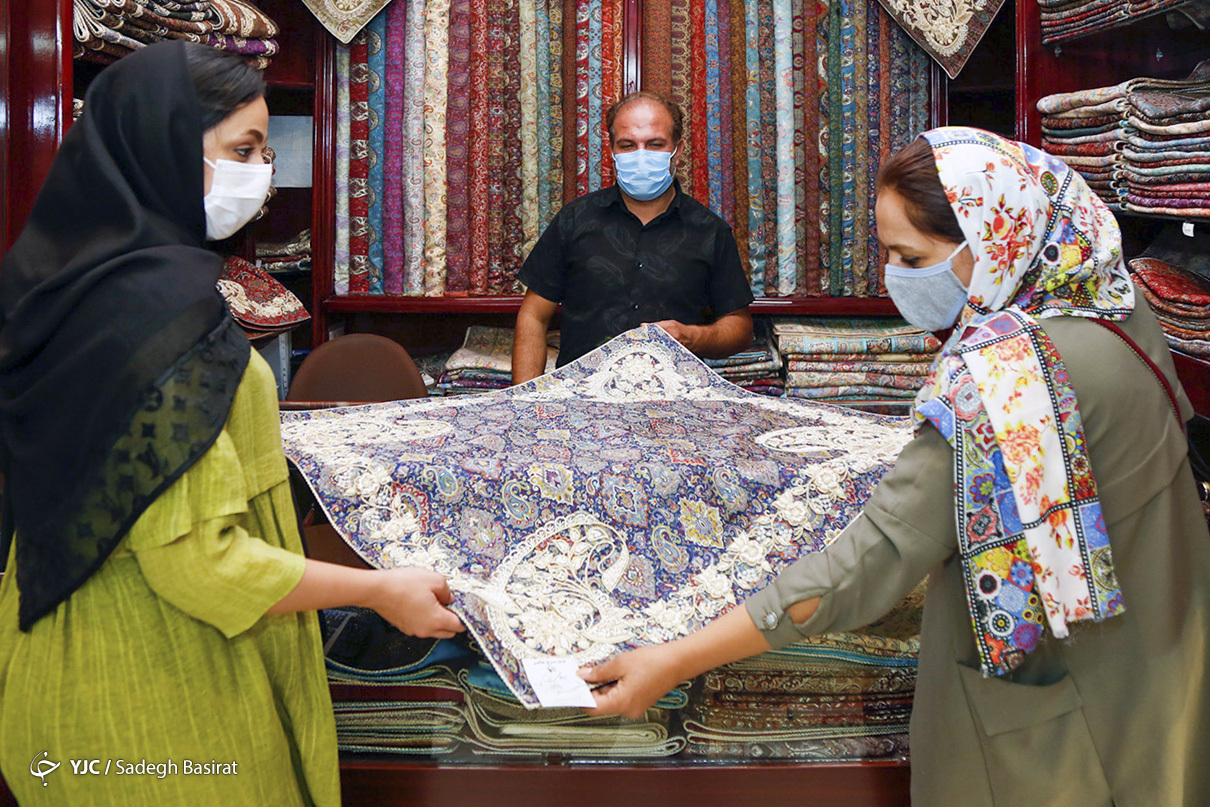
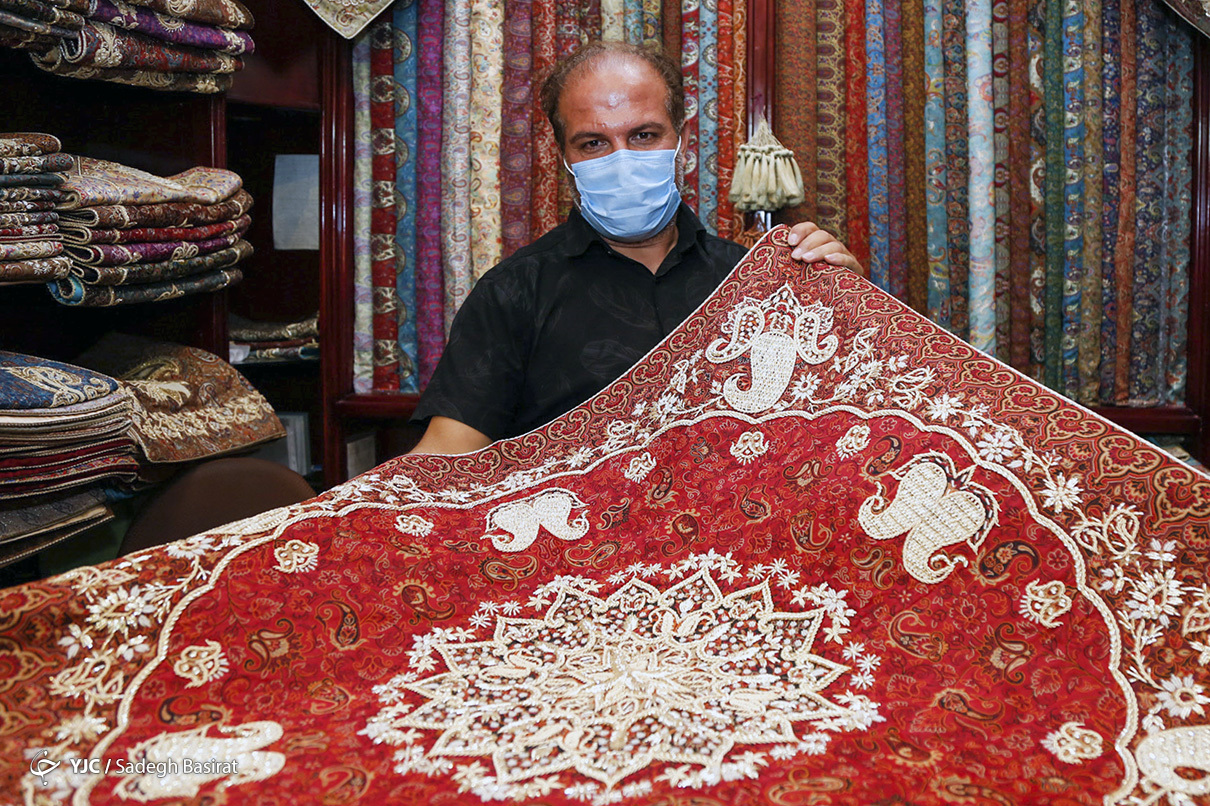
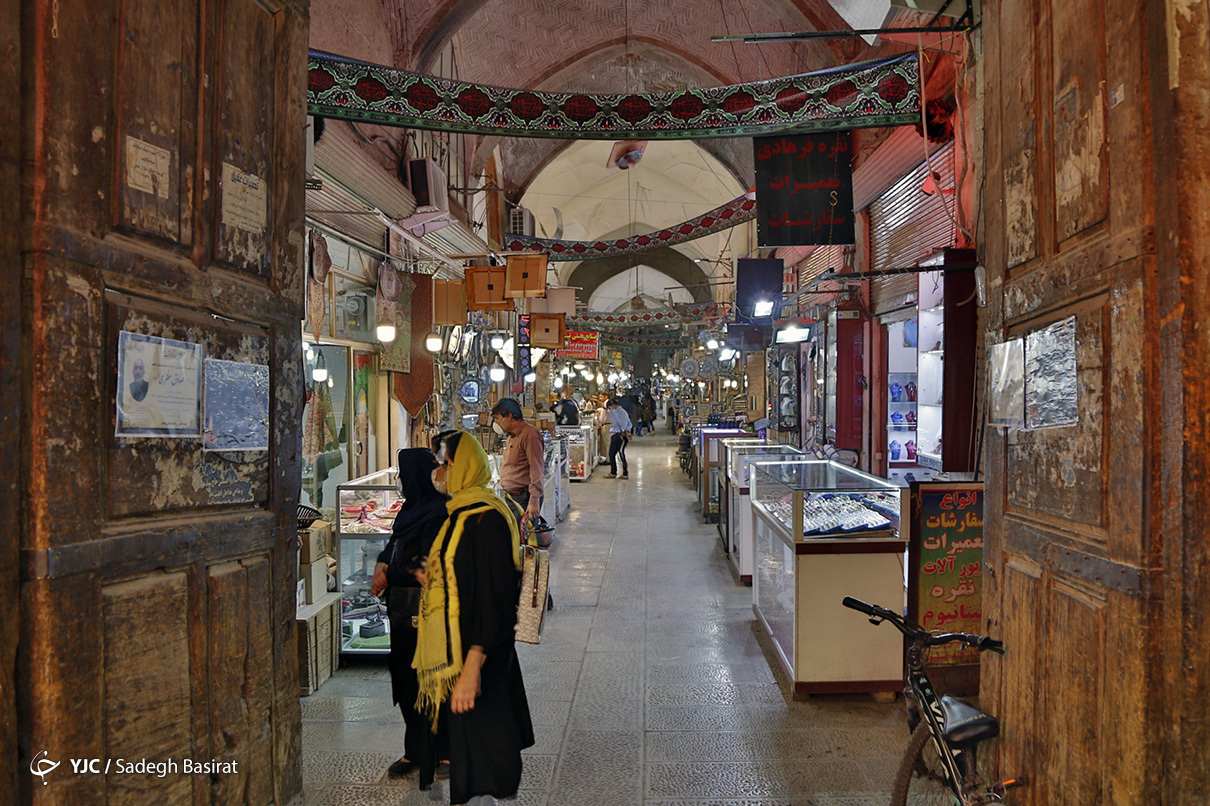
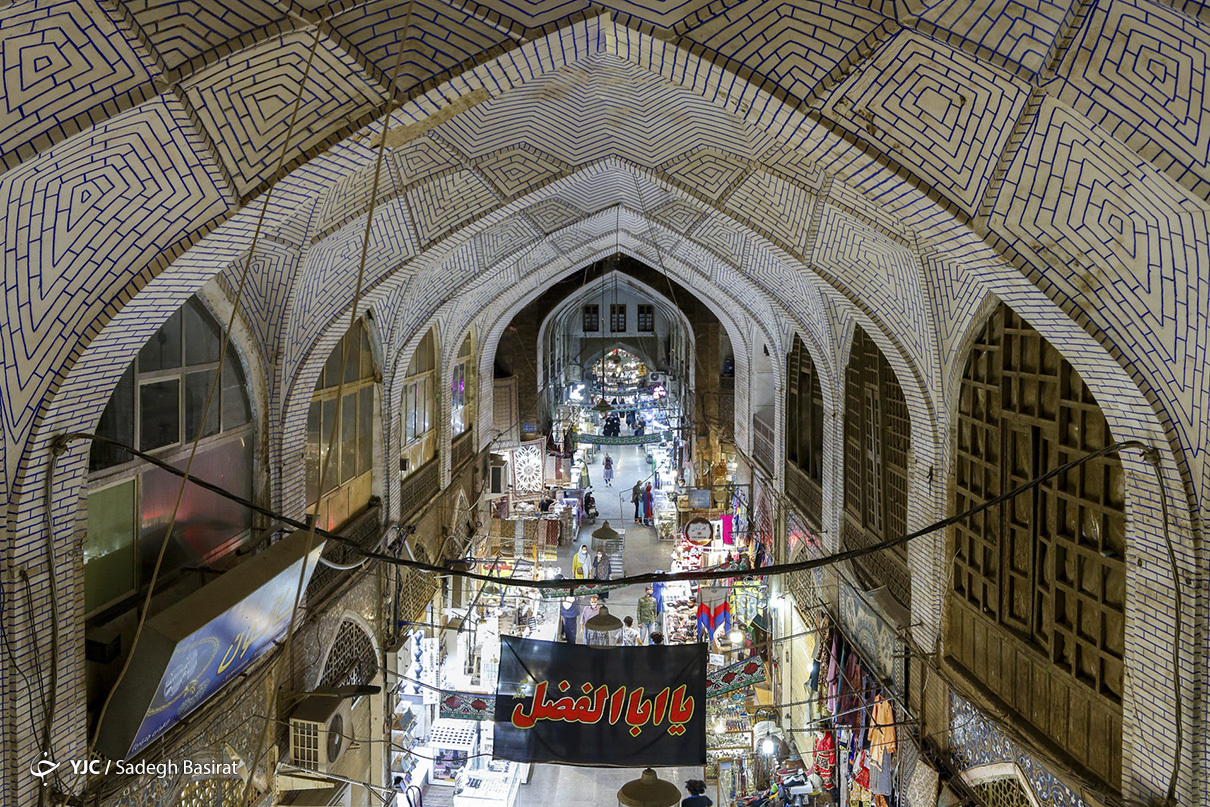
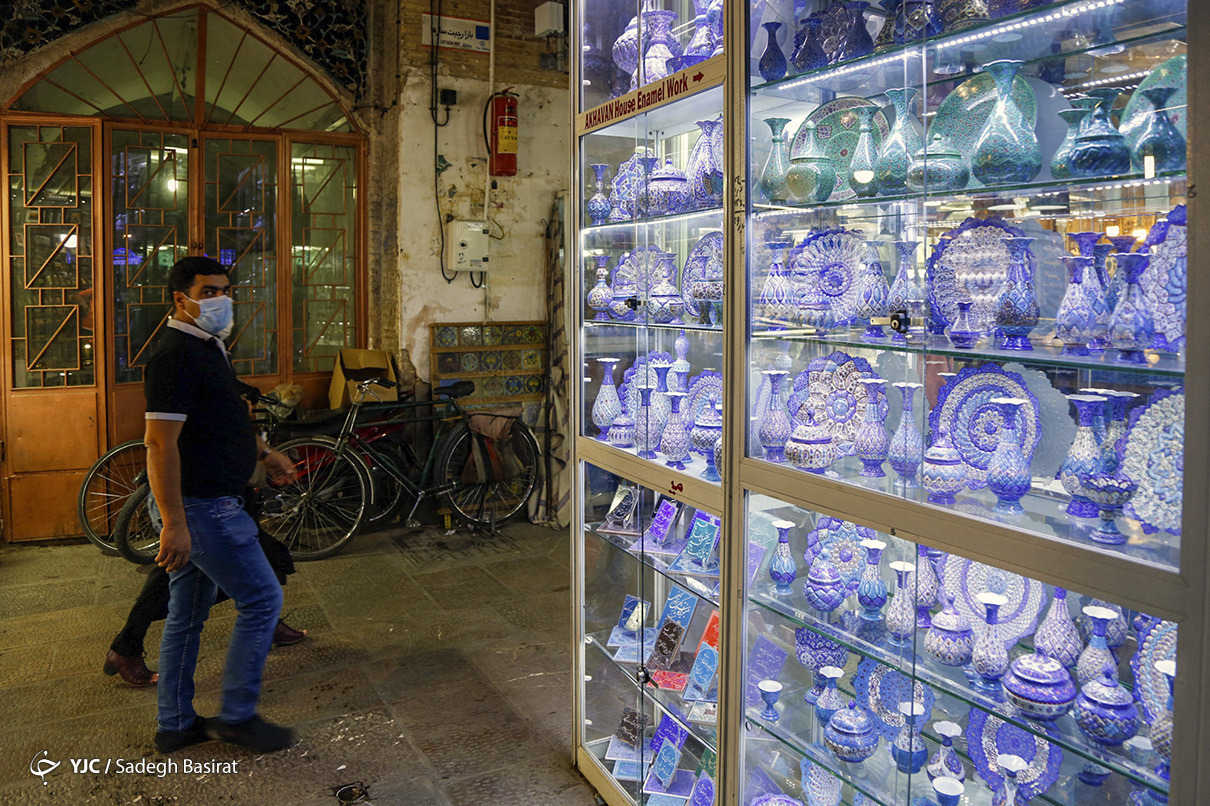
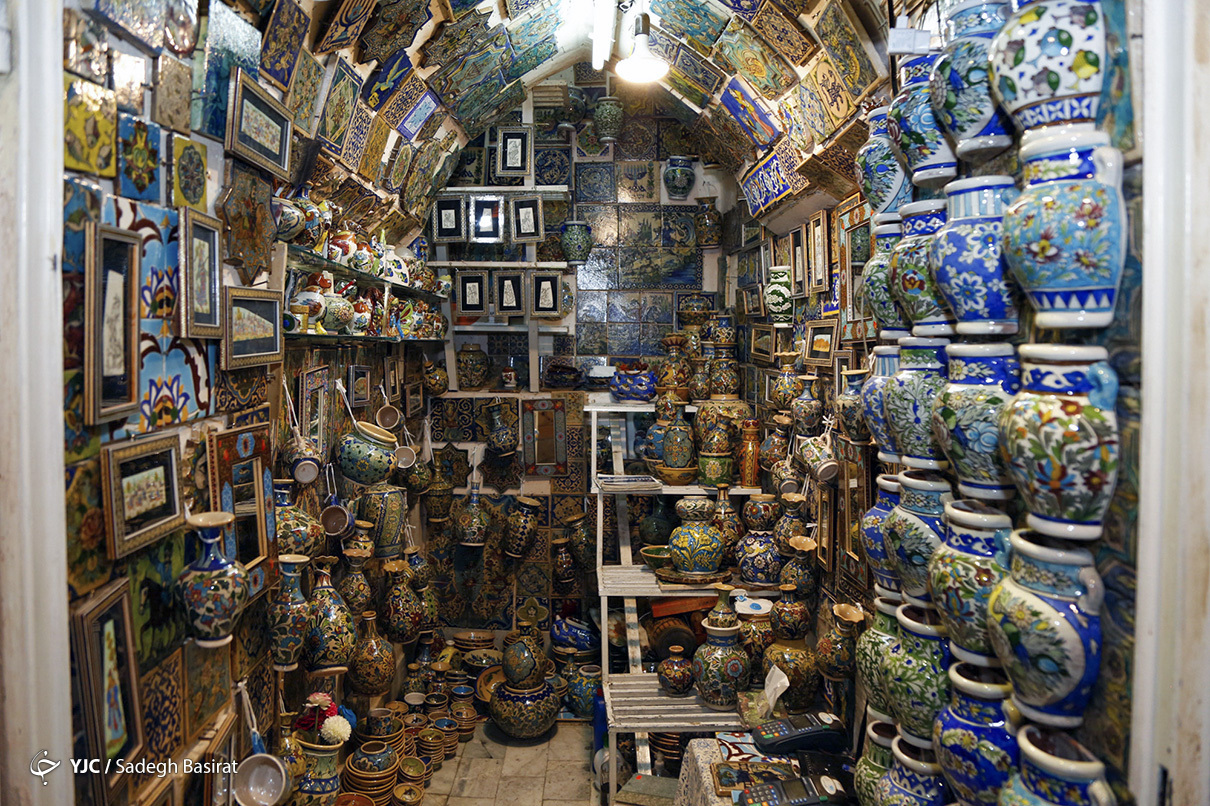
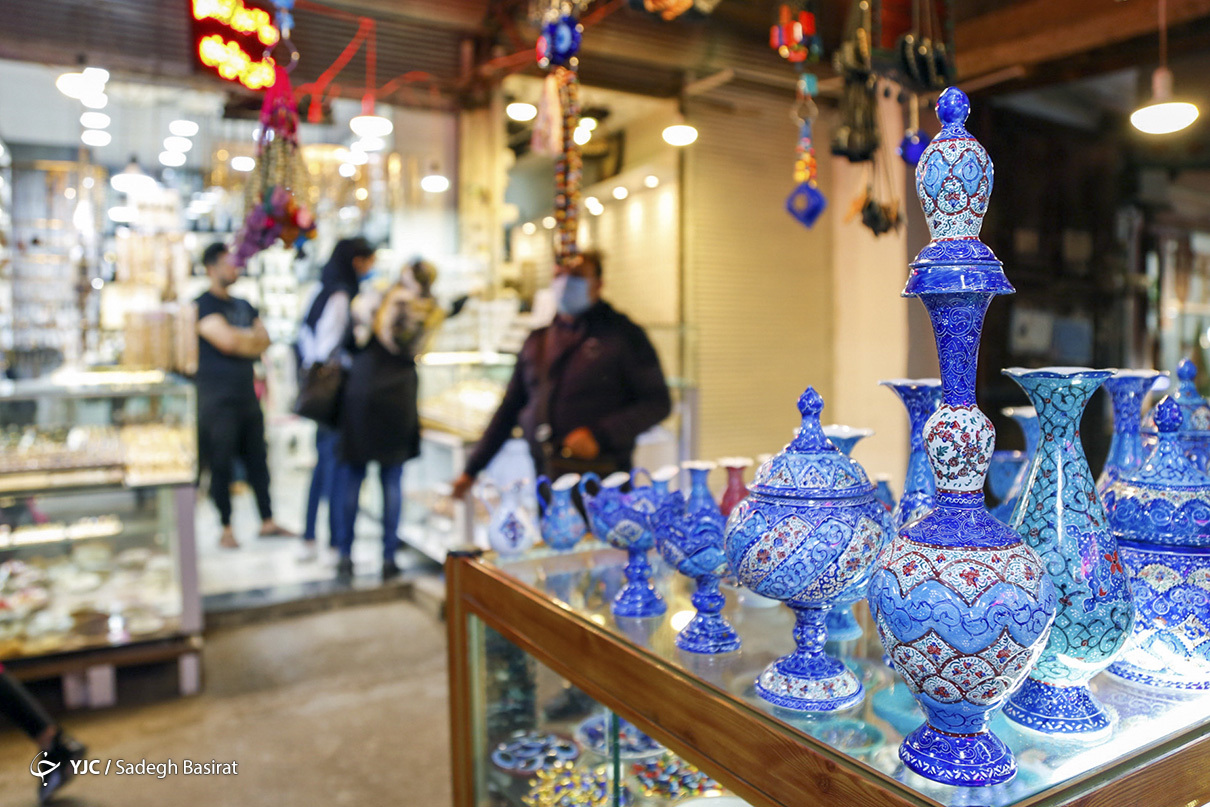
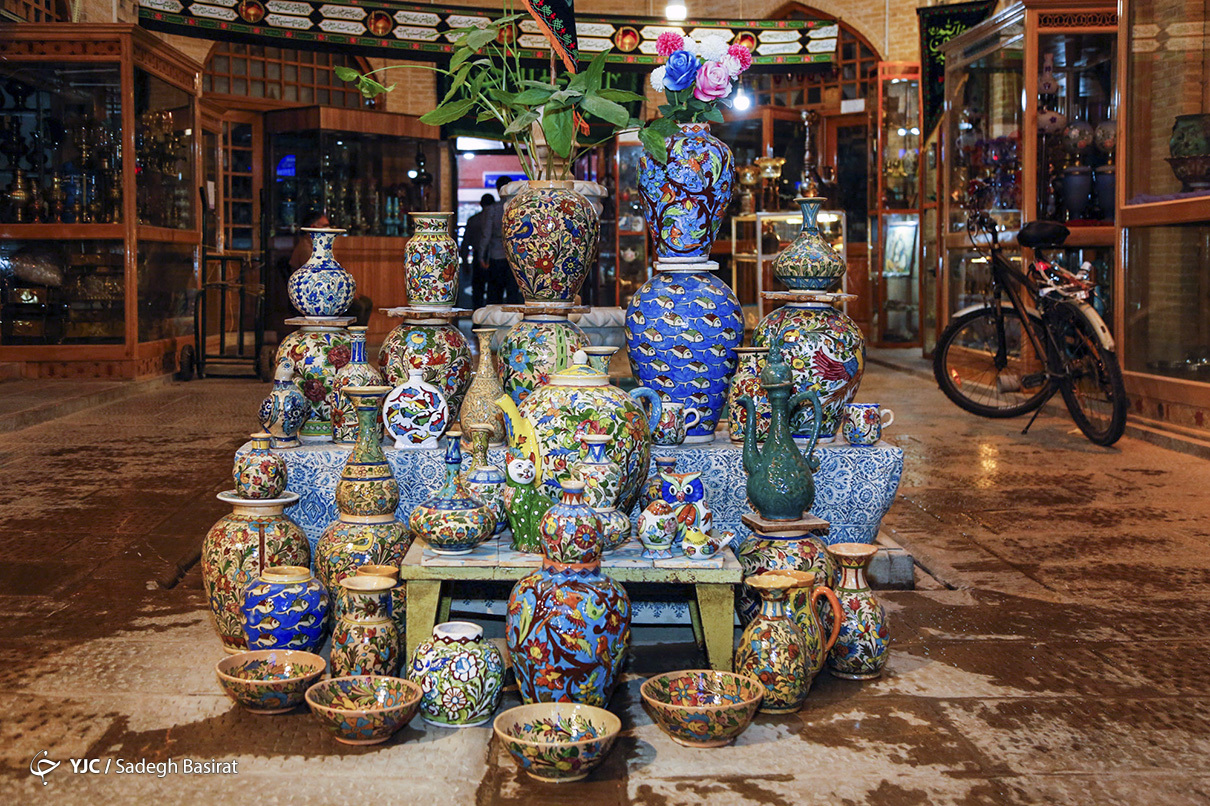
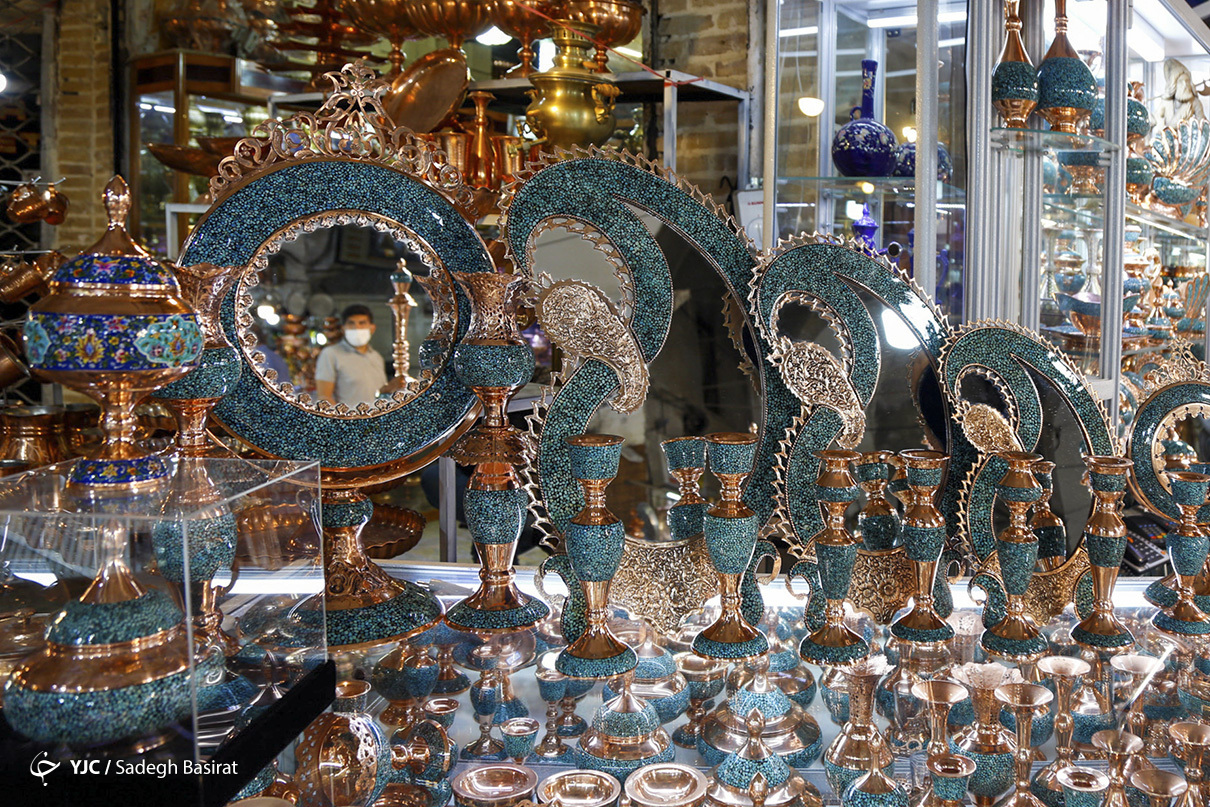
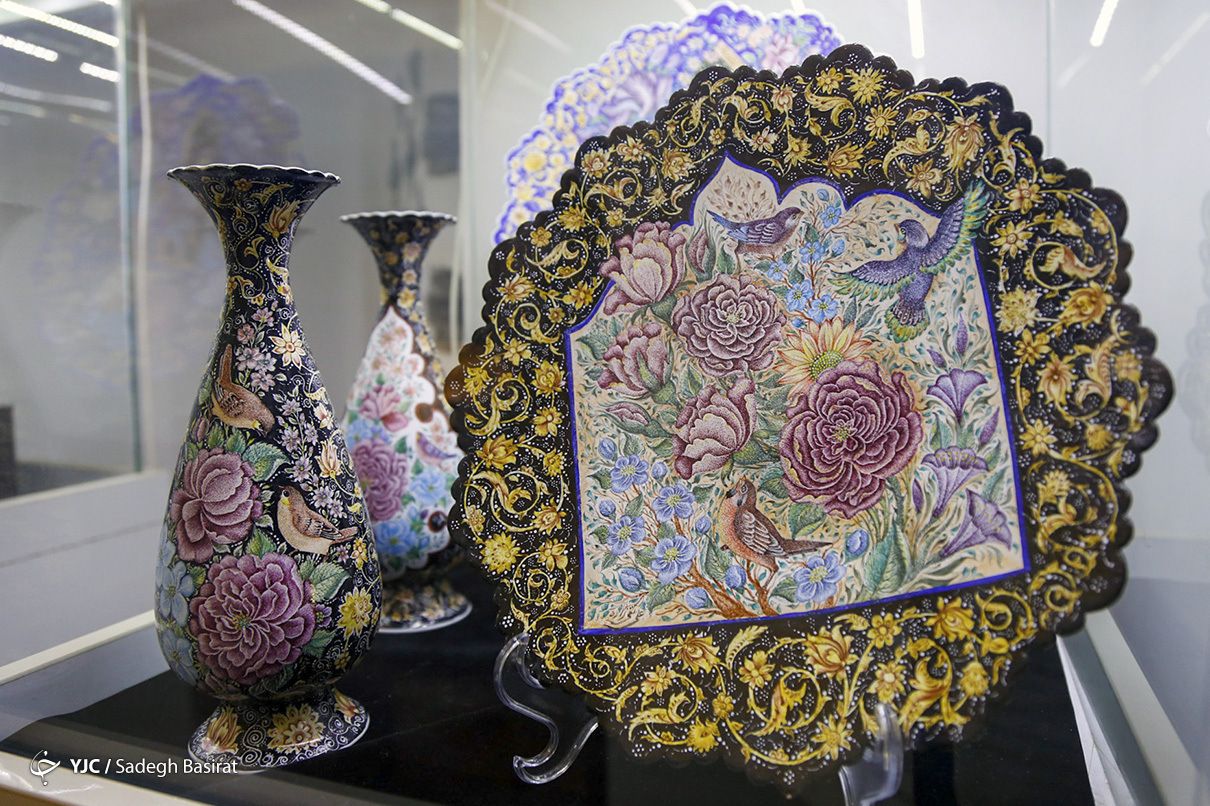
The Qeisarieh Bazaar is currently known as a major center for the handicrafts made in Isfahan. The bazaar was one of the largest and busiest markets during the Safavid era. The covered bazaar of Isfahan stretches for kilometers and involves various sections selling various commodities.
The Grand Bazaar of Isfahan, which includes the Qeisarieh Bazaar, had several gates, including the Qeisarieh Gate in the northern wing of Naqsh-e Jahan Square.
The Qeisarieh Gate has been registered on the List of National Cultural Heritage in January 1932.
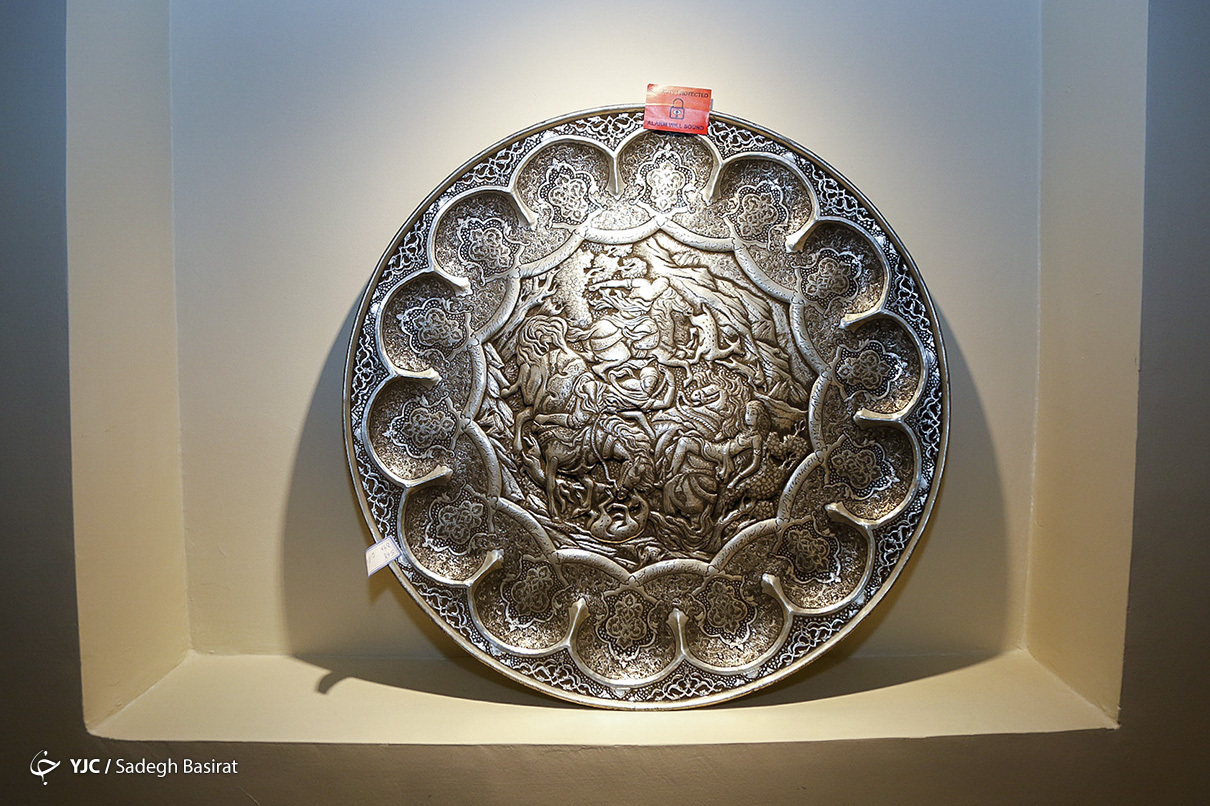
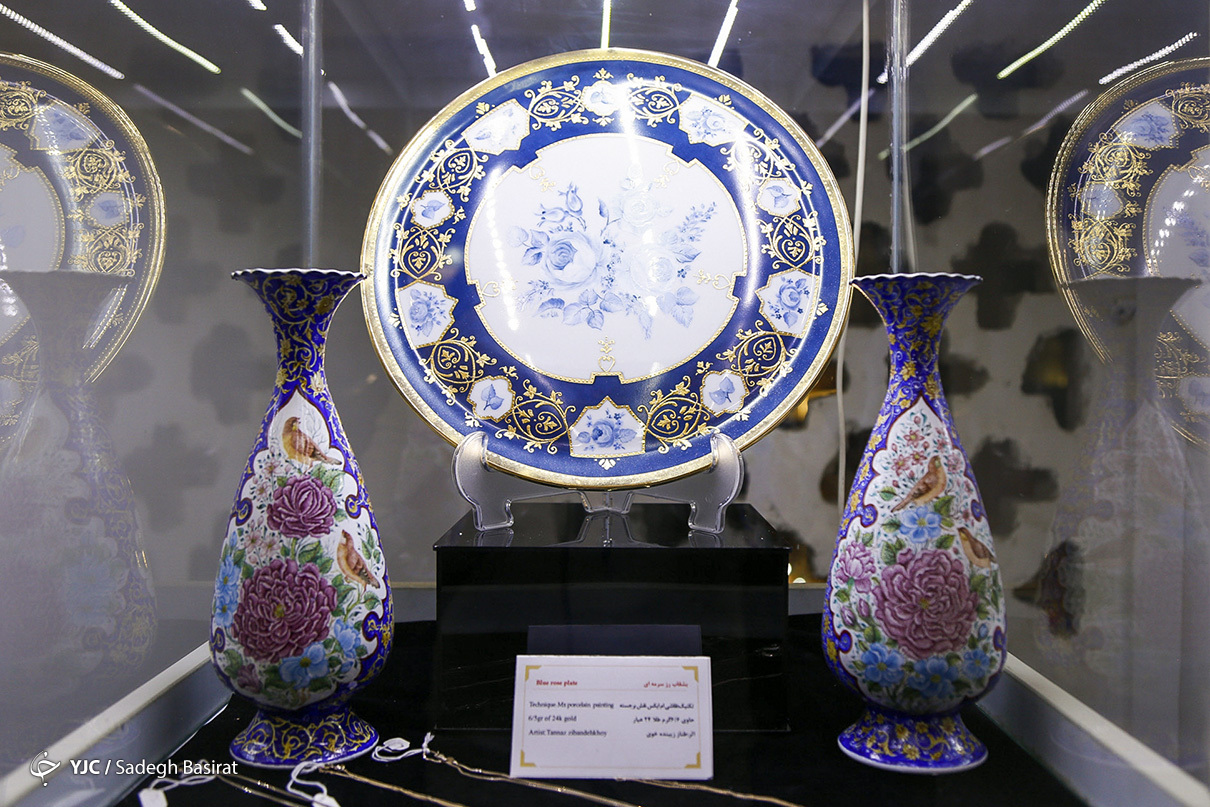
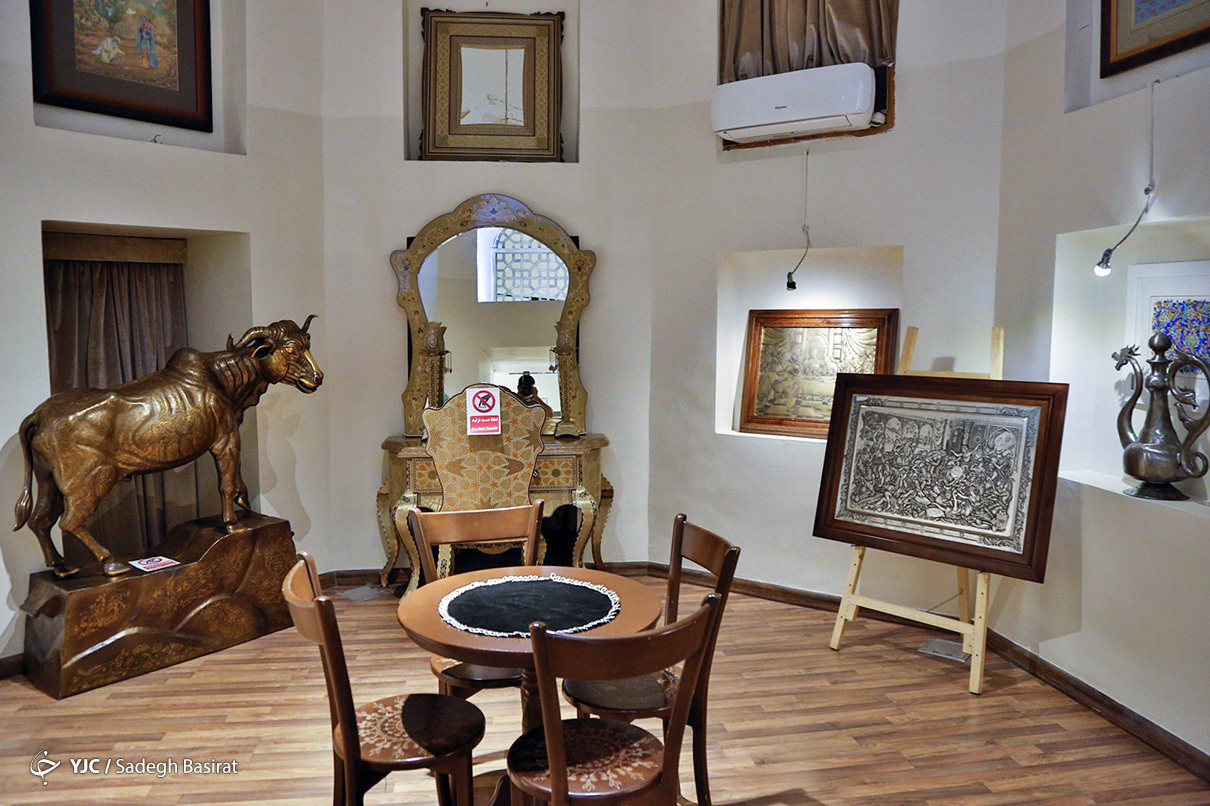
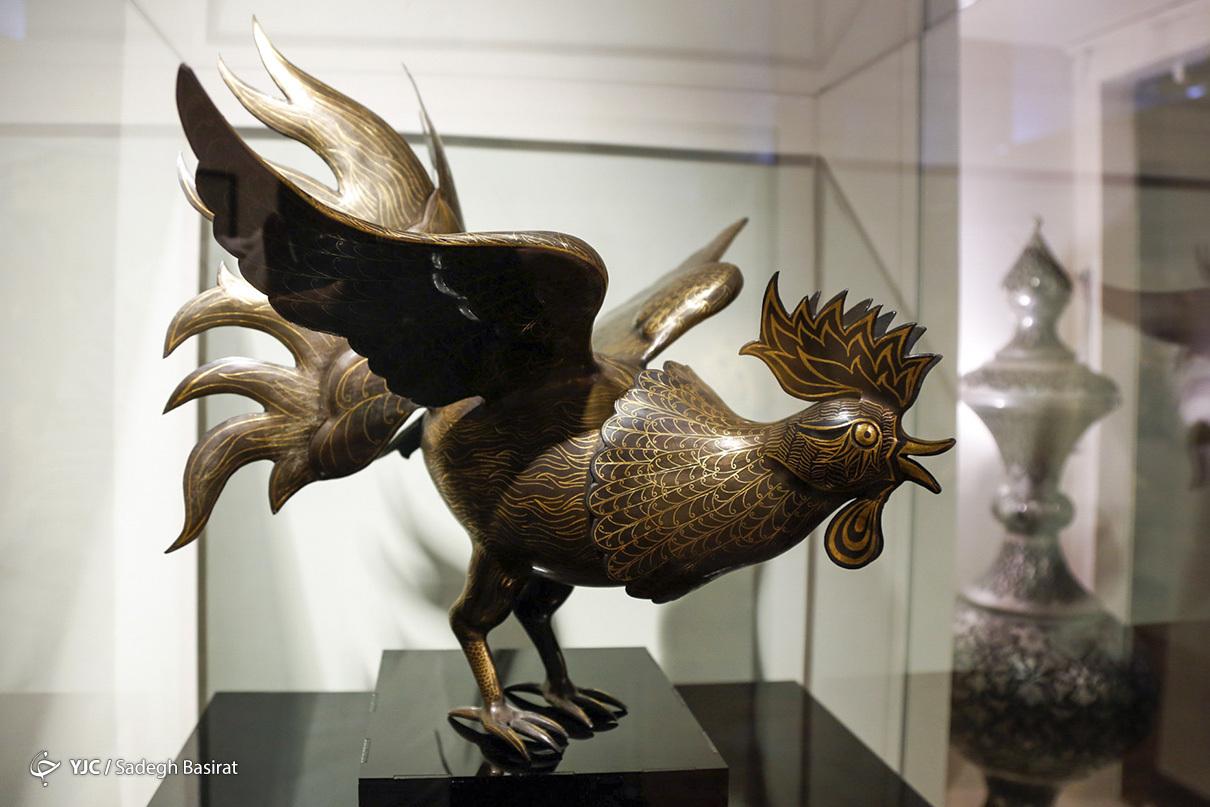
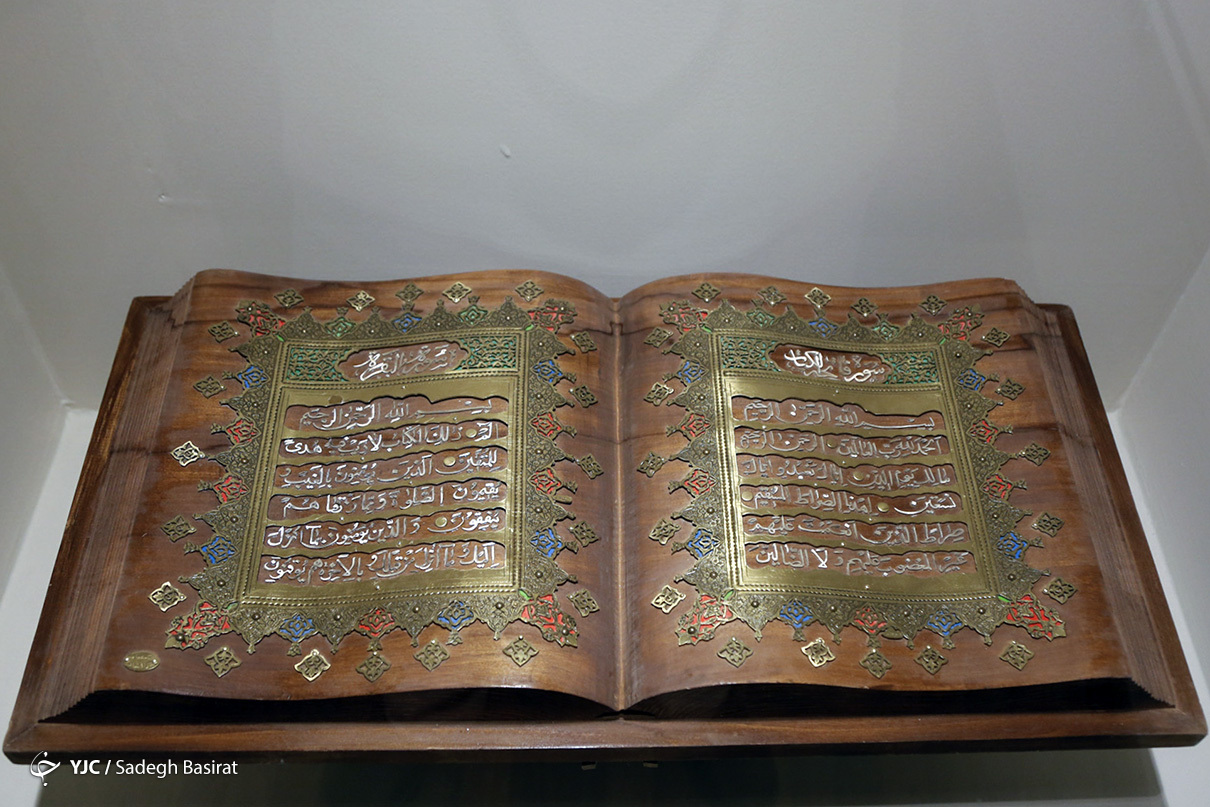
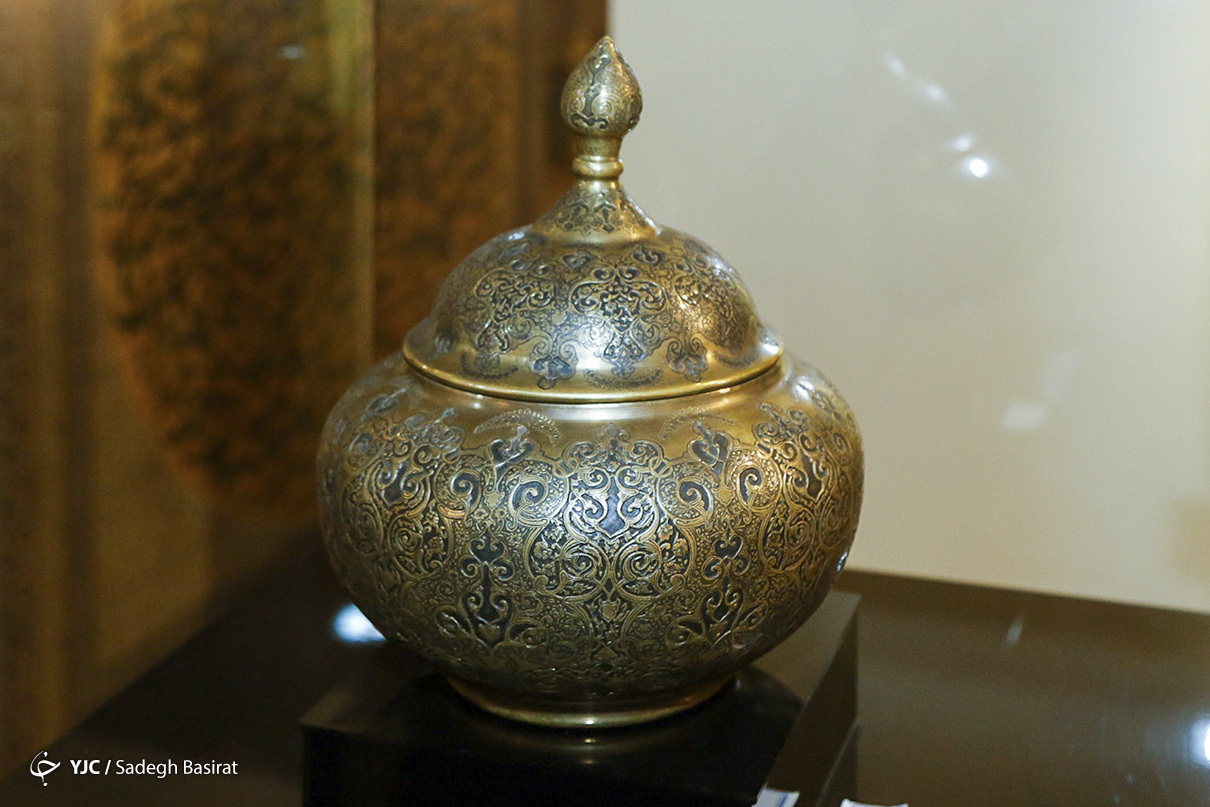
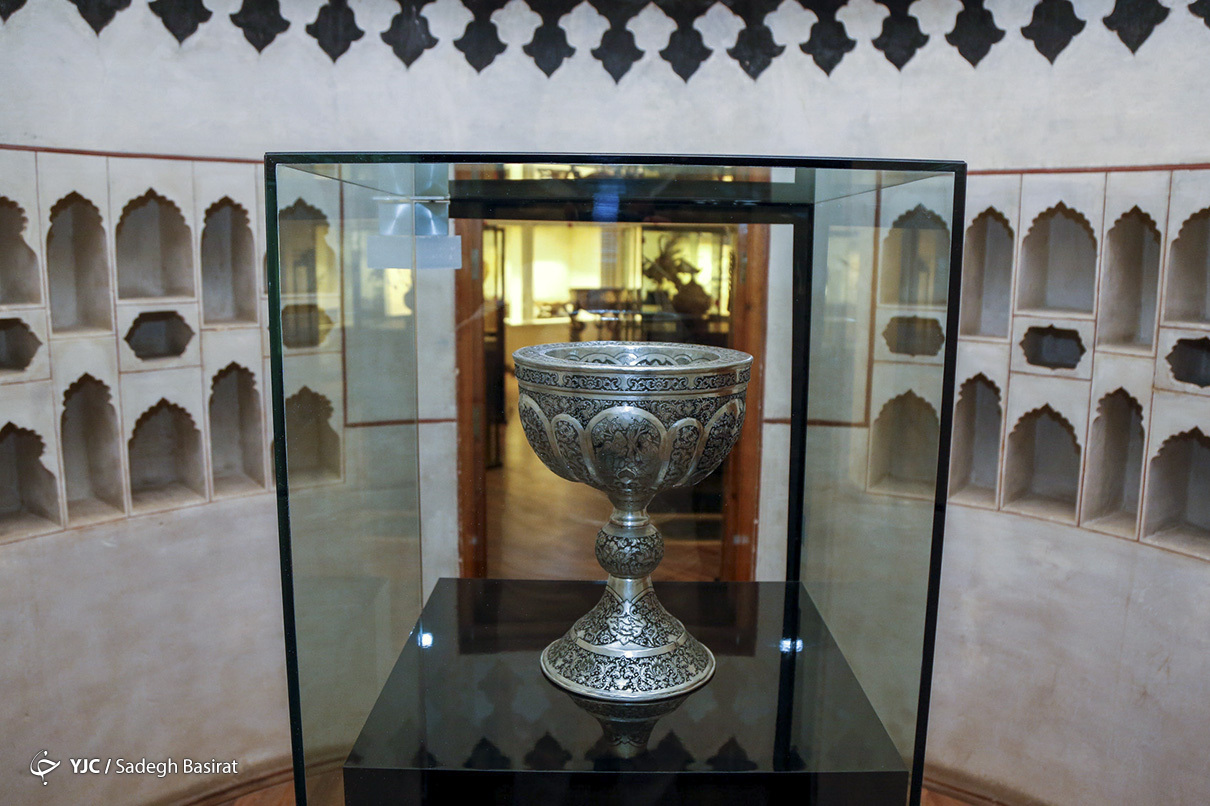
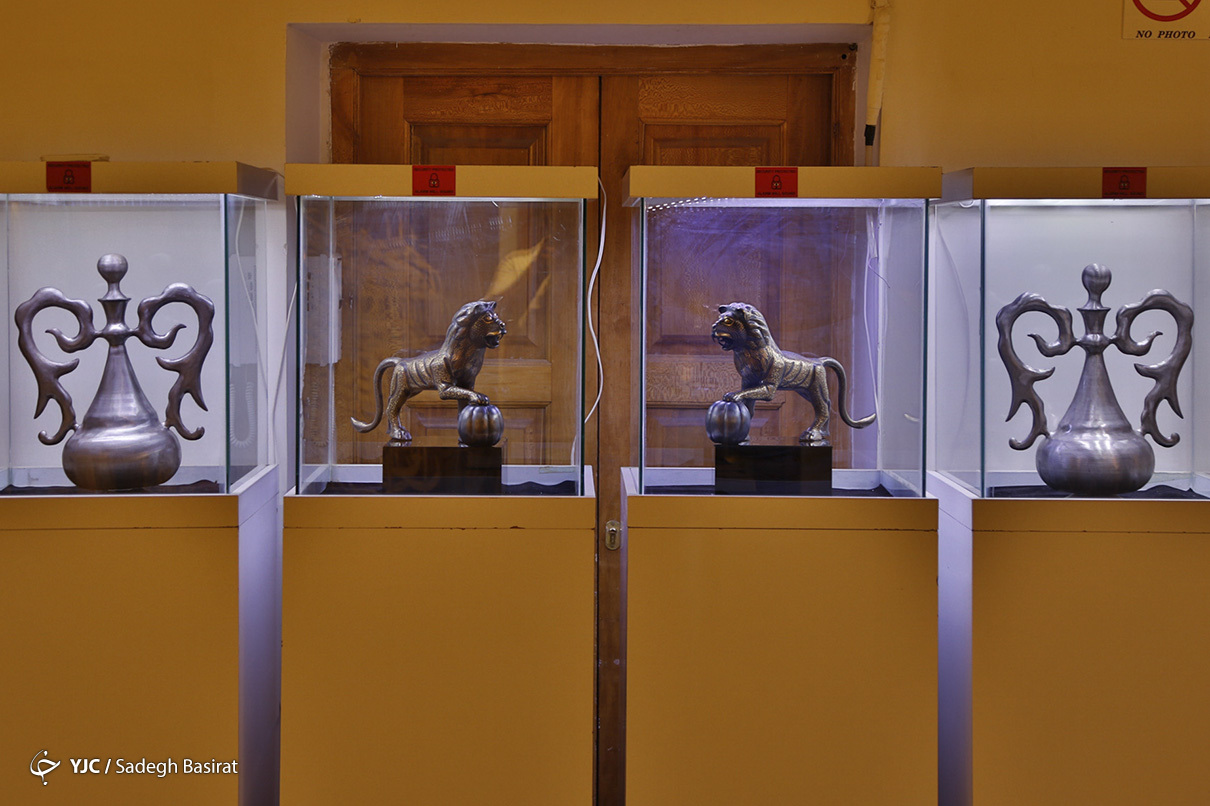
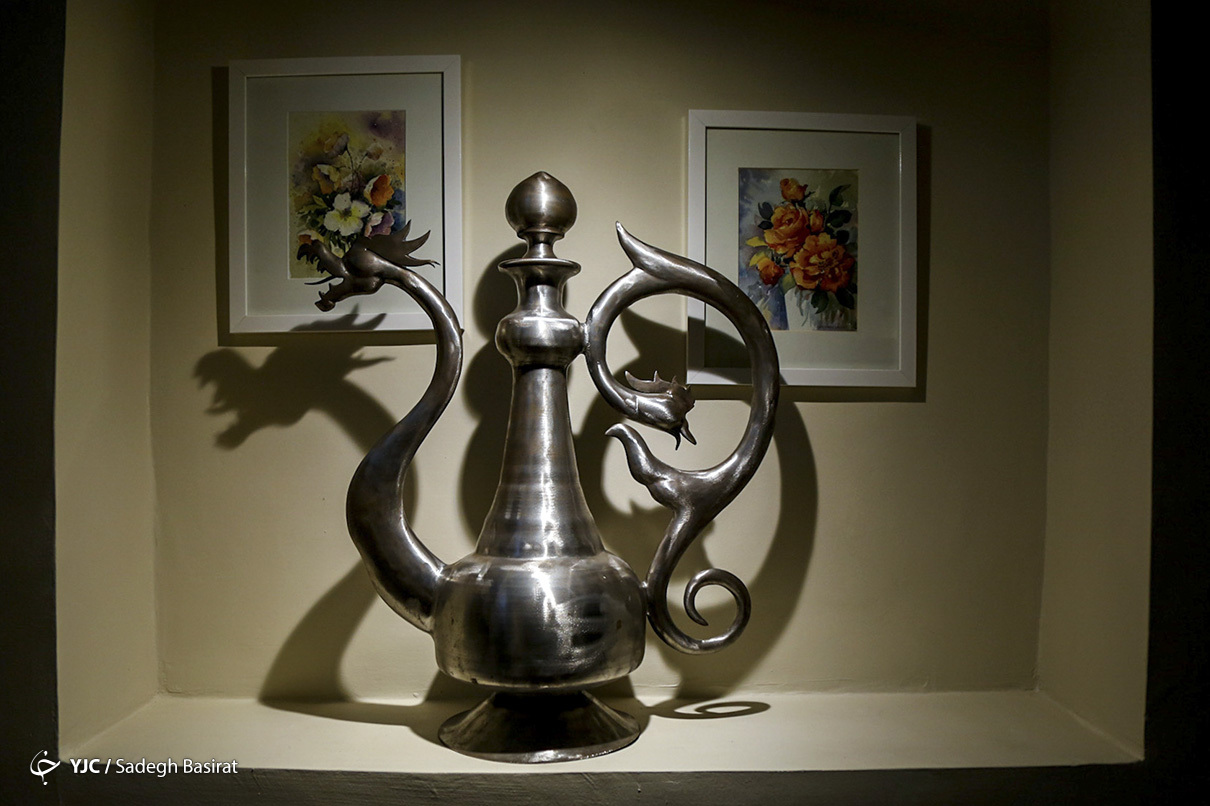
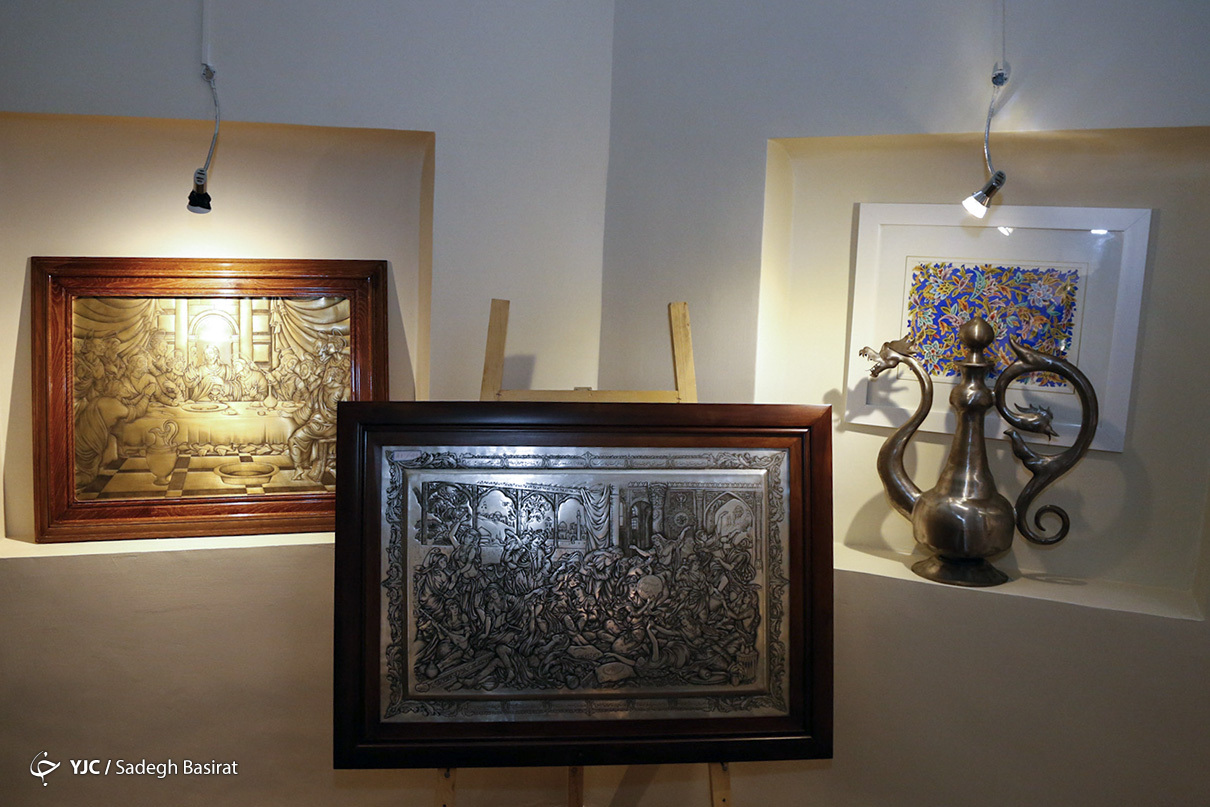
The Qeisarieh Museum Gallery of Isfahan has been also opened by the private sector in the complex, turning into a place to display and sell the works of art from contemporary artists.
Speaking at a weekly press conference on Monday, the Foreign Ministry spokesman reiterated that Iran is ready to use all of its good offices to end the fighting between Baku and Yerevan over the disputed Nagorno-Karabakh region.
“We once again stress the need to respect Azerbaijan’s territorial integrity and the withdrawal of forces from the occupied cities, and underline that the military clashes must stop as soon as possible in order to start inclusive political talks, which should be time-bound, between the two sides,” he noted, adding that Iran has prepared a plan with details within the framework of those purposes.
He also said the Iranian initiative will be pursued in consultation with the Republic of Azerbaijan, Armenia, the regional governments, and the neighboring countries.
“I’d like to say once again that the Islamic Republic of Iran is monitoring the incident and the war that is underway near the northwestern border with sensitivity, carefully and closely, and is addressing it in constant contact with all parties,” the spokesman said.
“The Islamic Republic of Iran has made it clear for all sides since the first day that there is no military solution to the decades-old conflict,” Khatibzadeh underlined.
“We hope the both sides would refrain from continuing war and violence, considering their historical responsibility, would carefully observe the main rights about non-aggression against civilians, and would also bear in mind that the Islamic Republic of Iran cannot tolerate clashes at its borders, specifically a violation of its territory,” he added.
“We have made it clear for our friends at both capitals that they must pay the necessary attention and be careful, as this is absolutely a red line for the Islamic Republic of Iran that its frontier is not violated, even unintentionally,” the Iranian diplomat warned.
Azerbaijan and Armenia have exchanged heavy rocket and artillery fire, with each side accusing the other of targeting civilian areas as the fighting over the disputed region of Nagorno-Karabakh intensified.
Azerbaijan’s foreign ministry said on Sunday one civilian was killed and four wounded in an Armenian rocket attack on its second city of Ganja, and Baku threatened to retaliate by destroying military targets inside Armenia.
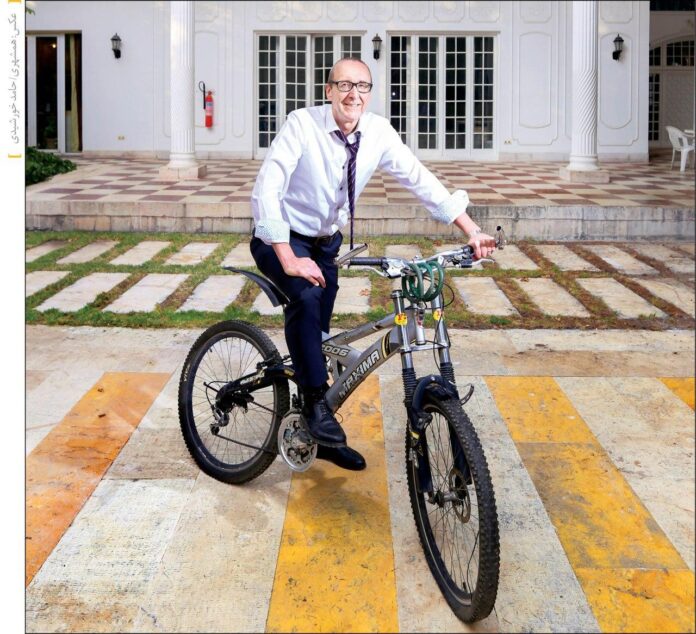
Iran-Austria diplomatic relations go back more than 160 years. The Austrians have described the relationship as a “160-year-old path to friendship.”
The Austrian ambassador to Tehran believes the reason behind the long history of relations between the two nations is a win-win relationship between the two sides. He believes Iran should be seen not as a country, but as a civilization.
54-year-old Scholz holds a PhD degree in Political Sciences. In an interview with the Hamshahrinewspaper, Scholz expressed his views on his stay in Iran and living in the capital city.
How many of Iran’s provinces have you visited during your three-year stay, so far?
Well, 25 provinces, I think. Of course, I should say that none of them was a pleasure trip. They were all business trips. We draw up plans to establish a link between those working the private sectors of Iran and Austria and to boost cultural cooperation.
What is your general understanding of Iranian people and the Iranian culture?
What I can say is that Iran is something more than a country; Iran is a civilization.
Iran enjoys geographical diversity and a variety of traditions. Iran’s culture is a rich one. Each region has its own features. In order to get familiar with each and every region, one has to visit there, talk to its people and understand its potential.
If a friend asks you to name five destinations of your choice in Iran, which cities would you choose?
It is a difficult question. Well, Isfahan and Shiraz are always in my heart. Isfahan is really beautiful. Persepolis and Naqsh-e Rostam (an ancient necropolis located near Persepolis) are the living history of this country. I should say that all countries I have visited have, in one way or another, influenced my mind. Each one of them has its own features.
Which part of your life in Tehran has been more attractive?
To tell the truth, I wouldn’t have thought that I might get so much involved in diplomatic work. Not a single week or day passes without a story about Iran being covered by world media. This makes you, as an ambassador, a high-profile figure in your own capital.
In fact, diplomatic work in Tehran is a 24/7 job. I have experienced this only here. You need to be available both for your country and the host country round the clock. It requires so much energy.
How about city life in Tehran?
Tehran is a lively city with a population of 15 million, which is almost double that of Austria. Tehran has a dynamic culture.
I have watched concerts at Vahdat Auditorium numerous times, concerts which begin between 9 to 9:30 and run until midnight. These hours [for performances] are unusual in Europe. The day after we have watched a concert, we go to work with bloodshot eyes, but it is really worth it.
Before the coronavirus outbreak, I had begun visiting restaurants. Tehran restaurants are really fantastic. Even in Vienna you cannot find ones similar to some of the restaurants in Tehran.
The quality of food and service as well as the ambience of restaurants are unbelievable both in modern and traditional restaurants. Old Tehran buildings which have been renovated and made available to the public are really attractive. Some of them have turned into cafes and include a space for reading books as well.
Do you use public transport?
Yes, definitely. The underground system in Tehran is excellent. Before the coronavirus outbreak, my wife and I used the underground a lot. The tube in Tehran has made access to different parts of the city easy and is still developing. Special bus lanes are fantastic, too. Once last year, my wife and I decided to go from Tajrish square to the Imam Khomeini International Airport by underground. It was an interesting experience.
Which part of your life in Tehran has not been so pleasant?
Well, the traffic. There are days when I have, let’s say, three meetings in different parts of Tehran. Afterwards, I make a calculation and see I spent six hours in traffic.
Where would you normally go if you want to take a walk in the city?
Our home is near Tajrish. On many occasions, my wife and I walk to the Tajrish square. The Tajrish bazaar is very attractive.
We also frequently go, on foot, to Darband and Darakeh (two recreational resorts in northern Tehran) as well as Saadabad Palace and Niavaran.
Tehran is among the few capitals in the world in front of which lies a chain of mountains. One can go hiking in the mountains at weekends easily and in the shortest possible time.
In downtown Tehran, we definitely choose the Artists’ Park. Vali-e Asr street is an ideal place for waling, too.
How has the coronavirus outbreak affected your life?
We were among the few embassies which did not close down during the pandemic. We tried to get the jobs done by working in shifts. Overall, we have been continuing our activities and have always maintained our contact with the Iranian Ministry of Foreign Affairs.
I should say that all these were made possible through the good offices of the Iranian Ministry of Foreign Affairs.
How has your family life been in Tehran?
I have five children. They have all grown up. They sometimes visit us and stay with us for some time. Two of them underwent surgery in Tehran some time ago. It was not a difficult operation, but I should say that medical advances in Tehran are extraordinary. The quality of medical services in Tehran equals that in Vienna.
My family and I have visited Tehran museums several times. Museums in Tehran are very interesting, namely the gemstones museum and the one at the Golestan Palace. And once, we along with a number of Austrian mountaineers and several EU ambassadors climbed Mount Damavand. It was a wonderful trip.
What changes have you seen in Tehran during the time you have been living in the city?
I should say I have witnessed rapid modernization in Tehran. The effects of modern technologies are really conspicuous in urban life in Tehran. Online shopping has grown considerably. Many of the things that you find here are not available in our country because of regulations.
I sometimes ask Austrian firms if they have seen this application. It is easy to buy something or send something somewhere. We bought potatoes from a farmer around Tehran. He brought a POS machine and we made the payment easily with our bank card.
As far as these areas are concerned, Iran is far ahead of many European countries, including my own country.
The service sector in Tehran is growing fast. Iran has what it takes to turn into an economic heavyweight in the region.
Start-ups have been wonderful. This is exactly the same domain which I would like Austria to look up to as a role model and learn from the younger generation in Iran.
Iran has undoubtedly been one of the leading countries when it comes to the technological revolution in the information technology and communications sector.
What has led to the sustenance of relations between the two countries?
I should say that my presence in Iran was coupled with a feeling of familiarity.
I have travelled to different countries which are geographically more similar to Austria than Iran, but I never got that sense of familiarity in any of those countries.
Let me tell you something simple and interesting. For example, the point that you and we have similar jokes means we find the same things funny. In my idea, it is only rapport and understanding between the two nations that can make mutual cooperation last for 500 years.
On the whole, when you look at relations between the two countries, you will see that Austria has never wanted to impose its viewpoints on Iran, and there has always been a win-win relationship between the two countries on an equal footing. This is the secret to our long-lasting relations.