
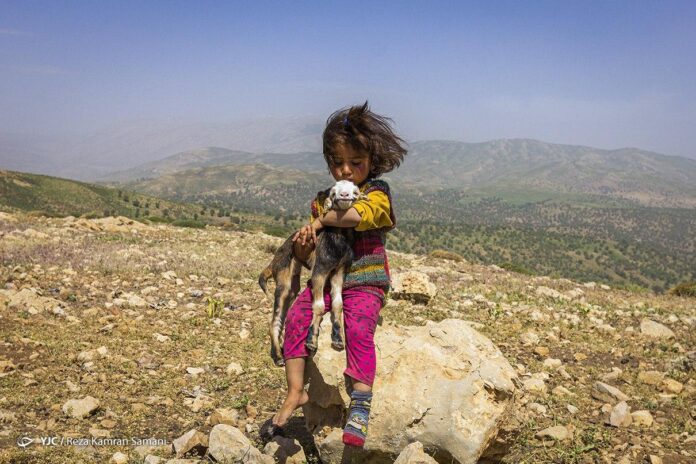
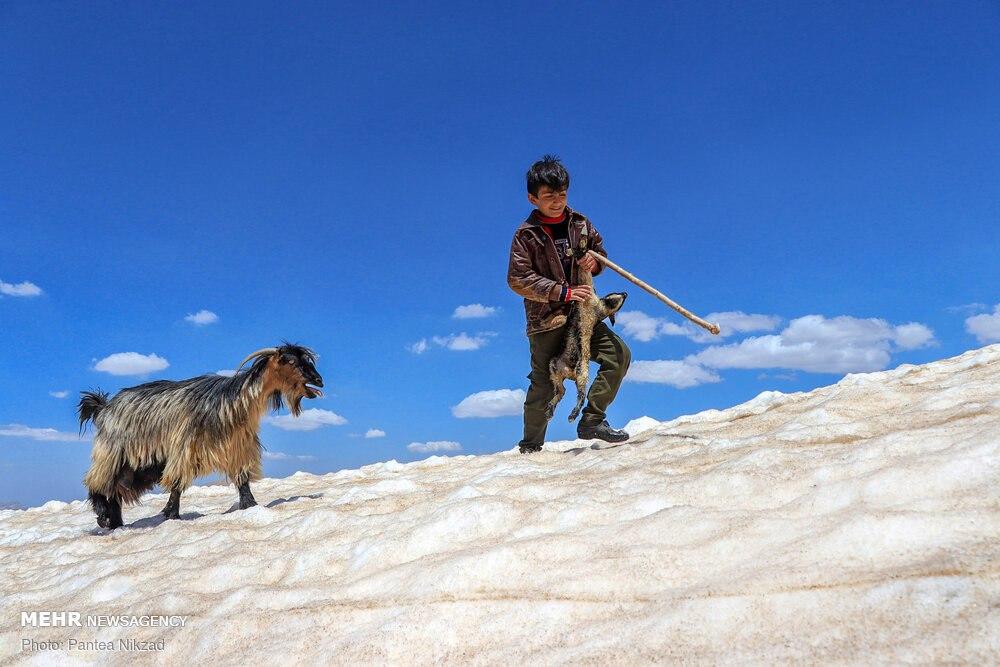
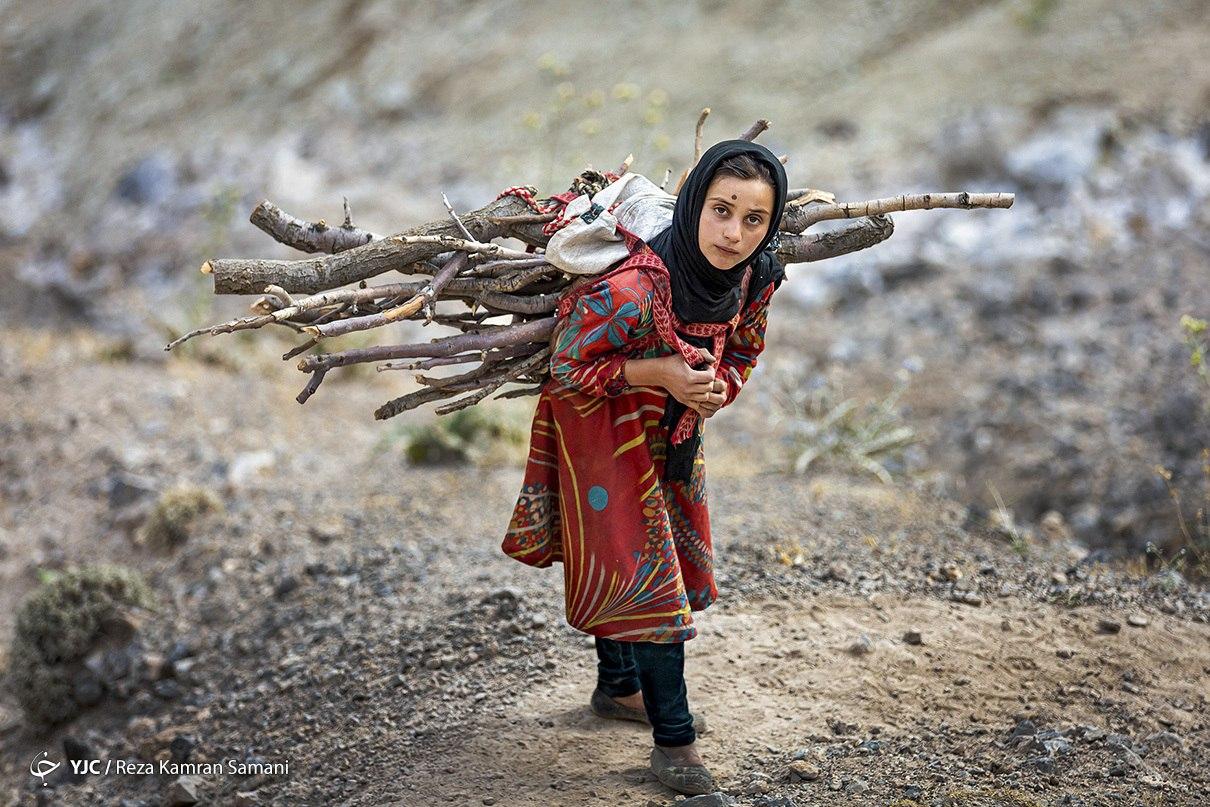
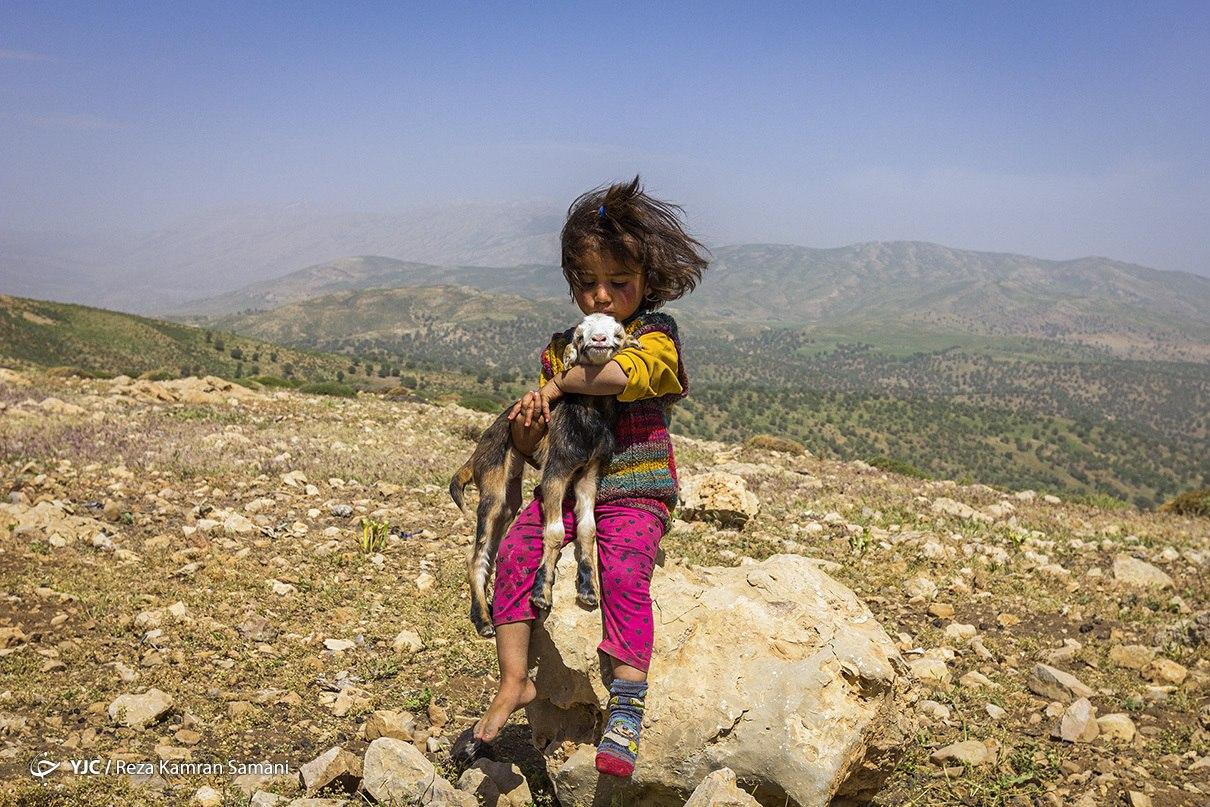
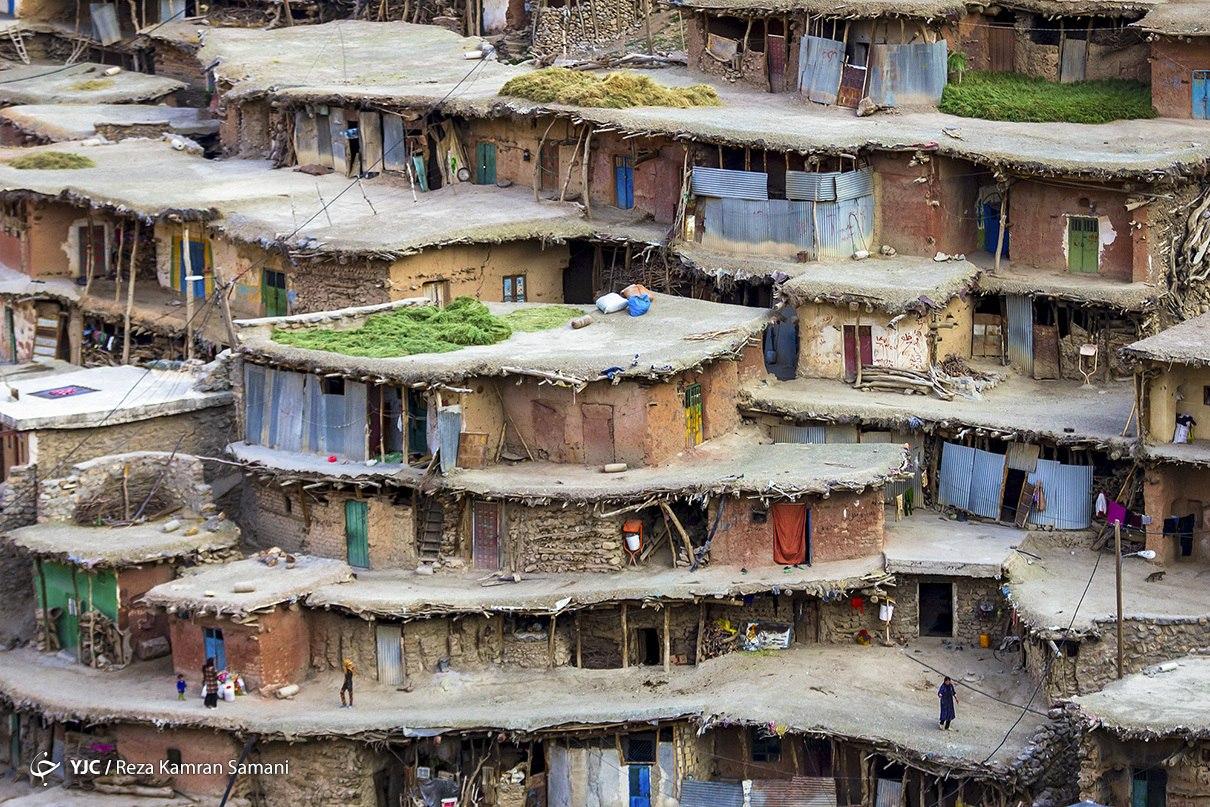
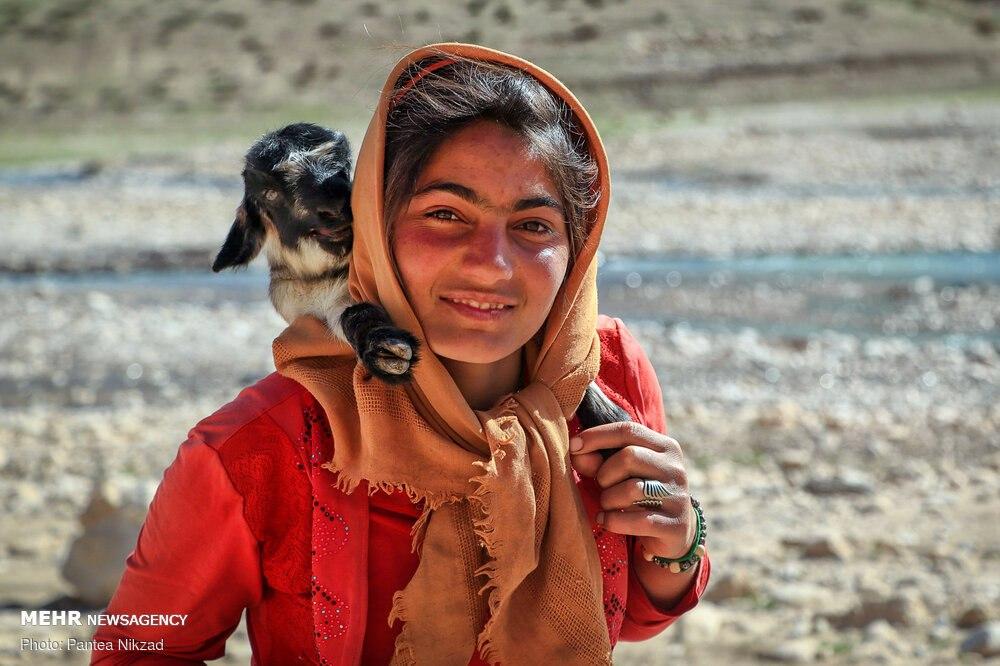
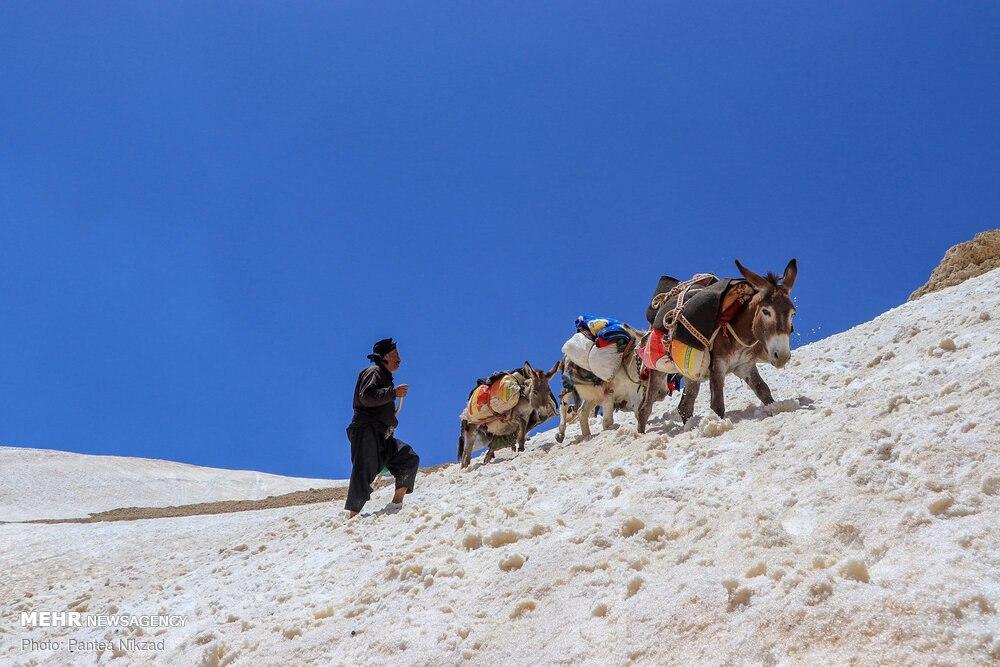
What follows are photos of nomads and villages retrieved from Mehr News Agency and Young Journalists’ Club:
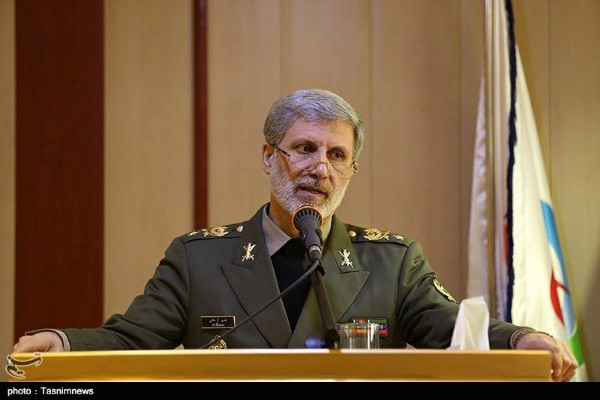
Iranian Minister of Defence and Logistics of the Armed Forces Brigadier General Amir Hatami said even a stray bullet must not be fired at Iranian soil.
“It would not be acceptable, at all, that even a bullet hit the Islamic Republic of Iran’s borders due to error and negligence, and the warring sides in the Caucasus region have been reminded of the necessary points they should consider in that regard,” the defence chief said.
He made the comment after Iran’s border areas were fired at, by mistake, amid clashes between the warring sides in Karabakh.
“In this incident, some bullets were mistakenly fired at the Islamic Republic of Iran’s border areas,” he said, adding, “Iran’s borders are a key and important issue for the Armed Forces.”
“We hope the neighbouring countries involved in the conflict will take heed of the points we told them because the security of Iranian citizens, including those on border areas, is an important issue,” the defence minister said.
“If this issue continues, more measures will be adopted (by Iran), and it would not be acceptable for Iranian citizens to be harmed, even by mistake,” he noted.
Military forces of the Azerbaijan Republic and Armenia, which are divided over the ownership of the disputed region of Kharabakh, once again opened fire at each other on their common border a few days ago after two months. Each side accused the other of having started the fighting, which is still ongoing.
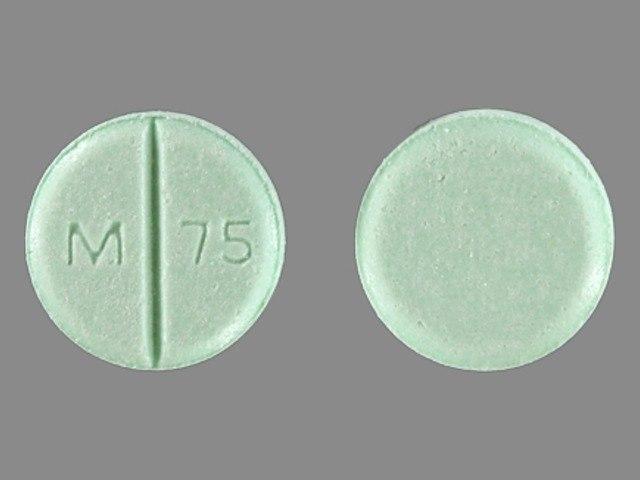
Chlorthalidone 25 mg not only is prescribed to patients with the above problems but can also be helpful to people with borne fractures and kidney stones.
As it is known, taking any medicinal prescription oh an empty stomach could just bring you more problems. The main problem associated with taking the medication without food is ulcers. The chlorthalidone 25 mg is manufactured by a combination of different products that might be harmful if left to be in direct contact with the stomach walls could create destruction and lead to ulcers.
Comparing the expense used in the treatment of hypertension by chlorthalidone 25 mg and other treatment means, it is less expensive when treated with chlorthalidone medication. Another very important thing that has been discovered after thorough research, it has been proven that chlorthalidone 25 mg is more effective in treatment compared to the other medicines.
As a consumer of chlorthalidone 25 mg, we are always advised to take them in the morning hours so that we as we do our daily duties, our bodies are exercising and therefore the body parts like the kidney is is a better position to remove the unwanted metabolic wastes. One very important thing to note is that, to ensure that if you took the medication in the morning, ensure to take them the following day at the same time as the previous day.
Just like all other medications we are always prescribed to by our medical experts, chlorthalidone 25 mg also has side effects that you must be aware of as you begin to use them. Some of this side effects include Reduced sexual ability, this means that if you are newly wedded, you have to delay using it so that you are much productive, vomiting, nausea, severe headache, loss of appetite, and many other side effects that you can get just by visiting our blog by tapping on the link provided above.
As a chlorthalidone user, you are assured of spending less and a more effective drug that will leave you much faster.

Speaking in his weekly press briefing on Tuesday, Ali Rabiei added Tehran has already announced its position on the conflict between Armenia and the Azerbaijan Republic over the Nagorno-Karabakh region.
“Iran underscores the need to pull out of the occupied territories of the Azerbaijan Republic,” he said.
“We regard third parties’ intervention as detrimental,” he noted.
Rabiei said Iran believes the crisis has no military solution and is concerned about possible harm to the lives of Iranian citizens in border areas.
“We want peace in the region,” he said.
The spokesman reiterated that Iran’s official positions in the domain of foreign policy are only announced through the government and the foreign ministry.
He also warned against any conflict spilling over into Iranian territory.
“Iran will not tolerate any fighting on, or intrusion into its soil, even if unintentional,” he said.
“Iran is among the few players which have very good relations with both the Azerbaijan Republic and Armenia, and would like to see the conflict end as soon as possible,” he noted.
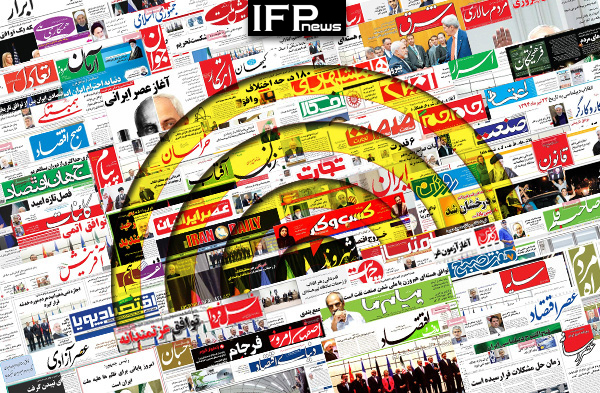
1- What Would Happen If Rouhani Contracts Coronavirus?
2- Trump’s Corona Show
3- Foreign Ministry Spokesman: Iran’s Consultations with S Korea Progressing Slowly
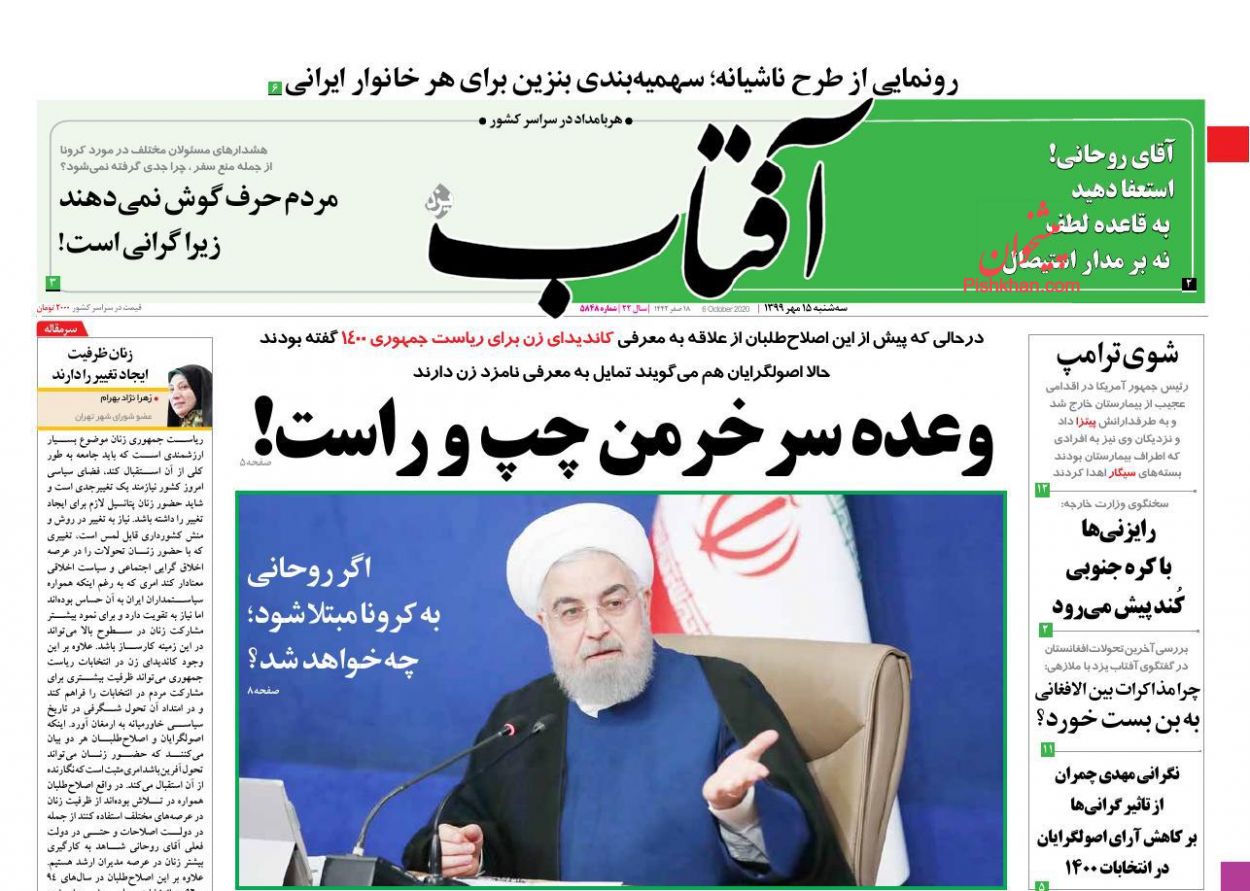
1- Warning about Tsunami of Coronavirus in Tehran
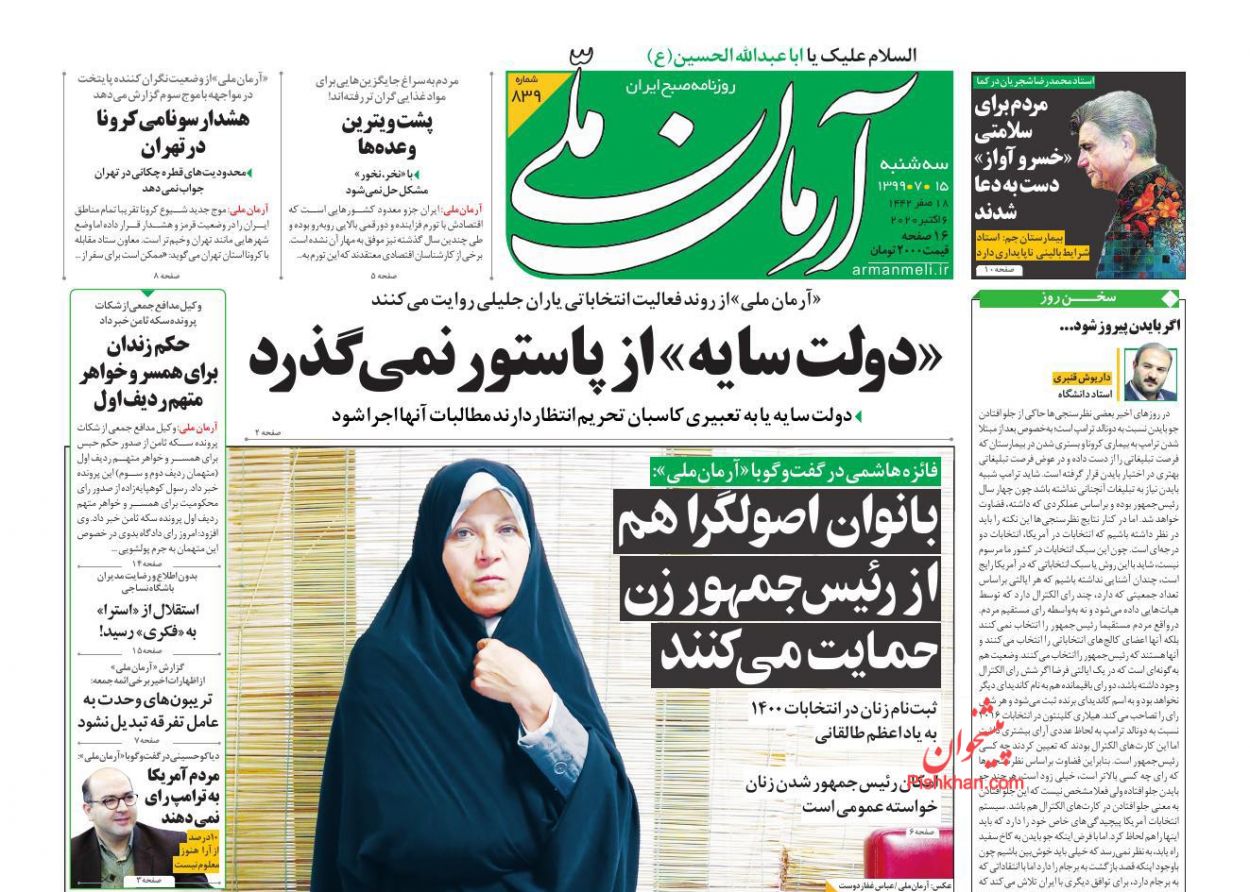
1- Economic Powers Most Indebted in World
2- Dance of Death on Third Wave of COVID-19
* Hospitals Have No More Empty Beds
3- Heads of Three Branches of Power in Iran to Discuss Issue of Ukraine Plane Crash Damages
4- Judiciary Chief: Economic War Has Long Been Waged against Iran
5- Violation of Borders Iran’s Red Line: Spokesman
6- Erdogan’s Clash with Bin Salman in Karabakh Battlefield
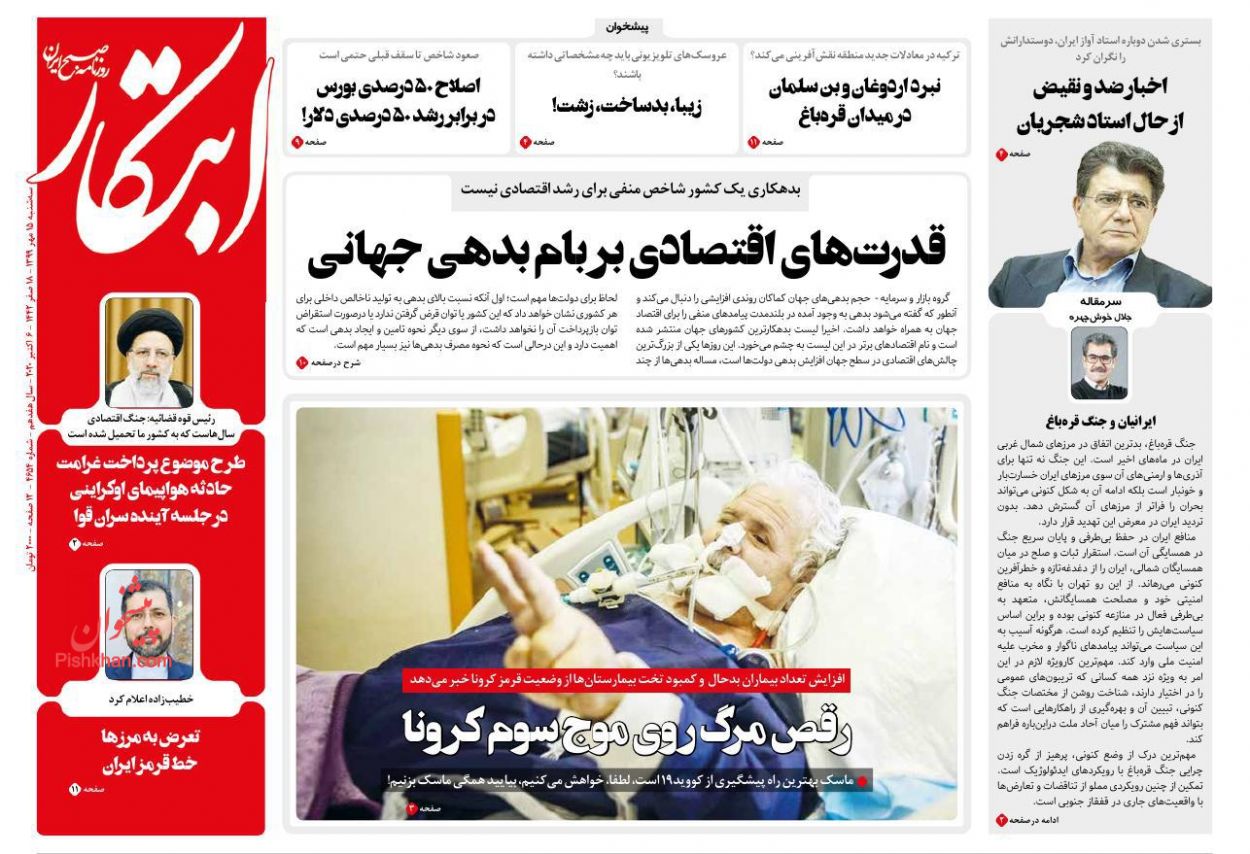
1- Master Shajarian Once Again Hospitalized; This Time He’s in Critical Conditions
* Iranian People Worried about Renowned Vocalist’s Health
2- Paying Damages to Families of Ukrainian Plane Crash Victims
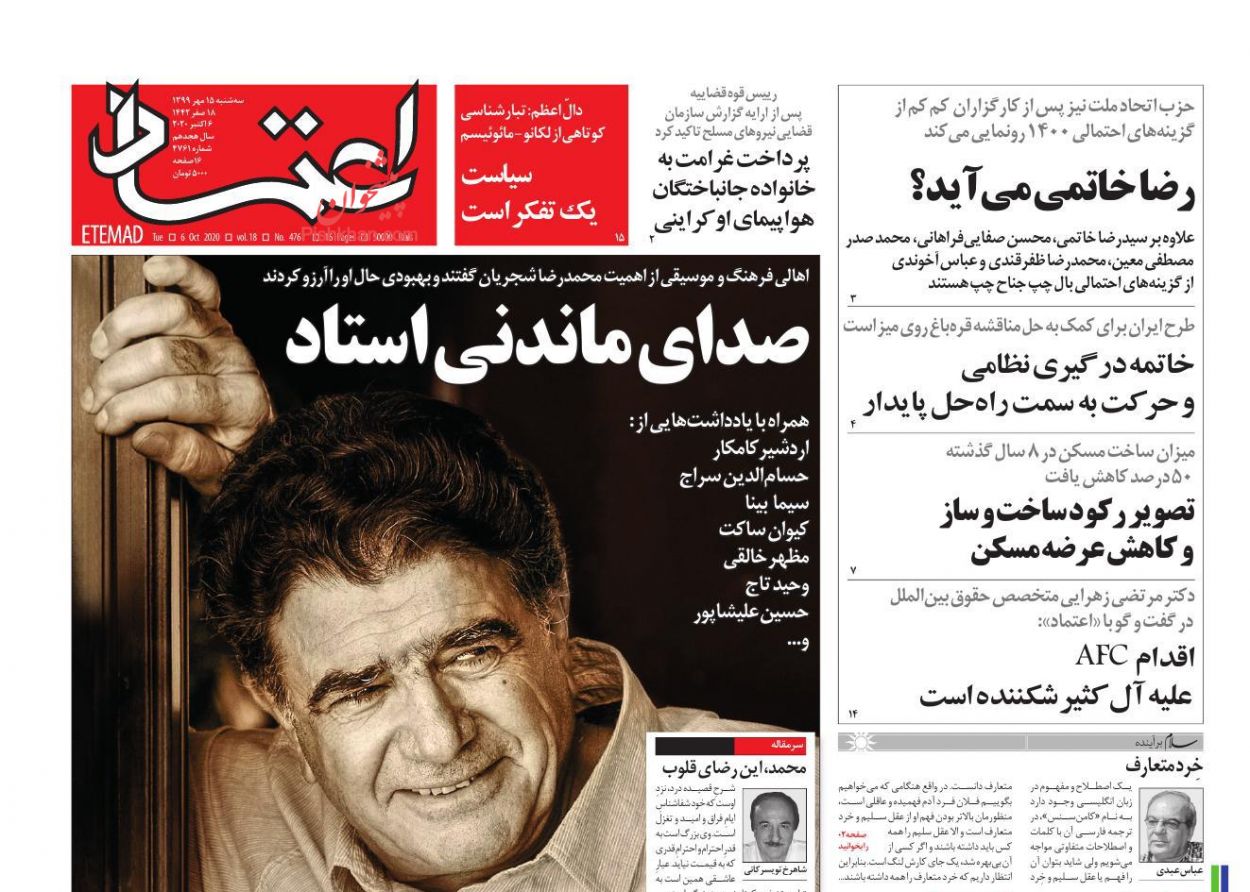
1- Foreign Ministry: Iran Prepared Plan to Resolve Karabakh Region
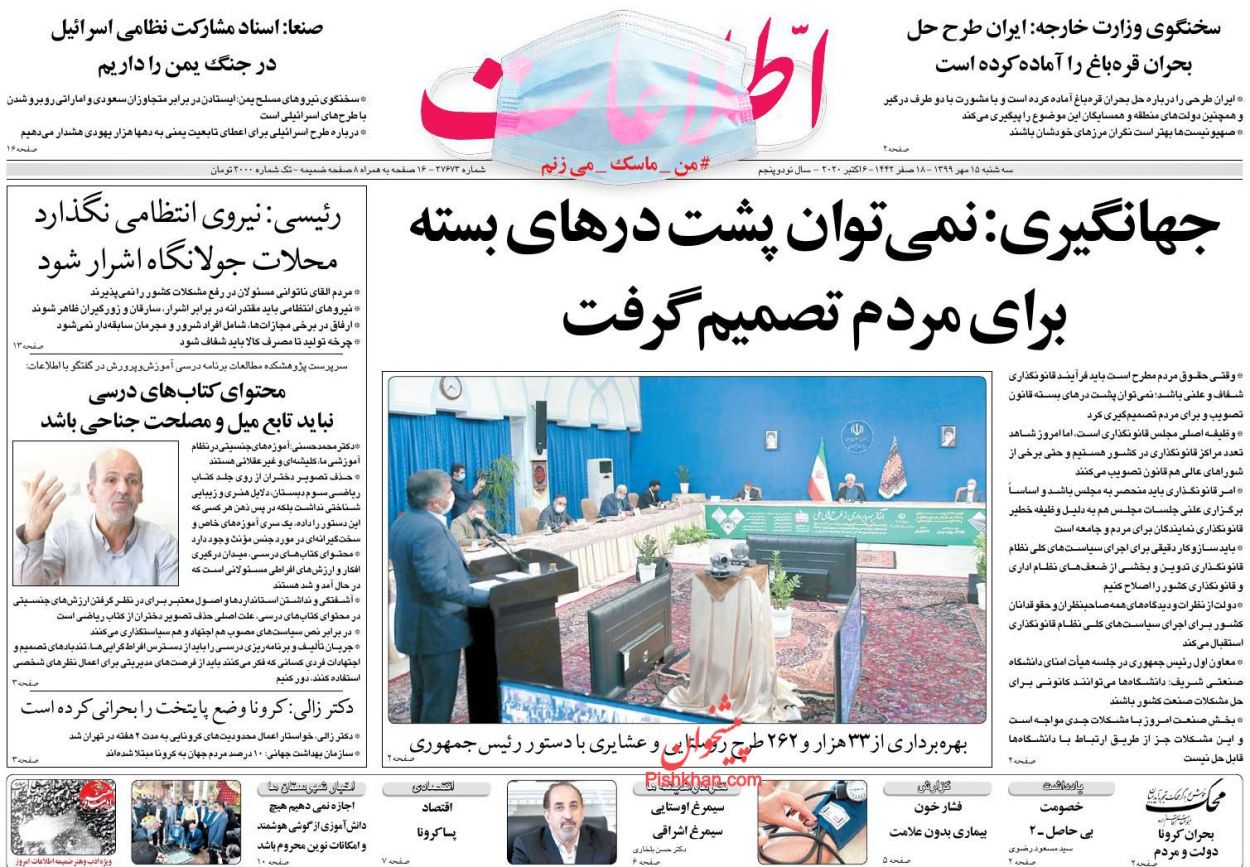
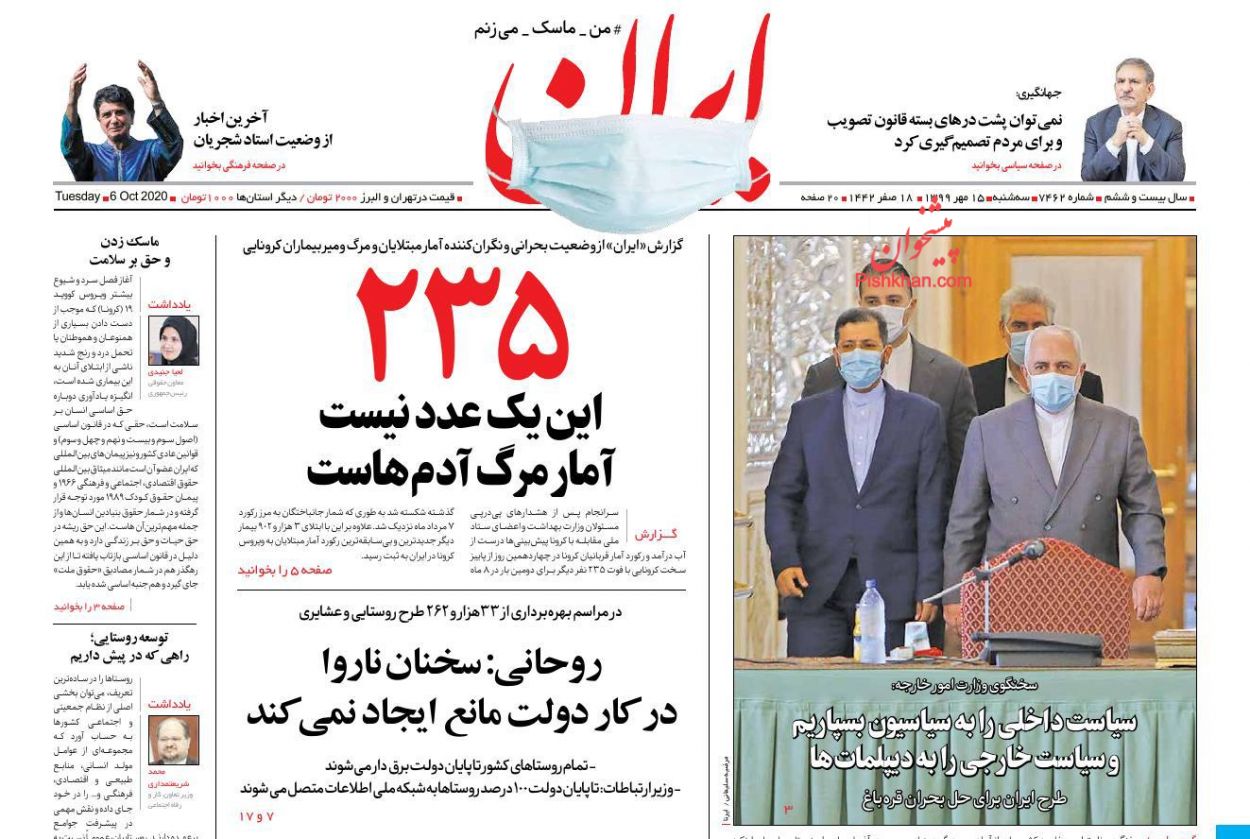
1- Foreign Ministry: Foreign Policy Must Be Left to Diplomats
2- 235: Not Just a Number; It’s Number of People Dying of Corona
1- Trump Using His Health Conditions for Campaign Purposes after Leaving Quarantine
2- Tehran, Moscow Discuss End of Karabakh Conflict
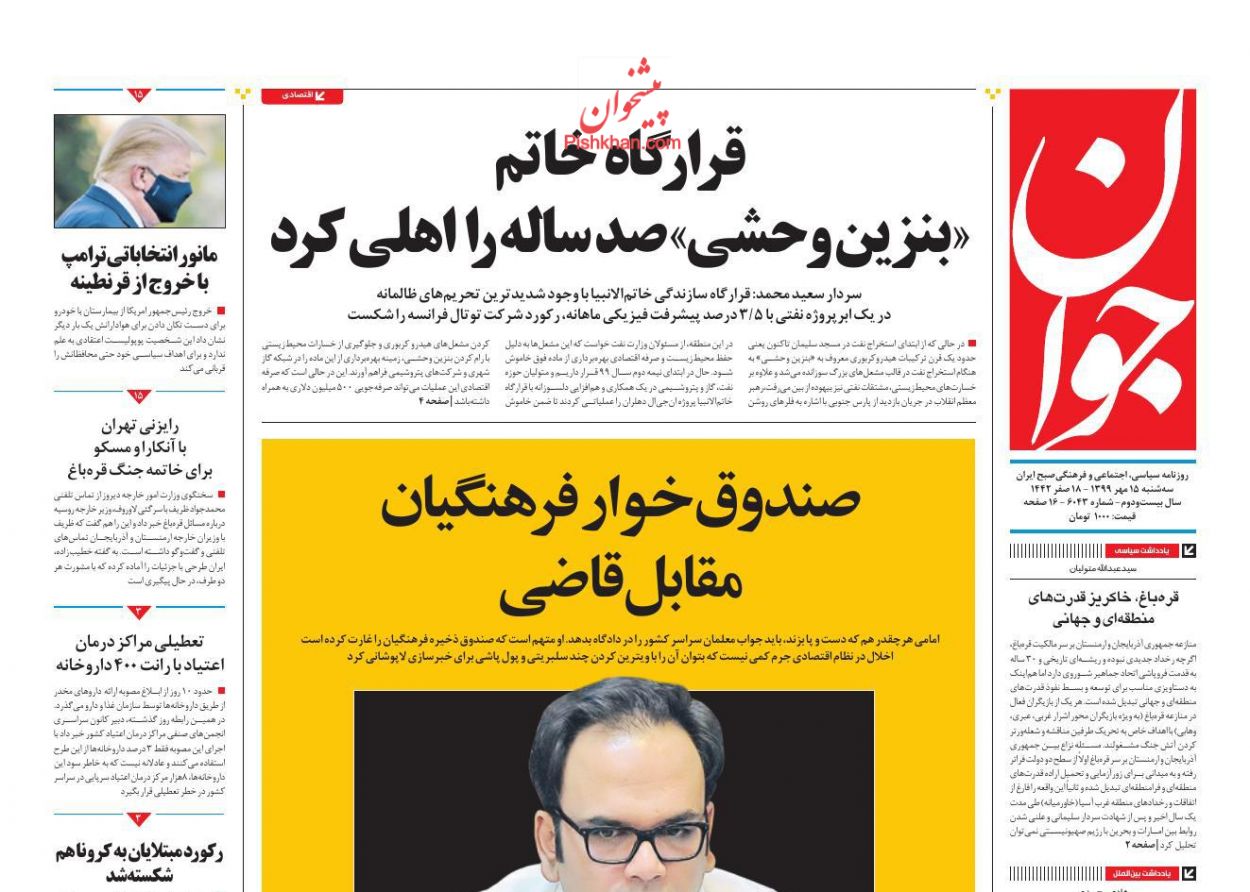
1- Occupied Parts of Azerbaijan Must Be Evacuated Immediately, but Solution Not Military: Iran Leader’s Aide
2- Coronavirus Conditions Beyond Red State: Number of Victims Rising Every Day
3- Washington Post: Continuation of Karabakh War Threatening World, Region
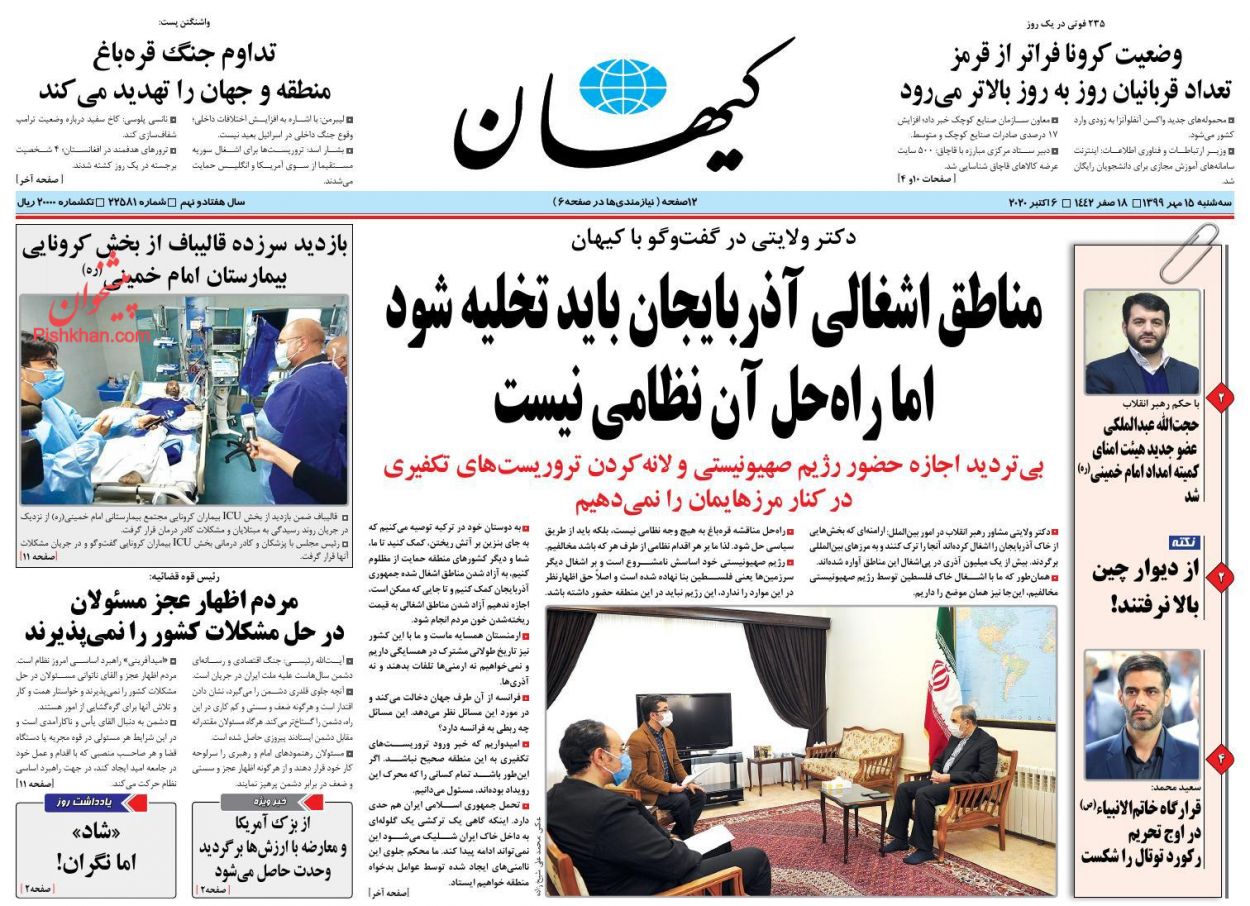
1- Iran-China Coexistence with Flavour of Oil
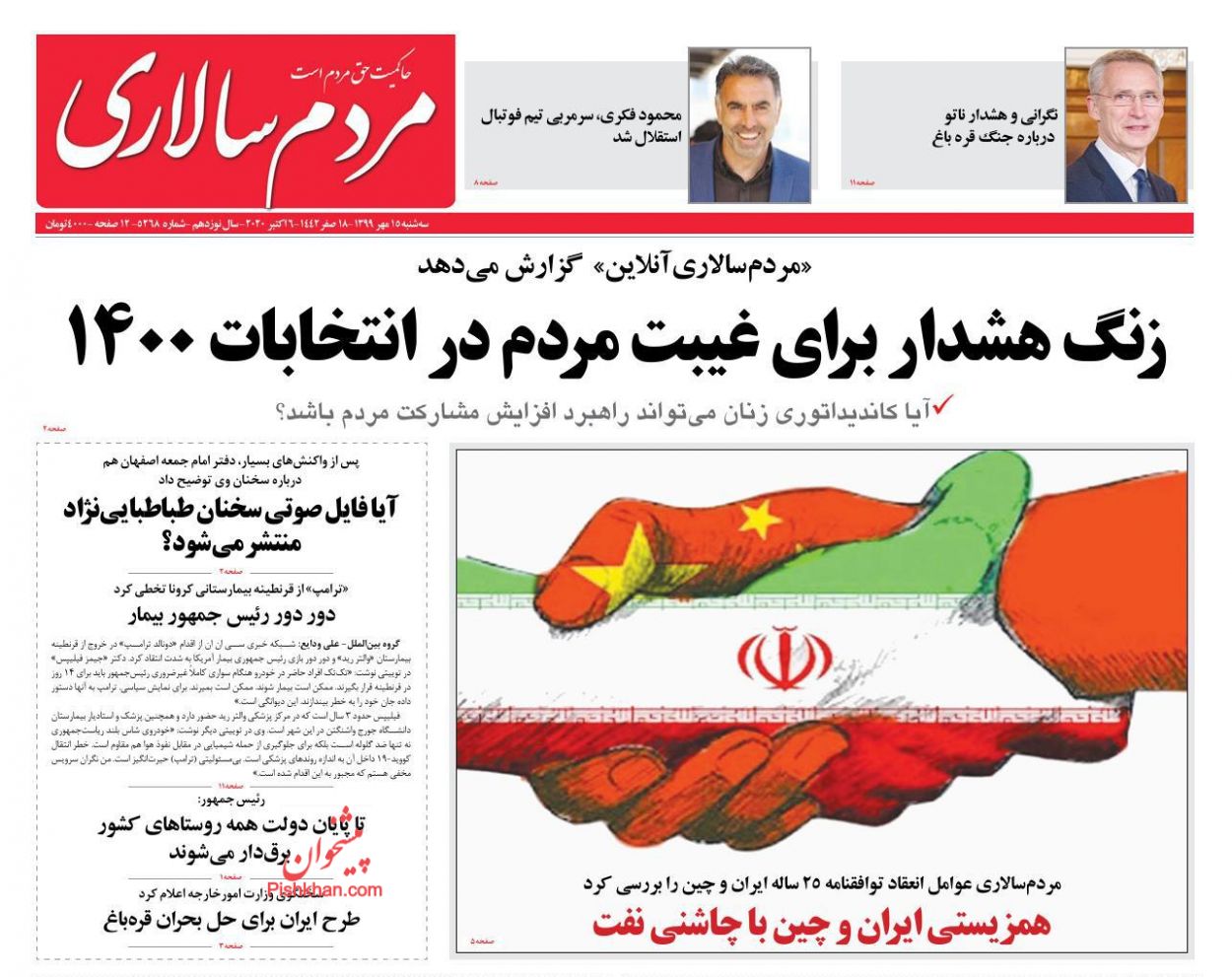
1- Does Flu Vaccine Increase Chance of Contracting Coronavirus?
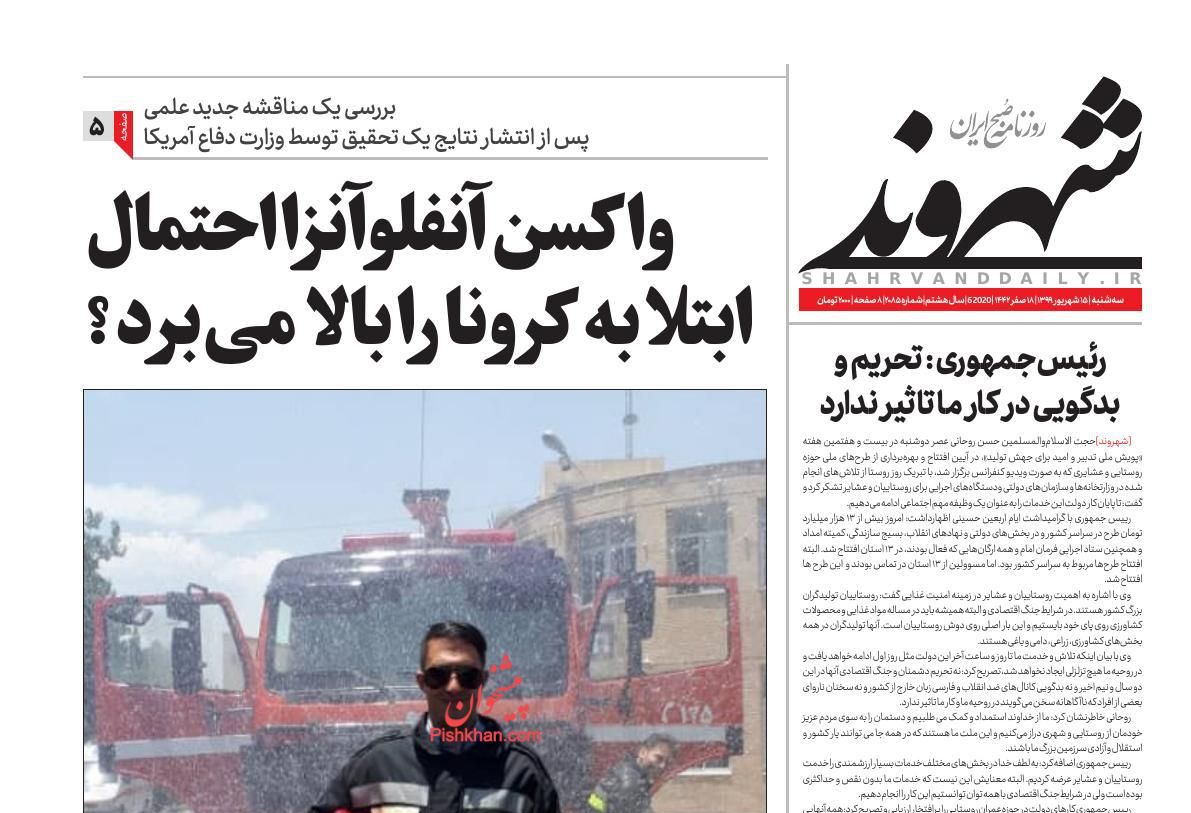
2- Rouhani: Sanctions Not to Impact Our Work
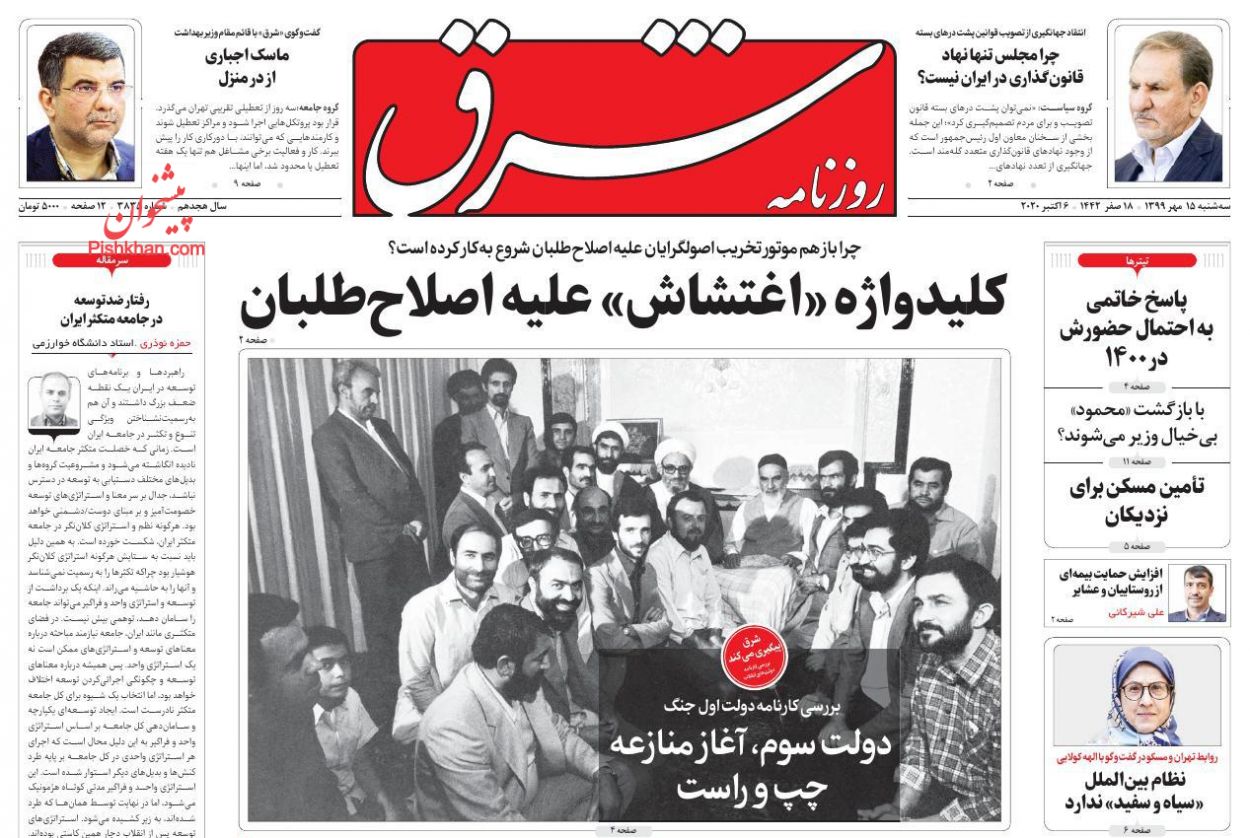
1- Deputy Health Minister: People to Be Obliged to Wear Mask Outdoors
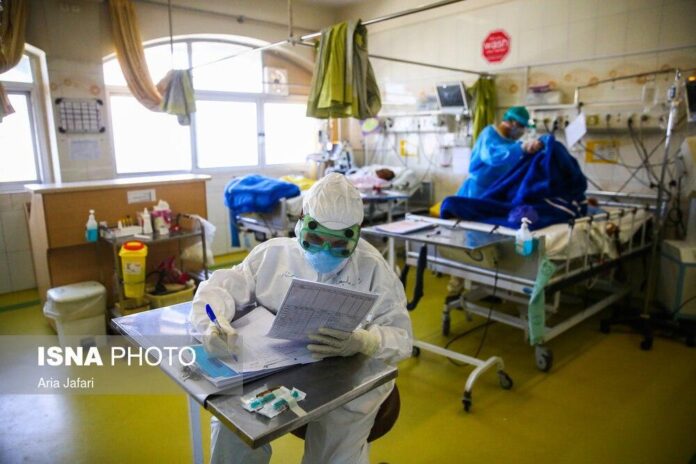
The new cases announced by Sima-Sadat Lari in her Tuesday press briefing increase the total number of cases to 479,825.
She said the virus has also killed 227 patients since Monday noon, raising the overall death toll to 27,419.
So far, she added, 394,800 patients have recovered from the disease or been discharged from the hospital.
Lari said 4,200 patients are also in critical conditions caused by more severe infection.
The spokeswoman noted that 4,179,338 COVID-19 tests have been taken across the country so far.
She said the high-risk “red” zones include Tehran, Qom, Mazandaran, East Azarbaijan, Isfahan, Yazd, Ardabil, Khorasan Razavi, Khuzestan, Hamadan, West Azarbaijan, Bushehr, Chaharmahal and Bakhtiari, Kohgiluyeh and Boyer-Ahmad, Alborz, Lorestan, Markazi, Ilam, South Khorasan, Kermanshah, North Khorasan, Semnan, Gilan, Zanjan, Qazvin, and Kerman provinces.
The “orange” zones also include Golestan, Hormozgan, Kurdistan, and Fars provinces, she added.

Deputy Health Minister Iraj Harirchi said on Tuesday expert discussions are underway on the amount of the fine and how it should be enforced.
The official further noted a draft directive has also been drawn up to punish individuals who know they are infected with the coronavirus, yet they travel through the society.
The official then touched upon the implementation of restrictions in the capital, Tehran.
“We are concerned about people’s mixed behaviour. With the closure of schools and businesses, the number of people going on trips or going to shopping malls are not supposed to increase,” he said.
“If a lockdown is enforced, it is aimed at keeping people at home,” said the official.
He then referred to the current situation of hospitals and the trend of offering services to patients.
“At the moment, the situation in most provinces across the country are in a red alert state,” he noted.
He said nearly 4,800 COVID-19 patients are receiving in-patient treatment at hospitals.
“Of that number, 948 patients are under medical care at ICU’s,” he said.
The deputy minister said medical personnel are facing a shortage of beds, and that medical devices are worn out as they have been worked too hard.
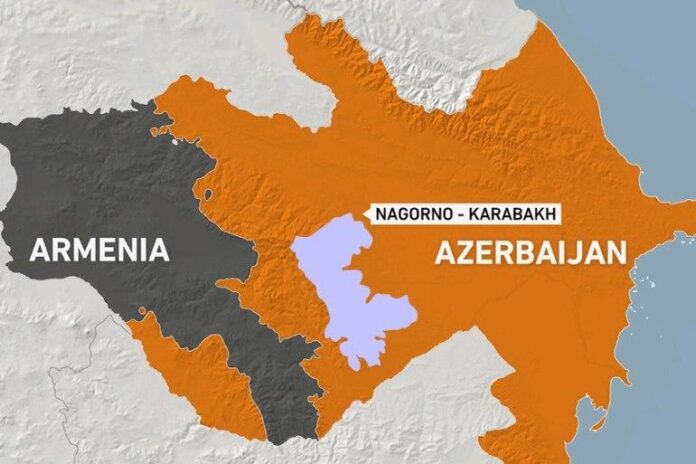
Afshar Soleimani, who is also an expert on Central Asia and the Caucasus, has weighed in on the recent developments pertaining to the Karabakh conflict.
Speaking in an interview with Iranian news agency Khabar Online, he has argued that Moscow is opposed to Iran’s intervention in the conflict.
The full text of the interview follows:
To begin with, please tell us why mediation efforts to settle the Karabakh crisis have been futile so far? Can Iran bring the two countries (Armenia and the Azerbaijan Republic) closer to peace?
Over the past years, Ira made attempts to mediate between Armenia and the Azerbaijan Republic, but to no avail. In 1992, when Mohammad Yagub Mammadov was the president of the Azerbaijan Republic and Levon Ter-Petrosyan was the Armenian president, then Iranian President late Akbar Hashemi Refsanjani invited both heads of state to Iran, and a statement was released after the negotiations held in the Iranian capital. Under the statement, it was agreed that talks be held to determine the status of a ceasefire and that Iran plays its role in the process. However, no result was produced, and the main reason for that was an important player in the Karabakh conflict called Russia. It is the Russians that are throwing their weight around in the region and regard South Caucasus as their backyard and, like in the Soviet era, wouldn’t like to lose regions that are under their influence. Security-wise, this is a very important issue for Moscow.
So, you believe Russia is opposed to Iran getting involved to help resolve the crisis?
When the Tehran statement was issued and as the Azeri and Armenian presidents were on their way back to their countries, Shusha (a city in the disputed region of Nagorno-Karabakh in the South Caucasus) was captured and fell into the hands of Armenia, I mean the heights overlooking the khanates in Karabakh. Following the development, the Azerbaijan Republic’s media reflected the event as if Iran had been the main accomplice for that. Nevertheless, Iran had no role in the capture of Shusha, whatsoever; rather, it was Russia that, with the help of Armenia, decided to make the move in order to question Iran’s mediation efforts. In 1994, when a ceasefire agreement was signed in Bishkek for the first time, and it was decided that the Minsk Group settle the conflict, Iran never took on a mediation role from then on; after all, no country asked Iran to mediate, either. Furthermore, we should bear in mind that generally speaking, the crisis is too serious now to be settled by mediation. In addition, the Russians are not interested in Iran acting as an intermediary and wouldn’t like Tehran to play a role in South Caucasus. Russia is inclined to follow all relevant issues trilaterally without any other country being involved.
Given that this crisis has, security-wise, been extremely significant to Iran, what policy should Tehran adopt on it?
Security-wise, the Karabakh crisis is very important to Iran. In recent days, we saw that even a rocket was fired at an Iranian border village in the country’s northwestern East Azerbaijan province during military clashes between the Azerbaijan Republic and Armenia. Mediation efforts have been fruitless so far, and a strong foreign policy and strategy is required to tackle the crisis. Iran should not adopt a hardware approach in order to support Muslim countries in the region because this method won’t work, and the other sides will follow suit if Iran does so. Iran can, at least, align itself with the Azerbaijan Republic. Of course, it is said that the Azerbaijan Republic has had relations with the Israeli regime; there is also word that Turkey intends to dispatch terrorist forces to war zones. Back in 1993 when Tehran and Baku signed on a mutual friendship agreement, one of the provisions of the deal highlighted that the Islamic Republic of Iran respects the Azerbaijan Republic’s territorial integrity and, based on the same provision, the Karabakh crisis needed to be resolved. With the conflict flaring up, it is also necessary, at this juncture, that Iran be politically more active than in the past. It will not simply suffice to ask the warring sides to exercise restraint and support a ceasefire as such an approach will put Iran in a passive position. Moreover, we are witnessing a fresh wave of propaganda campaigns and blame games whereby Iran is accused of sending arms to Armenia.
As you mentioned, with the escalation of the conflict between the two sides, we are seeing a new wave of accusations being levelled against Iran, and the Iranian Foreign Ministry has repeatedly denied those charges. In your opinion, what is the objective of these blame games and how can Iran manage this smear campaign?
These days, the Azerbaijan Republic’s media keep accusing Iran of supporting Armenia. Diplomatic trips to the Azerbaijan Republic and announcing support for this country can put an end to rumours and foil plots against our country. With the collapse of the former Soviet Union and the breakaway of the Azerbaijan Republic, this country, with an area of 86,600 kilometres, has been recognized as an independent country by the UN with Karabakh and Nakhchivan being integral parts of it. However, events have unfolded ins such a way that Armenia has made territorial claims. The UN Security Council has also issued four resolutions in that regard, so far and asked Armenia to end the current situation and withdraw its troops from those regions. However, these resolutions are not binding, and major powers, for their part, will implement the resolution only when everything is in their interest. Iran’s political support for the Azerbaijan Republic, as a Muslim country, is of utmost importance. Tehran-Baku relations are not satisfactory enough at this point as Iran has not announced its position on the return of occupied territories to the Azerbaijan Republic.
What do you think the conflict will result in, and what will happen at the end? Will the conflict end soon or should we expect more fighting as tensions escalate?
Sooner or later, these clashes will stop once again, and the importance of diplomacy and dialogue will come to light once again. Although diplomacy should have been used before the outbreak of the war, the final solution to the conflict is diplomacy. If the Azerbaijan Republic can retake parts of its occupied territories in the coming days, it will be able to regain its lost rights. Otherwise, no headway will likely be made with settling the crisis because the Minsk Group has not been able to take a positive step towards resolving the crisis, either. Moreover, the historical reasoning put forward by Armenia is not admissible because history is littered with different developments and the only authority to refer to, is the United Nations. Even during the era of the former Soviet Union, the self-rule Karabakh Republic, like Nakhchivan, was part of the Azerbaijan Republic. With the territorial integrity at that time, it was possible to solve the problem then. However, most of those territories later came to be settled by Armenians and Stalin created a crisis accordingly, which was the reason why tensions were not eased in the future. Generally speaking, one can predict that Russia will put an end to the conflict in the coming days or weeks. Also, the US will not interfere in Russia’s affairs as it didn’t with regards to Ukraine and other cases. So, we can say that Russia has the upper hand in this issue.
Speaking on behalf of the 26 countries at a meeting of the UN General Assembly’s human rights committee, China’s UN Ambassador Zhang Jun said “unilateral coercive measures” violate the UN Charter, multilateralism, and impede human rights by hindering “the well-being of the population in the affected countries” and undermining the right to health.
The joint statement said “global solidarity and international cooperation are the most powerful weapons in fighting and overcoming COVID-19.”
“We seize this opportunity to call for the complete and immediate lifting of unilateral coercive measures, in order to ensure the full, effective and efficient response of all members of the international community to COVID-19.”
Among the countries that backed the statement were half a dozen that face sanctions by the United States, European Union or other Western nations including Cuba, North Korea, Iran, Russia, Syria and Venezuela.
The statement notes that both UN Secretary-General Antonio Guterres and UN human rights chief Michelle Bachelet have called for the waiving of sanctions that undermine a country’s capacity to respond to the pandemic.
The 26 countries also took aim at “chronic and deep-rooted racial discrimination, police brutality and social inequality.”
They cited the shooting by police of two Black Americans, George Floyd who died at the hands of a white police officer in Minneapolis in May, and Jacob Blake, shot by a white police officer in August and left paralyzed from the waist down.
“The COVID-19 mortality rate of minorities, in particular people of African descent, is disproportionately high in some countries,” their statement said.
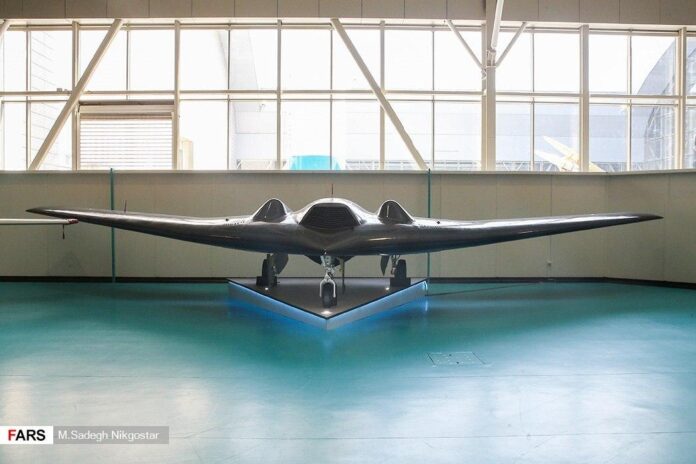
The move comes to tackle drought in parts of the country.
Over the past couple of years, the IRGC’s Aerospace Division has been using a new method to seed clouds by using drones.
The seeding materials used in the operation have also been produced by IRGC experts.
The advantage of drones over manned aircraft is that drones have higher maneuverability, cost less to operate and are more flexible during operations.
The IRGC’s drone units have conducted several cloud seeding operations in several parts of the country over the past years.
In 2015, Iran downed a US RQ-170 Sentinel stealth aircraft with minimal damage. The drone was flying over the Iranian city of Kashmar, near the Afghan border, when it was brought down, and was later reverse-engineered. 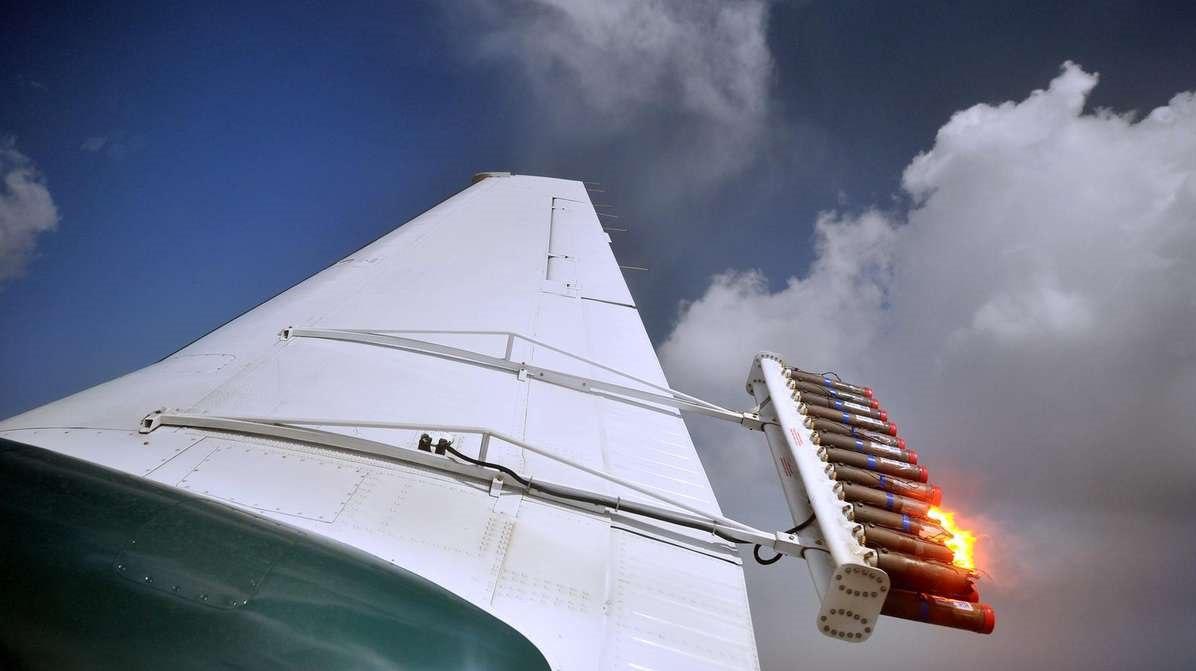
Known to be able to hack into enemy drones, Iran currently possesses the biggest collection of captured or downed American and Israeli drones, including the US’ MQ1, MQ9, Shadow, ScanEagle, and RQ-170 as well as the Israeli regime’s Hermes.
Seeding clouds is a new technology which is only several decades old. Over this rather short period, the technology has come under spotlight in many countries.
Different methods are used to seed clouds, namely using aircraft, hot-air balloons and land-based generators.
Using planes to seed clouds has its own advantages and drawbacks. When airplanes are used, it is possible to determine the exact place where seeding materials are to be sprayed, hence improving the precision of the seeding operation. However, the disadvantage is the limited duration of flight among clouds which create thunder and lightning, posing a threat to those on the plane.
© All Content by IFP News ( Iran Front Page ) is licensed under a Creative Commons Attribution 4.0 International License.
