Friday, December 26, 2025
Home Blog Page 2103

Companies tracking oil sales confirm surge in Iranian crude exports

This gives credence to Iranian President Ebrahim Raisi’s comments who earlier announced a substantial increase in crude exports.

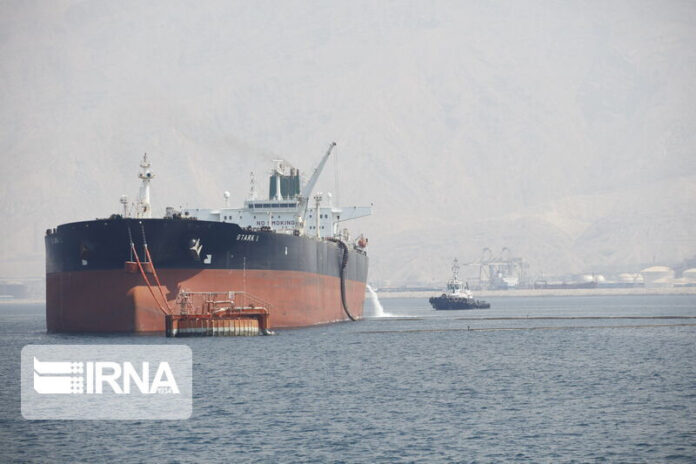
Iranian oil exports have risen to more than 1 million barrels per day for the first time in almost three years, based on estimates from the companies.

Tehran’s oil exports have been limited since former US President Donald Trump in 2018 exited the 2015 nuclear deal, JCPOA.

US President Joe Biden’s administration has discussed the imports with China but has not imposed sanctions on Chinese individuals and companies.

Beijing has urged the United States to lift the sanctions on Iran, which China opposes.

Consulting firm Petro-Logistics said Iran’s crude exports surged in December to more than 1 million bpd, the highest level in almost three years.

“We wouldn’t expect to see 1 million bpd consistently until there is a change in the political landscape,” said Petro-Logistics Chief Executive Daniel Gerber.

The increase in Iranian exports comes as tight global supply has helped to push oil prices to a seven-year high of $94 a barrel.

SVB International, another consulting firm that tracks Iranian oil supply, also noted an increase in Iranian crude exports to more than 1 million bpd, although it registered the increase in January rather than December.

Crude exports reached 1.085 million bpd in January, based on SVB estimates, up from 826,000 bpd in December.

Intense talks underway in Vienna as West fails to offer any initiative

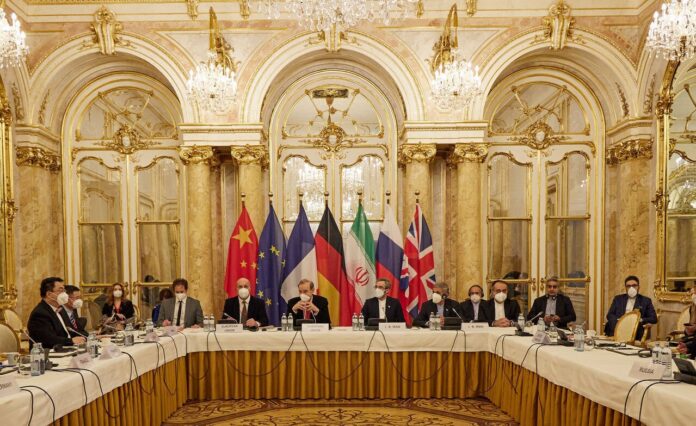
Representatives of Iran and the P4+1 states, namely Russia, China, Britain, France and Germany, held a series of bilateral and multilateral meetings on Thursday, days after the two sides kicked off an eighth round of negotiations in the Austrian capital.

Iran’s chief negotiator Ali Baqeri Kani held separate meetings with top delegates of the EU, Russia and the European trio, in parallel with expert-level meetings.

So far, the Western parties have failed to offer any initiative during the talks, repeatedly prompting criticism from the Iranian side.

In recent days, however, they are speaking of a “proposed package” submitted to Iran, as the negotiations entered a critical stage.

Although the US is blamed by all sides as the party behind the crisis, the Western side has been attempting to put the ball in Iran’s court.

Recently, the US administration restored some sanctions relief for Iran in what is widely seen as an attempt to pressure Tehran into accepting any deal.

Iran has, however, made it clear from the beginning that the US must verifiably lift all the sanctions it has imposed since its 2018 withdrawal from the nuclear deal and give guarantees that it will not leave the deal again.

Report: Yemen civilian casualties double since end of UN monitoring

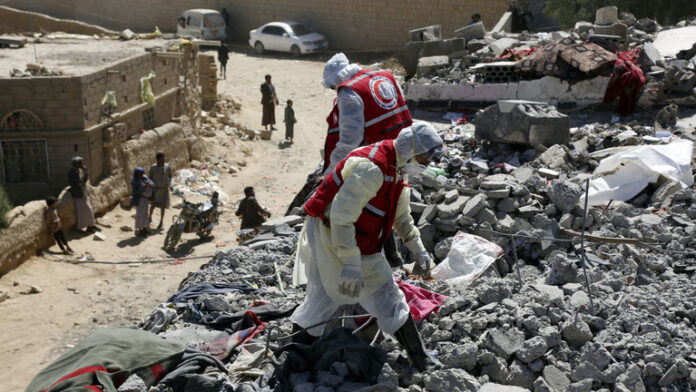
The ejection of monitors had opened the door to “unchecked, horrific violations”, the Norwegian Refugee Council reported on Thursday, urging their reinstatement.

It said 823 civilians were killed or injured in the four months before the end of monitoring, and 1,535 in the four months after their departure.

The report added that civilian casualties caused by air raids, a tactic favoured by the Saudi-led coalition battling Houthi rebels, had multiplied by 39 in the same period.

“The removal of this crucial human rights investigative body took us back to unchecked, horrific violations,” country director Erin Hutchinson said in a statement.

“Who is responsible for the deaths of these children and families? We will probably never know because there is no longer any independent, international and impartial monitoring of civilian deaths in Yemen,” Hutchinson added.

The UN Human Rights Council voted to disband its Group of Eminent International and Regional Experts on Yemen in October, in a move that was strongly criticised by rights groups.

It was the first time that the United Nations’ top rights body had rejected a draft resolution since it was founded in 2006. The resolution, brought forward by European nations and Canada, was defeated by 21 votes to 18.

“The people of Yemen have been abandoned. Betrayed. Yet again,” Amnesty International’s Secretary General Agnes Callamard noted at the time.

Saudi Arabia and its allies launched a war against the Arab world’s most impoverished nation in March 2015. The war has been seeking to restore power in Yemen to Riyadh’s favorite officials.

Hundreds of thousands of people have been killed directly or indirectly in Yemen’s seven-year war, while millions have been displaced in what the UN calls the world’s biggest humanitarian crisis.

“The UN member states should urgently reinstate the monitoring body to ensure that parties to the conflict stop committing grave breaches of international humanitarian law with impunity,” Hutchinson said.

“With no one to hold perpetrators accountable, civilians will continue to be killed by the thousands and [to be] the hardest hit by the escalation of the conflict,” Hutchinson added.

According to the World Food Programme (WFP), some 16.2 million Yemenis, or about 45 percent of the population, are food insecure.

The UN agency has warned that more than five million people were on the brink of famine while 50,000 others were living in famine-like conditions.

The food crisis has been compounded by a sharp increase in the price of basic commodities, which have seen a 30 to 70 percent spike since the start of the conflict. In December, the body also announced it was “forced” to cut aid to Yemen due to a lack of funds.

The ongoing conflict has recently entered a new front, with the Houthis launching attacks on the United Arab Emirates, which is part of the coalition.

Analysts have stated that Yemen faces a bleak future, stoking fears that ongoing violence may exacerbate an already dire humanitarian situation.

Report: Biden under pressure as Vienna talks resume

Joe Biden

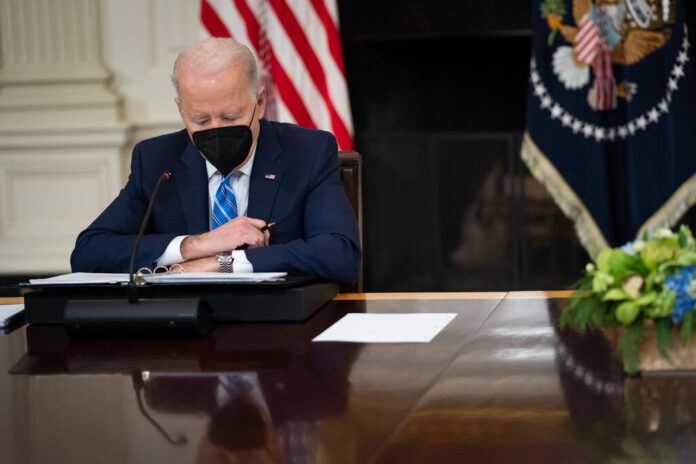
The subject has been somewhat on mute in Washington after 10 months of indirect talks failed to achieve the breakthrough Biden hoped for and a revival of the 2015 nuclear deal repudiated by Donald Trump.

But the Joint Comprehensive Plan of Action (JCPOA) has taken on renewed urgency as Tehran improves its capabilities and the end of the talks approach.

Either the JCPOA is resurrected over the next few weeks or the Biden administration is faced with a diplomatic failure and leap into the unknown.

Trump pulled the United States out of the deal, which was negotiated by the Barack Obama administration, in 2018 and reimposed sanctions on Iran.

Supporters and opponents of the agreement have been making their voices heard in Washington in recent days and US negotiator Rob Malley gave a closed-door briefing to the Senate on Wednesday.

“Sobering and shocking”, was the summary provided by Democratic Senator Chris Murphy after a briefing that confirmed what experts have been saying — that Iran could be just weeks away from having enough fissile material to make an atomic weapon.

This is known as “breakout time” and even if several other steps are required to actually build a bomb, it is a crucial phase.

Tehran denies seeking nuclear weapons, stressing it wants to master nuclear technology for peaceful purposes.

Murphy, like most Democrats, supports the Biden administration’s attempts to revive the JCPOA and believes Trump’s “maximum pressure” campaign on Iran was counterproductive.

Senator Bob Menendez, chairman of the Senate Foreign Relations Committee, is among the Democrats who are more skeptical.

“I think we’re at a critical moment, a serious moment and we’ll see which way it turns,” Menendez told AFP after the briefing.

“But I certainly walked away with a sense of the difficulties of the moment we are in,” he added.

Earlier this month, Menendez warned the White House against reviving the agreement as it is.

“At this point, we seriously have to ask what exactly are we trying to salvage?” he stated.

Deputy Secretary of State Wendy Sherman, in an interview with MSNBC on Thursday, denied assertions that Iran has the upper hand.

“We’re not going to (just) accept anything Iran has to offer,” Sherman said, adding, “We will reenter the JCPOA in its fullness if Iran maintains compliance with it.

“And all of our options always remain on the table, regardless of what gets chosen here,” she continued.

Opposition to the deal is strong on the right and 32 Republican senators wrote Biden recently saying any deal would need to be submitted to Congress “for evaluation” with the “possibility of Congress blocking implementation”.

The Biden administration has not responded to the letter so far, apparently considering that any deal reached would be a return to an existing agreement and not a new one.

The secretary of Iran’s Supreme National Security Council has noted there are divisions within the US ruling system over its return to the 2015 agreement.

Ali Shamkhani stated the different voices coming out of the US show the lack of coherence in the country to make political decisions regarding the Vienna talks. He added in a tweet that Washington cannot pay for its internal disputes by violating the rights of the Iranian people.

Republican lawmakers have also made it clear they oppose lifting economic sanctions imposed on Iran. Without providing any proof, they claimed it would reward Tehran for its “destabilizing activities”.

Mark Dubowitz, who heads the Foundation for Defense of Democracies, which opposed the 2015 nuclear agreement, said the Iranians “know President Biden is desperate for a deal”.

“So they’ve been squeezing the administration for concessions,” he told AFP.

Dubowitz, who advocates returning to “maximum pressure”, said the administration wants “to put the Iranian nuclear program back in a box” so they can concentrate on other priorities such as China.

“Problem is the box has no lid,” he added.

Dubowitz noted if the JPCOA is revived “the Israelis are estimating that the breakout time will go to four to six months”, one-third or half of the year predicted under the initial deal.

Daryl Kimball, executive director of the Arms Control Association, is in favor of reviving the agreement arguing that “there are no good alternative options to promptly restoring compliance with the JCPOA”.

“The fact is that without a prompt return to mutual compliance with the JCPOA, it is more than plausible, possible, and maybe even probable that Iran will try to become a threshold nuclear weapon state,” Kimball added.

Supporters of a negotiated solution warn that that scenario could spark a military confrontation with Israel or the United States conducting preemptive strikes on Iran.

Iranian officials have also stressed the country reserves the right to respond to any adventurism by the United States and Israel.

On Tuesday, Iran and the other parties to the nuclear deal gathered in the Austrian capital, Vienna, to resume the eighth round of talks aimed at reviving the accord.

The US has so far failed to remove its “maximum pressure” sanctions, which it imposed on Iran after Washington pulled out of the deal, and give guarantees that a future administration will not ditch the agreement again.

On Thursday, Iran’s Foreign Minister Hossein Amir Abdollahian said the nuclear talks will come to an end when the west shows determination to remove all sanctions imposed against Tehran.

“Today in Vienna, the United States and the western parties are faced with a litmus test in which they must show their candid behavior to the world,” Iran’s top diplomat noted.

“We have attended the [Vienna] talks with seriousness, a [clear] plan and initiative [and] are determined to reach a good agreement,” he added.

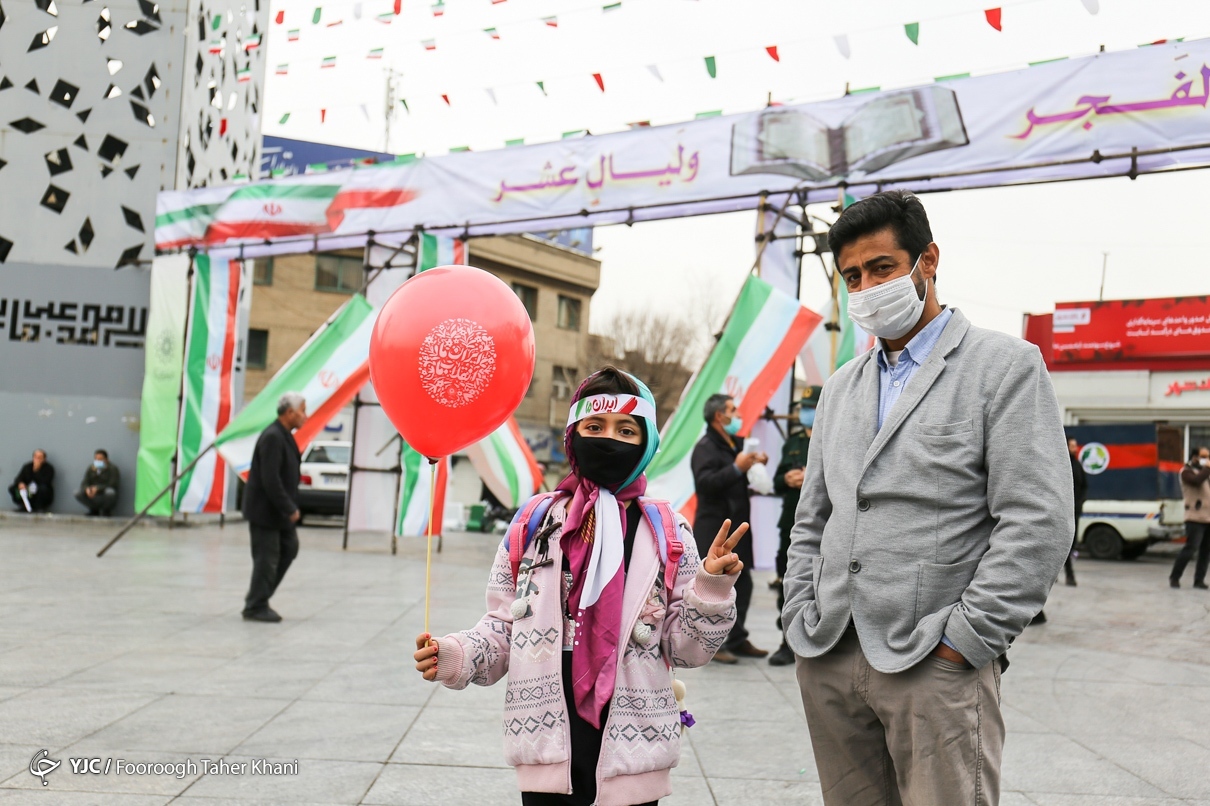
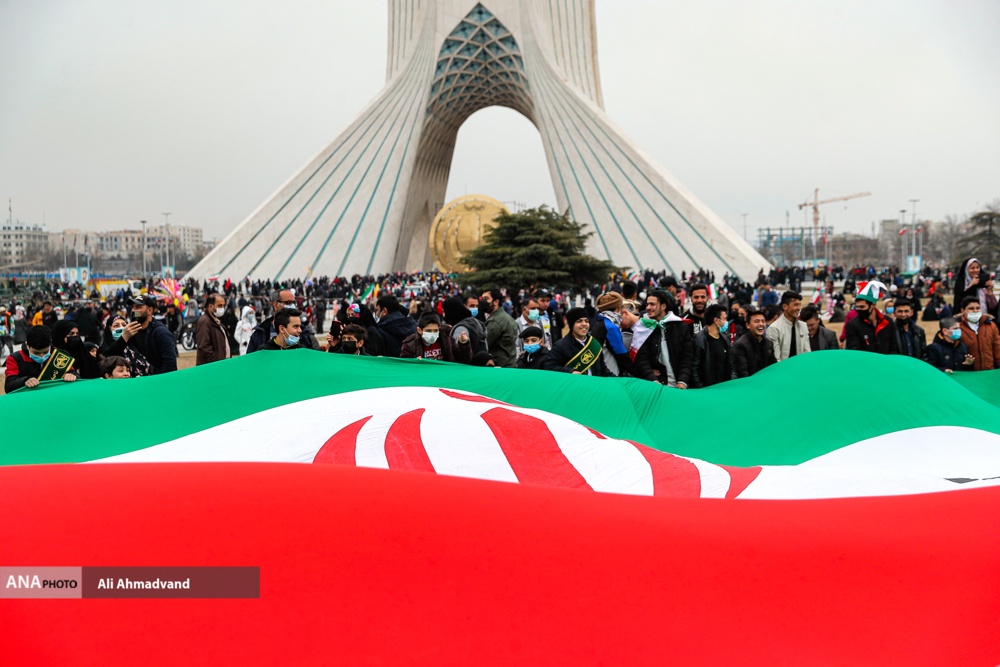
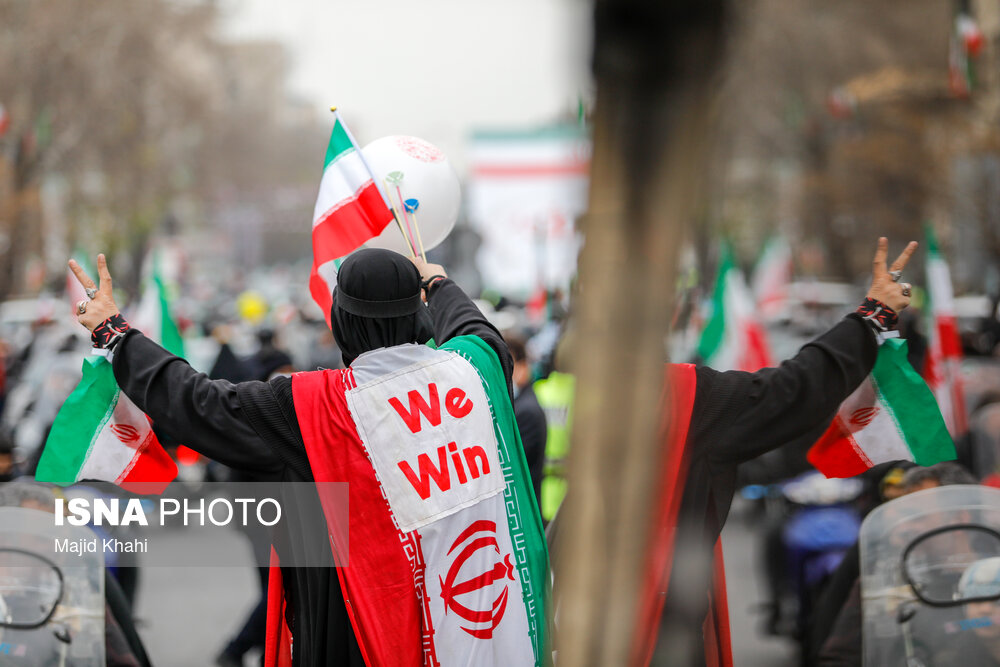
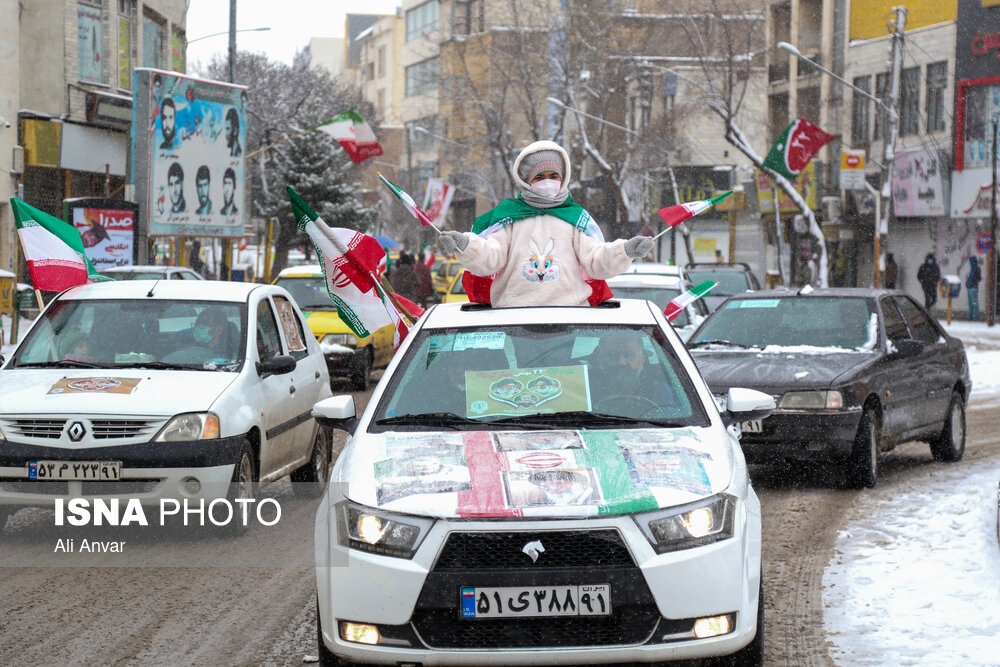
Iranians hold mass rallies to mark anniv. of 1979 Revolution

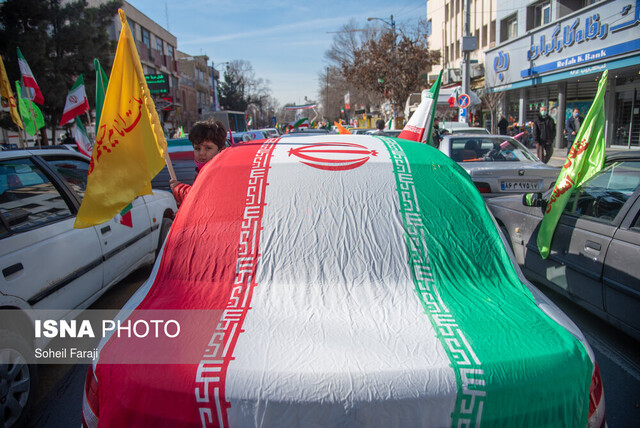
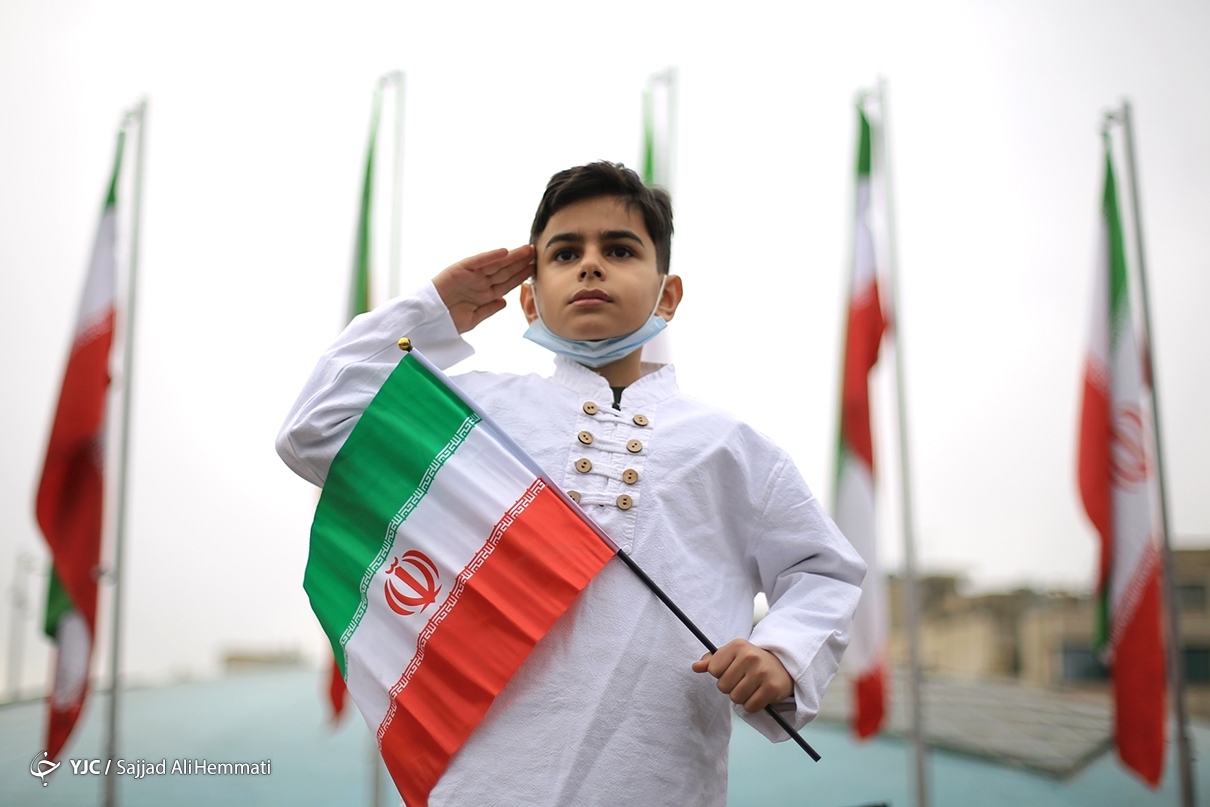
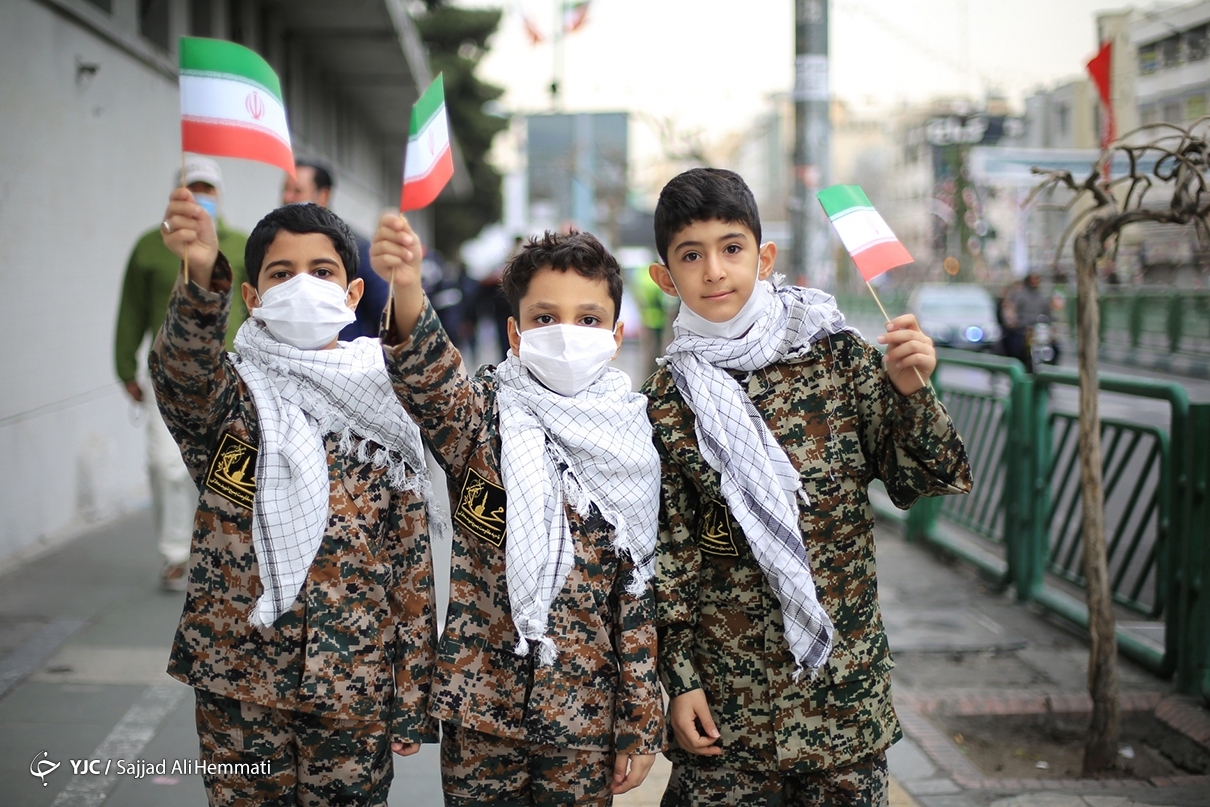
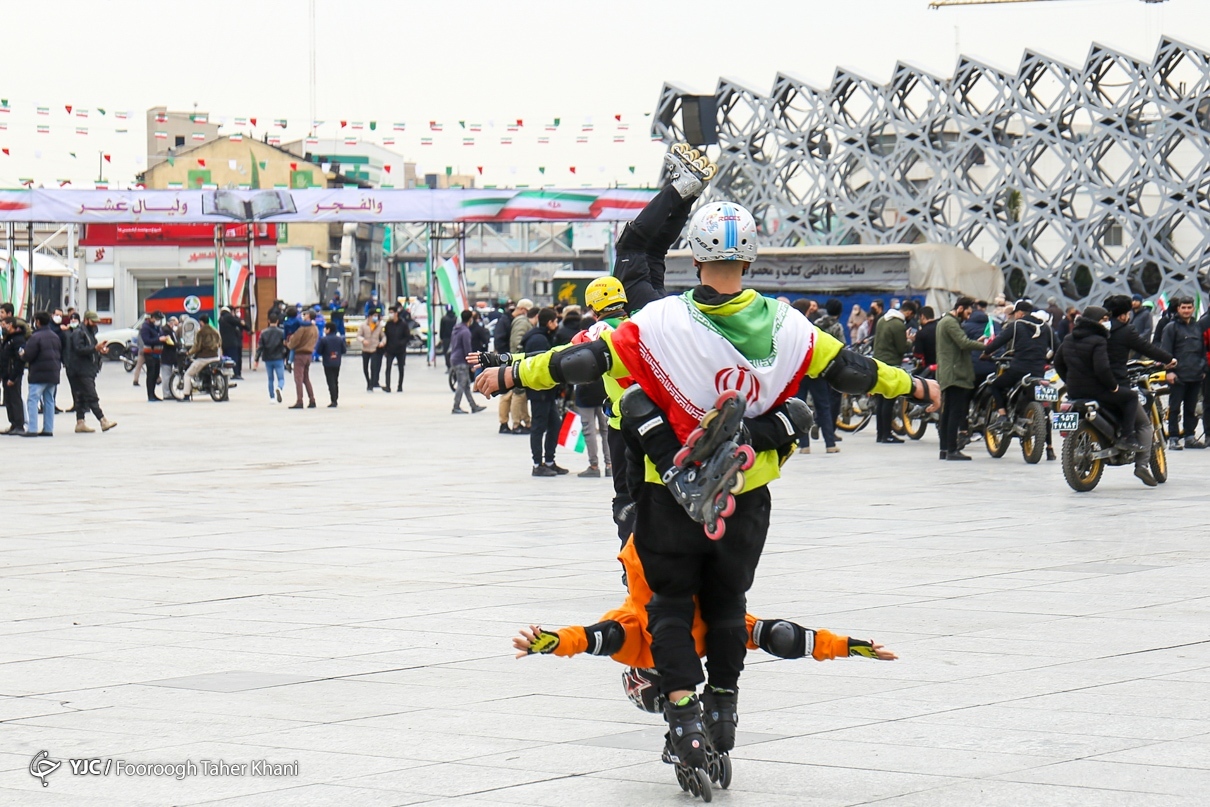
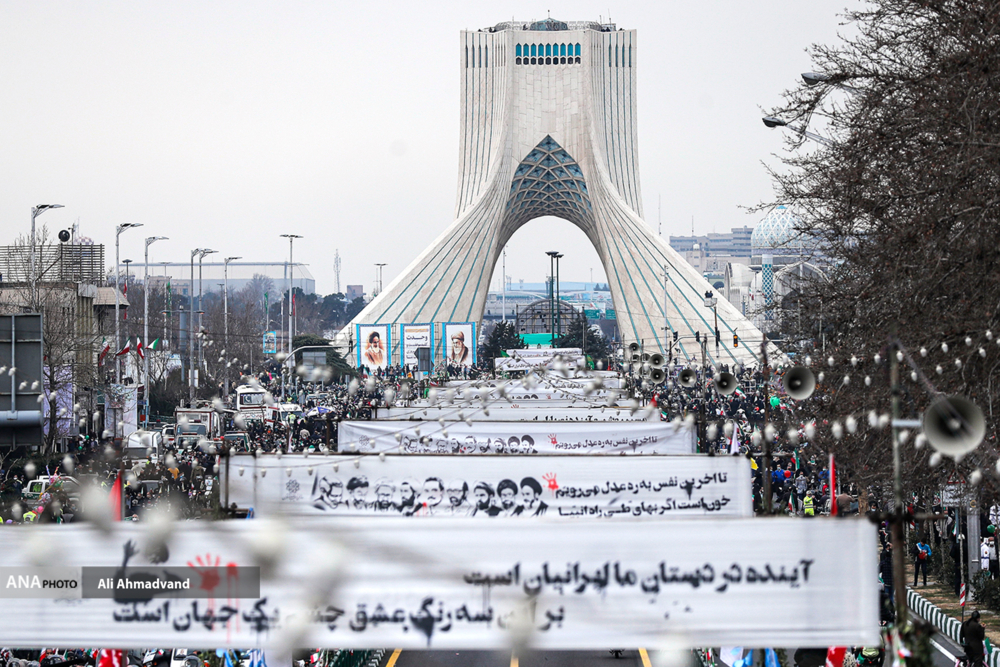
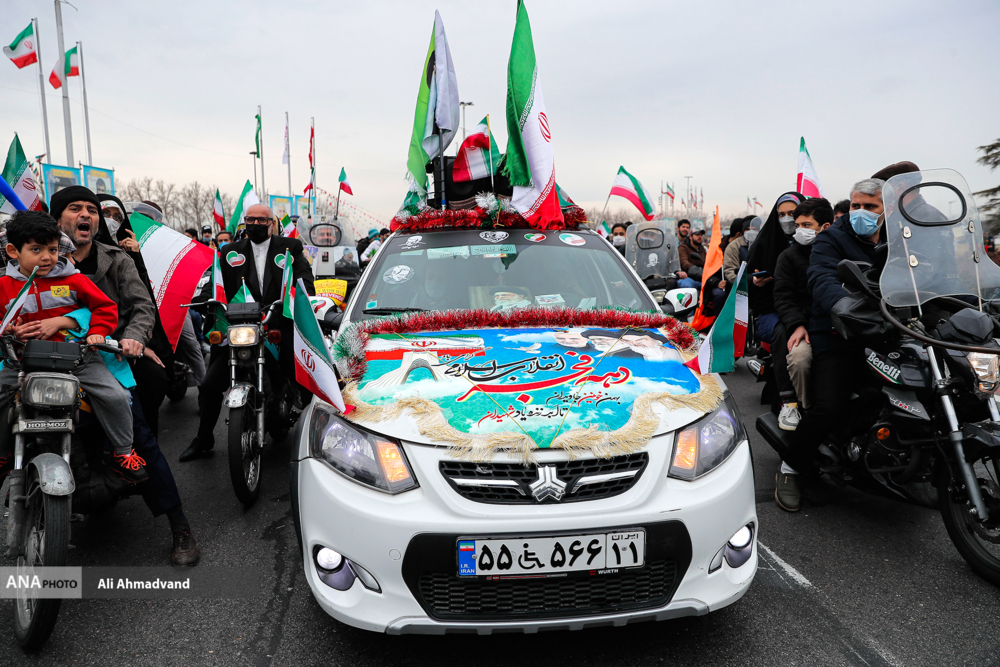
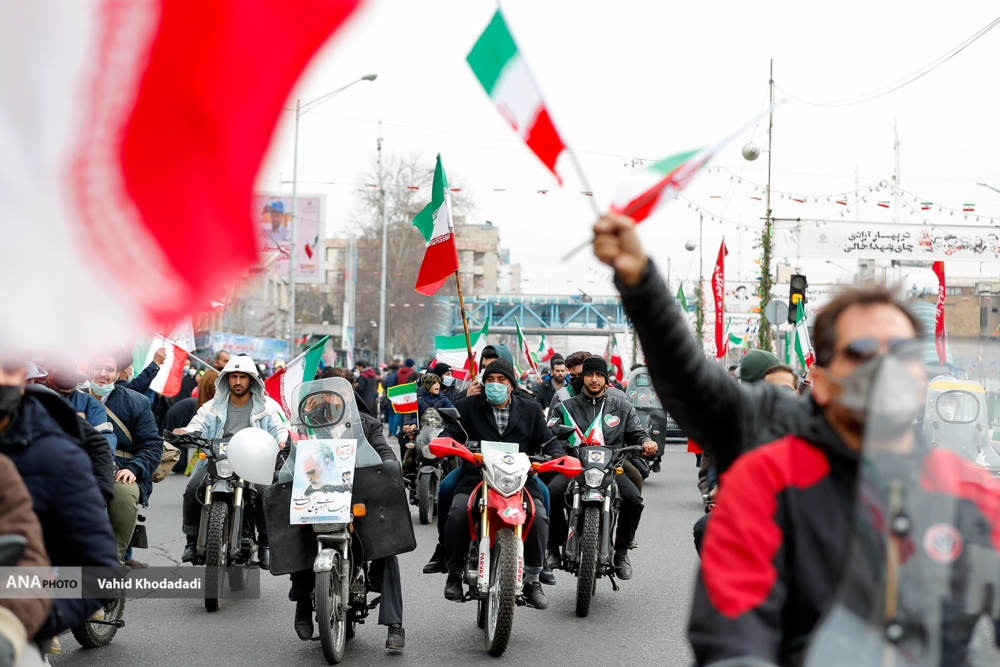
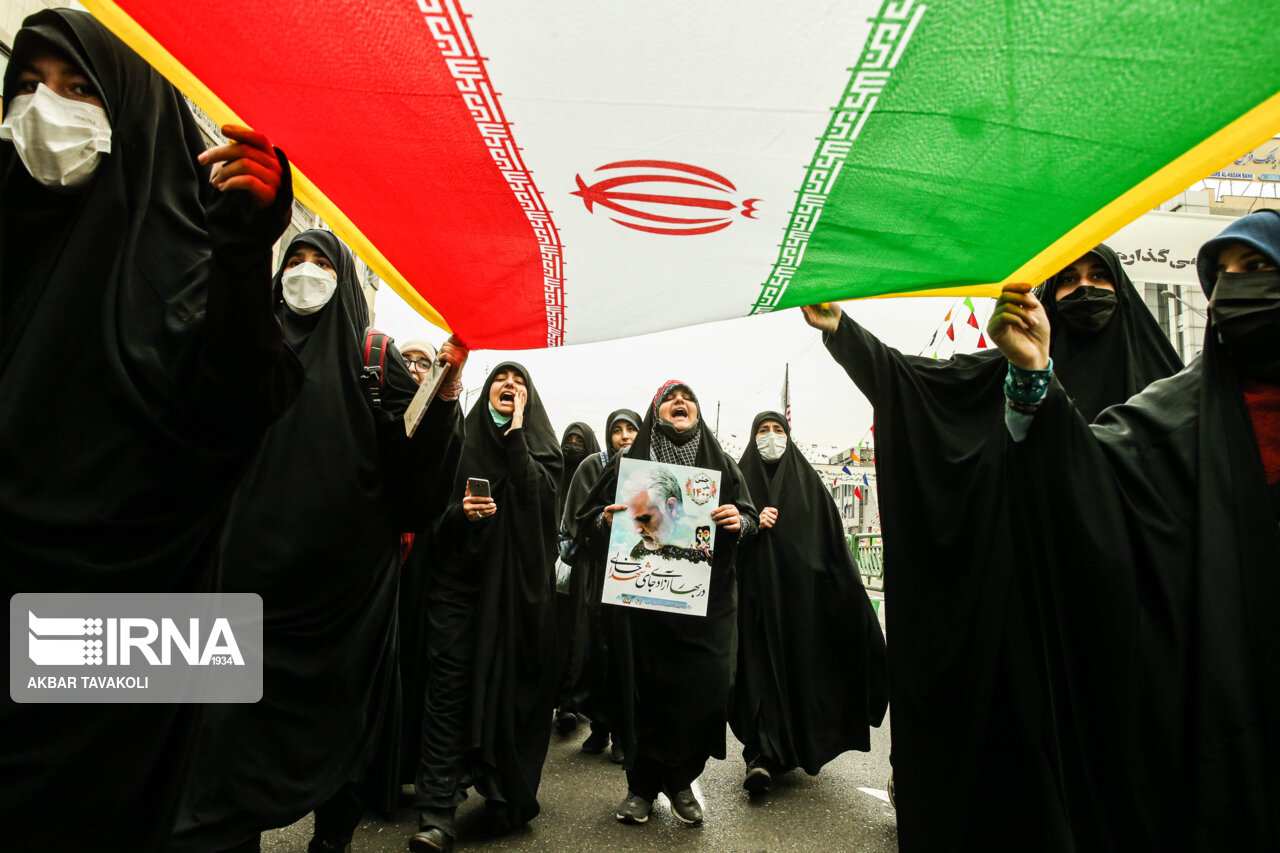
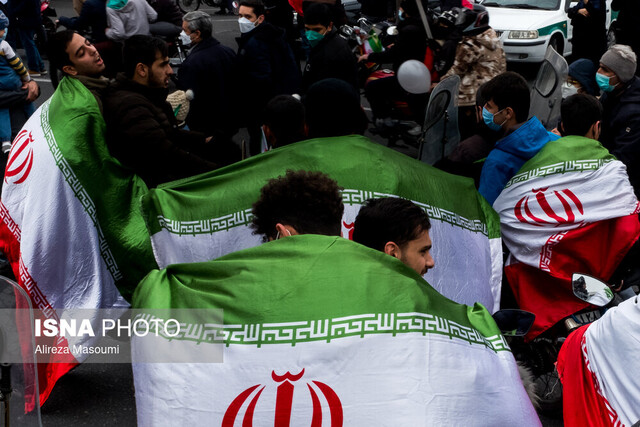
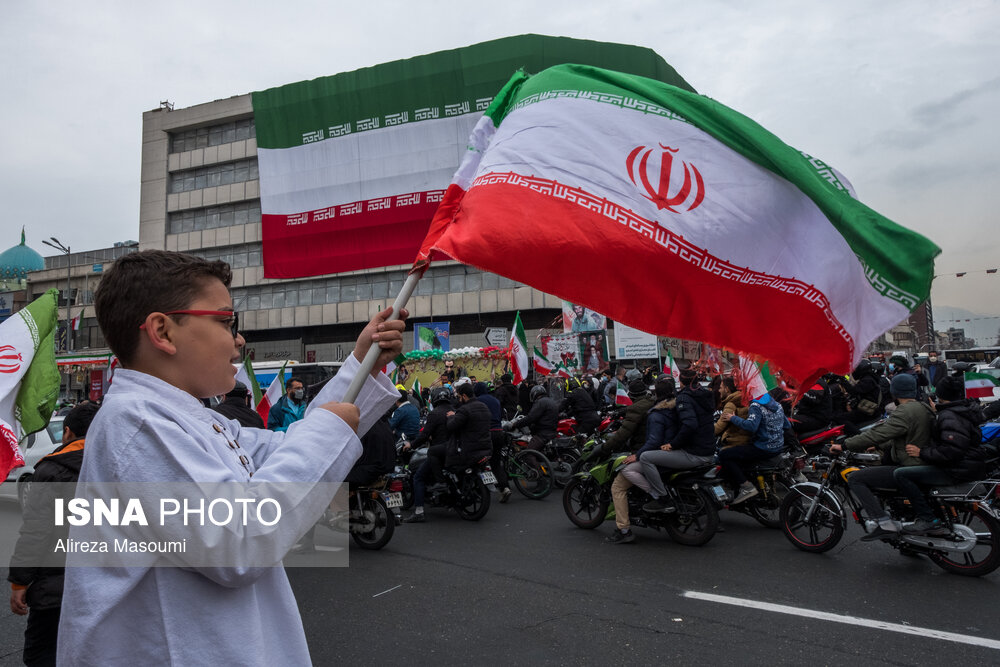
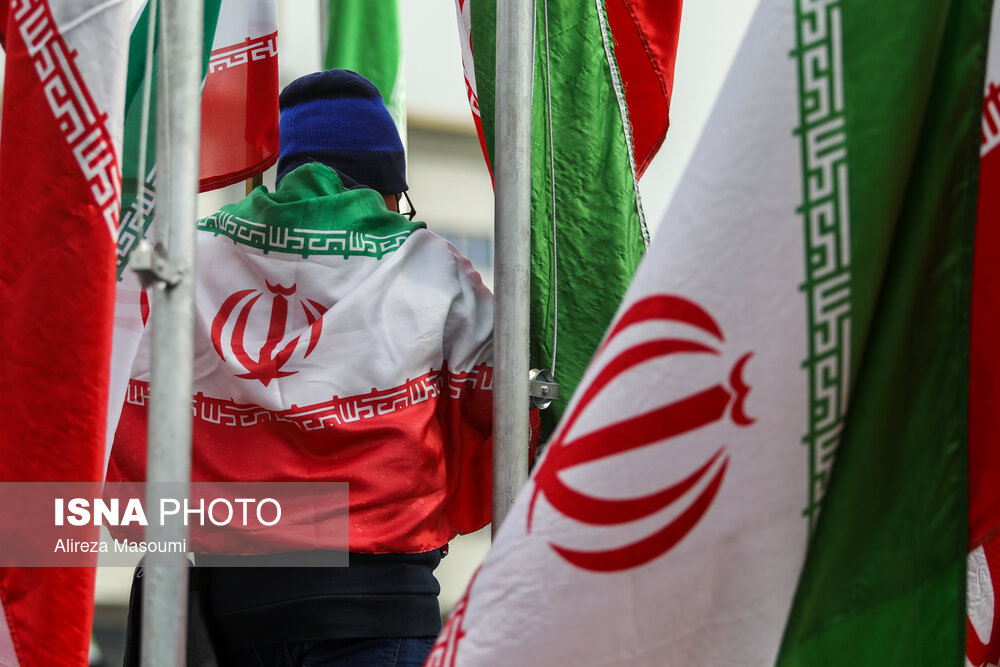
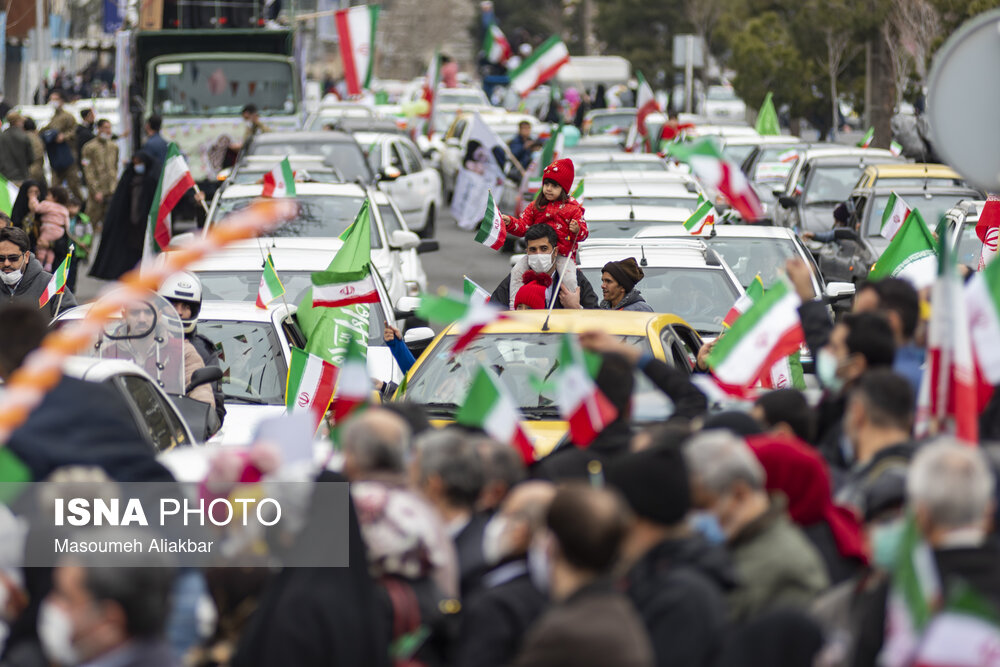
The mass rallies began at 09:30 a.m. local time on Friday in Tehran and other cities countrywide, with hundreds of journalists, including those with foreign media, covering the celebrations.

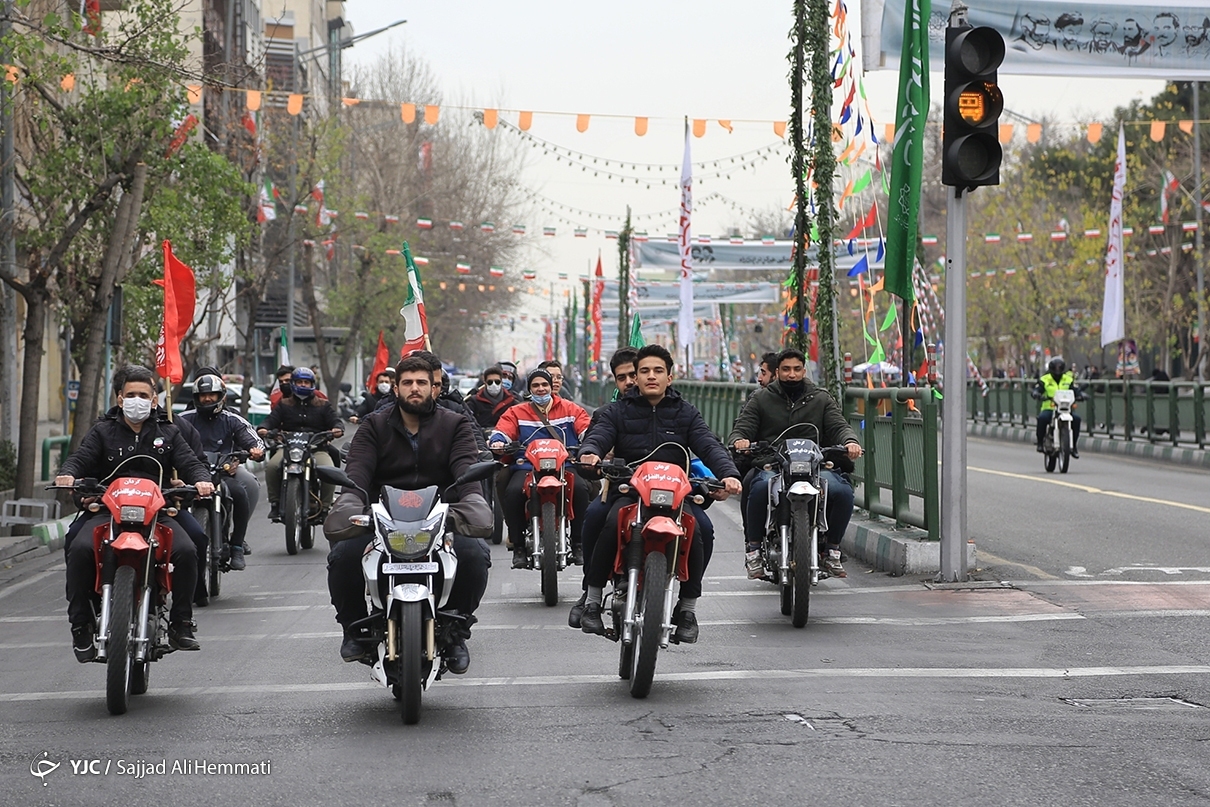
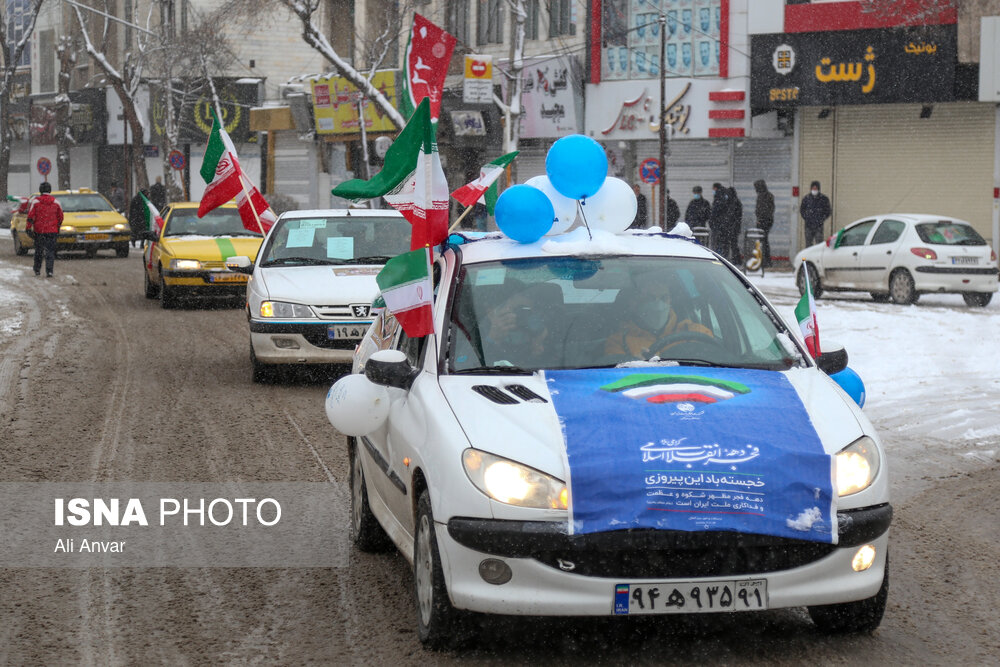
There are, however, restrictions in place for the rallies being held in the capital and other cities classified as “red” on the country’s color-coded COVID-19 map.

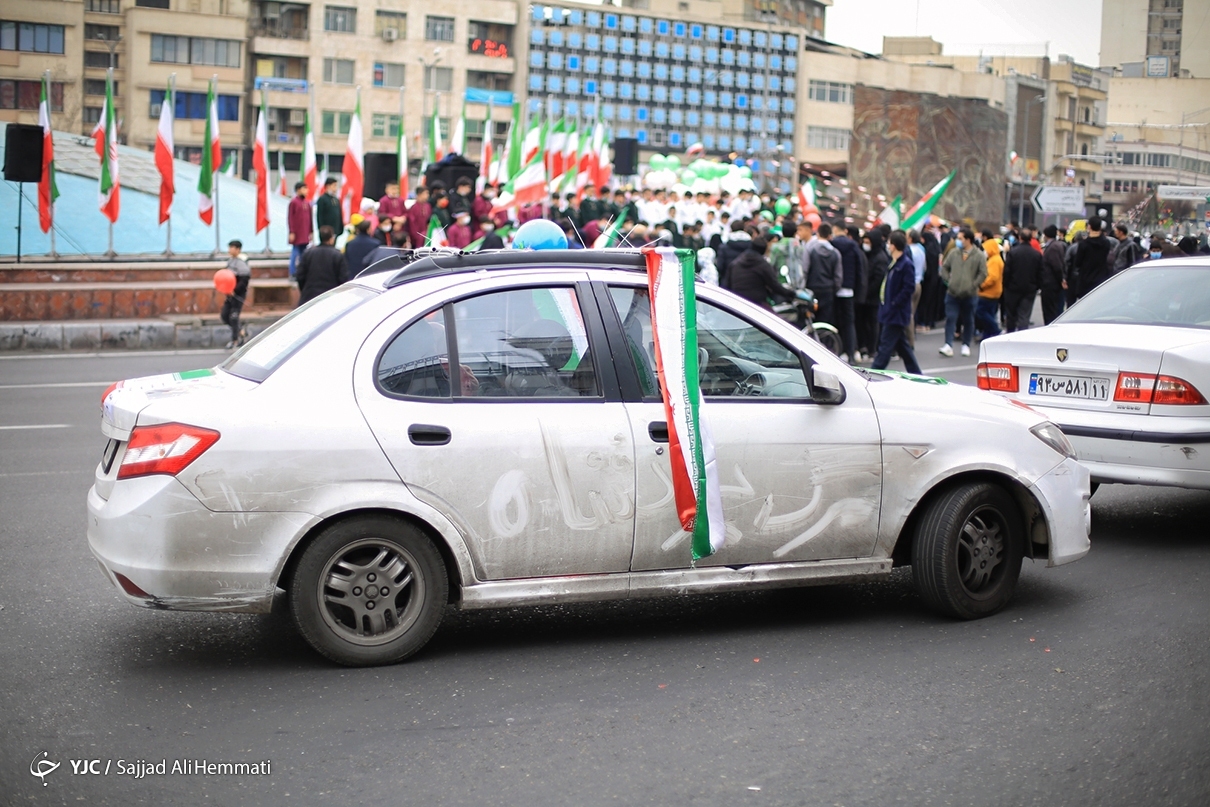
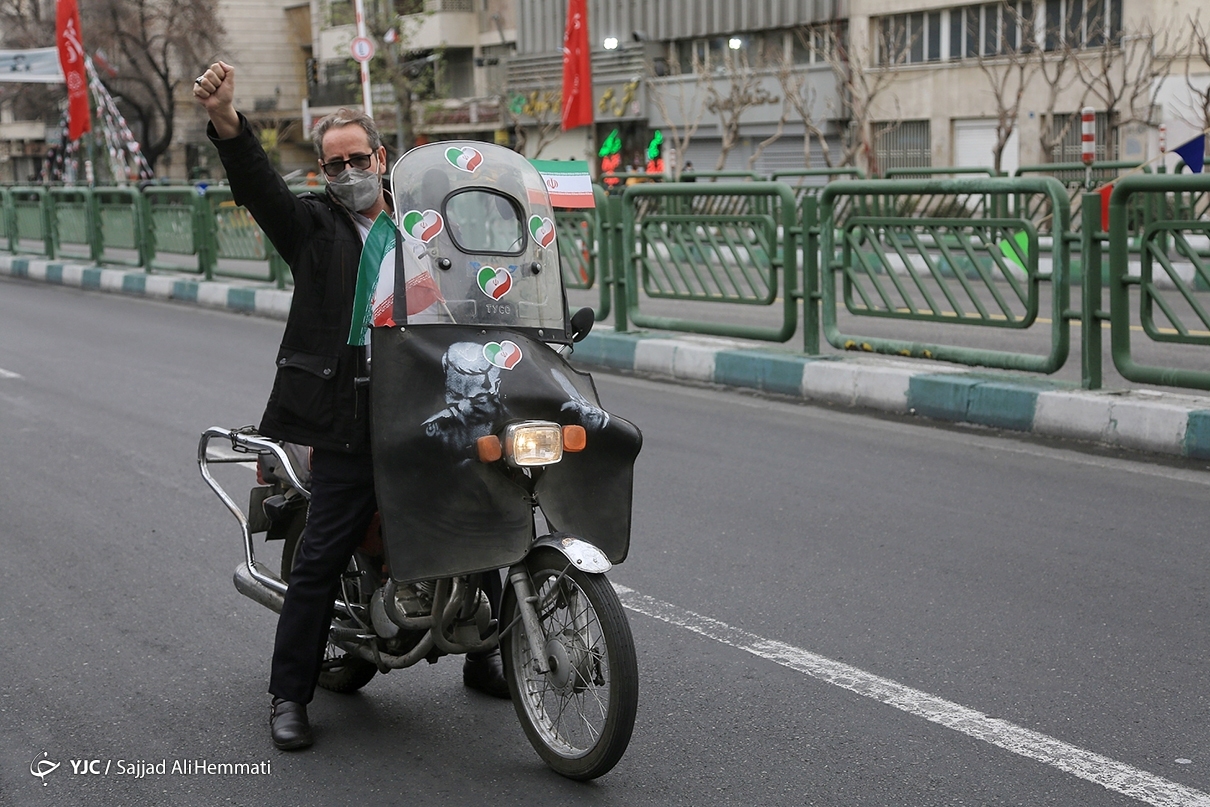
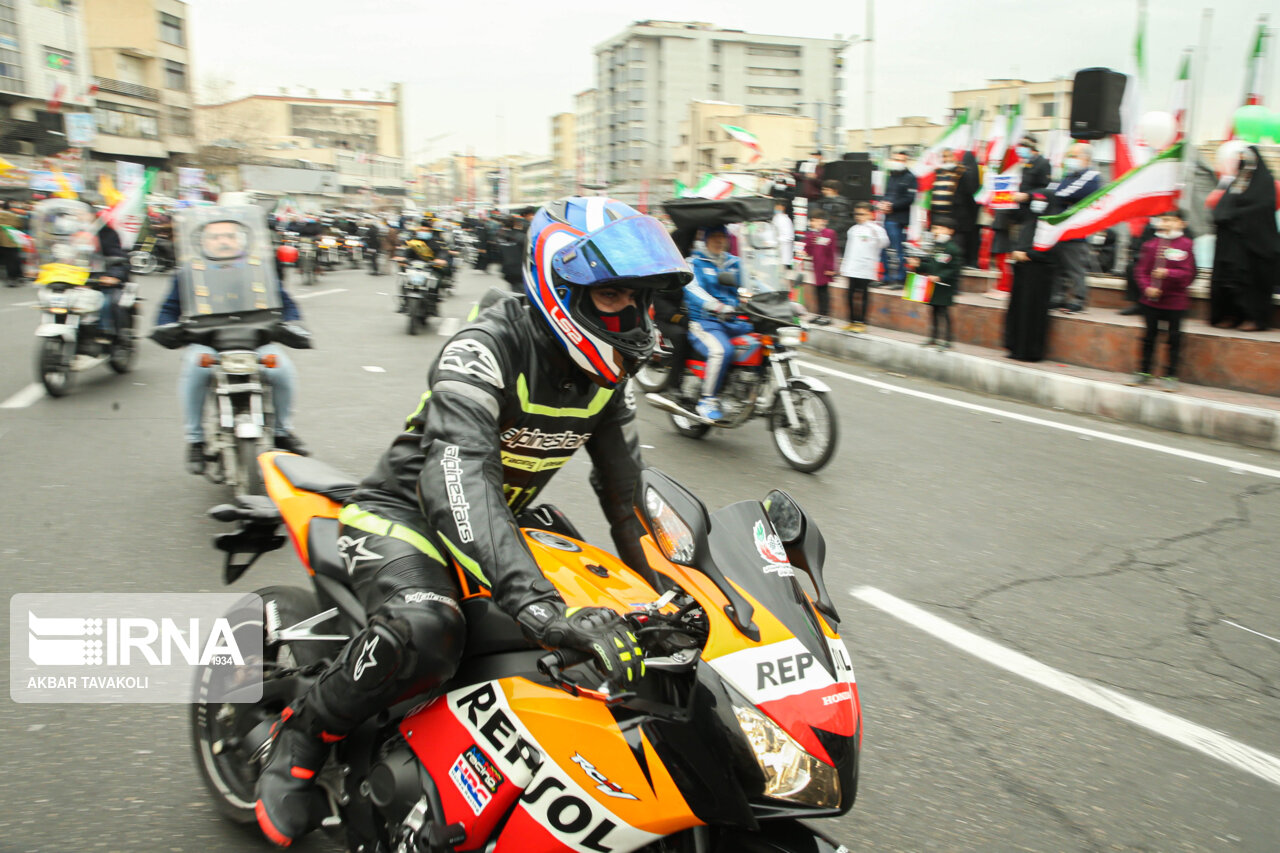
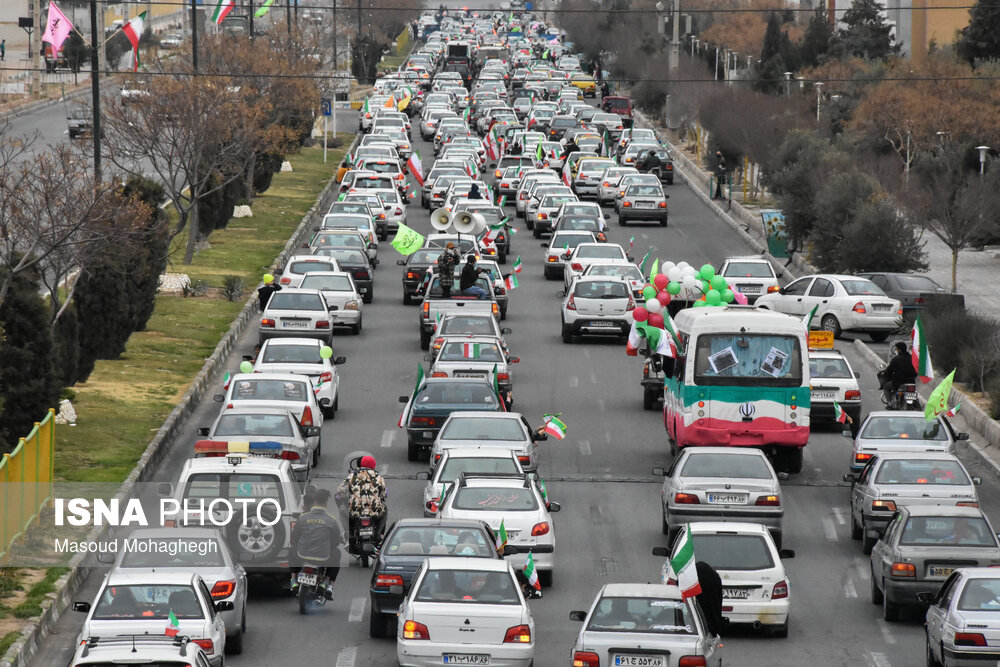
In those cities, people join the demonstrations on wheels, with cars, motorcycles and bicycles instead of traditional marches.

In Tehran, processions of cars and other vehicles started out from 12 different points, driving through the streets to circle the capital’s iconic Azadi Square, the traditional place of gatherings for anniversaries.

President Ebrahim Raeisi will deliver a speech from the venue of Friday prayers in Tehran.

The participants in the rallies will also issue a final communiqué at the end of the demonstrations.

The 1979 Islamic Revolution put an end to over two millennia of monarchy in Iran and established a new political system: A republic based on both Islamic values and democracy.

Annually, the celebrations, known as the Ten-Day Dawn, start on February 1, the anniversary of the day when Imam Khomeini, the late founder of the Islamic Republic, returned home after 15 years in exile.

Imam Khomeini’s arrival intensified months of popular protests against the Pahlavi regime and culminated in the downfall of the dynasty 10 days later on February 11.


Iran’s Jalili: US maximum pressure campaign has grossly failed

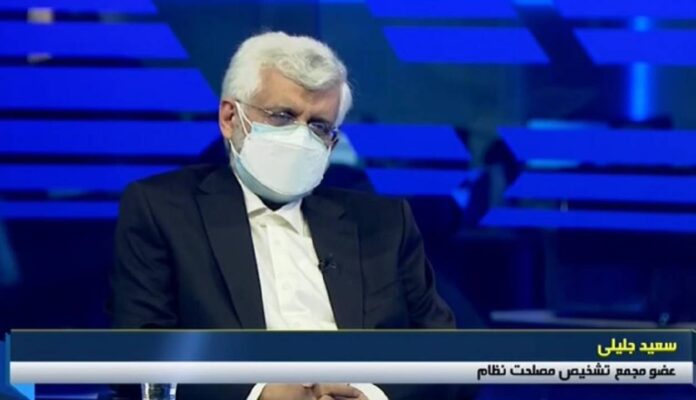
Speaking to the IRIB on the occasion of the anniversary of the 1979 Islamic Revolution’s victory, Jalili said the US previously said it sought to make sure Iranians would not celebrate the 40th anniversary of the Islamic Revolution but now they admit that their maximum pressure campaign has come to nothing.

He attributed this to the resistance of the Iranian people and drew a parallel between current developments and the Islamic Revolution’s victory.“

The question is: Why is it that all world powers say ‘the Shah must remain [in power]’ but the people insist that he must go and the Shah goes?”, Jalili said.

The member of Iran’s Expediency Council said during its maximum-pressure campaign, the US left no stones unturned to defeat Iran but its plots failed.

He also criticized US President Joe Biden, saying he has not lifted a single Trump-era sanction on Iran despite that he ostensibly differs from his predecessor.

Jalili also spoke of Iran’s achievements while under sanctions. He said when the US placed sanctions on Iran’s oil industry, they vowed to reduce the country’s crude sales to zero, but now, as the Iranian oil minister announces, the Islamic Republic exports 1,200,000 barrels of oil daily and receives the money.

He added that now some countries are defying the US sanctions and say they’re ready to buy oil from Iran. Jalili described this as an opportunity for the Islamic Republic of Iran.

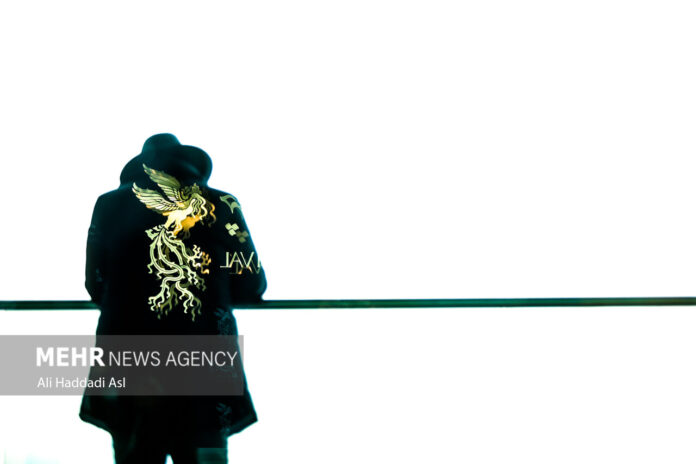
Fajr Film Festival: “Mehdi’s Position” sets a record with most nominations

The movie set a record in this regard in the categories of the best film, the best director, the best screenplay, the best actress, the best supporting actor, the best cinematography, the best editing, the best soundtrack, the best face design, the best stage design and the best costume design.

The films “Meadow”, “Last Snow”, “Night Watch”, “The Group of Girls” and “Opponent”, “Traitor Killing” and “Without Prior Appointment” come next.

Meanwhile the film “Private Meeting” was ignored by the jury of the 40th Fajr Film Festival, which was chosen by the audience as the best film, but has been nominated for awards in only two categories.

Twenty-four hours before the announcement of the winner of the Simorgh Award of the Fajr Film Festival, the movie “Private Meeting” was on the verge of winning the popular Simorgh, but the event’s secretary Massoud Naghashzadeh announced that the popular Simorgh would not be awarded because they could not be sure of the votes.

For the first time in the history of the Fajr Film Festival, a strange decision has been made for one of the most important awards of the festival on the penultimate day of the event.

The removal of this Simorgh from the festival which is more valuable to many directors than other awards could draw many reactions from filmmakers and could be construed as inattention of the 40th Fajr Film Festival to the audience.

Amir Banan, the producer of the movie “Private Meeting” as the leading film of the 40th Fajr Film Festival, reacted to the removal of the popular Simorgh of the festival. “A great tragedy is happening for the Fajr Film Festival and the secretariat must provide a clear explanation”, he complained.
Banan added that this decision of the Fajr Film Festival, following the events that happened in the past few days, proves that the festival has committed a violation.

“Authorities should give an example of this violation instead of turning a blind eye to the whole issue”, Banan said.

Iran appoints special envoy for pursuit of General Soleimani’s assassination

Iranian Foreign Minister has just named Mohsen Naziri Asl as his advisor and the chair of the Special Commission for Legal and International Pursuit of General Qassem Soleimani’s Assassination.

In a decree, Amir Abdollahian expressed hope that Naziri Asl will successfully work with relevant Iraqi officials to actively pursue the martyrdom of General Soleimani.

The foreign minister said he expects other bodies in Iran will cooperate with the special envoy.

Naziri Asl is currently the secretary of the Chemical Weapons Convention of the Iranian Foreign Ministry.

He was formerly Iran’s ambassador to the UN headquarters in Geneva.

Iran has said it will go after those responsible for the assassination of General Soleimani and his companions including Iraqi commander Abu Mahdi Muhandis and will bring them to justice.

The two commanders were martyred in a US drone strike on January 3, 2020 at the direct order of former US president Donald Trump.

Iran has blacklisted Trump and former secretary of state Mike Pompeo as the main culprits behind the assassination, vowing to go after them through legal channels.

Iran also says many other US officials were involved in the killings whom have all been identified, adding legal action will be taken against them as well.

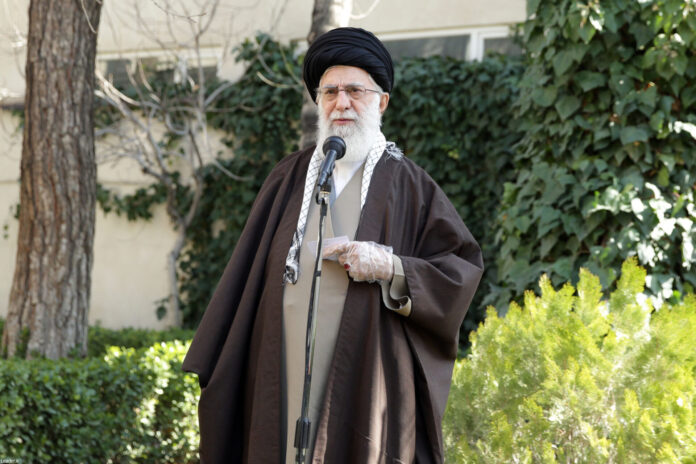
Ayatollah Khamenei’s physician: The Leader has a very modest lifestyle

Ayatollah Khamenei Urges Close Cooperation with Health Ministry in Battle with COVID-19

Marandi was speaking with the IRIB’s Channel 5. He added that he attended the weddings of all the children of Ayatollah Khamenei, saying the Leader does not allow more than one kind of food to be served at weddings or mourning ceremonies of his family.

He described the leader’s wife as a wonderful person, adding all his children also have very modest lifestyles.

Marandi said Ayatollah Khamenei consumes the most inexpensive fruits and repairs his clothes when they get worn out. “Ayatollah Khamenei tries to live like the lower classes in life, nutrition, and so on…when we advise him that eating fruit is necessary for his body, the leader does not say no, but when they want to buy fruit and food, they ask for the cheapest”, he said.

Marandi cited an example of the clothes the leader of the Islamic Revolution wears, saying: “His clothes are always clean, but sometimes there are some holes that have been sewn, although this may not be seen on TV.”

Referring to the people’s obedience to the leadership in spite of the current problems, Marandi said, “The general public obeyed the leadership of Imam Khomeini at that time and obey Ayatollah Khamenei at the present time, and that is why the Islamic Republic is what it is today, both for the sake of the leadership and the people.”

Donyaye Eghtesad: Second benefit of car imports

That is according to a study by the Iranian Parliament’s Research Center quoted by Donyaye Eghtesad Website.

This study says the revenue is the second benefit of lifting the ban on car imports. However, due to the removal of this revenue clause in the budget bill for this year, the government has no plans to import cars next year, unless it is forced to do so with the pressure of MPs and the approval of the Expediency Council.

In two bills in 2020 and 2021, the government removed the revenue clause of car imports, which was meant to regulate Iran’s currency situation.

Over the past two years, the Iranian car market has been in turmoil due to declining production and supply from domestic automakers, as well as high demand.

But the government is reluctant to import cars, even to a limited extent, to regulate the market.

Iran’s parliament insists on importing cars and opposes the government in this regard. Despite the Expediency Council’s opposition to the plan to regulate car imports, parliament still envisages the import of 50,000 cars with a revenue ceiling of 600,000 billion tomans for the government.

If the issue of importing this number of cars is approved by the Guardian Council and the Expediency Council, the government will be forced to import cars.