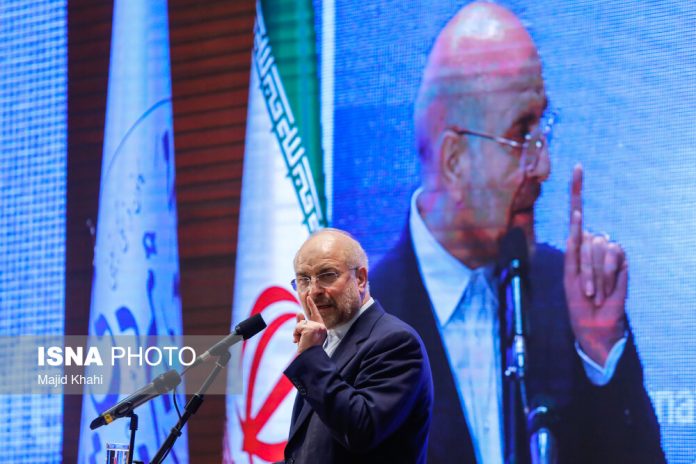
Ghalibaf also condemned the resolution as hostile and unconstructive, saying it showed that the IAEA is directly influenced by the Zionist quarters.
He added that the resolution was tantamount to ignoring Iran’s constructive and generous cooperation with the agency and opened a new page in ties between the two sides that will be detrimental to the current diplomatic talks.
The parliament speaker also threw the legislature’s support behind the recent move by the Atomic Energy Organization of Iran to impose restrictions on the IAEA’s activities in the country.
While thanking China and Russia for their opposition to the IAEA resolution, Ghalibaf said the only strong response Iran can give to the enemies and ill-wishers is by way of relying on domestic capabilities and economic development following the IAEA resolution.
He was speaking to journalists after a meeting with the members of parliament’s national security and foreign policy commission on Sunday.
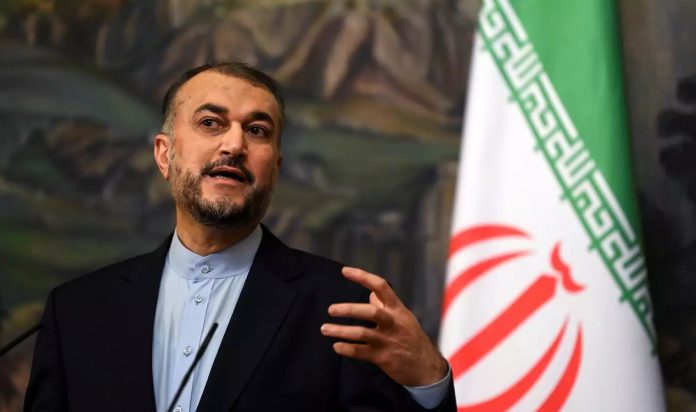
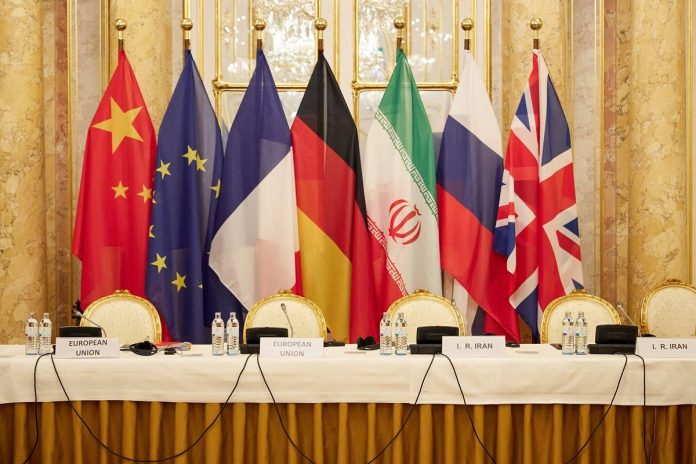
Referring to the nuclear talks between Iran and the P 4+1 group in Vienna, Amirabdollahian said in response to logical behavior, Iran put forth its initiatives and acted accordingly.
He added that wherever the adversaries made excessive demands, Iran acted forcefully to send them a strong message.
Amirabdollahian noted that the interests and welfare of Iranians are important for the government, in a reference to the impact of the US sanctions on Iran.
He expressed hope that Iran continue down this path to preserve the country’s clout and meet the expectations of people while making efforts to get the other sides to return to compliance with the 2015 nuclear deal, JCPOA.
They describe the resolution as politically-motivated and stemming from the West’s excessive demands.
The lawmakers noted that Iran gave the highest number of opportunities to the IAEA to monitor the country’s nuclear activities but each time, the agency raised new questions that stemmed from obstinacy.
The statement said the IAEA and its director general have lost their technical legitimacy.
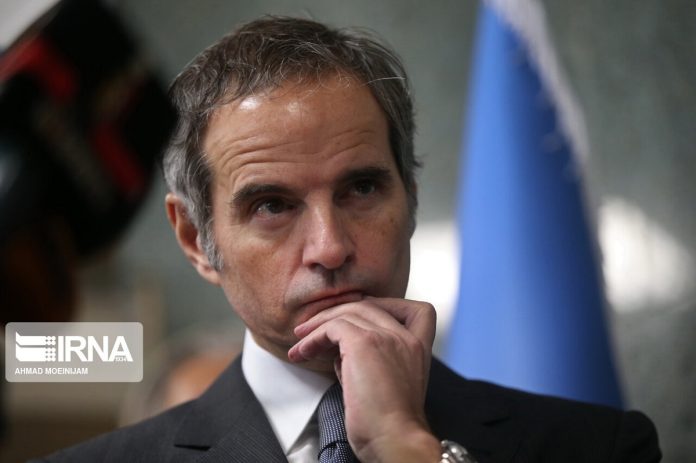
It says Rafael Grossi’s recent meeting with the leaders of the Zionist regime which refuses to join NPT proves that he and the IAEA are biased toward Tel Aviv.
The statement also said Gross’s visit to occupied Palestine casts doubt on his commitment to the mission of the IAEA to achieve the goals of nuclear disarmament.
The MPs said in contradiction to the agency’s rules and regulations, Grossi’s claims that Iran has had three allegedly undeclared nuclear sites show the political nature of the IAEA’s demands.
The lawmakers in their statement demanded the administration of President Ebrahim Raisi focus on protecting the rights of the Iranian people and pushing for the effective removal of sanctions so that the Iranian people will enjoy its economic benefits.
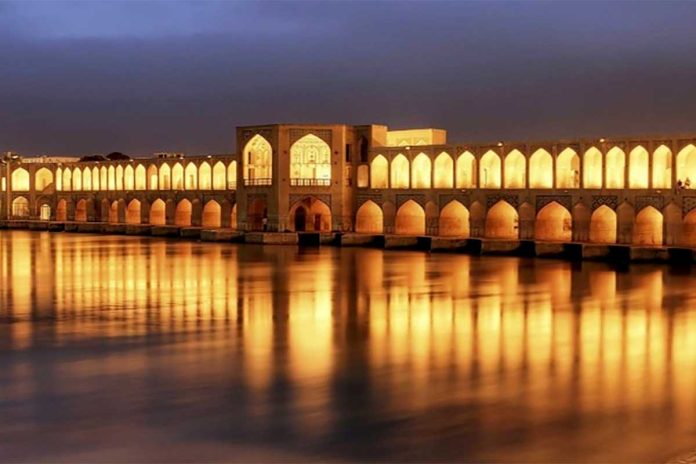
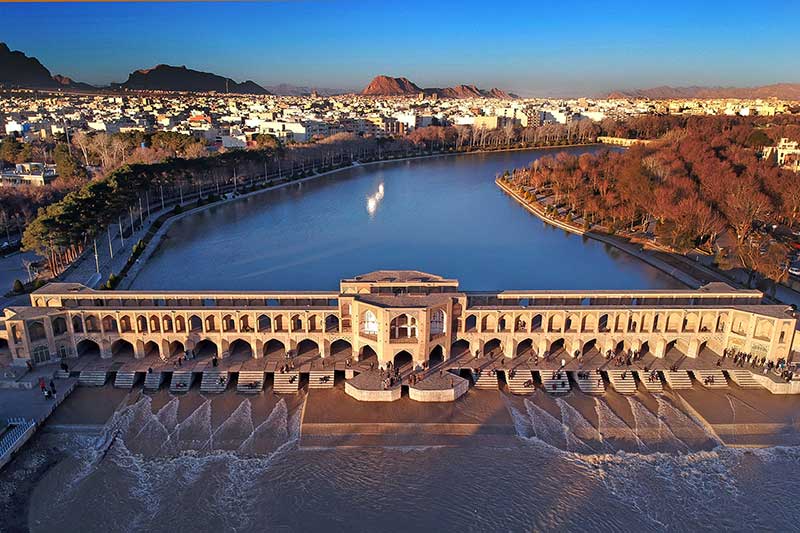
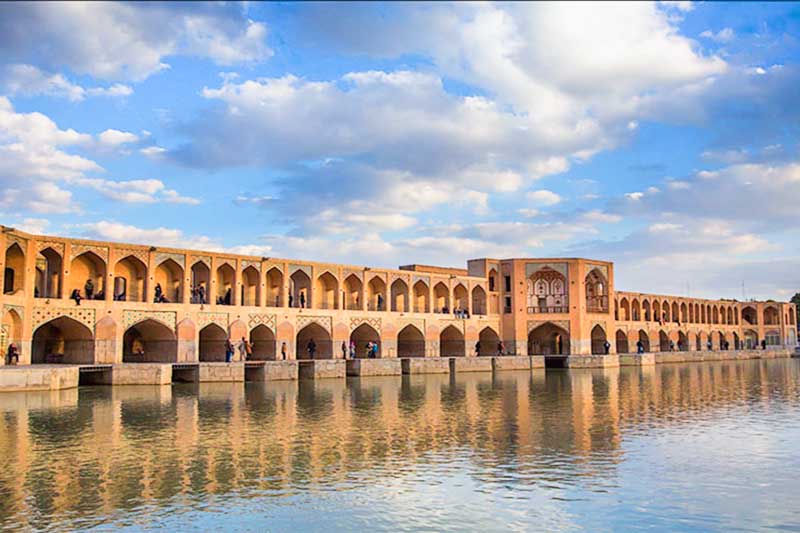
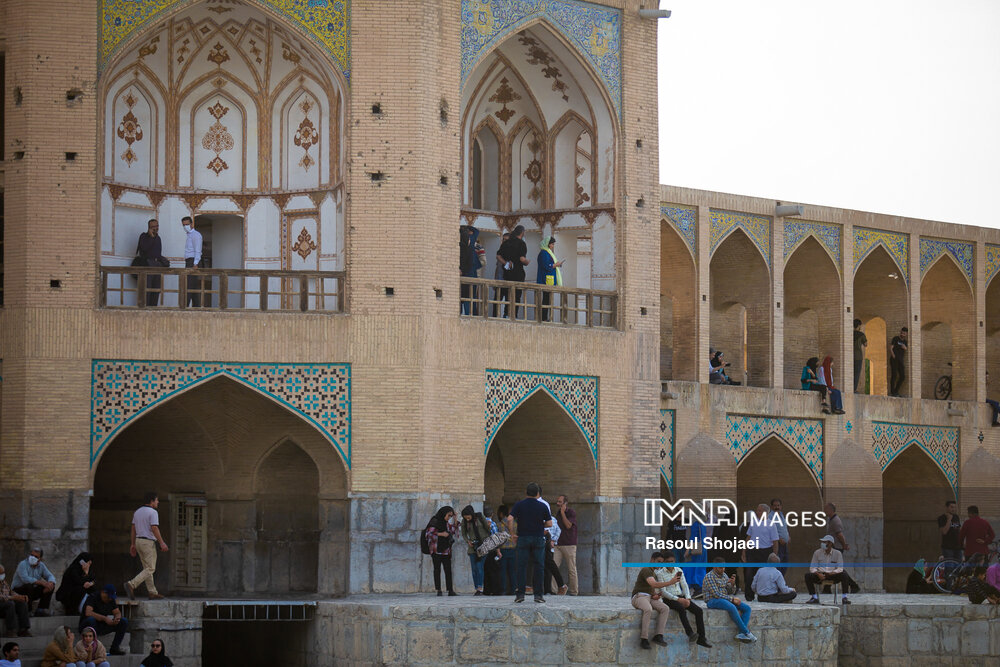
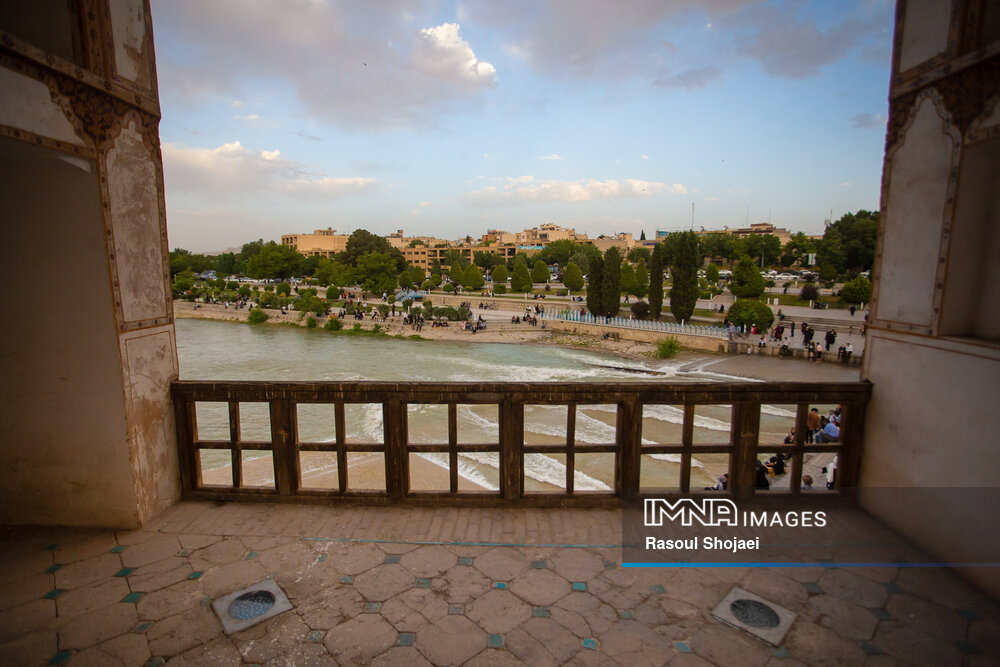
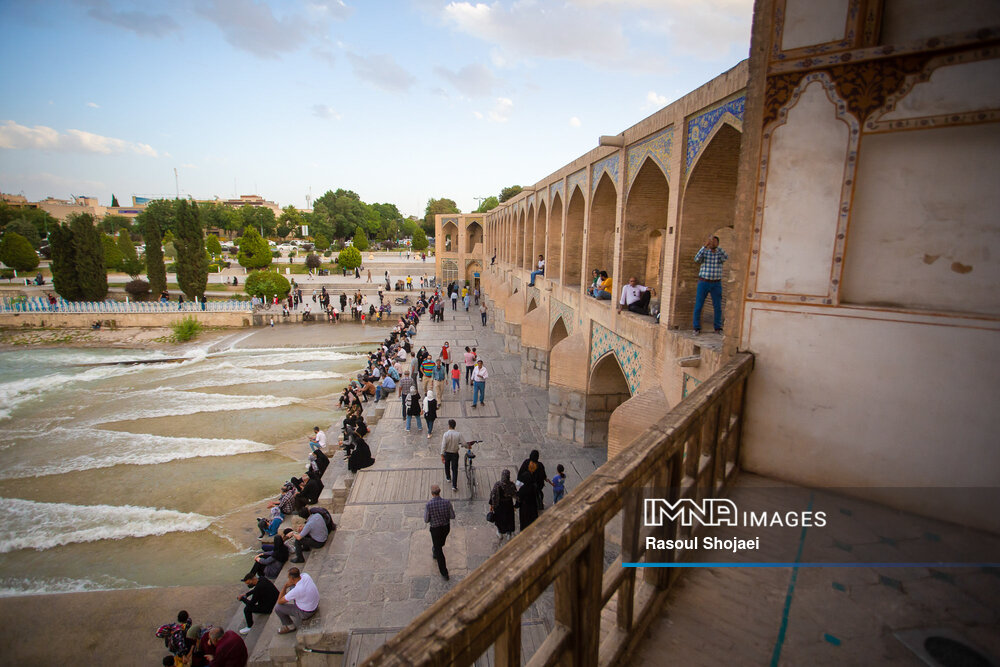
From the sky, Khaju Bridge (Pole Khajoo) looks like an eagle flying over the Zayandehroud. The alcove of Pole Khajoo, which is also called Biglarbeigi, is right on the head of the eagle and has been built using extraordinary tiling and embellishments.
Interestingly, a sense of pride and dignity fills one when they sit inside the head of the eagle and watch Zayandehroud’s water passing by beneath the height.
Khaju bridge in Isfahan
History of Khaju Bridge
Pole Khajoo was built in the solar year of 1030 during the reign of The Safavid king Shah Abbas in the place where Hassan Beig Bridge had been built during the Timurid Empire.
Khajou Bridge is otherwise known as Pole Baba Rokneddin because it’s located on the road to the mausoleum of Baba Rokneddin or Takhte Foulad.
Pole Khajoo was also the resting place of Shah Abbas II’s family. Therefore, it, first and foremost, had to be purely beautiful and be filled with secrets and wonders. Secondly, it was originally called Pole Shah (Shah Bridge).
Today, however, Khajou Bridge is located in the Khaju neighborhood, hence is known by the name Pole Khajoo.
Khajou Bridge: A bridge of men
Pole Khajoo was once for men only, and no woman was allowed to cross the bridge. This can be clearly told from two symbols put on the north of Khajou Bridge.
Secrets of the entrances of Pole Khajoo
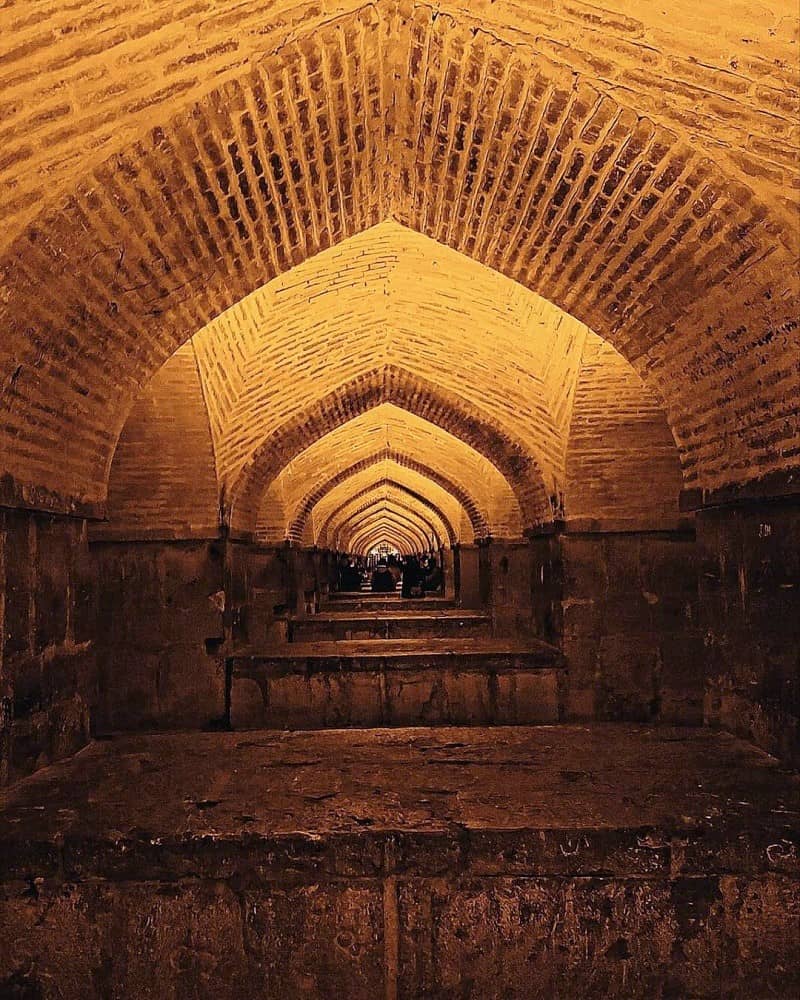
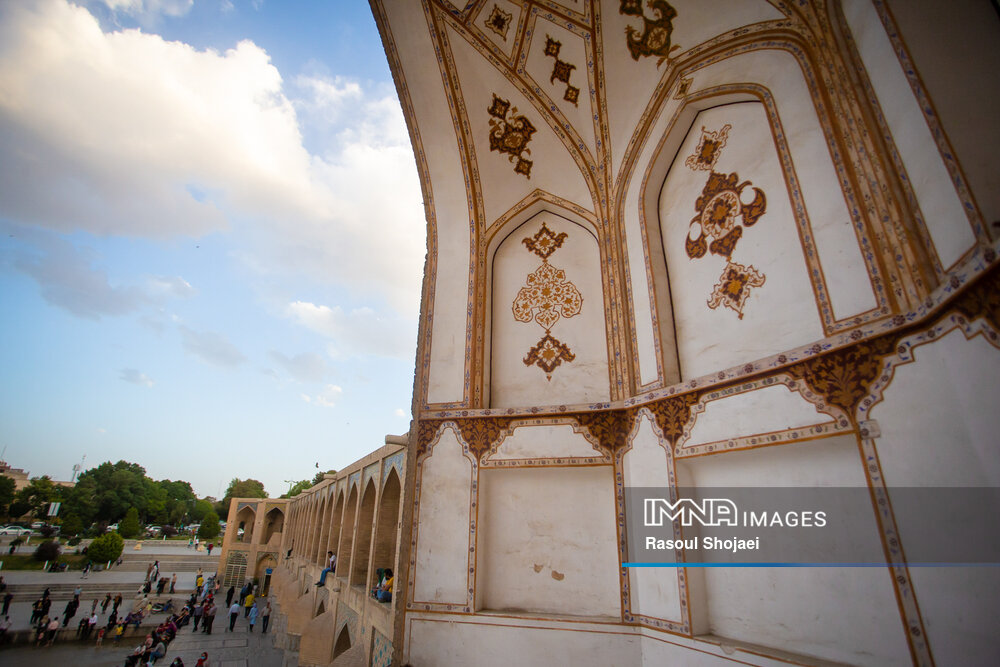
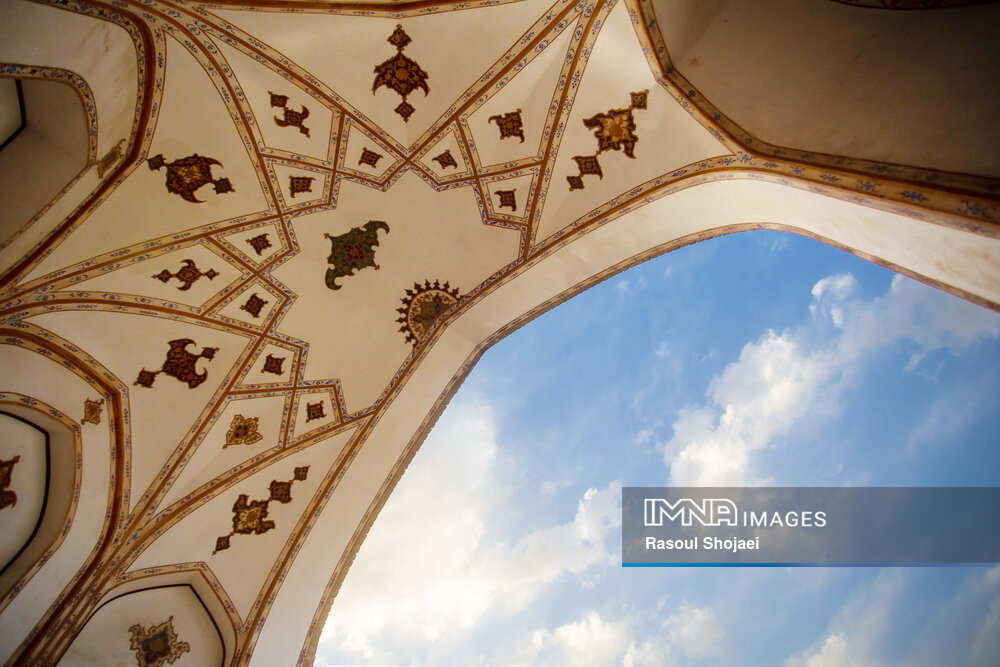
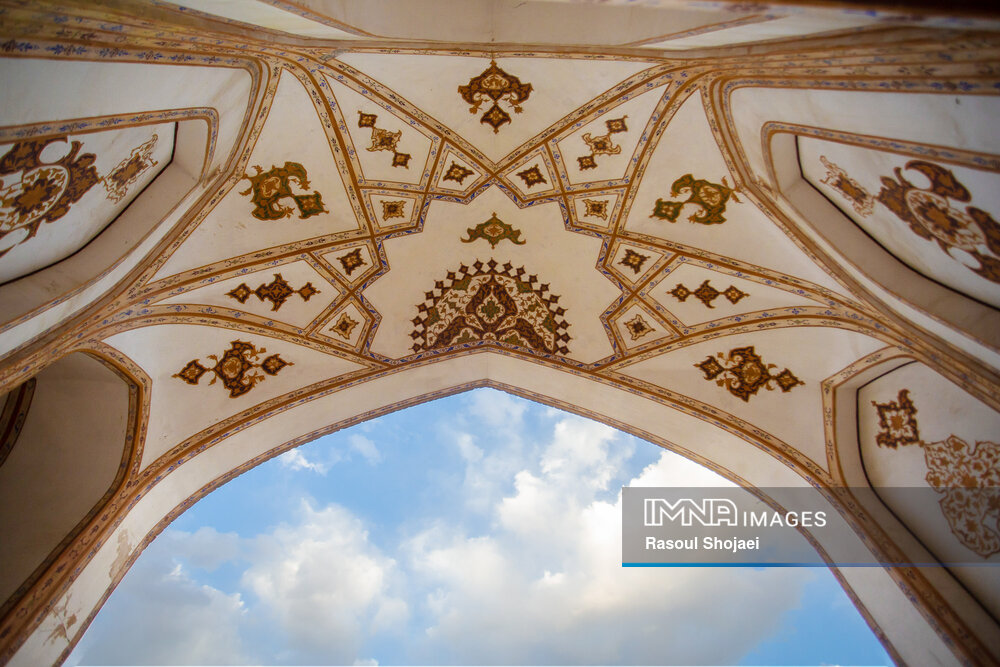
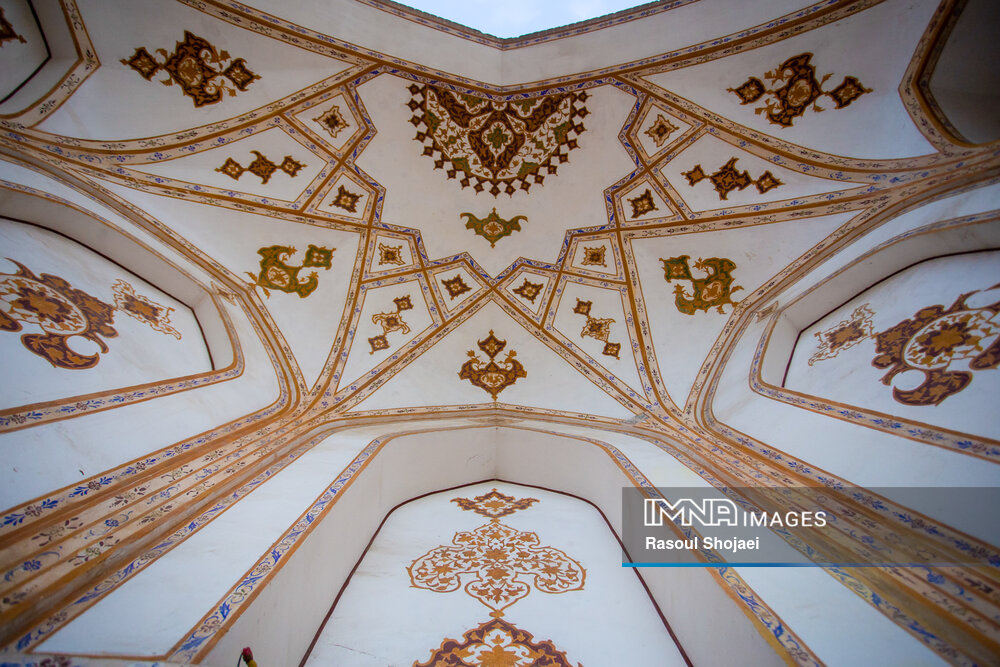
Let’s set foot in the entrances under the bridge. As you can see in the picture, the ceilings of the entrances are built in the form of semi-rhombic arches.
They are such that if two people stand facing one wing and speak softly inside these protruding edges, they will easily hear and understand each other. That’s why when people sing under the bridge, their songs sound very beautiful.
In the past, people who had nice voices would sing traditional songs beautifully on Khajou Bridge.
In fact, owners of old houses had their roofs and ceilings built in such a way that they were called spring arch.
Khajou Bridge’s stone lions
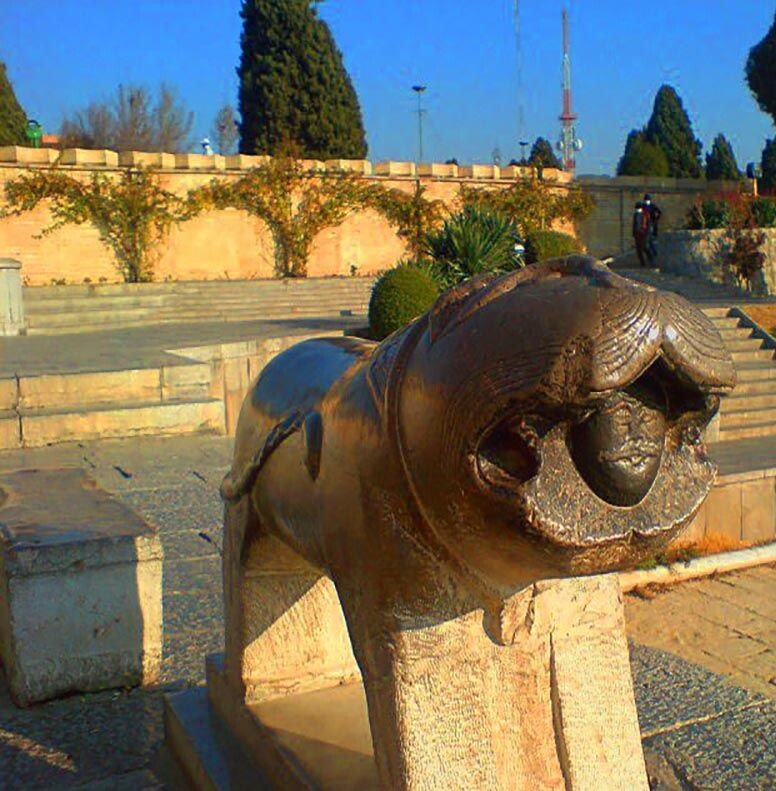
When you move toward Pole Khajoo, you can see beautiful stone lions on both sides of the bridge, which, like guardians of history, dazzle every viewer’s eyes with their beauty.
It’s interesting to know that if you look at the eyes of the opposite lion from the eyes of the other lion, those of the opposite lion shine like stars in the dark. This is said to be because of the magnetic properties of the eyes of the stone lions.
Watching Zayandehroud from alcove (Biglarbeigi) of Pole Khajoo
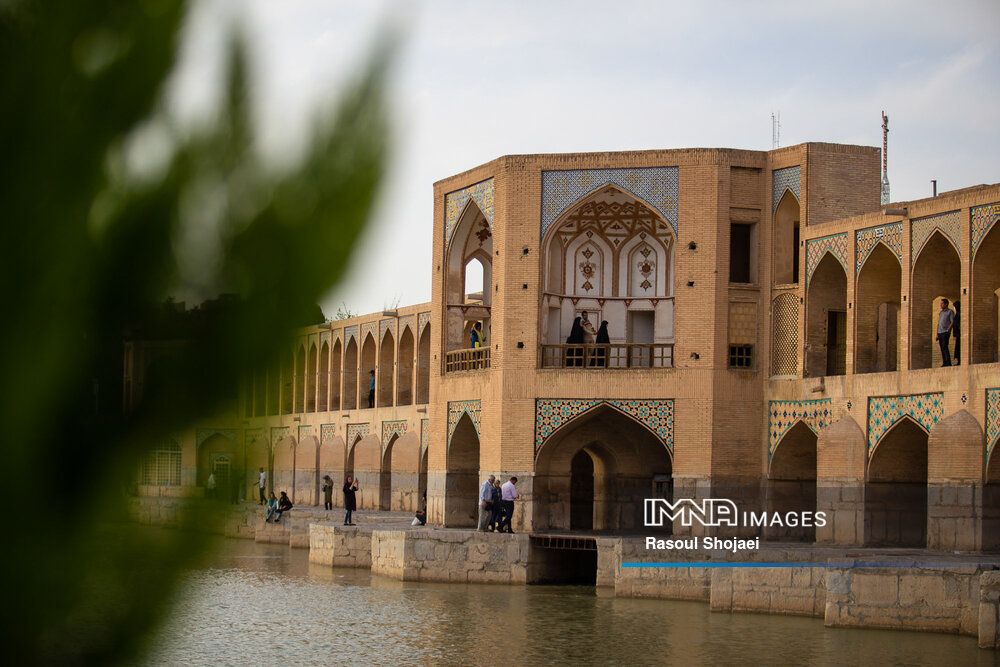
There is a special building in the middle of Pole Khajoo which is known as Biglarbeigi.
This is the alcove of the bridge and was built as a temporary residence for the Safavid king and his family. Biglarbeigi is still there today.
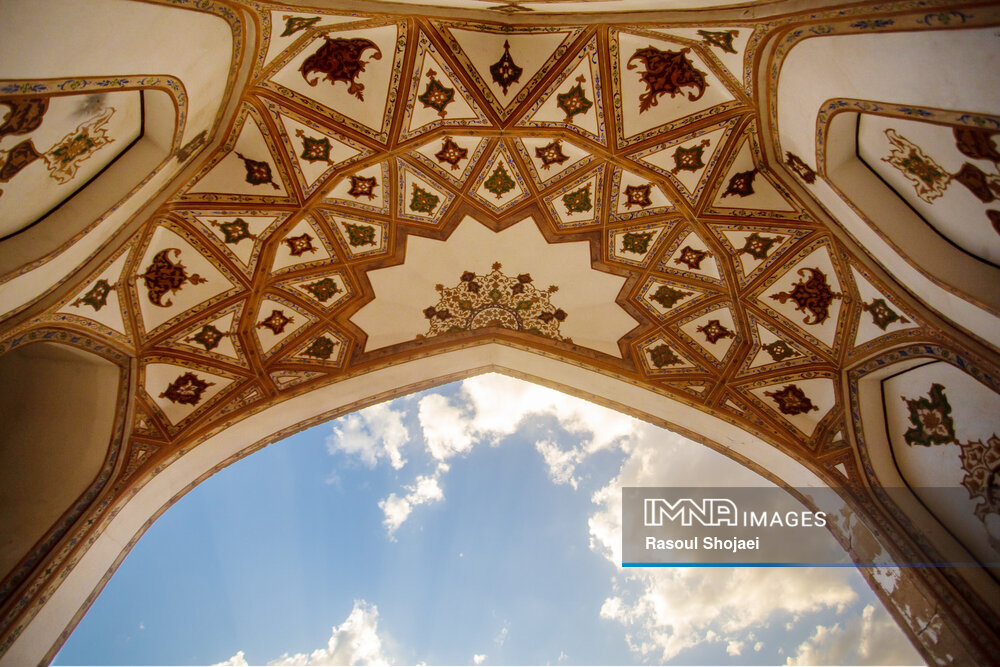
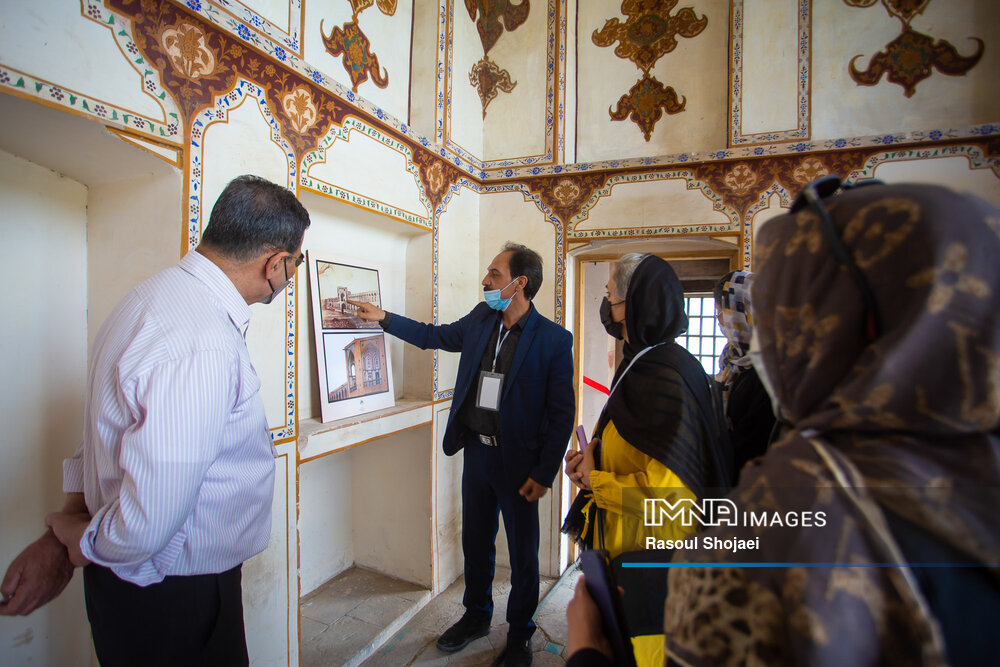
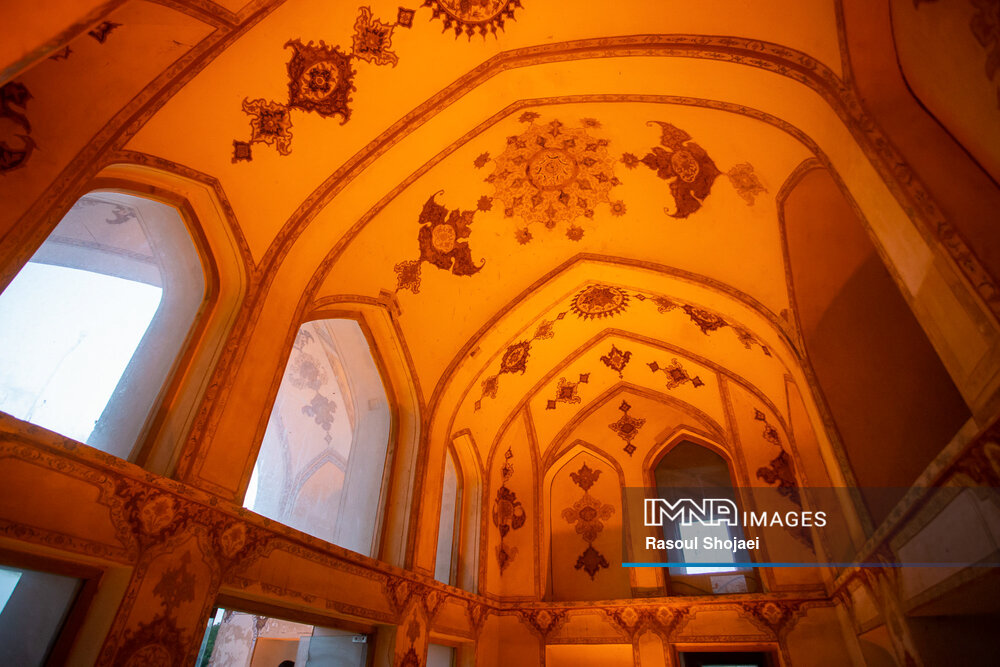
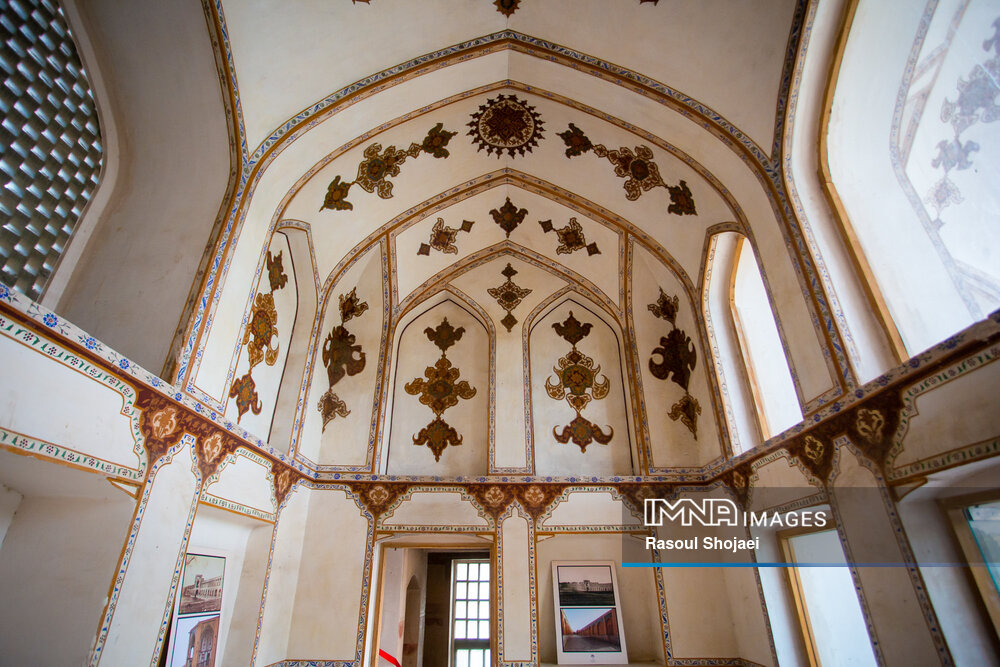
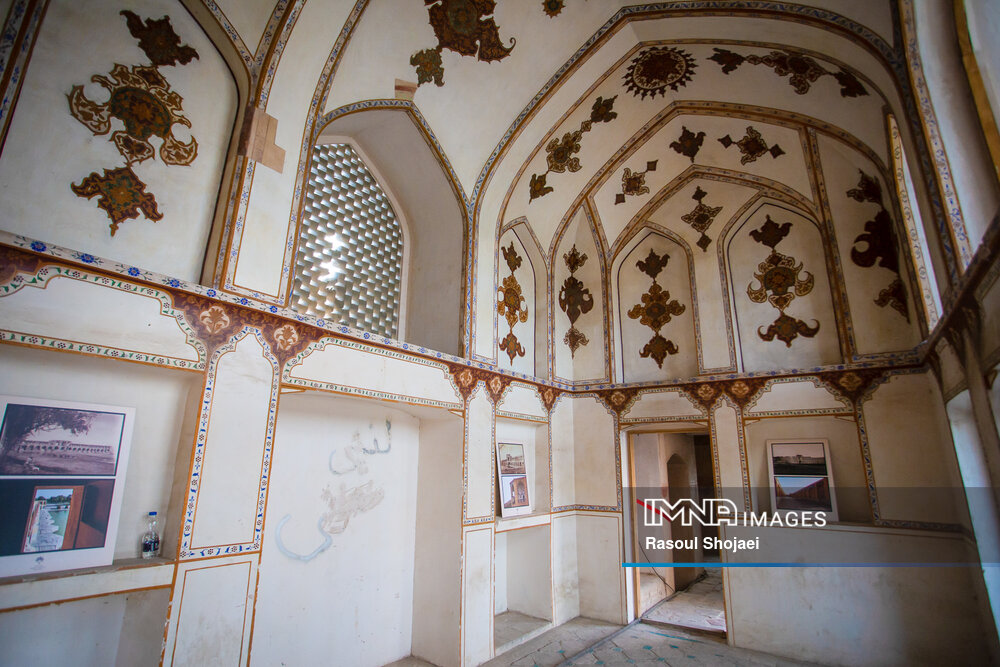
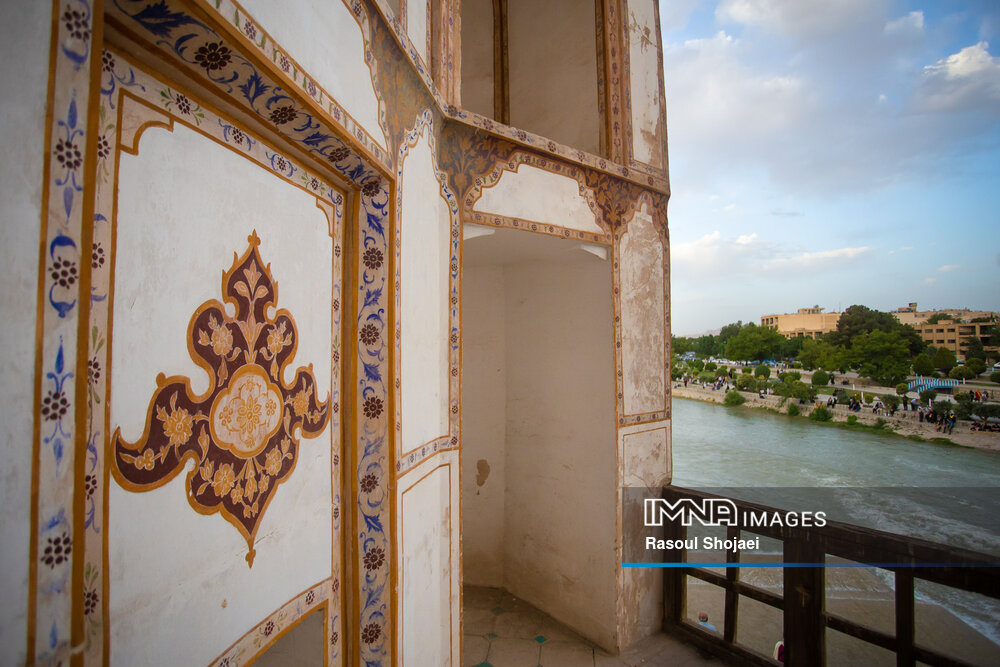
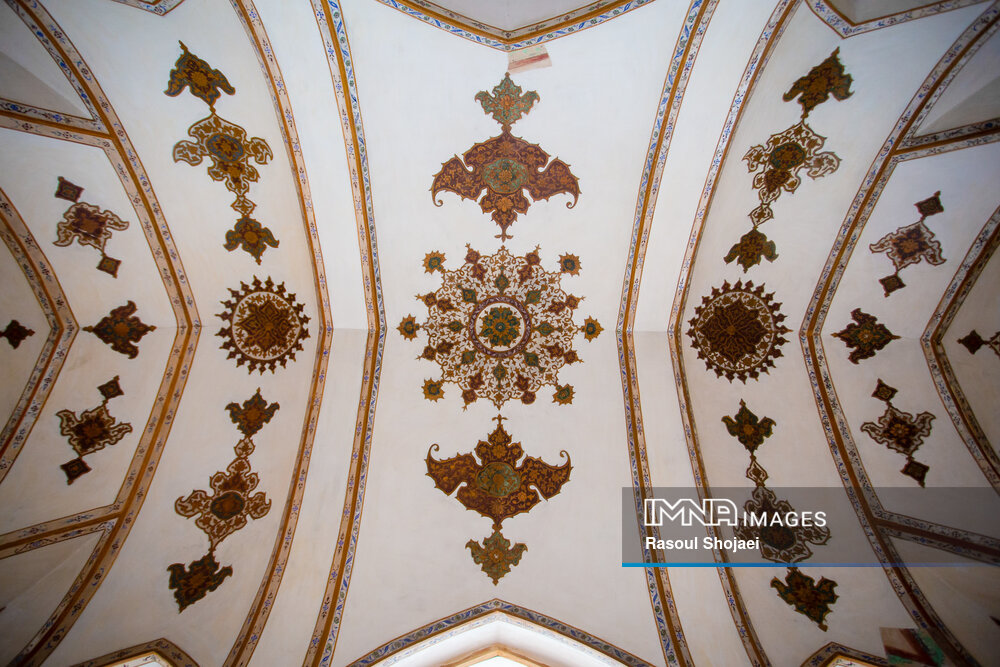
The ceilings of Biglarbeigi are adorned with very beautiful paintings and, in fact, Khajou Bridge is more famous than other bridges of Zayandehrood due to its unique architecture and tiling adornments. The alcove was closed to the public.
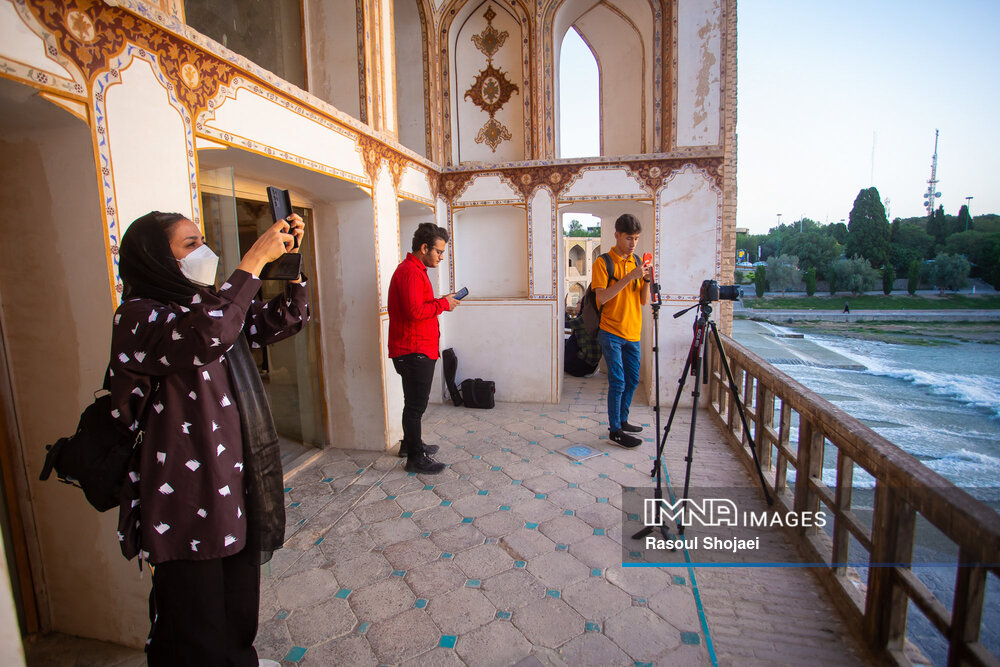
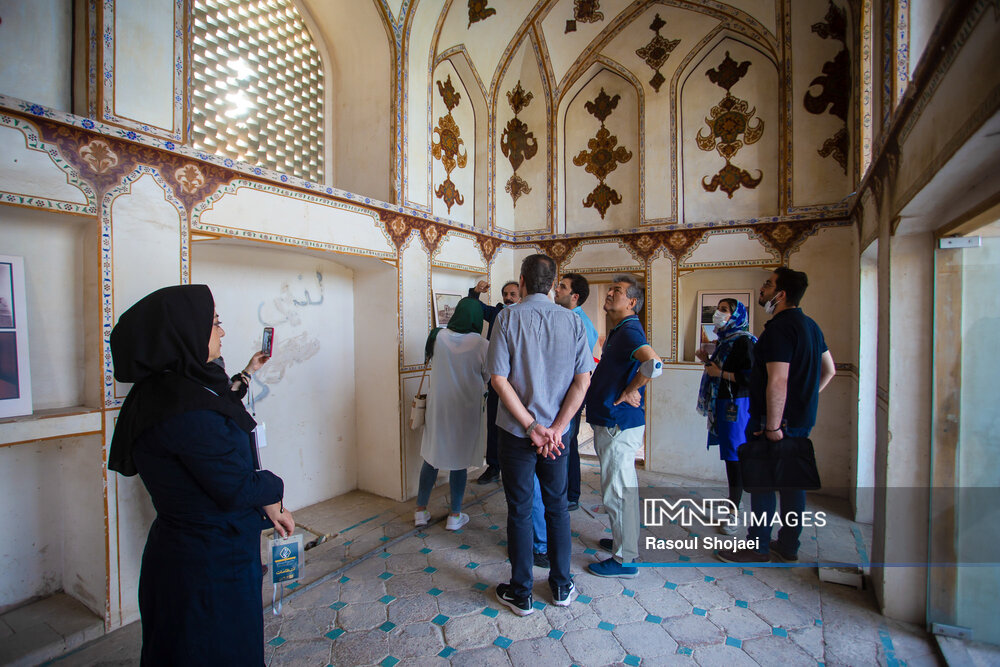
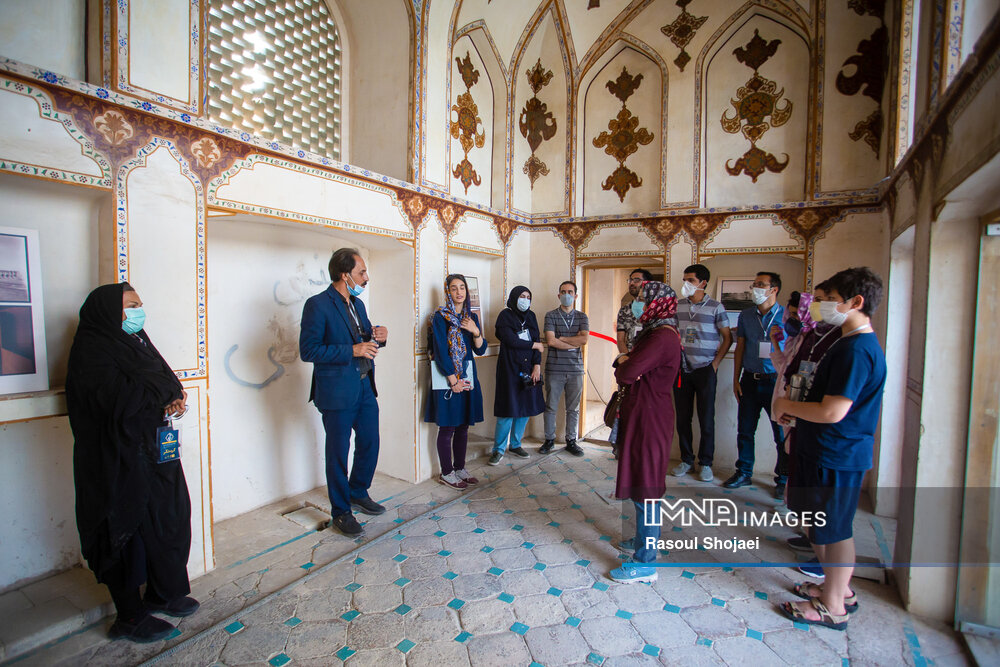
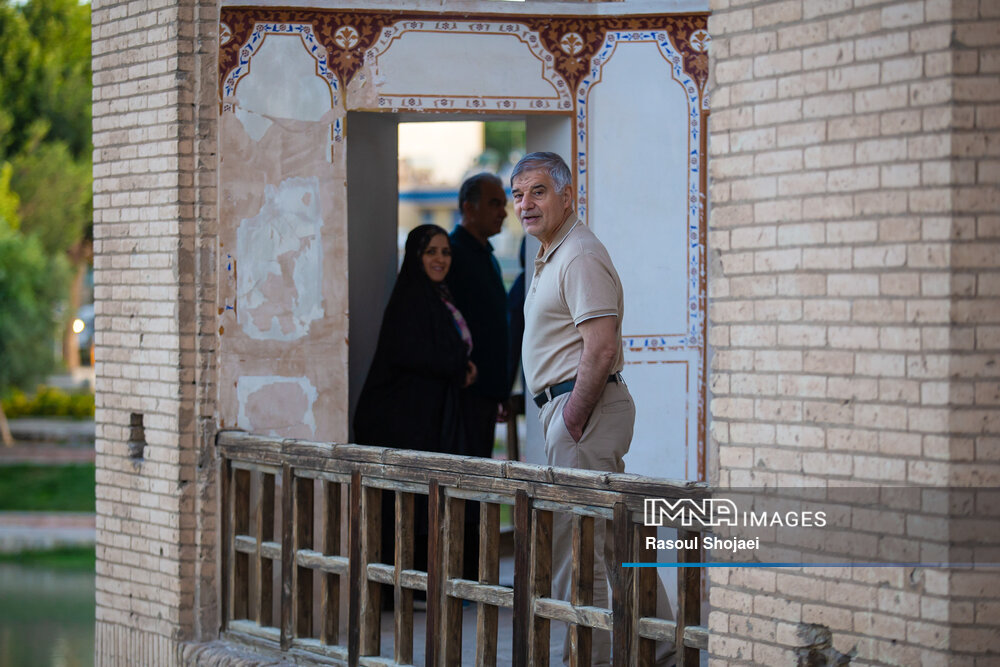
After authorities reopened lesser-seen historical monuments of Isfahan with the beginning of Nowruz 1401, Biglarbeigi was opened to the public in June of this year. People could visit the alcove until June 3.
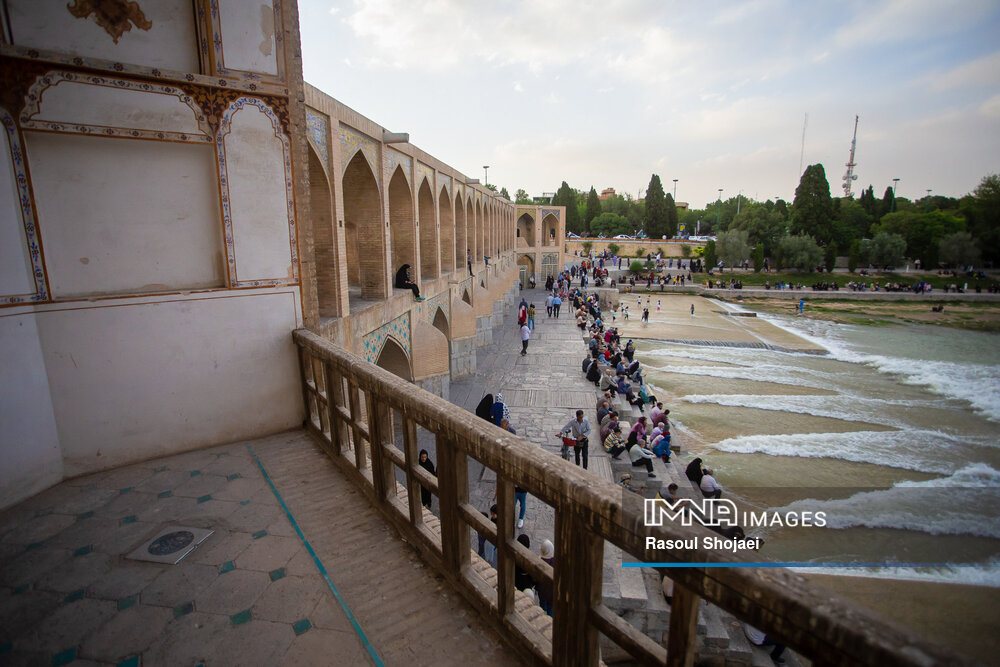
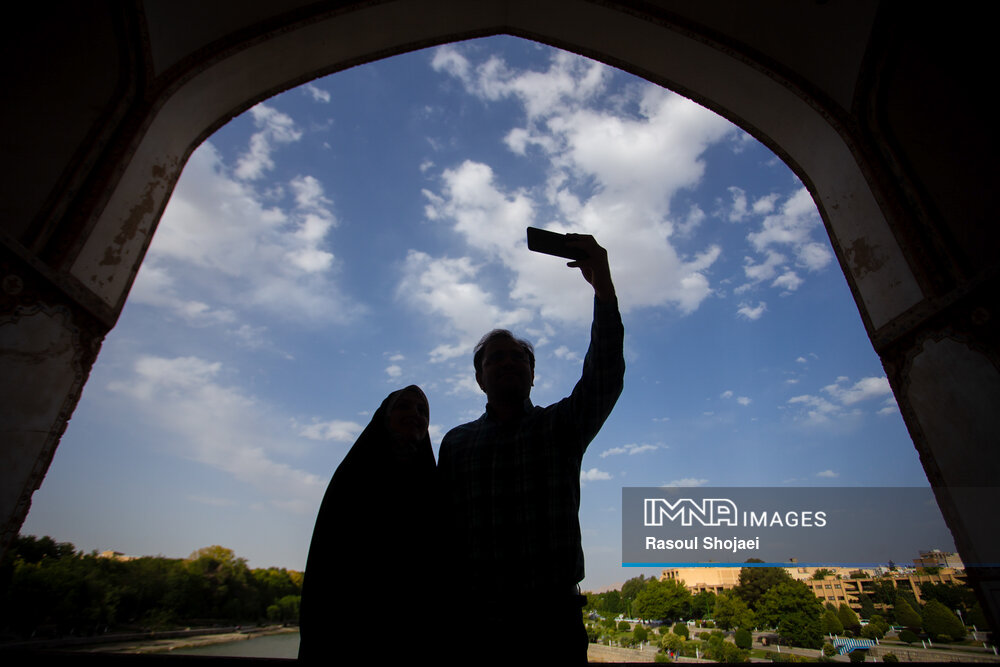
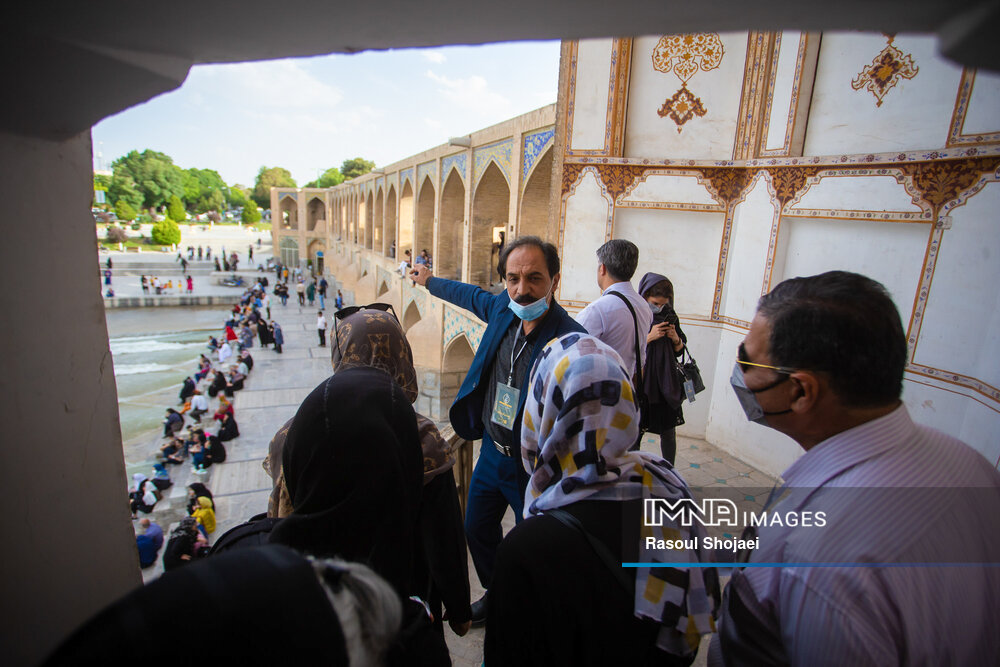
Two chambers of Biglarbeigi have been reserved for public visiting from which people can watch a tumultuous Zayandehroud from the east and a calm one from the west. This is one of the wonders of Pole khajoo.
The following visual report from the alcove of khaju bridge was published by Imna news agency.
In their letter, the economists said economic reforms require better governing practice, warning “a spiral of rise in foreign currency rates and inflation has put the country at the risk of an uncontrollable 3-digit inflation”.
The economists pointed to President Ebrahim Raeisi’s election campaign promises of economic stability and fighting corruption and talks of a 7,000-page plan, drawn out with the help of economists, to settle such issues of rising inflation and unemployment as well as closure of businesses.
They said the president also made other far-reaching promises amid warnings by experts that fulfillment of his pledges will not be possible except by a quick agreement in the Vienna talks.
They said, however, that discouraging news from the talks and policy shocks by the government have thrown things into chaos, economically, with both the inflation and foreign currency exchange rates at record highs.
The economists said the government is not talking about the consequences of its “economic reforms” and “difficult decisions” for the economy while ignoring warnings by economists about the “horrible” outcomes of a “passive foreign policy” and “not well-thought-out” and “faulty” policy-making.
The economists said that the government and its affiliated media should openly admit the responsibility for their “risky and incorrect” policies and avoid attributing the arising problems to past acts of economic sabotage, or fear-mongering by economists, who are outside the government.
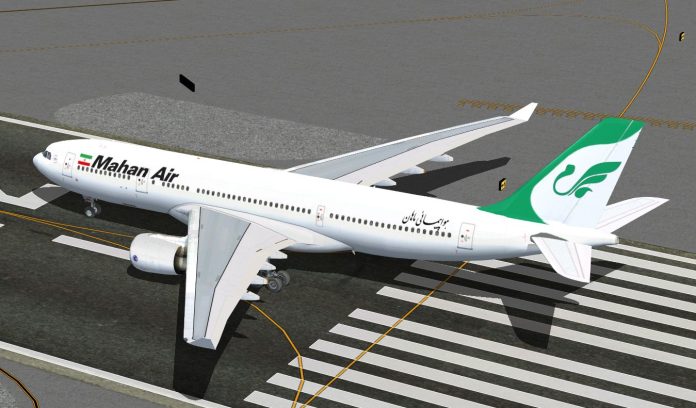
Amir-Hossein Zolanvari, a spokesman for Mahan Air, told Iranian media on Sunday that the seized plane, identified as Boeing 747, had been leased to Venezuela a year earlier and had thus nothing to do with the Iranian airline.
If reports about the arrests of the crew are true, it cannot have anything to do with Mahan Air, he added.
According to media reports, the Boeing 747-300M is operated by Emtrasur Cargo, the freight division of the Venezuelan flag carrier Conviasa.
The aircraft landed at Ezeiza International Airport (EZE) in Buenos Aires, Argentina, on June 5 and has since been unable to leave the country.
The situation surrounding the seizure is not yet clear.
Nine Venezuelan and seven Iranian crew members were said to have been aboard the plane, with some media outlets fueling speculation of the aircraft’s ties to Iran.
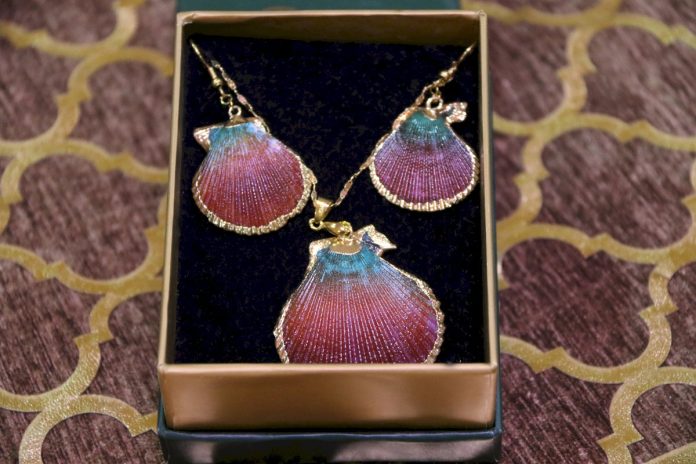
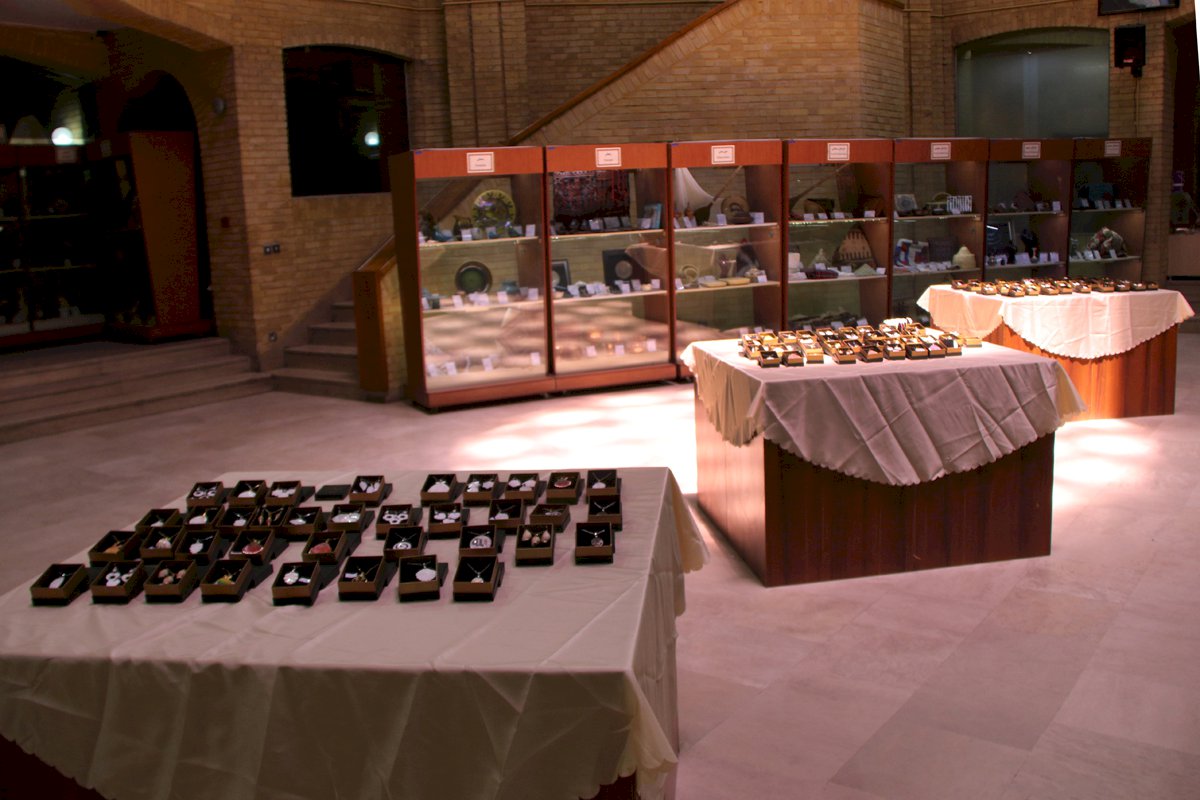
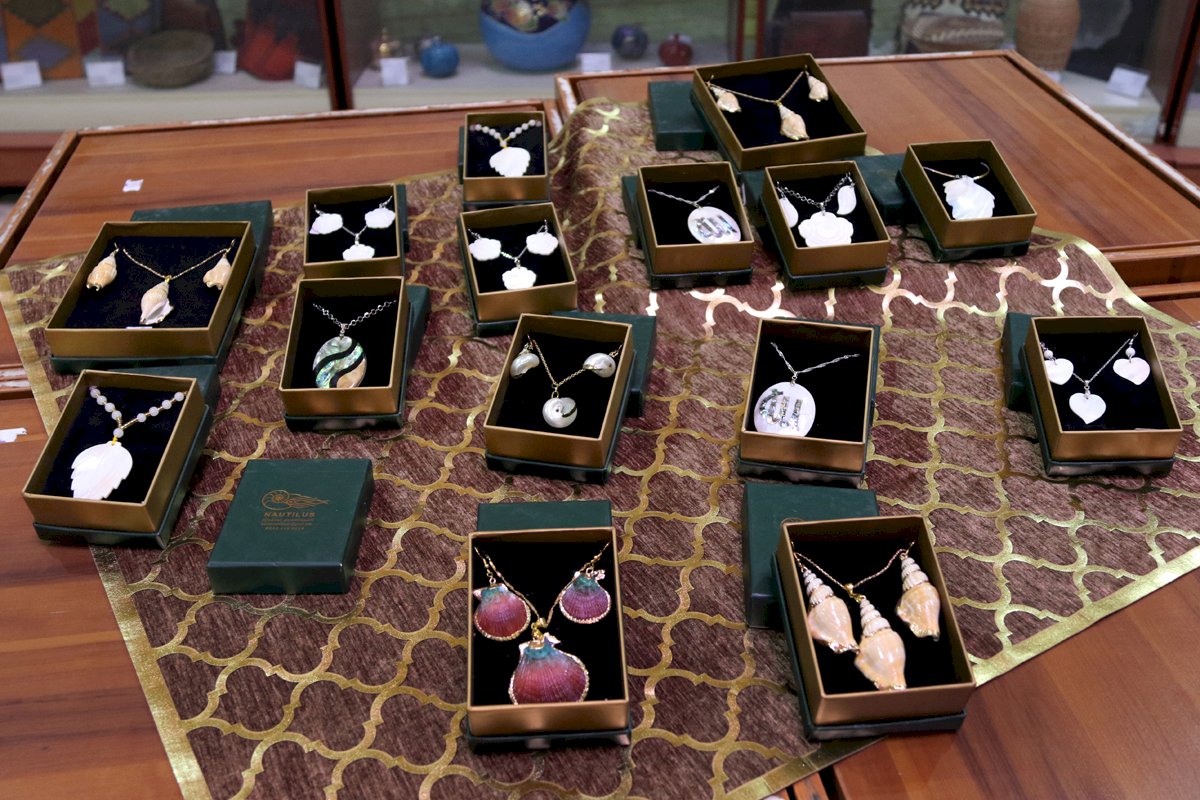
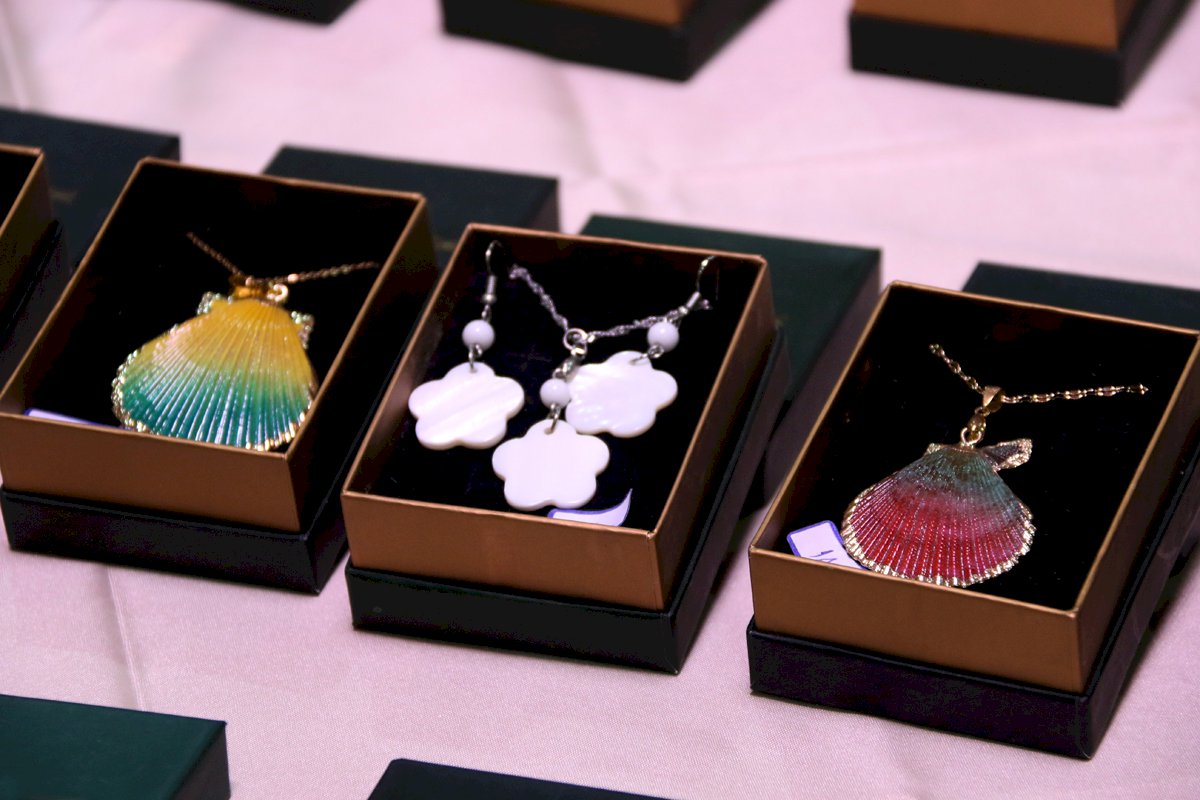
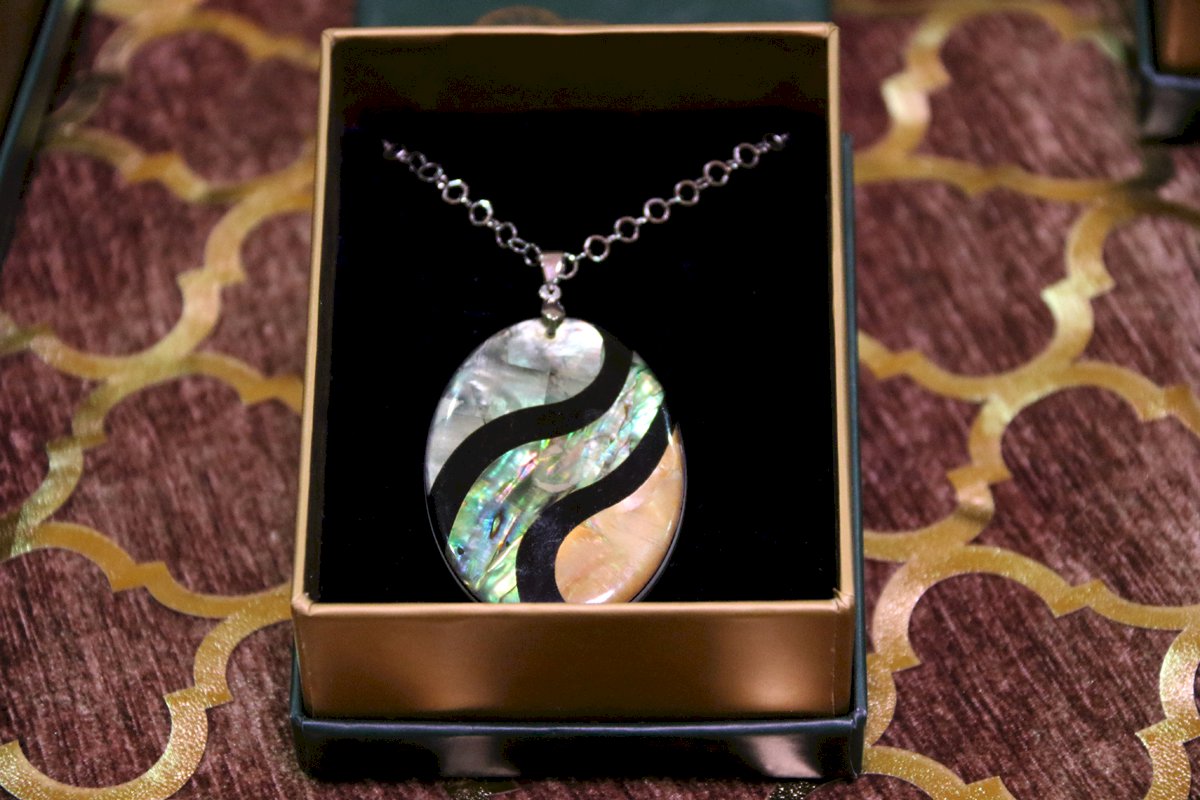
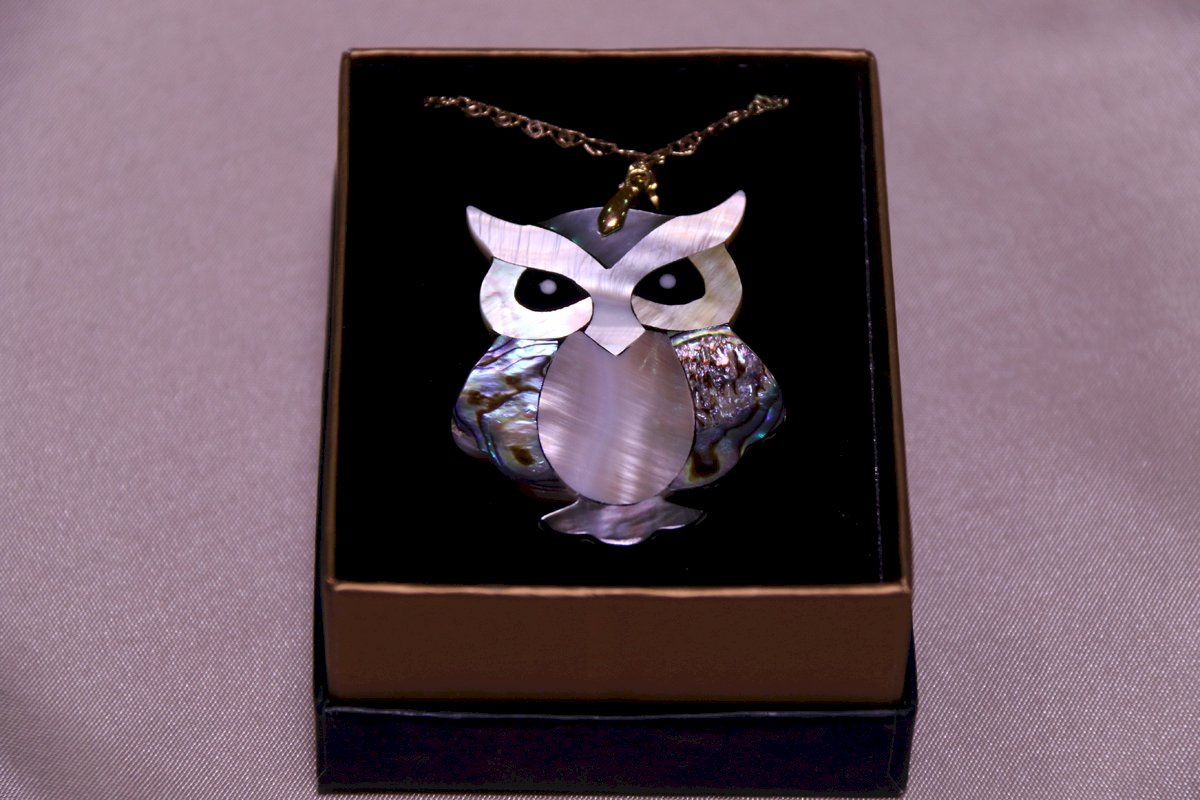
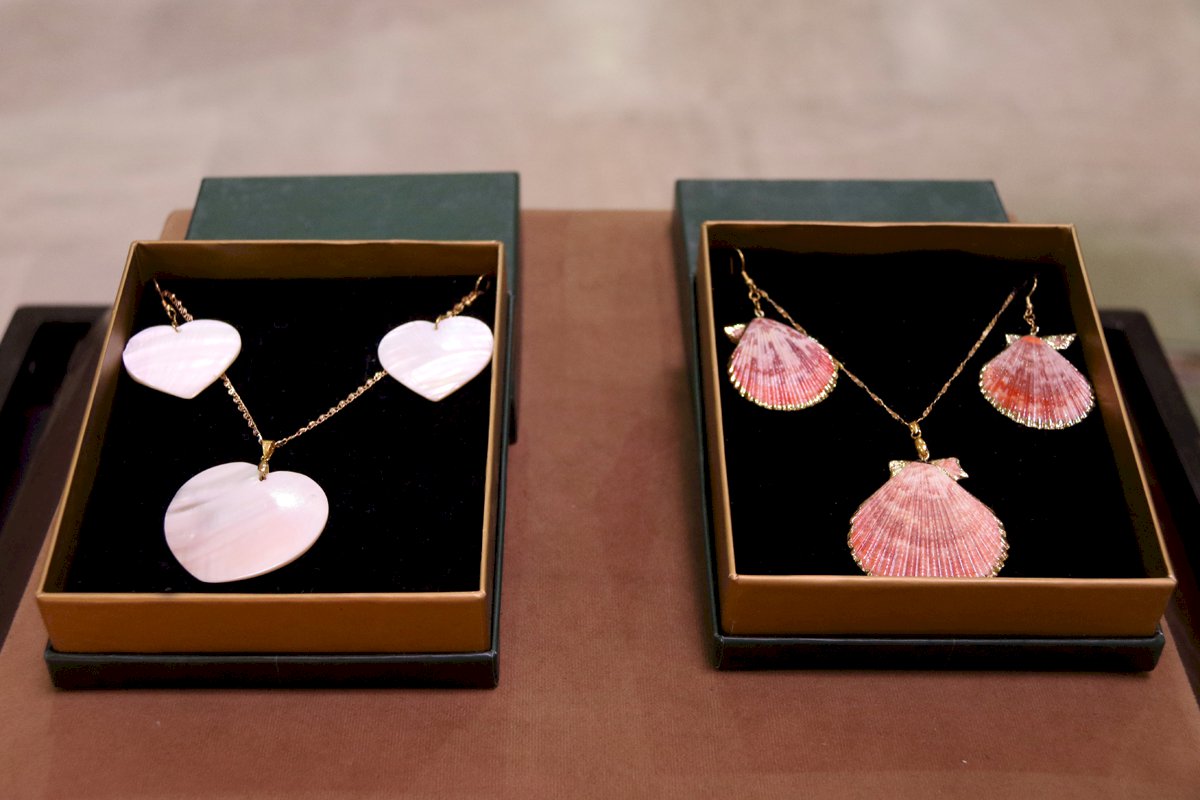
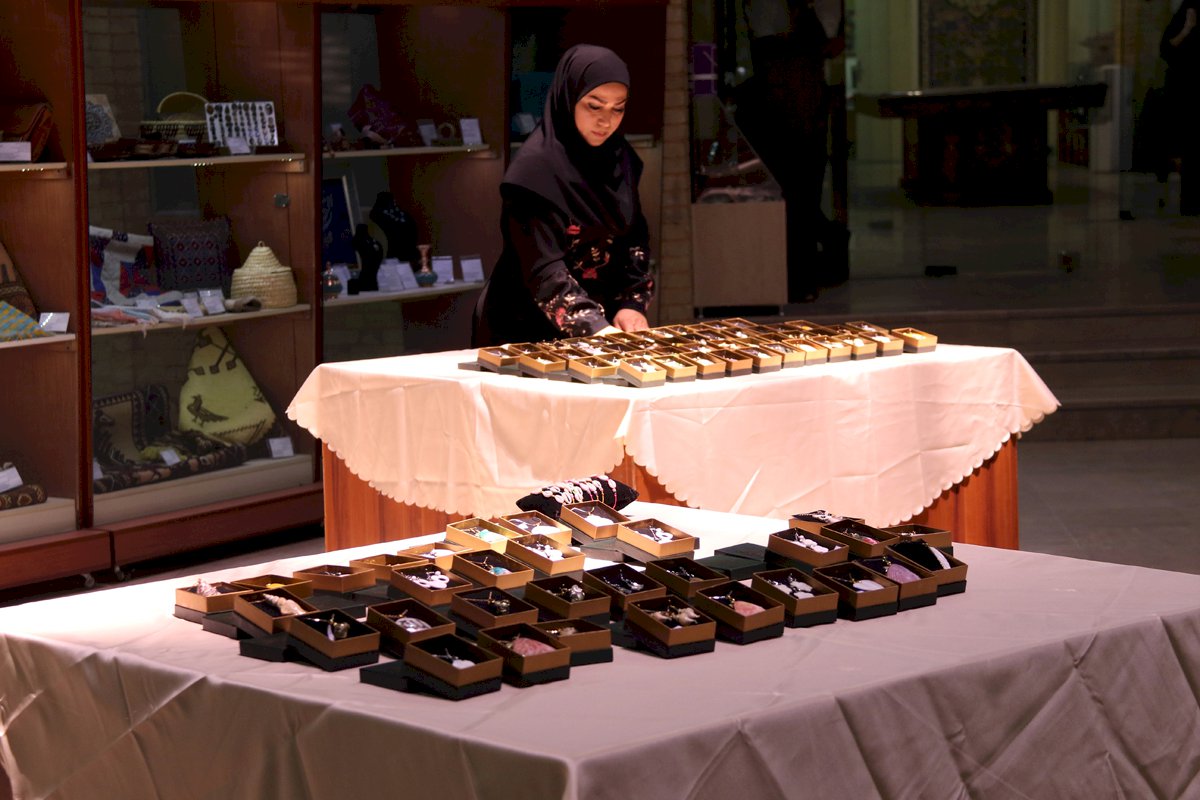
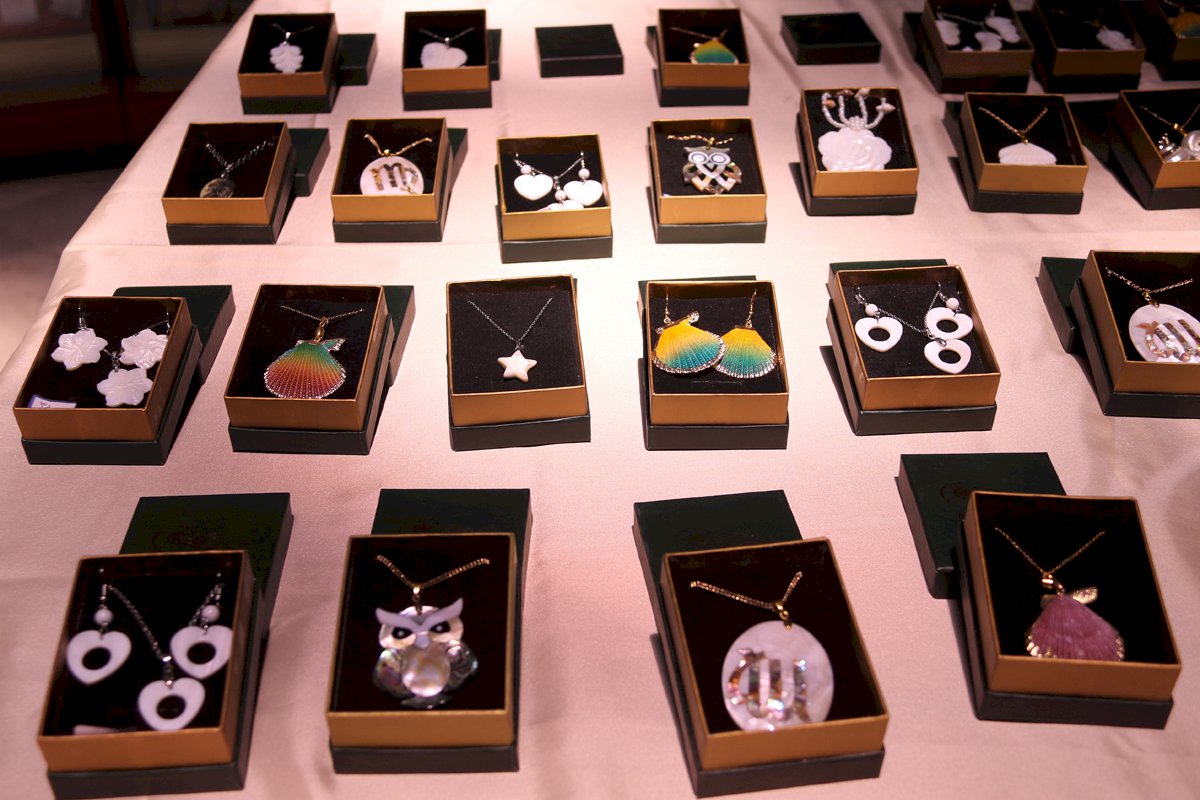
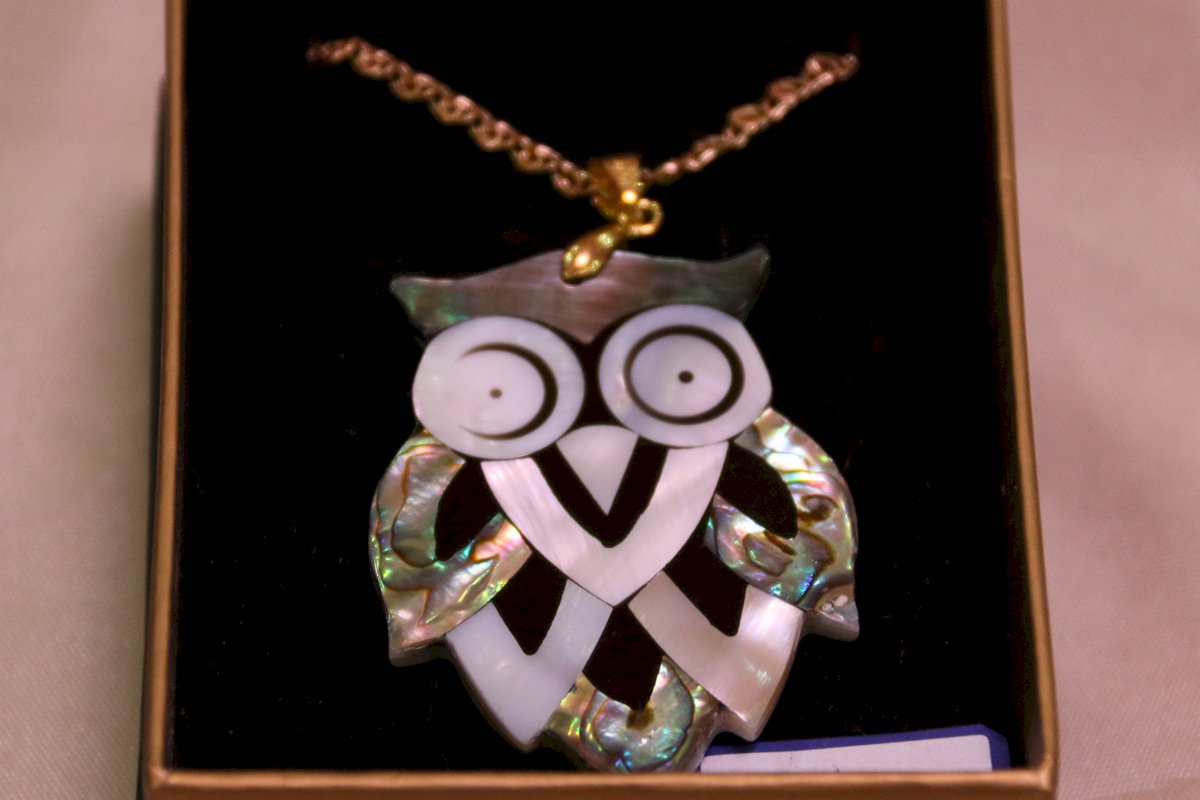
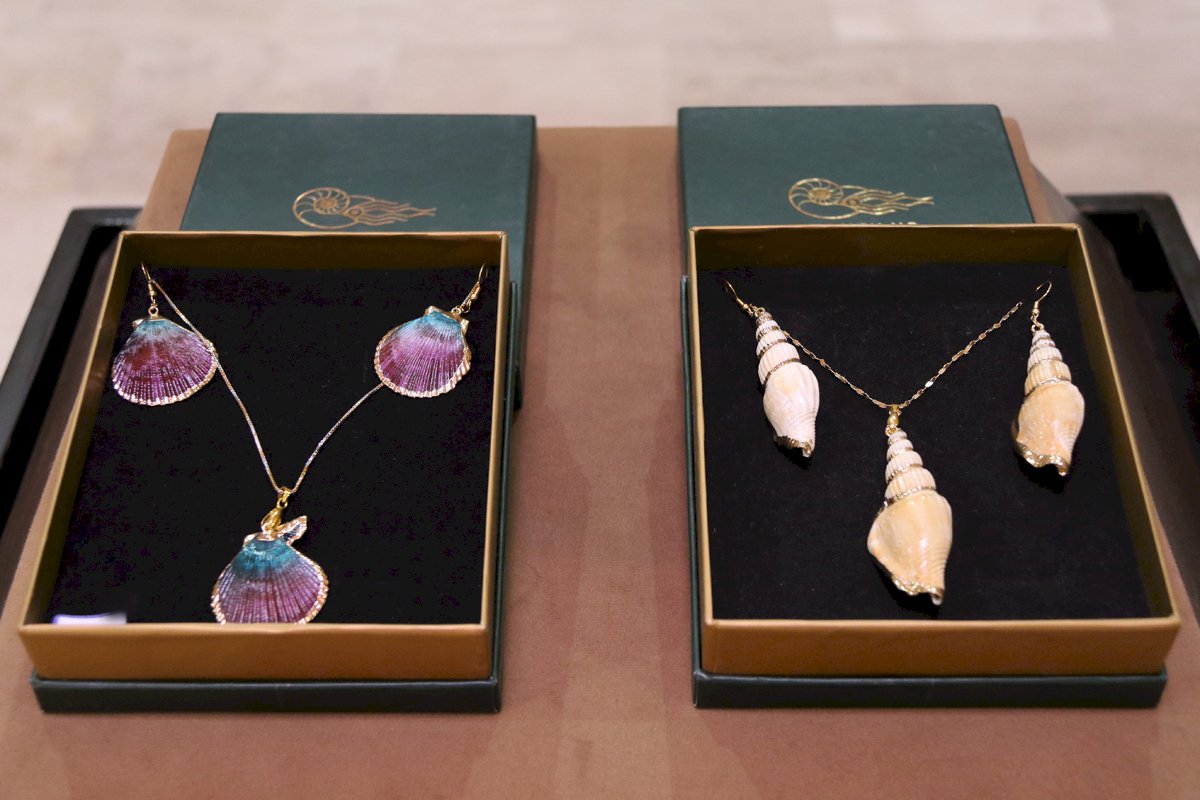
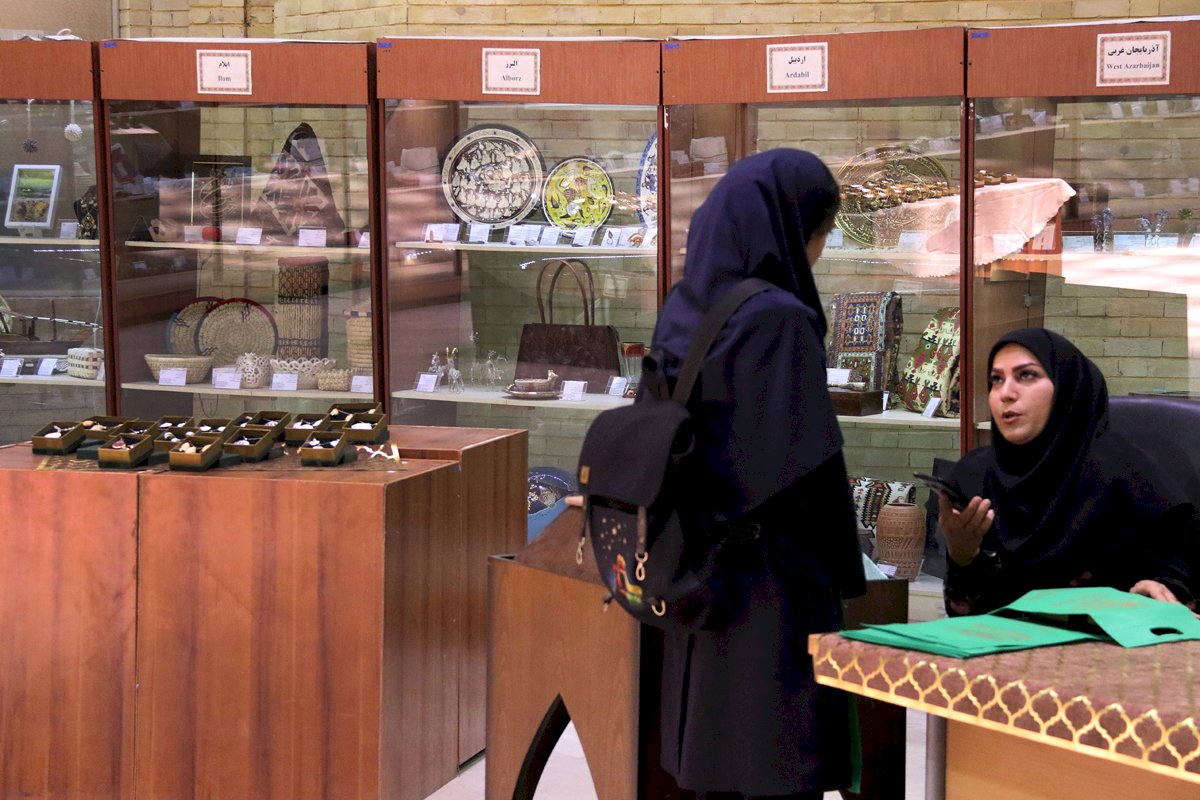
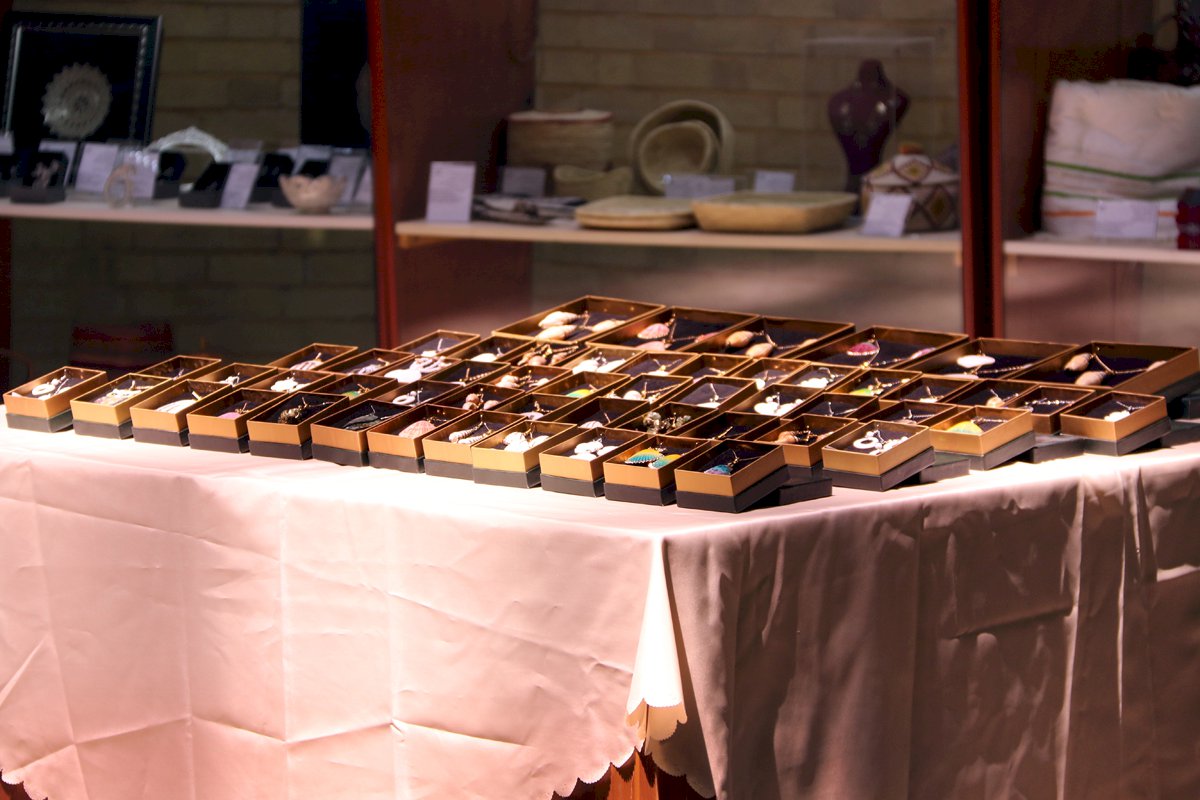
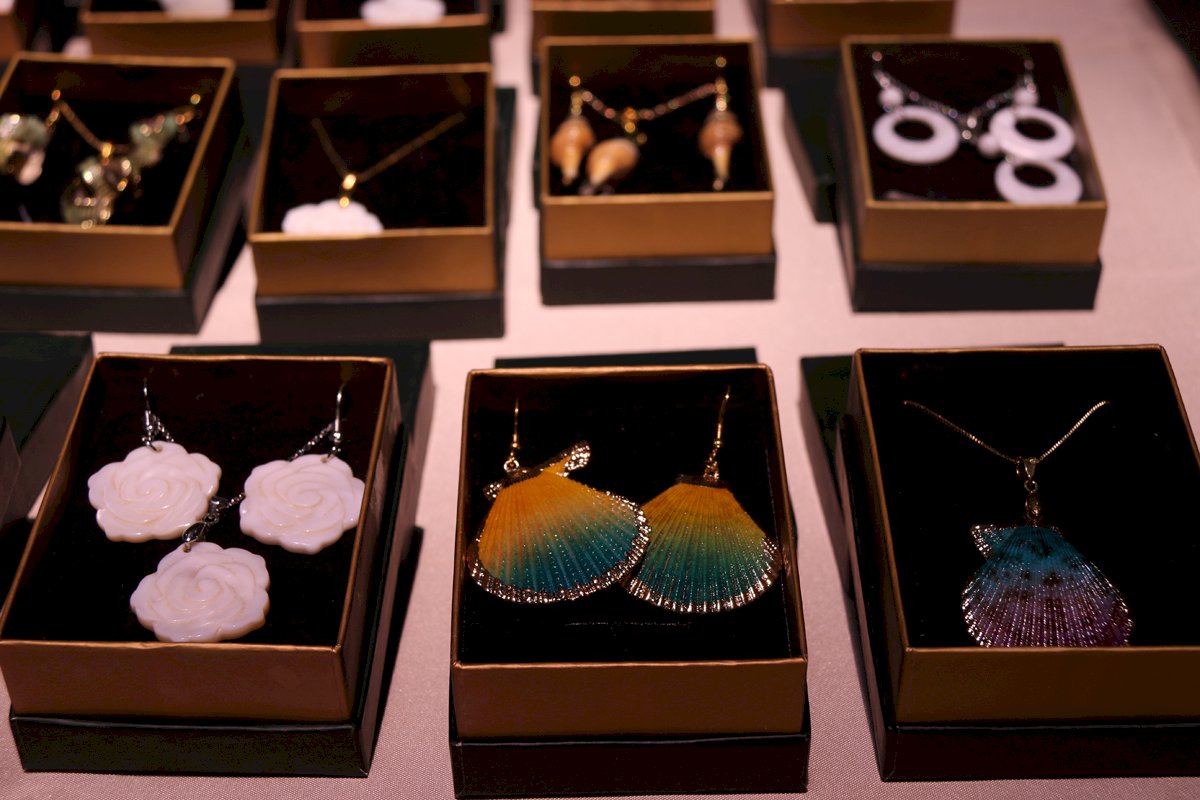
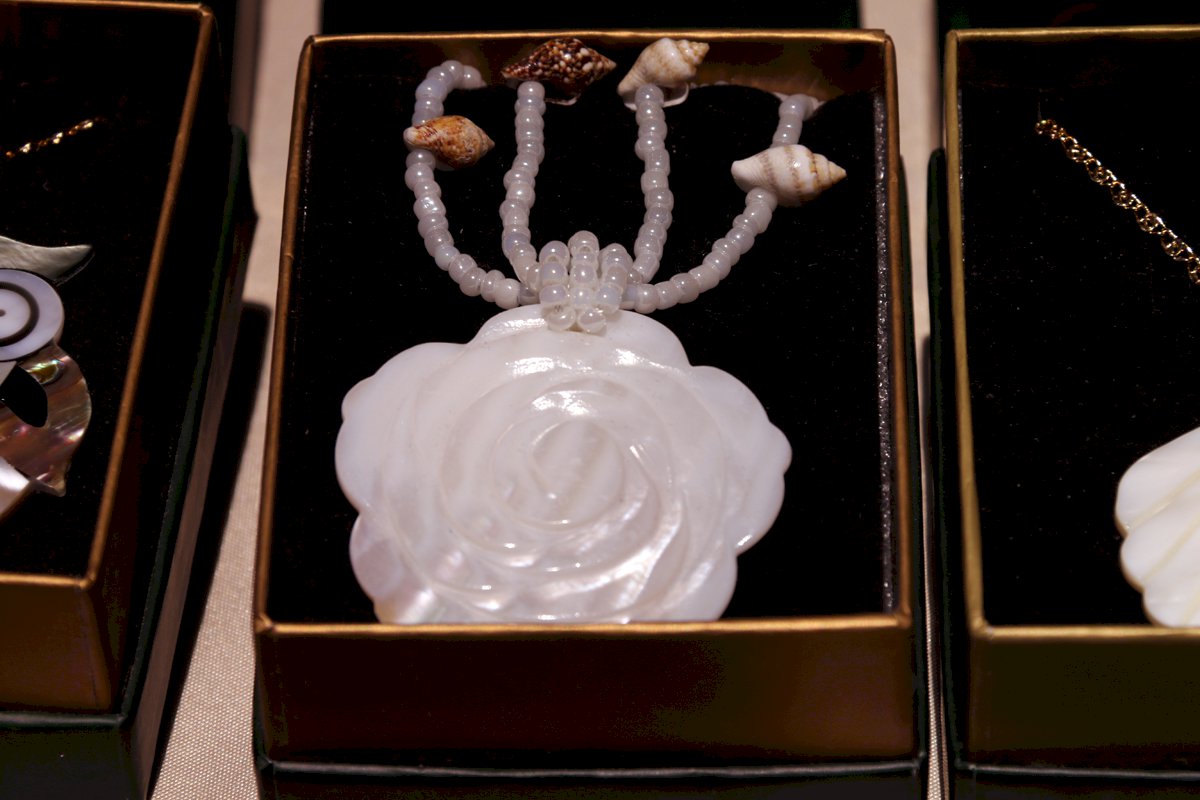
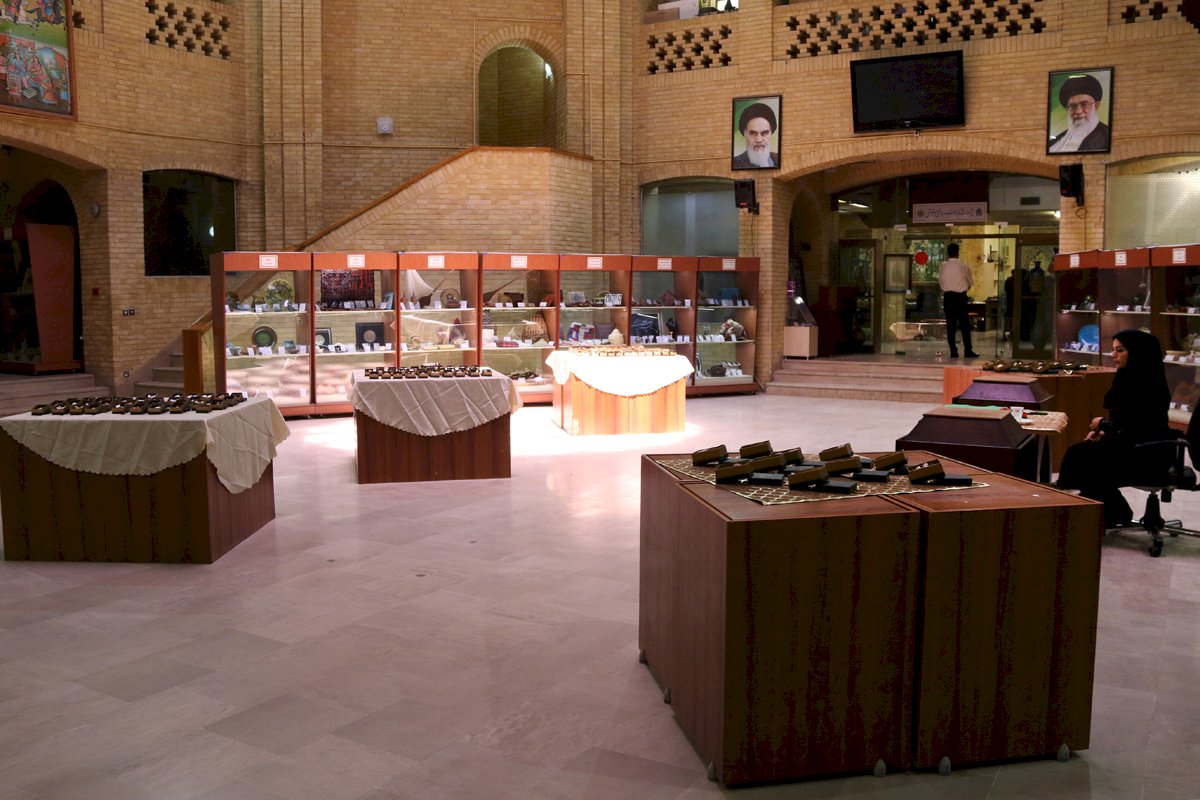
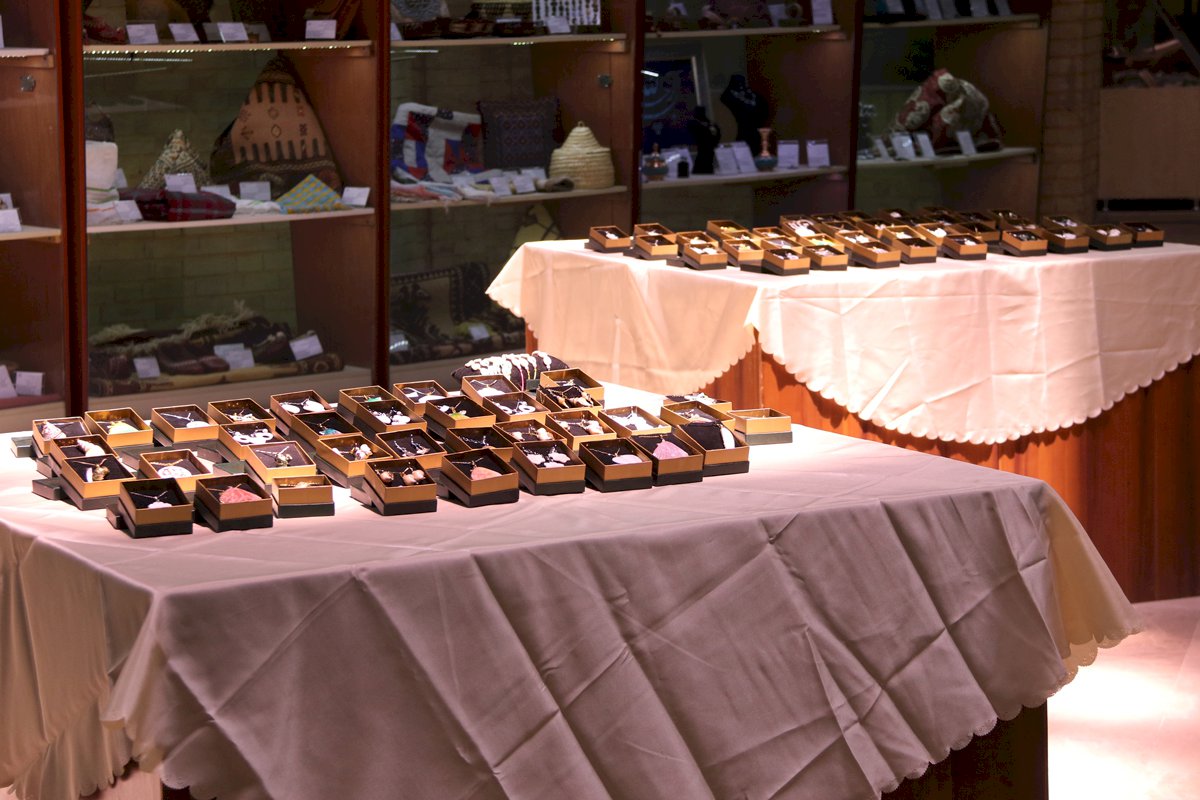
The main purpose of the exhibition is to introduce handicrafts in the form of oyster ornaments to enthusiasts of works of art that blend tradition with modernity through displaying items at a prestigious and artistic venue.
History of ornaments in Iran
Human beings have always felt like they need ornaments and jewelry and they have always welcomed and enjoyed such luxury items in all eras.
History tells us that in the year 2000 B.C., the inhabitants of the Iranian Plateau started to make jewelry and ornaments using colored beads. In this way, they showed their love for decorative objects and ornaments.
Archaeological studies show that the early ornaments humans used were teeth and claws of the animals they had hunted.
These objects were connected to each other using a string of natural fibers and formed a novel group of beads that seemed very beautiful.
The most ancient ornaments humans have used are oysters which were pierced artificially. After the making of metal ornaments and the use of gold, silver and precious gems, these ornaments mostly went to making royal necklaces, crowns, bracelets, weapons and war hardware for kings, costumes and feminine half crowns for dignitaries.
The Median culture and civilization is known as the pioneer of artistic style. Following the rise of the Achaemenid Empire, ancient Eastern cultures and civilizations got closer than ever and this marked a turning point in history.
Oyster ornaments
These molluscs have one or two (valvia) oysters that are made of lime. The shell of the oysters is often made of silicate. Some species of oysters are edible. But in Iran, people mainly use them for their pearls.
Oysters that produce pearls are pigeonholed in the category of bivalves and they are also used to make jewelry.
Ceylon Island, Red Sea, Philippine Islands and Japan are home to important oyster mines of the world. But the most important mines of oyster are in the Persian Gulf.
Oyster treatment techniques call for sufficient know-how and skill because while their shell is so hard, they could also easily crack and break.
The most expensive oysters are black, pink and blue. However, white and cream ones are more popular.
Benefits of using oyster in ornaments
Being a natural color palette, oysters give out most of the world’s colorful lights. Blue, green, and gold are the colors that could be found in an oyster.
In stone therapy, oysters are used to allay muscular pain and even heart and gastrointenstinal disorders.
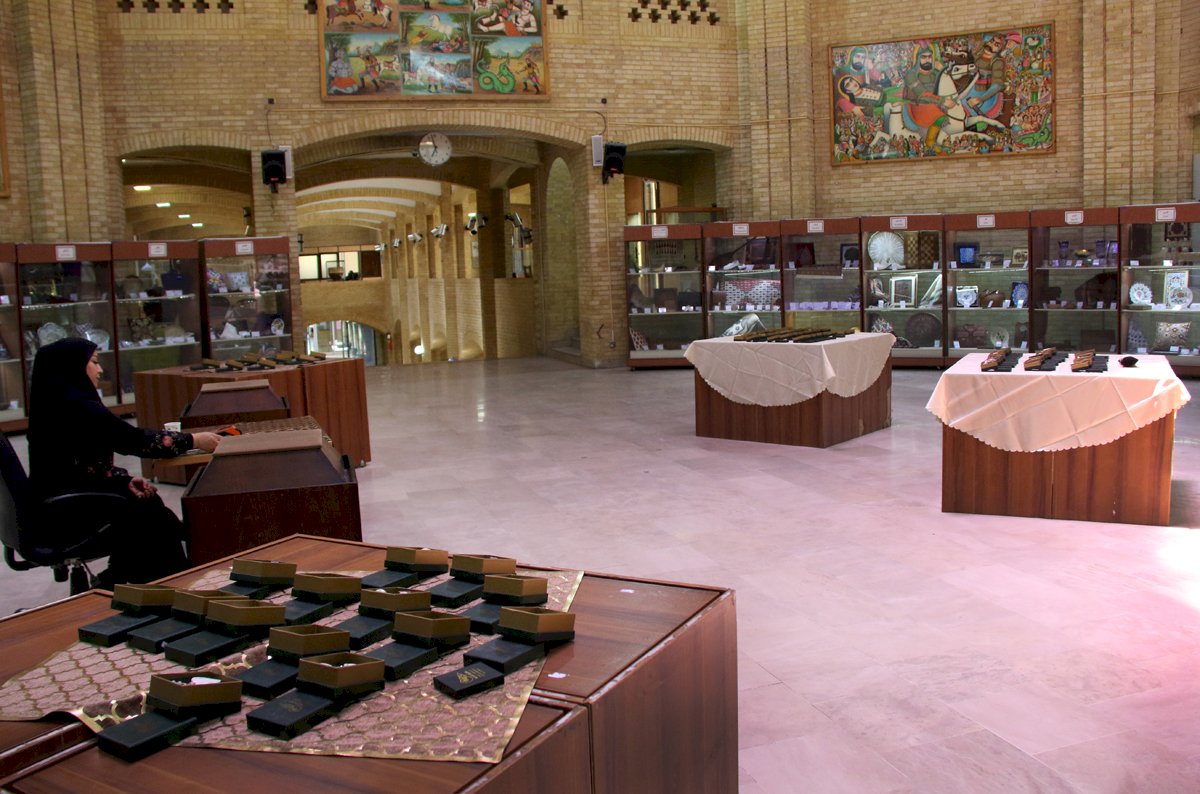
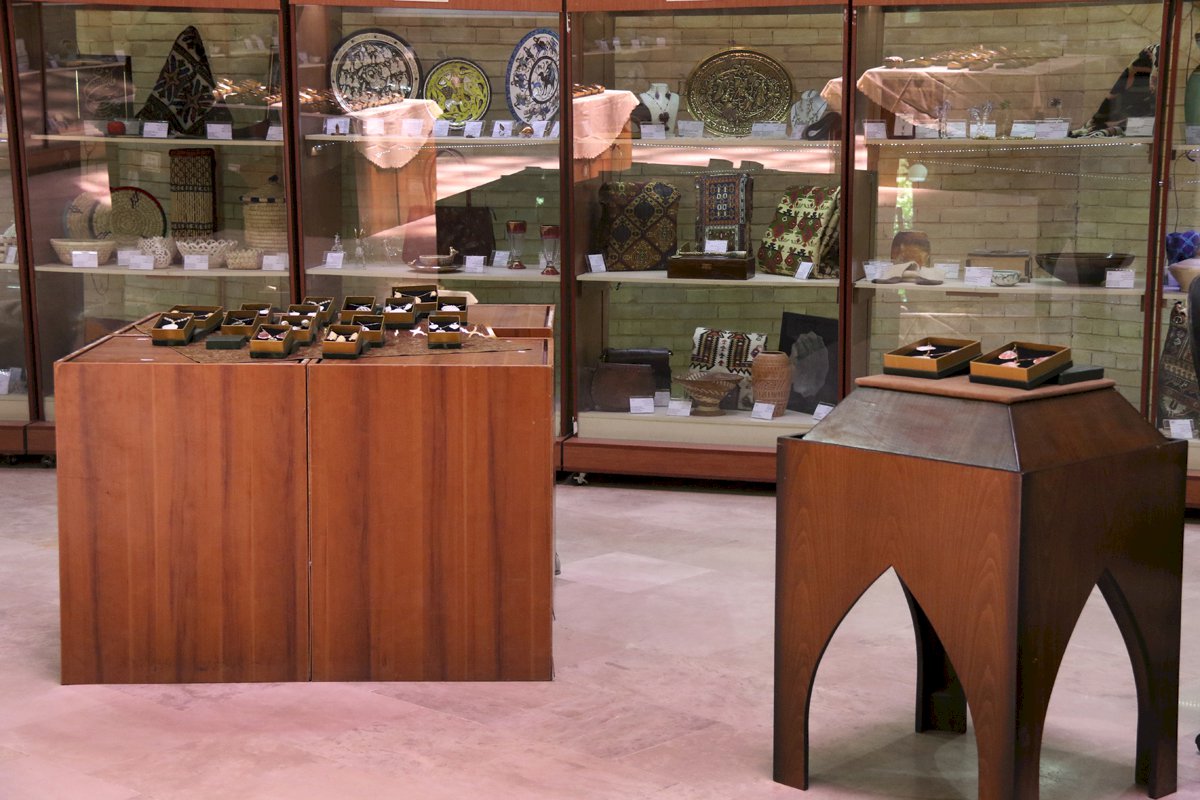
An exposition showcasing traditional and handmade Iranian oyster ornaments is underway at Iran’s Ministry of Cultural Heritage, Tourism and Handicrafts.
1 of 20
Visitors may refer to the central building of the ministry on Tehran’s Azadi Street, before Yadegar Emam Highway.
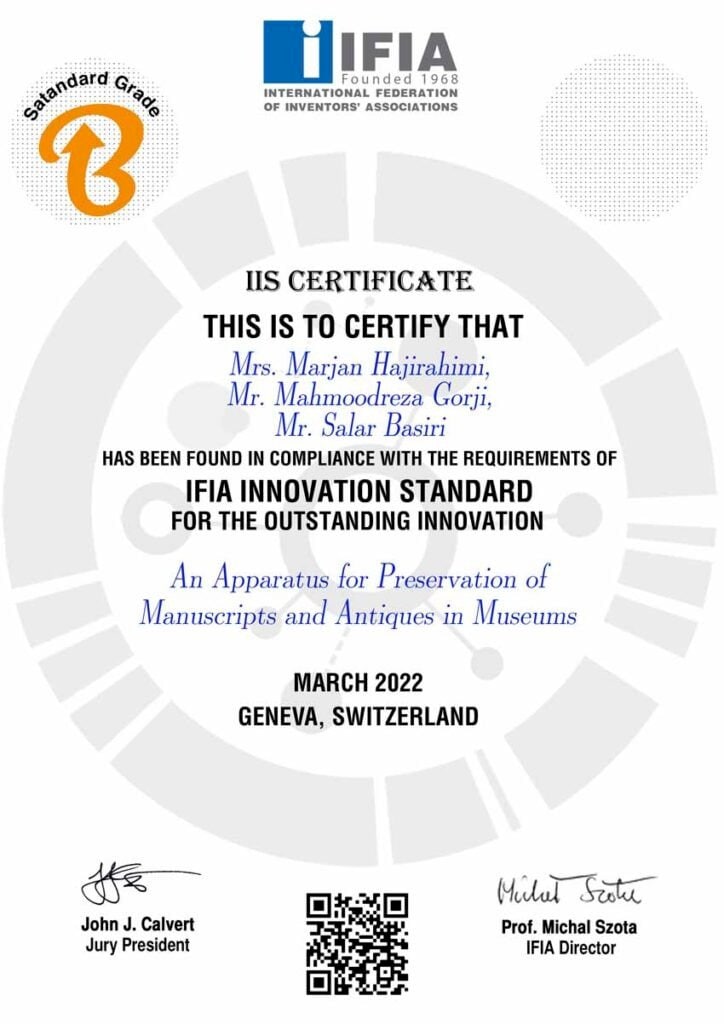
This is the first time ever anywhere in the world that an invention in the field of museum technology wins an IFIA standard certificate.
According to Iranian Students News Agency (ISNA), IIS certificates are given to innovations and inventions that an 11-member jury of the IFIA assesses as meeting the defined standards of the body.
The certificate is among the new services offered by the Geneva-based federation since the beginning of 2022 and is categorized in A, B and C grade licenses.
The museum invention of Iran, which is the work of Mahmoudreza Gorji, Marjan Haji Rahimi and Salar Basiri, achieved the maximum available points that make it a B-grade innovation.
Iran Museum innovation wins Turkey contests gold medal
The museum invention by the Iranian group, which, among other things, enables smart museums and their monitoring, won gold medals in the first edition of the inventions competitions, specific to members of the IFIA in Switzerland’s Geneva and also in the sixth edition of Turkey’s inventions exhibition held in Istanbul.
Execution of a project based on the museum invention in Tehran’s Armenians’ Museum
After the accomplishments, Tehran’s Ardak Manoukian meusum — the museum of Armenians in the Iranian capital – approved the implementation of the invention as a project and it was launched in an unveiling ceremony in the presence of experts of Cultural Heritage and Museum Curators Research Center.
Tehran’s Armenian Archbishop Sebouh Sarkissian as well as the International Council of Museum’s office in Iran also commended the inventor group for their invention and its pilot execution in Ardak Manoukain Museum.
Recently, during an Armenians’ garments exhibit, which was held at Royal Clothing Musuem of Saadabad complex in north of Tehran, to mark the week of cultural heritage, the invention was temporarily installed there to monitor the museum building (Shams Palace) and the objects on display there.
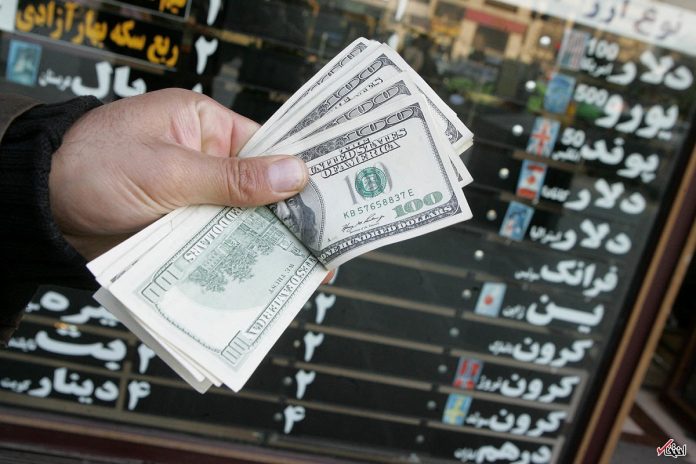
Deputy Chief of the Economic Security Police Brigadier General Sohrab Bahrami added that there were “fluctuations” in the foreign currency and gold prices over the past days, which he said were driven by profiteers leading illegal futures dealers to raise prices.
He said all futures deals for foreign currency are illegal and considered gambling and perpetrators will be held accountable for disruption of the national economic system.
There have been reports over the past days that the illegal trade is conducted through channels and pages on social media networks with the aim of disrupting the markets.
Zohre Elahian, who sits on the parliament’s national security and foreign policy commission, says the Zionist lobby is trying to undermine the Vienna talks between Iran and the P4+1 to revive the 2015 nuclear deal.
She says the regime attempts to open up new cases against Iran with no end in sight therefore “there is no need to respond to all these allegations.”
“Accordingly, the national security commission held a meeting last week and most of the members of the commission agreed that the cooperation [with the IAEA] should be minimized and some surveillance cameras should be turned off. Also, Iran’s uranium enrichment should be sped up and new generation of centrifuges should be installed,” she told Iran’s official news agency IRNA.
“It is necessary for this message to be sent to the IAEA that the Islamic Republic of Iran will not give in to sanctions and bullying.”
After the ratification of the anti-Iran resolution by the IAEA’s Board of Governors, Tehran announced the removal over two dozen surveillance cameras, installed at its nuclear sites as part of the inspection requirements of the 2015 nuclear deal.
Officials said the cameras operated by the IAEA under the Nuclear Nonproliferation Treaty remain in place.