Friday, January 16, 2026
Home Blog Page 1802

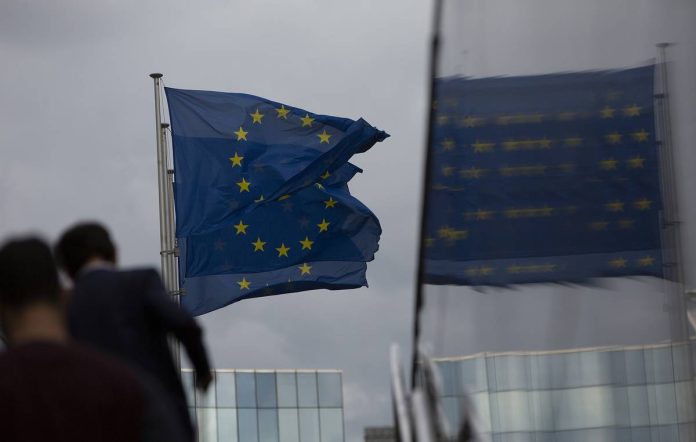
EU confirms receiving Iran’s response to bloc’s proposal

EU

Nabila Massrali, a spokesperson for EU foreign Policy Chief Josep Borrell says the bloc is studying Iran’s response along with other parties to the deal and the United States.

Iranian Foreign Minister Hossein Amirabdollahian on Monday said the reason why the Vienna talks have protracted is that Iran does not want to cross its red lines.

Amirabdollahian added, “We are at a point that can be the beginning of the conclusion of a deal, but it depends on the US how long it will take before reaching the agreement.”

He said if the US shows flexibility, Iran and the other sides will reach a deal in the coming days.

Iran delivered its response to the EU on Monday night. No details have been available so far.

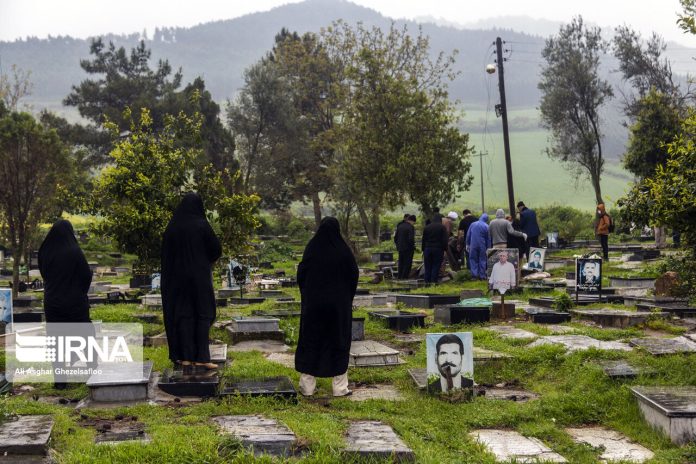
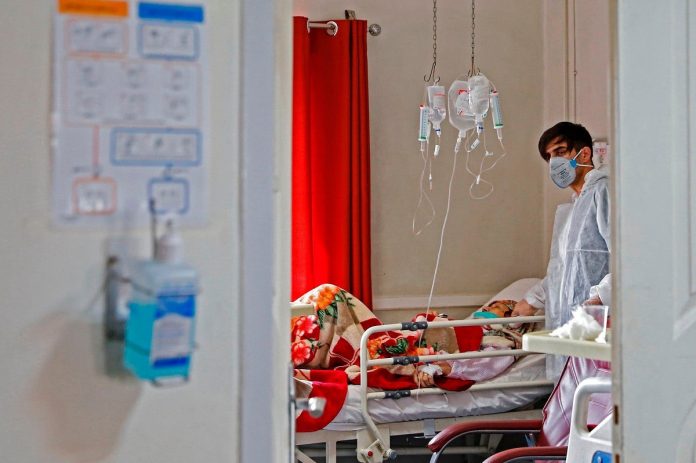
Covid kills 78 people in Iran in 24 hours

COVID in Iran

The deaths push Covid fatalities in Iran since the beginning of the Coronavirus pandemic to 143,093.

According to the health ministry, the Tuesday caseload was 5,972 that included 1,113 hospitalizations.

Meanwhile an Iranian epidemiologist says the Omicron BA.5 subvariant of the Coronavirus has put the brakes on the weeks-long diminishing trend in Coronavirus cases in Iran, dashing hopes that the seventh wave of the disease is over.

Massoud Younesian said the daily caseloads in Iran surged due to the fast spread of subvariant, notoriously known as the master of disguise against vaccines.

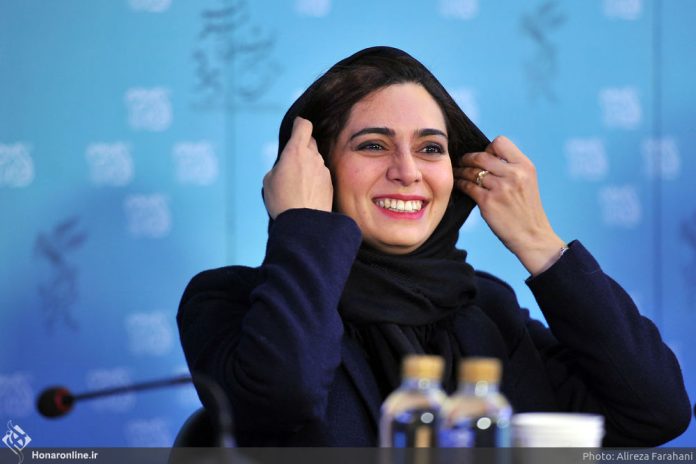
Iran’s Ahangarani awarded in Dokufest 2022 short film festival

Pegah Ahangarani

The short film was picked from among over 270 films screened in the 9-day festival held from August 5 to 13 in the city of Prizren in Kosovo.

The jury of the festival praised the short film, saying, “In a very remarkable way, Ahangarani’s film combines the calm photographic shots with the moving images of stormy crowds; the moments from the private family gatherings with the repression of collective dreams.”

In the short film, Ahangarani has used photographs, videos, and vivid recollections from her own childhood coupled with soundtracks to evoke a collective memory of the Iranian Revolution.

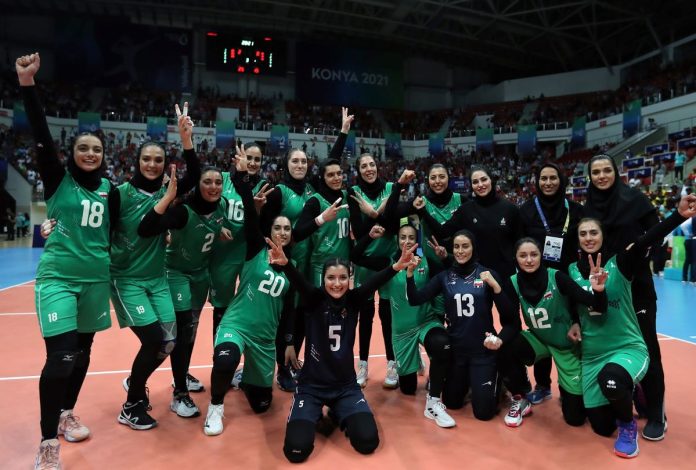
Iran’s women’s volleyball team takes silver at ISG 2021

Iran’s women’s volleyball team

The Iranian team lost to Turkey 3-0 (25-16, 25-14, 25-15) in the final match.

It was Iran’s second medal in an international tournament. The team won a bronze medal in the 1966 Asian Games in Bangkok, Thailand.

Azerbaijan won the bronze medal after defeating Cameroon 3-0 (27-25, 25-13, 25-17).

By winning the final match against Cameroon, Iran’s men’s volleyball team also claimed a gold medal in the 2021 Islamic Solidarity Games on Monday.

Iranian men’s volleyball team defeated Cameroon 3-1 (25-16, 18-25, 25-23, 25-14) at the Karatay Congress and Sports Center, Konya.

Turkey defeated Azerbaijan 3-1 in the bronze medal match.

More than 6,000 athletes and officials have descended on Turkiye’s Konya to compete in the fifth edition of the Games that opened on August 9 and are due to finish on August 18. Iran’s sports caravan attended this round of competitions with 240 athletes in 16 courses.

Over 4,000 athletes from 56 countries compete in the Games in Konya.

Ulyanov: Iran response to EU draft deal constructive, ball in US court

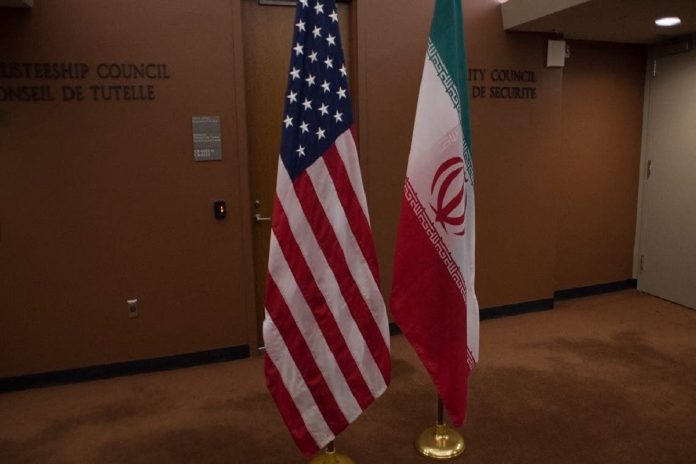
Iran US Flags

Mikhail Ulyanov, Russia’s permanent representative to the international organizations in the Austrian capital Vienna, said on Tuesday, Tehran has asked for guarantees to protect the restored Joint Comprehensive Plan of Action (JCPOA), adding the ball is in US court to decide whether it wants to return to the nuclear agreement after its withdrawal in 2018.

“One of the amendments that the Iranians introduced yesterday is precisely aimed at strengthening the guarantees,” Ulyanov was quoted as saying by Russia’s Sputnik.

Iran delivered its response to the European side of the talks on Monday night.

Tehran had already announced it needs written sanctions relief and economic engagement guarantees to reap the benefits of the nuclear agreement with the West.

The Russian representative also said an imminent meeting at the level of foreign ministers on the agreement and lifting of sanctions is not unlikely.

No details have been revealed about the content of Iran’s response by EU officials, but remarks made by insiders and officials on Monday indicated that both sides are closer than ever to an agreement after months of intensive negotiations in Vienna and Qatar’s Doha.

Reports claim that Iran has not mentioned anything about the safeguards, one of the outstanding issues during the talks.

Expert: Covid-19 downward trend stops, 7th wave not over

COVID in Iran

Dr. Massoud Younesian told Iranian Students News Agency (ISNA) on Tuesday that the caseloads in Iran have surged due to the fast spread of the subvariant, known as the master of disguise against vaccines.

Drawing on the same experience in other countries, like Bahrain, Iraq, and Bulgaria, he said a third peak of the surge is possible as the caseloads in many Iranian cities have been stagnating.

Dr. Younesian said the holidaymakers who recently hit the roads without observing health protocols were also responsible for the latest surge and advised pilgrims of the upcoming Arbaeen walk in neighboring Iraq, which is the largest religious congregation on the earth, to comply with health guidelines in all gatherings.

The virus killed 71 more people in Iran and 7,348 people tested positive for Covid-19, according to daily tally released by the Iranian health ministry on Monday.

Over 143,000 have succumbed to the infectious disease in Iran since the start of the pandemic over two years ago.

China says US hasn’t learned from its defeats in Afghanistan

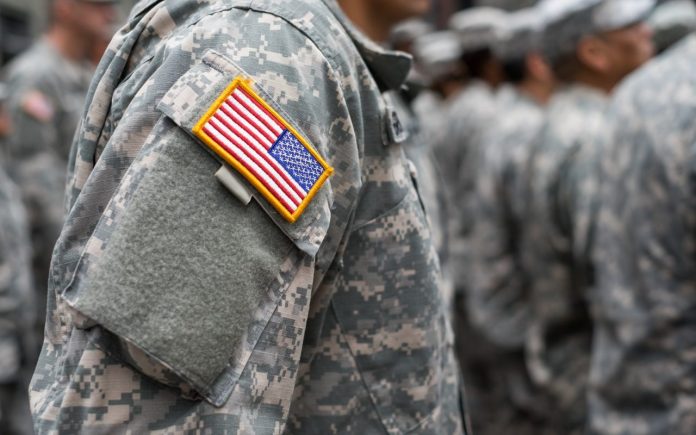
US Troops

“One year ago, the US troops ended its 20-year-long invasion of Afghanistan by hastily pulling out of the country from Kabul. The “Kabul moment” became a byword for the US’s debacle in Afghanistan,” Foreign Ministry Spokesperson Wang Wenbin said on Monday.

“The ‘Kabul moment’ marks the failure of the “democratic transformation” imposed by the US. A country’s path to democracy can only be explored by that country’s own population independently in light of their national conditions. The path to democracy varies from country to country, and will not work if it is imposed from the outside. Forcing the US-style democracy on a country has invariably led to dysfunction and failure of its implementation,” he added.

“The ‘Kabul moment’ also marks the failure of the US’s favored approach of mustering small, exclusive groups. The US and its allies have occupied Afghanistan for 20 years only to flee it in a botched withdrawal. The so-called ‘leader of the West’ left its reputation in tatters when it decided to ditch its allies in the hurried retreat,” the diplomat noted.

“More importantly, the ‘Kabul moment’ marks the failure of the US’s strategy of hegemony. Since the end of the Cold War, the US has been invading and interfering in countries across the world under the pretext of democracy and human rights, sowing discord and stoking confrontation for the sake of its own geopolitical objectives. The people in the world is widely against this,” the spokesman underlined.

“The US has failed in Afghanistan. But it clearly has not learned the lesson. It froze US$7 billion of Afghanistan’s foreign exchange assets to hamper Afghanistan’s reconstruction and development. What’s more, the US has never ceased to engage in political interference and manipulation worldwide in the name of democracy and human rights. It has even tried to build “small circles” in economic and technological spheres. Acting against the trend of the times will only lead to more ‘Kabul moments’,” he underscored.

After the US announced the end of its operation in Afghanistan and the beginning of its troop withdrawal, the Taliban launched an offensive against Afghan government forces. On August 15, Taliban militants swept into Kabul without encountering any resistance, establishing full control over the country’s capital within a few hours. Afghanistan’s President Ashraf Ghani stated he had stepped down to prevent any bloodshed and subsequently fled the country. On September 6, the Taliban announced they had taken control of the entire territory of Afghanistan, and on September 7, they announced that an interim government had been formed.

Iranian health minister questioned by MPs over mandatory Covid vaccine

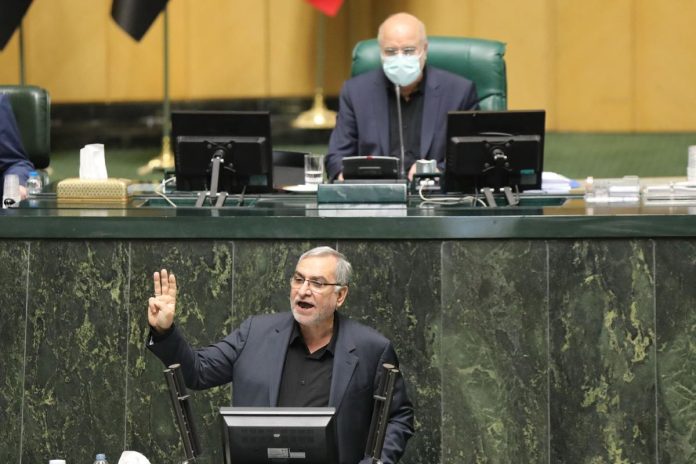
Bahram Einollahi

After hearing Bahram Einollahi’s response in an open session on Tuesday, members of the Iranian parliament put the health minister’s efforts to justify the plan to the vote, which was approved by 155 votes for, 73 votes against, and 5 abstentions.

The Iranian Parliament’s Health Committee had raised concerns that the mandatory vaccine scheme would make the nation “permeable to biological assassination.”

The parliamentarians argued that as over 85 percent of Iranians have received the jabs on a voluntary basis, and as 75 percent of vaccinated population in any society would provide herd immunity to curtail the outbreak, the health ministry should not have insisted on making the vaccine mandatory for the skeptic part of society.

The lawmakers also demanded the health ministry provide a detailed statistical report on the side effects of the coronavirus vaccines, including heart attacks and blood clotting.

According to the latest daily update released by the health ministry on Monday, the virus killed 71 more people in Iran and 7,348 people tested positive for Coronavirus in the past 24 hours.

Official figures say so far, 143,015 people have died in the country of the virus since the start of the Covid pandemic over two years ago.

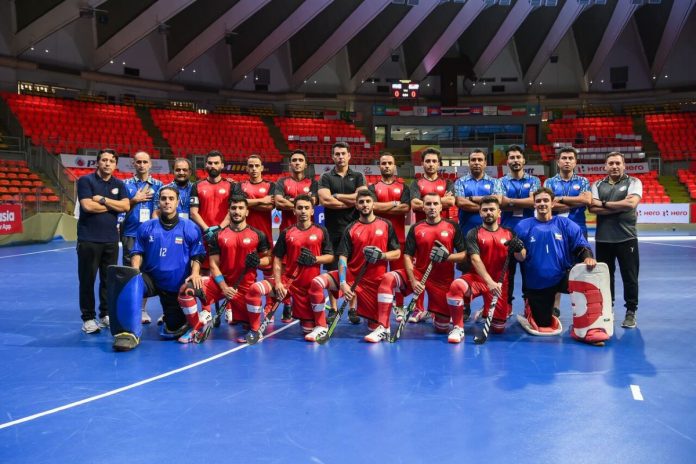
Iran’s indoor hockey team comes second in Asia

Iran’s indoor hockey team

The Iranian team faced Malaysia on Monday in the Asian indoor hockey final and lost 2-1 to its southeastern opponent in the penalty shootout.

At the end of the tournament, Amirmahdi Mirzakhani from Iran won the title of man of the match after scoring 13 goals.

Kazakhstan and Indonesia came in third and fourth place, respectively.

The Iranian women’s national hockey team also finished Asian competitions in fifth place on Sunday.

More than 6,000 athletes and officials have descended on Turkiye’s Konya to compete in the fifth edition of the Games that opened on Tuesday (August 9) and are due to finish on August 18.

Iran’s sports caravan attended this round of competitions with 240 athletes in 16 courses.

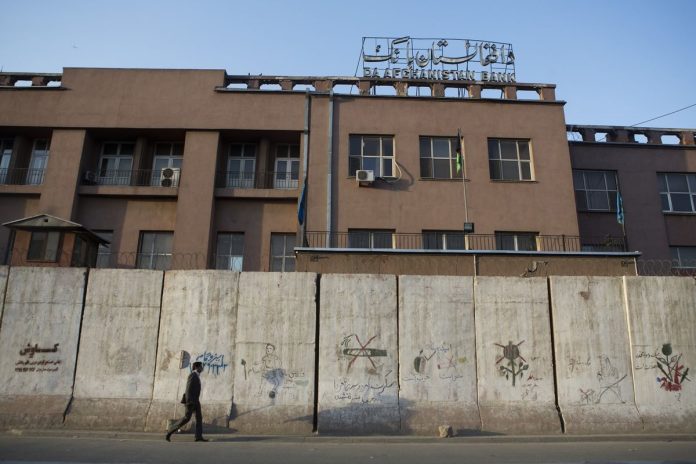
US officials say Biden not to release frozen Afghan funds

Afghanistan Central Bank

The decision reverses early indications of progress in talks between the US and the Taliban and deals a blow to hopes of an economic recovery in Afghanistan as millions face starvation a year into the group’s rule.

The US drone strike that killed al-Zawahiri late last month exposed deep rifts within the movement and fanned concerns in the West about a resurgence of global terrorism emanating from Afghanistan.

Zawahiri was living with his family in central Kabul, next to a guesthouse of Sirajuddin Haqqani, the Taliban’s powerful minister of interior. After the strike that killed the al Qaeda leader, the US suspended talks with Taliban banking officials and ruled out using some of the money for aid or other operations to stabilize the Afghan economy, after previously suggesting this could be an option.

The Afghan central bank needs those funds to resume key functions aimed at stemming soaring inflation, stabilizing the exchange rate and reviving the ailing economy.

“We do not see recapitalization of the Afghan central bank as a near-term option,” top US envoy Tom West told The Wall Street Journal in a statement.

West engaged banking officials for months prior to reaching this conclusion.

“We do not have confidence that that institution has the safeguards and monitoring in place to manage assets responsibly,” he said, adding, “Needless to say, the Taliban’s sheltering of al Qaeda leader Ayman al-Zawahiri reinforces deep concerns we have regarding diversion of funds to terrorist groups.”

The US remains the biggest aid donor to Afghanistan, with money distributed through international organizations and aid groups.

The Biden administration previously announced it was considering releasing half of the roughly $7 billion it holds for the benefit of the Afghan people while setting aside the rest pending litigation by relatives of 9/11 victims for compensation.

The White House was weighing using the proposed $3.5 billion trust fund for Afghanistan to pay for humanitarian aid and to inject funds into the struggling Afghan central bank, provided it could guarantee how that money would be used. Both options are currently off the table.

A White House spokeswoman said the government continued to engage in longer term talks with other foreign nations about the establishment of a fund to manage the reserves for the Afghan people.

“There has been no change in our approach, which always was and remains focused on finding a way for the funds to benefit the Afghan people, while not benefitting the Taliban,” the spokeswoman added.

Shah Mehrabi, a board member of the Afghan central bank appointed during the fallen US-backed republic, stated the decision to keep the funds on US soil could have disastrous real-life consequences on the already struggling Afghan people.

“Many poor women and children will not be able to buy bread and other necessities of life. The country will continue to depend on humanitarian aid, which is not a solution,” continued Mehrabi, who is also a professor of economics at Montgomery College in Maryland.

“Those reserves belong to the central bank, and have to be used for monetary policy,” he added.

The latest setback in relations between Afghanistan’s new rulers and the West comes as the Taliban mark one year since they returned to power after toppling the US-backed government in Kabul.

Despite early hopes the Taliban had changed, the group introduced some of the same measures that contributed to their isolation during their last period in power 20 years ago. These include banning girls from school after sixth grade, keeping women out of most government jobs and prohibiting women from traveling without a chaperone.

There are no planned engagements between the US and the Taliban on other topics of mutual interest, US officials noted.

Chief among these in Washington is the release of Mark Frerichs, an American contractor held by the Taliban for more than two years. In return, the Taliban are demanding the release of Bashir Noorzai, an Afghan drug lord with ties to the Taliban. Noorzai is currently serving a life sentence in the US for attempting to smuggle $50 million of heroin into the country.

The Taliban are eager to achieve international recognition, along with the lifting of sanctions and the release of billions of dollars in central-bank assets needed to stabilize the economy. Inflation is soaring, the banking system is hobbled and foreign companies are widely avoiding transactions with Afghanistan for fear of running afoul of international sanctions that target the Taliban leadership.

The United Nations has warned that over 90% of the Afghan population lacks sufficient food and nearly half of the population is facing acute hunger.

Since last year’s pullout, the US has taken some steps to address Afghanistan’s catastrophic humanitarian emergency. It remains the single biggest provider of aid, with over $774 million pledged to the country over the past year.

Since they seized power by force in August 2021, the Taliban have imposed harsh restrictions on women, while trying to establish cordial relations with Washington and other governments whose armies they once fought.

A blue-and-white mural painted on blast walls outside the Ministry of Foreign Affairs in Kabul lays out a priority for Afghanistan’s rulers: “The Islamic Emirate of Afghanistan wants positive and peaceful relations with the world.”

That tension was on full display after Zawahiri was killed by a US drone strike in central Kabul in late July. The Taliban swiftly condemned the attack on Afghan soil, but took days to address the allegation that the group was sheltering the terrorist leader.

“There is a level of understanding that a confrontation with al Qaeda, especially if there isn’t a good justification, could risk fragmentation of the movement—and that is what prevents any type of strong action against al Qaeda,” says Ibraheem Bahiss, an Afghan expert at the International Crisis Group.

“If al Qaeda chooses a new leader who is not in Afghanistan the Taliban may breathe a sigh of relief,” he adds.

In the aftermath of the attack, scattered anti-American protests took place in parts of the country, and the official Taliban reaction, when it arrived, was muted. In a statement issued after an emergency meeting of Taliban leaders in the southern city of Kandahar, the group announced it was unaware of Zawahiri’s presence in the country and would investigate whether he was killed in the strike.

“There is no threat to any country, including America, from the soil of Afghanistan,” the Taliban statement read.