
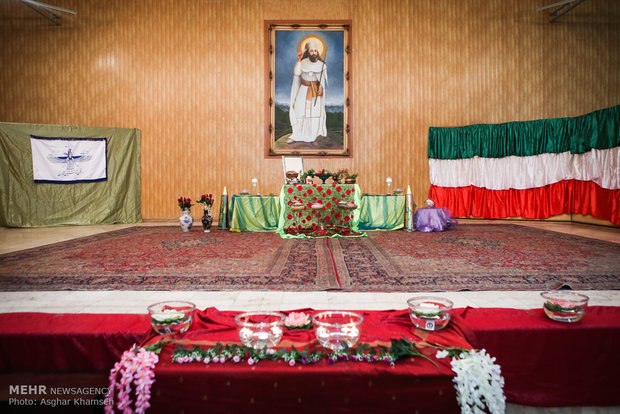
Mehregan, dedicated to Mithra (or Mehr), the ancient deity of light, covenant, and affection, dates back thousands of years to pre-Islamic Iran. Traditionally, it was regarded as a time to express kindness and renew bonds of unity among family and friends.
Beyond its religious roots, Mehregan has also gained recognition in recent years as a cultural heritage celebration, reflecting Iran’s ancient traditions of peace, truthfulness, and respect for nature.
Zoroastrians around the world, including in Iran itself and also in the US, Australia and Europe, are observing the occasion, which is one of the most ancient Persian festivals celebrating love, friendship, and gratitude. The ceremonies feature prayers, offerings of flowers and fruits, and the recitation of hymns from the Avesta.
Many participants wear colorful garments and set up beautifully decorated tables symbolizing prosperity, purity, and harmony.
Zoroastrianism is an officially recognized religion in Iran, and Zoroastrian Iranians enjoy full civil rights under the Iranian Constitution.
They are also free to profess their faith and observe their religious rituals.
