Sunday, December 21, 2025
Home Blog Page 4756

A look at Iranian newspaper front pages on August 26

Iranian Newspapers Headlines

The comments of the president and his intelligence minister about the upcoming elections dominated the front pages of Iranian newspapers on Wednesday.


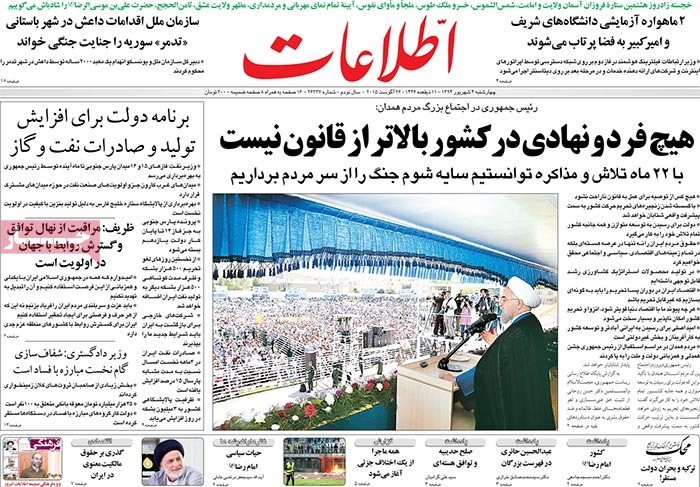
Ettela’at: “No person or institution is above the law in the country,” said President Hassan Rouhani.

Speaking at a gathering of local people in Hamedan, the president said his administration managed to dispel the ominous clouds of war on the back of 22 months of talks.

Highlights of Ettela’at newspaper on August 26

A look at Iranian newspaper front pages on August 26


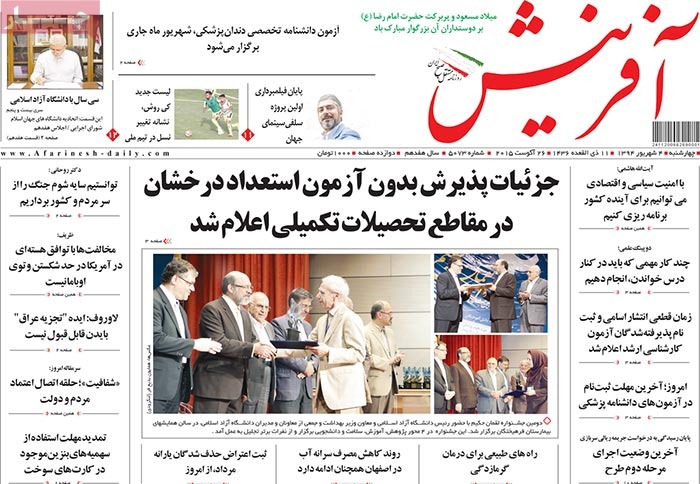
Afarinesh: Foreign Minister Zarif has said that opposition in the US [Congress] to the nuclear deal is not strong enough to override the executive veto.

Afarinesh: The Russian foreign minister has dismissed as unacceptable US Vice President Joe Biden’s idea on dividing Iraq into three autonomous regions.


A look at Iranian newspaper front pages on August 26


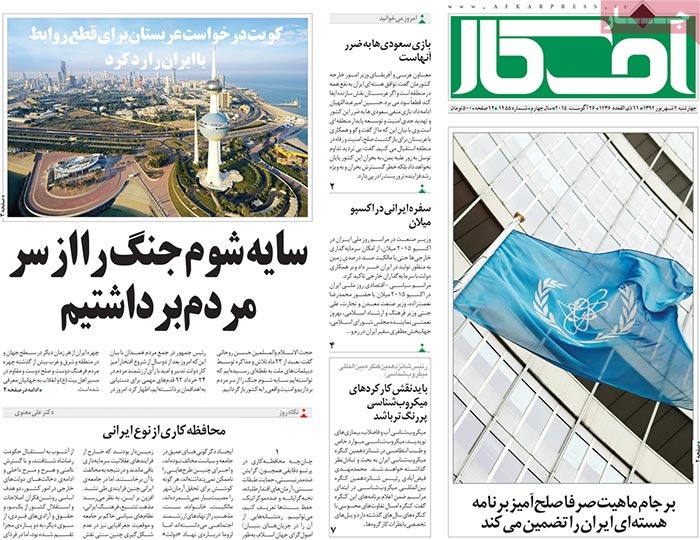
Afkar: Kuwait has turned down a Saudi request to sever ties with Iran.


A look at Iranian newspaper front pages on August 26


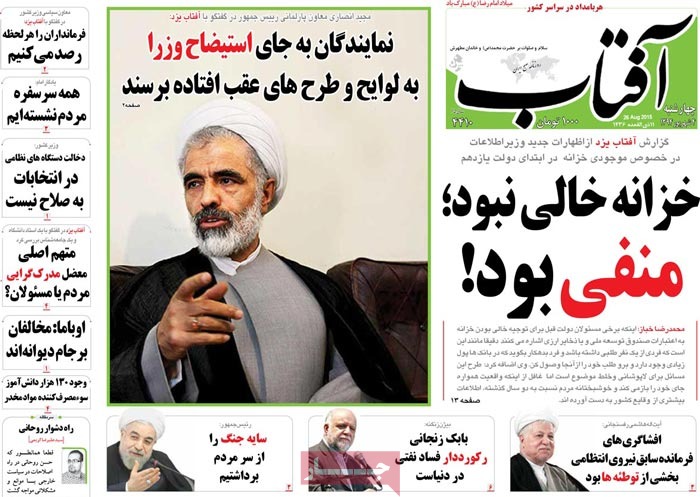
Aftab-e Yazd: The intelligence minister has said that government coffers were not simply empty, they were in the red when the 11th government took office.

Aftab-e Yazd: “Instead of impeaching government ministers, MPs had better take up the backlog of bills and motions they have on their hands,” said Vice-President for Parliamentary Affairs Majid Ansari.


A look at Iranian newspaper front pages on August 26


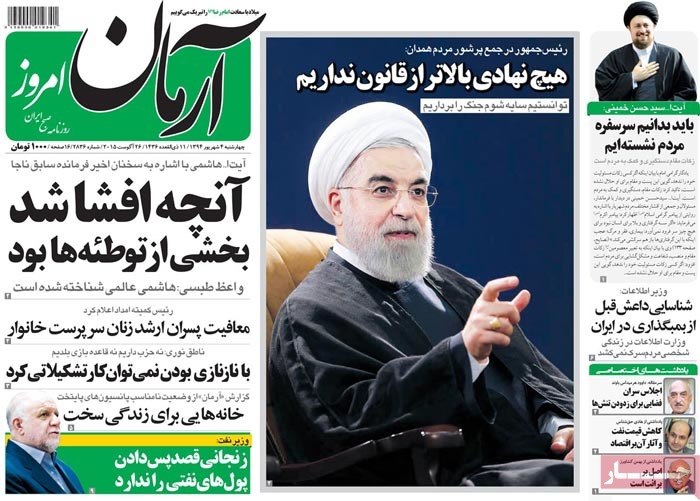
Arman-e Emrooz: The Iranian intelligence minister has said that security forces have arrested IS terrorists who had plans to set off bombs in five different areas across the country.

Seyyed Mahmoud Alavi further said in the operation more than half a ton of explosives was seized by Intelligence Ministry agents.

He went on to say the Intelligence Ministry does not pry into the private lives of citizens.


A look at Iranian newspaper front pages on August 26


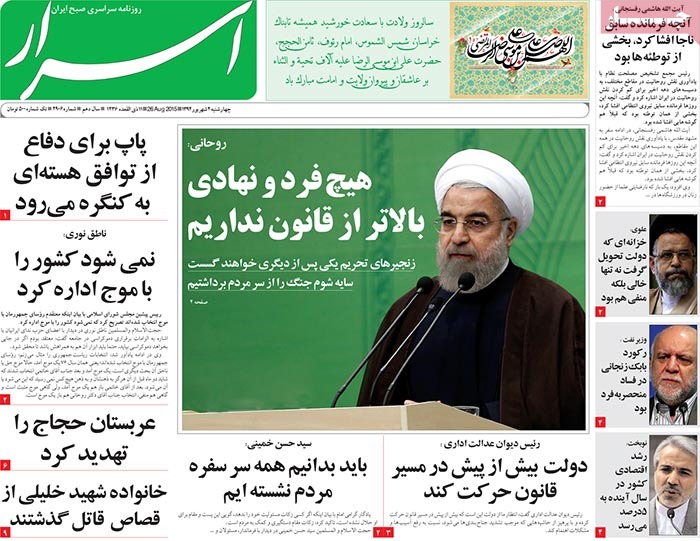
Asrar: “Economic growth reaches five percent next year,” said the director of the Management and Planning Organization.

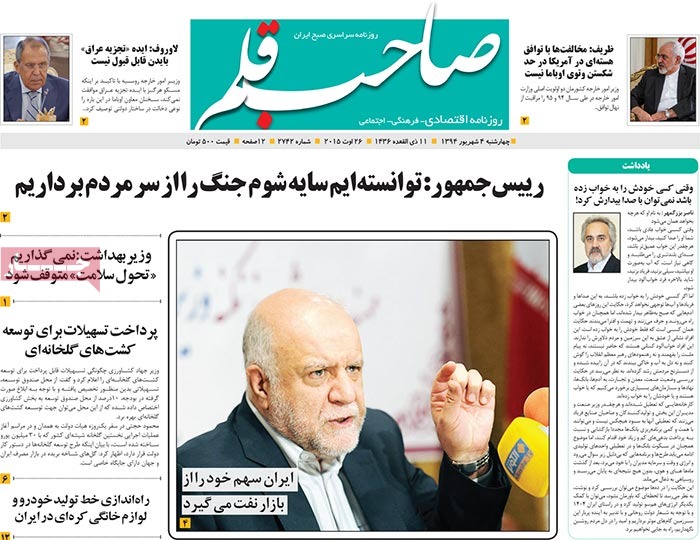
Asrar: “The record Babak Zanjani [a young billionaire who stands accused of massive fraud during the presidency of Ahmadinejad] set in embezzlement was unique,” said Oil Minister Bijan Namdar Zanganeh.


A look at Iranian newspaper front pages on August 26


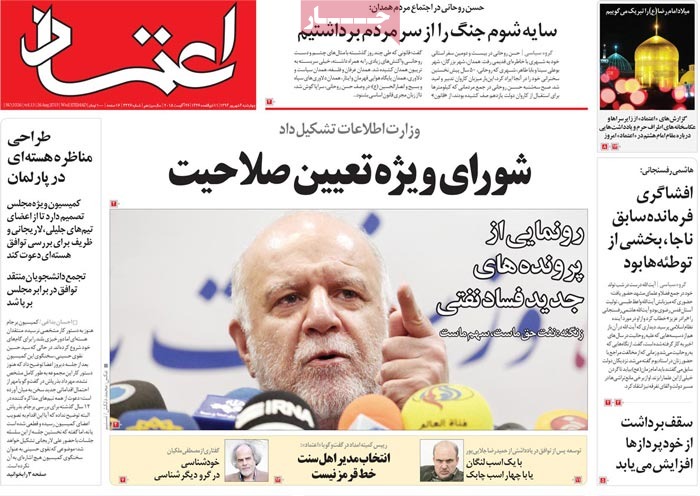
Etemad: Nuclear debate in parliament

Parliament’s JCPOA Review Committee seeks to invite nuclear negotiators led by Jalili, Larijani and Zarif to the chamber to discuss the Vienna nuclear deal.


A look at Iranian newspaper front pages on August 26


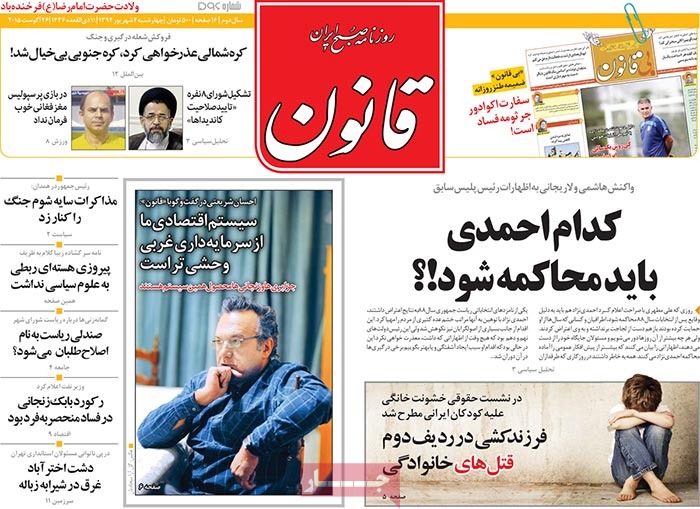
Ghanoon: An eight-member committee to vet prospective candidates


A look at Iranian newspaper front pages on August 26


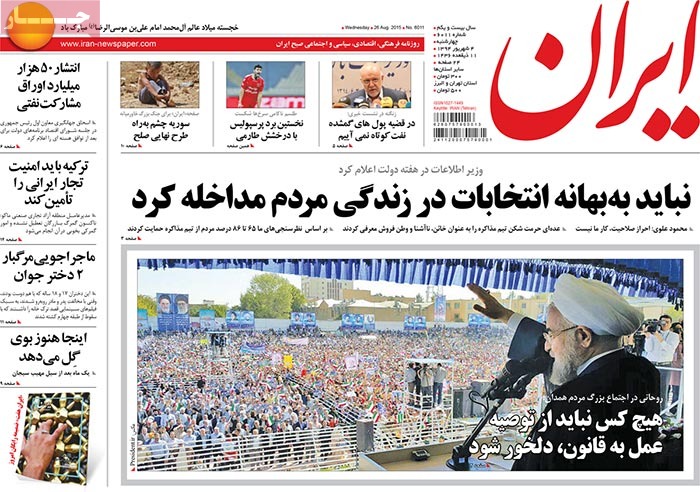
Iran: “Instructions on compliance with the law should not get under anyone’s skin,” said President Rouhani.


A look at Iranian newspaper front pages on August 26


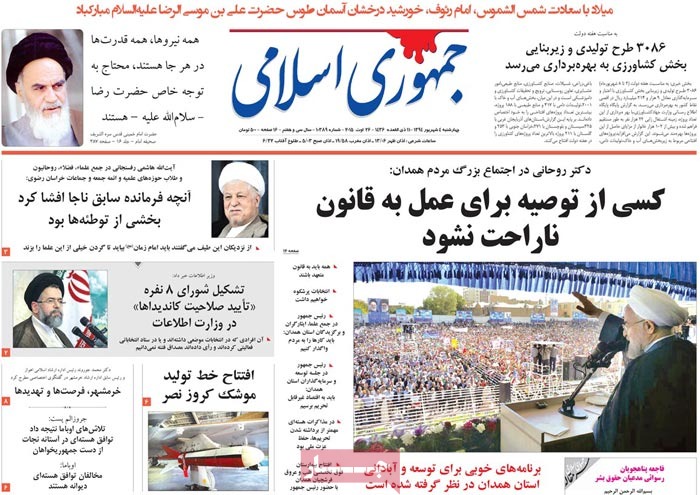
Jomhouri Islami: The production line of Nasr cruise missile has been inaugurated.


A look at Iranian newspaper front pages on August 26


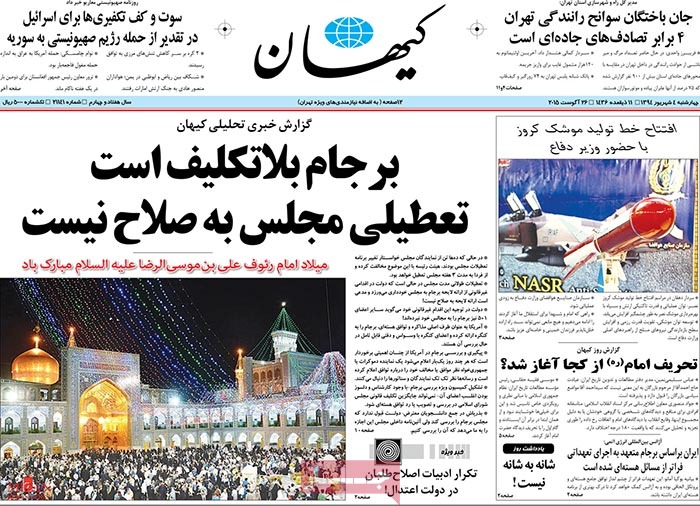
Kayhan: JCPOA is up in the air; parliament’s recess is not expedient.


A look at Iranian newspaper front pages on August 26


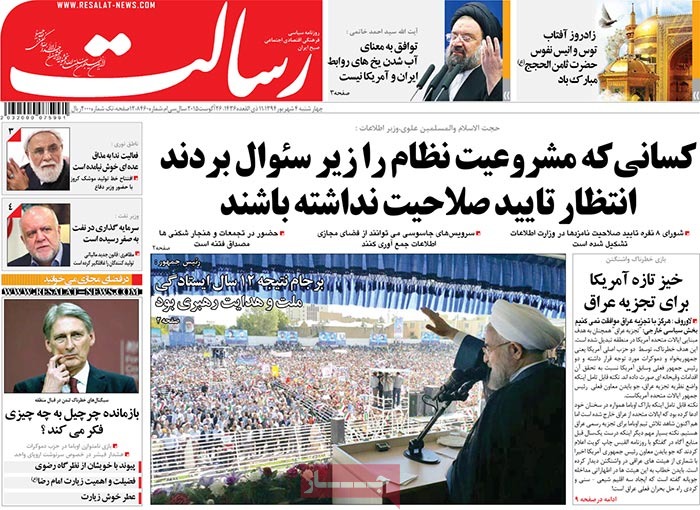
Resalat: “Those who doubted the legitimacy of the establishment should not expect to be given the go-ahead to run for public office,” said the intelligence minister.

Resalat: “The nuclear deal does not translate into a thaw in relations between Iran and the United States,” said Ayatollah Ahmad Khatami.


A look at Iranian newspaper front pages on August 26


Saheb Ghalam: “We won’t allow the Healthcare Transformation Plan to come to a halt,” said the Iranian health minister.


A look at Iranian newspaper front pages on August 26


Iran negotiating with China on construction of small reactors: Spokesman

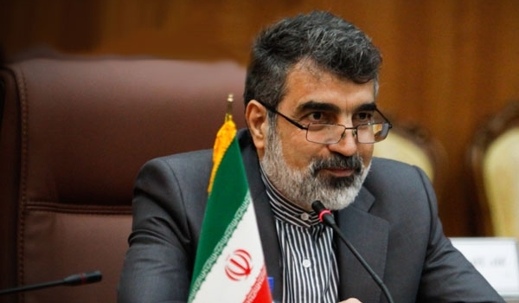
Kamalvandi

Spokesman of the Atomic Energy Organization of Iran (AEOI) Behrouz Kamalvandi announced that the AEOI is negotiating with China over the construction of small nuclear reactors.

“Talks are underway between Iran and China on building ACP100 small reactors; whenever we achieve results we will publicize it,” Kamalvandi, also an AEOI deputy chief, told reporters Tuesday.

He expressed hope that Tehran and Beijing would soon sign an agreement in this regard.

China National Nuclear Corporation (CNNC) has designed a multi-purpose small modular reactor, the ACP100. This is being developed by China New Energy Company. It has passive safety features, notably decay heat removal, and will be installed underground. It has 57 fuel assemblies, 2.15m tall and integral steam generators (287°C), so that the whole steam supply system is produced and shipped in a single reactor module.

In April, Kamalvandi announced the country’s plans to build small nuclear power plants on the rims of the Persian Gulf to desalinate water.

[…]

Iran’s VP, Russian minister of industry meet in Moscow

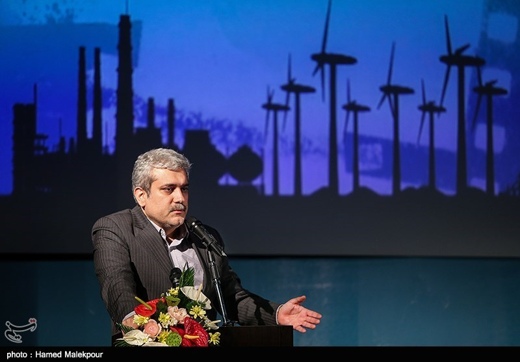
Sattari

Iranian Vice-President for Science and Technology Sorena Sattari and Russian Minister of Industry and Trade Denis Manturov discussed ways to promote cooperation between Tehran and Moscow.

At the meeting held in Moscow on Tuesday, Sattari highlighted the significance of closer cooperation between Iran and Russia, and said that the two states enjoy abundant potential for cooperation.

Sattari, who is leading an Iranian delegation on a visit to International Aviation and Space Show (MAKS-2015), said the two sides will ink about 10 cooperation agreements.

Also at the meeting, Manturov said the two countries favor all-out development, especially in aviation industries and industrial centers.

He said the Russian industries will hold exclusive exhibition in Tehran, and invited the Iranian investors to participate in the country’s economic undertakings.

Sattari is also slated to attend the first meeting of the Iran-Russia Joint Science and Technology Cooperation Committee on Wednesday.

The Russian deputy prime minister in charge of the space industry, Dmitry Rogozin, will attend the meeting as well.

International aerospace show MAKS-2015 opened on Tuesday on the airdrome of the Mikhail Gromov Flight Research Institute in the town of Zhukovsky to the southeast of Moscow. It will run through August 30.

Organizers of the show expect a greater number of participants and visitors than the one reported at MAKS-2013, according to TASS News Agency.

MAKS-2015 is playing host to 150 companies from 23 foreign countries and over 580 companies from various regions of Russia.

Tehran to start nuclear commercialization under JCPOA: Rouhani

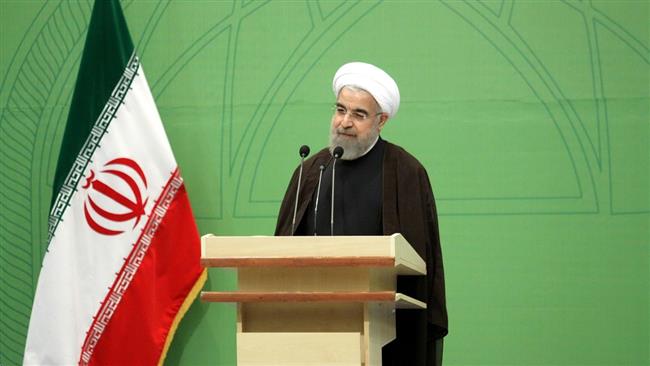
Rouhani

President Rouhani has said that Tehran aims to start the process of nuclear commercialization following the conclusion of nuclear talks between the Islamic Republic and P5+1.

United Nations Security Council “Resolution 2231 not only recognizes our nuclear program, but also urges world powers to cooperate with Iran,” he told reporters in the western city of Hamadan Tuesday, adding that Tehran will start nuclear commercialization by importing yellow cake and exporting enriched UF6.

Rouhani also stressed that “under the Joint Comprehensive Plan of Action (JCPOA), Tehran intends to use a new technology in Arak nuclear complex in coordination with two members of P5+1.”

We hope that Iran’s nuclear agreement is fully implemented and we can attract more foreign investment, the president added.

Rouhani also hailed the efforts of Iran’s negotiating team during the nuclear talks with six world powers, saying that the Iranian nation should be informed about the “great work” of the country’s diplomats.

[…]

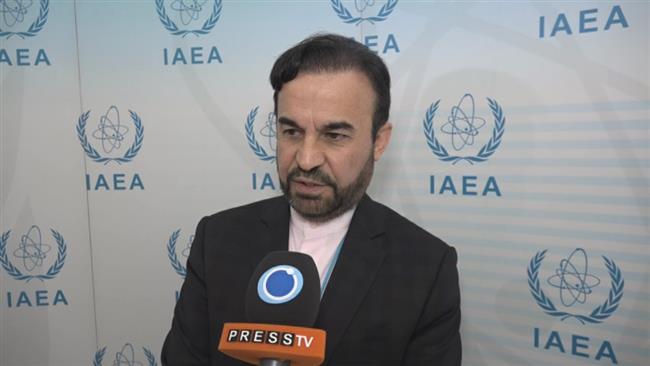
Iran to apply Additional Protocol under JCPOA: Najafi

Najafi

Iran says it will start implementing the Additional Protocol to the Nuclear Non-Proliferation Treaty (NPT) under the terms of its agreement with six world powers.

Iran will begin to implement the Additional Protocol “according to the Joint Comprehensive Plan of Action (JCPOA),” Iran’s Ambassador to the International Atomic Energy Agency (IAEA) Reza Najafi told Press TV in Vienna, Austria, on the sidelines of an IAEA Board of Governors meeting on Tuesday.

The Additional Protocol requires member states to provide an expanded declaration of their nuclear activities and grant the agency broader rights of access to their nuclear sites.

[…]

Beyond the Additional Protocol and the safeguards agreement, he said, Iran will take “[a] few” transparency measures related to “uranium mines and centrifuges workshops.”

He further noted that the measures will be taken for a “limited period of time” and will be “just for the sake of transparency.”

Najafi also pointed to the IAEA’s commitments regarding the confidentiality of information on Iran’s nuclear program, saying, “Till now what we have witnessed is that the agency is fulfilling its obligation and regarding the preparatory process… we witnessed the support and I believe that overwhelming support of members of the IAEA, especially those who were involved in the process, is a good sign and we try to be optimistic and we will wait to see when the implementation day comes.”

Najafi further noted that Iran is “in close contact with the agency” about the documents clarifying past and present outstanding issues pertaining to its nuclear program.

Also on Tuesday, IAEA Director General Yukiya Amano said in a statement to the Board of Governors that Iran’s recent agreement with the nuclear monitoring agency did not “compromise” the agency’s standards “in any way.”

In line with a roadmap signed between Iran and the IAEA in mid-July, Tehran provided the agency with explanations in writing and related documents on August 15 in order to clarify past and present outstanding issues pertaining to its nuclear program, Amano said.

As agreed in the roadmap, all activities are set to be completed by October 15, the IAEA chief said. He added that he would present his final assessment of Iran’s nuclear activities to the Board of Governors by December 15.

Amano also expressed the IAEA’s readiness to “undertake the necessary work” regarding JCPOA, noting that Iran and P5+1 would set up a joint panel to monitor the implementation of JCPOA.

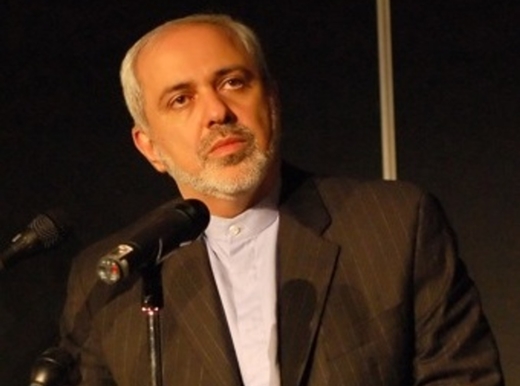
Elections, not negotiations defeated sanctions: Zarif

Zarif

Foreign Minister Mohammad Javad Zarif said that the reason for the failure of sanctions was the elections and not the negotiations, and added that the elections stopped the embargos.

“When Supreme Leader of the Islamic Revolution Ayatollah Seyyed Ali Khamenei called the presidential election as political epic it was because the election caused the sanctions to fail,” Zarif said Tuesday.

He said that the anti-Iran sanctions were against the most basic human rights, and added, “You could not open a bank account even to buy medicine and foodstuff and you had to pay in cash.”

Zarif said that the Islamic Republic of Iran is today in true sense of the word powerful enough to influence minds and hearts.

Addressing a group of officials, Zarif said dimensions of power are reflected in Iran’s Islamic Revolution which should be interpreted as stabilization of the country’s power.

He said, “Today nobody considers the Islamic Republic a threat and instead all take Israel as a menace; if God willing it goes on this way, Israel will no longer be able to justify the crimes it commits. Formerly, when there were words on expansion of Jewish settlement or suppression of Palestinians, there were also discussions on Iran’s nuclear arms.”

He noted, “We are not a threat; on the contrary, we contribute to security. As a country we are not a threat to anybody because in terms of geographical position, facilities as well as spiritual and human resources, we lack nothing.”

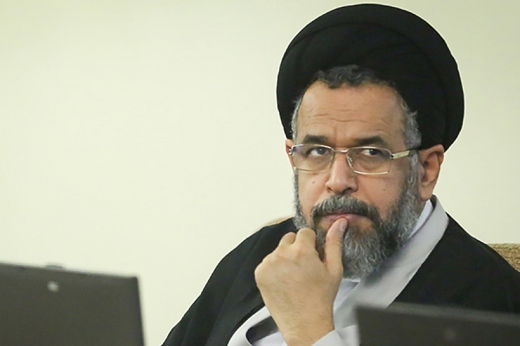
People support nuclear talks: Minister

Iran's Intelligence Minister Seyyed Mahmoud Alavi

Intelligence Minister Seyyed Mahmoud Alavi has said that so far four opinion polls have been conducted on nuclear talks and the negotiating team. The result shows that 65 to 86 percent of people support the talks and the negotiators.

He said in the opinion polls people said the negotiators have not trespassed the red lines.

The minister said that the Supreme Leader approved of the principle of nuclear talks in order to make the world understand that Iran has logic and also supported the negotiating team in order to encourage those who seek to defend the rights of the Iranians.

“The Leader’s guidelines led to the development of a bright path with transparent red lines in the nuclear talks on which the work will proceed,” Hojatoleslam Alavi further said, adding that however, while some described the talks fair and rational some others started to undermine the team by calling its members traitors but the Leader said the negotiating team did a revolutionary job amid the US dishonesty and called them honest, faithful and courageous.

“We achieved 70 to 80 percent success in the talks and it is not fair to cast doubts,” he said, adding what encourages the government and the negotiating team is the support of the Supreme Leader.

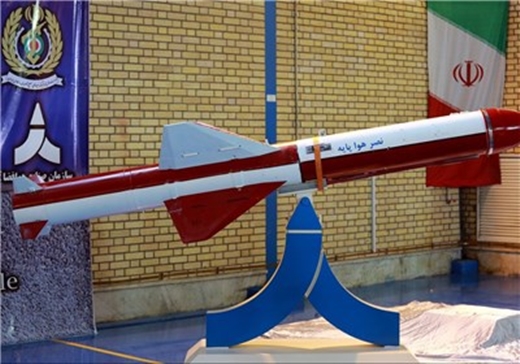
Iran begins mass production of ‘Nasr’ air-launched cruise missile

Nasr Missile

Iran started producing the air-launched version of its homegrown cruise missile Nasr (Victory) in the assembly line.

Speaking on the sidelines of a ceremony to inaugurate the production line of the cruise missile on Tuesday, Defense Minister Brigadier General Hossein Dehghan said the mass production of Nasr missile is part of the country’s strategy to enhance its missile capabilities and upgrade its deterrent power.

Nasr had been originally designed and manufactured as an anti-ship cruise missile, but the country’s experts managed to upgrade it to be employed for aerial missions.

According to the minister, the air-launched version of Nasr can be mounted on different types of fighter jets.

The missile does not need any additional guided controls, allowing the warplane to immediately leave the danger zone after launching the projectile, Dehghan explained.

Thanks to its radar tracking system, Nasr can hit the targets with high precision, he added.

The new achievement “dramatically boosts the operational and tactical capabilities” of the Army and IRGC‌ air forces, Dehghan said.

The minister also noted that plans are underway to install the air-launched cruise missile on unmanned aerial vehicles (UAVs).

Iran unveiled the air-launched version of Qader (Capable) and Nasr cruise missiles in September 2013. They are capable of hitting targets within a range of 200 km and 35 km, respectively.

The main features of the missiles are quick preparation capability, usefulness in low-altitude flights, high precision in hitting targets, particularly naval vessels, great destructive power and resistance to radio disruption tactics.

Velvet riots, a Saudi plot brewing in Beirut and Baghdad

Untitled-1

Sparks of a political firestorm over Lebanon’s garbage crisis ignited demonstrations, violence and acts of sabotage at the heart of the capital Beirut. With tension heating up in Lebanon, the bride of the Middle East, [which the Lebanese premier blames on “political trash”], plots are at work in war-hit Iraq to tarnish the image of the country’s government and religious authority [with a religious cleric who is a mercenary of Saudi Arabia at its center].

The Islamic Consultative Assembly News Agency (ICANA) on August 24 published a report on tensions in Lebanon which have stemmed from a garbage collection dispute and said a few days after Sheikh Ahmed Al-Assir [a radical Sunni cleric] was taken into police custody, unrest and street protests hit the Lebanese capital, plunging the country into yet another crisis.

The following is the translation of the report in its entirety:

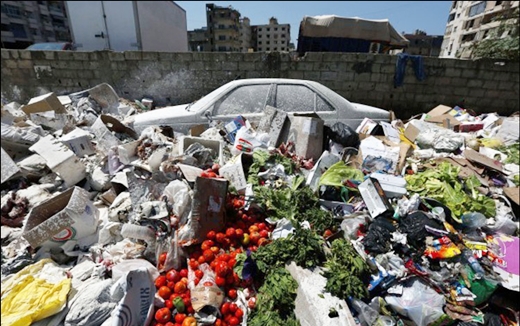
Reports suggest that over the past few days the crisis over Beirut’s garbage, which was sparked in the wake of the shutdown of the city’s main landfill, has degenerated into a social dispute. Images from the protest scenes in Lebanon resemble those in Ukraine’s Velvet Revolution.

The Lebanese government, which has been mired in a political crisis, has so far failed to find a replacement for the waste collection and dumping management system in the capital. Some residents in Beirut burn garbage in the streets, and the smoke from the burning trash has filled the city.

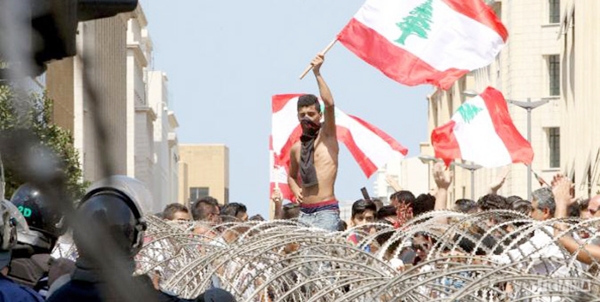
The situation has spiraled out of control and organizers of protests against trash buildups in the streets have announced that they can no longer contain the protesters after several public administrative offices were set on fire and traffic lights were destroyed.

Riad Al Solh Square in downtown Beirut has been the focus of clashes [between protesters and security forces], with protesters chanting slogans and calling for the resignation of the government. No time limit has been set for the protest rallies. On Monday demonstrations got nasty as rioters clashed with security forces.
 

115435_orig


Efforts to plunge Beirut into crisis by political trash

Saudi Arabia, which is seeking to create a crisis in Lebanon, has to date blocked efforts to form a legitimate government in the country. A plot to create a power vacuum in Beirut has paralyzed the Lebanese government and hampered the formation of functioning institutions in Lebanon, something which has fueled public dissatisfaction as well.

The clashes erupted on Saturday and came to a head on Monday (August 24) as rioters tried to enter the headquarters of the Lebanese prime minister.

The protesters pelted security forces with stones and Molotov Cocktails and police responded with tear gas. The Army has been deployed in the capital’s streets because of the police’s inability to handle the crisis. Protesters have gathered around the prime minister’s headquarters barring Tammam Salam from entering his office.

Prime Minister Salam, who blames the absence of a president for the unrest in the country, slammed the back-to-back failures of political parties to fill the vacant seat of president, and said this catastrophic dysfunction should be brought to an end. He went on to repeat his previous warnings about the presidential vacancy and said the inability to pick a president will render the country unable as far as other issues go.

Today Lebanon has been hit by political clashes which have affected all people, young and old, he said, adding we should not wait for magic [to get things done]; the government cannot continue this way and run the country in the absence of lawmaking authority. Salam also said that people have every right to protest against such a situation, adding that people are the ones who hold the government accountable for the closure of institutions by political forces.

Lashing out at Saudi mercenaries, the Lebanese premier said that the Lebanese citizens are not to blame when divisive and provocative remarks of the officials are heard in the country daily. “Yes the trash crisis is the straw that broke the camel’s back, but there is a bigger picture. This is about the political trash in this country.”

Power vacuum plot in Beirut

It would be interesting to review how tensions broke out in Lebanon. Initially, a small group of youths called for the settlement of Beirut’s garbage problem by launching a “You Stink” campaign. Their call for a rally was immediately welcomed by Saudi-backed parties and the Takfiris supporting Sheikh Ahmed Al-Assir.

This is similar to what unfolded in Eastern Bloc countries where nonviolent civil protests were quickly engineered by color-coded revolutions, reached a tipping point and finally set off the collapse of governments. And now the garbage problem in Beirut has played into the Saudi hands.

Street clashes raged on in Beirut and the question of garbage which was raised by the real protesters [the first protesters or those who called for protest rallies] was hijacked by rioters who took control of the protests in the capital. The plotters of street riots have called – in their slogans – for a “revolution” and “the resignation of the Lebanese prime minister”. They seem likely to go so far as put the country on the brink of civil war and force Tammam Salam out of office.

The elimination of Lebanon’s prime minister together with the void created by failure to pick a president can have catastrophic consequences [for this country]. Suicidal agents in the ranks of rioters tried Monday morning to seize sensitive security, military and political centers. They are struggling to fan the flames of tension and force the Army to use force.

 Lebanon’s domino falls in Iraq 

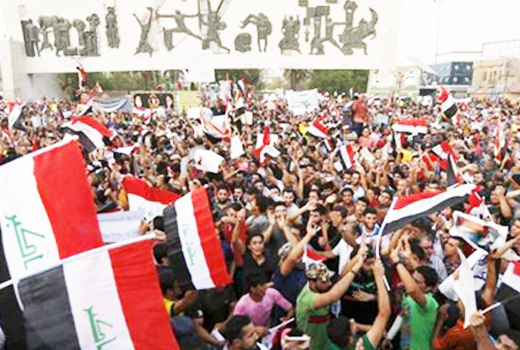
The political state of affairs in Baghdad is better than Lebanon thanks to the presence of religious authorities in Najaf and the vigilance of the Iraqi government, but a Beirut-style scenario is playing out in Iraq. Over the past two weeks, genuine protesters in Iraq held peaceful rallies demanding reforms, and their demand was supported by the government and the religious authorities.

Despite Ayatollah Sistani’s special stress on the need for reforms, some elements are trying to blame the religious authority in Najaf for the political crisis and corruption in Iraq. The Ba’athists and elements with links to Saudi Arabia are behind such an odd move at a time when Iraq has been dissected by ISIL and innocent Iraqis are slaughtered by Takfiri terrorists daily.

Rioters in Iraq on Sunday shouted slogans and called for the ouster of the Islamic Dawa Party affiliated to Prime Minister Haider al-Abadi and former premier Nouri al-Maliki.

Hundreds of rioters stormed the governor’s office in Al-Hindiya, east of Karbala Province and expelled its employees. In Babil Province south of Baghdad, security forces were called in to disperse protesters after they stormed the governor general’s office and called for the resignation of the governor general and dissolution of the governorate council. Meanwhile, the Babil Operations Command declared a curfew in [in the central city of] Hillah. The curfew took effect at 10:00 p.m. local time and continued into Monday morning.

Mahmud al-Hasani al-Sarkhi, a pseudo-cleric who is backed by the Saudi regime, is said to be behind the unrest in Iraq, prodding his supporters to turn popular demonstrations into political demands and opposition to certain religious authorities. Last year he inflamed tensions in Karbala and was forced to escape after security forces and the Army entered the scene and a number of his supporters were killed. But some of his sympathizers are still active in religious cities in southern Iraq. Al-Sarkhi can be viewed as the main enemy of the religious authority in Najaf.

The plot to instigate velvet riots in Beirut and Baghdad can prove problematic for the Lebanese and Iraqi governments, but they will equally provide Saudi Arabia and Takfiri ISIL terrorists with a respite. Saudi Arabia and the Zionist regime – which have been extremely isolated thanks to the Joint Comprehensive Plan of Action and feel threatened by the West because of Europe’s pivot toward Tehran – are scrambling to rekindle tensions in the Middle East.

 

115434_orig


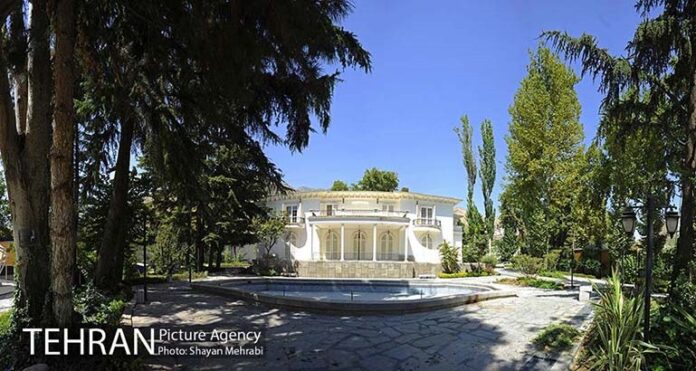
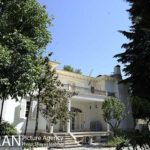
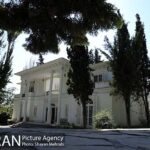
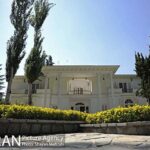
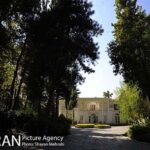
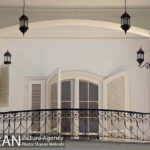
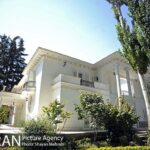
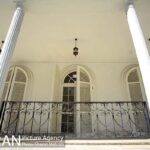
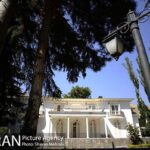
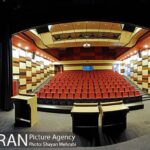
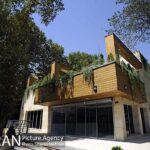
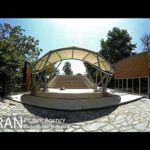
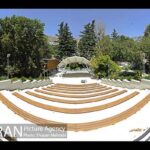
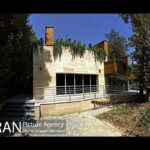
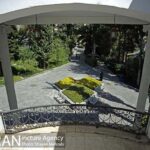
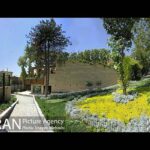
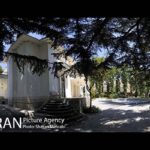
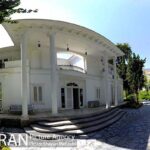
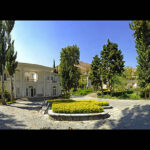
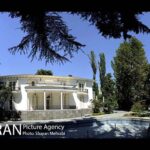
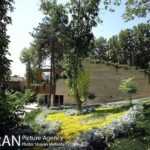
Khosrowshahi Garden in Tehran (PHOTOS)

Khosrowshahi Garden0

Khosrowshahi Garden which was owned by a Tehran factory owner had been abandoned for years until Tehran Municipal District One bought it about three years ago to turn it into a park.

The garden which is 12,396 square meters in area has been refurbished to offer cultural and social services.

The garden houses a theater with indoor and outdoor sections which can seat 260. It can be used for public performances and gatherings.

Images of the garden published online by tpaa.ir: