Tuesday, December 23, 2025
Home Blog Page 4695

Nuclear deal does little to end US enmity toward Iran

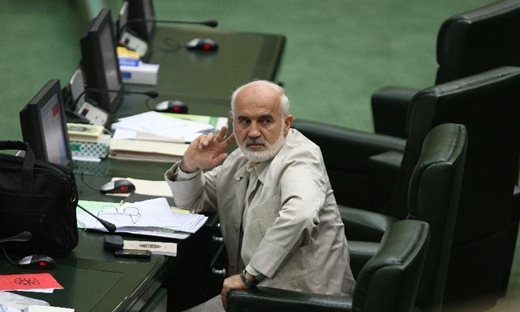
tavakoli

A Tehran MP has said that those who think the deal Iran has inked with six world powers in mid-July will make the US animosity toward the Islamic Republic disappear are mistaken.

Ahmad Tavakoli made the comment in an interview with Fars News Agency on Saturday (July 25) and added that the hostility and feud of the Americans is clearly evident and the grudge they nurse at heart is far bigger than the words they use when dealing with Iran.

His remarks were a reaction to comments by US Secretary of State John Kerry who told a Senate Foreign Relations Committee hearing: “If Iran fails to comply [with the deal]… we will be able to respond accordingly by re-instituting sanctions all the way up to the most draconian options that we have today. None of them are off the table at any point of time.”

The following is the translation of part of Tavakoli’s remarks in the interview:

Tavakoli said that some wrongly assume that the Americans have befriended Iran after the conclusion of the nuclear deal, adding American animosity toward Iran is much stronger in their hearts.

He said that the US enmity toward Iran is not history thanks to the nuclear deal, adding that the Americans have adopted a hostile attitude toward Iran because of Tehran’s support for the Axis of Resistance in the region. “What they accuse us of is far from the truth. We have supported and will continue to support Palestine, Lebanon, Syria, Yemen and Iraq. They claim that we are assisting the terrorists, but they are the ones who lend support to the terrorists”.

The MP went on to say, “We have not befriended the Americans; we have only clinched an agreement with them over an issue; … We should know that the US would have already launched a military attack against Iran if it had been able to. Even the critics of the Iran nuclear deal in the US are not ready and willing to foot the bill of a war [against Iran].”

[…]

Terror fight must respect sovereignty of nations: Iran

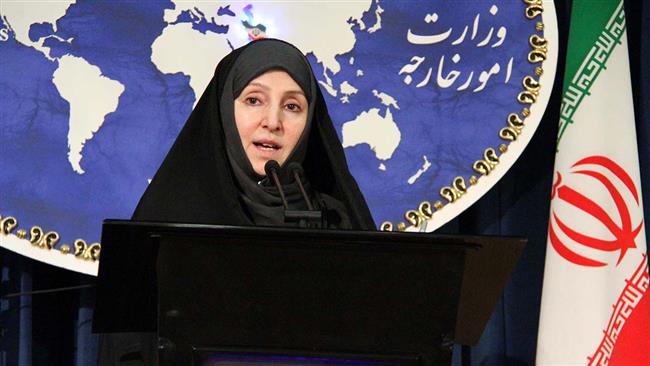
Afkham

Iran has underlined the need for respecting the sovereignty of nations in the fight against terrorism.

Iranian Foreign Ministry Spokeswoman Marzieh Afkham on Saturday reaffirmed Iran’s opposition to all forms of terrorism and extremism, saying any act of tolerance toward terrorism and Takfiri violence will further encourage terrorists to commit inhumane crimes.

The Iranian official, however, said the campaign against terror should not undercut the national sovereignty of countries.

“Any type of campaign against terrorism must respect the basic principles of international law, especially the national sovereignty of governments, and undoubtedly any act that would undermine the national sovereignty of countries can, in fact, embolden terrorist groups in committing bestial crimes,” Afkham said.

She also said terrorism will not be uprooted unless terrorists were weaned off financial aid and arms supply.

The Iranian official made the comments against the backdrop of airstrikes conducted by the Turkish military against targets controlled by the Takfiri ISIL terrorists inside Syria as well as locations of the Kurdistan Workers’ Party (PKK) in northern Iraq.

Turkey’s attacks against the ISIL and PKK positions come in the wake of deadly violence in Turkey over the past week.

On July 20, at least 32 people were killed in a bomb attack in the Turkish town of Suruc, near the southern border with Syria. Turkish authorities blamed ISIL for the bombing.

Two days later, two Turkish policemen were killed in southeastern Turkey close to the Syrian border, with the PKK claiming responsibility for the attack. The militant group said it sought revenge for the Suruc attack.

Another policeman was also killed in the majority Kurdish city of Diyarbakir the next day.

Iran seals over $2b in trade deals with European companies: Official

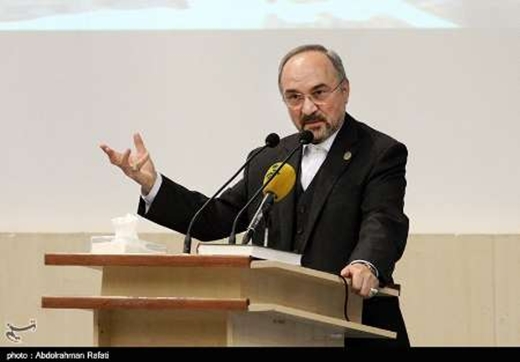
81694766-70052888

Head of the Organization for Investment, Economic and Technical Assistance of Iran (OIETAI), Mohammad Khazaei, says European companies have secured more than $2 billion worth of projects in Iran in the past couple of weeks.

Iran has already completed negotiations with some European companies which seek to invest in the country, he added.

“We are recently witnessing the return of European investors to the country. Some of these negotiations have concluded, and we have approved and granted them the foreign investment licenses and guarantees,” Khazaei told the Iran-EU conference on trade and investment, which was held in the Austrian capital Vienna from July 23 to 24.

According to Tehran Times, Iran’s total FDI stood at $2.105 billion in 2014, according to a recent report by the United Nations Conference on Trade and Development (UNCTAD).

Abolfazl Koudeie, the director general for foreign investment at OIETAI, said the presence of foreign investors in Iran is growing.

Western companies are one after the other engaged in talks with Iran to resume their delayed activities or make new investments in the Islamic Republic.

The recent developments came as world powers and Iran reached a framework agreement in the Swiss city of Lausanne in early April. Iran and P5+1 have reached a mutual understanding on ironing out their differences over Tehran’s nuclear program and reaching a final deal by the end of June.

On May 9, Iran’s Vice President Eshagh Jahangiri pointed to the growing number of Western companies attempting to return to Iran following the possible removal of sanctions against the country and said Tehran would rather support foreign investment.

Powerful diplomacy ended lengthy anti-Iran oppression: Rafsanjani

Israel doomed to historic failure

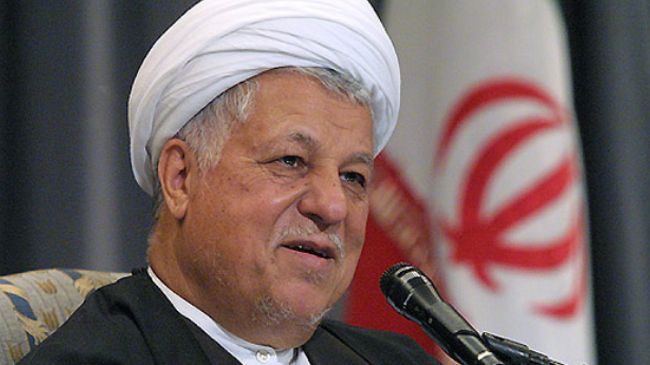
The chairman of the Expediency Council said Saturday nuclear agreement that marked the end of lengthy anti-Iranian nation oppression was the result of people’s mighty resistance, the Leader’s straight-forward remarks, and the powerful diplomacy of our nuclear team.

Speaking at a session of the council, Ayatollah Akbar Hashemi Rafsanjani referred to the rapid, major developments in the world and the region with deep effects on future world order and said, “There are various signs which resemble the tip of a huge iceberg in the ocean of the world and region, only a small part of which can be seen.”

Highlighting the exemplary peace and stability in Iran, Rafsanjani hoped that the atmosphere of national consensus and cooperation will prevail and further strengthen till parliamentary elections and beyond.

He said Iran is at the center of the regional and global developments, arguing that the Iran-P5+1 negotiations had begun months before President Rouhani took office.

“Oman’s Sultan Qabus had a few months before the presidential elections brought the written message of President Obama and after gaining the Supreme Leader’s agreement two rounds of talks were held in Oman, which bore no result,” he added.

Rafsanjani said that after the leader’s agreement with resuming the negotiations in the spring of 2014, the current government worked out a new method and new policies to achieve progress in the talks.

The council’s chairman said that negotiations with representatives of six world powers was both tough and of great significance and that the Iranian team mightily, with high insight, and righteously set foot in the field of negotiations, informing the other side that they had oppressed the brave Iranian nation, and should somehow redress their mistakes.

“The ongoing arguments between the US administration and the Republicans in America on the one side and the Israeli officials on the other side, as well as the admissions that they make about Iran’s might and nuclear power, or when the opponents of this agreement in the US said that Iran has managed to deceive the six world powers are very important and noteworthy,” he added.

Rafsanjani also said when the US secretary of state told congressional Republicans that Iran has achieved the status of a world nuclear power, its surrendering to pressure is a fantasy and the continuation of sanctions would lead to a gap between the US and the EU, or that an Israeli military, or even cyber-attack against Iran will be a big mistake, Iran’s great victory on the international stage was revealed.

When the US president calls the American opponents of the nuclear agreement warmongers, or addressing the Arab leaders of the littoral countries of the Persian Gulf he says that your military budgets are ten times bigger than Iran, why do they still promote their Iranophobia project? Or when the Israeli military commanders tell Netanyahu that Tel Aviv is today isolated in the world, we notice the positive developments in the world.

He urged the Iranian critics of the nuclear agreement to consider the sensitive conditions of the region today, especially after the conclusion of nuclear talks, Iran’s national interests, elaborate on their stance peacefully, and thus contribute to continuation of the prevailing peace and stability inside the country.

UK eases travel advisory for Brits traveling to Iran

53909ed9-824d-4fcf-8ef0-8bd25178fe51

The UK has relaxed its official travel advisory on visiting Iran, but still urges caution while visiting several of the country’s border regions.

Britain’s Foreign and Commonwealth Office said in a Saturday statement that it no longer advises against all but essential travel to Iran, but still warns against travel to areas along the borders with Iraq, Pakistan, and Afghanistan.

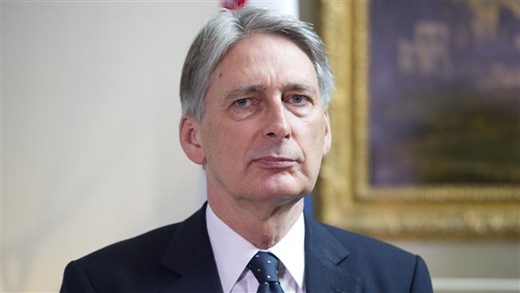
“Our policy is to recommend against travel to an area when we judge that the risk is unacceptably high,” said British Foreign Secretary Philip Hammond in the statement. However, “Risk to British nationals has changed, in part due to decreasing hostility under President (Hassan) Rouhani’s government,” he added.

The statement also advised British citizens who require assistance in Iran to contact the Swedish embassy or the embassy of any other EU member state in Tehran, as the UK embassy remains closed.

In November 2011, Iranian lawmakers voted overwhelmingly to downgrade diplomatic relations with London in response to Britain’s decision to impose sanctions on the Central Bank of Iran over the allegation that Tehran is pursuing non-civilian objectives in its nuclear program.

Two days after the parliament’s move, hundreds of Iranian students staged a protest outside the British embassy in Tehran, pulling down the UK flag and demanding the expulsion of the British ambassador.

“I very much hope that we will be in a position to reopen our respective embassies before the end of this year,” Hammond on said July 15 while addressing the British parliament.

Hammond’s remarks followed the conclusion of intensive talks between Iran and global powers over Tehran’s nuclear program.

On July 14, Iran and P5+1– the United States, Britain, Russia , China, France, and Germany – finalized the text of an agreement, dubbed the Joint Comprehensive Plan of Action (JCPOA), to put an end to months of tough negotiations in Vienna.

Long-time cooperation with Europe, Iran’s priority: Minister

139305081800401073319074

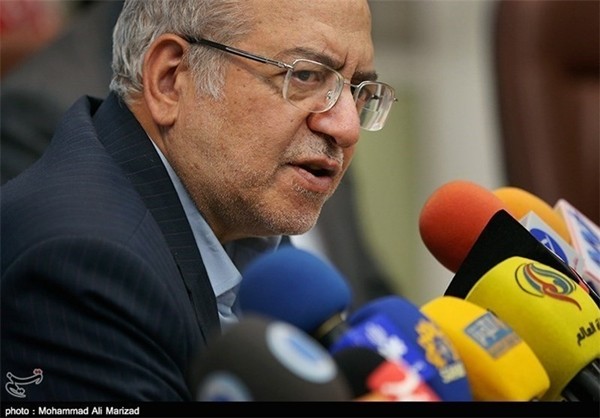
Iranian Minister of Industries, Mines, and Trade Mohammad Reza Nematzadeh on Saturday conferred with the Austrian president on the expansion of Iran’s economic ties with European countries, particularly Austria.

Heading a high-ranking delegation from Iran’s financial, banking, foreign investment, oil, gas, petrochemical, mine and automotive sectors, Nematzadeh visited the Austrian capital of Vienna to attend an international conference on investment in Iran.

In his meeting with Austrian President Heinz Fischer, the Iranian minister referred to the conference as a good starting point for removing obstacles to bilateral ties.

“The Islamic Republic of Iran’s priority (in its ties with Europe) is long-term, sustainable, mutual cooperation,” he stressed.

Fischer, for his part, expressed his country’s readiness to expand bilateral relations with Iran.

He also noted that he will visit Tehran in September heading a delegation of political, economic, scientific, research, and academic experts and figures in a bid to explore avenues for development of cooperation between the two countries.

The promising prospect of trade with Iran after the conclusion of nuclear talks between Tehran and world powers has prompted major European countries to explore the market potential in the Middle East nation.

Iran and P5+1 (Russia, China, the US, Britain, France and Germany) on July 14 reached a conclusion on a lasting nuclear agreement that would terminate all sanctions imposed on Tehran over its nuclear energy program after coming into force.

Araghchi to brief MPs on implementation of JCPOA Sunday

Abbas Araghchi

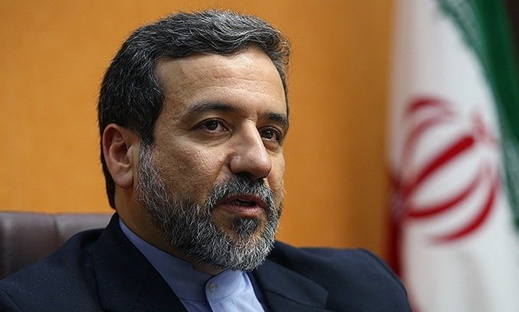
Deputy Foreign Minister Abbas Araghchi is due to attend a session of parliament’s National Security and Foreign Policy Committee on Sunday to brief the lawmakers on the implementation of the Joint Comprehensive Plan of Action, according to the committee’s spokesman.

Nozar Shafiei told IRNA that the committee has begun its supervision of the implementation of JCPOA since last week.

Under the legislation that obliges the government to protect the nuclear achievements of the country, parliament’s National Security and Foreign Policy Committee has been assigned to supervise how JCPOA is being implemented, Shafiei said.

The committee has to deliver a report to parliament in this regard every six months, Shafiei added.

Asked whether the supervision will depend on the approval of the deal by parliament, Shafiei said the approval of JCPOA has been assigned to a special committee and then it has to be examined in the chamber. However he noted that it is only parliament’s National Security and Foreign Policy Committee that will supervise the deal.

“In this regard, we will invite one of Foreign Ministry’s officials each week to give a report to the committee,” he said.

Arab countries supporting terrorism should learn a lesson from Turkey: Official

Hamid Aboutalebi

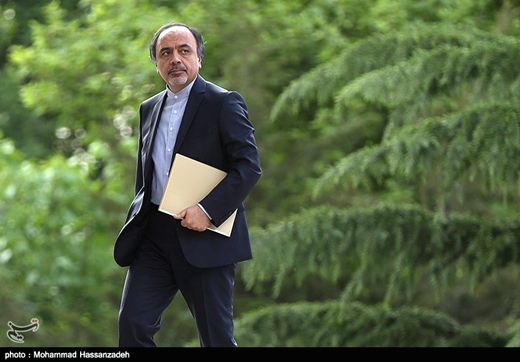
President Rouhani’s deputy chief of staff for political affairs has Tweeted that if the Arab countries which support terrorism fail to learn a lesson from Turkey, they will have to fight terrorists in their capitals.

The following is the translation of a report released by the Islamic Republic News Agency on July 25 about what else Hamid Aboutalebi posted on his Twitter page:

IS is a serious threat to Turkey’s national security and the scale of this threat is constantly growing.

Turkey has changed its stance on Incirlik Air Base and targeted IS-controlled positions in Syria. That shows Syria’s Muslim Brotherhood should adopt a different approach.

Conditions are changing in Turkey; when President Rouhani talked to President Erdogan about the need for the fight against terrorism, the Turkish president was supporting [terrorist] groupings in Syria.

President Rouhani’s warning highlighted the fact that support for terrorist groups either in Syria, Iraq or other countries will come back to haunt the supporting nations.

It is unfortunate that people have lost their lives in this perilous game, but the Turkish model has finally proven the genuineness and exactitude of President Rouhani’s remarks.

If the region doesn’t take seriously President Rouhani’s World Against Violence and Extremism (WAVE) initiative, which was adopted by the UN General Assembly, it will be in for a dangerous fate.

A famous Iranian proverb says that it is wrong to put something which is time-tested to the test.

Terrorism is not like a puppet one can pull its strings in any way they like; playing with fire will definitely have dangerous consequences.

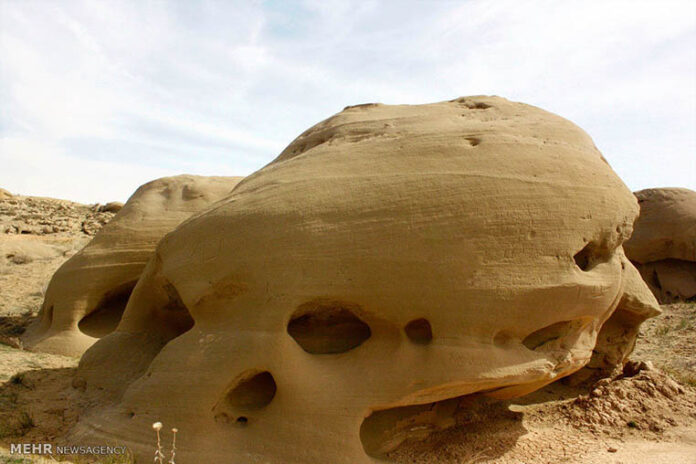
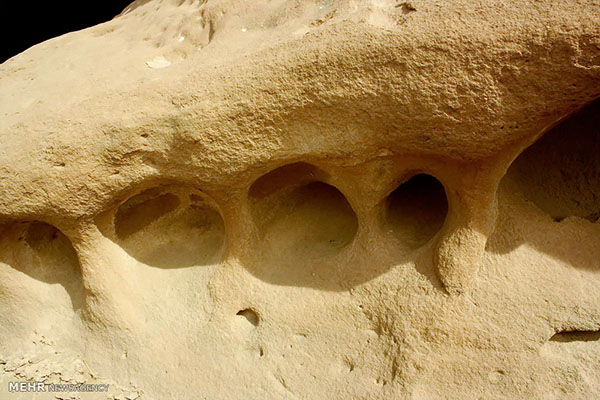
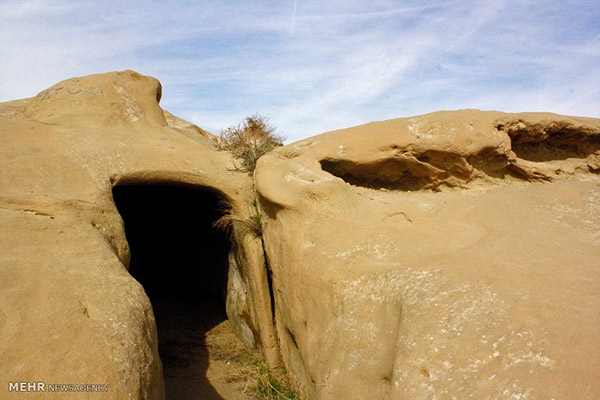
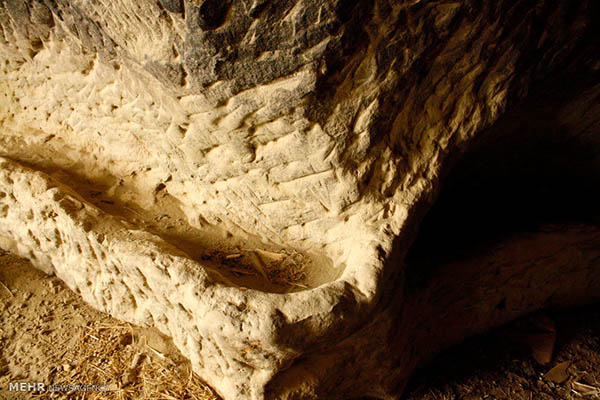
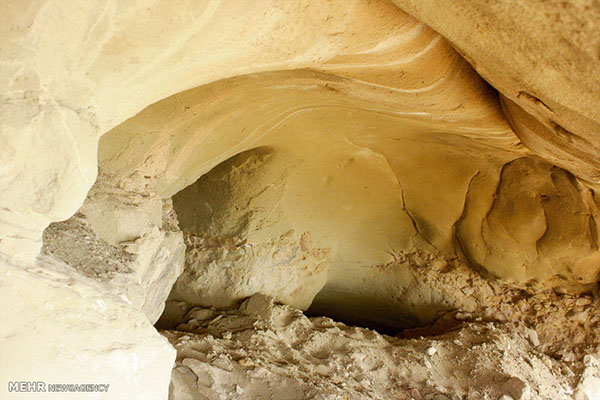
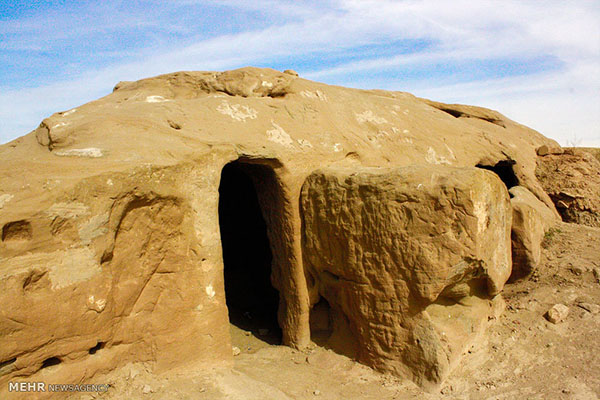
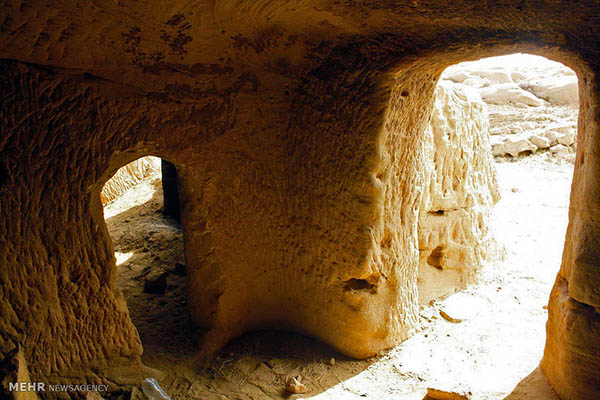
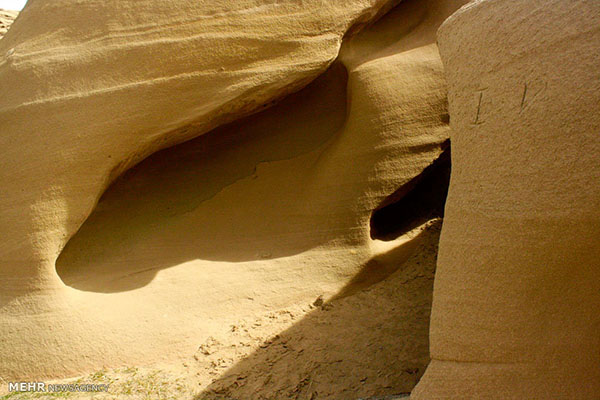
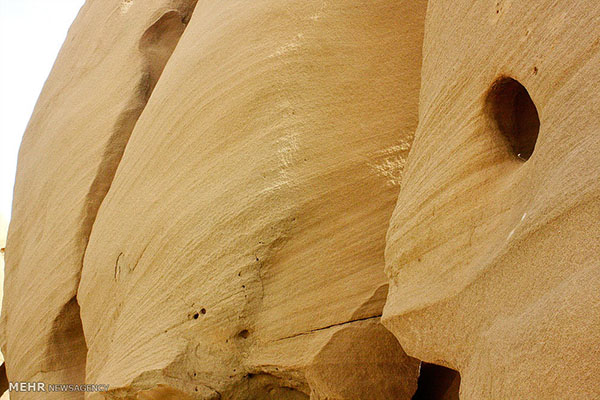
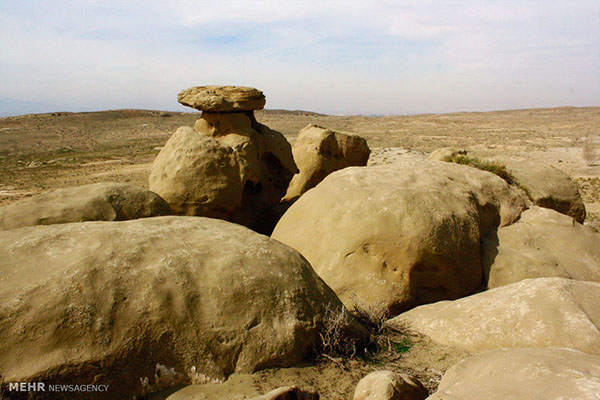
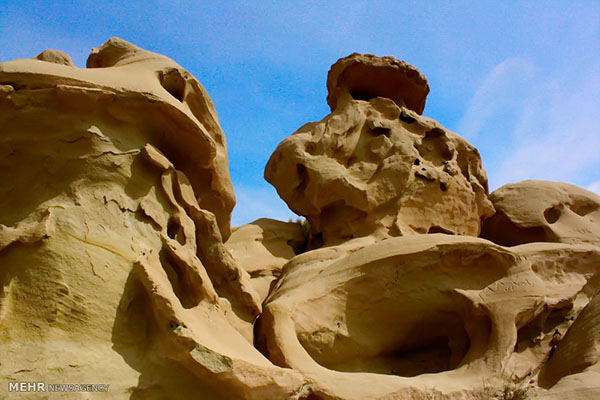
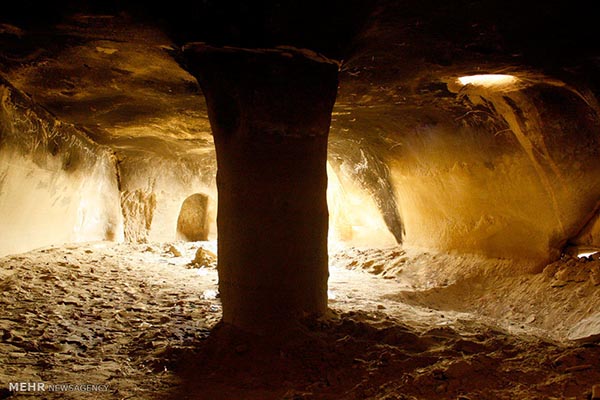
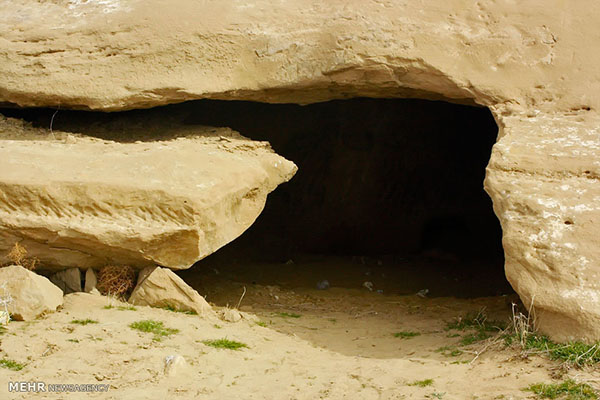
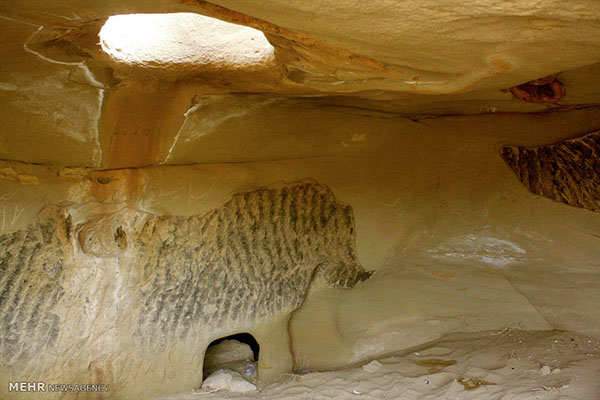
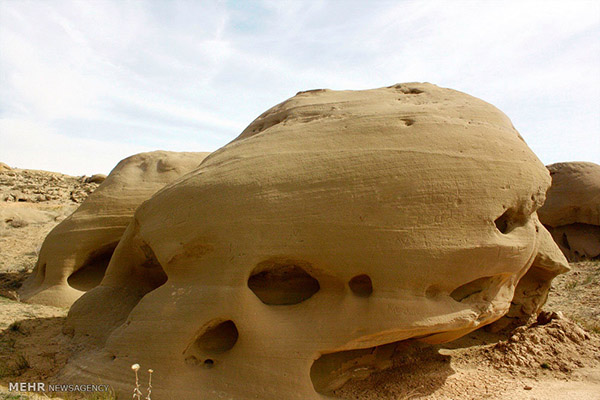
Iran’s Beauties in Photos: Burnt City of Alborz

Burnt City0

Images of the Burnt City in Alborz Province released by Mehr News Agency:

Iran stands by Syria because it backs justice and truth

Jannati-Syria

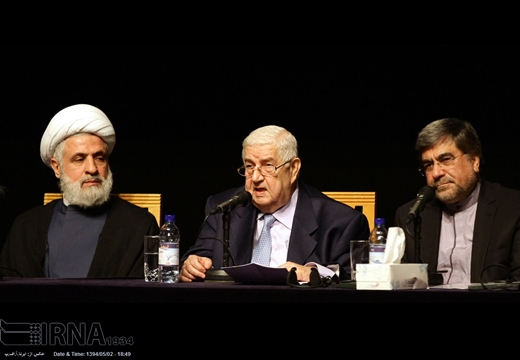
The minister of culture and Islamic guidance has said that Iran, which has always been a backer of the truth, justice and the oppressed, stands by Syria.

Ali Jannati made the remark in an address to the International Media Conference Against Terrorism in Damascus on Friday and added this gathering provides an opportunity to contemplate and learn. He further said the gathering builds a bridge between thinkers, helping them learn about each other’s valuable experience and reach cultural and social common ground.

Around 130 intellectuals and journalists from Iran, Russia, Cuba, Spain, China, Turkey, Afghanistan, Pakistan, Egypt, Lebanon, Iraq, Algeria, Morocco, Bahrain, Jordan, Saudi Arabia, Tunisia, Cyprus, Britain, Germany and Kuwait have attended the two-day conference in Syria to discuss the role of media in the global battle against terrorism.

The conference discusses – among other things – the role mass media play in confronting terrorism and future visions for mass media. It also discusses the function of media in the ongoing conflicts across the world and measures needed to form a united front in the fight against terrorism.

The Islamic Republic News Agency (IRNA) on July 24 published Jannati’s remarks in the conference. The following is the translation of what else the Iranian minister said there:

This gathering is also an opportunity to hammer out mechanisms to stop violence and extremism the Takfiri movements have stirred up in the countries [which are part of the axis] of resistance, including Syria and Iraq in a bid to destroy their cultural principles, identity and historic civilizations.

The history of human race is rife with junctures similar to what the world of Islam, our region in particular, is experiencing today: vain conflicts. Over the course of the past centuries, in the thick of unjustified, destructive conflicts, some focused their attention on cultural and educational issues and set out to promote science and logic.

Centuries on, in the world of Islam and in our region, we are going through the same bleak past, rife with war and conflict.

Today, neo-Crusaders and dull-witted, bigoted Takfiris have lined up against each other. The Takfiris who have turned into a plaything in the hands of different security and spy agencies are targeting the entire world of Islam.

Extremism will not change its identity as long as its roots grow [in the region], but it has significantly extended its reach beyond the previously limited borders. The Takfiris, who do not abide by the code of ethical conduct, display animosity toward historic heritage and civilization, ruin historic and religious sites and lay waste to anything which is linked with human history.

Prior to the emergence of the Takfiris, this region had been targeted by a mentality which focused on violence and plots to dominate [the Middle East] – a Zionist mindset which saw its followers commit inhumane crimes against Middle Eastern nations. Deir Yassin, Sabra and Shatila [the massacres of civilians, mainly Palestinians, at the hands of the Israelis and their mercenaries], and Al-Aqsa Mosque engulfed by the fire of bigotry and feud have been witness to the dark mindset of Zionism.

The Zionists have always promoted their own “racist supremacy” and have made plots via their media – over the past half a century – to spread their domination in the world of Islam. They are also trying to assert their influence on nations.

Faced with such crimes and measures to massage the truth, certain elements in the world of Islam – among them governments and nations – have raised the flag of resistance to defy this ominous phenomenon [Zionism] so that resistance against occupation and [respect for] freedom and human dignity can be materialized.

The Zionists, who have occupied the holy Quds, have failed to erase the question of Palestine in spite of the crimes they have committed against the Palestinians over the years. By the same token, murderous Takfiri groups such as ISIL and the al-Nusra Front will not be able to achieve their intended objectives by resorting to violence.

The Takfiri terrorists in Syria and Iraq cannot take away the freedom, culture and civilization of people. These are the things which have originated from the Islamic principles the holy Muslim Prophet, his infallible Household and their friends have promoted.

Big responsibilities should be taken and tough times should be ridden out so that we can do something to help rid the Islamic world and this region of this painful situation [being in the grip of violence and extremism].

All forces and players of the resistance front should be actively present in the fight against the racist Zionists, against Takfirism, ignorance and the bias some show because they misinterpret Islam.

We have another daunting task on our hands: we should clean up the image Takfirism has painted of Islam and show to non-Muslim societies the real picture, through logic and reasoning, of this divine faith.

The common denominator of the old and new movements which have resorted to violence – namely Zionism and Takfiris – is what they do to terrorize individuals and societies. Therefore, we should shoulder the responsibility not to let terror prevail and help future generations not feel ashamed and disgraced.

We are certain about the victory [of the resistance front] against the Zionists and Takfiri terrorists in the near future thanks to the wise and brave leadership of the Syrian people and Army and the support of the resistance front for the Syrians.