Images of the Burnt City in Alborz Province released by Mehr News Agency:
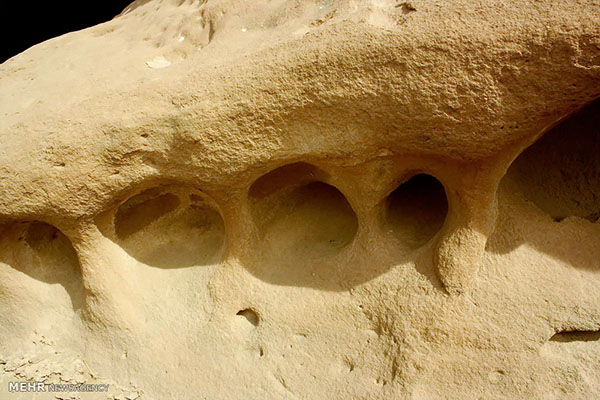
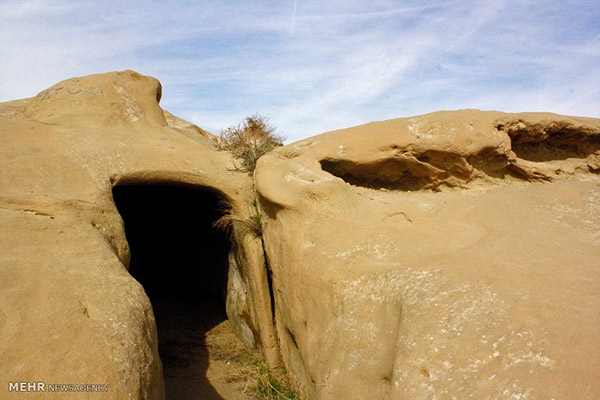
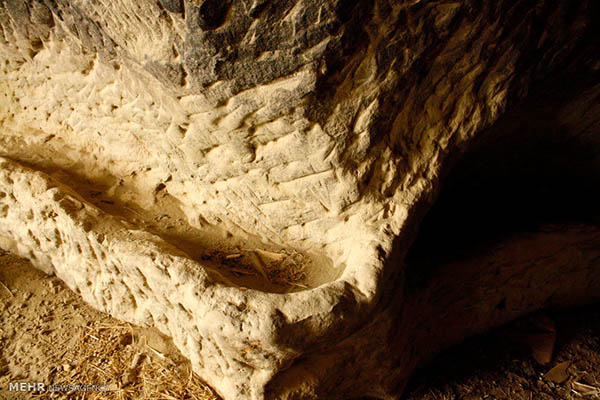
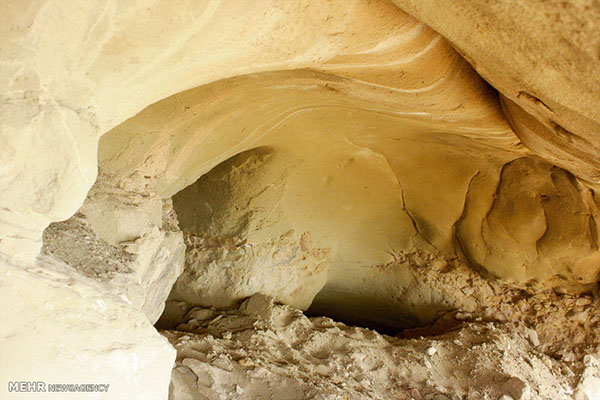
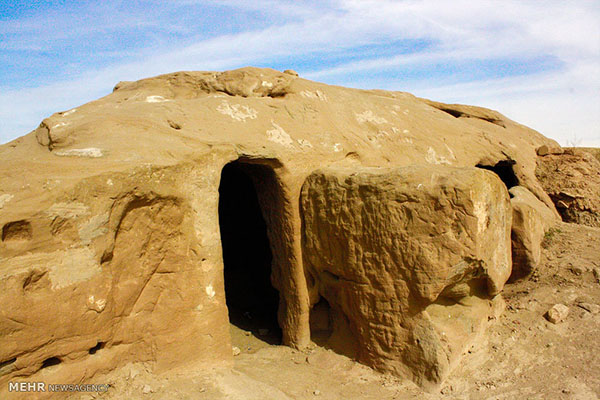
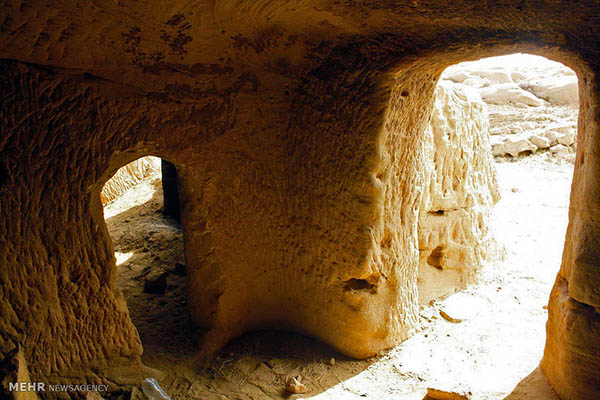
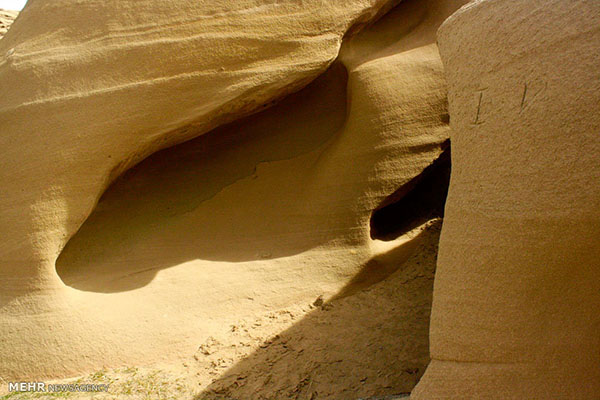
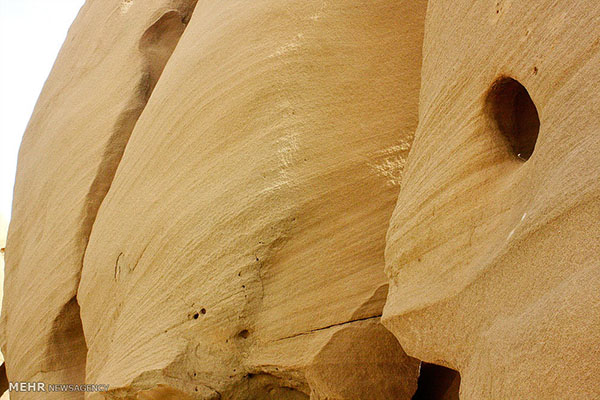
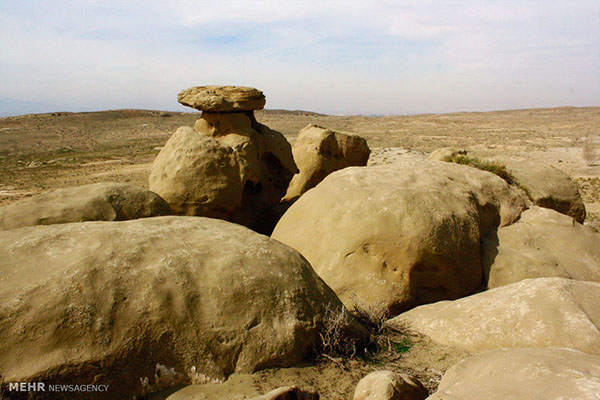
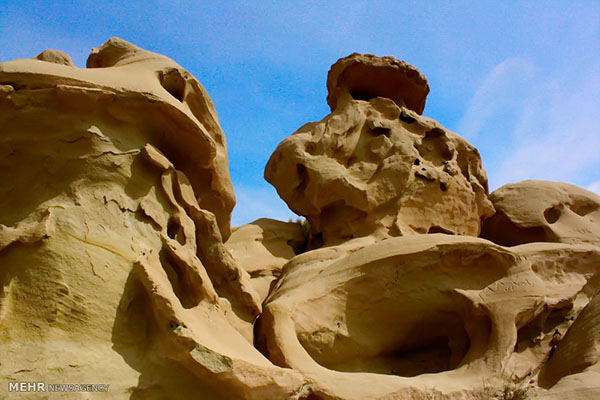
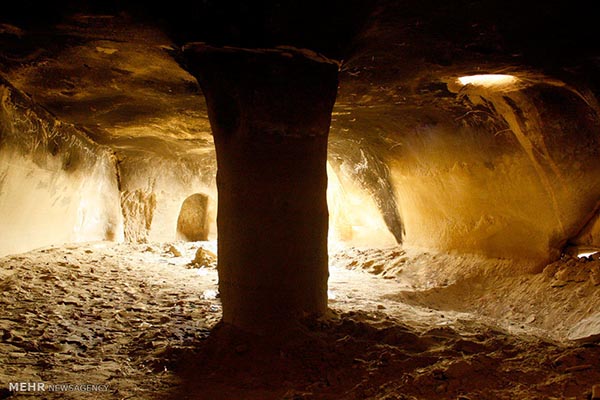
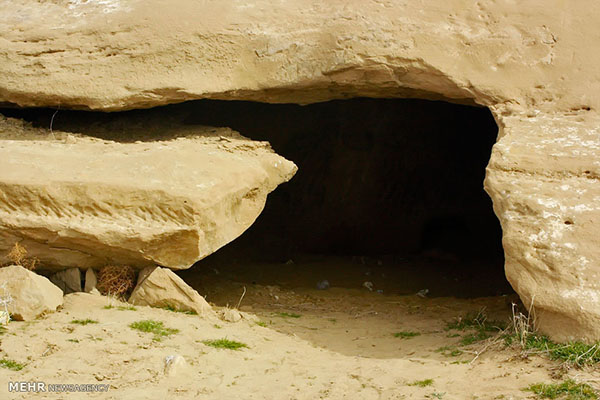
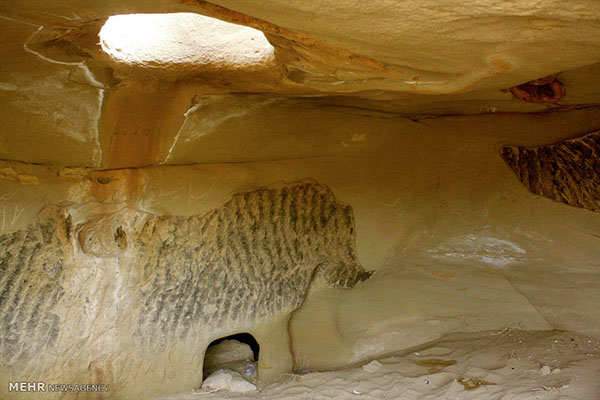
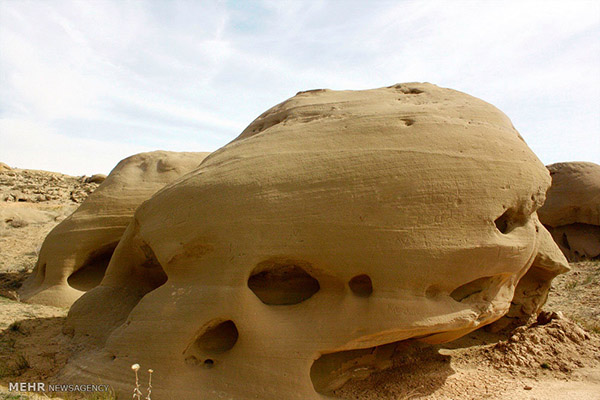
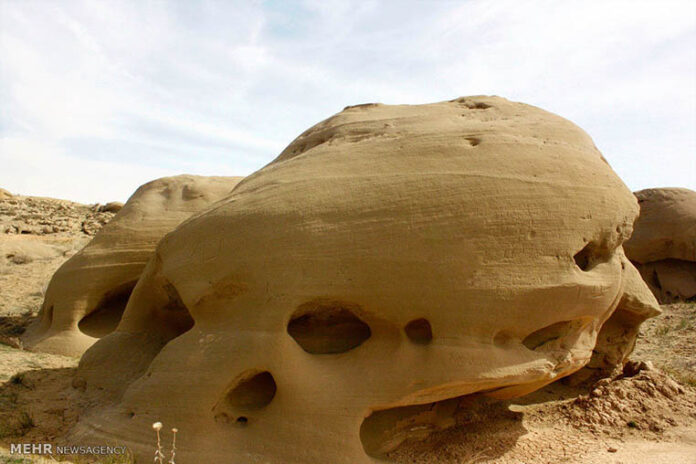
Images of the Burnt City in Alborz Province released by Mehr News Agency:
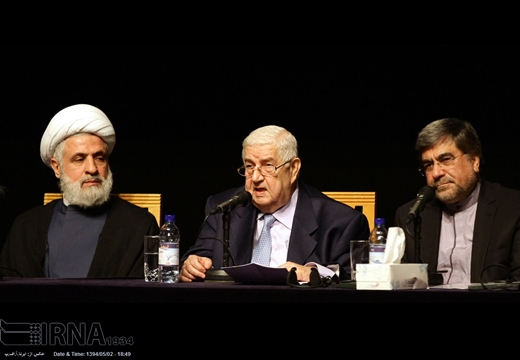
The minister of culture and Islamic guidance has said that Iran, which has always been a backer of the truth, justice and the oppressed, stands by Syria.
Ali Jannati made the remark in an address to the International Media Conference Against Terrorism in Damascus on Friday and added this gathering provides an opportunity to contemplate and learn. He further said the gathering builds a bridge between thinkers, helping them learn about each other’s valuable experience and reach cultural and social common ground.
Around 130 intellectuals and journalists from Iran, Russia, Cuba, Spain, China, Turkey, Afghanistan, Pakistan, Egypt, Lebanon, Iraq, Algeria, Morocco, Bahrain, Jordan, Saudi Arabia, Tunisia, Cyprus, Britain, Germany and Kuwait have attended the two-day conference in Syria to discuss the role of media in the global battle against terrorism.
The conference discusses – among other things – the role mass media play in confronting terrorism and future visions for mass media. It also discusses the function of media in the ongoing conflicts across the world and measures needed to form a united front in the fight against terrorism.
The Islamic Republic News Agency (IRNA) on July 24 published Jannati’s remarks in the conference. The following is the translation of what else the Iranian minister said there:
This gathering is also an opportunity to hammer out mechanisms to stop violence and extremism the Takfiri movements have stirred up in the countries [which are part of the axis] of resistance, including Syria and Iraq in a bid to destroy their cultural principles, identity and historic civilizations.
The history of human race is rife with junctures similar to what the world of Islam, our region in particular, is experiencing today: vain conflicts. Over the course of the past centuries, in the thick of unjustified, destructive conflicts, some focused their attention on cultural and educational issues and set out to promote science and logic.
Centuries on, in the world of Islam and in our region, we are going through the same bleak past, rife with war and conflict.
Today, neo-Crusaders and dull-witted, bigoted Takfiris have lined up against each other. The Takfiris who have turned into a plaything in the hands of different security and spy agencies are targeting the entire world of Islam.
Extremism will not change its identity as long as its roots grow [in the region], but it has significantly extended its reach beyond the previously limited borders. The Takfiris, who do not abide by the code of ethical conduct, display animosity toward historic heritage and civilization, ruin historic and religious sites and lay waste to anything which is linked with human history.
Prior to the emergence of the Takfiris, this region had been targeted by a mentality which focused on violence and plots to dominate [the Middle East] – a Zionist mindset which saw its followers commit inhumane crimes against Middle Eastern nations. Deir Yassin, Sabra and Shatila [the massacres of civilians, mainly Palestinians, at the hands of the Israelis and their mercenaries], and Al-Aqsa Mosque engulfed by the fire of bigotry and feud have been witness to the dark mindset of Zionism.
The Zionists have always promoted their own “racist supremacy” and have made plots via their media – over the past half a century – to spread their domination in the world of Islam. They are also trying to assert their influence on nations.
Faced with such crimes and measures to massage the truth, certain elements in the world of Islam – among them governments and nations – have raised the flag of resistance to defy this ominous phenomenon [Zionism] so that resistance against occupation and [respect for] freedom and human dignity can be materialized.
The Zionists, who have occupied the holy Quds, have failed to erase the question of Palestine in spite of the crimes they have committed against the Palestinians over the years. By the same token, murderous Takfiri groups such as ISIL and the al-Nusra Front will not be able to achieve their intended objectives by resorting to violence.
The Takfiri terrorists in Syria and Iraq cannot take away the freedom, culture and civilization of people. These are the things which have originated from the Islamic principles the holy Muslim Prophet, his infallible Household and their friends have promoted.
Big responsibilities should be taken and tough times should be ridden out so that we can do something to help rid the Islamic world and this region of this painful situation [being in the grip of violence and extremism].
All forces and players of the resistance front should be actively present in the fight against the racist Zionists, against Takfirism, ignorance and the bias some show because they misinterpret Islam.
We have another daunting task on our hands: we should clean up the image Takfirism has painted of Islam and show to non-Muslim societies the real picture, through logic and reasoning, of this divine faith.
The common denominator of the old and new movements which have resorted to violence – namely Zionism and Takfiris – is what they do to terrorize individuals and societies. Therefore, we should shoulder the responsibility not to let terror prevail and help future generations not feel ashamed and disgraced.
We are certain about the victory [of the resistance front] against the Zionists and Takfiri terrorists in the near future thanks to the wise and brave leadership of the Syrian people and Army and the support of the resistance front for the Syrians.
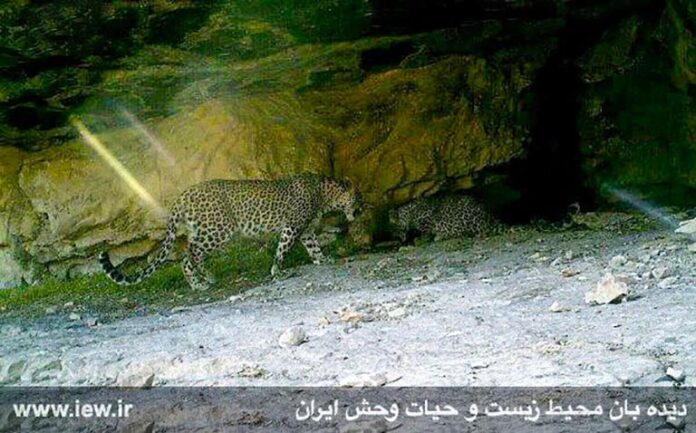
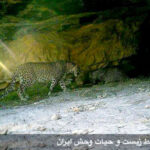
Camera traps used in a research project involving Persian leopards in Tandooreh National Park in northeastern Iran have recently captured images of a female leopard with her cub, the website of Iran Environment and Wildlife has reported.
The image of the leopard and her cub was shot by a camera installed in the vicinity of a spring.
As part of the project, three leopards, none of them female, have already been fitted with GPS tracking neckbands.
Images of the female leopards, especially the ones that show them with their young, are indicative of the thriving population of leopards in Tandooreh which is a main habitat of leopards in Iran.
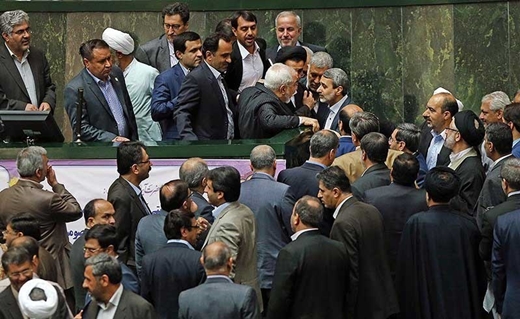
Ali Motahari, a principlist Tehran MP, says that the nuclear deal Iran clinched with P5+1 on July 14 will clear the Islamic Consultative Assembly.
Motahari said that the nuclear deal, which is viewed as an international treaty, should be put to a vote in the Iranian parliament and added that parliament has a positive attitude toward the deal.
Entekhab.ir published the remarks of the principlist deputy on July 25 on how the Islamic Consultative Assembly will react to the Iran nuclear deal. The following is the translation of what else Motahari said:
Motahari said that parliament should express its view on the text of the deal, rejecting as untrue comments that only the Supreme National Security Council should pass the nuclear deal’s text.
He said, “We should not downplay the role of parliament and diminish its powers, because the country might be hurt by another issue in the future [if parliament is denied its legislative powers to weigh in when it comes to issues concerning the country].”
Under the Constitution, parliament has a big role to play and holds considerable powers, he said, adding that the Constitution says parliament is the sole lawmaking body in the country, although the formation of different councils – which at times make laws – has practically restricted the chamber’s powers.
The Tehran MP went on to say that the Supreme National Security Council can only play a consultative role and offer advice to parliament, but it cannot take on the role of parliament when it comes to the adoption of the deal. He also said that parliament can only approve or disapprove the nuclear deal in its entirety, but it cannot go into details [of the historic deal].
As for a demand by fellow MPs that the outcomes of nuclear talks be submitted to parliament as a bill, he said, “That demand sounds correct, because this [the nuclear deal] is an international accord and under Articles 77 and 125 of the Constitution, the deal – like any other international deal and treaty – should secure the approval of parliament.
“If parliament is stripped of its powers [to pass the deal], this will set a [bad] precedent in the future for taking illegal measures and circumventing the legislative body. I insist that the text [of the nuclear deal] pass the Islamic Consultative Assembly,” he concluded.

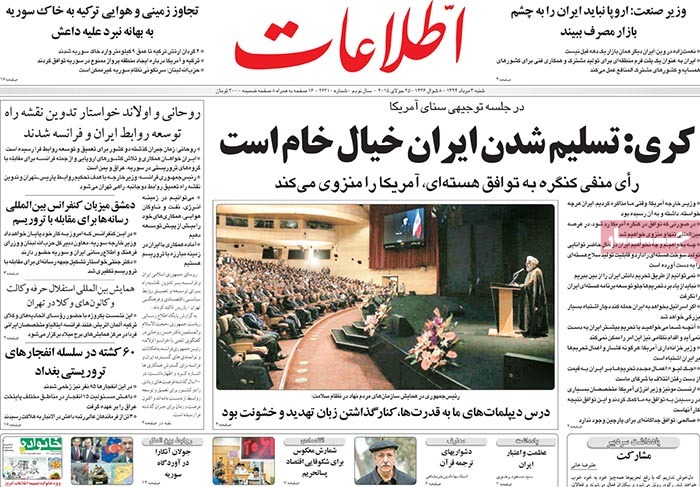
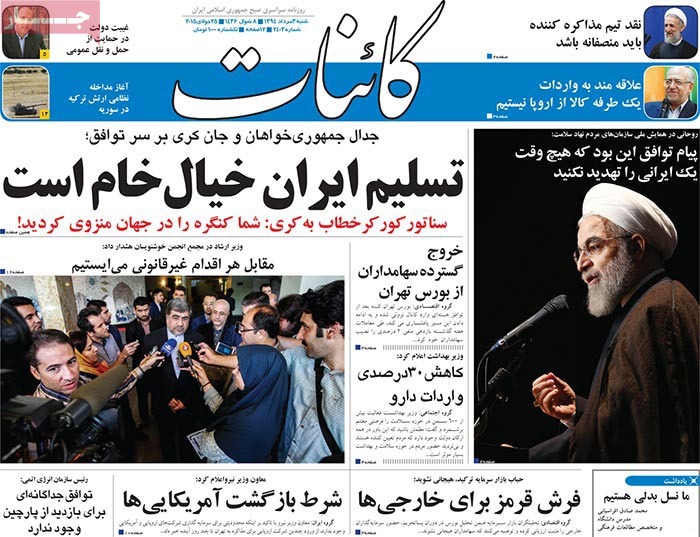
The comments of US Secretary of State John Kerry in a Senate hearing in defense of the Iran nuclear deal dominated the front pages of Iranian newspapers on Saturday. Turkey’s airstrikes against Syria and its security sweep in 13 provinces against IS militants and sympathizers were also on the covers of dailies.
Ettela’at: “Some sort of unicorn arrangement involving Iran’s complete capitulation is a fantasy,” US Secretary of State John Kerry said in testimony before the Senate Foreign Relations Committee.
Failure to enact the agreement would isolate the United States internationally, the US top diplomat further said.
Abrar: The IS terrorist grouping earns $40 million in oil revenues each month.
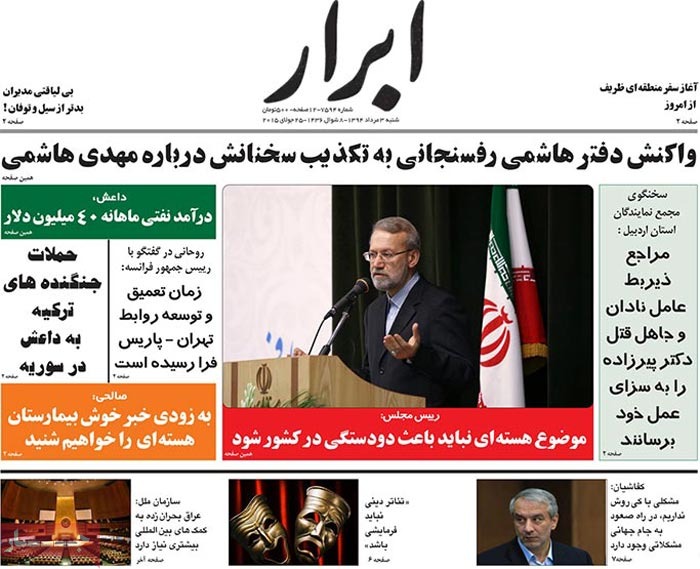
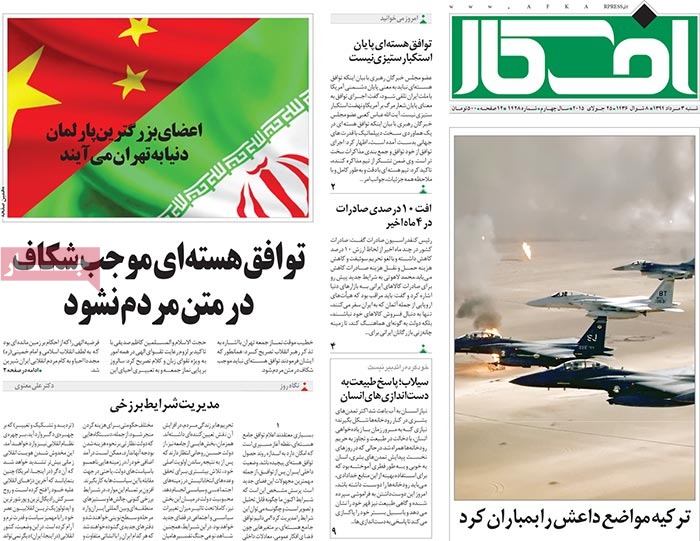
Afkar: Iran’s exports have dropped by 10 percent in the past four months.
Aftab-e Yazd: “The nuclear deal has set up a launchpad for development,” Parliament Speaker Ali Larijani has said.
Aftab-e Yazd: The tears of an ever-smiling man
Foreign Minister Mohammad Javad Zarif was unable to fight back tears when a girl suffering from respiratory disease and carrying an oxygen cylinder thanked him and fellow negotiator Ali Akbar Salehi [for clinching a nuclear deal that eases the problems of those suffering from hard-to-cure diseases].
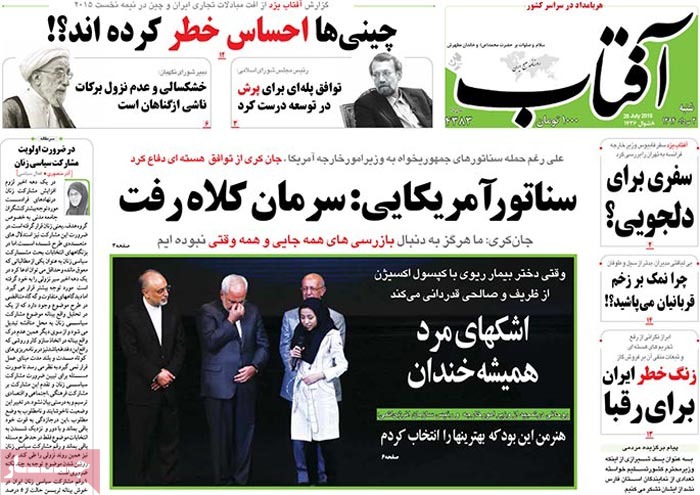
Amin: “Putting the weak points of the nuclear deal under the microscope won’t serve the country’s interests,” said Parliament Speaker Ali Larijani.

Arman-e Emrooz: Details about the murder of a physician in Ardabil
The health minister has flown to the northwestern city to look into the case.

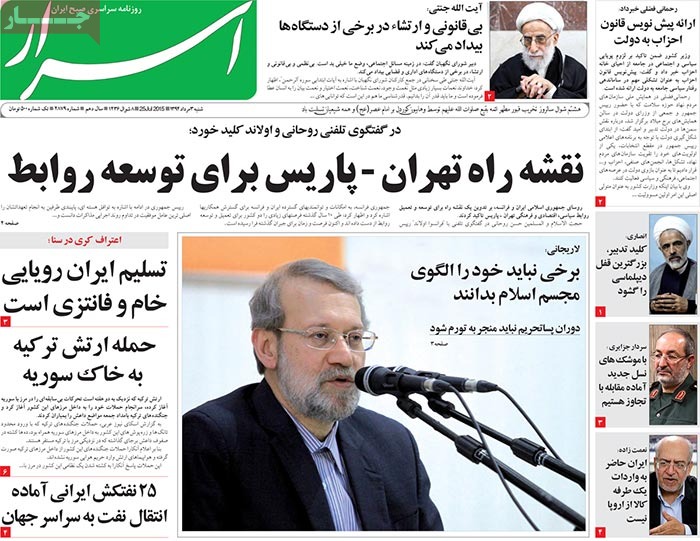
Asrar: “Infraction and bribery are rampant in some state institutions,” complained the secretary of the Guardian Council.
Asrar: Twenty-five Iranian oil tankers are ready to ship Iranian crude to destinations around the world.
Asrar: “Iran is not interested in simply importing goods from Europe [without exporting its products to the green continent],” the Iranian trade minister said.
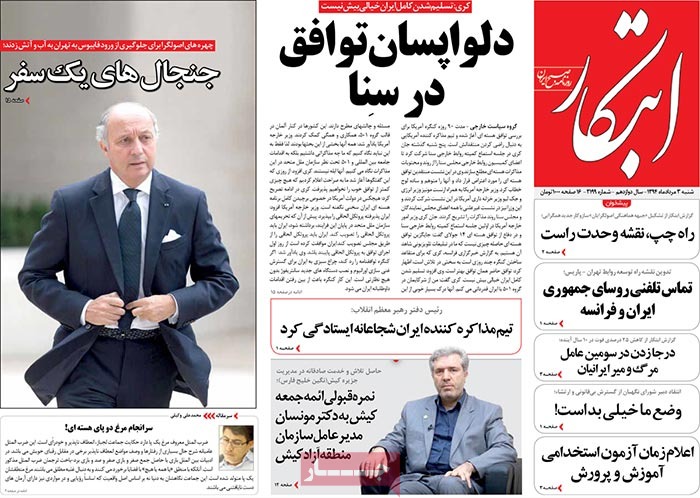
Ebtekar: The controversy surrounding a visit
Principlists went out of their way to prevent a state visit to Iran by French Foreign Minister Laurent Fabius.
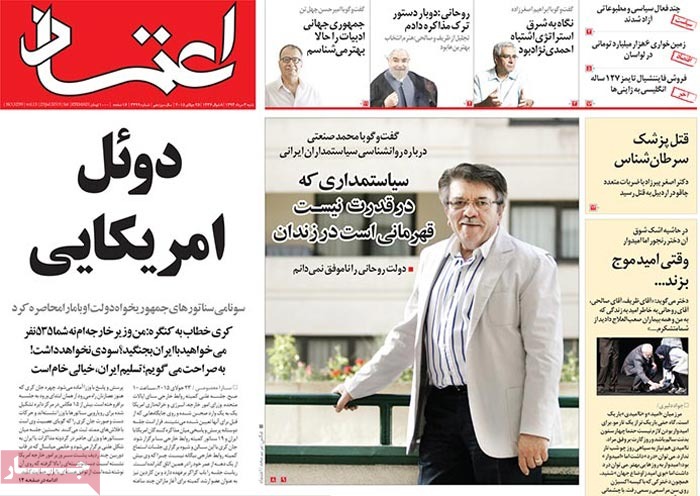
Etemad: “On two occasions I ordered the Iranian diplomats to walk away from the negotiating table,” said Iranian President Hassan Rouhani.
“What I view as artful about myself is that I picked the best ones [as members of the negotiating team],” the president further said.
Farhikhtegan: “The growth in unemployment rate comes to a halt this year [ends March 20, 2016]”, said the head of the Statistical Center.
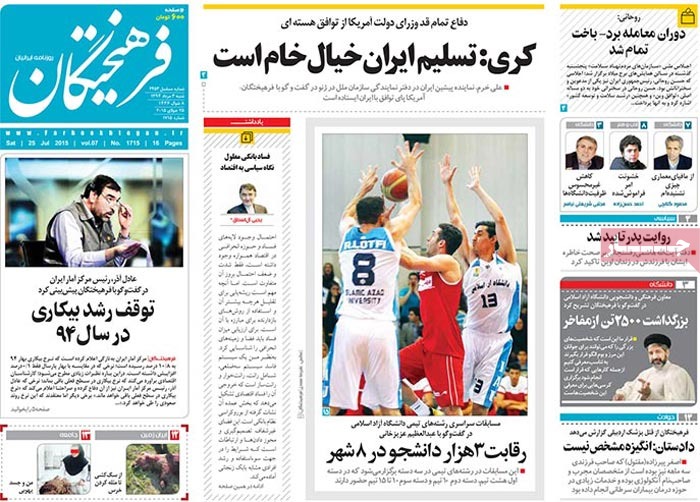
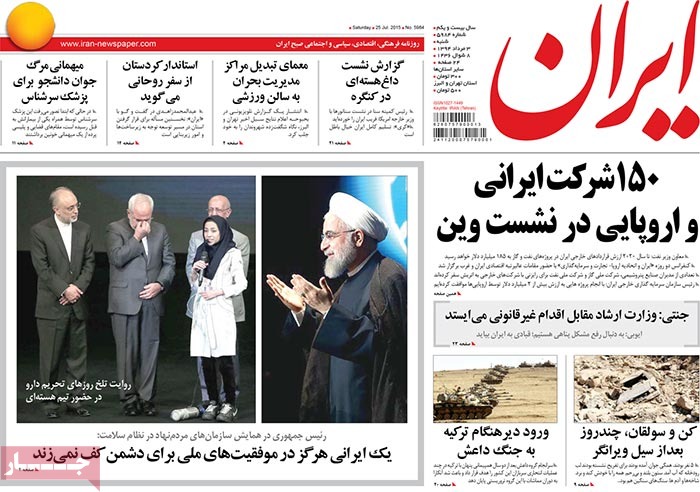
Iran: Some 150 Iranian and European firms have attended a conference in Vienna.
Kaenat: “Critiquing the negotiating team should have a just basis,” said Tehran Friday Prayer Leader Ayatollah Kazem Sedighi.
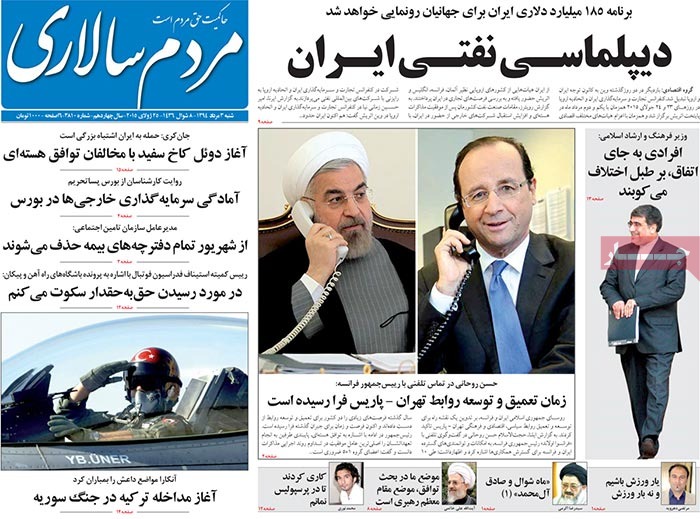
Mardomsalari: “Some are beating the drums of division rather than promote harmony and agreement,” said the minister of culture and Islamic guidance.
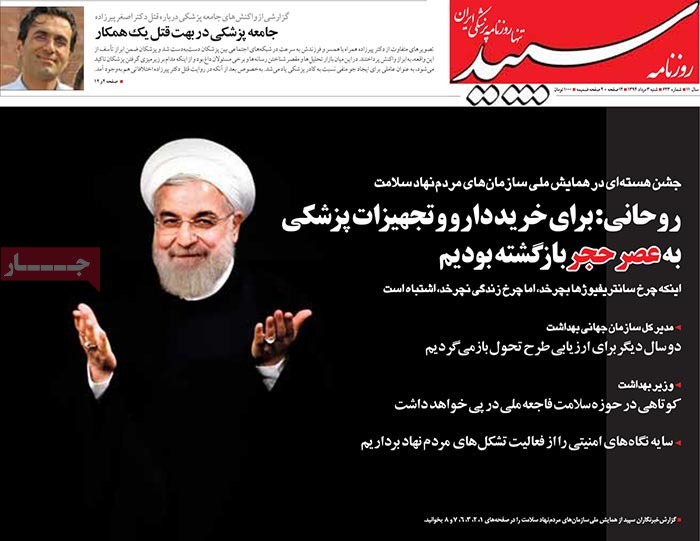
Sepid: “In buying medicine and medical equipment, we were back to the Stone Age,” said President Rouhani at a gathering of health NGOs.
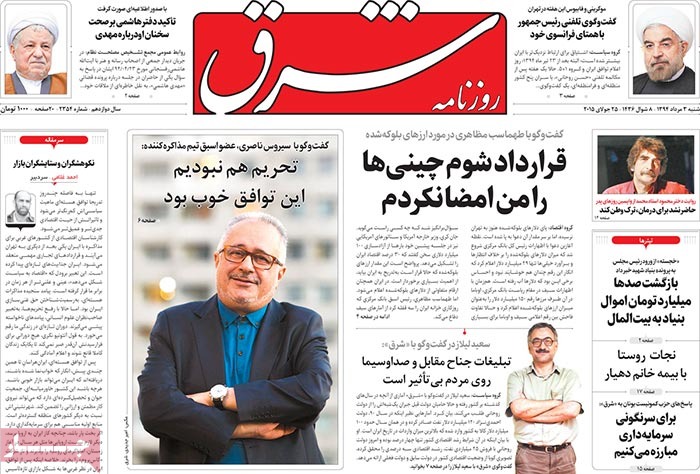
Sharq: “This would have been a good deal, even if we had not been under sanctions,” said Sirus Nasseri, a former member of the Iranian nuclear negotiating team.
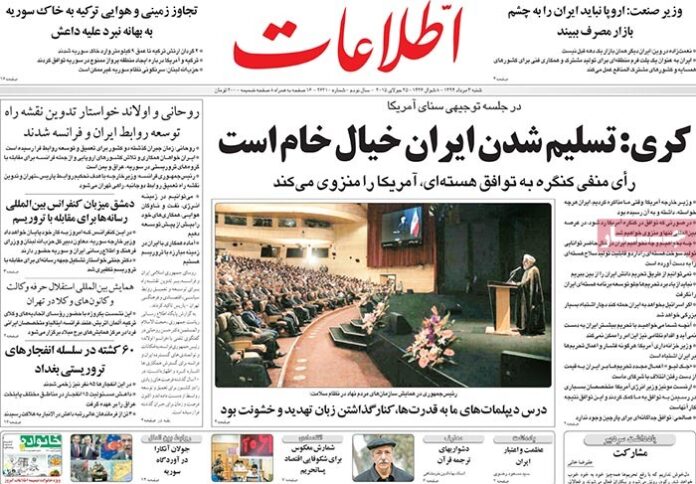
♦ “Some sort of unicorn arrangement involving Iran’s complete capitulation is a fantasy,” US Secretary of State John Kerry said in testimony before the Senate Foreign Relations Committee.
Failure to enact the agreement would isolate the United States internationally, the US top diplomat further said.
♦ “The lesson our diplomats taught world powers was to set aside the language of threats and violence,” President Rouhani said.
The president made the comment at a gathering of NGOs involved in the health sector.
♦ “Europe should not view Iran as a consumer market,” the industry minister said in Vienna.
Nematzadeh further said that Iran acts as a regional platform for joint production and technical cooperation between neighboring and commonwealth countries.
♦ Turkey has launched attacks, on the ground and from the air, against Syria under the pretext of fighting IS.
It came after the US and Turkey agreed to set up a no-fly zone over Syria, and Lebanon’s Hezbollah Movement said that toppling the Syrian government is impossible.
♦ Presidents Rouhani and Hollande have called for the formulation of a roadmap to promote Iran-France relations.
“The time has come for measures to make up for the past and deepen relations,” the Iranian president told his French counterpart over the phone.
♦ Damascus is playing host to an international media conference on ways of taking on terrorism.
In the gathering that comes to an end on Saturday, Iranian Minister of Culture and Islamic Guidance Ali Jannati called for the formation of a media front to counter Takfiri terrorism.
♦ Tehran is to host an international gathering on the independence of legal representation and bar associations.
Attorneys from Turkey, Germany, Austria, the Netherlands, Italy and Iran will get together in the capital’s Milad Tower for the one-day event on Sunday.
♦ A spate of explosions claimed by IS terrorists in Baghdad has left 60 people dead, and another 85 wounded.
It came as three senior commanders of the terror group were killed in Al-Anbar Province.
No limits in Western investment in power industry: Deputy minister
Iranians consume salt, sugar, oil at alarming rate: Health official
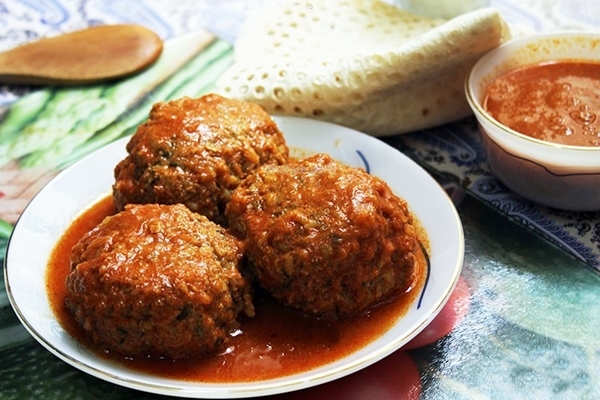
Iranian dishes excel at making people who have never tried them fall in love at the first bite. The unique combination of spices and flavorings with a wide range of vegetables, herbs, fruit, grains, nuts, meat and most importantly rice only needs the wand of Iranian cuisine to perform magic and leave an explosion of unforgettable tastes in the mouth. The delectable smell, delicious look and perfectly pleasant taste make it almost impossible to resist them. To share the gastronomic delights of Iran, IFP has decided to file a series of mouth-watering recipes for Iranian dishes.

Ingredients:
Serves 4-6
1. 500 grams minced veal or beef
2. One cup rice (100 grams)
3. 50 grams yellow split peas
4. Two heaped tablespoons chickpea flour
5. One egg
6. Two tablespoons finely chopped savory
7. One level tablespoon finely chopped mint
8. One level tablespoon finely chopped tarragon
9. One tablespoon finely chopped parsley
10. One level tablespoon finely chopped dill
11. One level tablespoon finely chopped wild leek
Dried herbs can be used instead of fresh ones.
12. Two large onions
13. Two tablespoons tomato paste
14. Dried plums and walnuts for the filling
15. Salt, ground black pepper and turmeric to taste
16. Garlic powder to taste
17. Oil
18. Water
How to cook Koofteh Berenji
1. Wash the rice a few times and soak it in salt water for a few hours. Pour some water in a pot and bring it to the boil, then add in the rice to the boiling water; leave it there until the rice is partly cooked. Depending on the kind of rice, it might take a few minutes (less than 10). Afterward, drain the rice. If the rice turns out to be fully cooked, there is no room for worry. What matters is that rice should not be raw, because it might later cause your Kooftehs to fall apart or remain uncooked by the time the meal is expected to be ready.
2. Cook the yellow split peas in water with some salt as well until they are well cooked. Drain them too and set them aside. The ingredients should be free of any excess water before they are mixed, otherwise the mix won’t be sticky enough and cracks will appear in Kooftehs.
3. Before you make Kooftehs, you need to get the sauce ready. Peel and slice one large onion and fry the slices over a medium heat until they turn soft and golden brown, add salt, turmeric and pepper to it. Then spoon in the tomato paste and fry it until it starts to change color and becomes deep red; stir it frequently to avoid burning it. Afterward, pour three to four glasses of water into the pot; the water level should be high enough to submerge the Kooftehs when they are placed in the pot. Bring the sauce to the boil, as soon as you place the Kooftehs in the sauce, turn down the heat.
4. Grate the other onion. If the grated onion turns out to be watery, squeeze it to get rid of the excess juice.
5. In a large bowl, mix the grated onion, minced meat, rice, yellow split peas, herbs, chickpea flour and egg and add turmeric, black pepper, salt and garlic powder to taste. It is important that you press the mixture with your hands until the ingredients form a single smooth, consistent substance.
6. Take a handful of the mix, stuff a dried plum and walnut into it and then shape it into a ball. Add the Koofteh to the sauce. You should not put the lid on the pot. Turn the Kooftehs in the pot to let them cook well in the sauce. If you like, you can add some dried plums to the sauce as well. As for the filling, you can use other stuff like dried onions, barberries and boiled eggs, too. The Kooftehs will need about an hour to simmer in the sauce before they are ready. The dish is served with flat bread.
Bon Appétit!

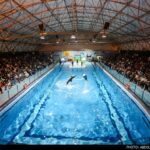
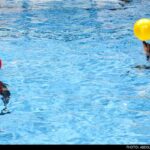
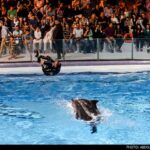
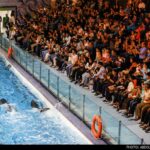
The dolphinarium of Tehran’s Milad Tower is the tallest dolphin aquarium in the Middle East.
The technology which simulates seawater movements and ensures adaptability with height has been used in building the aquarium.
It employs new methods to breed sea mammals and organize public displays in keeping with local culture.
The dolphinarium, which sits 700 people, is 60 m in length and 40 m in width and needs 3,000 cubic meters of water a month.
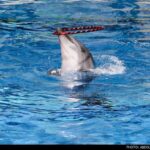
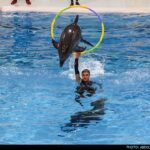
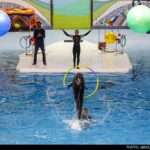
Tehran’s dolphin park puts on display different sea mammals.
Almost all dolphinariums in the world are located in the vicinity of beaches and are directly fed by seawater. In a non-coastal dolphinarium, seawater simulation technology is imperative, because a slight change in formulation of water can cause skin and eye disease and lead to eventual death of the animals.
Images of Tehran’s tallest dolphinarium released by Khabaronline.ir:













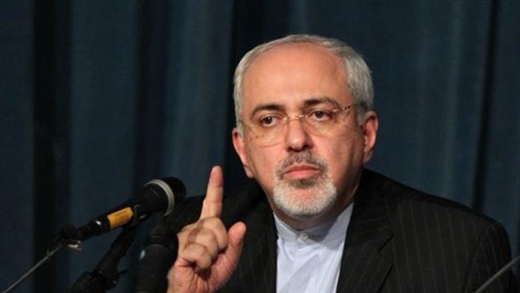
Iran’s Foreign Minister Mohammad Javad Zarif has dismissed recent remarks made by his US counterpart John Kerry as “incomplete hints” about some issues raised at the latest nuclear negotiations between Iran and P5+1.
In a statement, Zarif responded to some of Kerry’s claims he made on Thursday at a hearing before the Senate Foreign Relations Committee over the conclusion of the nuclear talks with Iran.
“As we have announced time and again, the Iranian nation’s resistance to various kinds of international pressure to give up [the country’s] peaceful nuclear program, and the pursuit of its rights based on the nuclear Non-Proliferation Treaty (NPT)” forced the United States to put confrontation aside and come to the negotiating table, Zarif said.
During the Senate hearing, Kerry had said, “I was privileged to be the chairman of this committee when we passed the Iran sanctions effort,” claiming that the sanctions “played a very significant role in bringing Iran to the table.”
Iran and P5+1– the US, Britain, France, China and Russia plus Germany – succeeded in finalizing the text of an agreement, dubbed the Joint Comprehensive Plan of Action (JCPOA), in the Austrian capital Vienna on July 14 after 18 days of intense talks over Tehran’s nuclear program.
Under JCPOA, limits will be put on Iran’s nuclear activities in exchange for, among other things, the removal of all economic and financial bans against the Islamic Republic.
‘Hollow threat’
The Iranian foreign minister also criticized Kerry’s remarks over “US capacity to use military force” against Tehran, dismissing it as a “hollow threat.”
The US secretary of state and other American officials have frequently acknowledged that “these threats have had no effect on the Iranian people’s will,” Zarif said, adding, “It’s better for the Americans to forget their long-lasting habit and put aside the language of threat and sanctions against the great people of Iran once and for all.”
“If Iran fails to comply [with the agreement], … we will be able to respond accordingly by reinstituting sanctions all the way up to the most draconian options that we have today. None of them are off the table at any point in time,” Kerry had said during the hearing.
Washington’s ‘hostile’ policies
Zarif further stated that he had repeatedly told Kerry during the negotiations that Iranians have many reasons to be angry at the US administrations and their policies over the past 60 years.
Washington’s anti-Iran moves, including “the coup against a democratic government and its support for the coup government in 1953, all-out support for the Pahlavi regime, backing [Iraq’s] Saddam Hussein regime in its countless crimes against the people of Iraq and Iran…, and other hostile measures against the Iranian nation such as unfounded allegations over Tehran’s peaceful nuclear program and the imposition of cruel and blind sanctions against the people,” are the reasons for the Iranian nation’s anger toward the US, the minister said.
Resolution 2231
Zarif further noted that contrary to Kerry’s remarks, JCPOA clearly stipulates that the contents of the United Nations Security Council Resolution 2231 are different from those of the accord reached between Iran and the six major powers.
On July 20, the Security Council unanimously endorsed a draft resolution turning JCPOA into international law. All 15 members of the body voted for the draft resolution in New York, setting the stage for the lifting of the UN sanctions against Iran.
Some issues Kerry had brought up regarding Iran’s support for its regional allies that are in the forefront of battling extremism and ISIL Takfiri terrorists “have no relation to the agreement,” Zarif said, adding that Tehran will do everything in its capacity to counter terrorism and extremism in the region.
“Its (Iran’s) support, its contributions to sectarian violence in the Middle East and other things, all of those are unacceptable,” Kerry had claimed.
In his statement, the senior Iranian official also underscored that US efforts to create divisions between Iranian authorities are “doomed to failure.”
Iran’s “policy both on regional issues and relations with the US is completely clear, and the government officials, along with the Armed Forces and the Islamic Revolution Guard Corps, follow the same policy on different issues based on the guidelines of Leader of the Islamic Revolution [Ayatollah Seyyed Ali Khamenei],” Zarif stated.
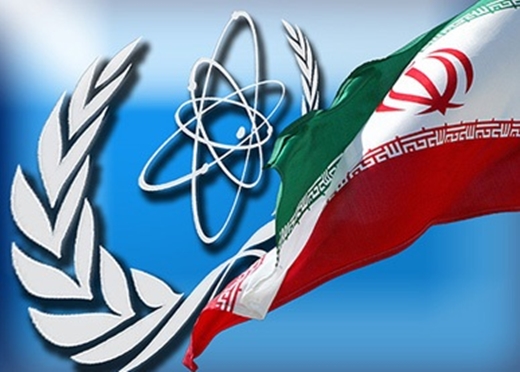
Iran’s Permanent Representative to the International Atomic Energy Agency Reza Najafi in a letter to IAEA chief Yukiya Amano warned against the possible leak of the IAEA’s information after White House Press Secretary Josh Earnest’s irresponsible remarks.
Najafi’s letter came after Earnest on July 17 claimed that US or Israeli military officials will increase their capabilities by receiving information on the IAEA’s inspection regime throughout years that the Joint Comprehensive Plan of Action (JCPOA) will be implemented.
“Such statements are in violation of commitments of the governments on not threatening or using force according to the UN charter, and at a time when JCPOA has been recently finalized in a successful manner such remarks can seriously overshadow the fundamental principles needed for implementation of JCPOA which will kick off soon,” part of Najafi’s letter said.
It went to say that such statements threaten the IAEA’s role as stipulated in JCPOA because the IAEA has been asked to take the precautionary measures to maintain trade, technical and industrial secrets and other secret information acquired in the course of transparency measures.
[…]
© All Content by IFP News ( Iran Front Page ) is licensed under a Creative Commons Attribution 4.0 International License.