Monday, December 22, 2025
Home Blog Page 4689

Leader’s aide: Israel never dares to attack Iran

13940509000307_PhotoI

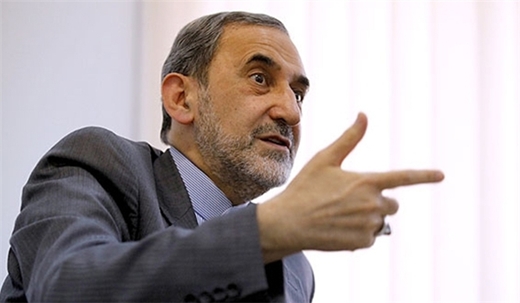
The Supreme Leader’s top adviser for international affairs has played down the war rhetoric of Tel Aviv against Iran, and said that in case of the slightest mistake by Israel it will receive Iran’s most crushing response.

Ali Akbar Velayati’s remarks came in reaction to the war rhetoric of Israeli Prime Minister Benjamin Netanyahu and other Tel Aviv officials against Iran.

“Israel does not dare to attack Iran; as soon as the Israeli regime begin to do so, its most important cities will be leveled to the ground,” Velayati said in response to a question by reporters on Israel’s possible attack on Iran to ruin the nuclear agreement between Iran and the world powers.

The Supreme Leader’s top aide, meantime, stressed that Iran will never allow any outsider to inspect its military sites.

“I reiterate that the issues of Iran’s missiles and defensive capabilities have never been included in the nuclear talks,” Velayati said.

Earlier this month, Foreign Minister Mohammad Javad Zarif underlined that Tehran’s ballistic missile production and use is no violation of the nuclear agreement between the country and the world powers.

“Using ballistic missiles doesn’t violate the Joint Comprehensive Plan of Action (JCPOA); it is a violation of a paragraph in the annex of the (UN Security Council) Resolution (2231) which is non-binding,” Zarif said in response to questions by legislators in an open session of parliament in Tehran on Tuesday.


“This paragraph (of the annex) speaks about missiles with nuclear warheads capability and since we don’t design any of our missiles for carrying nuclear weapons, therefore, this paragraph is not related to us at all,” he added.


Iran and the six powers struck a nuclear agreement in Vienna on July 14. A week later, the UN Security Council unanimously endorsed a draft resolution turning into international law the Joint Comprehensive Plan Of Action (JCPOA) reached between Iran and 5+1 (the US, Russia, China, Britain and France plus Germany) over the Islamic Republic’s nuclear program.

Iran halts Tehran-Ankara train services for security reasons

139405081727385625781704

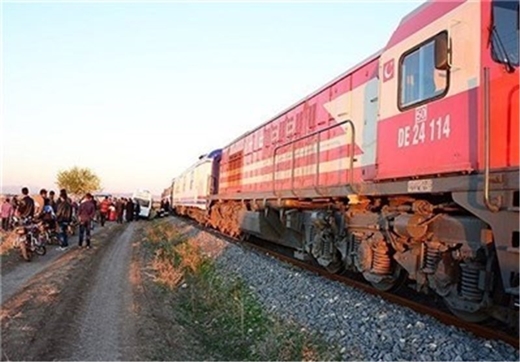
Iran on Thursday cancelled all trains to the Turkish capital in a bid to ensure the safety of passengers. This comes following a bomb attack on a railroad used by a train traveling from Turkey’s Ankara to the Iranian capital, Tehran.

Iran’s Rail Transportation Company (Raja) announced in a statement on Friday that it cancelled its train services to the neighboring country on Thursday, and will not dispatch any train to Ankara until Turkish authorities make official comments.

The statement came after a remote-controlled mine was detonated on a railroad line east of Turkey on Thursday, causing damage to a train traveling from Ankara to Tehran.

In its statement, Iran’s Raja has declared that the incident had no casualties and all passengers are safe and are returning to the country.

The Trans-Asian service was travelling between Genc in Turkey’s eastern province of Bingol and Suveren, Igdir province, when it was “targeted by suspected (Kurdistan Workers’ Party) PKK militants,” Bingol Governor Yavuz Selim Kosger told the Anadolu Agency.

The PKK has increased its operations inside the Turkish soil after Ankara’s air force attacked the Islamic State in Iraq and the Levant (ISIL) positions in Syria and Kurdish PKK militants in Northern Iraq over the last few days.

After the attack, an explosion hit the Iran-Turkey natural gas pipeline in the eastern Turkish province of Agrı on Monday. Iran stopped gas flow to that country immediately after being informed of the incident.

Iranian cleric raps US war rhetoric as “worn-out”

139404191740243305671264

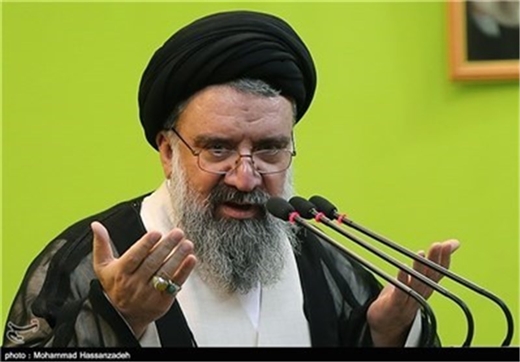
Tehran’s Friday Prayer Leader Ayatollah Ahmad Khatami slammed US officials for their repeated military threats against Iran, saying that Tehran’s response to such aggression would be crushing.

Back on July 25, US Secretary of State John Kerry said that US President Barack Obama “has made it pretty clear that Iran will not get a nuclear weapon. He’s prepared to use military force, if necessary, in order to prevent that.”

Speaking to a large congregation of worshippers in Tehran, Ayatollah Khatami referred to the remarks as “worn-out”, adding that the US officials have repeatedly made similar threats since the victory of the Islamic Revolution in 1979.

“We would not welcome any war, but if Americans want to try their chance once again, they should not hesitate,” he said, adding, “They may bring their warriors with aircraft, but they would return to their cities with coffins.”

“Even in ground offensive,” the Iranian cleric added “they (enemies) should know that the Islamic Republic of Iran would chase enemies deep into the enemy’s territory”.

Earlier in May, Supreme Leader of the Islamic Revolution Ayatollah Seyyed Ali Khamenei reaffirmed that the Iranian nation will not let any possible act of aggression against the country go unanswered.

The Leader said he has already made it clear, even when the former US president was in power, that “the era of hit and run has ended”, and that the Iranian nation will chase aggressors.

Taliban have no place in Iran security strategy: Envoy

bahrami

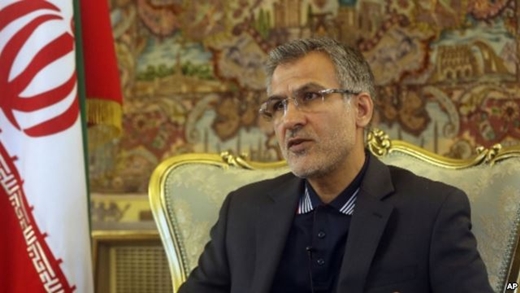
Iran’s Ambassador to Kabul has firmly denied claims that Tehran is cooperating with the Taliban to connect them with Russian officials in a bid to use the militia in the fight against IS terrorist group.

“Taliban have no place in our security strategy,” he told a meeting in Afghanistan Strategic Studies Center in Kabul on Thursday.

Bahrami said Iran does not accept words that “Enemy of your enemy is your friend”, and has many times announced it is not going to support extremism under any condition, because extremism is not controllable.

The dossier of IRNA’s martyred correspondent and eight Iranian diplomats in Mazar-Sharif is not closed yet, the envoy said, so it is evident that we have to maintain intelligence control and supervision on the Taliban.

As for Iran’s concern regarding filling of Salma dam’s reservoir, Bahrami said that all existing issues in bilateral relations between Iran and Afghanistan, including water, could serve as an element of joint cooperation.

He said, “We use this natural phenomenon and other issues as a tool to strengthen ties. We need to cooperate on different issues, among them water, transit, trade, electricity and fossil fuels.”

All these issues, he stressed, should be considered an opportunity; otherwise the game would not end in a win-win result.

When an Afghan reporter asked about Khuff-Herat railway project, Bahrami answered that the budget for the project has been approved and its construction has started, but tracks-laying has yet to be done.

Asked about a scenario in which the Iran nuclear deal is not executed and relations between Iran and the US move toward a conflict, and whether Iran would consider IS a threat and will cooperate with Afghanistan to fight against the group, Bahrami said, “Even if the agreement is not executed, we still consider the terrorist group a threat.”

On Tehran-New Delhi ties, Bahrami said that India will cooperate in developing Chabahar Port and that negotiations on Zahedan-Chabahar railway are underway, adding that the Chabahar project is not in contrast with any country’s interests.


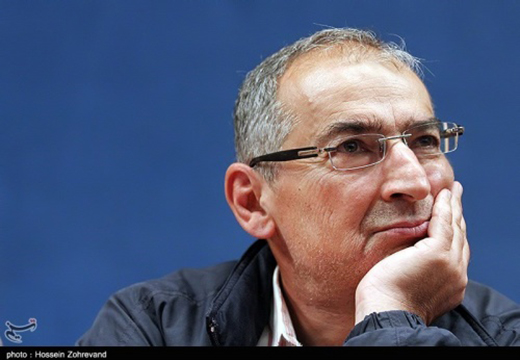
The 11th government is landscaping Iran’s front yard, not the US backyard

20150616090233-1

The message the European officials’ Iran visits – following the conclusion of the Iran nuclear deal – carry is more political than economic: Europe has re-established its trust in Iran even before verifying Tehran’s compliance with the Vienna accord.

Sharq daily on July 30 published an opinion piece by Sadegh Zibakalam, a university professor and political analyst, on Iran’s growing international credibility following the conclusion of the historic Iran nuclear deal on July 14, saying that the world has started to develop trust in Iran thanks to the eleventh government’s sensible foreign policy.

In his piece, Zibakalam has taken a closer look at the reason behind trips by a number of high-ranking European officials to Tehran over the past weeks and the future visits by economic and trade delegations of Western countries, saying that it shows the Western side has rebuilt its trust in Iran.

Zibakalam, who is a fierce critic of former President Ahmadinejad’s policies and an active supporter of rapprochement with the West, refers to trips by German and French officials and the EU foreign policy chief to Iran and writes in his analysis that such trips – at this juncture – are not merely aimed at verifying how Iran honors its commitments under the deal it has clinched with P5+1 before the Implementation Day.

He says the political message of such trips is more important than their economic outcomes: Europe has trust in Iran even before the implementation of the Vienna accord and verification of Iran’s compliance with its end of the bargain. The following is the translation of excerpts from the piece:

Economic outcomes or political considerations

“Economy is an important factor, but the fact of the matter is that it is not all that matters. No doubt, enthusiasm by Westerners to resume ties with Tehran shows that they have other diplomatic considerations, chief among them, worsening security situation in the region. If we hypothetically consider the Middle East as a region between Afghanistan, to the east of Iran, and North Africa, we’ll see that stability and security are absent in so many places within the [hypothetical] borders of this vast expanse.

“Afghanistan has been hit by insecurity. Iraq is worse than Afghanistan. The situation in Syria is alarming. Saudi Arabia is grappling with a crisis sparked by the adventurism of the kingdom’s new generation of rulers. The future of Lebanon hangs in the balance. Egypt has been caught in an intense battle between its two main political and social columns: the Army and the Muslim Brotherhood.

“Libya – which is no longer like a [sovereign] country after the collapse of Muammar Gaddafi [its deposed dictator] – has been divided into several military, tribal and communal sections. Even in Turkey, clashes with ISIL terrorists and radical members of the Kurdistan Workers Party (PKK) are the only cloud on the horizon.

“Iran is the only country which enjoys remarkably high stability and security despite its domestic problems. It is the only country [in this region] where Western and non-Western travelers can peacefully visit historical sites and tourist attractions without fearing that their bus might go off any moment or that they may be targeted by suicide bombers.

“Regardless of Iran’s security and stability, Westerners have woken up to the fact that they have no other option but enter partnership with Iran if they really seek to work out a serious, long-term solution to regional problems. Or they have realized that in the absence of Iran, restoration of stability and security to Iraq, Syria and Yemen would be too costly – if not outright impossible.

“The emergence of radical groups which claim to seek to establish an Islamic caliphate in the Middle East has blurred the past demarcations. Not only does Iran not pose a threat to the West, but the West can and should count the blessings of Iran’s powerful presence in the region”.


In conclusion, Zibakalam once again makes a scathing review of the Ahmadinejad administration’s foreign policy and its international relations and says, “Instead of establishing a strong presence in the region, extending an olive branch to the world and holding out a hand of friendship to our neighbors in the region, the previous government insisted on establishing ties with nations thousands of kilometers away such as Venezuela – and the late Comrade Chavez – Bolivia, Nicaragua, El Salvador and the revolutionary Zimbabwe.

“By so doing, the previous government argued, ‘Iran has made it into the US backyard and denied the White House occupants a good, sound sleep!’ Despite its downsides, the eleventh government has – at least – displayed a good sign of realism and pragmatism on the foreign policy front.

“[President] Rouhani and [Foreign Minister] Zarif believe Iran belongs in this part of the world, not half a world away. They are trying to keep Iran’s own front yard neat and clean without any claim of ‘global management’ [a reference to Ahmadinejad’s catchphrase in criticizing the existing world order and calling for a new world order as well as insisting on Iran’s determining role in managing the world]”.

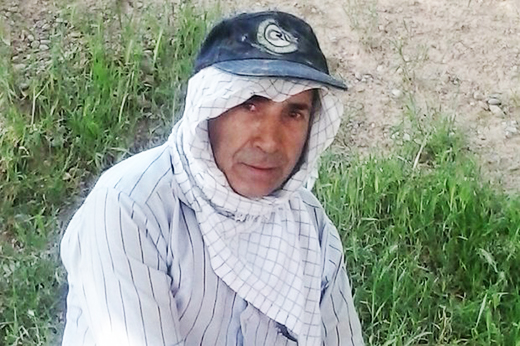
A man who’s put in a lifetime to clean up the environment

1

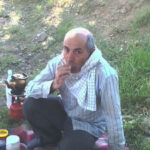
This is the story of a man who has spent 23 years of his life on cleaning up the environmental waste. Javad Gharib – a man in Lorestan Province – returns to nature, literally, each day to handle the abandoned waste.

Mehr News Agency on July 26 published a report on Gharib – a retiree and a nature lover – and his routine over the past 23 years. The following is a brief translation of the report:

Every day in the early hours of morning, Javad sets out for nature – forests and mountains – on his moped and returns home late in the afternoon with a sackful of waste. This is a daily routine for Javad, a retired employee of a drugstore in Borujerd and a nature lover.

He’s been appreciated by the agencies involved in environmental affairs, and the [thank-you] cards he carries in his pocket prove that he has been given credit for his labor of love. Still, those cards are not enough to show Javad Gharib’s genuine efforts [and pure love for Mother Nature and its cleanliness].

Javad puts it simply: that nature is a [divine] blessing, but man is not grateful enough for his blessings; that the environment has a right [to healthy existence] and its right should be respected.

Javad asks all people to help the environment and do their share of protecting the environment. He reminds people that when they head for nature, they should not forget one thing: they are expected not to disturb the calm of the environment in return for the serenity they find in the environment.

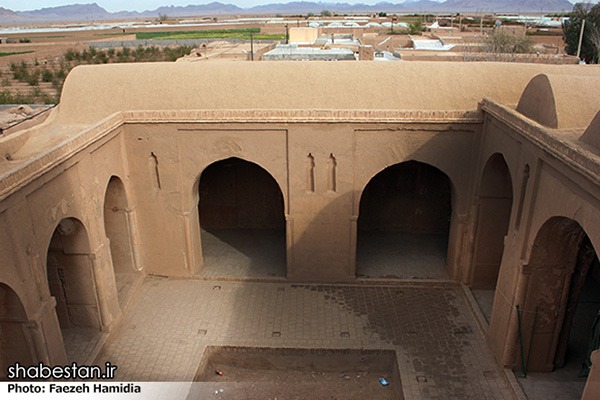
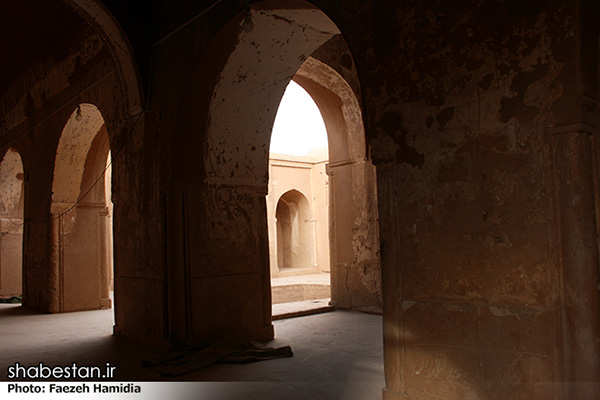
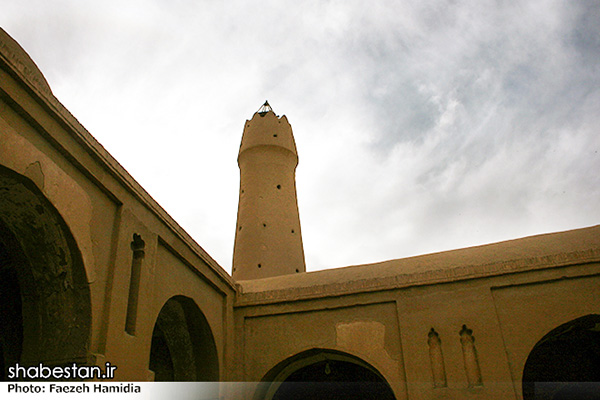
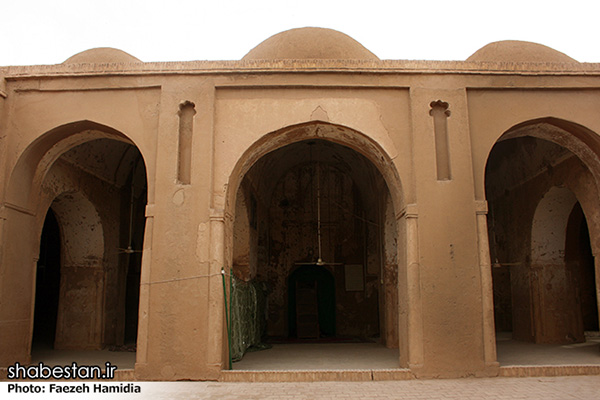
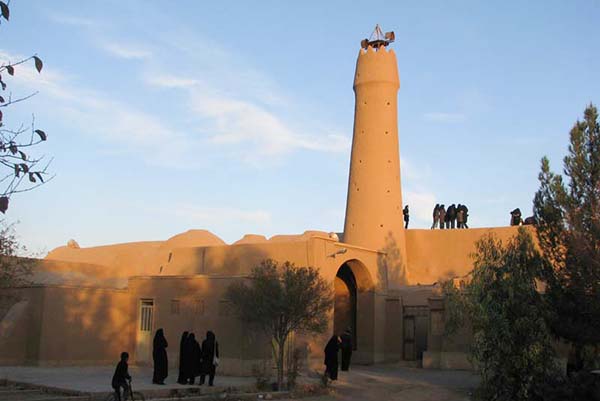
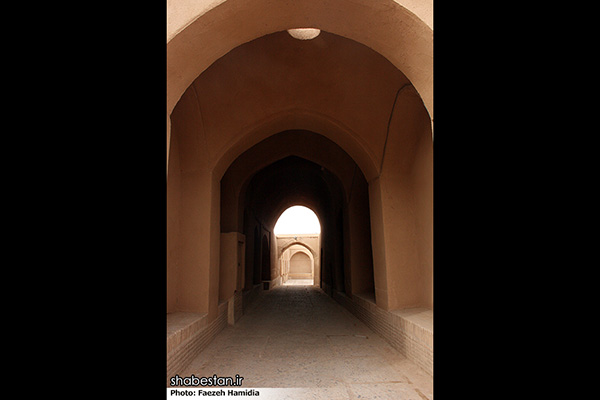
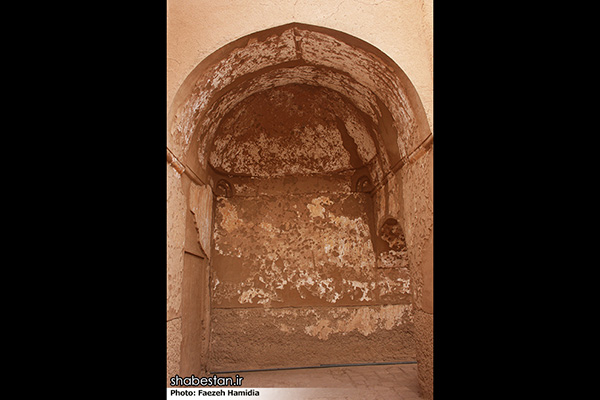
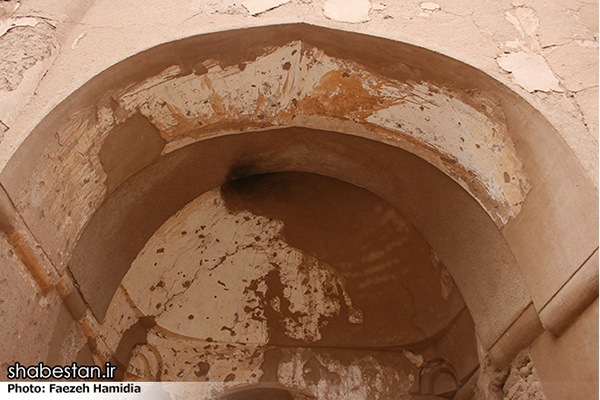
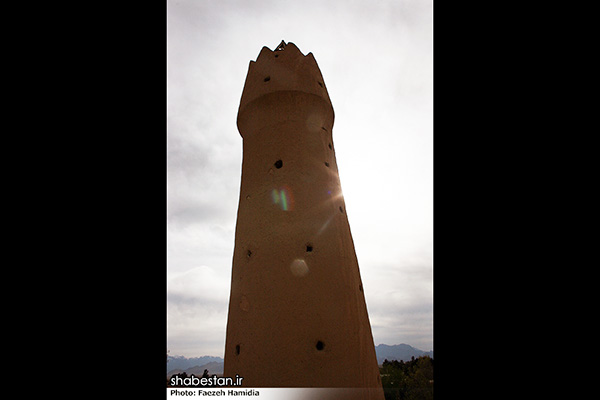
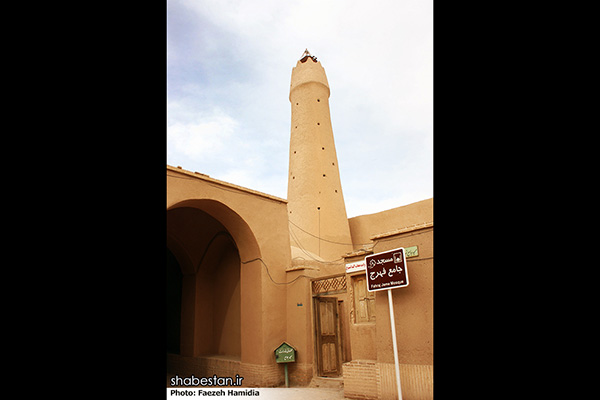
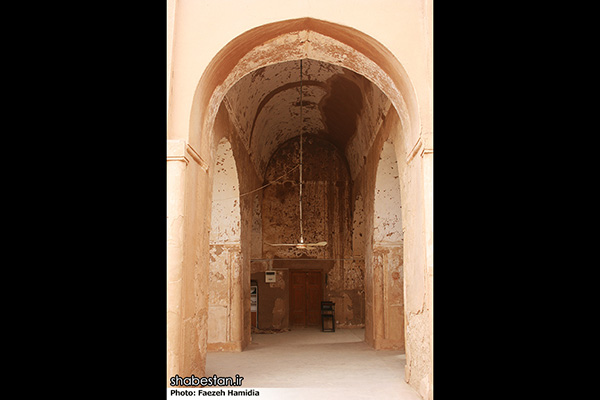
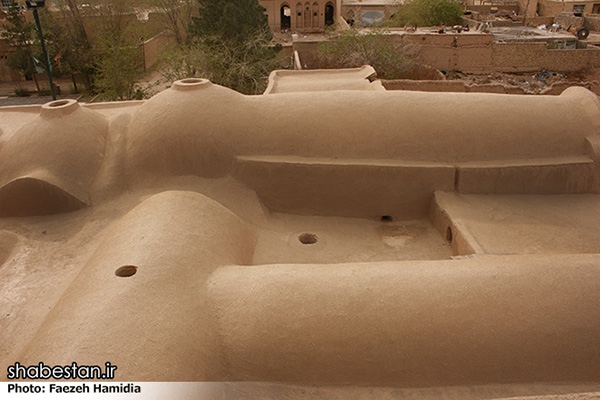
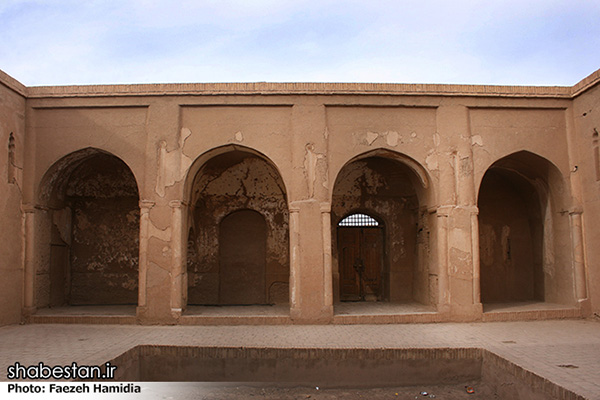
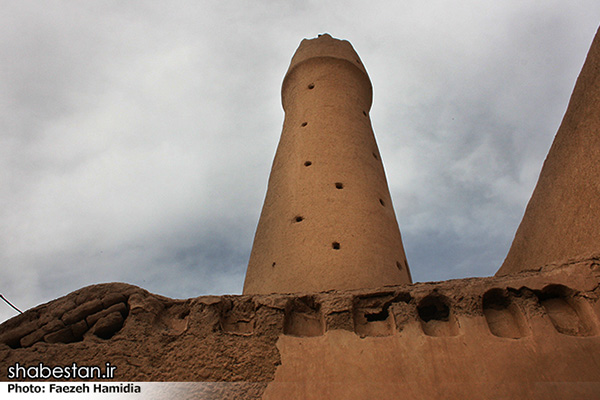
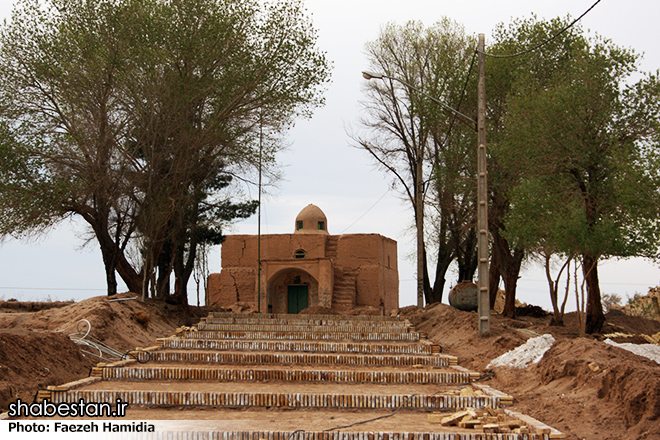
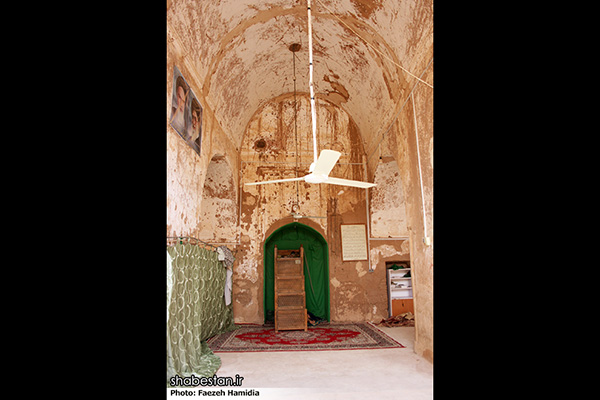
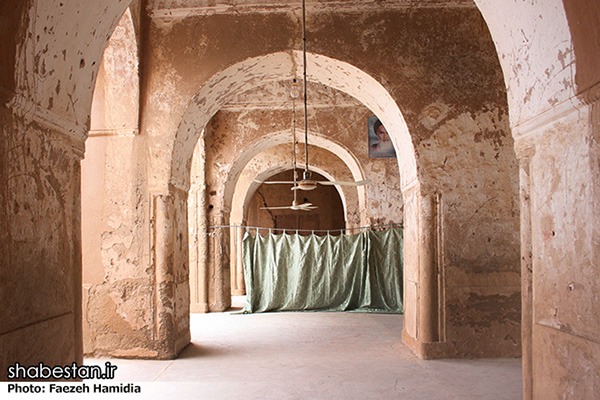
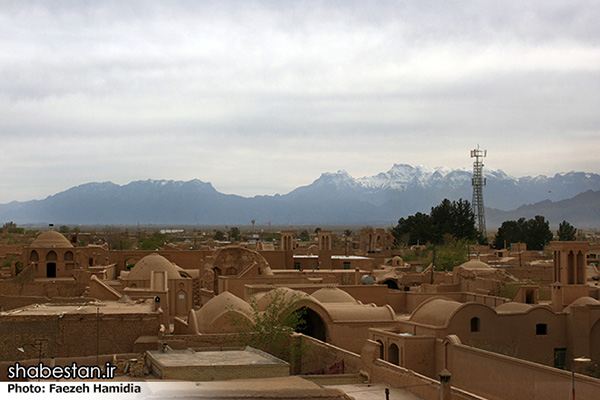
Fahraj Mosque in central Iran (PHOTOS)

Mosques in Iran; Cultural Havens with Impressive Architecture

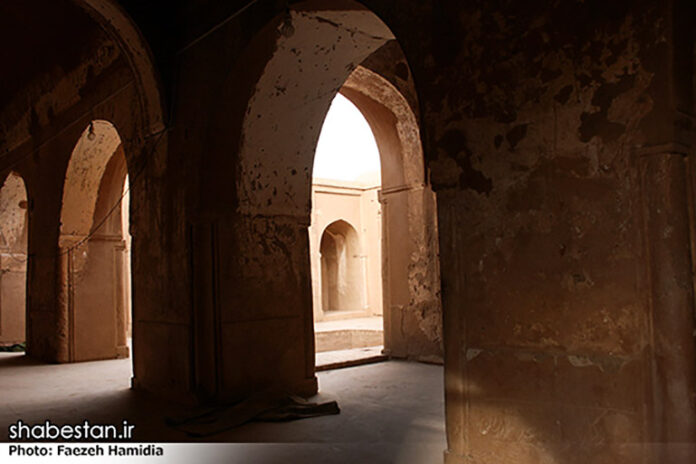
Fahraj Mosque, the oldest Muslim house of worship in Iran, is the only ancient mosque across the Muslim world whose structure has remained intact.

The mosque located in a namesake town in Yazd Province was built about 1,400 years ago.

Images of the ancient mosque released online by shabestan.ir:

It takes a lot of guts to earn your keep up there in the sky

Untitled-1

Most people show a natural degree of fear when exposed to heights, but to some, acrophobia [fear of heights or high places] is totally meaningless.

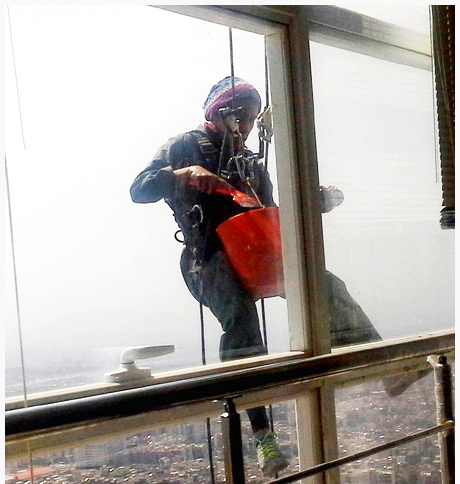
Many high-rise buildings or skyscrapers have large expanses of windows or glass walls, but who is supposed to clean them and how? Sky cannot be a safe workplace, but there are people who make their living up there in the air.

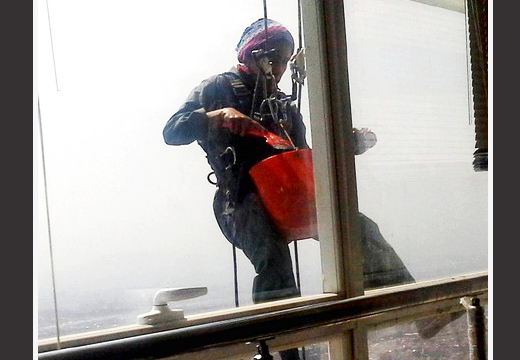
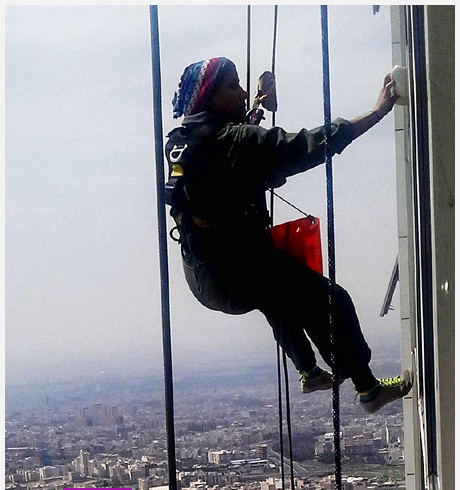
It is hard to believe that a young girl hangs by a thread, literally, to clean windows of high-rise towers. It is also unthinkable that a young girl is left hanging in the air as she goes ahead with her window cleaning job.

To go up and down in the air is a stressful and dreadful job that even men can hardly accept to do, but Tina, a young Iranian girl, has the guts to take care of that, showing no fear or anxiety whatsoever.

Tina says she used to be a rock climber [who has repeatedly climbed up, down or across natural rock formations or artificial rock walls]. For the past two years she has been employed by a company which cleans the windows of towering buildings in Tehran.

Tina says she feels no fear when she’s doing her job [window washing]. The tallest buildings she has so far dangled from are the twin towers in Tehran (27 stories).

The following are the pictures Jamejamonline (http://sara.jamejamonline.ir) has recently released showing Tina cleaning the windows of a tall university building helped by one of her colleagues:

635671921301749958 635671921323843610

Text of the Vienna accord should be taken back to talks with P5+1

59588_orig

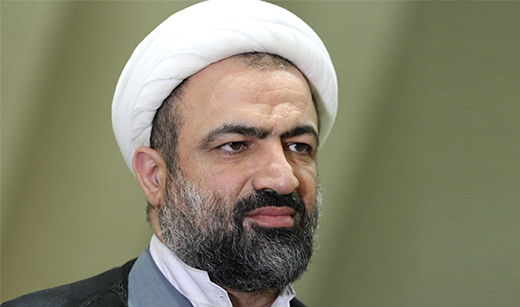
A hardline Iranian MP says that the text of the Vienna accord – like any other laws and regulations which are legally binding in the country – should have been pieced together in English and Farsi versions and signed by both sides so that no word or phrase would be interpretable.

Hamid Rasaei [a principlist MP who is an ardent supporter of former President Ahmadinejad] made the statement in a letter to President Rouhani, saying that there are some problems with the way the Farsi version of the Joint Comprehensive Plan of Action (JCPOA) has been submitted to the Islamic Consultative Assembly.

The current text cannot be reviewed in parliament and the Supreme National Security Council, Fars News Agency on July 28 quoted him as writing in the letter. The following is the translation of the opening and closing parts of Rasaei’s letter:

To Dr. Rouhani

The esteemed president of the Islamic Republic of Iran

The [JCPOA] text pieced together by your representative and P5+1 will be reviewed by the Islamic Consultative Assembly in coming weeks in line with the Constitution and the laws of the land. Since you view yourself as a jurist and this document [Vienna accord] as a legal text, there are some basic problems – as far as the esteemed government’s directives are concerned – to which you are expected to offer well-reasoned and legally acceptable responses. That is on top of numerous form- and content-related defects in the document that do not uphold the rights of the Iranian people.

You know that the English and Farsi versions of the text compiled by Mr. Zarif and P5+1 [representatives] was submitted to the parliament speaker on July 20, but the chamber’s Presiding Board sent back the translated version to the Foreign Ministry on the same day due to translation-related problems the Foreign Ministry has since admitted to.

Following complaints by MPs, the chair of the session announced today (Tuesday July 28) that the case has been followed up and that a new translated version has been given to parliament. Whether or not the new version is problem-free can be judged after it is compared with the original text.

What is more important than whether the Foreign Ministry’s translation of the text is correct or not in the eyes of parliament, the Supreme National Security Council and other oversight bodies, especially the elite in society, is the lack of a Farsi translation agreed to by Iran and P5+1. It is important to know whether the other parties to the talks (P5+1) make the same things out of the English text that we get from its Farsi translation.

In international law, this problem has always existed between countries when they ink agreements in different languages. Accordingly, each country’s laws entail rules and regulations – in line with domestic and international law – that prevent its rights from being trampled upon on this unfair international stage.

[…]

The Islamic Consultative Assembly and the Supreme National Security Council cannot express their legal views on the Iran nuclear deal. So the negotiating team is expected to once again put forward its final translation of JCPOA in talks with P5+1 after it has gone through the legal channels. If the Farsi and English versions are both approved, they [the two texts] can be sent to decision making centers of parties to the talks for final confirmation.

If not, it will be violation of law, and on top of that, there will be no guarantees that the decision adopted in the Iranian parliament is implemented, because the other side will act based on how it interprets the English text.

A look at Iranian newspaper front pages on July 30

Iranian Newspapers Headlines

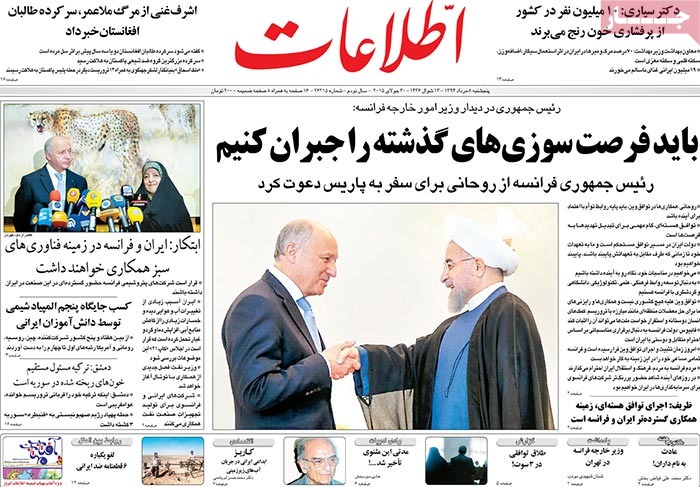
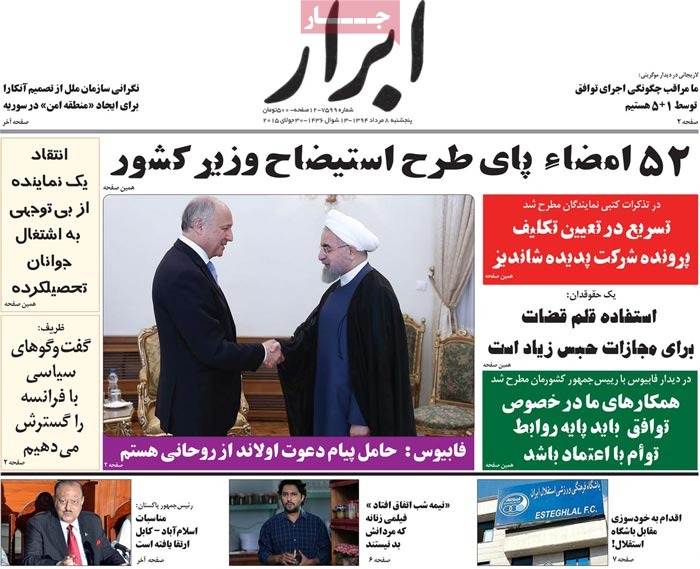
The Iran visit of French Foreign Minister Laurent Fabius and the meetings he held, among others, with President Hassan Rouhani and Foreign Minister Mohammad Javad Zarif and his extension of an invitation to the Iranian president to visit Paris dominated the front pages of Iranian newspapers on Thursday. Also on the cover of dailies was the confirmation by Afghan officials of the death of Taliban Leader Mullah Omar.


Ettela’at: “We need to make up for past failures to seize opportunities,” President Rouhani said at a meeting with visiting French Foreign Minister Laurent Fabius.

He further said that the cooperation stipulated in the Vienna accord should set the stage for trust-based relations of the future.

The French President has invited President Rouhani to visit Paris.


Abrar: Foreign Minister Zarif has vowed to expand political dialogue with France.
 

A look at Iranian newspaper front pages on July 30


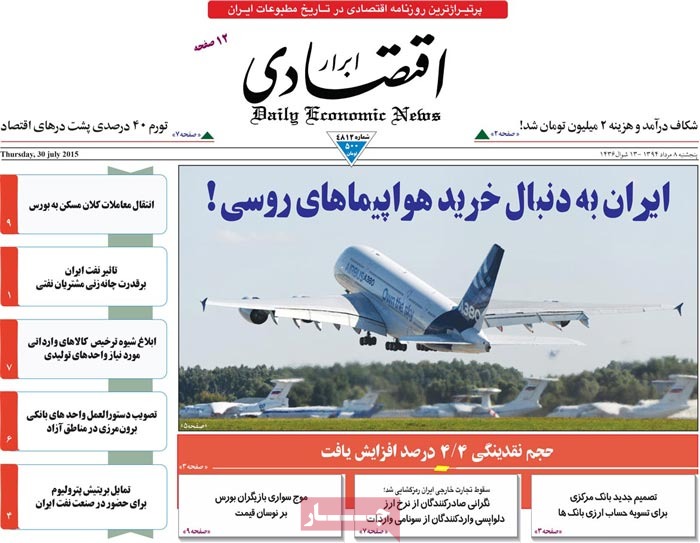
Abrar-e Eghtesadi: Iran seeks to purchase Russian aircraft!

Abrar-e Eghtesadi: The volume of liquidity has increased 4.4 percent.
 

A look at Iranian newspaper front pages on July 30


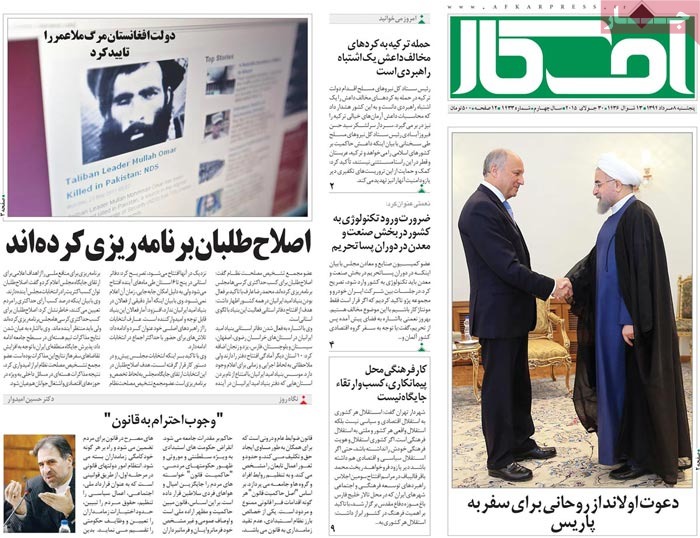
Afkar: The chief of staff of the Iranian armed forces has described Turkish attacks on Kurds fighting IS terrorists as a strategic blunder.

Afkar: A member of parliament’s Industries Committee has stressed the need for imports of modern mining and industrial technology in the post-sanctions era.
 

A look at Iranian newspaper front pages on July 30


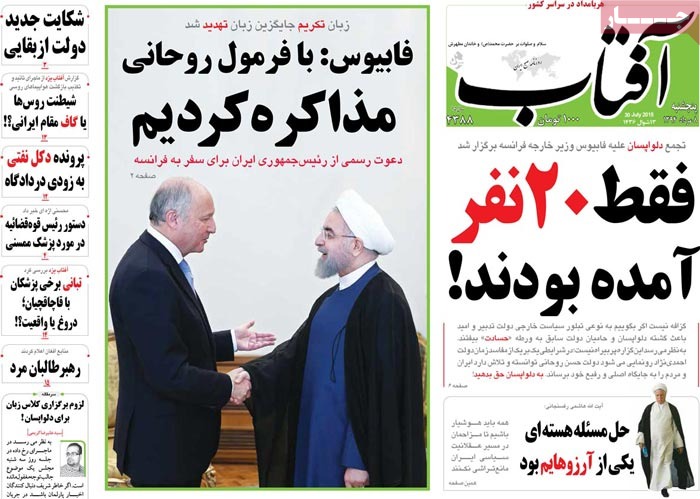
Aftab-e Yazd: Only 20 people attended a gathering to protest the Tehran visit of French Foreign Minister Laurent Fabius.

Aftab-e Yazd: “Settlement of the nuclear issue was one of my dreams,” said Ayatollah Akbar Hashemi Rafsanjani.

“We need to be vigilant to make sure that distractors do not create obstacles in the path of political wisdom Iran is treading,” the chairman of the Expediency Council further said.

Aftab-e Yazd: The case involving the missing oil derrick will soon be tried in court.

[It comes after revelations that an oil derrick Iran purchased when Ahmadinejad was in power was never delivered to Iran.]
 

A look at Iranian newspaper front pages on July 30


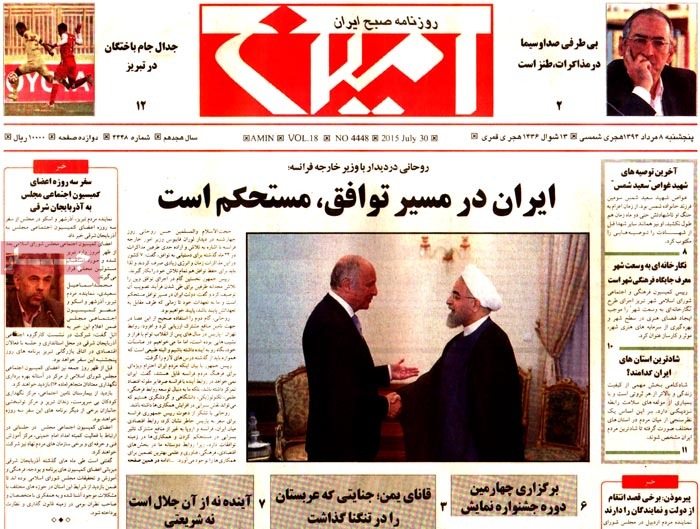
Amin: “That IRIB [state radio and TV organization] has been neutral in its coverage of nuclear talks is more like a joke,” said Sadegh Zibakalam, a renowned political analyst.
 

A look at Iranian newspaper front pages on July 30


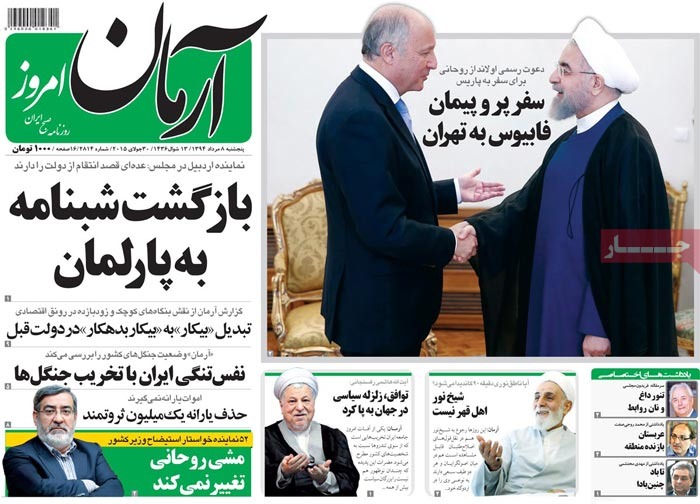
Arman-e Emrooz: President Rouhani’s approach won’t change.

Fifty-two MPs have called for the impeachment of the interior minister.

Arman-e Emrooz: The chairman of the Expediency Council has likened the Vienna accord to a political earthquake in the world.
 

A look at Iranian newspaper front pages on July 30


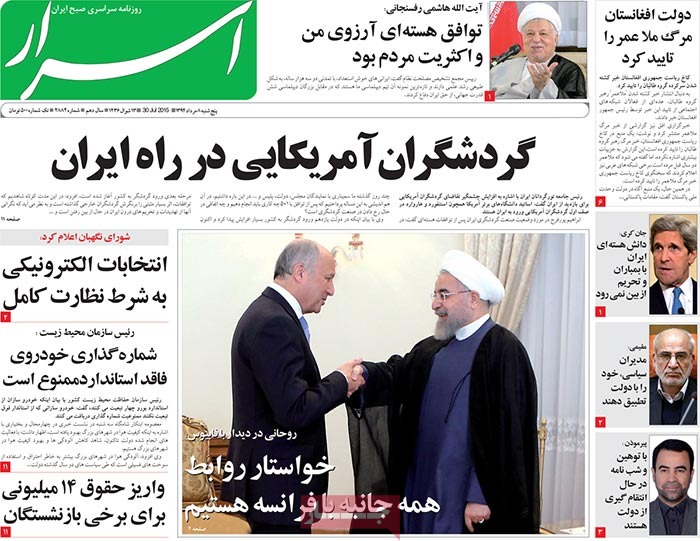
Asrar: American tourists on their way to Iran
 

A look at Iranian newspaper front pages on July 30


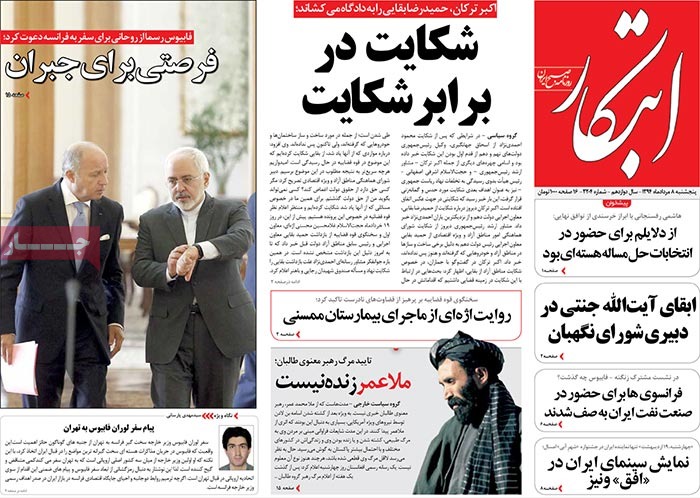
Ebtekar: “One of the reasons I filed my candidacy for presidential elections [more than two years ago] was to settle the nuclear case,” Ayatollah Akbar Hashemi Rafsanjani said as he praised the nuclear deal.

[Rafsanjani was disqualified by the Guardian Council and didn’t make the final list of candidates.]
 

A look at Iranian newspaper front pages on July 30


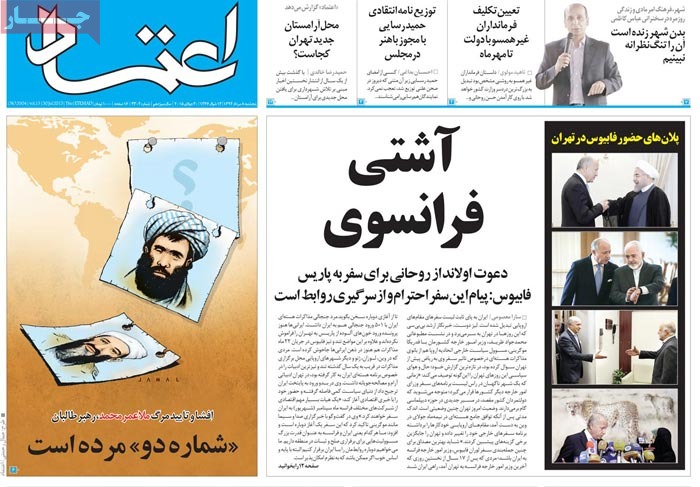
Etemad: A decision will be made in the case of governors who do not see eye to eye with the Rouhani administration in two months’ time.

Etemad: The French rapprochement

President Hollande has invited President Rouhani to visit Paris.

The French foreign minister has said that respect and resumption of ties are the messages of his Tehran visit.
 

A look at Iranian newspaper front pages on July 30


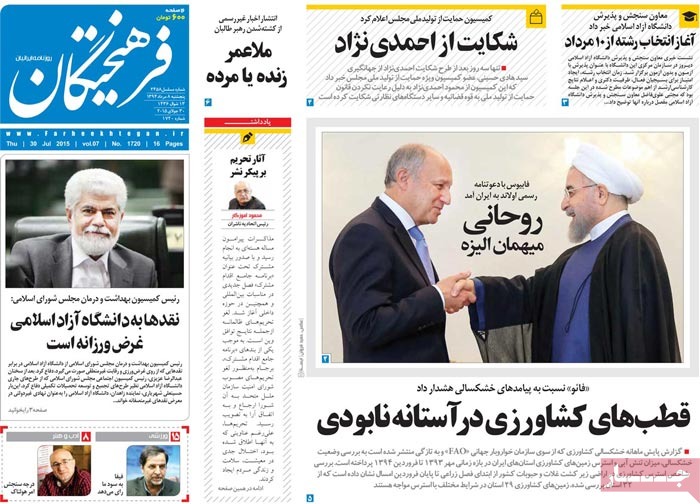
Farhikhtegan: A member of parliament’s Support for National Production Committee has said that the committee has filed a complaint with the Judiciary against former President Ahmadinejad for his failure to abide by laws requiring official support for national production.
 

A look at Iranian newspaper front pages on July 30


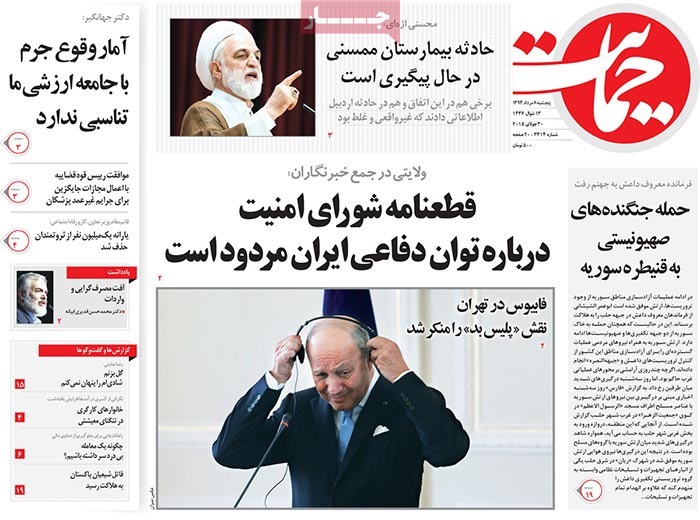
Hemayat: Fabius has denied that France has been playing the role of bad cop in nuclear talks with Iran.

Hemayat: “The UN Security Council resolution on Iran’s defense capabilities is not acceptable,” Ali Akbar Velayati, an advisor to the Supreme Leader, told reporters.
 

A look at Iranian newspaper front pages on July 30


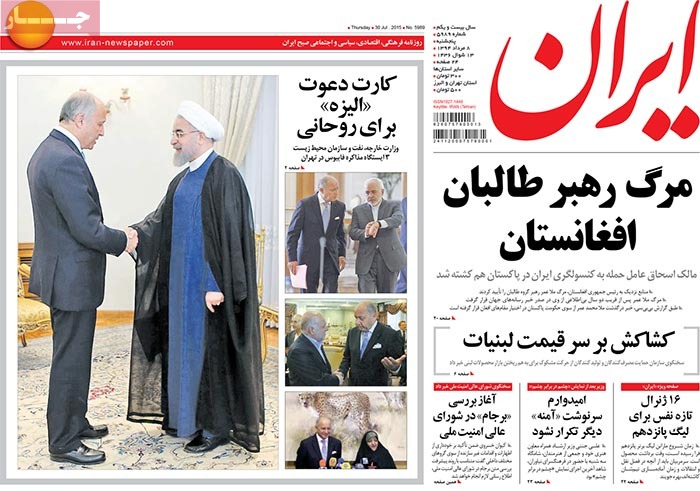
Iran: The Supreme National Security Council has started reviewing the Joint Comprehensive Plan of Action (JCPOA).
 

A look at Iranian newspaper front pages on July 30


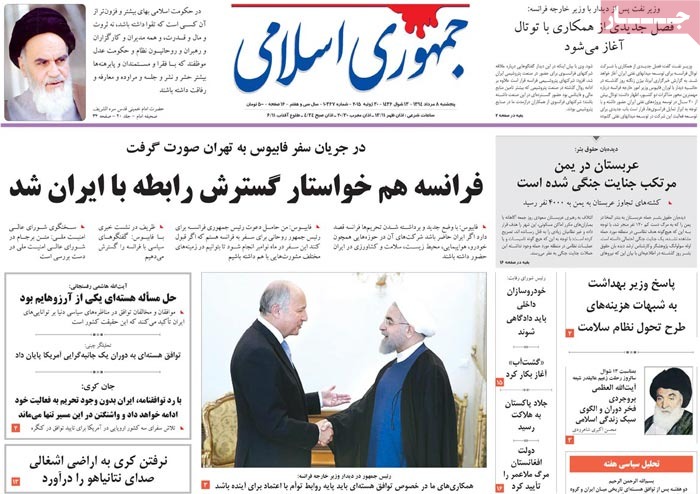
Jomhouri Islami: France has called for expansion of ties with Iran.
 

A look at Iranian newspaper front pages on July 30


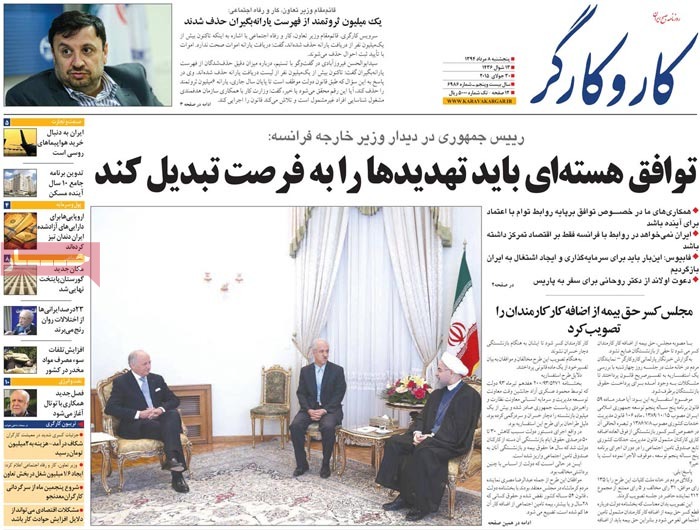
Kar va Kargar: Some 1 million high-income individuals have been taken off the list of people who receive monthly cash subsidies.
 

A look at Iranian newspaper front pages on July 30


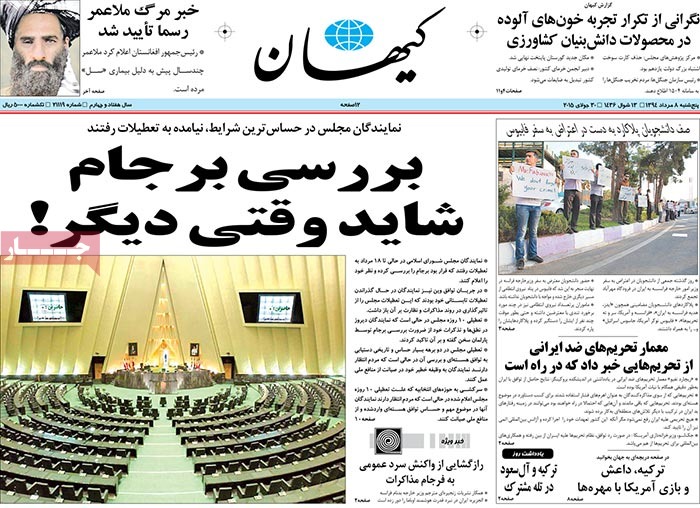
Kayhan: Review of the Joint Comprehensive Plan of Action (JCPOA), maybe some other time!

At a very sensitive juncture, MPs have left for a summer recess.
 

A look at Iranian newspaper front pages on July 30


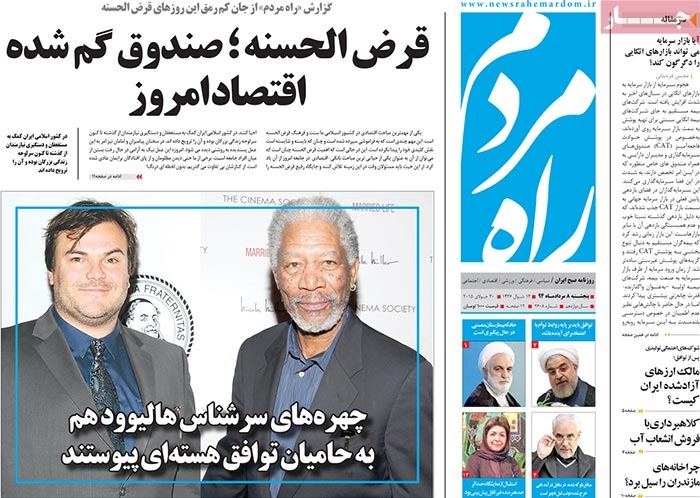
Rah-e Mardom: Prominent Hollywood actors have joined the ranks of individuals who support a nuclear deal between Iran and P5+1.
 

A look at Iranian newspaper front pages on July 30


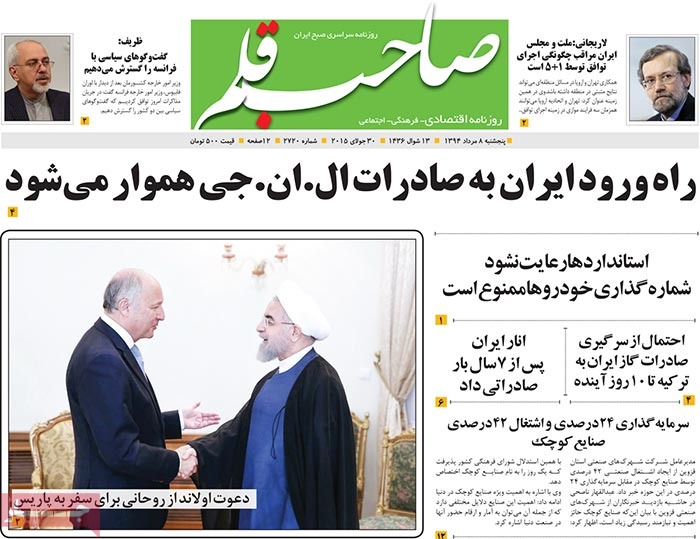
Saheb Ghalam: “The Iranian people and parliament will keep a close eye on the P5+1 countries’ implementation of the Vienna accord,” Iranian Parliament Speaker Ali Larijani said.

Saheb Ghalam: The stage will be set for Iran’s exports of LNG.
 

A look at Iranian newspaper front pages on July 30


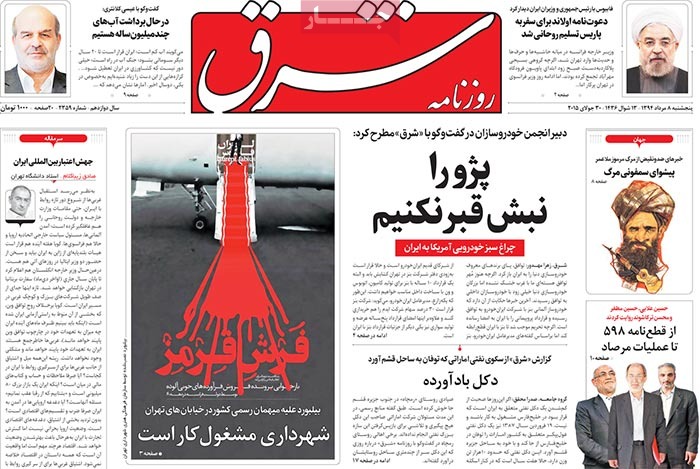
Sharq: Tehran Municipality is at work!

Tehran Municipality put up signs on billboards across the capital against a person who was the official guest of the country!
 

A look at Iranian newspaper front pages on July 30


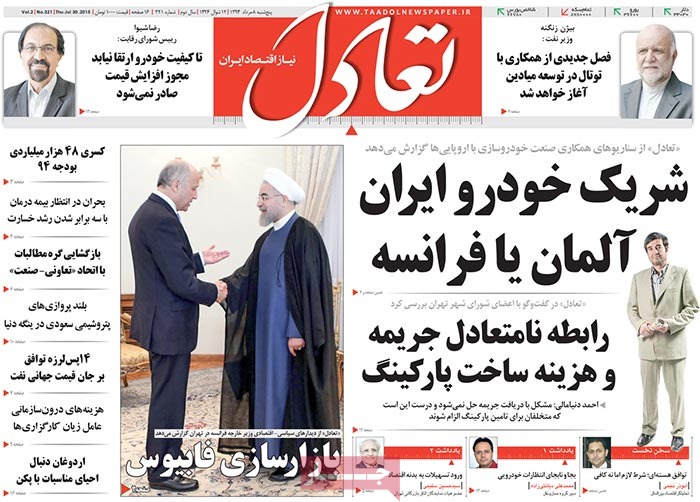
Taadol: “A new chapter of cooperation between Iran and Total will open in development of [Iranian oil and gas] fields,” the Iranian oil minister said after meeting the French foreign minister.

 

A look at Iranian newspaper front pages on July 30