Monday, December 22, 2025
Home Blog Page 4690

Highlights of Ettela’at newspaper on July 30

82aa4b0a

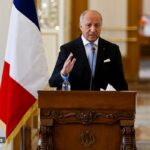
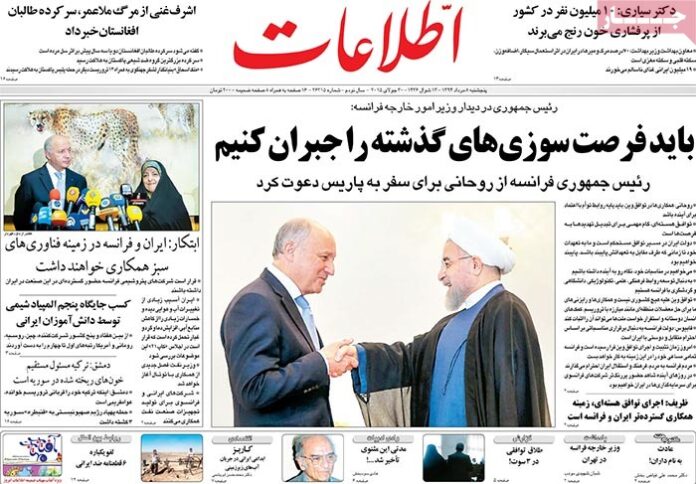
 “We need to make up for past failures to seize opportunities,” President Rouhani said at a meeting with visiting French Foreign Minister Laurent Fabius.

He further said that the cooperation stipulated in the Vienna accord should set the stage for trust-based relations of the future.

The French President has invited President Rouhani to visit Paris.

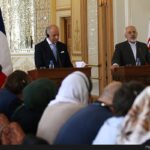
 “Implementation of the nuclear deal paves the way for wider cooperation between Iran and France,” Foreign Minister Zarif said [at a news conference after meeting his French counterpart in Tehran].

 “Some 10 million Iranians are suffering from hypertension,” the deputy health minister said.

Dr. Ali Akbar Sayyari further said that smoking, being overweight, heart attacks and strokes are to blame for more than 70 percent of all deaths in Iran.

He added that the nutrition of some 19 million Iranians is far from healthy.

 The Afghan president has said that Taliban ringleader Mullah Omar has died.

The Taliban kingpin is said to have died of TB more than two years ago.

In another development, the leader of the largest anti-Shiite gang in Pakistan was killed in a shootout with police.

 “Iran and France will cooperate in the field of green technology,” the director of the Environment Protection Organization said.

The French petrochemical companies are to have a stronger presence on the Iranian market.

 Iranian students have finished fifth in the International Chemistry Olympiad.

Students from 75 countries competed for glory in the event. China, Russia, the US and Romania claimed the four top spots in the final standings of the Olympiad.

 Damascus has said that Turkey is directly to blame for the blood spilled in Syria.

In other news, an Israeli drone strike in Syria left three people dead.


Iranian oil minister, France’s Fabius confer on cooperation on energy

139405071726409975778564

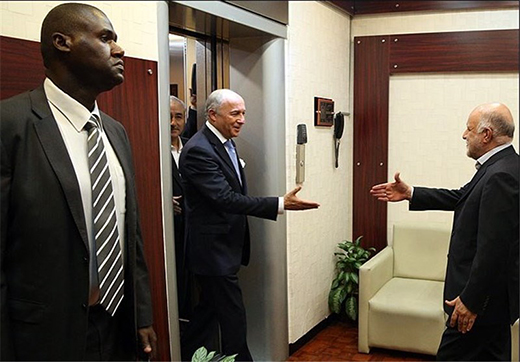
Iranian Oil Minister Bijan Namdar Zanganeh and France’s visiting Foreign Minister Laurent Fabius explored avenues for the two countries’ cooperation in energy field.

During the meeting in Tehran on Wednesday, the two sides highlighted the necessity of boosting oil and gas cooperation between Iran and France with Fabius indicating his country’s willingness to take part in Iran’s petrochemical projects.

Speaking to reporters after the meeting, Fabius said Paris seeks to restore its historical ties with Iran and become an “important trade partner for Tehran.”

Also, Zanganeh told reporters he and Fabius highlighted the necessity of boosting oil and gas cooperation and the French side has indicated its keen interest in taking part in Iran’s petrochemical projects.

He also noted his ministry is planning to open “a new chapter” in cooperation with the French energy giant, Total, for the development of Iranian oil fields.

Upon his arrival in Tehran, Fabius announced that a “very important” delegation of French businessmen will pay a visit to Tehran in the near future.

He declared that the economic delegation will include several French companies and is scheduled to arrive in Iran in September.

Fabius’s remarks came as he arrived in Tehran two weeks after finalization of the text of a nuclear pact between Iran and major world powers that put the spotlight on the Islamic Republic.

Turkey attacks on anti-ISIL Kurds strategic mistake: Iran commander

01c5086f-199d-43da-a1e0-8116169f1109

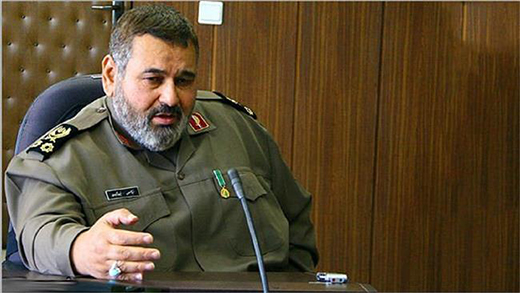
A top Iranian general has slammed as a “strategic mistake” Turkey’s recent attacks against Kurdish forces, who are fighting against the ISIL Takfiri terror group.

Chief of Staff of the Iranian Armed Forces Major General Hassan Firouzabadi made the comments on Wednesday, warning that the Turkish military’s recent attacks against anti-ISIL Kurdish forces facilitate the access of Takfiri extremists to Turkey’s frontiers.

He said Turkey should be worried about its own nation in the face of ISIL’s “satanic conduct” and those supporting the terror organization, including the “Zionists and the United States.”

Firouzabadi’s comments come after Turkish tanks reportedly shelled four Kurdish-held villages in northern Syria late on Sunday, injuring four fighters of the Kurdish People’s Protection Units (YPG.(

Ankara had claimed that its offensive on the northern parts of Syria was solely aimed at undermining ISIL, a Takfiri group which controls territories there and in neighboring Iraq.

However, in a statement on Monday, the YPG said: “Instead of targeting IS (ISIL) terrorists’ occupied positions, Turkish forces attack our defenders’ positions. We urge [the] Turkish leadership to halt this aggression and to follow international guidelines.”

The senior Iranian military official further criticized Turkey, Saudi Arabia and Qatar for providing support to Takfiri terrorists, stressing that such a policy will “sooner or later” backfire and endanger their own security.

Firouzabadi further advised Ankara, Riyadh and Doha not to count too much on their “alliance with ISIL,” stressing that the Takfiri terror group eyes ruling the entire Islamic countries, and that the three Muslim states are no exceptions.

Turkey recently launched airstrikes allegedly against the bases of the Kurdistan Workers’ Party (PKK) in northern Iraq as well as ISIL positions in Syria after a deadly bomb attack which left 32 people dead in the southwestern town of Suruc, across the border from the Syrian Kurdish town of Kobani.

This is while the Takfiri militants operating in Syria have long enjoyed the support of Turkey as well as its Western and regional allies, including Saudi Arabia and Qatar.

Many media reports have recently said that Ankara actively trains and arms the militants in Syria, and also facilitates the safe passage of would-be foreign terrorists into crisis-hit areas.

In a report published last Sunday, The Guardian quoted an unnamed senior Western official as saying that evidence on direct dealings between Turkish officials and ranking ISIL members was “undeniable.”

Environmental issues discussed between Iran, France

139312141329597544866264

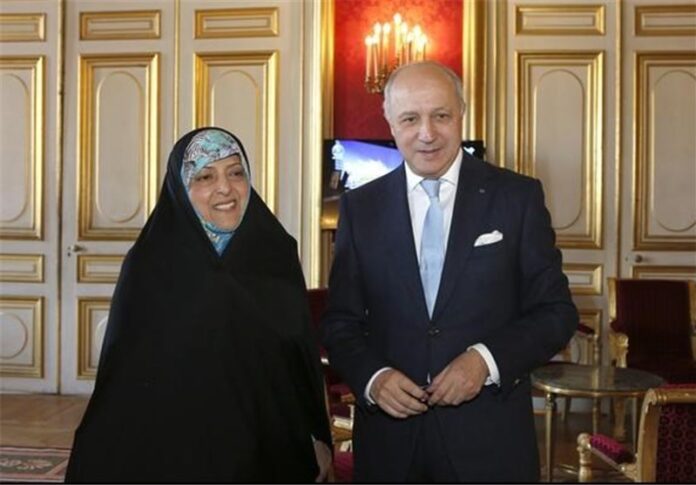
A meeting was held between Head of Iran’s Department of Environment Masoumeh Ebtekar and French Foreign Minister Laurent Fabius during which environmental issues were discussed.

Speaking in a press conference after the meeting, the Iranian official said she and Fabius conferred on ways to cooperate in the field of green technology.

“Our bilateral meeting today was also focused on the two countries’ cooperation on environmental issues and negotiations related to climate change,” she added.

Ebtekar further said that a conference on the United Nations Framework Convention on Climate Change will be held in Paris in December, noting that climate change has inflicted great losses on Iran, especially through dwindling water resources, increased temperature, and the haze problem.

Fabius’s visit came two weeks after Tehran and 5+1 (Russia, China, the US, Britain, France and Germany) reached a conclusion over the text of a comprehensive 159-page deal on Iran’s nuclear energy program.

The comprehensive nuclear deal between Iran and the six powers (dubbed as Joint Comprehensive Plan of Action or JCPOA) would terminate all nuclear-related sanctions imposed on Iran after coming into force.

Iran’s Irreversible commitments will deliver a blow to national interests

tava

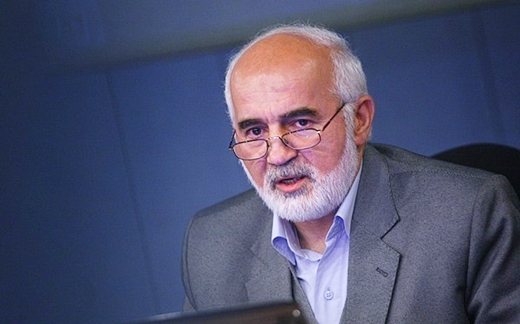
A Tehran MP has warned that Iran’s acceptance of defense restrictions translates into the collapse of a thick wall which can ward off yet another war against the Iranian nation.

Ahmad Tavakoli said this in remarks aimed at fellow MPs in parliament on Tuesday as he elaborated on the demands of the parties to nuclear talks and on the Iran nuclear deal and UN Resolution 2231. The following is the translation of part of a report Tavakoli’s website (alef.ir) released on his speech in parliament:

The West’s demands

The West, led by the US, imposed sanctions – an unprecedented move in world history – through the UN Security Council, the US administration and Congress as well as the European Union, seeking to – in their own words – cripple Iran and force it to totally discard uranium enrichment and send everything even the bolts and nuts of its centrifuges to the United States. It is quite clear that such a demand ran counter to the related [international] treaties and we all know that the West’s acquisitive demand was not met.

The West claimed that Iran was seeking to develop an A-bomb, saying that the country should let the IAEA inspect all suspected [nuclear] sites to verify Iran’s assertion that it deems development of nuclear weapons as religiously banned. Under such an excuse, the West had also called for inspection of Iran’s military sites as well.

Iran, which was confident [that it had done nothing wrong], fully accepted the inspection of nuclear facilities, so this Western demand was met with Iran losing nothing. As for military sites, the Iranian negotiating team agreed to a limited inspections regime. Iran and the UN nuclear agency agreed on part of such a secret mechanism. It is now impossible to assess how many concessions Iran has given as far as inspection is concerned, because the information available is sketchy.

The West asked Iran to act based on what we say – there is a religious ban on the development of atomic weaponry – maintain materials, equipment and measures which are in keeping with a peaceful nuclear program and stop, close down, move or export the rest, or even change the processes. Accepting a number of these demands conforms to the country’s interests; in fact, the acceptance by the Iranian nuclear team resembles a case in which something worthless is offered for charitable purposes.

Other demands, especially those commitments which are irreversible, will pose grave threats to Iran’s national security and interests. It is still unclear whether unjust sanctions will be lifted and whether people can feel a sense of relief in their lives.

Iran’s demands

The West’s recognition of Iran’s right to enrichment was the main demand of the Iranian government and nation. This right has been openly recognized in the Joint Comprehensive Plan of Action (JCPOA) and Resolution 2231. This victory – as Dr. Zarif correctly put it – which is the fruit of all [Iranian] governments and the resistance by the Iranians has been achieved on the back of the martyrs’ blood and the Supreme Leader’s support and guidance. There is no denying that the painstaking and praiseworthy efforts of the negotiating team also played a role.

Iran also demanded all sanctions be lifted in parallel with Iran starting to honor its commitments. Why did we insist – and still insist – that sanctions should be immediately removed? Because the unjust sanctions have been imposed on Iran to paralyze its economy. They [the Western countries] failed to achieve their unholy objective thanks to Iran’s resistance, but the national economy and people’s pocketbooks took a hit from several angles.

First, trade and banking sanctions resulted in a high inflation rate and a deep recession thanks to costly imports. Second, oil sanctions shrank the government’s revenues and the coffers of the National Development Fund as well as the country’s foreign exchange reserves. This left an adverse impact on the government’s efforts to offer services [to people] and decreased the non-state sector’s investment potential and hard currency resources which were needed to support national production.

Third, the sanctions also heightened the risk of future uncertainty, reduced [foreign] investment [in Iran] and caused capital flight. According to my uncalculated estimate, these factors – combined – account for one-third of the problems Iran is grappling with, and domestic factors are to blame for the better part of poverty and unemployment in Iran. One-third is not small, is it?

Do JCPOA and Resolution 2231 meet Iran’s legitimate demand for termination of sanctions? To begin with, Iran is expected to implement all 39 commitments – which have been enshrined in Article 15 of Annex V – within the next six months, the IAEA verifies and reports Iran’s measures [to the West] and then the West will begin to suspend, not lift, the sanctions. With regard to the agency’s unfair behavior, is there any guarantee that they [the Western countries] will not seek excuses not to suspend the sanctions – let alone lift them?

The UN Security Council has apparently cancelled its previous six resolutions against Iran by adopting Resolution 2231, but the Resolution’s Articles 11 and 12 have openly talked about the automatic reversibility of the sanctions following a US note or claims about Iran’s violation of one of its commitments without calling for [enough] evidence. This has also been approved of by Iran’s negotiators. Given the Western side’s animosity [toward Iran] and its history of untrustworthiness, how likely do you think the sanctions are to be removed and result in improvement of people’s lives? There are many instances like this in these two documents, I regret to say. As things stand, can one say with certainty that one key demand – removal of sanctions which the Iranian government and nations were rightfully seeking to achieve – is achievable?

It is said that Iran reserves the right of reversibility. If so, what will happen? All sanctions will snap back into place and talks will be back to square one, there is a big difference, though. They will be back into the starting point, but what about Iran which has lost part of its bargaining power such as enriched [uranium] stocks, removal of the core of the Arak reactor, etc.? Iran would not be able to negotiate from a position of strength.

What should be done?  

Before we lose our bargaining power, we need to act prudently and force the untrustworthy West to lift, not suspend, the unjust sanctions so that the pain the Iranian people are feeling because of sanctions can be eased. To that end, we should abide by the Supreme Leader’s wise order which has been repeated in recent weeks in different wordings: “The text [of JCPOA] should be reviewed carefully as it goes through the planned legal channels; in case of its approval, we need to be watchful about and prevent the possible violations, by the other side, of the document”.

Under our Constitution (Articles 77 and 125), parliament and government are the legal channels JCPOA and the UNSC Resolution should go through for approval. They are expected to go out of their way to guarantee that Iran’s right to enrichment is recognized and people’s demand for the removal of sanctions are met. Implementation of JCPOA is what the government is calling for. This [implementation of JCPOA] will not materialize unless Iran acts constitutionally: the passage of a bill in the Cabinet, submission of the bill to the Islamic Consultative Assembly, and its adoption in parliament followed by the Guardian Council’s confirmation.

According to [part of] the Constitution’s Article 176, the Supreme National Security Council (SNSC) can only make policies which should secure the Leader’s approval [Determining the defense and national security policies within the framework of general policies determined by the Leader]. The SNSC is not allowed to pass executive obligations unless the Supreme Leader acts on his religious powers and the Constitution’s Articles 57 and 110 and tasks the SNSC with passing executive obligations. The Leader delegated the task to the legal channels, refraining from issuing a state edict.

Over the past 23 months, the American side has repeatedly said that military option is on the table. A question arises here as to why this threat has yet to be carried out. If Iran’s defensive capabilities have been – for sure they have been – a key factor in preventing a military offensive, what will acceptance of restrictions like what has been included in Resolution 2231 earn the country: peace and security or war and insecurity?

I want to warn you that accepting any defense restrictions translates into the collapse of a thick wall which can ward off yet another war against the Iranian nation.
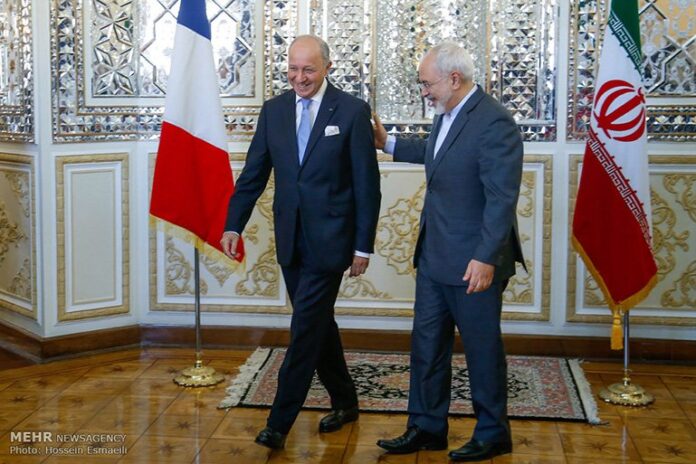
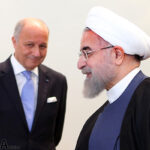
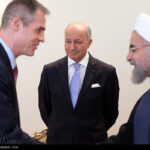
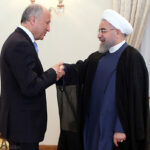
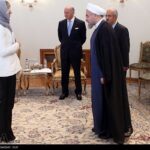
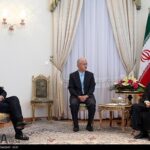
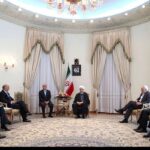
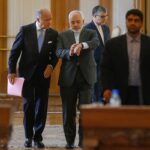
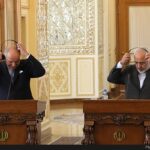
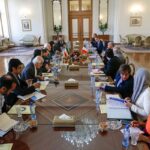
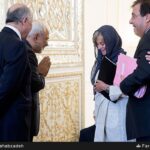
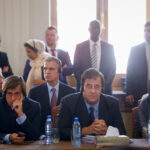
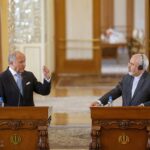
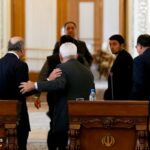
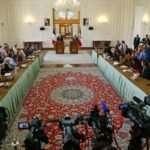
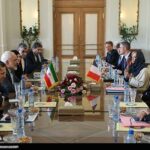
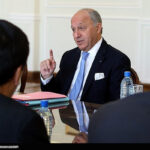
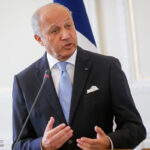
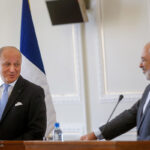
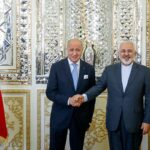
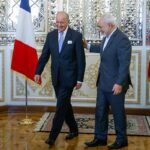
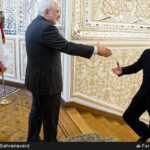
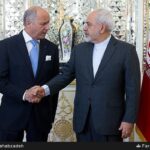
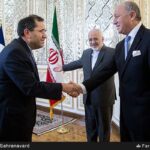
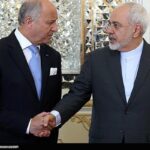
Fabius in Tehran (PHOTOS)

Fabius 0

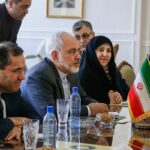
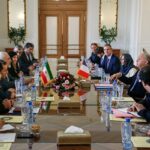
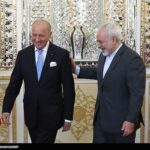
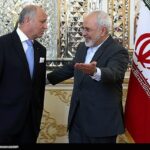
French Foreign Minister Laurent Fabius arrived in Tehran on Wednesday and was welcomed by Iranian officials.

In his day-long visit, he met with President Rouhani and Foreign Minister Zarif.

Images of his visit to Tehran released online by different websites:

Nuclear conclusion should mark better Iran-EU ties: Rouhani

8f9eb812-db86-4e60-aae8-d69b5a33b144

Iranian President Hassan Rouhani says the nuclear agreement reached between Iran and six world powers should pave the way for further promotion of ties between Tehran and Europe.

“The nuclear agreement should mark [Iran’s] better cooperation with Europe,” Rouhani said in a meeting with visiting French Foreign Minister Laurent Fabius in Tehran on Wednesday.

On July 14, Iran and P5+1– the United States, Britain, France, China and Russia plus Germany – finalized the text of an agreement, dubbed the Joint Comprehensive Plan of Action (JCPOA), in the Austrian capital of Vienna.

Under JCPOA, limits are put on Iran’s nuclear activities in exchange for a set of commitments by the P5+1, including the removal of all economic and financial bans against the Islamic Republic.

Rouhani said that Iran-France cooperation over the Vienna agreement should constitute the base for future relations on the basis of mutual trust.

He said that the nuclear agreement benefits Iran, P5+1 and all regional players, adding that it is a significant step in turning threats into opportunities.

The Iranian president also urged all countries involved in the nuclear talks to do their utmost to “safeguard the agreement.”

“The Iranian government is steadfast in the path of [implementing] the agreement, and we will fulfill our commitments as long as the opposite side is committed to its obligations,” Rouhani said.

Fabius, for his part, said that French companies are eager to return to the Iranian market for job-creating investment, stressing the need for Paris to make up for lost opportunities in relations with Iran.
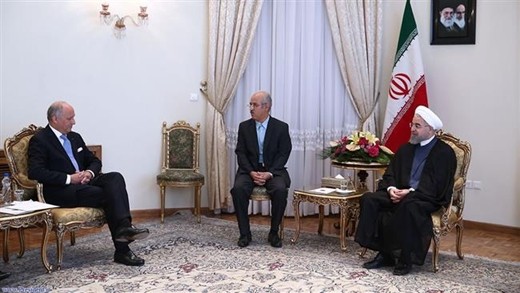
He also invited Rouhani to visit France on behalf of French President François Hollande.
The French foreign minister arrived in Tehran on Wednesday for a day-long visit to hold talks with the country’s high-ranking officials.

He also held talks with Zarif and then attended a joint press conference with his Iranian counterpart.

Fabius’ visit to Iran is a first by a French foreign minister to the Islamic Republic in 12 years.

Fabius’ visit to Iran, which comes at the invitation of his Iranian opposite number, has raised some criticisms in Iran, especially over France’s hard line toward Iran in the course of negotiations over Tehran’s nuclear program.

Days before the conclusion of the talks on July 14, Fabius urged other negotiators to take a tough stance on Iran, insisting that Paris will not sign off on a deal if Tehran rules out inspections of its military sites as part of the final agreement.

Fabius is also under fire for his role in the export of HIV-contaminated blood products to a number of countries, including Iran, in the 1980s, when he was in office as France’s prime minister.

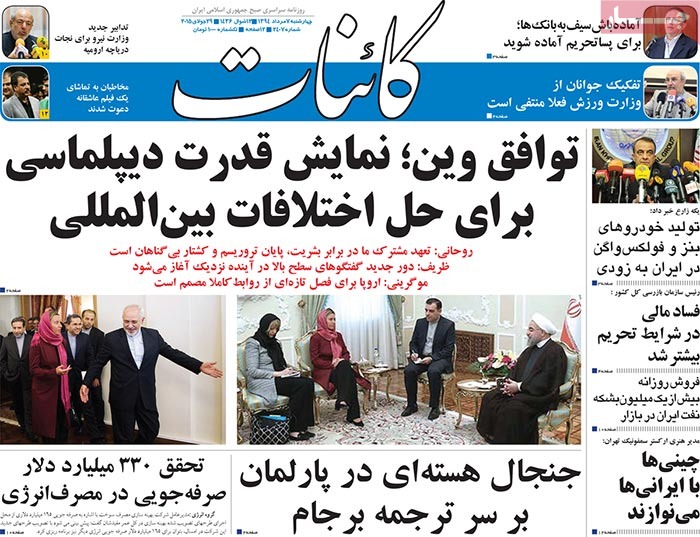
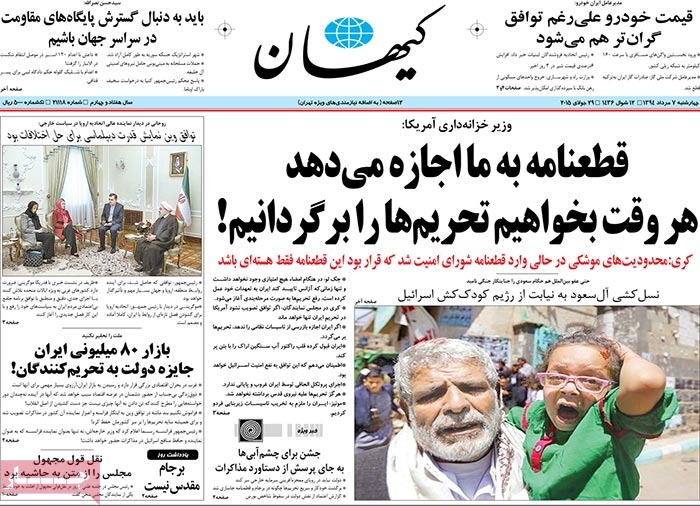
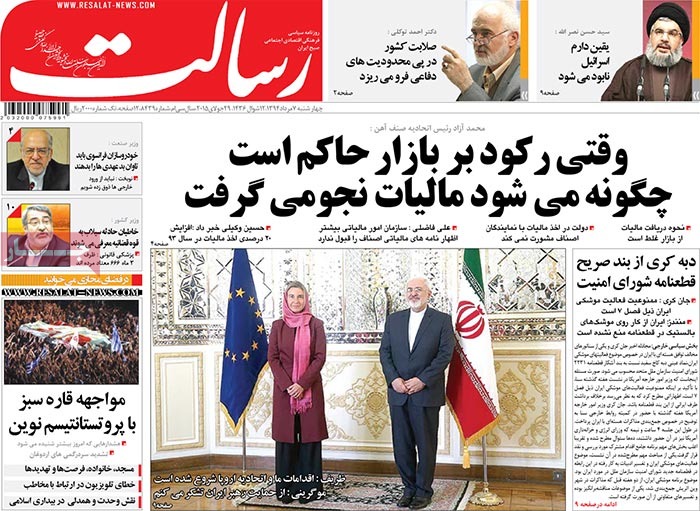
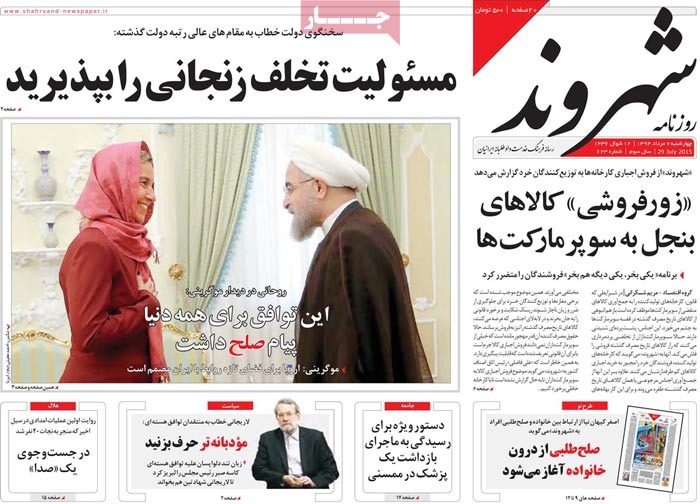
A look at Iranian newspaper front pages on July 29

Iranian Newspapers Headlines

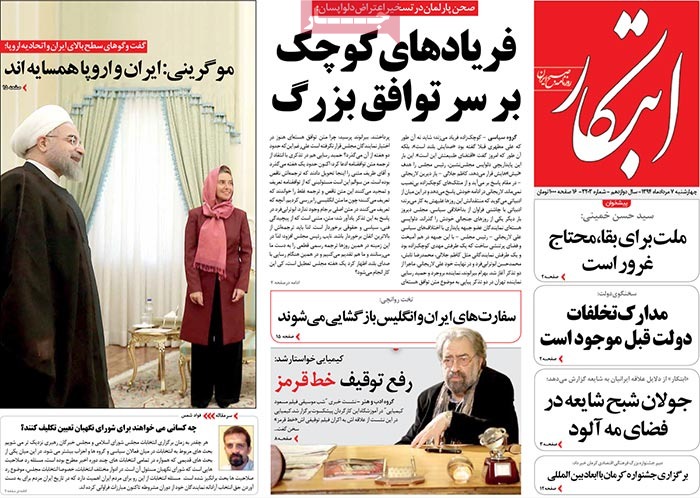
The meetings the EU foreign policy chief held in Tehran with President Rouhani and Foreign Minister Zarif dominated the front pages of Iranian newspapers on Wednesday. Also on the cover of dailies was news about tension in parliament after opponents of the Vienna deal whipped up a stir over the translation of the text of the deal.


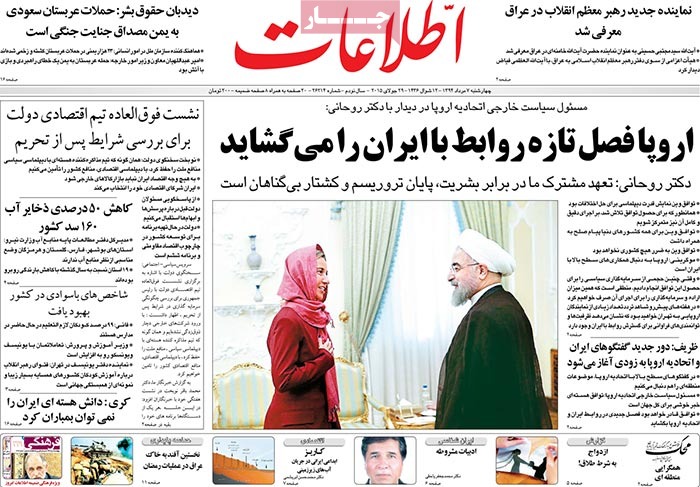
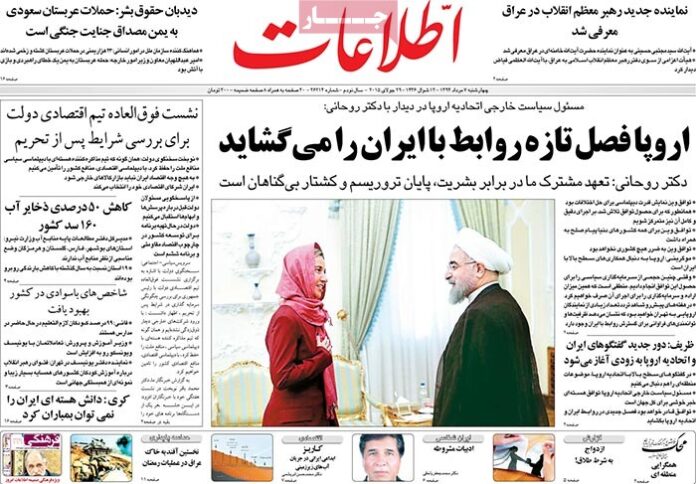
Ettela’at: “Europe is to open a new chapter in its relations with Iran,” EU foreign policy chief Federica Mogherini told Iranian President Hassan Rouhani.

At the meeting the Iranian president said, “our joint responsibility to humanity is to try and end terrorism and the massacre of innocent people”.

President Rouhani further said the deal Iran and P5+1 struck in Vienna proved how effective diplomacy can be in settling differences.


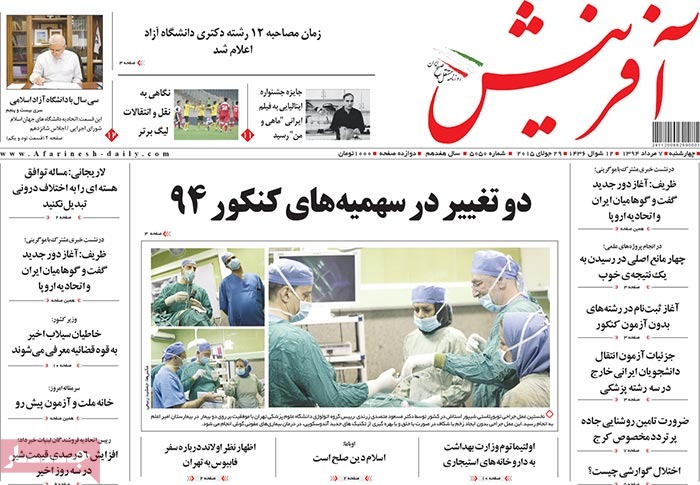
Afarinesh: Parliament Speaker Ali Larijani has urged opponents of the deal not to turn it into a divisive issue in the country.

Afarinesh: “Those who have failed to fulfill their duties [before and during the deadly] floods [that hit northern Iran last week] will be referred to the Judiciary,” said the interior minister.


A look at Iranian newspaper front pages on July 29


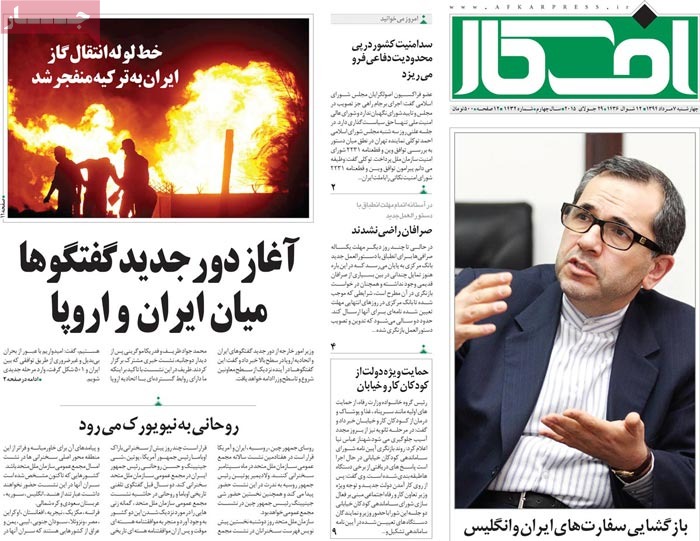
Afkar: An explosion has hit the pipeline that takes Iranian natural gas across the border to Turkey.

Afkar: President Rouhani will fly to New York later this year to attend a 70th General Assembly of the United Nations.


A look at Iranian newspaper front pages on July 29


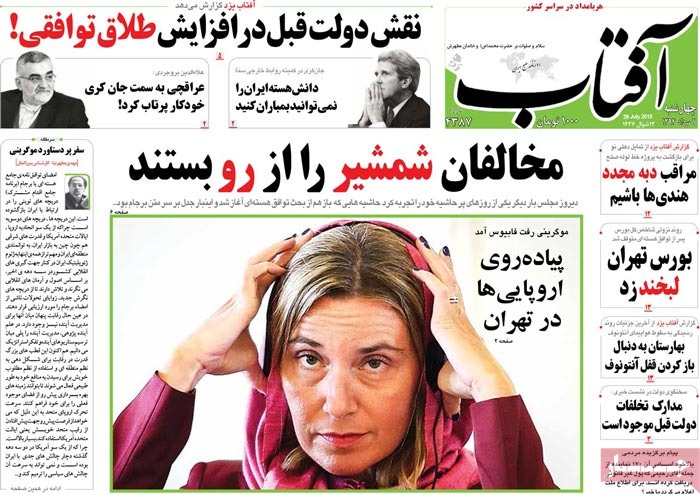
Aftab-e Yazd: “Iranian nuclear negotiator Abbas Araghchi has thrown a pen at US Secretary of State John Kerry!” said the chairman of parliament’s National Security and Foreign Policy Committee.


A look at Iranian newspaper front pages on July 29


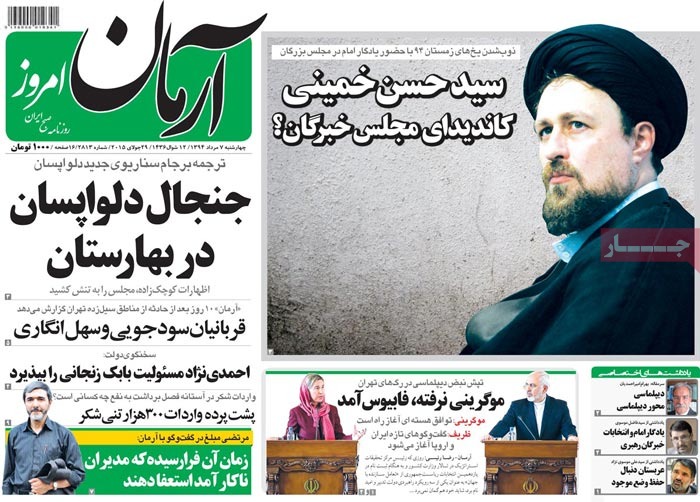
Arman-e Emrooz: Worriers [hardline supporters of the former president] have made new ballyhoo in Baharestan [the Tehran street along which the Islamic Consultative Assembly is located], this time over the translation of the text of the nuclear deal Iran has struck with P5+1.

The comments of Mehdi Kuchakzadeh [a Worrier] caused a stir in parliament.

Arman-e Emrooz: French Foreign Minister Laurent Fabius arrives in Tehran immediately after an Iran visit by the EU foreign policy chief.

Mogherini: The nuclear deal is the starting line.

Zarif: Iran and the EU will launch a new round of talks.


A look at Iranian newspaper front pages on July 29


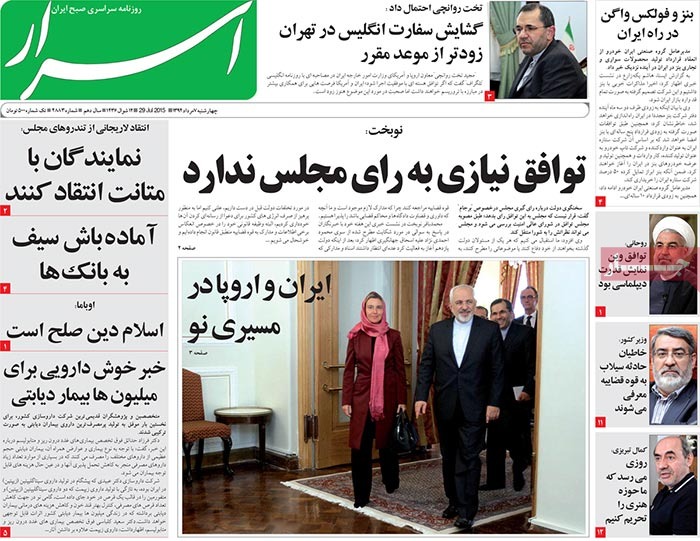
Asrar: The government spokesman has said that the Vienna deal does not need the blessing of the Islamic Consultative Assembly.


A look at Iranian newspaper front pages on July 29


Ebtekar: “Iran and Britain will reopen their embassies in London and Tehran,” said Deputy Foreign Minister Majid Takht-e Ravanchi.

Ebtekar: “There is evidence pointing to failure of the previous government to abide by rules and regulations,” said Government Spokesman Mohammad Bagher Nobakht.

Ebtekar: Renowned director Masoud Kimiaei has called for the ban on his film Red Line to be lifted.


A look at Iranian newspaper front pages on July 29


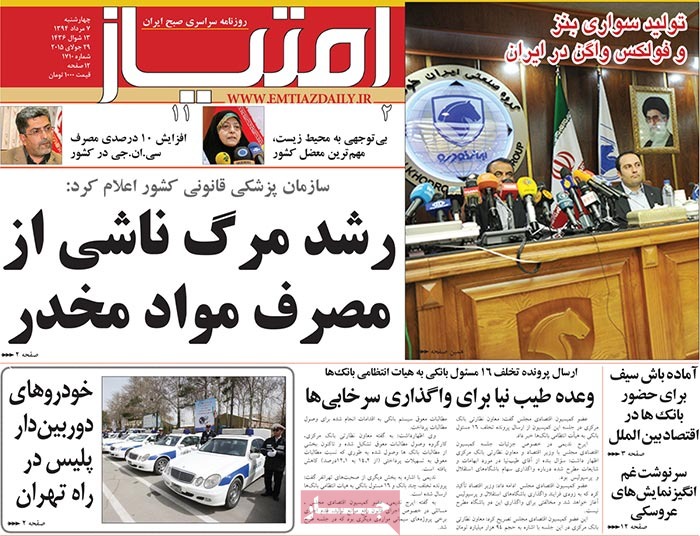
Emtiaz: Police cars equipped with dashcams are heading Tehran’s way.

Emtiaz: The director of the Legal Medicine Organization has reported an increase in the number of deaths caused by drug overdose.


A look at Iranian newspaper front pages on July 29


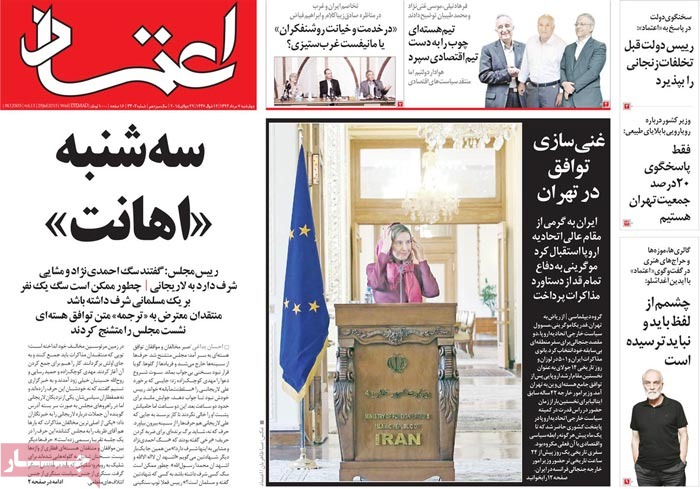
Etemad: A Tuesday rife with disrespect

Speaker Larijani complained about being described as worse than a poodle.

The opposition of the opponents of the deal to the translation of the Joint Comprehensive Plan of Action caused a stir in parliament.


A look at Iranian newspaper front pages on July 29


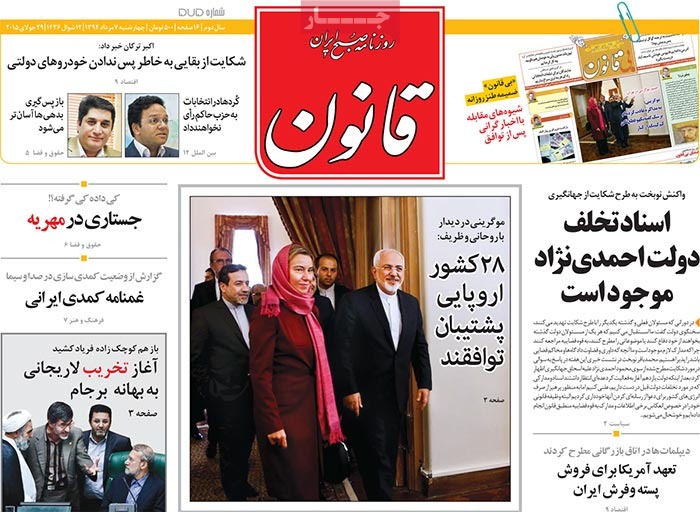
Ghanoon: The launch of attacks against Speaker Larijani under the pretext of JCPOA.


A look at Iranian newspaper front pages on July 29


Kaenat: The governor of the Central Bank has urged banks to get ready for the post-sanctions era.


A look at Iranian newspaper front pages on July 29


Kayhan: An 80 million strong market, the reward the Iranian government is handing to those who signed off on Iran sanctions.

The daily urges the government “not to humiliate the nation” by signing lucrative contracts with countries that have been part of the sanctions regime against Iran.


A look at Iranian newspaper front pages on July 29


Resalat: “Defense restrictions will deal a blow to the country’s authority,” said Tehran MP Ahmad Tavakoli.

Resalat: “French carmakers should pay a price for their past failure to keep their end of the bargain,” said the Iranian industries minister.


A look at Iranian newspaper front pages on July 29


Shahrvand: The government spokesman has urged the officials of the previous administration to accept blame for the infractions of Babak Zanjani [a young billionaire who stands accused of massive corruption when Ahmadinejad was in office].


A look at Iranian newspaper front pages on July 29


Highlights of Ettela’at newspaper on July 29

Ettelaat-July29

Ettela’at: “Europe is to open a new chapter in its relations with Iran,” EU foreign policy chief Federica Mogherini told Iranian President Hassan Rouhani.

At the meeting the Iranian president said, “our joint responsibility to humanity is to try and end terrorism and the massacre of innocent people”.

President Rouhani further said the deal Iran and P5+1 struck in Vienna proved how effective diplomacy can be in settling differences.

Ettela’at: “A new round of talks between Iran and the European Union will soon get underway,” Iranian Foreign Minister Mohammad Javad Zarif said after meeting with visiting EU top diplomat in Tehran.

Zarif told reporters that in high-level talks with Europe, regional questions are also brought up.

Ettela’at: Ayatollah Seyyed Mojtaba Hosseini has been named the new representative of the Supreme Leader in Iraq.

Ettela’at: Human Rights Watch has said that Saudi airstrikes against Yemen amount to war crimes.

Meanwhile, Iranian Deputy Foreign Minister Amir-Abdollahian has described Saudi attacks on Yemen as “a strategic blunder and playing with fire”.

Ettela’at: President Rouhani’s economic team has convened an ad hoc session to review the country’s prospects in the post-sanctions era.

Afterwards, the government spokesman said the nuclear negotiating team built on diplomacy to stand up for the country’s national interests. “We build on economic diplomacy to safeguard Iran’s national interests.”

Ettela’at: The volume of water in the reservoirs of 160 dams across the country is down by as much as 50 percent.

Nineteen provinces have seen a decline in precipitation in comparison with last year.

Ettela’at: The literacy index in the country has improved.

The education minister has said that interactions with UNICEF and UNESCO are increasing.

Ettela’at: US Secretary of State John Kerry has said that the US cannot bomb away Iran’s nuclear knowledge.


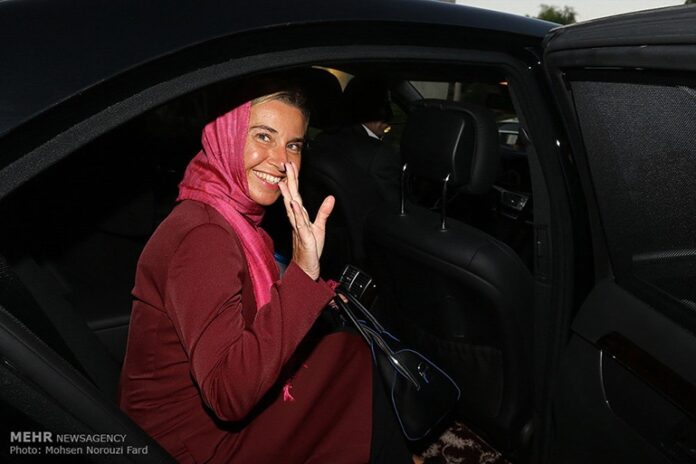
Mogherini in Tehran (PHOTOS)

Mogherini-l0

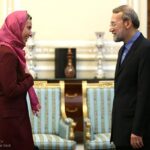
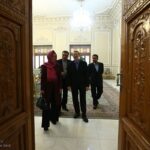
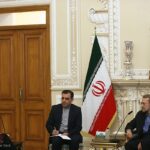
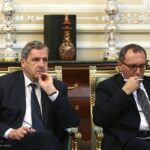
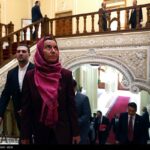
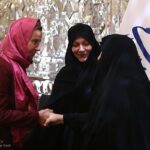
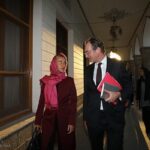
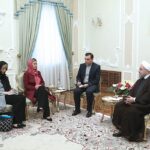
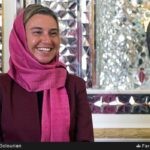
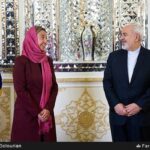
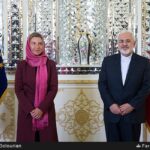
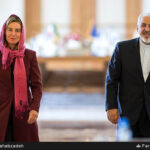
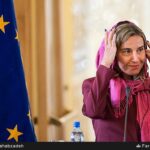
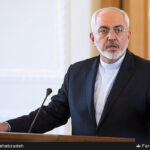
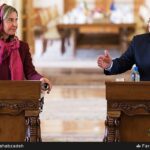
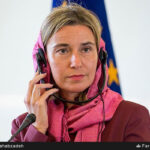
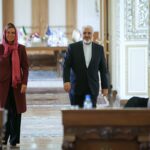
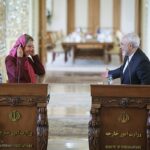
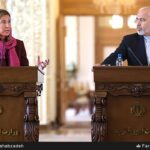
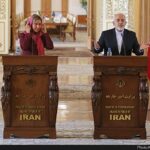
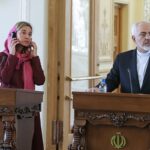
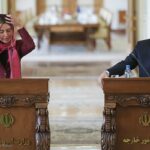
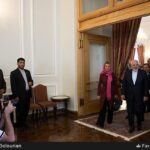
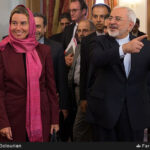
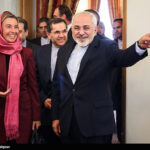
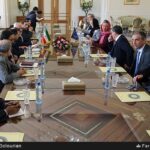
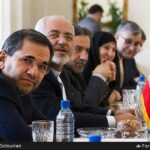
EU foreign policy chief Federica Mogherini Tuesday paid a day-long visit to Tehran where she met with President Rouhani, Foreign Minister Zarif and Parliament Speaker Ali Larijani.

The fight against terrorism and the nuclear deal inked in Vienna between Iran and P5+1 were among the topics discussed at her meetings with Iranian officials.

Images of her Tehran visit released by different websites: