Wednesday, April 22, 2026
Home Blog Page 4633

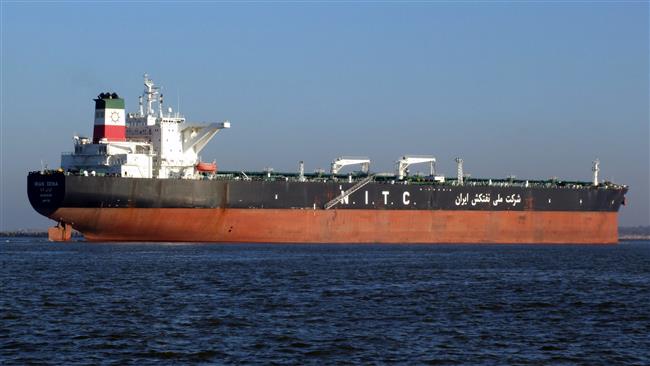
Iran currently exporting 300,000 bpd of oil to Europe: Zangeneh

According to Iranian Oil Ministry’s official SHANA news agency, Zangeneh noted that the National Iranian Oil Company (NIOC) will soon finalize a contract with the French Total to sell 160,000 barrels per day of crude oil to the company.

He added that the Total contract will be officially singed on February 16.

In addition to buying oil from Iran, “Total has indicated its readiness to take part in the development of South Azadegan oil field and Iran LNG project,” he added.

The Iranian oil minister said necessary information with regard to the two projects will be provided to the French company, after which it will offer its proposals to the Iranian side.

“This means that we have not reached an agreement to put them in charge of the project, but the agreement is for Total to carry out necessary studies on these projects,” Zangeneh said.

Elsewhere in his interview, Zangeneh said officials of Italy’s Eni have also indicated their willingness to work in the Iranian oil sector.

The Iranian oil minister stated that no contract was signed between the two sides during a recent visit to Rome by Iran’s President Hassan Rouhani, but “the company’s officials are to visit Tehran soon in order to sign a contract for purchasing Iran’s crude oil.”

Zangeneh added that Eni has also indicated its interest in taking part in development of one of the Iranian oil fields.

“In addition, Italy’s Saras refinery has demanded to buy between 60,000 to 70,000 barrels of Iran’s crude oil per day,” he said.

Earlier on Saturday, Zangeneh was quoted by SHANA as saying thatIran is putting finishing touches to the new format of its oil contracts, known as the Iran Petroleum Contracts, to attract more international investment in the country’s oil sector.

“So far, no contract has been signed and even the text of this model of contracts has not been readied yet,” Zangeneh said, adding, “The drafting of the contracts is under way and we will negotiate with [foreign] companies after finalization.”

IPC is replacing buyback deals. Under a buyback deal, the host government agrees to pay the contractor an agreed price for all volumes of hydrocarbons the contractor produces. However, under the IPC, the National Iranian Oil Company will set up joint ventures for crude oil and gas production with international companies, which will be paid with a share of the output.

More than 100 energy companies, including Britain’s BP, France’s Total, Italy’s Eni and Spain’s Repsol attended a conference in Tehran last November to hear about the IPC.

Under the IPC, different stages of exploration, development and production will be offered to contractors as an integrated package, with the emphasis laid on enhanced and improved recovery.

Architects of the new contract say foreign companies can no longer dash out of their contractual obligations if sanctions are ever re-imposed on Iran. But critics cite numerous shortcomings which seriously plague the new formula.

Iran offers visas to arriving tourists at its airports

The scheme, called “Airport Visa”, is aimed at boosting Iran’s tourism industry, Masoud Soltanifar said, adding that the period can be extended by further 15 days.

He said the scheme will be fully operational by the end of the 2016 with support from the Ministry of Foreign Affairs.

Soltanifar said Iran has set up information and tourism centers in 40 countries across the world.

The country already has 130 four or five star hotels which must be increase to 400 within a decade.

EU foreign policy chief plans to visit Iran soon

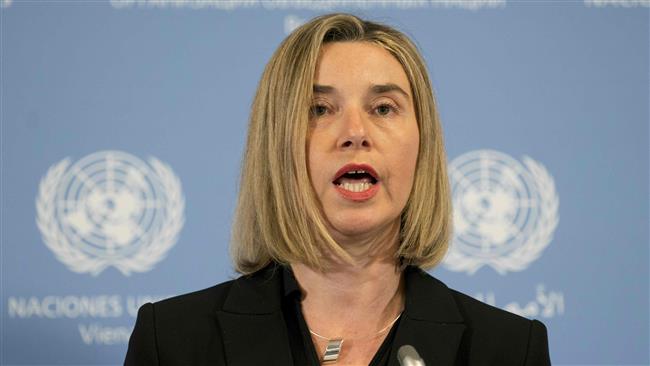
Speaking at a Saturday press conference in Amsterdam, the capital of the Netherlands, after a meeting of EU foreign ministers, Mogherini added that she was preparing the historic visit to Tehran in the near future but added that no exact date has been set yet.

She said preparations with Iran were well underway, adding that all 28 members of the bloc were backing the opening with Iran.

“It was very important to see the unity of the member states in the direction, intentions and preparations of this work we are doing with Iran,” Mogherini added.

“I can also confirm that I debriefed the [EU] ministers on the plans for my visit [to Iran], it’s going to be an important visit for sure, that we are preparing already with the Iranians,” the EU foreign policy chief stated.

Mogherini further said she would also host Iranian Foreign Minister Mohammad Javad Zarif in Brussels on February 15.

Iran and the five permanent members of the UN Security Council – the United States, France, Britain, China and Russia – plus Germany started to implement the Joint Comprehensive Plan of Action (JCPOA) on January 16.

After JCPOA went into effect, all nuclear-related sanctions imposed on Iran by the European Union, the Security Council and the US were lifted. Iran has, in return, put some limitations on its nuclear activities.

The nuclear agreement was signed on July 14, 2015 following two and a half years of intensive talks.

Gomishan, Less-Visited Destination in North-eastern Iran

Gomishan, Less-Visited Destination in North-eastern Iran

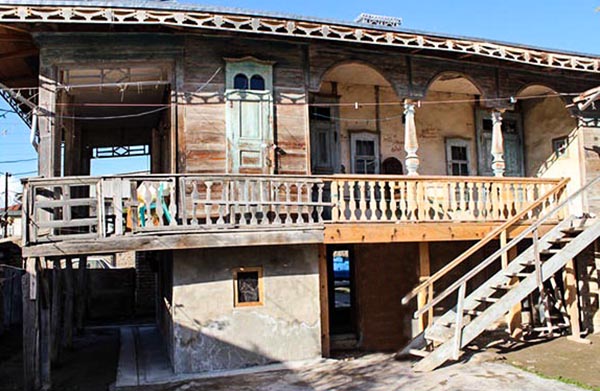
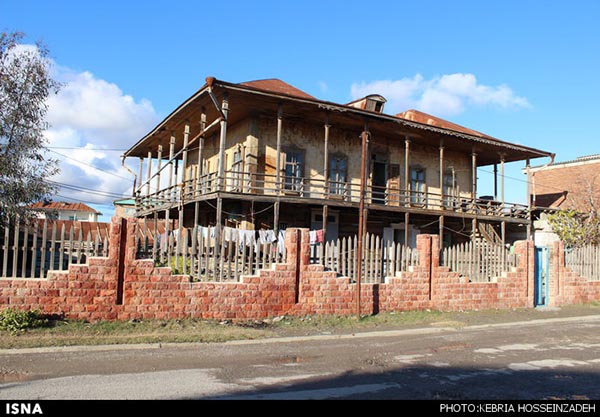
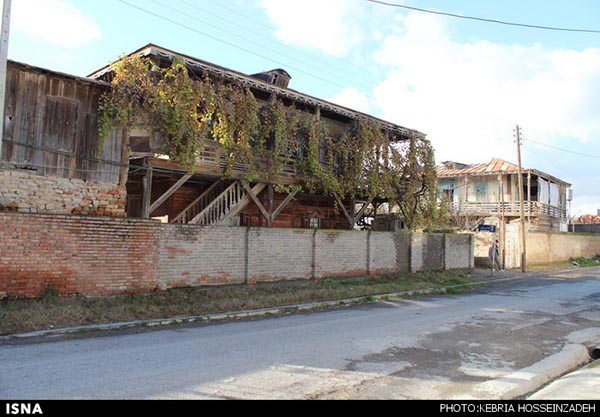
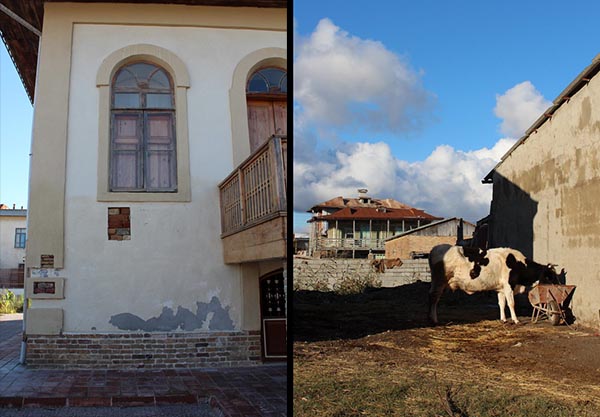
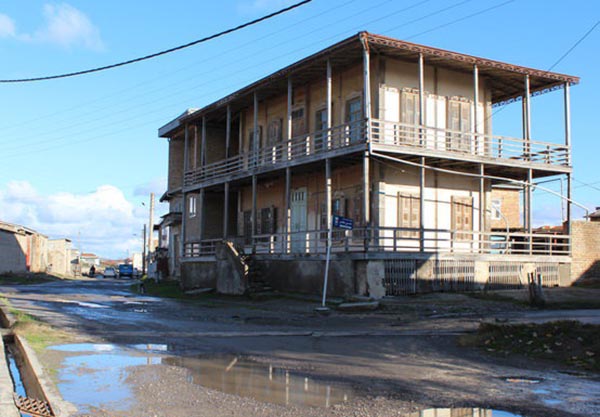
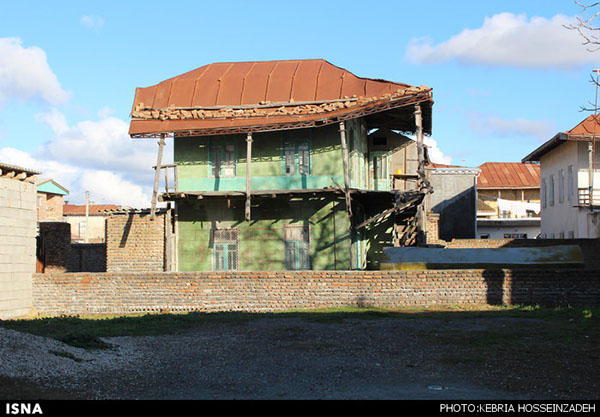
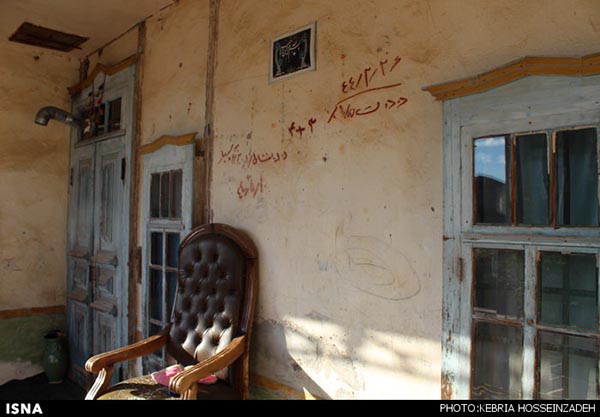
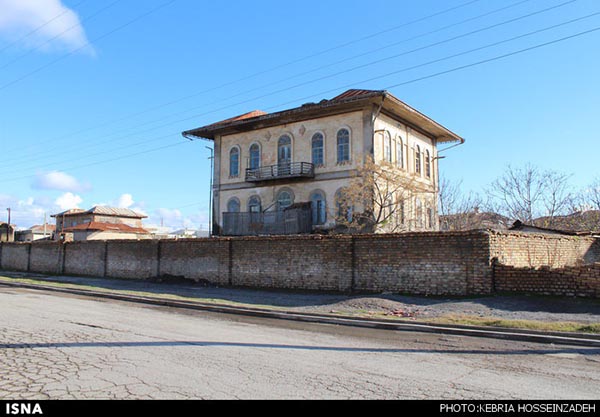
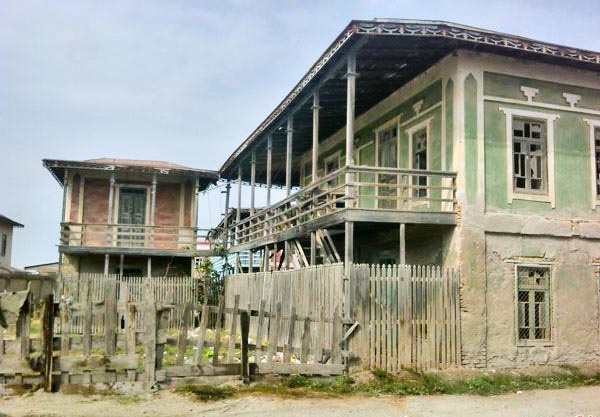
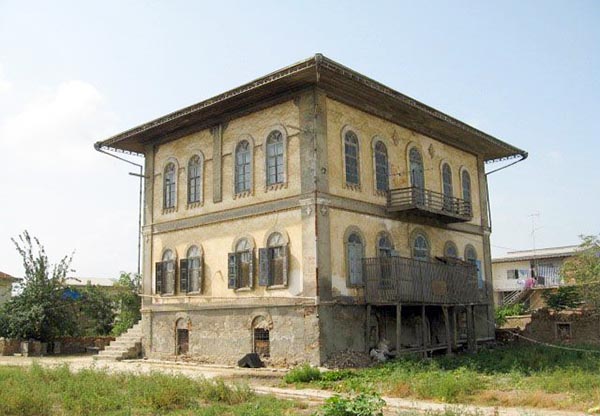
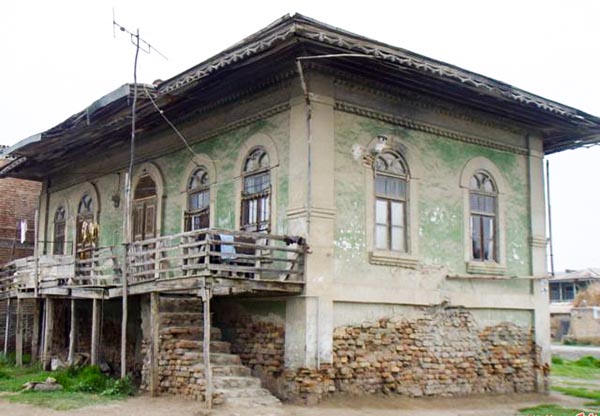
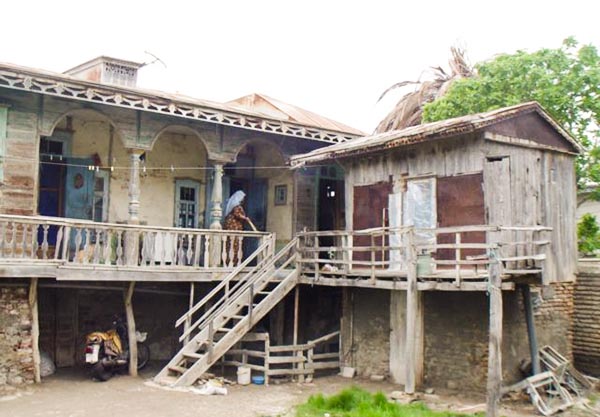
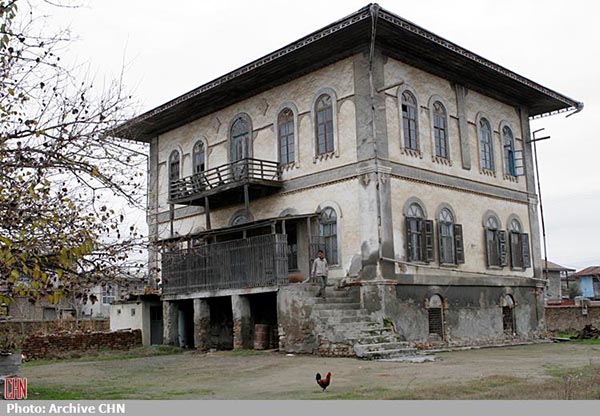
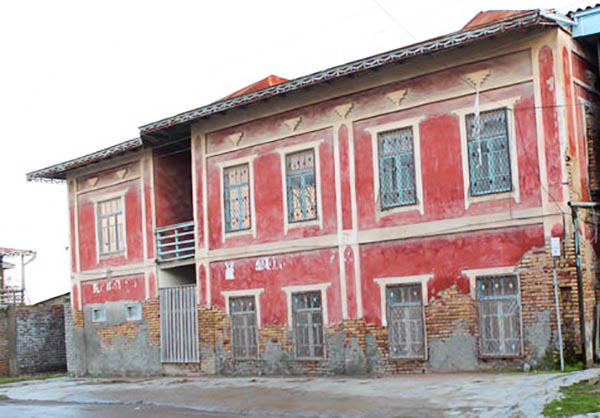
Gomishan has strange houses. According to a report from an ISNA cultural heritage journalist, many buildings dating back to more than 150 years ago are still inhabited in the city. Some of these buildings contain bricks taken from the Great Wall of Gorgan.

Javid Imanian, a historical expert on Gomishan, remarked, “The name ‘Gomishan’ derives from the Gomesh hill, which means ‘Silver Hill’. They thought that there was silver in the hill, which is why it was called ‘Gomesh Tepe’ in the Turkmen language.”

He continued, “The existence of archaeological hill-sites around Gomesh Tepe suggests an ancient civilization in this region. This is especially the case with the Great Wall of Gorgan, which is the third-longest wall in the world, after the Great Wall of China and the Limes Germanicus. The Turkmens call it Qazal Al’an.

“Gomesh Tepe was one of the commercial ports between Iran and Russia in the Qajar era,” he added. “In addition to trade, there was an influence from Russian architecture, which was mixed with local and Iranian styles in some of the structures here. There aren’t any buildings like this to be found anywhere in the country. Gomishan’s buildings are unique, and the only similar examples can be found in certain parts of Azerbaijan, Russia and Central Asia.”


Iran’s Eight-Million-Year-Old Fossils Unveiled after Returning Home from US

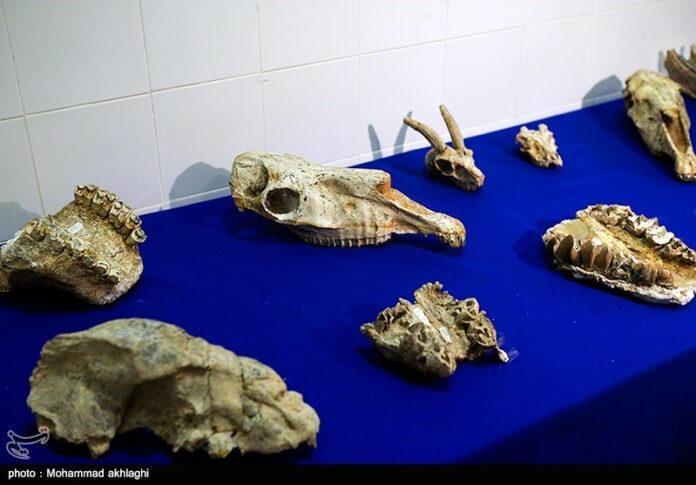
In the unveiling ceremony held in the city’s Pardisan Park, 1351 fossils
dating back to eight million years ago were put on display.

The fossils, which are part of the 3000 fossils discovered in Maragheh in East Azerbaijan Province prior to the 1979 Islamic Revolution, were finally returned after years of legal battle with the US.

They had been taken to the US about 40 years ago for academic studies and were to return home within 6 to 12 months.

In recent years, Iran has been successful in returning home its stolen belongings, including artifacts and historical objects.

Back in April 2015, Iran received 108 ancient artifacts known as the Chogha Mish Collections from the US University of Chicago officials, marking the second successful return of Iranian artifacts in less than a year.

After a series of legal battles with the United States, Chogha Mish artifacts dating back to 6000 years ago were returned to Iran’s National Museum in Tehran.

Gil Stein, the director of the University of Chicago’s Oriental Institute, delivered the artifacts to officials from Iran’s Cultural Heritage, Handcrafts and Tourism Organization at Imam Khomeini Airport at the time.

Chogha Mish artifacts were officially on loan from Iran from April 1, 1964 for three years to be studied. However, the American side declined to return the artifacts in due time.

After more than 35 years of legal proceedings, US appeals court ruled that the artifacts should be returned to where they originally belonged to, namely Iran.


Syria FM warns against any foreign ‘ground intervention’

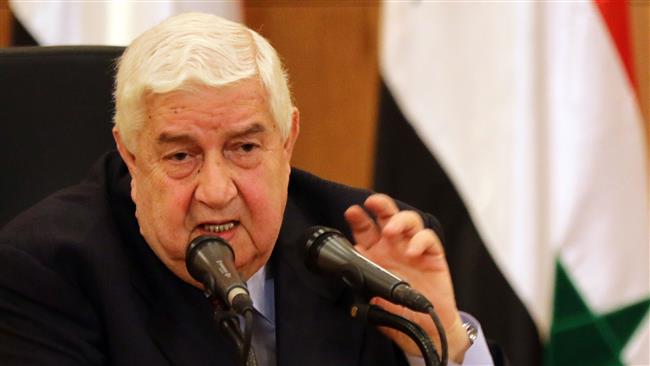
“Any ground intervention on Syrian territory without government authorization would amount to an aggression that must be resisted,” Muallem said at a news conference in the Syrian capital, Damascus, on Saturday.

The senior Syrian official said that potential aggressors would return dead to their countries.

“Let no one think they can attack Syria or violate its sovereignty because I assure you any aggressor will return to their country in a wooden coffin, whether they be Saudis or Turks,” he warned.

On Thursday, Igor Konashenkov, Russia’s Defense Ministry spokesman, said Turkey is making “preparations for an armed invasion” of Syria.
Moscow “registers a growing number of signs of hidden preparation of the Turkish Armed Forces for active actions on the territory of Syria,” Konashenkov added.
Ankara has rejected the claim, saying it has no plan “of staging a military campaign or ground incursion in Syria.”

On the same day, Saudi Arabia voiced readiness to participate in any ground operations in Syria if the US-led coalition, which is allegedly targeting terrorists in Syria, decides to start such operations. US State Department spokesman John Kirby also welcomed the Saudi decision.

“I don’t think they will do what they say about using ground forces, but at the same time, when I look at their crazy decisions made not just in Yemen but in other areas nothing can be ruled out,” Muallem said, alluding to the Saudi military campaign against Yemen.

Saudi Arabia is a member of the so-called US-led coalition that has been conducting air raids against what are claimed to be the Daesh terrorists inside Syria without any authorization from the Syrian government or a UN mandate since September 2014.The US-led strikes have, on many occasions, targeted Syria’s infrastructures and left many civilians dead.

The Syrian foreign minister also blamed the Saudi-backed opposition delegation for the suspension of international talks aimed at finding a political solution to the ongoing conflict in Syria.

A fresh round of UN-brokered peace talks between Syrian warring sides suspended in the Swiss city of Geneva on Wednesday. The Geneva negotiations were halted after the so-called High Negotiations Committee (HNC), a Saudi-backed anti-Damascus opposition group, failed to show up.

Muallem added that the opposition delegation decided to walk away from the negotiations after victories made by the Syrian army, saying that Saudi Arabia, Qatar and Turkey have been trying to undermine UN efforts to hold a dialog between the government and the opposition.

He said Damascus is ready to negotiate with the opposition without any preconditions.

“Everyone should realize, on top of all [the UN Special Envoy for Syria Staffan] de Mistura, that Syria is going for a Syrian-Syrian dialog without any preconditions and will not comply with any precondition set by any party whatsoever,” he said.

The nearly five-year long conflict in Syria has killed more than 260,000 people and forced millions from their homes since its onset in 2011.

Iran needs no int’l watchdogs for elections: MP

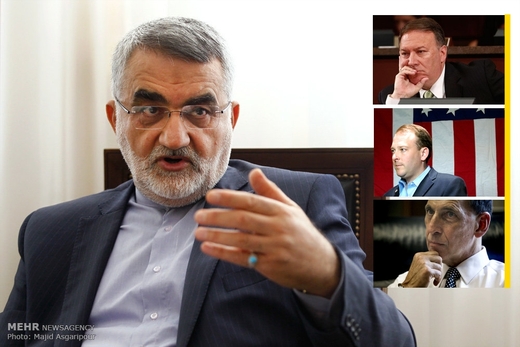
Parliament Foreign Policy and National Security Committee Chairman Alaeddin Boroujerdi said Americans have no right to even express their improper desires from Iran.

Reacting to a call by three US congressmen to travel to Iran to monitor late February elections, Boroujerdi said, “The Americans have no right to express such demands. Iran’s elections need no foreign watchdog because the country enjoys the strongest democracy in the region and our elections are held entirely transparently and healthily in accordance with international legal frameworks.”

Besides domestic executive and monitoring bodies inside Iran, members of the Iranian parliament are also allowed to monitor the course of elections and “there is no room for any other monitoring body to step in the procedure,” the senior MP added.

Iranian film festival kicks off in Belgrade

One Line of Reality written and directed by Ali Vazirian was screened at the first day of the 15th edition of traditional Iranian festival in Serbia, that opened its doors to moviegoers on Wednesday.

The six-day event is scheduled to screen Today by Reza Mirkarimi, Track 143 by Narges Abyar, Someone Wants to Talk to You by Manouchehr Hadi, Once Upon A Time Love And Betrayal  by Davoud Bidel and A 5Star by Mahshid Afsharzadeh.

Speaking during the opening ceremony, the head of Museum of Yugoslav Film Archive described Iranian cinema as a valuable and influential phenomenon, saying that Iran is among the world’s leading film industries.

Iranian Cultural Attaché Mahmoud Shalui also said that the art of cinema in Iran has emerged from dynamic cultural backgrounds and thinking.

Pointing to the key messages Iranian movies try to convey, Shalui noted the films mainly aim at promoting moral values and keeping family members together.

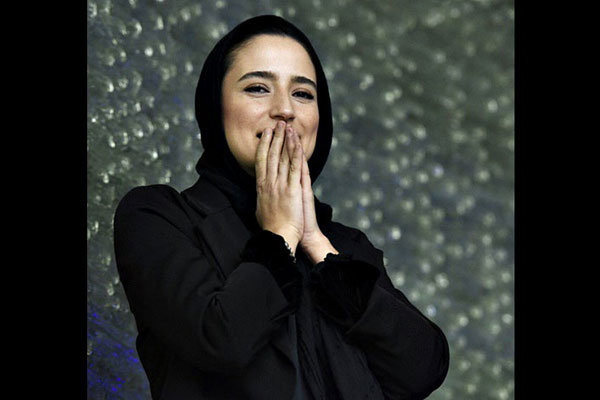
Renowned Nagar Javaherian, lead actress in the films A Cube of SugarThe Painting Pool and Here Without Me, has also been invited to attend the event as the organizers are scheduled to honor her for achievements in the motion picture industry.

Love, Mysticism, Dance and Sama in an Ancient Ritual to the Antiquity of Persia

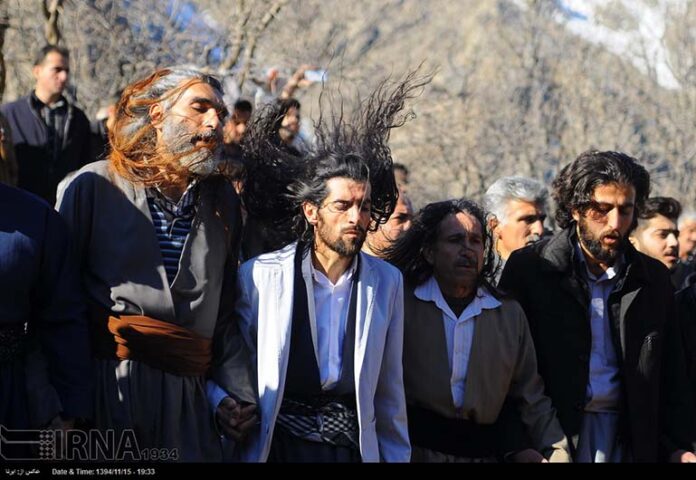
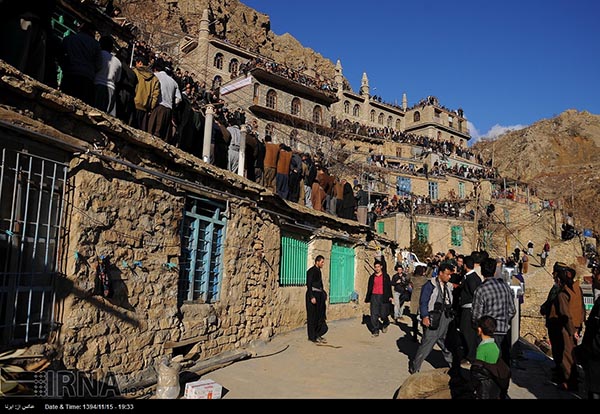
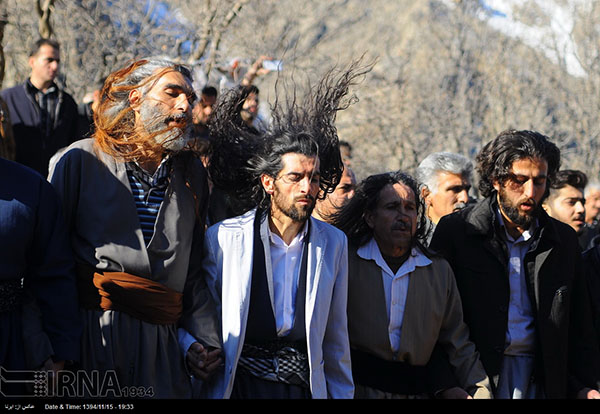
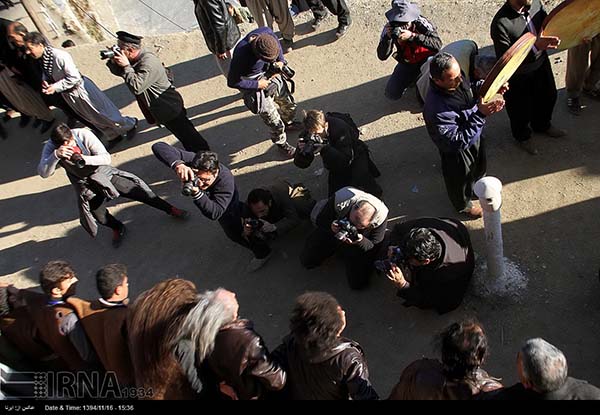
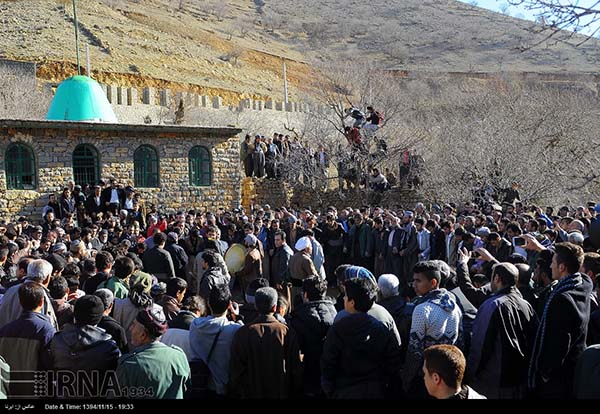
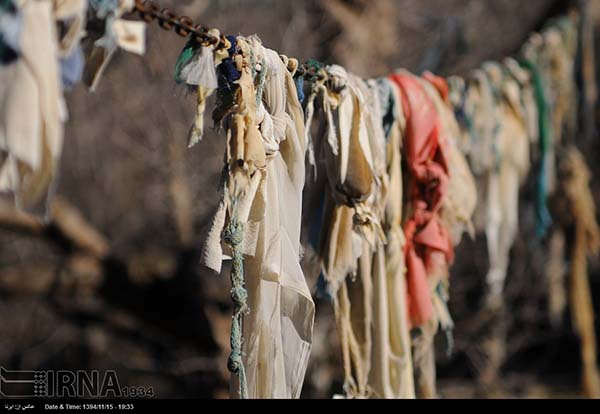
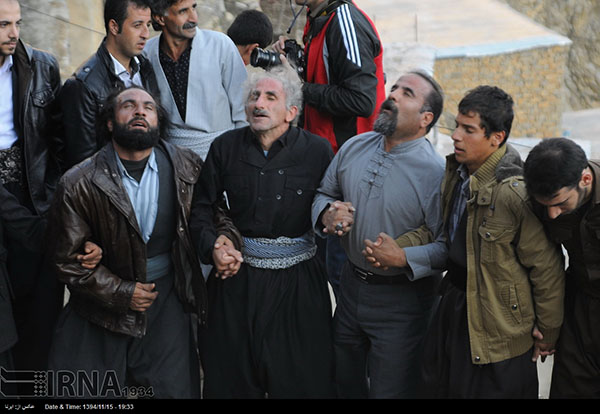
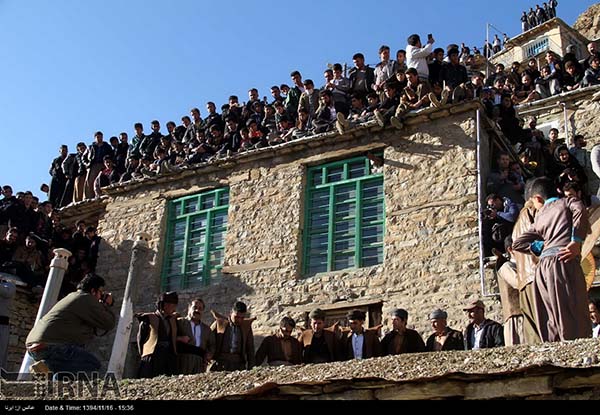
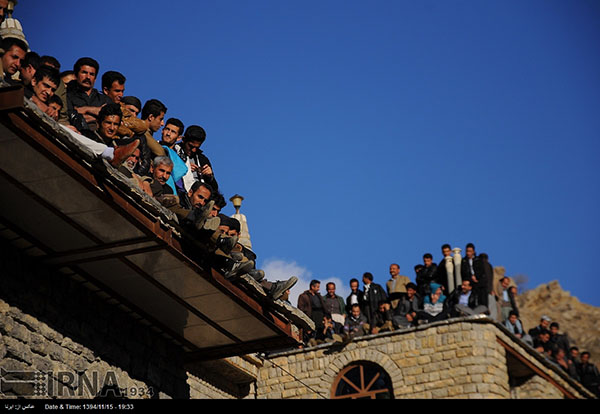
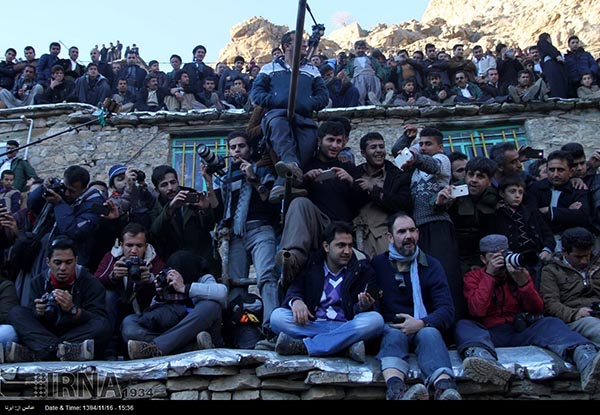
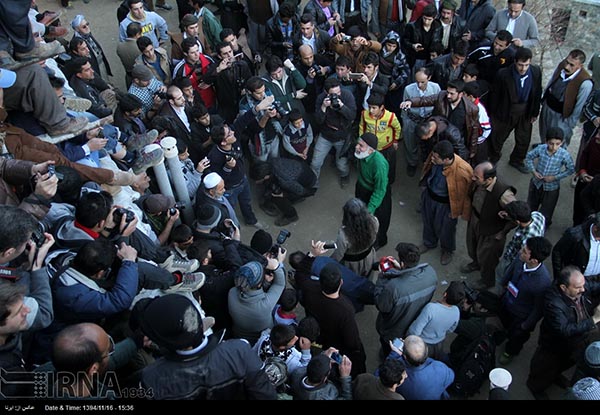
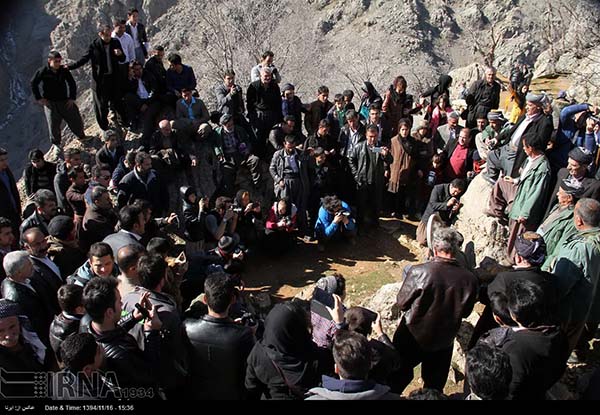
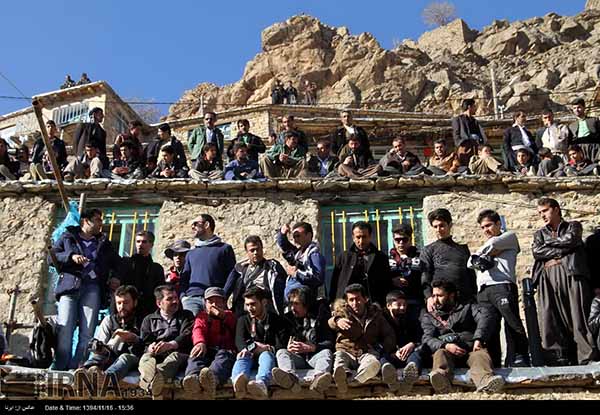
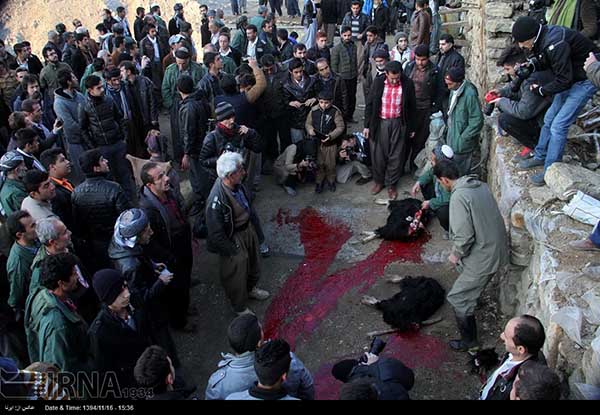
Every year in February, on the last Wednesday before the half-moon, the marriage of Pir Shalyar is re-enacted. This ceremony is one of the oldest traditional celebrations in Iran, and has its roots in mythological beliefs and ancient religions.

In the legends of the Ouraman people, there was a mythical character called Pir Shalyar, who had achieved special abilities through spiritual greatness. One of these, as told in a legend, was him curing Shah Bahar Khatun, the daughter of the king of Bukhara.

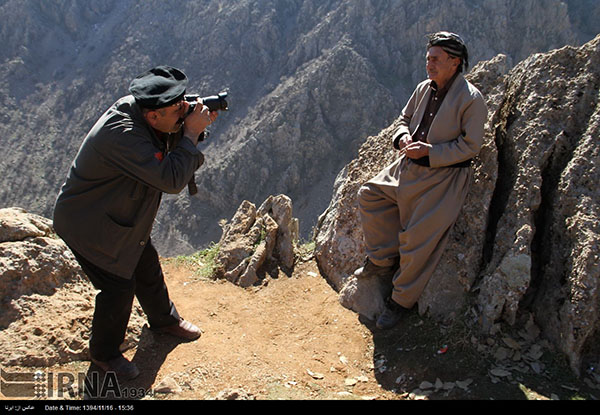
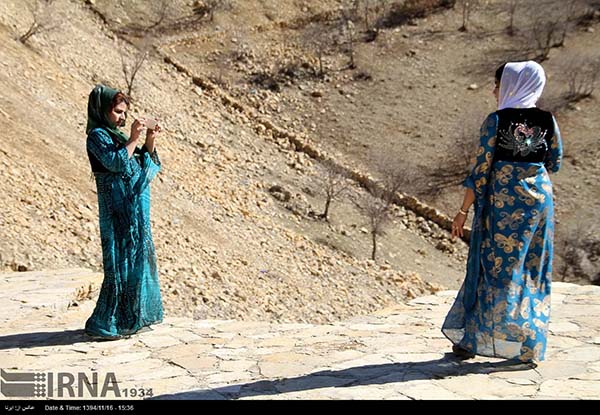
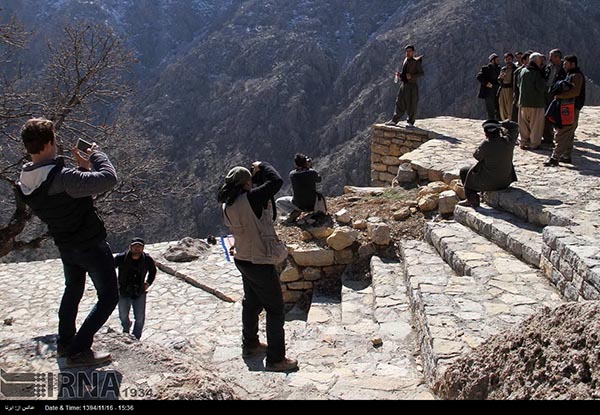
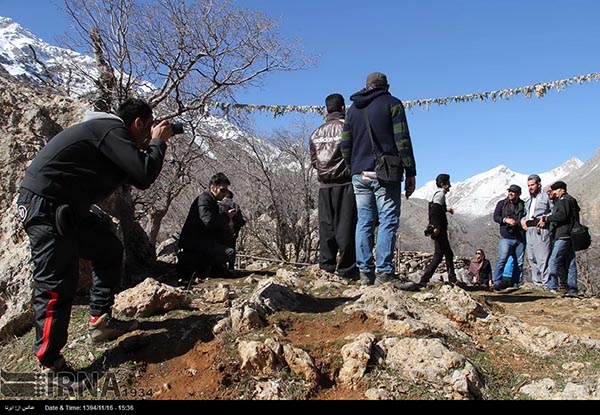
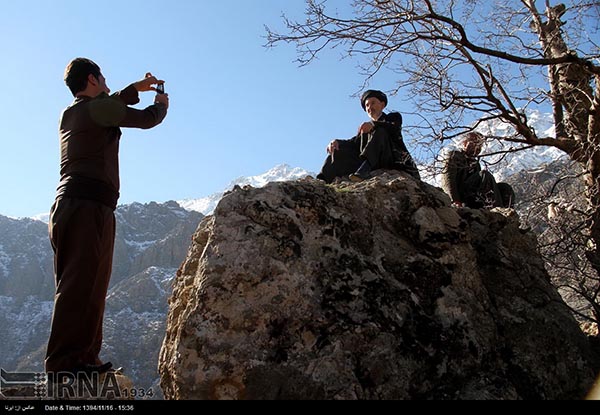
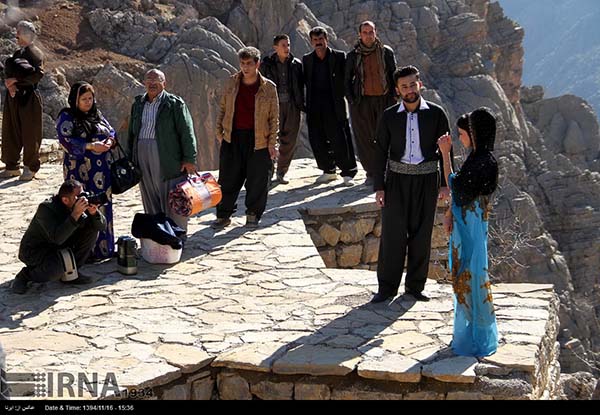
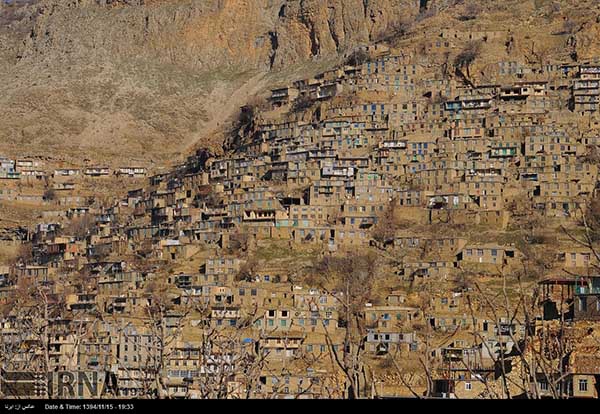
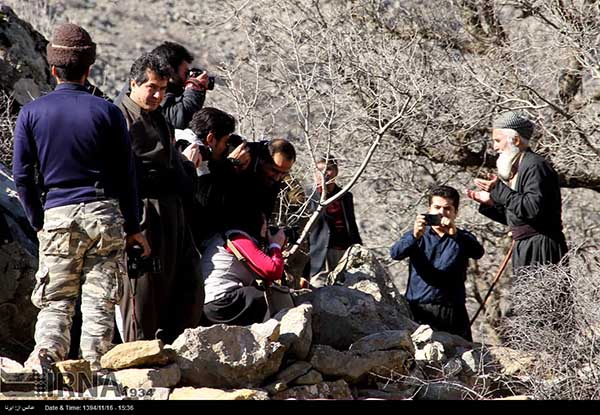
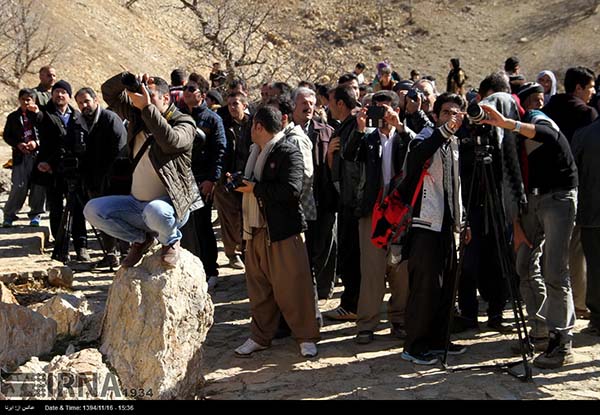
Attending the ancient ceremony is of great significance, and many tourists from Iran and abroad make their way to the city each year. Domestic and international photographers are on hand to capture the event.

This year, many photographers from all over Iran, as well as some from places like Spain, Ireland, Turkey and Iraq, descended on the town to witness the festivities.

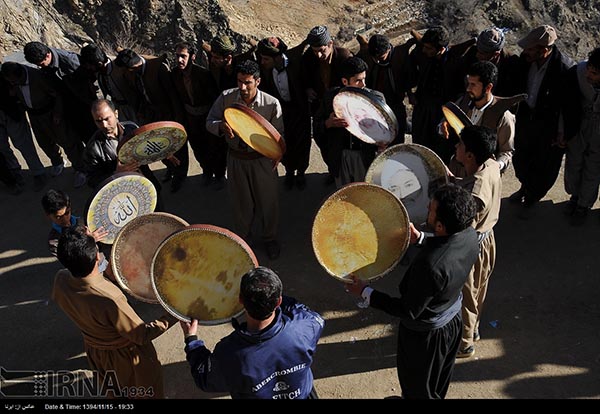
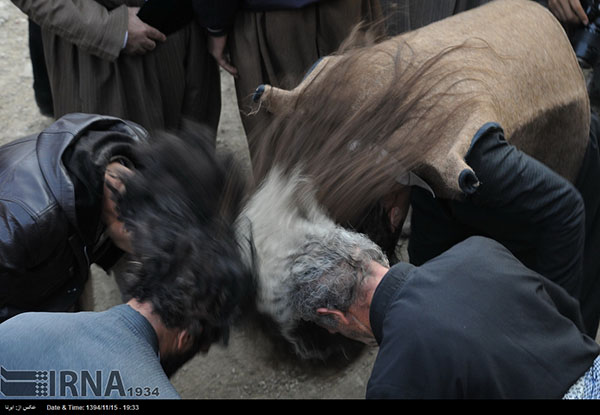
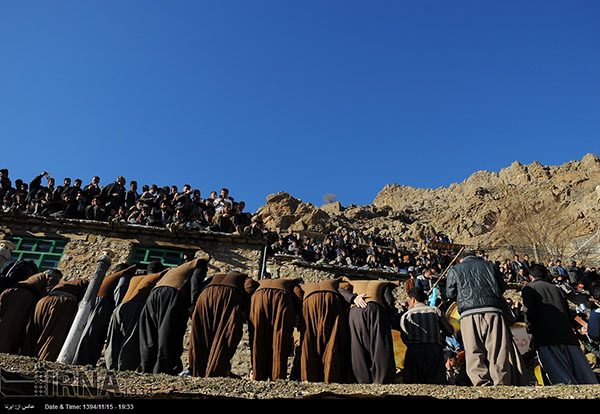
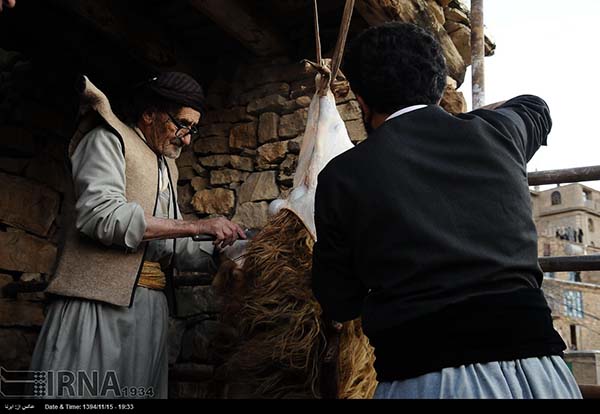
The ceremony includes the sacrificing of sheep, playing the daf [a tambourine-like drum], special dancing, eating ash [a traditional stew], then reading poetry and praying during an overnight vigil.

Here are some photos from this year’s Pir Shalyar ceremony.


1,500 more candidates cleared for Iran parliamentary polls

Siyamak Rahpeyk, the spokesman for Iran’s Central Elections Supervising Committee, said on Saturday that with the new approvals, a total of 6,300 candidates will be taking part in the race to secure parliamentary seats in the polls slated for this month.

He further noted that some 55 percent of those who had registered have received approval, setting a record in the history of the parliamentary elections.

At least 21 people will compete for each seat in the legislature, said the official, adding that a list of approved candidates has been sent to Iran’s Interior Ministry.

The next elections for the 10th Majlis (parliament) and the 5th Assembly of Experts will take place simultaneously on February 26.

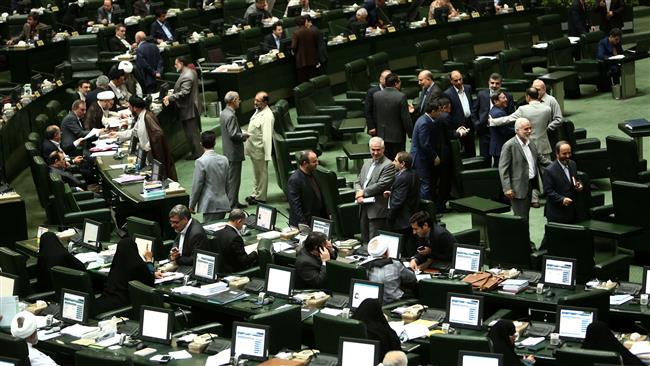
The Iranian parliament, officially known as the Islamic Consultative Assembly, is a 290-seat legislative body with 207 constituencies. Its members are elected every four years, and former and current members can be re-elected.

The high-ranking body of the Assembly of Experts also elects and oversees the activities of the Leader of the Islamic Revolution, and is in a position of authority to either appoint or dismiss the Leader.

Members of the Assembly are directly elected to office by people for an eight-year term. The body holds meetings twice a year to review major national issues and every other year to appoint a new chairman.