Sunday, January 18, 2026
Home Blog Page 4436

Tehran Resumes Oil and Gas Exports to Egypt

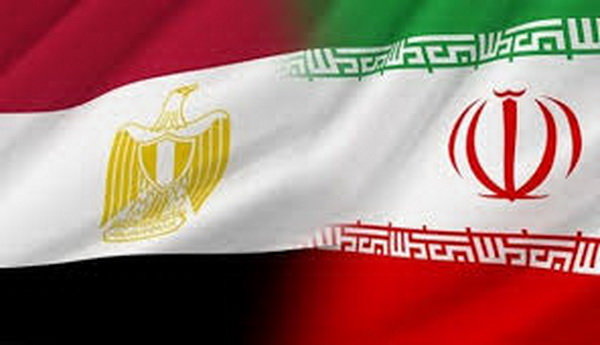
Iran-Egypt flags

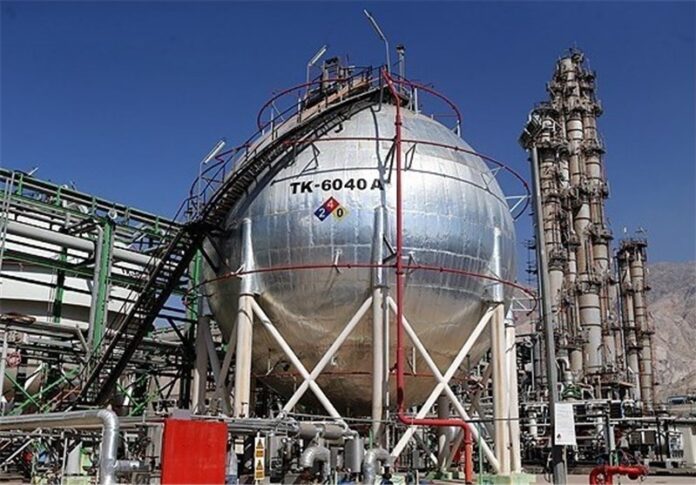
Following the permit issued by Egypt for Iran to transfer crude oil to European countries through the SuMed pipeline, the exports of Iranian liquefied gas was also recommenced.

Deputy Director of Iran’s Petrochemical Employers Association Parviz Sahafzadeh said the D-8 specialized working group for the petrochemical industry convened in the Egyptian capital of Cairo. “An Iranian delegation attended the session to hold talks and exchange views with the other seven member states at the D-8 Organization for Economic Cooperation (Developing-8).”

“At the end of the meeting, Iran’s presidency of the working group for the petrochemical industry was extended,” noted the official, asserting, “Several talks were held on the sidelines of the session with member countries like Egypt, Turkey, Malaysia, Indonesia, Bangladesh, Pakistan and Nigeria.”

Sahafzadeh emphasized that some Egyptian firms are after importing Iranian petrochemical or polymeric products. “Given the sanctions removal and the start of the post-sanctions era, the grounds have been provided to expand trade volume between Iran and Egypt, particularly in the field of petchem exports.”

“A list of petrochemical items required by Egypt has been delivered to Iranian petrochemical companies,” underscored the official, estimating that further negotiations in the near future will lead to the signing of agreements for sales of various petrochemicals.

He also pointed out that certain Iranian firms deployed liquefied gas to Egypt before the imposition of sanctions against the country, stating, “Single shipments are currently being deployed to Egypt by an Iranian firm, while more products will soon be exported.”

Sahafzadeh outlined the D-8 member countries as a good capacity for the revival of ties with Egypt in the field of petrochemical industries, reiterating, “Iran’s investment opportunities were presented at the Cairo meeting, as no limitations are perceived on joint ventures between the two sides.”

Deputy Oil Minister for International Affairs Amir Hossein Zamaninia has recently voiced Iran’s readiness to sell crude and oil products to Egypt, expressing hope that expansion of the oil trade will promote political and international ties between Egypt and the Islamic Republic of Iran.

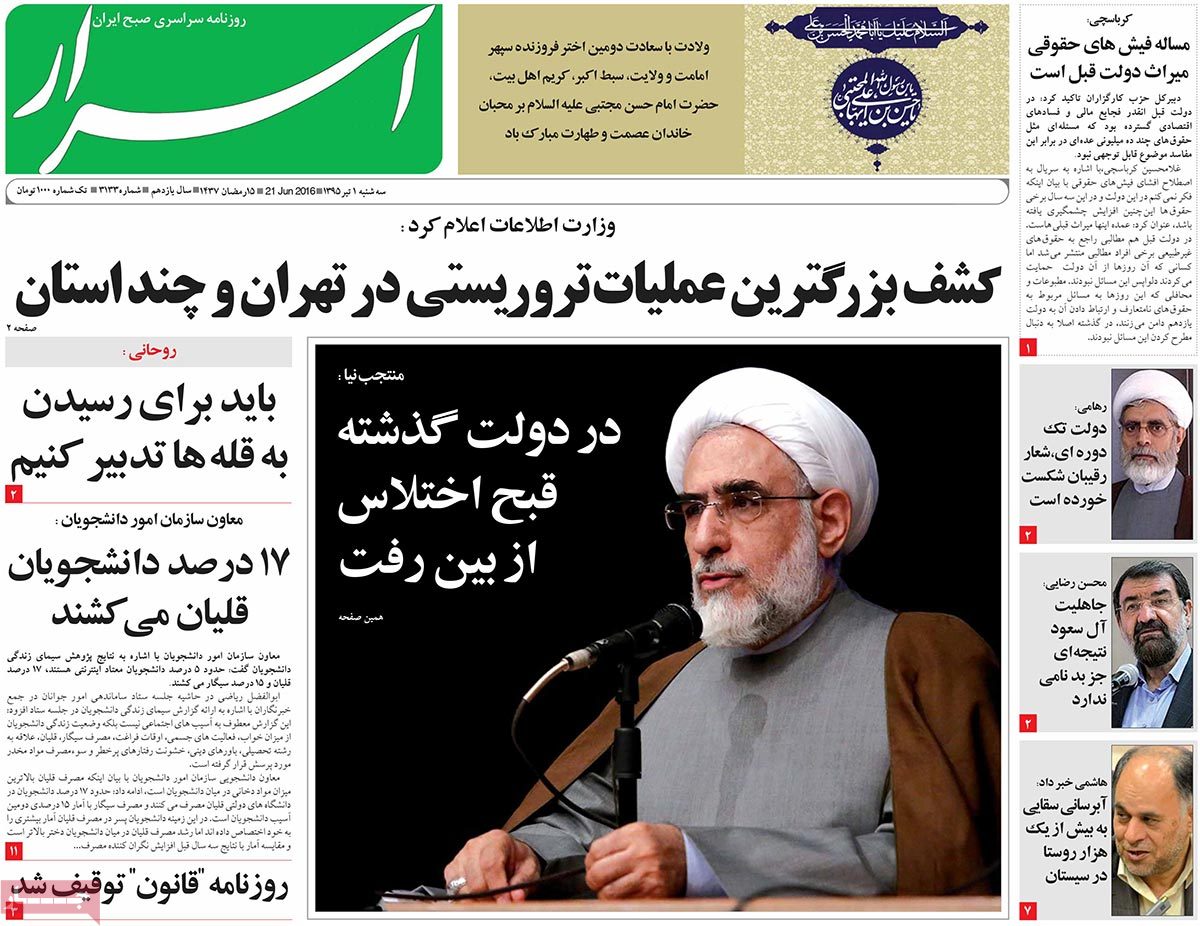
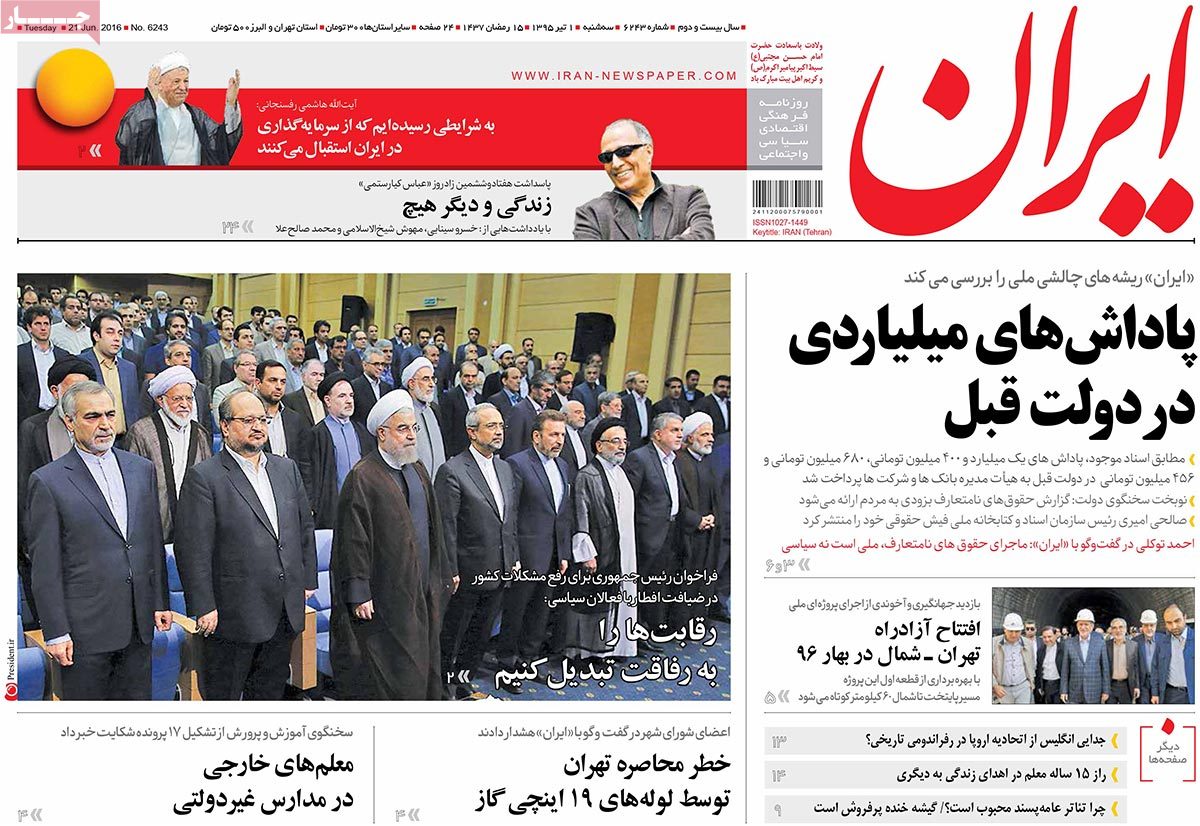
Politics Must Be ‘A Tool for Common Good’: Rouhani

Rouhani-Iran

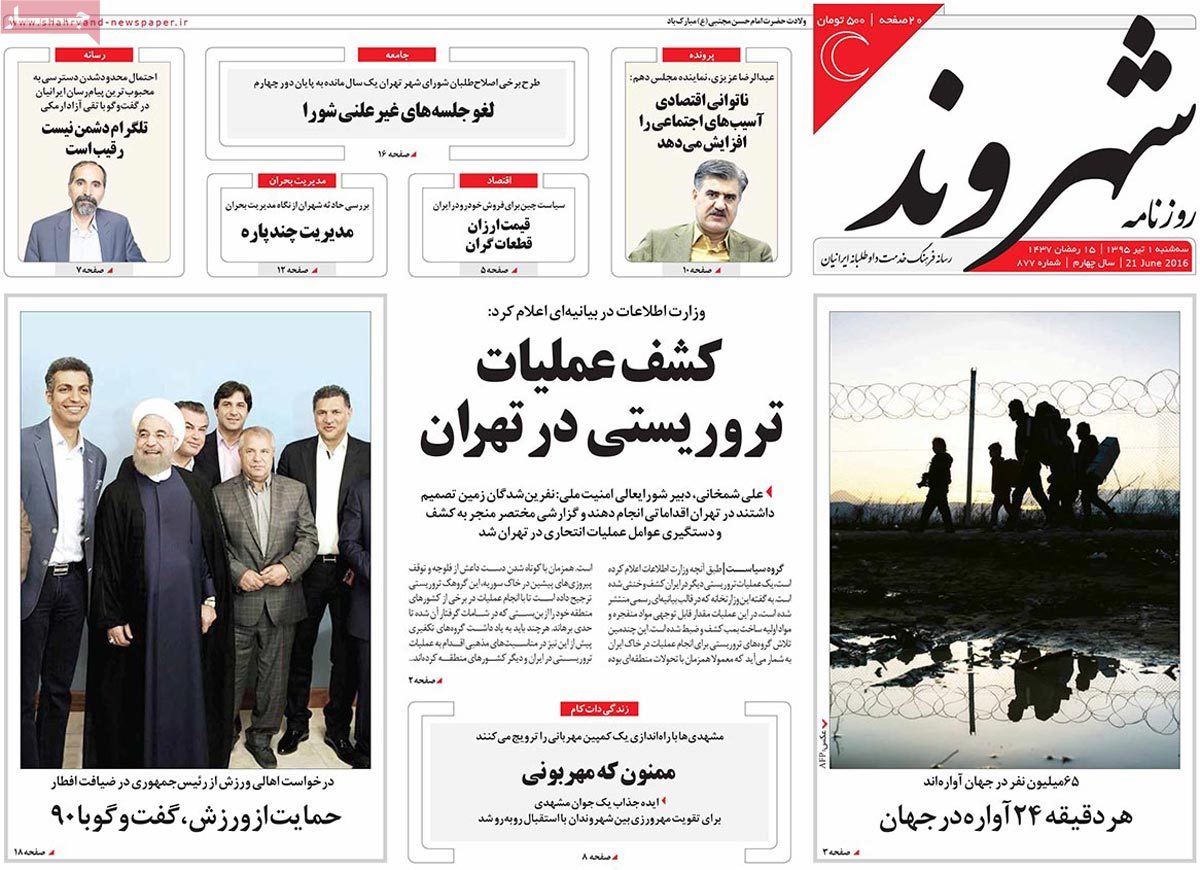
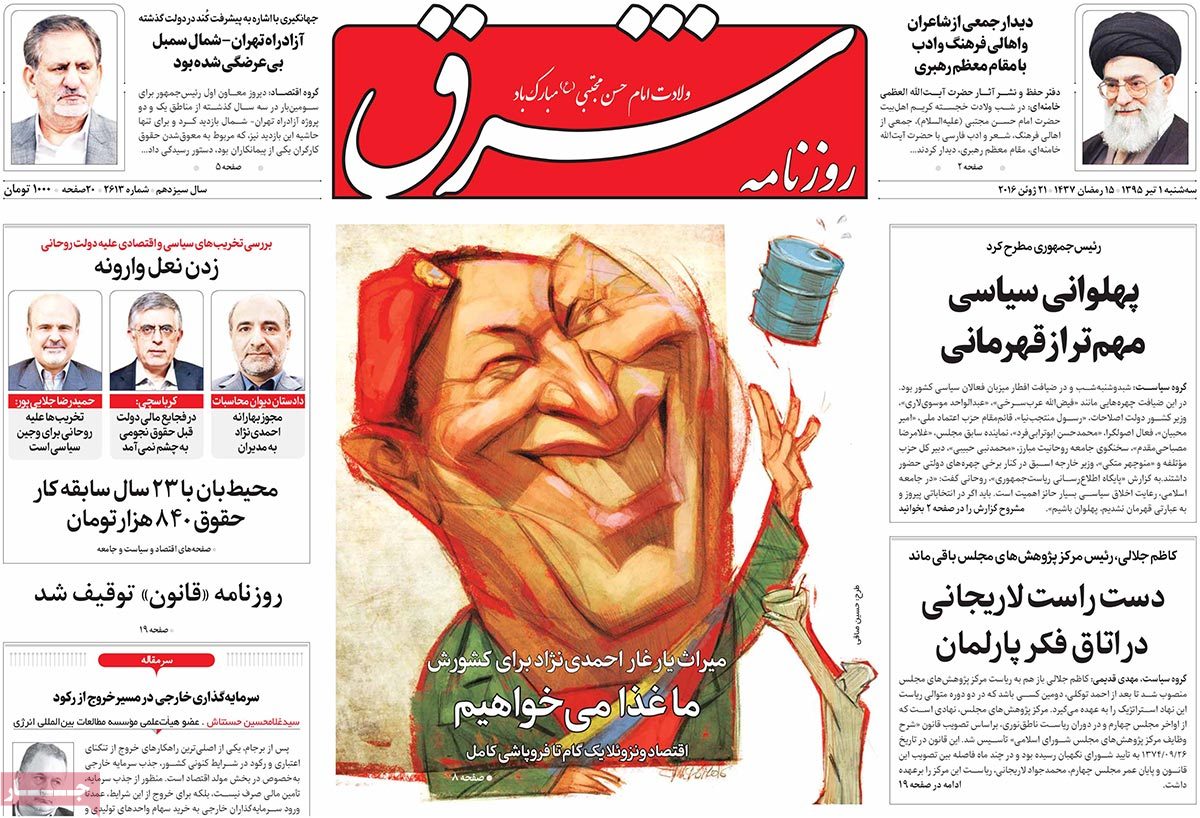
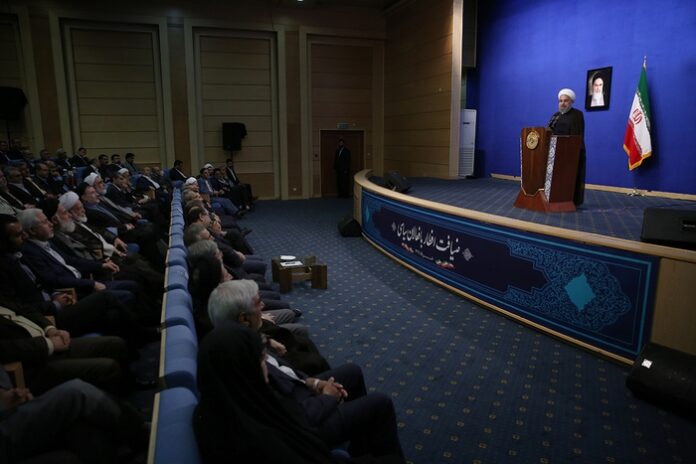
On Monday evening, June 20, Hassan Rouhani sat down to a fast-breaking meal with a group of political activists which included members from across the whole political spectrum, including both Principalists and Reformists, to celebrate the occasion of the holy month of Ramadan.

Rouhani believed that all should observe the rules of the game in political activity as prerequisite of political ethics. “Magnanimity of spirit should be a guiding principle in any political failure of one’s own party and/or success of the rival political party; however, such spirit has been difficult to find in the current political terrain,” he said. “Our neighbours welcome political rifts and conflict within the country, and they would benefit the most from such confrontations. Only [by being] united and consolidated domestically would we succeed in bringing about a healthy political atmosphere, thus converging all forces in a constructive path to rebuild the country.”

Rouhani criticized the commonly believed concept of politics as “seizing political power by whatsoever means,” favouring a more benign concept of attending to the common good of the political unit through addressing the problems of the nation and advancing society to the terra firma of happiness. “About criticism, I believe to criticize is a collective right; however, genuine criticism is very different from deliberately wounding the government with an objective no less malign than to weaken the subject of criticism. I invite all political parties to attend the greater issues of the country’s issues on the 40th anniversary of the Revolution, along with [creating] a breath-taking national celebration.”

Rouhani said that he believed that his Cabinet was nonpartisan. “We have waged efforts to bring together representatives from all political parties in the Cabinet to serve the country, setting aside all partisan sentiments. I would advocate monthly meetings of this sort to address the major problems of the country and to agree on certain solutions,” he proposed.

The President also hoped that the single-digit inflation figures, along with modest economic growth figures, would provide examples of future successes which the country would expect to see achieved through unity and cooperation.

Inflation Rate in Iran Down to Less than 10%

inflation

“Iran’s Statistics Centre released good news yesterday, saying that our annual inflation has become one-digit after many years,” Nobakht said in an address to the Parliament in Tehran.

Based on the report, the inflation rate for the previous month was 6.1%, which showed a 0.7% decrease, compared with the same month last year, Nobakht said, according to a report by ISNA, as translated by IFP.

The annual rate for the past 12-month period, which stood at 10.2% last year, has now also dropped to 9.5%, he went on to say.

“This is a great success, indicating a trend of decreasing inflation rates, which have fallen for the last the past three years now,” Nobakht noted.

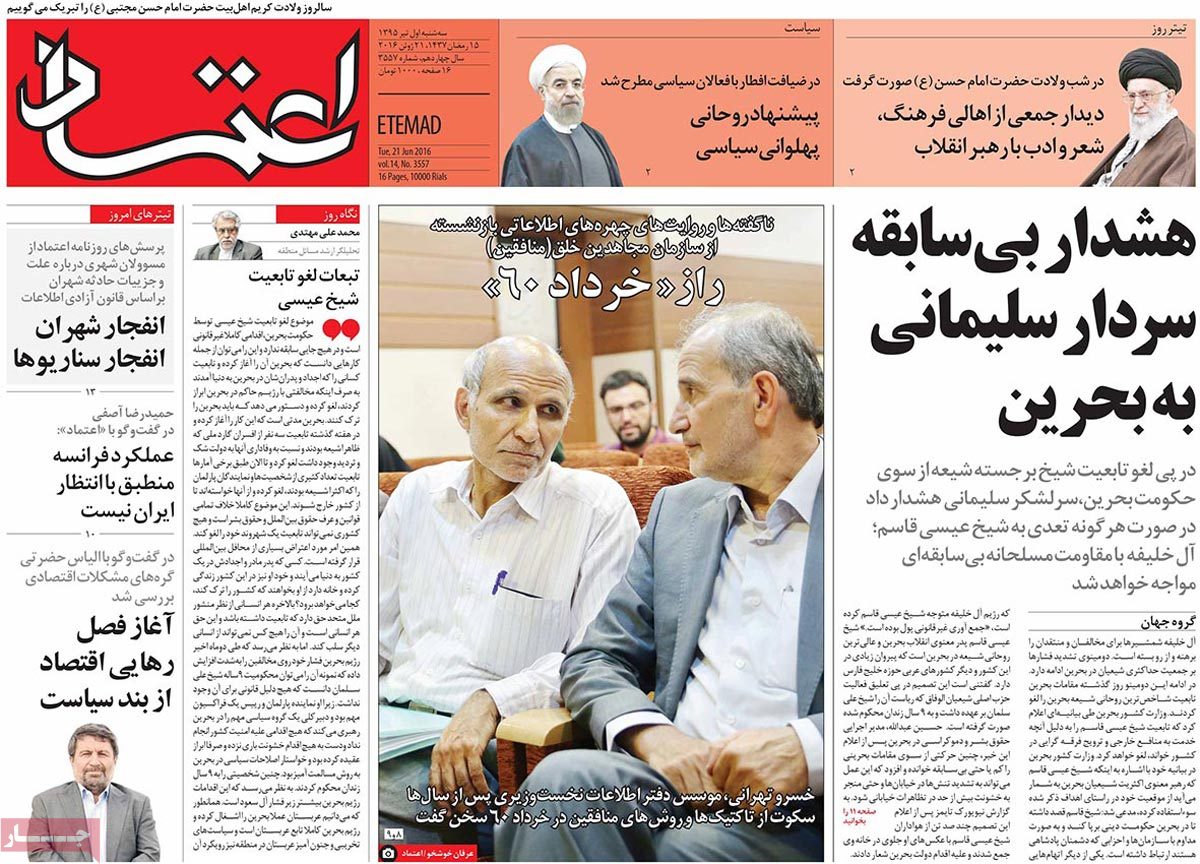
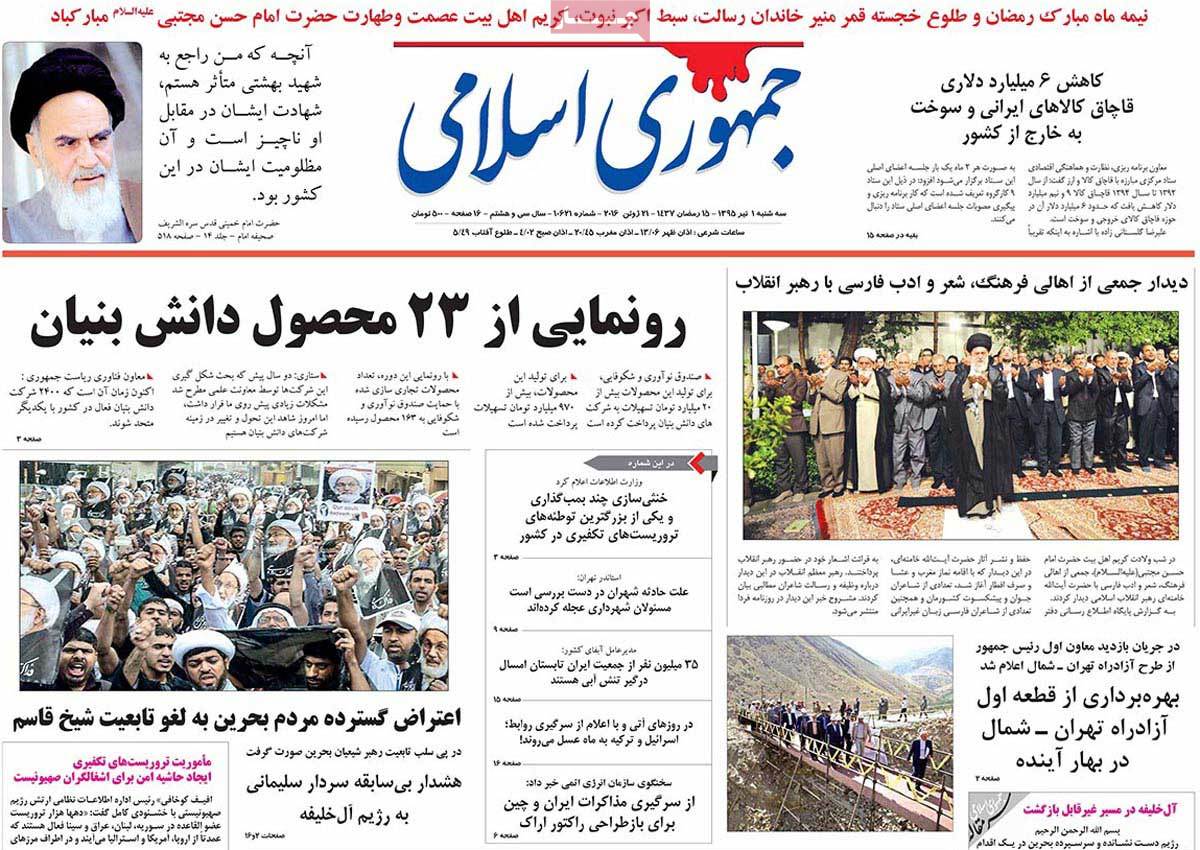
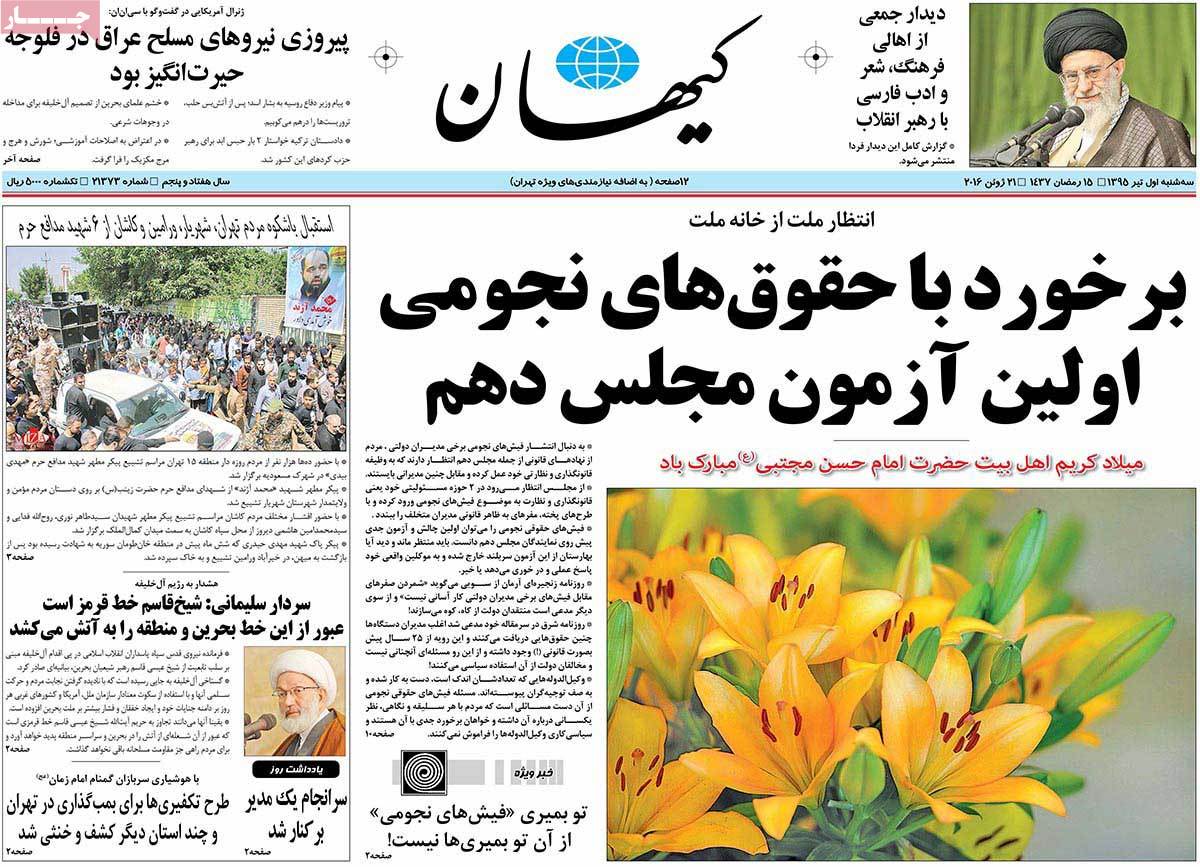
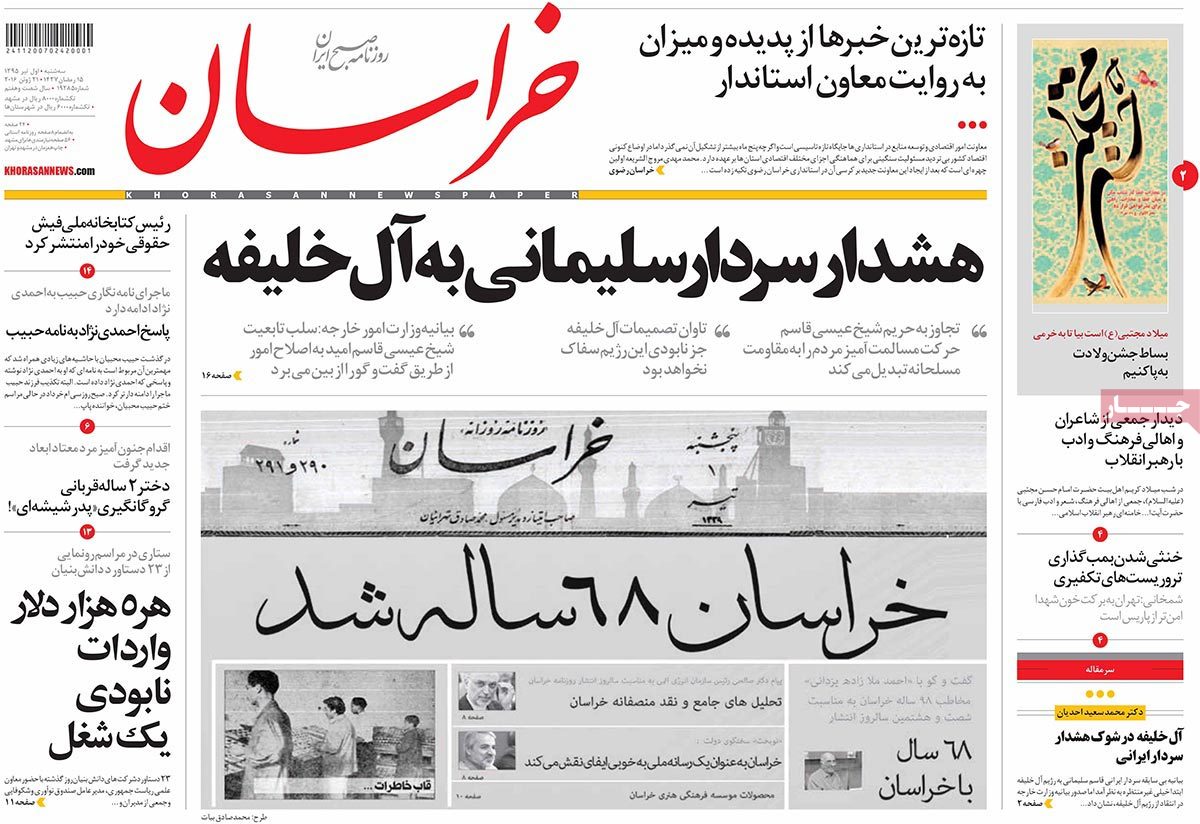
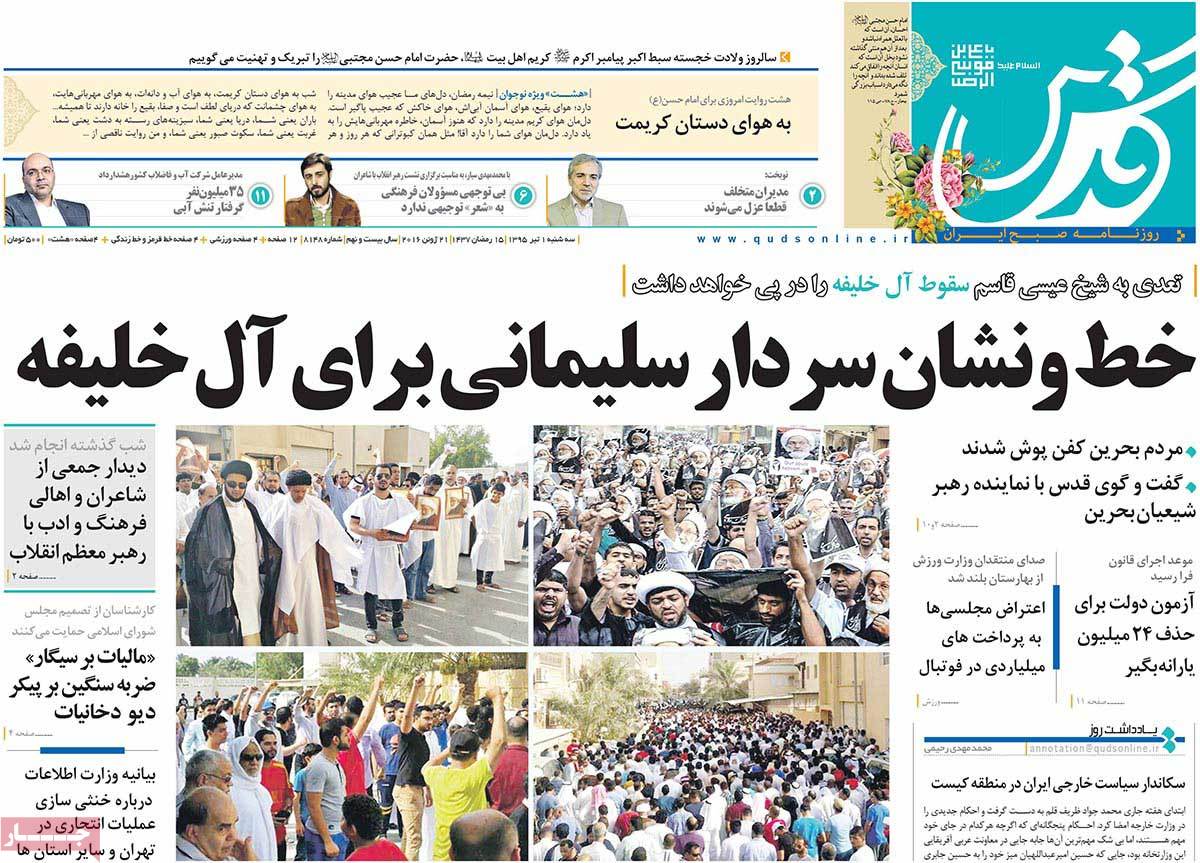
Iran Censures Bahrain’s Move to Strip Sheikh Qassim’s Citizenship

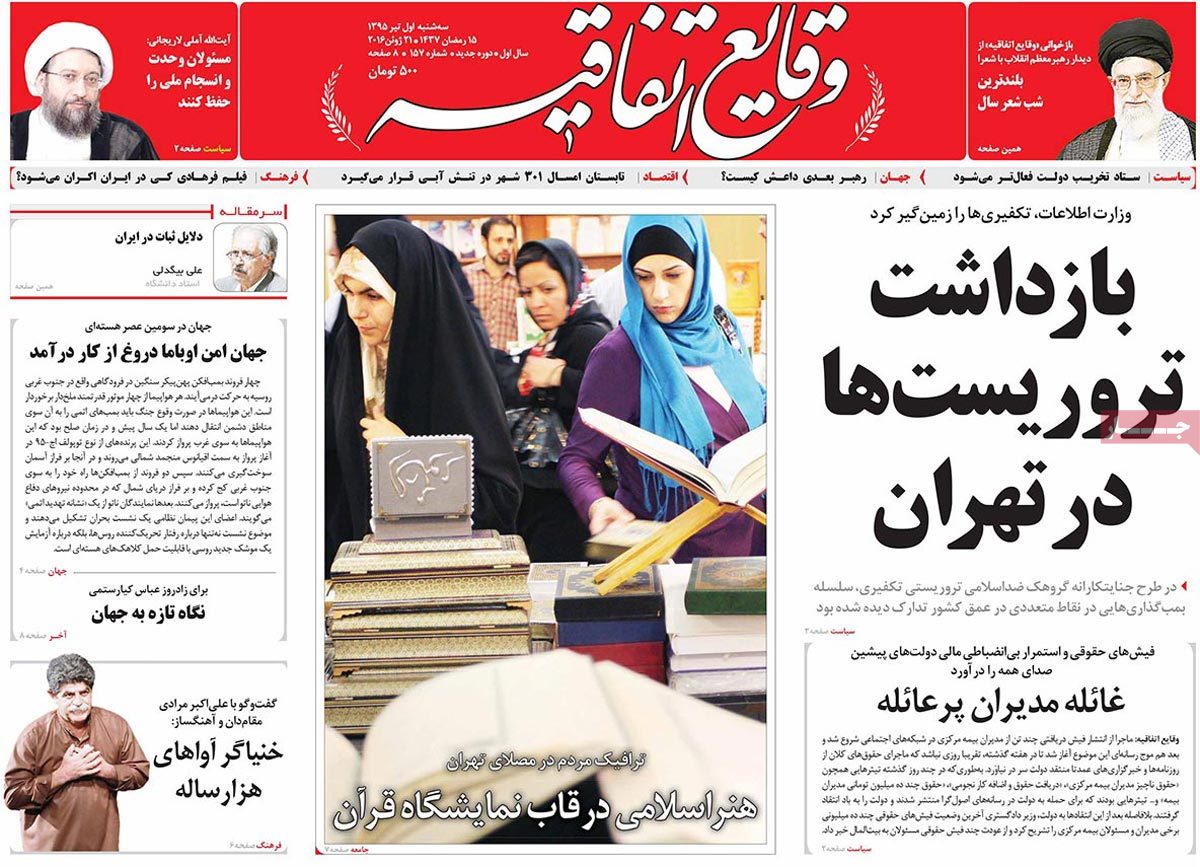
In a statement on Monday, the ministry also condemned the Bahraini regime’s intensification of its security approach toward religious and national leaders, opposition to religious beliefs and principles, and misappropriation of religious assets and funds of the Bahraini people.

It added that such measures would dash any hope of reformation in the Bahrain through dialog and peaceful means.

The ministry urged the Al Khalifah regime to end the ongoing crisis in the country by stopping its illegal behavior, avoiding “the destruction of all the bridges for communication with the people and moderate leaders of the country, accepting the realities of the country, and holding serious national dialog.”

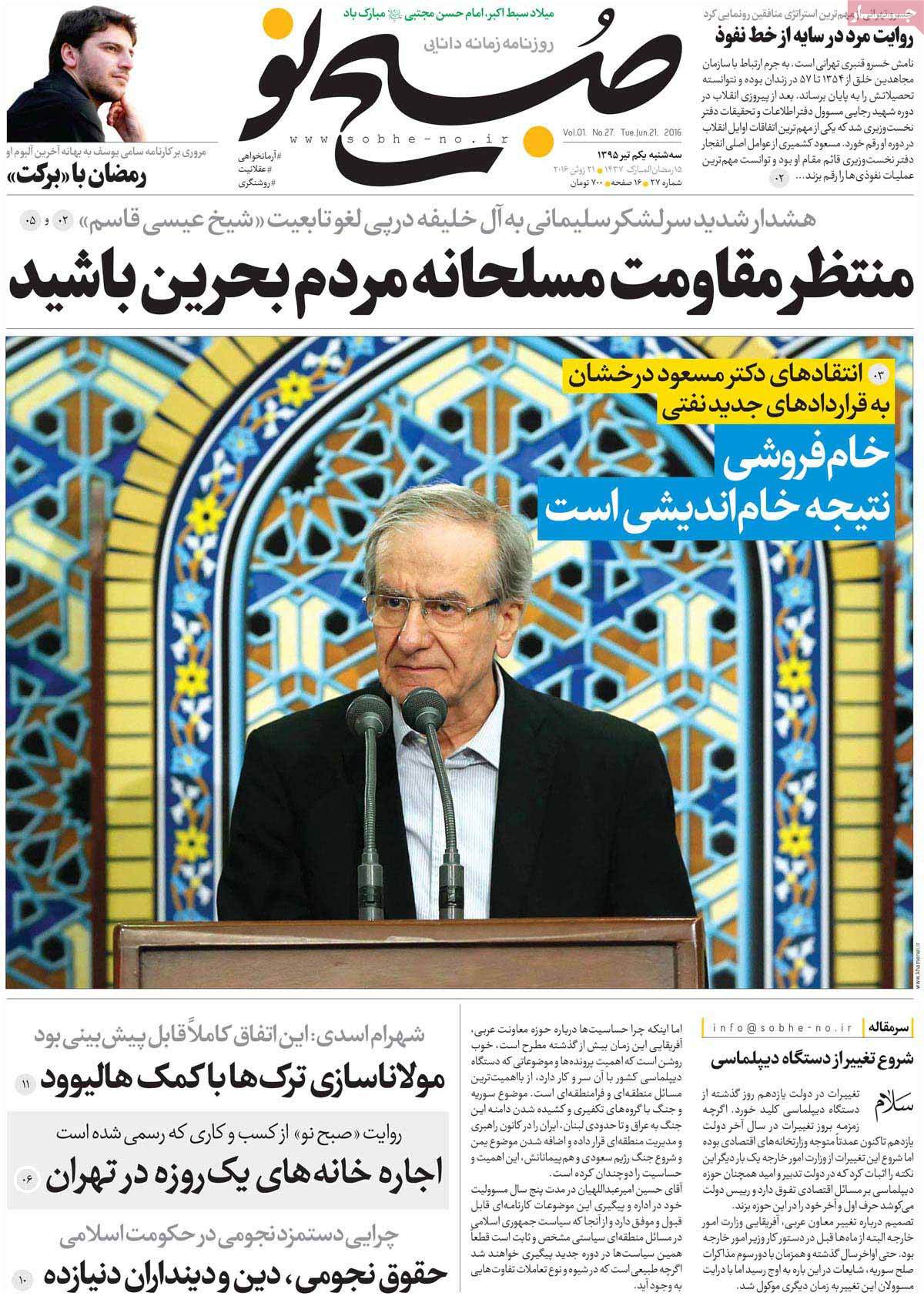
Bahrain on Monday revoked the citizenship of Sheikh Isa Ahmed Qassim, claiming that he has been involved in spreading extremism.

Bahrain’s Interior Ministry claimed in a statement that Sheikh Qassim actively sought the “creation of a sectarian environment” through his connections with foreign powers.

The ministry claimed that the cleric had misused his religious position to advance a political agenda and serve foreign interests.

The Interior Ministry’s statement added that the senior cleric “caused harm to the interests of the Bahraini kingdom or had acted contrary to the duty of loyalty to the government.”

Describing as illegal donations to Sheikh Qassim by his followers in Bahrain, the statement further accused the cleric of receiving money and using it without obtaining the required legal licenses.

IAF Plans ‘$130 Art Sale’

16_130 per Artwork (2)

The event will provide an occasion for art lovers to buy works of art at a fixed price of $130 per piece, Honaronline quoted the auction secretary, Jamshid Haqiqat-Shanas, as saying. The large number of art enthusiasts in the country have always been patrons of Iranian culture and art. “They deserve access to artworks at low prices,” he said.

The price tags were fixed after taking the average purchasing power of the people, and artists invited to participate have welcomed the idea.

“The auction will put on sale artworks both by veteran artists as well as the less-seen or known artists so as to introduce them to the public. Artists interested in the auction can submit their applications to participate in the event.”

The artworks will include items in all visual art branches, including painting, volume art, calligraphy and calligram. “Time adds value to artworks and besides, people can help promote the culture of buying artworks and getting familiar with talented artists,” he noted.

Museum of Tajmir Village

Museum of Tajmir

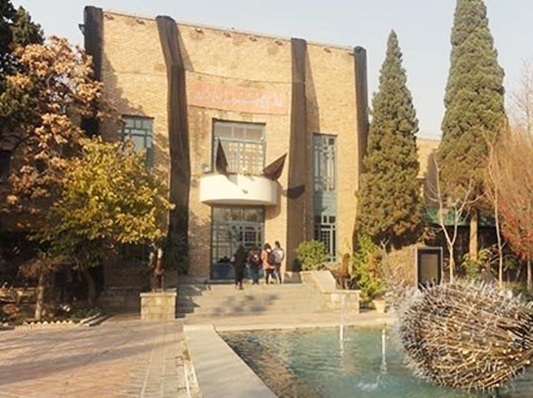
A tribal family originally migrated to Mahiroud, 90km from the Afghanistan border, and established a village named Tajmir in Sarbisheh.

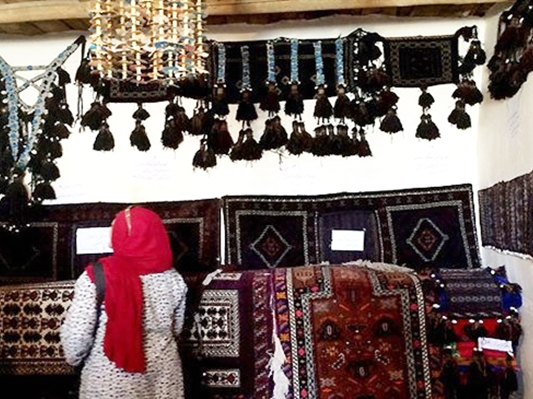
Gol Mir Khan, the headman of Tajmir Village, has decided to display ancient items and the dowry of his sister Zarbakht. They include handicrafts, utensils of tribal life and anthropology items from the village. Other items include camel bells, saddles, tents and coarse woollen cloth.

Also to be found are 200-year-old cushion-covers which have been coloured with natural dyes. Also, there are unique kilims (flat tapestry carpets) and jajims (two-sided carpets) in the house.

Gol Mir Khan and the other men wear Baluchi clothes. Rural women don hand-made and machine-made needlework items. Tajmir households had lots of camels and sheep, but a few of them remain.

Executives from the Carbon Sequestration Program have planted species such as saxaul and tamarisk in and around the village. They also suggested the establishment of an anthropology museum of Tajmir.

Kharg Terminal Steps up Loading Capacity

192613_orig

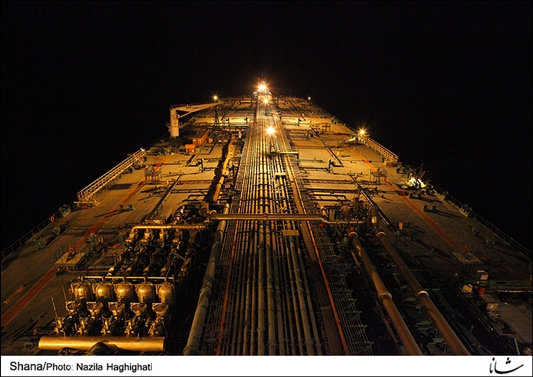
Saeid Pirouz Mousavi said the raise comes after infrastructural upgrades in the terminal carried out by domestic developers and took over two years. He said the terminal has enough capacity to increase the country’s crude oil exports.

Mousavi said 8 tankers can berth at the eastern harbour of the terminal while another one can get oil loads in a ship-to-ship manner at the terminal. He said Petroleum Ministry experts at Kharg Island are involved in the construction and maintenance of the terminal in line with the requirements of the economy of resistance.

Iran has prepared its biggest oil export terminal on the Kharg Island for increased shipments of crude now that sanctions are being lifted.

Oil from Iran’s fields reaches the island through four 72- and 60-inch pipelines, which run 32km along the seabed. The oil is then stored in tanks for transfer to export jetties on the island and loading.

There is a storage capacity for 30 million barrels of oil on the Kharg Island, giving it more flexibility for exports. The island lies near the Strait of Hormuz, through which a fifth of global oil exports pass.

Iran has prepared its oil terminals for 6 million barrels per day (bpd) of exports in a ban-free context.

Excavation Uncovers Ilkanid-Era Pottery

2111949

A Kashan University archaeological expedition led by Reza Nouri Shadmahani is carrying out the fourth archaeological investigation at the site, as Shadmahani tells Mehr local correspondent Fatima Karimi.

According to investigations, Feizabad had been settled and urbanized during the Ilkahnid era; the city comprised two important localities – Arg and Sharistan. “The first season of excavations in the site was carried out on the Sharistan part of the site, which uncovered valuable information about archaeology and architecture of the Ilkhanid era,” he told Mehr.

“The present expedition seeks responses to questions of settlement patterns and architectural shifts in the Arg section, and other architectural features of the site. The fourth season of excavations revealed a structure dating back to times even before the era most architectural features belonged. The adobe building with gypsum plastering encompassed a rectangular space with large arch plates, and could have potentially have had an arched dome at the time of construction.”

“The approximate dimension reveals 10m width by 20m length, including unexcavated parts. It still requires more excavation in the western part to find about the possible application of the chamber. Most probably, the space belonged to the higher classes of the social strata of the time,” Shadmahani said.

The excavations also uncovered pottery objects of the Ilkhanid era.

Iran’s SCO Inclusion to Bolster Strategic Ties: Russian Professor

82118768-70807746

“Russia is looking to fortify its relations with powerful countries like China and Iran,” Professor Gennady Chufrin told IRNA in an interview on Sunday June 19.

Chufrin said that with Iran’s SCO inclusion, ties between Iran and Russia are going to get stronger. “As a main regional player, Iran has a crucial and positive role in the developments of an area as wide as the Middle East, Caucasia and Central Asia,” said the professor.

This make it inevitable that Iran’s accession to the Shanghai Cooperation Organization, while important to Russia, is going to benefit the organization and boost it as well, he said.

The deputy director of the Institute of World Economy and International Relations also referred to the implementation of the Joint Comprehensive Plan of Action as a major achievement, and said that all the SCO members welcome Iran’s accession. “Following the removal of sanctions, the ground is more prepared for the realization of such a goal,” he said.

The SCO members are going to meet for a two-day conference in the capital of Uzbekistan, Tashkent, on June 23.

The Shanghai Cooperation Organization (SCO) is a Eurasian political, economic, and military organization which was founded in 2001 in Shanghai by the leaders of China, Kazakhstan, Kyrgyzstan, Russia, Tajikistan, and Uzbekistan.

Zibakalam’s Editorial: Proving One’s Political Existence by Denigrating Others

Sadegh-Zibakalam

His editorial came after Spokesman for the Iranian Administration Mohammad Baqer Nobakht recently noted that the opponents of President Rouhani’s government hold weekly meetings on Saturdays to plan their attacks for the coming days.

Here’s IFP’s translation of Zibakalam’s article:

The government spokesman’s recent reference to the anti-government think-tanks, only one day after June 14, the anniversary of Rouhani’s victory in 2013 Presidential elections, is just stating the obvious. A review of what happened in the past three years not only confirms such remarks, but also indicates that the opponents of government can easily violate national interests in order to taint the government’s image and record.

More surprisingly, such unethical methods are used by those who claim to be advocates of values. The recent leakages of certain executives’ paycheques are a testimony to the claim. The paycheques of these executives – which have their roots in the previous government and have just lingered on until Rouhani’s term – are covered by the media outlets of this faction in a way that the huge salaries have just started to be paid since June 14, 2013.

There is no need to mention that one cannot defend the payment of such huge salaries; however, the basic question, which receives no answer from the opponents of government, is that when did the payment of such salaries begin? Have all these payment methods begun right after the 14th of June, 2013? Wasn’t there any similar payment before that time? More importantly, it seems that the incumbent administration, unlike the similar cases in previous government, is behaving logically, and issuing orders for investigation and prosecution without any secrecy.

The think-tanks for denigrating the government adopted the same approach in dealing with the achievements of JCPOA [the nuclear deal between Tehran and world powers]. They claim that after the JCPOA many sanctions have yet to be removed, while any informed and fair person knows that some of anti-Iran sanctions basically had nothing to do with JCPOA and the nuclear case. Neither was there any negotiation on termination of those sanctions, because no one was supposed to discuss non-nuclear issues.

However, the opponents of government make too much of these sanctions without mentioning its root cases, which are the West’s claims on human rights and terrorism. In this way, they are trying to make people believe that the sanctions are still in place in spite of the deal.

It is predicted that they will continue using such denigrating methods until the next year’s presidential elections. These people neither have a defensible résumé or an organized plan against the policies of Rouhani’s administration; therefore, they seem to be resorting to negative behaviours and tactics so as to cover up what they don’t have and to hide it from public opinion.

This is why the policies pursued by followers of this faction, particularly the content they publish in their media outlets, are very close to each other and seem totally organized. Although these people once again experienced the results of such negative and denigrating methods in February 26 parliamentary polls, they seem so disorganized that they are considering such tactics as the only way for proving and showing their existence. They assume that if they shout louder, if they keep distorting the facts, and if they continue denigrating the government, they will be more successful. However, they are ignoring the fact that people are very vigilant and know that many of the existing problems are caused by non-professional policies and sense actions of the same denigrators.