Thursday, December 25, 2025
Home Blog Page 3512

Saudis Spending Hefty Money to Slide Iran into Chaos, DM Hints

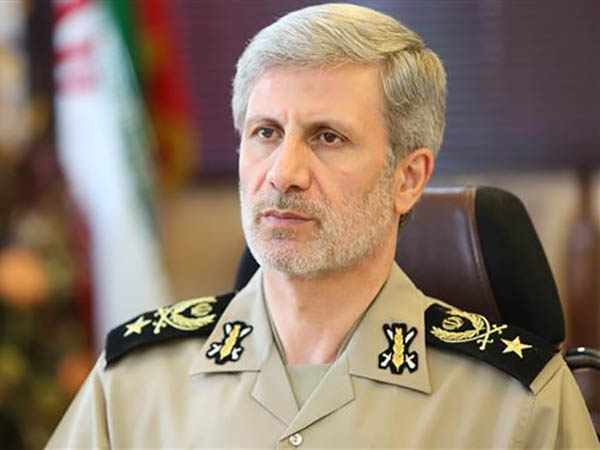
Iran’s DM Vows Firm Response to Enemy’s Moves

Addressing a Saturday ceremony in Tehran, General Hatami underlined that the current economic war waged against Iran as well as the brutal sanctions imposed on the country are part of the animosity of the US and its allies towards the Islamic Republic over the past four decades.

The Defence Minister indirectly suggested that Saudi Arabia has confessed it has spent $137 billion to slide Iran into chaos and support terrorist groups in Iraq and Syria, a report by Tasnim News Agency said.

Meanwhile, the US and its allies have invested over $500b to create tension in the region, he added.

He then described the creation of regional terrorism and sliding states like Iraq and Syria into chaos as other plots hatched by the enemies against Iran and said the adversaries are after institutionalizing insecurity and tension in the region.

The Defence Minister also said by creating terrorist groups in the region, the US and its allies have been seeking to tarnish the image of Islam as a religion of peace and added the enemy is seeking to pit regional states against each other to secure the Zionist regime.

Iran has been the scene of sporadic protests over the past few days as Iranians brace for a return of US sanctions.

Hundreds have rallied in cities across the country, including Tehran, Isfahan, Shiraz, and Karaj, according to videos posted on social media, to protest against high inflation caused in part by a plunging Iranian rial over fears of the re-imposition of crippling sanctions on August 7.

The US decided to re-impose sanctions on Iran upon its withdrawal from the Iran nuclear deal, accusing Tehran of posing a security threat, and has told other countries they must halt all imports of Iranian oil as of November 4 or face US financial measures.

Back in January, some cities of Iran witnessed rallies in protest at price hikes and economic woes. Police arrested a number of demonstrators who were trying to damage public property in the gatherings.

Iranian officials believe the protests are partly sponsored and orchestrated by foreign elements and spy services, including that of the US, Israel, and Saudi Arabia.

According to Article 27 of the Iranian Constitution, “public gatherings and marches are allowed so long as the participants do not carry arms and are not in violation of the fundamental principles of Islam.”
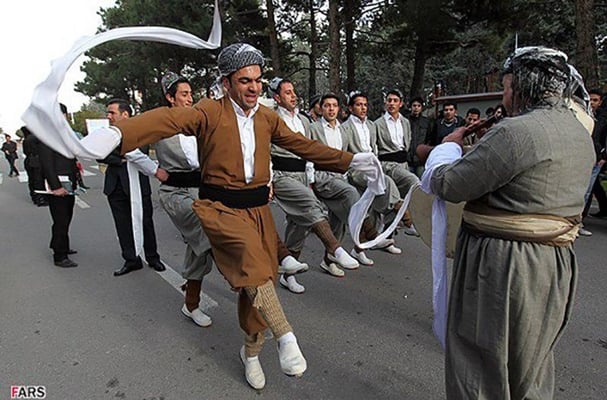
Kurdish Dance; Ancient Tradition with Military Applications!

Halparke is an ancient round dance where people hold hands and move their feet and shoulders rhythmically and in unison.

Mahmoud Qaderi, a sociologist, says Kurdish dance is a highly symbolic performance, showing solidarity and resistance.

Speaking to ISNA, Qaderi said his Kurdish dance has been performed not only in celebration of the new year and other happy occasions, but also during wartime, to demonstrate that Kurds are not afraid of the enemy and are united to defend their homeland.

In this dance, dancers take two steps back and then take four steps forward, while travelling in a circle, conveying a message that if the enemy attacks and pushes them back, they will fight back and won’t budge even an inch, he said.

Qaderi said the dancers hit their right foot roughly to the ground, which means no one can annihilate Kurds and they will remain forever.

In every dance one dancer comes to the head of the circle, who is called Serchopi, holding a colourful cloth in his right hand.

Qaderi said Serchopi plays the role of the military commander of the group, and the cloth he carries is the symbol of a weapon.

In the ancient times, Kurds used to perform dance in royal palaces in celebration of military victories. But it was forbidden to take arms to the palaces. So the Kurds used clothes for performing dance inside palaces.

Qaderi said he has found a Kurdish dance group, which he said aims to preserve their culture and traditions.

Kurdish dance is common in Kurdish-populated regions of Iran, particularly in Ilam, Kurdistan and Kermanshah provinces.

Iran, Azerbaijan Hold Consular Meeting

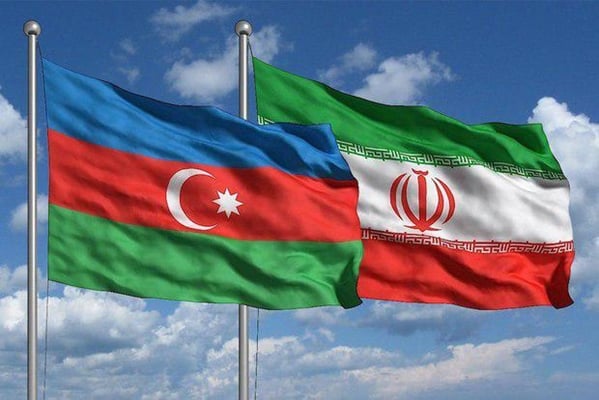
Iran Azerbaijan Flags

In the Saturday meeting, the two sides expressed satisfaction over the progress made at easing visa issuance, increasing judicial cooperation, transfer of convicts, extradition of offenders, and fighting against drug trafficking and organized crimes.

The two sides also stressed the need for continuing the full implementation of bilateral agreements, as the high-ranking officials of the two countries seek.

Iran and Azerbaijan have accelerated efforts in recent years to forge closer partnership in various areas.

Back in late March, Iranian President Hassan Rouhani paid an official visit to Baku and held talks with his Azeri counterpart Ilham Aliyev.

Addressing an Iran-Azerbaijan business forum on March 29, Rouhani hailed amicable ties between Iran and Azerbaijan, saying cooperation between the two neighbours is beneficial to the entire world.

The Iranian president said the two sides reached “strategic and historic” decisions during his visit to Baku, including connecting the two countries’ railway networks for transport of goods from the Sea of Oman to Eastern Europe as well as attracting investment for oil and gas exploration in the Caspian Sea.

Rouhani pointed to Iran and Azerbaijan’s joint venture to manufacture automobile and expressed hope for the expansion of bilateral cooperation in other sectors, including in tourism, agriculture, electricity productions, health, pharmaceuticals and new technologies.

Online Campaign Trying to Let Tourists Know “Sistan & Baluchestan Is Safe”

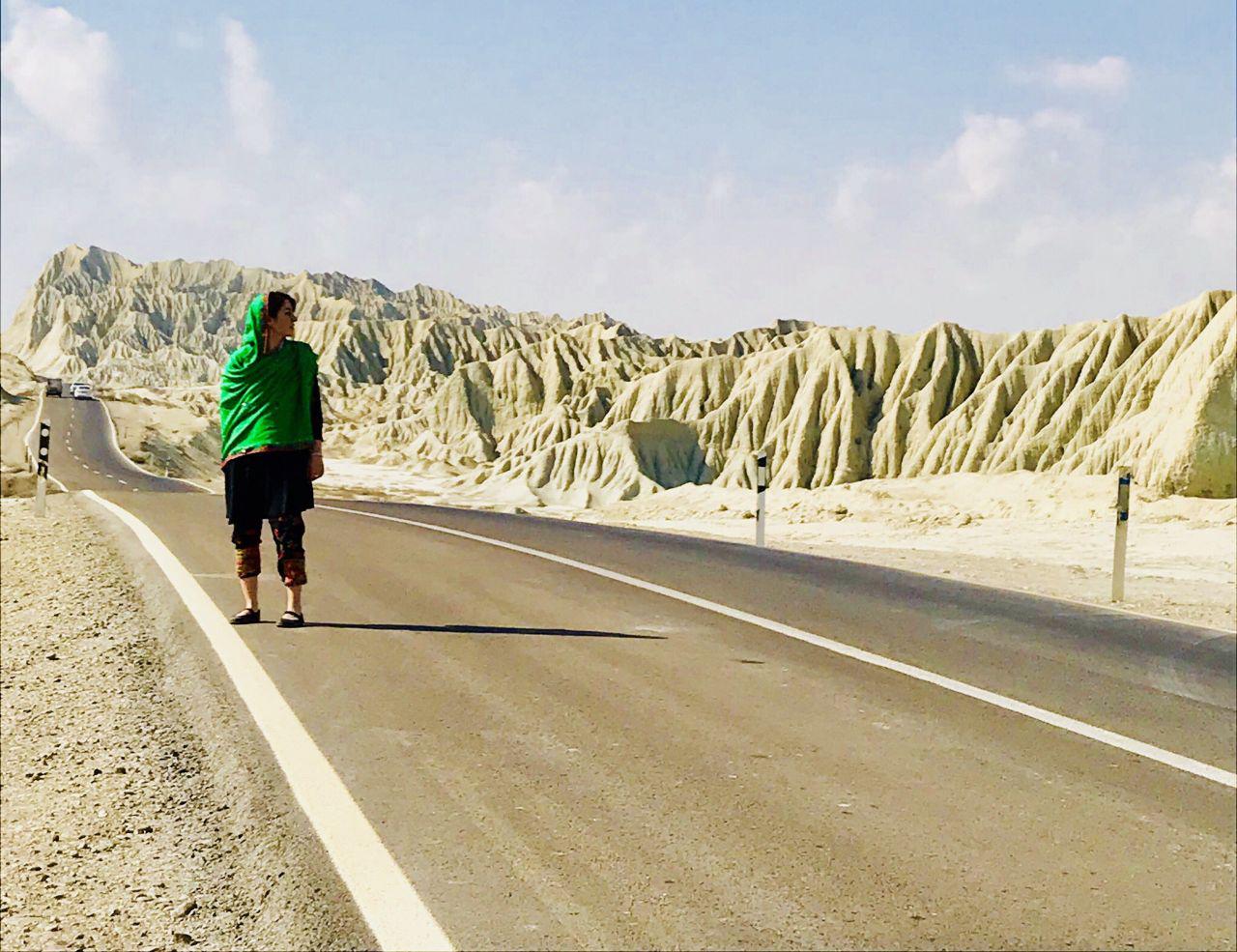
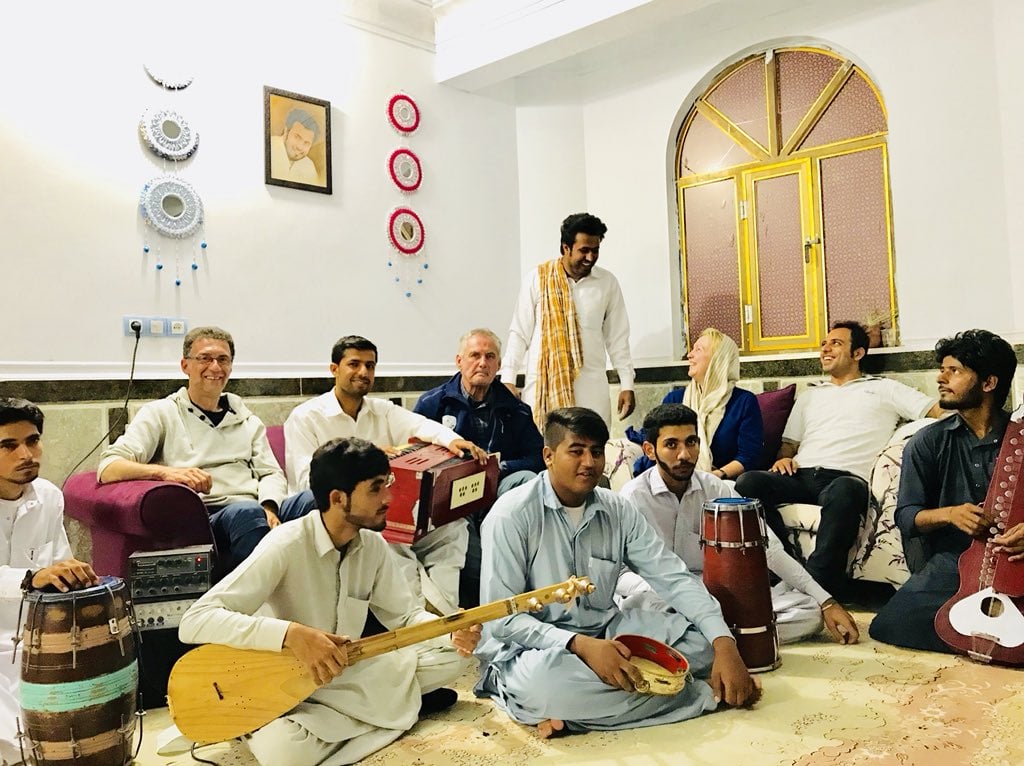
#Baluchestan_Is_Safe is the most important hashtag used by activists these days to fight against people’s most clichéd mindset about the vast land of Sistan and Baluchestan.

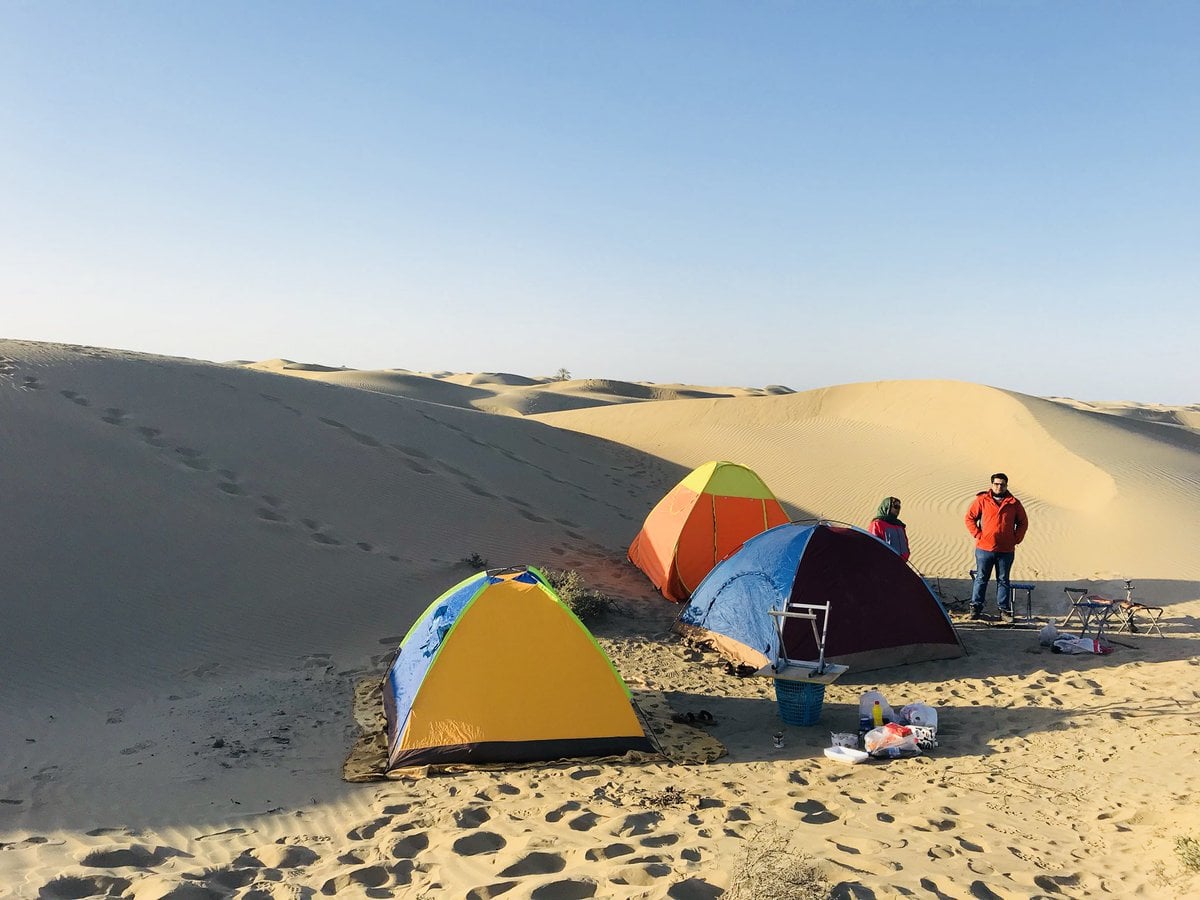
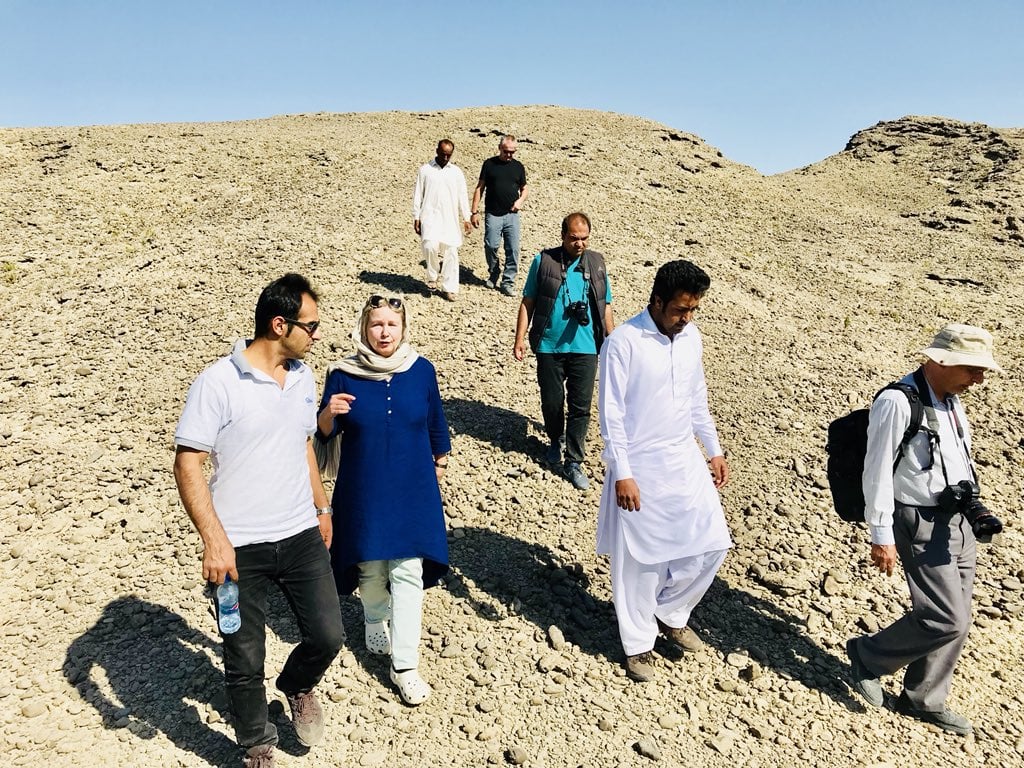
According to a report by Mehr News Agency, Mobin Baluch is one of the active guys who has set up a tourism group and created accounts on Twitter and Instagram to help develop his province. His campaign has brought many Iranian and foreign tourists to the southeastern region.

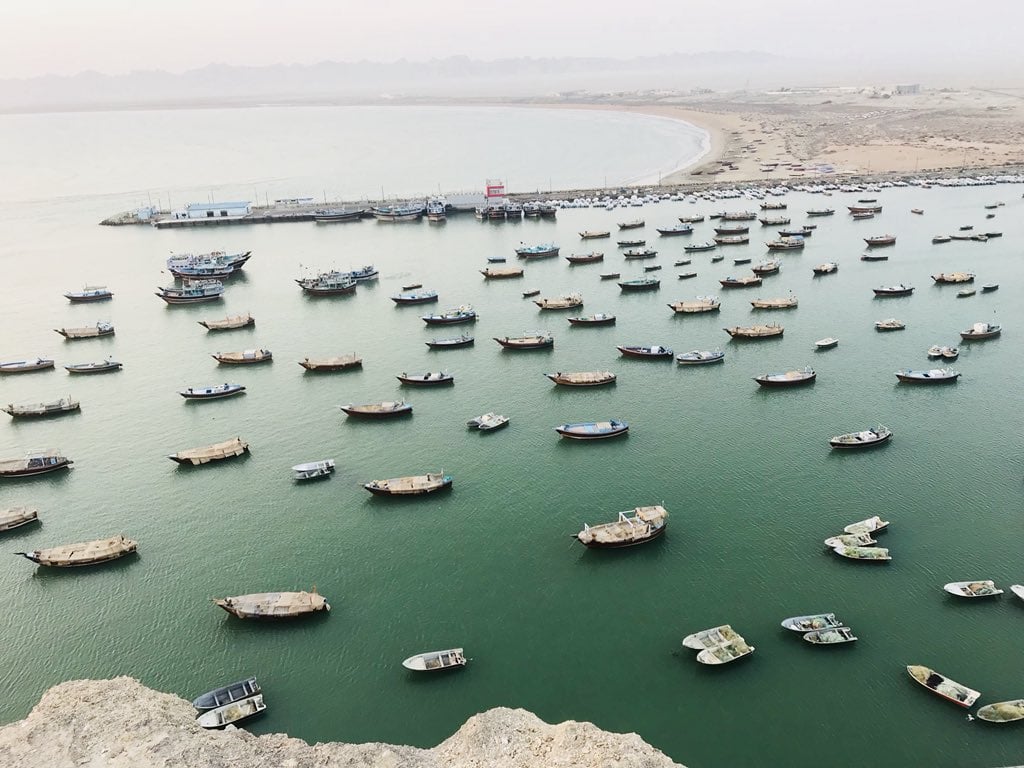
Mobin complains that the majority of films made about drug smuggling are shot in Baluchestan. “All which have been reported about this province were about insecurity. Three years ago, I launched #Baluchestan_Is_Safe campaign and invited nature lovers and tourists to come to this region. Indeed, a single tour is not enough to see areas such as Darak, Beris and Chabahar. During Nowruz it was very crowded here.”
One of the main concerns of the cultural and online activists of the Sistan and Baluchestan region is the misconceptions of the people of the country towards this region. Mobin says changing this mentality is even more important to him than generating income.

Online Campaign Trying to Let Tourists Know “Sistan & Baluchestan Is Safe”“Some time ago I was invited to a university to talk about my activities. Students had a lot of questions to ask. The contents of their questions showed that the only thing they knew about this border province is narcotics and drug smuggling, but I believe the tourist boom can resolve this problem,” said Mobin.
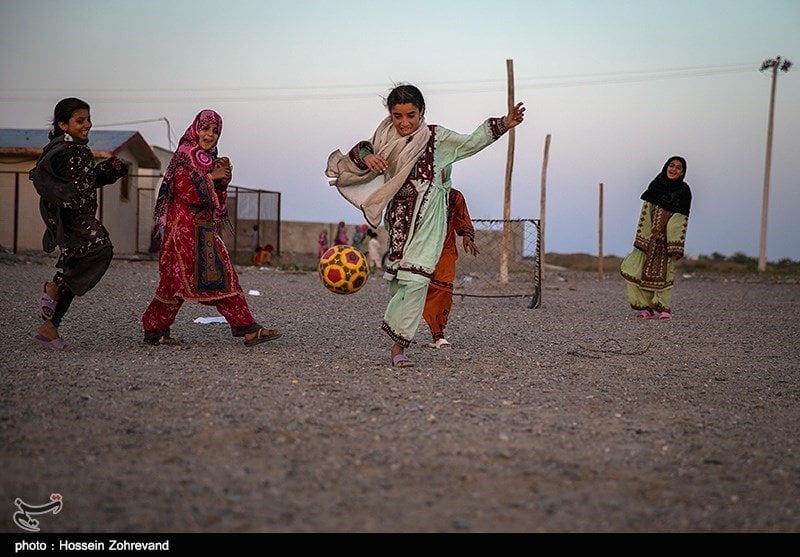
“Sometimes they say that Baluchs are Wahhabis who take money from Saudi Arabia to eliminate Shiites, or they say Baluchs do not let their women get out of the house. But this is not true. I might say that changing such mentality is more important to me than generating income for the province. I do not mean that generating income is not important, but we should first change this mentality.”


Baluch People Themselves Most Important Tourist Attraction

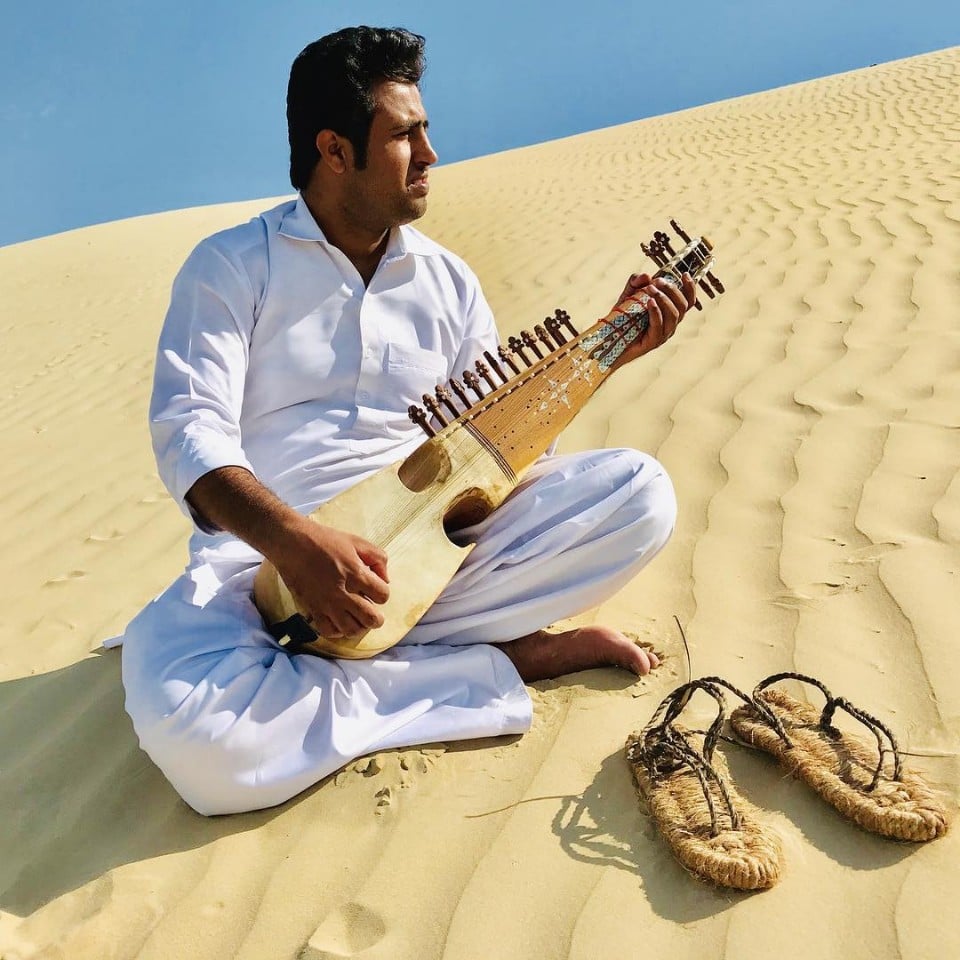
“If you ask me, I would say the first attraction of our province is its people. I would like to think of the Baluch language when it comes to Baluch people. Baluchi language is one of the most complete languages in Iran that has not been damaged over time. Sistan and Baluchestan has so many tourist attractions that each of them can be sufficient for a province or country. But I like to see travellers coming to this region for the sake of Baluchi people and culture,” noted Mobin.


Unknown Tourist Attractions

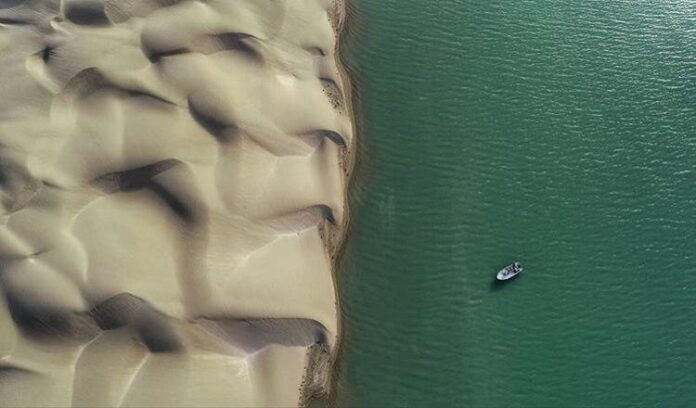
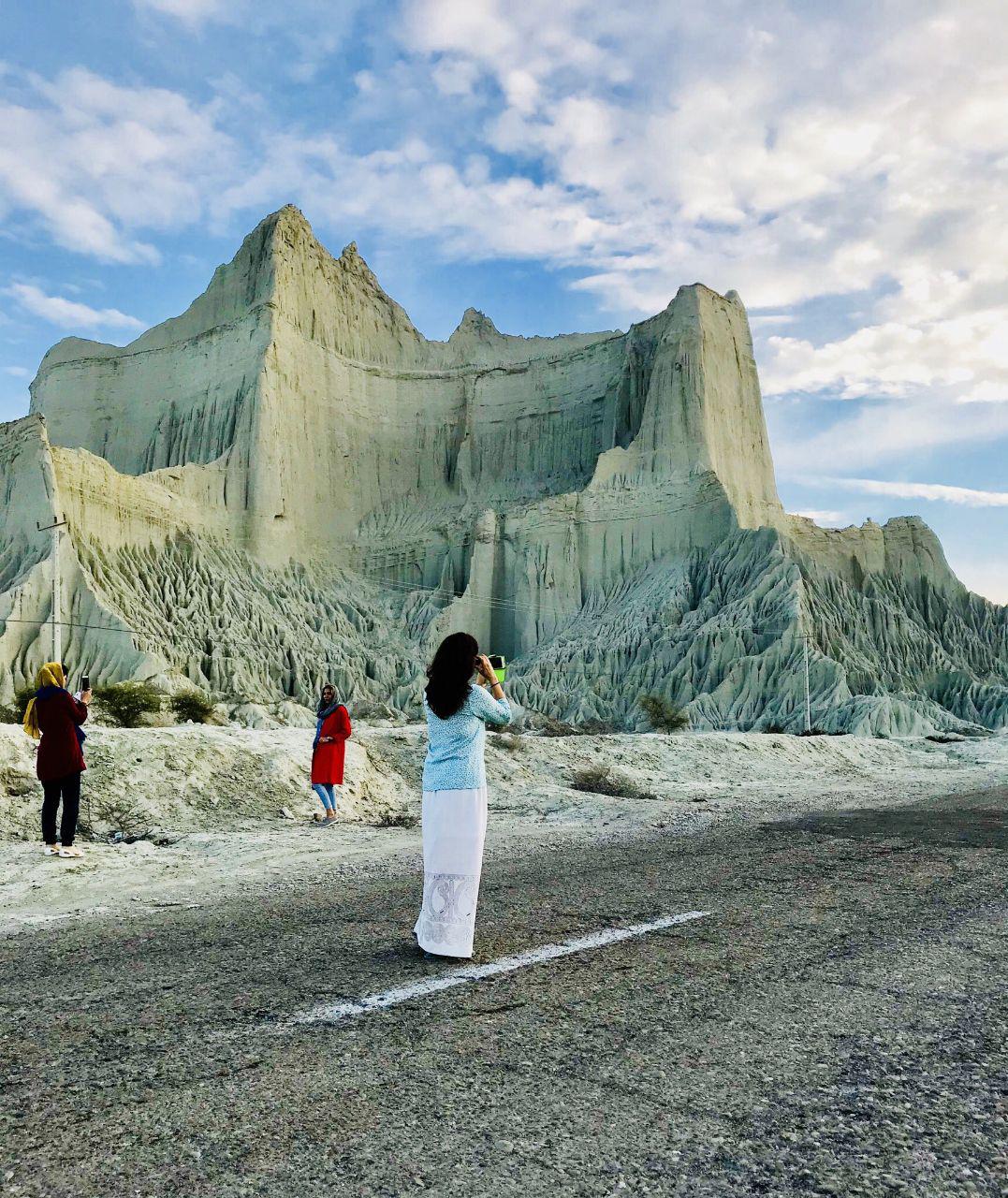
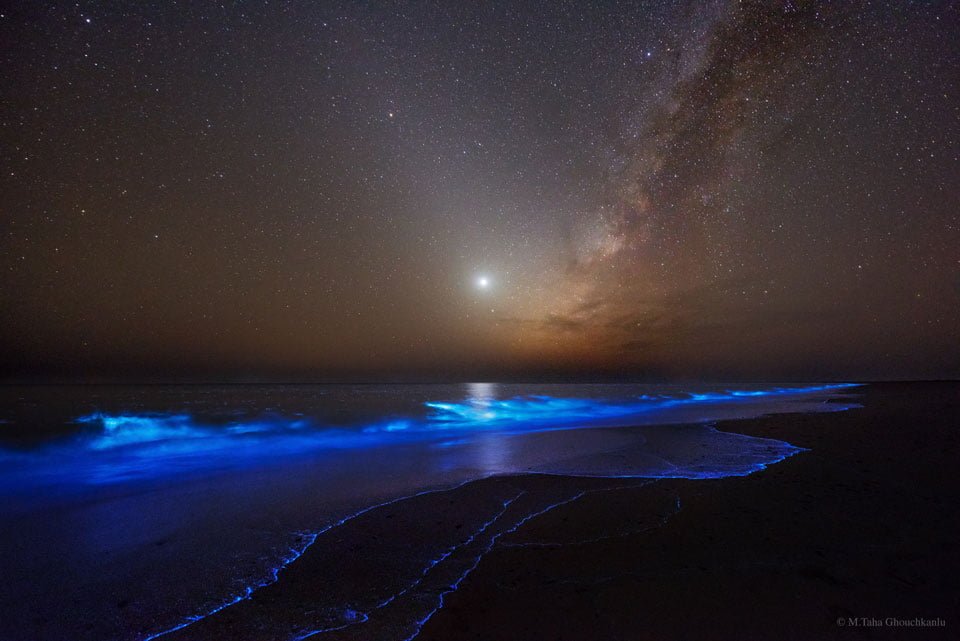
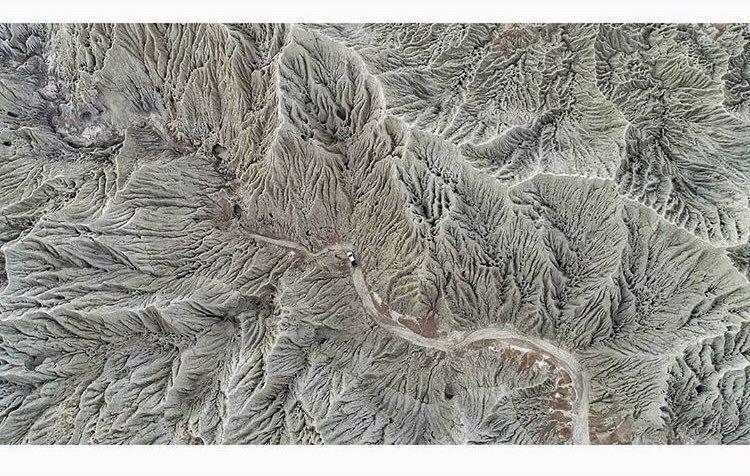
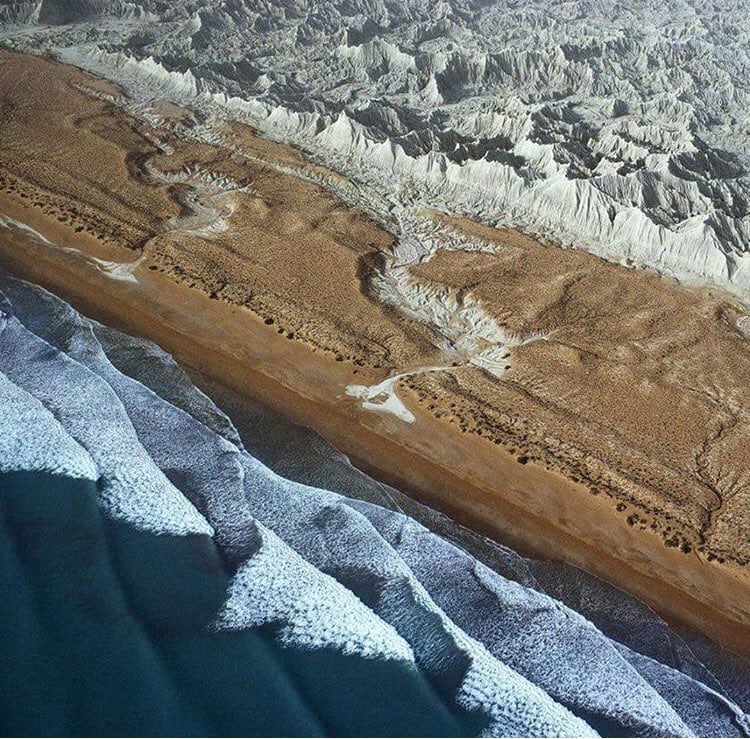
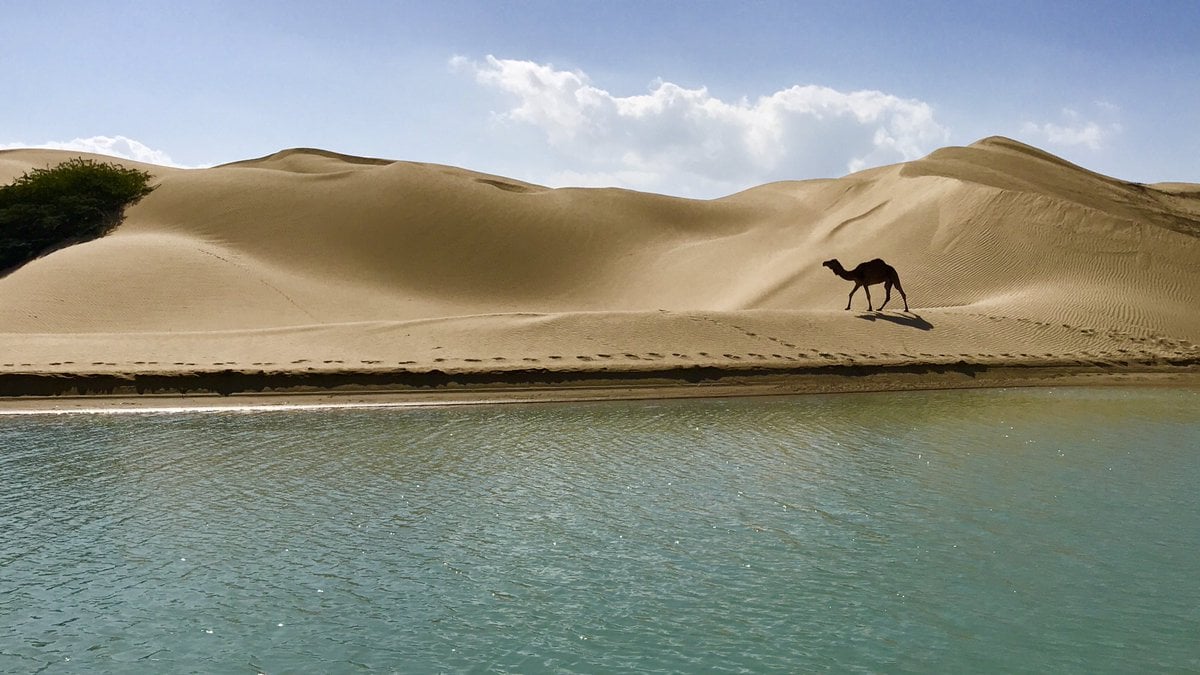
Tourist attractions of Sistan and Baluchestan are perhaps the most unknown destinations in Iran. “Sistan and Baluchestan has a strange geography. Its size is as large as several European countries. The province is about 500 km in diameter. In the world, there are only 5 places where the desert reaches the sea, two of which are in our province. But there is only one place where you can see camels walking by the sea. There is only one place in the world where you can see the palm trees, the desert and the sea next to each other and that’s Sistan and Baluchestan. You must see the planktons of the Baluchestan Sea. The phytoplankton is a single-cell organism that feeds whales and strangely light up the beach at night. They cannot be seen with the naked eye, but their light is strange.”

“We have such beautiful things in Sistan and Baluchestan. Last year, I published their photos, and when a tourist group came, they all asked where these phytoplanktons are?”

Online Campaign Trying to Let Tourists Know “Sistan & Baluchestan Is Safe”


Tourists Can Introduce Sistan and Baluchestan

Mabin says that he has devoted his life to this issue and would do anything to revive his motherland. He shut down his exports and imports business to focus on his cause.

“I left Tehran to come here. Even I had the chance to live in a country like the UAE, but my sense of patriotism and attachment to my birthplace brought me to Chabahar. I cannot leave here at all. I do not see the tourists of Sistan and Baluchestan as simple travellers, but I see them as ambassadors who would advertise when they leave here; therefore, I have devoted my life to this.”

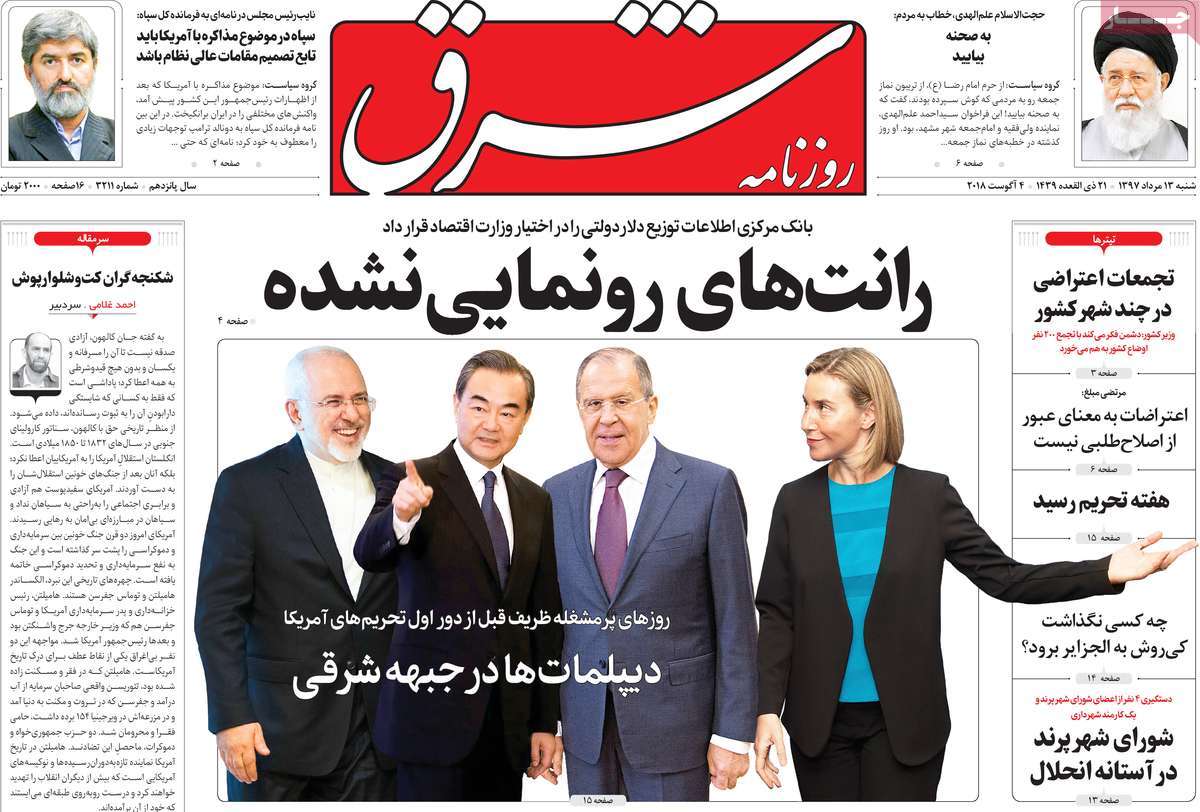
A Look at Iranian Newspaper Front Pages on August 4

A Look at Iranian Newspaper Front Pages on November 19

The ongoing war of words between Iranian and US officials, and the Iranian officials’ stances on holding talks with the Trump administration were among the top stories today.

Several papers also highlighted the ongoing economic crisis in Iran and the protest gatherings underway in a number of Iranian cities over the issue.

The above issues, as well as many more, are highlighted in the following headlines and top stories:


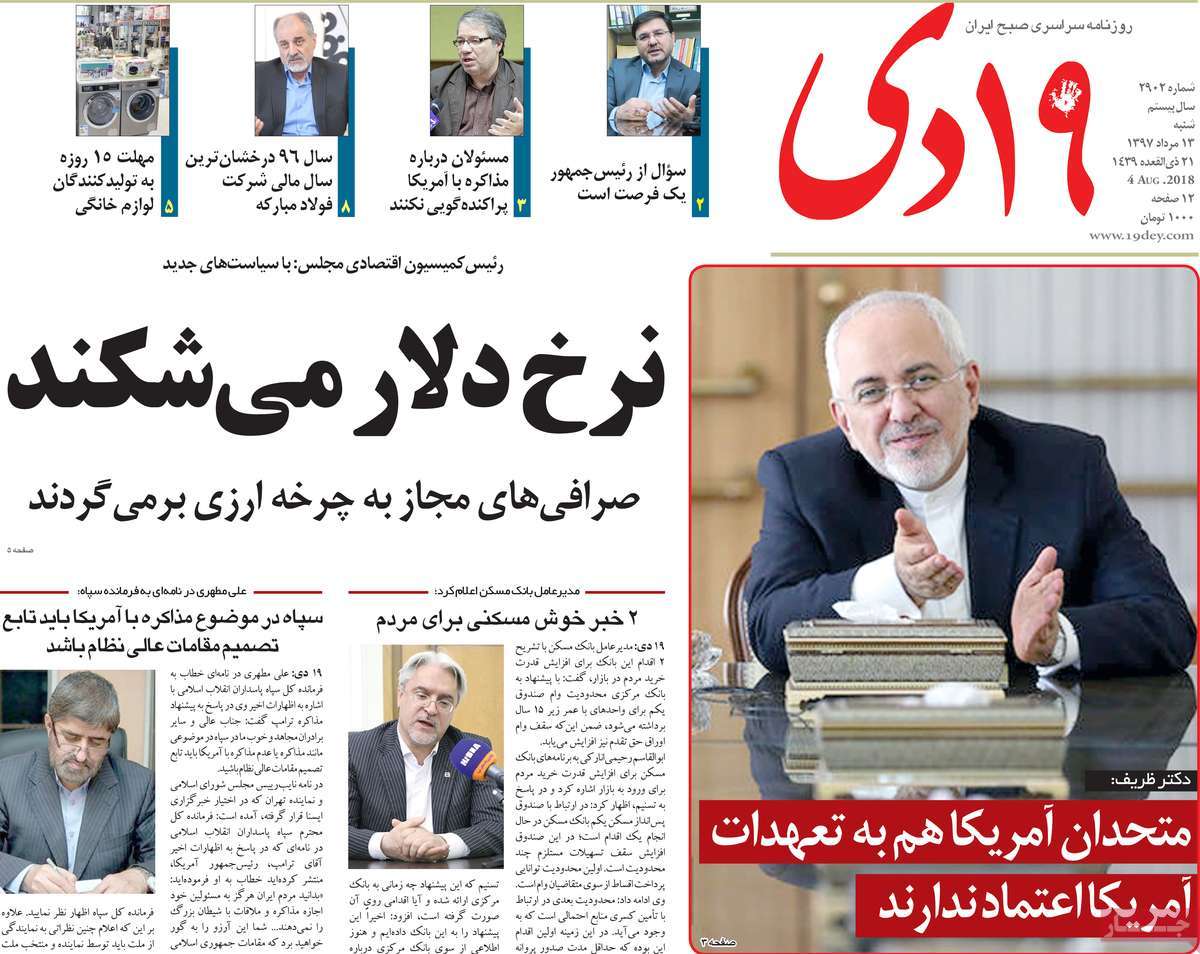
19 Dey:

1- Dollar Rate to Be Decreased: Senior MP

  • Legal Foreign Exchange Offices to Return to Forex Market

2- Zarif: US’ Allies Don’t Trust US with Fulfilling Its Commitments

3- IRGC Must Obey Top Officials’ Decisions on Talks with US: Vice-Speaker

A Look at Iranian Newspaper Front Pages on August 4


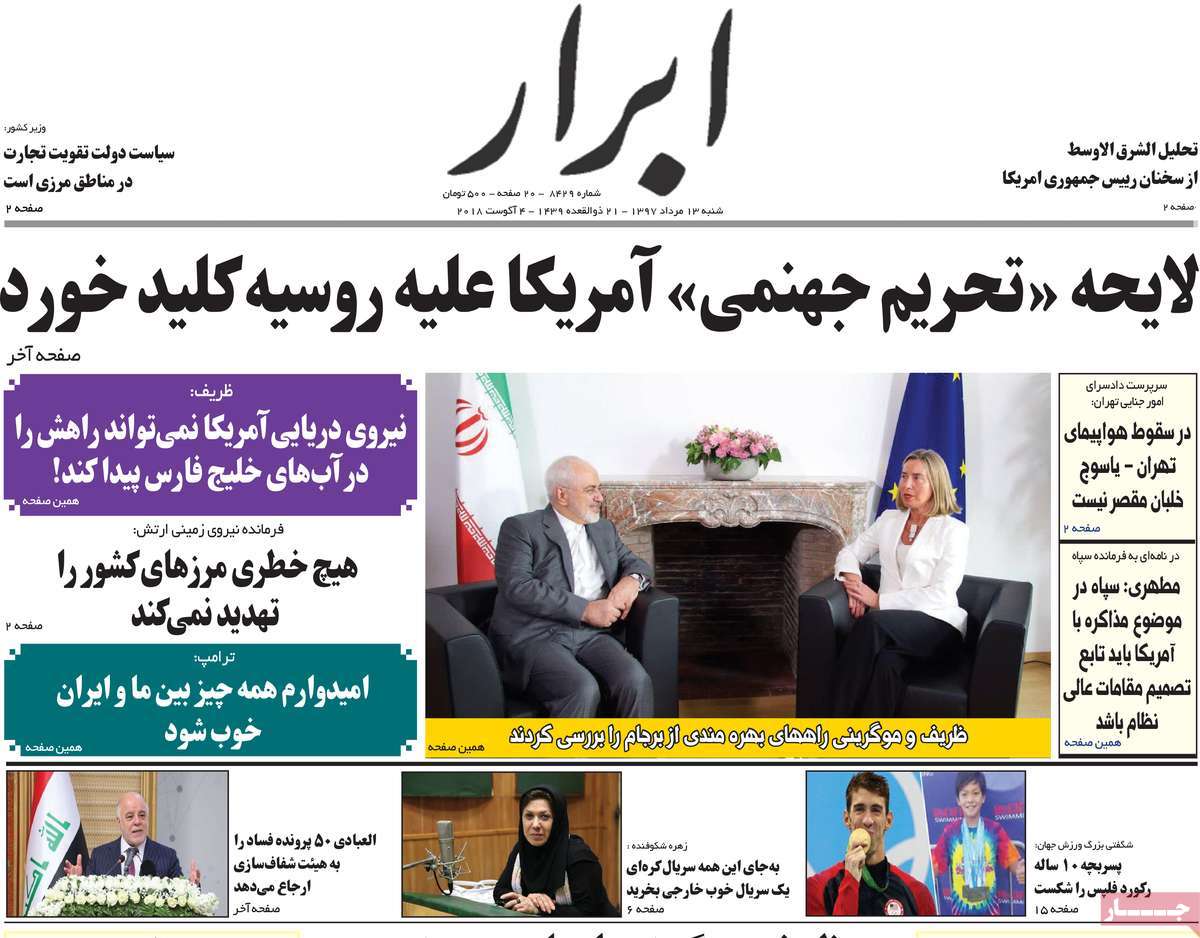
Abrar:

1- US Starts Working on ‘Sanctions Bill from Hell’ against Russia

2- Zarif, Mogherini Discuss How to Guarantee Iran’s Benefits under JCPOA

3- Zarif: US Navy Cannot Find Its Way in Persian Gulf Waters!

4- Army Ground Force Commander: No Danger Threatening Iran’s Borders

A Look at Iranian Newspaper Front Pages on August 4


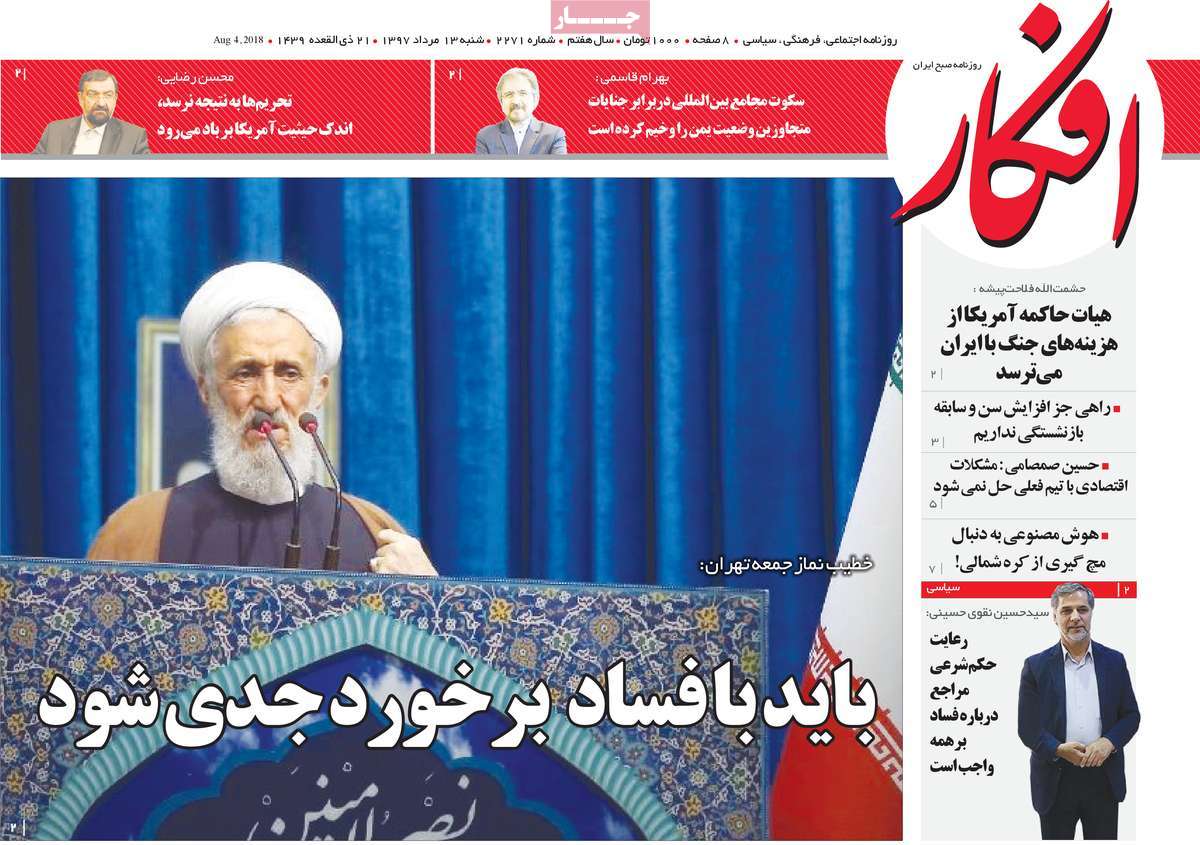
Afkar:

1- Tehran Friday Prayers Leader: Corruption Must Be Dealt with Seriously

2- US’ Ruling System Afraid of Costs of War with Iran: Senior Lawmaker

3- US to Be Totally Disgraced If Its Sanctions Fail to Bear Fruit

A Look at Iranian Newspaper Front Pages on August 4


Aftab-e Yazd:

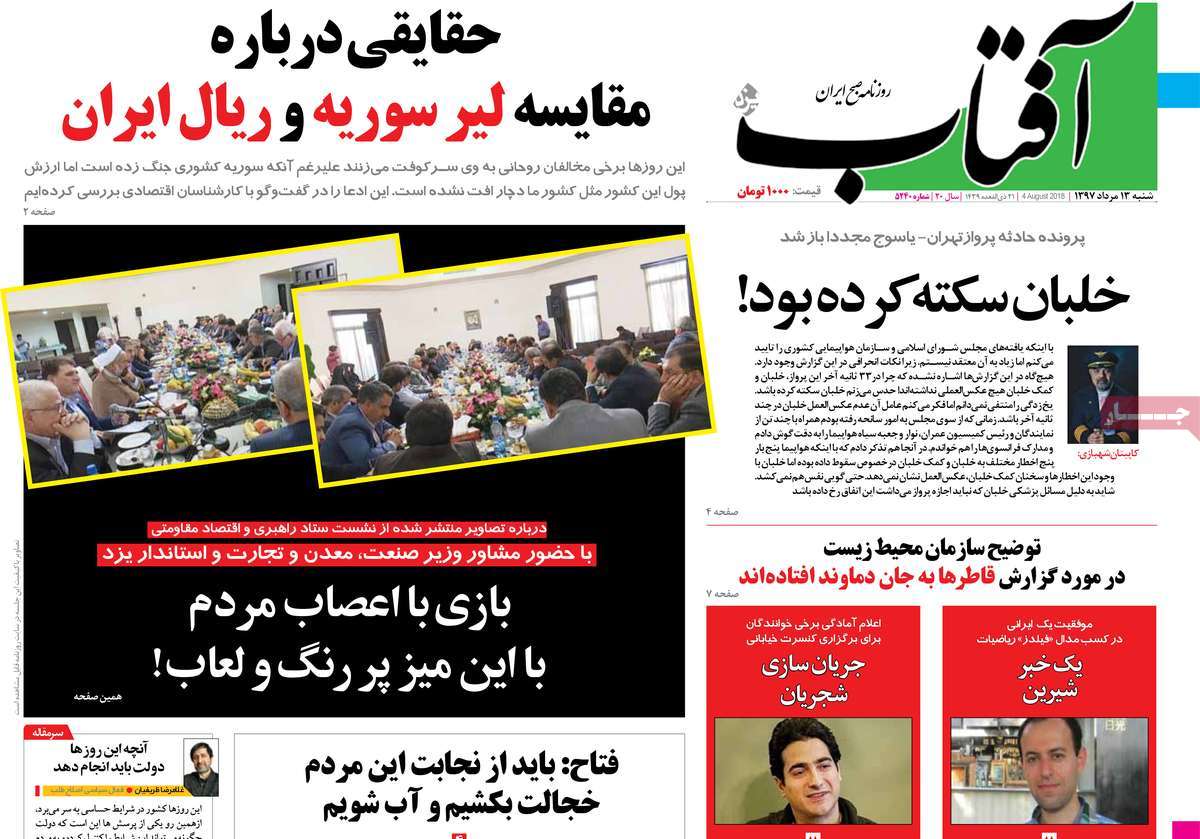
1- Doomed ATR Plane’s Pilot Had Suffered Heart Attack!

  • Tehran-Yasuj Plane’s Case Opened Again

2- Facts on Comparing Iranian Rial, Syrian Lira

A Look at Iranian Newspaper Front Pages on August 4


Arman-e Emrooz:

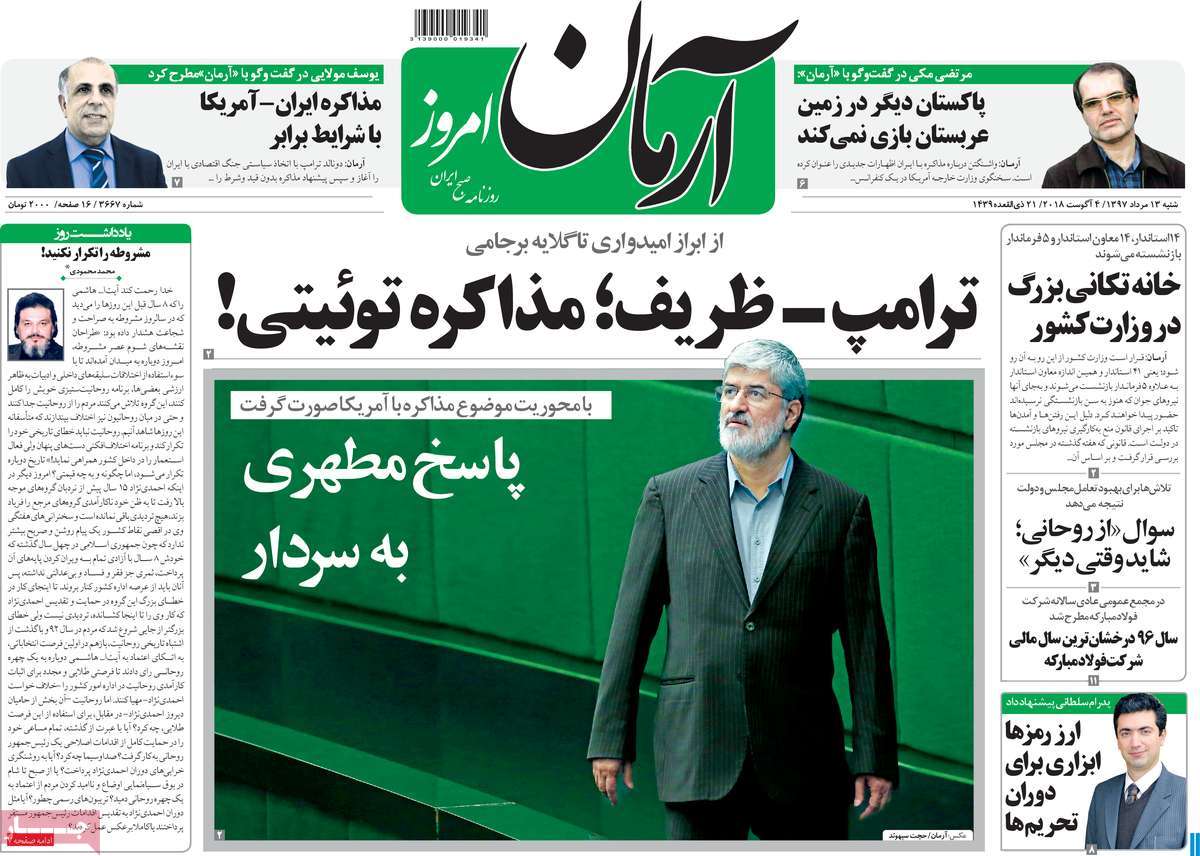
1- Trump-Zarif: Negotiation through Twitter!

2- Pakistan Not Playing in Saudi Arabia’s Court Anymore

3- Iran-US Talks under Equal Conditions: Analyst

A Look at Iranian Newspaper Front Pages on August 4


Asrar:

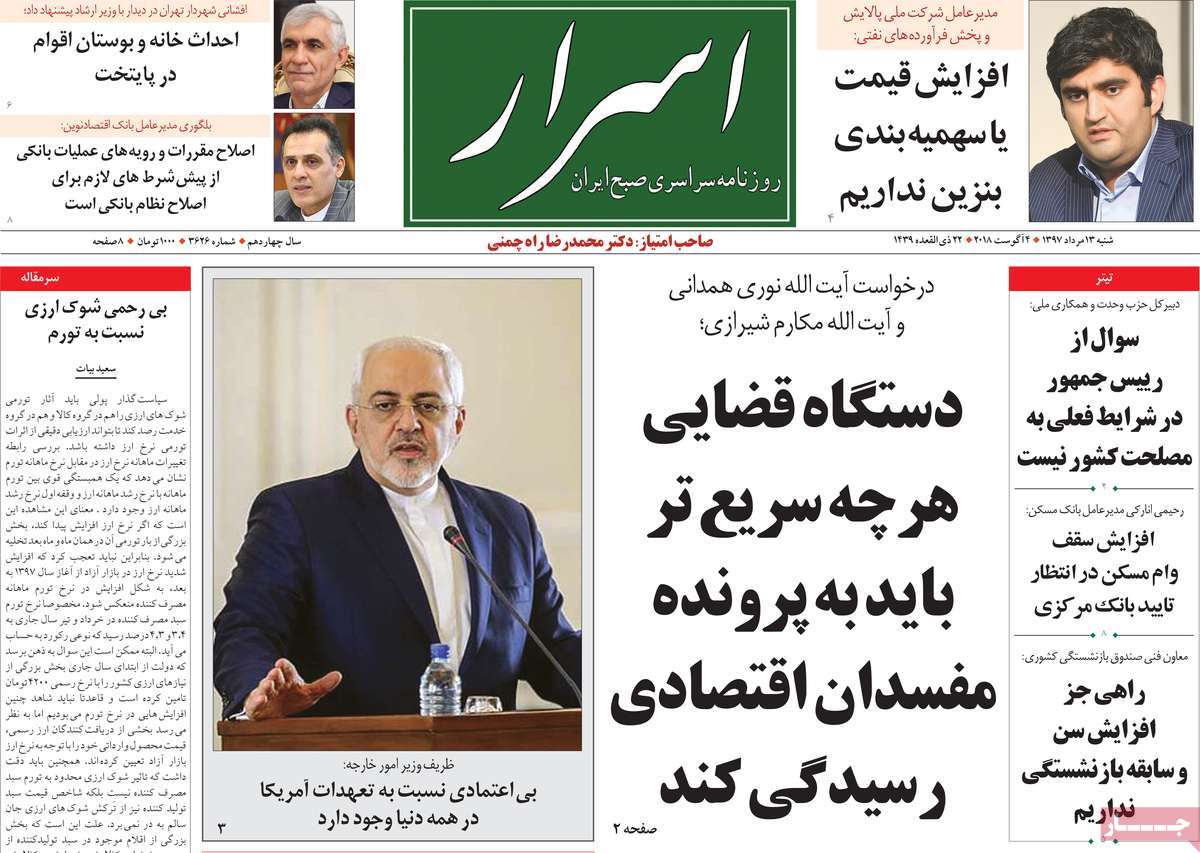
1- Judiciary Must Immediately Deal with Cases of Those Involved in Economic Corruption: Cleric

2- Zarif: Distrust of US Existing in All Parts of the World

A Look at Iranian Newspaper Front Pages on August 4


Ebtekar:

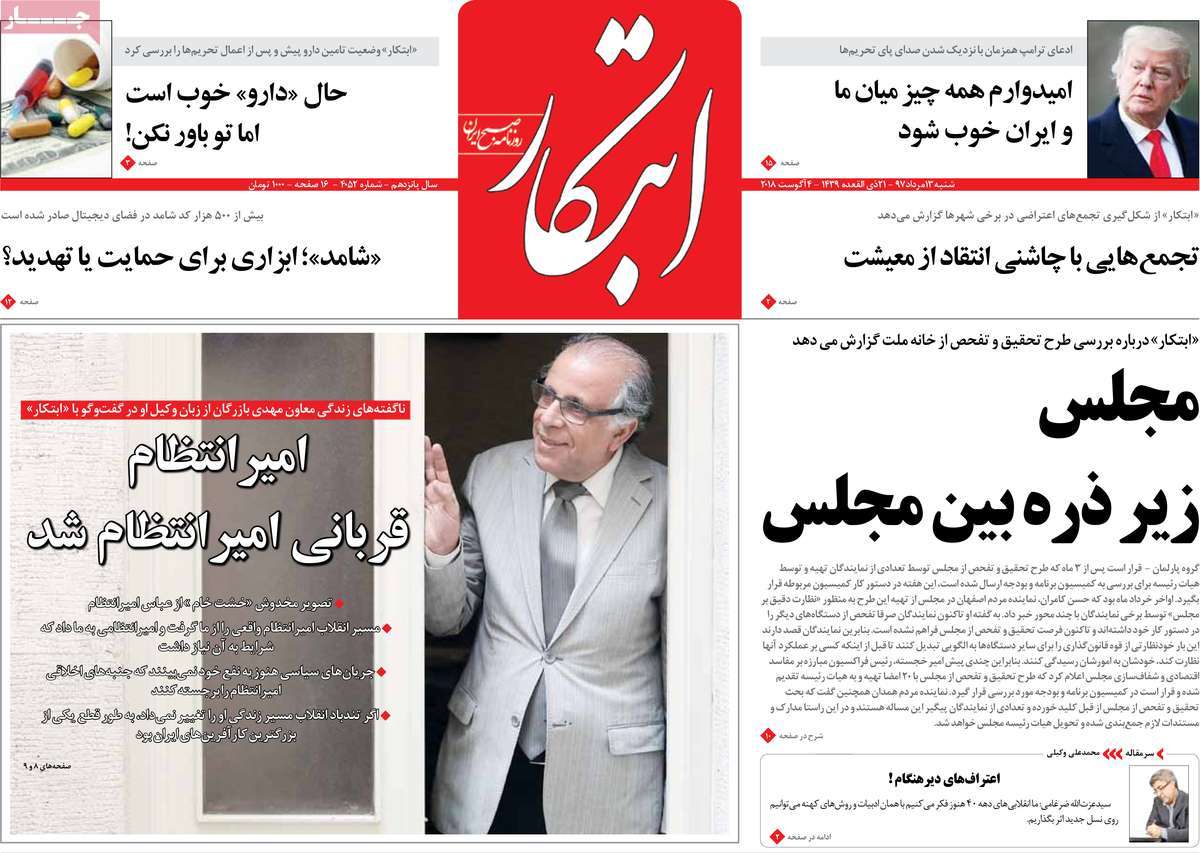
1- Protest Gatherings to Criticize Economic Problems

A Look at Iranian Newspaper Front Pages on August 4


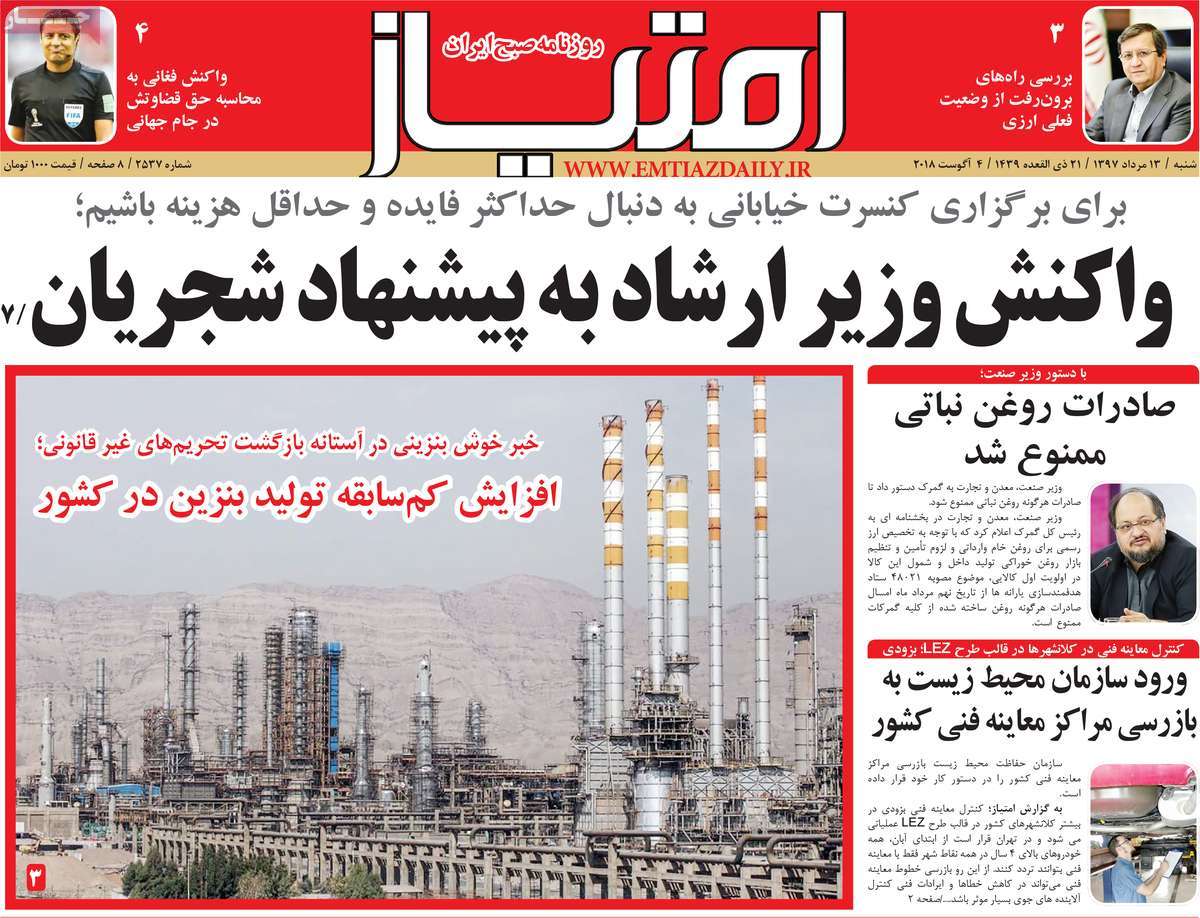
Emtiaz:

1- Unprecedented Increase in Iran’s Petroleum Production

  • Good News ahead of US’ Re-Imposition of Its Illegal Sanctions on Iran

A Look at Iranian Newspaper Front Pages on August 4


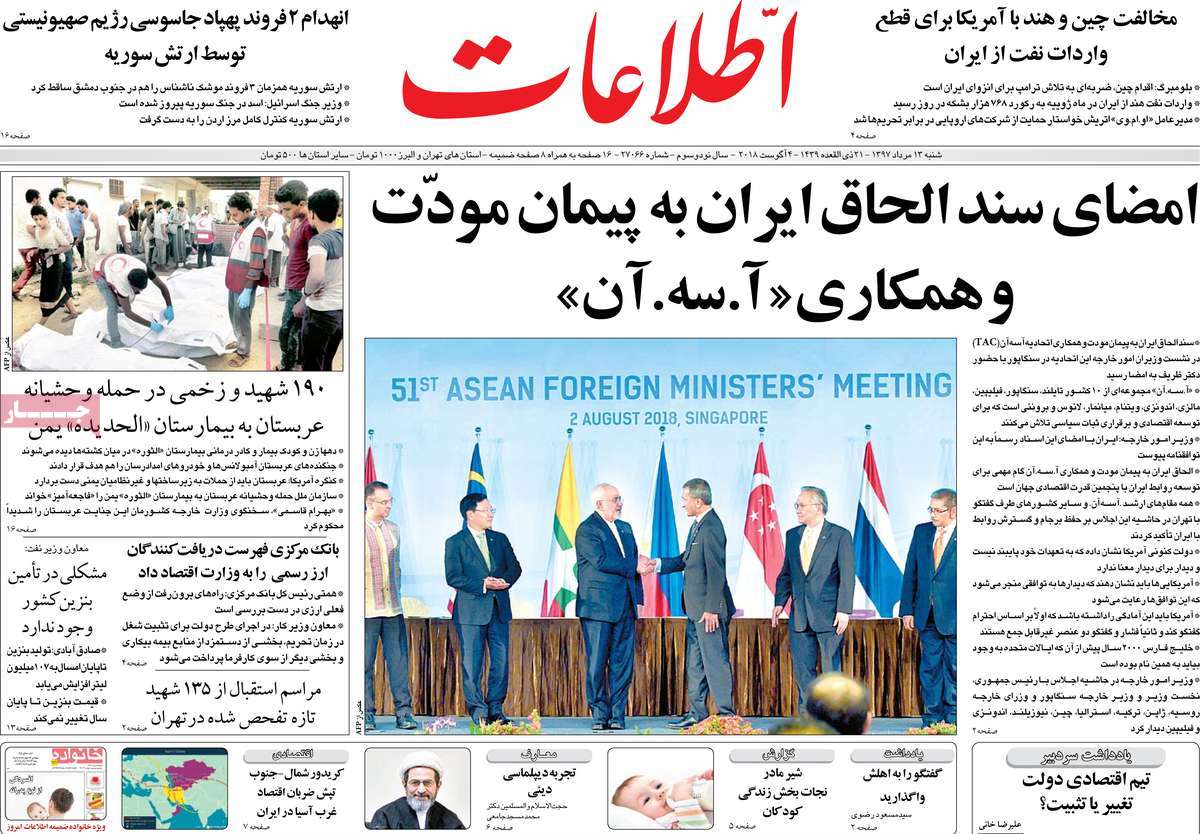
Ettela’at:

1- Iran Joins ASEAN’s Treaty of Amity and Cooperation (TAC)

2- China, India Refuse to Cooperate with US on Cutting Oil Imports from Iran

3- Syrian Army Downs 2 Israeli Spy Drones

A Look at Iranian Newspaper Front Pages on August 4


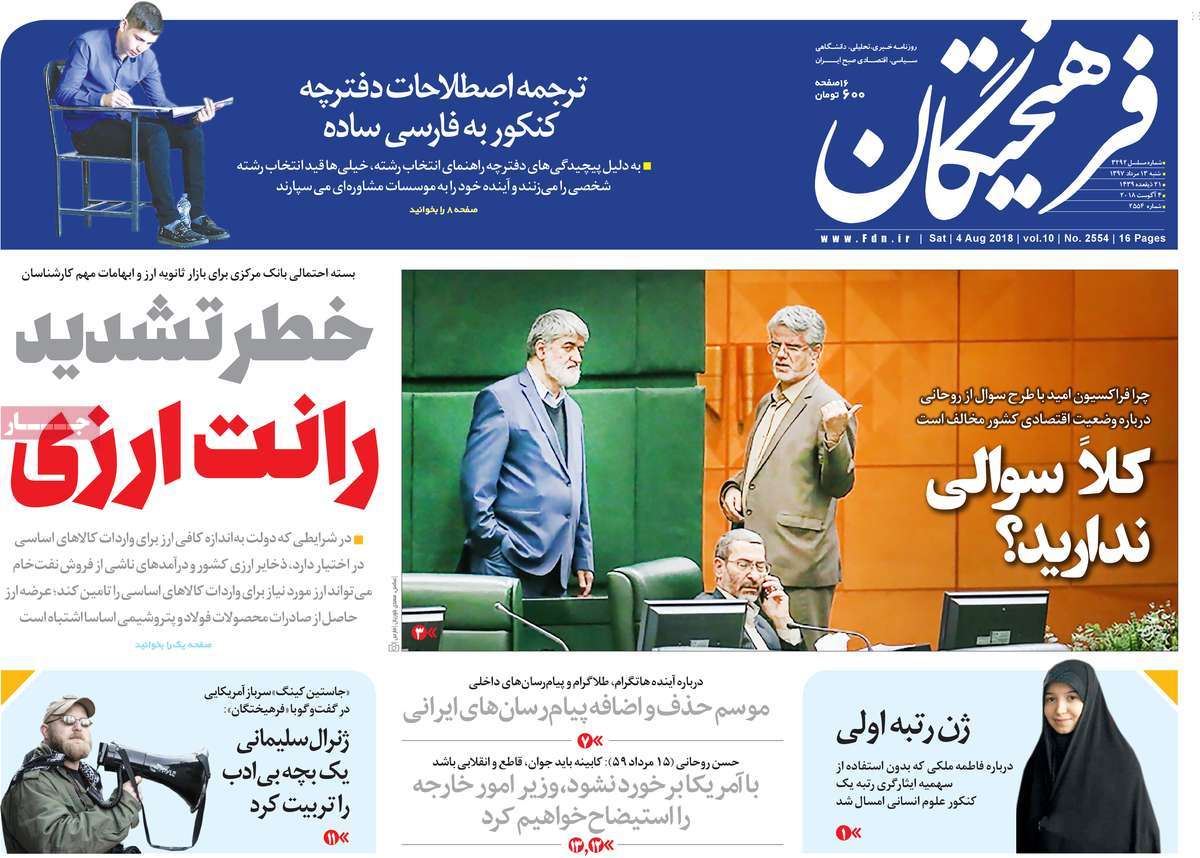
Farhikhtegan:

1- General Soleimani Punished an Impolite Boy: American Soldier Justin King

A Look at Iranian Newspaper Front Pages on August 4


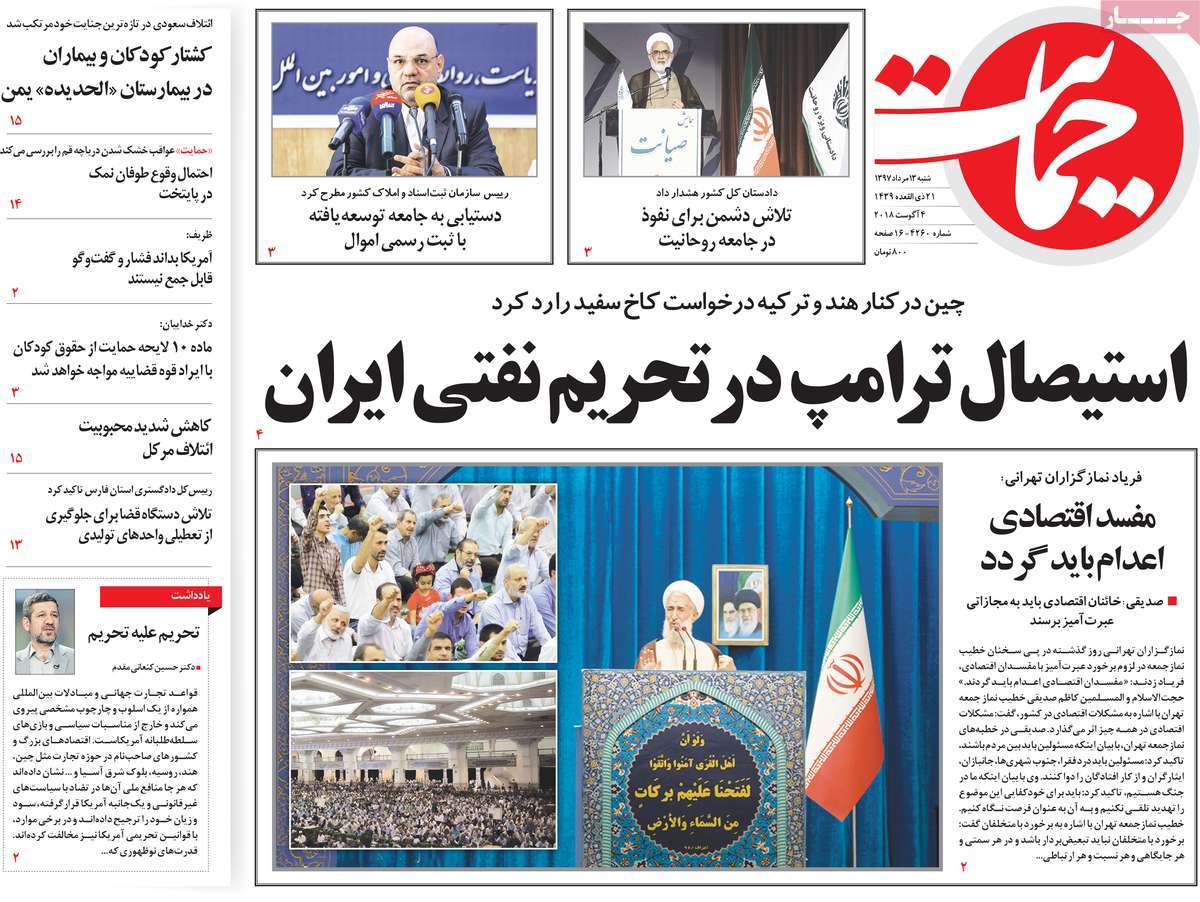
Hemayat:

1- Trump Desperate on Iran Sanctions

  • China Joins India, Turkey in Rejecting White House’s Request

A Look at Iranian Newspaper Front Pages on August 4


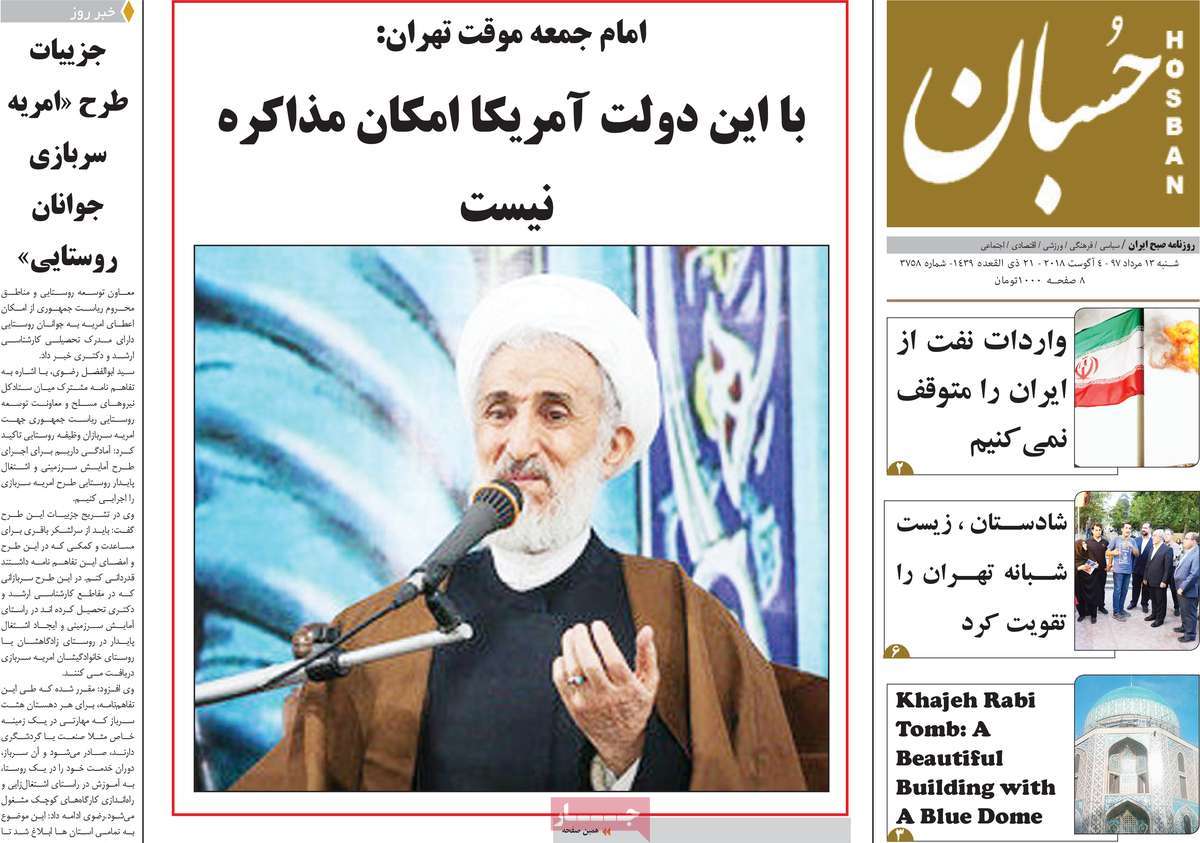
Hosban:

1- It’s Not Possible to Hold Talks with This US Administration: Cleric

A Look at Iranian Newspaper Front Pages on August 4


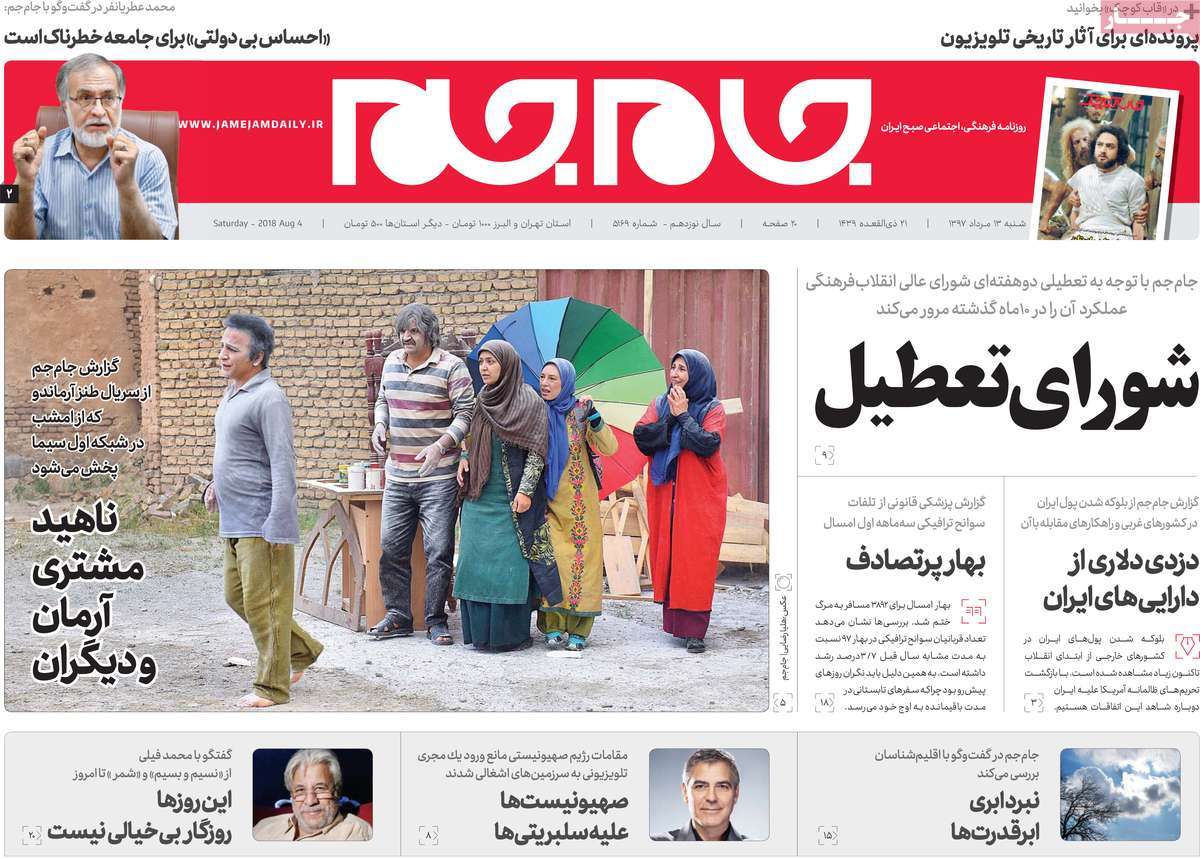
Jame Jam:

1- Robbery in Broad Daylight: Iran’s Dollars Blocked in Western Countries

2- Zionists against Celebrities

  • Zionist Officials Prevent TV Host from Entering Occupied Territories

A Look at Iranian Newspaper Front Pages on August 4


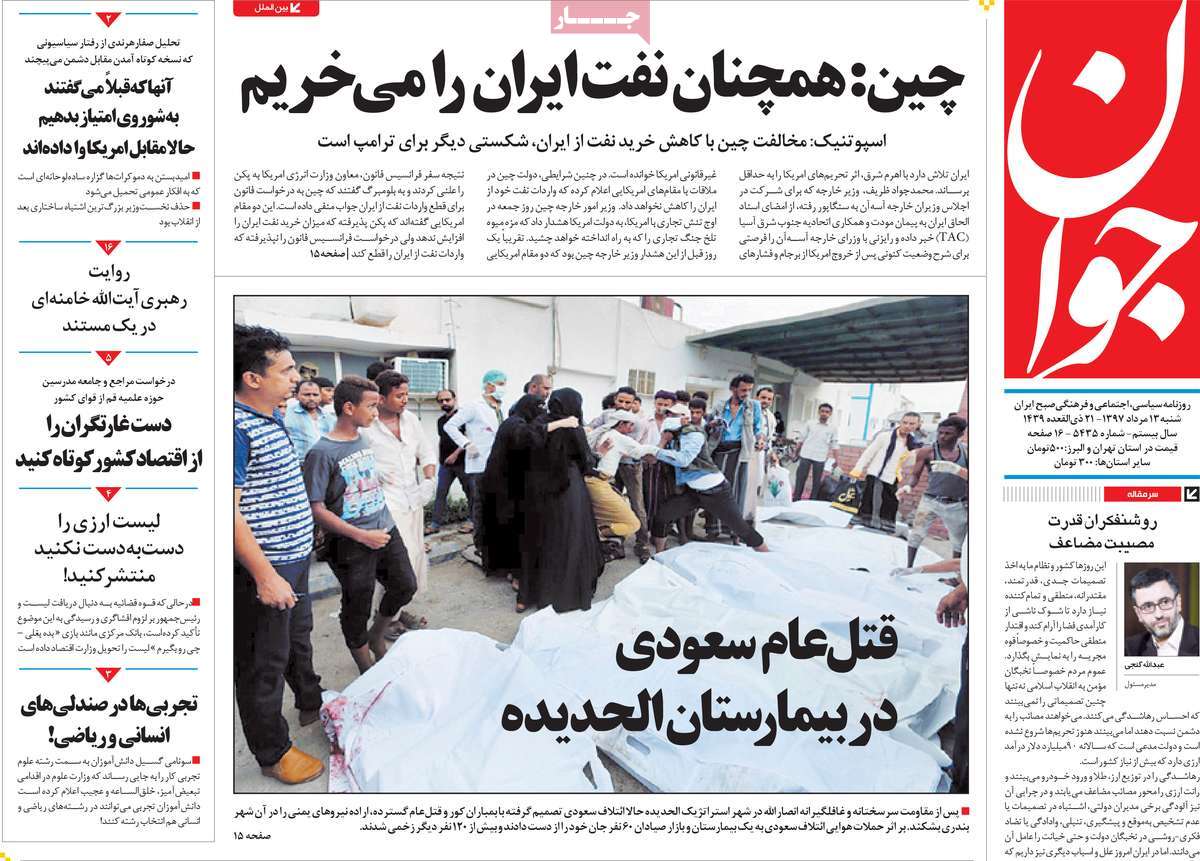
Javan:

1- China: We’ll Continue Buying Iran’s Oil

  • Sputnik: China’s Decision another Defeat for Trump

2- Saudi Arabia’s Massacre in Hudaydah Hospital

A Look at Iranian Newspaper Front Pages on August 4


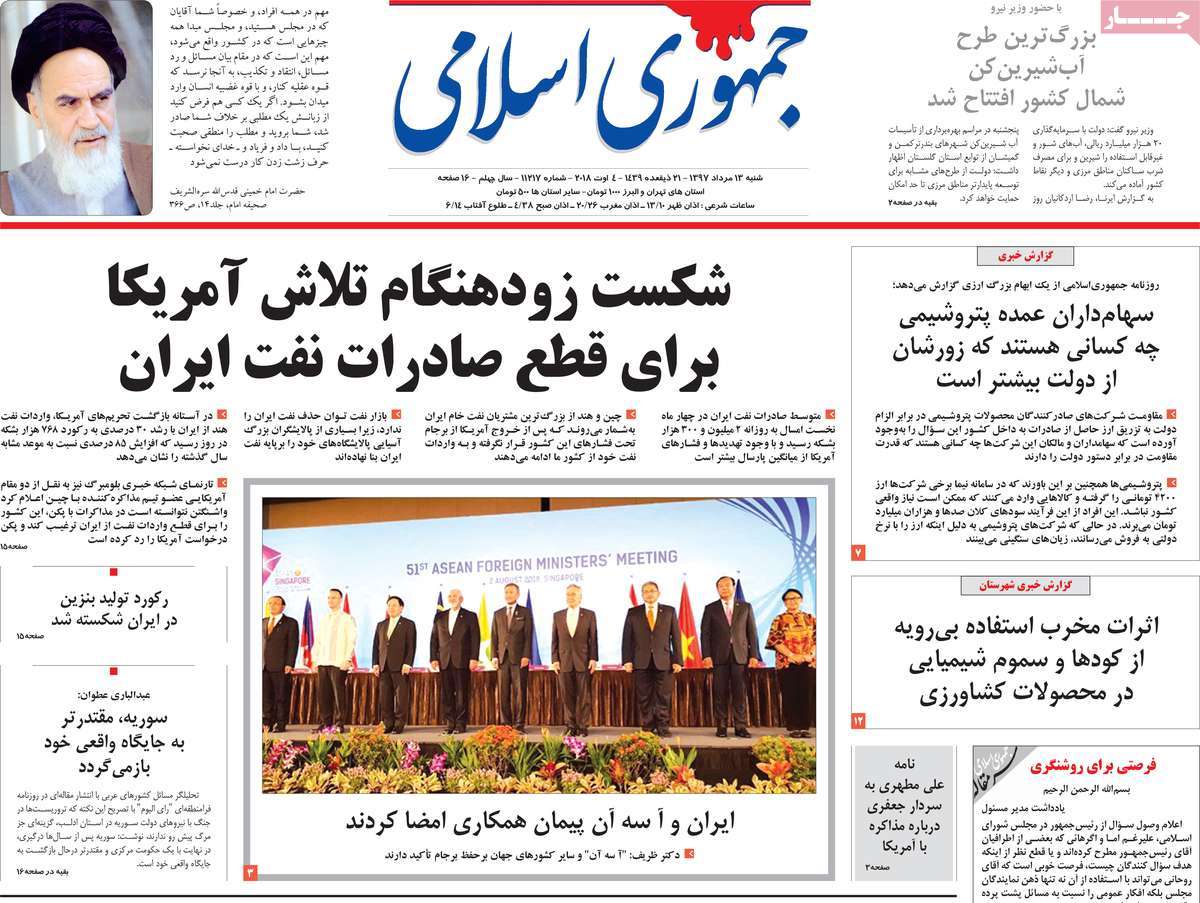
Jomhouri Eslami:

1- Early Failure of US’ Bid to Cut Iran’s Oil Exports

A Look at Iranian Newspaper Front Pages on August 4


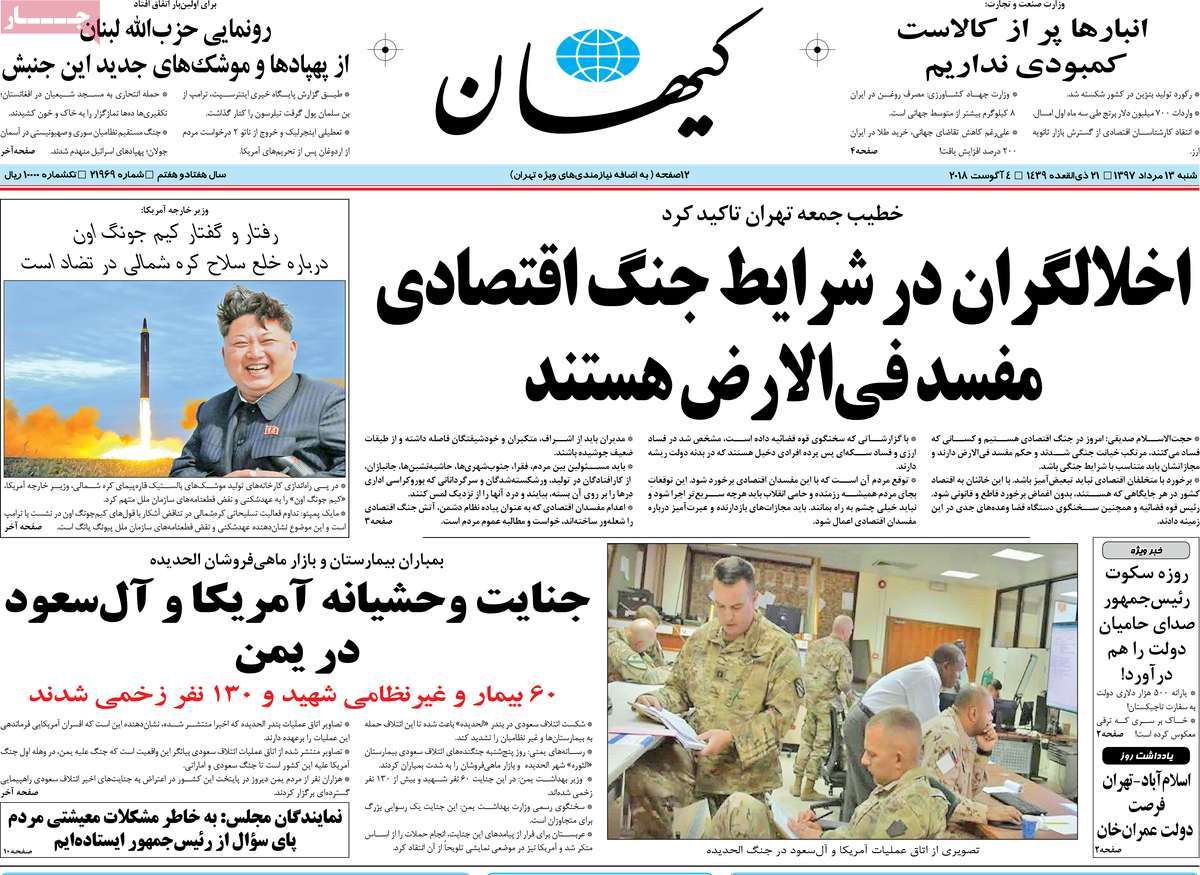
Kayhan:

1- Those Disrupting Iran’s Economy While We’re at War Must Be Executed: Cleric

2- Lebanese Hezbollah Unveils New Drones, Rockets

3- North Korean Leader’s Words, Behaviours on Disarmament Contradictory: Pompeo

4- US, Al Saud’s Brutal Crimes in Yemen

  • Hudaydah’s Hospital, Market Bombed by Saudi-led Coalition

A Look at Iranian Newspaper Front Pages on August 4


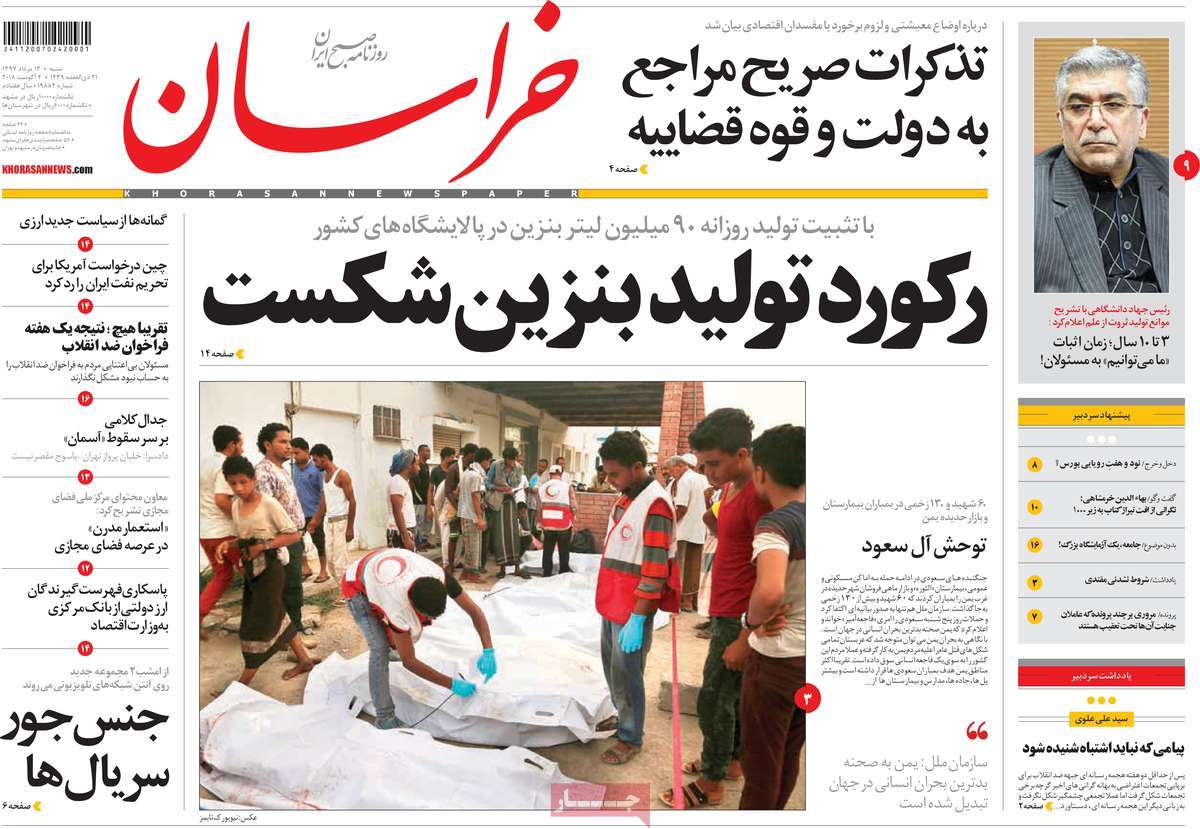
Khorasan:

1- Al Saud’s Brutality

  • 60 Martyred, 130 Wounded in Bombardment of Yemeni Hospital, Market

A Look at Iranian Newspaper Front Pages on August 4


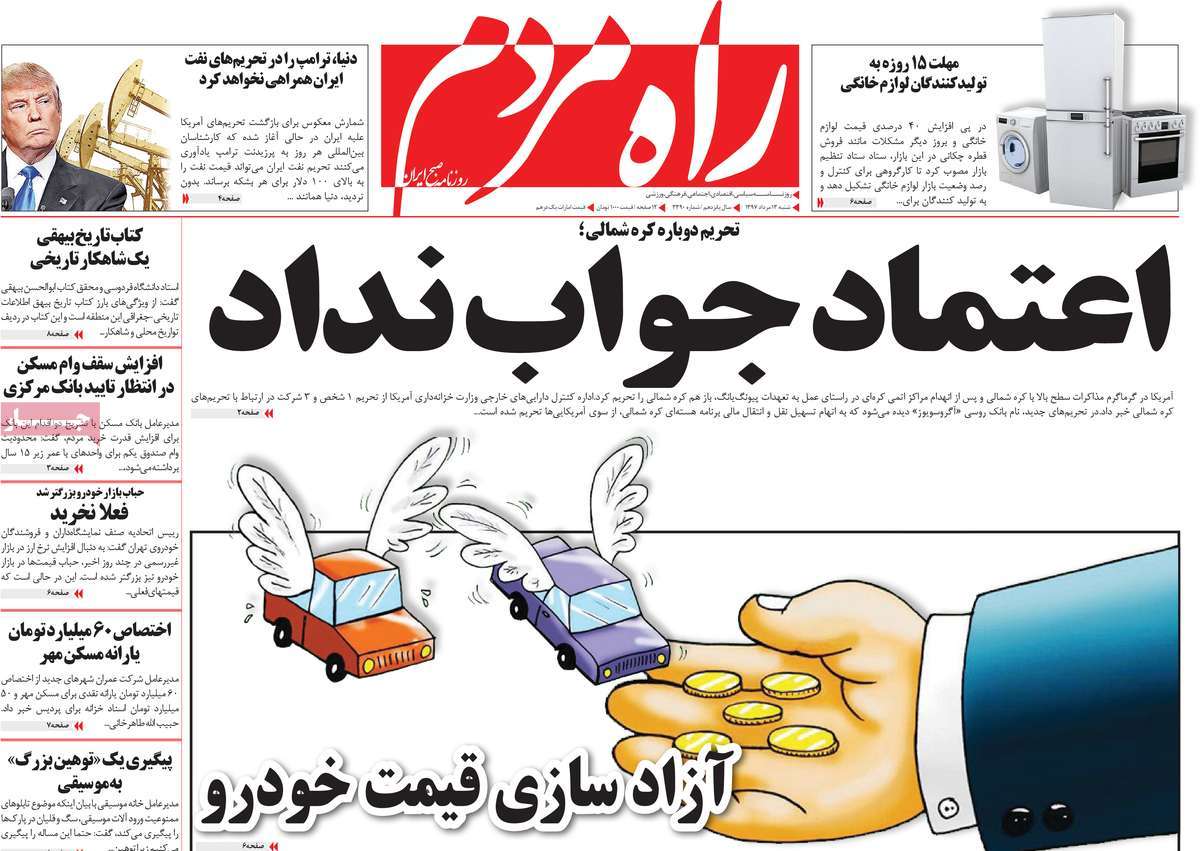
Rah-e Mardom:

1- Trust Didn’t Work: North Korea Sanctioned Once Again

A Look at Iranian Newspaper Front Pages on August 4


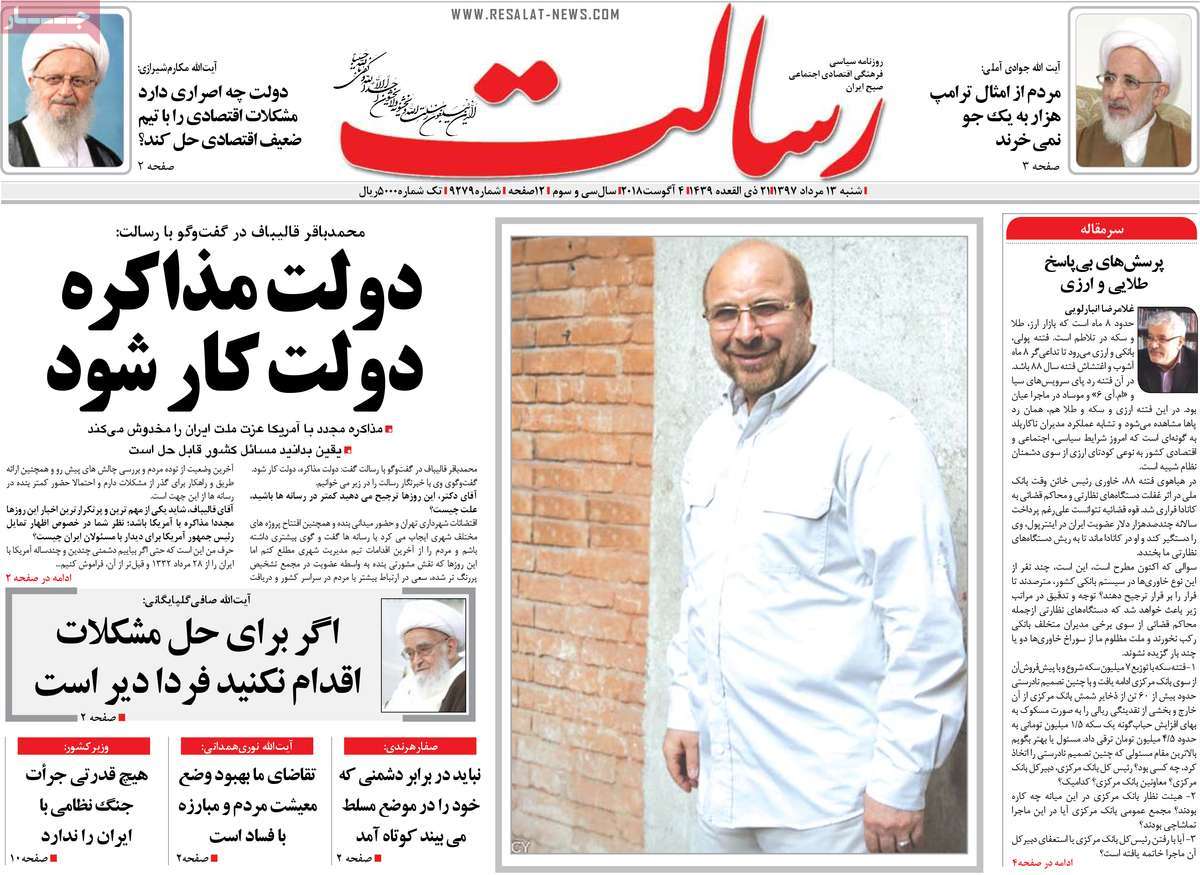
Resalat:

1- Government of Negotiation Must Turn into Government of Work: Qalibaf

2- Ayatollah Makarem Shirazi Blasts Government for Its ‘Weak’ Economic Team

A Look at Iranian Newspaper Front Pages on August 4


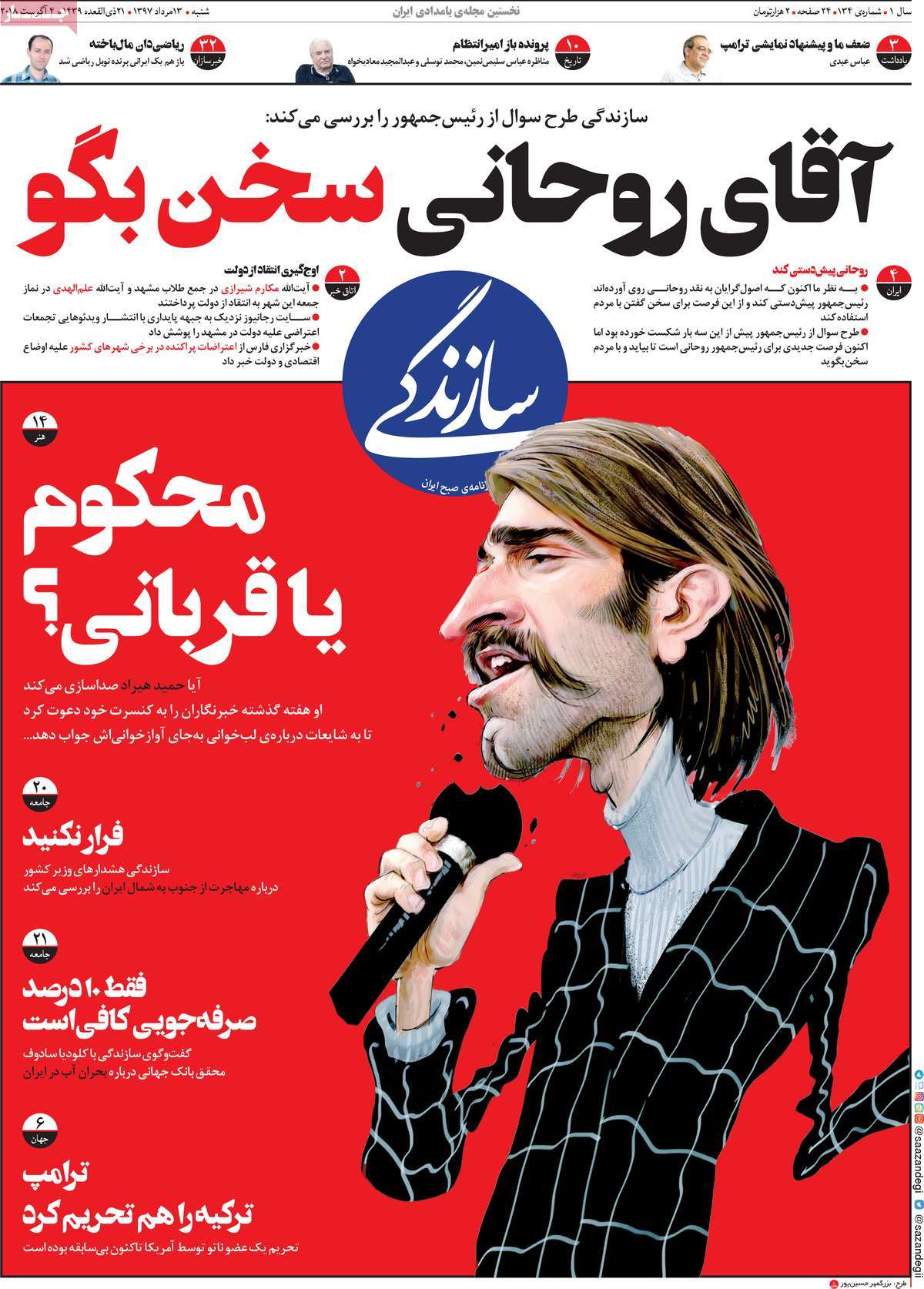
Sazandegi:

1- Mr Rouhani! Talk to People!

  • Government under Fire for Its Silence
  • Rouhani Must Take Pre-Emptive Measure

A Look at Iranian Newspaper Front Pages on August 4


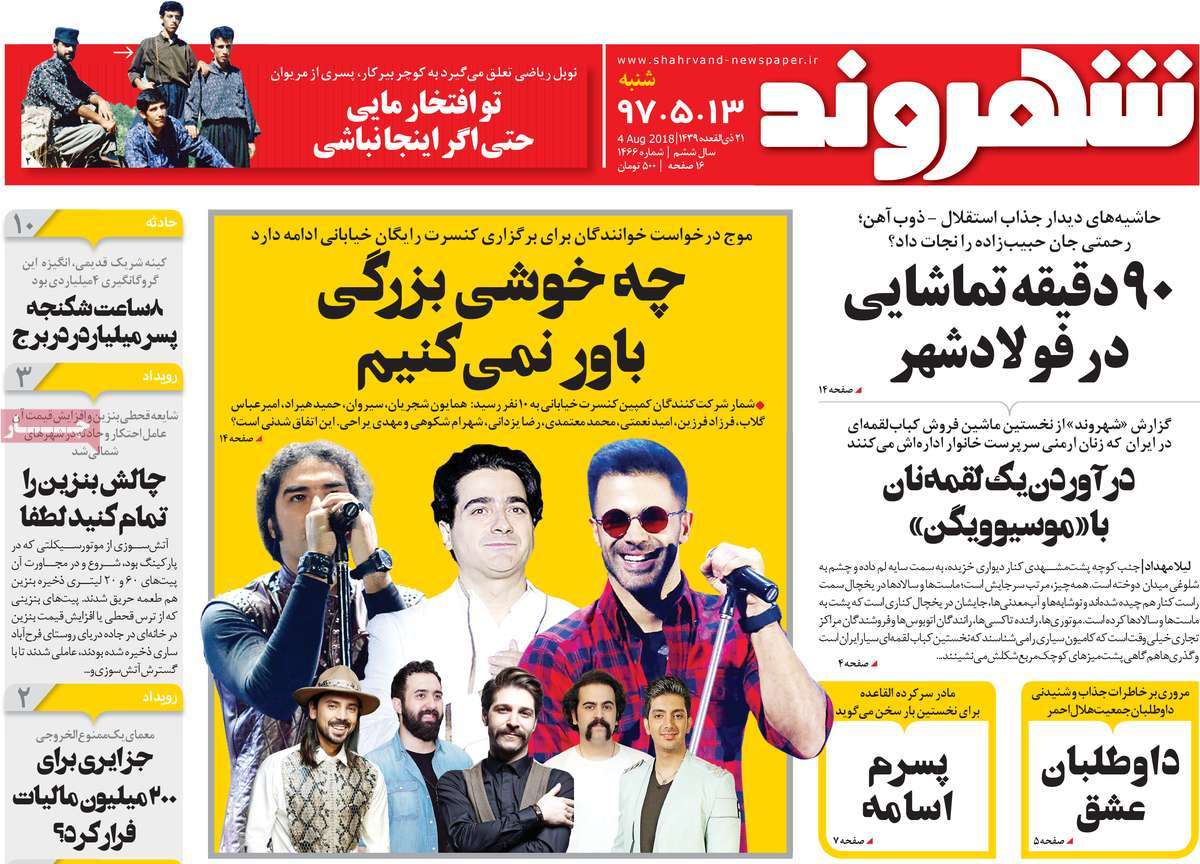
Shahrvand:

1- More and More Singers Express Preparedness to Hold Free Concerts

A Look at Iranian Newspaper Front Pages on August 4


Shargh:

1- Diplomats in Eastern Front: Zarif’s Busy Days ahead of First Round of US Sanctions

A Look at Iranian Newspaper Front Pages on August 4

Iran to Open Interests Section in Saudi Arabia

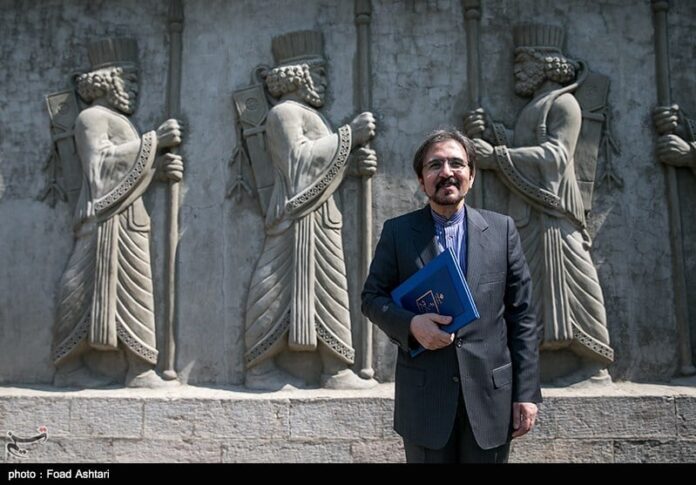
In an interview with PANA news agency, Bahram Qassemi voiced Iran’s readiness to hold negotiations with Saudi Arabia, saying Tehran has not rejected calls for mediation by third countries.

Saudi Arabia appears to be reluctant to mend ties with Iran, he said, adding, “We believe that the problems originate mostly from inside Saudi Arabia. Because of some internal problems that Saudi Arabia is facing and certain foreign issues, Mr. Trump’s election (as the US president) and the relations he has established with Saudi Arabia, and Trump’s analyses of Iran, they (Saudis) are somehow under the illusion that they may win more concessions from Iran through patience.”

Asked about the future of diplomatic relations between Tehran and Riyadh, Qassemi said Switzerland has been representing Iranian interests in Saudi Arabia under an agreement reached with Bern eight months ago.

“There have been advances made in the past two weeks, and I believe there are signs that (Iran’s) Interests Section office would open and become active.”

The spokesperson then pointed to the international anger at the US and Washington’s policies towards its age-old allies, saying, “There is indication even in the Persian Gulf littoral states that there are concerns about Trump’s policies, because they have the feeling that Trump is only seeking to empty their pockets.”

Tensions ran high between Tehran and Riyadh after Saudi Arabia’s execution of prominent Shiite cleric Sheikh Nimr al-Nimr in January 2016, and a subsequent attack by outraged Iranian protesters on the Saudi embassy in Tehran, which resulted in the Arab country’s decision to sever its ties with the Islamic Republic.

The controversial move was preceded by a deadly crush of Hajj pilgrims in September 2015, which killed more than 460 Iranians.

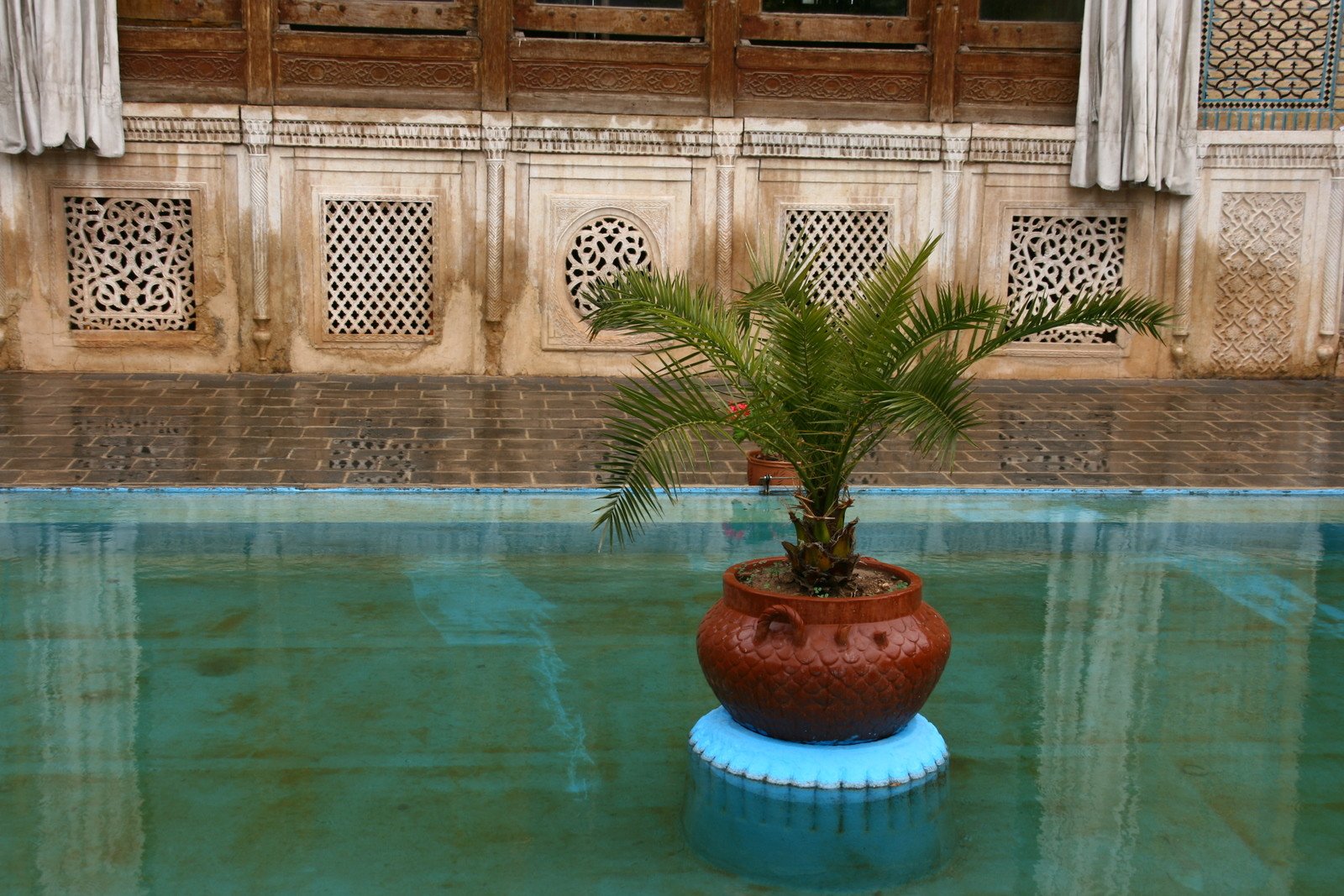
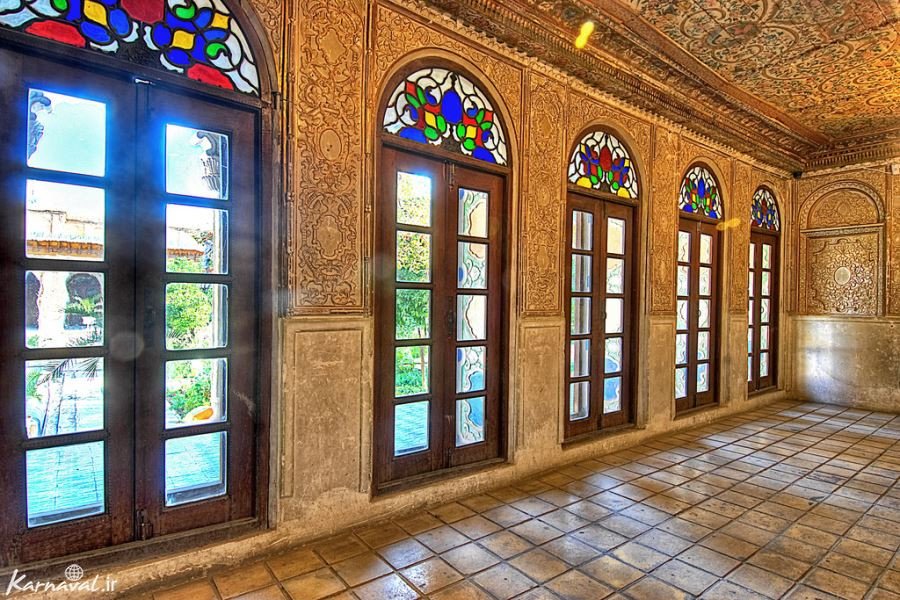
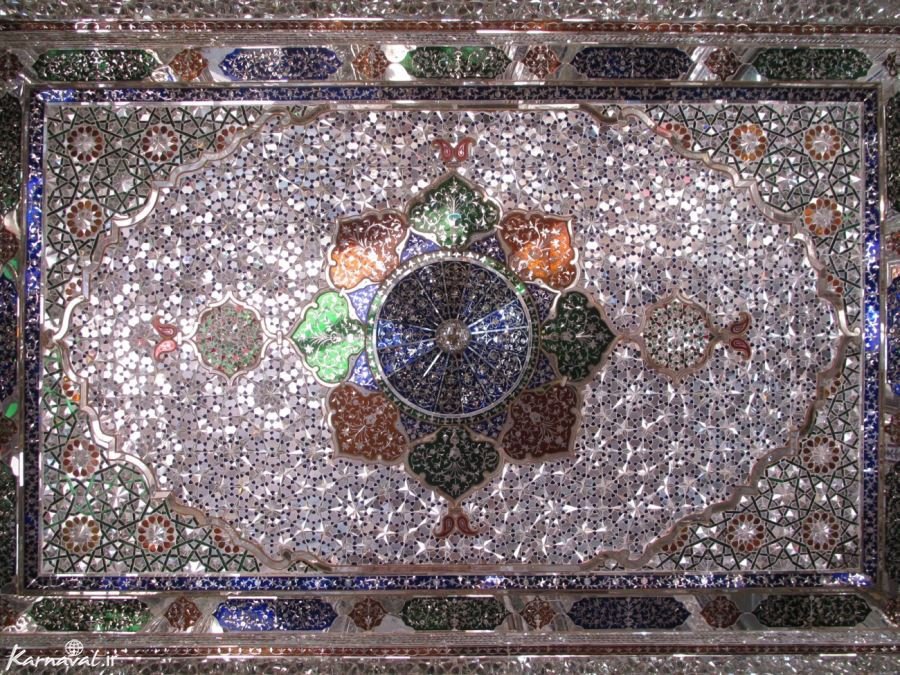
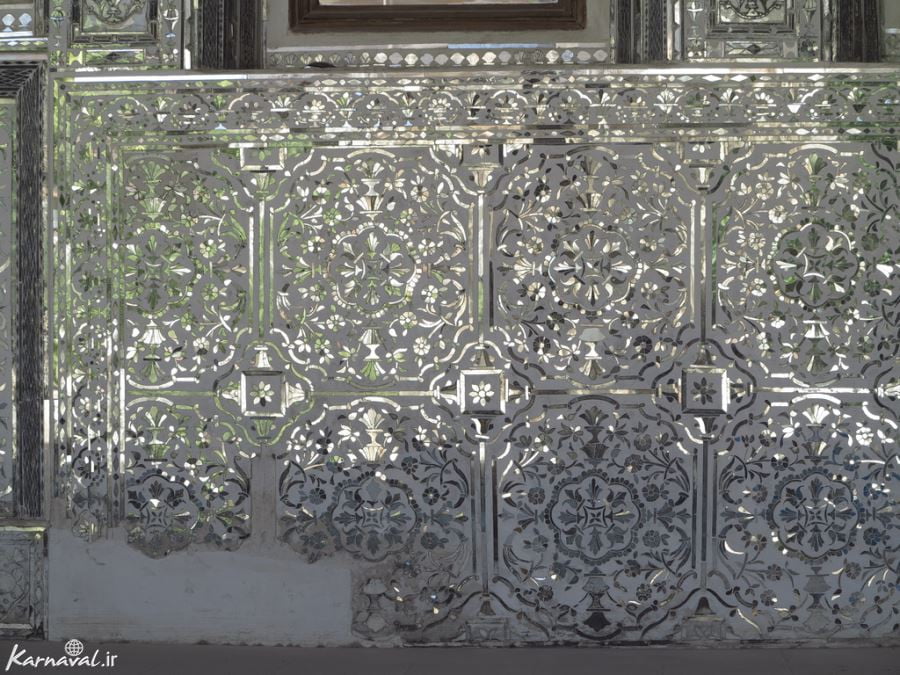
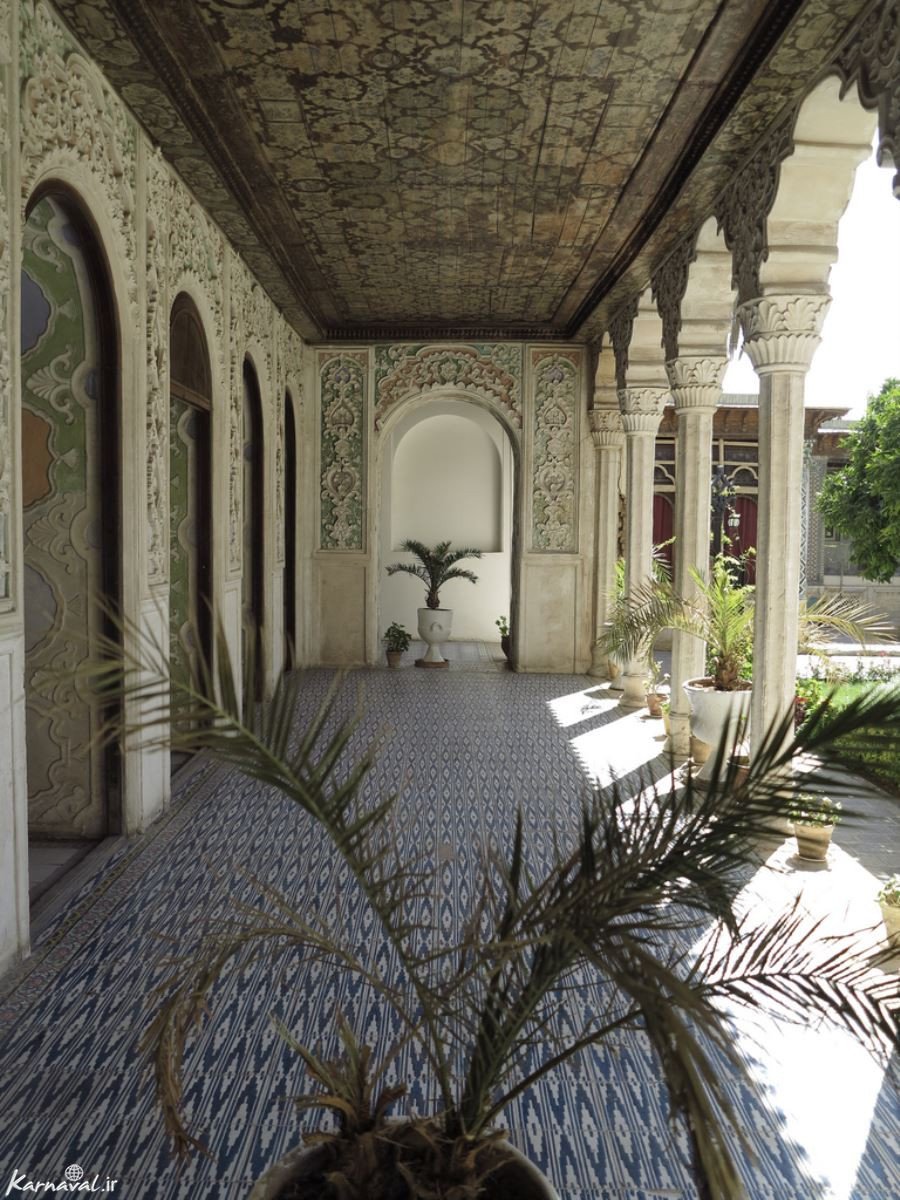
Iran’s Beauties in Photos: Historic House of Zinatolmolk

Iran’s Beauties in Photos: Historic House of Zinatolmolk

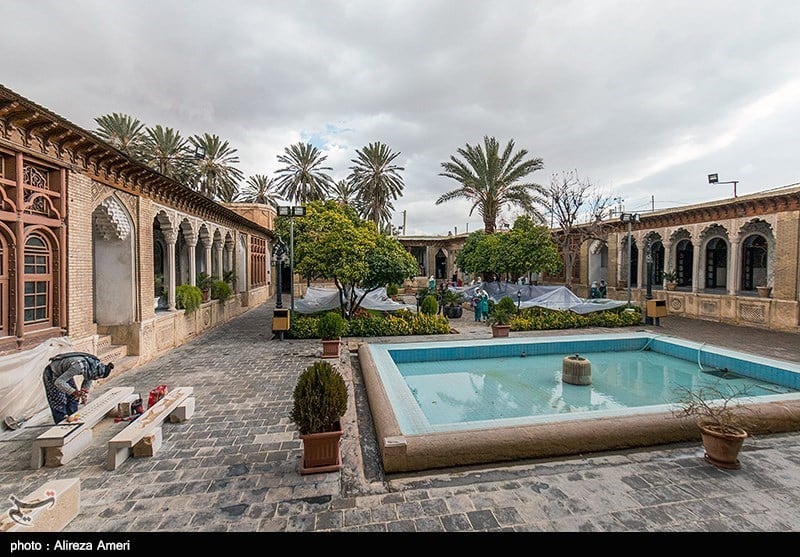
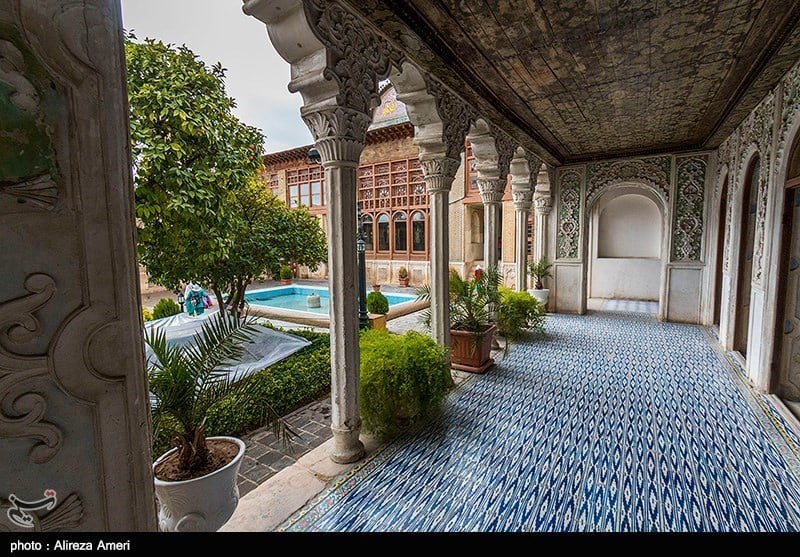
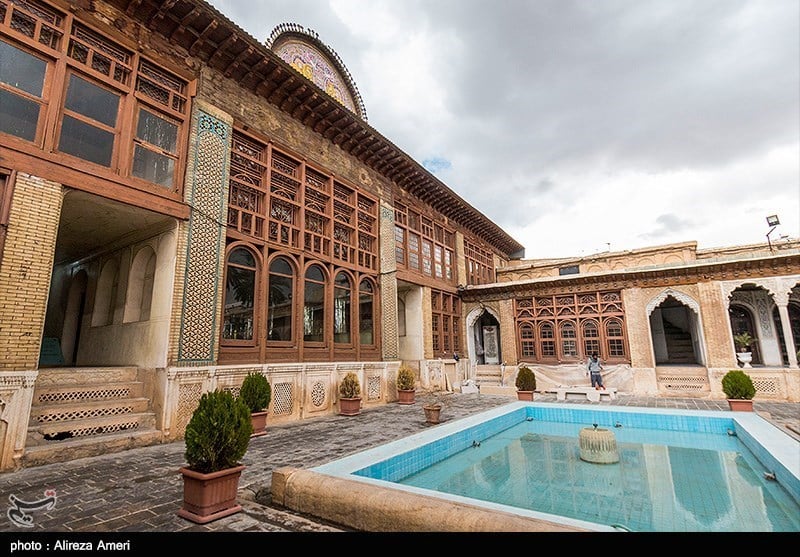
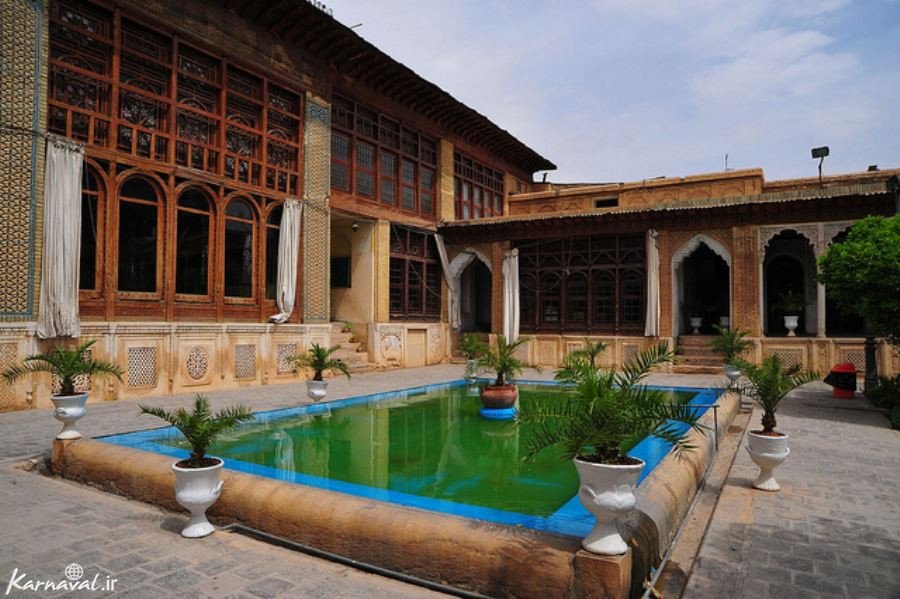
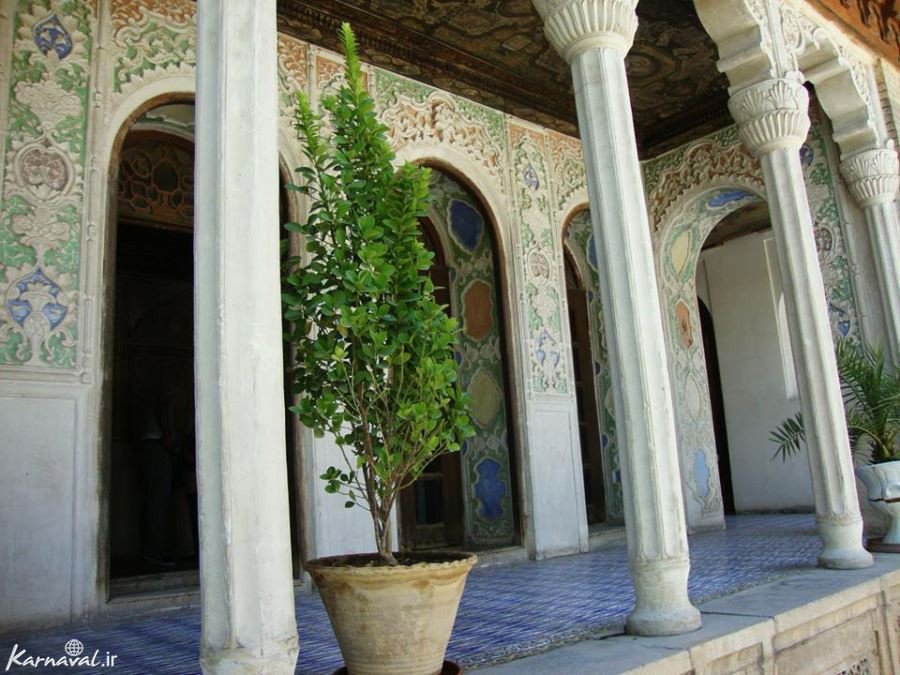
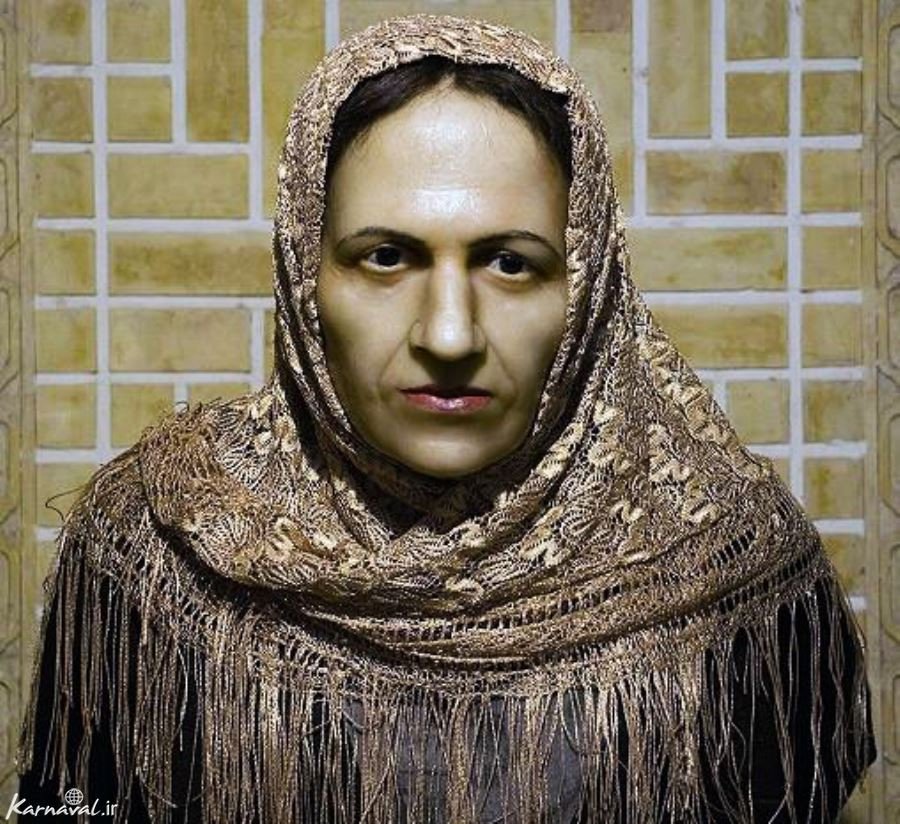
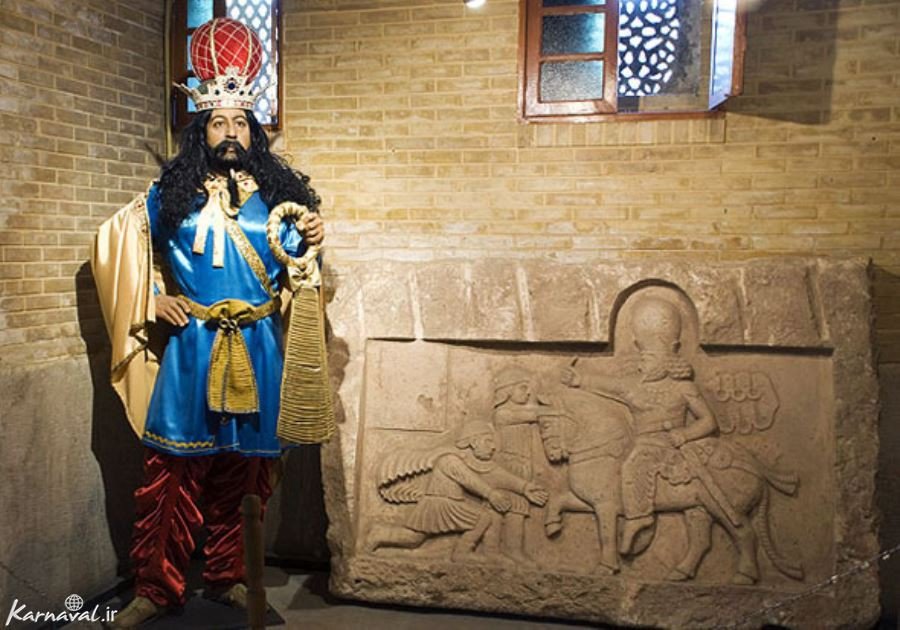
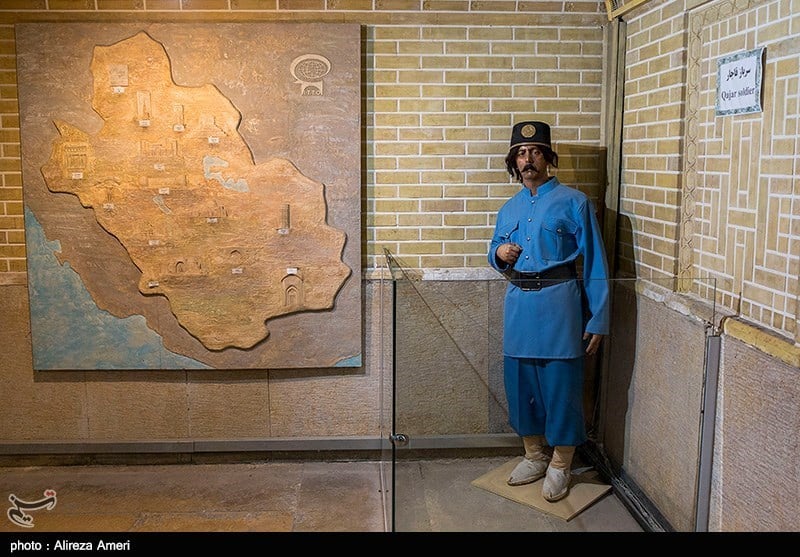
On the western side of Qavam orangery in the city of Shiraz in southern Iran, there is a beautiful mansion that used to be the residence of Zinatolmolk Qavami, the daughter of Qavamolmolk IV, which is named after this woman. The house of Zinatolmolk is now turned into the museum of fame.

Zinatolmolk was a family member of Qavamolmolk who was the ruler and sheriff of Shiraz and Fars province at that time.

She has been a good and compassionate woman, and all the time was helping the needy. During the first ten days of Muharram, which are the days to mourn for the third Shiite Imam, she used to hold mourning ceremonies at her home to feed the needy with charity food.

The house of Zinatolmolk was originally a habitat of Qavams and their families, which goes to the Qavam orangery through the door in the basement. Later, this house was named after its owner due to her benevolence.

The entrance of this mansion is one of its unique beauties. With seven crescent-shaped tiles and a pattern of two suns behind two lions holding swords, it shows two angels that are placed over them and a Quranic verse inscribed between them.

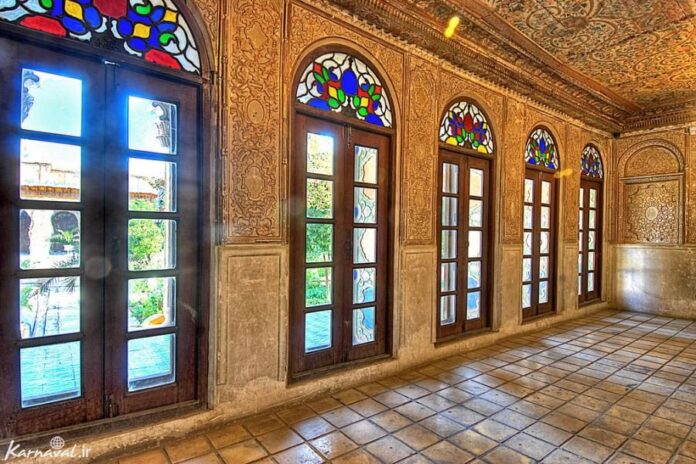
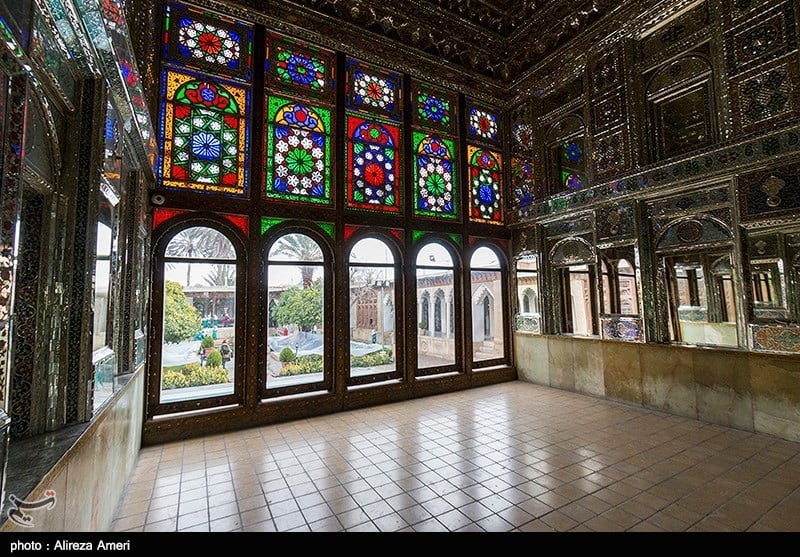
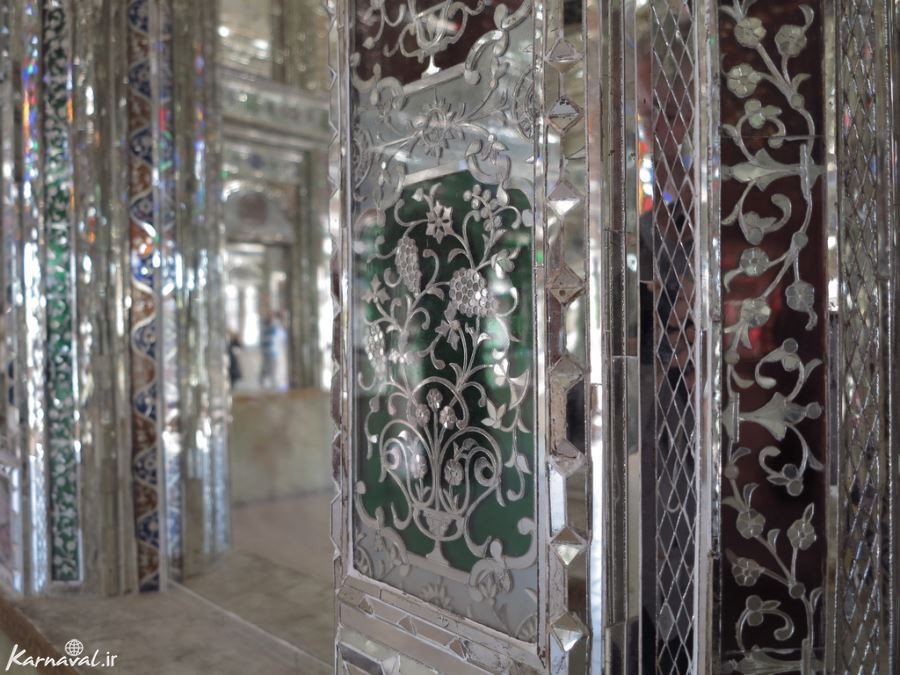
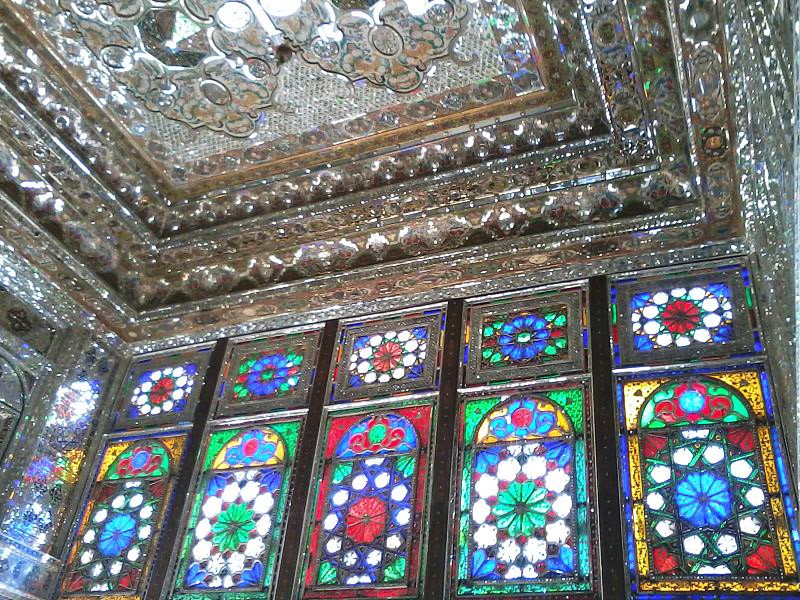
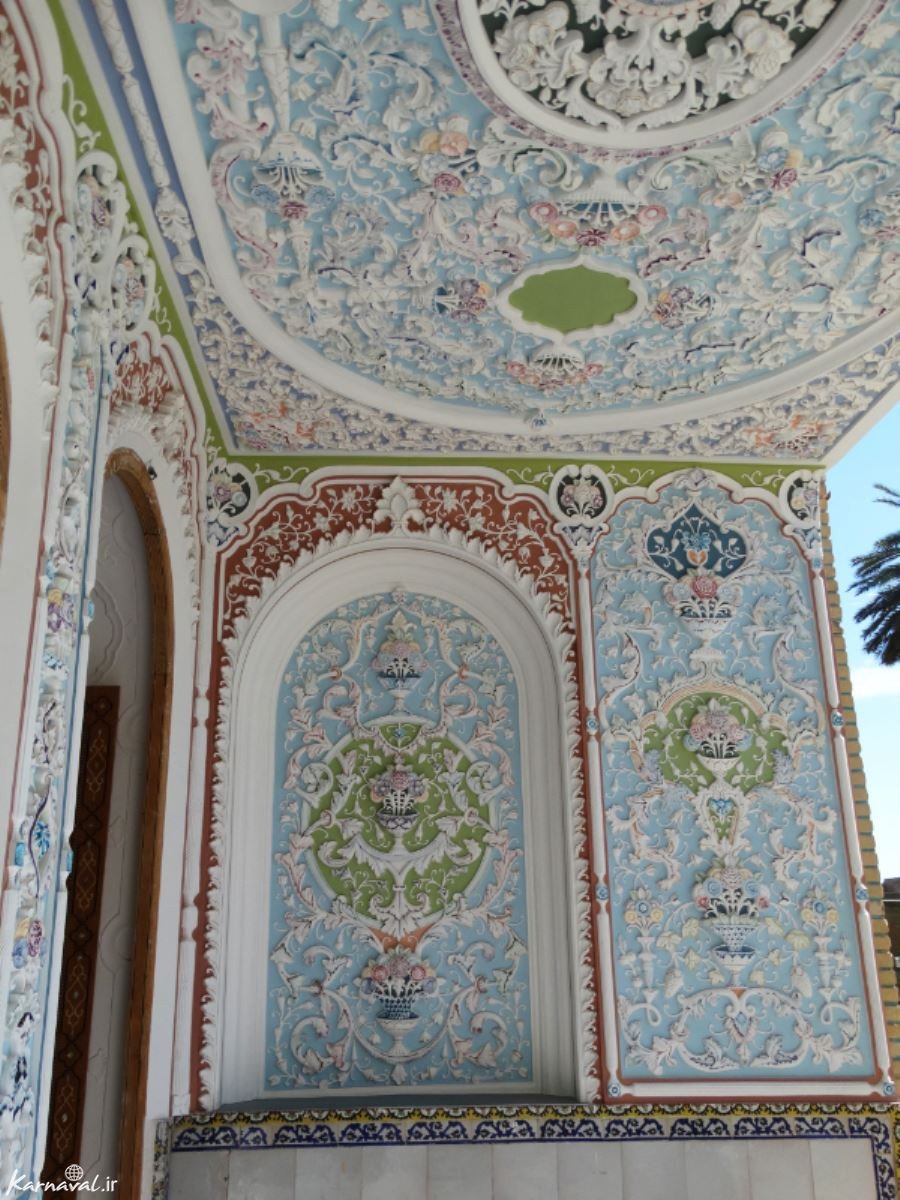
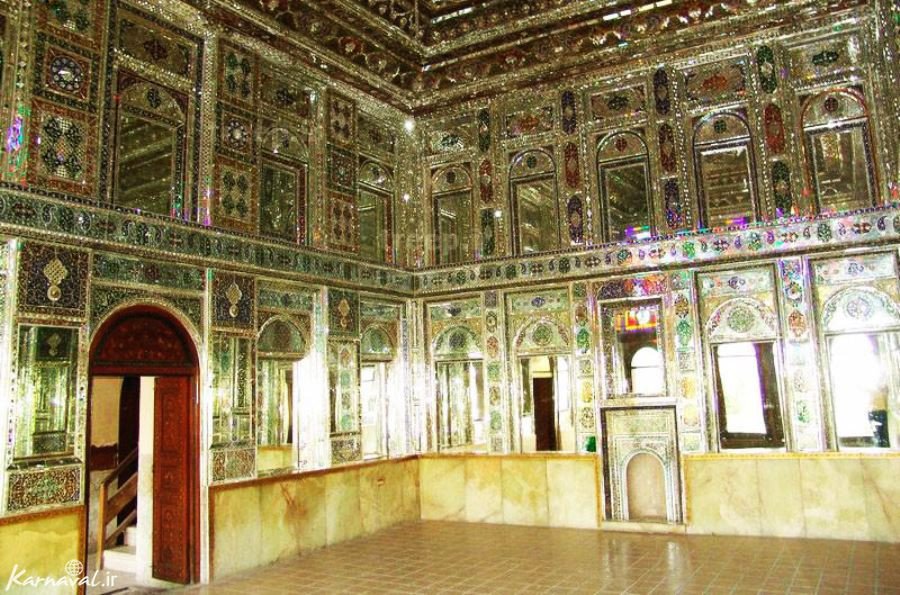
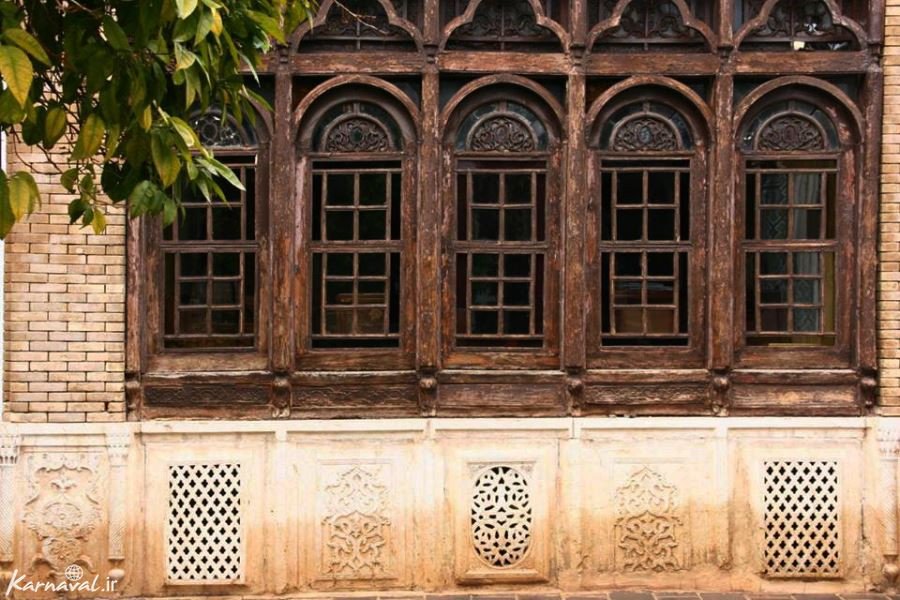
The house of Zinatolmolk has more than twenty rooms decorated with plaster, paintings and mirrors, which are very exquisite. There are also artistic windows with colored glass that create a beautiful reflection on the walls and the earth when exposed to the sunlight.

In parts of the main hall and some of the rooms, there are paintings that the artist has painted them with the combination of Iranian and European art, in which women and children could be seen.

Although the combination of Iranian and European art appears in the architecture and images of this house, the Iranian style is well preserved.

Museum of Waxworks

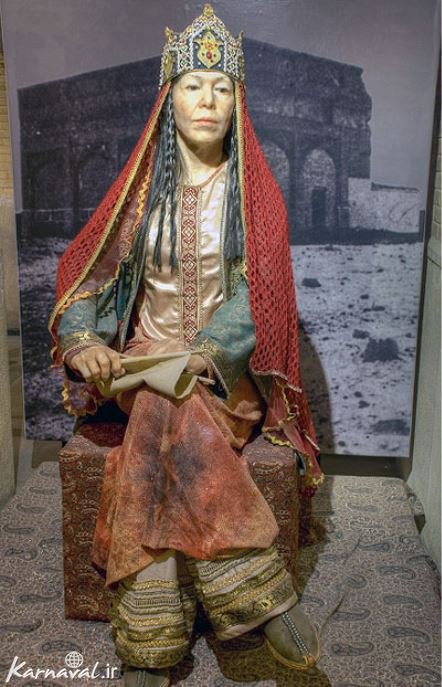
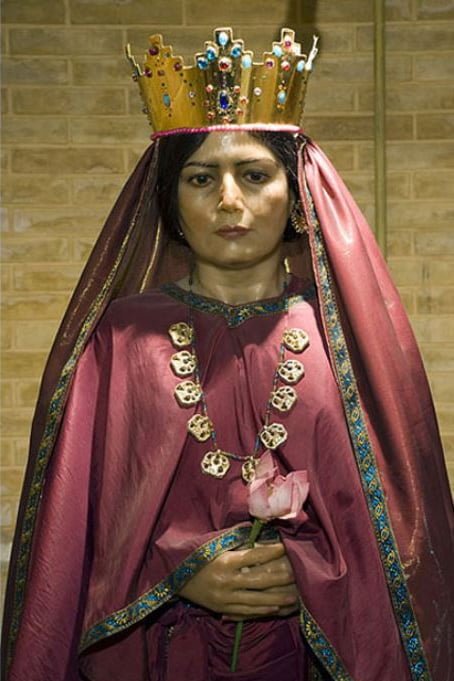
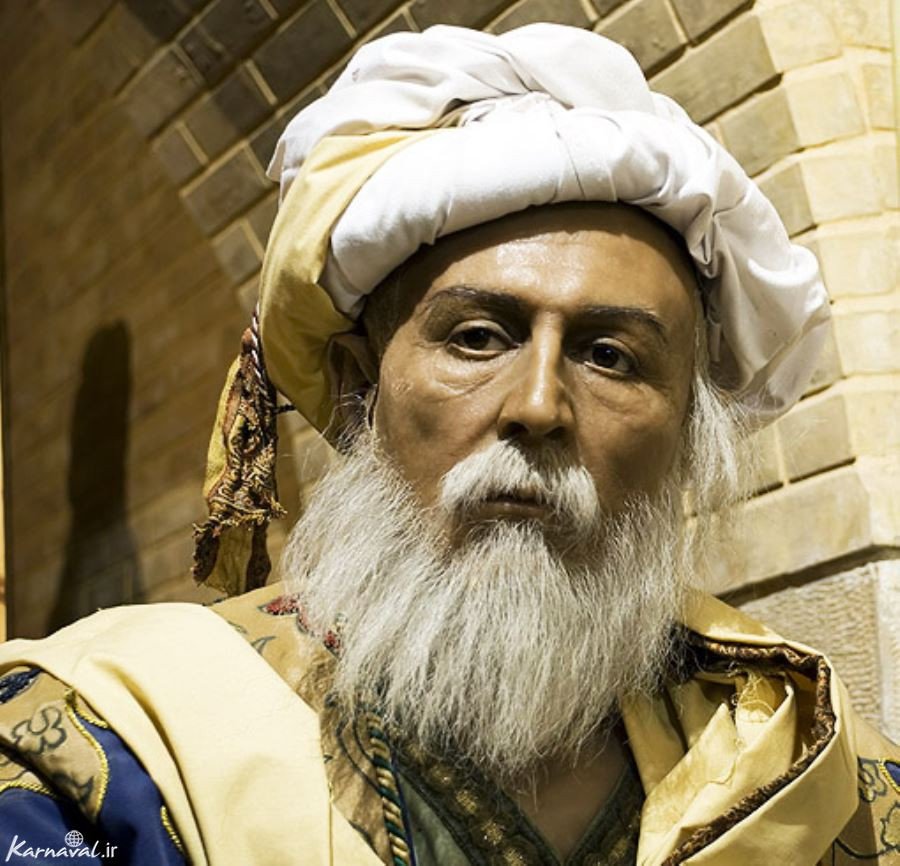
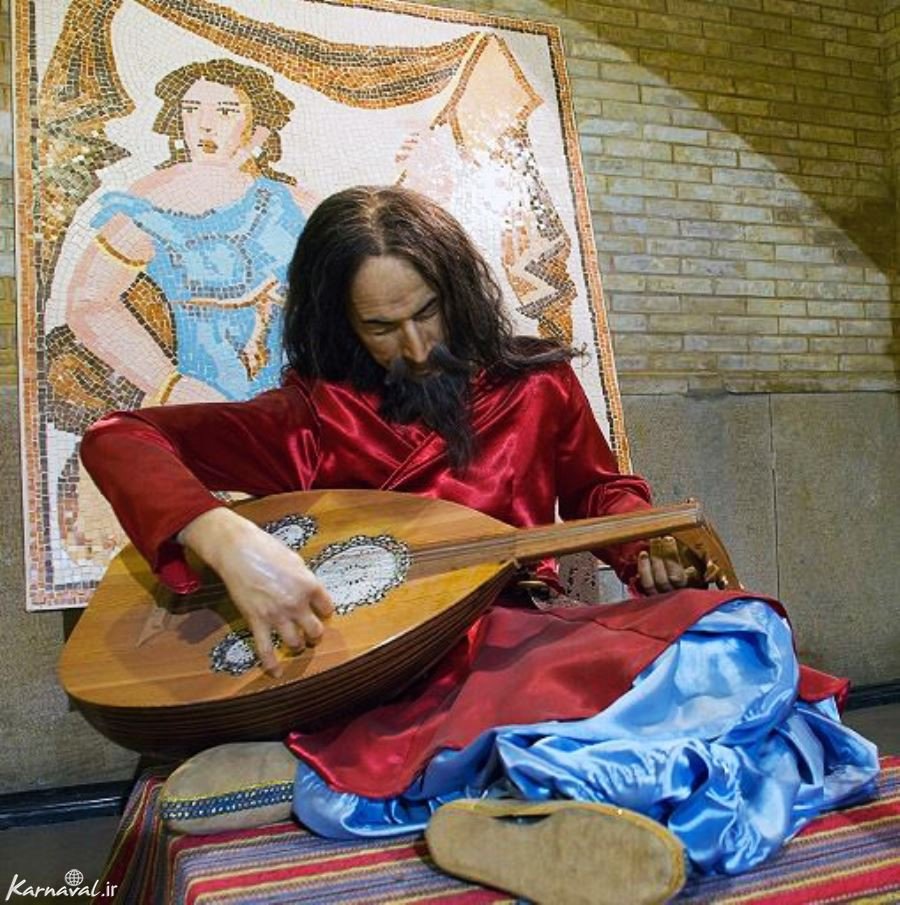
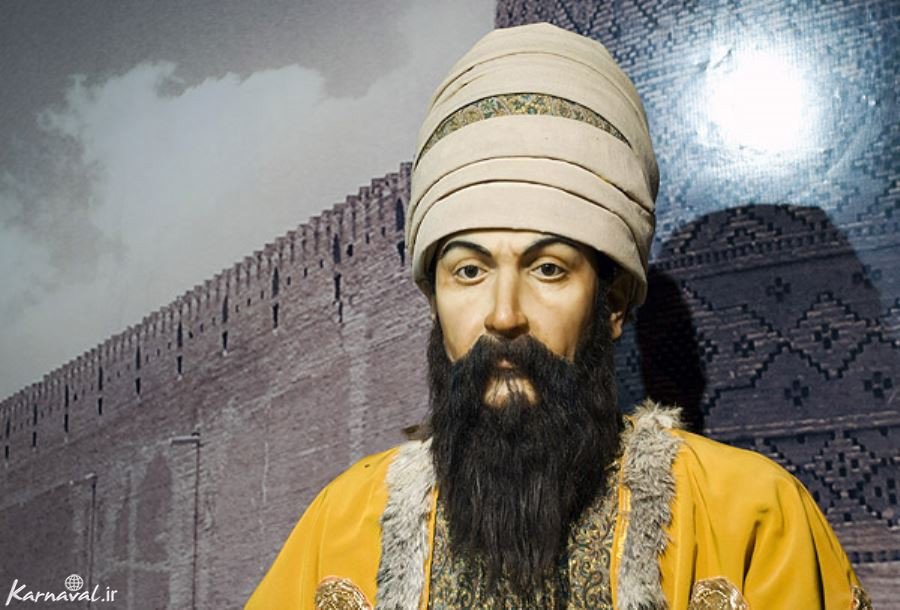
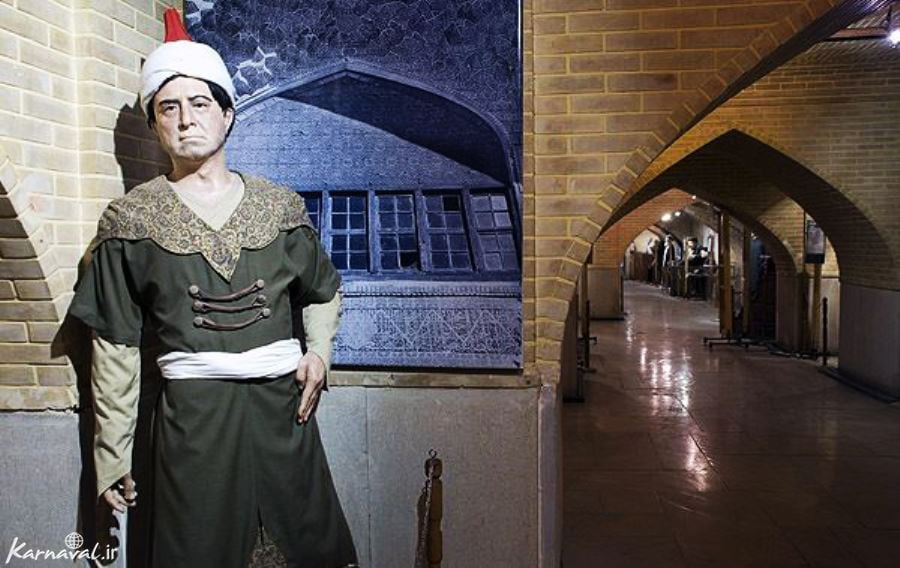
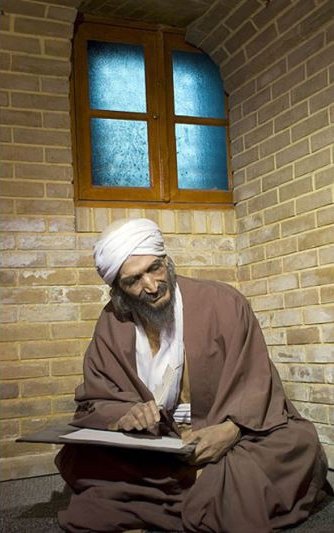
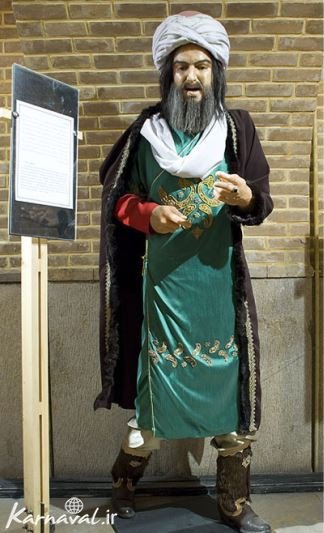
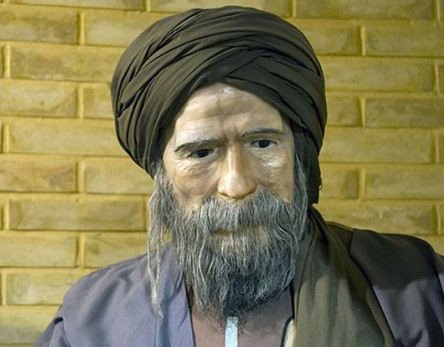
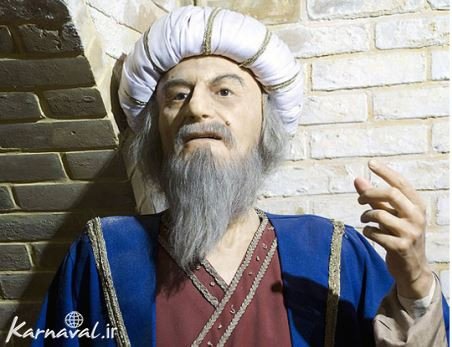
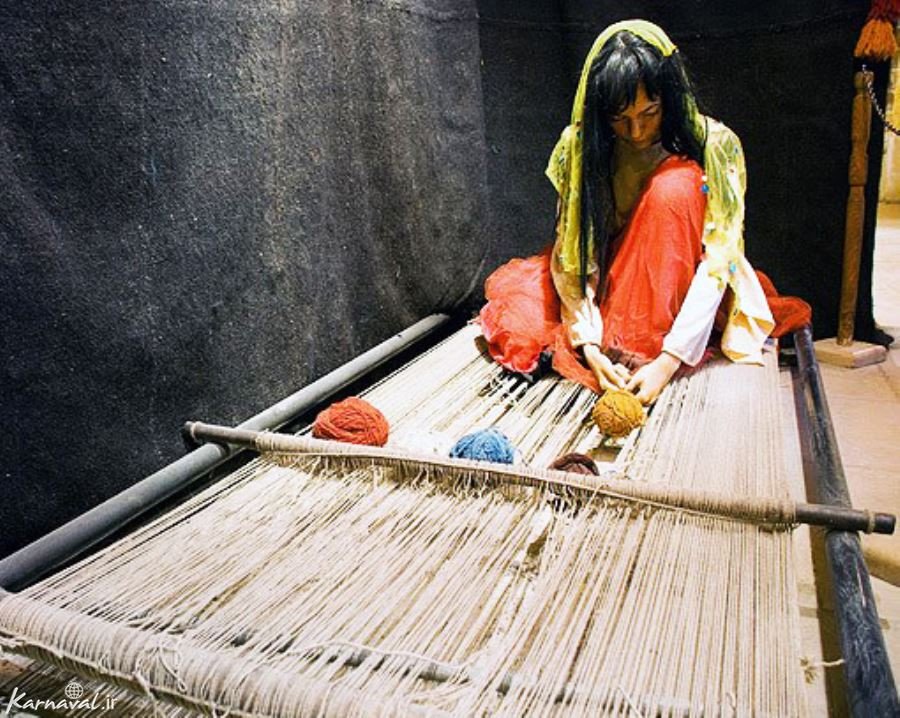
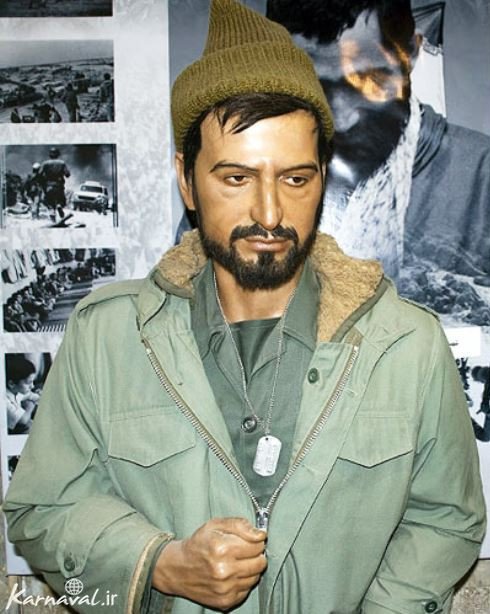
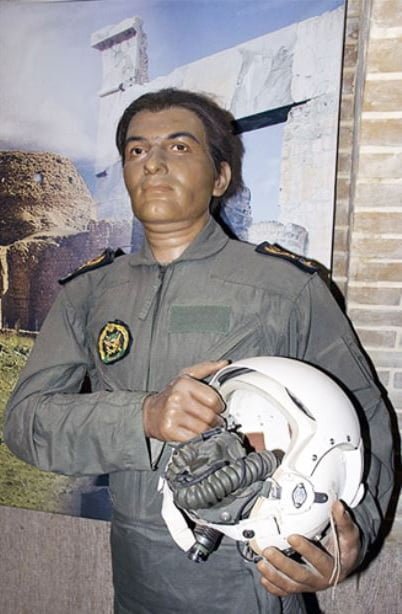
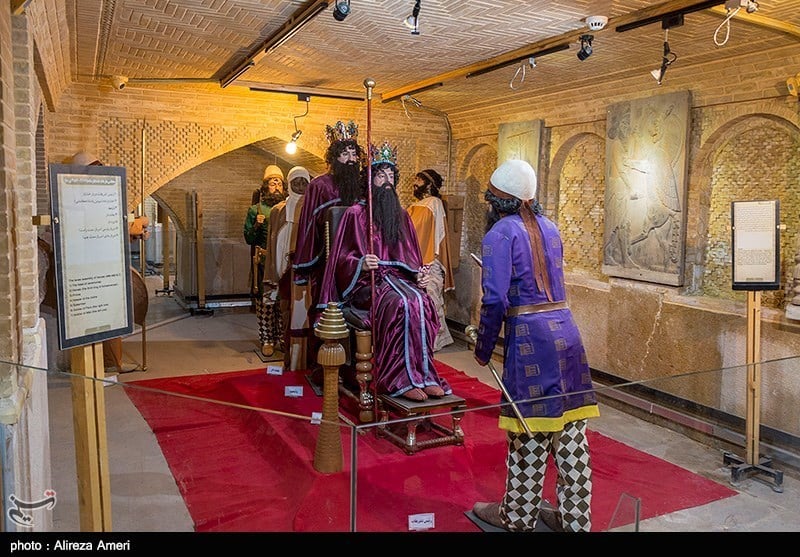
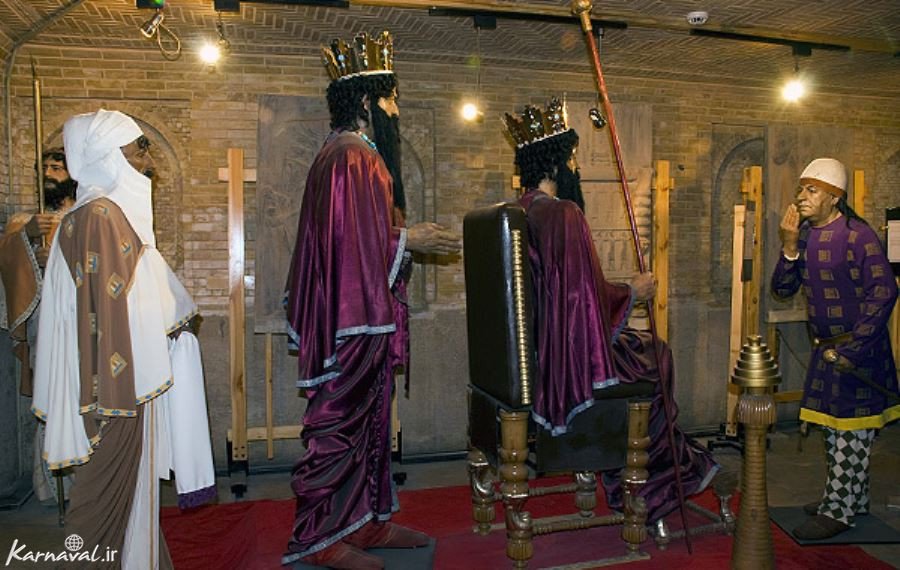
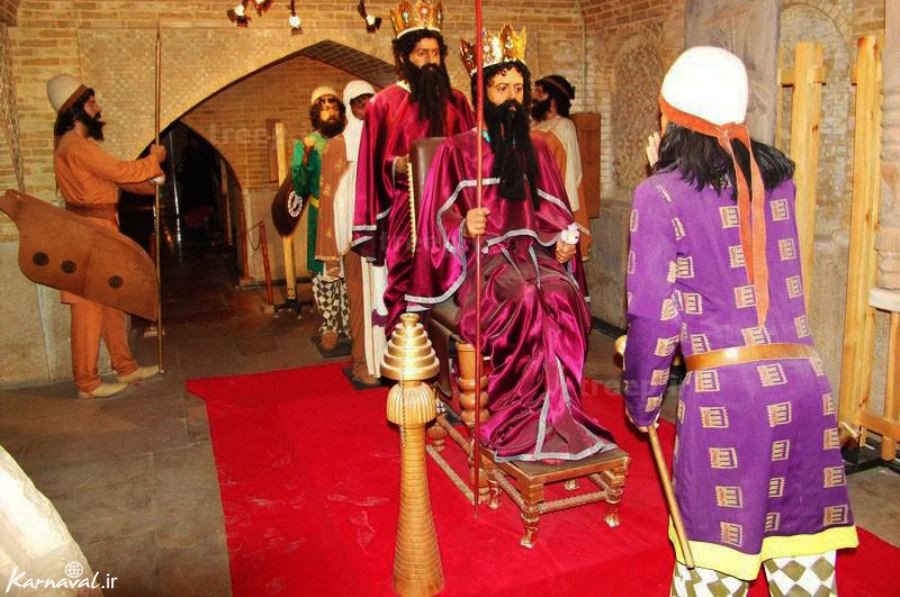
This house is now turned into the museum of waxworks. The statue of Zinatolmolk is built at the entrance of the museum to welcome the guests. The sculptures of this house are all made of waxes, and by artists with natural materials and accessories.

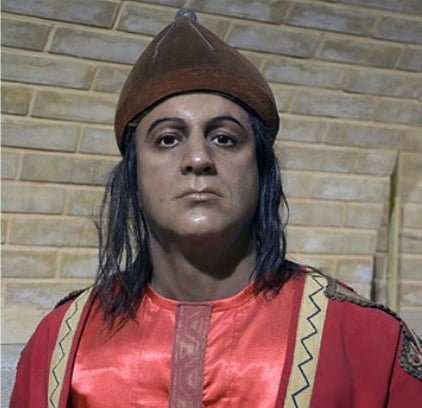
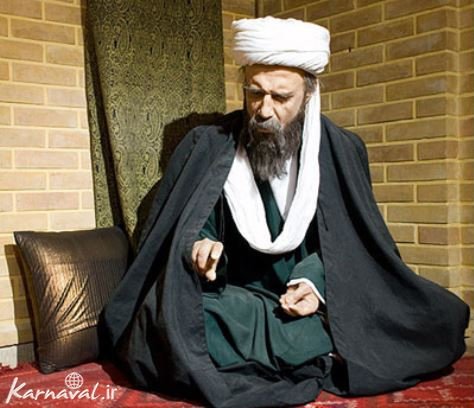
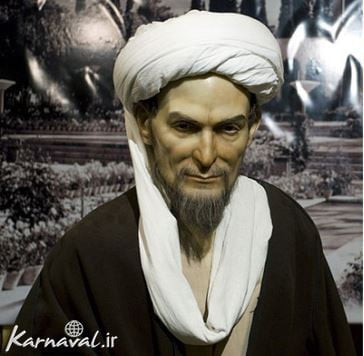
Some of the sculptures you will see in this museum include kings of the Achaemenid period, Atossa (daughter of Cyrus the Great), Kings of the Sassanid dynasty, Barbad (musician and poet of the court of Khosrow II), Karim Khan Zand, Saadi, Lotfali Souratgar, martyr Abbas Doran and others.

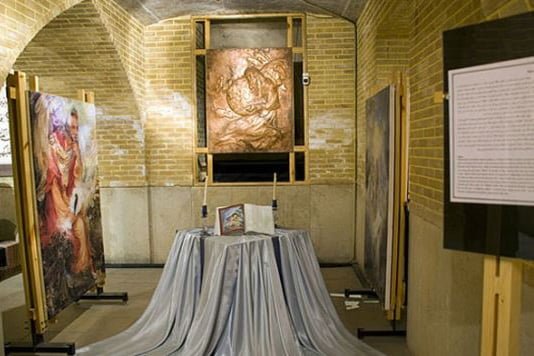
Interestingly, in the city of Hafez and at the museum of fame, there is no statue of Hafez Shirazi (due to the absence of a specific picture of him in the books). And, instead of his statue, there are books and miniatures of his poems.

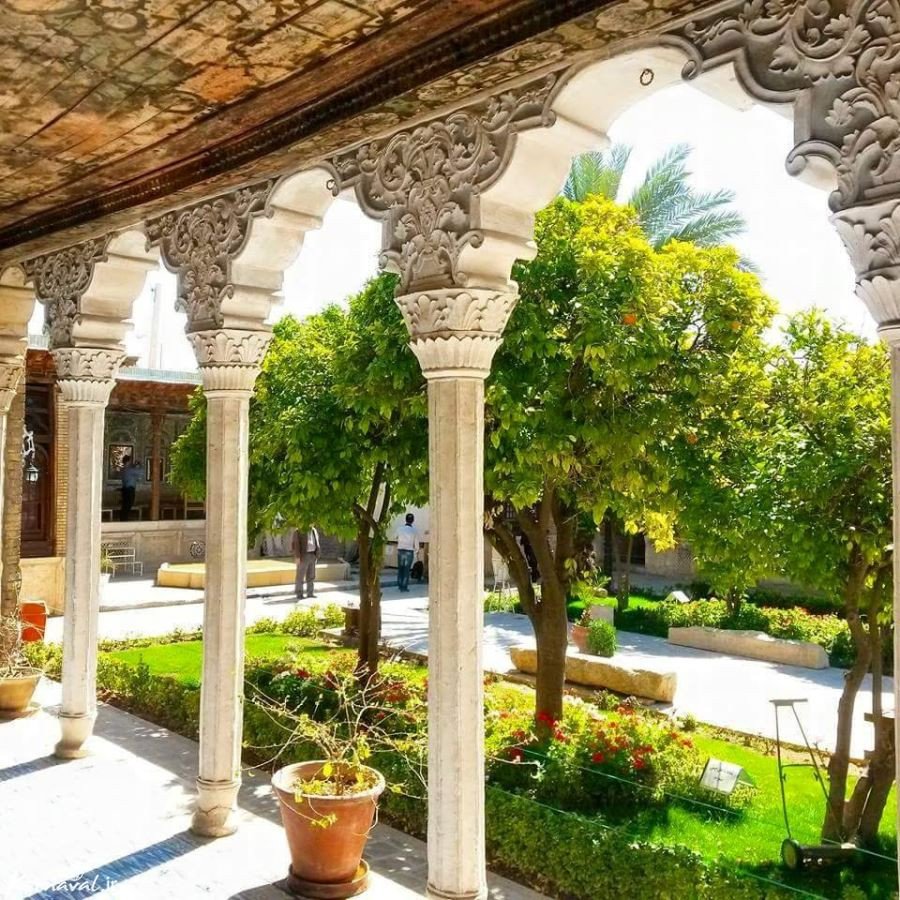
Following, you can see photos of this house museum and its waxworks retrieved from Karnaval.ir and Tasnim News Agency:

Iran Says Ready to Hold Talks If US Apologizes

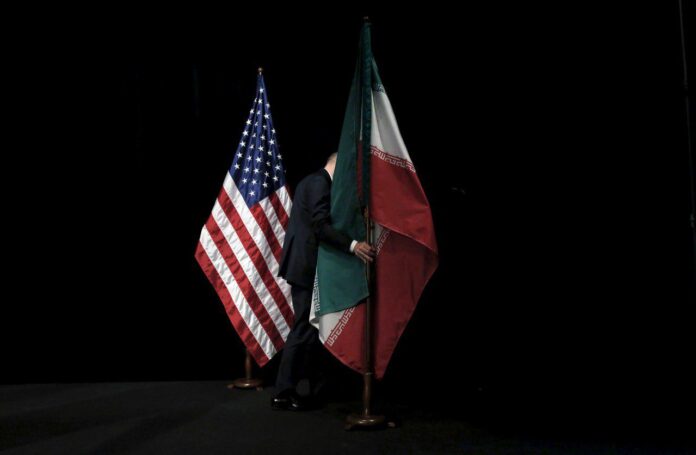
Ali Najafi, the spokesman for the Iranian Parliament’s National Security and Foreign Policy Commission, said the US has taken a huge number of hostile measures against Iran’s national interests, including a 1953 coup against the democratically-elected government of Prime Minister Mohammad Mosaddeq.

“Sitting for talks would be possible if they abide by the JCPOA, offer apologies and set aside hostile policies. Iran has stressed so many times that we are ready for talks and dialogue,” he said.

He was responding to Monday remarks by US President Donald Trump that he is ready for unconditional talks with Iran

Trump said he would be willing to meet Iran’s President Hassan Rouhani and officials “any time” and “without preconditions” to discuss how to improve ties.

This is while Trump, who has hardened the US’ line on Iran, pulled his country out of the 2015 nuclear deal in May and is pushing the world to cut trade with Iran before Washington re-imposes anti-Iran sanctions in two stages in August and November.


Trump’s Ulterior Motives

Speaking to ISNA on Saturday, Najafi said he believes the US’ behaviour shows the country is not serious in its call for talks with Iran and Trump’s call for talks with Tehran has ulterior motives.

“The US paid a high price for pulling out of the deal, and is now seen as a violator of international rules and law,” Najafi said.

“This move by Trump is meant to repair his reputation and to convey a message that the US is willing to talk but Iran is not,” he said.

Various Iranian officials have in recent days announced Iran’s position regarding Trump’s offer for talks.

On Thursday, Interior Minister Abdolreza Rahmani Fazli said the US has showed it cannot be trusted with keeping its word, hence Iran will not engage in talks with a lying Washington.

“The return of US to JCPOA and offering apologies to the world are top pre-conditions for talks with the US,” he said.

Rahmani Fazli also said the US will not resort to military options regarding Iran, as it is afraid of its unpredictable consequences.

“N. Korea FM’s Tuesday Talks in Tehran Limited to Bilateral Ties”

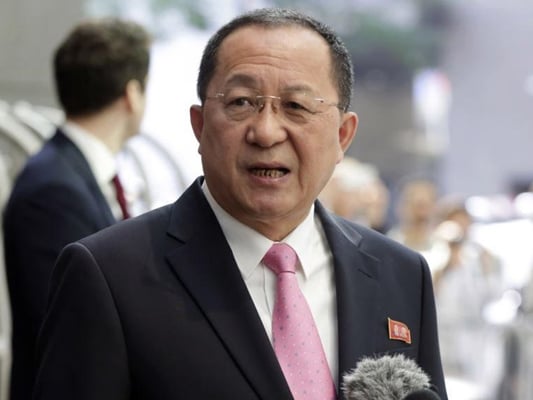
The North Korean foreign minister will visit Tehran following his participation in the 51st ministerial meeting of the ASEAN in Singapore.

The informed source, who did not want to be named, told Fars News Agency the top North Korean diplomat on Tuesday will hold talks with his Iranian counterpart Mohammad Javad Zarif “only on bilateral relations”.

The visit comes following a landmark June meeting between North Korean Leader Kim Jong-un and his arch foe US President Donald Trump, during which the two sides committed to work towards a full denuclearization of the Korean Peninsula.

Weeks after the agreement, US officials are accusing the North Korean government of refusing to respect a promise to Trump to slow Pyongyang’s nuclear weapons program.

North Korean officials, in return, accuse the US government of failing to take enough steps to lift broad economic sanctions on North Korea.

The last visit to Iran by high-ranking North Korean officials came in August 2017, when a delegation entered Tehran to attend the inauguration ceremony of Iranian President Hassan Rouhani, who had been re-elected for a second term in May 2017.

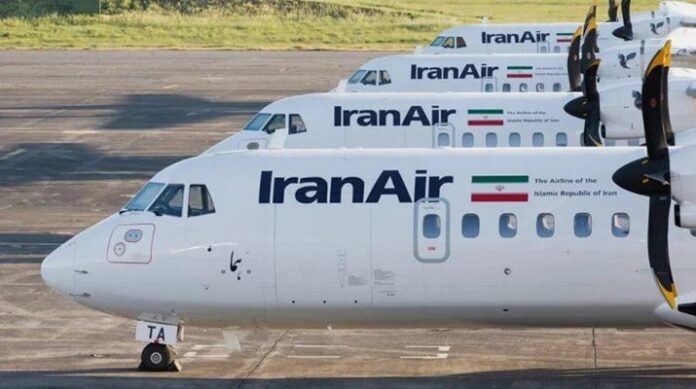
5 ATR Passenger Planes to Join Iran’s Air Fleet

That will bring to 13 the number of ATR planes operating in the national civil air fleet.

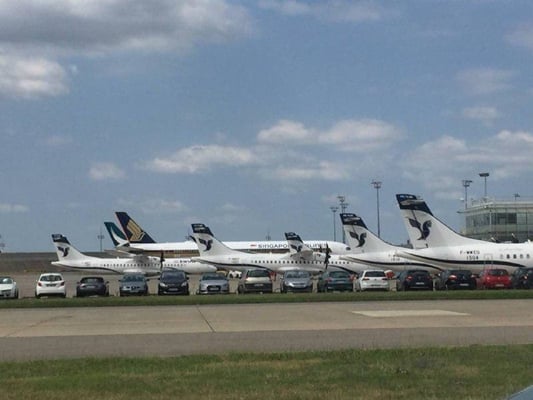
The new planes will depart from Toulouse-Blagnac Airport in France on Saturday, August 4, and head for Tehran, reports Fars News Agency.

The planes’ registration numbers are EP-ITM, EP-ITL, EP-ITK, EP-ITJ and EP-ITI.

Iran has concluded an agreement with the ATR aircraft manufacturing company under which the country will purchase 20 ATR airplanes in the first phase, and as many in the second phase.

This will probably be the last delivery of airplanes to Iran as the new round of US sanctions on the Islamic Republic is slated to begin in coming days.

5 ATR Passenger Planes to Join Iran’s Air Fleet