Friday, December 26, 2025
Home Blog Page 3482

Acid Attack Victim Pushes for Law Banning Sale of Acid in Iran

“Acid is out there to eliminate you from life. The acid attacker wants to tell you that you cannot fall in love, become a mother, work, and stay in the society. The acid attacker wants to tell you that from now on, anyone who sees you will not like you. But I turned a deaf ear to all these words. I told everybody that I do not want to be, and I am not a victim.”

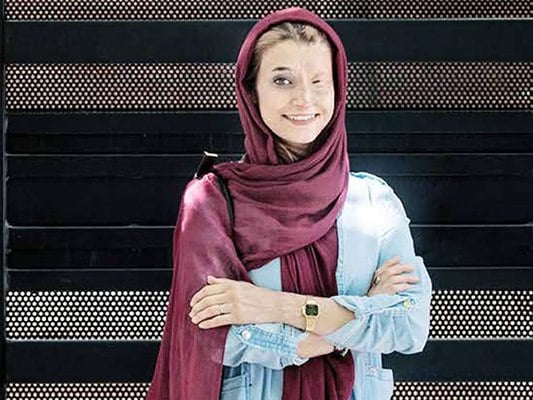
These are the words of Marziyeh Ebrabimi, the victim of an acid attack in the city of Isfahan in central Iran.

Almost four years have passed since the acid attack saga in Isfahan, serial acid attacks whose perpetrators were never introduced to the public. Now, we are seeing Marziyeh, one of the victims of the incident, preparing to open an exhibition of photos depicting her life. The exhibit is titled “Your fate was sealed by an idol worshipped by others.” The exhibition displays Marziyeh’s life in the days following the tragic incident.

Marziyeh Ebrahimi has not given up since she came under acid attack. Marziyeh says when she recovered, she tried to keep similar incidents from happening to others. She made every effort to help acid attack victims get back to life. This comes as acid attack has turned into a silent weapon which takes new victims every day.

Meanwhile, photographer Negar Masoudi has been with Marziyeh all along to record every moment of her life as well as the efforts she makes.

Marziyeh, 28, was born in Isfahan. She is a midwife. She never forgets October 15, 2014. She speaks with a lot of energy. You can’t help liking her energetic character. You are drawn to her charismatic and delicate face, which is still beautiful despite the scars from the acid attack.

“In those days, everybody was afraid of the atmosphere of the city. I hadn’t heard the news, but three people had come under acid attack before me. Even if I had known that, I would still go out. Looks like people don’t take such dangers seriously for themselves. I worked in Naeen back then. I had an appointment with a dentist in Isfahan. The streets were busy that day. When I got to Towhid street, all I was thinking of was to find a parking space for mar car. I was a little hot. I rolled down the window and I don’t know what happened afterwards. I didn’t hear the sound of a motorbike, or a person. I only felt like hot water was burning my face.”

“Everything happened in a fraction of a second. I didn’t know what had happened to me. I realized from the burning sensation that it was acid. I didn’t know what to do. I didn’t know whether to splash water on my face or not. I was only screaming. People saw me screaming at the wheel, but they didn’t know what had happened. They called in an ambulance, which took me to hospital. Afterwards, police launched an investigation,” Marziyeh told the Iran newspaper in a recent interview.

Marziyeh Ebrahimi was the fourth victim of acid attacks in Isfahan. The other victims included Soheila Jorkesh, Mina Azadeh and Somayyeh Mesmarian. Soheila was the third victim, who came under the spotlight by media and people. However, Marziyeh talked to no media for quite a while.

But how long did it take Marziyeh to bounce back and return to life? She thinks a little bit and answers with the same astounding energy she has.

“I didn’t want to leave home in the six months after the incident. I really missed going out, but I thought people would see me and begin tutting because I had already seen people’s reaction in the hospital. However, I went out during the New Year holidays the same year. I told myself ‘It’s enough. Get up!’ First, I wasn’t feeling well and I was short-tempered. I would keep telling everyone that I had come under an acid attack. At the same time, I would keep telling myself ‘You didn’t used to behave so. What has become of you?’”

“I would go out with medical pads and glasses on my eyes. People’s words irritated me. Some people had no sense of empathy at all. But Mehrdad, my fiancé, encouraged me and told me ‘What are you afraid of? Just go out.’”

Negar Masoudi, who has been the closest companion of Marziyeh throughout all these years and has made a documentary about her life and activities, joins our discussion.

“I decided to live with Marziyeh for a while and take photos of her life. I wanted to have a real story of Marziyeh’s life. We were together all the time for 15 days. I had a camera with me all along to take pictures and films of her activities,” said Masoudi.

With the photos I have taken, I’ve tried to tell others that the attackers poured acid onto Marziyeh to eliminate her from the society as an independent woman, and wanted it to be an objective lesson to discourage us from being in the heart of society. With this collection of photos, I wanted to tell hardliners that you were not able to do this to Marziyeh and those like her,” Masoumi said.

Negar and Marziyeh have decided to push for the enactment of a law that would prohibit the purchase and sale of acid, so that no one would be able to buy and sell acid easily.

“During this time, Marziyeh and I met different people, went to parliament representatives, and made every effort in that regard,” said Masoumi.

Now, one year has passed since Marziyeh and Negar launched their attempts to introduce their proposed legislation to people. During this time, they have also kept in touch with other victims and the Society for Supporting Acid Attack Victims established recently, and tried to galvanize everybody into pushing for the legislation.

Marziyeh married Mehrdad some time ago and says she is feeling well.

“These days, many people ask about the detention of my acid attacker and would like to know what became of him. I only tell them ‘I don’t know.’ I have also decided to give the same answer if one day my son or daughter ask what happened to me. This answer gives me peace of mind.”

“EU to Deliver Its Package to Save Iran Nuclear Deal Friday”

The Friday meeting will be held in Vienna as the first of its kind after the US’ unilateral withdrawal from the JCPOA. The package is aimed at convincing the Islamic Republic to remain in the nuclear deal after the US withdrawal, a report by ISNA said.

Iran and the three European states (France, Germany, and the UK) began their talks to preserve the JCPOA immediately after US president Donald Trump’s decision to exit the multi-national deal. After a short while, Russia and China joined the talks within the framework of the JCPOA Joint Commission.

Now, after two months of various meetings held at the level of experts and political directors in Brussels and Vienna, the European states are expected to deliver their support package to Iran with the aim of guaranteeing the country’s benefits under the nuclear deal.

The expert-level talks among Iran and the three European states began after a meeting between the countries’ foreign ministers in Brussels on May 14.

Then, the joint commission of the JCPOA convened for the first time at the level of deputy ministers in Vienna on May 25.

Before the US withdrawal, the International Atomic Energy Agency confirmed in at least 11 reports that Iran has remained fully faithful to its commitments under the JCPOA. After the US withdrawal, the IAEA released a new report retreating Iran’s compliance with the nuclear deal.

A main feature of the new package which distinguishes it from previous packages delivered to Iran at various political and diplomatic points is that it has been built on the results of several expert-level meetings by delegations from the involved sides including all economic, financial, nuclear and political considerations.

Iranian officials have said they will begin to study the package as soon as they receive it and will decide whether or not to remain in the JCPOA based on the content of the package.

Though the details of the Europe’s support package is still unknown, some media reports speculate that the Europeans have guaranteed purchasing at least one million barrels of Iran’s oil through a special channel. The reports added that the Europeans have also agreed to make a $10 billion investment in Iran.

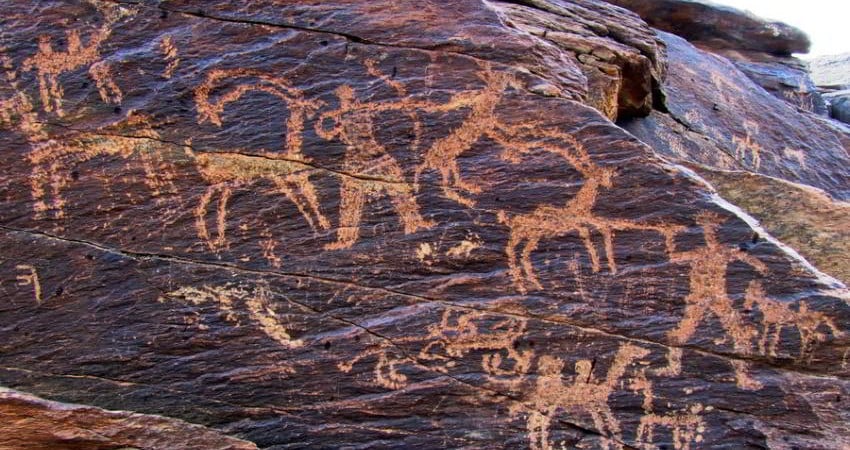
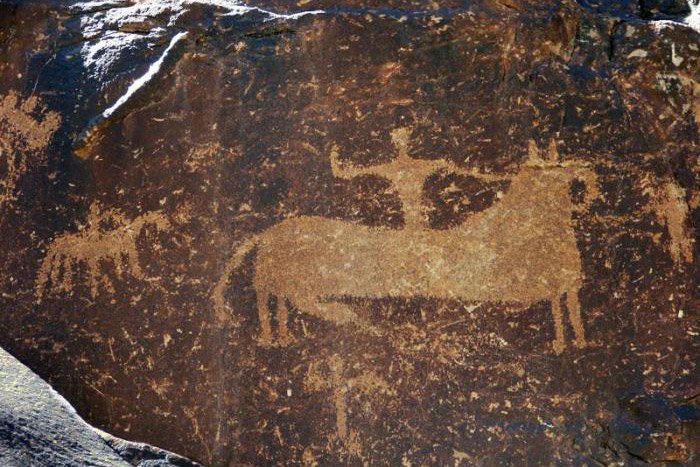
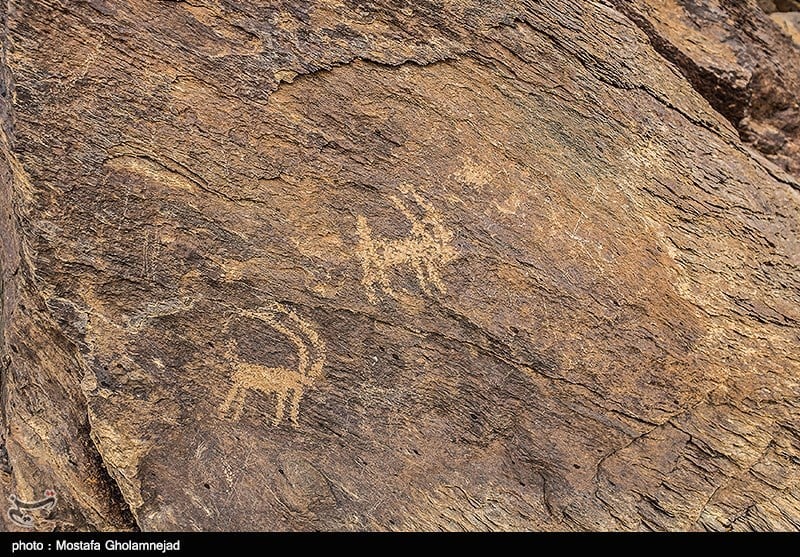
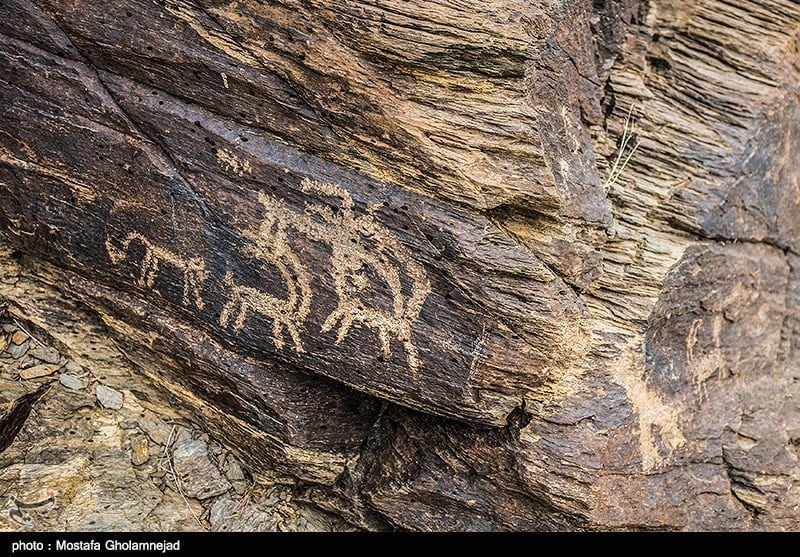
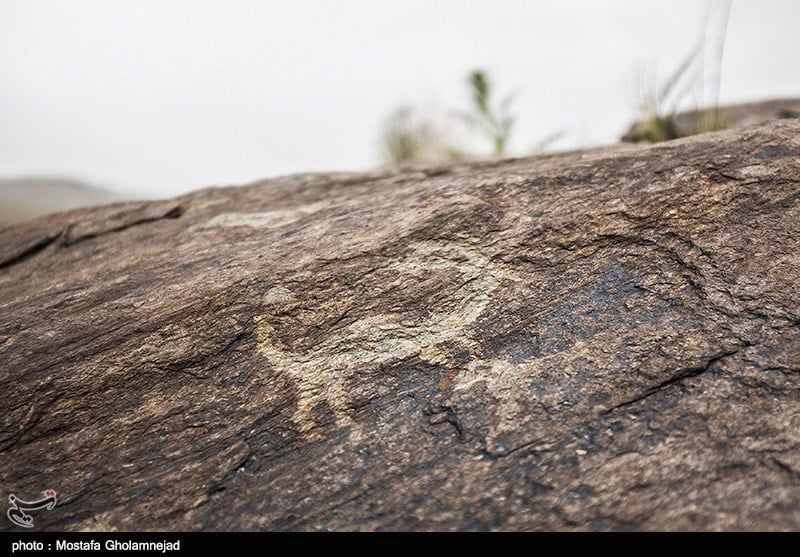
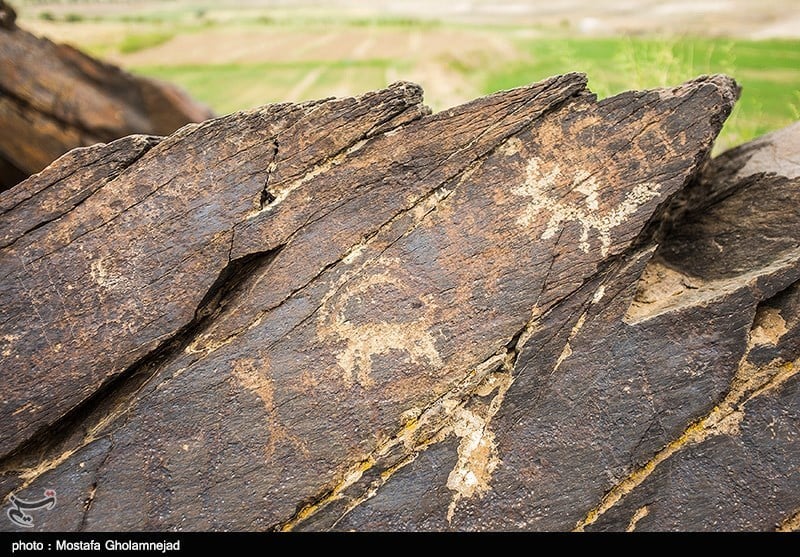
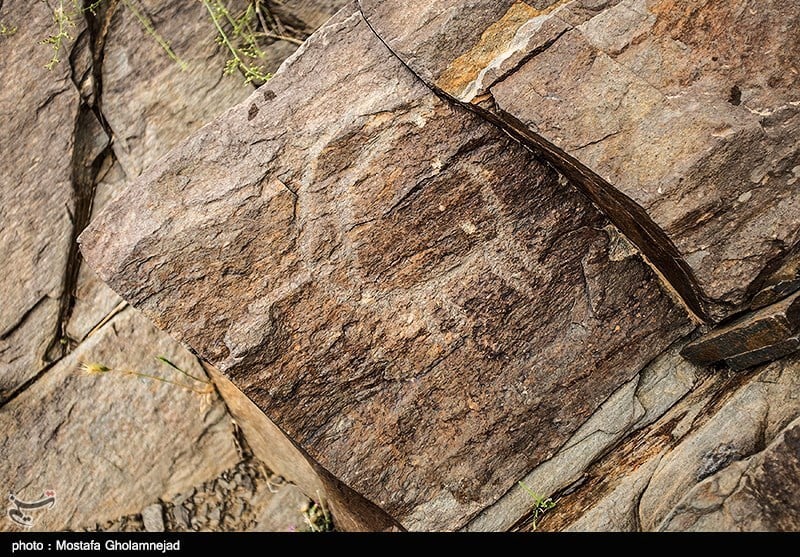
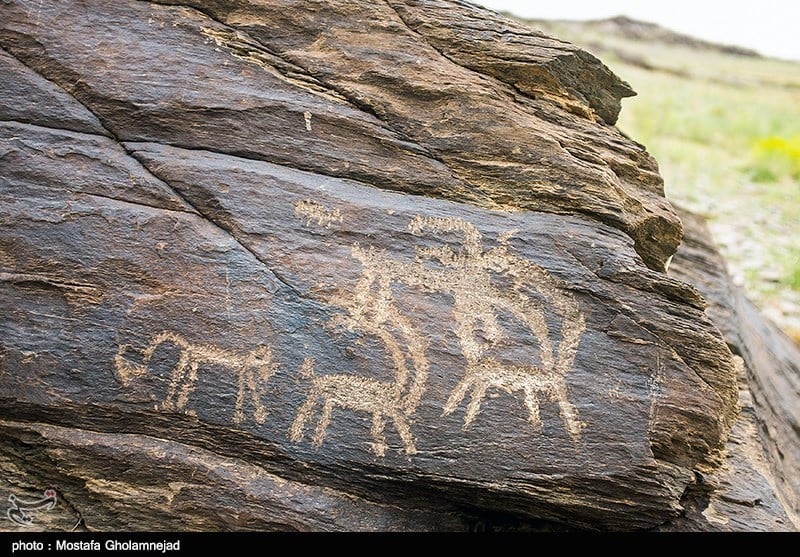
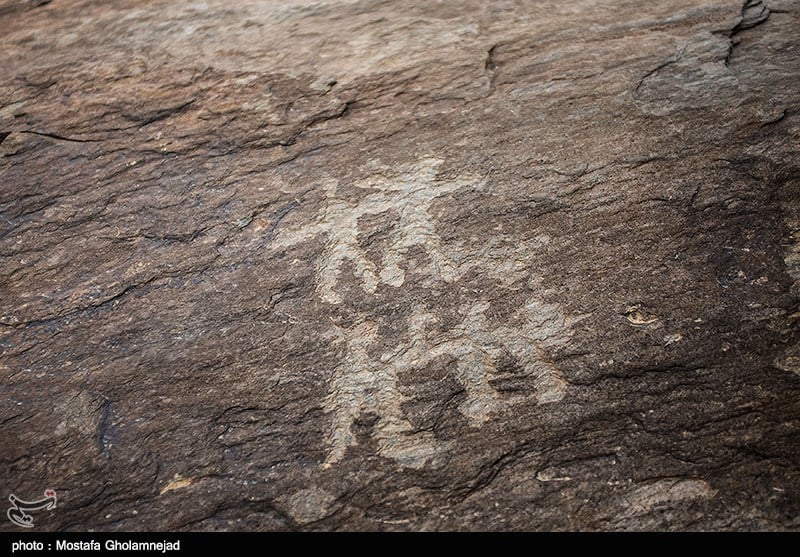
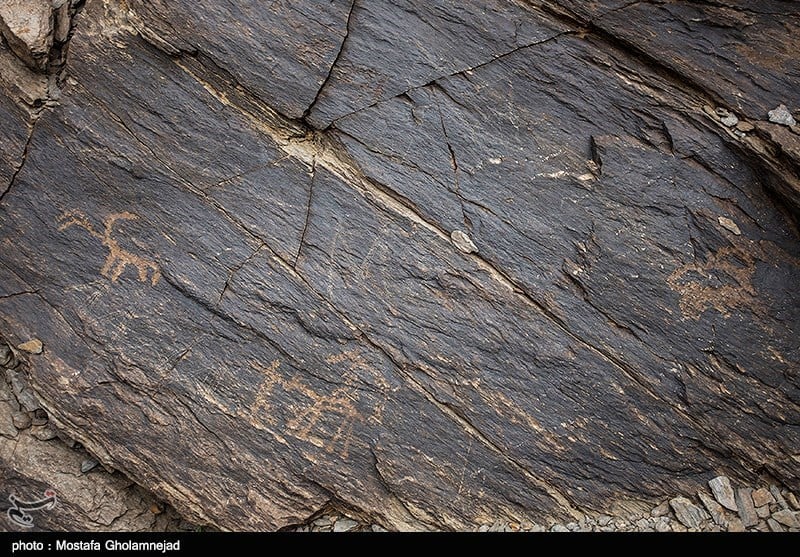
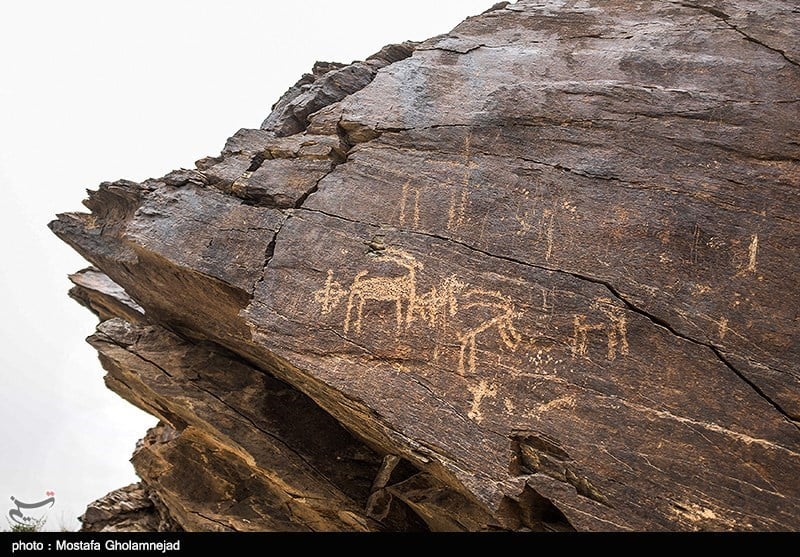
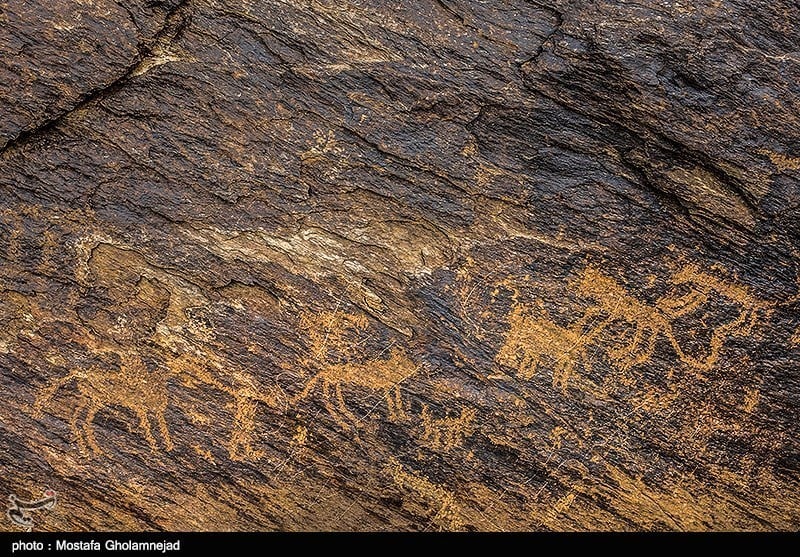
Pre-Historic Rock Arts of Teymareh Mountain

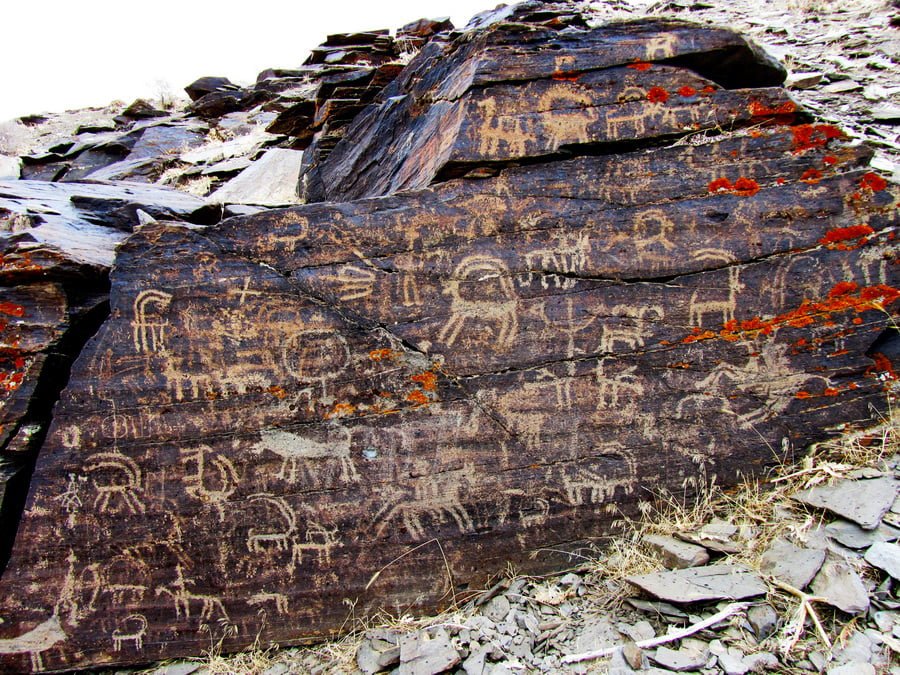
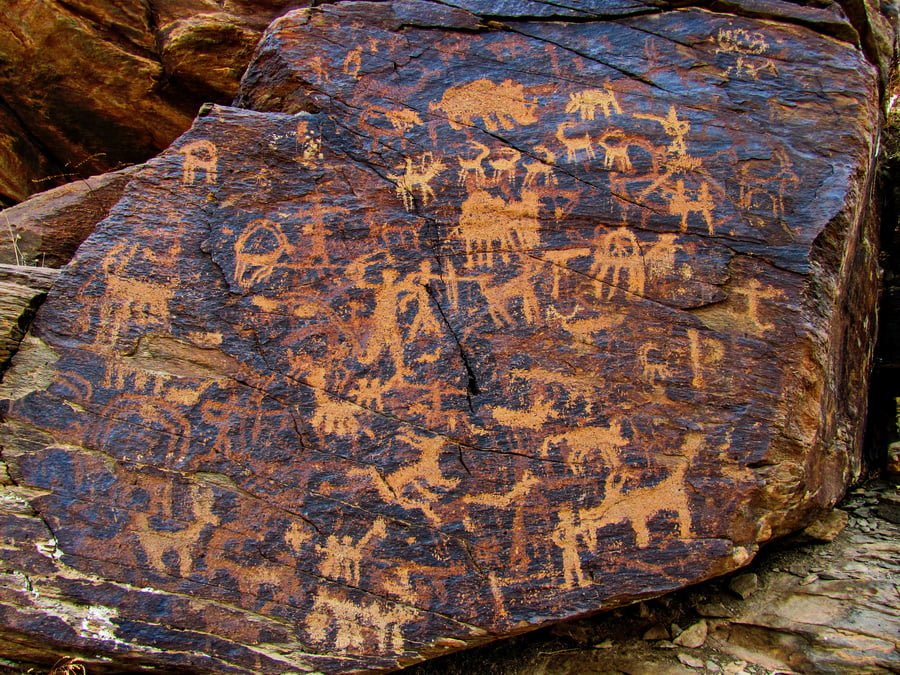
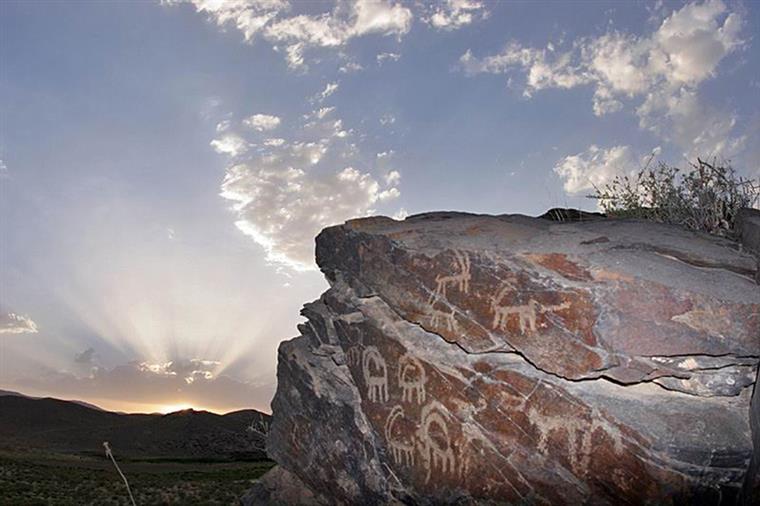
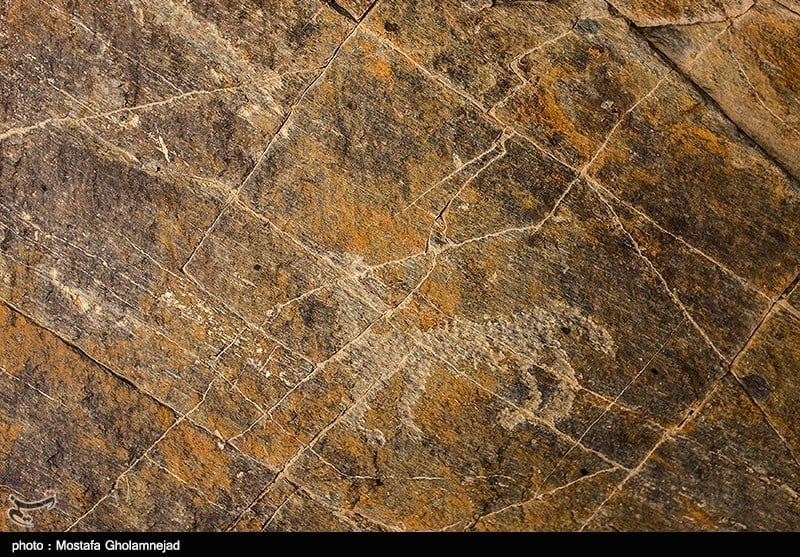
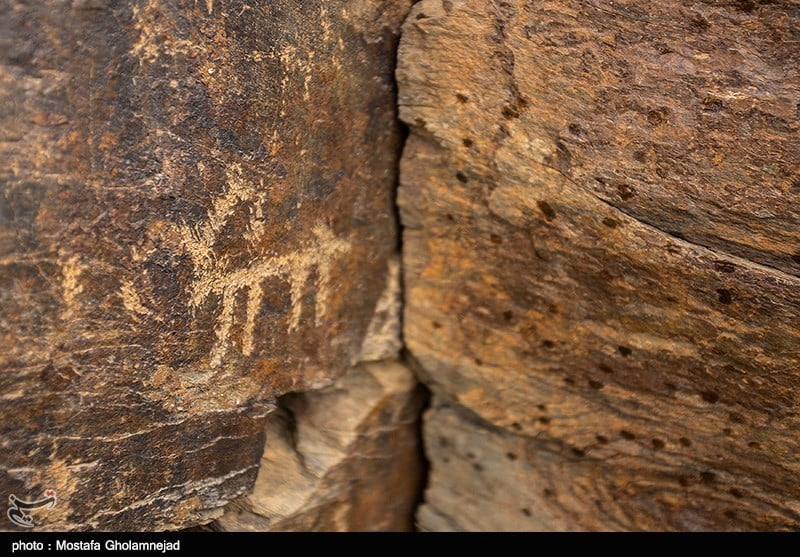
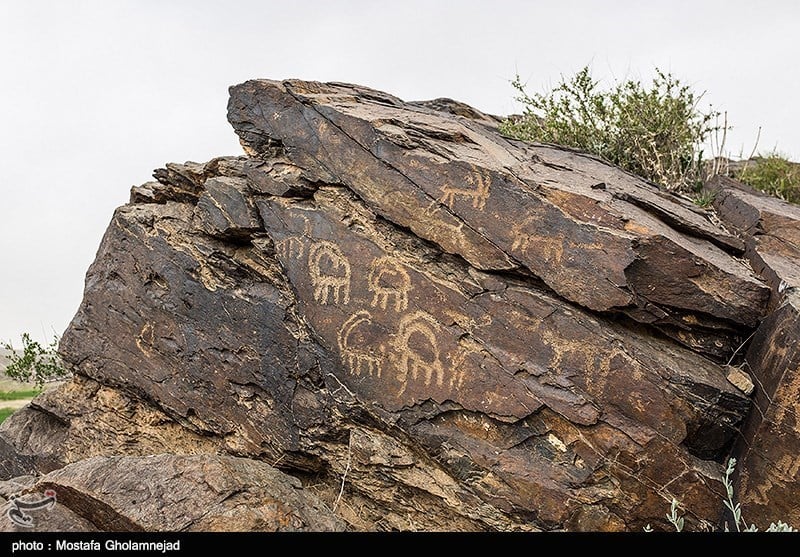
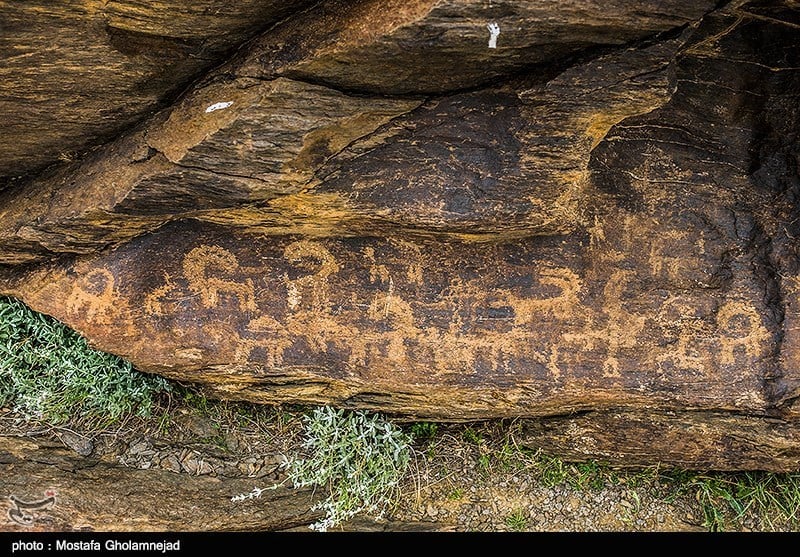
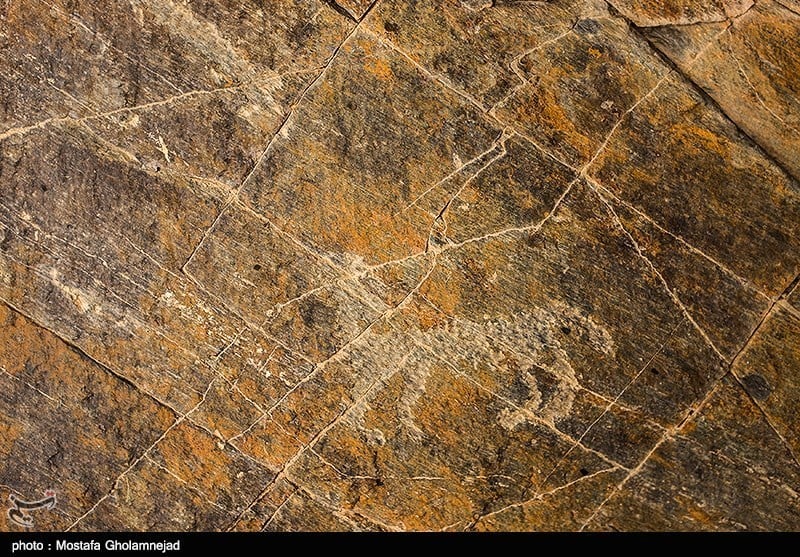
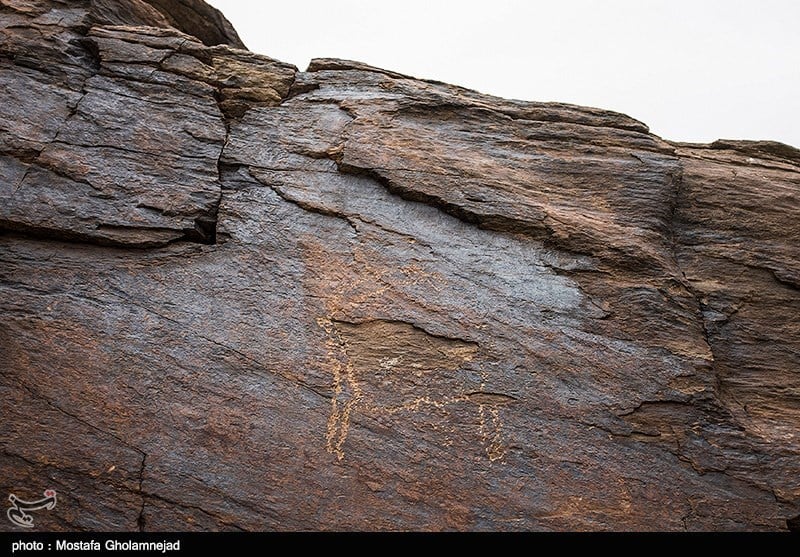
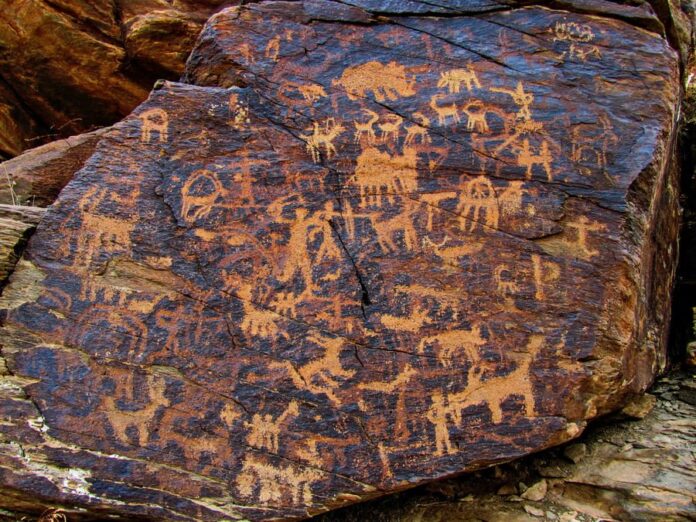
Teymareh is a rocky mountainous area in the city of Khomein with about 21,000 petroglyphs containing wonderful secrets.

Most of the petroglyphs of Teymareh depict periods of history in which the mankind began to invent new tools – including sharp stones for hunting – and then tame animals and turn to agriculture and planting.

The largest petroglyph in Teymareh Mountain is a stone with an area of 40,000 square metres, which includes various inscriptions. The petroglyph is widely known as the Large Inscription. There are at least 150 inscriptions on the petroglyph which should be de-codified through years-long research at international levels.

The most ancient inscriptions discovered in Iran belong to Teymareh. Meanwhile, about one-third of the line and pictorial inscriptions gathered in Niavaran Palace’s Inscription Garden were first discovered in Khomein.

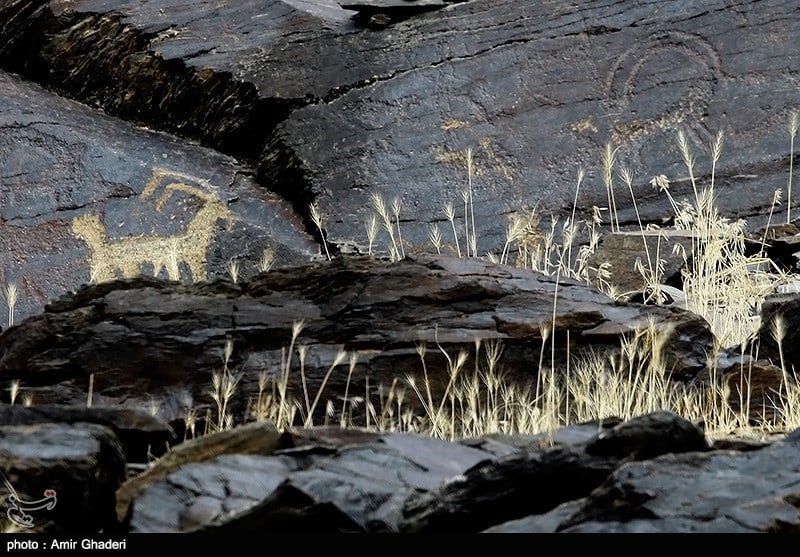
The petroglyphs of Teymareh contain various images of mountain goats, mountain rams, gazelle, mankind (in various postures and with different tools at hand), horses, wolves, lions, camels with one or two humps, leopards, hogs, deer of various species, cheetahs, snakes, turtles and many other rare animals.

About 75 percent of the petroglyphs are inscribed with images of mountain goats and rams as symbols of life, development and blessing.

Petroglyphs are images created by removing part of a rock surface by incising, picking, carving, or abrading, as a form of rock art. The term petroglyph should not be confused with petrograph, which is an image drawn or painted on a rock face. Both types of image belong to the wider and more general category of rock art or parietal art.

What follows are Tasnim’s photos of these petroglyphs:

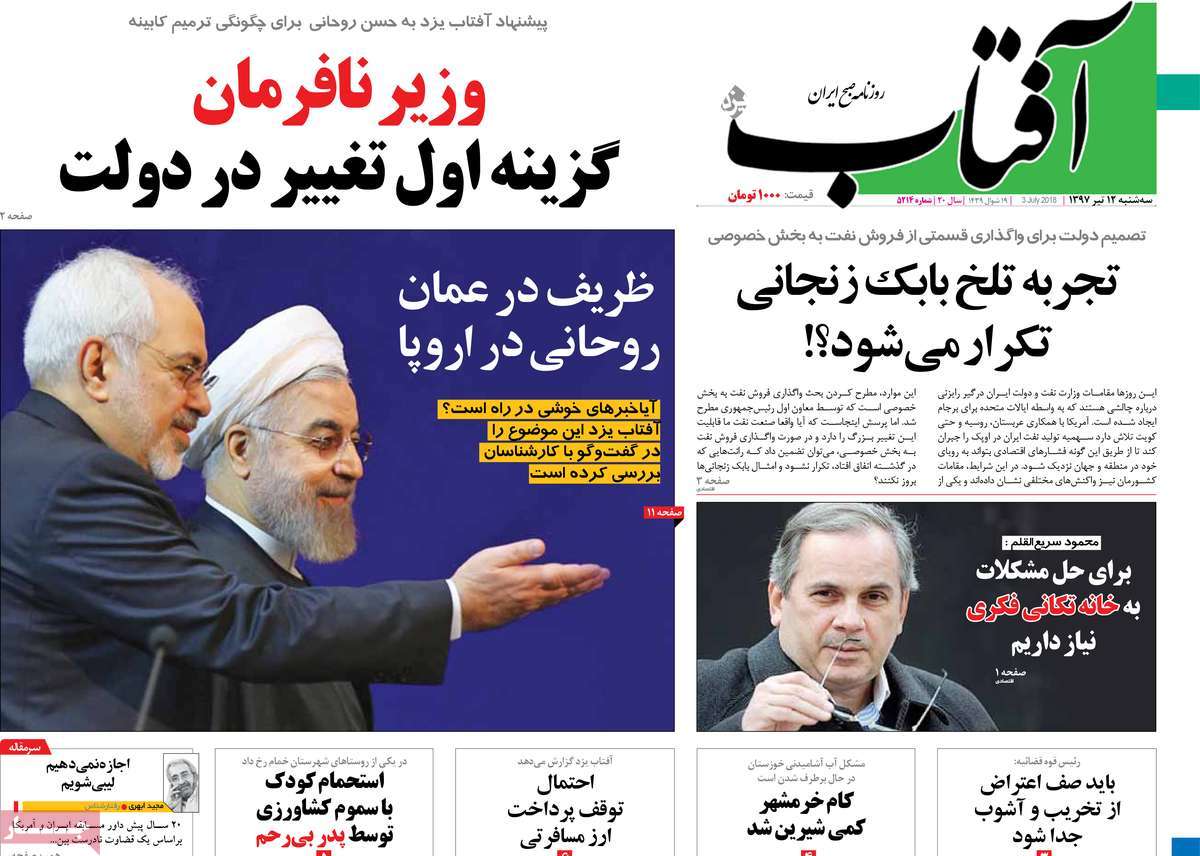
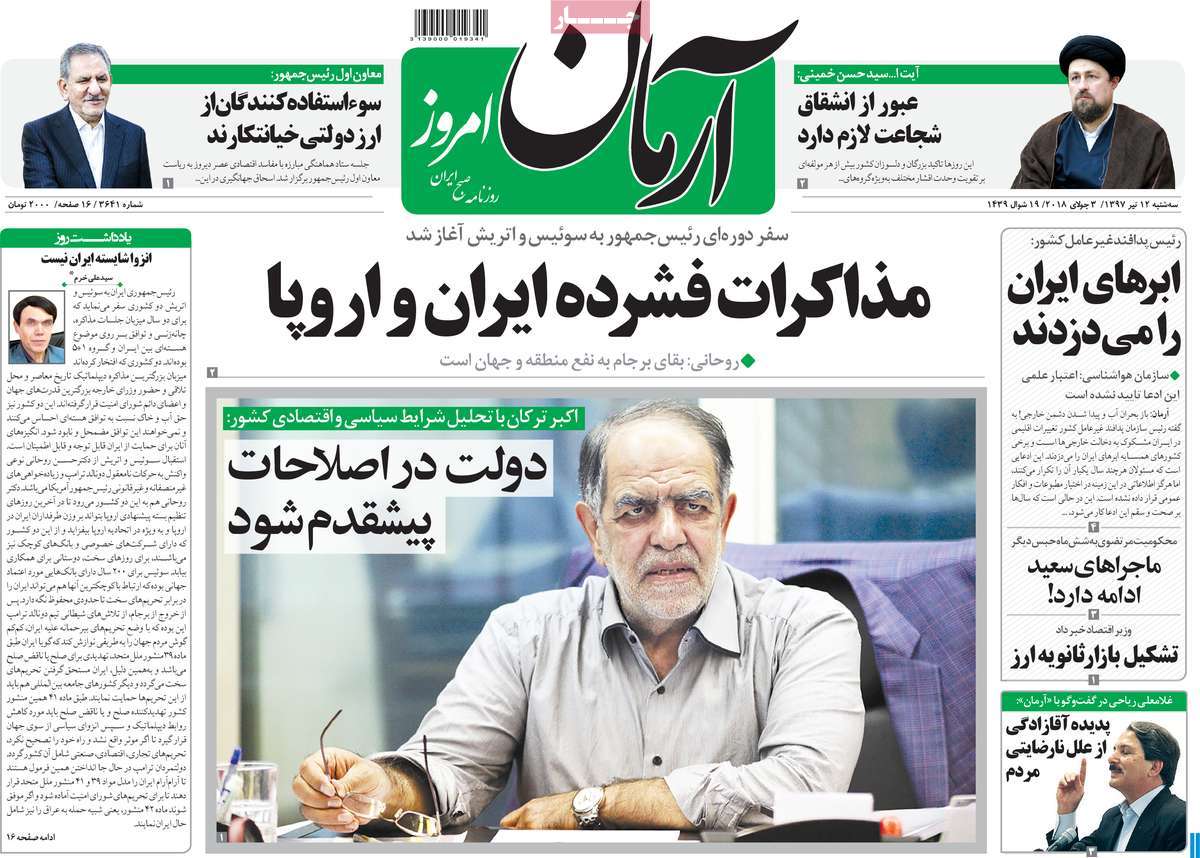
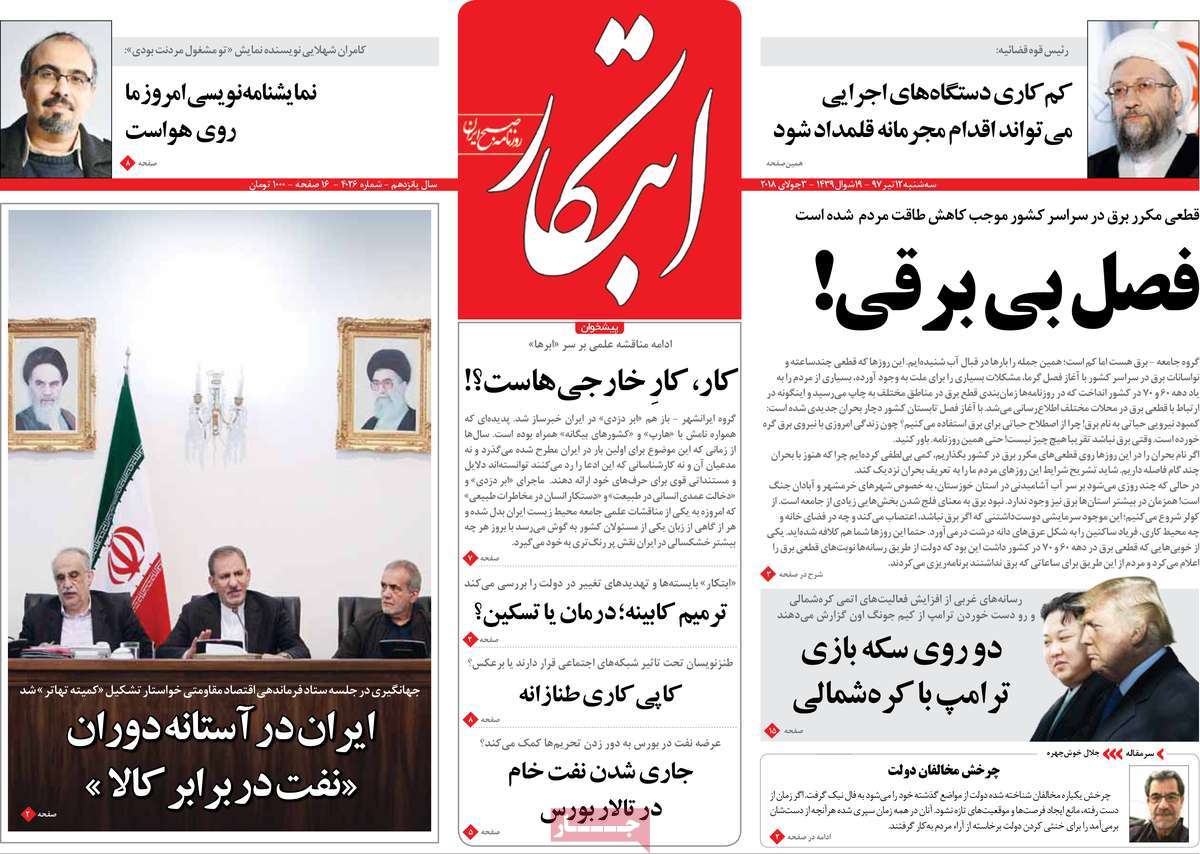
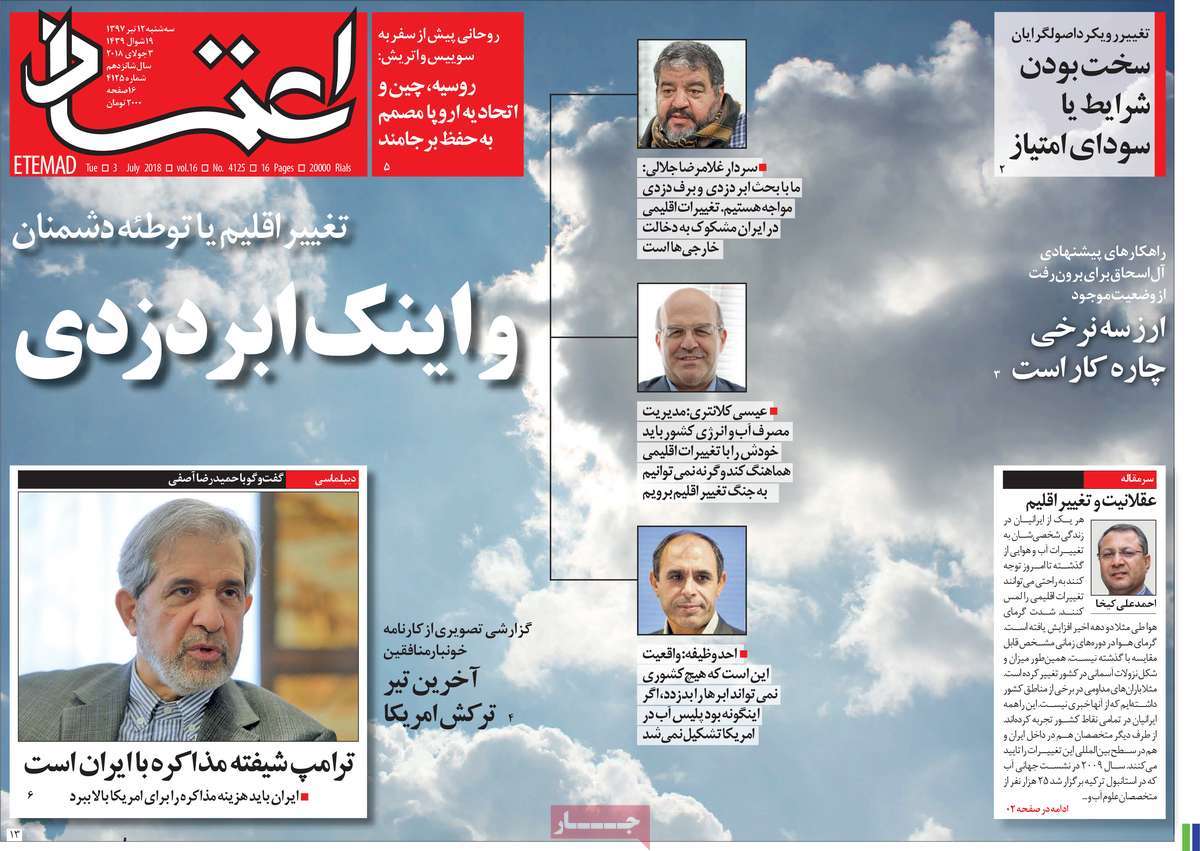
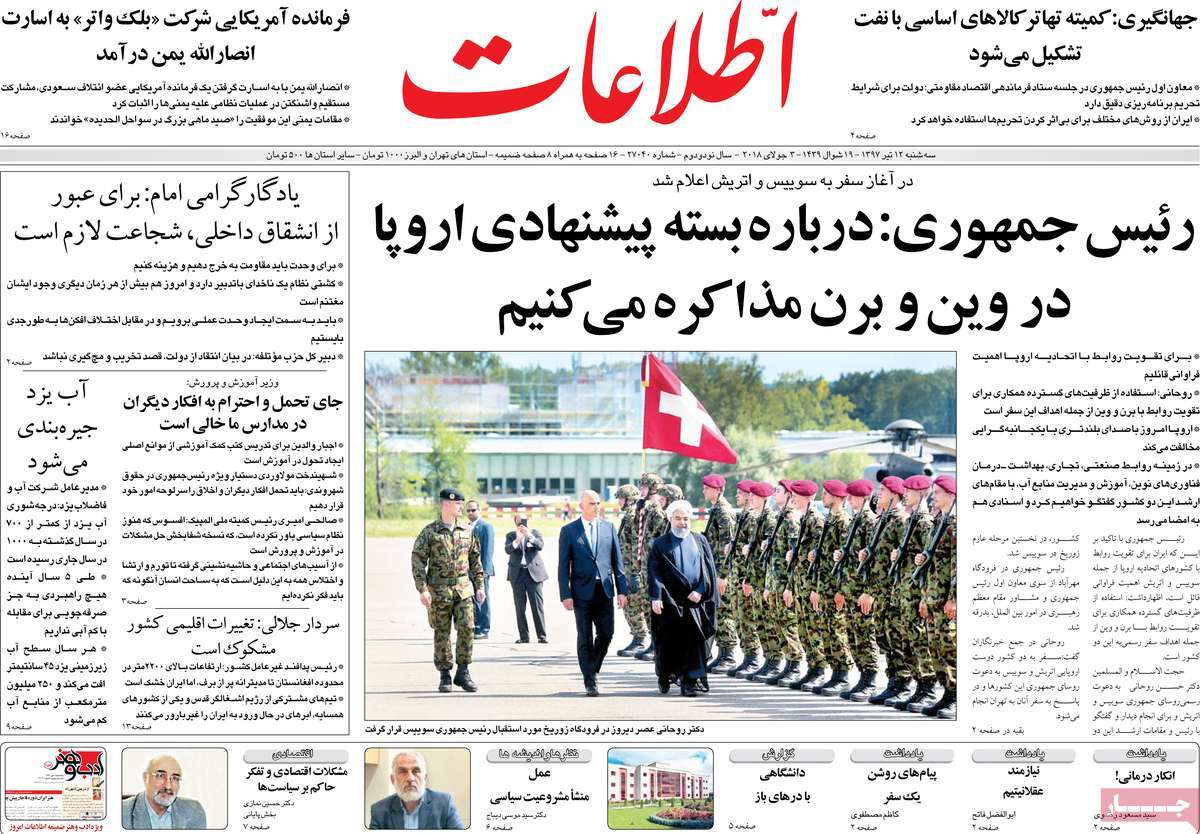
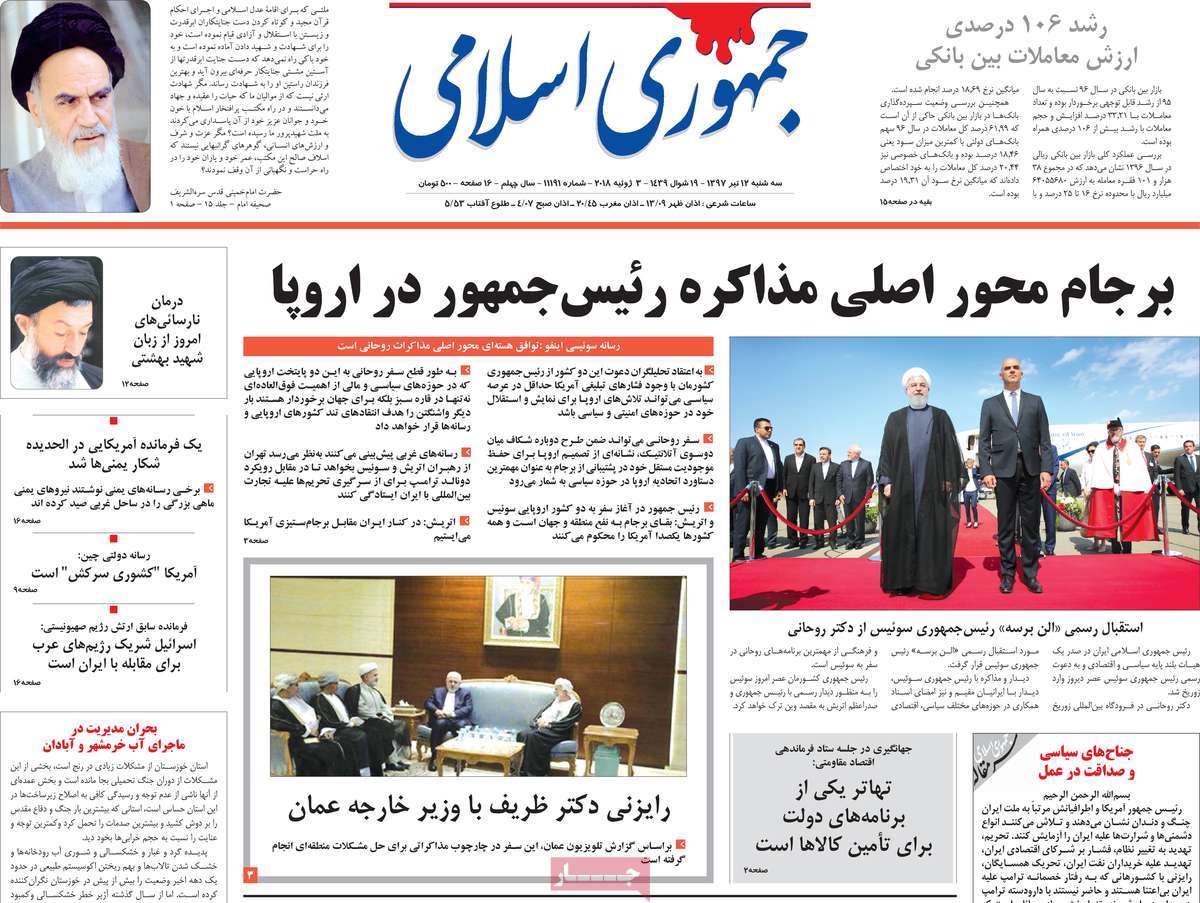
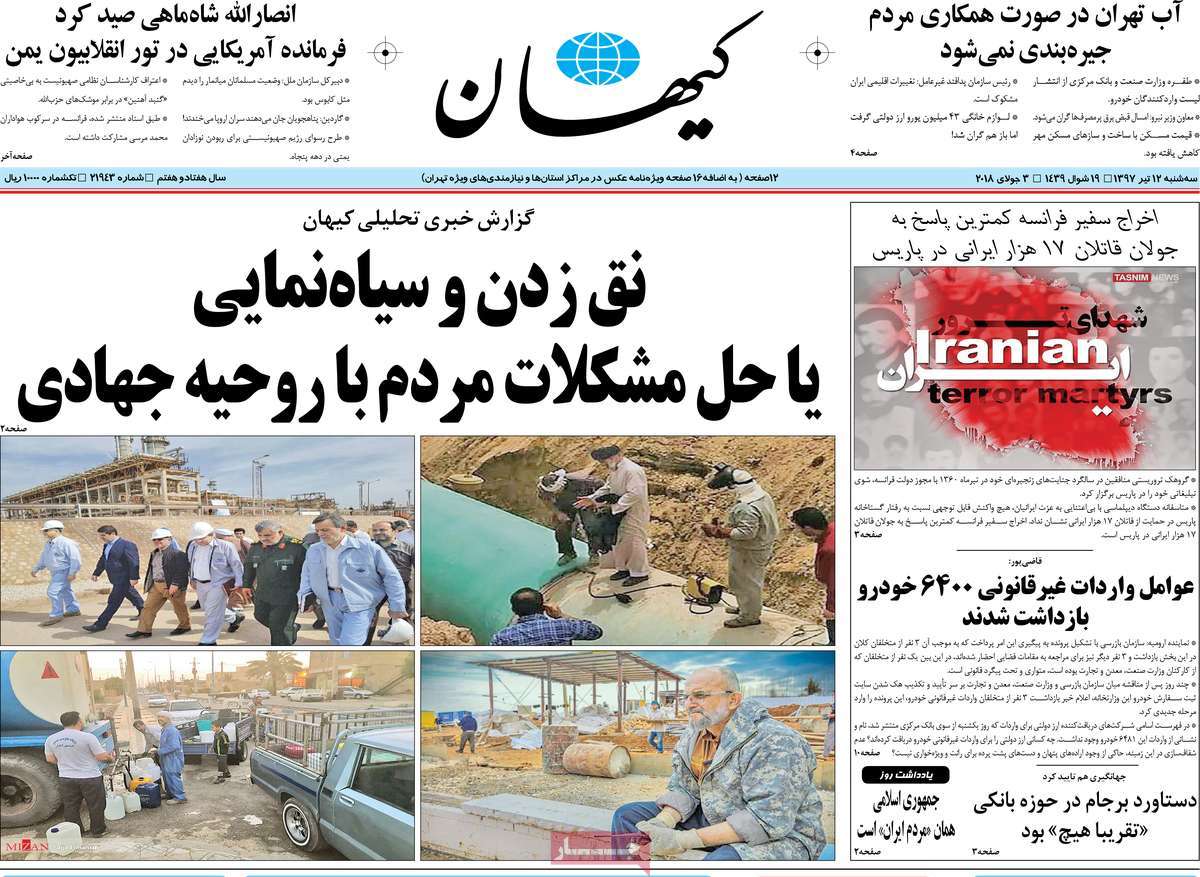
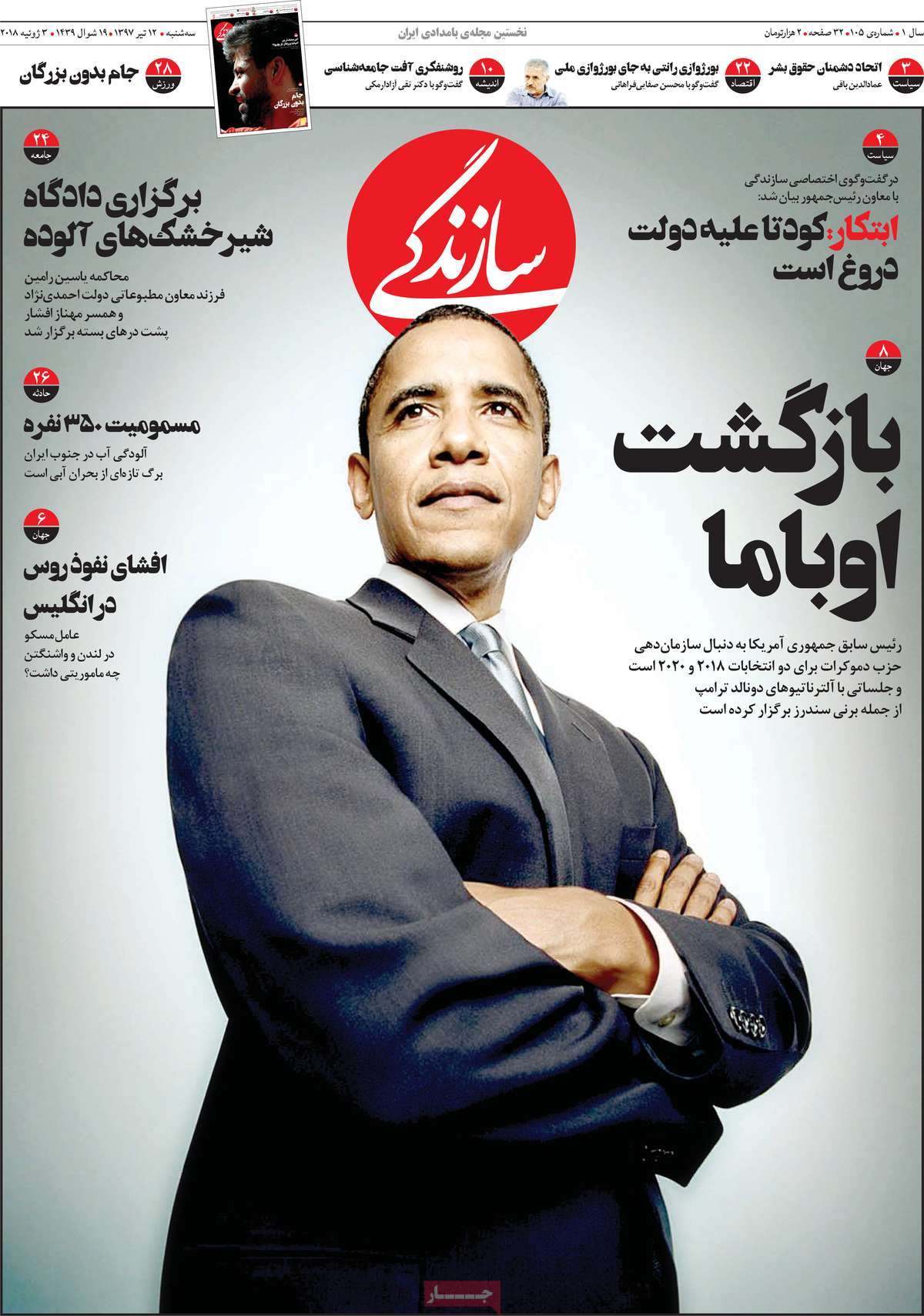
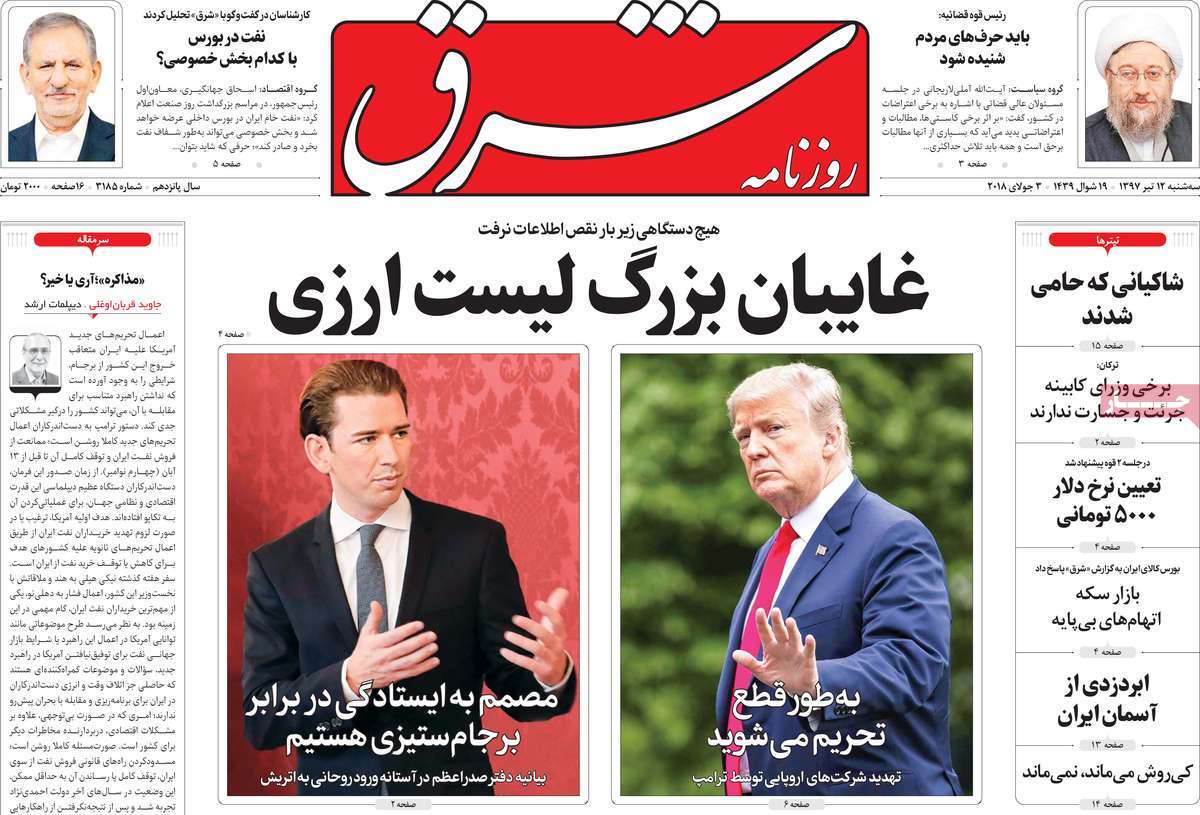
A Look at Iranian Newspaper Front Pages on July 3

A Look at Iranian Newspaper Front Pages on November 19

Newspapers today widely covered the ongoing visit of President Hassan Rouhani to Switzerland, and his important talks with European officials on ways to save the Iran nuclear deal.

Also a top story was the ongoing water crisis in south-western Iran, and the country’s economic problems which are expected to exacerbate when fresh US sanctions are imposed.

The above issues, as well as many more, are highlighted in the following headlines and top stories:


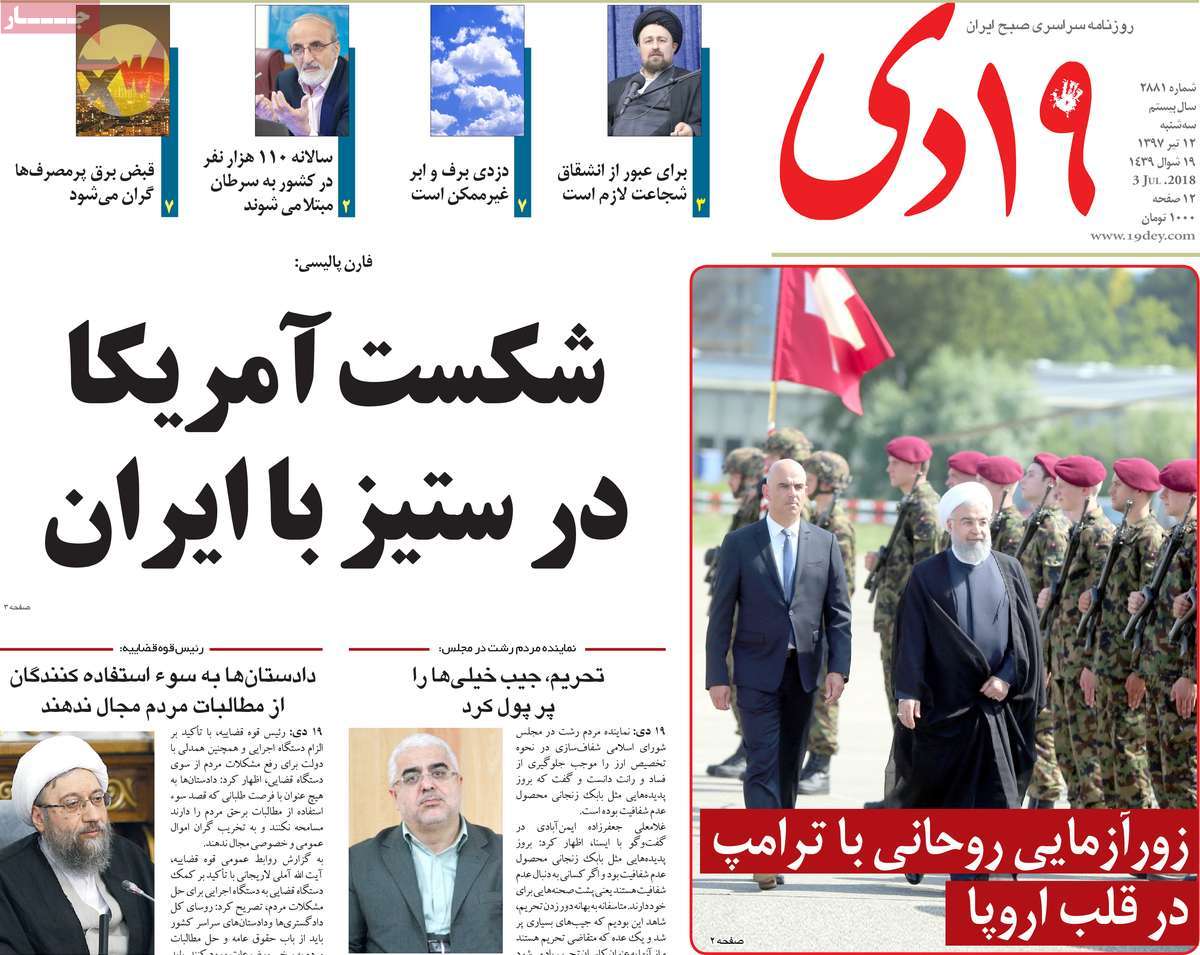
19 Dey:

1- Rouhani Challenges Trump in Heart of Europe

A Look at Iranian Newspaper Front Pages on July 3


Abrar:

1- Israeli War Minister, Russian DM Hold Talks on Iran

A Look at Iranian Newspaper Front Pages on July 3


Aftab-e Yazd:

1- Zarif in Oman, Rouhani in Europe

A Look at Iranian Newspaper Front Pages on July 3


Arman-e Emrooz:

1- Iran-Europe Intensive Talks

2- Rouhani: Preserving JCPOA within Interests of Region, World

A Look at Iranian Newspaper Front Pages on July 3


Ebtekar:

1- Iran on Verge of “Oil for Goods” Era

  • Iran First VP Calls for Formation of Committee for Barter System

A Look at Iranian Newspaper Front Pages on July 3


Etemad:

1- New Phenomenon: Iran’s Clouds Are Being Stolen

  • Head of Iran’s Passive Defence Organisation Says Iran’s Clouds, Snow Being Stolen
  • Climate Changes in Iran Suspicious; Foreigners May Be Involved

2- Rouhani: Russia, China, EU Resolved to Preserve JCPOA

A Look at Iranian Newspaper Front Pages on July 3


Ettela’at:

1- Rouhani: We’ll Discuss EU’s Package to Save JCPOA in Vienna

A Look at Iranian Newspaper Front Pages on July 3


Hemayat:

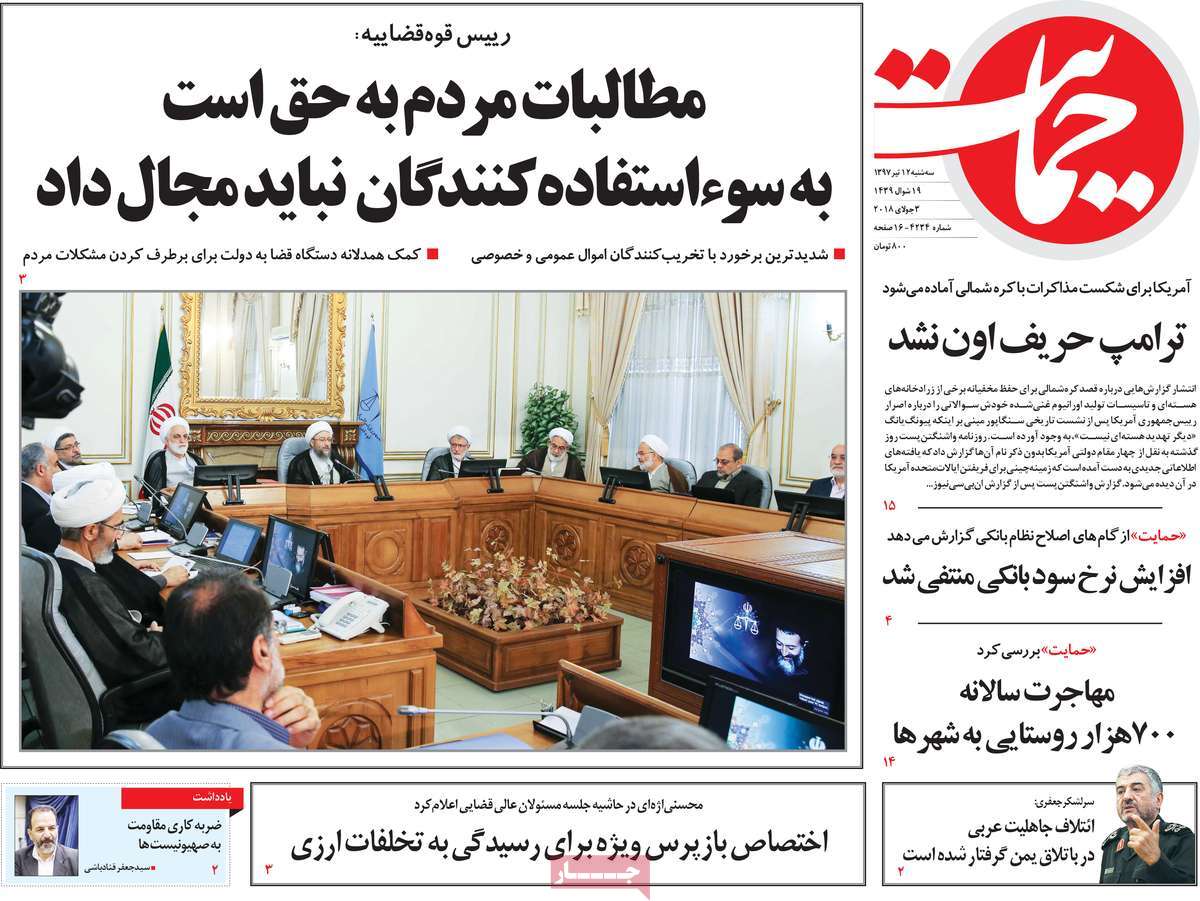
1- Judiciary Chief: People’s Demands Must Be Respected

A Look at Iranian Newspaper Front Pages on July 3


Javan:

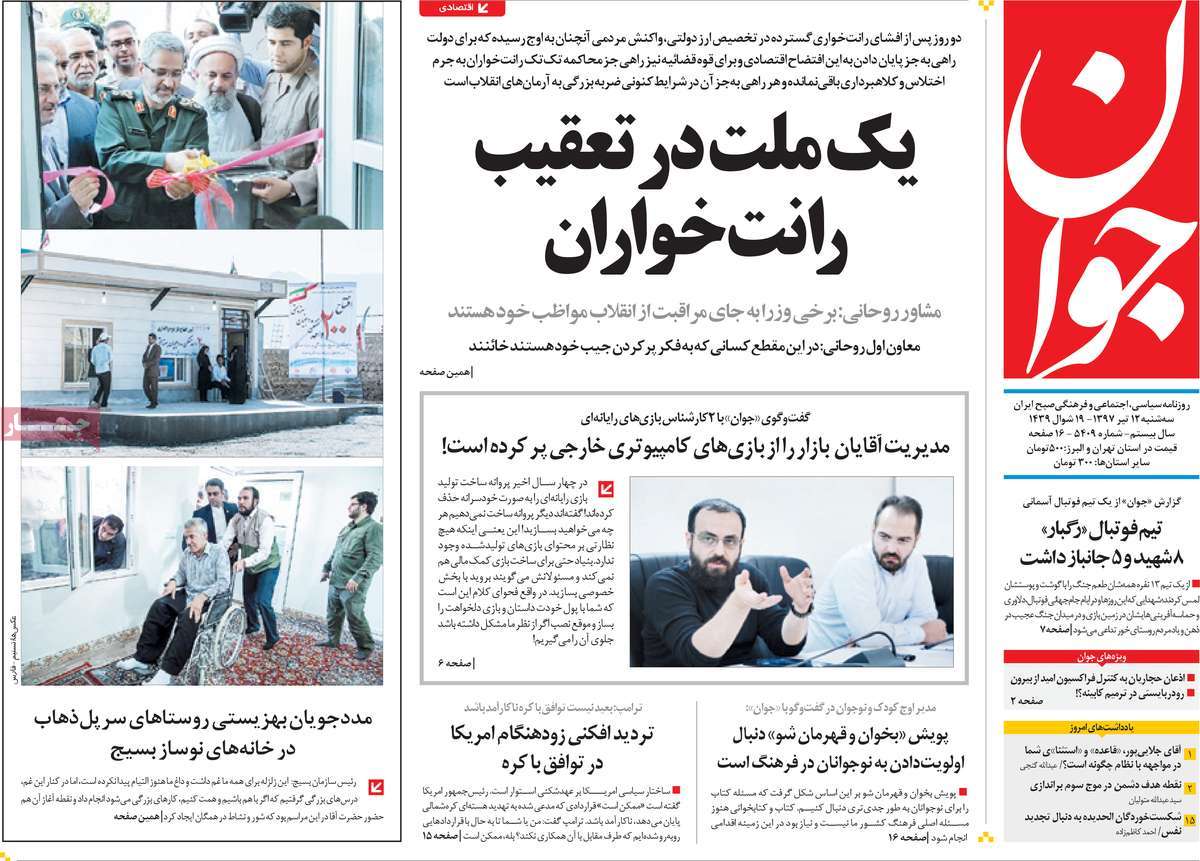
1- US Creating Early Doubts on Deal with Korea

A Look at Iranian Newspaper Front Pages on July 3


Jomhouri Eslami:

1- Swiss President Officially Welcomes Rouhani in Zurich

A Look at Iranian Newspaper Front Pages on July 3


Kayhan:

1- Iran First VP: JCPOA Had “Almost No Achievement” in Banking

2- Anasrullah Catches Huge Fish: US Commander Fished by Yemeni Revolutionaries

3- French Ambassador Must Be Deported for His Country’s Support for MKO Terrorists

A Look at Iranian Newspaper Front Pages on July 3


Sazandegi:

1- Return of Obama: Former US President to Organize Democrats for 2018, 2020 Elections

A Look at Iranian Newspaper Front Pages on July 3


Shargh:

1- Trump to European Firms: You’ll Be Definitely Banned

2- Austria: We’re Resolved to Stand against Those Opposing JCPOA

A Look at Iranian Newspaper Front Pages on July 3


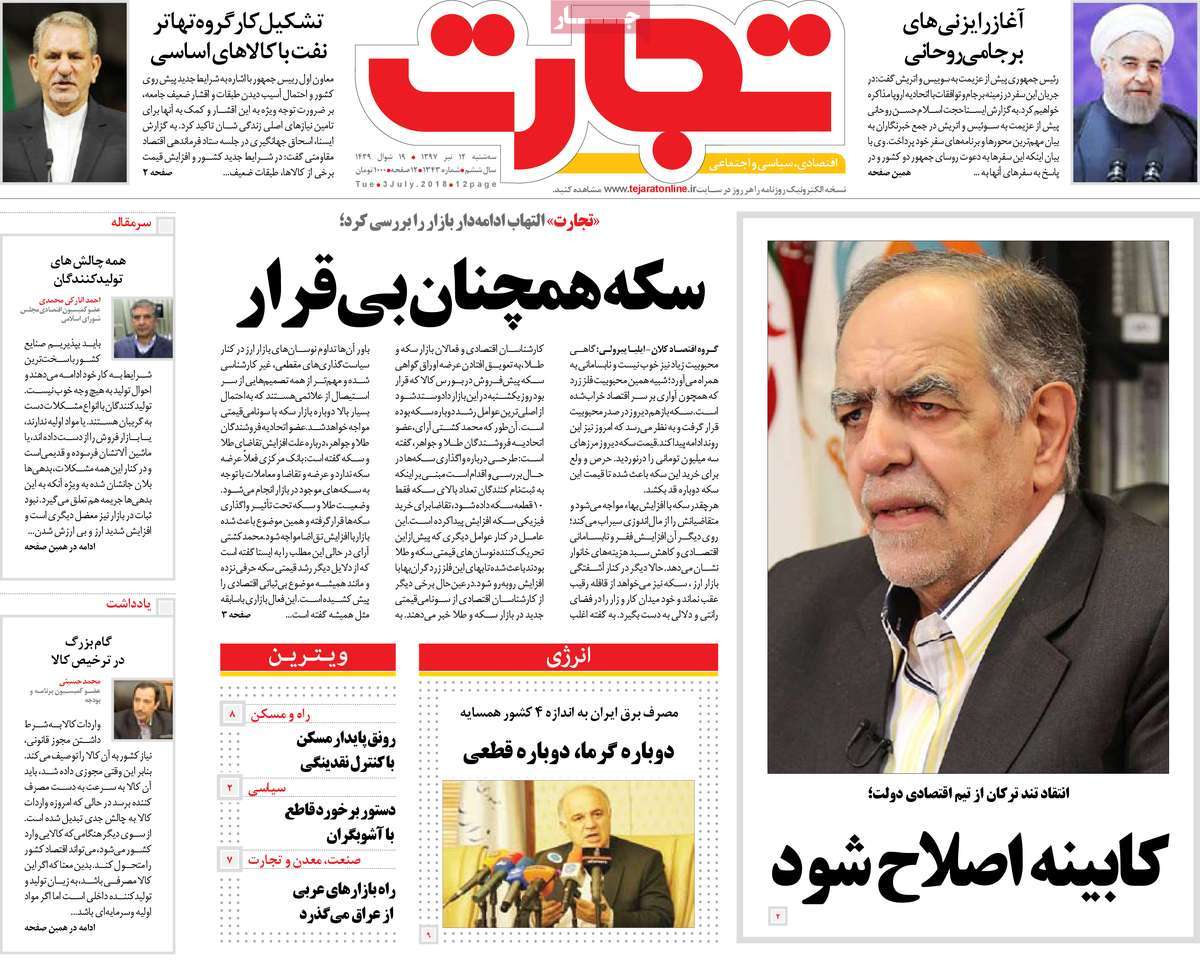
Tejarat:

1- Deputy Energy Minister: Iranians Consuming as Much Power as Four Neighbouring States

A Look at Iranian Newspaper Front Pages on July 3


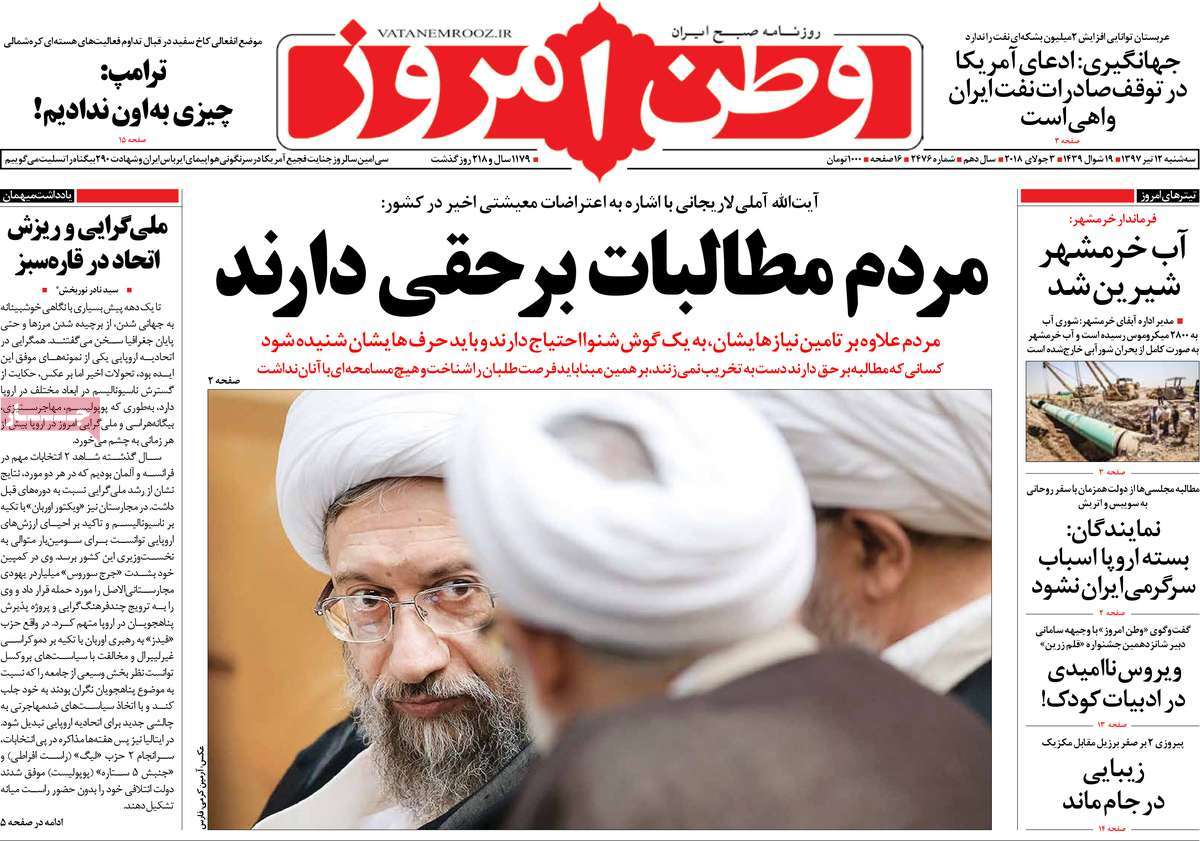
Vatan-e Emrooz:

1- Iran First VP: US Claim about Cutting Iran’s Oil Exports ‘Delusional’

2- Governor: Khorramshahr’s Water Sweetened

A Look at Iranian Newspaper Front Pages on July 3

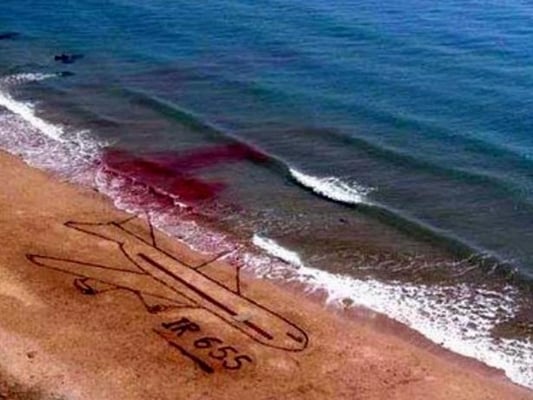
Iranians Will Never Forget US’ Downing of Iran Air Passenger Plane

“Today is the 30th anniversary of the terrible crime by the American warship USS Vincennes, which targeted Iran’s Airbus passenger plane and martyred 290 passengers and crew members, including 66 innocent kids,” he said in a Tuesday statement.

“Years after this appalling tragedy and brutal operation, its pain is still burning and it remains a stain on the reputation of the US which is not afraid of committing flagrant violations of international norms, rules and customs,” he said.

What testifies to this attitude is the fact that the US government not only refused to express regret over the incident but decorated the commander of the USS Vincennes with a medal, he added.

Qassemi said the US’ behaviour towards the Iranian nation and other nations clearly shows that Washington has always been a pioneer in making inhuman moves to reach its ominous goals and its claim of advocating human rights is just a pretext for bullying others and advancing its illegitimate interests.

The spokesman said the Iranian nation pays tribute to those innocent souls and express sympathy with their families.

“Undoubtedly, this heinous crime is recorded in the memory of the great and brave people of this land and will never be forgotten,” he said.

Iranians annually mark July 3, the anniversary of the tragic incident, by showering the site of the disaster in the Persian Gulf with flowers.

Washington claims the ship mistook the large Iranian passenger plane for a relatively small fighter jet that intended to target the Vincennes.

South Khorasan; Well-Known Centre of Diverse, Traditional Handicrafts

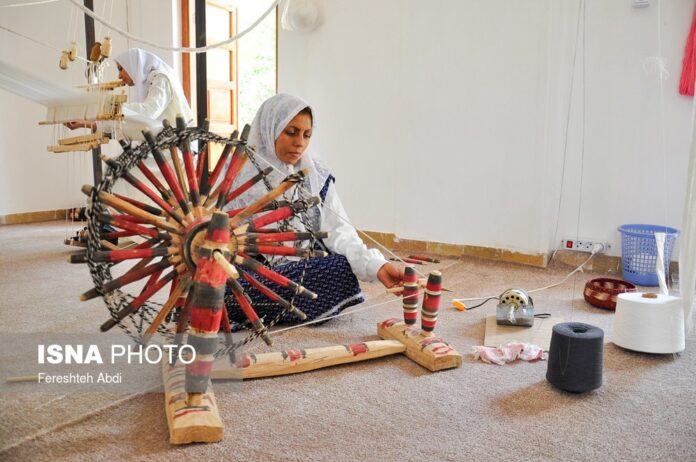
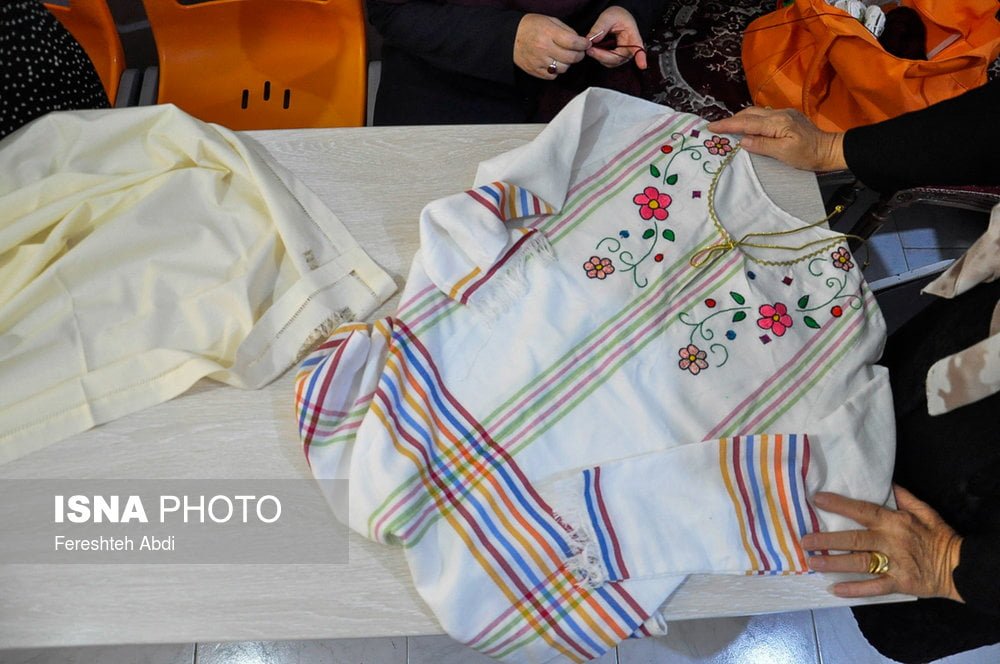
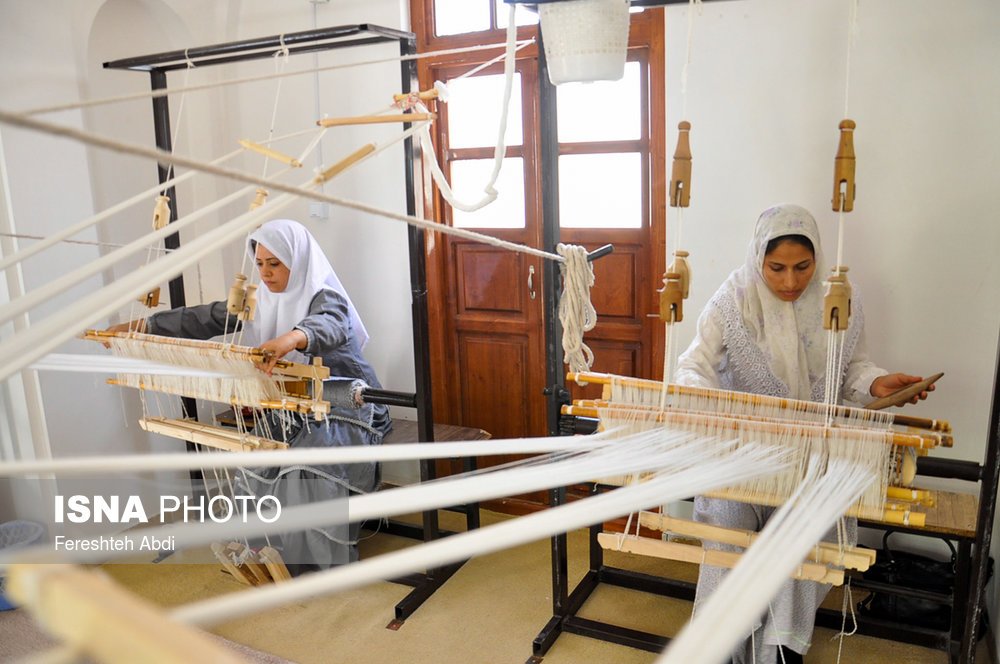
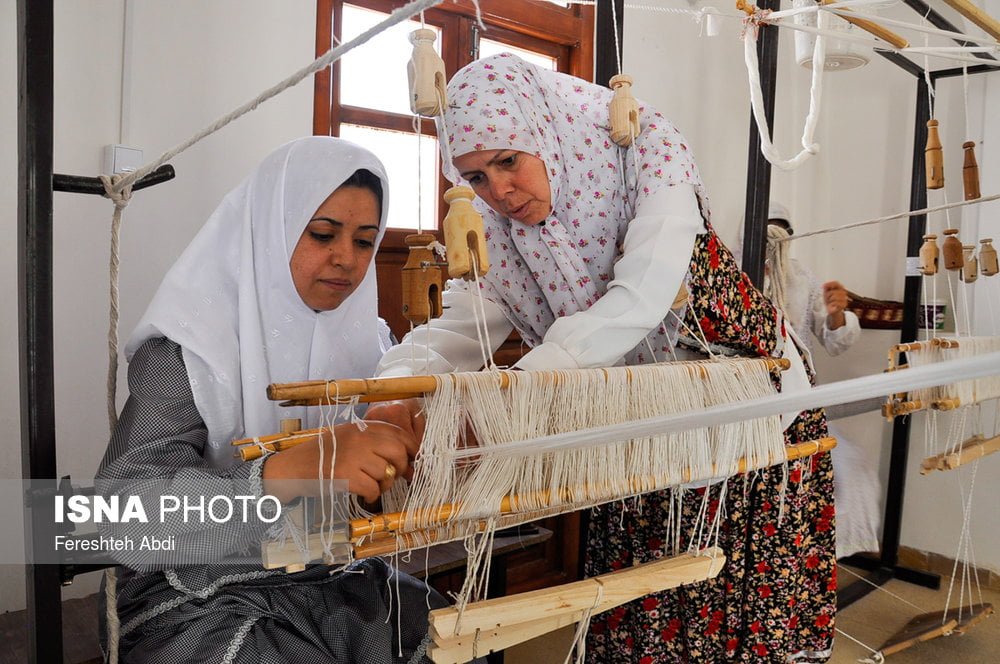
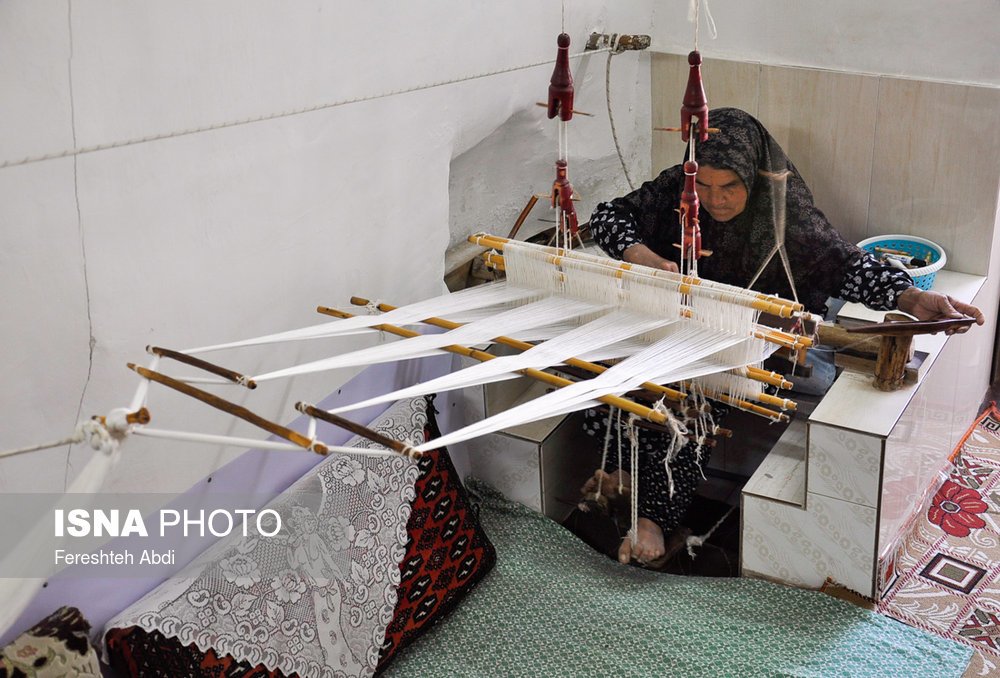
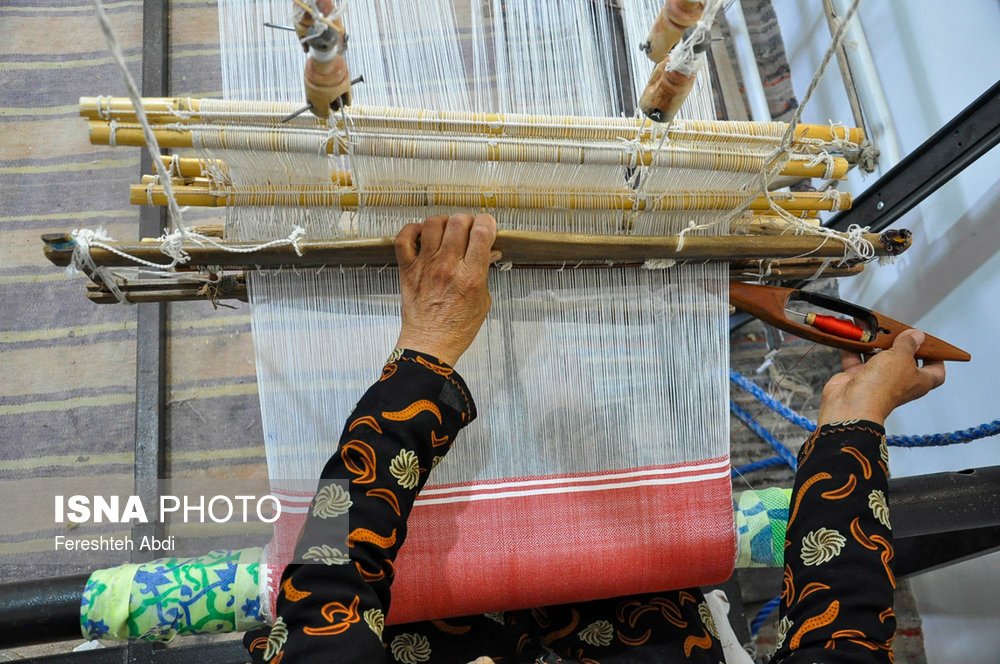
The production of towels is still popular in many cities of South Khorasan such as Khusf, Nehbandan, Darmian, Sarayan, and Qaen. Birjand, particularly its Khorashad village, is one of the main towel manufacturing centres in the province.

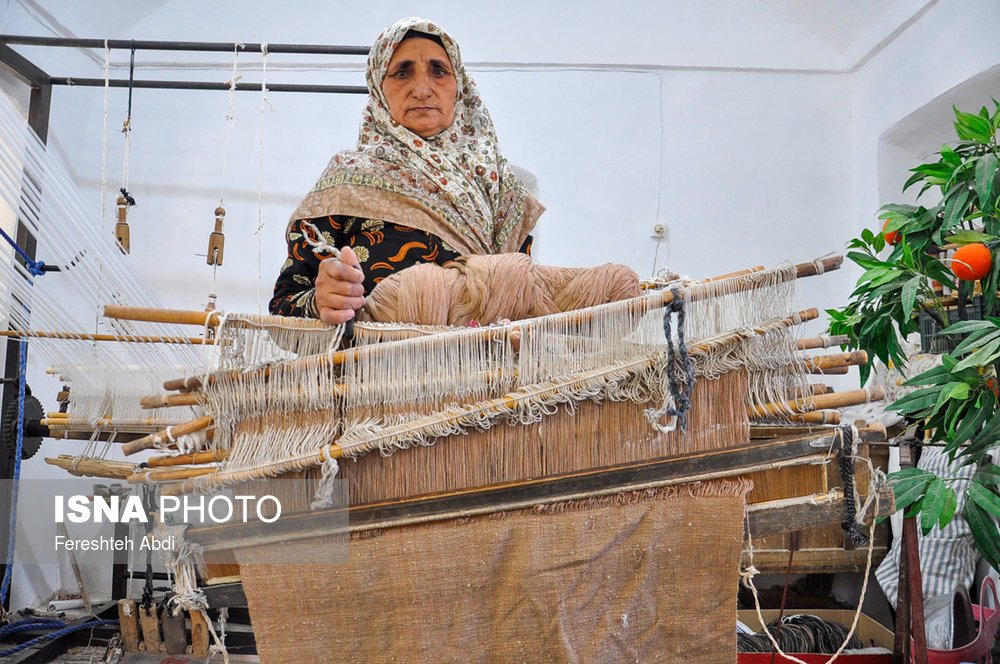
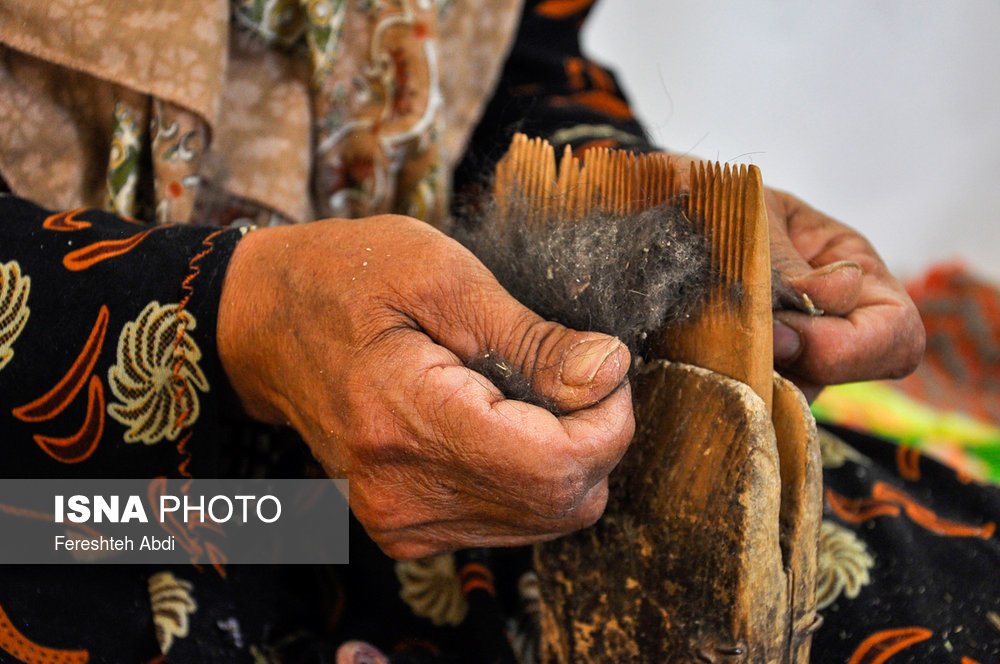
The diverse handicrafts of Iran are the cradle of the cultural and artistic heritage of the country, which have their roots in religious and ethnic beliefs as well as the ingenuity and creativity of Iranian masters of art.

These crafts are spread in different parts of the Islamic Republic as the symbols of the customs of each ethnic group and region.

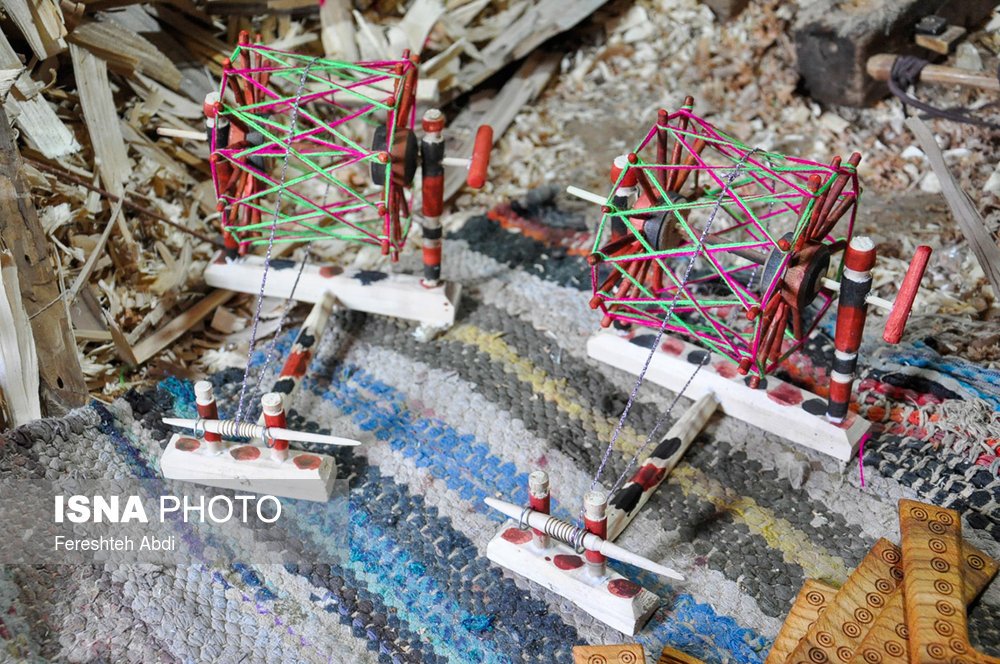
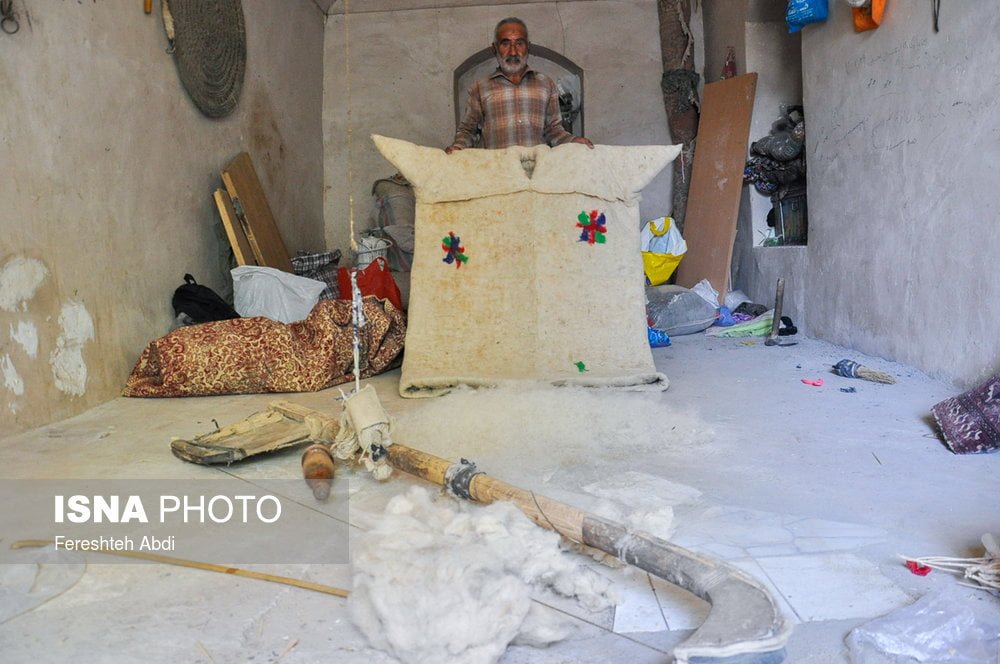
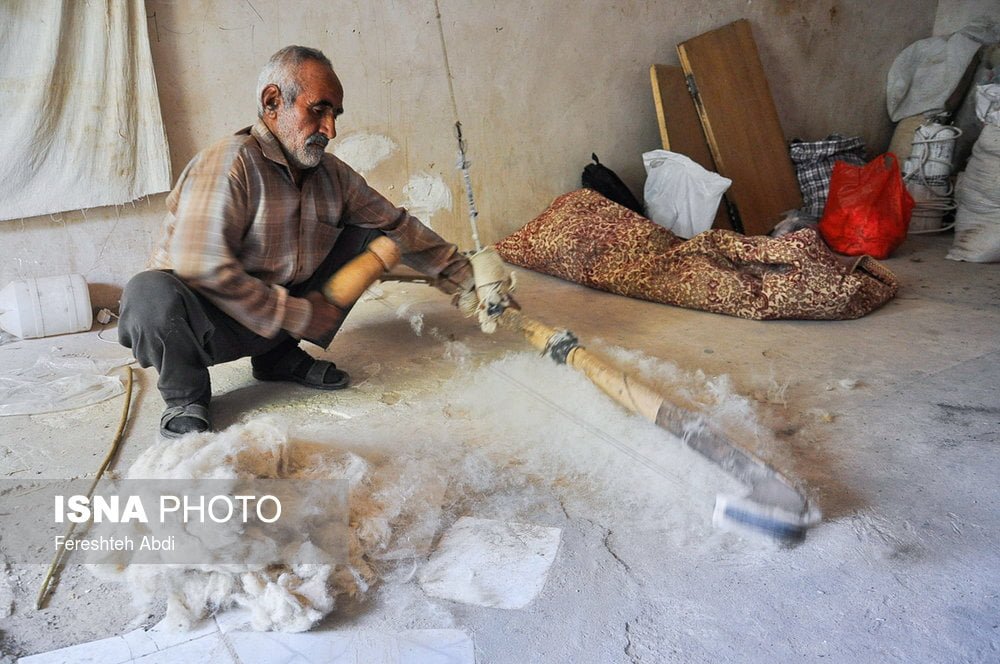
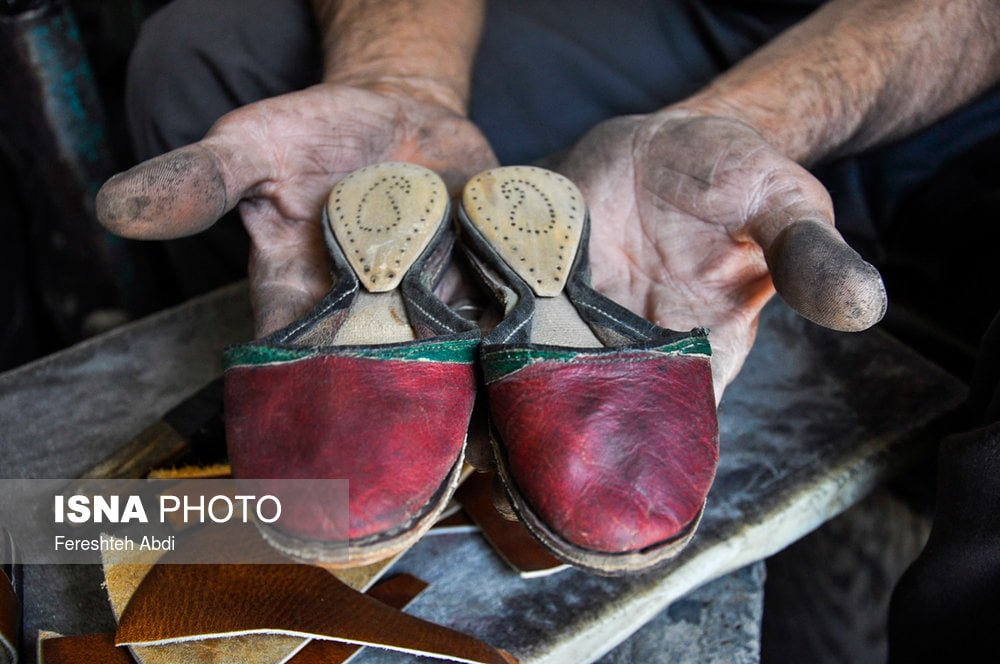
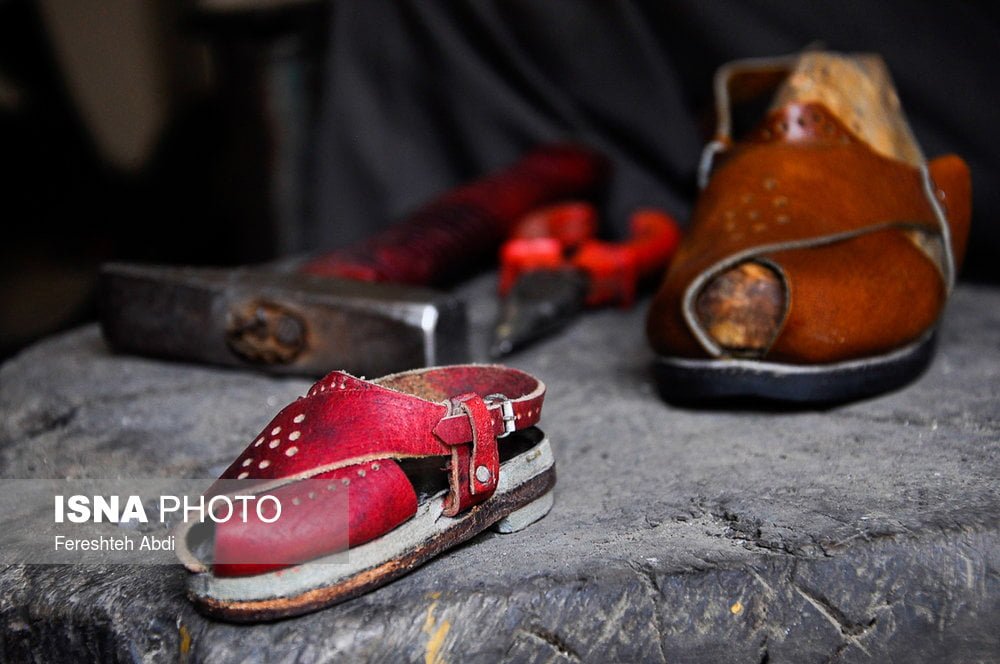
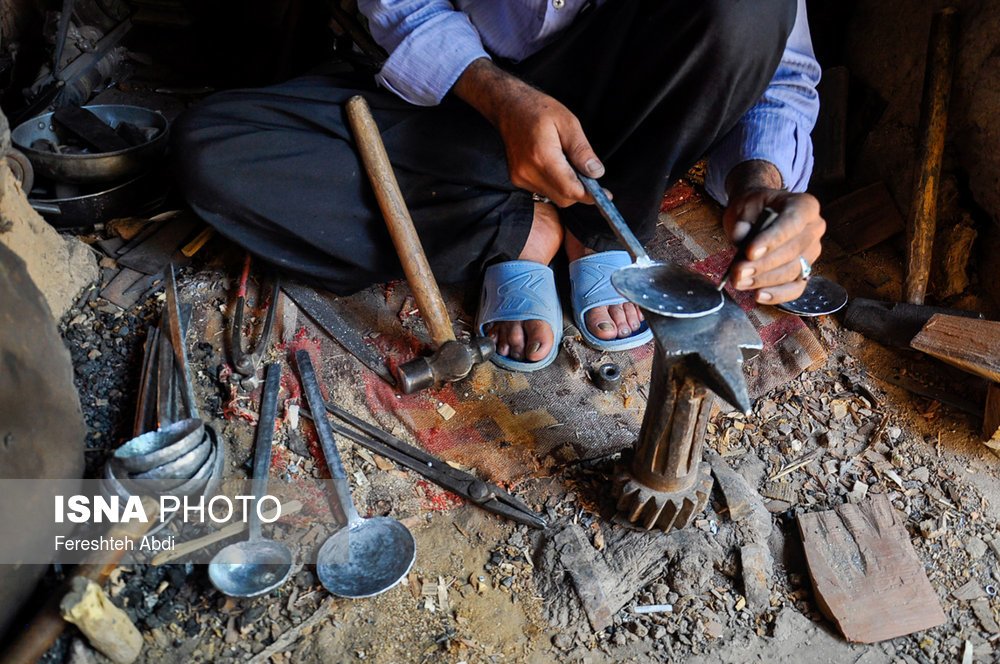
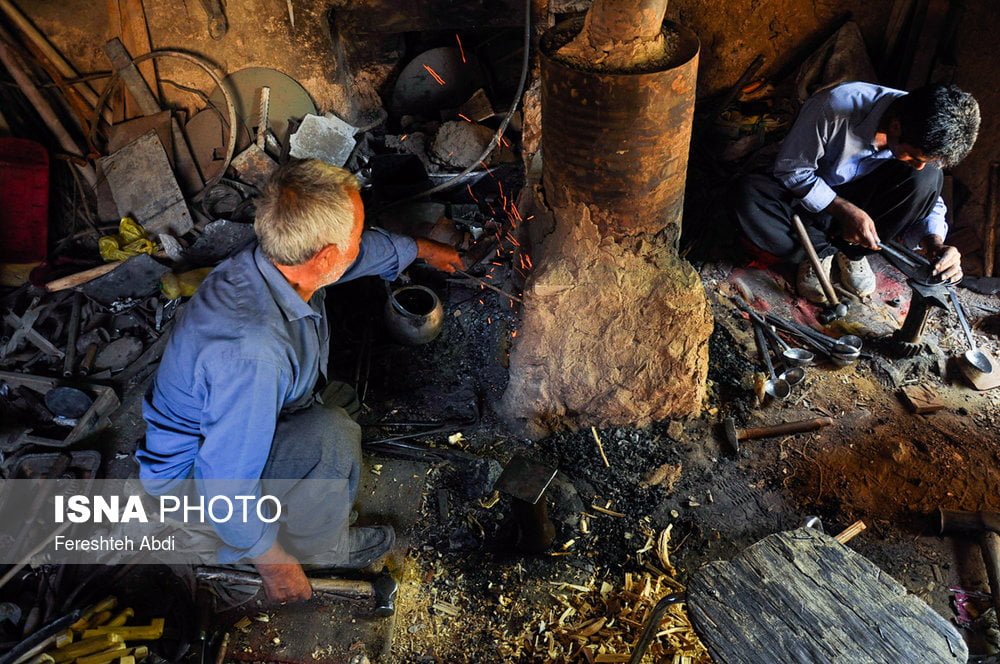
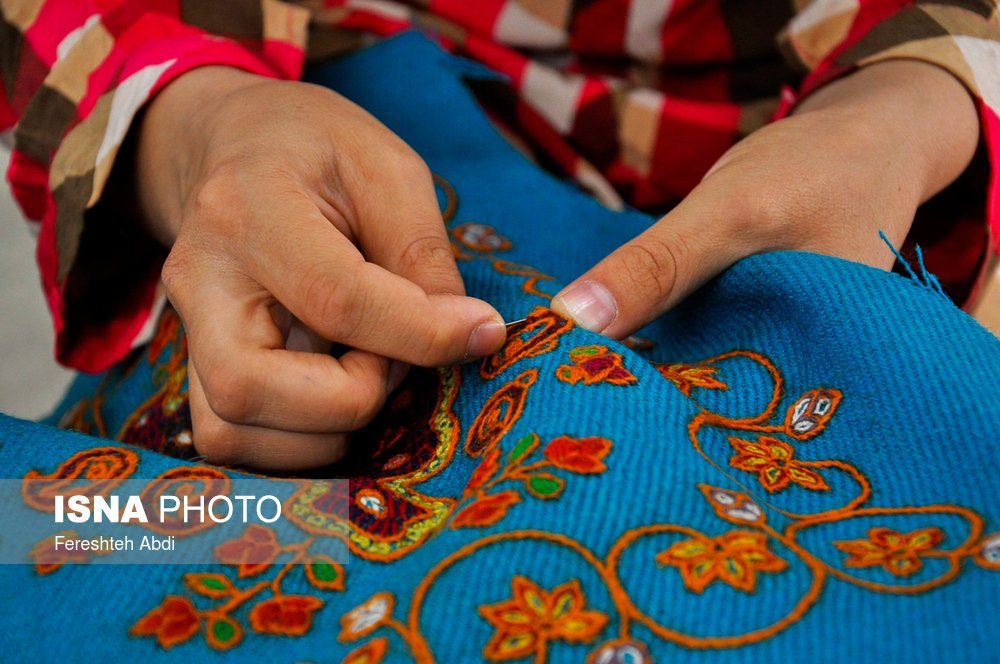
The following photos retrieved from ISNA are a selection of handicrafts from the South Khorasan province, including carpet weaving, needlework, towel weaving, felt making, traditional forging, woodwork, pateh needlework, barak weaving and traditional footwear making:

Two Options Left for Rouhani: Resignation or Cabinet Reshuffle

A dramatic decline in the value of rial has soared the prices of imported consumer goods and depressed some markets in recent weeks.

A crowd of businesspeople in Tehran Bazaar shut down their businesses last week in protest against the price hike.

The chaos led 187 parliamentarians to send an open letter to President Hassan Rouhani on Wednesday, blaming the problems on his government’s weak performance and calling for immediate reshuffle of his economic Cabinet.

The lawmakers urged the president to shore up the economic team of his Cabinet to restore people’s trust in the government, amid complicated plots of this country’s adversaries.

“Ineffectiveness of the government’s economic team has seriously contributed [to successful implementation of these plots],” the statement said.

Iranian officials have described the exchange rate problems as part of an economic war launched by the US, which has hardened its line against Tehran and is openly talking about the need for a regime change in Iran.

The US pulled out of the 2015 nuclear deal early March, threatening to impose the “highest level” of economic bans on the Islamic Republic that would ultimately destroy its economy.

Some figures critical of the government’s performance have even called on Rouhani to resign.

Growing calls for resignation prompted the centrist cleric to make an intervention, saying in a Wednesday address to a gathering of senior government officials that “those who think the government will withdraw” are damn wrong.

Some lawmakers, including Jalal Mirzaei, have threatened the parliament could move to impeach the government’s economic ministers if the president fails to take action.

Meanwhile, the ultra-conservative Kayhan newspaper, which is known for harshly attacking Rouhani’s government, suggested on Monday that resignation is not a good option, and that all conservatives must help the government implement its plans.


Need for Fresh Blood

Parliamentarians’ call for reorganizing the Cabinet has sparked mostly positive reactions from figures affiliated with both political camps, although not all of them believe reshuffling the Cabinet alone could solve economic problems.

Es’haq Jahangiri, the reformist-leaning first vice-president, told Sazandegy daily in a talk published Saturday that he believes the Cabinet is really in need of fresh blood.

“I’m of the opinion that injecting fresh blood could boost the government’s morale and unleash its potential,” he said.

The official said he believes the president will make changes to the government, as public opinion is in favour of that.

“This does not mean those who will be replaced are weak. Sometimes, changes in policies and conditions necessitate such a replacement,” he said.


Solutions

Mostafa Hashemitaba, the 72-year-old reformist politician who ran for president last year, said such changes could improve performance of some ministries, but they cannot solve economic hardships Iranians are facing.

The politician said he does not believe Cabinet members alone are to blame for economic hardships facing the country.

“Sometimes, there are clear weaknesses in performance of some ministries. In these cases, such changes could be of help. But I really doubt if these changes could eliminate economic problems,” he told ILNA on Saturday.

He said what the government needs the most are solutions to economic conundrums, not such changes.

“Replacing current Cabinet members with younger people will not necessarily improve conditions,” he said.

“We have no solutions to economic problems. The country’s issues have not been correctly defined. Neither economists nor parliamentarians have come up with a solution,” he said.


Be Quick

Tehran’s temporary Friday Prayers leader Kazem Seddiqi said in last week’s sermons that the government needs to immediately reshuffle his Cabinet, as people’s patience is running up.

Seddiqi said government officials’ negligence has caused them to miss chances to tackle economic problems, but people cannot afford to tolerate their failure any further.

“There is a need for Cabinet reshuffle. We are short of time and this should happen as soon as possible,” IRNA quoted him as saying.


Call A Spade A Spade

Behrouz Nemati, the spokesman for the parliament’s presiding board, said the economic Cabinet appears to be highly uncoordinated.

“The government’s economic team needs to be more coordinated. As a lawmaker, I don’t know who the head of the economic Cabinet is. Is that Vice President for Economic Affairs [Mohammad Nahavandian]? Is that Mr Jahangiri? Or is that central bank governor Seif?” he told Asr-e Iran news website.

“Let’s call a spade a spade. The government’s economic team needs to be reformed,” he said.

Rouhani Says It’s Impossible to Block Iran’s Oil Exports

In an address to Iranian expats in Switzerland on Monday, Rouhani described the US’ call to block Iran’s oil export as nonsense.

“The US officials claim that they are going to block Iran’s oil exports but it seems they don’t realize the meaning of the claim because it is nonsense to say that Iran’s oil exports must be blocked but other regional states could keep exporting their oil,” he was quoted as saying in a report by Entekhab news website.

President Rouhani said the US’ main goal of re-imposing sanctions on Iran is to exert further pressure on the Iranian nation.

“The US officials say they are putting pressure on the Iranian government but the realities on the ground speak differently because what we see in practice is that they are banning the export of basic supplies like pharmaceuticals into Iran. Therefore, we can raise this question that who is the main target of such sanctions?” he noted.

Iranian president then underlined that the US sanctions are hampering industrial investments in Iran and this consequently puts Iran’s banking and insurance systems in trouble.

According to Rouhani, the pressure on banking and insurance system means exerting further pressure on the Iranian nation and targeting their development and prosperity.

Elsewhere in his address, he added the Iranian nation will never give in to economic pressure, saying the country has been going through hard economic conditions due to the western sanctions over the past four decades.

Rouhani arrived in Zurich on Monday for talks on the ongoing crises in Yemen and Syria as well as ways to save the Iran nuclear deal.

He is also expected to visit Austria which has taken the rotating presidency of the EU just recently.

In an address before embarking on his visit to the Western European states, Rouhani underlined that one of the main goals of his trip is to take advantage of the huge untapped capacities for strengthening ties with Bern and Vienna.

“Anti-Iran Sanctions, Chance to Boost Local Brands”

Addressing the “National Brand, National Might” Congress held in Tehran on Monday, Ali Rabi’ei said, “the condition of sanctions is the best opportunity to revive our brands, and we should make plans in that regard.

He said improving domestically-made products and encouraging Iranians to buy locally-produced goods can promote the consumption of Iranian commodities and lead to the development of domestic brands.

The minister said Iran’s 80-million-strong market is an ideal opportunity to create brands and promote the consumption of Iranian goods.

“Afterwards, we can go to the 300-to-400-million-strong market in the [Middle East] region and enhance exchanges of Iranian goods in the region and, later on, in world markets,” he said.

The minister underlined that a massive psychological operation lies behind the anti-Iran sanctions.

“Through this psychological operation against Iran, the Zionist regime [of Israel] and the United States seek to undermine our national morale, trigger panic, delineate an uncertain future and provoke part of the society to show uncontrollable behaviour,” he said.

“We need serious planning to tackle the current situation and this major psychological operation, and I believe we can succeed by doing serious work,” the minister noted.

He further blasted the US Treasury’s anti-Iran programs as well as its connection with terrorist groups operating against Iran.

“Our key plan to tackle these circumstances is to establish tranquility in the country’s economic climate and guarantee people’s livelihoods,” he said.

“We need perseverance, wisdom, consensus and tolerance in order to weather the current situation,” he said.

Zarif Rejects Claims against Iranian Diplomat in Germany as False Flag Ploy

Belgian authorities said on Monday that the Iranian diplomat had been arrested along with a 38-year-old man and a 33-year-old woman, suspected of plotting a bomb attack on the meeting in Paris attended by US President Donald Trump’s lawyer, Rudy Giuliani, and several former European and Arab ministers.

Taking to his official Twitter account on Monday, Zarif said, “How convenient: Just as we embark on a presidential visit to Europe, an alleged Iranian operation and its ‘plotters’ arrested.”
The top Iranian diplomat emphasized that the Islamic Republic “unequivocally condemns all violence and terror anywhere, and is ready to work with all concerned to uncover what is a sinister false flag ploy.”
A joint statement by the Belgian prosecutor and the intelligence services claimed that the two suspects in Belgium were intercepted by Belgian police on Saturday, with 500 grams of TATP, a home-made explosive produced from easily available chemicals, as well as a detonation device found in their car.

It added that the diplomat at the Iranian embassy in the Austrian capital, Vienna, was arrested in Germany. The statement gave no further details about the diplomat other than saying the diplomat was suspected of having been in contact with the Belgian pair arrested.

Heading a high-ranking politico-economic delegation, Iranian President Hassan Rouhani arrived in Zurich, Switzerland, earlier on Monday at the invitation of his Swiss counterpart, Alain Berset. Switzerland is the first leg of Rouhani’s European tour, which will also take him to Austria.